
General
Mak – Hunan Province, China to partner in research and academic development

![[L-R] Mr. Jiang Changzhong, the Director General, Hunan Provincial Department of Education, Prof. William Bazeyo - Deputy Vice Chancellor (Finance and Administration) Makerere University, Mr. Yusuf Kiranda- Deputy University Secretary at a meeting held in Council Room on 13th June 2019.](https://news.mak.ac.ug/wp-content/uploads/2019/06/field_image_IMG_0584-edt-group-1.jpg)
On 13th June 2019, a delegation from Hunan Provincial Department of Education, China met the Deputy Vice Chancellor for Finance and Administration (Makerere University) Prof William Bazeyo, Members of Management together with directors and staff from Makerere University Confucius Institute. Led by Mr. Jiang Changzhong, the Director General of Hunan Provincial Department of Education, the delegation consisted of Prof. Cheng Chenyang and Prof. Zhen Chijian, Vice Presidents of Central South University and Xiangtan University respectively.
Mr. Jiang Changzhong was also accompanied by Mr. Lui Jing-Director, Department of Human Resources, and Mr. Zhou Fangyou- Director, Office of International Exchange- Hunan Provincial Department of Education; Prof. Zou Wei- Deputy Dean, School of International Exchange, Prof. Lui Qin- School of Continuous Education, Mr. Chen Yang- Director, Department of Psychical education and Mr. Chen Xingua- Deputy Dean, School of Civil Engineering and Mechanics- Xiangtan University; and Mrs. Li Xinhua- Deputy Director, Office of International Cooperation and Exchange, Central South University.

In an intensive meeting that was held in Makerere University Council Room, the team discussed the possible areas of collaboration that will culminate into signing of a Memorandum of Understanding between Makerere University and Hunan Provincial Department of Education. Among the areas discussed included;
- Support scientific research in areas of engineering, medicine, agriculture, and social sciences
- Students and staff exchange
- Construct a ten stored multi-facility building that will house the Makerere University Confucius Institute and a museum
- Academic construction and communication
- Available scholarships and fellowships
- Academic opportunities at Chinese Universities.
The fruitful meeting also focused on strengthening ties between Makerere University and Xiangtan University as well as Makerere University and Central South University. In 2010, Makerere University entered into a long-term partnership with Xiangtan University under the framework of Chinese and African Universities 20+20 Cooperation Plan. The collaboration focused on training and teaching Chinese language and culture in Uganda. This partnership led to the birth of Makerere University Confucius Institute in 2014. In 2017, Makerere partnered with Central South University to enhance knowledge transfer in areas of engineering and medicine.
In the remarks he made on 13th June 2019, Prof. Bazeyo warmly welcomed Mr. Jiang Chanzhong, and other delegates to Makerere University. In a special way he welcomed Prof. Cheng Chenyang and Prof. Zhen Chijian, Vice Presidents of Central South University and Xiangtan University respectively and appreciated their tremendous support that has shaped the academic setting and research at the helm of Makerere University.

Prof. Bazeyo informed the visiting delegation that Makerere is a comprehensive University whose research output is highly ranked on the Africa continent. According to him, the institution is known for having the best tropical medicine school in the whole world where research on tropical medicine is done.
“Makerere University has for long engaged in activities that are geared towards finding solutions to African problems. The institution has engaged in developing human resource capacity that has strongly supported the economic and industrial sector of Uganda and Africa at large. Our students excel internationally and we probably have the largest number of collaborations in Africa,” he said.
He hailed the strengthened cooperation between China and Uganda in various sectors including education and business. “Uganda established diplomatic relations with the People’s Republic of China in 1962 and has since enjoyed excellent relations in bilateral trade, cultural exchange, technology and scientific transfers,” he stated.

In an overview about Makerere University, the Head, Department of Agricultural and Biosystems Engineering Prof, Noble Banadda outlined the research trends at Makerere University that have been geared towards solving African challenges.
The Director General, Hunan Provincial Department of Education Mr. Jiang Changzhong, thanked Prof. Bazeyo for the warm reception accorded to his delegation. He was happy to visit Makerere University; the oldest, biggest and most influential University in Uganda.
He appreciated the strong relationship China has with Uganda and Makerere University and hoped for an enhanced mutual understanding that will broaden their areas of collaboration.
Mr. Jiang Changzhong, in a synopsis on the education status in Hunan Province said that Hunan is a big province featured with developed economy, technology, education, culture, openness and tourism. The area is taking advantage of the opportunities brought by the developments in belt and road initiatives to build a strong education system in the country. Currently Hunan is implementing the strategy of innovation and openness to become more comprehensive.

Oriented by the strategy of innovation and openness, Mr. Jiang Changzhong also mentioned that Hunan Province highly values international communication and cooperation in the field of education. According to him, Schools in Hunan have established stable connection with 300 education institutions from 50 countries.
“We have hired 1500 foreign experts and teachers, built 1 China foreign cooperative institute, created 48 China foreign cooperative programmes and 14 Confucius institutes, constructed 6 Confucius class rooms and sent more than a thousand volunteers to teach Chinese language,” he mentioned.
“In recent years, education in Hunan province is more internationalized. The cooperation in education field between Hunan and Uganda has reached a very constructive level. Except the fruitful cooperation between Xiangtan University and Makerere University, Hunan international, business vocational college has signed cooperation agreements with Uganda side covering students and teachers’ exchanges and human resource training,’’ he added.

The Vice President of Xiangtan University Prof. Zhen Chijian, applauded Makerere University for hosting and building a strong foundation for Makerere University Confucius Institute. “Makerere University Confucius Institute was selected one of the best among others in the world. Currently the institute has 6000 students across all the programmes offered,” he said.
Impressed by the historical achievements of Makerere University, the Vice President of Central South University Prof. Cheng Chenyang, said that the institution is ready to strengthen ties with Makerere University in areas of medicine and engineering.
Article by: Nabatte Proscovia- Mak Public Relations Office


General
Are We Giving Enough Attention to the People Around Us Who Quietly Influence Lives Every Day?

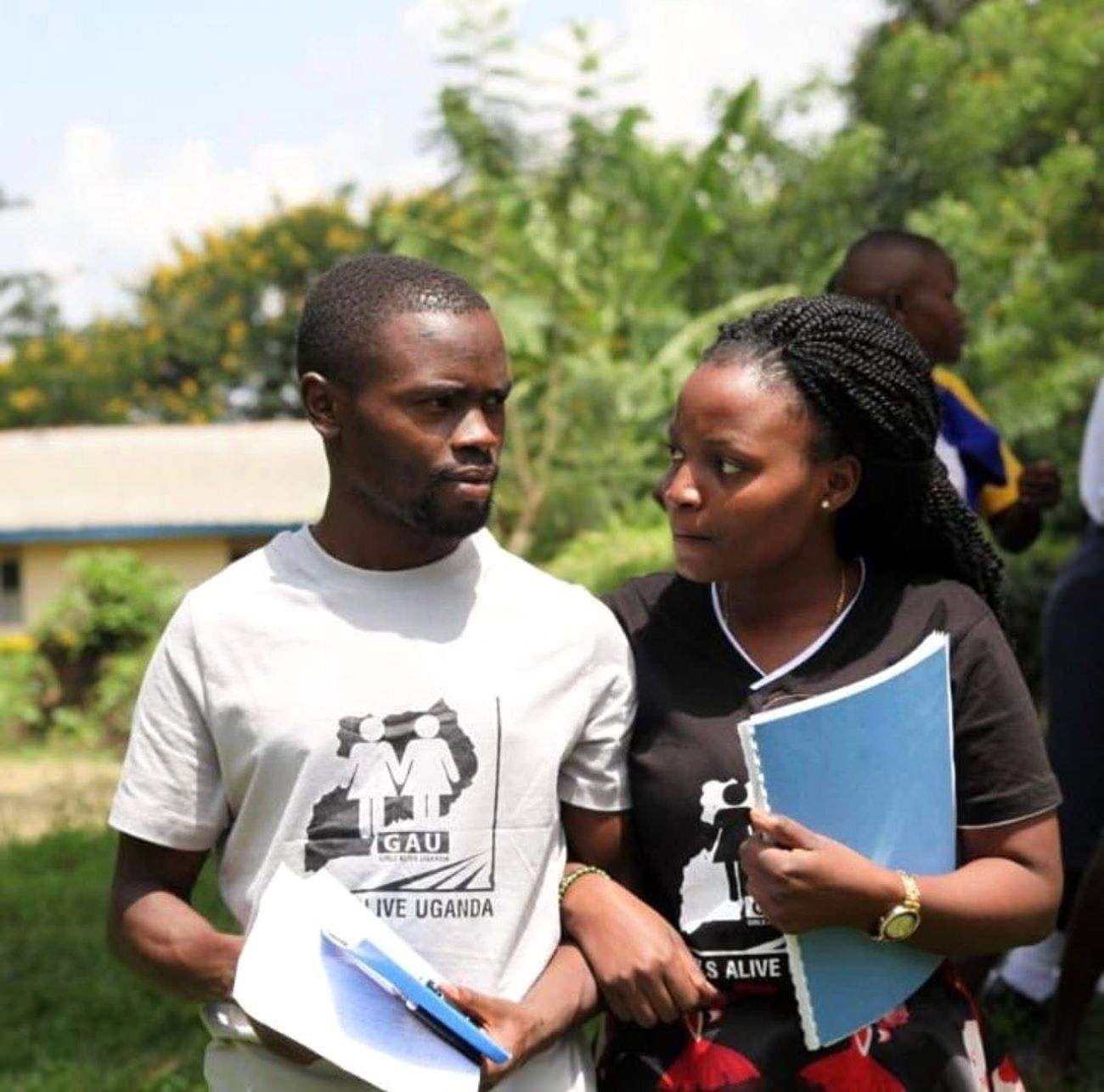
By Marion Apio
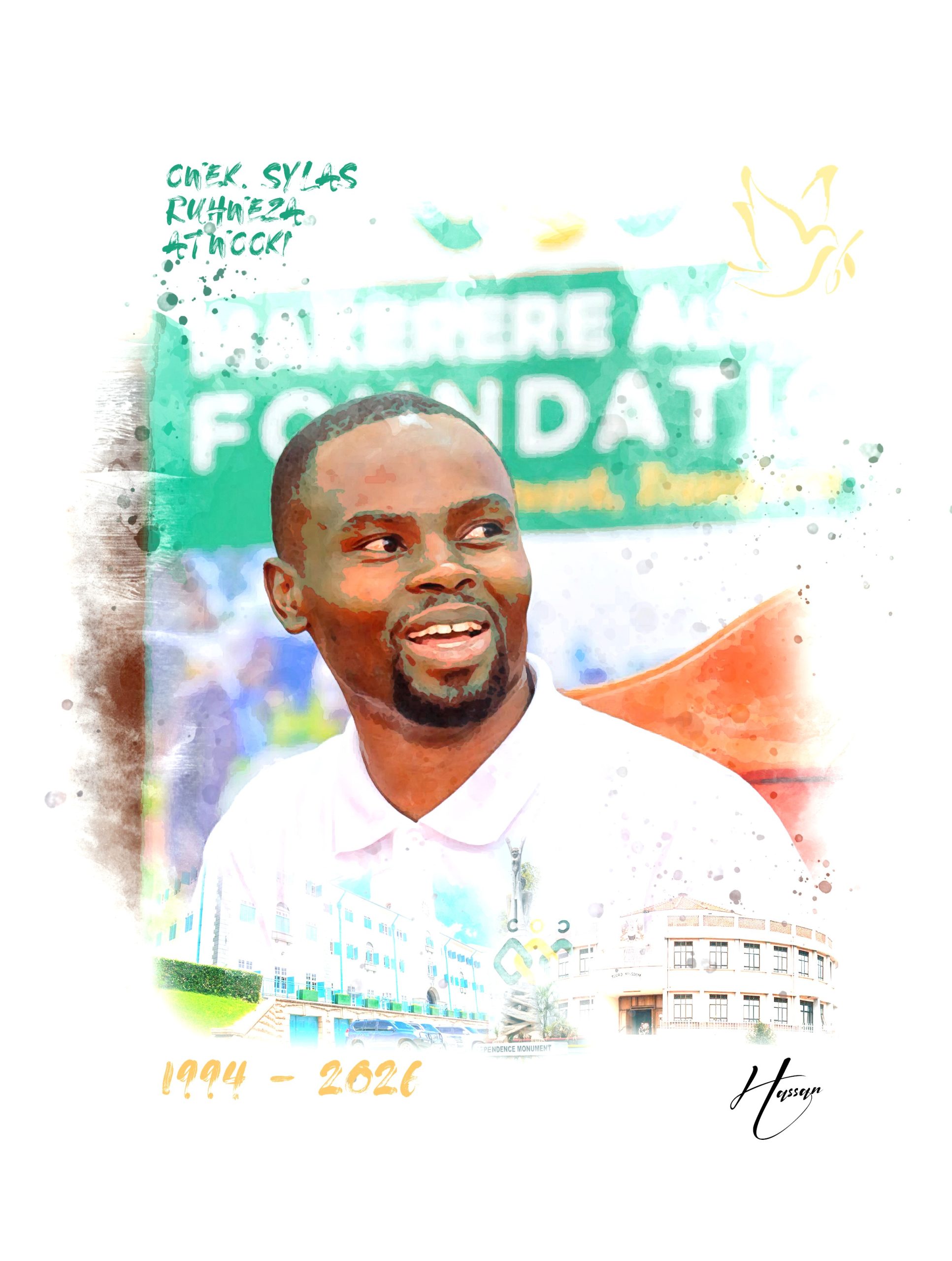
On March 21, 2026, I felt a strong urge to reconnect with a close colleague and passionate leader, Owekitinisa Sylas Ruhweza Atwooki. We had not spoken since I moved to the United States to pursue my dream of becoming a journalist. The following day, I learned that he had been quietly undergoing treatment in and out of the hospital. True to his character, he had chosen to keep his condition private. I was shocked and saddened, wishing I had known earlier so I could offer support.
At first, reports from family and friends were encouraging. He had been diagnosed with malaria and low blood platelet counts and was receiving treatment. Respecting his wish for confidentiality, members of the Mastercard Foundation Scholars and Alumni community at Makerere University rallied discreetly around him.
However, on April 29, his condition worsened. He was transferred between medical facilities and underwent extensive tests, including a biopsy, as doctors searched for answers. Sadly, on May 29, Sylas passed away.
His death sparked an extraordinary outpouring of love and solidarity. Friends, colleagues, and former scholars mobilised to support his family, settle medical expenses, organise virtual vigils, and plan a dignified farewell. Hundreds gathered at St. Augustine Chapel to pay their respects. Within three days, the Mastercard Foundation Scholars and Alumni community raised approximately UGX 11 million, a testament to Sylas’ impact on countless lives.
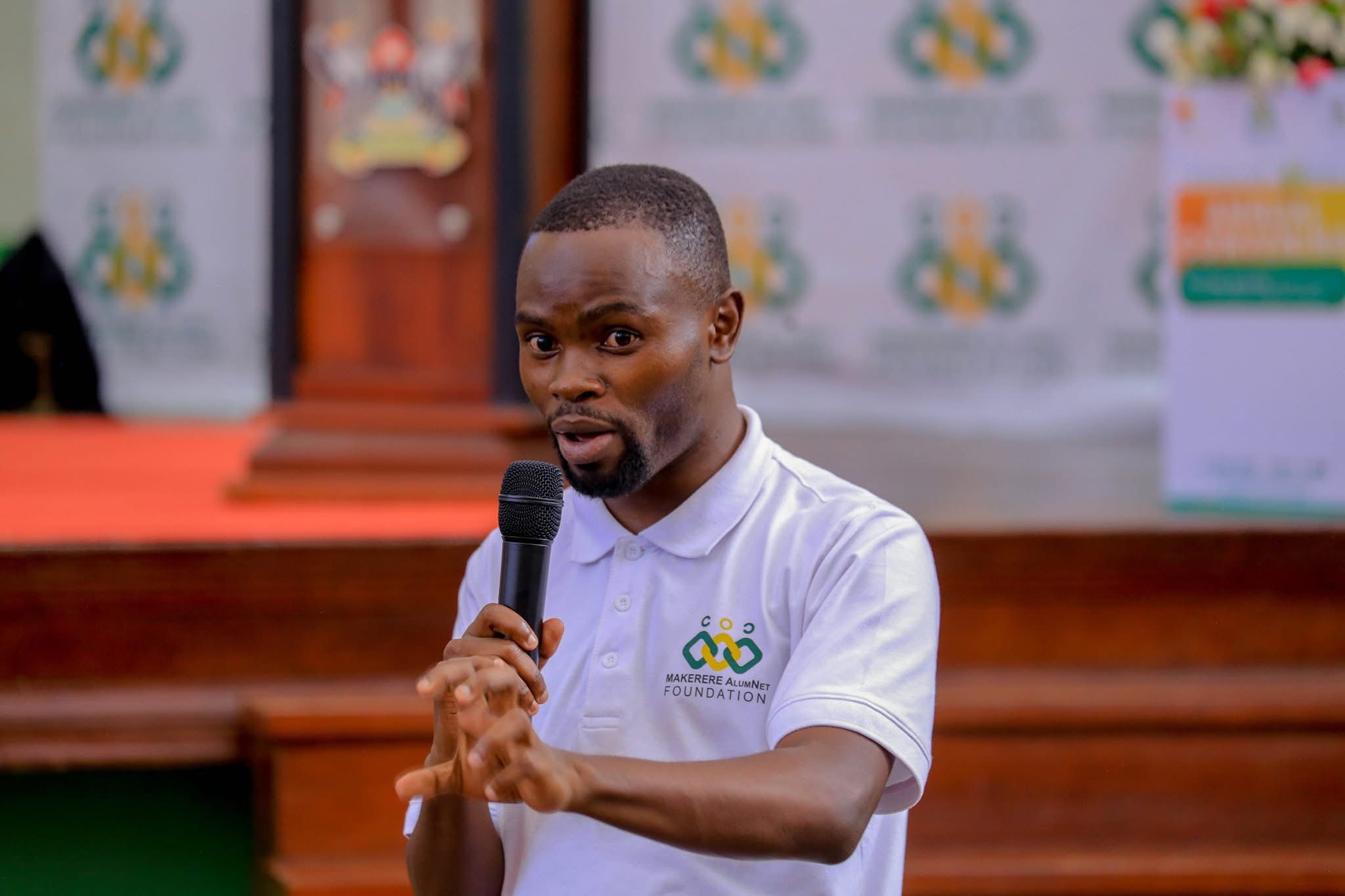
In the days that followed, I found myself wrestling with difficult questions. In a world where we spend so much time following people online, are we paying enough attention to those quietly transforming lives around us? Why do we invest so much emotional energy in distant personalities while overlooking the people God has placed right in front of us?
Sylas lived with humility and served with grace. His death left more than 1,500 Mastercard Foundation scholars and alumni grieving, alongside many others around the world who knew him. Yet his passing also exposed a contradiction in modern life.
We live in an age of unprecedented connectivity. Uganda has millions of internet users and WhatsApp subscribers, while globally, people spend hours each day on social media. We have more tools than ever to stay connected, yet many of us are becoming increasingly disconnected from the people who matter most.

Sylas resisted this trend. Through mentorship, service, and community-building, he remained deeply present in others’ lives. While many people retreat into individual pursuits, he consistently chose connection.
This challenge is especially relevant for Mastercard Foundation scholars and alumni. Every year, young Africans leave home to pursue education and professional opportunities abroad. Distance, time zones, visa restrictions, and rising travel costs make it difficult to maintain relationships and remain actively involved in the communities that helped shape us.
For Sylas, the answer was simple: show up. Celebrate others. Offer support. Stay connected.
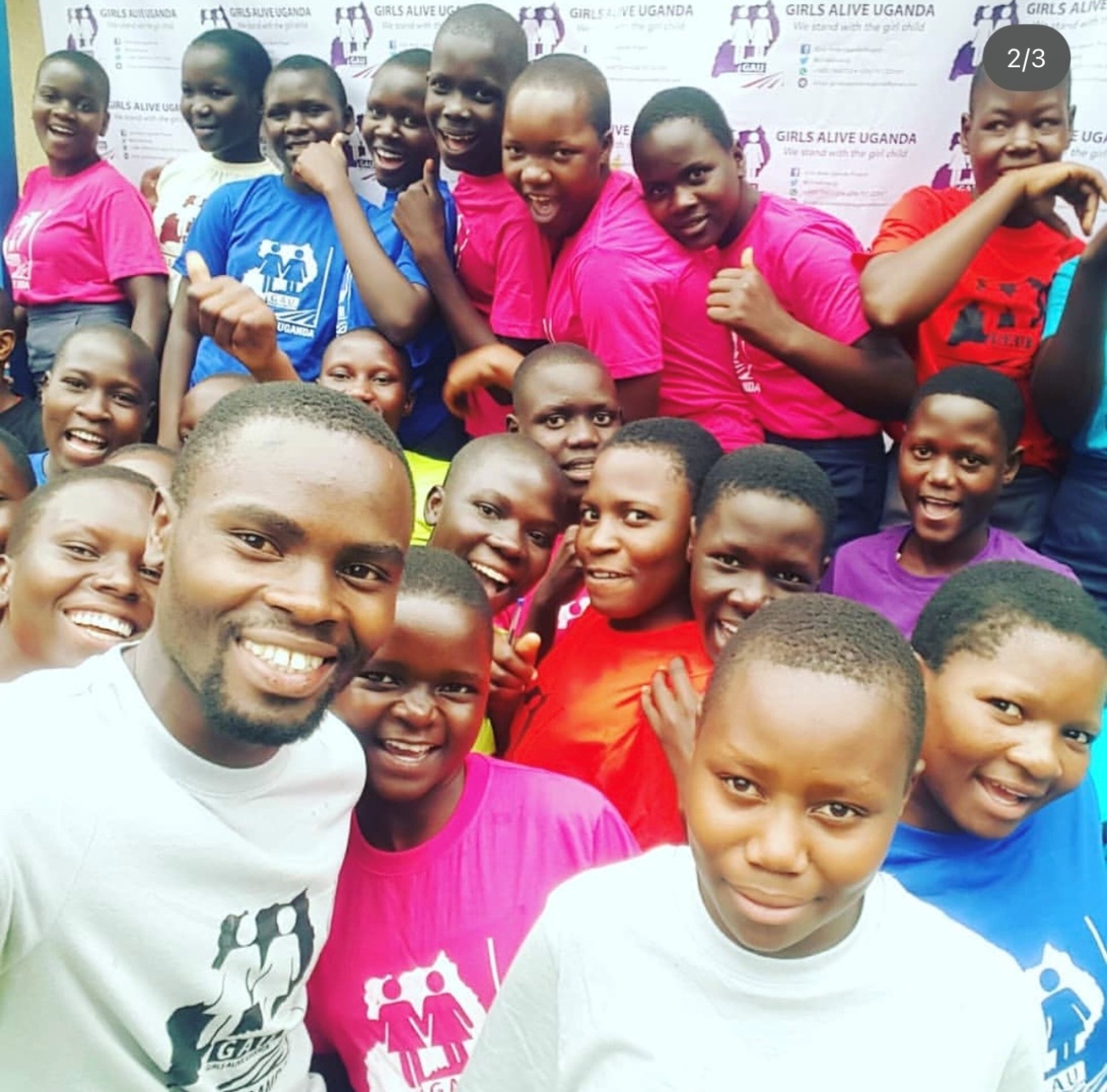
He never allowed geographical or personal barriers to become excuses for disengagement. Even while facing his own struggles, he invested in others. He embodied the values the Mastercard Foundation seeks to cultivate—ethical leadership, service, and community empowerment.
Sylas did not wait for a perfect platform to create change. He simply served where he was. He helped build bridges between education, culture, and professional development while remaining grounded in his values. He dreamed of creating a stronger alumni ecosystem and brought both passion and compassion to every initiative he touched.
Since his passing, social media has been filled with memories of his infectious smile and unwavering commitment to others. Those tributes reveal an important truth: people gave generously because Sylas had first given himself generously to them. People from different backgrounds, generations, and communities showed up because he had spent his life showing up for them. His legacy now challenges all of us.
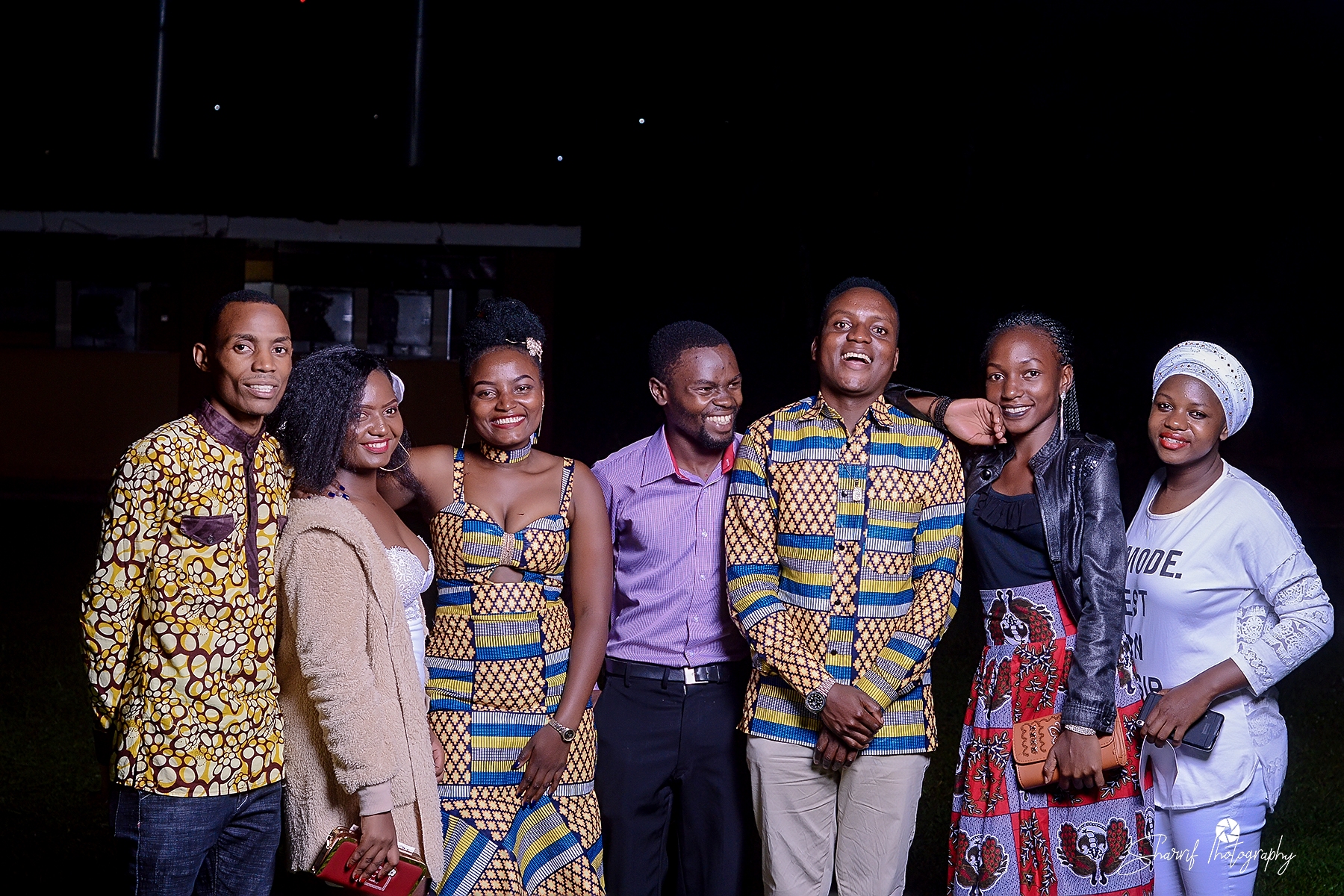
The greatest tribute we can offer is not simply to mourn his loss but to continue his work. That means supporting the causes he cared about, helping the children whose education he championed, strengthening alumni networks, and pursuing the dreams we discussed with him.
The tragedy of modern life is not that we follow people online. It is that too often our attention to distant lives comes at the expense of meaningful relationships nearby. Yet strong relationships are as essential to our well-being as physical health.
As Ugandans, we take pride in our faith, culture, and sense of community. We contribute to fundraisers, attend ceremonies, and support family members in times of need. But increasingly, genuine connection is being replaced by passive digital interaction. Families and communities cannot thrive on likes, retweets, and emojis alone.
They require presence—phone calls, visits, conversations, and the willingness to notice when someone is struggling.
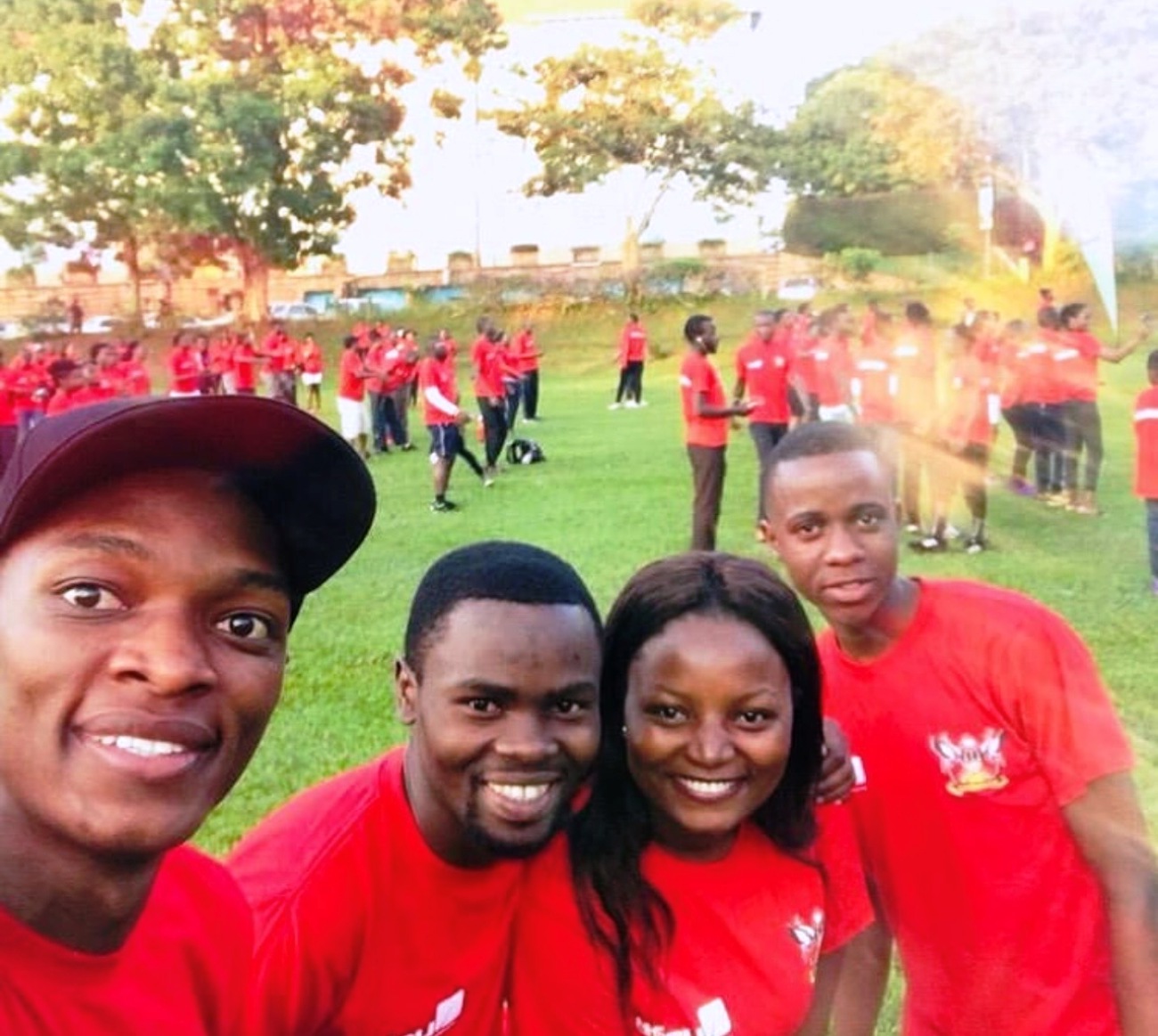
Before spending another hour immersed in the lives of strangers online, look around. Call the friend you have not spoken to in years. Check on a family member. Reach out to a colleague who seems withdrawn. Communities are not built by algorithms or celebrities. They are built by ordinary people who choose, day after day, to care for those within their reach.
Uganda needs more people like Sylas. At just 32 years old, he achieved what many spend a lifetime striving for. He served as Minister of Information in the Toro Kingdom and as President of the Mastercard Foundation Scholars Alumni Association in Uganda. More importantly, he dedicated himself to serving others.
While his death is deeply painful, his life remains a powerful example of how we should live. My prayers and condolences go to his family, friends, and the entire Mastercard Foundation Scholars and Alumni community.
Rest in perfect peace, Owek. Sylas Ruhweza Atwooki.
The author is a Mastercard Foundation Alumna from Makerere University and the University of California, Berkeley. She is a journalist based in Southern California and the CEO of the Debunk Media Initiative.
-

 Agriculture & Environment2 weeks ago
Policy Brief: Strengthening Climate Resilience and Livelihoods in Uganda’s Refugee and Host Communities
-

 General2 weeks ago
CHS Quality Assurance Guide Book
-
 Law5 days ago
Makerere hosts Chief Justices of Zambia and Uganda
-
 Agriculture & Environment1 week ago
Master’s Scholars Engage Lwengo and Rakai Communities to Inform Research Conceptualisation
-
 Research1 week ago
Makerere University Rolls Out Thesis Completion Grants to Accelerate PhD Research and Strengthen National Policy Impact