
General
Mak Students Urged to Embrace Insurance as a Career




By Betty Kyakuwa and Carol Kasujja
In this exclusive quick chat, we spoke to the 91st Guild President, Ssentamu Churchill James, a third-year student pursuing a Bachelor of Social Sciences. He shares insights into his leadership journey, key achievements, challenges, and his vision for the student community.
What inspired you to run for Guild President?
My background and personal leadership journey played a big role. Growing up, I saw my father and uncle actively involved in politics, which shaped my interest in leadership.
I also held leadership roles in high school—serving as Sports Minister at O-Level and later as Head Prefect at St. Juliana High School, Gayaza, during my A-Level. These experiences built my confidence and passion for representing others.
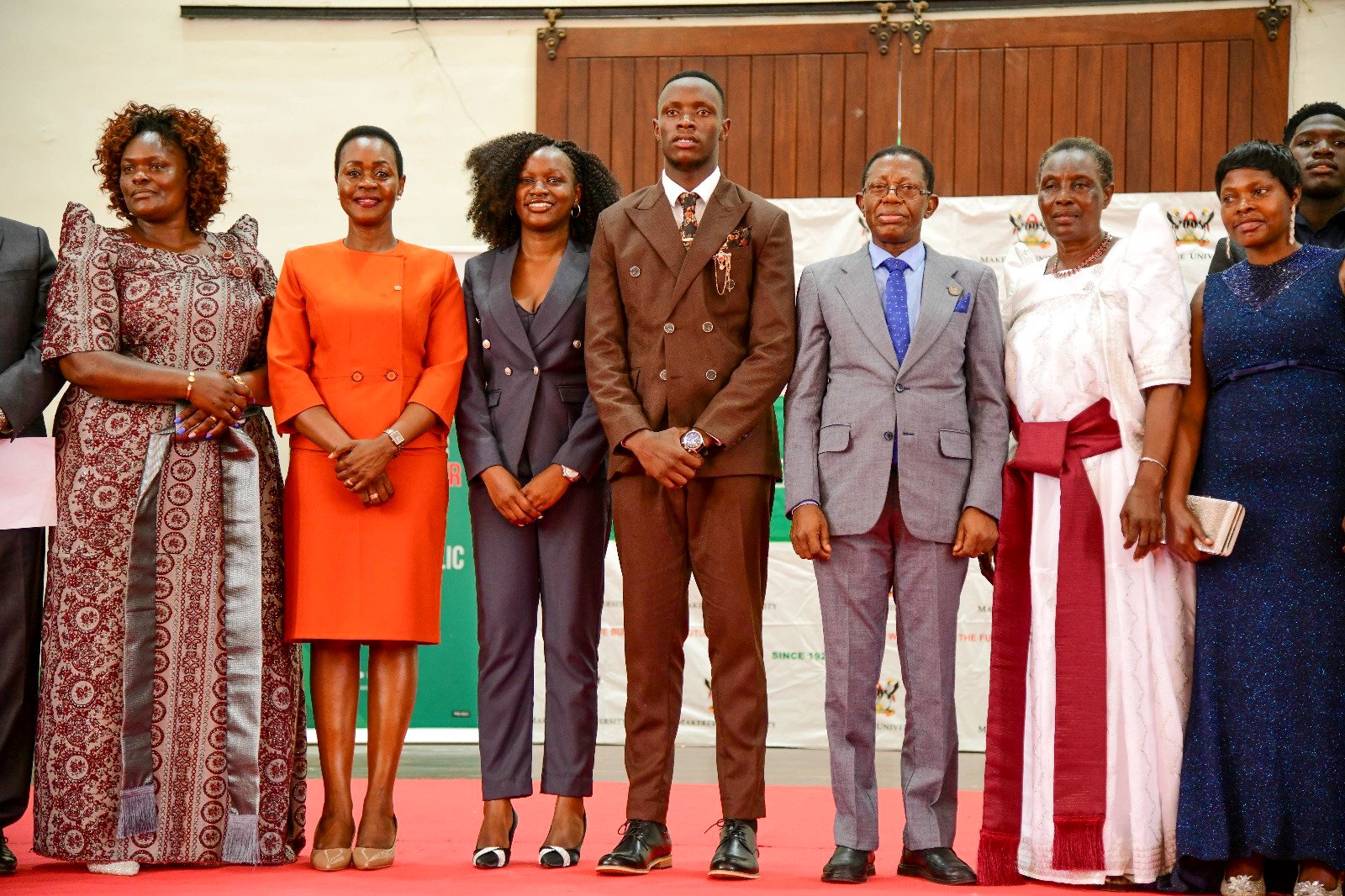
Seeing former Guild President Vincent Lubega Nsamba win also motivated me. We come from the same high school, and I succeeded him as Head Prefect. That gave me the belief that I, too, could lead at that level.
What was your vision when you assumed office, and how much of it did you achieve?
My vision was to amplify students’ voices and ensure their needs were prioritized. While it wasn’t easy due to bureaucracy, we made progress.
We improved students’ social welfare by engaging management, which led to greater flexibility in organizing events like the Bazaar and Freshers’ Ball. We also addressed the issue of missing marks. Previously, it could take semesters to resolve, but now, through the Office of the Academic Registrar, such issues can be handled much faster.
What is your biggest achievement?
One of the biggest milestones was allowing students to sit for examinations after paying at least 60% of tuition. This has reduced the number of students dropping out due to financial constraints.
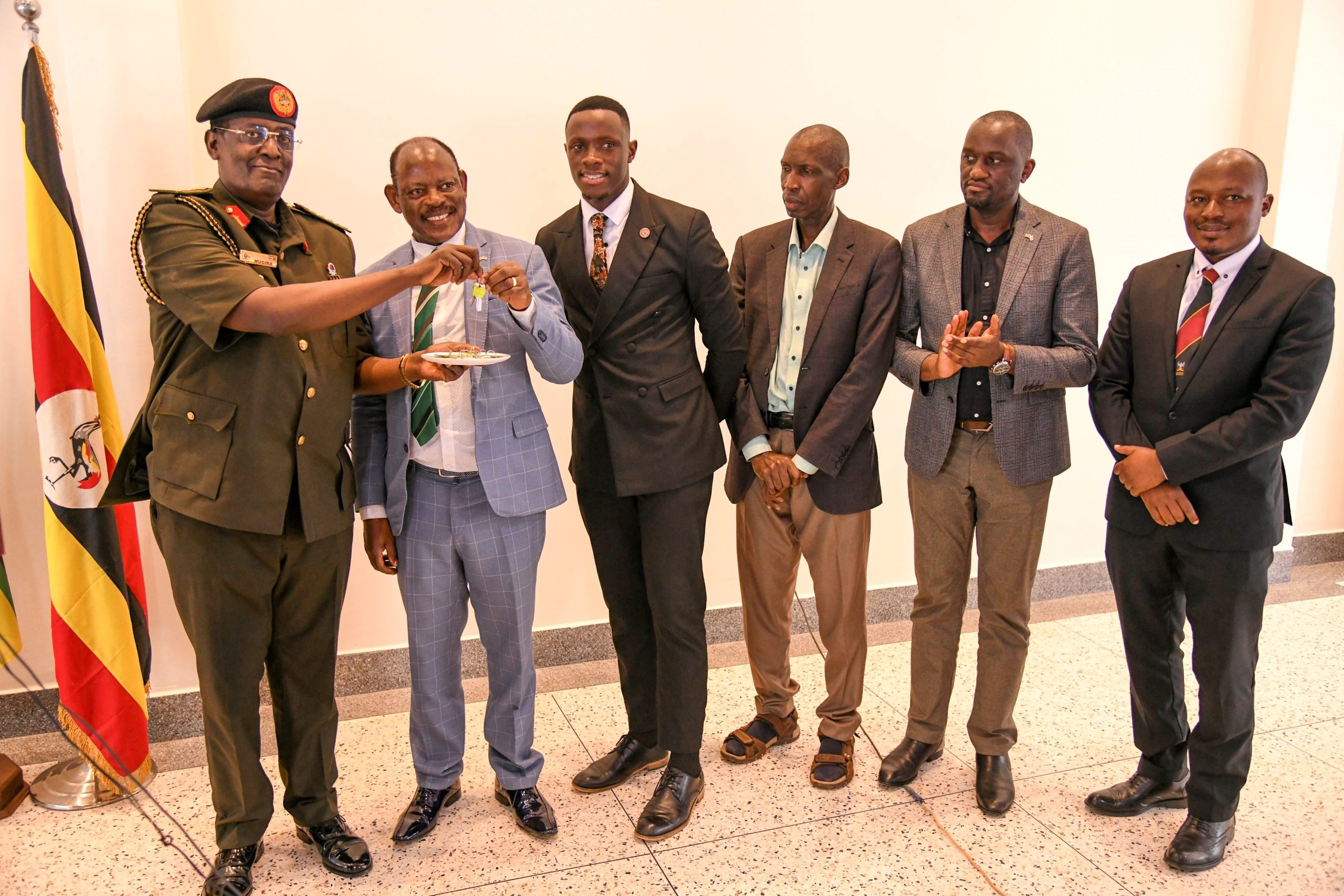
We also saw the lifting of the ban on social events, which has gradually revived campus life. Additionally, leadership roles such as ministers and Guild Representative Councillors (GRCs) have become more functional, with clearer responsibilities and greater impact.
What key lessons have you learned?
One key lesson is the importance of daring to take action. Things may seem impossible, but once you step out and try, you realize they are achievable.
I also learned that leadership begins with influence. For example, when class representatives raised concerns about not being paid, I had to engage and influence them to understand the situation while working toward solutions.
Leadership also requires teamwork. You cannot lead alone—you need a support system. When you delegate, trust people and avoid micromanaging.
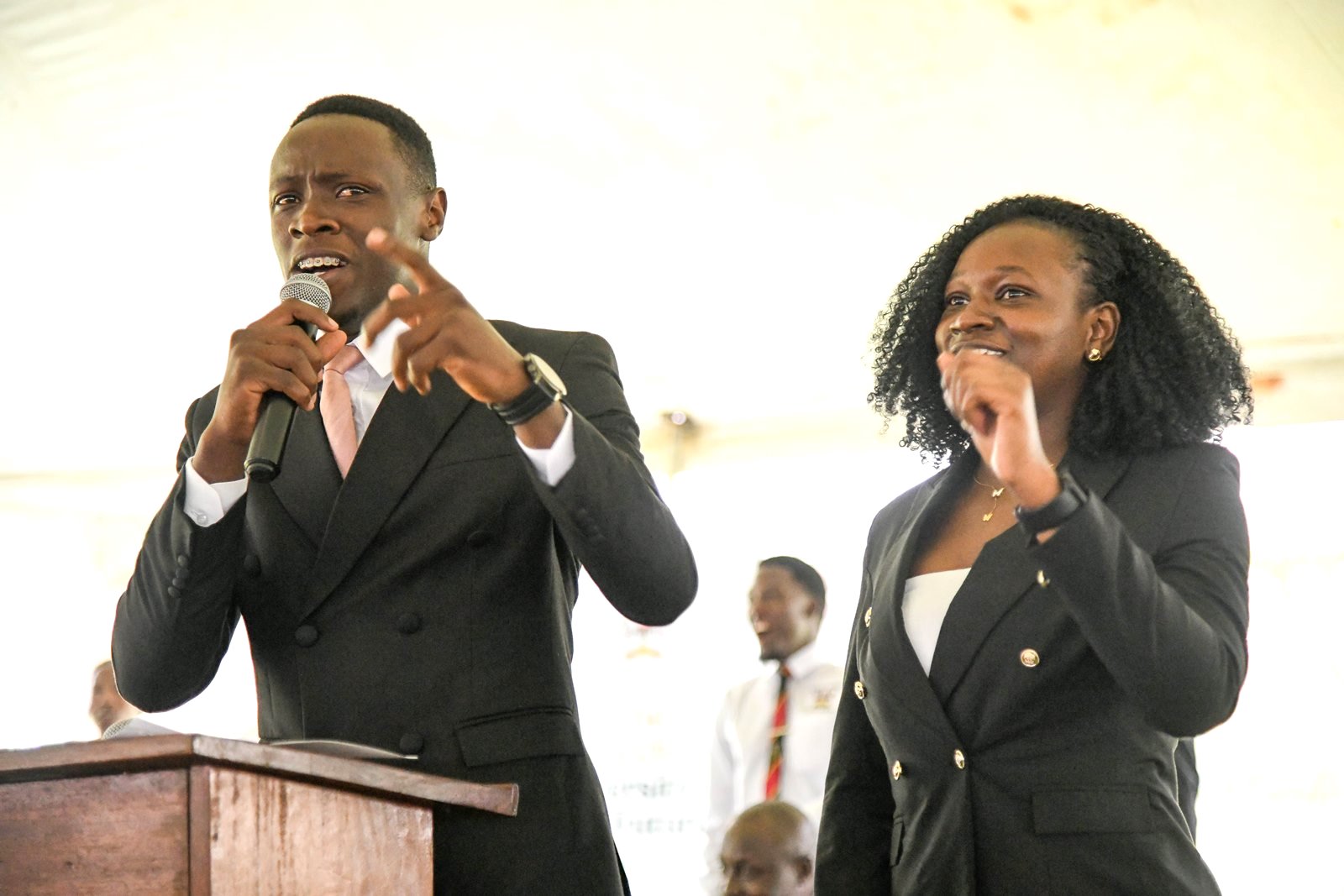
Another lesson is the importance of effective communication with management. Building strong relationships increases your chances of influencing decisions.
On a personal level, I have learned discipline—keeping time, improving how I present myself, and becoming more mindful in how I engage with others.
What do you attribute your success to?
First and foremost, God, who gave me the wisdom and understanding to lead.
I also attribute it to the strong working relationships I built with University leadership, especially the Vice Chancellor and the Dean of Students. Without that collaboration, it would have been difficult to achieve much.
How did you balance academics and leadership?
It required intentional planning and prioritization. When meetings clashed with tests, I delegated to the Vice President or Prime Minister. This ensured continuity while giving them an opportunity to grow.
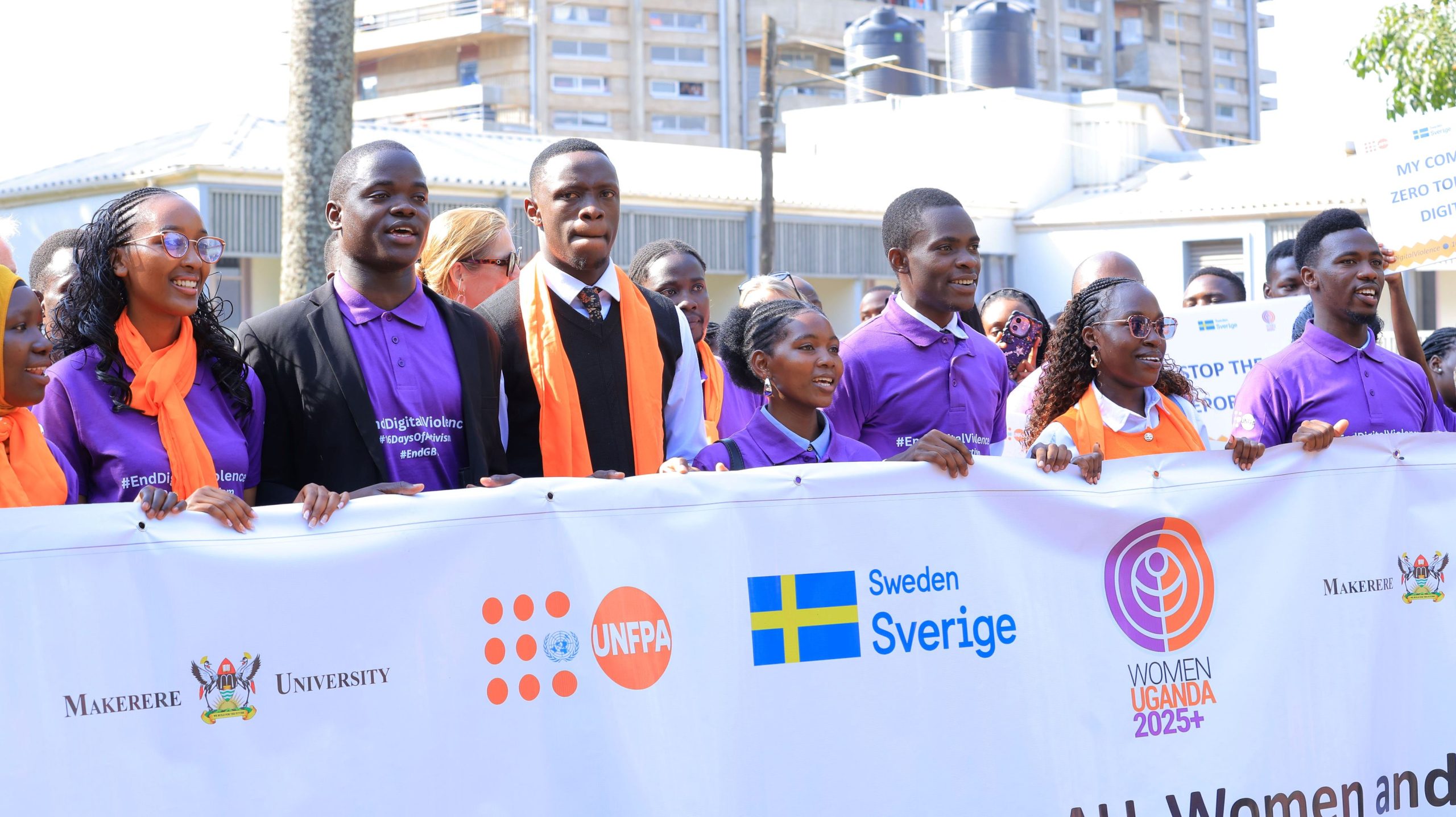
However, I made it a point to attend critical engagements, such as Council meetings, because I was entrusted with representing students’ voices. I was also selective about external engagements to remain focused on my academics.
What challenges did you encounter?
Managing high expectations from students was a major challenge. Even small delays could attract criticism. For example, when students’ upkeep delayed by a week, some assumed I was not advocating for them.
I learned to remain calm and not react emotionally, instead using feedback as motivation to improve.
Another challenge was handling sensitive cases, such as advocating for students who had been suspended. Even when I did not agree with their actions, it was my duty to seek fair consideration on their behalf.
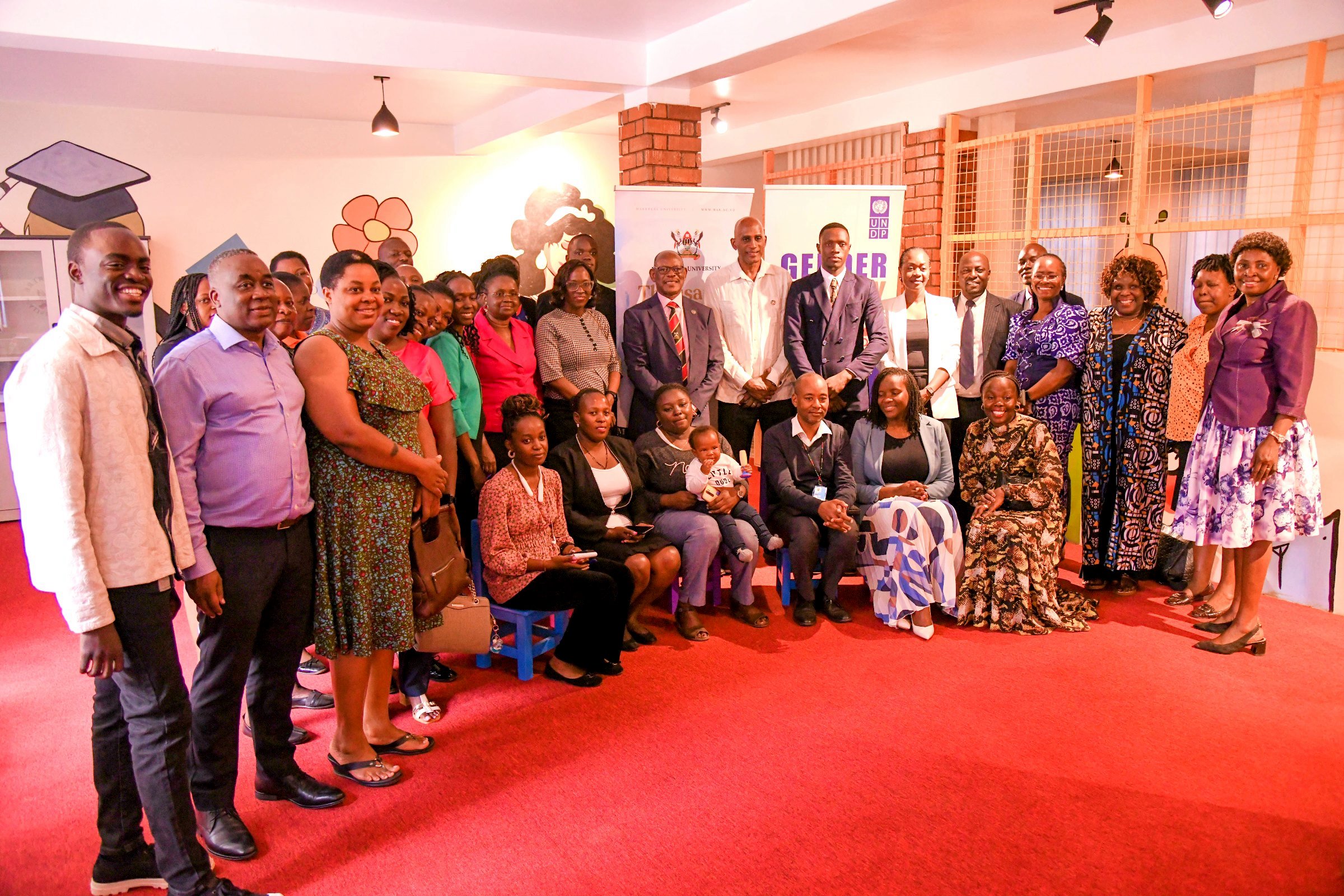
Was there a difficult decision you had to make?
Yes. Just a month into office, I made the decision to relieve a minister of their duties because they did not align with the cabinet’s vision and values. Leadership requires making tough decisions to maintain unity and integrity.
Is there anything you would have done differently?
I feel I could have engaged more with the administration. At times, I was occupied with activities outside the University, which limited my interaction with management. With more engagement, I believe I could have achieved even more.
What will you miss most?
I will not necessarily miss the office itself. Leadership is about service, and it is now time for others to take on that responsibility as I move on to the next chapter of my life.
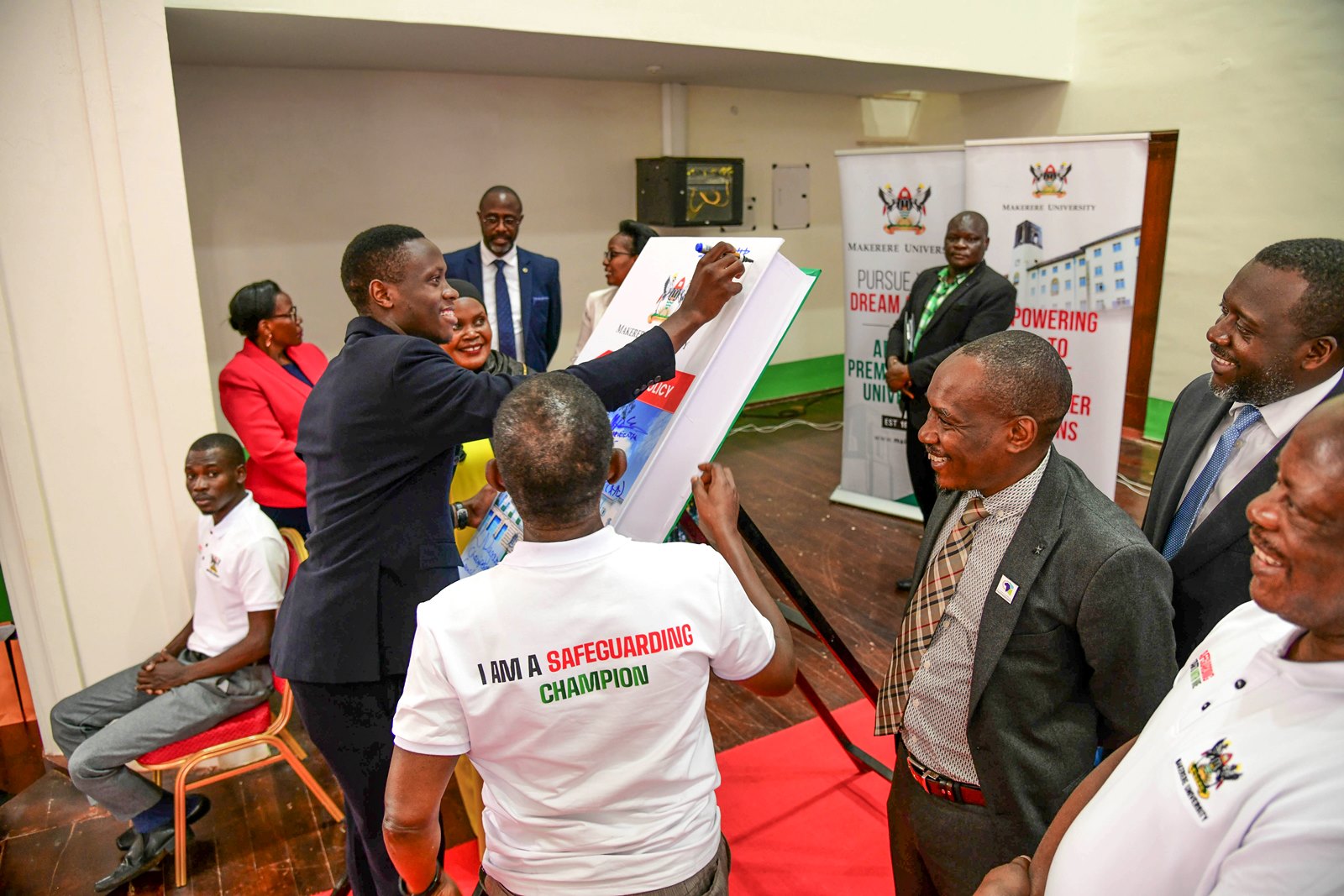
How would you like to be remembered?
As a selfless leader who went the extra mile to serve others and always put students’ interests first—even when it required personal sacrifice.
For instance, during the Freshers’ Ball, we wanted to host a musician whose fee was UGX 4 million, yet we only had UGX 2 million. I personally covered the balance to make it happen for the students.
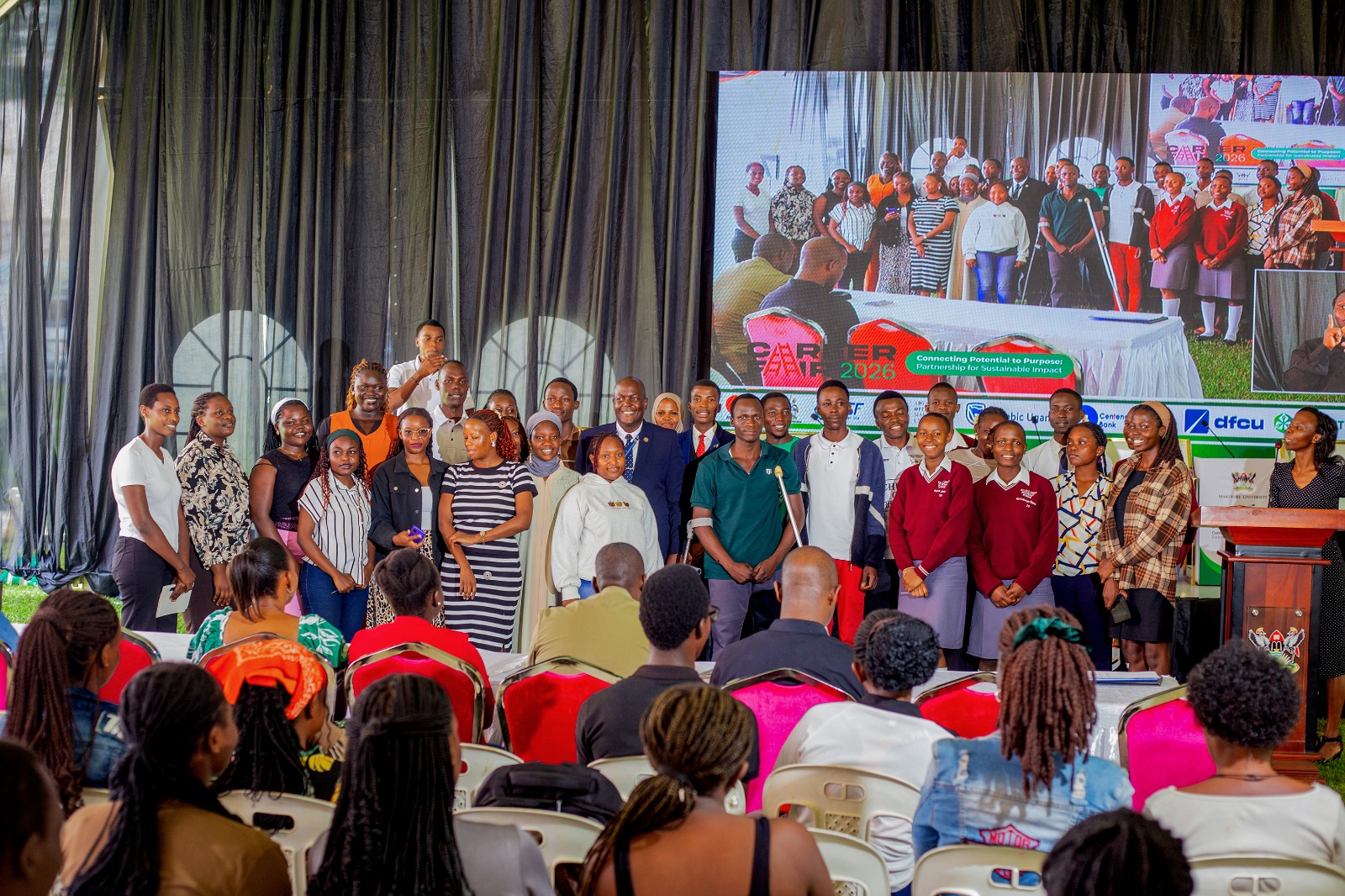
At Makerere University, the future didn’t feel distant, it felt urgent, alive, and within reach.
For three days in March, the university’s grounds transformed into a vibrant meeting point of ambition and opportunity as students, graduates, and industry leaders converged for the 2026 Careers Fair. Lecture halls spilled into exhibition spaces, conversations replaced uncertainty, and for many students, career dreams began to take clearer shape.
A Question That Defined the Moment: Man or Machine?
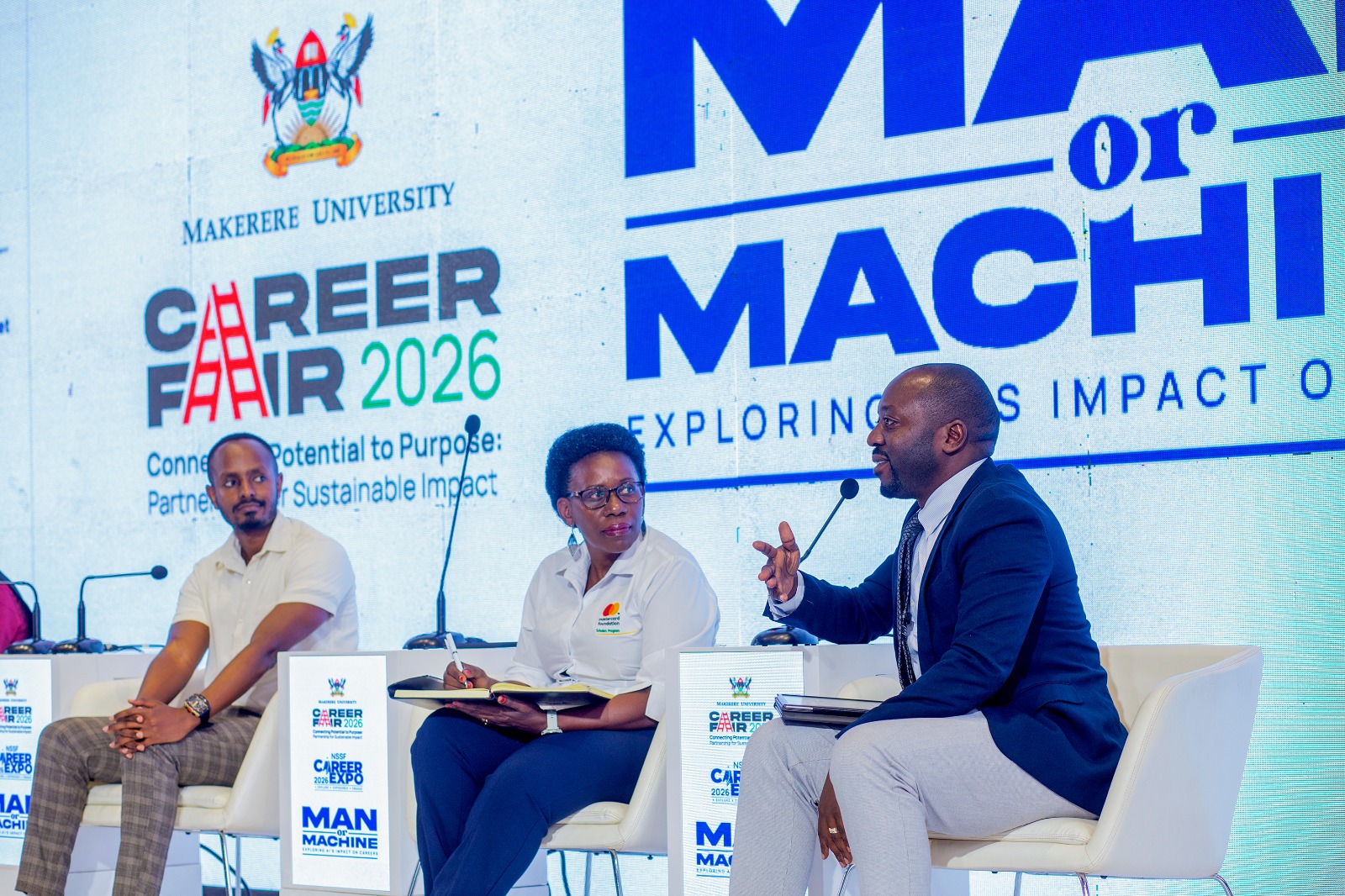
The opening day set the tone with a bold theme;“Machine vs. Man”, placing artificial intelligence at the center of career conversations. Students listened, questioned, and reflected as leaders challenged them not to fear technology, but to harness it.
The message was clear: the future belongs to those who can adapt.
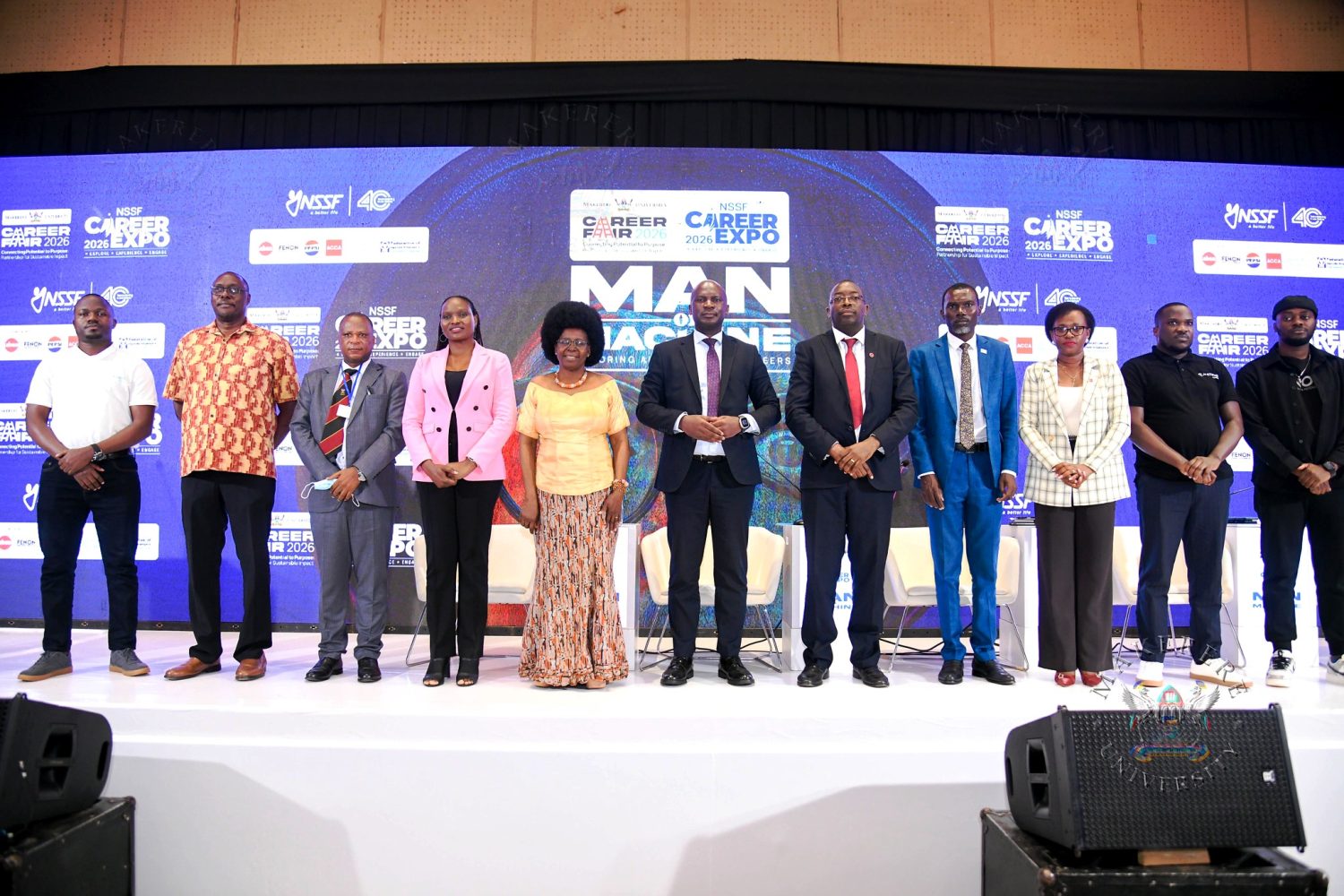
Speakers emphasized that while AI is reshaping industries, it is also creating new opportunities for innovation, entrepreneurship, and job creation. For many students in attendance, this was more than a discussion—it was a wake-up call to rethink their place in a rapidly evolving world.
Beyond Jobs: Unlocking Global Opportunities
If Day One provoked thought, Day Two opened doors.
The focus shifted to scholarships, fellowships, and international study opportunities, expanding students’ horizons beyond the immediate job market. Conversations moved from “What job can I get?” to “What possibilities exist for me globally?”
Students explored pathways into prestigious programmes, exchange opportunities, and further study options, discovering that their ambitions could stretch far beyond borders.
Where Potential Meets Purpose
By the final day, the Careers Fair had evolved into something deeper—a platform for connection.
Under the theme “Connecting Potential to Purpose,” industry leaders, employers, and development partners engaged directly with students, emphasizing collaboration as the key to career success.
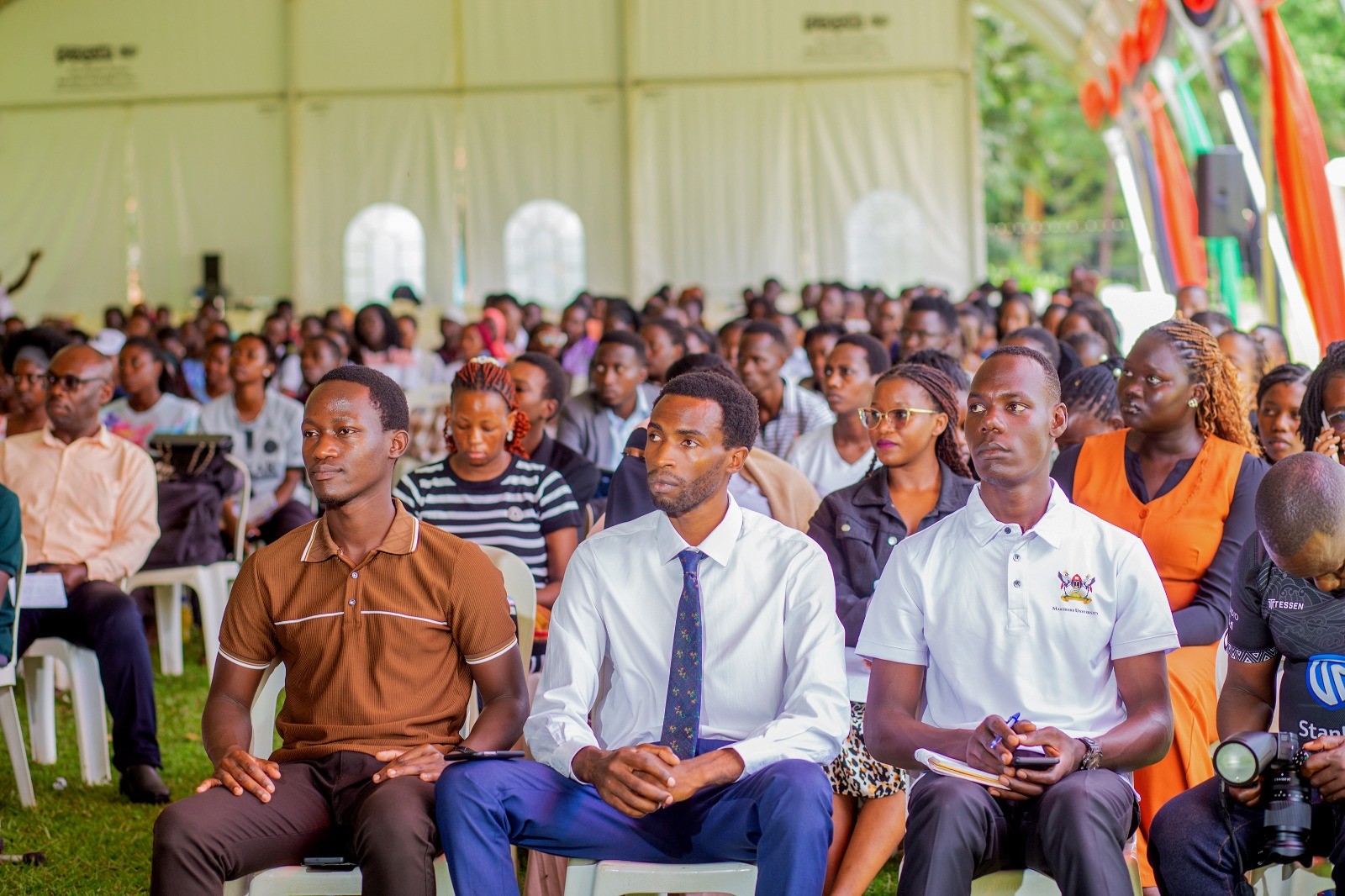
Across Freedom Square and exhibition booths, students asked tough questions, shared ideas, and made meaningful connections. Employers, in turn, offered insights into the skills that matter most in today’s workplace—adaptability, creativity, and critical thinking.
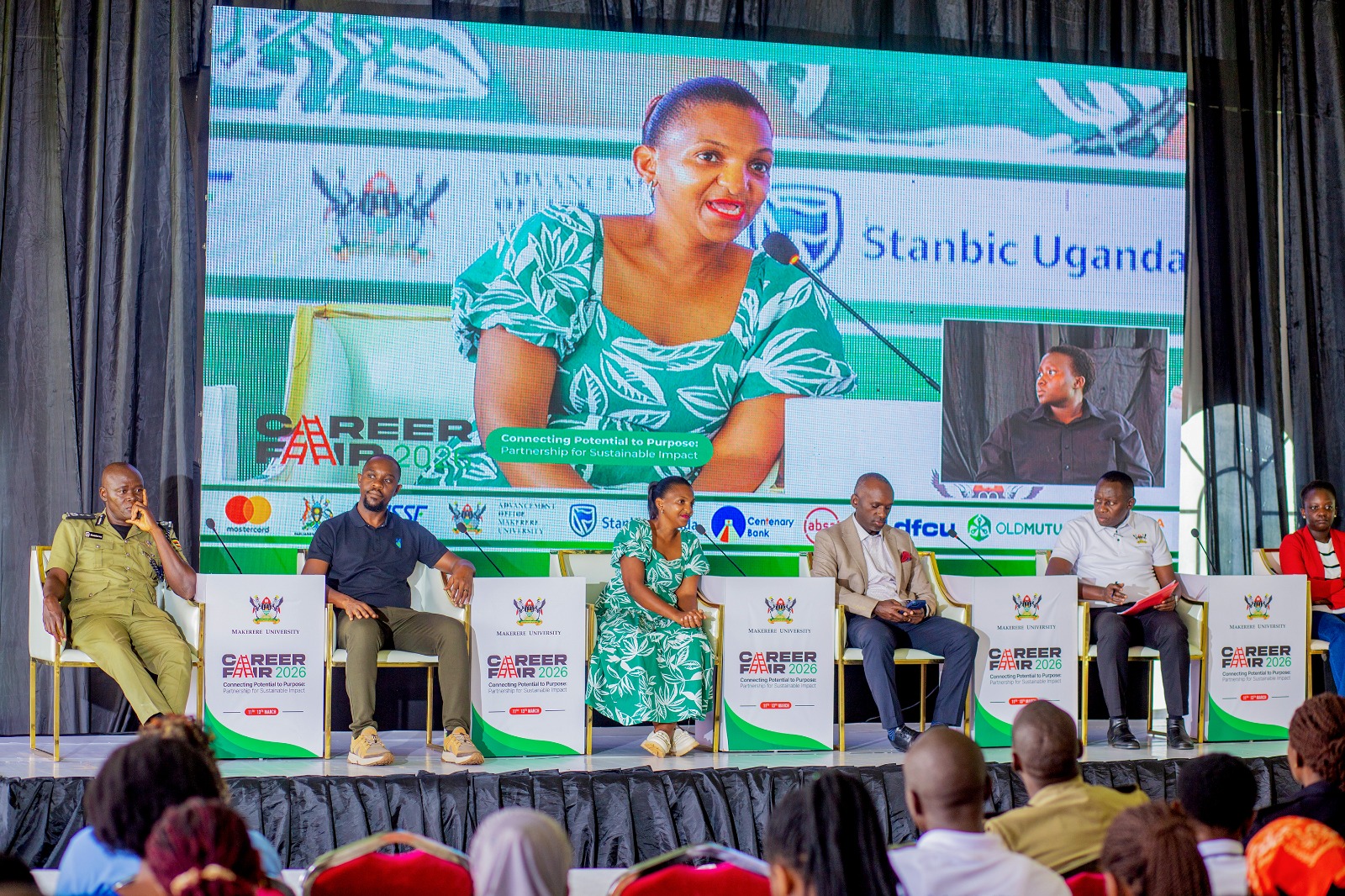
More than 50 organizations participated, turning the fair into a living ecosystem of mentorship, networking, and opportunity.
Stories That Defined the Experience
But beyond the panels and presentations, it was the human moments that stood out.
There was the student who, after a conversation with a recruiter, discovered a career path they had never considered. The group of finalists who used simple tools like mobile phones to create powerful messages about safety and inclusion, reminding everyone that innovation often begins with what is available.
And there were countless quiet exchanges, handshakes, questions, shared laughter—that carried the weight of possibility.
A Bridge to the Future
What emerged from the three-day experience was not just a successful event, but a powerful reminder of the university’s role as a bridge, linking academic training to real-world demands.
The Careers Fair reaffirmed Makerere’s commitment to preparing students not just for employment, but for meaningful participation in shaping the future. It brought into focus a simple but profound truth: careers are not built in isolation—they are nurtured through connections, curiosity, and courage.
For many students who walked through the fair, the journey ahead no longer felt uncertain. It felt possible.
-
 General1 week ago
Applications for Admission to Undergraduate Programmes 2026/27
-
 Agriculture & Environment2 weeks ago
Re-Advertised Call for Applications: QCF Postdoctoral Research Fellowships
-
 General1 week ago
Diploma Holders Admission Lists under Government Sponsorship for 2026/2027 AY
-
 Education1 week ago
Prof. Senteza Kajubi Fulbright Lecture Re-ignites debate on learner-centred reforms
-
 Education1 week ago
Special University Entry Examinations for the Diploma in Performing Arts 2026/27