Research
Why Education System Resilience Matters: Insights from GPE Partner Countries in Africa
Published
1 hour agoon

By: Roy William Mayega, Julius Ssentongo, Anthony Ssebagereka, Harriet Adong
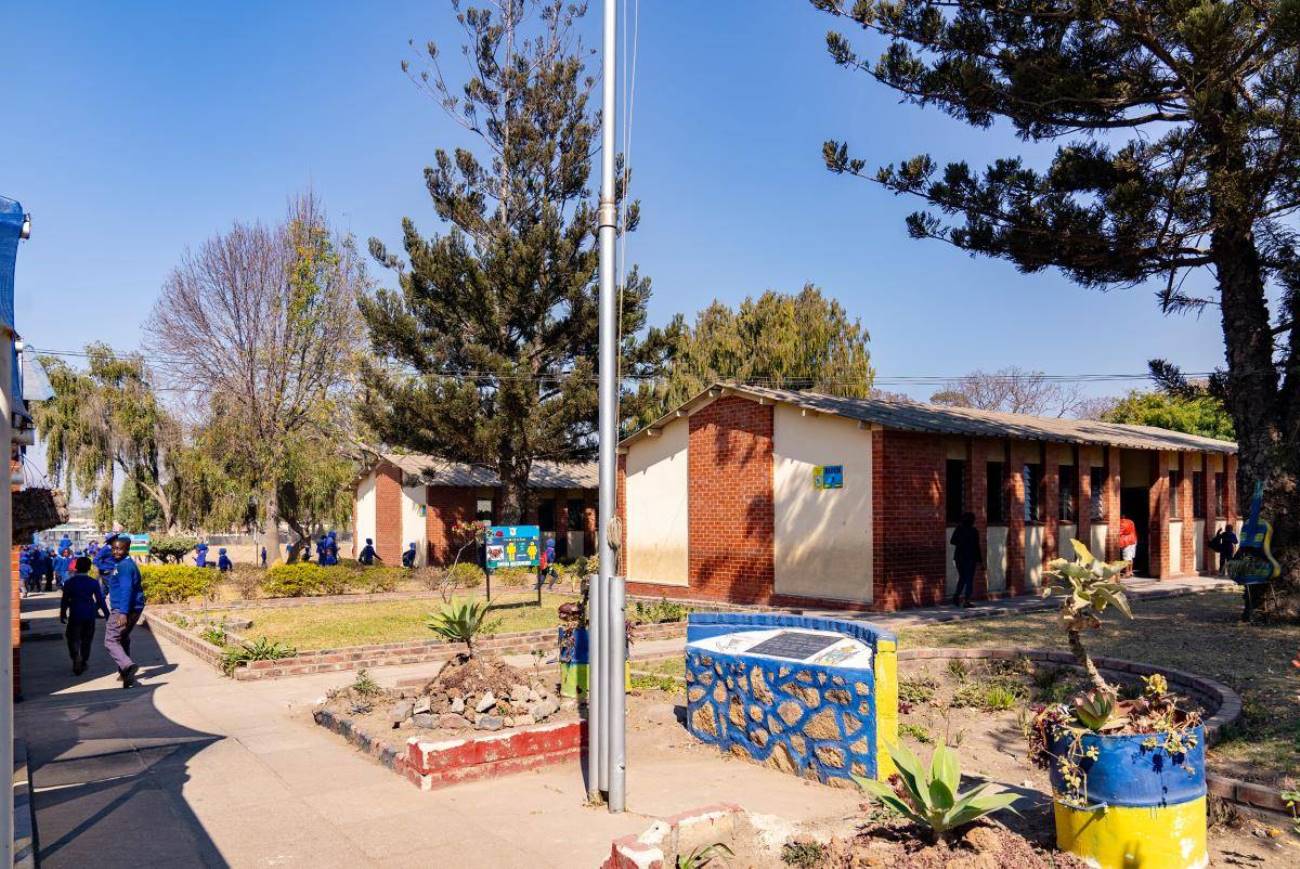
In many parts of sub-Saharan Africa, schools do not operate in stable environments; they operate in uncertainty. A school year might begin with optimism and structure, only to be interrupted by floods, conflict, or a public health emergency. Yet across Global Partnership for Education (GPE) partner countries in Africa, something more complex is unfolding than repeated disruption. Education systems are not just reacting, they are adapting, improvising, and, in some cases, transforming.
In this blog, we share key insights from a desk review report that examined how GPE partner countries in Africa understand and operationalize education system resilience, the types of disruptions they face, and the strategies they use to sustain learning. Drawing on education policy documents and a wide range of academic and grey literature, the report offers a unique cross-country perspective on what it takes to keep education systems functioning amid constant change.
This is where education system resilience (ESR) becomes more than a technical concept. It becomes a lens for understanding how learning continues against the odds and why it sometimes does not.
Resilience looks different depending on where you stand
One of the most striking insights from the study is that there is no single, shared definition of resilience. Instead, countries interpret it through their lived realities.
In countries frequently hit by climate disasters, resilience often looks like preparedness—building safer schools, integrating disaster risk reduction into curricula, and training teachers to respond to emergencies. In places recovering from epidemics, it shows up as the ability to switch quickly to radio, print, or digital learning when classrooms close.
In conflict-affected settings, resilience takes on a different meaning altogether. It becomes deeply local. Communities step in where formal systems falter, organizing learning spaces, mobilizing volunteer teachers, and keeping education going even when the state cannot. In these contexts, resilience is less about systems “bouncing back” and more about communities holding things together.
This diversity of perspectives challenges any one-size-fits-all approach. It also raises an important question: if resilience looks different everywhere, how do we design policies that truly respond to context?
Disruption is rarely singular – it’s layered
Another key insight is that education systems are not dealing with isolated shocks, but overlapping crises.
A drought does not just damage school infrastructure; it affects livelihoods, pushes children into labour, and increases dropout rates. Conflict not only closes schools; it displaces families, strains host communities, and disrupts entire education systems across borders. Public health crises like COVID-19 expose digital divides and deepen existing inequalities.
For example, countries like Somalia, Ethiopia, Eritrea, and Djibouti face droughts and erratic rainfall, causing school closures, food insecurity, displacement, and psychosocial stress, particularly among rural and pastoral communities.
What emerges is a picture of a “polycrisis” in which climate, conflict, poverty, and health emergencies interact and reinforce one another. The result is not just a temporary interruption, but a cumulative erosion of learning outcomes, system capacity, and equity. Moreover, it is the most vulnerable learners, such as girls, children with disabilities, and those in rural or conflict-affected areas who bear the greatest burden.
If disruption is inevitable, then the real question becomes: can learning continue?
Across GPE partner countries, some of the most promising practices focus on this very challenge. During COVID-19, countries rapidly expanded distance learning through radio, television, and online platforms. While access was uneven, these efforts marked a shift toward more flexible education systems. Countries like Madagascar and the Gambia also use distance learning tools to support learning continuity in the face of adverse climatic events. But resilience is not just about technology. It is also about teachers: how prepared they are to adapt, support learners through uncertainty, and shift between teaching modalities. It is about curricula that reflect real-world risks, from climate change to conflict, and it is about planning, having contingency systems in place before a crisis hits.
In this sense, resilience is less about responding to emergencies and more about embedding flexibility into the system itself.
Communities and equity are at the heart of resilience
One of the quieter but still powerful themes emerging from the study is the role of communities.
In fragile and conflict-affected contexts, community actors, including parents, local leaders, and civil society, are often the backbone of education continuity. They manage schools, mobilize resources, and create informal systems of support when formal structures break down. In Liberia, community participation and local leadership both played a key role in restoring educational services following conflict, the Ebola outbreak, and repeated infrastructural shocks.
Even in more stable settings, community engagement strengthens accountability, supports vulnerable learners, and anchors education systems in local realities. Yet, this role is not always formally recognized or supported in policy. Bridging this gap could be key to building more grounded and sustainable resilience strategies. At the same time, it is precisely where policy recognition matters most. When communities are formally supported, as seen in Sierra Leone’s re-entry programs for pregnant girls, targeted policies can transform informal resilience into lasting systems change.
Resilience is often framed in terms of systems, policies, infrastructure, and planning. However, the study makes it clear that resilience is also about considering who gets left behind.
Gender inequality, poverty, and marginalization consistently shape who can continue learning during disruptions. Girls face increased risks of early marriage and dropout. Children from poorer households struggle with access to remote learning, while learners with disabilities are often excluded.
Sierra Leone’s approach illustrates this broader challenge, beyond re-entry programs for pregnant girls, the country has pursued targeted policies for social protection measures and inclusive education initiatives.
So why does it matter?
Without resilience, progress in education remains fragile. Years of investment in access and quality can be undone by a single crisis. In regions where disruptions are frequent, the cost of not building resilience is simply too high.
The study also offers a more hopeful perspective. Across GPE partner countries in Africa, there is clear momentum and meaningful efforts to integrate resilience into planning, invest in adaptive systems, and learn from past crises.
What is emerging is not a perfect model, but a growing body of practice. One that shows resilience is possible when it is context-driven, inclusive, and embedded across the system.
Looking ahead: from coping to transformation
If there is one takeaway from this study, it is that resilience cannot remain a reactive agenda. Too often, systems are designed to cope with the last crisis rather than prepare for the next.
Looking ahead, the challenge—and opportunity—is to shift from short-term responses to long-term transformation. This means embedding resilience into the core of education planning, not as an add-on, but as a guiding principle. It means investing not only in infrastructure and technology, but also in people, teachers, communities, and learners, who ultimately carry systems through disruption. It means prioritizing equity so that resilience efforts do not reinforce existing gaps but instead close them.
There is no single pathway to building resilient education systems. However, the experiences across GPE partner countries in Africa show that progress is possible when solutions are grounded in context, informed by evidence, and driven by collaboration.
This blog was originally published on the GPE KIX website on April 16, 2026.
Access the full report here
You may like
-
World Malaria Day 2026: Makerere scientists have found the countdown clock for when Ugandan children will die from malaria: The question is whether anyone is listening
-
Research probes link between maize farming and malaria risk in Uganda
-
Youth Leaders and Scholars Chart Africa’s Leadership Future at the 2026 Nyerere Lecture
-
Makerere University Students and Staff participate in Prof. Peter Jarvis Memorial Lecture at Gulu University
-
Cementing the Mak-UNISA partnership: Prof. Sarah Ssali meets Dr. Sizile Makola
-
Call for Applications: Certificate in Health Informatics (June 2026 Intake)
Research
Makerere Revives Scholarly Publishing through Journal Editors’ Workshop to Boost Global Rankings
Published
5 days agoon
April 24, 2026By
Mak Editor
By Moses Lutaaya
Makerere University has stepped up efforts to strengthen its scholarly publishing ecosystem following a Journal Editors’ Workshop held on April 23, 2026, in the Smart Room, College of Humanities and Social Sciences (CHUSS), aimed at improving journal quality, increasing research visibility, and enhancing the university’s global rankings.
The workshop, organized by Makerere University Press (Mak Press), brought together journal editors from colleges, schools, and institutes across the university to discuss publication standards, consistency in journal production, international indexing requirements, governance, and sustainability of academic journals.
Speaking at the event on behalf of the Deputy Vice Chancellor for Academic Affairs, Prof. Julius Kikooma, Director of Graduate Training (DGT) and Chairperson of the Technical and Quality Assurance Committee of Mak Press, said the workshop forms part of the university’s deliberate strategy to restore Makerere’s historic place as a continental hub of intellectual production.
He said Makerere had long been recognized as Africa’s leading center for scholarship, especially in the post-independence period when renowned academics and political intellectuals across the continent sought to publish their work through the university.

“Makerere was once the place where Africa’s leading scholars wanted to publish. We are now working to revive that tradition by ensuring our home-based journals meet international standards and become the first choice for our researchers,” Prof. Kikooma said.
He noted that although the university continues to produce world-class researchers, much of their best work is published outside Makerere, benefiting external institutions in rankings and global visibility.
“Management has realized that there has been a missed opportunity. The research is done here, the scholars are nurtured here, but the visibility and ranking benefits have often gone elsewhere because we lacked strong publishing outlets of our own,” he said.
Prof. Kikooma emphasized that global university rankings heavily depend on publications in indexed journals, making the strengthening of Makerere’s home-based journals critical to its ambition of becoming a truly research-led institution.

He also pointed to mindset as one of the biggest barriers. “Many academics have been inducted into believing that their best ideas are not for home consumption. We must change that mindset and build confidence in our own journals because strong societies use their own research outputs to solve real problems,” he added.
He further encouraged journal editors to make publications more responsive to society by introducing special issues that address pressing national and regional challenges.
Prof. William Tayeebwa, the Chief Managing Editor of Makerere University Press, said the workshop was intended to assess the progress of journals across colleges while equipping editors with the tools needed to meet international publishing standards.
“Our main goal was to engage editors on whether they are producing journals consistently. If they say they are biannual, are they really publishing twice a year? If not, they need to make realistic decisions and strengthen their workflow,” he said.

He explained that the workshop brought together editors from established journals, newly formed journals, and colleges that are yet to establish journals.
Prof. Tayeebwa revealed that one of the major gaps identified was that some colleges still do not have academic journals.
“Why would an entire college not have a journal? That was one of the major concerns. We are engaging prolific scholars in those colleges to understand what is holding them back,” he said.
He also noted that many journal editors were depending on Mak Press for support that should ordinarily come from their colleges, prompting the need for stronger institutional buy-in and sustainability mechanisms.
Mak Press, he said, is helping journals secure International Standard Serial Numbers (ISSN), assign Digital Object Identifiers (DOIs), and prepare for international indexing.

He described ISSN as a critical identifier for journals. “If a journal does not have an ISSN, it cannot be discovered online and may not even be recognized by quality assurance systems. It is like a vehicle without a registration number plate,” he explained.
Prof. Tayeebwa said while research quality at Makerere is already strong, the university must significantly improve publication output.
“For a university of this size, publishing only a few dozen articles annually is not enough. With over 600 PhD students, master’s students, and staff, Makerere should be producing more than 1,000 journal articles every year,” he said.
He also called for stronger support for graduate students to co-publish with supervisors, noting that publication is already a graduation requirement for PhD students.
The Director, Institute of Gender and Development Studies Prof. Ruth Nsibirano, said the workshop demonstrates the university’s commitment to ensuring that knowledge generated at Makerere reaches the global academic community.
Her institute is currently developing the Makerere Gender and Development Journal, with its inaugural issue expected in early 2027.

“We do not believe the Global South should remain only consumers of knowledge. We have a lot of knowledge to generate and share with the world,” Prof. Nsibirano said.
She explained that the journal will focus on gender, social transformation, and development while providing a platform for research that reflects African realities and perspectives.
According to Prof. Nsibirano, the workshop also promotes collaboration among scholars across disciplines.
“It improves the way we interact as scholars. We can co-publish, co-author, and also know what is being published in other journals under Makerere Press. That strengthens research and institutional visibility,” she said.
She added that the main challenge affecting many journals had not necessarily been structural gaps, but reduced motivation, which caused some long-established journals to become dormant.
With renewed management support, stronger editorial coordination, and a push for international standards, Makerere University leaders believe the institution’s journals can once again become leading platforms for African scholarship and significantly contribute to the university’s competitiveness on the global stage.
Research
Call for two PhD Positions under the Global Health EDCTP3 Joint Undertaking funded Digital Dashboards in Diagnostic Innovations (DiDiDi) Project
Published
6 days agoon
April 23, 2026By
Mak Editor
Institutions
Leiden University Medical Center (LUMC), The Netherlands, The University of Glasgow, Scotland, UK, Makerere University (Mak), College of Veterinary Medicine, Animal Resources and Biosecurity (COVAB) and College of Computing and Information Science Kampala, Uganda.
Makerere University (Mak) in collaboration with The Leiden University Medical Center (LUMC) and The University of Glasgow, Scotland, UK invites applications for two PhD positions. The PhD position is under our four (4) year (2026-2030) funded project by Global Health EDCTP3 Joint Undertaking and implemented through EU Funding & Tenders Portal under project name: Digital Dashboards in Diagnostic Innovations (DiDiDi) involving 16 research partner institutions from 6 countries, including LUMC, The University of Glasgow and Makerere University.
Project background
Digital Dashboards in Diagnostic Innovations (DiDiDi) focuses on developing secure digital dashboards to understand disease prevalence and to target new interventions for the treatment of these poverty related helminth infections. Schistosomiasis and soil‑transmitted helminth infections remain major public health challenges in Uganda and other endemic regions. Accurate and scalable diagnostic tools are essential for targeted treatment, monitoring of control programs, and progress towards elimination. The project has a specific focus on government and regional health surveillance systems, meteorological data collection and predictive models.
PhD Positions
PhD Position 1: Field-evaluation of diagnostic innovations for schistosomiasis and Soil‑Transmitted Helminth infections in Uganda
Within the DiDiDi consortium, this PhD project specifically contributes high‑quality field and clinical validation data to support the development and evaluation of digital diagnostic dashboards. The goal for the PhD is to collect and analyse clinical and field data in Uganda and to validate conventional diagnostic approaches against innovative digital diagnostics and environmental risk factors. The work will contribute to a better understanding of infection dynamics and to the development of improved diagnostic and surveillance strategies in endemic settings in low‑ and middle‑income countries (LMICs) to conduct doctoral research on the diagnosis of schistosomiasis and soil‑transmitted helminth (STH) infections in endemic settings.
PhD Position 2: Developing Machine Learning for Microscope Decision Support for Schistosomiasis and Soil‑Transmitted Helminth infections in Uganda
Within the DiDiDi consortium, this PhD project specifically contributes high‑quality field and clinical validation data to support the development and evaluation of digital diagnostic dashboards. As part of this programme, we are further developing low-cost automated microscopy that can be readily deployed in community settings. The goal for the PhD is to develop computationally low-resource mobile phone-based machine learning and AI algorithms to analyse field data. The work will involve the opportunity to collaborate with industrial partnerships based in Uganda and Europe. The overall aim of the project will be to contribute to a better understanding of infection dynamics and the development of improved diagnostic and surveillance strategies in endemic settings in low‑ and middle‑income countries (LMICs).
Application Process
Interested candidates should submit:
- A motivation letter describing research interests and suitability for the project;
- Curriculum vitae.
- Only apply for one PhD track
Following a first selection round, potential candidates will be asked for:
- Copies of academic transcripts and degree certificates;
- Names and contact details of at least two academic referees.
A first round of interviews is likely to take place in Kampala on May 17th or 18th.
Submission Process
Submit your application to the project contact person at Makerere University, Associate Professor Lawrence Mugisha via email: mugishalaw@gmail.com not later than 7th May, 2026. For PhD 1, copy in E.A.van_Lieshout@lumc.nl while for PhD 2 copy in jon.cooper@glasgow.ac.uk
Only shortlisted candidates will be notified for the 1st phase of the interview.
See below for detailed advert
Research
“Start with Ethics”: Makerere Webinar Rallies Researchers to Prioritize Ethical Approval from Day One
Published
3 weeks agoon
April 9, 2026By
Mak Editor
By Moses Lutaaya
Kampala — A high-level webinar hosted by the Directorate of Research, Innovations and Partnerships in collaboration with the Directorate of Graduate Training at Makerere University has reinforced the urgent need for early engagement with research ethics, drawing over 500 participants in attendance and close to 980 registrations to discuss ethical approval processes and responsible research conduct.
Delivering the closing remarks, Deputy Vice Chancellor (Academic Affairs), Prof. Sarah Ssali, emphasized that research ethics is not merely an administrative requirement but the very cornerstone of academic excellence and integrity.
“Research ethics is not something you come to at the end of your study—it is the foundation upon which credible and impactful research is built,” Prof. Ssali said. “From proposal development to dissemination, every stage must reflect ethical responsibility.”

She urged graduate students to take full ownership of ethical responsibility by embedding ethical considerations throughout the research process. Cautioning against misconduct, she added: “Shortcuts such as falsification of data or unethical practices will not only compromise your work but will also attract serious academic and disciplinary consequences.”
Prof. Ssali further encouraged researchers to actively seek guidance from supervisors and Research Ethics Committees (RECs), reaffirming the university’s commitment to building a robust culture of responsible, transparent, and credible research.
Earlier, Dr. Hellen Opolot, the Assistant Executive Secretary and Head of the Division of Research Management and Quality Assurance at the Uganda National Council for Science and Technology, delivered a comprehensive presentation on research misconduct and its far-reaching implications.
“Research misconduct goes beyond fabrication, falsification, and plagiarism,” Dr. Opolot explained. “We are also seeing practices such as ghost authorship, lack of ethical approval, selective reporting, and data manipulation, all of which undermine the integrity of research.”

She noted that pressures to publish, competition for funding, weak supervision, and limited training in ethics often drive such misconduct.
“These practices damage institutional reputations, erode public trust, and weaken the credibility of academic qualifications,” she warned. “They can lead to loss of funding, broken partnerships, and even affect national development because the knowledge produced becomes unreliable.”
Dr. Opolot called for stronger enforcement mechanisms, continuous ethics training, and strict alignment with national regulatory frameworks to safeguard research quality.
In his opening remarks, Director of Research, Innovations and Partnerships, Prof. Robert Wamala, underscored the need to address ethics at the very beginning of the research journey.

“Many students treat ethical approval as a last-stage requirement, and that is where the problem begins,” Prof. Wamala said. “Ethics must come first if we are to produce credible and impactful research.”
He urged researchers to engage RECs early, noting that ethical compliance is critical for protecting participants’ rights and ensuring globally acceptable research outputs. He also highlighted institutional support systems available to guide researchers through the ethical approval process.
Prof. Julius Kikooma, Director of Graduate Training, emphasized that ethical compliance is central to the university’s research agenda.

“Ethical clearance is not optional—it is a requirement,” Prof. Kikooma stated. “Without it, students cannot defend their research or graduate. This is clearly stipulated in our Graduate Handbook and institutional policies.”
He also pointed to emerging ethical challenges, particularly in the use of artificial intelligence, calling for responsible and informed application of new technologies in research.
From the Research Ethics Committee perspective, Prof. Stella Neema the Chair MAKSS-REC explained that ethical approval is mandatory for studies involving human participants, personal data, sensitive topics, or vulnerable groups.

“There is no retrospective approval,” she stressed. “Researchers must obtain ethical clearance before they begin data collection. That is non-negotiable.”
She encouraged researchers to consult RECs for guidance, especially where exemptions may apply, emphasizing adherence to ethical standards to protect participants and maintain research integrity.

Dr. Daniel Waiswa, representing the College of Agricultural and Environmental Sciences Research Ethics Committee (CAES REC), highlighted the broader value of ethical research.

“Ethics ensures protection of participants, promotes valid and reliable findings, and sustains public trust,” Dr. Waiswa noted. “Principles such as informed consent, confidentiality, fairness, and minimizing harm are essential if research is to have real societal impact.”

The webinar also brought together several Research Ethics Committee Chairpersons, including Dr. Paul Kutyabami, Dr. Moses Ocan, and Dr. Eddie Walakira, among others—reflecting a strong, coordinated commitment to strengthening ethical research oversight across institutions. Overall, the engagement delivered a unified message: ethical approval is not a procedural hurdle but a fundamental pillar of quality research. Participants were urged to “start with ethics” to ensure their work meets the highest standards of integrity, credibility, and societal relevance.
Trending
-
General2 weeks agoApplications for Admission to Undergraduate Programmes 2026/27
-
General5 days agoNational Merit Scholarship Undergraduate Admission List 2026/2027
-
Agriculture & Environment2 days agoRe-Advertised Call for Applications: QCF Postdoctoral Research Fellowships
-
General2 weeks agoA Graceful Exit: Makerere Celebrates Patience Mushengyezi’s 26 Years of Service
-
Agriculture & Environment2 weeks agoAfrica Climate Collaborative: Masters & PhD Scholarship Announcement Academic Year 2026/2027