
General
Over 100 researchers for Mak-Stellenbosch joint doctoral training


General
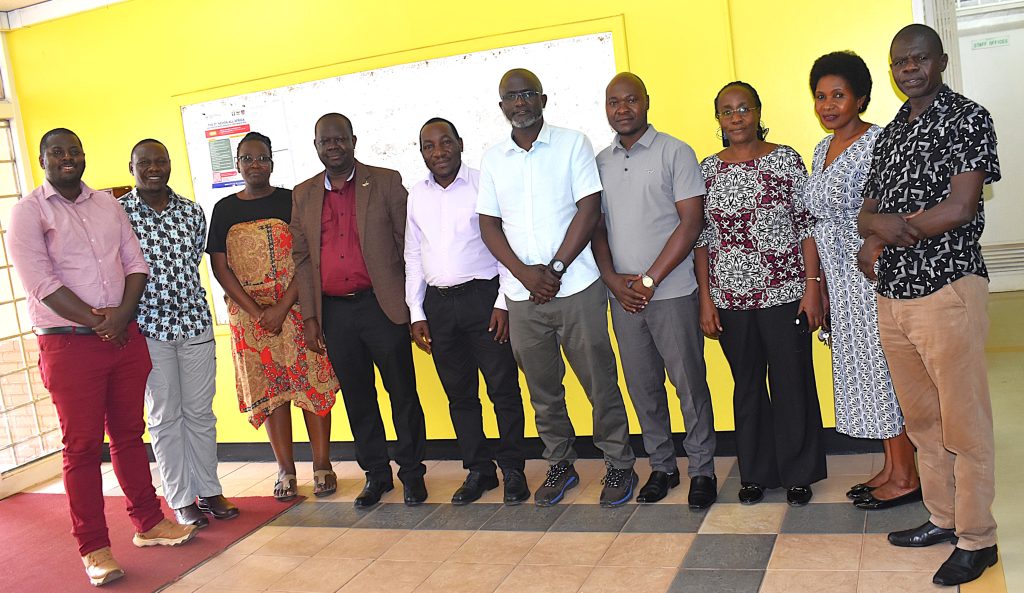
Dr John Mary Kiberu Appointed Acting Head of Makerere University’s Department of Geology & Petroleum Studies

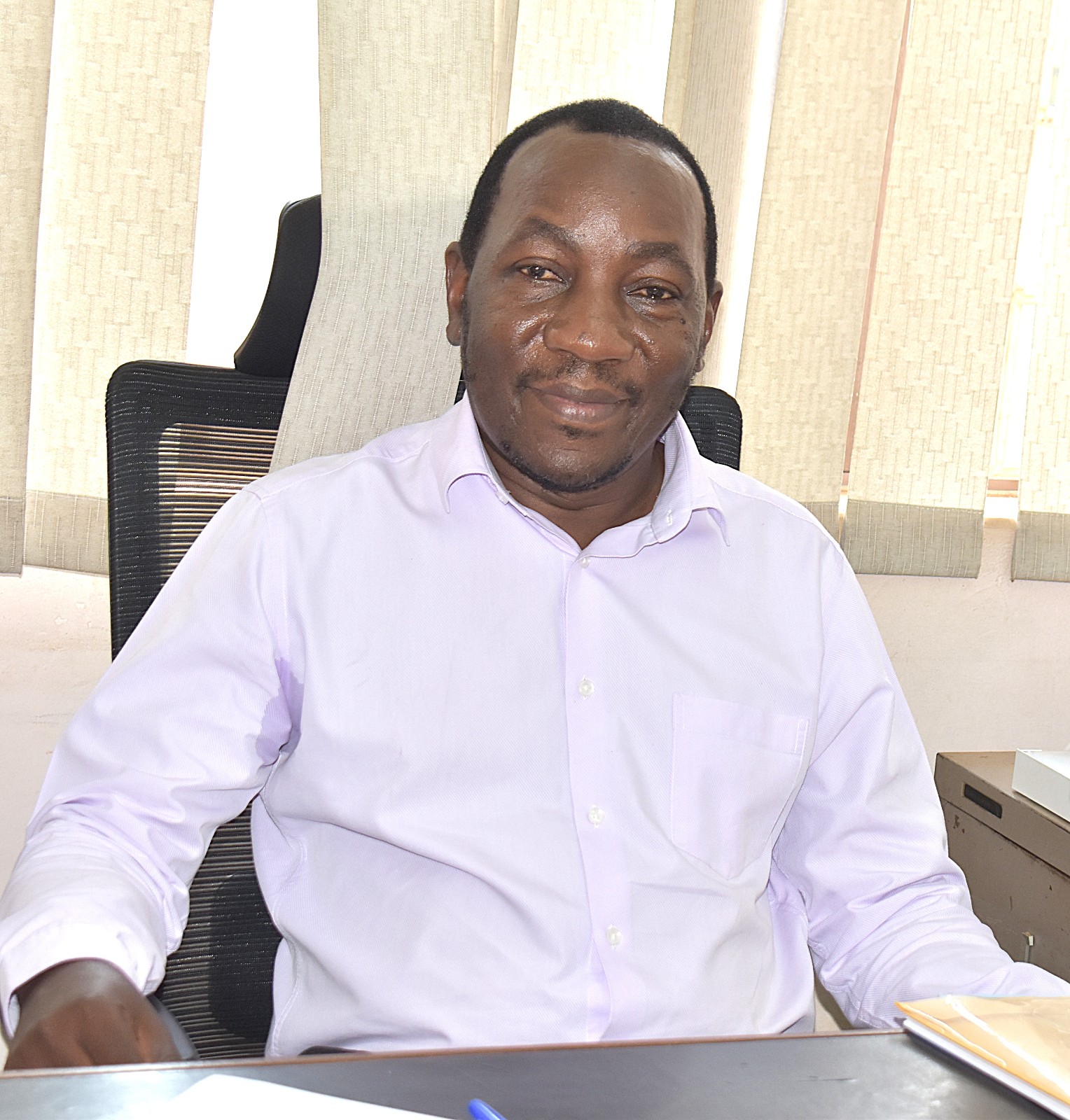
Dr John Mary Kiberu has been appointed Acting Head of the Department of Geology and Petroleum Studies at Makerere University effective 1st July 2026.
Dr Kiberu takes over from Dr Arthur Batte who has led the Department since 1st April 2022.
Official Handover Ceremony
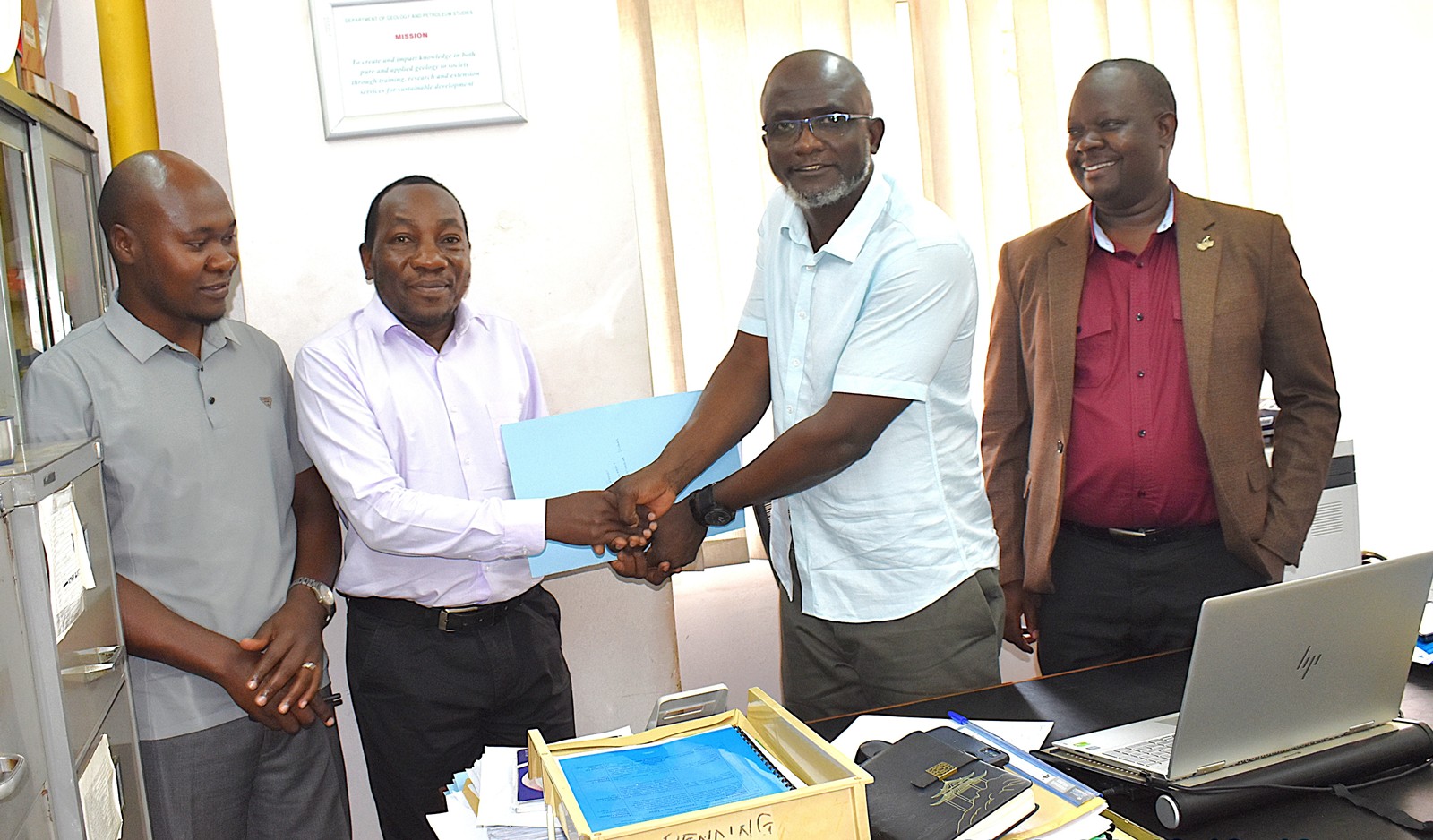
The official handover ceremony, held on 10th July 2026, was presided over by the Dean of the School of Physical Sciences, Prof. David Ssevviiri, who paid tribute to the outgoing Head for his exemplary leadership, dedication, and unwavering commitment to the advancement of the Department. Prof. Ssevviiri acknowledged Dr Batte’s invaluable contribution, sacrifices, and efforts in guiding the Department and strengthening its academic and institutional mandate during his tenure. He welcomed the incoming Head and expressed confidence in his ability to provide strategic leadership and build on the foundation established, while advancing the Department’s vision and goals.
Dr Batte’s Achievements During His Tenure
In his handover report, Dr Batte reflected on the Department’s progress over the past four years, highlighting the achievements that strengthened academic programmes, research, industry collaboration, infrastructure, and administrative systems.
Among the key accomplishments was the acquisition of modern teaching and research equipment through strategic partnerships with leading industry stakeholders. SNF contributed state-of-the-art laboratory equipment designed to simulate surfactant production processes for Enhanced Oil Recovery (EOR), significantly strengthening the Department’s capacity for hands-on training and applied research. TotalEnergies provided advanced computer workstations equipped with industry-standard geological and reservoir simulation software, enabling students and researchers to access cutting-edge tools for learning, innovation, and professional development. In addition, the Department expects to receive a well-control model from Zhongyuan Petroleum Exploration Bureau (ZPEB), which will further strengthen practical training in petroleum production processes.
Strengthening Industry Partnerships
The Department also expanded its engagement with industry by formalizing partnerships with TotalEnergies, COSL, DISKOS, and the Uganda Chamber of Energy and Minerals. These collaborations have created valuable opportunities for student internships, collaborative research, curriculum enhancement, and equipment support. Negotiations are ongoing to conclude Memoranda of Understanding with ZPEB, Dietsmann, and the Bio-Ecosystems Conservation and Development Agency, partnerships expected to further strengthen the Department’s teaching and research agenda.
Curriculum Modernization and Administrative Improvements
A major milestone during Dr Batte’s tenure was securing a USD 200,000 grant to review and modernize the Department’s undergraduate and postgraduate geology curricula. The ongoing project aims to align academic programmes with emerging technologies, industry needs, and international best practices.
On the administrative front, Dr Batte reported significant improvements in governance and academic management. The Department successfully maintained up-to-date records of meetings with no backlog of unapproved minutes, ensured the timely submission of students’ examination results, and cleared pending postgraduate proposal presentations, enabling graduate students to progress without unnecessary delays.
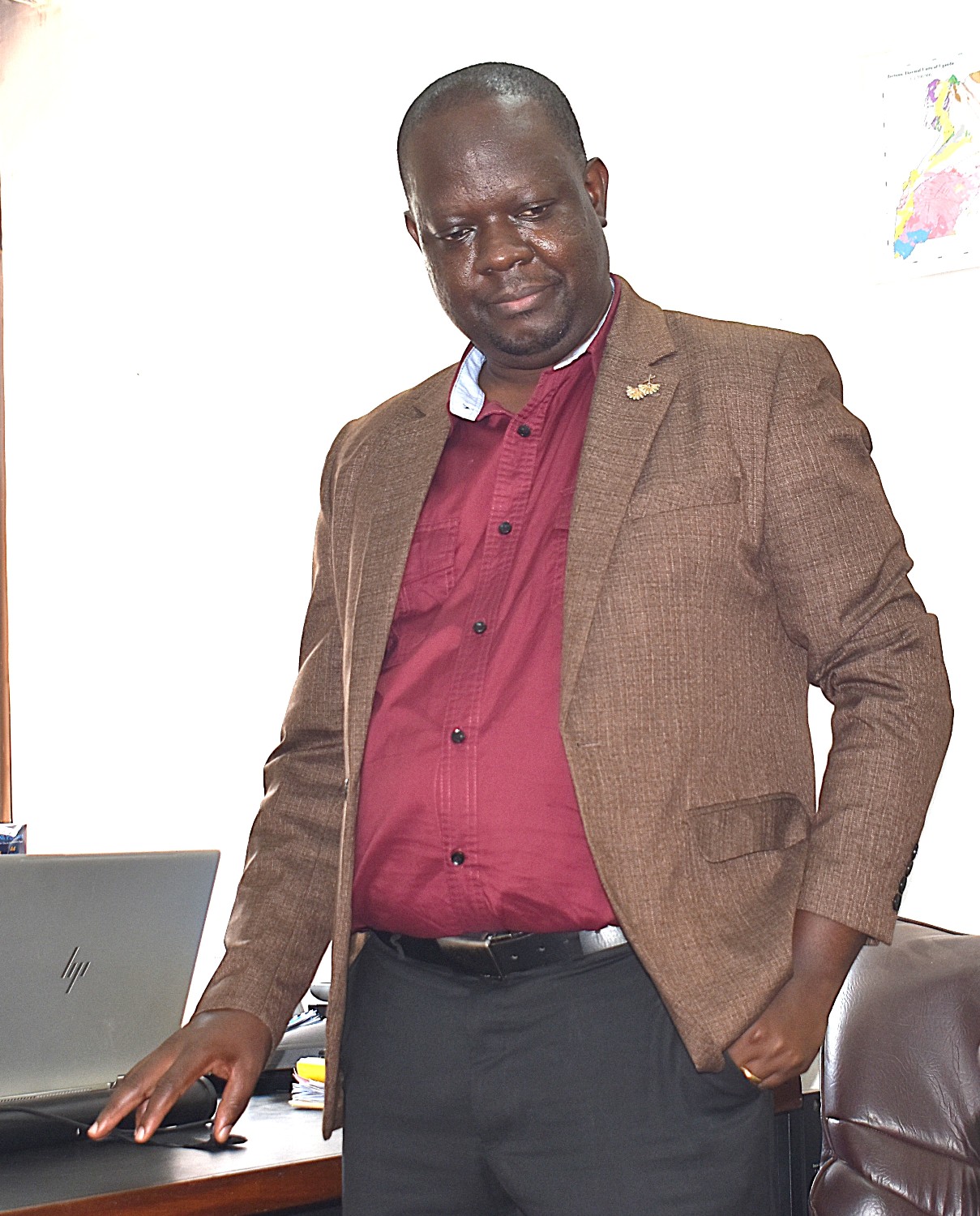
Dr Batte’s Message to the Incoming Head
During the handover ceremony, Dr. Batte congratulated Dr. Kiberu on his appointment and wished him success in his new role. He expressed confidence that the Department was well positioned for continued growth, with strong institutional systems, strategic partnerships, and a dedicated team ready to support the new leadership. “I am confident that under your leadership, the Department of Geology and Petroleum Studies will continue to excel and make significant contributions to Makerere University and the broader scientific community.”
He appreciated the University and College leadership, members of staff, students, and all stakeholders for the support, cooperation, and commitment they extended to him throughout his tenure as Head of Department. Dr. Batte acknowledged that the achievements realized during his leadership were a collective effort, made possible through the dedication of staff, the guidance of university leadership, and the continued collaboration of industry and institutional partners.
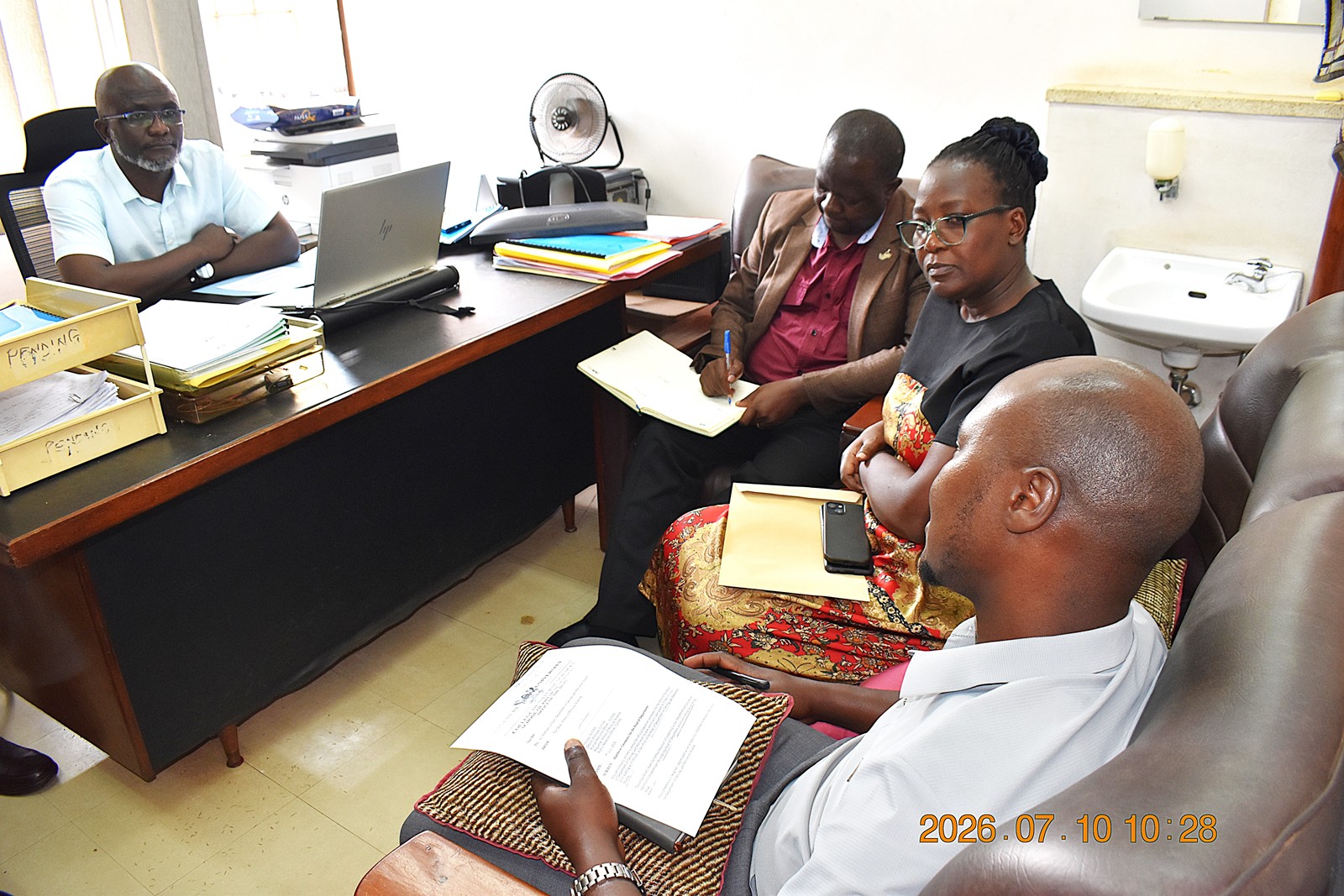
Dr Kiberu’s Vision for the Department
In his remarks, Dr Kiberu expressed gratitude to the University Management, the CoNAS leadership, and the School of Physical Sciences for entrusting him with the responsibility of leading the department.
“It is a great honour and privilege to serve as Head of the Department of Geology and Petroleum Studies. Leadership in academia is not simply about administration; it is about stewardship. It is about nurturing people, advancing knowledge, safeguarding institutional values, and creating opportunities that will benefit generations of students, researchers, and society. I pledge to serve with integrity and humility, and to lead with commitment to the continued growth and success of our Department.”
Dr Kiberu paid tribute to his predecessor for his dedicated service and acknowledged the strong foundation laid during the past four years.
“Every leader inherits both achievements and challenges,” Dr Kiberu noted. “I look forward to building upon that foundation while embracing new opportunities for growth.”
He outlined a vision centred on strengthening academic programmes, advancing research and innovation, expanding partnerships with industry and international institutions, improving the student experience, embracing digital transformation, and promoting transparency, accountability, teamwork, and collegiality.
He observed that geoscience is evolving rapidly, driven by the global energy transition, the growing demand for critical minerals, climate resilience, artificial intelligence, remote sensing, and advanced geophysical technologies.
“Our responsibility is to ensure that our teaching, research, and innovation remain relevant to national priorities while meeting international standards,” he said.
Dr Kiberu pledged to provide consultative, transparent, and inclusive leadership, emphasizing that the Department’s continued success would depend on collective effort.
“I pledge to lead through consultation, fairness, integrity, openness, and service,” he said. “Together, we can build an even stronger Department that attracts talented students, outstanding researchers, meaningful partnerships, and international recognition.”

Brief about Dr John Mary Kiberu
Dr. John Mary Kiberu is a distinguished geophysicist, petroleum geoscientist, and academic leader with over two decades of experience in teaching, research, mentorship, and institutional development at Makerere University. He holds a PhD (Dr. rer. nat.) in Geophysics from the Technical University of Berlin, Germany, an MSc in Geophysics from the University of Twente, Netherlands, and a BSc in Geology and Chemistry from Makerere University. He has served in the Department of Geology and Petroleum Studies in various capacities, contributing significantly to the advancement of geoscience education, research, curriculum development, and international collaborations.
His expertise spans applied geophysics, petroleum geoscience, seismic interpretation, reservoir characterization, hydrogeophysics, and tectonic studies. Dr. Kiberu has led and participated in several nationally and internationally funded research and capacity-building initiatives, strengthening geoscience training and research at Makerere University and beyond. Through his extensive supervision of postgraduate research, publication record, and engagement with global academic partners, he has played a key role in advancing petroleum geoscience and earth science research in Uganda. His appointment to lead the Department of Geology and Petroleum Studies reflects his longstanding commitment to academic excellence, innovation, and the continued growth of the department.
General
Stakeholders of Mastercard Foundation Initiatives at Makerere University Convene to Review Progress and Strengthen Collaboration

By Damali Mukhaye
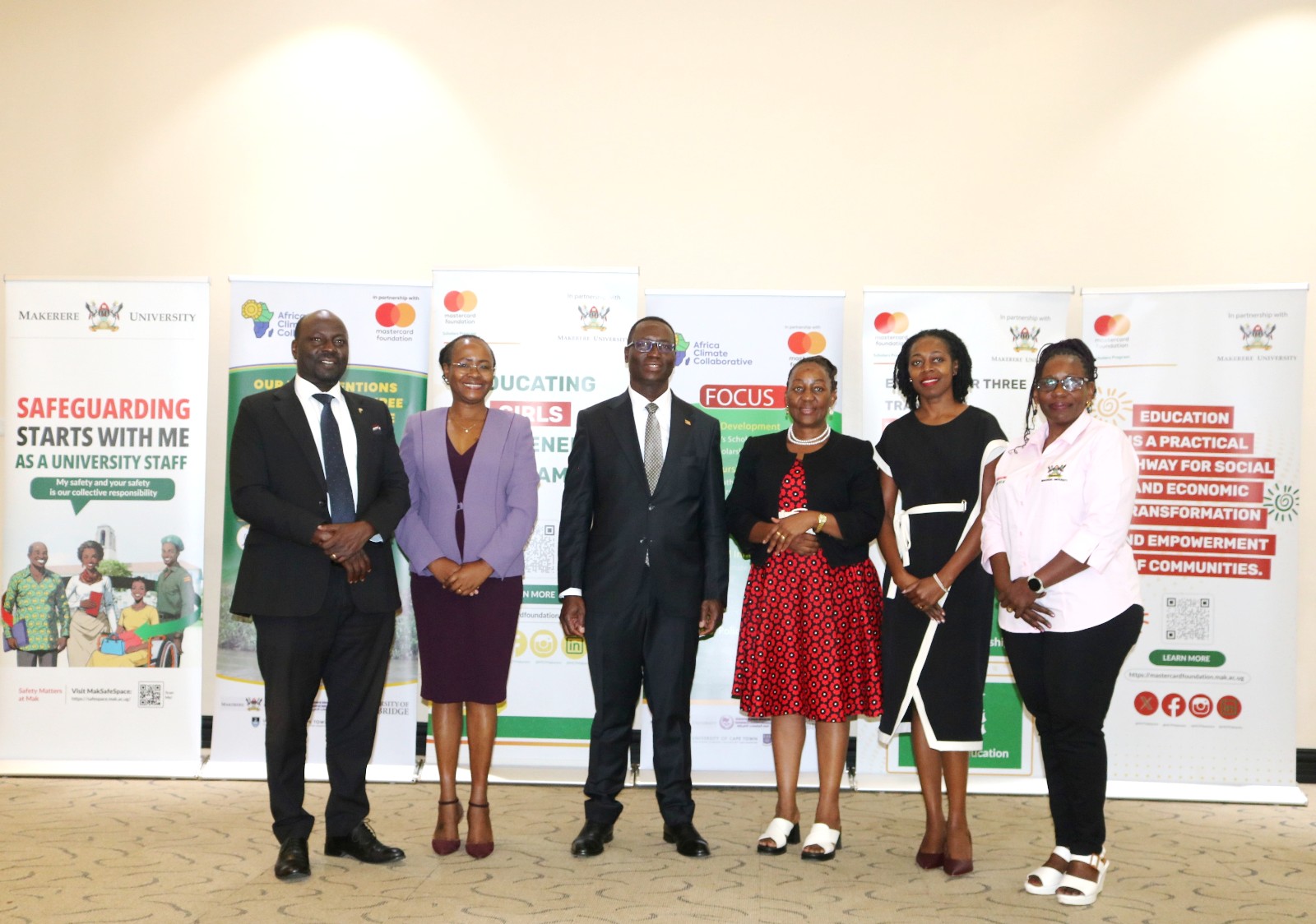
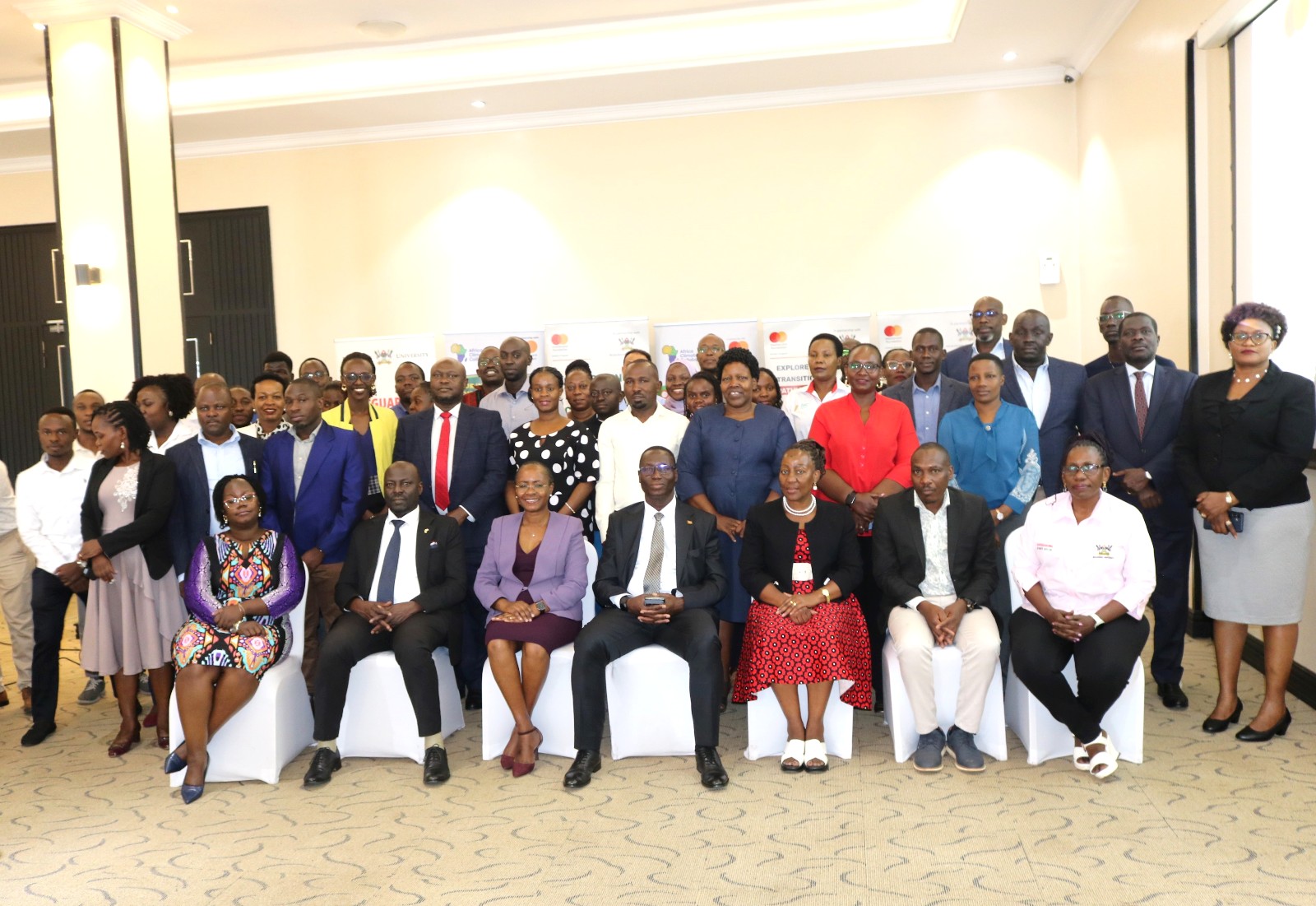
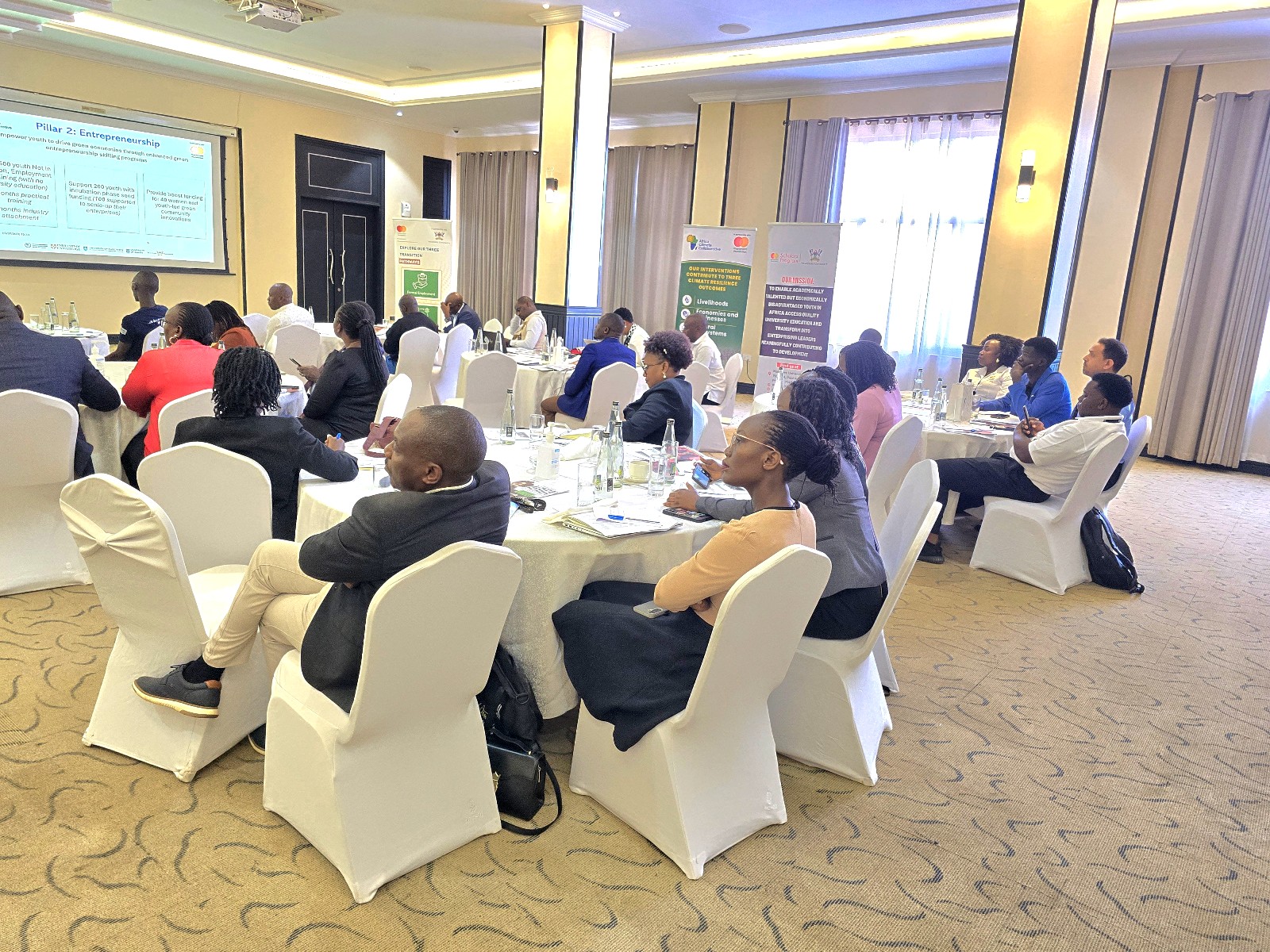
On 9th July 2026, the Mastercard Foundation-supported initiatives at Makerere University convened the 2nd Partnership Development Breakfast meeting at Mestil hotel in Kampala, to review progress, share experiences, and explore opportunities to strengthen collaboration and advance education, research, innovation, and youth empowerment.
The partnership development meeting brought together Makerere University leadership, government officials, Mastercard Foundation representatives, development partners, private sector actors, and other key stakeholders to reflect on ongoing interventions and identify areas for deeper collaboration.
The engagement highlighted the progress and impact of key Mastercard Foundation initiatives at Makerere University, including the Mastercard Foundation Scholars Programme, the Africa Climate Collaborative (ACC), and the e-learning initiative, which are promoting increased access to education, research development, climate resilience, skills enhancement, and preparing young people for future opportunities.
Delivering the opening remarks, the Deputy Vice-Chancellor, Academic Affairs, Makerere University, Prof. Sarah Ssali, stated that stakeholder engagement was vital in building stronger links between the University, students, academic staff, employers, and other parties involved in shaping graduates’ futures.
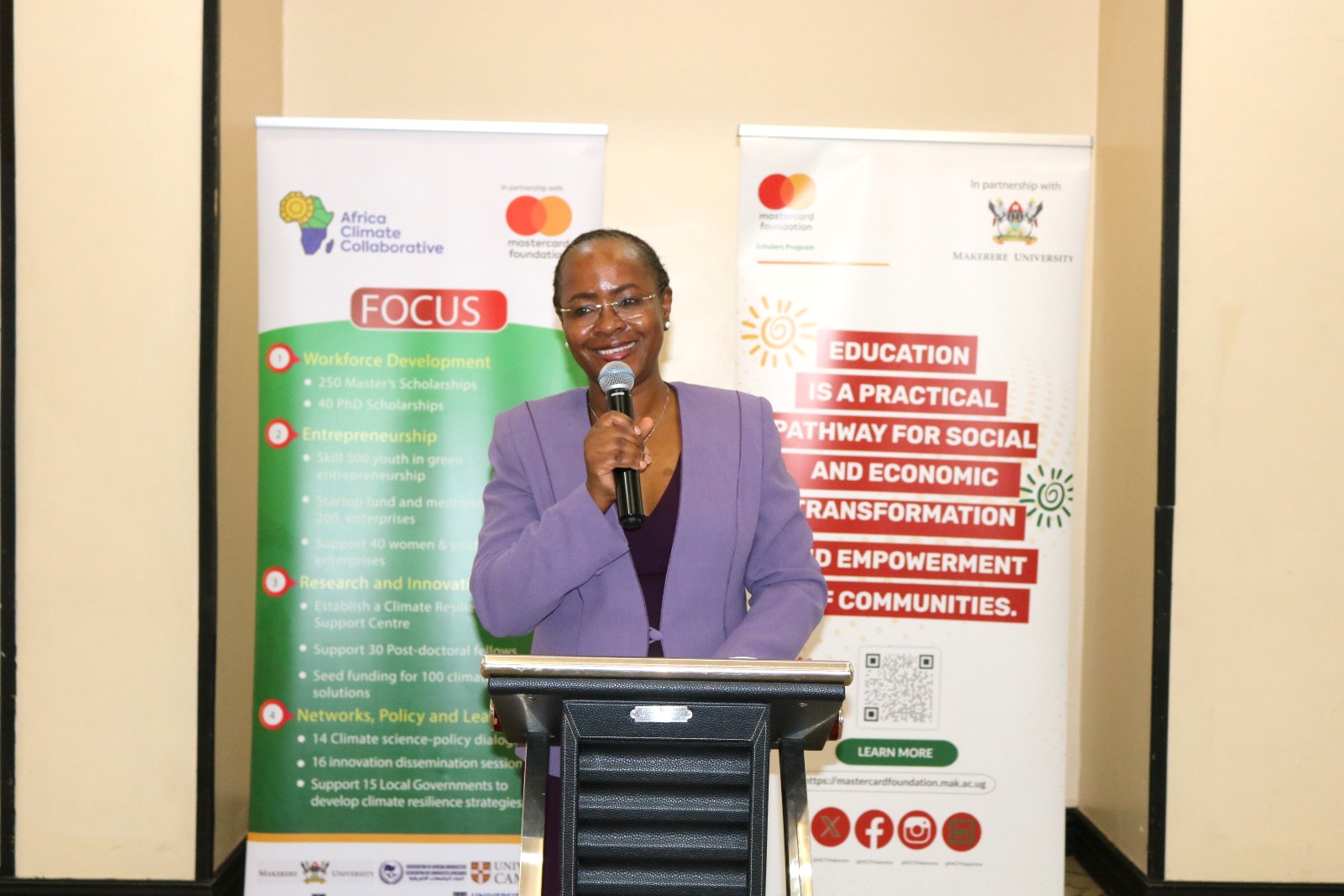
“You have been chosen for a purpose because it was not just about engaging with the students and stakeholders, but also with those involved in developing knowledge products and those who train and mentor our students,” Prof. Ssali said.
She emphasised the significance of partnerships in widening access to higher education, especially for students from marginalised backgrounds, highlighting that through scholarship programmes and inclusive education initiatives, Makerere University continues to attract and support talented students who might otherwise face obstacles to university access.
Prof. Ssali acknowledged the contribution of the Mastercard Foundation Scholars Program alongside other university initiatives, including the Africa Climate Collaborative, fee waiver schemes, and Council scholarships, which offer opportunities for students—especially those from vulnerable communities and talented female learners.
“Your investment in these young people is not charity, but a shared national development priority,” she said.
She explained that Makerere University’s partnership with the Mastercard Foundation aligns with the University’s strategic aim to enhance human capital development, research, and innovation in support of national development priorities under Uganda Vision 2040 and the Fourth National Development Plan.
Prof. Ssali noted that the University has, over the years, transformed into a research-focused institution, with partnerships enabling it to address critical societal challenges.
She urged stakeholders to continue supporting young people through mentorship and guidance as they prepare for employment and entrepreneurship.
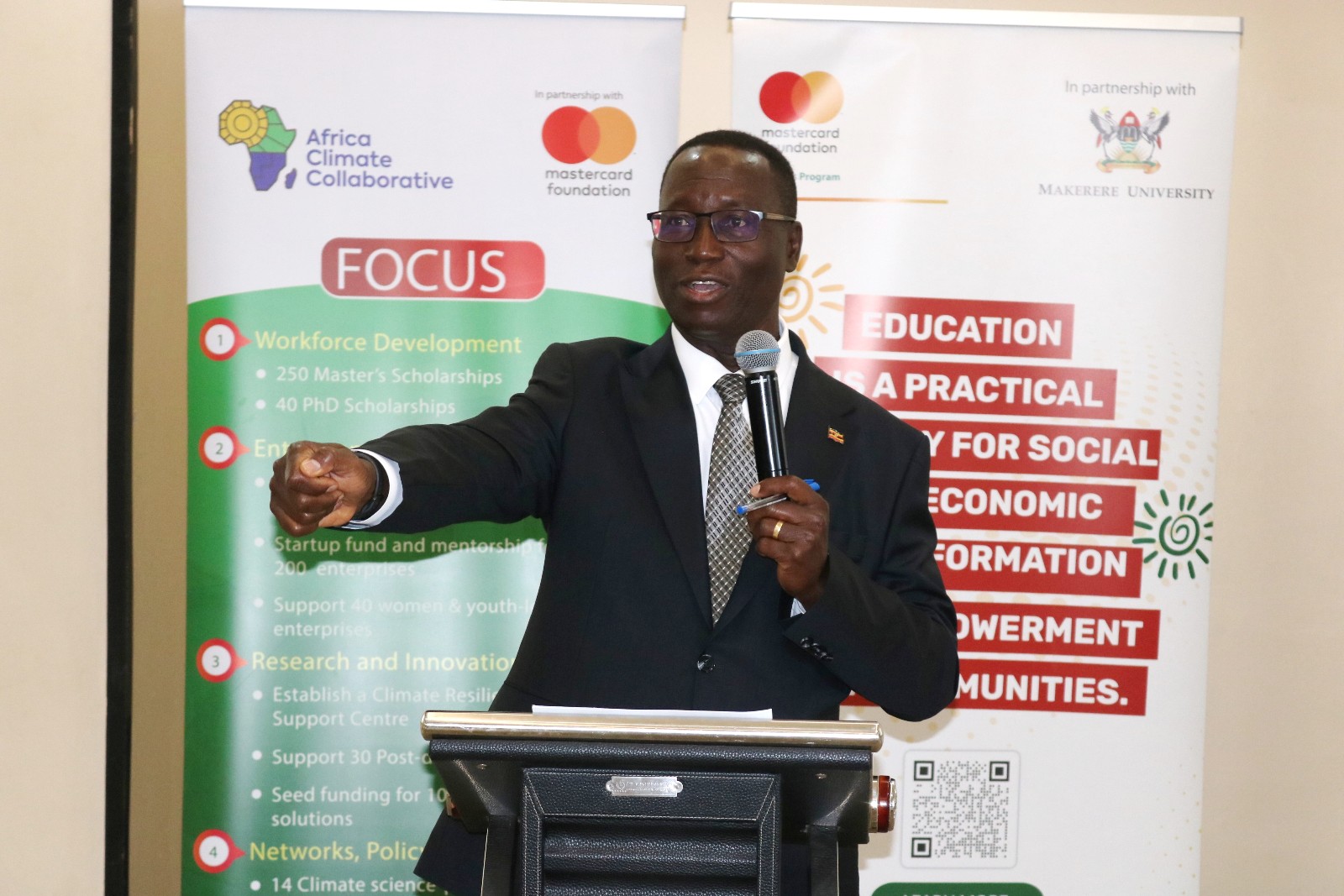
The Permanent Secretary, Ministry of Gender, Labour and Social Development, Mr Aggrey David Kibenge, praised the collaboration between Makerere University, the Mastercard Foundation, and other stakeholders, emphasising that teamwork is vital in tackling Uganda’s youth unemployment problem.
He observed that Uganda’s youthful population presents both an opportunity and a responsibility, with more than 70 per cent of the population under 30 years.
Mr Kibenge said the government alone cannot address youth unemployment and welcomed partnerships that support young people with relevant skills, employment pathways, and opportunities for entrepreneurship.
He highlighted government interventions, including the National Apprenticeship and Graduate Volunteer Programme Management Information System (NAGVPMIS), which links graduates with potential employers via a digital platform.
The platform enables young people to upload their qualifications and skills, while employers can find suitable candidates based on available opportunities.
“By digitising the matching and recruitment process, we are making the system more transparent, efficient, and merit-based,” Kibenge said.
The Permanent Secretary also emphasised the need for education institutions, employers, and the government to work together to address the skills gap affecting many graduates entering the labour market.
He noted that stronger partnerships with initiatives such as those supported by the Mastercard Foundation will help young people acquire skills that respond to changing labour market needs.
He reaffirmed the Ministry’s commitment to collaborating with the Mastercard Foundation and other partners to create more opportunities for young people to access dignified work.
Mastercard Foundation Highlights Young Africa Works Progress
Representing the Mastercard Foundation, Ms Maria Mugerwa, the Finance Lead at the Foundation, provided an update on the Young Africa Works Strategy, which seeks to enable 30 million young people, 70 per cent of them women, across Africa to access dignified and fulfilling work by 2030.
She explained that, in Uganda, the strategy aims to reach 4.3 million young people aged 18 to 35 through initiatives centred on entrepreneurship, enterprise development, education, and skills enhancement.
The strategy supports key areas, including micro, small, and medium enterprises (MSMEs), agriculture, the digital economy, creative industries, and inclusive opportunities for young people.
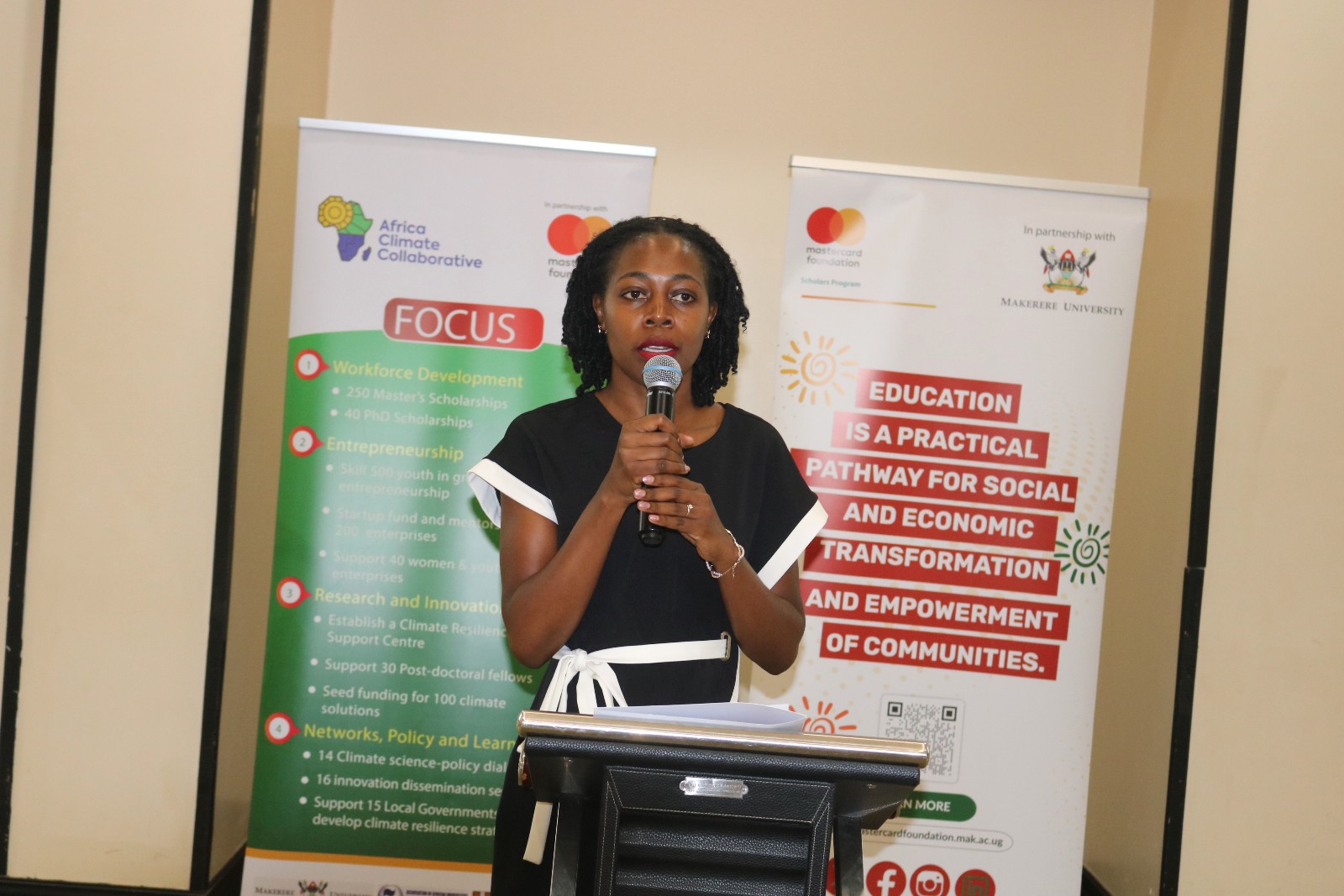
Ms. Mugerwa noted that the Foundation’s approach is built on partnerships that bring together universities, government, private-sector actors, and communities to create pathways for young people to transition from education to employment.
“Closing this gap will require stronger collaboration among all stakeholders, including linking universities and graduates to opportunities created under the Young Africa Works Strategy.” She said.
She emphasised that ongoing collaboration will be essential in widening access to employment opportunities, finance, markets, and entrepreneurship support for young people.
Highlights of Mastercard Foundation Initiatives at Makerere University
Mastercard Foundation Scholars Program
The Mastercard Foundation Scholars Program at Makerere University continues to transform the lives of academically talented but economically constrained young Africans by expanding access to quality university education and nurturing the next generation of transformative leaders.
In a presentation by Prof. Justine Namaalwa, the Program Director, the initiative was emphasised as a comprehensive support model that extends beyond scholarships to offer academic assistance, leadership growth, psychosocial well-being, community involvement, and pathways to dignified employment, entrepreneurship, and further education.
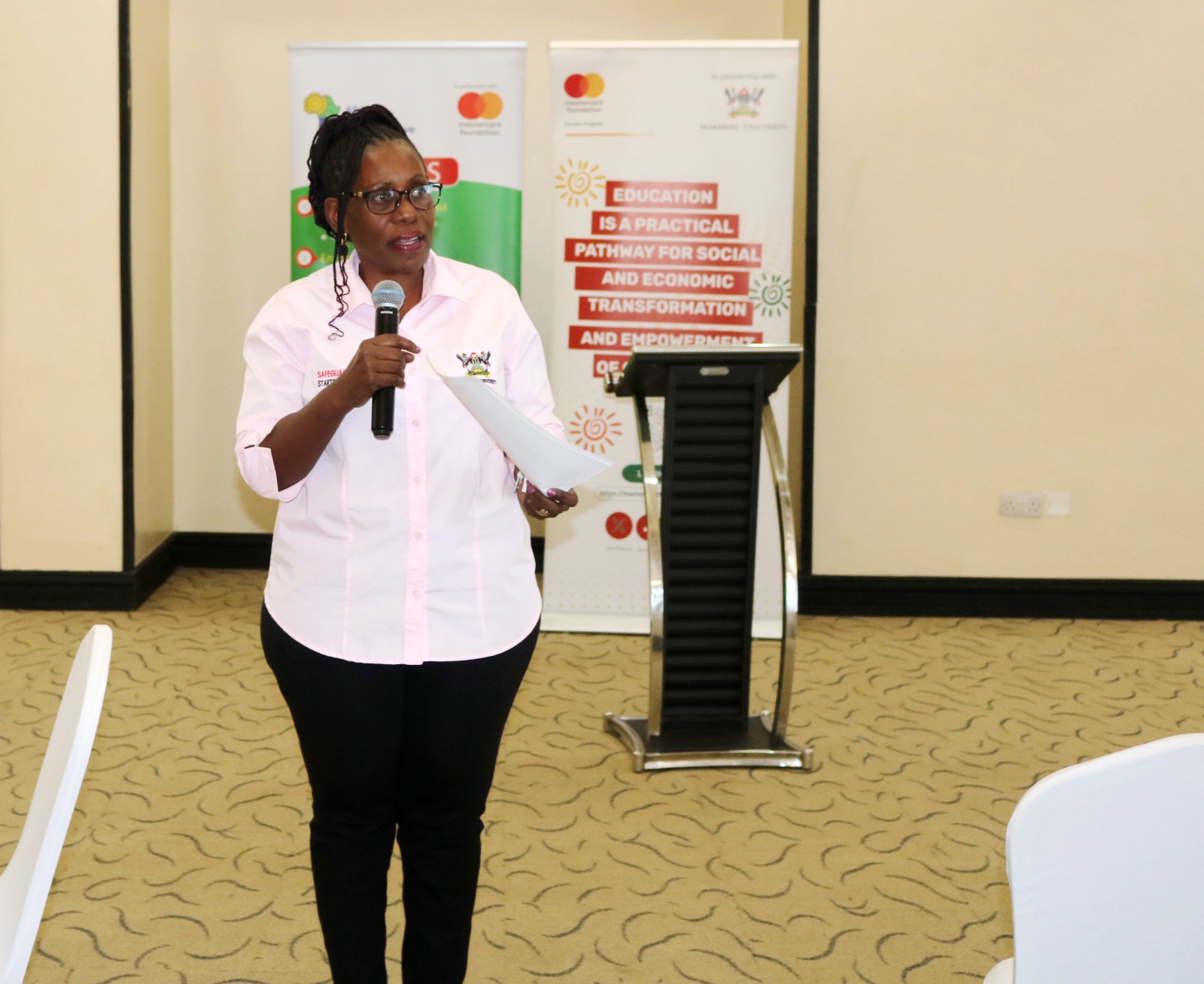
The Program has supported 971 Scholars and alumni, with many transitioning into formal employment, entrepreneurship, and advanced studies.
Guided by the values of listening, humility, kindness and respect, co-creation, and impact, the program promotes inclusion, belonging, and agency among young people.
Africa Climate Collaborative at Makerere University
The Program Director of the Africa Climate Collaborative, Prof. Gorettie Nabanoga, said that the programme, which kicked off in 2025, is a transformative eight-year university-wide initiative designed to empower young people and strengthen Africa’s capacity to develop inclusive, equitable, and innovative responses to climate change.
Implemented in collaboration with global and regional partners, including the University of Cambridge, the University of Cape Town, the University of Ghana, and the Association of African Universities, the Collaborative focuses on four interconnected pillars: workforce development, entrepreneurship, research and innovation, and networks, policy, and learning.
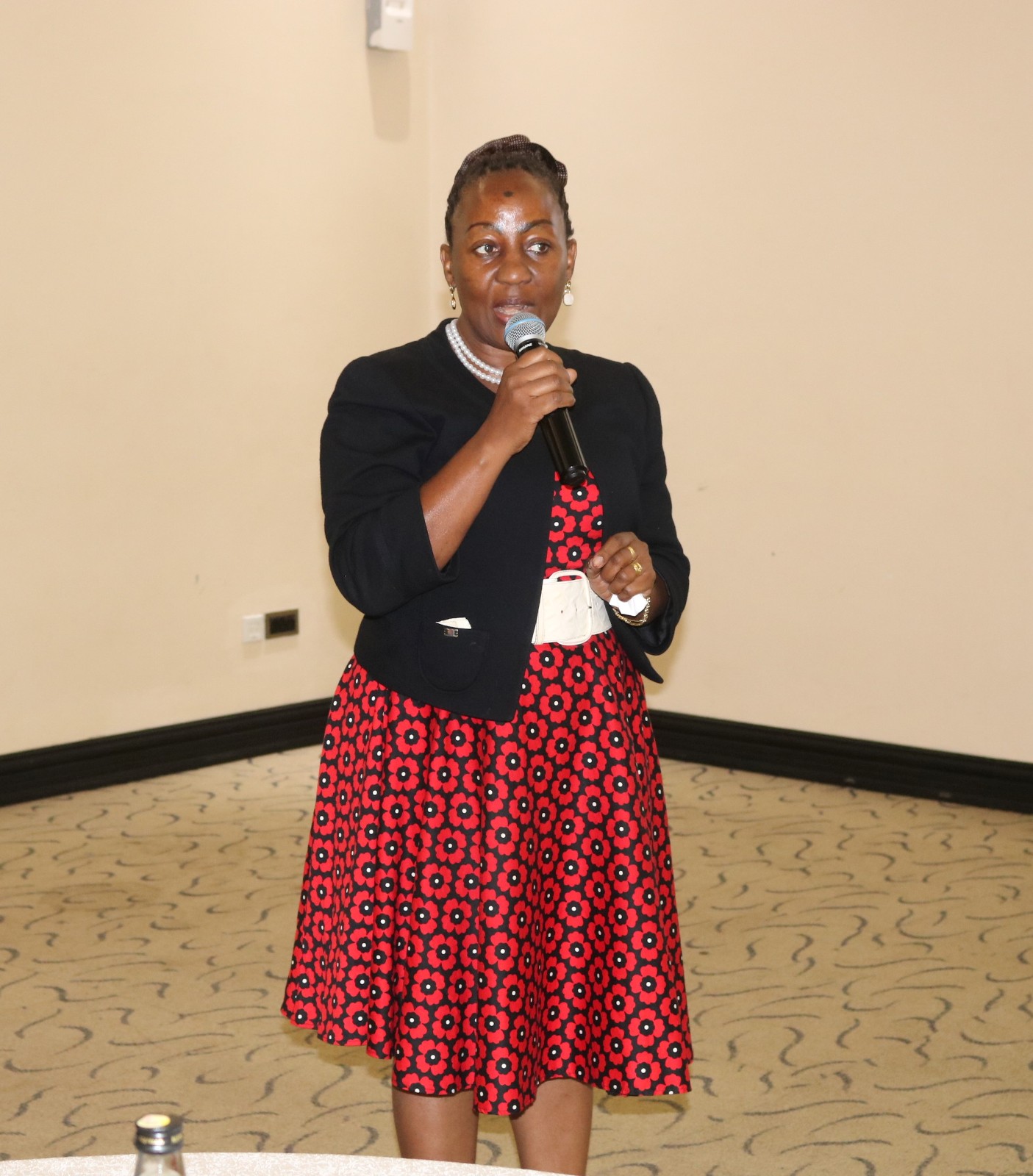
Through its workforce development pillar, ACC will expand access to quality education by providing comprehensive scholarships to 250 Master’s students and 40 PhD students, while strengthening research capacity through academic mentorship and support.
The entrepreneurship pillar will equip 500 youth not in education, employment, or training with green entrepreneurship skills, provide incubation support, and promote youth-led green innovations.
The Collaborative will also establish a Climate Resilience Support Centre to drive interdisciplinary research and innovation while fostering partnerships, policy dialogues, and knowledge exchange to support climate-resilient communities.
e-Learning Initiative Phase II
In a presentation by Prof. Paul Birevu Muyinda, Director of the Institute of Open, Distance and eLearning (IODeL) at Makerere University, the progress and future direction of the Mastercard Foundation e-Learning Initiative Phase II were highlighted.
Building on the successful completion of Phase I in December 2024, Makerere University secured participation in the second phase, which aims to accelerate digital transformation and strengthen inclusive, learner-centred, and scalable e-learning systems across the institution.
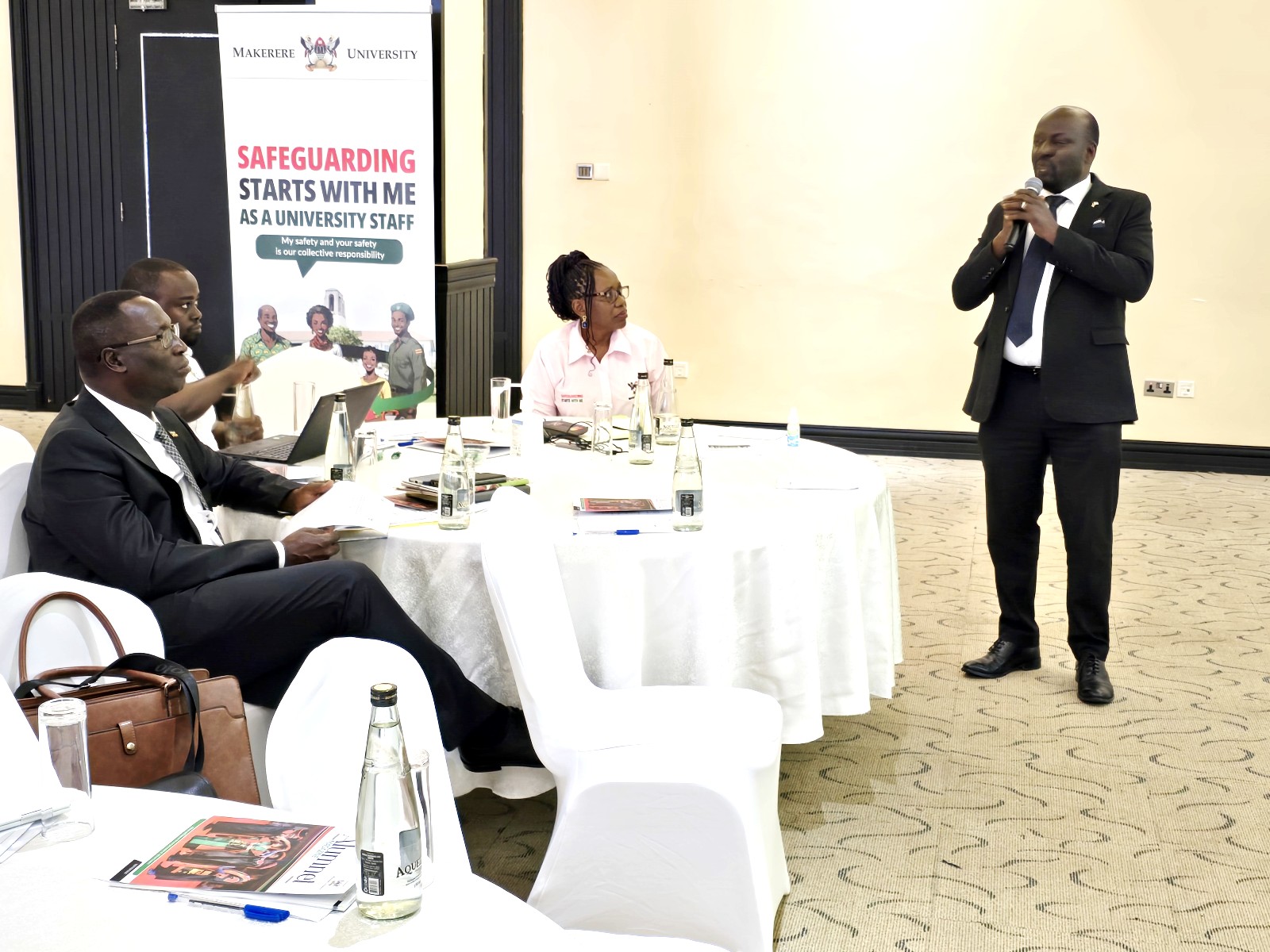
The initiative seeks to enhance access to quality digital education by developing 10 fully online academic programmes and 10 micro-credentials by 2030. It will also establish integrated digital learner support services, strengthen digital infrastructure, and promote digitally empowered leadership and governance within the University.
A key component of the initiative is building institutional capacity in learning design and technology.
Since January 2026, 35 Makerere University staff members have been undertaking graduate-level training at Arizona State University, with 13 pursuing Master’s programmes and 22 enrolled for graduate certificates in Learning Design and Technology.
Through strategic partnerships and innovation, the initiative will position Makerere University as a leader in digital education, expand opportunities for inclusive learning, and strengthen resilience in higher education.
The second stakeholder engagement session concluded with several stakeholders, including DFCU Bank, the Uganda Manufacturers Association (UMA), the Private Sector Foundation Uganda (PSFU), and Finn Church Aid, among others, committing to building stronger pathways that will enable students and graduates to contribute meaningfully to Uganda’s social and economic transformation.
Damali Mukhaye is the Communication, Public Relations, and Branding Officer for Africa Climate Collaborative at Makerere University.
General
Benchmarking Best Practices In Quality Assurance: Official Visit To The University Of Cape Town
By Dr. Irene Rebecca Namatende
1.0 BACKGROUND
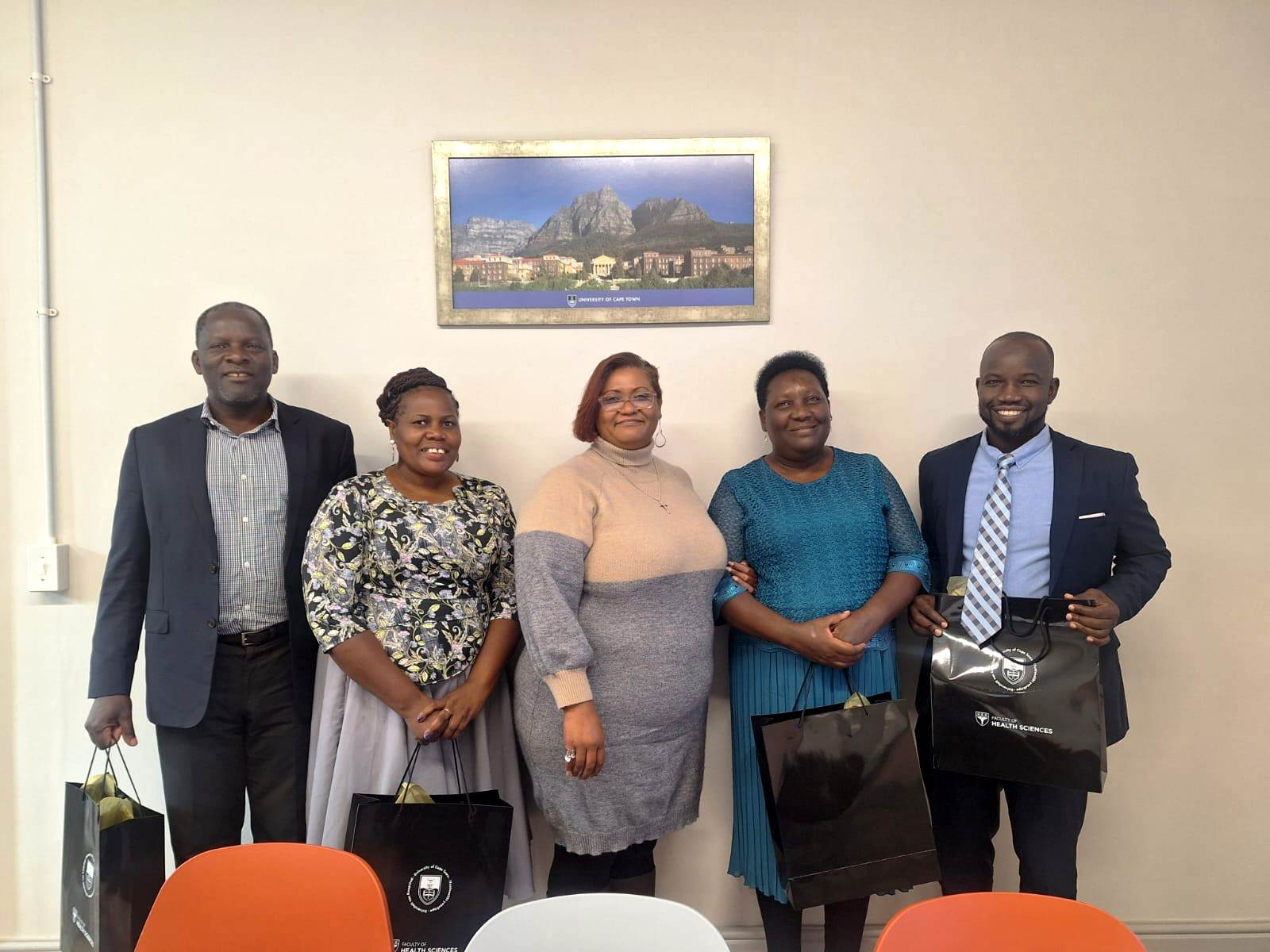
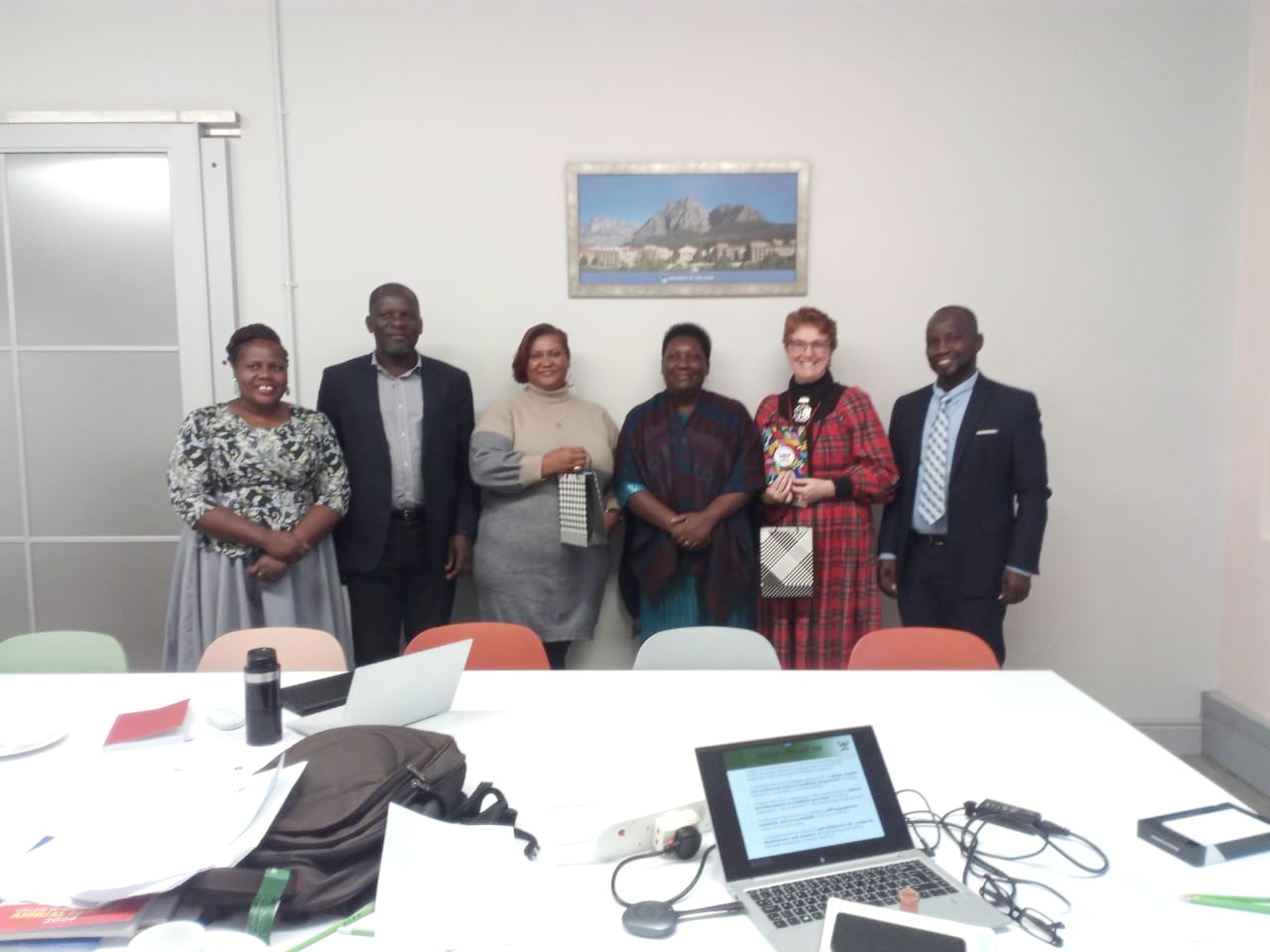
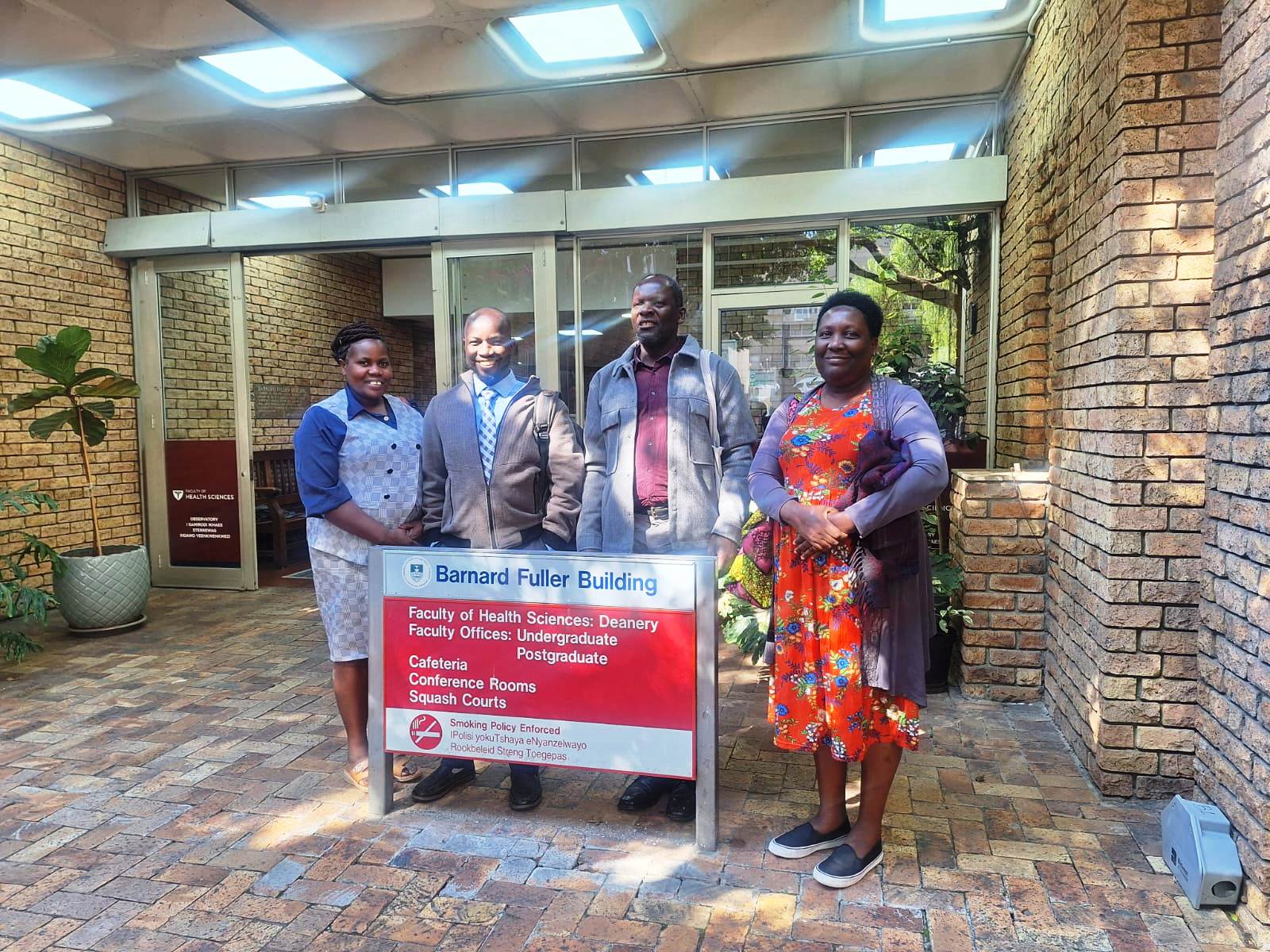
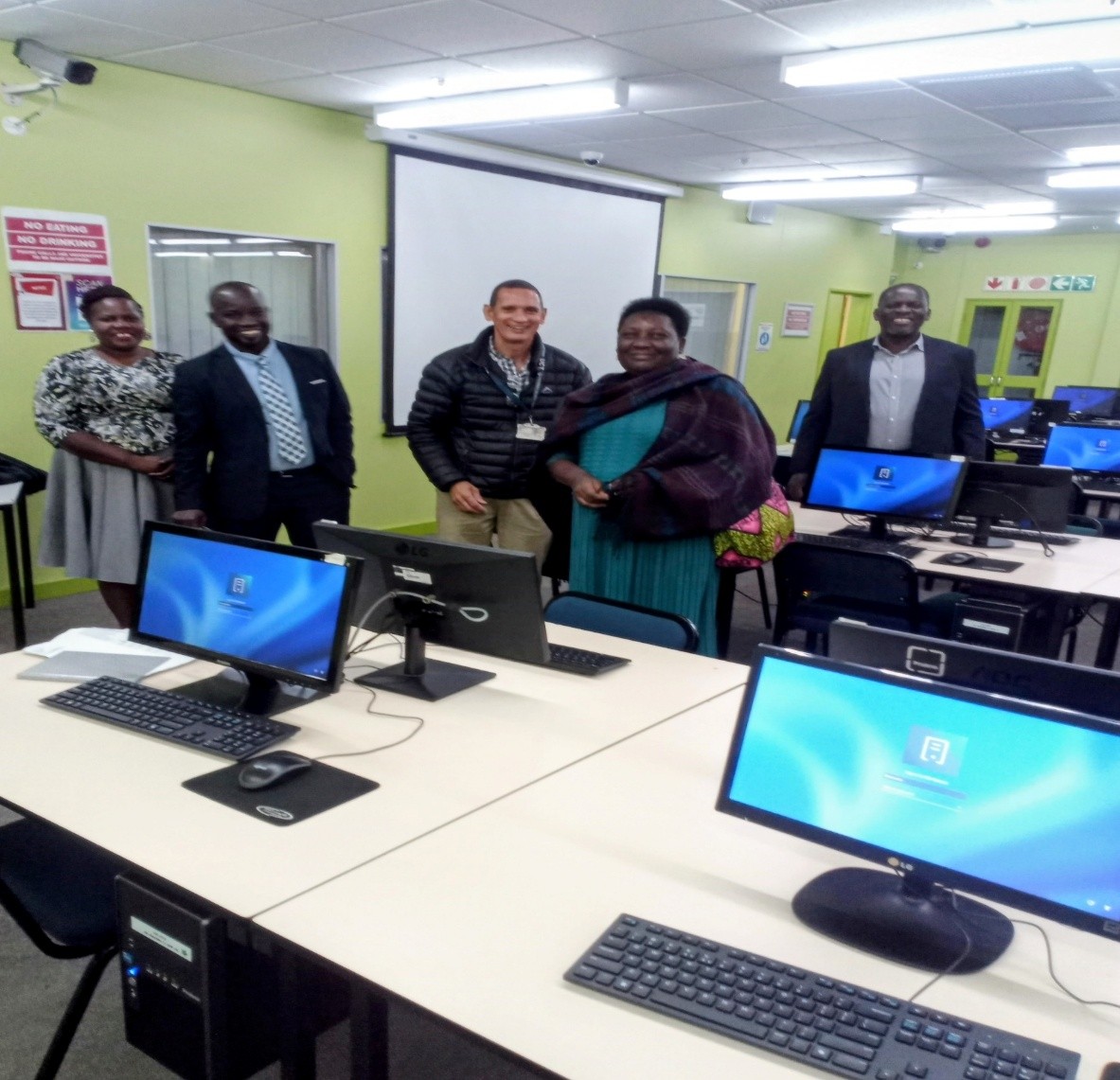
A team of four members of staff from the College of Health Sciences (CHS), Makerere University undertook an official benchmarking visit to the University of Cape Town (UCT) from 19th to 26th April, 2026. The four are members of the Quality Assurance, Gender Mainstreaming and ICT Committee-CHS. The delegation comprised two academic and two administrative staff led by the Dean, School of Dentistry, Prof. Annet Kutesa. Other members included;
- Dr. Irene Rebecca Namatende – Quality Assurance Officer-CHS
- Dr. Kalidi Rajab – Lecturer in the Department of Pharmacy
- Mr. Bataamye Herbert – CHS Registrar.
The primary purpose of the visit was to benchmark Quality Assurance (QA) systems in teaching, learning, and governance; strengthen institutional collaboration; and explore opportunities for academic exchange and joint initiatives between Makerere University and the University of Cape Town.
1.1 Purpose of the Visit to UCT was
- To gain an understanding of institutional QA frameworks at UCT across teaching, research and governance, and identify adaptable best practices for Makerere University.
- To explore effective strategies used by UCT to design, monitor, and continuously improve academic programmes, ensuring relevance, consistency, and excellence.
- To learn from UCT’s experiences and approaches to national and international accreditation processes, including preparation, documentation, and stakeholder engagement.
- To examine mechanisms for fostering staff engagement, ownership, and accountability in QA and continuous improvement processes.
2.0 Key Areas Covered During the Visit
2.1 Quality Assurance Systems
The visit explored the institutional quality assurance framework at the University of Cape Town, focusing on its structured approach to academic quality management. Emphasis was placed on clearly defined QA units, robust monitoring and evaluation mechanisms, and the integration of quality assurance processes into routine academic delivery and programme oversight. Discussions also highlighted systematic approaches to curriculum design and periodic review, ensuring alignment with accreditation standards and evolving educational needs.
We found that QA frameworks at UCT cut across teaching, research and governance. Here below are some of the key findings;
- All programmes must be approved by the Council of Higher Education, Quality Regulation Framework.
- All programmes must be accessible to the Council of Higher Education (CHE).
- The Academic Programmes at UCT are reviewed after every 5 years.
- Every programme goes through detailed evaluation before approval.
- Support Staff are also interviewed before appointment into university service.
- Each programme must be accounted for by UCT to the Councils
- Comprehensive information for each programme is required by the Councils before approval is given.
- It is important to have integrity of qualifications and qualification of programmes.
- After O. Level the students sit for a National Benchmark Test.
2.2 Governance and Leadership
The visit provided insights into transparent and participatory governance structures that support effective decision-making. There is a strong emphasis on staff engagement, accountability, and leadership at different institutional levels. A culture of continuous improvement is embedded within governance systems, supported by regular review and feedback mechanisms.
2.3 Teaching and Learning
The discussions further highlighted the institution’s diverse student assessment methods and structured feedback systems, alongside the effective integration of digital technologies to enhance teaching, learning, and student engagement.
Here below are the key outcomes;
- Every Course unit exam should be moderated by an External Moderator.
- The external moderator is appointed at the beginning of the year.
- The external moderator makes recommendations.
- These recommendations are in form of policies.
- Ensure overall examination preparedness for all students
- The template for external moderation is revised regularly.
- The moderators also assess if, the exams are fair or not.
Conclusion:
Key Takeaways
- The promotion ladder at UCT is more on the Competences, individual contributions on supervision, publications, community service and experience.
- QA is embedded in every unit and department.
We thank the Principal, College of Health Sciences and CMT for the support that facilitated this benchmarking visit.
-
 General2 weeks ago
Undergraduate Admission Lists 2026/2027
-
 General1 week ago
Makerere University Launches First Writing Summer School
-
 General2 weeks ago
Press Statement: Makerere University Launches Ambitious Strategic Plan 2026–2030
-
 Health2 weeks ago
Makerere University becomes Africa’s new nerve centre in the fight against Ebola
-

 General2 weeks ago
Makerere Launches Strategic Plan 2030, Aligns with Uganda’s Tenfold Growth Agenda