General
Makerere University 66th Graduation Ceremony
Published
10 years agoon

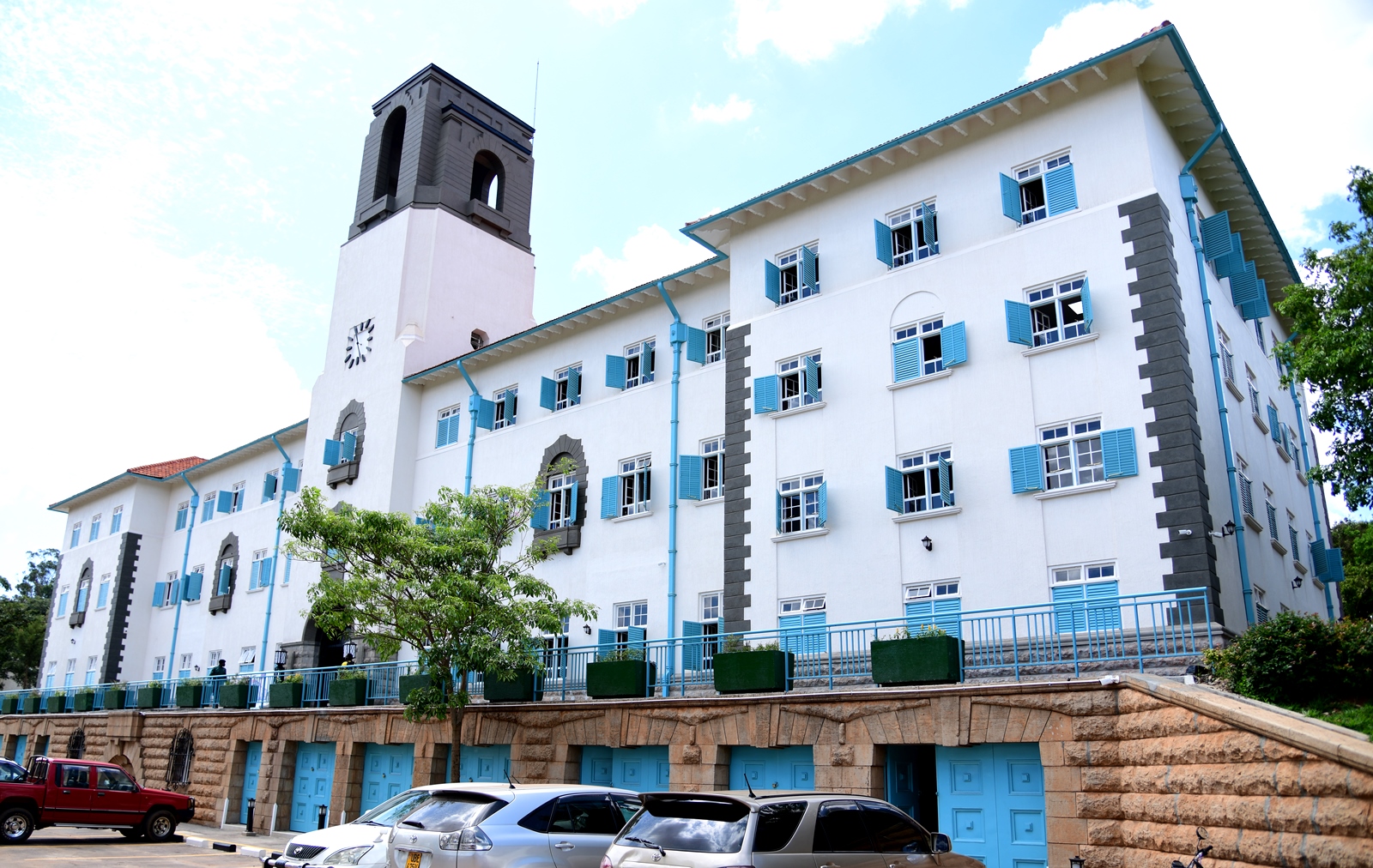
The 66th Graduation Ceremony of Makerere University will be held for four days, from Tuesday 19th to Friday 22nd January 2016.
The Graduands, distinguished guests and the entire congregation shall be seated by 8:30am. The Chancellor, Professor Ezra Suruma will then constitute the congregation for the 66th graduation ceremony at 9:00am.
The Schedule for the three day ceremony will run as follows;
Tuesday 19th January 2016
College of Engineering, Design, Art and Technology (CEDAT)
College of Agricultural and Environmental Sciences (CAES)
College of Veterinary Medicine, Animal Resources and Bio-security (CoVAB)
College of Natural Sciences (CoNAS)
School of Law
Wednesday 20th January 2016
College of Education and External Studies (CEES)
College of Humanities and Social Sciences (CHUSS)
Thursday, 21st January 2016
College of Health Science (CHS)
Makerere University Business School (MUBS)
Friday, 22nd January 2016
College of Business and Management Sciences (CoBAMS)
College of Computing and Information Sciences (CoCIS)
Please click here for Graduation Requirements.
For any further enquiries, please contact the Department of the Academic Registrar or visit Room 501, Level 5, Senate Building, Makerere University
You may like
General
Trees That Still Give Shade: Celebrating the Life and Impact of Prof. Tumusiime-Mutebile
Published
2 hours agoon
December 4, 2025By
Eve Nakyanzi
Makerere University on 3rd December, 2025 hosted the Tumusiime Mutebile Annual Lecture, a tradition established to honour the life and legacy of the late Prof. Emmanuel Tumusiime-Mutebile, an outstanding alumnus and former Governor of the Bank of Uganda who passed away in 2022. The lecture not only reflects on his remarkable contribution to Uganda’s economic leadership, but also highlights how innovation, resilience, and intergenerational vision can shape Africa’s future.
This year’s edition was anchored on three key pillars—intergenerational leadership, economic resilience, and the power of innovation—themes that defined Prof. Mutebile’s career and continue to influence national development. Through this annual series, the University upholds his memory while also celebrating other African leaders whose work has left a lasting mark on the continent, using their legacies to inspire thoughtful dialogue, policy reflection, and the next generation of transformative thinkers.
Celebrating an Enduring Legacy
In her remarks, the Acting Vice Chancellor, Prof. Sarah Ssali, reflected on Prof. Mutebile’s lifelong commitment to excellence, integrity, and the transformative power of education. She highlighted his journey from a student leader at Makerere to one of the country’s most influential economic thinkers, noting how his leadership in monetary policy, fiscal reform, and economic stabilization reshaped Uganda’s economic trajectory.

Prof. Ssali emphasized that this public lecture series not only honours Mutebile’s legacy but also bridges academia and practice—challenging students, scholars, and national leaders to pursue knowledge that serves the public good. She expressed gratitude to the Bank of Uganda under Dr. Michael Atingi-Ego, dfcu Bank, the GRO Foundation, the Mutebile family, and the Advancement Office for their continued support in sustaining a platform that nurtures economic thought leadership and inspires future generations.
Rt. Hon. Emeritus Amama Mbabazi, a lifelong friend and contemporary of the late Prof. Emmanuel Tumusiime-Mutebile, delivered a deeply personal reflection during the lecture. He recalled their shared beginnings as young student leaders at Makerere, their early political activism, and the historical moments that shaped both their lives and the nation. Speaking as both confidant and colleague, he emphasized Mutebile’s disciplined approach to economic policy, his unwavering belief in strong, accountable institutions, and his commitment to evidence-based, long-term decision making. Mbabazi outlined three pillars of Mutebile’s legacy—policy integrity, institutional strength, and leadership that prepares the next generation—values he affirmed are central to the work of the Tumusiime Foundation, which he now chairs.

He underscored the critical role of the private sector in Africa’s transformation, stressing the need for productivity-driven economies, skilled young people, and policy ecosystems that encourage innovation. He further called for intergenerational leadership that deliberately transfers knowledge, builds enduring institutions, and creates real opportunities for young Africans to lead. In closing, he urged academia, policymakers, and industry to work in partnership, noting that Africa’s progress depends on disciplined leadership, investment in human capital, and a shared commitment to building a future stronger than the present.
Fiscal Policies that have stood the test of time
The Governor of the Bank of Uganda, Dr. Michael Atingi-Ego, honored the late Prof. Emmanuel Tumusiime-Mutebile with a heartfelt tribute, praising him as “a great tree whose roots ran deep beneath the soil of this nation, nourishing all who followed.” He noted that Uganda continues to benefit from the “shade” of the policies Mutebile planted during his 21-year tenure—policies that stabilized the economy, strengthened institutions, and protected the financial system through multiple crises. He highlighted Mutebile’s role in restoring price stability through cash budgeting, bringing inflation down from triple digits to single digits, guiding the country through the 2008 global financial crisis with disciplined monetary policy, and maintaining public trust during the 2011 inflation spike through clear and transparent communication.

Dr. Atingi-Ego also credited him for steering Uganda safely through the COVID-19 pandemic by introducing liquidity support for banks, credit relief for borrowers, and targeted foreign exchange interventions. Reflecting on Mutebile’s long-term impact, the Governor remarked, “These are the ideas he planted—he never lived to enjoy the shade of the tree, but today, the country rests under it.” He further celebrated Mutebile’s commitment to innovation, citing the 2016 amendments to the Financial Institutions Act that unlocked agency banking, bancassurance, and Islamic banking—reforms that today anchor Uganda’s impressive financial inclusion gains.
Intergenerational Leadership blends agility and emotional intelligence
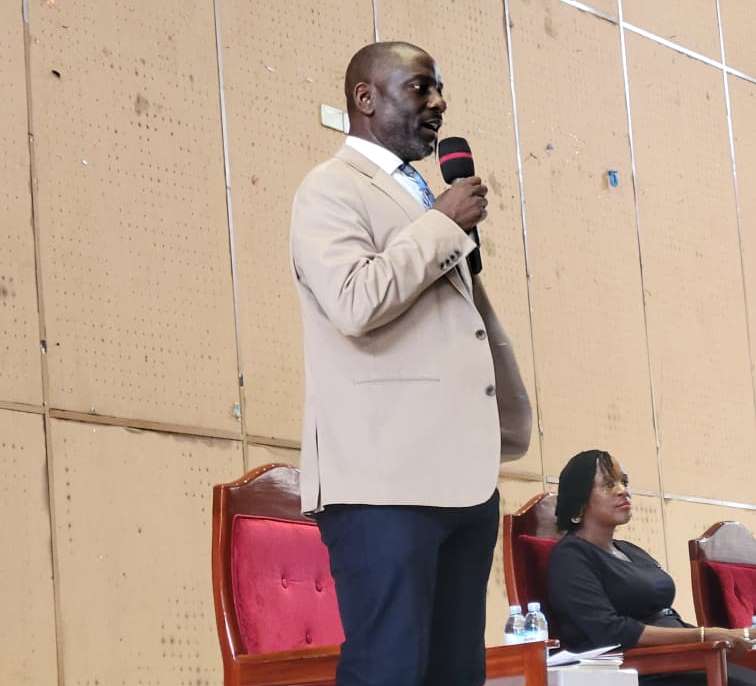
Eng. Dr. F. F. Tusubira delivered a compelling and deeply reflective keynote, grounding the theme “Intergenerational Leadership, Economic Resilience and the Power of Innovation” in both history and lived institutional experience. He expressed serious concern that although Africa is the world’s youngest continent—with over 65% of its population below 35—its systems continue to sideline young people from leadership and national decision-making, even as they are repeatedly called “leaders of tomorrow.” He argued that this generational exclusion is not merely unfair but dangerous, warning that nations cannot secure economic resilience while locking out the very demographic best equipped to navigate a rapidly evolving, technology-driven world.

Drawing on African proverbs, global case studies, and personal anecdotes from Makerere and national institutions, he demonstrated how younger generations bring idealism, agility, innovation, and risk-taking—qualities essential for competitiveness—while older generations contribute emotional intelligence, institutional memory and a heightened sense of danger. He emphasized that progress requires blending these strengths through deliberate structures: fair representation of youth in boards and executive spaces, shared decision-making, reverse mentorship, and an institutional culture that values every generational perspective.

Dr. Tusubira also highlighted the urgent need for education reform, criticizing the continent’s entrenched “learning to pass exams” culture and calling for systems that cultivate creativity, problem-solving, and technical capability. He cautioned that without investing in human capital, digital literacy, and inclusive innovation ecosystems, Africa risks losing the very foundation of future competitiveness. His message was clear and powerful: intergenerational leadership is not optional—it is a survival strategy for institutions, businesses, and nations, especially in an era where, as he quoted, “it is not the strongest who survive, but those most responsive to change.”
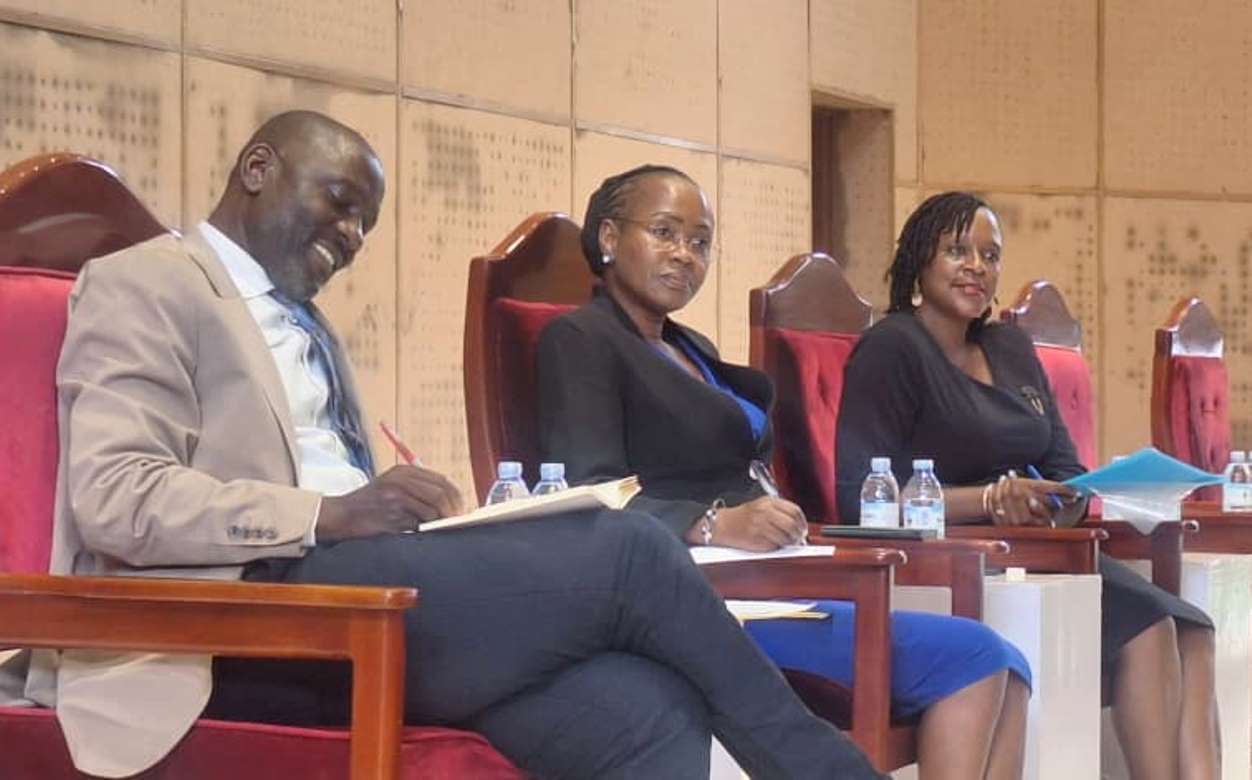
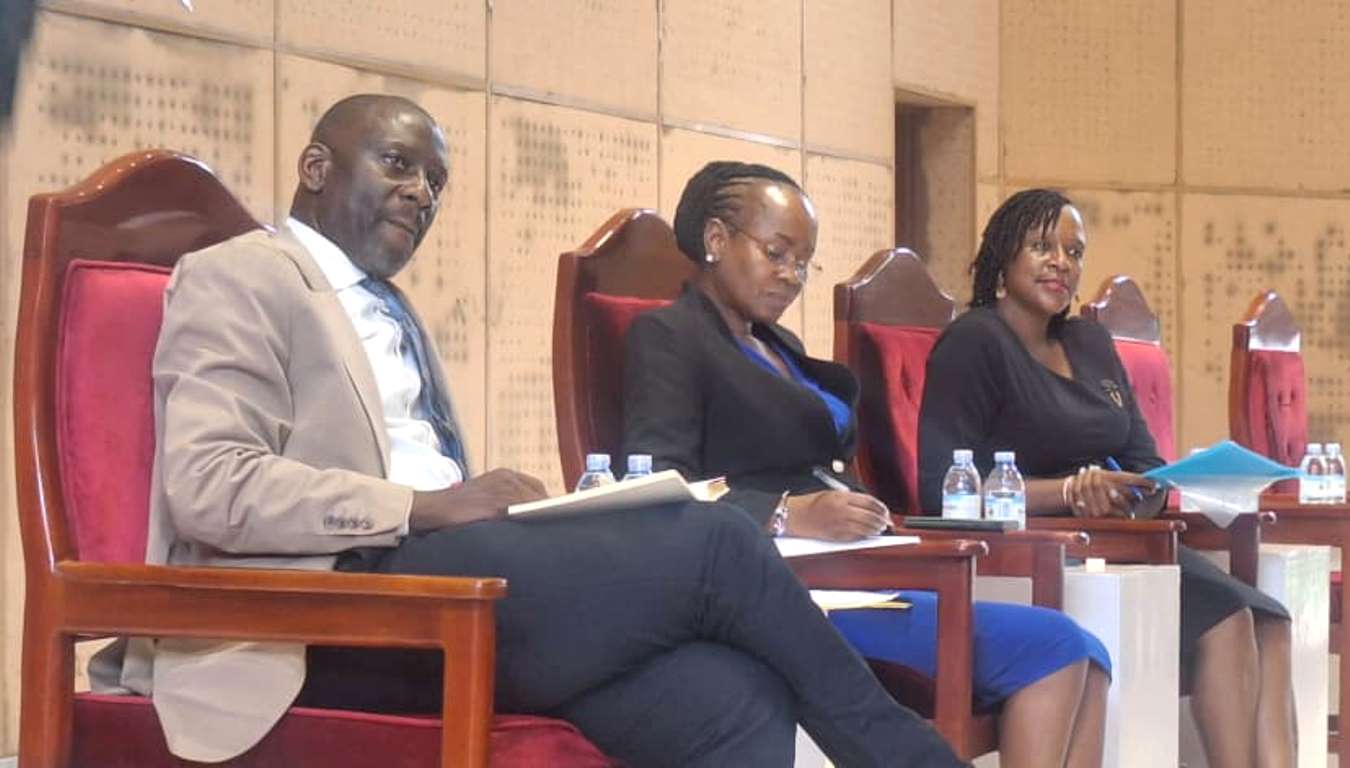
The lecture was further enriched by an engaging panel discussion, which was moderated by Prof. Edward Bbaale, the Principal, College of Business and Management Sciences. He opened the discussion by deliberately centering today’s students and emerging leaders, framing the session as an intellectual reflection on the life, values and legacy of the late Prof. Emmanuel Tumusiime-Mutebile. He positioned the lecture’s theme — Shaping Africa’s Future: Intergenerational Leadership, Economic Resilience and the Power of Innovation — as urgent and practical, and introduced a cross-disciplinary panel whose expertise mirrors that urgency: Eng. Dr. F. F. Tusubira, Mr. Charles Mudiwa the Managing Director Dfcu Bank, and Prof. Faisal Buyinza the Ag. Dean, School of Economics.

Prof. Bbaale’s moderation enabled panelists to offer guidance on structural and cultural barriers to youth inclusion, the role of institutions in building resilience, and how academia, industry and policy can work together to turn innovation into jobs and scalable solutions — all the while reserving time for direct audience engagement and practical policy takeaways. Collectively, the panelists urged dismantling age-biased barriers and credential rigidities, creating new entry points and “tables” for youth leadership, scaling finance and training for startups and agribusiness, reforming pedagogy to prioritise skills and creativity, and deepening public-private-academic partnerships so innovation becomes inclusive growth rather than isolated experimentation.
The Family’s heartfelt appreciation
Mrs. Betty Tumusiime-Mutebile delivered heartfelt closing remarks, offering gratitude on behalf of the family and the Tumusiime-Mutebile Foundation. Speaking with deep emotion, she reflected on the late Professor’s character—his honesty, humility, hard work, and unwavering commitment to service above self. She thanked Makerere University, the Bank of Uganda, the Foundation’s leadership, and the many friends and colleagues who have continued to uphold his legacy, noting that although nearly four years have passed since his departure, his memory remains vivid and powerful for the family.

She recalled his devotion to both his public duty and his home, sharing personal stories of his leadership within the family and his steadfast faith that shaped their daily lives. Mrs. Tumusiime-Mutebile also highlighted the Foundation’s ongoing work in youth skilling, ethical governance, and private-sector development—initiatives rooted in his own vision. She concluded by inviting continued partnership to sustain the legacy he built, and led the gathering in singing his favourite chorus, a tender tribute to a man whose influence, she said, endures through the lives he touched.
General
Reflecting on Strides made in Championing Inclusive Education
Published
3 days agoon
December 1, 2025By
Eve Nakyanzi
Makerere University today joined the global community in marking the International Day of Persons with Disabilities, a moment dedicated to reflection on inclusion and shared responsibility. As the world pauses to honor the dignity and leadership of persons with disabilities, the University is using this year’s commemoration to reaffirm its commitment to building a campus where every individual is supported to thrive. The day is not only a celebration of resilience and contribution, but also a call to the wider community—students, staff, policymakers, and partners—to actively participate in shaping an environment where accessibility, understanding, and respect are woven into everyday practice. Through this observance, Makerere positions itself once again as a champion of inclusive education and a beacon for transformative change.
Tangible gains made
During her address at the event held in the Main Hall, the Chief Guest, Hon. Hellen Grace Asamo, Minister of State for Disability Affairs, paid tribute to Makerere University’s leadership, longtime advocates like Hon. Safia Nalule, and the many individuals who have advanced disability rights from the early years of mere “talking” to the tangible gains seen today. Speaking candidly, she emphasized that disability is often shaped by societal attitudes rather than physical conditions alone, urging families, institutions, and communities to confront stigma at its roots. Drawing from her own educational journey and the barriers she faced—including inaccessible learning spaces, limited course options, and discriminatory hiring practices—she reminded the audience that inclusion must go beyond numbers to genuine opportunity.

Hon. Asamo’s message to persons with disabilities was equally empowering: visibility and assertiveness are essential in claiming space, shaping policy, and influencing resource allocation. With examples from government reforms, improvements in accessibility, and efforts to standardize sign language interpretation, she underscored that progress is possible when commitment meets intentional planning. Her remarks reinforced a powerful truth—disability inclusion is a right, not a favour—and institutions like Makerere must continue leading the way in creating environments where every individual can participate, contribute, and thrive.
The keynote speaker Hon. Safia Nalule Jjuuko, Chairperson of the Equal Opportunities Commission and a former Member of Parliament representing persons with disabilities for 15 years, delivered a keynote rich in personal testimony, institutional memory, and policy insight. She reflected on her own journey as a student—navigating inaccessible buildings, exhausting practical sessions, and discouraging attitudes—to illustrate how far the University and the country have come in strengthening inclusion. A proud alumna of Makerere, she celebrated the progress made, including improved infrastructure and increased representation of persons with disabilities in national leadership. She however highlighted that gaps remain, particularly the shortage of appropriately trained lecturers capable of supporting learners with disabilities across all levels of education.

Drawing from her work at the Equal Opportunities Commission, she emphasized the constitutional mandate to eliminate discrimination, promote affirmative action, and ensure a just and fair society for every Ugandan. Hon. Nalule unpacked the theme of the day by highlighting the global shift toward disability-inclusive development, stressing that concepts like intersectionality, “leaving no one behind,” and cross-cutting inclusion all speak to the same truth: inclusive planning is central to sustainable progress. She reminded the audience that disability is an evolving concept shaped by environmental barriers, negative attitudes, and lack of social support—and that participation, consultation, and awareness must always place persons with disabilities at the centre as experts of their own experiences.
Citing national statistics, policy frameworks, and ongoing reforms such as gender and equity budgeting, she challenged institutions like Makerere to engage actively in national planning processes, interrogate the cost of exclusion, and prepare graduates—especially those with disabilities—to benefit from Uganda’s development priorities in agriculture, manufacturing, tourism, and services. Her address was both a celebration of progress and a call to action: a reminder that meaningful inclusion requires attention to detail, responsive planning, and intentional investment so that every student, regardless of ability, can participate fully and contribute to national transformation.

Makerere upholds responsiveness
The Acting (Ag.) Vice Chancellor Prof. Sara Ssali reaffirmed Makerere University’s commitment to building an inclusive campus that models the kind of responsive institutions needed for social progress, stressing that inclusion requires both empowering marginalized people and adapting institutional structures so they no longer have to “fit in.” Drawing on Makerere’s long record of intentional policies—from improved physical accessibility and the Disability Support Centre to inclusive teaching practices, staff training, and collaborations—she highlighted practical steps the University has taken while acknowledging more work remains, especially around intersectionality and tailored support for diverse disabilities.

Prof. Ssali urged departments to mainstream disability concerns in planning and budgeting, praised the everyday care provided by wardens and support staff, and called for research, innovation and accountability so that students and staff with disabilities can fully participate and contribute. She closed by renewing Makerere’s pledge to remove barriers and nurture the next generation of inclusive leaders.
Mr. Amon Muteganda, who represents staff living with disabilities on the University Council, reaffirmed Makerere’s identity as an inclusive institution, noting that whenever disability-related concerns are raised in Council, members listen attentively and respond with genuine commitment. He expressed appreciation to University Management for consistently acting on issues brought forward, highlighting recent improvements such as the introduction of dedicated transport for students and staff with disabilities—a proposal he and colleagues championed and which has now come to fruition. He highlighted the importance of representation at multiple levels of the institution, demonstrating that Makerere’s inclusivity efforts are not symbolic but actively shaping policy, practice, and everyday experiences for persons with disabilities.

Dr. Winifred Kabumbuli, the Dean of Students, highlighted Makerere University’s deliberate efforts to foster a campus where every learner feels supported and able to thrive. She spoke about the active implementation of the University’s policy for persons with disabilities, alongside the safeguarding policy, both aimed at ensuring the welfare and dignity of all students. Dr. Kabumbuli pointed to the expanding range of accessible accommodation—such as designated halls for students with disabilities and the newly refurbished Mary Stuart Hall equipped with an elevator—as well as campus-wide additions like ramps, elevators, and accessible pathways.

She also emphasized the growing availability of assistive devices, including wheelchairs, Braille materials, and white canes, together with academic support measures such as extra time and readers during examinations. Her remarks captured Makerere’s intentional approach to inclusion, one that enables students with disabilities to navigate university life with comfort, confidence, and equal opportunity.
A student speaks out
First-year architecture student Sabiri Mungufeni shared a heartfelt account of his transition into university life, describing both his initial worries and the encouragement he found upon arriving at Makerere. He recalled fearing how his disability would fit within the demanding academic environment of the College of Engineering, Design, Art and Technology, especially when he discovered that much of the work in architecture is still done manually. Yet through determination and the support of staff and peers, he quickly realized he could excel. Sabiri noted that seeing other students with disabilities walking confidently across campus inspired him to believe he, too, belonged. He expressed hope that, as inclusion continues to deepen, students with disabilities will be able to pursue a wider range of academic programs beyond the usual pathways, demonstrating—like many trailblazers before him—that ability is not defined by limitation but by opportunity and support.

Personal accounts urge sustained momentum
The event also featured a dynamic panel discussion moderated by Dr. Diana Ateenyi Ahumuza, offering a blend of academic, experiential, and advocacy-based perspectives on disability inclusion. The panel brought together Dr. Naboth Rwakazwaire, founder of Hope for People with Disabilities; Prof. Anthony Mugagga, Principal of the College of Education and External Studies (CEES); Lord Councillor Peace Sserunkuma; and Ms. Catherine Nakibuuka, a second-year law student. Their conversation explored practical solutions, policy gaps, personal experiences, and the role of institutions like Makerere in shaping a more inclusive society.

Prof. Frank Norbert Mwiine, the Ag. Deputy Vice Chancellor (Finance and Administration) and Principal of the College of Veterinary Medicine, Animal Resources and Biosecurity (CoVAB), delivered the closing remarks by thanking all participants for their thoughtful contributions and the spirit of unity shown throughout the commemoration. He emphasized that inclusion is not a one-day event but an ongoing responsibility that requires empathy, patience, and deliberate action from every member of the Makerere community.

Drawing from personal experience and lifelong lessons of compassion, he encouraged staff and students to cultivate genuine sensitivity toward the needs of persons with disabilities and to champion inclusion in both mindset and practice. Prof. Mwine acknowledged the progress made—including accessible infrastructure, strengthened policies, and dedicated support services—while urging continued investment, collaboration, and accountability to ensure that Makerere becomes a place where all individuals can thrive without barriers. He ended by calling on the University to sustain the momentum built during the commemoration and to work together in building a more inclusive Makerere and Uganda.


General
A Night of Celebration: Safeguarding Champions Mark Semester One Milestones
Published
3 days agoon
December 1, 2025
Excitement filled the air on Friday evening as Makerere University’s student and staff Safeguarding Champions gathered at the serene Makerere Institute of Social Research (MISR) Gardens for a memorable celebration of their Semester One achievements.
The event, which blended elegance with purpose, brought together Champions from across the University community to honour their hard work, dedication and shared commitment to building a safer campus for all.

The gardens came alive with warm conversations, laughter and energizing music as Champions checked in and made new friends.
The dinner was more than just a celebratory moment, it became an important space for learning, networking and strengthening collaboration. Champions shared experiences from the semester, discussed challenges they had faced while supporting peers and colleagues, and exchanged new ideas to improve safeguarding awareness across the University.
Addressing the champions, Dr. Rodney Rugyema, the Acting Principal Warden who represented the Dean of Students, Dr Winifred Kabumbuli, emphasized that the efforts of Safeguarding Champions continue to play a critical role in strengthening trust and ensuring the wellbeing of all students and staff.

The atmosphere was filled with gratitude, pride and a renewed commitment to building a safer and more inclusive community at the University.
Speaking at the dinner, Prof. Justine Namaalwa, Director Mastercard Foundation Scholars Program at Makerere University, applauded the Champions for their dedication, vigilance and exemplary leadership in promoting safety, dignity and respect on campus

“As we gather to celebrate our progress in enhancing the Safety and Wellness of Students and Staff, it is important to acknowledge those who have made this possible- The University Leadership, Student and Staff Safeguarding Champions. We also acknowledged our Partner the Mastercard Foundation for the support in strengthening safeguarding and inclusion at Makerere,” Prof. Namaalwa, said
During the dinner, different student champions shared their success stories for the semester.
“This semester has proved to us that when students and staff work together, we can create a University environment where everyone feels protected, respected and valued. Tonight is a celebration of our collective effort, but also a reminder that the work continues. We pledge to stay vigilant, to listen, and to respond with empathy and integrity,” Precious Ssenonga, a second-year student from the College of Computing and Information Sciences, said.

Samuel Ssempijja, a second-year student of pursuing the Bachelor of Education, noted that during the semester he encouraged fellow students to utilise the MakSafeSpace and that gave many confidence to report cases.
“During the MakRun, several students’ phones were stolen. I advised them to report the theft case through MakSafeSpace, our online safeguarding platform. The students were impressed by how quickly the security team responded, and it reassured them that their concerns are taken seriously by the University Management. MakSafeSpace has shown us that timely reporting and timely action can truly make a difference.” Ssempijja, noted.

The event closed with farewells and promises to carry the spirit of the evening into Semester Two. For many, it was more than a dinner, it was a reminder that together, they are building a University environment where every student and staff member feels safe, valued and included.
About Safeguarding Initiatives at Makerere
In this era of heightened awareness and scrutiny surrounding safeguarding practices, Institutions of higher learning are increasingly rated by not only their academic excellence but also on their commitment to creating a safe and supportive environment for all members of their community.
The potential safeguarding risks in Institutions of higher learning include emotional distress, Sexual Exploitation, Abuse and Harassment (SEAH); material loss, financial exploitation, discrimination and neglect, unfair and illegitimate response to civic engagements, cyber security/threats, psychological and emotional harm, substance abuse, and physical assault.
Discrimination and neglect are often high risks for students with disabilities and international students.
Makerere University has a duty of care and to promote the wellbeing of all students, staff and other University community stakeholders. It seeks to enhance the learning environment to make it more secure, inclusive, and ethically sound for all stakeholders.
The Safeguarding policy lays out the University’s framework for embedding viable safeguarding measures into its ethos and all institutional activities and processes to: identify, detect, and act swiftly on safeguarding risks; prevent the occurrence of harm; provide mechanisms for reporting all allegations or incidents that have occurred; respond appropriately to all reported incidences; and, continuously monitor, evaluate and learn from practices and experiences of managing safeguarding concerns.
Trending
-
General1 week agoIn Honor of the Life and Legacy of Mr. Francis Seletze Ngabirano-A Steady Hand through the Storms
-
Health7 days agoIDI launches the Sewankambo Training Program for Global Health Security in Africa
-
Engineering, Art & Tech1 week agoErasmus Exchange Prof.’s Mak Photo wins Poland National Prize
-
General1 week agoMakerere University Hosts Ambassador Judyth Nsababera for Strategic Dialogue Advancing Uganda–China Engagement
-
General1 week agoMakerere Students share experiences, connections and inspiration at inaugural For Youth, By Youth Conference in Turkey