
Business & Management
EfD, MDAs & Private Sector Strategize on Scaling up the Adoption of Climate Smart Agriculture in Uganda

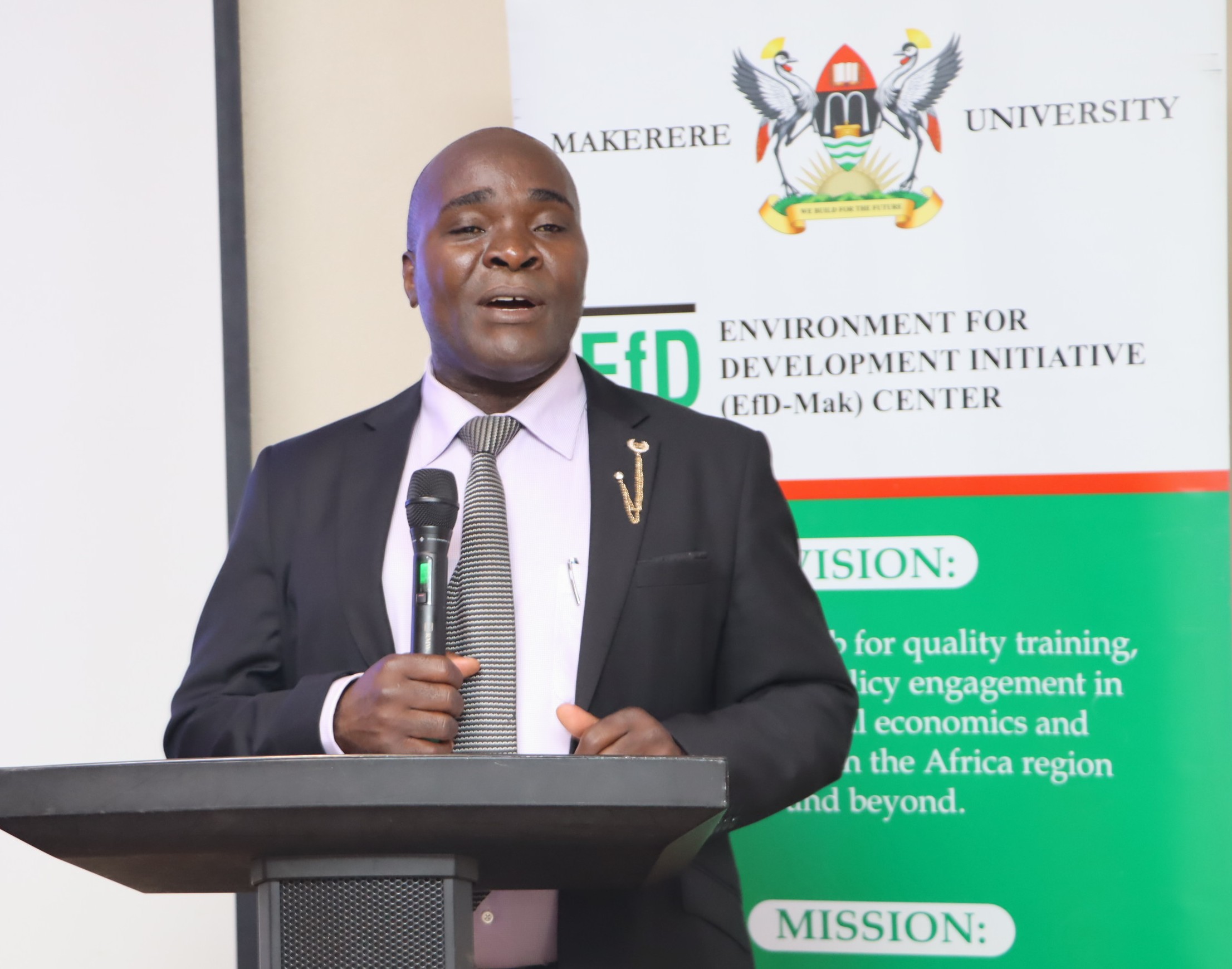
Researchers, government officials and private sector actors convened in Kampala to draw a roadmap for accelerating the adoption of Climate Smart Agriculture (CSA) as Uganda struggles with rising climate shocks, stagnating agricultural productivity and worsening poverty levels.
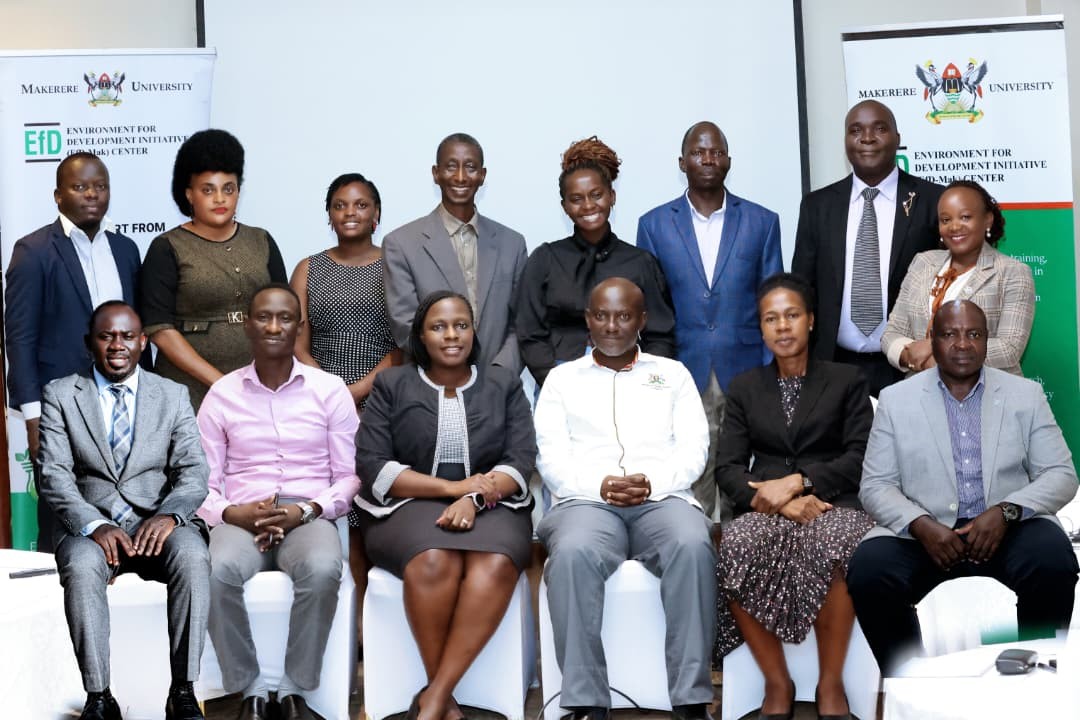
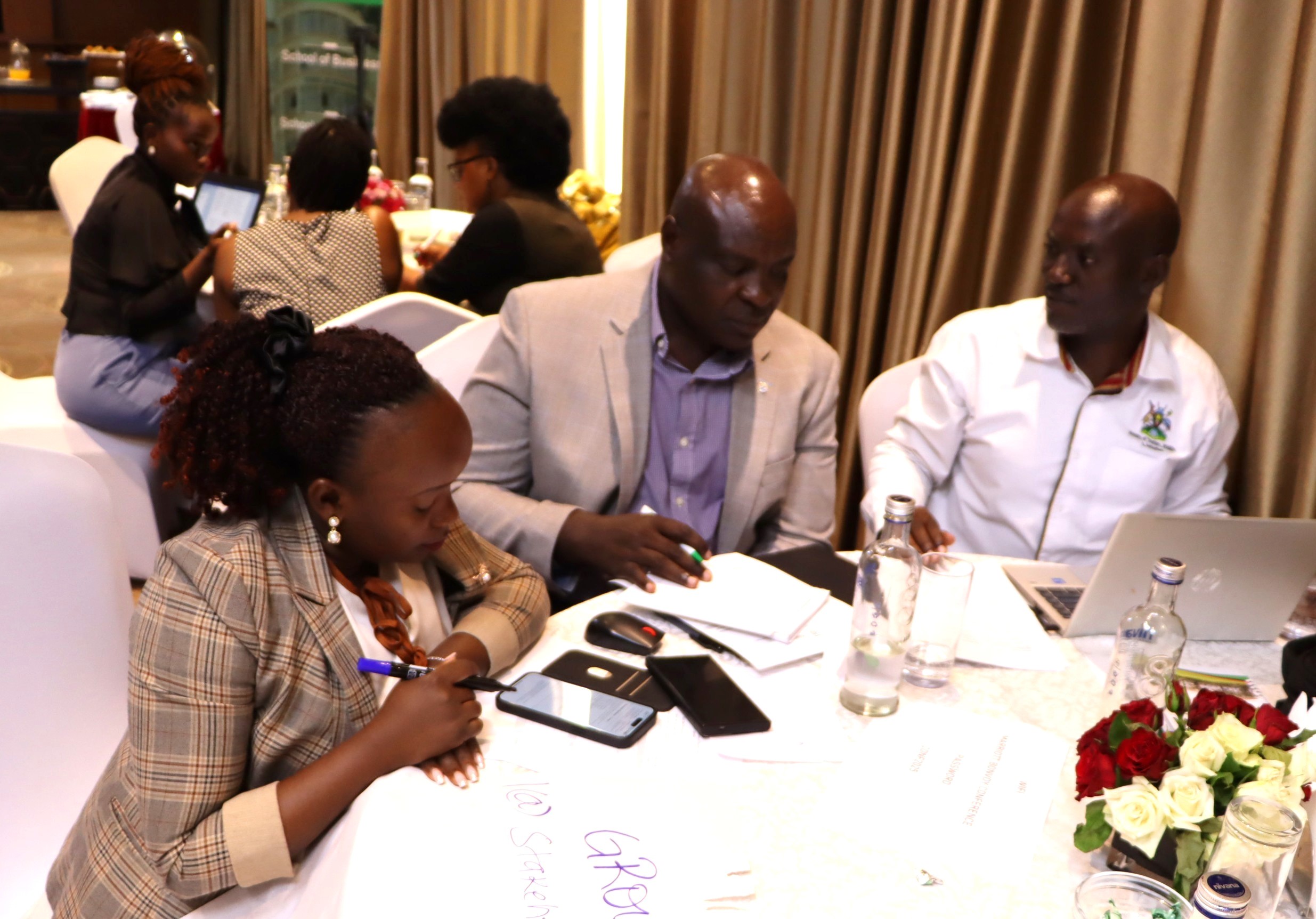
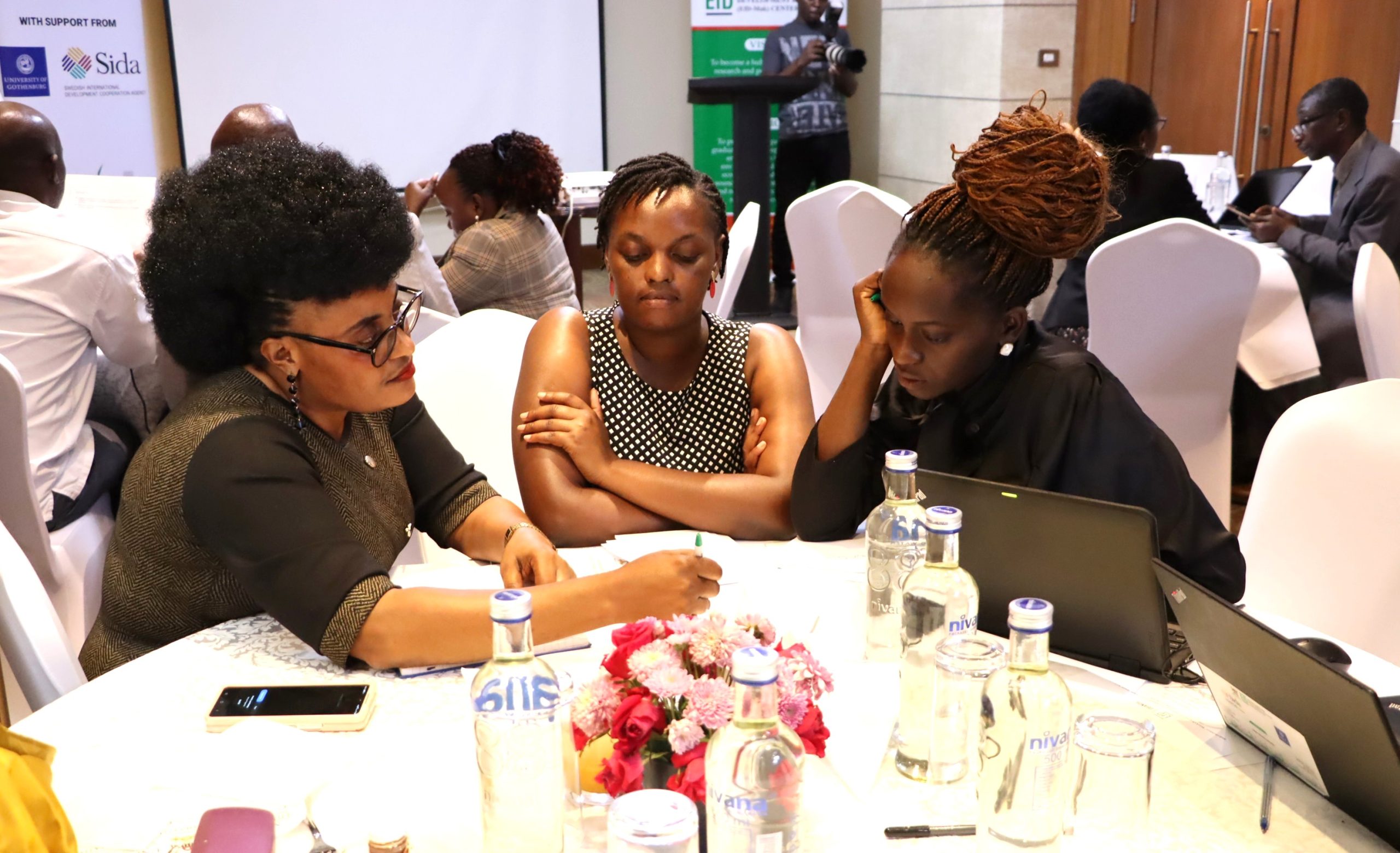
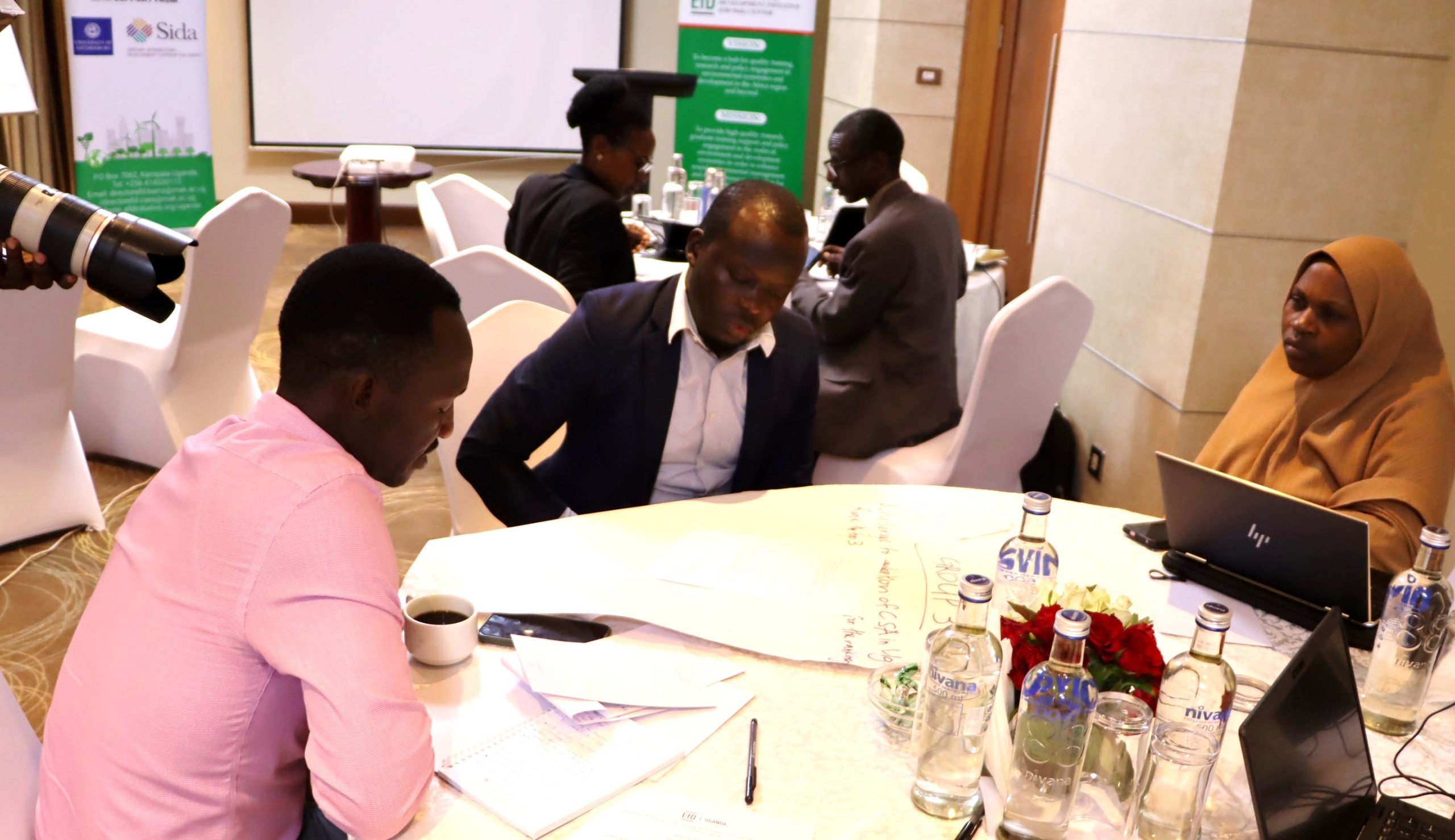
The high-level annual workshop, held on December 4, 2025 at the Sheraton Kampala Hotel, was organised by the Environment for Development (EfD) Mak Centre through its regional Inclusive Green Economy (IGE) Programme. The initiative seeks to strengthen links between research and policy, improve knowledge uptake, and identify long-standing barriers limiting CSA adoption in Uganda.
The annual IGE transformation initiative requires public servants to demonstrate how they can translate training into practical solutions. This year’s focus is on advancing CSA as a vehicle for sustainable production, poverty reduction, gender inclusion and resilience across agricultural value chains.
The meeting brought together stakeholders from key ministries including Agriculture, Finance, and Water, Tourism along with researchers, academia, private sector suppliers of solar-powered irrigation technologies, civil society, farmers’ representatives and the media., with discussions focused on strategies to improve farmer uptake of CSA practices and to ensure the country’s agricultural sector remains a backbone for economic growth.
Uganda’s Agriculture at crossroads
Delivering the keynote address on behalf of the Commissioner, Ministry of Agriculture, Animal Industry and Fisheries (MAAIF), Emmanuel Odeng warned that Uganda’s agricultural sector, long considered the backbone of the economy, is now facing severe setbacks driven largely by climate change and weak investment in resilient food systems.
Odeng noted that agriculture still contributes significantly to Uganda’s development, accounting for 24% of GDP as of 2022/23, 35% of export earnings and employing over 80% of the population. “This sector remains the main pathway to poverty reduction; Uganda cannot develop without agriculture,” he said.
However, he observed that agricultural contribution to the economy has stagnated and, in some cases, declined sharply. GDP contribution has dropped from 34.1% in 2009 to 24% in 2022, a trend he said should alarm policymakers and CSA implementers.
“Yields are decreasing, water sources are reducing, heat waves are rising. Communities are becoming more vulnerable, and many households are slipping back into poverty,” Odeng said.
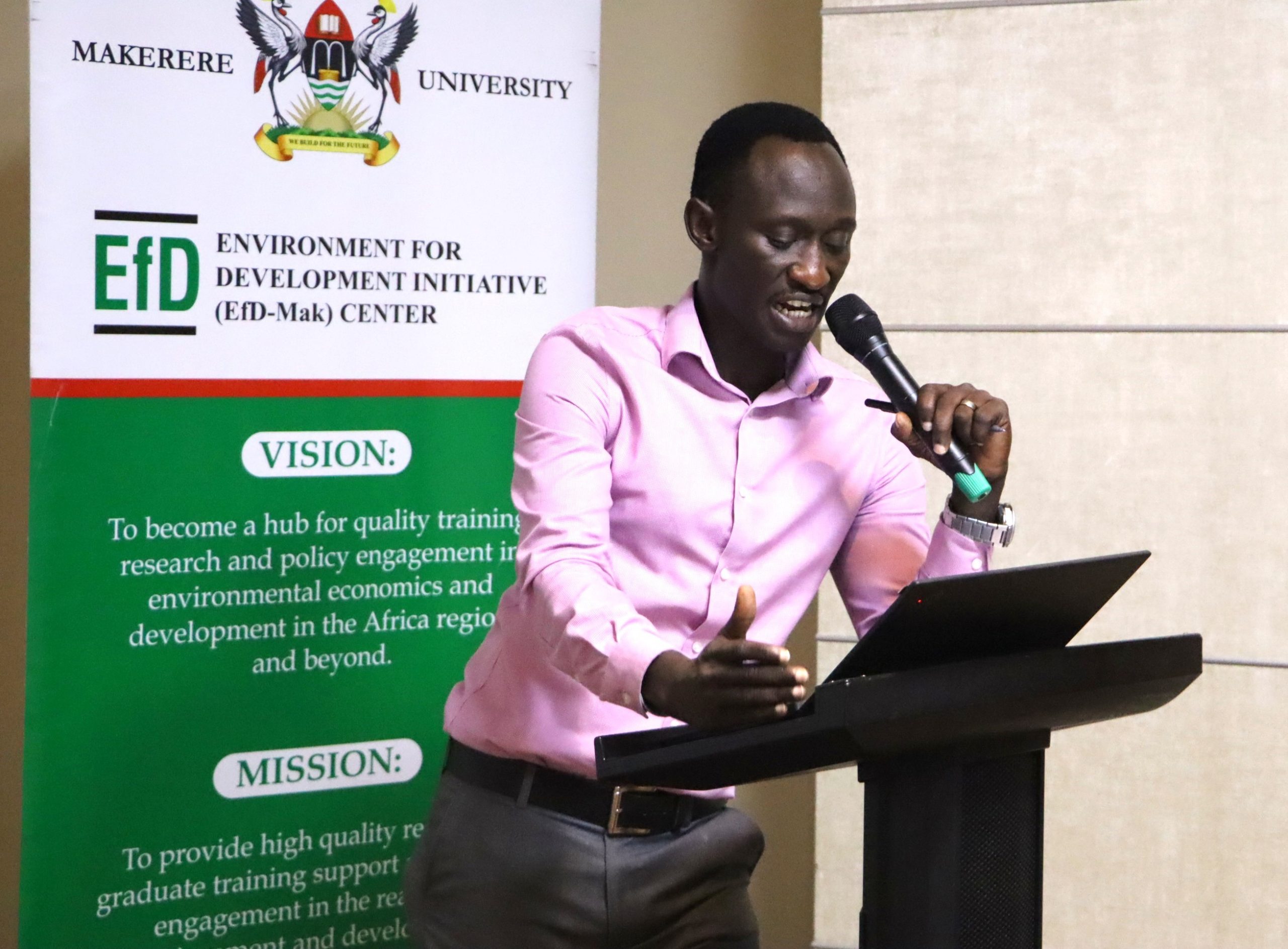
He cited recent statistics showing that while 8.4% of households moved out of poverty, 10.2% slipped back in, resulting in an additional 1.4 million Ugandans falling into poverty between 2019 and 2021.
Climate shocks worsening vulnerability
The keynote highlighted the increasing frequency of climate-related disasters including droughts, floods, landslides and the siltation of major water bodies such as Lake Kyoga as major threats to productivity and food security.
Uganda’s forest cover, wetlands and grazing lands are shrinking rapidly, with more than 6,000 gazetted wetlands facing severe encroachment. Odeng revealed that modelling conducted by the Ministry shows a consistent decline in natural resource size and quality over the last decade.
“There is a strong relationship between natural resource degradation, economic loss and poverty. This vicious cycle must be broken through science-based approaches,” he said.
The Ministry, he added, is working with development partners to deploy dredgers in key water bodies to restore aquatic ecosystems and fisheries, which have been heavily affected by sedimentation.
CSA Seen as the path to recovery
Odeng called for the urgent scaling-up of CSA approaches across crop, livestock and fisheries value chains, emphasising innovations in agroecology and soil rehabilitation, irrigation and water harvesting, mechanisation, climate-resilient seed systems, afforestation and agroforestry and post-harvest management and value addition.
MAAIF aims to increase production across value chains by 40%, anchored on resilient value chains and updated CSA compendiums being developed by the National Agricultural Research Organisation (NARO).
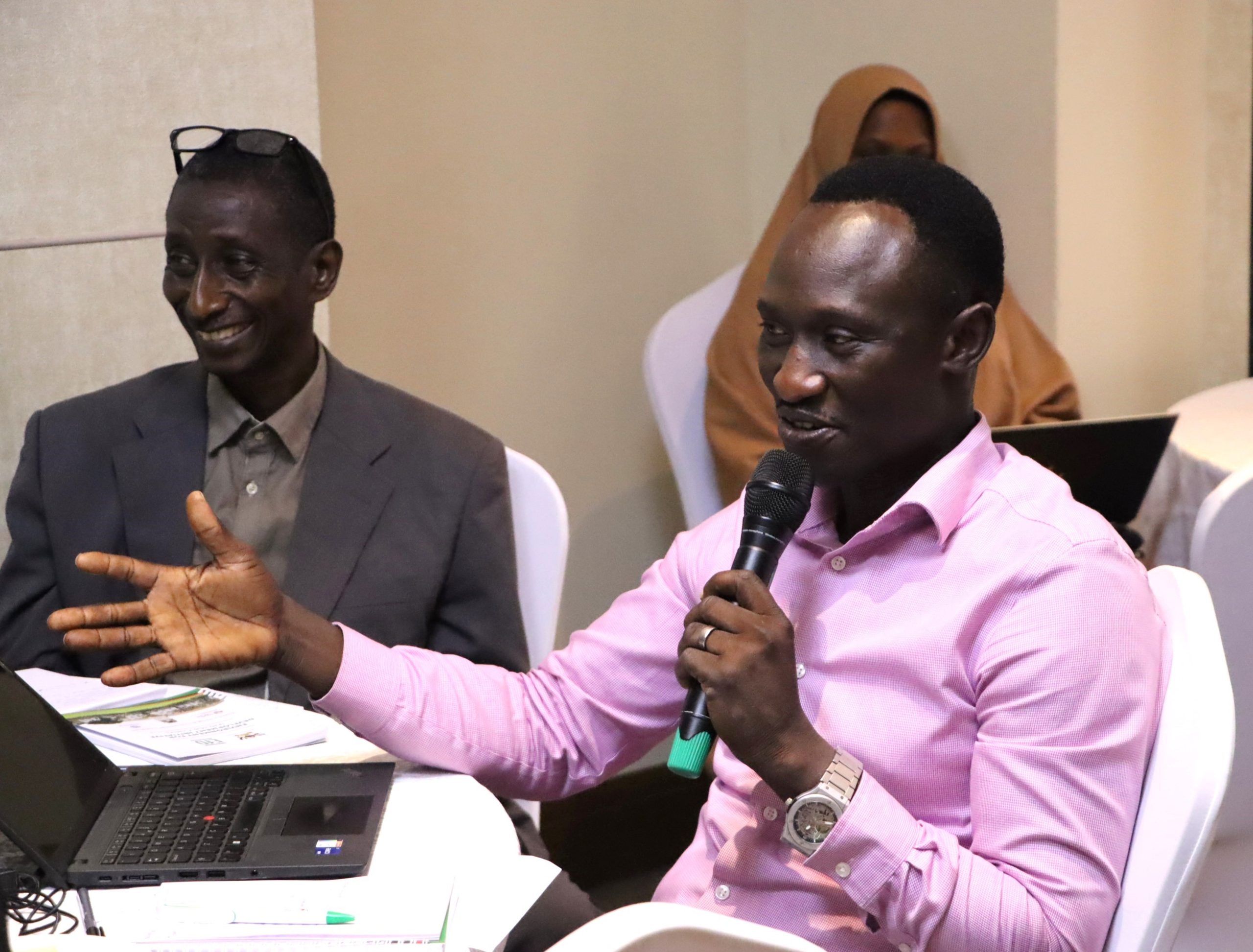
He urged researchers to identify priority areas that can help farmers withstand climate shocks, boost household incomes and support Uganda’s agro-industrialisation agenda under the National Development Plan (NDP).
Odeng tasks stakeholders with three critical questions on boosting CSA adoption
Odeng left participants with three pressing questions that he said must guide Uganda’s CSA agenda. First, he challenged researchers to identify which research areas can practically help farmers build resilience and escape poverty, noting that many households continue to slide back into vulnerability due to climate shocks.
Odeng’s second question focused on productivity, calling on stakeholders to determine which Climate Smart Agriculture approaches are most relevant for raising farmers’ yieldsacrossthe country’s struggling value chains.

His third assignment centred on food security and market losses, urging experts to outline which CSA-related strategies can best improve post-harvest handling, an area he said continues to undermine farmers’ incomes despite increased production efforts.
The three questions, he emphasized, should frame the day’s discussions and guide future policy, research and investment priorities.
“We must ask ourselves: Which resilience-building approaches will help farmers move out of poverty? Which CSA options will sustainably increase productivity? These are the questions we must answer today,” he said.
EfD warns of rising climate risks, calls for stronger research–policy linkage
The Environment for Development (EfD) Mak Centre called for urgent, coordinated action to strengthen CSA as Uganda faces intensifying climate impacts and deteriorating natural resources. Delivering remarks on behalf of the EfD Director, Dr. John Sseruyange urged closer collaboration between researchers and policymakers to address the country’s growing vulnerabilities.
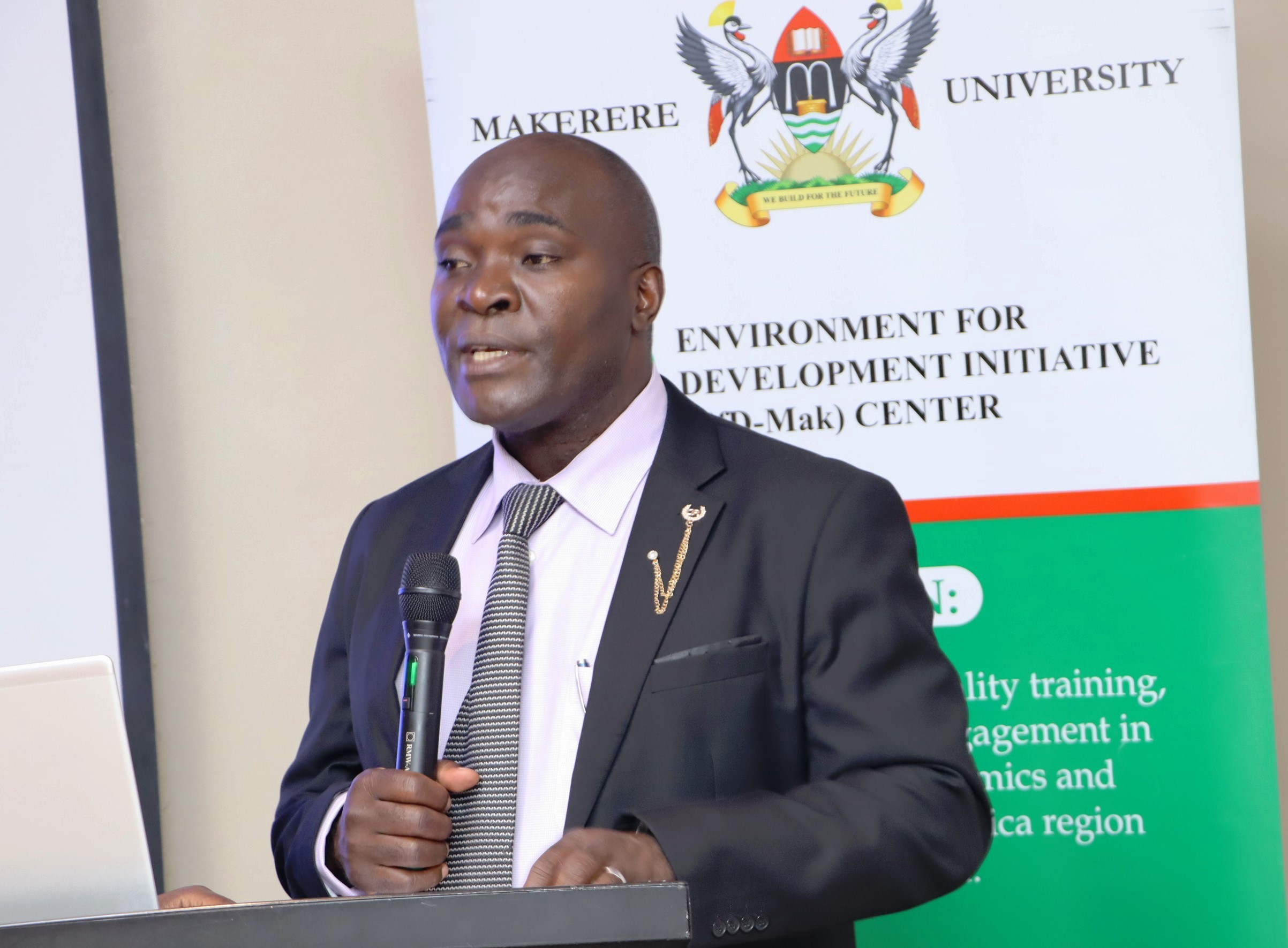
Sseruyange described the workshop’s focus on CSA as “very timely,” noting that climate change has moved from an abstract debate to a lived reality affecting farmers, households and entire ecosystems. “Climate change is no longer something distant. It is happening today, and as a country that depends heavily on agriculture, we must direct our knowledge and skills to climate smart solutions,” he said.
Sseruyange explained that EfD’s annual workshops are purposely designed to reduce the long-standing disconnect between academic research and policy implementation. When researchers work in isolation, he warned, their findings risk remaining unused.
“When you do research without involving stakeholders, your work may remain on the shelves,” he cautioned. “But when policymakers tell you what they want, they own the final product and it informs real decisions.”
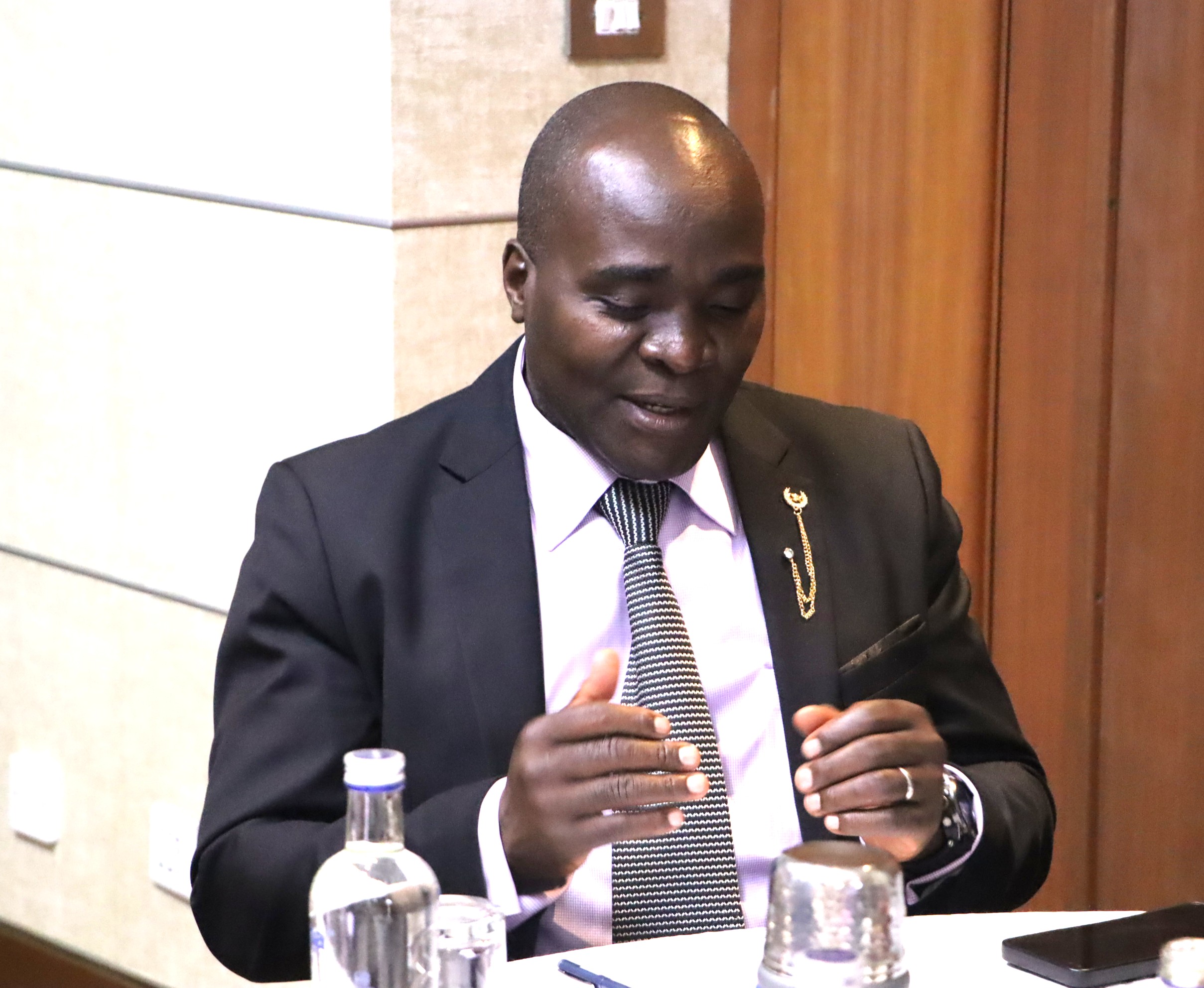
He urged government ministries, district officials, academic institutions and other actors present to actively guide researchers on emerging CSA priorities.
Climate change already deepening Uganda’s vulnerabilities
According to Dr. Sseruyange, climate change is already manifesting through declining agricultural productivity, degraded soil and water resources, and weakened resilience across farming communities. These impacts, he said, continue to slow Uganda’s development and threaten progress in poverty reduction.
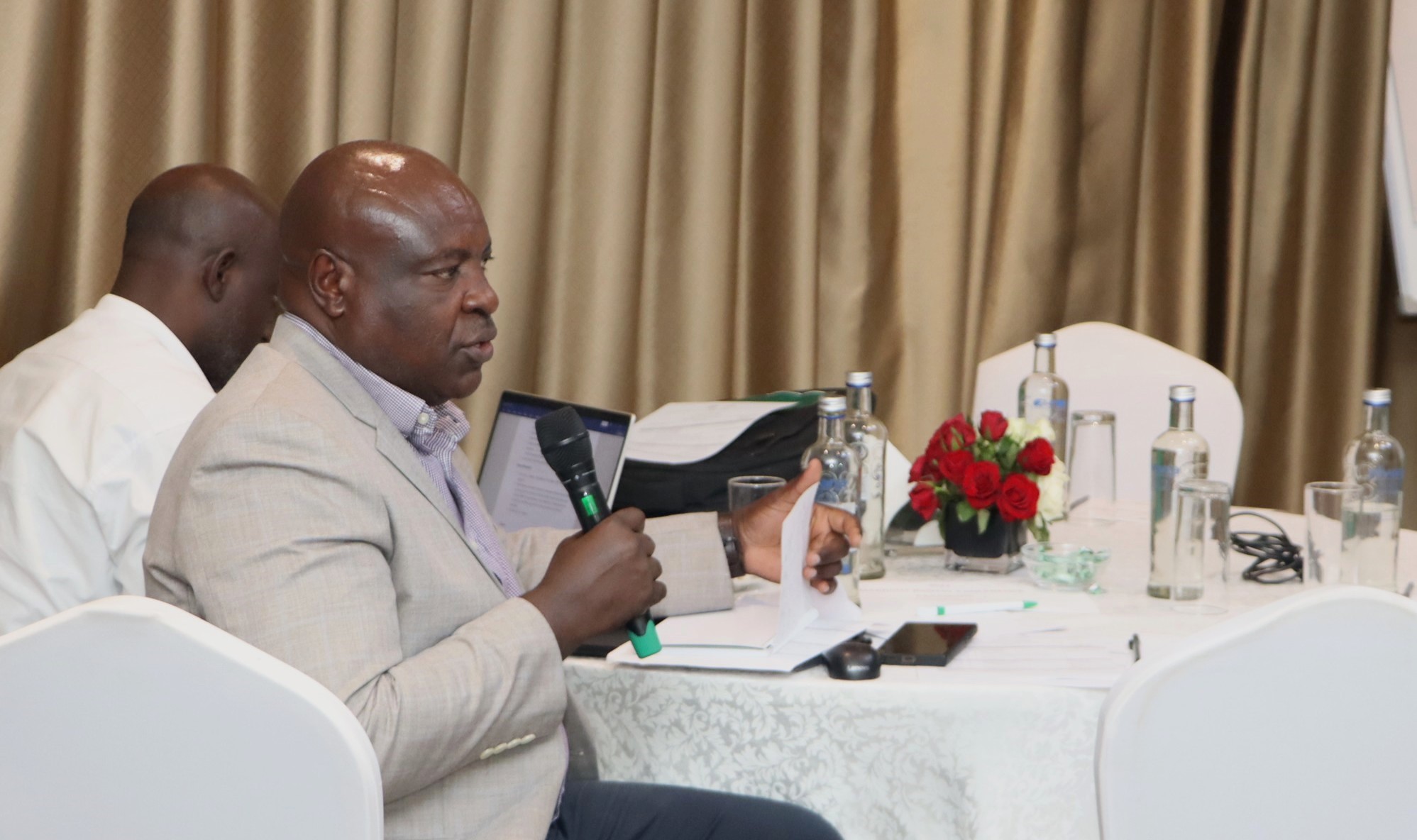
Sseruyange noted that despite agriculture being the backbone of the economy and the largest employer, its performance remains unstable and highly sensitive to weather variability. He warned that shrinking water bodies, degraded wetlands and reduced forest cover are undermining rural livelihoods and stressing agricultural systems.
“Ecosystems are degrading fast. Many of our gazetted wetlands and forest reserves are shrinking, and water sources are getting more strained,” he said. “These challenges directly affect agricultural output and household income.”
Need for targeted research and CSA interventions
Sseruyange emphasized that Uganda cannot advance CSA without research that responds to actual field challenges, especially in the context of increasing droughts, erratic rainfall and soil depletion. He urged researchers to prioritize practical, scalable innovations that strengthen resilience and sustain production.
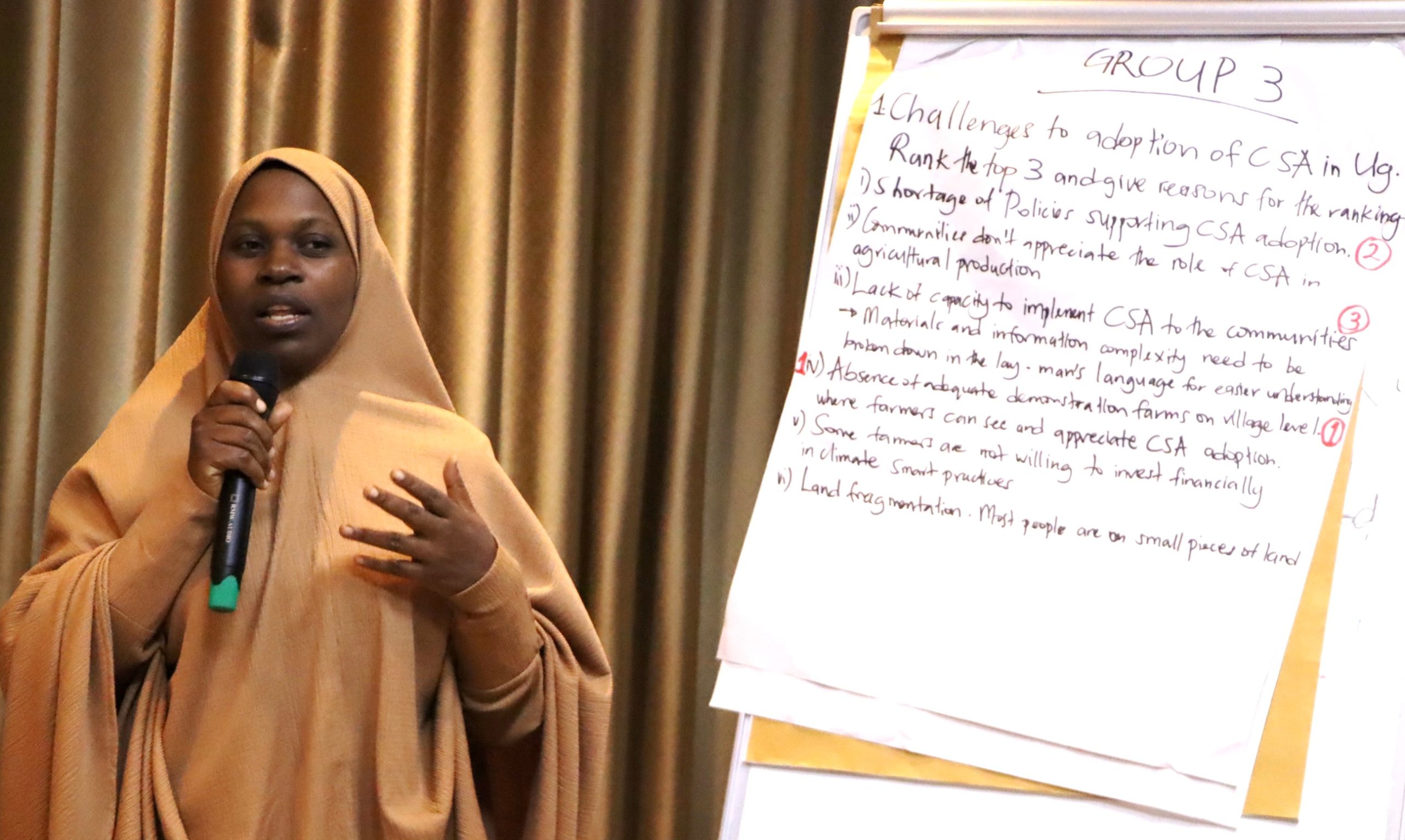
He also highlighted the importance of improving post-harvest handling, mechanization, soil health and climate-resilient farming techniques, saying these areas should guide future research and policy support.
Concluding his remarks, Sseruyange tasked participants with three questions that he said should shape Uganda’s future CSA agenda and guide the work of researchers and policymakers alike:
- Which research areas can help farmers become more resilient and overcome poverty?
- Which CSA approaches are most relevant for boosting farmers’ productivity?
- Which climate-smart strategies can improve post-harvest handling and reduce losses?
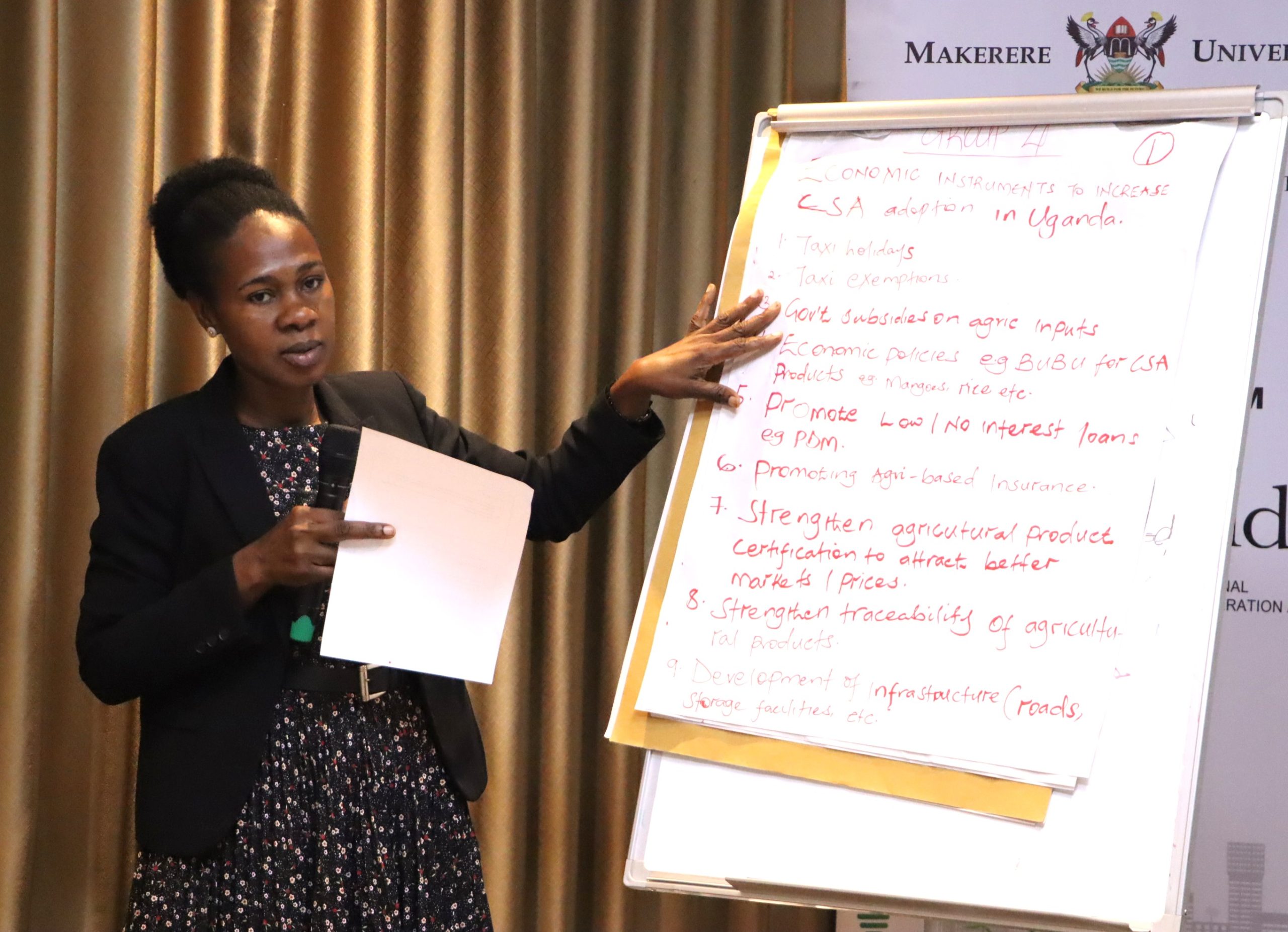
He said these questions will help determine the direction of upcoming EfD research and strengthen the evidence base needed for effective climate-resilient agriculture.
Sseruyange thanked participants for their engagement and reaffirmed EfD’s commitment to supporting Uganda’s transition to sustainable, climate-smart farming systems.
Low CSA uptake threatens Uganda’s food security, livelihoods and long-term growth – Dr. Peter Babyenda
Policy Engagement Specialist Dr. Peter Babyenda sounded the alarm over Uganda’s slow adoption of Climate Smart Agriculture (CSA), warning that the country risks missing its food security and development targets unless farmers, policymakers and extension workers urgently scale up climate-responsive farming practices.
Babyenda said Uganda cannot afford to delay implementing CSA strategies, given the rising threats of drought, floods, erratic rainfall and pest outbreaks that continue to devastate farms across the country.
“CSA offers triple wins – increased productivity, greater climate resilience and potential climate mitigation,” Babyenda said. “But despite these clear benefits, adoption among farmers remains very low.”
Babyenda cited EfD studies and stakeholder interviews showing that farmers face major constraints, including logistical barriers, limited affordability of CSA technologies, inadequate extension services, and low awareness or motivation to adopt climate-resilient practices.
“We need to invest in CSA-focused extension services, support farmer training, raise awareness, and design policies that deliberately include women and youth,” he emphasized.
According to Babyenda, agriculture remains the backbone of Uganda’s economy contributing 23.8% of GDP and employing 68% of the working population. It is also central to the country’s value-addition agenda under the Fourth National Development Plan.
But the sector is undergoing strain from climate change.
“Over 96 percent of farming households rely on rain-fed agriculture, making farmers extremely vulnerable to climate variability,” he said, citing rising temperatures, shifting rainfall patterns, droughts, floods, landslides and increasing pest and disease outbreaks.
He warned that these climatic pressures threaten food security and Uganda’s long-term economic ambitions, including the country’s “tenfold growth” aspiration by 2040.
Rising population adds pressure
Uganda’s rapidly growing population projected by the UN to potentially double in coming decades has intensified demand for food even as climate impacts reduce agricultural productivity.
“Farmers face a dual challenge: feeding a growing population while adapting to worsening climate shocks,” Babyenda noted.
He added that agriculture itself contributes to climate change through unsustainable farming practices, creating a “complex cycle” that demands urgent policy and behavioural reforms.
Government moving, but gaps remain
Dr. Babyenda acknowledged that government ministries particularly Agriculture, Water and Environment, Energy, and Finance are already promoting CSA to improve productivity, resilience and emissions reduction.
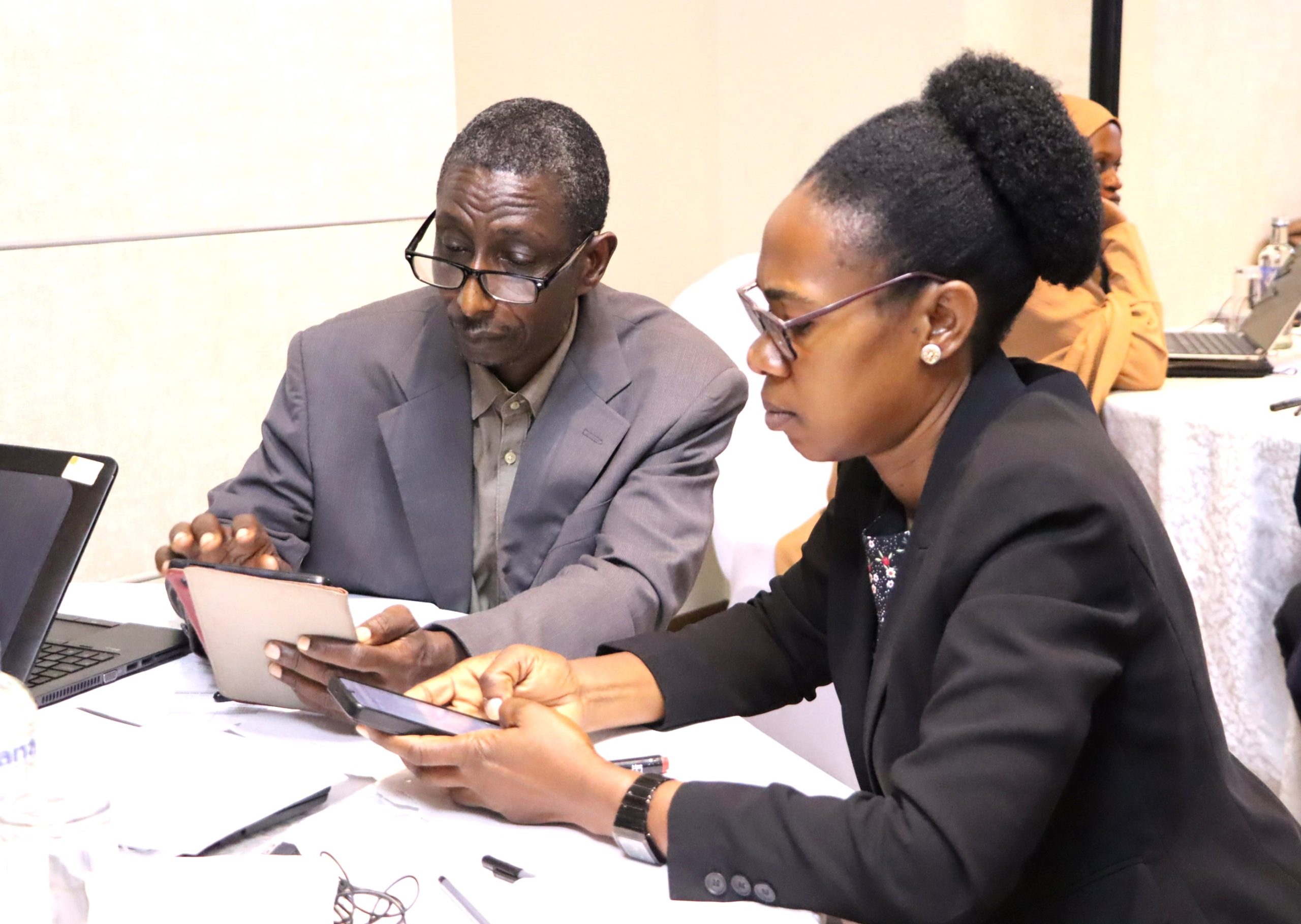
CSA practices such as conservation agriculture, improved seed varieties, water-conserving irrigation, agroforestry and integrated pest management offer Uganda a path to more resilient food systems.
However, he stressed that these interventions must be scaled up and better aligned with local realities.
“We need localized, context-specific partnerships that make CSA accessible and practical for farmers, especially smallholders,” he said.

Dr. Babyenda said the workshop was crucial for ensuring that Uganda’s agriculture sector can withstand climate shocks while supporting economic transformation.
“Scaling up CSA is not just desirable—it is essential for Uganda’s economic and environmental stability,” he concluded.
Transformation Initiative to tackle adoption barriers for smallholder farmers– IGE Fellow
In a bid to enhance agricultural productivity and resilience to climate change, Opeet Thomas, an IGE fellow presented the Transformation Initiative (TI) aimed at accelerating CSA adoption among smallholder farmers in Uganda.
Opeet highlighted that agriculture, which employs over 70% of Uganda’s population, remains highly vulnerable to climate shocks, including erratic rainfall, prolonged dry spells, livestock heat stress, floods, and droughts.
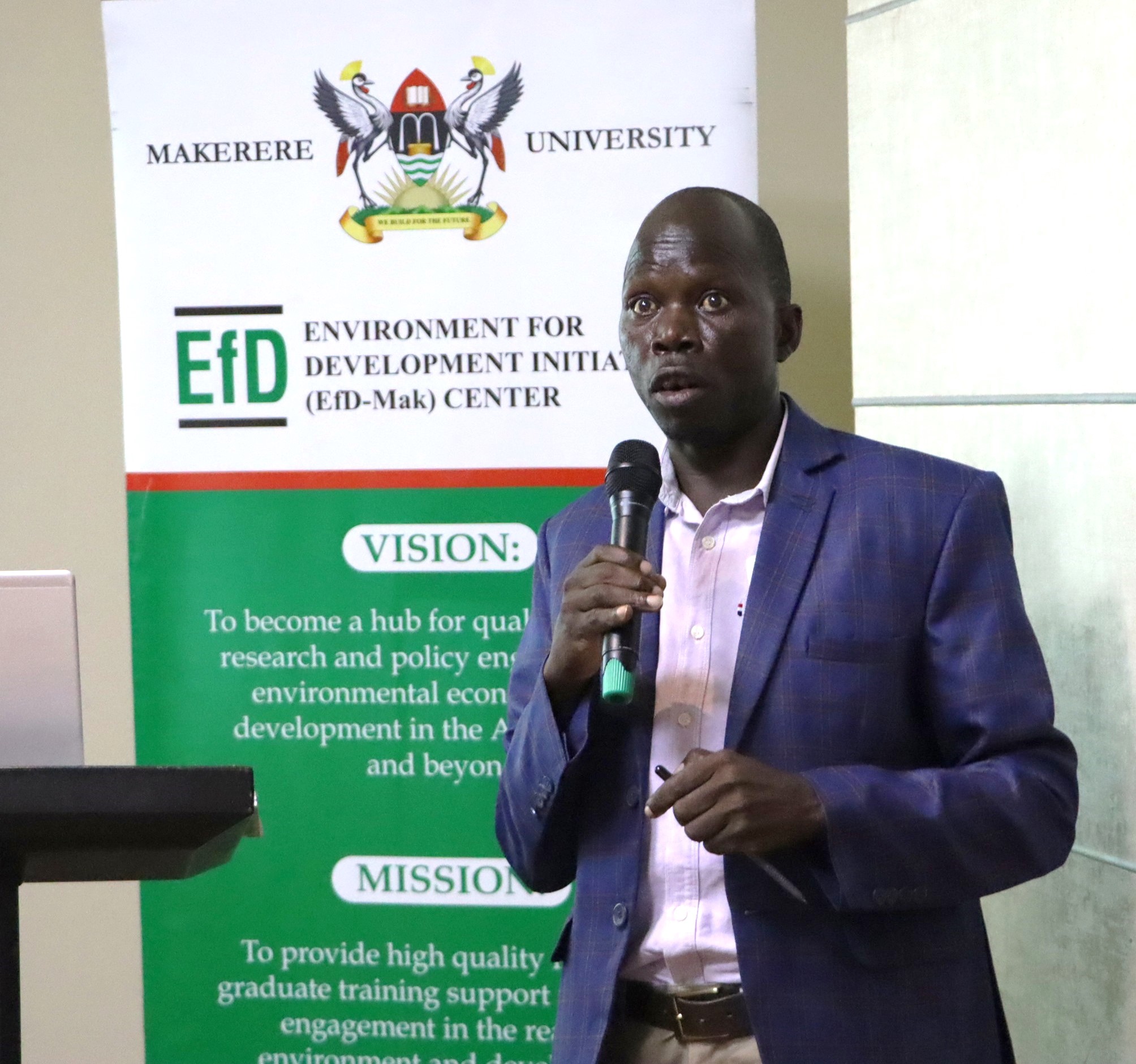
“The challenges are not hypothetical; they are very real for our farmers,” Opeet said, citing a 2019-2020 survey indicating drought as a major contributor to agricultural shocks. “Even this year, planting seasons have been disrupted by unpredictable rains and extreme heat, making it very difficult for farmers to sustain production.”
The Transformation Initiative, a research-based activity developed by IGE fellows, aims to identify solutions to critical issues affecting CSA adoption. Opeet explained that limited uptake of CSA is partly due to low farmer awareness, inadequate extension services, high input costs, and the incapacity of extension workers themselves to disseminate knowledge effectively.
“Extension workers play a pivotal role in bridging the knowledge gap, yet many lack the skills, transport, and institutional support to reach farmers,” he noted, adding that policy and institutional frameworks often fail to prioritize CSA innovations, leaving essential initiatives underfunded or poorly implemented.
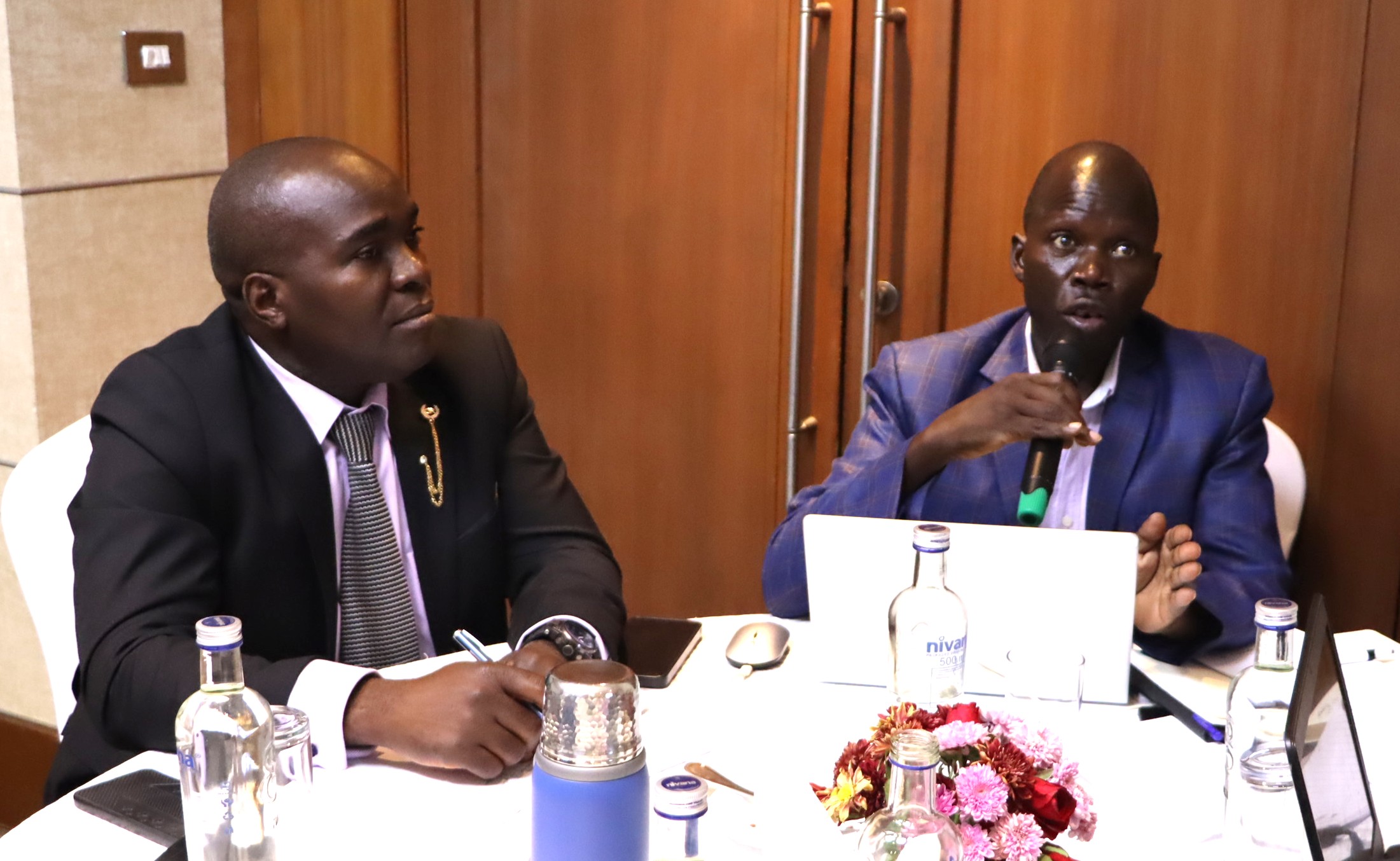
Opeet outlined a framework for technology adoption, emphasizing the interaction between technology providers, supportive policies, extension workers, and farmers. He stressed that even when technologies such as irrigation systems, composting, and the use of beneficial insects like the black soldier fly exist, adoption remains limited due to resource constraints, lack of awareness, and low capacity among implementers.
Highlighting the benefits of CSA, Opeet emphasized the “triple win” it offers: higher production and productivity, increased resilience to climate shocks, and reduced greenhouse gas emissions. He cited examples such as small-scale irrigation and innovative insect-based feed for livestock and fish as practices with high potential, provided they are scaled up effectively.
Despite these opportunities, Opeet warned that challenges persist, including the high cost of inputs, limited water access, land constraints, and a general disinterest in farming among youth. He called for increased research, policy support, and education to bridge these gaps and make CSA accessible to all farmers.
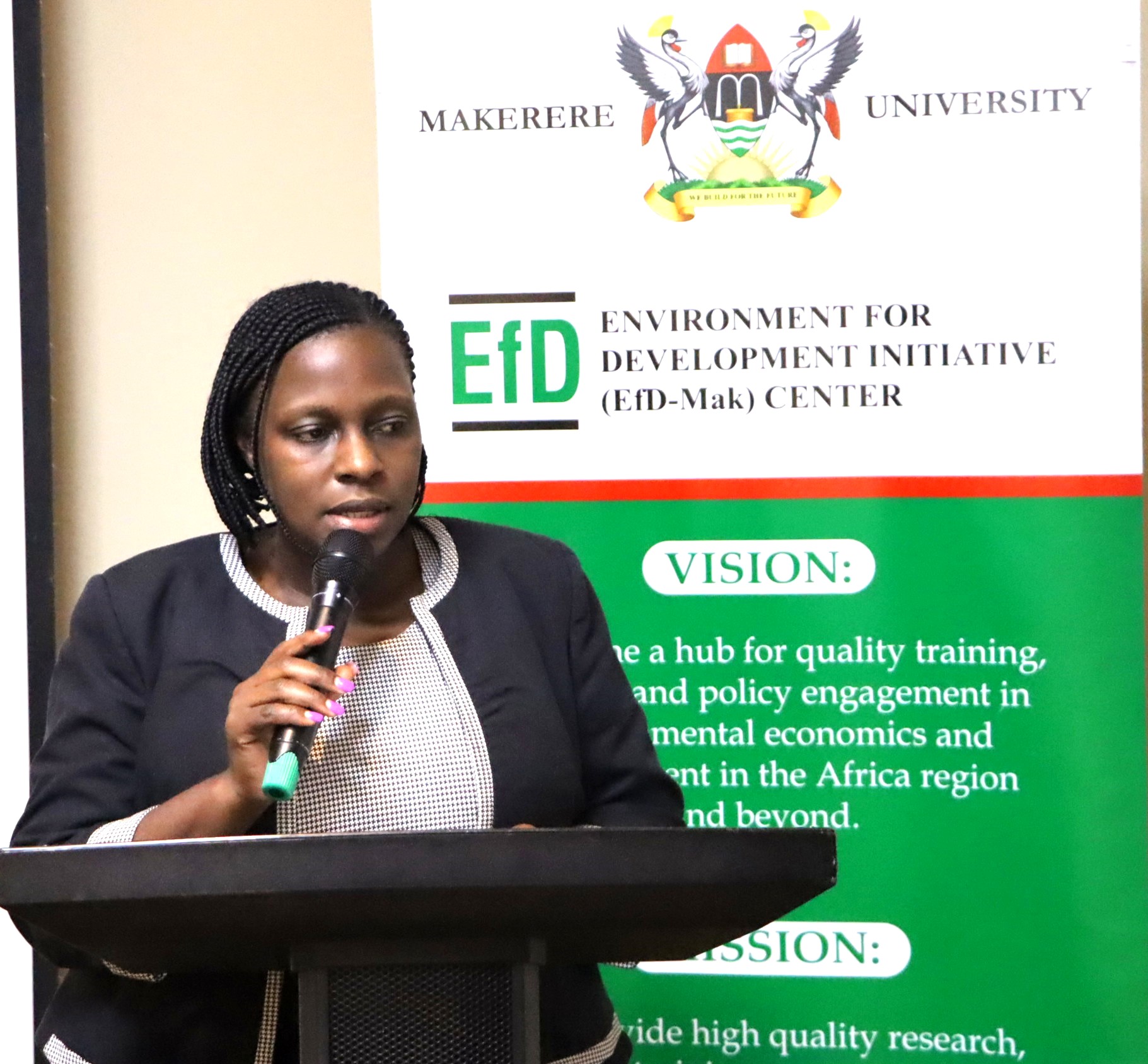
“The goal of the Transformation Initiative is to generate evidence that informs policy and practical interventions so farmers can adopt CSA effectively,” he said. “If implemented, CSA can improve yields, strengthen resilience against climate shocks, and contribute to environmental sustainability.”
Workshop Takeaways: Strengthening Climate-Smart Agriculture (CSA) for National Impact
The workshop brought together key stakeholders to identify practical solutions for scaling CSA across Uganda. Participants emphasized the need for stronger policy engagement, improved extension support, and enhanced cross-sector collaboration to accelerate nationwide adoption of CSA practices.
Experts highlighted the importance of innovation, policy alignment, and farmer engagement as essential drivers of productivity and climate resilience. They noted that meaningful partnerships between researchers and practitioners are critical for translating technical knowledge into actionable interventions on the ground.
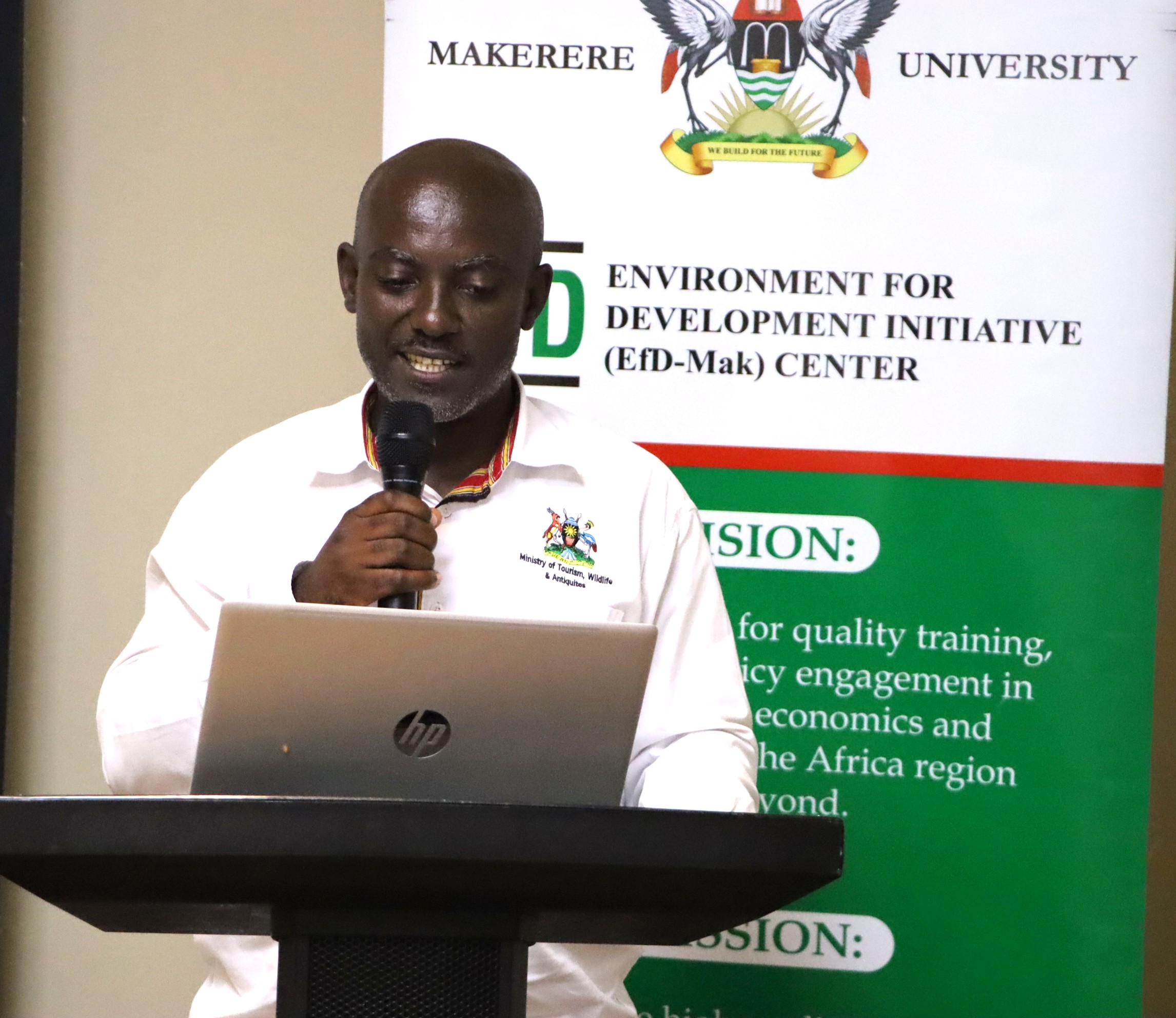
Discussions underscored the urgency of integrating CSA into existing national policies to safeguard food security and strengthen rural livelihoods. Stakeholders also pointed to the value of innovative practices such as irrigation technologies and the use of beneficial insects like the black soldier flies in boosting both productivity and resilience.
Participants identified three priority areas for advancing CSA: Research to enhance farmer resilience and reduce poverty; CSA approaches that sustainably improve agricultural productivity and Strategies to strengthen post-harvest handling and reduce losses.
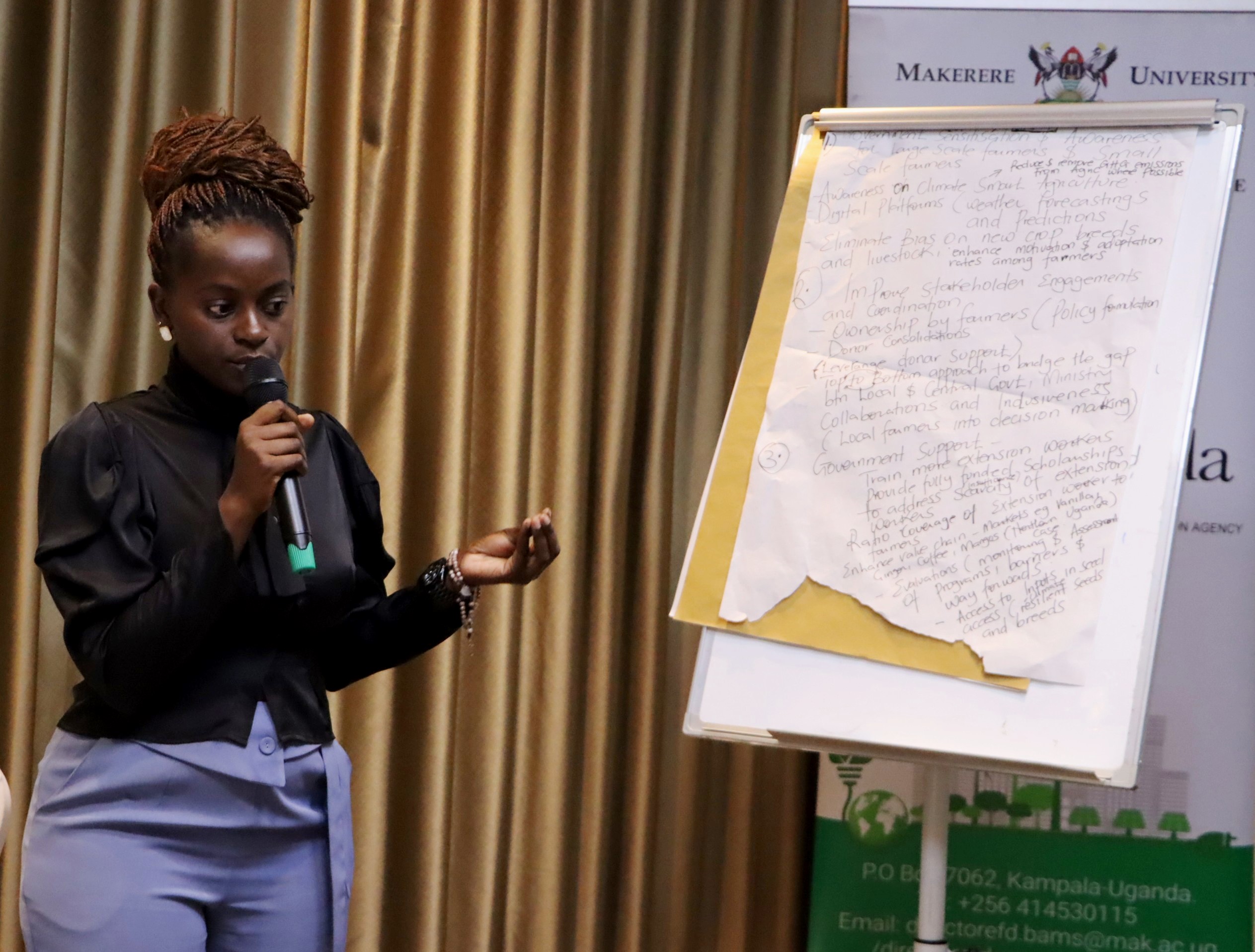
The workshop further highlighted the need to invest in farmer-to-farmer extension models, community-based facilitators, and improved profiling of extension workers to ensure knowledge reaches even remote communities. Participants stressed that CSA solutions must remain affordable and practical, avoiding undue burdens on farmers or the national treasury.
The meeting closed with a strong spirit of collaboration, as stakeholders committed to refining CSA strategies and ensuring that research, policy, and practice continue to move in tandem to transform Uganda’s agricultural sector.
Jane Anyango is the Communication Officer, EfD-Mak Centre







Business & Management
Makerere University Signs MoU with World Association of Noonomy: Sets pace for the African Centre of Excellence

By Ritah Namisango and Monica Meeme
Makerere University has signed a Memorandum of Understanding (MoU) with the World Association of Noonomy, setting the pace for academic collaboration, research and the establishment of a Centre of Excellence for Noonomy in Africa.
On behalf of Makerere University, the MoU was signed by Professor Sarah Ssali, Deputy Vice Chancellor (Academic Affairs), during the World Congress on Noonomy held in Rome, Italy, from 16th-19th September 2026, paving the way for the establishment of a dedicated institute of Excellence for Noonomy at College of Business and Management Sciences (CoBAMS).
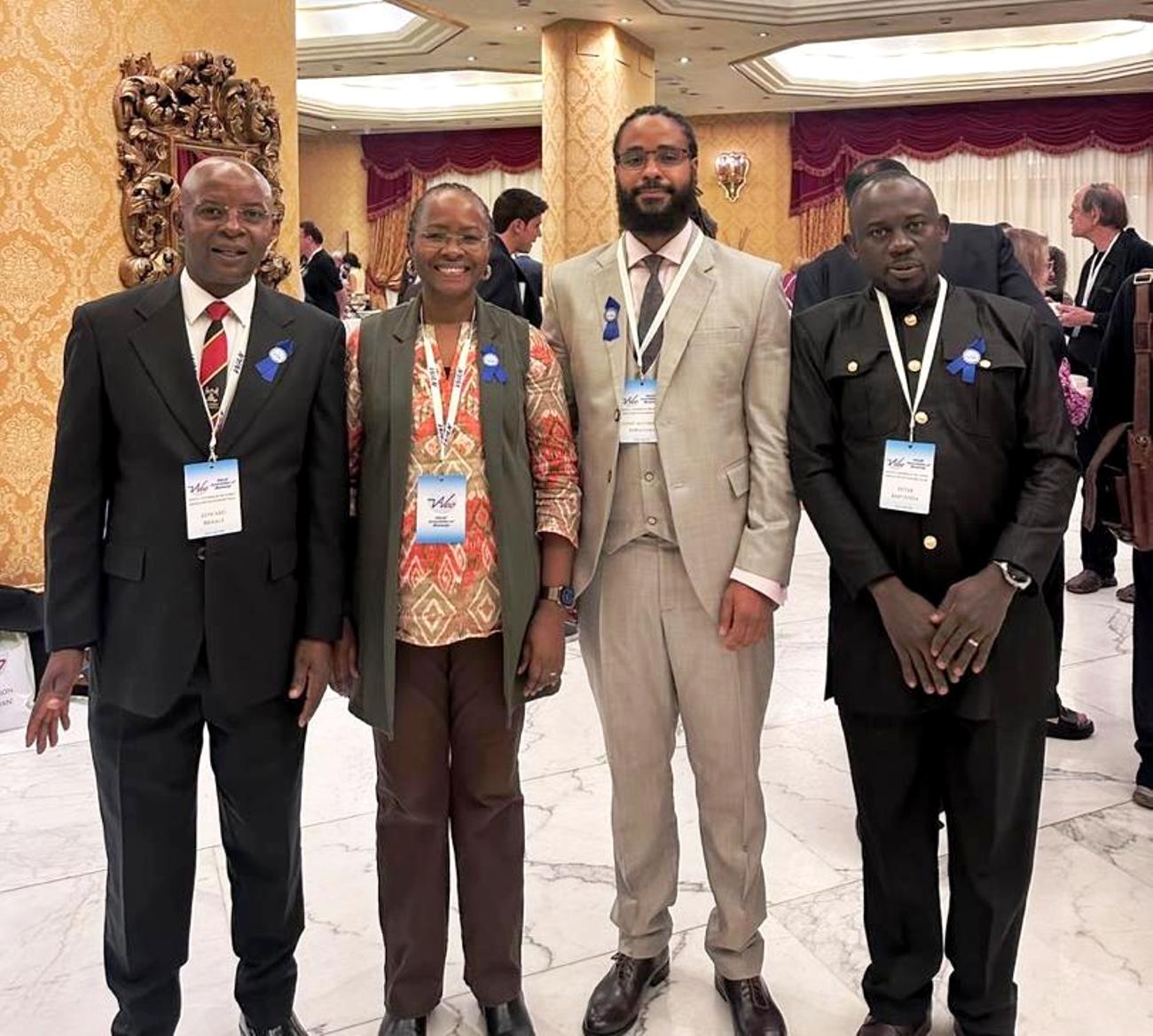
Uganda was the only African country represented at the World Congress on Noonomy, with a Makerere University delegation including Prof. Sarah Ssali-Deputy Vice Chancellor (Academic Affairs), Prof. Edward Bbaale-Principal College of Business and Management Sciences (CoBAMS), Dr Peter Babyenda-Lecturer at the School of Economics and Policy Engagement Coordinator, College of Business and Management Sciences (CoBAMS), and Mr. Tonny Mayambala Sebbaggala, a Ugandan Economist based in Russia.
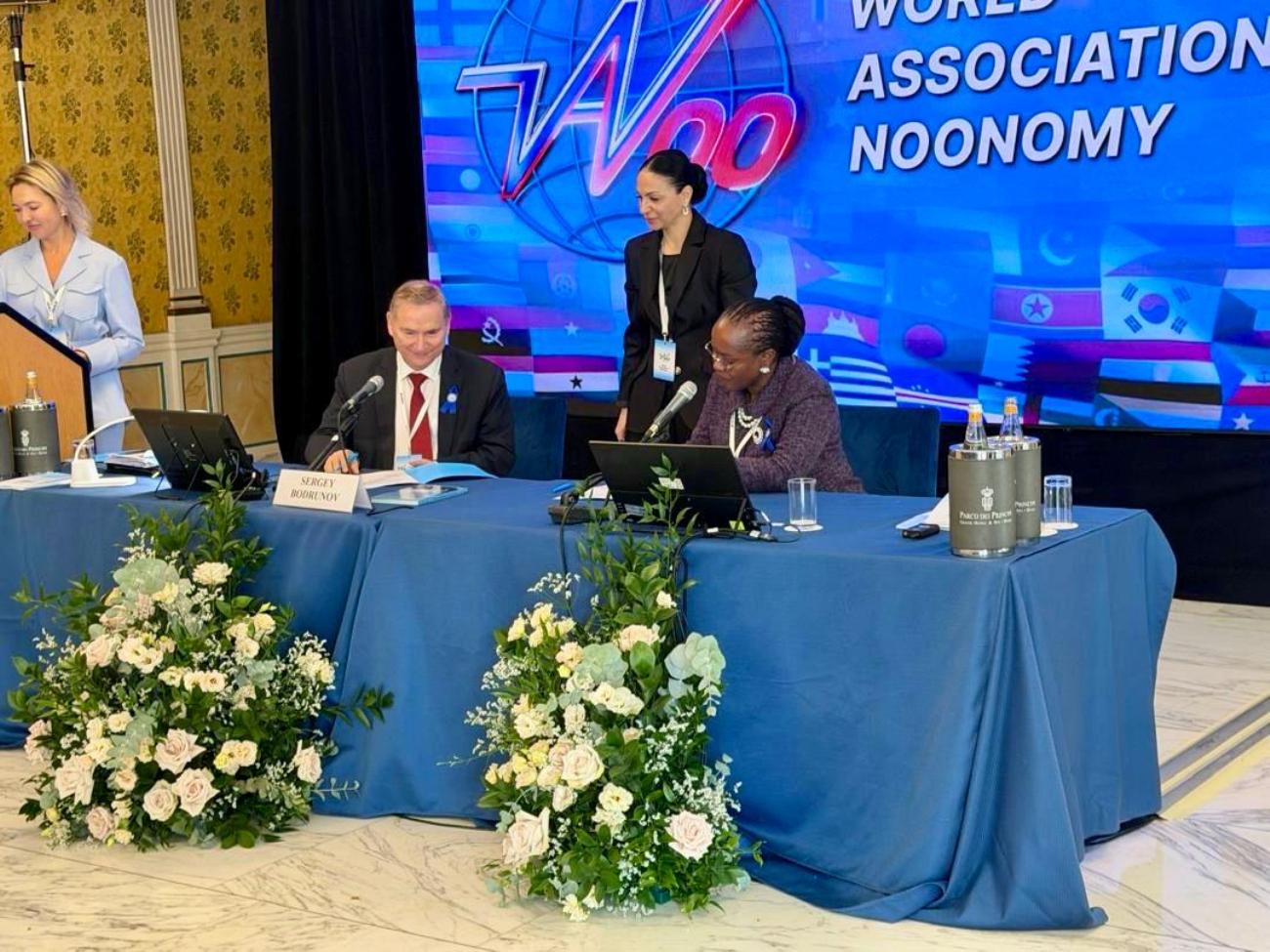
Commenting on the development, the Vice Chancellor, Professor Barnabas Nawangwe said, “By signing this MoU, the African Centre for Noonomy has been established at Makerere University. This adds to the growing number of African continental research centres that are coordinated by Makerere University. Makerere is clearly a leader on the Continent.”
The MoU signed on 19th September 2026 in Rome-Italy, builds on the inaugural conference on Noonomy, held in Uganda on 20th August 2026 at Makerere University under the theme, “The Theory of Noonomy and its Role in Resolving Modernity Issues: Pathways to Sustainable Social and Economic Transformation.”
At the Global Congress of the World Association of Noonomy, the scholars from Makerere University delivered three (3) presentations focusing on Noonomy and development challenges in East Africa, the transition from informal to formal employment, and the role of universities in advancing Noonomy.
About the Theory
The Theory of Noonomy is an emerging theoretical approach developed by Professor Sergey Bodrunov, Director of the S.Y. Witte Institute, which examines the changing relationship between knowledge, technology, production and human development. The theory places emphasis on knowledge and human potential as important drivers of development, while highlighting humanistic values and solidarity in shaping economic and social progress.
Advancing Alternative Economic Thought in Africa
Speaking at the Annual gathering in Rome, Prof. Sarah Ssali described Makerere University’s partnership as a great honour, highlighting the importance of creating space for broader theoretical perspectives on political economy and the global economy.
Reflecting on the evolution of political science and political economy studies, Prof. Ssali noted that following the era of Glasnost and Perestroika, free-market ideology and neoliberalism became increasingly dominant in global economic thinking.
“This dominance created a need for scholars to critically examine both the opportunities and limitations of market-based approaches,” she said.
She welcomed the opportunity to explore alternative ways of understanding the world, including not only the material relations of production, but also the material relations of consumption.
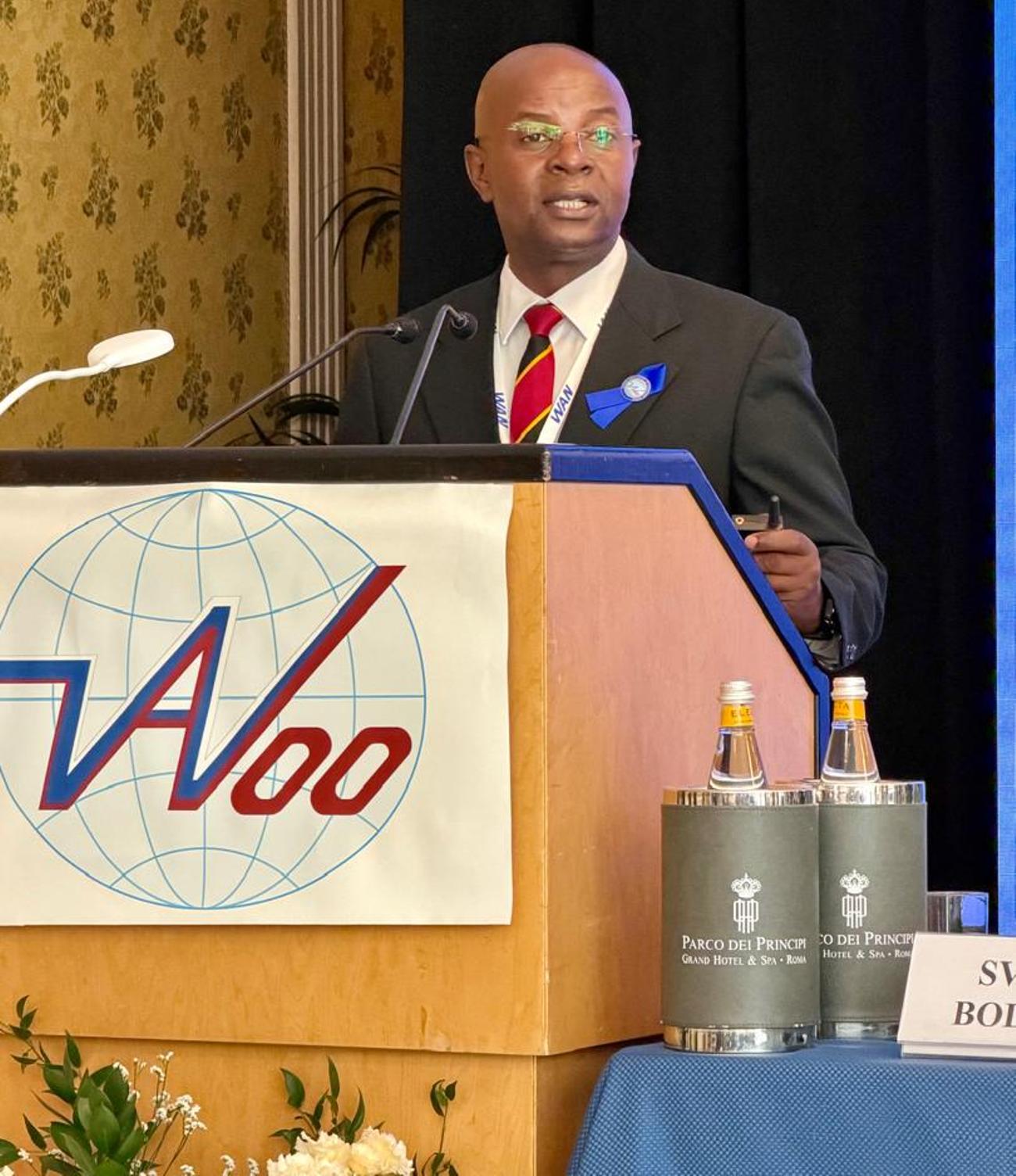
Prof. Ssali also acknowledged the Witte Institute for initiating the initiative and for choosing Makerere University as a key partner on the African continent.
She said Makerere University plans to establish a dedicated centre focused on the emerging area of study, with the institution aiming to launch the centre in February 2027.
“We hope the centre will become a leading African platform for research, teaching and dialogue on these issues,” she asserted.
Prof. Ssali noted that the ideas emerging from the Kampala meeting (held on 20th August 2026) are already being incorporated into Makerere University’s theoretical classes, with plans to substantially expand the initiative following the establishment of the centre of excellence.
She reaffirmed Makerere University’s commitment to the partnership and to expanding scholarly engagement on alternative approaches to political economy.
Call for Growth that Advances Social Welfare
Delivering the presentation titled: “The Role of Noonomy in Addressing Development Challenges in East Africa,” Prof. Edward Bbaale, Principal of the Makerere University College of Business and Management Sciences (CoBAMS), explored the potential of Noonomy as an alternative framework for understanding and addressing persistent development challenges in East Africa.
Prof. Bbaale noted that the approach contributes to emerging academic discussions on how economic systems can better connect economic growth with social wellbeing and inclusive development outcomes in the region.
“The study contributes to emerging academic discussions on how economic systems can better link economic growth with social wellbeing and inclusive development outcomes in the region,” he said.
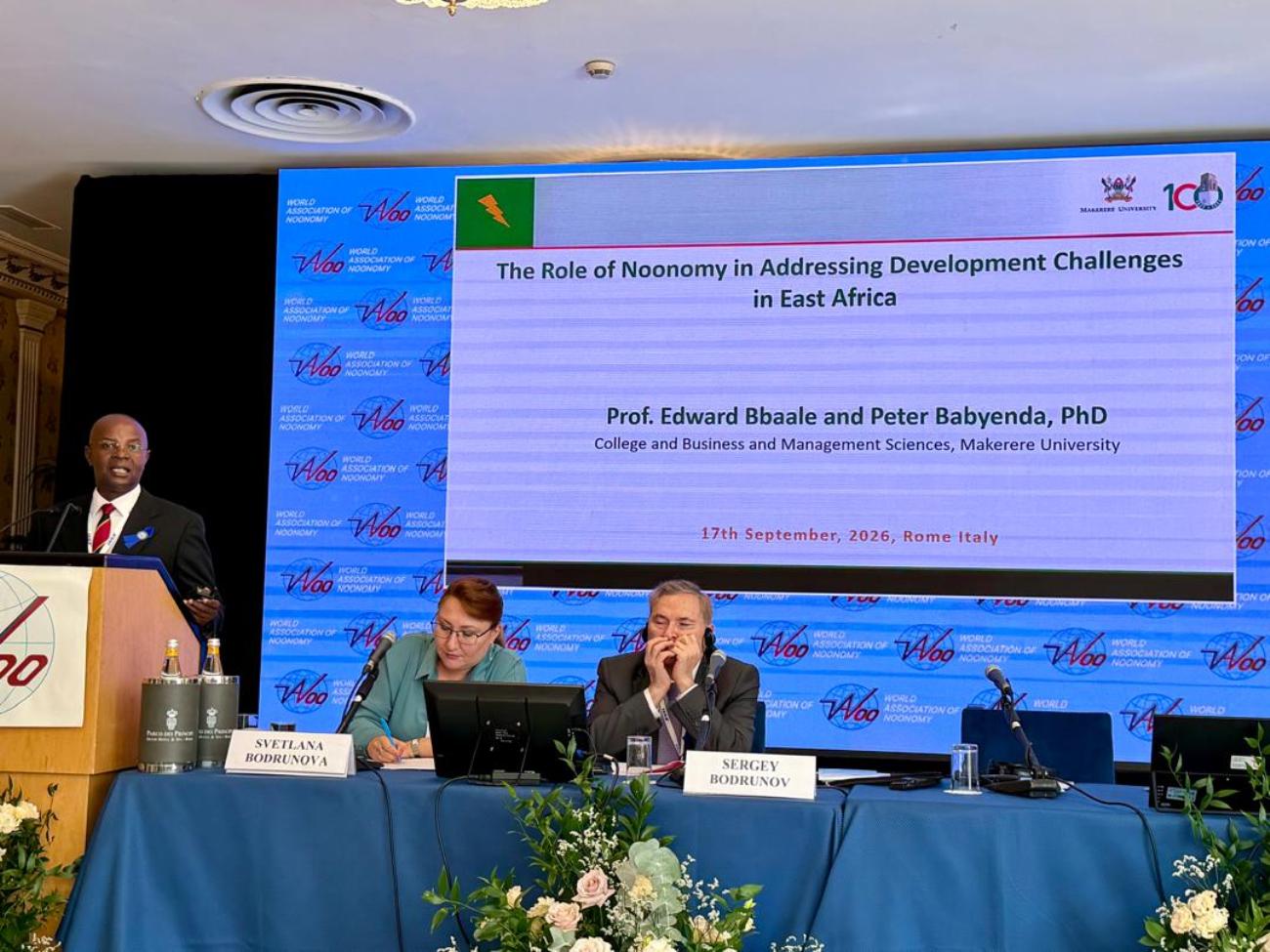
The paper was co-authored with Dr Peter Babyenda and formed part of the scholarly contributions presented at the World Congress on Noonomy in Rome, Italy.
Prioritizing Human-Centred Development
Dr Peter Babyenda said Makerere University’s participation in the World Congress on Noonomy in Rome marked an important step in the University’s international engagement with the Theory of Noonomy.
“The engagement paves the way for establishing a Centre of Excellence for Noonomy at the School of Economics, under the College of Business and Management Sciences (CoBAMS),” he stated.
Dr Babyenda explained that the Theory of Noonomy places human welfare at the centre of development, arguing that development should be assessed not only through productivity and infrastructure, but also by how it improves people’s wellbeing.
He said consumption, knowledge transfer and solidarity are important considerations, including in the application of emerging technologies such as Artificial Intelligence.
Dr Babyenda revealed that Uganda has been offered an opportunity to host an upcoming World Congress on Noonomy, which he said could bring together participants from more than 55 countries and create opportunities for academic exchange, industry engagement and international visibility for Uganda.
He called upon the academia and industry to collaborate with Makerere University in advancing its engagement with the emerging field.
The Signing of the MoU at the Global Congress of the World Association of Noonomy marks a milestone in Makerere University’s efforts to contribute to international scholarly discussions on alternative approaches to understanding economic systems and development.

Business & Management
CoBAMS, European Partners Launch Programme to Equip Students with Polycrisis Management Skills

By Hasifa Kabejja and Ritah Namisango
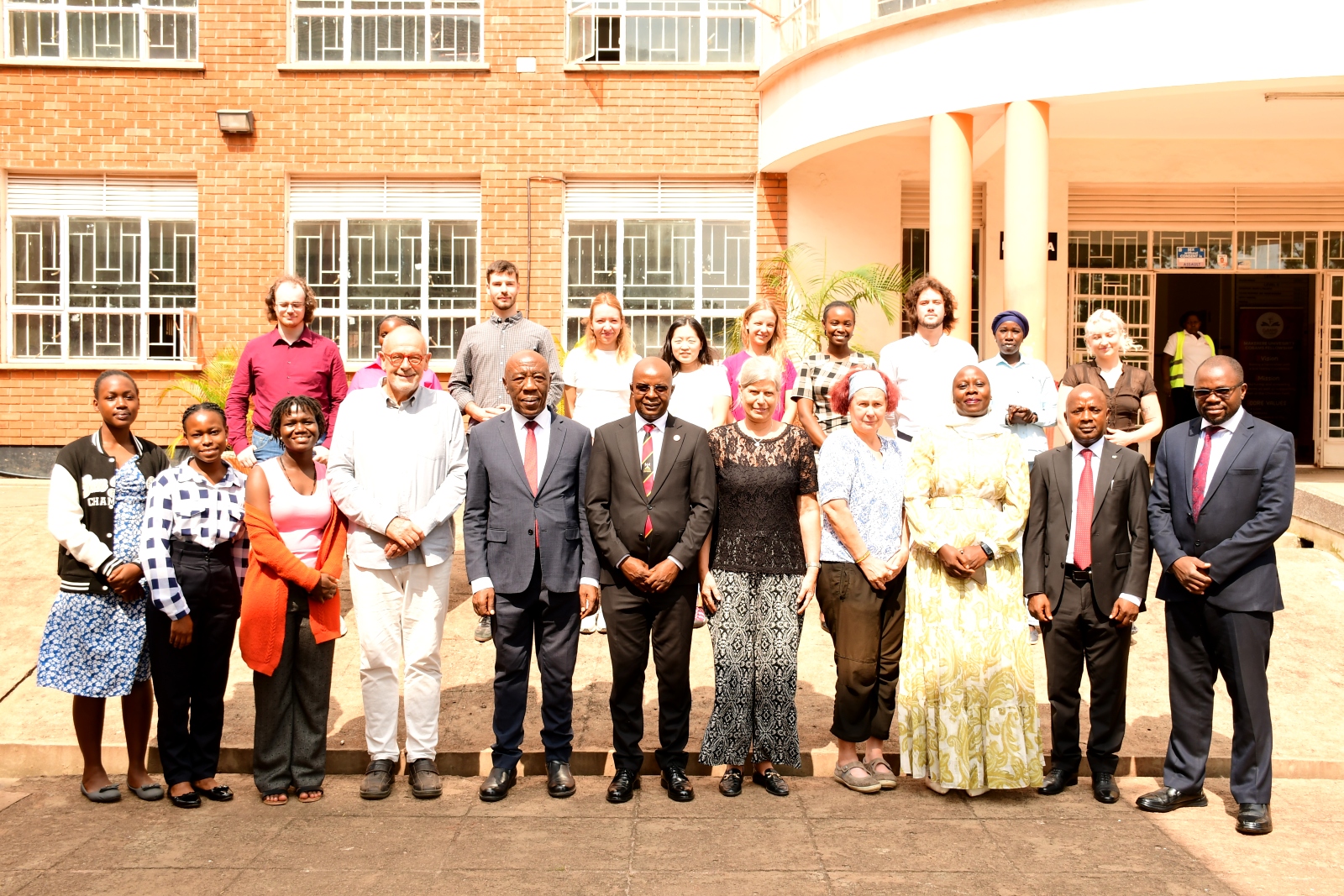
Makerere University, through the College of Business and Management Sciences (CoBAMS), in collaboration with international partners, is implementing a Blended Intensive Programme (BIP) aimed at equipping a new generation of professionals in Africa and Europe with the knowledge and practical skills needed to understand and respond to complex, interconnected global crises.
Held under the PolyCIVIS network, the programme, titled Enhancing Skills in Polycrisis Management: African and European Approaches, brings together participants from Makerere University, the University of Salzburg, the National and Kapodistrian University of Athens, and Universidad Autónoma de Madrid.
It was competitively secured under the 6th Call for CIVIS Blended Intensive Programmes by the Makerere PolyCIVIS team, comprising Prof. Edward Bbaale from the School of Economics, CoBAMS; Dr. Anthony Tibaingana from the School of Business, CoBAMS; and Dr. Kamatara Kanifa from the College of Agricultural and Environmental Sciences (CAES).
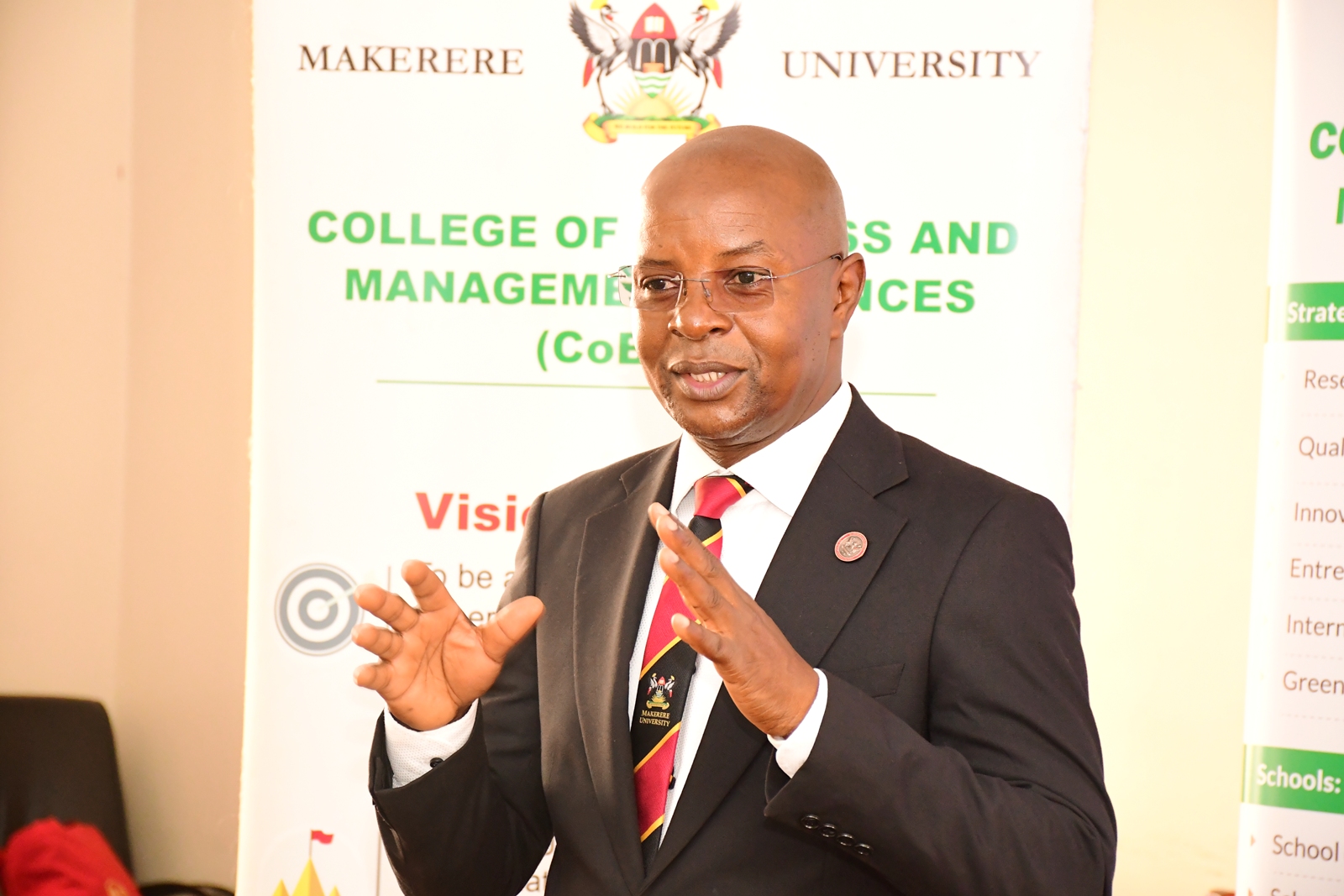
The European facilitators include Prof. Gudrun Zagel, Dr. Sabine Hennig, and Dr. Roman Puff, all from Paris-Lodron University of Salzburg, Austria.
Tackling the Growing Reality of Polycrises
Funded by the European Union through the Erasmus+ Programme under the Jean Monnet Networks, the initiative responds to the growing reality of polycrises – situations in which multiple crises, including climate change, pandemics, displacement, poverty, environmental degradation and economic instability, interact and compound one another, often resulting in consequences more severe than those of individual crises.
The BIP Workshop at Makerere University
The BIP combines virtual and physical learning to give participants both theoretical grounding and hands-on experience in polycrisis management.
During the virtual component conducted in May 2026, participants including students and academics from the participating institutions worked in interdisciplinary teams to analyze real-world scenarios, including climate disasters, refugee crises, pandemics and urban waste management. The students were required to develop and present polysolutions from the perspectives of different stakeholders, including governments, civil society and academic institutions.
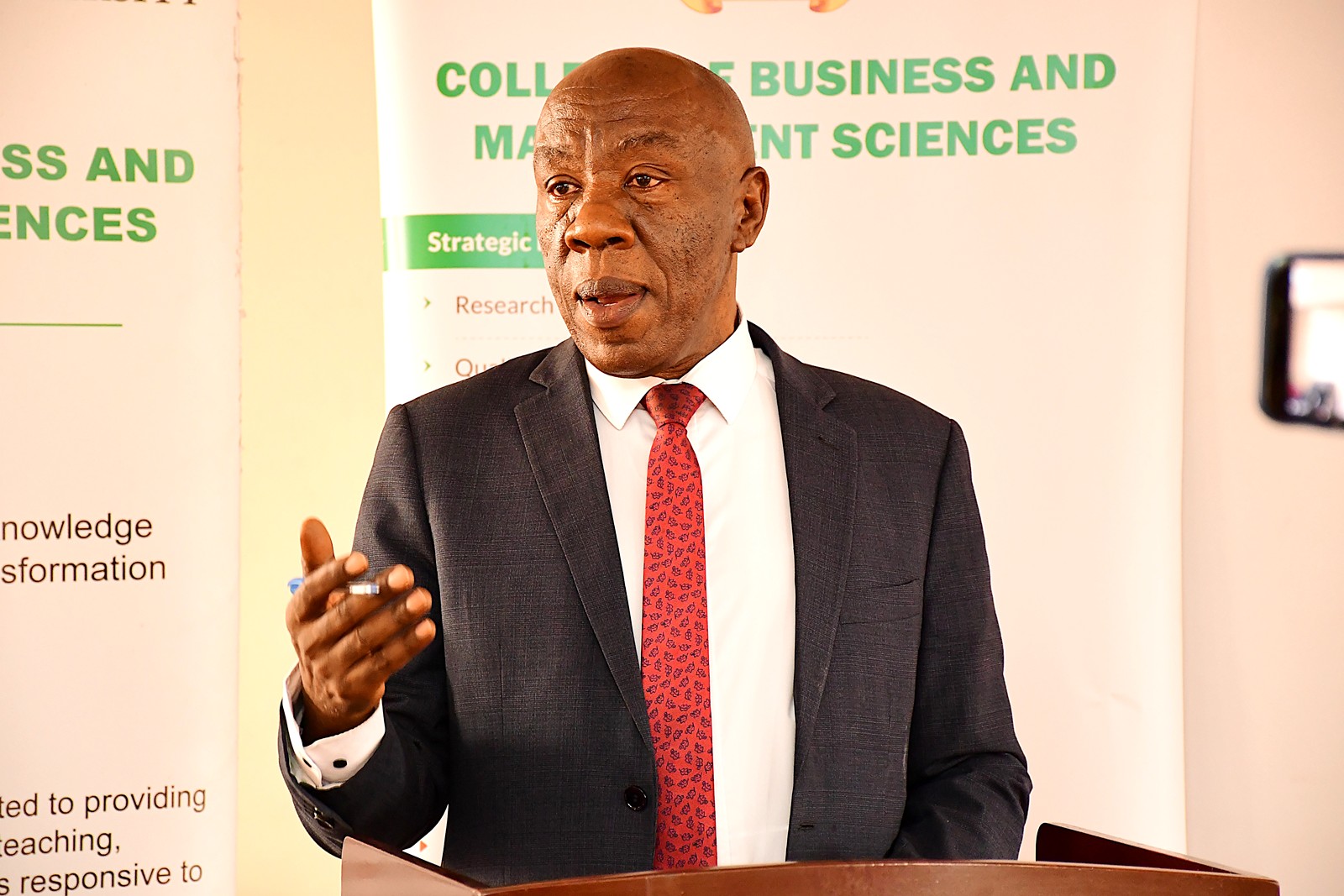
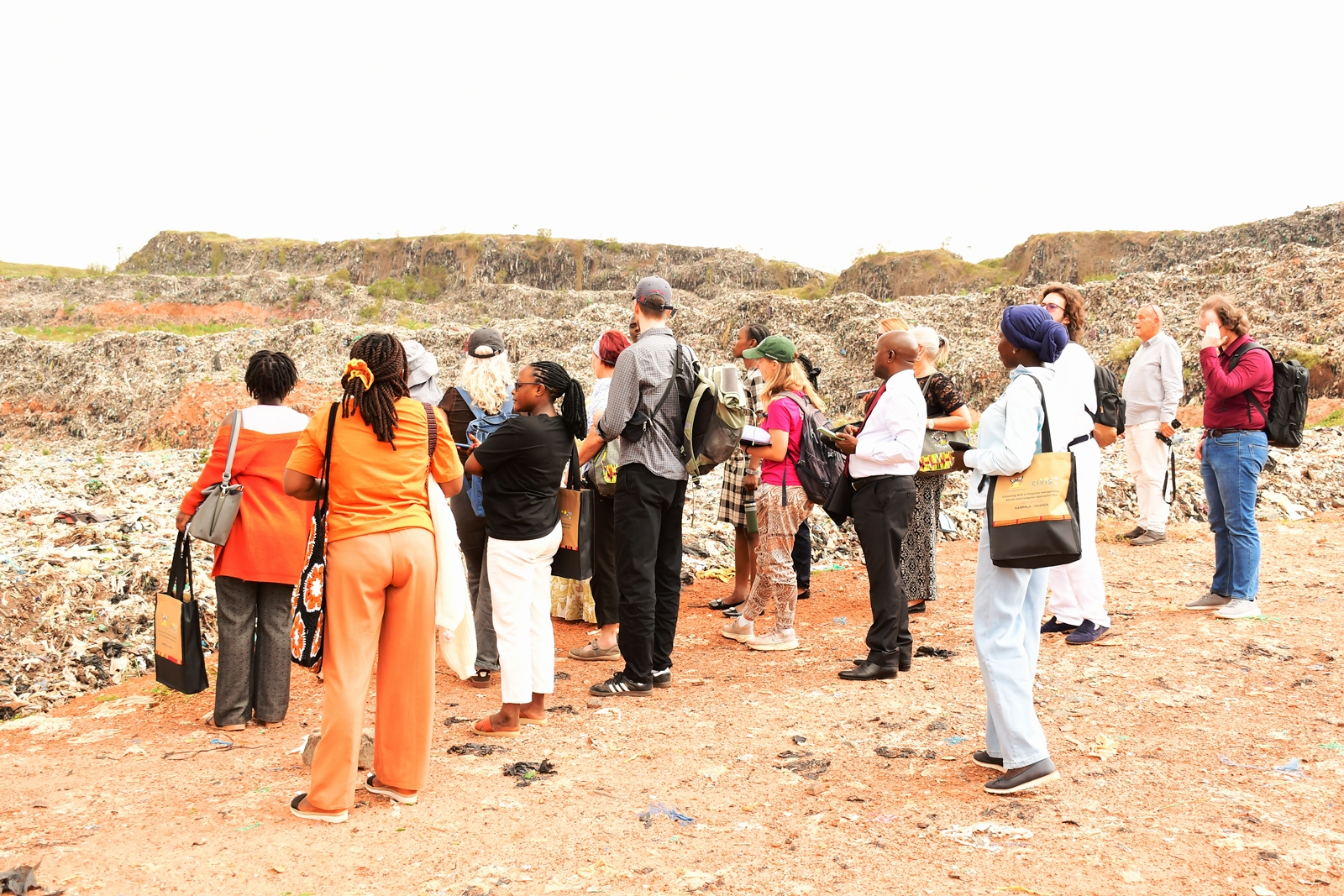
The physical component, taking place in Kampala from 7th-11th September 2026, brings together students from across CIVIS consortium universities to complete the remaining course content, participate in practical activities, and develop solutions to real-world polycrisis challenges. It also provides participants with an opportunity to examine real-life Ugandan cases, including the Kitezi landfill disaster and the Bulambuli landslides. Through these case studies, students will explore how crises intersect with public health, environmental protection, poverty, security, and sustainable development, while gaining practical insights into integrated approaches to crisis management.
On the first day of the training, participants undertook an excursion to the Kiteezi Landfill. During the week, they will also engage with experts from the Kampala Capital City Authority (KCCA), civil society and academia, and work in thematic groups to explore the legal, economic, sociological, historical, communication and educational dimensions of Kampala’s waste management challenges.
The teams will subsequently develop a Kampala waste policy paper and accompanying presentations, proposing integrated approaches to addressing the city’s waste crisis.
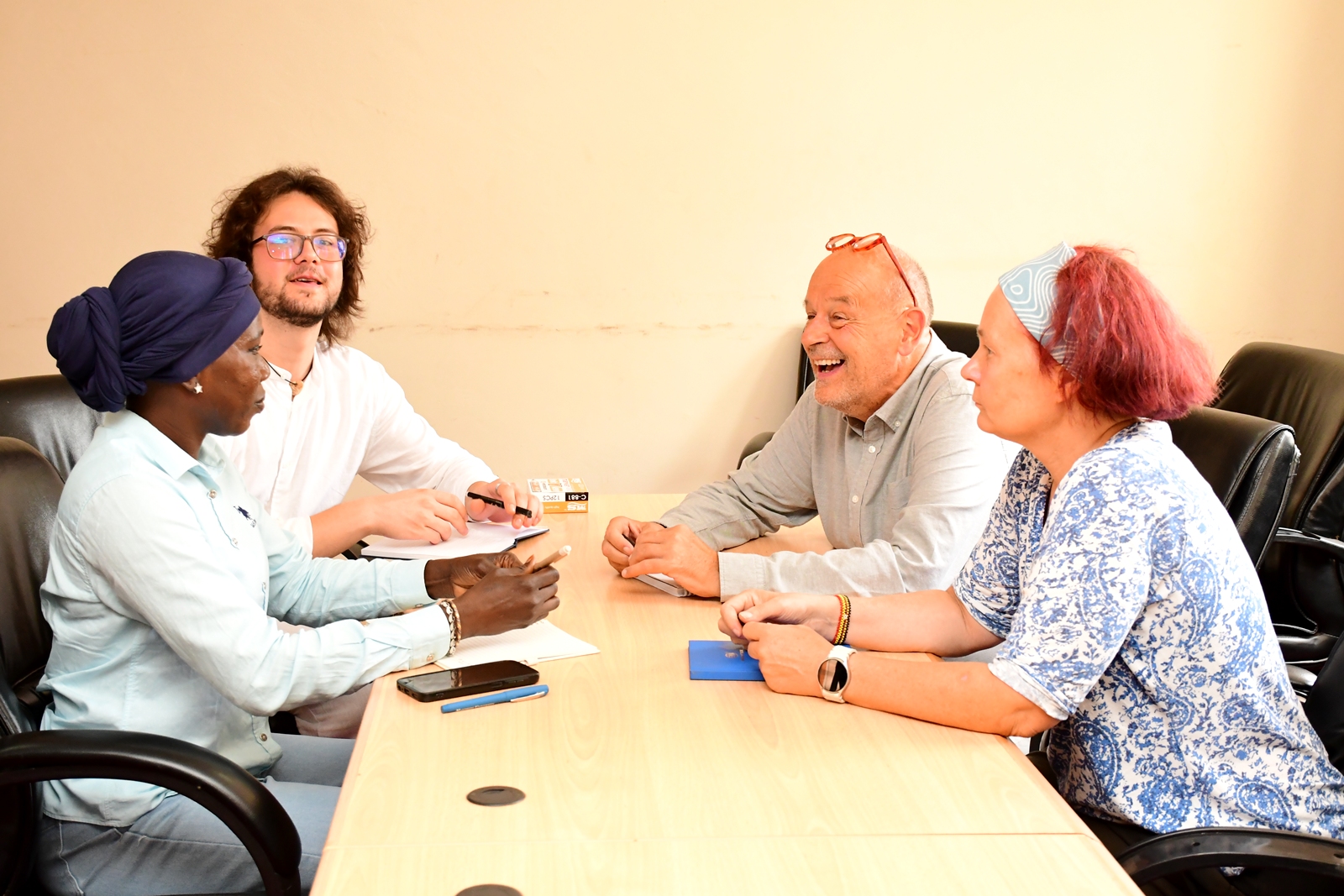
The learning approach incorporates case studies, simulations, role-play, guest lectures, peer learning, interdisciplinary teamwork, and problem-based learning. Participants are encouraged to move beyond identifying problems to developing practical and sustainable solutions.
Call for Integrated Approaches to Complex Global Challenges
Officially opening the programme, Makerere University Vice Chancellor, Prof. Barnabas Nawangwe, represented by the Deputy Vice Chancellor (Finance and Administration), Prof. Henry Mwanaki Alinaitwe commended the team for securing the programme.
Addressing participants, he emphasized the need for universities to move beyond fragmented approaches to problem-solving and develop integrated responses to increasingly complex global challenges.
“Interconnected problems cannot be adequately addressed through fragmented solutions,” Prof. Nawangwe observed, stressing the importance of collaboration across disciplines, institutions, sectors and countries.
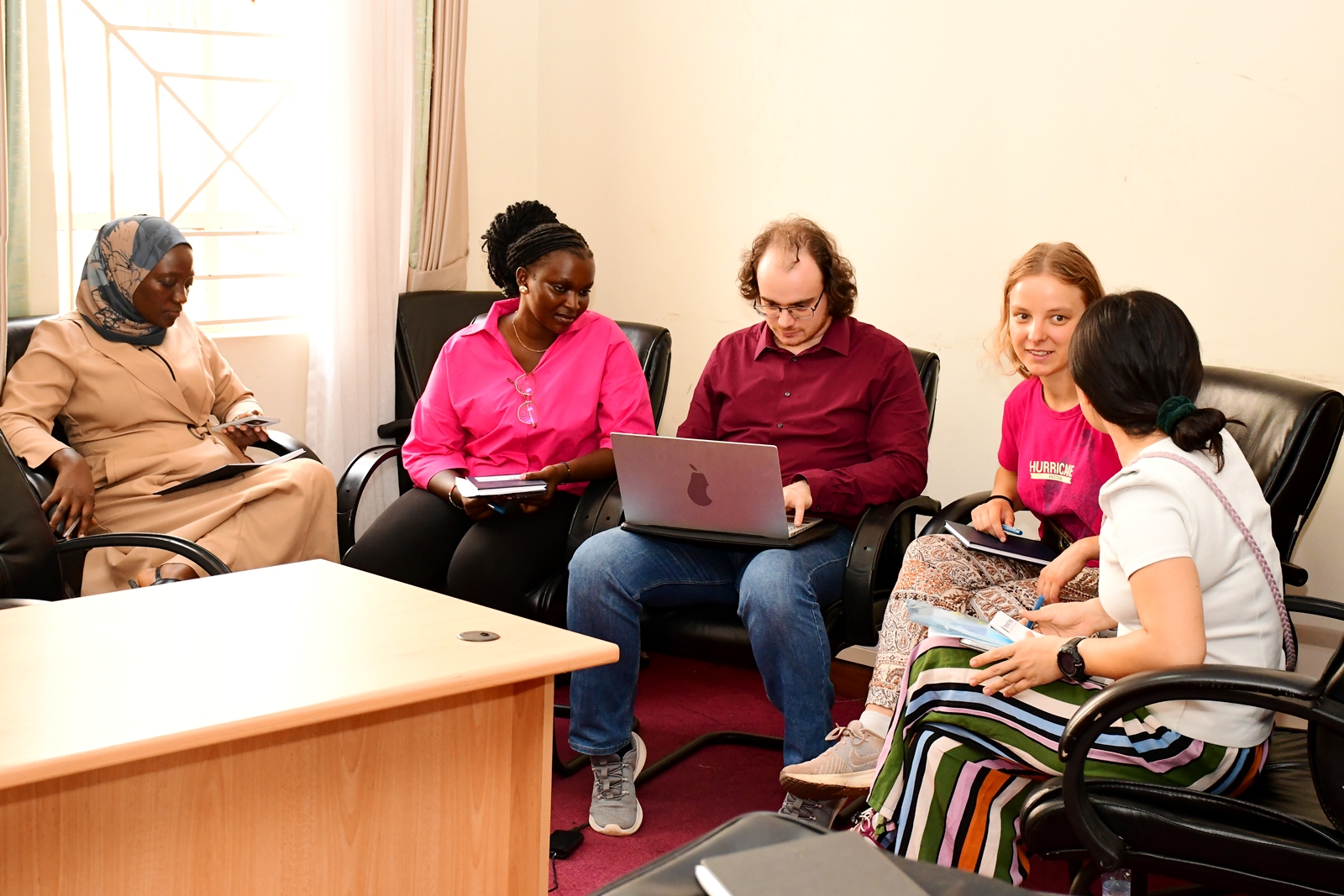
He noted that no single discipline or institution possesses all the knowledge required to address the challenges confronting societies today, calling for stronger integration of fields such as economics, public health, environmental science, engineering, governance, technology and the social sciences.
Embracing Innovative and Sustainable “Polysolutions”
Prof. Nawangwe further emphasized the importance of developing innovative and sustainable “polysolutions”- integrated responses that address multiple, interconnected crises while minimizing unintended consequences across other sectors.
He underscored the value of combining African and European perspectives, noting that while crises may manifest differently across regions because of differences in history, institutions and resources, challenges such as climate change, migration, pandemics, conflict and economic instability increasingly transcend national boundaries.
He described the partnership as an opportunity for mutual learning and co-creation of knowledge, rather than a one-way transfer of expertise.
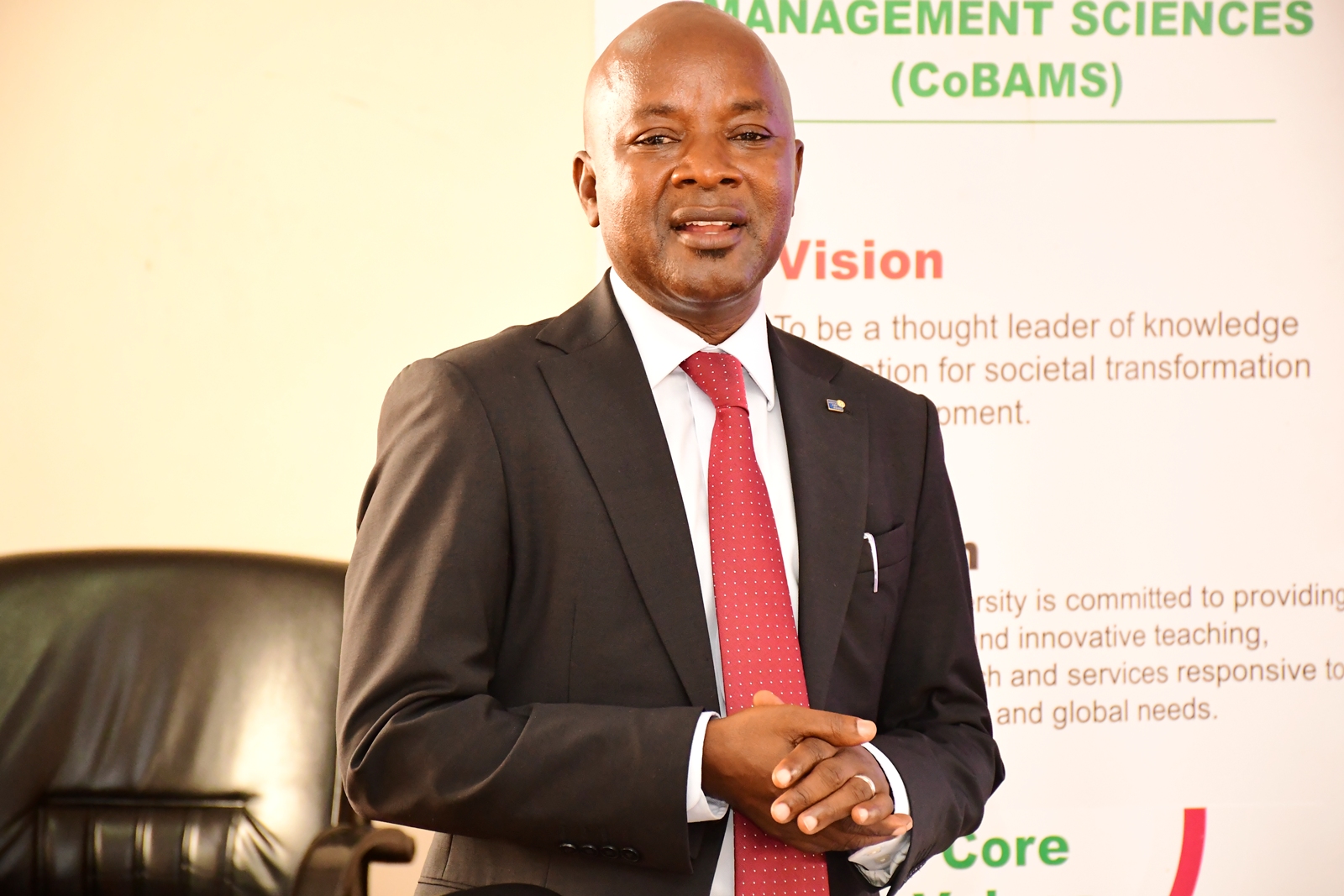
“We must bring these experiences into conversation and determine what works, under what circumstances, and how solutions can be adapted to different social, economic and institutional contexts,” Prof. Nawangwe said.
Collaboration Beyond the Blended Intensive Programme
The Vice Chancellor expressed hope that the collaboration would extend beyond the BIP into joint research, publications, teaching, student supervision and other sustained academic initiatives.
He challenged the participants to make the most of the opportunity by learning across disciplinary boundaries, questioning established assumptions and focusing on solutions.
“The world you are preparing to lead will require people who can understand complexity, work across institutional and disciplinary boundaries, and convert knowledge into practical responses,” he said.
Ebola Outbreak Demonstrates the Interconnected Nature of Modern Crises
The Vice Chancellor further observed that the postponement of the physical component of the training following the outbreak of Ebola underscored the interconnected nature of modern crises. He noted that a health emergency can quickly disrupt education, international mobility, economic activity and institutional planning.
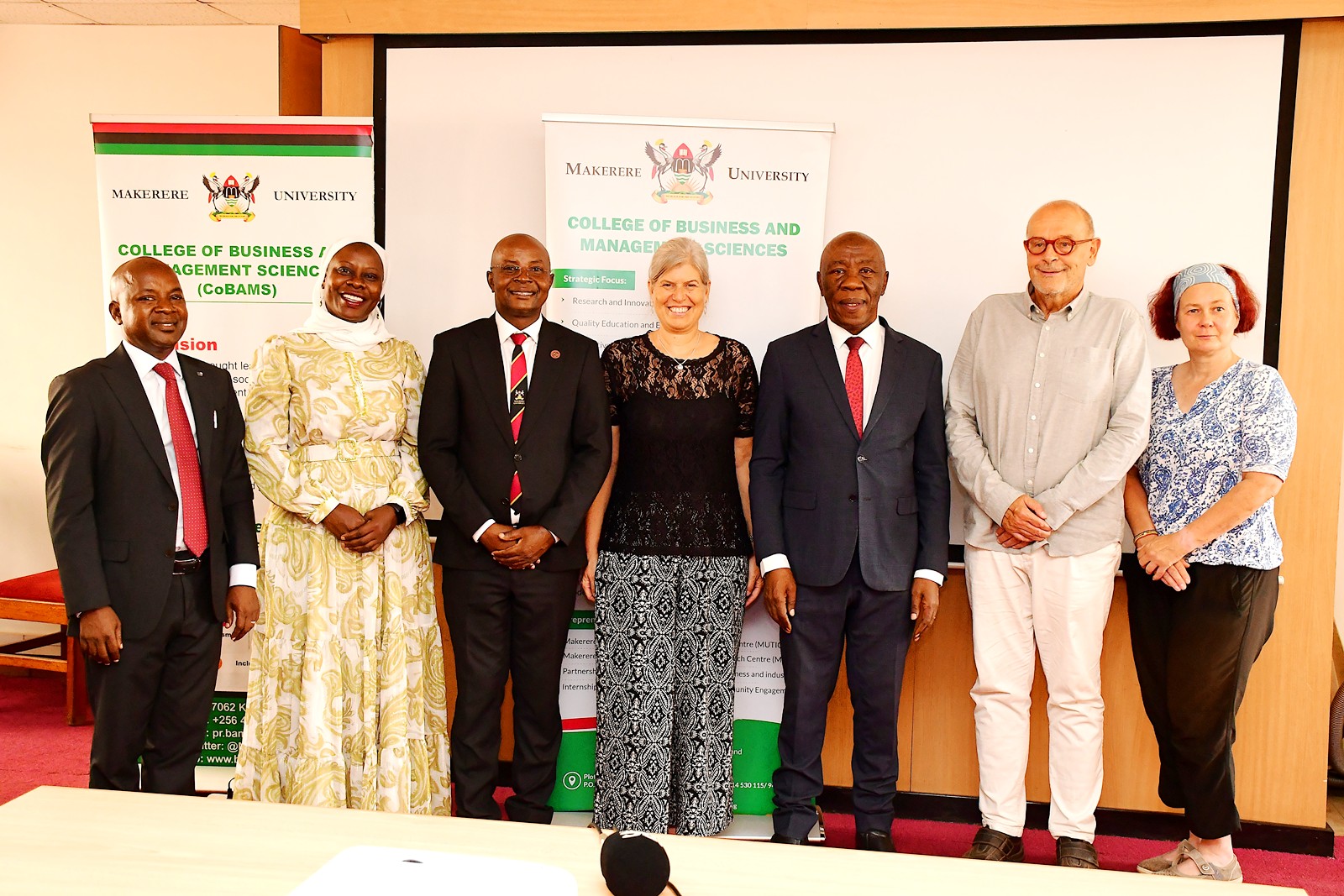
Appreciation by the Vice Chancellor
He commended the PolyCIVIS team and partner universities for bringing the initiative to fruition, expressing confidence that the programme would generate practical and innovative polysolutions to some of the challenges facing societies.
Strengthening international academic collaboration
In his capacity as Principal of CoBAMS, Prof. Edward Bbaale described the programme as a significant reflection of the College’s commitment to fostering an integrated approach to teaching, research, policy engagement and international collaboration.
He noted that the increasingly complex challenges facing society require institutions and professionals to transcend geographical and disciplinary boundaries and collaborate across diverse fields of expertise.
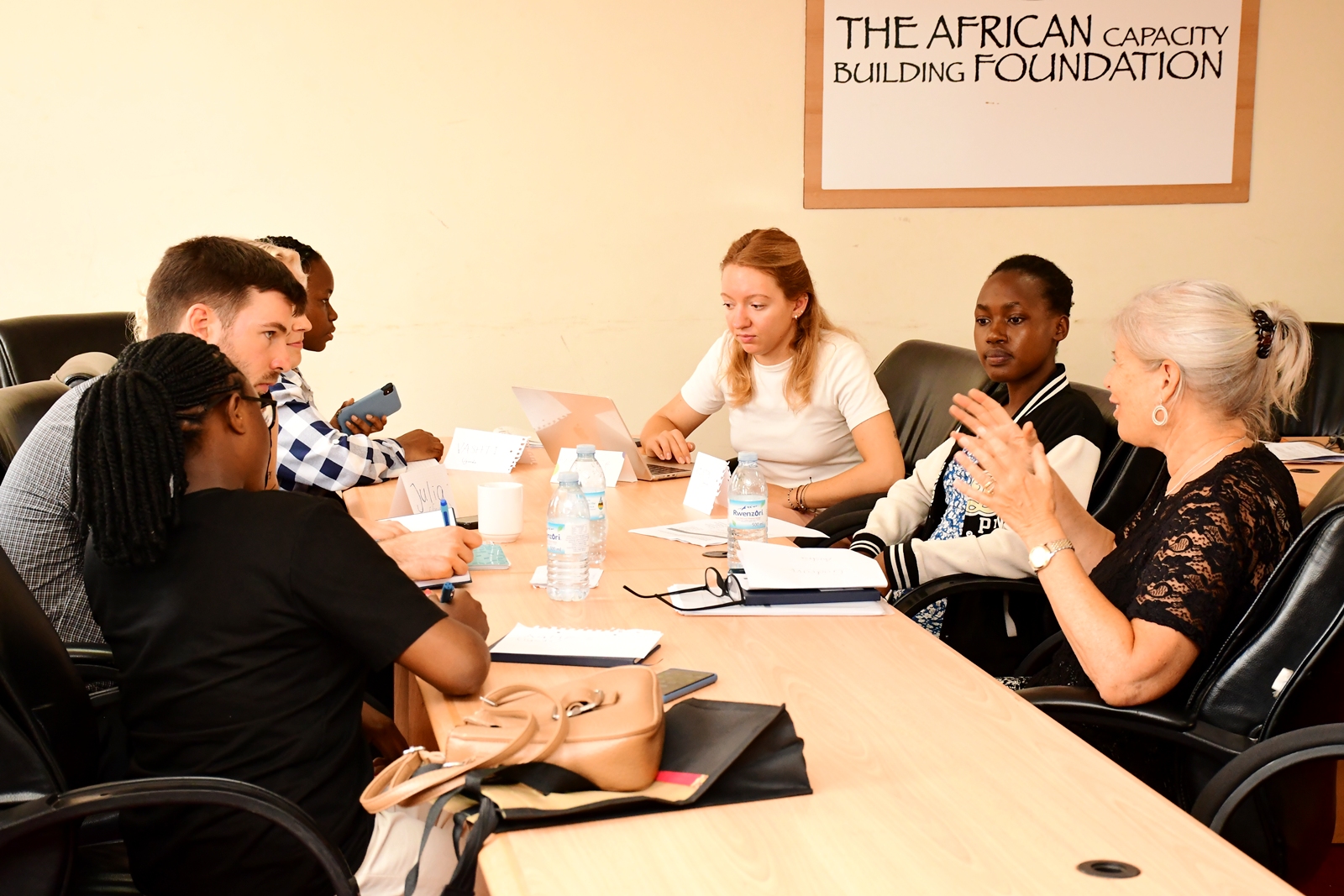
Prof. Bbaale further highlighted the value of bringing Makerere students and faculty into direct engagement with colleagues and practitioners from partner universities.
“Such engagements enrich the learning experience while creating opportunities for sustained collaboration in research, teaching and student supervision. For Makerere University, the programme represents a practical expression of its internationalization agenda, creating opportunities for students and academics from different countries to exchange knowledge, share expertise and work together to address complex societal challenges.”
Preparing future leaders for complex challenges
The programme seeks to enable learners to identify, assess and manage polycrisis situations in line with the UN Sustainable Development Goals (SDGs), while building competencies in addressing the social, environmental and economic dimensions of crises.
It also aims to develop practical skills in designing and evaluating integrated policies and polysolutions, including effective communication and public awareness strategies.
Ultimately, the initiative seeks to strengthen participants’ critical thinking, digital, spatial and 21st-century skills while promoting interdisciplinary and transdisciplinary collaboration.
The BIP also serves as a pilot initiative for the planned Joint Master’s Programme on Managing Polycrises under the PolyCIVIS framework.
-

 General2 weeks ago
Statement on Concerns Circulating Regarding a Member of Academic Staff
-
 General2 weeks ago
Beyond Map Size: Africa’s Agency Should Not Be Funded by Other People
-

 General6 days ago
Timothy Khabusi: From Barefoot Walks to shaping Uganda’s Eye health Future
-

 General2 weeks ago
Press Statement: Incident Involving Death of a Student at Makerere University
-
 Health1 week ago
Uganda’s HIV Treatment Gains Bring the Youth Gap into Focus