
Education
Strengthening Early Childhood Care Education: MakCEES earmarked to host daycare facility

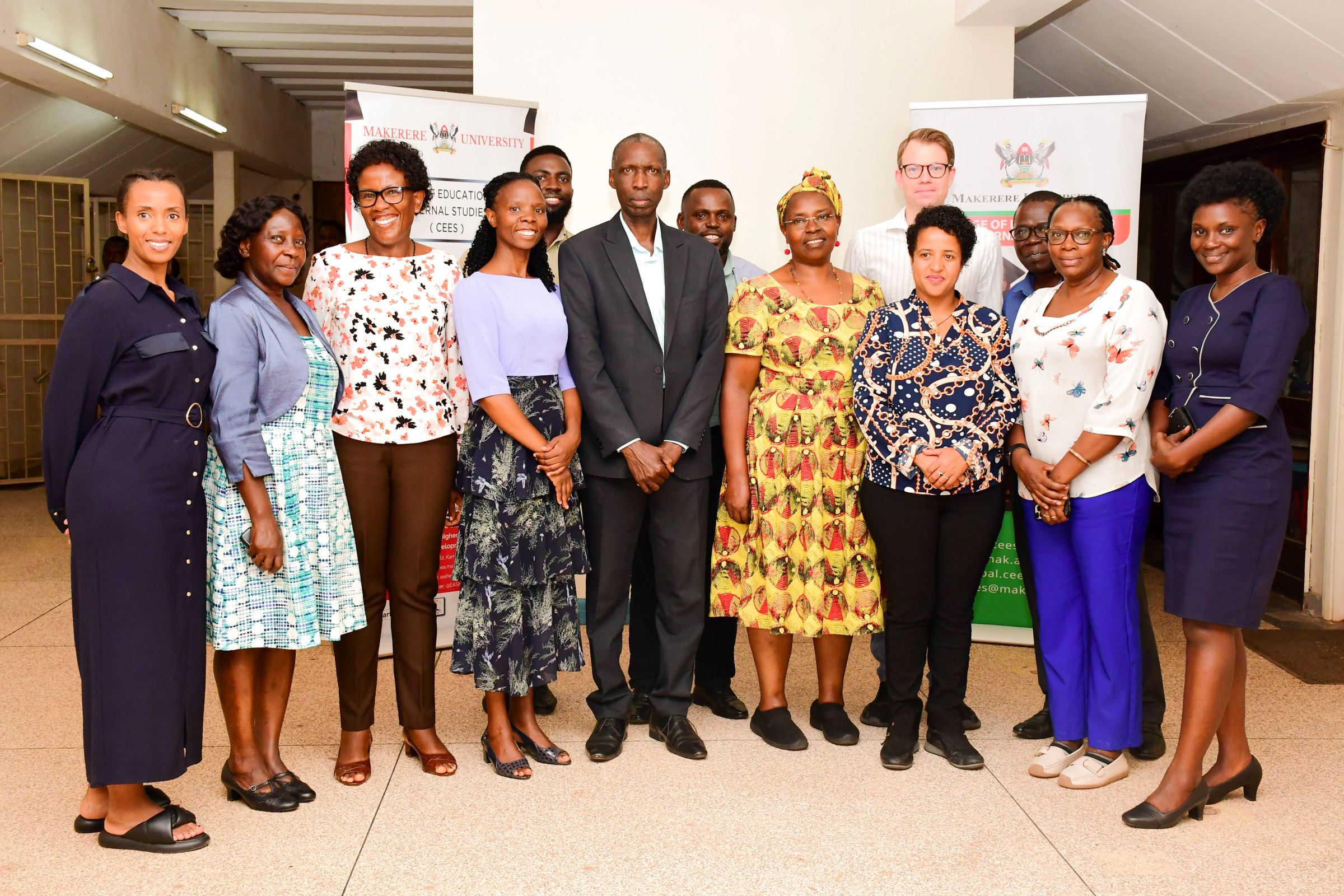
On 5th November 2025, the Principal of the College of Education and External Studies, Professor Anthony Muwagga Mugagga, hosted an inception meeting to discuss the modalities of setting up a daycare facility anchored within the Early Childhood Care Education strategy and the Competence Based Education trends.
Early Childhood Care and Development is the foundation of the education sector. Therefore, initiatives such as the daycare facility, are testimony to Makerere University’s commitment to the implementation of programmes aimed at strengthening early childhood care education. The facility will also serve as a demonstration centre for students and staff engaged in Early Childhood Care Education programmes.
The daycare facility to be hosted at the College of Education and External Studies will be enriched by best practices from Uganda, Norway and Ethiopia
The inception meeting brought onboard Early Childhood Care Education specialists from both the College of Education and External Studies and the Partnership for Change in Norway, staff from Makerere University Gender Mainstreaming Directorate, and the Office of the Dean of Students.
The Partnership for Change is a Norwegian Organization that supports aspiring countries to develop a thriving Early Childhood Care and Education (ECCE) sector and women’s economic empowerment in several countries. The delegates from Partnership for Change in Norway included: Oscar Haugejorden, Birikit Terefe, and Nasanet Hailemariam.
Welcoming the delegation from Norway and the respective internal stakeholders, the Principal expressed the readiness of the College of Education and External Studies (CEES) to host the daycare facility that will be utilized by both staff and students.
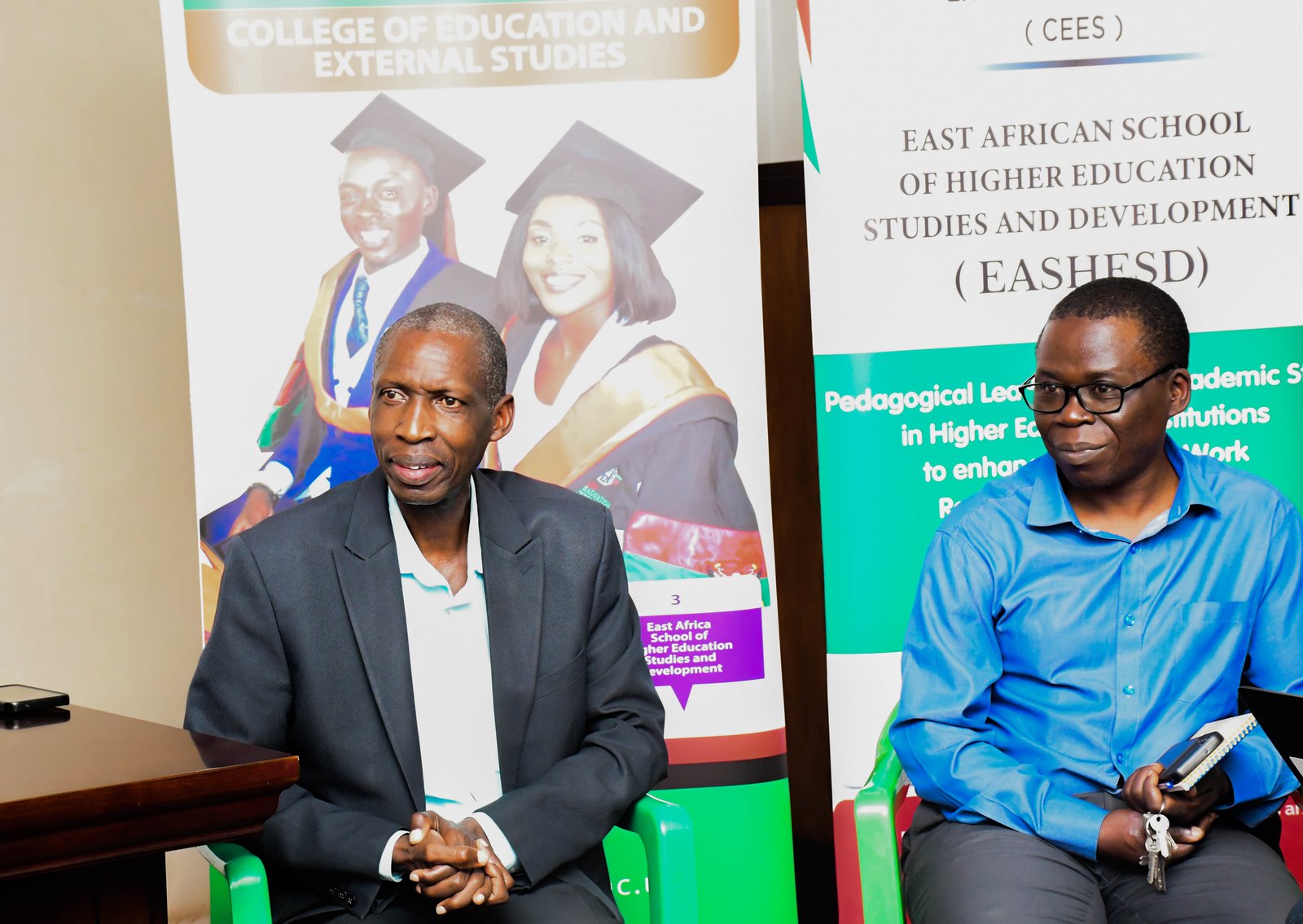
Professor Mugagga flanked by Dr. Peter Ssenkusu, both specialists in early childhood care education, highlighted that the College conducts a Bachelor’s degree, Masters’ degree, and PhD in early childhood care education and development. The CEES leadership reported that there is an increasing demand for early childhood care education programmes at Makerere University.
“Whereas Makerere University through the College of Education and External Studies had expected applicants from Diploma Holders, the realities proved that students who had completed the Advanced level of education (Senior Six) were interested in the academic programmes, and consequently applied,” said Professor Mugagga. He disclosed that the first advert to the (Bachelor of Early Childhood Development) attracted 500 applicants from Advanced level, Makerere University could only admit 110. He stated that the second advert, attracted 1,000 applicants, but they could take on, only 120.
Commenting on the gender (female to male) enrollment into Early Childhood Care Education (ECCE) at Makerere University, he said: “I am delighted to note that this year, Makerere University admitted 30 male students into the ECCE academic programme. This is an interesting trend that the boy child is also joining the ECCE programmes, that initially had attracted mostly female students.”
Partnership for Change underscores working with local partners and experts
Appreciating the warm reception at the College of Education and External Studies, the delegation expressed readiness to partner with Makerere University to contribute to the advancement of Early Childhood Education in Uganda. “Through this inception meeting at the College of Education and External Studies, history is being made. Makerere University and the Partnership for Change will contribute to strengthening of the early childhood care education sector in Uganda and beyond.”
The Head of the Delegation, Oscar Haugejorden, underscored the value of partnerships at all levels of their work and operation. “Partnerships are very important to us. We do not work alone. We work with local partners,” emphasized Oscar Haugejorden, the Managing Director, Partnership for Change.
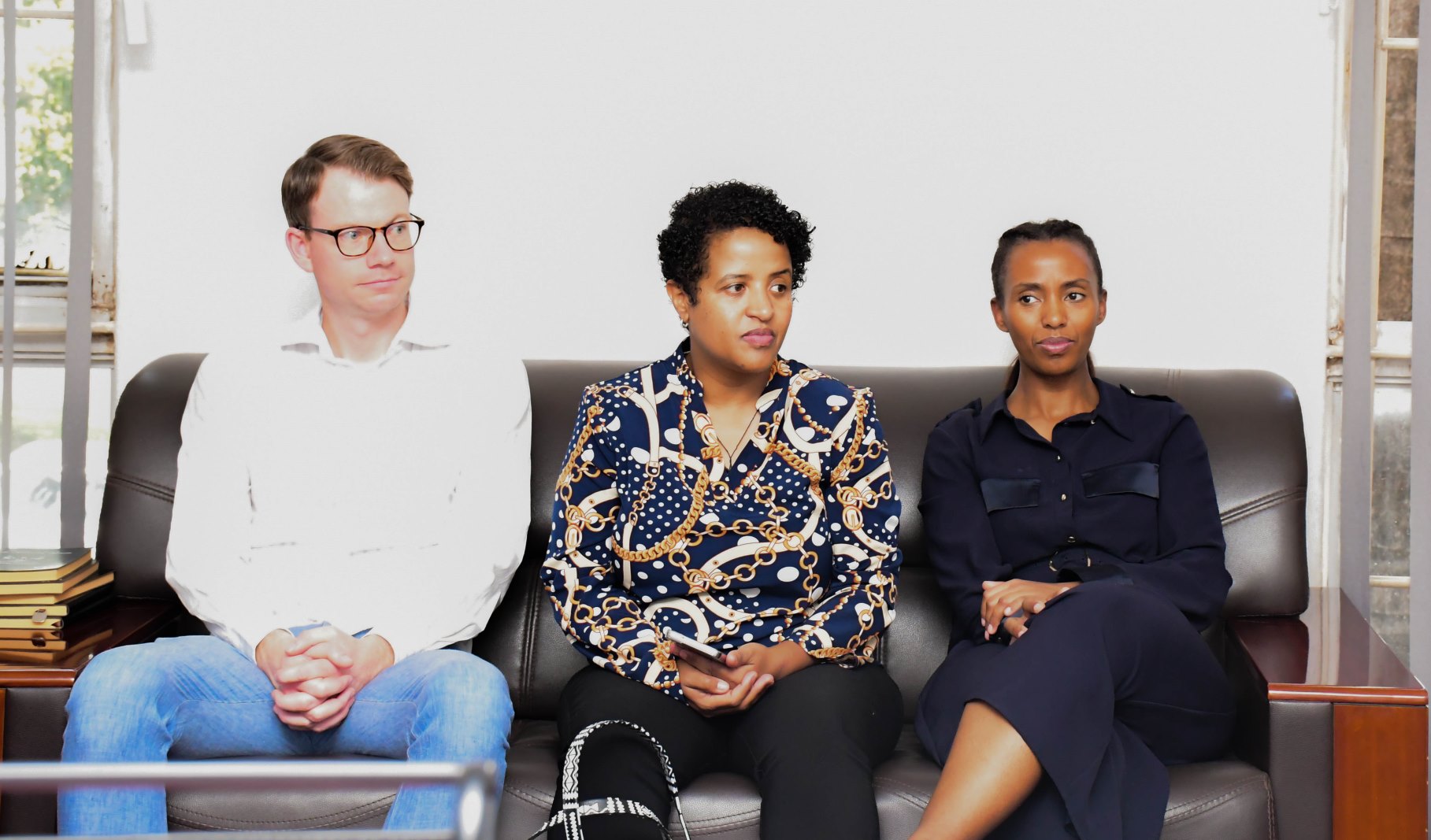
In pursuit of this partnership, the delegation expressed readiness to work with the leadership at Makerere University-the Vice Chancellor, Deputy Vice Chancellors, Dean of Students, Gender Mainstreaming Directorate, the College of Education and External Studies, and the government of Uganda through the Ministry of Gender, Labour and Social Development.
The delegation committed to following standards and regulations that govern daycare centres and working with nationals who are experts in the different fields/disciplines such as certified local engineers.
The discussion revealed that the success of the Partnership for Change Early Childhood Care Education programmes is built on experience, trust, stakeholder engagements, involvement of the local partners and experts, and a great deal of advocacy.
The daycare facility to be hosted at the College of Education and External Studies will be enriched by best practices from Uganda, Norway and Ethiopia.
Success stories of ECCE in Ethiopia
In Ethiopia, The Partnership for Change, promotes social and economic development, with a focus on childcare and healthcare.
The delegation informed the Makerere University officials about the success of the ECCE programme built on partnerships with the government, schools, stakeholder engagements and involvement of citizens in Ethiopia. “Through partnerships and advocacy, Early Childhood Care Education has been institutionalized in Ethiopia. In addition, the government established 750 daycare centres.”
According to the Partnership for Change team, the government and citizens of Ethiopia, understood and appreciated the cardinal duty to nurture and care for the young ones, as parents joined the workforce. “Early childhood care education, and daycare centres, contributed to the economic transformation of Ethiopia. Parents could concentrate on their work or service to the nation without worrying about their babies or children. Parents entrusted their babies/children to the professional teams in parenting and early childhood care education, who are managing the daycare facilities.”
Gender Mainstreaming Directorate inspired by positive attitude towards ECCE
Dr. Euzobia Mugisha Baine, the Chief of Gender Mainstreaming at Makerere University, articulated that prioritization of early childhood care education, and its essential components such as daycare centres, would significantly contribute to the transformation of the education sector.
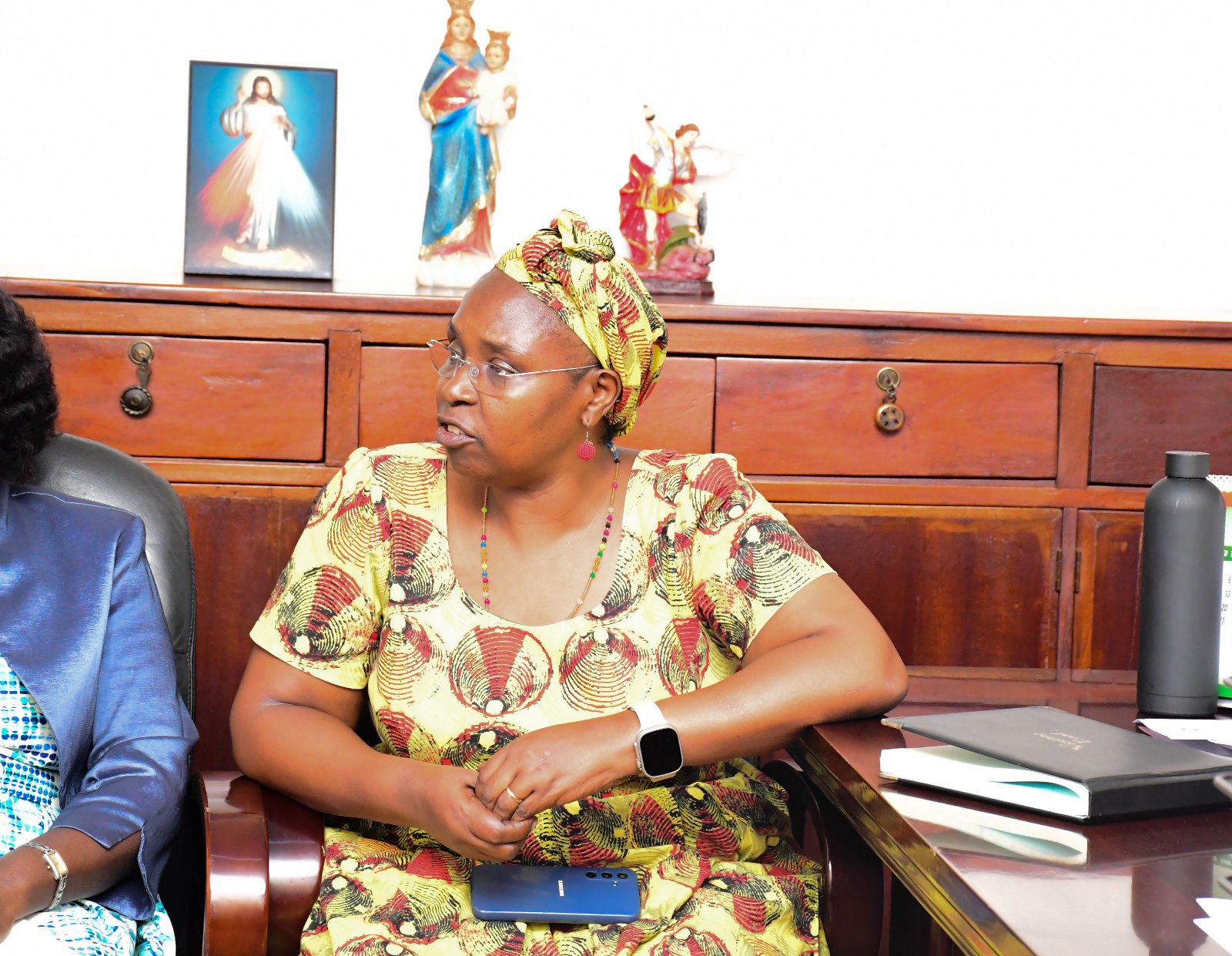
Providing the Ugandan context, Dr. Mugisha Baine, noted that for decades, early childhood care education, had been left to the private sector. Reflecting on the last five years, she observed that the government, universities and a number of stakeholders, have developed keen interest in the early childhood care education field including its operationalization, management, and its delivery. Dr. Mugisha Baine, is optimistic that with the change in attitude, early childhood care education will continue to grow, evolve and impact the learners, teachers and providers. She reiterated the need for Universities to have fully fledged daycare facilities. She expressed her readiness to learn new knowledge and skills as the daycare facility is rolled out at the College of Education and External Studies.
Office of the Dean of Students commends the timely intervention
The Dean of Students-Dr. Winifred Kabumbuli, represented by the Warden of Mary Stuart Hall, Ms. Norah Nalubowa, commended the ongoing efforts to refurbish and remodel a daycare facility at the College of Education and External Studies.
Ms. Nalubowa notified the meeting that during the examination period, some students who come with their babies and/or children, have been experiencing challenges, because they could not enter with them in the examination venues.
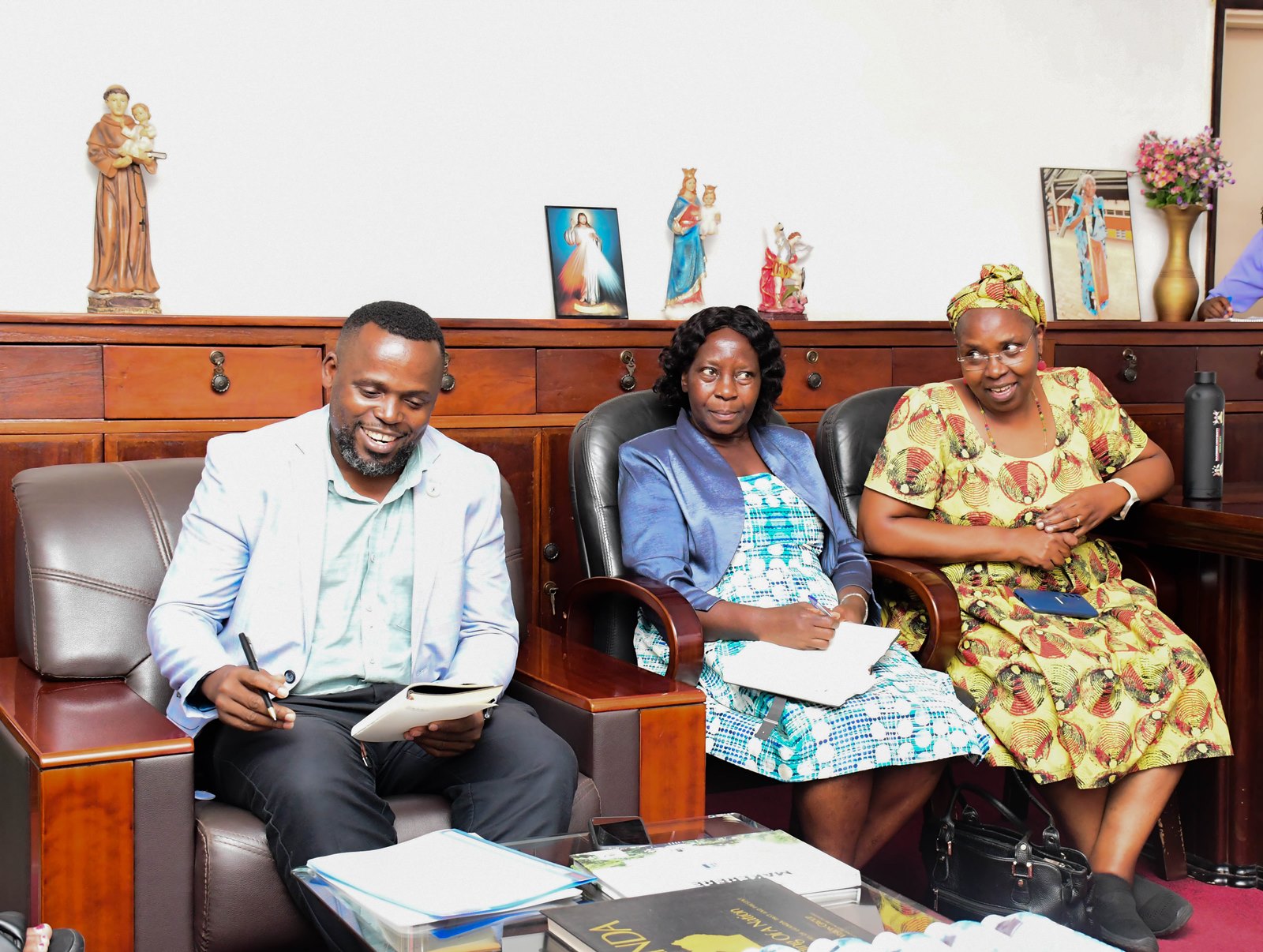
Drawing from the aforementioned experiences, Ms. Nalubowa explained that the daycare facility is a timely intervention, that will enable such students, to entrust their babies and/or children to the professional team managing the facility.
Way Forward
The proceedings of the inception meeting at the College of Education and External Studies were a precursor to other stakeholder engagements on integration of early childhood care education facilities into the education sector. The team is scheduled to meet officials in the Ministry of Gender, Labour and Social Development in Uganda. Specific to Makerere University, the team is expected to meet the Vice Chancellor-Professor Barnabas Nawangwe, and the Deputy Vice Chancellor (Academic Affairs)-Professor Sarah Ssali, on Friday 7th November 2025.
Participants
The following Makerere University staff members participated in the inception meeting: Ms. Norah Nalubowa-representing the Dean of Students, CEES staff including – Professor Anthony Muwagga Mugagga, Dr. Peter Ssenkusu, Ms. Ritah Namisango, Mr. Emmanuel Lubega, Mr. Moses Kibirango, and Gender Mainstreaming Staff including – Dr. Euzobia Mugisha Baine, Ms. Susan Mbabazi, Mr. Eric Tumwesigye, Ms. Lillian Tukahirwa and Ms. Cynthia Komakech Ayaa.
Writer: Ritah Namisango, is a Principal Communication Officer at Makerere University





Education
CEES 2026 Students Orientation: Newly Admitted Students tipped on Integrity, Academic Excellence, Safety and Responsible AI usage
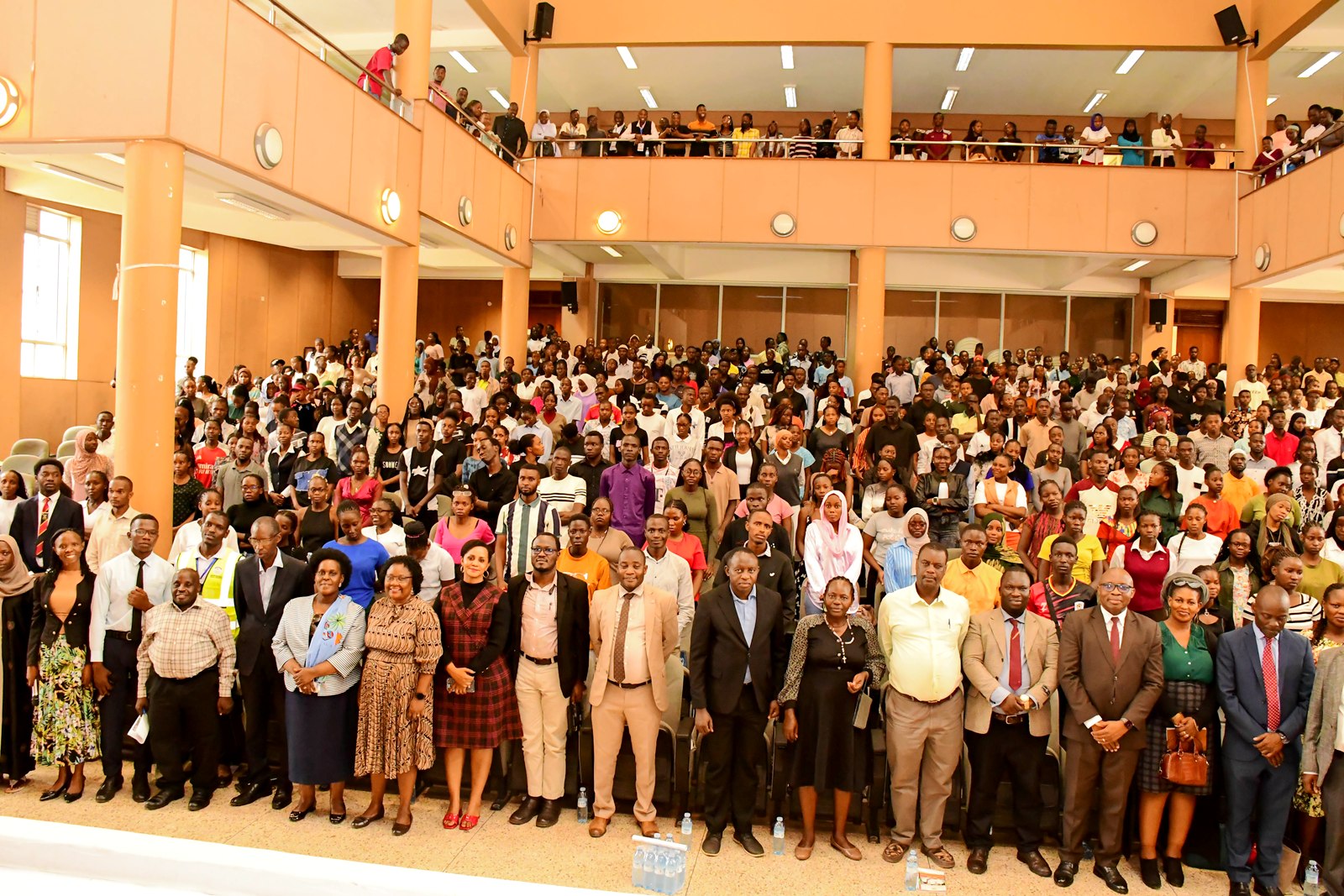
On 6th August 2026, the first year students admitted to the various undergraduate academic programmes at the College of Education and External Studies (CEES) convened at the Makerere University Yusuf Lule Central Teaching Facility Auditorium for a specialized orientation session with the College leadership, selected University Officials, staff and student leaders.
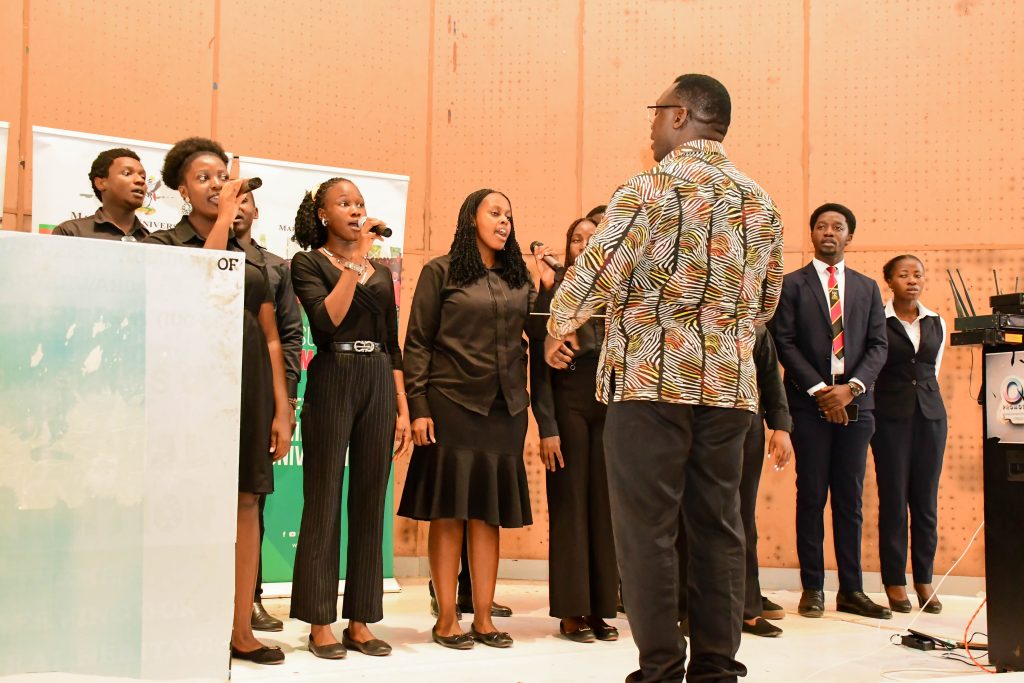
Bringing together over 900 first year students, the colourful orientation session organized by the Office of the Principal, in collaboration with the College Registrar, College Communication Office, and the Student leaders, kicked off with the singing of the Anthems. The first year students were impressed by the vocals courtesy of the College of Education and External Studies Choir.
The interactive orientation session, which involved interludes of respecting the Makerere University Culture (with the entire audience speaking with energy, Eeh, Makerere Oyee!) was aimed at equipping the newly admitted students with the essential knowledge to transition into University life, guidance to successfully navigate their academic journey, and developing a deeper sense of belonging and love for the College of Education and External Studies (CEES).
The orientation focused on promoting academic excellence, responsible conduct, personal well-being, financial management, digital learning, safeguarding, and effective utilization of university resources to support students’ growth and development.

The orientation programme featured presentations from university administrators, academic leaders, student representatives, and support service providers including the College Principal-Prof. Anthony Muwagga Mugagga, Deputy Principal-Prof. Ronald Bisaso, Dean-School of Distance and Lifelong Learning- Dr. Harriet Nabushawo, Dean-School of Education- Assoc. Prof. Mathias Mulumba, the Director of IODeL-Dr. Godfrey Mayende, the Manager-Makerere University Counselling and Guidance Centre Dr. Henry Nsubuga, the College Chairperson-Mr. Anthony Bakashaba, and among other members of staff and student leaders.
Commitment to Academic Excellence and Responsible Conduct
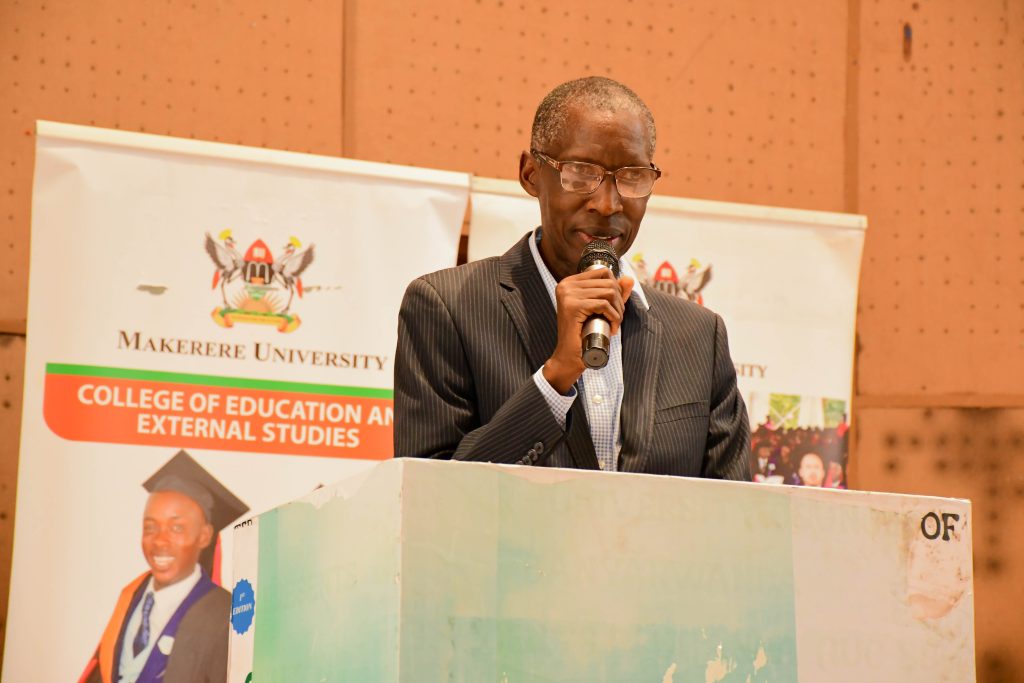
Opening the engagement, the Principal, College Principal, Prof. Anthony Muwagga Mugagga, congratulated the first-year students upon being admitted to Makerere University, and specifically to the College of Education and External Studies. He highlighted that the College consists of three (3) Schools namely: The School of Education, the School of Distance and Lifelong Learning, and the East African School of Higher Education Studies and Development.
Recalling the lived experiences from his youthful days as a student, and his various attempts in different academic disciplines such as religious studies, economics, philosophy, education, he informed the students that they had made the right choice to study education.
“I am a professor of education. I have served as a teacher, education policy specialist, and rose up to the rank of Professor. I am the College Principal. I am here to re-assure you that you have made the right decision to study education,” he said.
The Principal encouraged the first-year students to embrace their academic journey with determination and utilize their stay to effectively tap into the opportunities available at Makerere University.
“Prioritize your studies, maintain healthy relationships, and avoid behaviours that could compromise your safety, well-being, and academic progress,” Prof. Muwagga Mugagga guided.
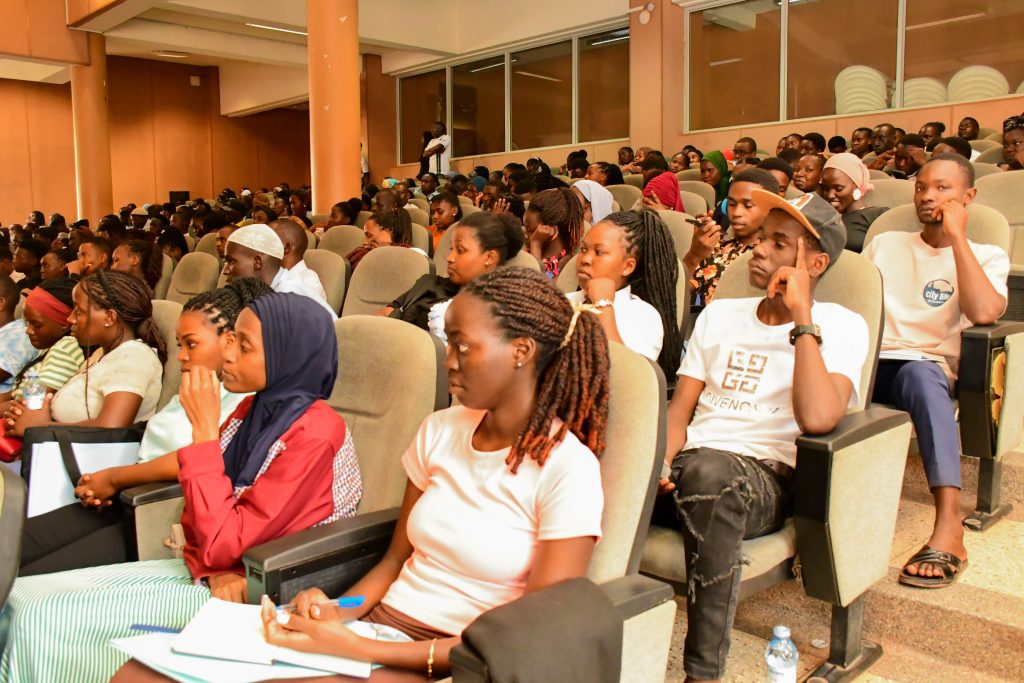
He advised the students to attend lectures consistently, actively participate in class, establish professional relationships with lecturers, and familiarize themselves with university policies and support services.
He called upon the students to manage their finances responsibly by prioritizing essential needs, such as tuition and academic requirements, and exploring available work-study opportunities when faced with financial challenges.
Prof. Muwagga Mugagga reminded students to understand their rights and responsibilities as members of the university community and to uphold the values and standards that guide life at Makerere University.
Striving for Excellence and Time Management
The Deputy Principal, Prof. Ronald Bisaso implored the students to remain focused on their academic goals, adhere to university policies, and to use their freedom wisely throughout their university journey.
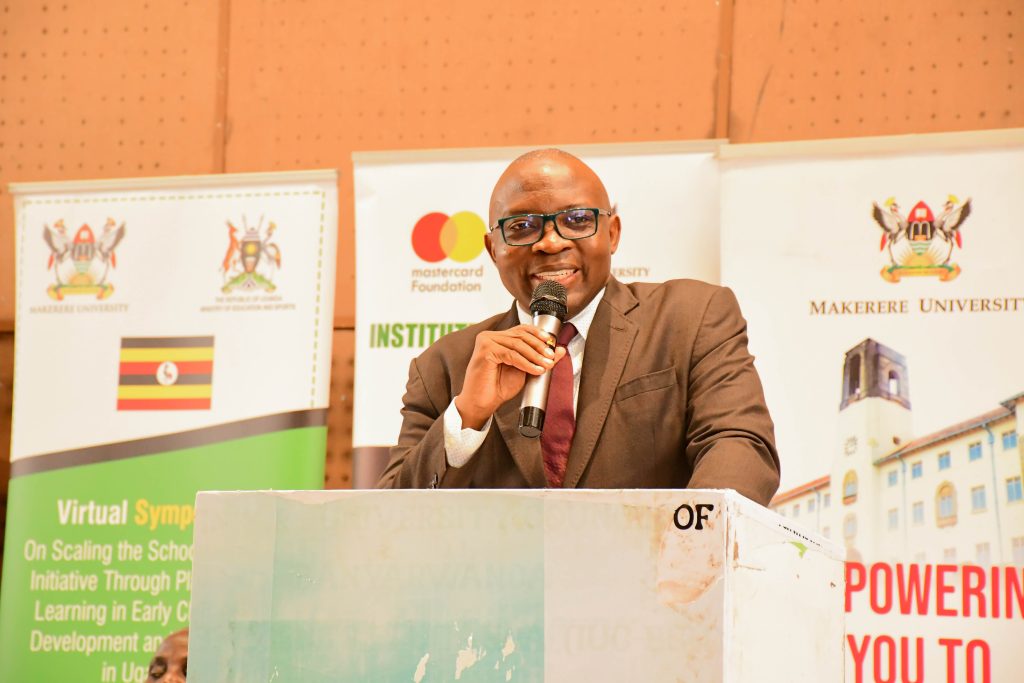
Prof. Bisaso also tipped the students on professionalism, the standards and right set of values that society expects from prospective teachers and educators. He encouraged the students to dress appropriately and make reference to authentic online platforms that describe the dress code for official, business, and casual engagements.
“Students’ conduct and appearance contribute significantly to the professional image they project within the university and the wider community,” he noted.
Academic Success and Professional Conduct
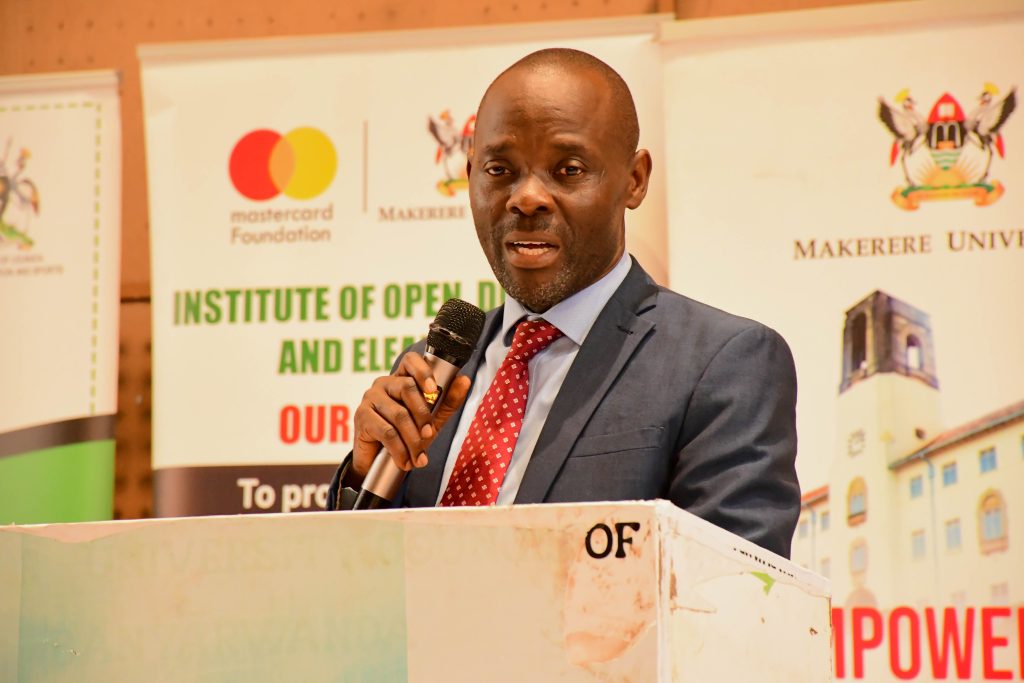
The Dean of the School of Education, Associate Professor Mathias Mulumba Bwanika articulated that the transition to the Competency-Based Education, which implies that the student/learner takes responsibility for his or her studies.
“Schools and institutions in Uganda shifted from a content-based curriculum to the competency-based one. The teacher guides, but the student takes full responsibility for his or her learning,” he remarked.
To excel under the competency-based mode of delivery, Associate Professor Mulumba Bwanika urged the students to value time, plan their schedules, form discussion groups, and tap into the benefits of group learning, including innovation, creativity, and reading ahead of their lecturers.
Associate Professor Mulumba Bwanika reminded the students to uphold high standards of professionalism by following the professional code of conduct for teachers. He tipped the students on personal hygiene, respectful behaviour, character and development.
The Dean of the School of Education, emphasized the importance of cultivating habits that promote academic success. “If you want to succeed in a university setting, you need to consult the student leaders and staff, embrace group learning, and read consistently.”
Embracing Learning Opportunities Beyond the Classroom
The Dean, School of Distance and Lifelong Learning, Dr Harriet Nabushawo reaffirmed Makerere University’s commitment to producing knowledgeable, skilled, and socially responsible graduates.
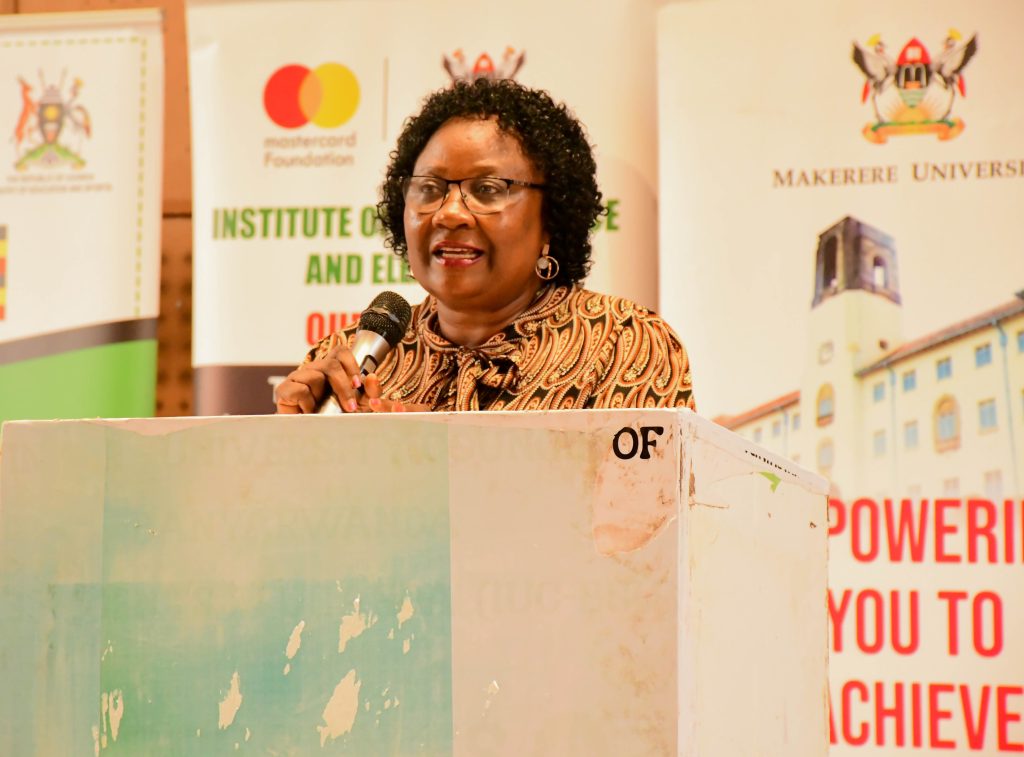
She implored the students to take ownership of their learning, remain organized and disciplined, and develop habits that promote academic excellence and lifelong growth.
Dr Nabushawo highlighted opportunities beyond classroom learning, including research, innovation, leadership, teamwork, and community engagement, noting that these experiences help students develop professional competencies, problem-solving abilities, communication skills, and teamwork.
She rallied students to actively participate in university programmes and collaborative learning experiences to broaden their perspectives and prepare themselves for meaningful contributions to society.
Effective Digital Learning and Responsible Use of Artificial Intelligence (AI)
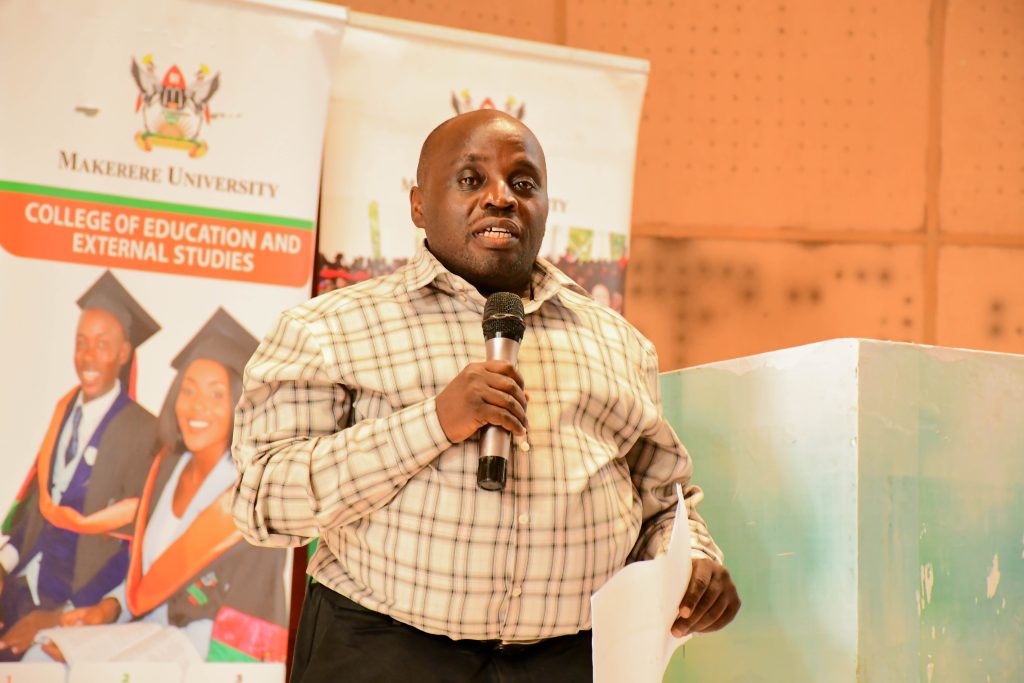
Dr Godfrey Mayende, the Deputy Director of the Institute of Open, Distance and eLearning (IODeL), advised students to embrace digital learning as an important component of their academic journey.
He urged students to regularly access the Makerere University E-Learning Environment (MUELE), participate in online discussions, check university communication platforms, and seek support when they encounter academic challenges.
Highlighting the growing role of Artificial Intelligence (AI) in higher education, Dr Mayende encouraged students to use AI responsibly as a learning companion for understanding concepts, generating ideas, improving writing, summarizing notes, and practising academic tasks.
He emphasized the importance of ethical use of technology, independent thinking, and academic integrity in preparing students for future professional environments.
“Use artificial intelligence wisely. AI should not corrupt your personal knowledge. AI should not replace human thinking,” he guided.
Prioritize Mental Health and Seek Support Early
In his remarks, the Manager-Makerere University Counselling and Guidance Centre, Mr. Henry Nsubuga called upon the students to prioritize their wellbeing, utilize their time as an opportunity for personal growth, resilience building, and professional development.
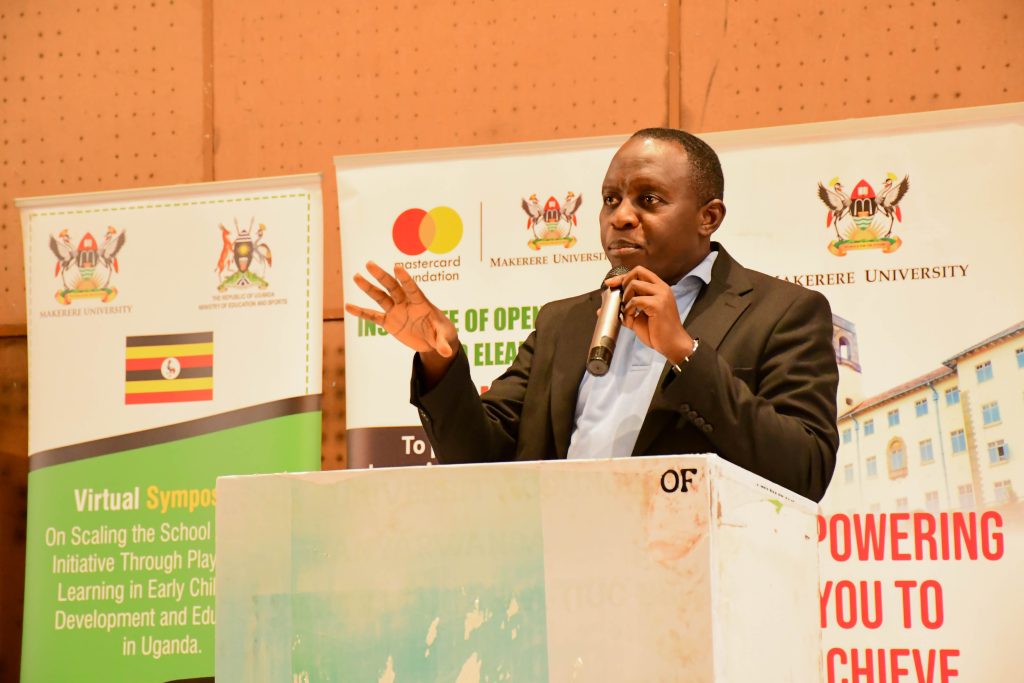
Mr. Nsubuga disclosed that Mental Health is one of the biggest challenges affecting the wellbeing of humans. He therefore advised students experiencing mental health issues to always seek professional counselling and guidance services, stressing that early access to support contributes to a successful, healthy, and a fulfilling university experience.
He appealed to students to support members within the University community who could be dealing with mental health issues due to pressures from home, workload, retakes, hunger, financial difficulties, painful relationships, poor performance in class, anxiety, drug and substance abuse, loss of loved ones, neglect and discrimination, by referring them to the Makerere University Counselling and Guidance Centre.
Ensuring a Safe University Environment
Dr Michael Walimbwa, a Staff Safeguarding Champion at CEES accompanied by Ms. Agnes Nambuya and the Student Safeguarding Champions at CEES presented some of the safeguarding tips and principles.
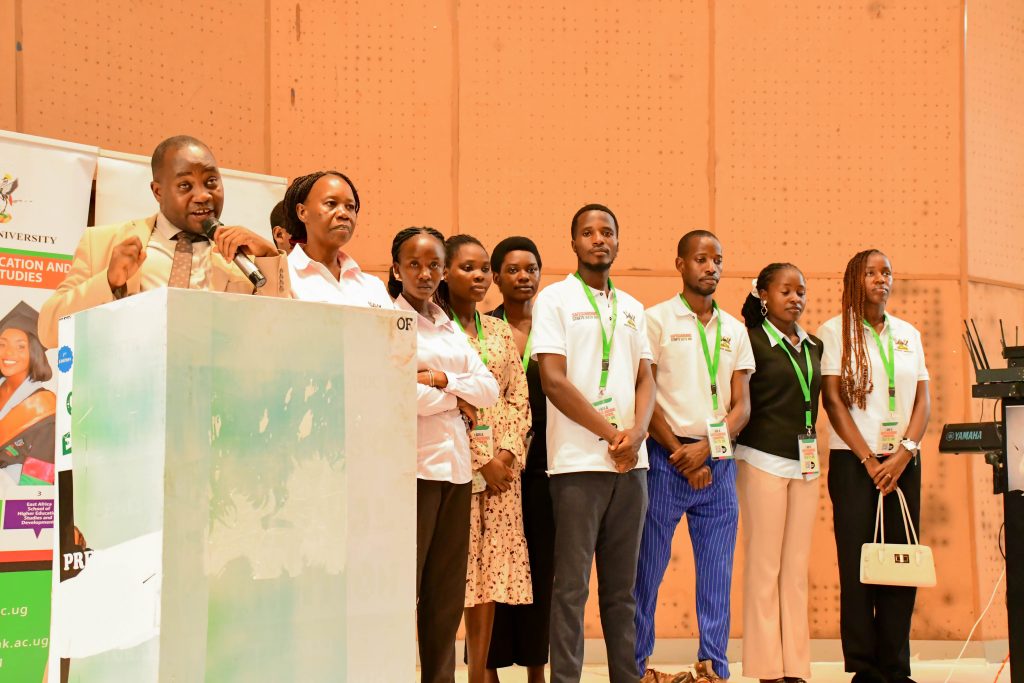
The Staff Safeguarding Champions at CEES namely Dr Michael Walimba and Ms Agnes Nambuya accompanied by the CEES Student Safeguarding Champions sensitized the first year students on the concept of safeguarding.
“Safeguarding is about protecting members of Makerere University from harassment, neglect, and any behavior that threatens safety,” explained Dr Walimbwa.
Dr Walimbwa reminded the students that creating a safe university environment is a collective responsibility. He challenged students to report any cases of harassment, misconduct, or situations affecting their well-being through established university safeguarding channels, including safeguarding champions, academic leaders, and reporting platforms.
Academic Procedures and Policies
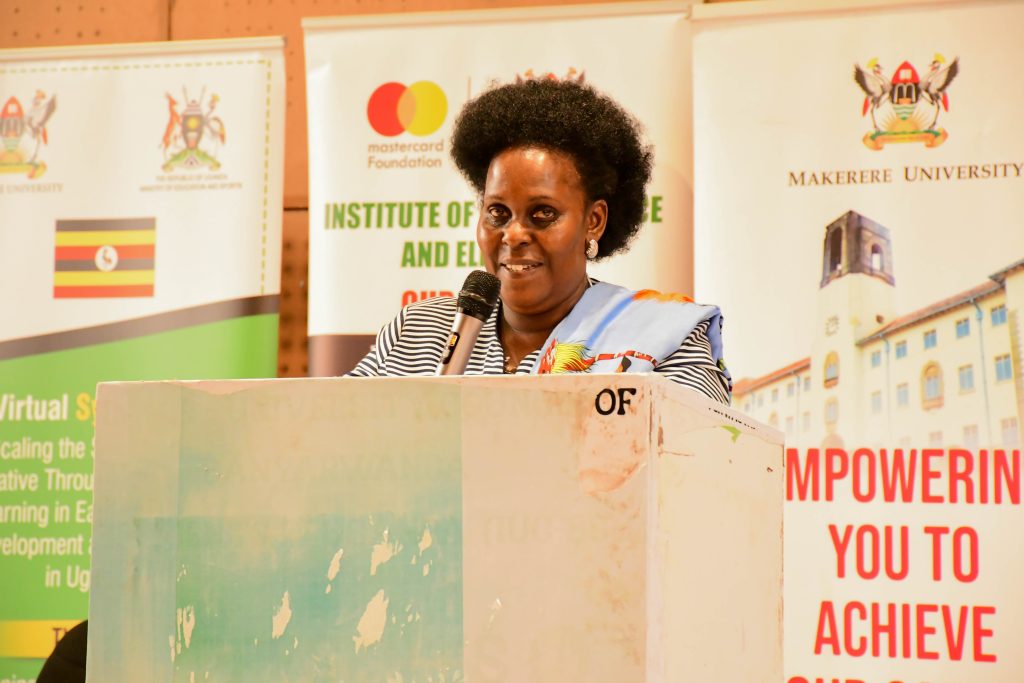
During the CEES Orientation, the Office of the College Registrar was effectively represented by Mrs. Joanna Kayaga Kiwana-College Registrar, Ms. Molly Nantongo-School of Education Registrar, and Mr. Sanderson Acati-Registrar at the East African School of Higher Education Studies and Development.
Mrs Kayaga Kiwana outlined some of the key academic policies and regulations to guide the first year students during the course of study. She advised the students to follow the respective timetables and ensure that they are in the right place at the right time. She equally emphasized the need to follow the registration procedures and guidelines, and stressed the need to provide authentic information during the documentation and registration process.
Mrs Kayaga Kiwana outlined some of the key academic policies and regulations to guide the first year students during the course of study. She advised the students to follow the respective timetables and ensure that they are in the right place at the right time. She equally emphasized the need to follow the registration procedures and guidelines, and stressed the need to provide authentic information during the documentation and registration process.
Financial Discipline and Timely Fees Payment
The College Bursar, Mr. Stephen Kayima and the Accountant-Mr. Godfrey Wasikye underscored the need to follow the University financial procedures and ensure timely payment of tuition and other University fees.
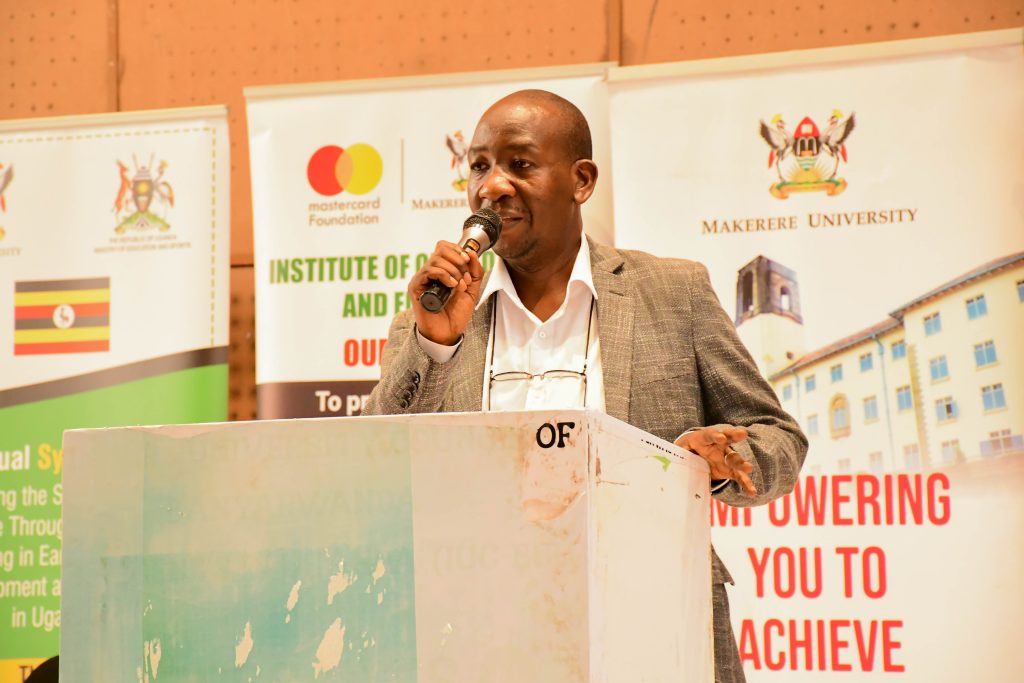
Mr. Kayima emphasized that all tuition and functional fees should be paid through the official university payment system using a Payment Registration Number (PRN), cautioning students against relying on unofficial payment channels.
Mr. Kayima urged students to prioritize tuition payments within the stipulated timelines to maintain uninterrupted access to university services and academic activities.
Library Support Services and Promoting a Reading Culture
Ms Frascesca Musimenta, from the CEES Library, encouraged students to develop a culture of reading, conduct research, and utilize library services throughout their academic journey.
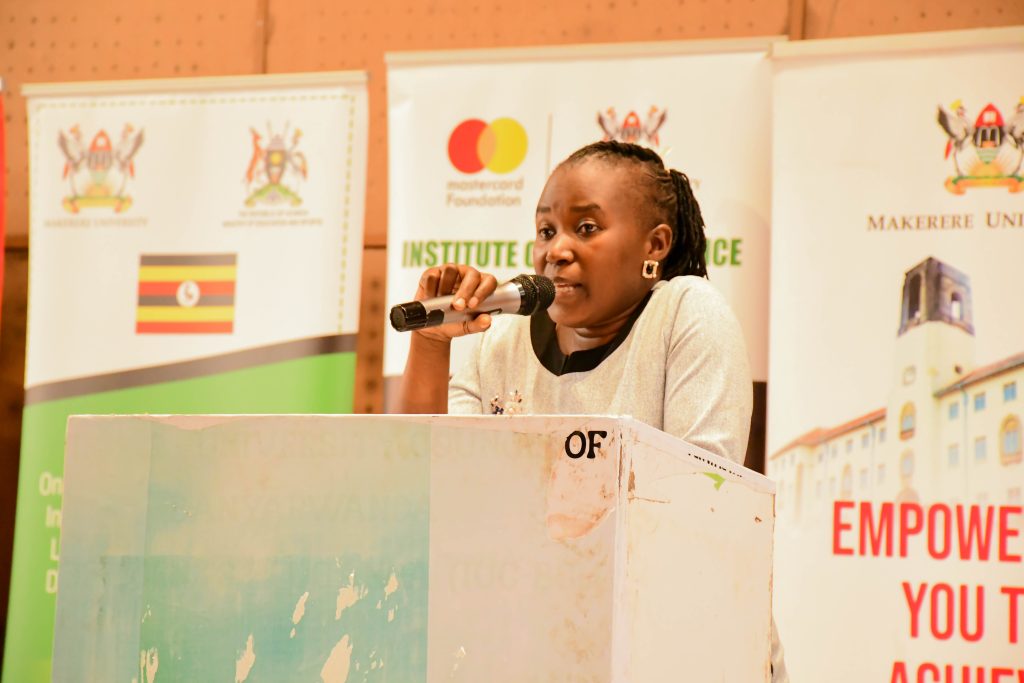
She highlighted the role of the university library in supporting learning through access to books, journals, research materials, and study spaces, encouraging students to take advantage of these resources.
Balancing Academics with Campus Engagement
The 92nd Guild Minister for Academic Affairs, Makerere University, Hon. Neena Elsie Kalazani, congratulated the first-year students upon their admission and advised them to approach their studies with commitment and discipline.
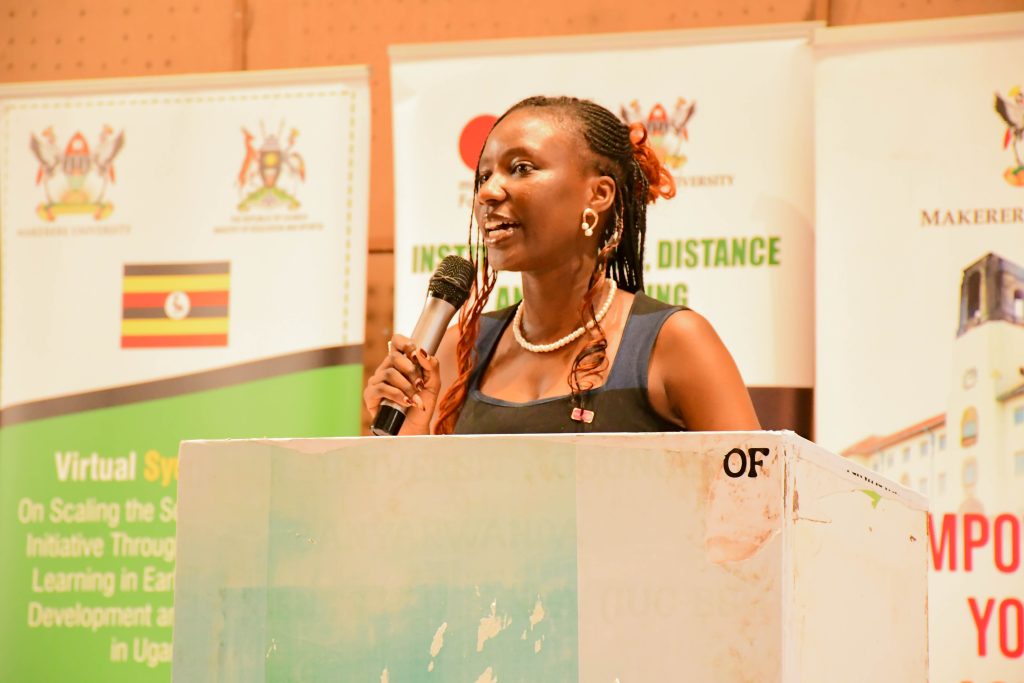
She urged students to attend lectures consistently, complete coursework on time, read beyond classroom requirements, and strive for academic excellence.
Beyond academics, Hon. Neena Kalazani encouraged students to participate in clubs, associations, and leadership opportunities, noting that such engagements help develop leadership skills, build networks, and create a more enriching university experience.
She called upon students to embrace the wider Makerere community and balance academic excellence with active participation in campus life.
The orientation program concluded with student leaders presenting the various clubs and associations within the College, encouraging first-year students to actively participate in co-curricular activities that promote leadership, teamwork, networking, and personal development.
The engagement provided students with essential guidance on navigating university life, emphasizing academic excellence, responsible conduct, personal well-being, and effective utilization of available university resources.
The Orientation session was moderated by Ms. Ritah Namisango, Principal Communication Officer at Makerere University, and Hon. Peter Kisakye, the Speaker, Makerere Education Students Association (MESA). Ms. Namisango acknowledged the College Chairperson, Mr. Anthony Bakashaba and his entire student leadership team for the selfless service exhibited during the orientation activities lined up at the College (Monday 3rd to Friday 7th August 2026). She also recognized the CEES Choir led by Dr Benon Kigozi for participating in the College Orientation.
Education
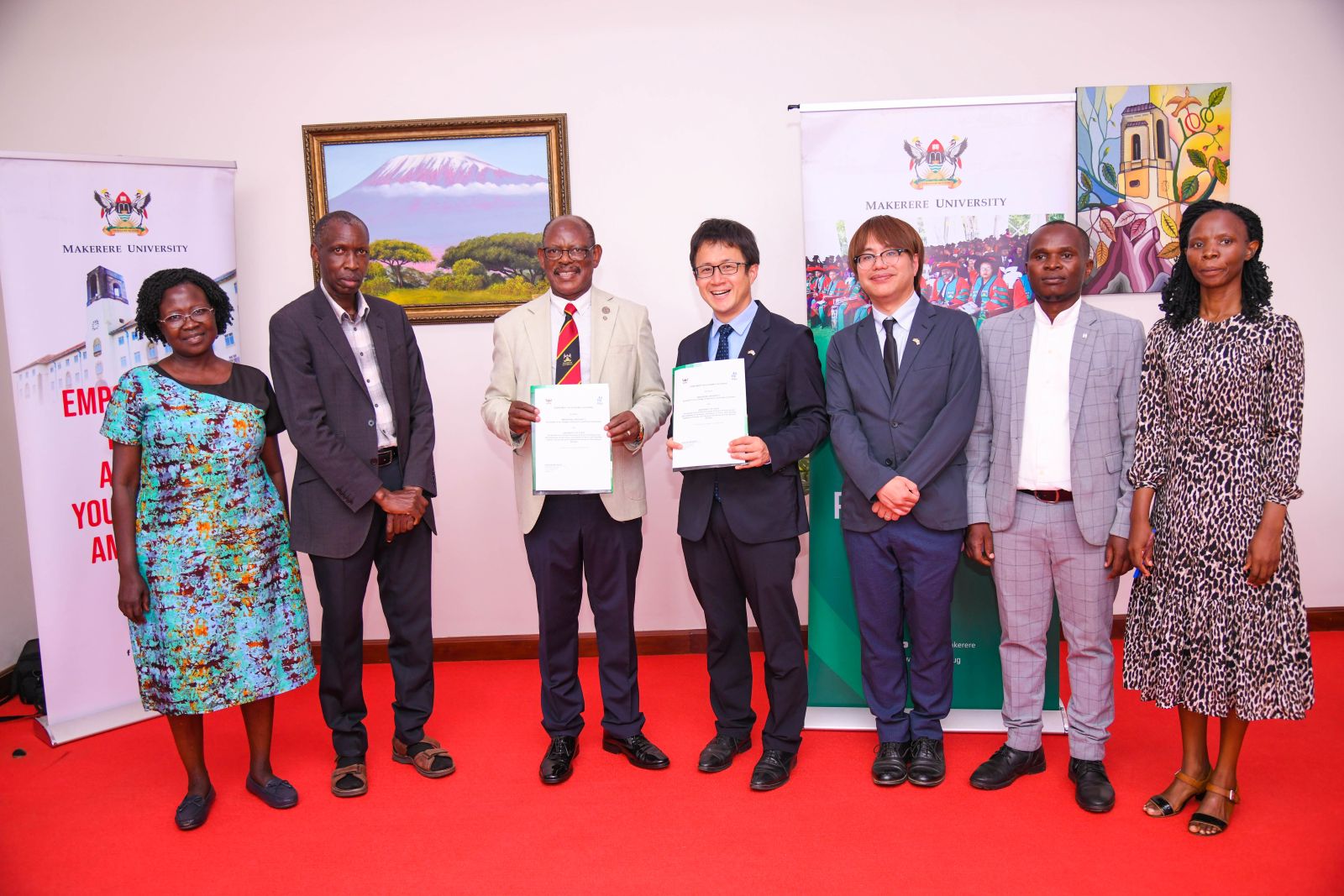
Makerere University Signs MoU with Fukui University to enhance Research, Teacher Development and STEM Education

-
 General2 weeks ago
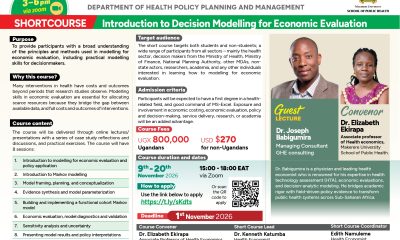
Applications Open: Short Course in Decision Modelling for Economic Evaluation
-
 General2 weeks ago
Complete Nyerere Historical Tasks of Uniting and Prospering Africa – President Museveni
-
 Business & Management1 week ago
PIM CoE equips Public Officers to Make Better Public Investment Decisions
-
 Agriculture & Environment1 day ago
What two weeks with Farmers in Mwera, Mityana, taught Makerere’s PhD Students about Agricultural Innovation
-
 General9 hours ago
MURBS Presents FY 2025/26 Performance with 15.4% Growth