
Health
Makerere University and Tsinghua University Launch Landmark China–Uganda Joint Laboratory on Natural Disaster Monitoring and Early Warning


Makerere University has taken a decisive step in strengthening Uganda’s and Africa’s capacity for public safety, disaster preparedness, and climate resilience with the official launch of the China–Uganda Belt and Road Joint Laboratory on Natural Disaster Monitoring and Early Warning, a flagship collaboration with Tsinghua University of China.
Launched during the Makerere University–Tsinghua University Symposium on Public Safety and Natural Disaster Management, the Joint Laboratory positions Makerere as a continental hub for cutting-edge research, innovation, and policy-relevant solutions in disaster risk reduction, early warning systems, and emergency response. The Laboratory will be hosted by Makerere University and is the only facility of its kind in Africa under this cooperation framework, underscoring its regional and global significance.
A Strategic Partnership Rooted in Research, Policy, and Practice
In his opening remarks, Prof. Barnabas Nawangwe, Vice-Chancellor of Makerere University and Ugandan Co-Director of the Joint Laboratory, traced the origins of the partnership to 2018, when a Makerere delegation visited Tsinghua University and the Hefei Institute for Public Safety Research. He recalled being deeply impressed by China’s advanced capacity in public safety research, disaster monitoring, and emergency management capabilities that directly respond to Uganda’s growing exposure to floods, landslides, epidemics, and other hazards.
The Vice-Chancellor noted that the successful establishment of the Joint Laboratory followed a competitive grant process under China’s Belt and Road Initiative, supported by the Government of Uganda and regional partners, including Nigeria and Côte d’Ivoire. He emphasized that the Laboratory aligns squarely with Makerere’s strategic ambition to become a research-led and research-intensive university, while also advancing its internationalisation agenda.

“This Laboratory will significantly enhance Makerere University’s ability to generate evidence-based research that directly informs government policy and public safety interventions. It will serve not only Uganda, but Africa at large,” Prof. Nawangwe said.
He further underscored the Laboratory’s national importance, noting that similar facilities in China are regarded as national-level laboratories, entrusted with supporting government decision-making and national resilience. Relevant Ugandan institutions, including the Office of the Prime Minister (OPM), UPDF, Uganda Police, Ministry of Health, and humanitarian actors, are expected to actively participate in the Laboratory’s work.
Tsinghua University: Advancing Science Diplomacy and South–South Cooperation
Speaking on behalf of Tsinghua University, Prof. Yuan Hongyong, Dean of the Hefei Institute for Public Safety Research and Chinese Co-Director of the Joint Laboratory, described the initiative as both a scientific milestone and a powerful demonstration of South–South cooperation.
He emphasized that natural disasters transcend national borders and demand collective, science-driven responses. By combining Tsinghua’s technological expertise, including satellite monitoring, AI-driven analytics, and integrated early warning systems, with Makerere’s deep regional knowledge and policy engagement, the Joint Laboratory provides a robust platform for innovation, applied research, and practical solutions tailored to African contexts.

The Laboratory will function not only as a research centre, but also as an operational platform for natural hazard monitoring, early warning, risk assessment, and capacity building, supporting Uganda and the wider African region in building more resilient communities.
Government of Uganda: Research as a Pillar of National Resilience
Representing the Office of the Prime Minister, Mr Frederick Edward Walugemba, reaffirmed the government’s strong support for the Joint Laboratory, recognizing research as a cornerstone of effective public safety and disaster management. The OPM highlighted its constitutional mandate to coordinate disaster preparedness and response through institutions such as the National Emergency Coordination and Operations Centre (NECOC).
He mentioned that the Office of the Prime Minister is committed to working closely with Makerere University and its partners, underscoring the importance of multi-agency collaboration, robust data systems, and timely policy advisories to address the complex, multidimensional nature of public safety challenges.
China–Uganda Relations and the Role of Science Diplomacy
Mr. WANG Jianxun, Commercial Counsellor of the Embassy of the People’s Republic of China in Uganda, lauded the Joint Laboratory as a concrete outcome of the growing China–Uganda Comprehensive Strategic Partnership. He emphasized that the collaboration reflects China’s commitment to knowledge sharing, technology transfer, and people-centred development, particularly in areas such as climate adaptation, disaster risk reduction, and sustainable development.
He also highlighted the Belt and Road Initiative as a framework that extends beyond infrastructure to include scientific cooperation, academic exchange, and innovation-driven development, with the Joint Laboratory standing as a model of how universities can advance diplomacy through science.
Makerere’s Multidisciplinary Strength at the Core
In his concluding remarks, Prof. Nawangwe reaffirmed Makerere University’s readiness to operationalize the Laboratory through a multidisciplinary research team spanning public health, geography, engineering, computing, artificial intelligence, social sciences, and the built environment.
He stressed that effective disaster management must integrate technology, human behaviour, governance, and community engagement, noting the importance of sociological insights in addressing risk perception and public compliance during disasters. Makerere will also engage emerging universities and regional partners to ensure the Laboratory’s benefits are widely shared.
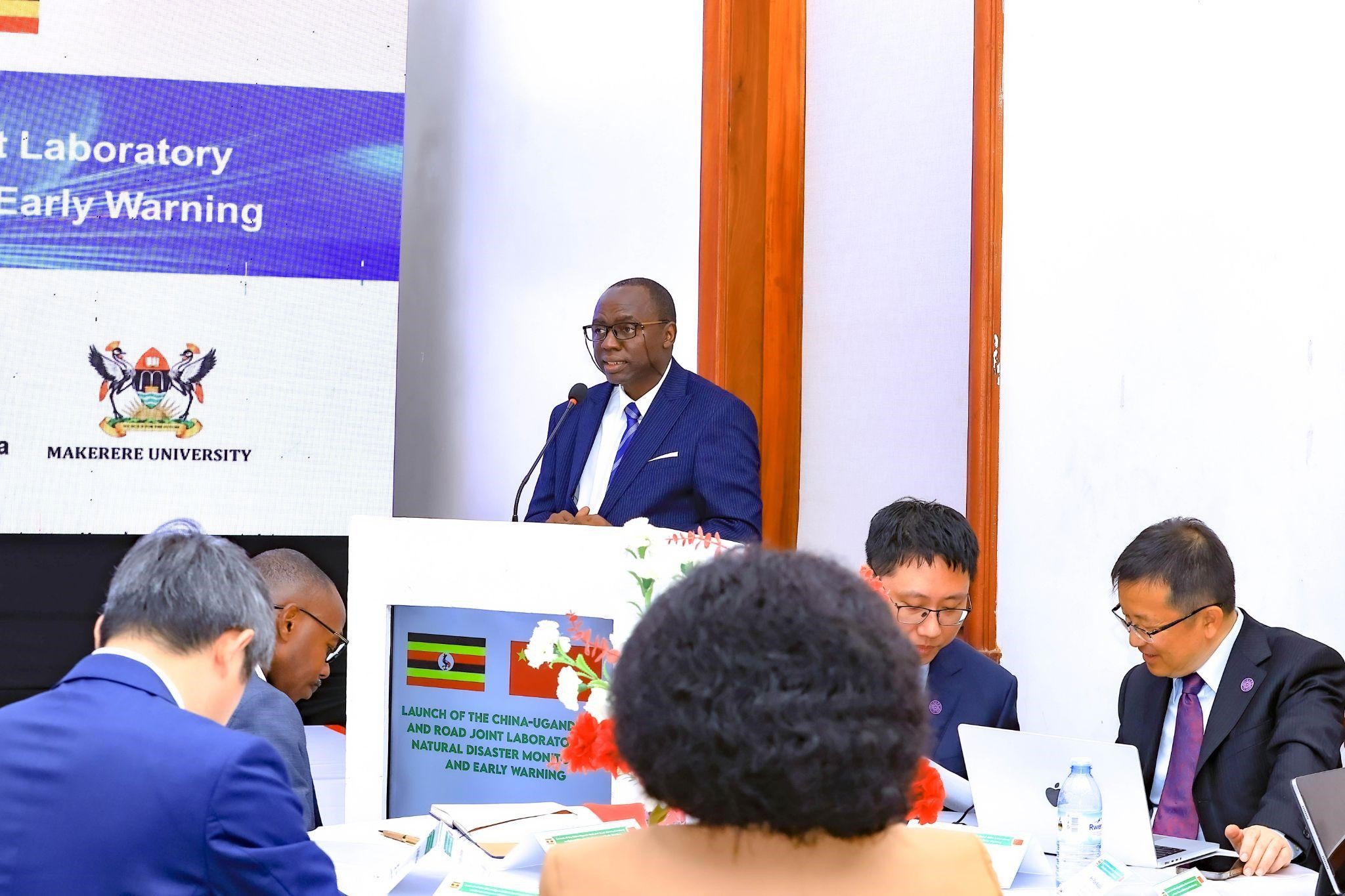
The Vice-Chancellor also commissioned an interim, multidisciplinary coordination committee to operationalise the Joint Laboratory, drawing expertise from health, climate science, engineering, artificial intelligence, social sciences, and government agencies.
Hon. John Chrysostom Muyingo Officially Launches the Laboratory
The Joint Laboratory was officially launched by the Honourable John Chrysostom Muyingo, Minister of State for Higher Education, who applauded Makerere University and Tsinghua University for securing the prestigious grant and advancing Uganda’s science and research agenda.

Hon. Muyingo reaffirmed the Government’s commitment to supporting research that informs national development, public safety, and disaster preparedness. He urged Ugandan researchers to fully leverage the partnership to learn from China’s experience in transforming research into actionable solutions for society.
“This Laboratory is a clear demonstration of how strategic international partnerships can strengthen national capacity, inform policy, and protect lives,” the Minister said, as he formally declared the symposium and laboratory launch open.
Positioning Makerere as a Regional Centre of Excellence
Makerere University already plays a critical role in public safety, disaster preparedness, and early warning through a range of research, training, and operational partnerships. Through the School of Public Health (MakSPH) and the Infectious Diseases Institute (IDI), the University has led national and regional initiatives in epidemic preparedness, emergency response, and early warning, including Field Epidemiology Training, risk prediction modelling, and multi-hazard risk assessments that inform district and national preparedness planning. A national assessment of 716 health facilities conducted by MakSPH revealed widespread exposure to climate-related hazards and systemic preparedness gaps, directly informing the Ministry of Health’s Climate and Health National Adaptation Plan (H-NAP 2025–2030)
Makerere has also been at the forefront of disaster risk reduction innovation and community resilience through the Resilient Africa Network (RAN), which has supported scalable, evidence-based solutions such as EpiTent, a rapidly deployable emergency health facility; RootIO, a community-based radio communication platform used for risk communication and early warning; and RIAP Horn of Africa, which advances climate-resilient water harvesting technologies for drought-prone pastoralist communities.

Earlier, the University led the USAID-funded PeriPeri U project (2014–2019) and a disaster management collaboration with Tulane University, strengthening applied research, training, and early warning systems across Africa, efforts that laid the foundation for RAN and Makerere’s current disaster resilience agenda.
In collaboration with government and international partners, Makerere has supported the strengthening of Emergency Operations Centres, including the development of Regional Emergency Operations Centre (REOC) dashboards to improve real-time coordination and situational awareness. IDI has further contributed to epidemic intelligence and early warning, supporting districts to update WHO STAR-based risk calendars, strengthen sub-national preparedness, and enhance real-time decision-making during outbreaks. Makerere teams have also been deployed regionally to support Marburg and Mpox outbreak responses in Rwanda and the DRC, while advancing outbreak modelling as an early warning tool for high-consequence infectious diseases.
Complementing these efforts, the Department of Geography, Geo-Informatics and Climatic Sciences conducts transdisciplinary research on floods, landslides, droughts, soil erosion, and land-use change, using geospatial analysis, earth observation, modelling, and participatory methods to translate complex data into actionable early warning and risk information for policymakers and communities. These ongoing initiatives collectively demonstrate Makerere University’s established capacity in public safety, disaster preparedness, and early warning, providing a strong operational and scientific foundation for the China–Uganda Belt and Road Joint Laboratory.
With strong backing from the Governments of Uganda and China, as well as leading international partners, the China–Uganda Belt and Road Joint Laboratory on Natural Disaster Monitoring and Early Warning is poised to become a regional centre of excellence for disaster risk reduction research, training, and innovation.
The Laboratory will contribute to improved early warning systems, faster emergency response, stronger policy coordination, and enhanced scientific capacity, cementing Makerere University’s role at the forefront of addressing some of the most pressing public safety challenges facing Uganda, Africa, and the global community.
Caroline Kainomugisha is the Communications Officer, Advancement Office Makerere University.











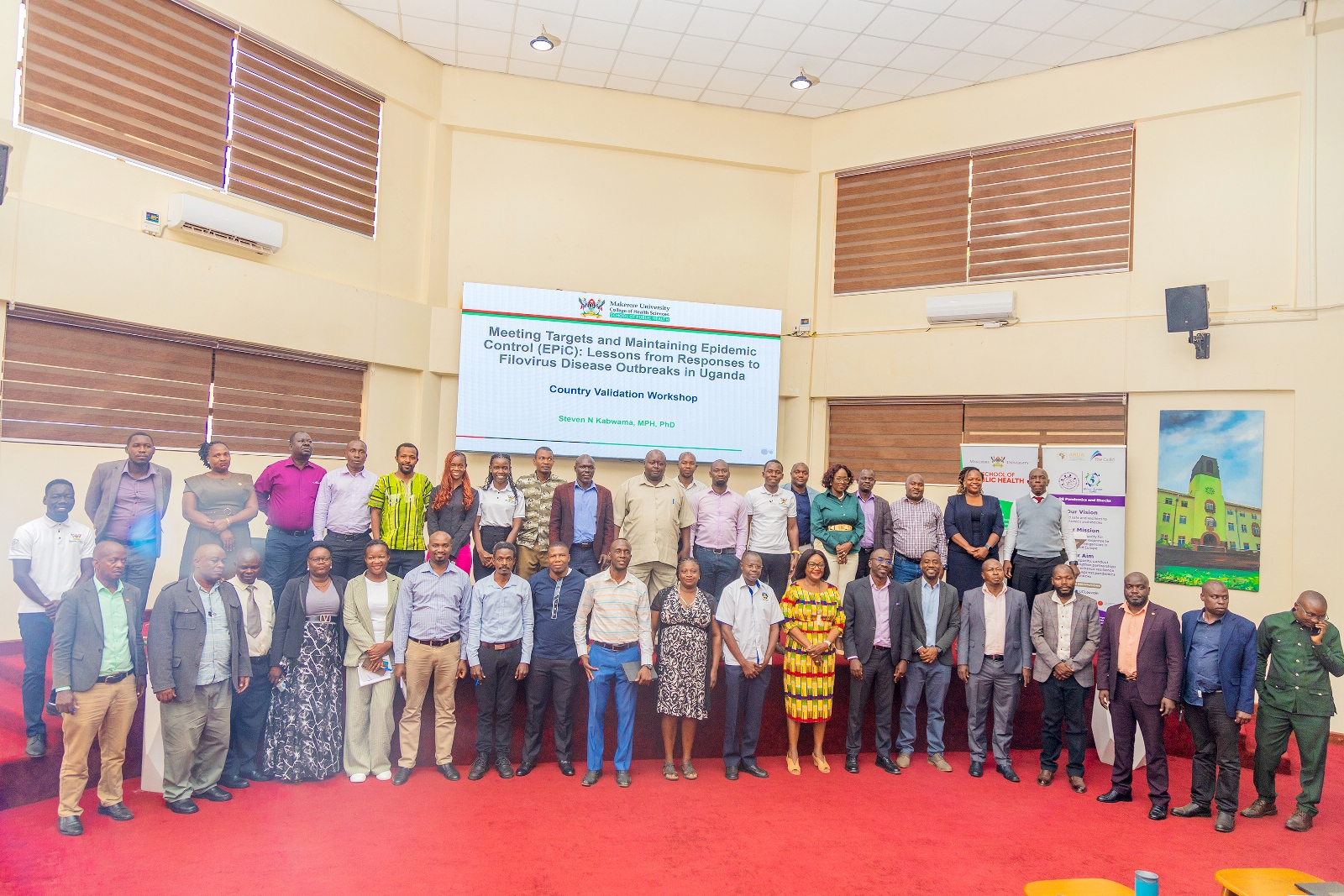
Uganda has strengthened its ability to respond rapidly to Ebola and Marburg outbreaks once cases are confirmed, but delays in frontline detection, health worker exposure, emergency financing bottlenecks and incomplete implementation of lessons from previous outbreaks continue to undermine preparedness, a study has found.
The findings were presented today, October 6, 2026, during a country validation workshop convened by the Meeting Targets and Maintaining Epidemic Control (EPiC) project, to examine lessons from Uganda’s response to filovirus disease outbreaks. The study was undertaken by Makerere University School of Public Health and FHI 360.
Presented by Dr. Steven Kabwama, the synthesis examined Uganda’s experience with recurrent Ebola virus disease (EVD) and Marburg virus disease (MVD) outbreaks between 2000 and 2026, drawing particularly on After-Action Reviews from the 2017 Marburg outbreak and the 2019, 2022 and 2025 Ebola outbreaks. The work seeks to consolidate recurring strengths, weaknesses, innovations and lessons that had previously been documented separately.
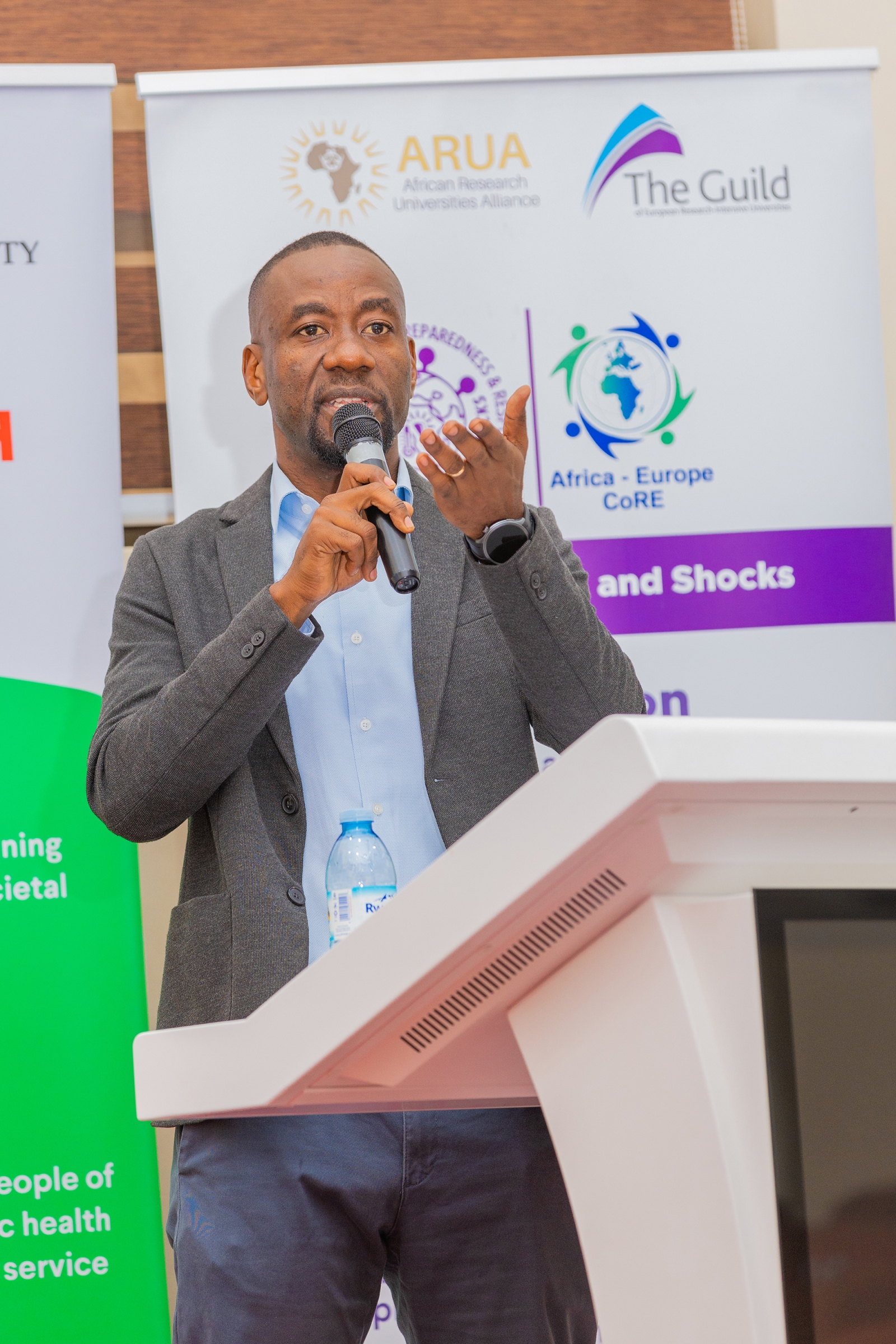
Uganda has recorded 12 filovirus outbreaks over the 26-year period, including nine Ebola and three Marburg outbreaks, according to the research team. Among the four outbreaks examined closely were the 2017 Marburg outbreak in Kween and Kapchorwa, the cross-border Ebola outbreak in Kasese in 2019, the multi-district Sudan Ebola virus outbreak in 2022, and the 2025 outbreak whose index case was a health worker.
Strong systems after confirmation
Across the outbreaks reviewed, the synthesis found that Uganda has developed significant capacity to mobilise after laboratory confirmation. National and district task forces and technical response structures are activated quickly, supported by strong laboratory capacity, established coordination mechanisms and increasingly sophisticated surveillance systems.
The country has also built laboratory capacity around the Uganda Virus Research Institute, mobile laboratories, genomic sequencing, sample referral systems and the Results Dispatch System. Digital surveillance tools, Village Health Teams, survivor champions and established national and district coordination structures have further strengthened response capacity.
Detection remains a weak point
However, the findings point to a critical problem before confirmation: recognising a possible outbreak early enough.
For outbreaks originating within Uganda, the synthesis found that the period between a patient’s first presentation and confirmation ranged from nine to 27 days. This the study found is linked to low clinical suspicion and weaknesses in screening. Other recurring challenges included delayed access to emergency financing, infections among health workers, disruptions to essential health services, community mistrust and stigma, and limited follow-through on recommendations from previous After-Action Reviews.
Opening the workshop, the Dean, Prof. Rhoda Wanyenze, said understanding these delays requires going beyond identifying broad weaknesses to examining where response systems fail in practice.
“We can identify a broad challenge such as delayed detection from the literature, but your experience on the ground can help us understand the specific factors that create that challenge,” Prof. Wanyenze said while addressing district health officials from across the country.
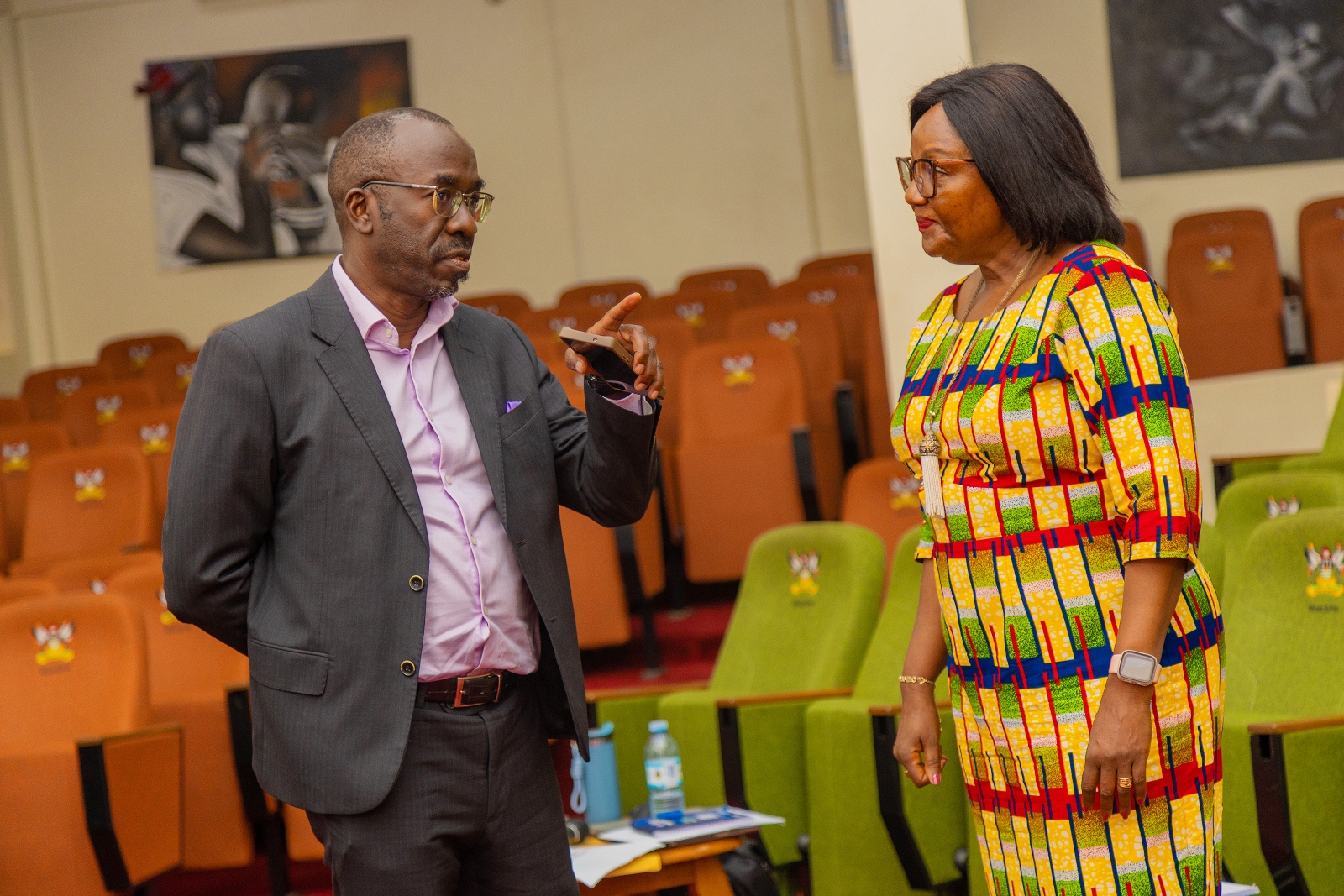
“When we begin looking for solutions, we need to be able to target the actual problems rather than simply identifying broad challenges.”
The workshop brought together partners and colleagues from districts, including people directly involved in outbreak response, to validate the synthesis against frontline experience. Prof. Wanyenze noted that published literature, scientific papers and response reports cannot capture every operational reality, making practitioner experience essential to understanding where delays occur and what interventions have worked. Remarks validation workshop
Turning outbreak experience into continuous readiness
Among the priority actions proposed are stronger screening and alert systems for earlier detection; ring-fenced emergency financing and more reliable responder payment systems; routine infection prevention and control training; stronger occupational protection for health workers; continued investment in laboratories and genomic sequencing; and preparedness extending beyond districts traditionally considered outbreak hotspots. The study also recommends stronger community engagement and a formal mechanism to track and finance implementation of recommendations from After-Action Reviews.
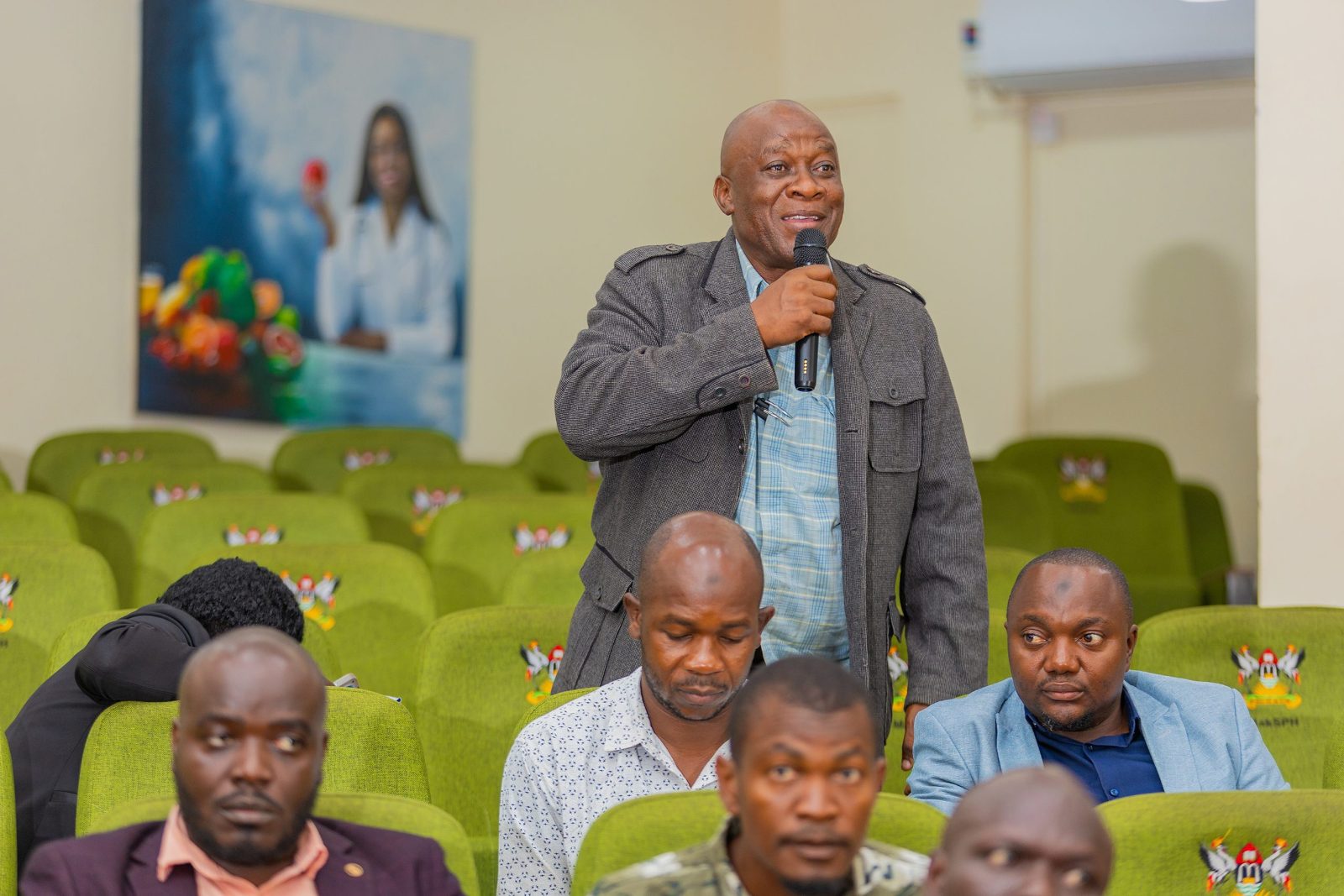
Dr. Andrew Acero, Director of the EPiC project at FHI 360’s Uganda Office said the central challenge is ensuring that experience accumulated during successive outbreaks translates into lasting institutional capacity.
“The real value lies in ensuring that what we learn changes what we do. Our findings should inform policy, shape guidelines and training, strengthen systems and ultimately improve practice.”
He noted that preparedness cannot begin only after an emergency has been declared, but must be built through sustained relationships, systems and capacity before outbreaks occur. Remarks validation workshop
The EPiC project is led by FHI 360 with core partners including Right to Care, Palladium and Population Services International.

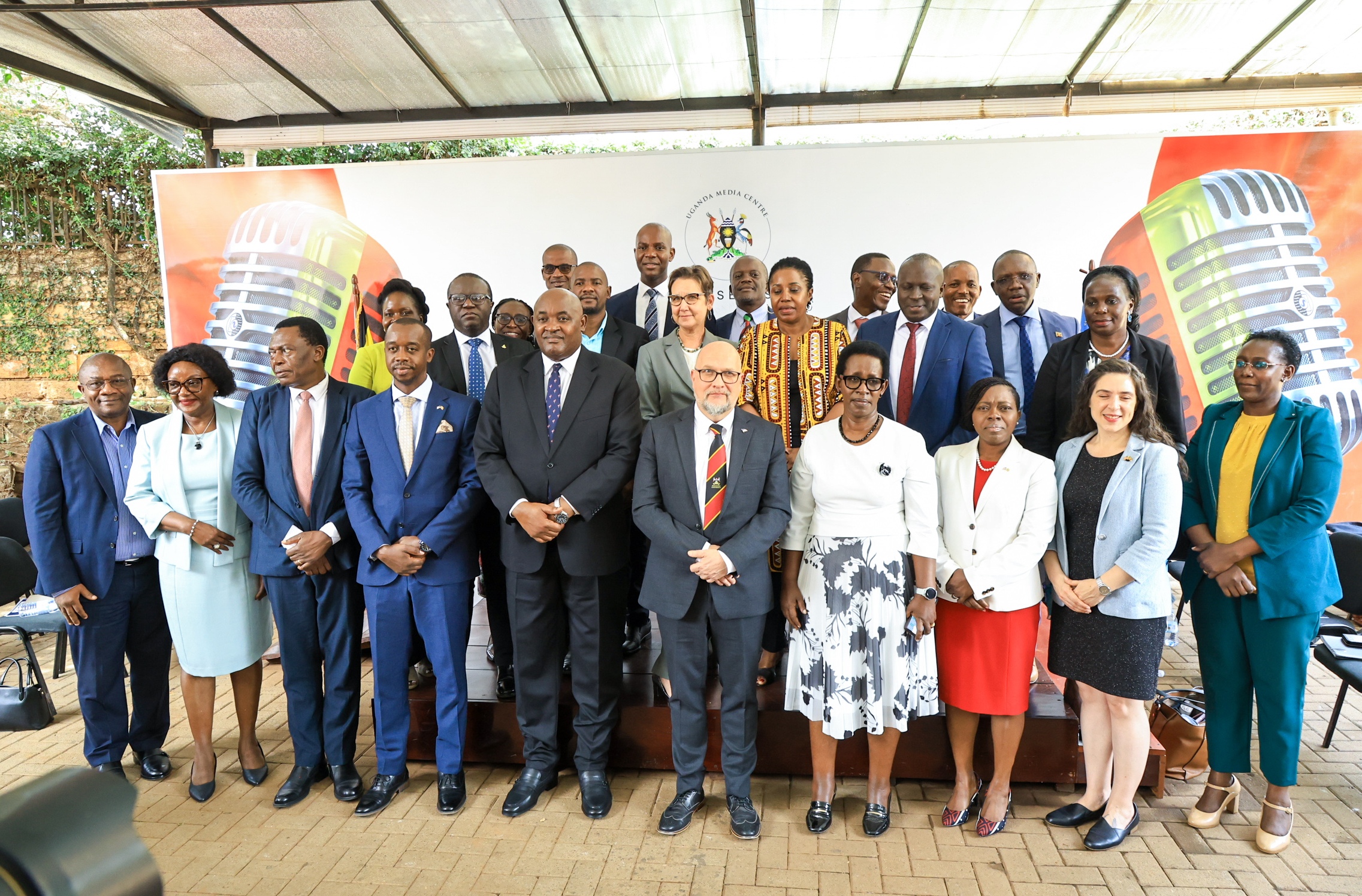
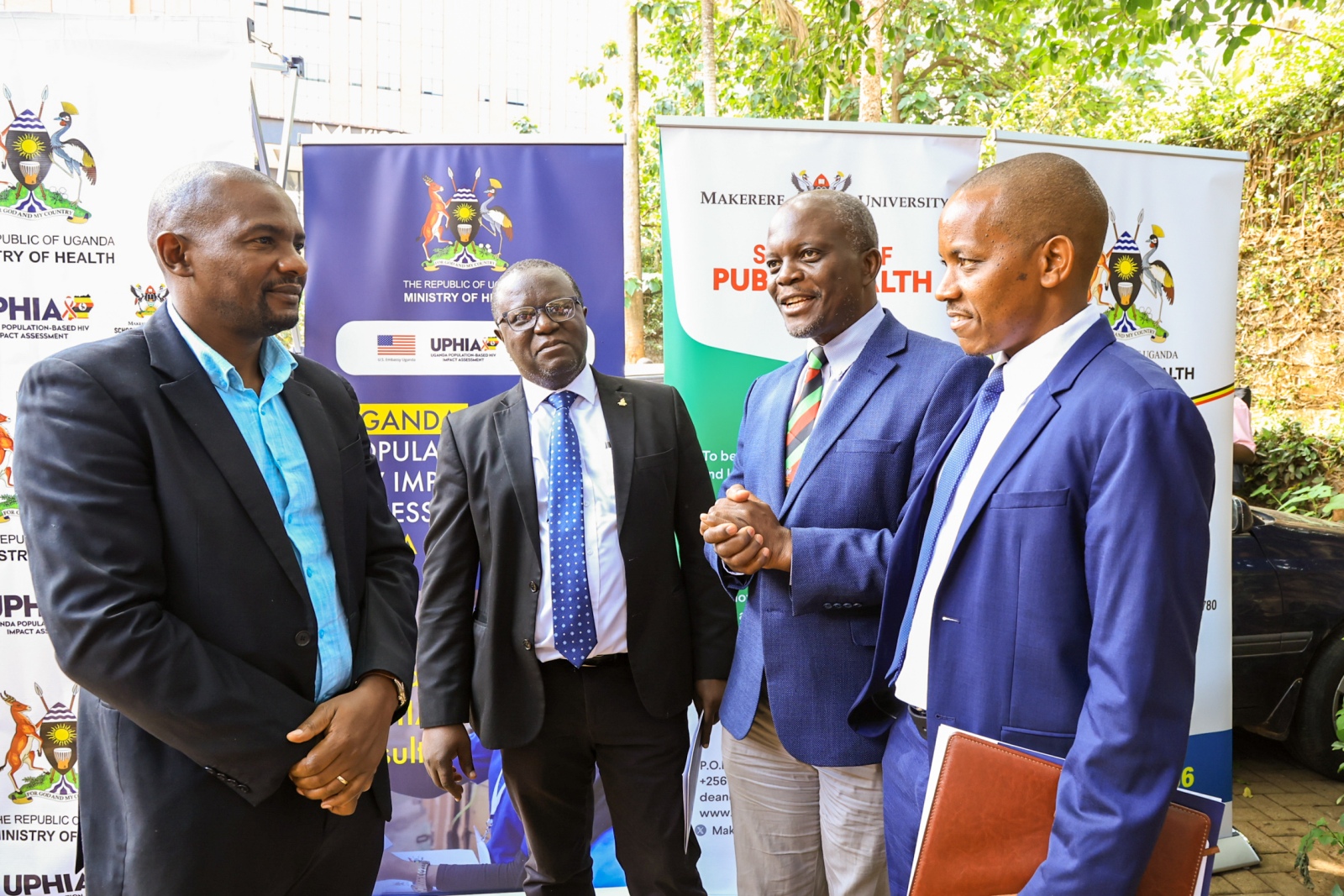
Uganda’s latest national HIV survey reveals lower viral suppression among adolescents and young adults living with HIV than among older adults, even as the country records substantial improvements in controlling the virus. The findings come from Uganda Population-Based HIV Impact Assessment (UPHIA 2025), a national household survey examining HIV prevalence and whether people living with the virus know their status, receive treatment, and achieve viral suppression.
Releasing the preliminary UPHIA 2025 findings at the Uganda Media Centre on 1 October 2026, Minister of Health Hon. Dr. Chris Baryomunsi called for earlier prevention and testing, particularly among adolescent girls and young women, alongside support for treatment adherence. “We must reach out to the young people, ensure that they have information, they test, take treatment, and adhere to the treatment guidance,” he urged.
Hon. Baryomunsi recalled how fear had discouraged testing during his university years: “I remember when we were at university, we went for testing at the university hospital. We sat there for three hours. Some of us left without even testing because it was scary.” Today, he explained, “even if you test HIV positive, you can be initiated on treatment, and you live normally like the rest of those who don’t have HIV.”
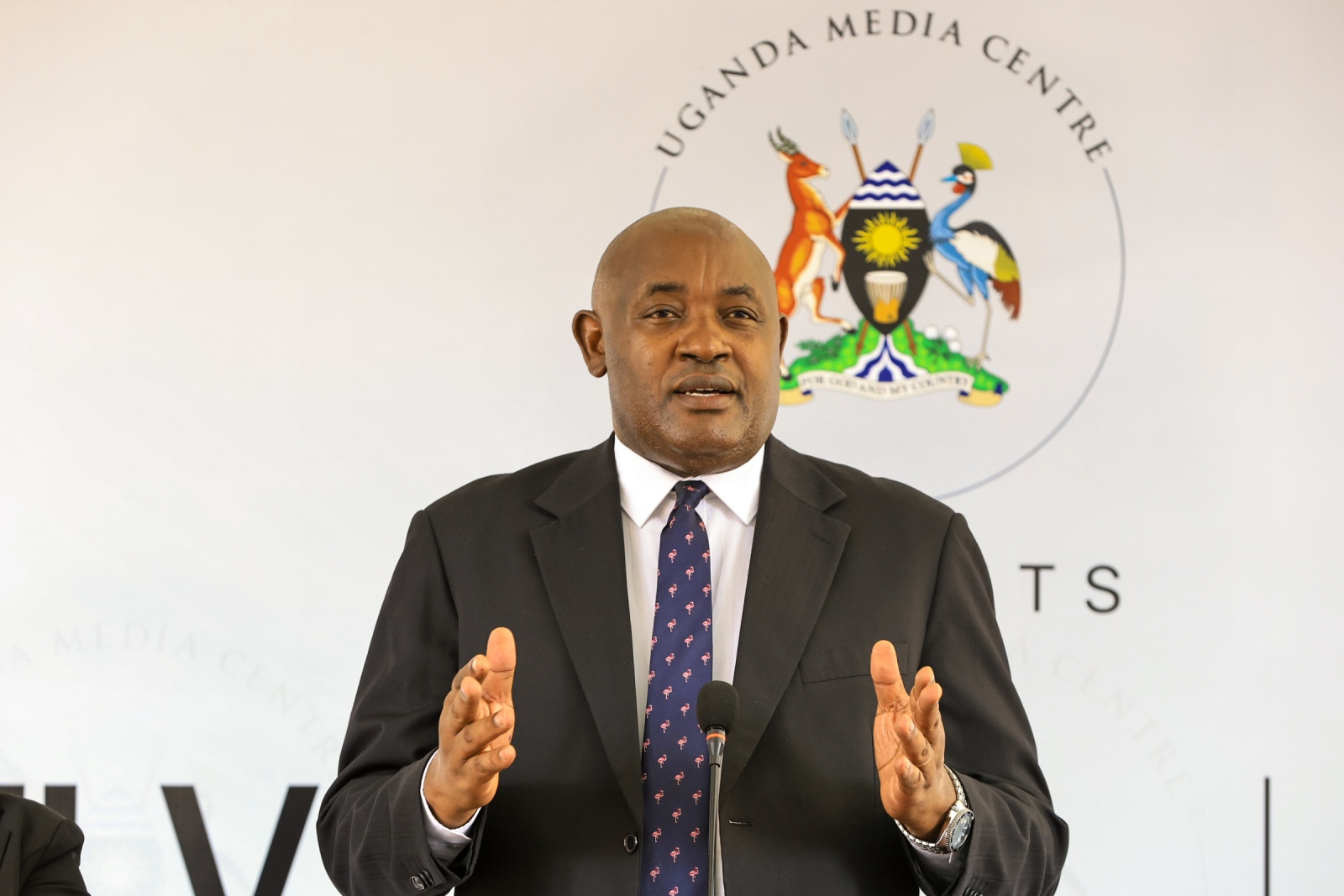
UPHIA 2025 was locally led under the Ministry of Health’s overall leadership, with Makerere University School of Public Health serving as the prime implementer, a role ICAP at Columbia University held in the previous two surveys. The Uganda Bureau of Statistics led sampling, while the Uganda Virus Research Institute and National Health Laboratory and Diagnostic Services led laboratory operations. Regional referral hospitals and local governments supported implementation, and the U.S. government provided US$10 million through PEPFAR, along with technical assistance from the U.S. CDC.
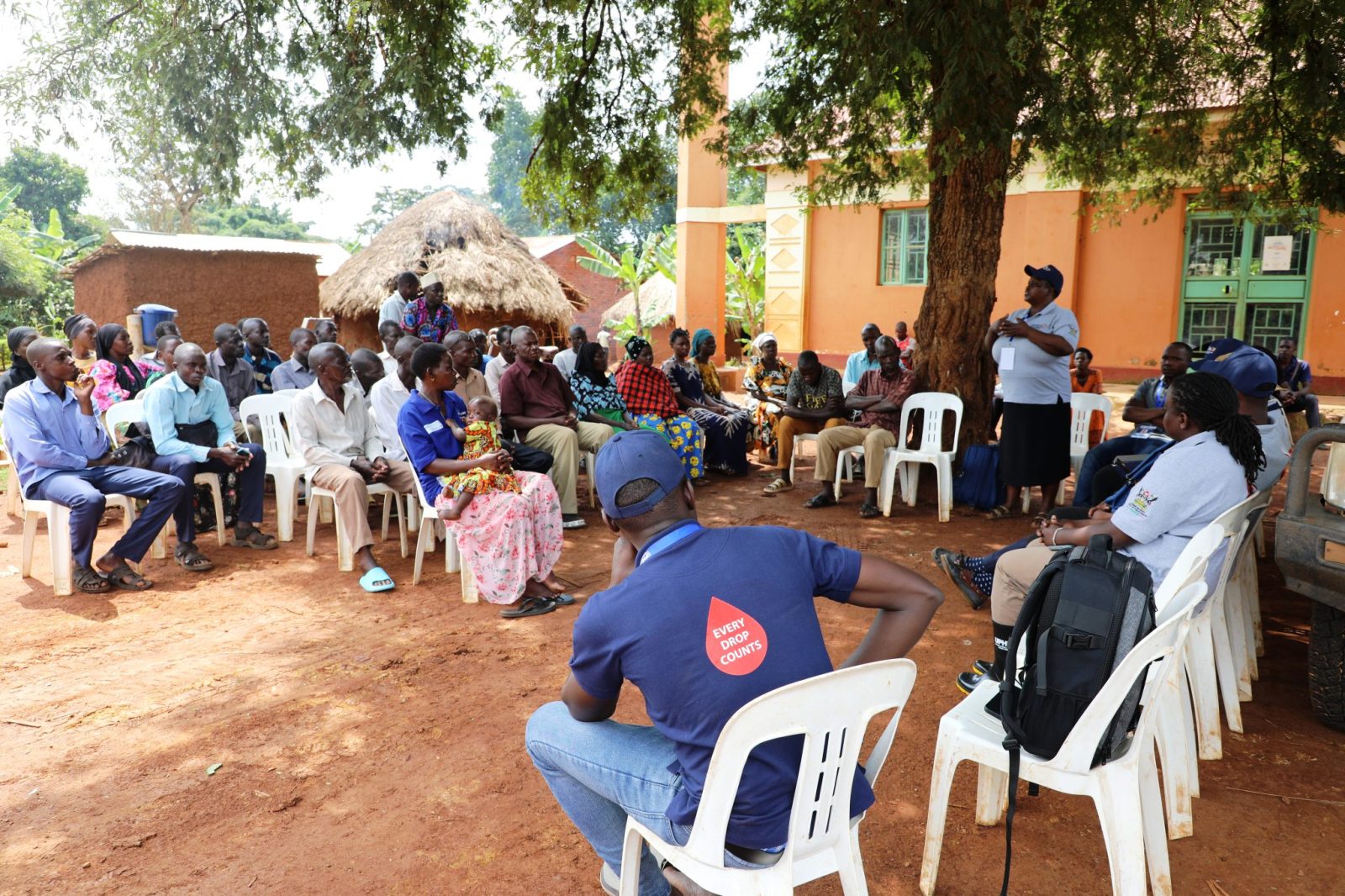
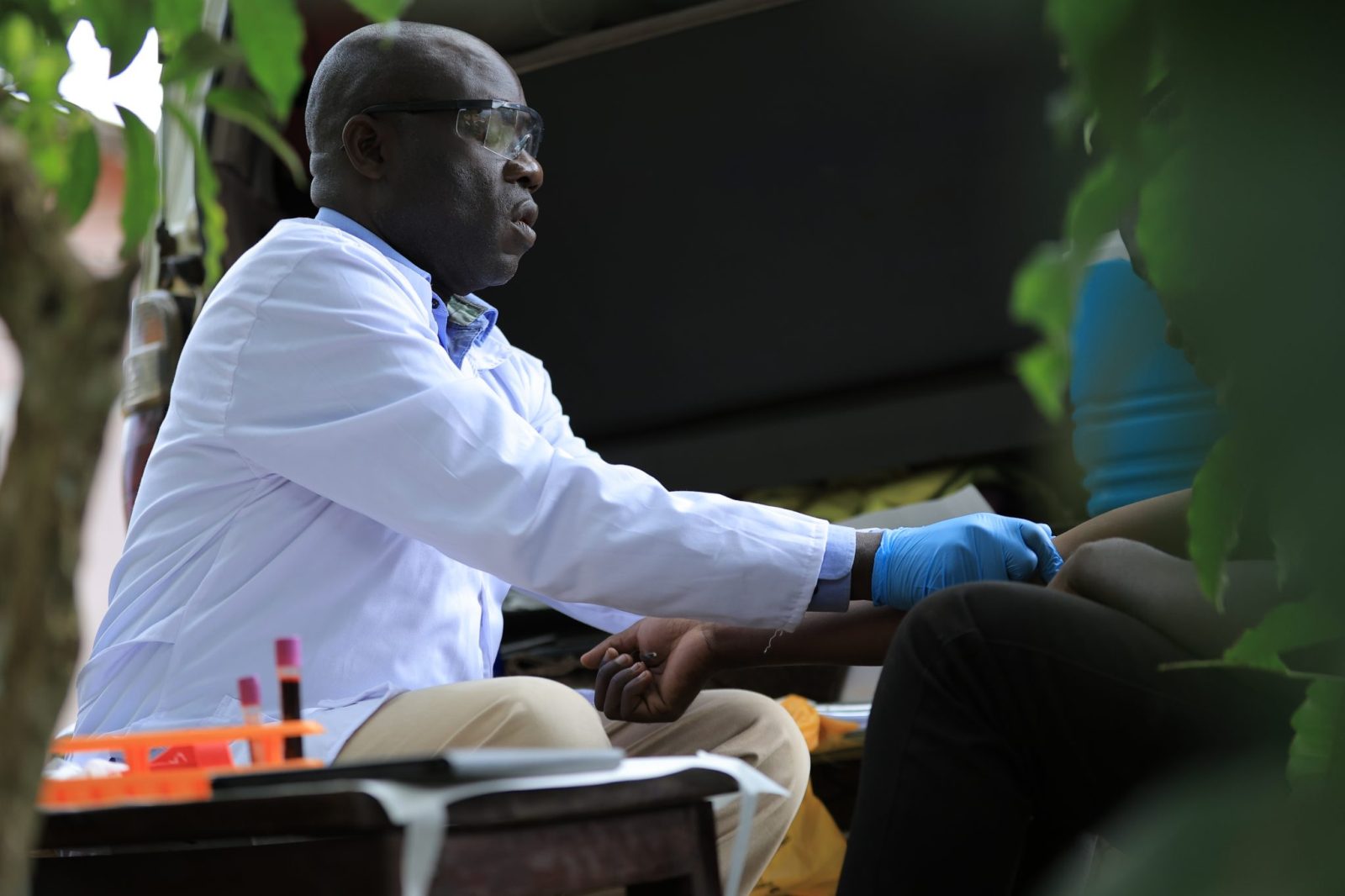
UPHIA collected data from July to September 2025 among people aged 15 and above, including those outside routine treatment services. Of 6,283 eligible households, 94.4% completed interviews. Researchers interviewed 13,801 people and tested 13,477 for HIV.
Testing followed Uganda’s national algorithm, with laboratory confirmation of positive samples, viral-load measurement, and checks for antiretroviral medicines to establish treatment use. Researchers weighted the estimates to account for the sampling design. Participants received counselling and results, and those who tested positive were referred for treatment.
Hon. Baryomunsi thanked participants and their families for welcoming survey staff and contributing their time, information and samples, without which the national evidence would not have been available.
National progress and the youth gap
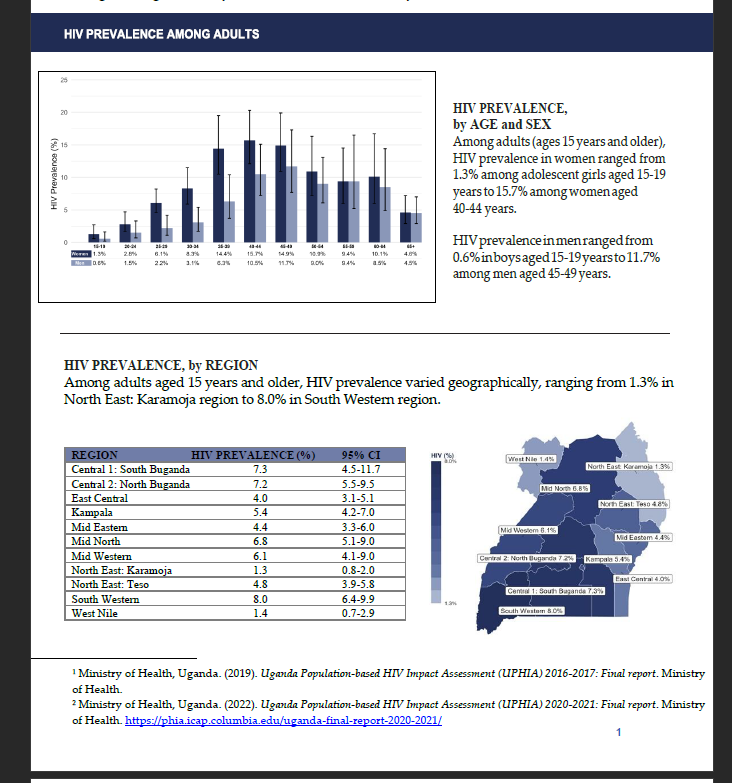
The survey estimated HIV prevalence, which means the proportion of people living with HIV, at 5.9% among those aged 15 and above, corresponding to about 1.496 million people in this age group nationwide. Prevalence was 7.3% among women and 4.1% among men, ranging from 1.3% in Karamoja to 8% in the South Western region.
Among people aged 15 and above living with HIV, 86% had achieved viral suppression, meaning a low amount of HIV in the blood, measured in UPHIA as fewer than 1,000 copies per millilitre. Suppression stood at 69.3% among adolescents and young adults aged 15–24 living with HIV, compared with 89.9% among those aged 50 and above. These estimates cover people living with HIV regardless of whether they know their status or receive treatment.
HIV prevalence among people aged 15–24 was 1.5%, including 2% among young women and 1% among young men. Among young women, prevalence was 1.3% at ages 15–19 and 2.8% at ages 20–24. These differences support attention to earlier prevention and testing, although they do not establish when infections occurred.
The highest prevalence estimates occurred among middle-aged adults: 15.7% among women aged 40–44 and 11.7% among men aged 45–49. Lower suppression among young people therefore requires attention alongside the higher HIV prevalence among middle-aged adults. Comparing the same age group across both surveys, viral suppression among people aged 15–64 increased from 74.9% in 2020–21 to 86.1% in 2025, while HIV prevalence remained at 5.9%.
Diagnosis and the path to 2030
The treatment results identify diagnosis as the main national gap. Among people aged 15 and above living with HIV, 85.3% knew their status. Of those aware, 99.1% were receiving treatment; among those receiving treatment, 96.5% had achieved suppression.
The 95-95-95 targets aimed for 95% of people living with HIV to know their status, 95% of those diagnosed to receive treatment, and 95% of those receiving treatment to achieve viral suppression by 2025. Among people aged 15 and above, Uganda exceeded the treatment and suppression targets, while diagnosis remained below target. UNAIDS’s Global AIDS Strategy 2026–2031 retains these targets towards ending AIDS as a public health threat by 2030.
According to WHO, viral suppression protects health and helps prevent HIV transmission. Uncontrolled HIV weakens the immune system, increasing the risk of serious illness. With continued treatment as prescribed, sexual transmission risk is negligible when HIV remains suppressed but detectable, and zero when undetectable. The Uganda AIDS Commission estimated over 34,000 new HIV infections in 2025, underscoring the importance of early diagnosis, timely treatment, and sustained suppression alongside other prevention measures.

The demographic stakes are substantial. People aged 15–24 constituted 21.2% of Uganda’s population in the 2024 census. The country’s Fourth National Development Plan, covering 2025–2030, prioritises a healthy, knowledgeable, skilled and productive population and reducing HIV through primary health care. Protecting young people’s health, therefore, supports their participation in education, work, and national development; UPHIA helps identify where services need greater attention.
Turning evidence into action
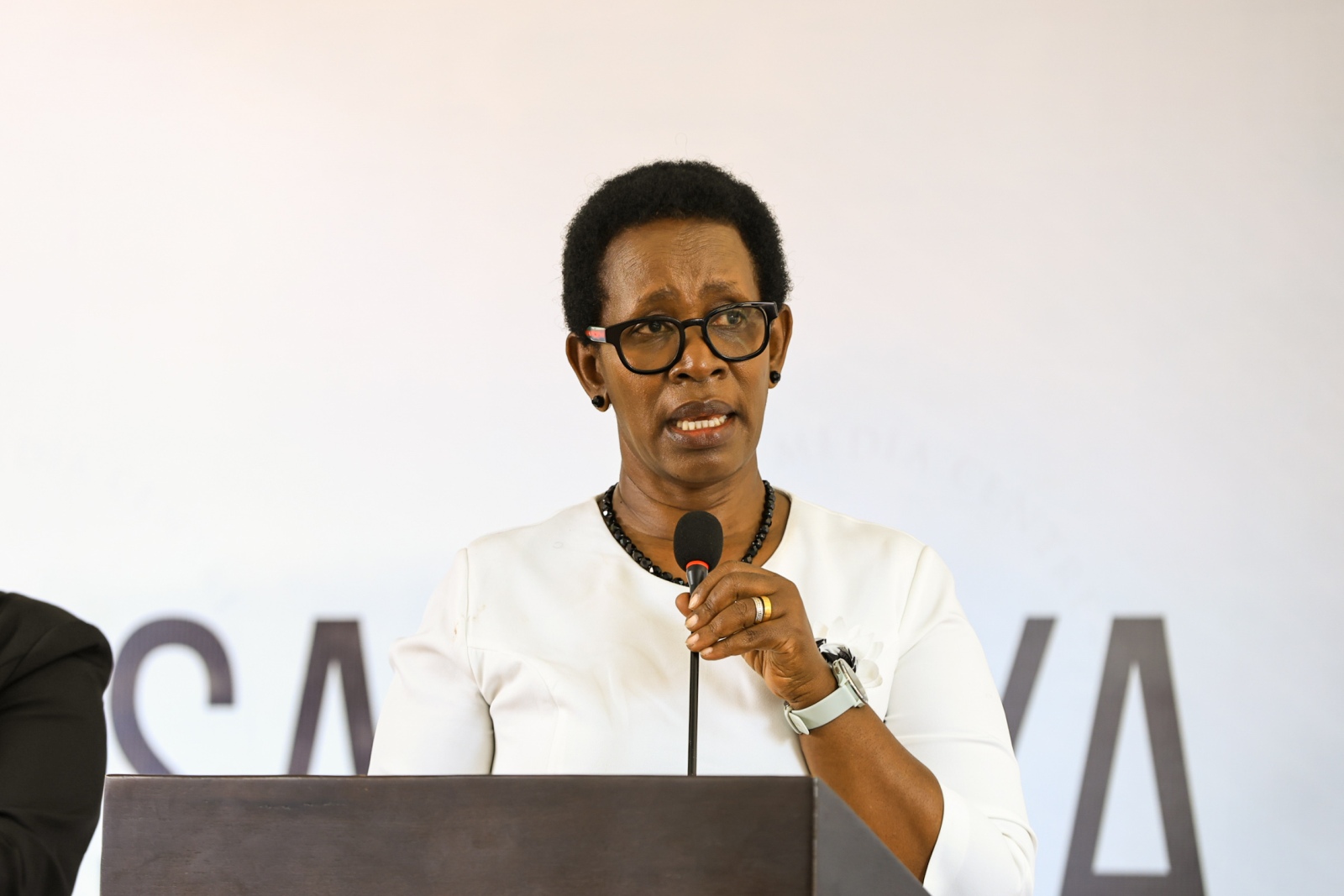
The study’s conclusions identify three priorities: sustain treatment outcomes, find people unaware of their status, and improve suppression among younger people. Permanent Secretary Dr. Diana Atwine connected the findings to the Ministry’s planning.
“We do believe that these results are a true reflection of what is happening in our country as far as the HIV status is concerned, and we do believe that it will give us a very clear direction and the roadmap that we are going to take in the next five years to target and to get our targets achieved.”
Acting on these priorities requires funding for services and research. Hon. Baryomunsi outlined plans to target resources where needs are greatest, strengthen district services and align partner support with government priorities. Responding to journalists’ questions, he noted the government’s intention to increase domestic funding for the HIV response, including research.
“The HIV/AIDS response, including research and surveys such as this one, has largely been funded by partners in the past. The government of Uganda is committed to allocating more resources from our domestic budget to support the response and research,” he noted.
For the first time in the UPHIA series, the survey assessed selected noncommunicable disease indicators among people aged 15 and above: 15.5% had elevated blood pressure, 24.8% were overweight or obese, and 0.9% had raised random blood glucose. These screening findings align with the Ministry’s integration agenda and Hon. Baryomunsi’s call to bring HIV and chronic care services together to address people’s wider health needs.
Speaking at the release of the preliminary results, U.S. Embassy Chargé d’Affaires Mikael (Mika) Cleverley described UPHIA 2025 as the first Population-Based HIV Impact Assessment worldwide fully led and implemented by the country itself.
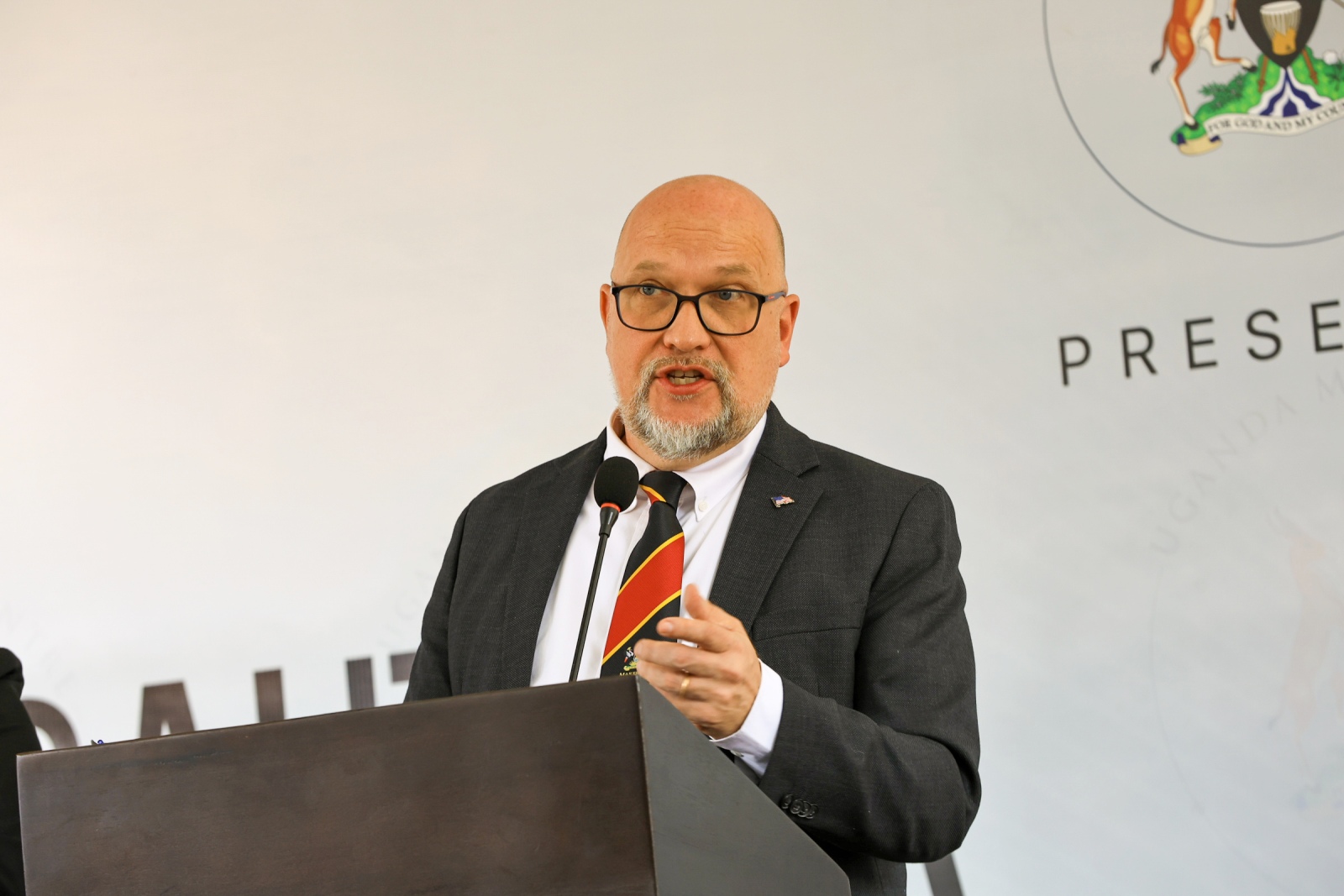
“The study was led by Ugandan scientists, Ugandan managers, Ugandan public servants, Ugandan field teams, from design to data collection to analysis. And this is what two decades of focused strategic U.S. foreign investments in the public health sector was meant to produce, is to reinforce Ugandan leadership and Ugandan-led efforts.”
At the survey launch on 29 May 2025, MakSPH Dean Prof. Rhoda Wanyenze highlighted the partnership’s contribution: “The partnership between Makerere University and CDC has not only helped build national capacity in surveillance and epidemiology, but has also strengthened our ability to lead high-quality, large-scale national surveys.”
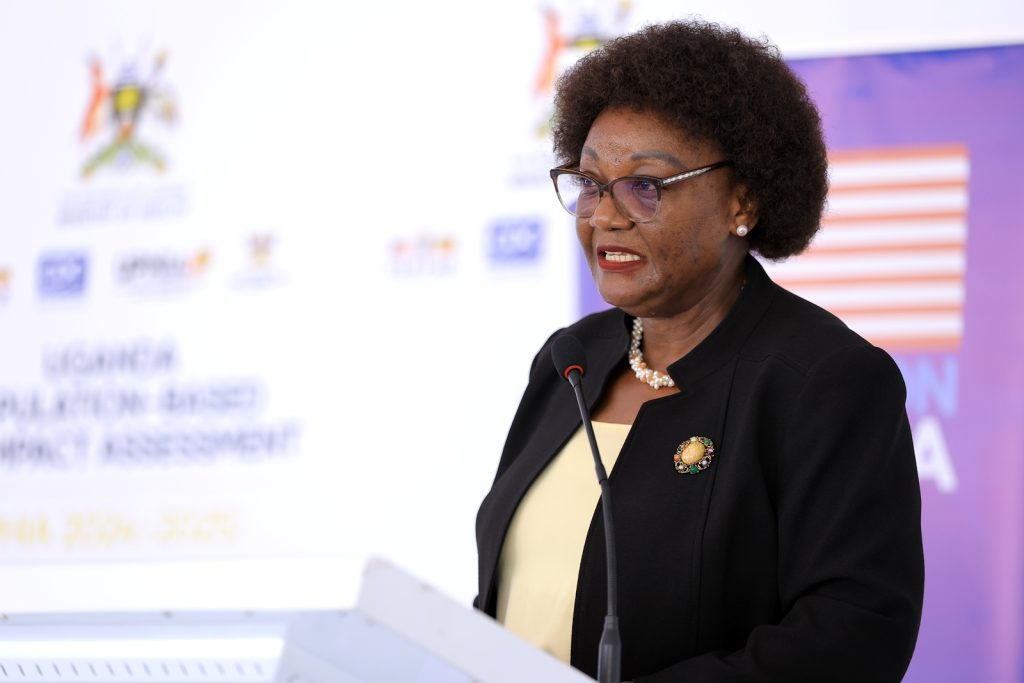
The Dean added: “After two decades of joint work, we are proud that UPHIA is now a fully Ugandan-led effort. This is critical to the sustainability of the skills and knowledge generation to inform our local response.”
UPHIA 2025 shows how far Uganda’s HIV response has advanced and where gaps remain. As the country works towards ending AIDS as a public health threat by 2030, reaching young people with testing, treatment, and continued care will be essential to extending those gains.
Read the full UPHIA 2025 summary results here:


-

 General7 days ago
Statement on Concerns Circulating Regarding a Member of Academic Staff
-

 Research2 weeks ago
Call for Makerere Staff PhD Completion Grant Applications, 2026-27
-

 General1 week ago
Press Statement: Incident Involving Death of a Student at Makerere University
-
 General2 weeks ago
Makerere Marathon 2026 – Running to Equip the Disability Support Center
-

 General1 week ago
JNLC Leadership Symposium Equips Young Leaders for Responsible and Transformative Leadership