
General
H.E Kufuor advises on Uganda’s Oil Resource










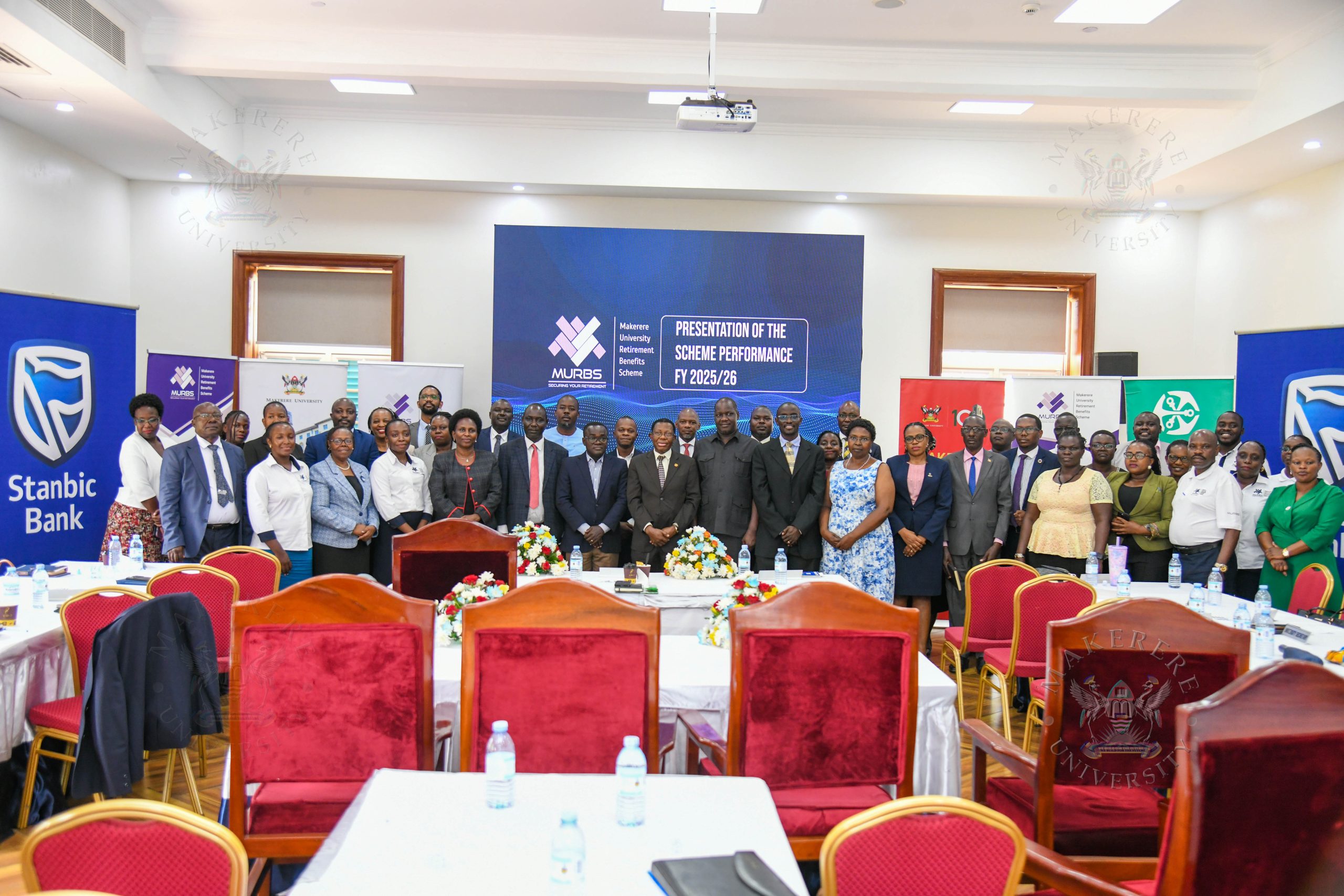
Makerere University Retirement Benefits Scheme (MURBS) has hit a historic UGX 547 billion valuation following an impressive 15.4% growth in the 2025/2026 financial year.
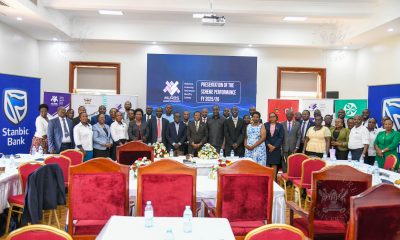
During a review meeting of the MURBS performance held at Makerere University Main Administrative Building on October 27 2026, ahead of its 16th Annual General Meeting (AGM), the scheme revealed the booming portfolio will directly benefit its close to 8,000 members.
This presentation primes the upcoming October 29 AGM, where MURBS will officially declare this year’s highly anticipated interest rate to the general members.
Chairperson’s Statement on the Scheme’s Performance FY 2025/2026
Dr. Michael Kizito, Chairperson MURBS Board of Trustees, presented the scheme’s success, noting it is rooted in a deep sense of responsibility. He said “prudent stewardship guides our (MURBS) actions, and every contribution invested to MURBS carries an expectation of future security.”
MURBS’ commitment to members is further checked in the scheme’s transition in sync with statutory regulations, and ensuring fairness and transparency for all. In line with this, Dr. Kizito discussed pro rata interest calculation methodology as the new trend for MURBS. Pro rata key features include; contributions earning interest from time of receipt, interest compounding and stopping at exit.
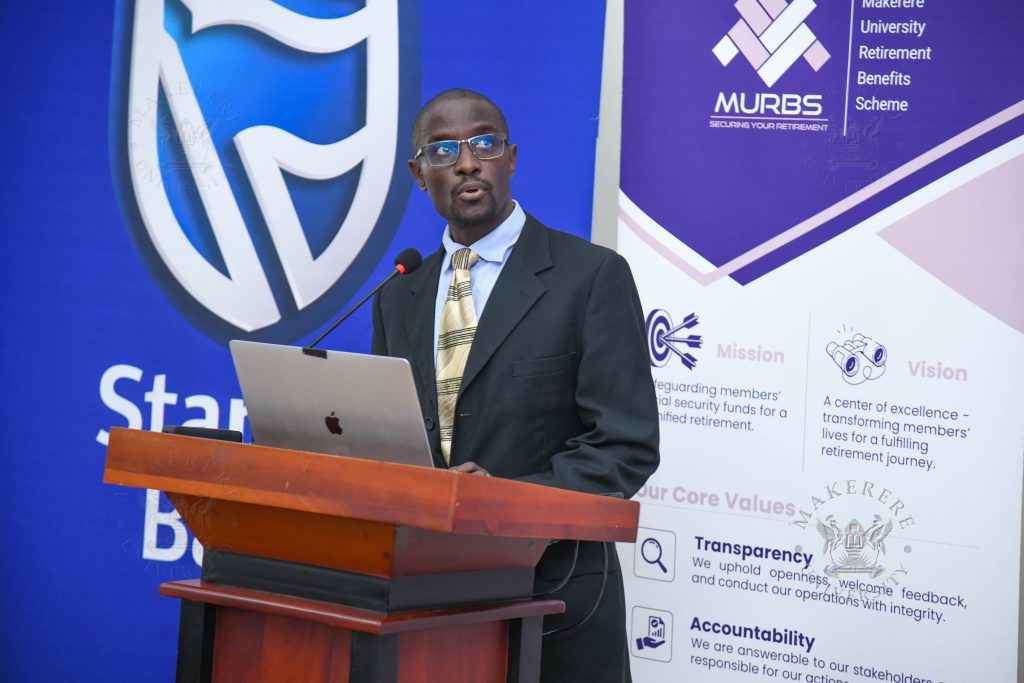
Demonstrating a clear focus on maximising member yields, Dr. Kizito also discussed operational expenditure saying even with an increase in the administrative costs, they have kept below the budgeted percentage.
Going past the balance sheets, Dr. Kizito echoed MURBS’ dedication to the over 3,000 active members building their dreams and the close to 5,000 retired members enjoying the fruits of their long service.
At the back of MURBS dedication, he recognised the ambassadorial framework that was designed to support incoming trustees and the proactive efforts to reach members.

As Dr. Kizito concluded, he expressed gratitude for support and reception from University Council, Management, URBRA Uganda, Trustees, Ambassadors and MURBS members.
He reiterated the scheme’s focus remains on innovation, governance, and growth which will continue to be achieved through digital transformation to improve service delivery and ensuring every member’s records are up to date.
All this is done in effort of ensuring that when the time comes for a member to retire, they do so with confidence and financial peace of mind.
MURBS Evolution From High Risk to a Benchmark Scheme
Ms. Daisy Lynda Nabakooza, Chief Manager Supervision and Market Conduct at Uganda Retirement Benefits Regulatory Authority (URBRA) recognised MURBS success saying it “comes from the good working relationship” between its trustees and experts, and that “the MURBS trustees usually have the information on hand,” which “is a plus.”
On the status/impression of the fund, Ms. Nabakooza revealed that ten or so years ago, when she had just joined URBRA, MURBS was one of those schemes that was “high risk” due to “unremitted contributions.” Thankfully, “the sponsor Makerere University has since embarked on having these unremitted contributions, remitted over a period of time.”
Now, “MURBS has become a benchmark for many schemes.” Ms. Nabakooza said as a regulator, they “really commend MURBS on the work done in terms of compliance.”
Ensuring a Dignified Retirement for Staff through MURBS
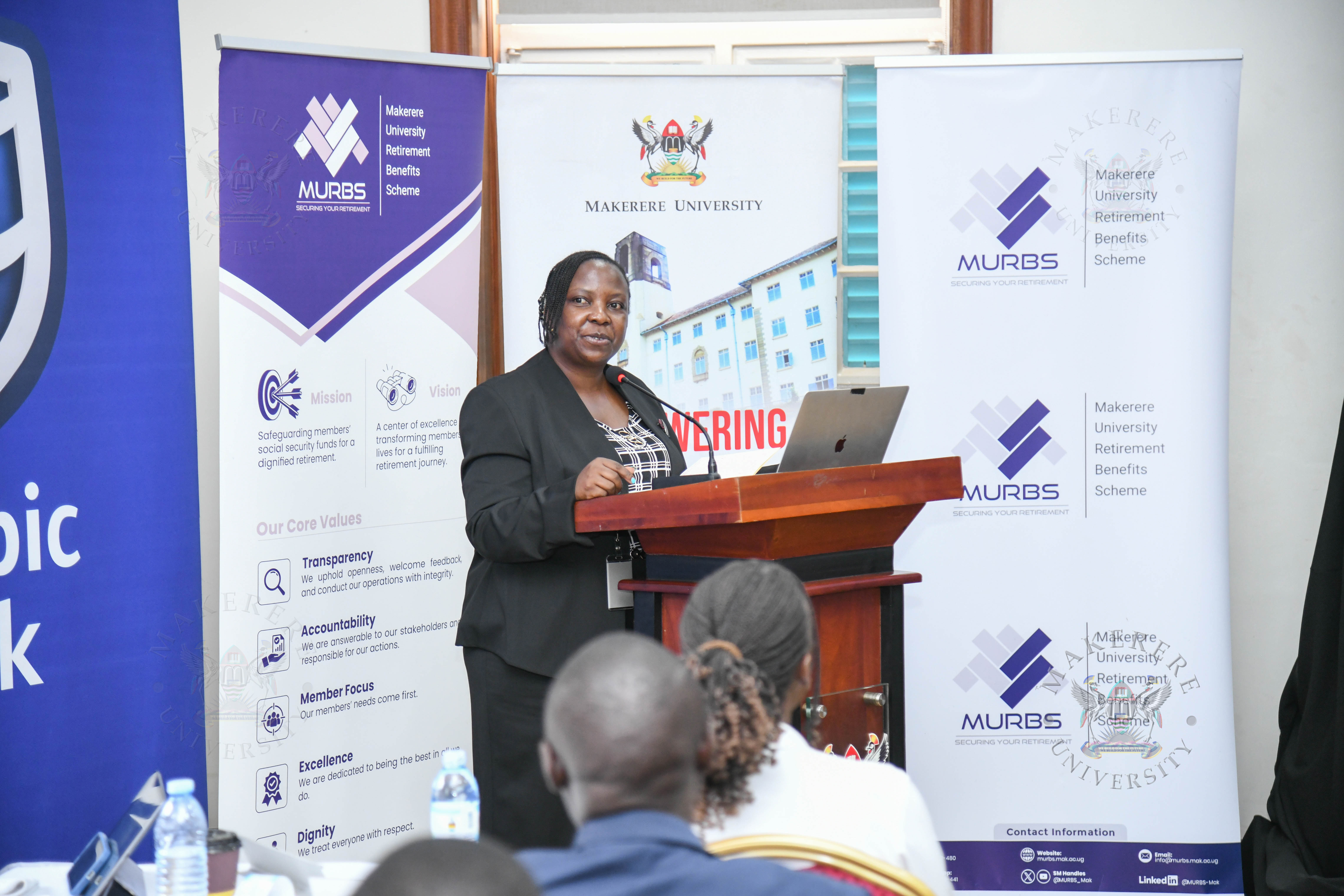
Professor Henry Alinaitwe, representing the Vice Chancellor emphasised the ultimate goal is the well-being of the university community during and after service. He referenced a local proverb, saying, “Buto n’ekorera bukuru,” explaining that “when we are here, and still young and working, what we are able to do and put aside will help us in the future.”
He expressed the University’s strong commitment to staff welfare, saying, “we do not want to see ourselves or fraternity really suffering when they are leaving university or when they have since left the university. We want to see people living well and prospering even in their retirement.”
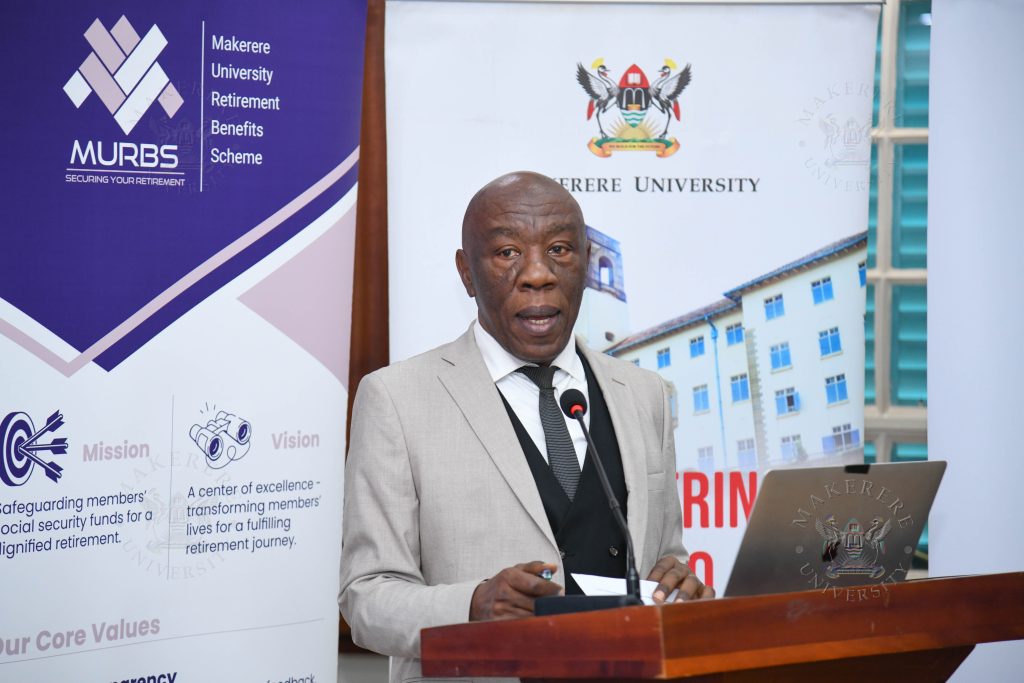
Professor Alinaitwe acknowledged the work done by MURBS team in growing the scheme noting that since 2021, the fund has more than doubled raising from UGX 225 Billion to over UGX 500 Billion. The Vice Chancellor concluded his message by pledging Makerere University‘s good will to ensure sustenance of the fund for a dignified future of its staff.
The Chairperson of Council Dr. Lorna Magara in her message delivered by Hon. Daniel Fred Kidega expressed genuine satisfaction with the current trajectory of the retirement scheme, noting, “I want to congratulate the trustees, the management of MURBS, for maintaining a healthy organisation. When I was looking through the figures, I felt very happy.”
This financial health is not just a statistic but a foundation for the staff’s future. The Chairperson urged the leadership to “maintain the good health of the scheme and let members enjoy their savings.”
Beyond the numbers, the Chairperson Makerere University Council made a heartfelt plea to the board on human impact of the scheme, stating, “I plead with the board of trustees, to avoid delays when it involves the living families of members who are no longer there in service; dead or retired.”
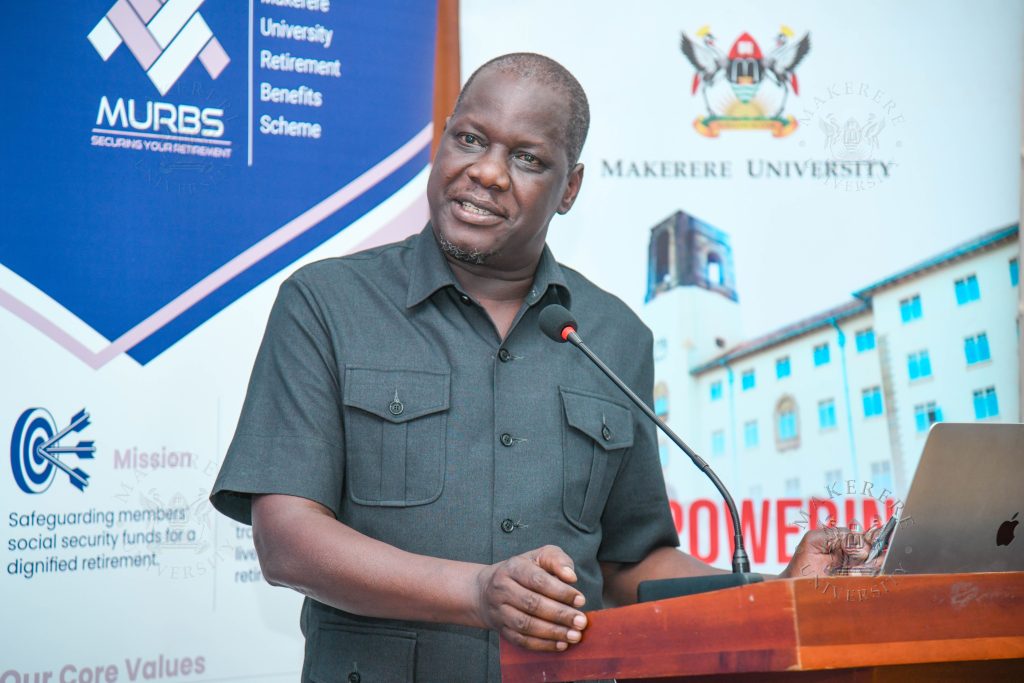
Ultimately, as shared by Hon. Kidega and Professor Alinaitwe, the University vision is ambitious, it involves making MURBS one of the best retirement schemes on the continent and in the world where even those still in service can access resources and make their life better.
About MURBS
Makerere University Retirement Benefits Scheme (MURBS) is a mandatory employer scheme for Makerere University staff, established by the university under an irrevocable trust. On 23 April 2010, MURBS was registered as a corporate body under the Trustees Incorporation Act, CAP. 165, and it commenced operations on July 1 2010.
Following the enactment of the Uganda Retirement Benefits Regulatory Authority Act, 2011, MURBS was established as a voluntary occupational scheme under the new law. The scheme is licensed by URBRA (License Number RBS.0005).
On 21 June 2021, the Minister responsible for Finance, Planning and Economic Development exercised his powers under the law to approve MURBS as a superannuation scheme in the “Exempted Employment” category under the NSSF Act.

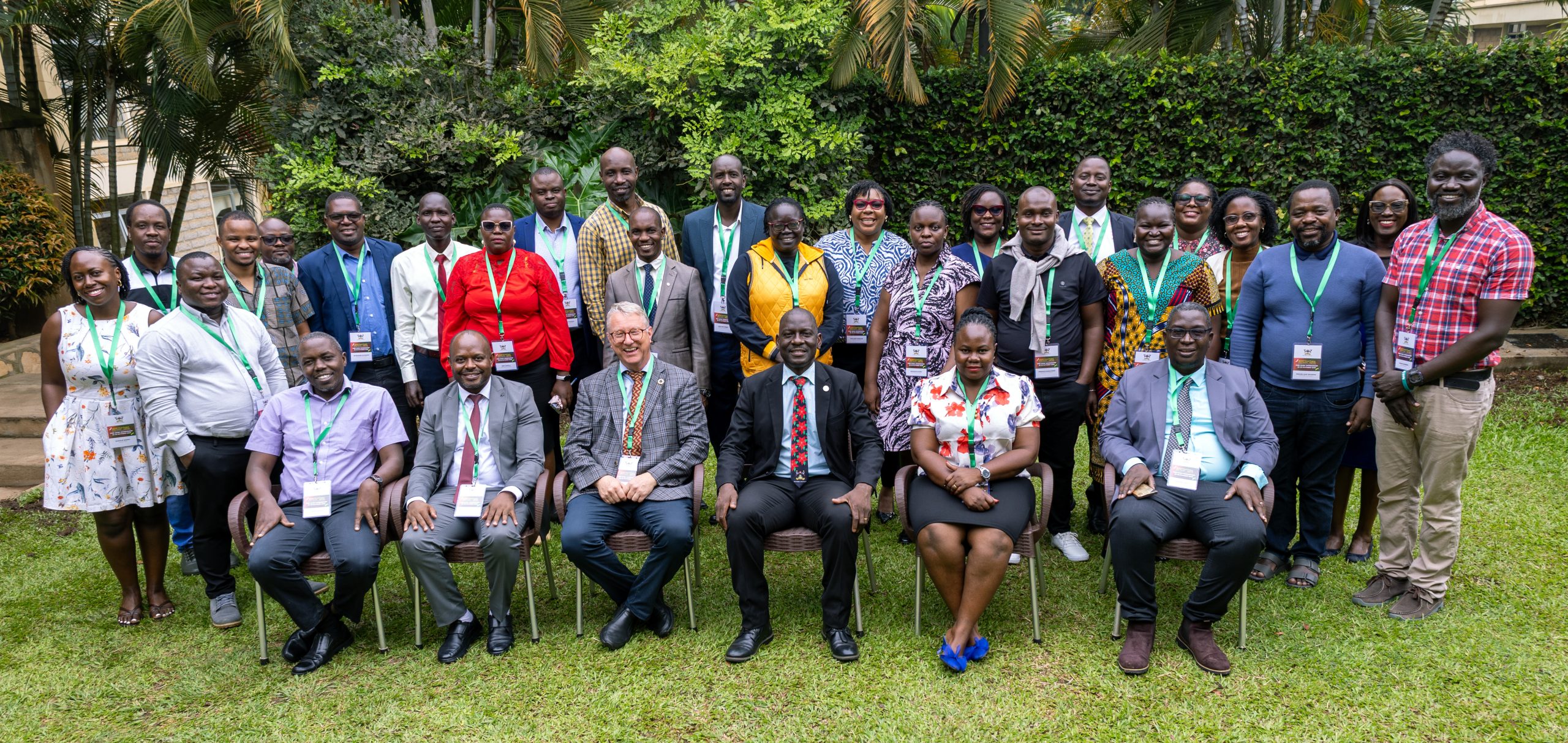
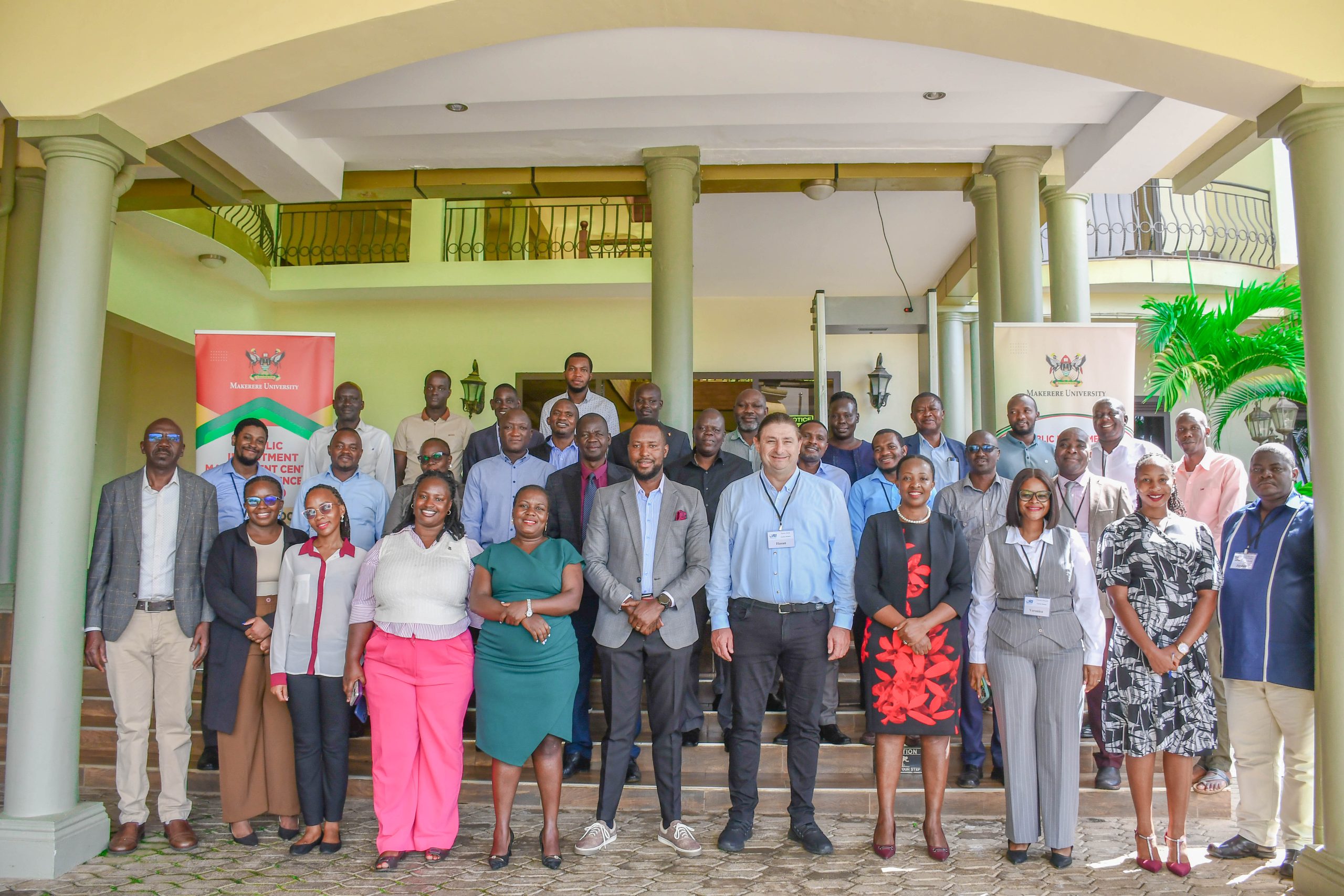
The two-week training programme aims to equip government officers with practical skills to assess project viability, manage investment risks and ensure public resources deliver value for money.
The Public Investment Management Centre of Excellence (PIM CoE) is strengthening the capacity of government officers to undertake financial appraisal and risk analysis of public investment projects through a two-week training programme designed to improve the quality of project preparation, appraisal and decision-making in Uganda.
The training, which started in Fort Portal on October 19, 2026, brought together participants from various government ministries, departments and agencies (MDAs), alongside facilitators from Makerere University, the Ministry of Finance, Planning and Economic Development, Cambridge Resources International (CRI), the National Planning Authority and the Uganda Development Bank.
Officially opening the training on behalf of the Permanent Secretary/Secretary to the Treasury, Ms Esther Ayebare, Acting Assistant Commissioner in the Project Analysis and Public Investment Department of the Ministry of Finance, Planning and Economic Development, emphasised the importance of rigorous project appraisal in strengthening Uganda’s public investment management system.
She noted that projects admitted into the public investment plan must be aligned with national priorities, technically sound, financially viable and capable of delivering value for money.
“Government must be able to compare investment alternatives and ensure that only viable projects proceed through the public investment process,” she emphasised.
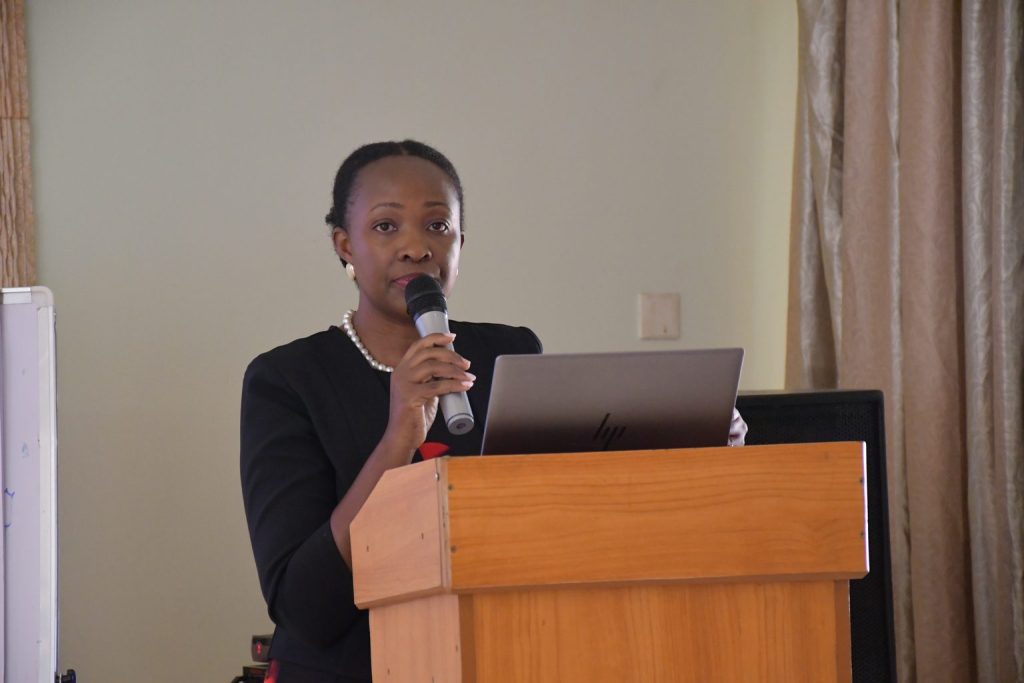
Ms Ayebare explained that sound appraisal enables government to make informed investment decisions, maximise returns on public expenditure and ensure that limited public resources are directed towards projects with the greatest potential to deliver development outcomes.
Building practical skills for better investment decisions
The training builds on the Public Investment Management course conducted in June, which introduced participants to Uganda’s public investment management framework, including project conceptualisation, stakeholder analysis, project costing, implementation action plans, the Integrated Bank of Projects, and monitoring and evaluation of public investment reforms.
The current programme advances this foundation by equipping participants with technical competencies in financial appraisal, financial modelling and risk analysis.
Participants will explore integrated investment appraisal, alternative investment criteria, cash-flow statements, inflation and exchange-rate movements, asset valuation, project financing, project scale and timing, risk-sharing arrangements and cost-effectiveness analysis.
Through practical exercises and case studies, participants will apply these concepts to investment scenarios in sectors such as roads, health, education and water. The programme will also examine how climate change, social considerations and other risks can be integrated into project preparation and appraisal.
Ms Ayebare encouraged participants to engage actively with the facilitators, question the practical application of the tools and consider how the skills acquired could improve investment decisions within their respective institutions.
She also reminded participants that the programme includes an examination and that certification requires more than attendance. Participants are expected to demonstrate an understanding of the concepts and acquire practical skills that they can apply in their work.
Reducing dependence on externally prepared studies
A key objective of the training is to strengthen the ability of government institutions to undertake high-quality project appraisal studies using their own technical teams.
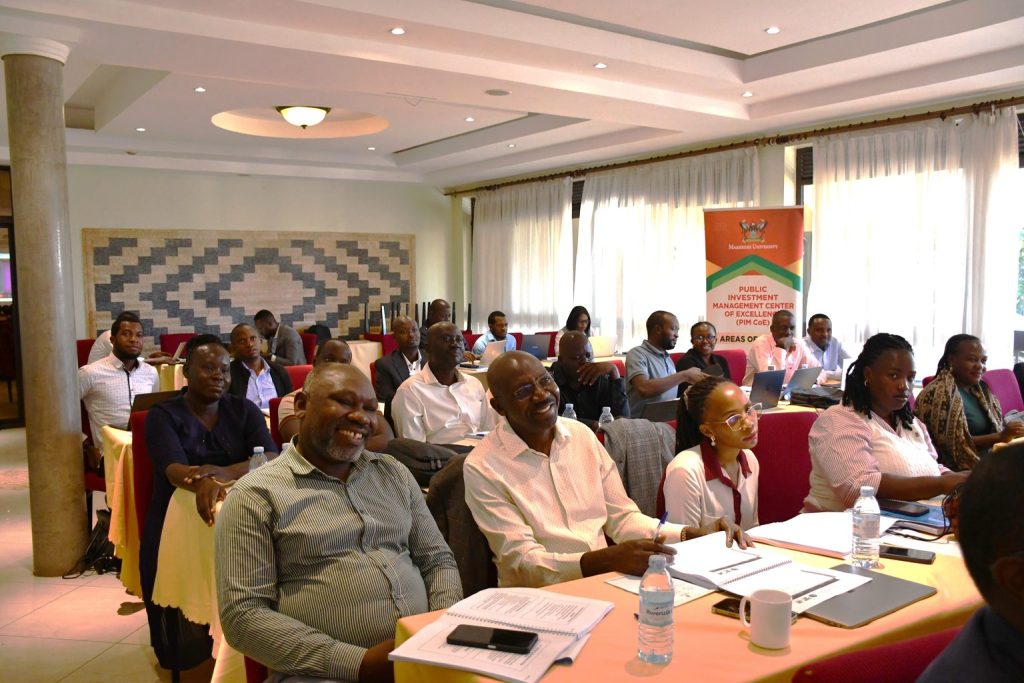
Ms Ayebare observed that many studies submitted to the Development Committee have traditionally been prepared by external consultants, often at considerable cost. Building the capacity of public officers to conduct these studies independently can help institutions strengthen their technical expertise and improve the quality of project proposals presented for consideration.
She urged participants to take full advantage of the facilitators’ expertise and return to their institutions equipped to undertake sound financial appraisals and provide evidence-based advice to decision-makers.
She further emphasised that project approval requires thorough preparation, analysis and justification, rather than simply identifying available funding and proposing a project to utilise it.
Strengthening public investment management through capacity development
In his remarks, Prof. Edward Bbaale, Director of the PIM CoE, thanked the Ministry of Finance for its financial support and for identifying participants from government institutions. He also recognised the contributions of the facilitators and partner institutions in delivering the programme.

Prof. Bbaale noted that the Centre’s work extends beyond training to include research and advisory services aimed at improving public investment management practices. He encouraged continued collaboration with government institutions and other partners to advance research, knowledge sharing and capacity development.
Speaking during the training, Dr John Sseruyange, Manager of the PIM CoE, highlighted the importance of commitment, active participation and punctuality throughout the programme. He encouraged participants to engage with the facilitators, ask questions and apply the knowledge gained to the projects they support.
Dr Sseruyange also acknowledged the Government of Uganda, through the Ministry of Finance, Planning and Economic Development, for financing the training, and appreciated Cambridge Resources International for its continued support towards improving public investment preparation and analysis in Uganda.
The training reflects ongoing efforts to strengthen Uganda’s public investment management system by equipping public officers with the knowledge and practical competencies needed to assess projects rigorously, identify potential risks and make informed investment decisions.
By developing in-house expertise across government institutions, the programme seeks to contribute to better-prepared projects, more efficient use of public resources and improved delivery of Uganda’s development priorities.
-
 General2 weeks ago
Applications Open: Short Course in Decision Modelling for Economic Evaluation
-

 General2 weeks ago
Complete Nyerere Historical Tasks of Uniting and Prospering Africa – President Museveni
-

 Business & Management1 week ago
PIM CoE equips Public Officers to Make Better Public Investment Decisions
-

 Agriculture & Environment2 days ago
What two weeks with Farmers in Mwera, Mityana, taught Makerere’s PhD Students about Agricultural Innovation
-
 General15 hours ago
MURBS Presents FY 2025/26 Performance with 15.4% Growth