
Business & Management
Brewing Innovation: 9th Annual Youth Expo showcases enterprises in Uganda’s coffee value chain


By Ritah Namisango and Monica Meeme
On 17th October 2025, the Makerere University Freedom Square was a beehive of activity as over 600 students from the College of Business and Management Sciences (CoBAMS) participated in the 9th Annual Innovation and Youth Expo.
Organized by the Makerere University Entrepreneurship and Outreach Centre, the 2025 Innovation and Youth Expo, focused on Uganda’s most strategic Agricultural sector – COFFEE.
Under the theme, Brewing Prosperity: Youth Entrepreneurship in Uganda’s Coffee Value Chain, student entrepreneurs exhibited more than 300 innovations including youth coffee brands, brewing demonstrations, agri-tech prototypes, live cupping sessions, among others.
The Youth Expo focused on amplifying youth-led innovations across the entire coffee value chain—from farm to cup, providing a hands-on, interactive platform for young entrepreneurs to exhibit their products, prototypes, and business ideas, while engaging directly with industry stakeholders.
By placing the youth at the center of the value chain, the Youth Expo demonstrated the untapped potential of innovation, creativity, and enterprise among Uganda’s next generation of entrepreneurs.
Student innovations for real-world impact:
The Director of the Makerere University Entrepreneurship and Outreach Centre, Dr. Sarah Bimbona, urged students to view their innovations not just as academic projects, but as the starting point for real-world impact.
“These innovations should not just end here or be seen as projects for marks. Continue nurturing those dreams, take them further, and make them a reality,” she advised.
She recognized the critical role of faculty and mentors, specifically appreciating them for their tireless support in guiding students through their innovation undertakings.

Dr. Bimbona emphasized the importance of linking academic learning with practical enterprise, highlighting that student-led innovations have the potential to create meaningful economic and social change.
Students encouraged to embrace entrepreneurship:
The Dean, School of Business, Associate Professor Godfrey Akileng specified that entrepreneurship is one of the flagship initiatives of the College of Business and Management Sciences. He encouraged the students to seize the moment. “This is your opportunity to showcase your innovations, to interact with industry players, and to change your mindset from job-seekers to job creation,” he said. “Let the entrepreneurship Expo awaken a new spirit in you-one that says-yes, I can make it.”
Associate Professor Akileng cited the story of Bill Gates as an example of what determination and innovation can achieve, reminding the students that greatness often starts from simple beginnings. “There is no reason we cannot build something extraordinary from coffee and other local products,” he stated, emphasizing the value of entrepreneurship in national transformation.
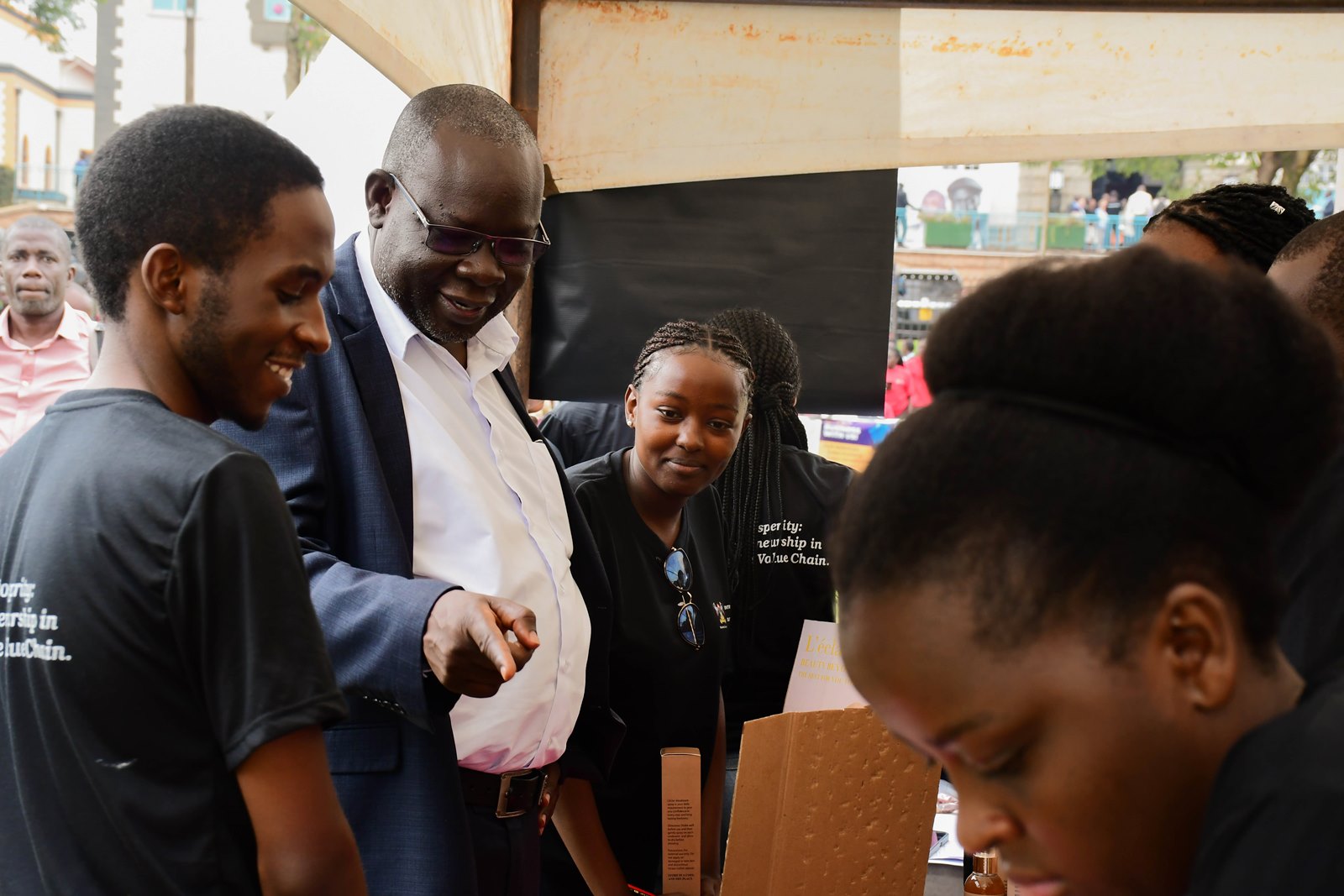
The Dean, School of Business, expressed deep appreciation to the industry partners for their collaboration and generosity. “You have invested time, knowledge and financial support to be here. Thank you for supporting the Entrepreneurship Congress and Expo,” he remarked.
BRAC Uganda participates in the Expo:
The Communications Officer of BRAC Uganda, Ms. Barbra Ampaire, stressed that BRAC aims to equip youth with the tools and knowledge to discover and maximize their potential.
“We have supported thousands of youth through tailored programs in areas such as tailoring, livestock farming, agribusiness, financial literacy, and value addition. These initiatives are supported not just with training, but also with seed capital, equipment, and ongoing mentorship,” she said.
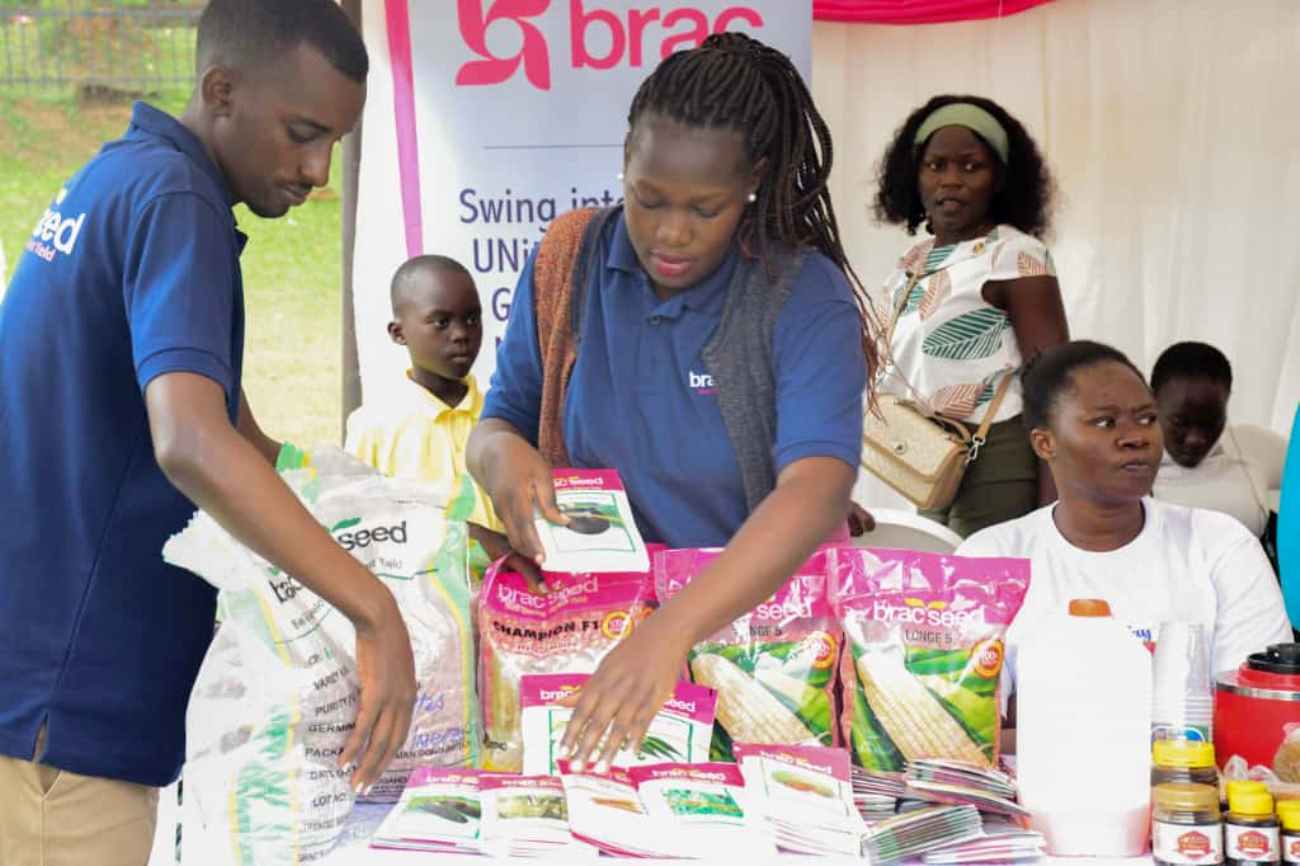
Ms. Ampaire noted that Makerere University, being a hub for students and young innovators, aligns perfectly with BRAC’s focus on empowering youth while they are still developing their ideas and ambitions.
A case for domestic consumption and local processing:
One of the participants from the BRAC Scholar Transition Fund, Mr. Godwin Birungi, emphasized the need for domestic consumption and local processing, highlighting that exporting raw coffee reduces employment opportunities and stunts economic growth.
“When we consume and process our coffee locally, we not only improve public health, but also create jobs and stimulate our economy.”
He encouraged young entrepreneurs to embrace patience, maintain consistency in their efforts, and stay focused on their goals, emphasizing that building a successful and sustainable business is a gradual process that requires dedication and resilience.
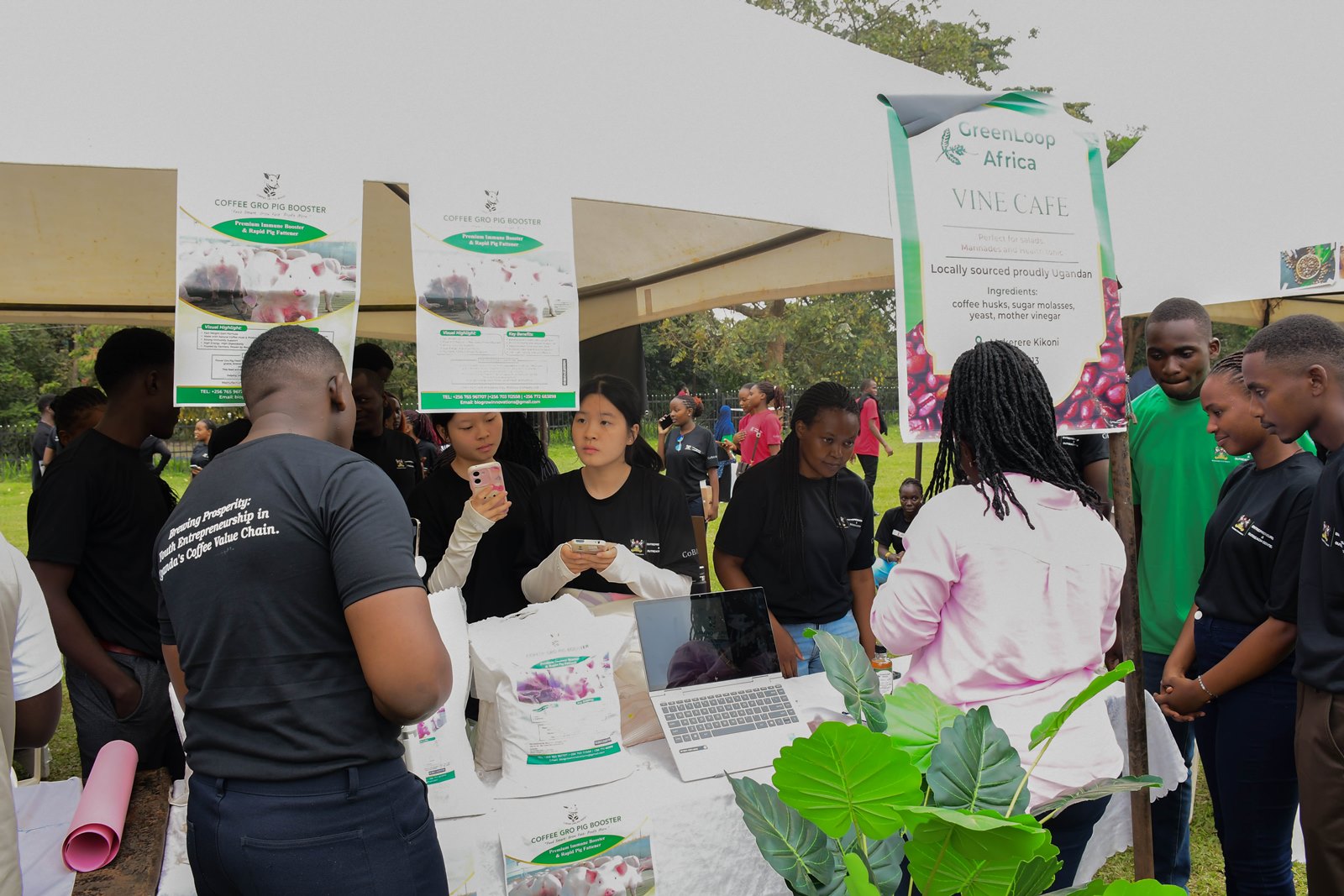
“Building a sustainable business takes time. Many successful entrepreneurs spent over a decade before making a profit. Find your passion, refine your strategy, and stay the course.” he said.
Student entrepreneurs speak out:
The Marketing Manager of Victory Cakes students’ enterprise, Ms. Keziah Nasenga, explained that the team offers two main product variations including coffee cupcakes with icing and those without, catering to different customer preferences.
She noted that the cupcakes are crafted using brewed coffee mixed with hot water, then blended with traditional baking ingredients such as flour, vanilla, and other flavor-enhancing components.
A student from the Ring Hair Stimulator group, Ms. Martha Alwe, said their product is a premium hair care solution designed to promote healthy hair growth, prevent breakage and hair loss in women, and enhance beard growth in men through a specialized beard oil.

“The full product line includes beard growth oil, hair shock treatment, hair spray, leave-in conditioner, and hair growth shampoo each carefully developed to address a wide range of hair care needs with quality and effectiveness,” she said.
The Marketing Manager of the team of Coffee Cupcake, Ms. Catherine Nasaazi, explained that the shampoo is enriched with sodium benzoate, tea tree oil, and other ingredients.
Precursor to the Youth Expo:
The 3rd Uganda Entrepreneurship Congress held on 16th October 2025 at Makerere University Yusuf Lule Central Teaching Facility Auditorium, provided a perfect transition into the 9th Annual Makerere University Youth Expo held on 17th October 2025 at the Freedom Square.
During the Uganda Entrepreneurship Congress, students listened to lived experiences and case presentations from young, mid-level and senior entrepreneurs. The panelists who discussed topics on Market Readiness, Value Addition and Story Telling, as well as, Financing the Future, enlightened the students and upcoming entrepreneurs to creating impact, access to markets and capital, and breaking the barriers in a competitive world.

The students gained valuable knowledge from the Chief Guest-Mr. Odrek Rwabwogo, Chair of the Presidential Advisory Committee on Exports and Industrial Development, and the Keynote Speaker- Mr. Moses Nyabila, CEO of aBi Development Ltd.
Mr. Rwabwogo challenged the young entrepreneurs to think beyond Uganda’s borders, when he highlighted that true entrepreneurship lies in producing goods that can compete on the international market.
“When you build a business that can sell in another person’s market, you are a hero or heroine because what you have done is disrupting the status quo, which praises imports over exports. In this country, for instance in Kikuubo business area, you hear statements such as my container is about to reach Uganda, and not my container is leaving the yard in Uganda and is taking avocado to Spain or another country. I want the language to change.”
Partners of the Uganda Entrepreneurship Congress and Youth Expo: Makerere University (Mak), Ministry of Agriculture, Animal Industry and Fisheries (MAAIF), National Coffee Research Initiative (NaCORI), BRAC Uganda, Tooke, Mastercard Foundation Scholars Program at Makerere University, Vision Group, Mountain Harvest, Pepsi, Rainforest Alliance, Sumz, and the Banana Industrial Research & Development Centre.
Writers: Ritah Namisango, Principal Communication Officer at Makerere University & Monica Meeme, a student of Bachelor of Journalism and Communication at Makerere University.

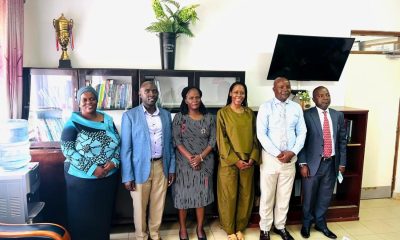






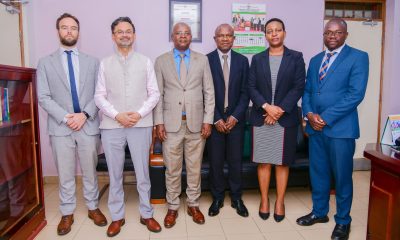

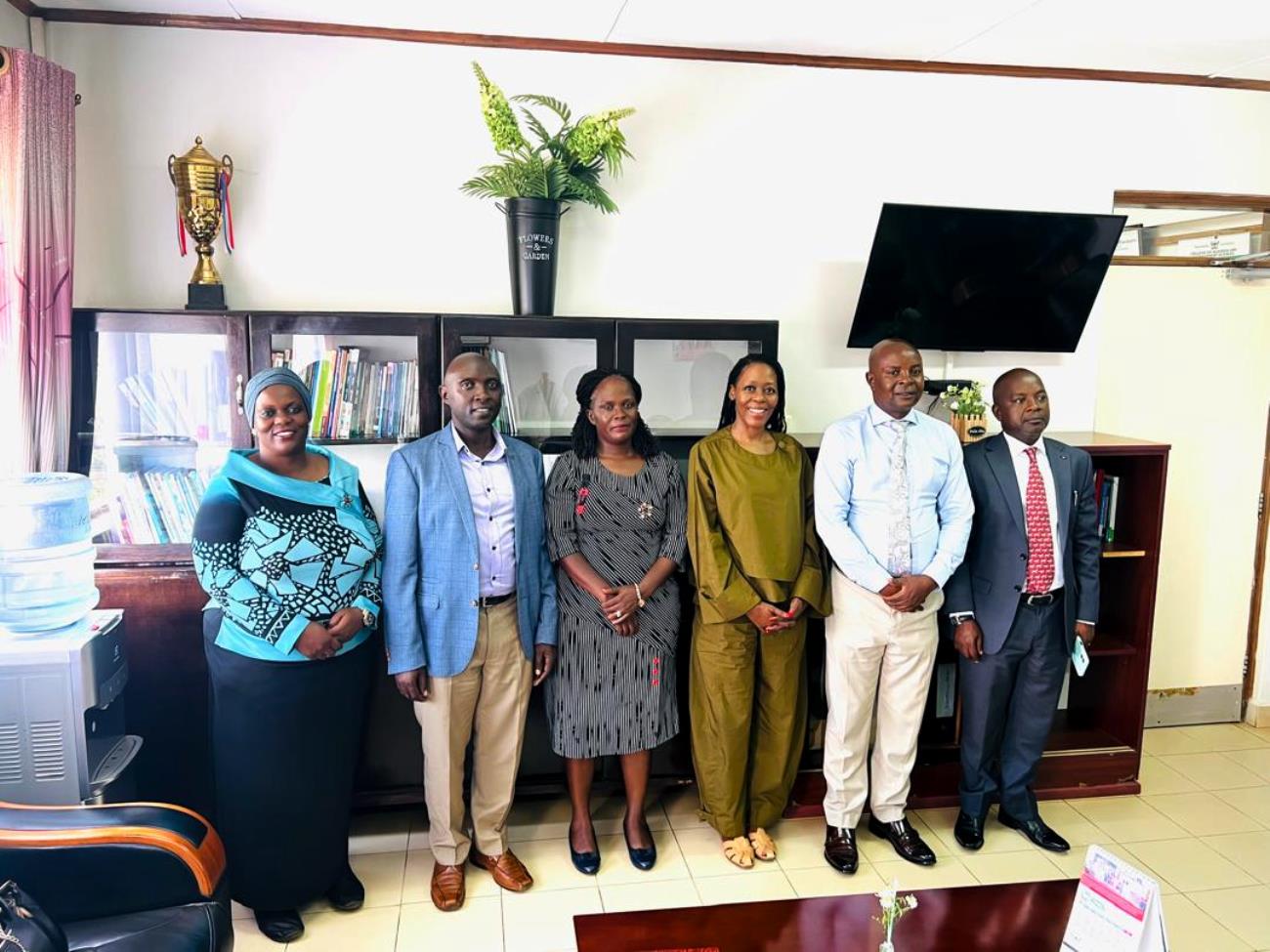
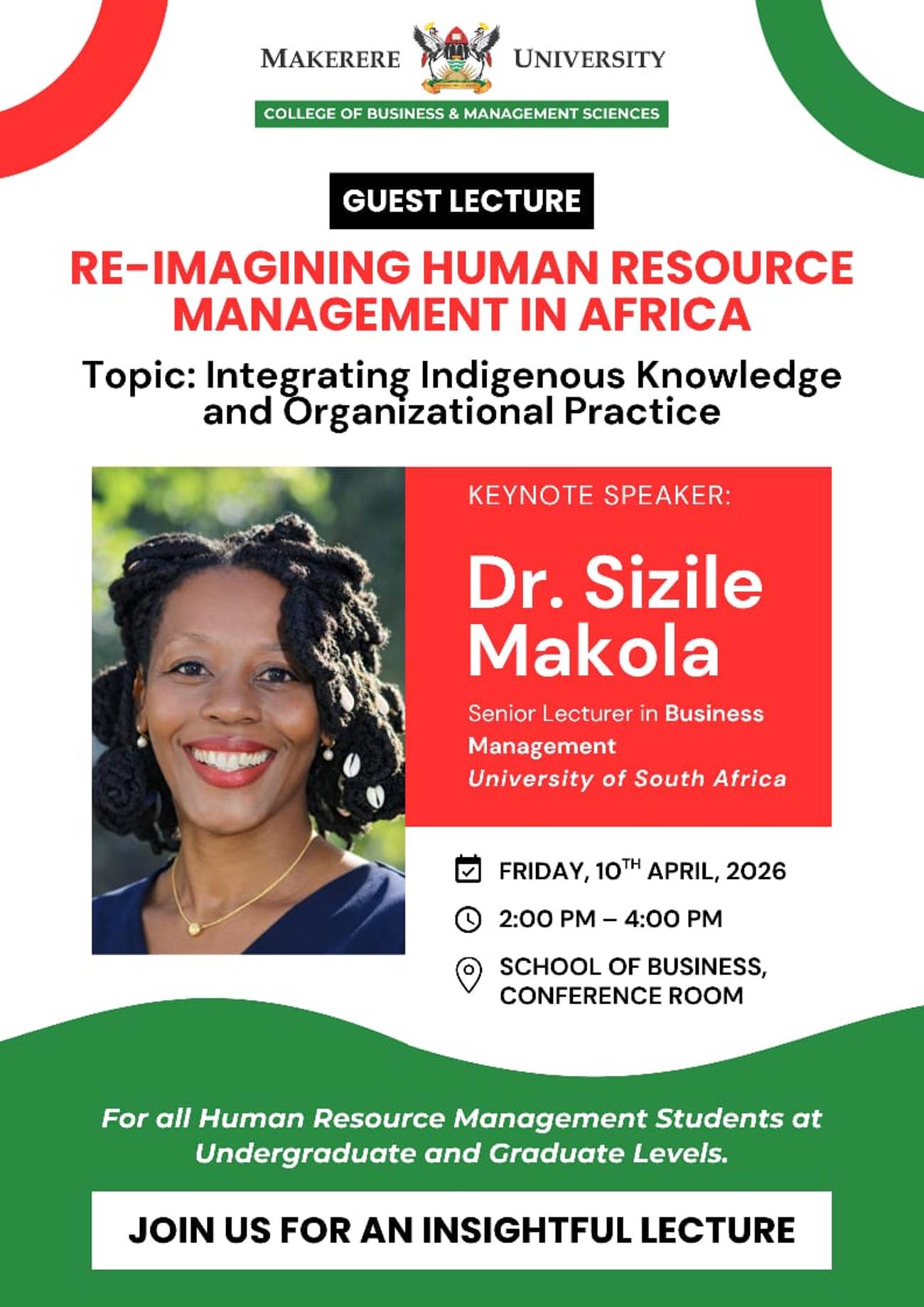
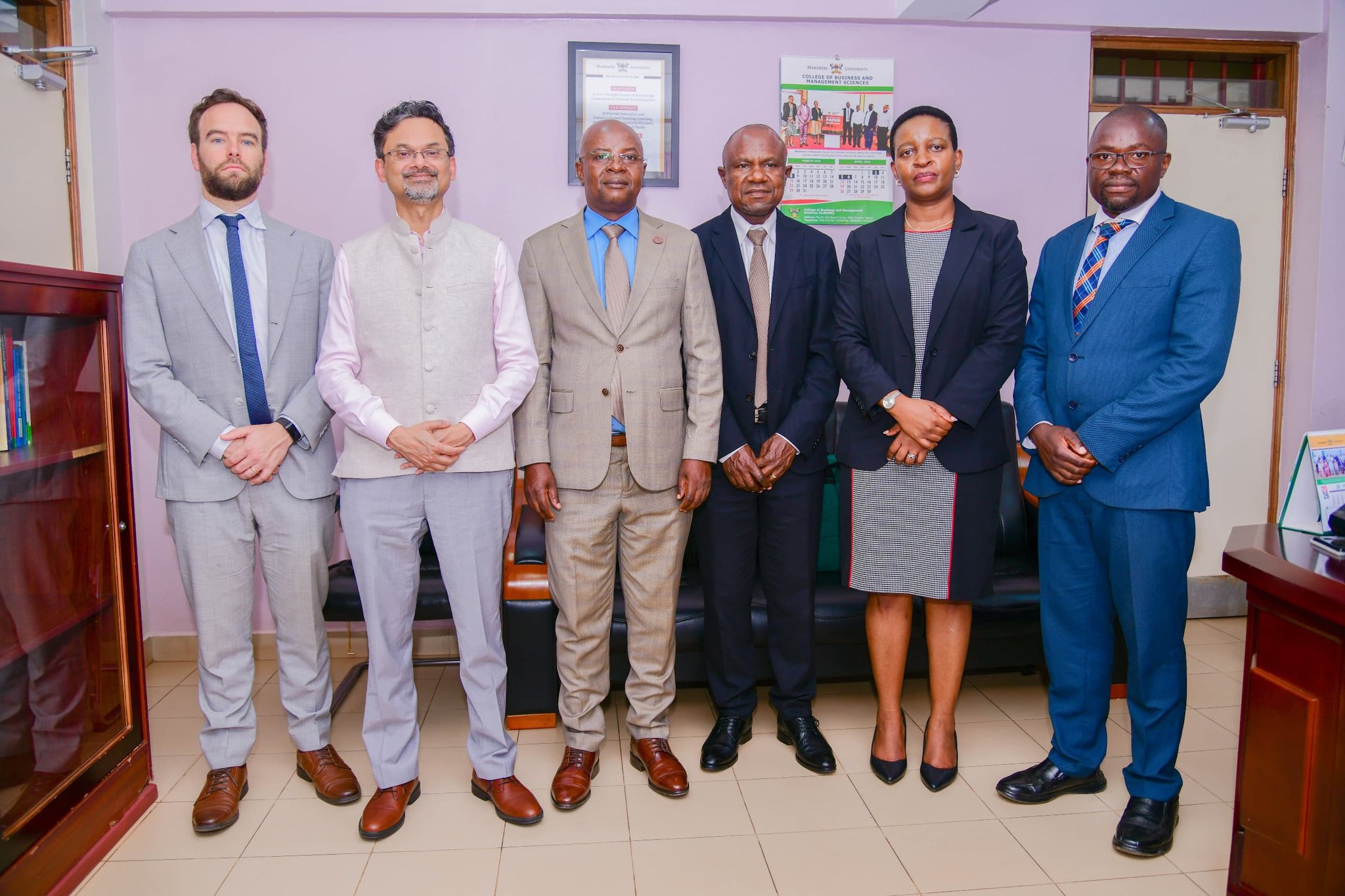
On Wednesday 8th April 2026 the Principal of the College of Business and Management Sciences (CoBAMS), Prof. Edward Bbaale received and welcomed, Dr. Sizile Makola, a Senior Lecturer in Human Resource Management from the University of South Africa (UNISA), to the College and Makerere University.
The interaction meeting held in the Office of the Principal brought onboard the following members of staff from the Department of Marketing and Management, School of Business: Dr. Jude Mugarura, Dr. Zaina Nakabuye, Dr. Agnes Sansa, and Dr. Anthony Tibaingana.
Dr.Sizile Makola is visiting Makerere University for two (2) weeks to cement the MoU between Makerere University and UNISA and to finalise her comparative studies with staff from the department of marketing and management on behalf of Makerere University for the Ugandan context.
Dr. Makola is scheduled to deliver an interactive guest lecture to undergraduate and postgraduate human resource management students on Friday 10th April 2026 from 2:00pm to 4:00pm in the School of Business, Conference Hall.
Agriculture & Environment
Environmental Officers from Eastern Uganda Retooled on Valuation and Accounting of Natural Resources

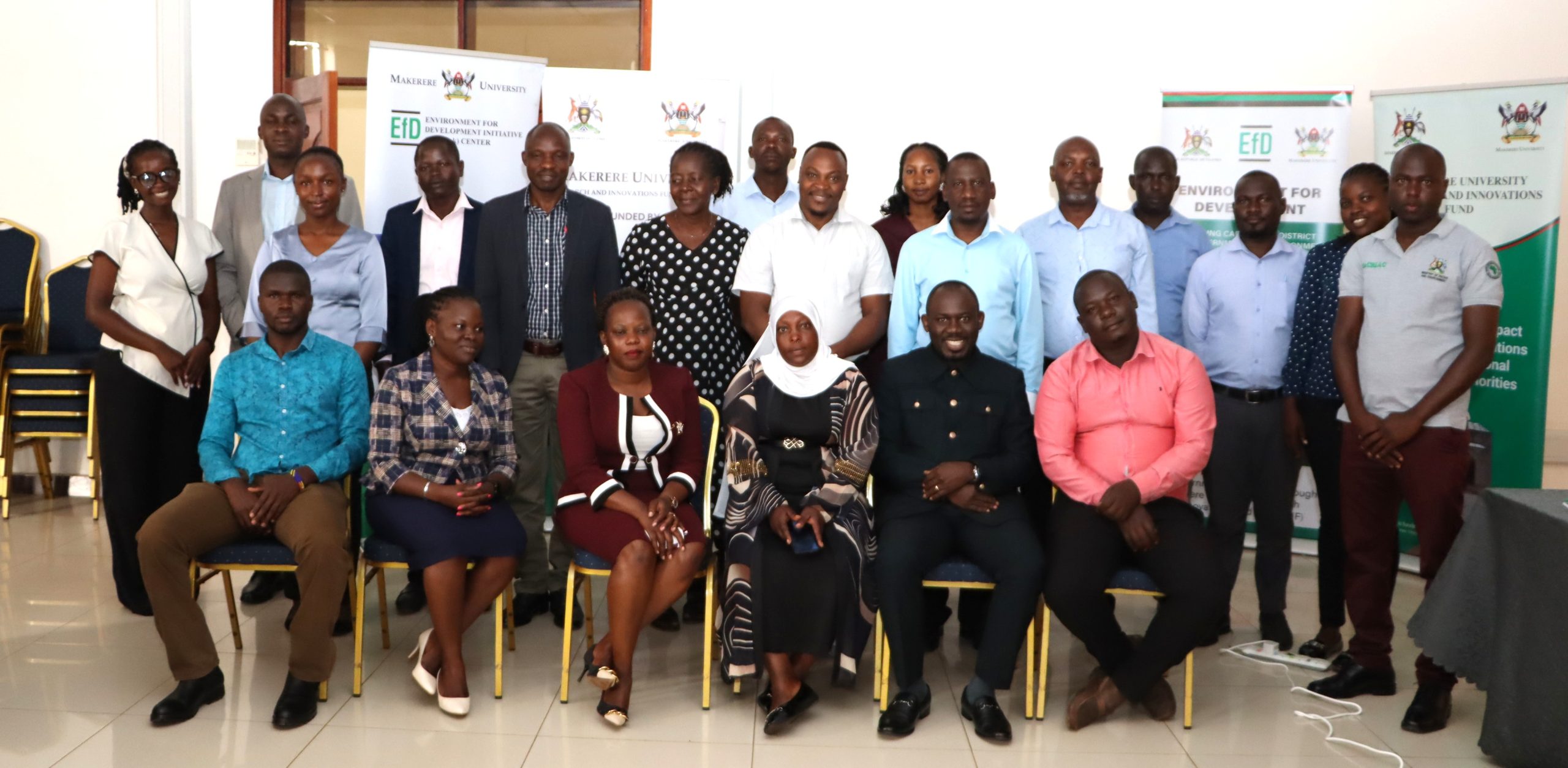
March 26, 2026 – Soroti, Uganda
Environmental and natural resource officers from Eastern Uganda have undergone intensive training on economic valuation, evaluation, and accounting of natural resources, in a move aimed at strengthening evidence-based environmental management at district level.
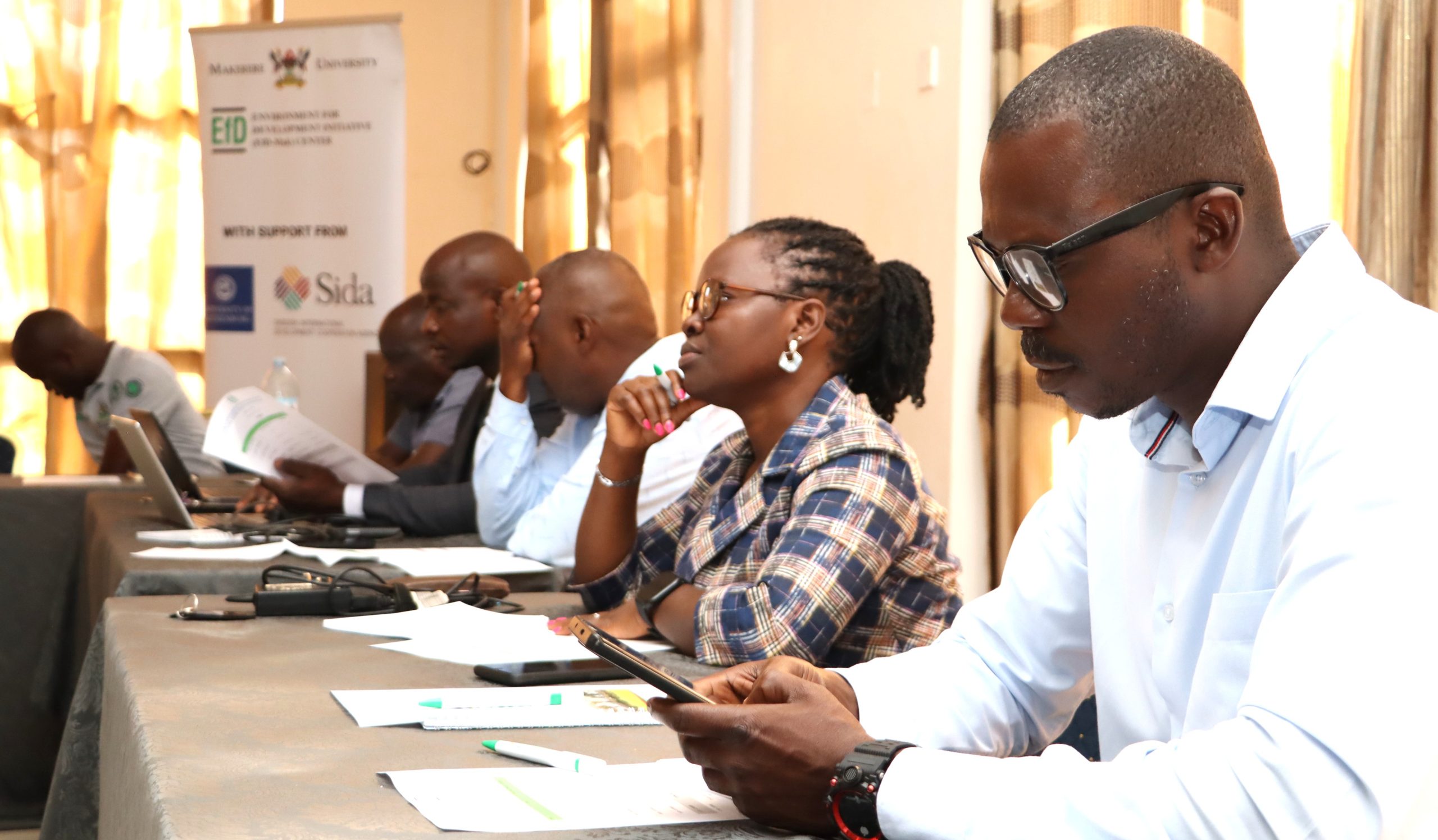
The training, held at Jasmine Hotel in Soroti, brought together district environmental officers, forestry officers, agricultural officers, planners and natural resource managers from at ten districts, including Palisa, Butebo, Busia, Bukedea, Jinja, Mbale, Kapchorwa, Iganga, and Soroti.
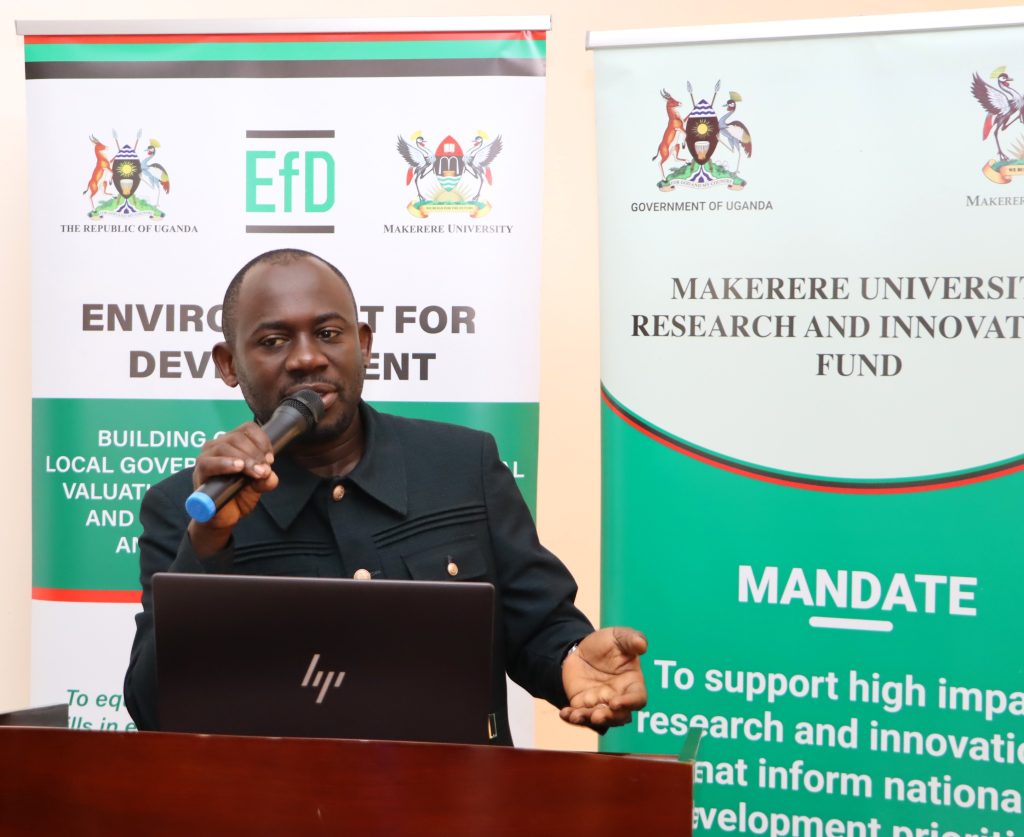
Organised by Environment for Development (EfD) Uganda and funded by the Government of Uganda through the Makerere University Research and Innovations Fund (Mak-RIF), the capacity-building initiative seeks to equip local government officers with practical tools to better manage natural resources amid growing environmental pressures.

Speaking at the opening of the training, Dr. Peter Babyenda, representing the EfD Centre Director and Principal Investigator Prof. Edward Bbaale, emphasized the importance of continuous skills development among environmental practitioners.
He noted that while many officers already possess foundational knowledge, refresher training is essential in a rapidly evolving field. “Capacity building is critical. We must keep reminding ourselves and sharing experiences so that we remain relevant and effective in our roles,” he said.
The training focused on key areas including environmental valuation and evaluation, environmental accounting, and climate change mitigation and adaptation. According to Babyenda, the programme was informed by a prior survey that revealed significant skills gaps among district officers, particularly in valuing natural resources such as wetlands and forests.
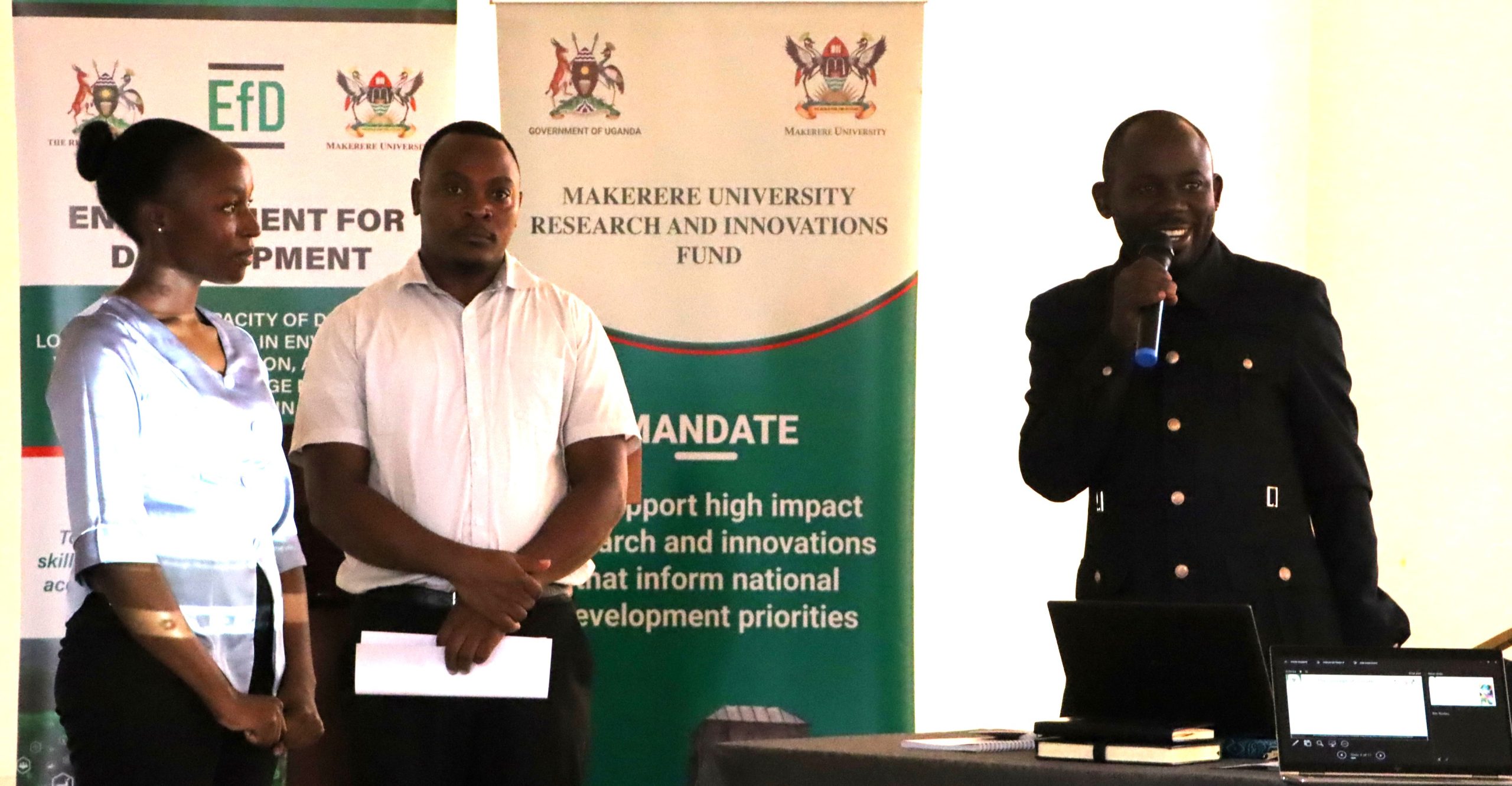
Babyenda stressed that the ability to quantify the economic value of natural resources is crucial for informed decision-making. “If districts can assess and assign value to resources like swamps and forests, it strengthens national planning and ensures these resources are not undervalued or degraded,” he said.
He further highlighted the importance of cost-benefit analysis in guiding policy decisions. “When policymakers ask for alternatives to resource exploitation, officers must be equipped to present evidence-based scenarios that balance conservation and development,” he explained.
The training also introduced participants to emerging concepts such as circular economy practices, where waste is transformed into valuable resources. Dr. Babyenda cited examples of innovations in waste management, including the conversion of human waste into energy and organic fertilizer.
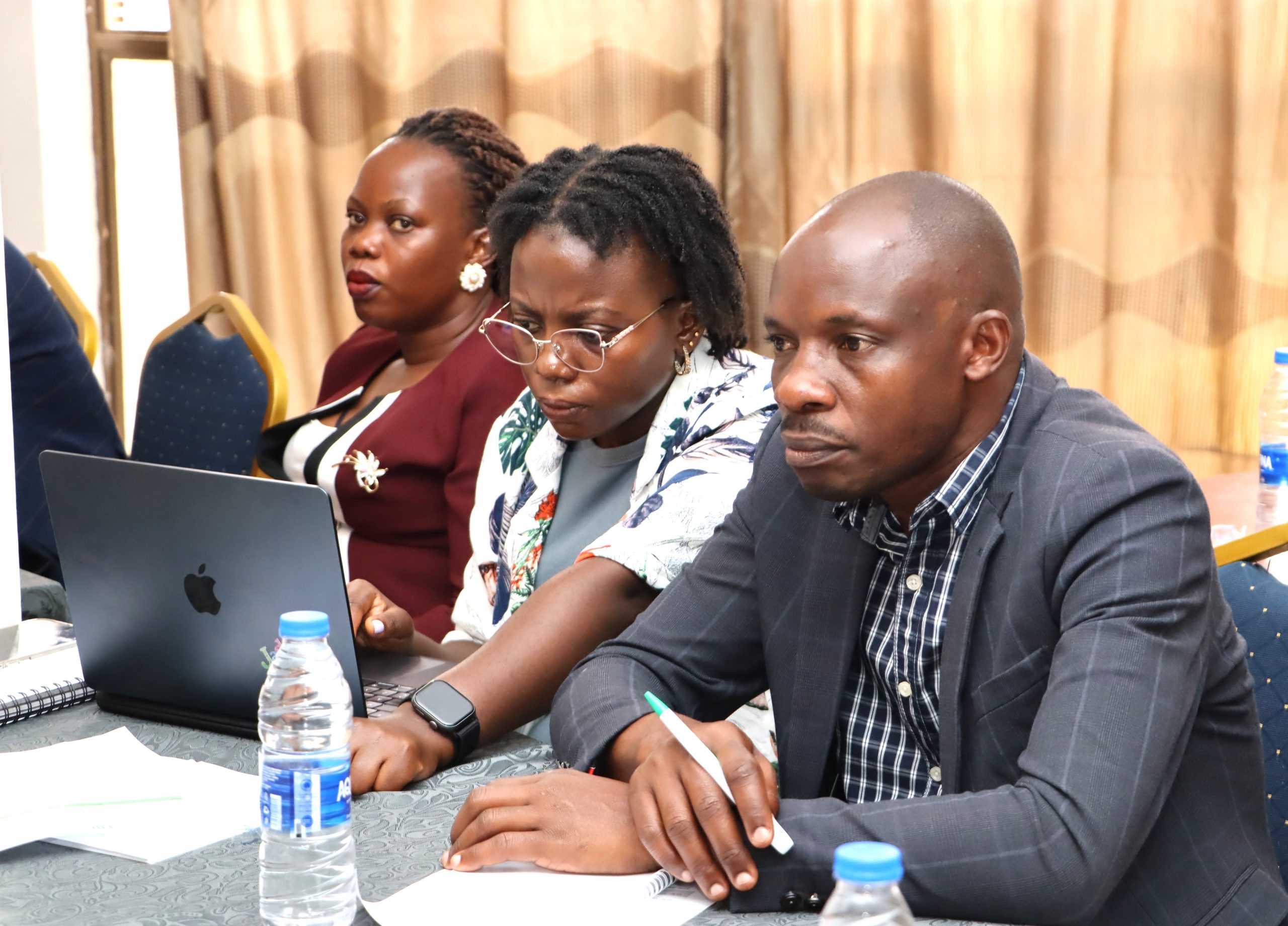
“Gone are the days when waste was simply discarded. Today, every form of waste has value from energy generation to carbon credit opportunities,” he noted, urging officers to embrace such innovations in their districts.
Participants were also being encouraged to leverage their new skills to attract funding for local environmental projects, including climate financing opportunities. Small grants, he noted, can support community-driven solutions to environmental challenges.
In addition, the programme underscored the role of district officers in generating data for national development frameworks. Accurate environmental data, including biodiversity indicators, is increasingly critical for Uganda’s reporting on Sustainable Development Goals (SDGs) and national planning instruments such as the National Development Plan IV (NDP IV).
“We cannot develop national indices like biodiversity indicators without your input. You are central to data collection and reporting,” Dr. Babyenda said.
He urged participants to act as change agents by sharing knowledge gained from the training with colleagues in their respective districts. “When you go back, ensure that this knowledge is cascaded. Let us leave here transformed and ready to make an impact,” he said.
The training in Soroti marks the final session in a series that has been conducted in various regions across the country, including Jinja, Masaka, Entebbe, and Arua. Babyenda expressed hope that additional funding will be secured to extend similar capacity-building initiatives to more districts.
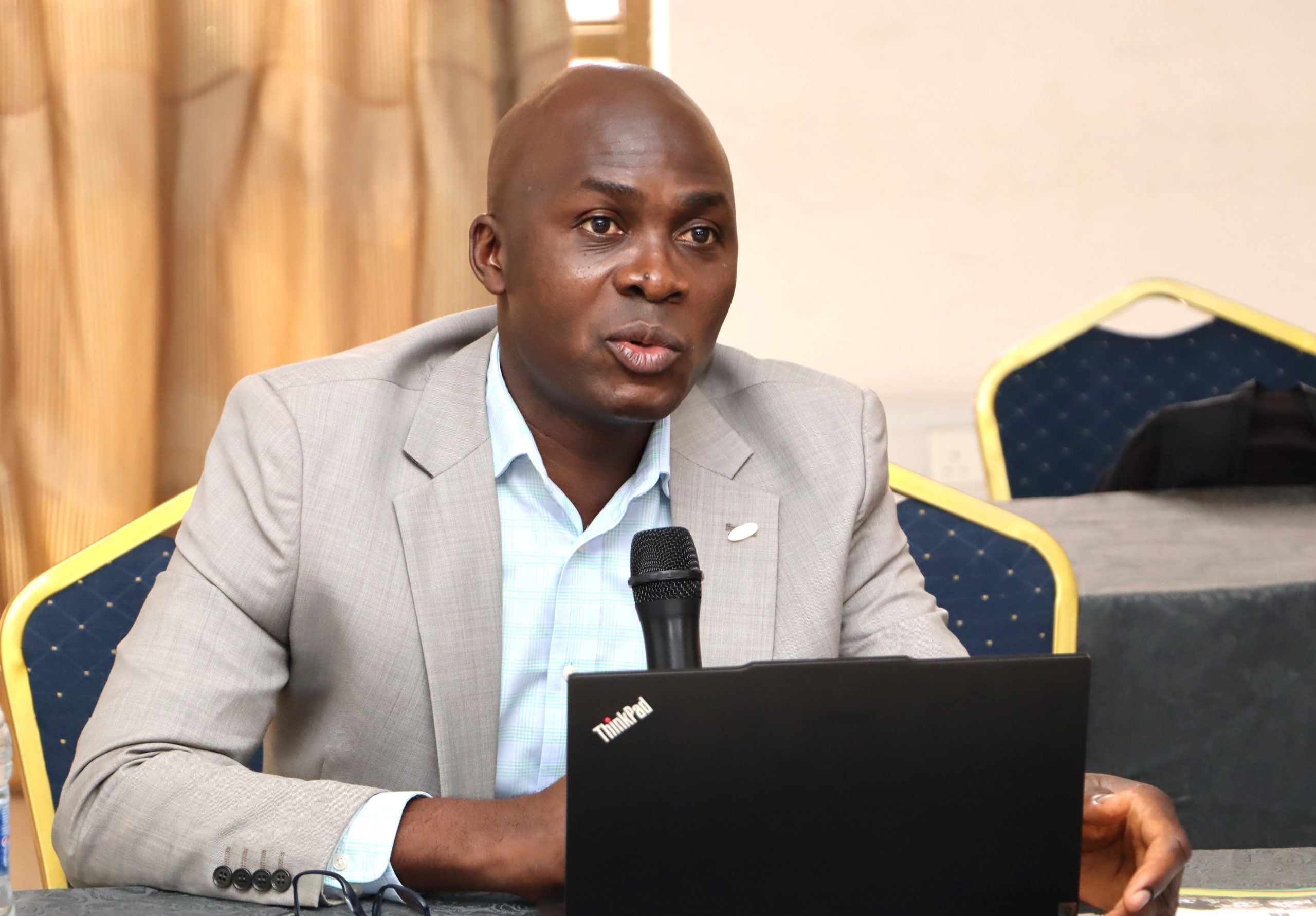
Facilitators at the training include Dr. Nick Kilimani, who led a sessions on environmental accounting, and Ms. Alice Nalweera, who covered climate change mitigation and adaptation strategies.
As environmental challenges intensify due to population growth and increased demand for natural resources, experts say such trainings are essential in promoting sustainable resource use while supporting local economic development.
Environment at the Center of Uganda’s Development Agenda
Environmental economist Dr. Peter Babyenda has called for stronger efforts to value and protect Uganda’s natural resources, warning that failure to do so could undermine the country’s long-term development.
Presenting on Environmental valuation and evaluation Dr. Babyenda emphasized that the environment—defined as both living and non-living surroundings remains the backbone of economic activity and human survival.
He noted that the environment provides essential resources such as water, minerals, forests, and oil, which support livelihoods and national growth. Uganda’s recent gains in gold exports and ongoing oil developments, he said, demonstrate the economic importance of natural resources.
“The environment sustains life, supplies resources, and even determines the quality of life,” he explained, adding that areas with clean water, forests, and scenic beauty often command higher land values.
Dr. Babyenda pointed out that many people prefer living in well-preserved environments, citing high property prices near water bodies like Lake Victoria as evidence of nature’s economic value.
Poverty and Environmental Degradation
However, he stressed that poverty remains a major driver of environmental destruction. Communities often resort to deforestation and unsustainable farming practices in search of survival. “You cannot stop someone from cutting a tree for charcoal when they have nothing to eat,” he said.
Participants highlighted key environmental challenges in eastern Uganda, including poor agricultural practices, deforestation, climate change, landslides in highland areas, and flooding in low-lying regions. Many of these, he noted, are largely human-induced.
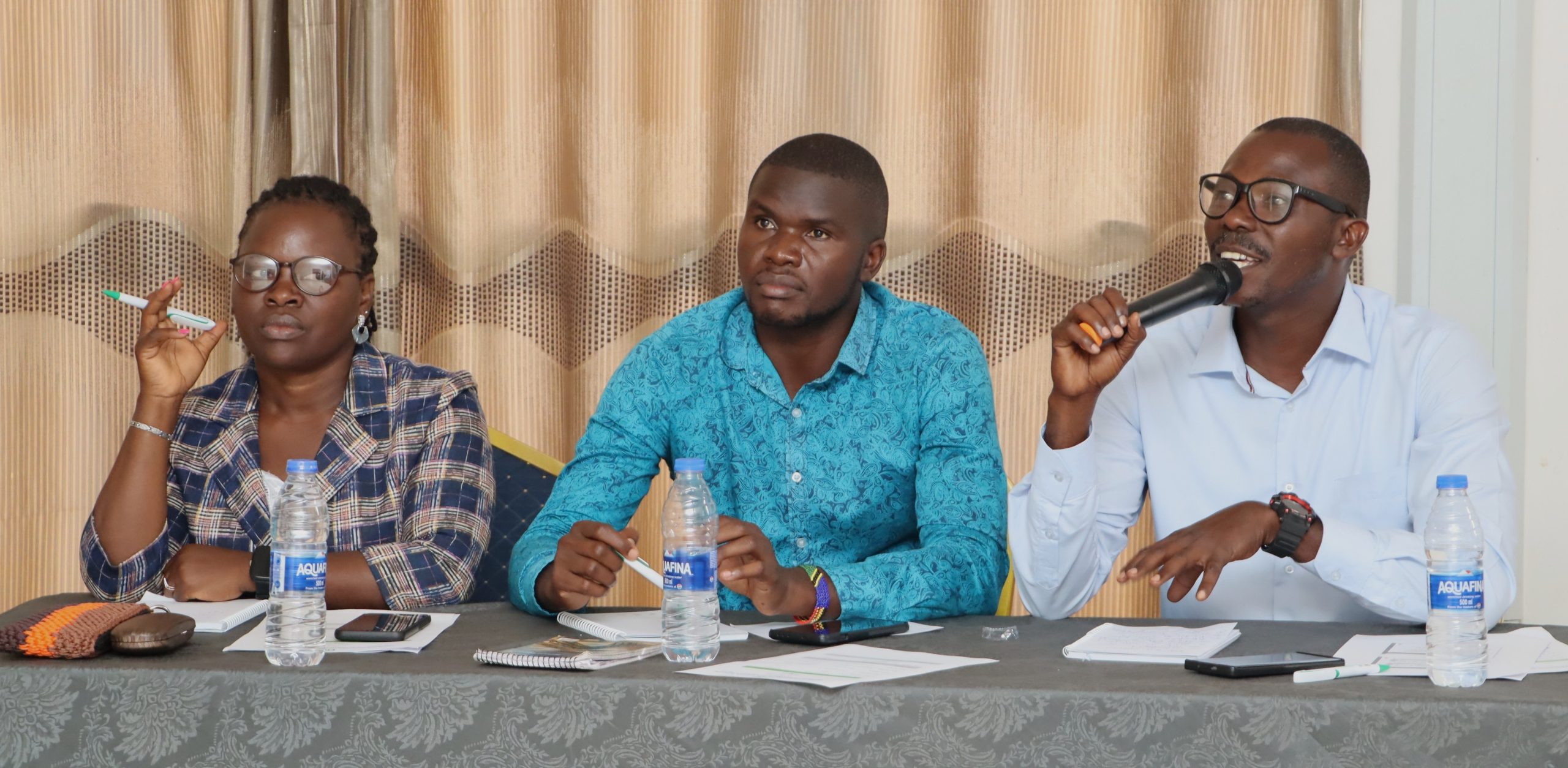
Beyond economic benefits, Dr. Babyenda underscored the importance of ecosystem services, including cultural and spiritual values. He explained that many communities derive identity, medicine, and traditions from natural resources.
Natural systems also support agriculture through soil fertility and pollination. He warned that misuse of chemicals could threaten pollinators like bees, potentially affecting food production.
With Uganda’s rising population, demand for land, food, and energy is increasing, placing pressure on forests, wetlands, and wildlife. Expanding agriculture, urbanization, and illegal logging are among the key threats.
Dr. Babyenda also noted emerging global policies requiring environmental accountability, such as traceability in coffee production to ensure crops are not grown on deforested land.
Why Environmental Valuation Matters
A central theme of the presentation was environmental valuation, the process of assigning monetary value to natural resources.
Dr. Babyenda explained that valuation helps policymakers make informed decisions, especially when balancing conservation with development. For instance, a forest may generate more long-term economic benefits than short-term gains from clearing it for agriculture.
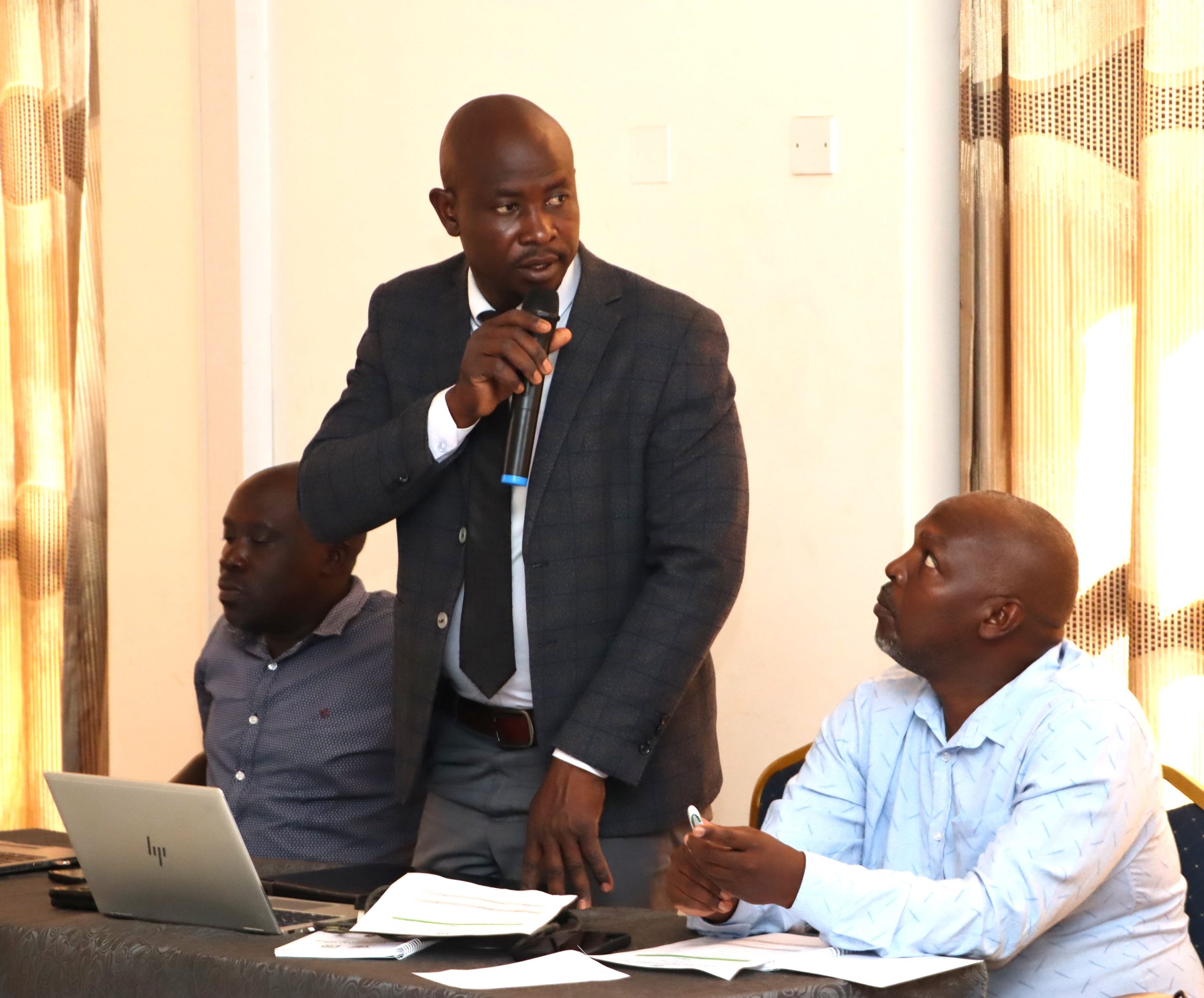
He introduced key valuation methods such as Willingness to Pay (How much individuals would pay to access or preserve environmental resources) and Willingness to Accept: (Compensation required for losing environmental benefits).
These approaches, he said, can help quantify both direct uses like timber and tourism and indirect or non-use values, such as preserving resources for future generations.
Dr. Babyenda urged environmental officers to document and report risks proactively, noting that failure to act early often leads to severe consequences when disasters occur.
He cited Uganda’s policy framework, including Vision 2040 and environmental laws, as critical tools for sustainable management. However, he stressed that implementation requires proper data, budgeting and justification.
“Once you know the value of something, you are more likely to protect it,” he said.
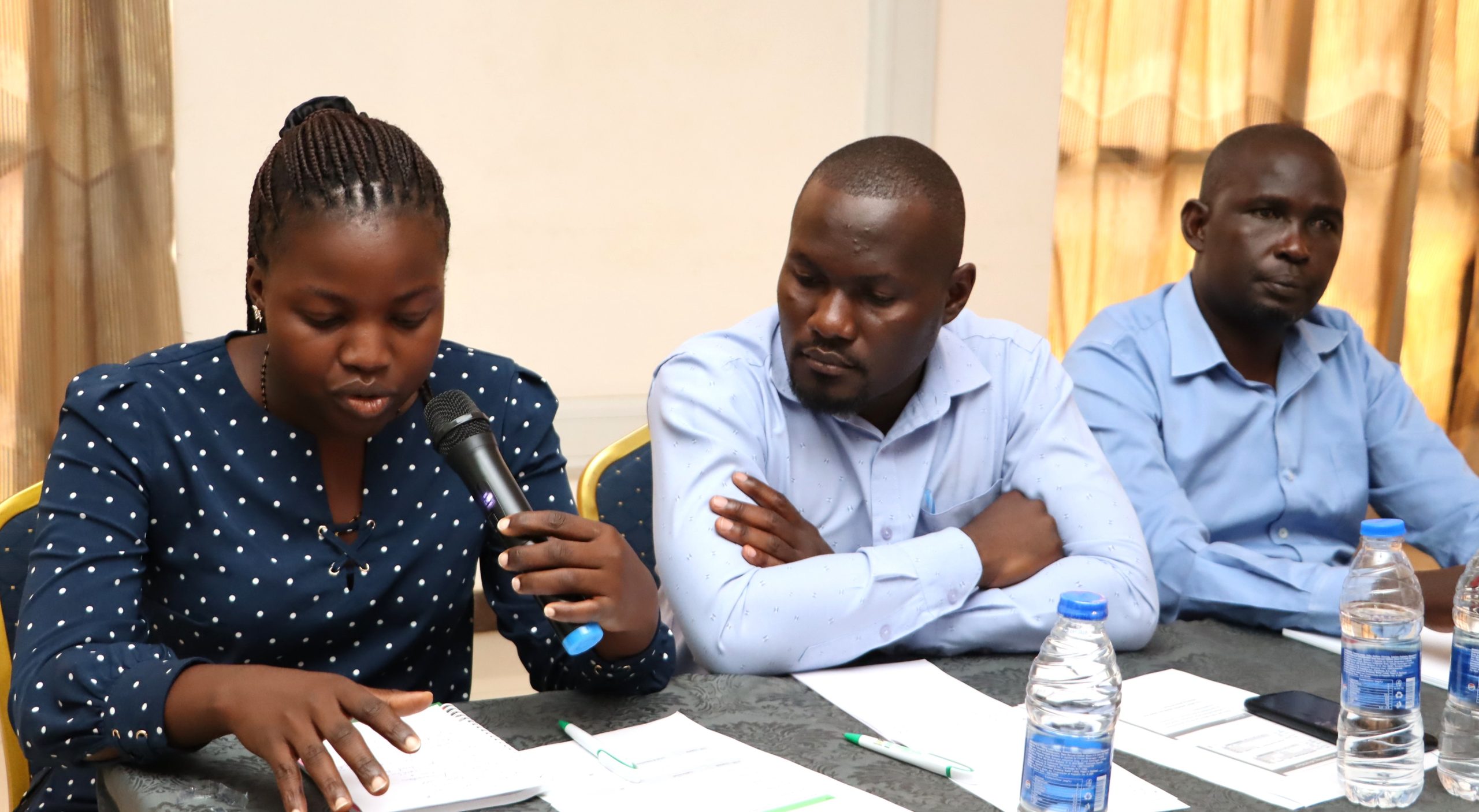
The presentation concluded with a call for collective responsibility in safeguarding Uganda’s biodiversity, which includes forests, wetlands, savannahs, and national parks.
Dr. Babyenda encouraged innovation in land use, better planning, and increased investment in environmental protection, warning that the country’s future depends on how well it manages its natural wealth.
“Development and environmental protection must go hand in hand,” he said.
Environmental Accounting Key to Sustainable Development
Environmental accounting is critical for Uganda’s sustainable development, with district-level officers playing a pivotal role in safeguarding natural resources, according to environmental expert Dr. Nicholas Kilimani.
Presentation to technical officers, Dr. Kilimani emphasized that environmental management is no longer an auxiliary function but a central component of national development. “The environment in which we live affects the economy, human health and our livelihoods,” he said, warning that failure to account for natural resources could have far-reaching consequences
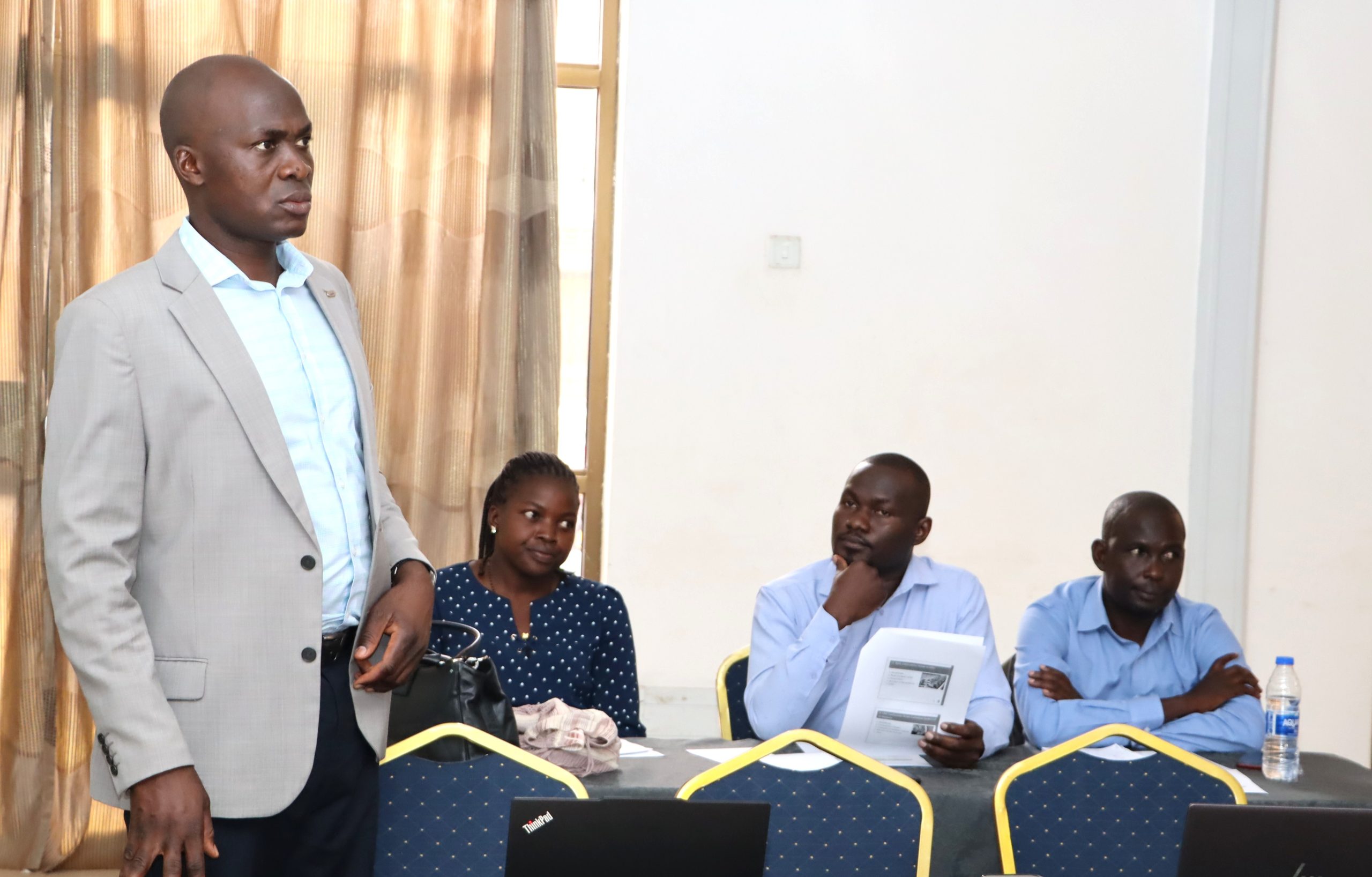
Dr. Kilimani highlighted the connection between ecological health and economic outcomes. “When forests are cleared or wetlands polluted, agricultural yields fall, water resources degrade, and diseases increase. This affects the economy in ways that conventional indicators like GDP often fail to capture,” he explained.
He cited examples such as unsustainable fish harvesting, pollution from industrial effluents, and deforestation, which can reduce Uganda’s revenue from exports and compromise public health. “If investors pollute water resources, fish stocks die, and we lose both income and markets,” he said, stressing the need for vigilant oversight by environmental officers.
Understanding Environmental Accounting
Central to Dr. Kilimani’s message was the United Nations System of Environmental-Economic Accounting (SEEA), a framework designed to integrate environmental data with economic indicators.
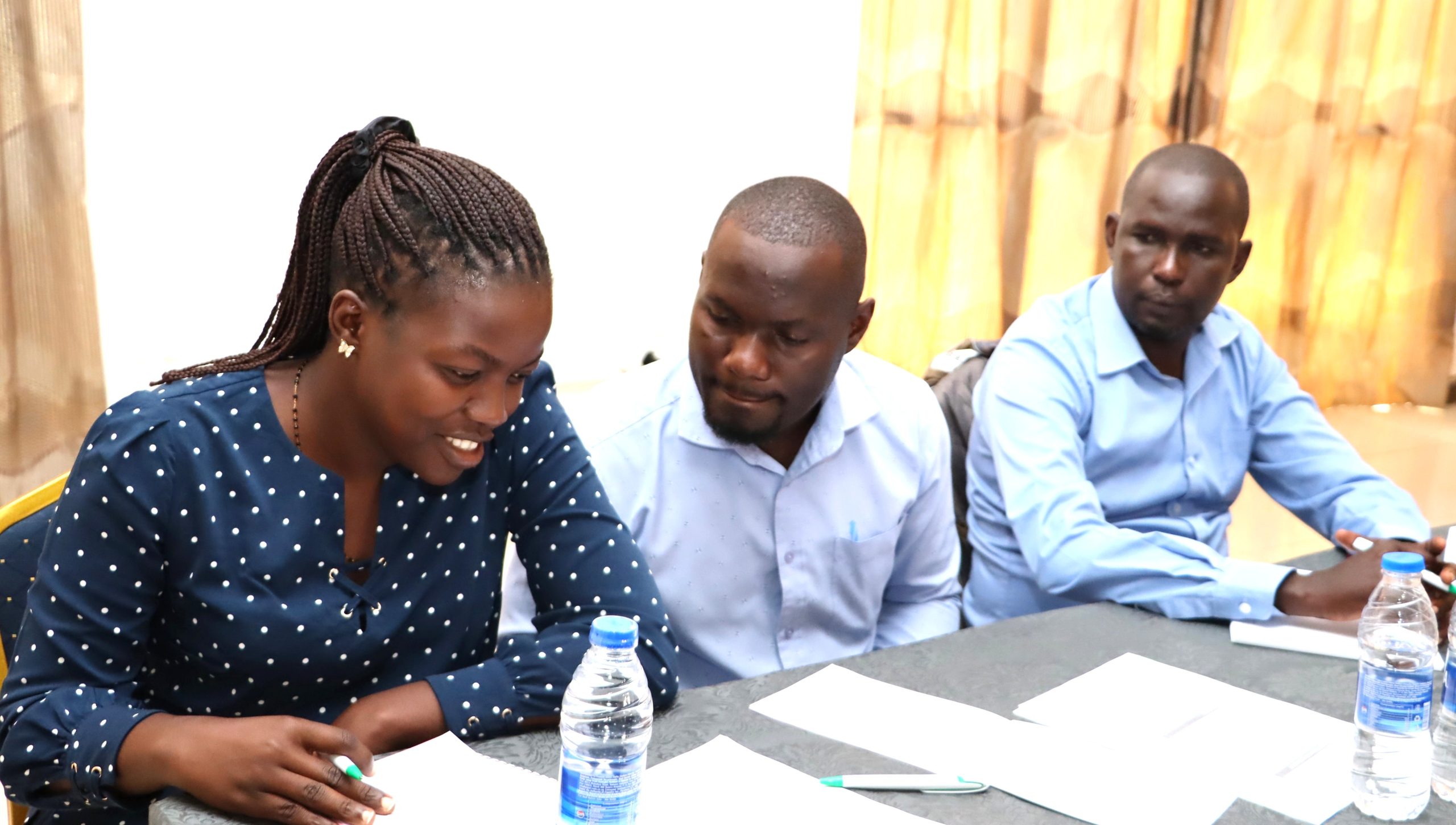
“This system allows us to track resources like water, forests, fish, and energy, showing both their contribution to the economy and how human activity affects them,” he said. By combining social, economic, and environmental data, policymakers and technical officers can develop evidence-based interventions and set sustainable extraction and pollution limits.
Dr. Kilimani also emphasized ecosystem accounting, which captures the benefits of natural systems beyond direct economic output. Forests, rivers, and urban parks provide services such as recreation, water purification, disease regulation, and stress relief. “These services contribute to human well-being and quality of life, even if they are not directly traded in the market,” he explained.
He stressed that understanding and communicating these services is crucial when interacting with policymakers and community leaders, including mayors and district officials, to ensure that development decisions do not compromise environmental integrity.
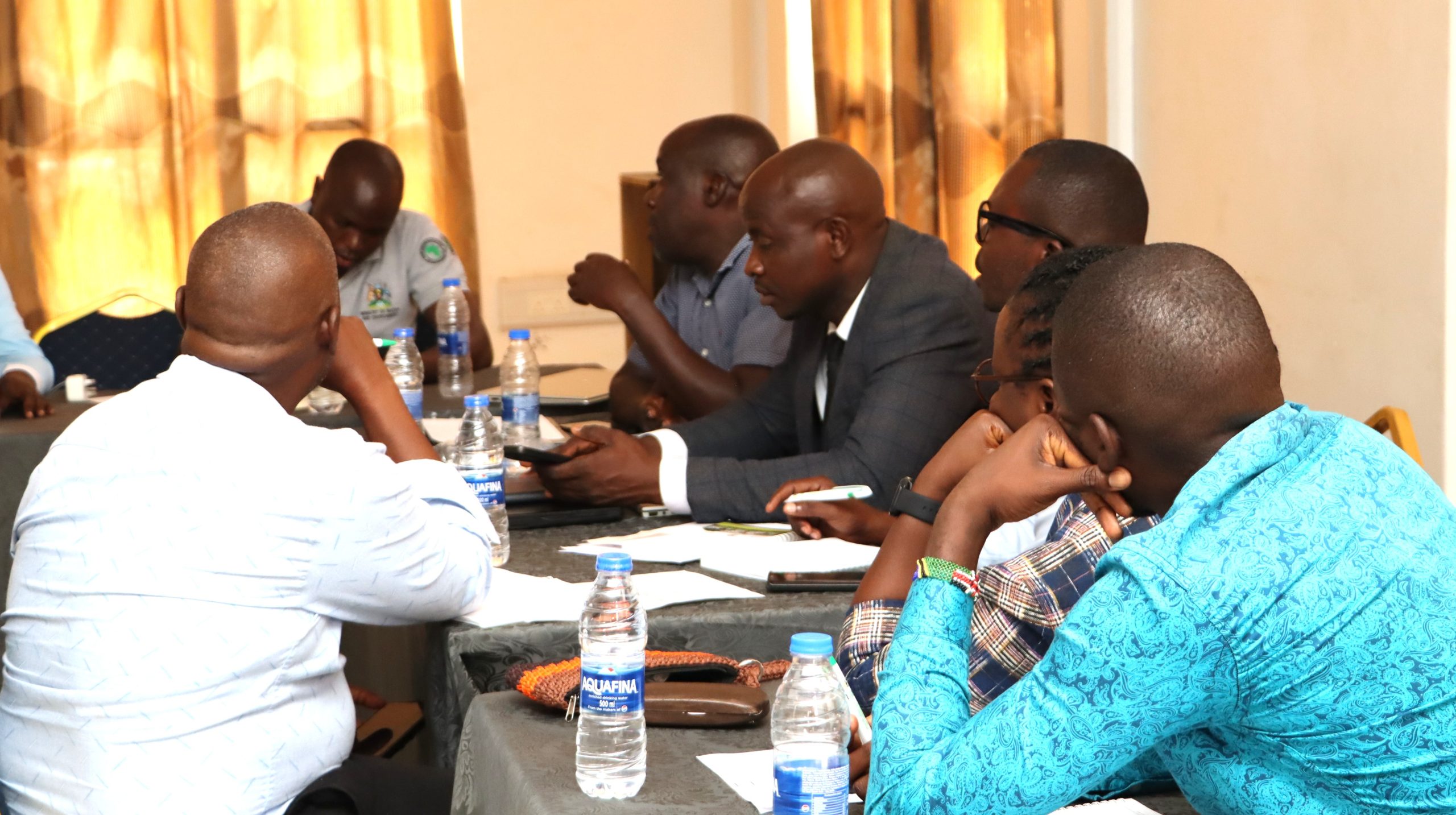
Concluding his presentation, Dr. Kilimani urged environmental officers to strengthen their monitoring and reporting systems, emphasizing that accountability and proper documentation are essential. “You are the gatekeepers of Uganda’s natural wealth. Proper environmental accounting ensures that resources are used sustainably, benefiting both the economy and the people,” he said.
He further emphasized that environmental protection and development must go hand in hand, warning that neglecting natural resources today could lead to irreversible losses tomorrow.
Climate Change Adaptation and Mitigation: Practical Solutions Urged for Districts
Climate change is no longer a distant threat, but a reality already affecting Uganda, with unpredictable rains, crop failures, floods, and droughts impacting communities, says Alice Nalweera, an environmental expert.
Speaking to district officers, Nalweera emphasized the need for practical action in policies, plans and budgets to address both the causes and effects of climate change. “We are already experiencing the impacts. Delayed rains, extreme heat, and changing planting seasons are clear signs that climate change is here,” she said.
Nalweera distinguished between weather – the short-term state of the atmosphere and climate, which refers to long-term patterns over at least 30 years. She cited local experiences in districts such as Bulisa, where traditional planting indicators have become unreliable due to shifting rainfall patterns.
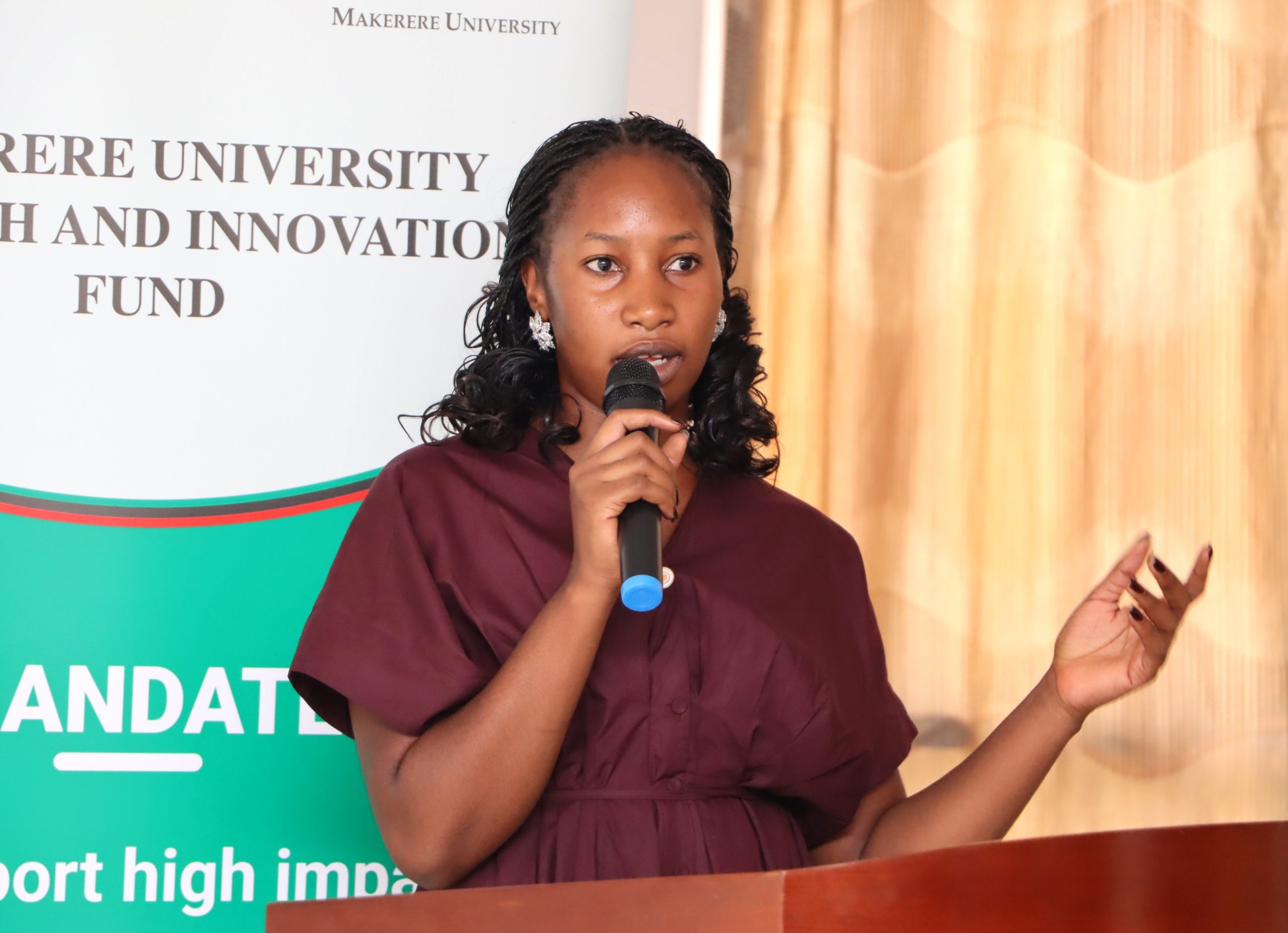
Human activities, including deforestation, industrialization, methane emissions from livestock, transport, and resource extraction, have compounded natural factors, contributing to rising temperatures, land degradation, loss of biodiversity, food insecurity, and increased vulnerability to diseases.
Mitigation and Adaptation Approaches
To address climate change, Nalweera outlined two main strategies. Mitigation tackles the root causes by reducing greenhouse gas emissions, conserving forests, creating carbon sinks, and promoting energy-efficient technologies while Adaptation focuses on adjusting to the impacts, including the use of drought-resistant crops, resilient infrastructure, early warning systems for disasters and climate-smart agriculture.
“Uganda is moving toward adaptation because climate change is already a reality. Adaptation reduces vulnerability, enhances resilience, and supports sustainable livelihoods,” she said.
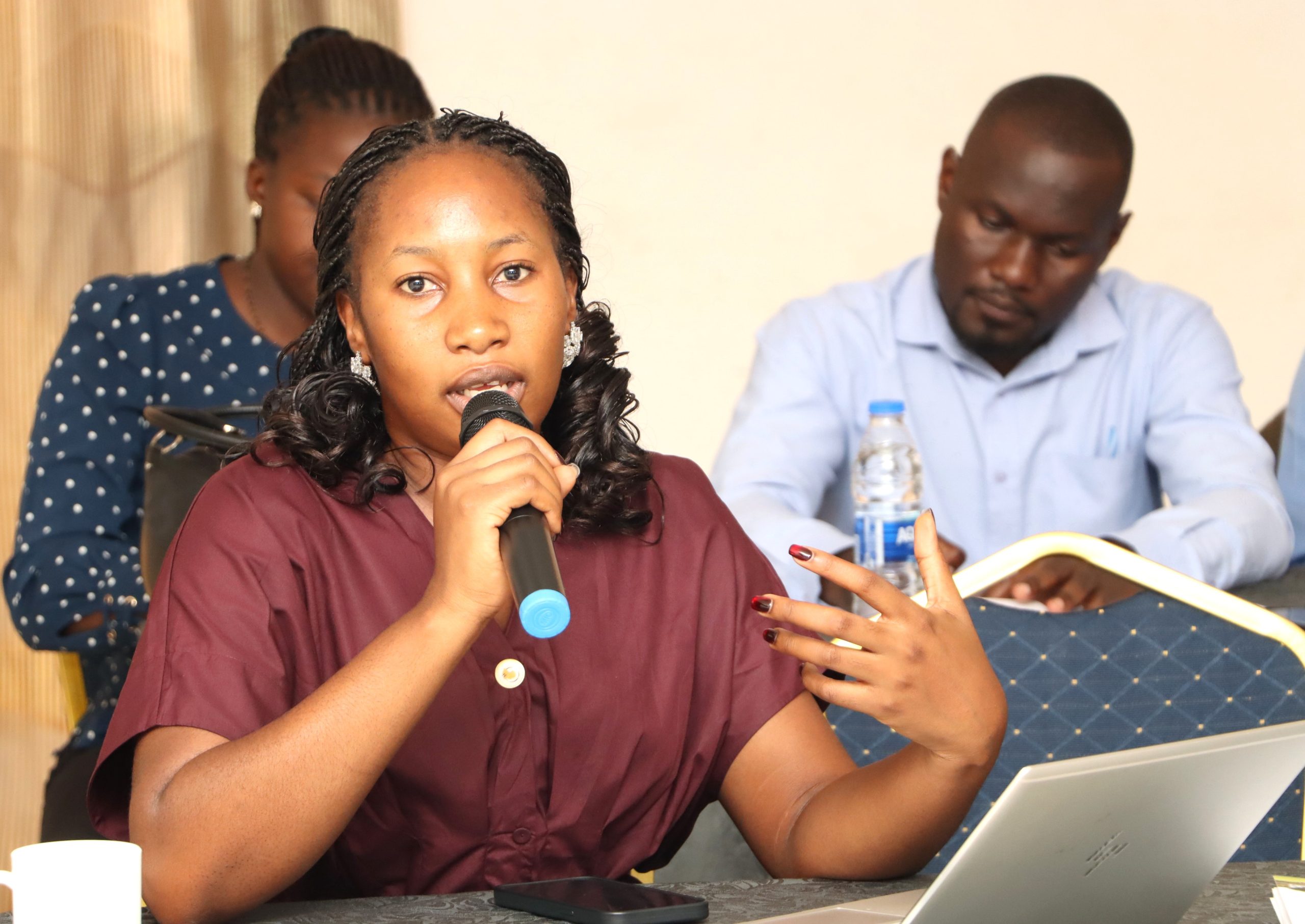
Nalweera highlighted climate-smart agriculture as a key tool for both adaptation and mitigation. Techniques such as agroforestry, improved composting, energy recovery from waste, and drought-resistant crops help communities maintain productivity while reducing environmental impact.
“Through climate-smart agriculture, farmers can increase productivity, protect the environment, reduce greenhouse gas emissions, and improve household incomes,” she said.
The session concluded with participatory exercises, where officers were encouraged to reflect on climate changes in their districts, identify local adaptation measures, and propose policy interventions. Nalweera stressed the importance of integrating climate risks into district development plans to ensure that communities are prepared for both current and future impacts of climate change.
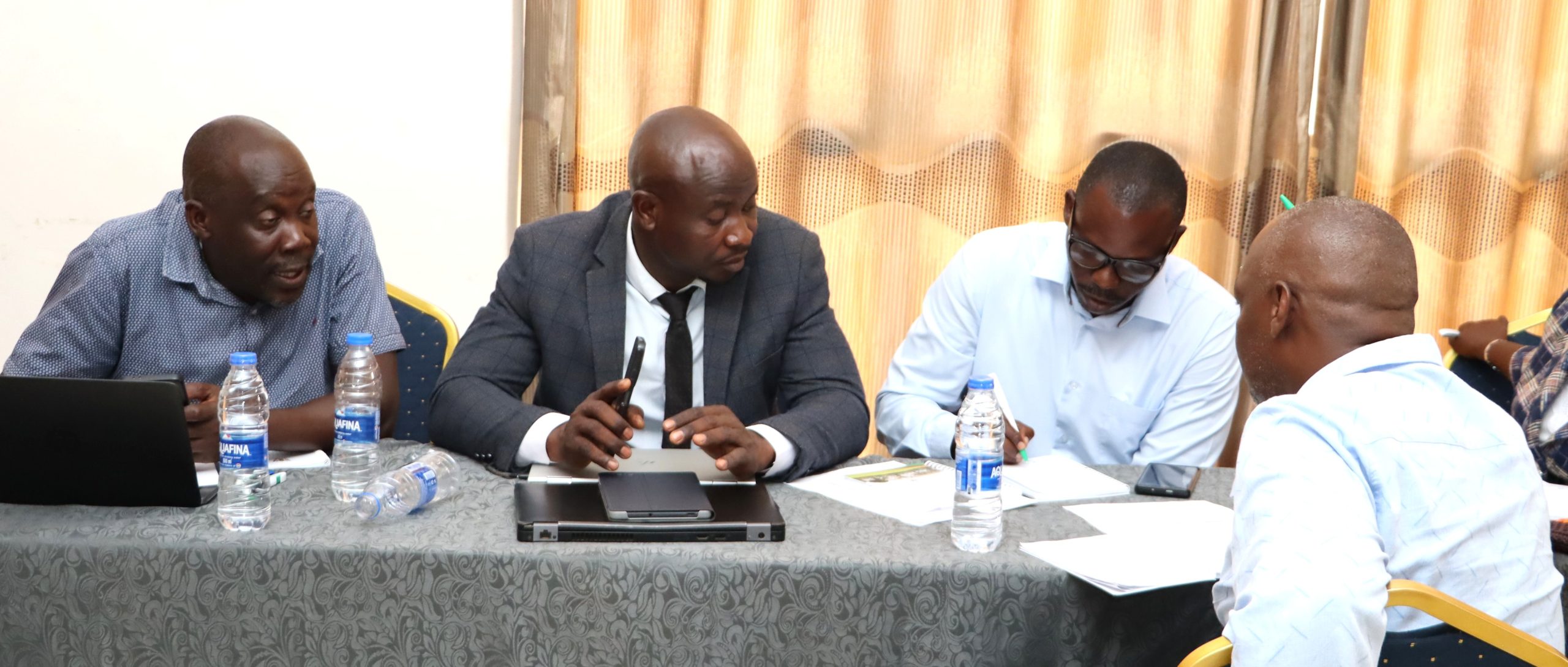
“Adaptation and mitigation must go hand in hand. Practical solutions, community engagement and informed policy decisions are key to safeguarding livelihoods, enhancing resilience, and promoting sustainable development,” she said.
District Officers Laud Training
District environmental officers praised the training highlighting the relevance of the training to their day-to-day responsibilities and the need to integrate environmental considerations into district development planning.
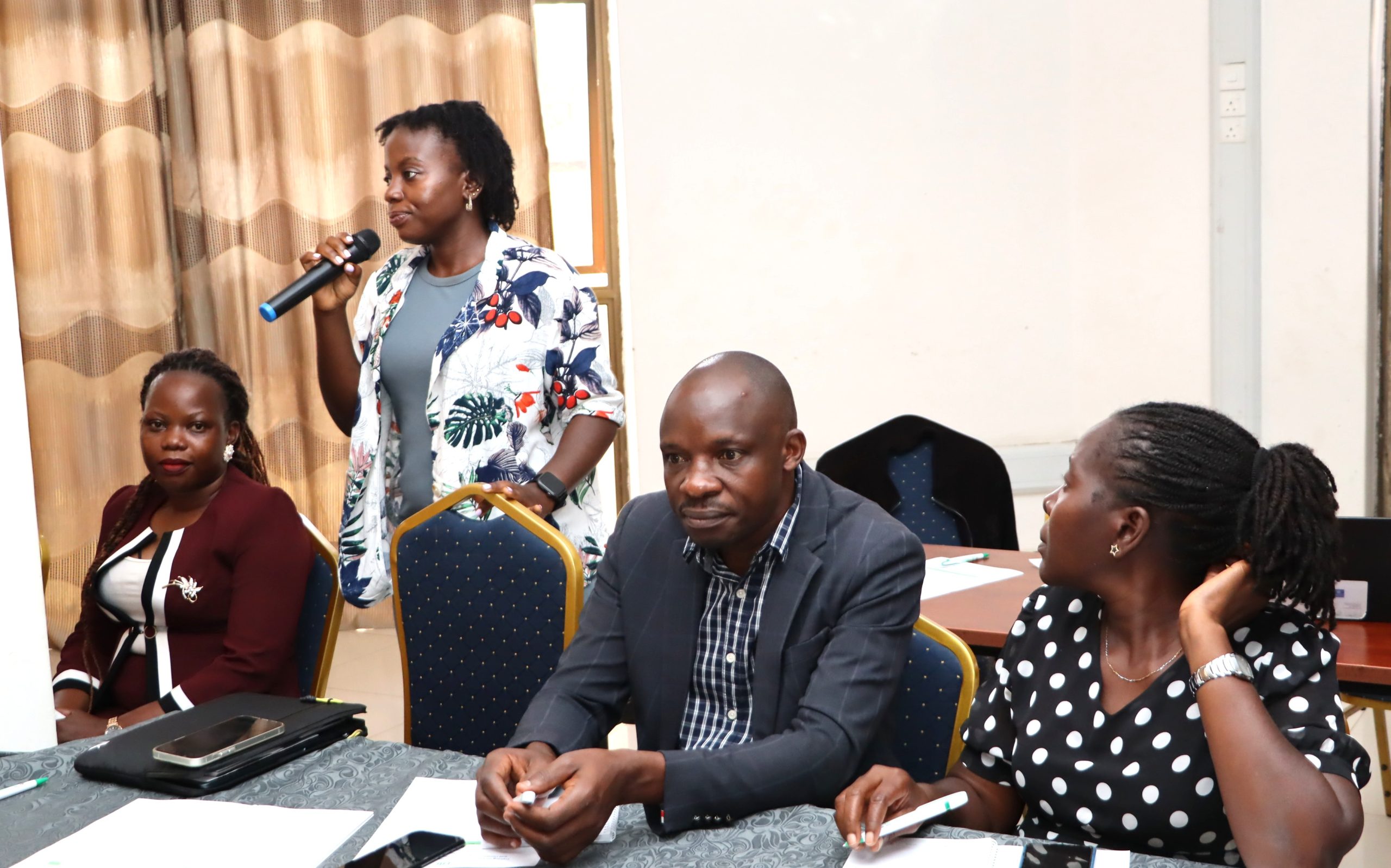
Nakayenze Anna, Head of Natural Resources in Mbale District, noted, “This training has been very beneficial. It has highlighted the government’s commitment to integrating environmental reporting into our frameworks. For local governments, we now understand the importance of having the right data to inform reporting and service delivery. The challenge, however, remains in building capacity to collect and manage such data across sectors. This training is an opportunity to rethink our structures and strengthen environmental management at the district level.”
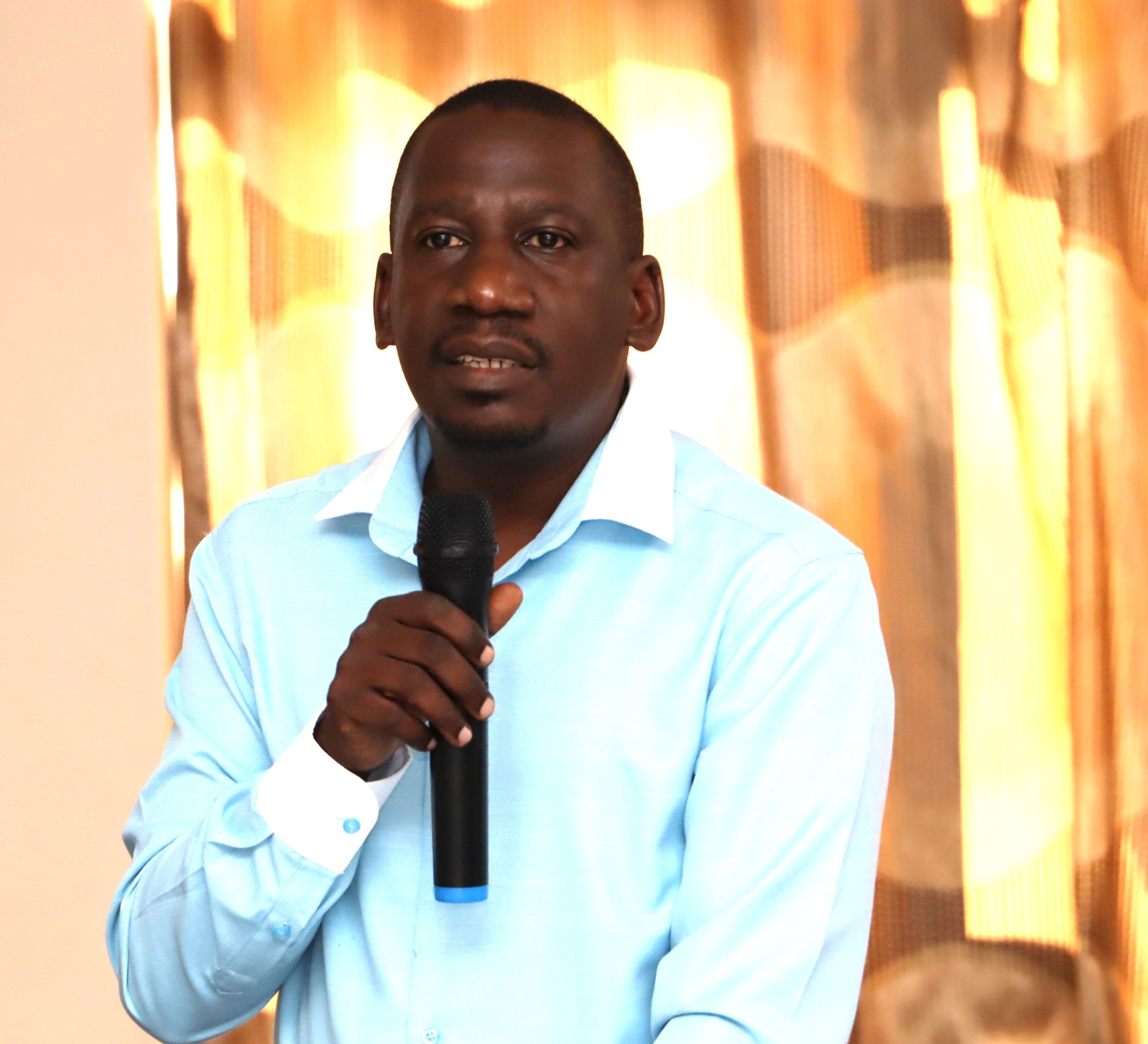
Similarly, Maganda Moses, Principal Environment Officer from Jinja District, emphasized the need to attach economic value to natural resources. “We have forests, wetlands, and Lake Victoria, but for a long time, we haven’t attached economic value to these resources. This training has shown us the importance of valuing natural resources to convince policymakers and funders to support their protection. Local governments must step forward to mobilize resources to safeguard these critical assets,” he said.
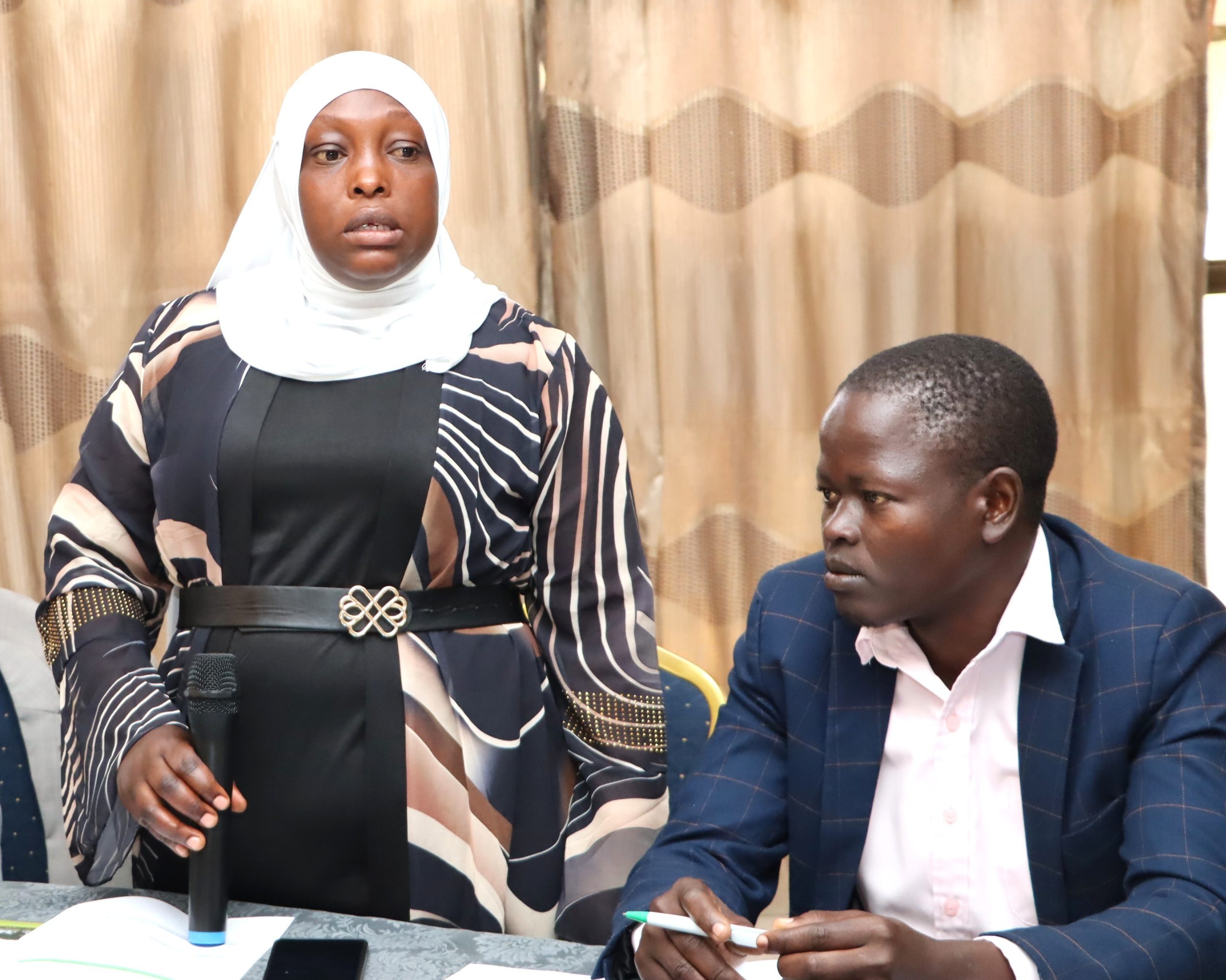
In Kapchorwa District, Chelimo Salim, Environmental officer, reflected on applying the knowledge in the field. “We have learned about environmental evaluation, valuation, and climate change mitigation and adaptation. I will take this knowledge back to Kapchorwa to encourage communities to conserve the environment, plant trees and protect wetlands,” he said.
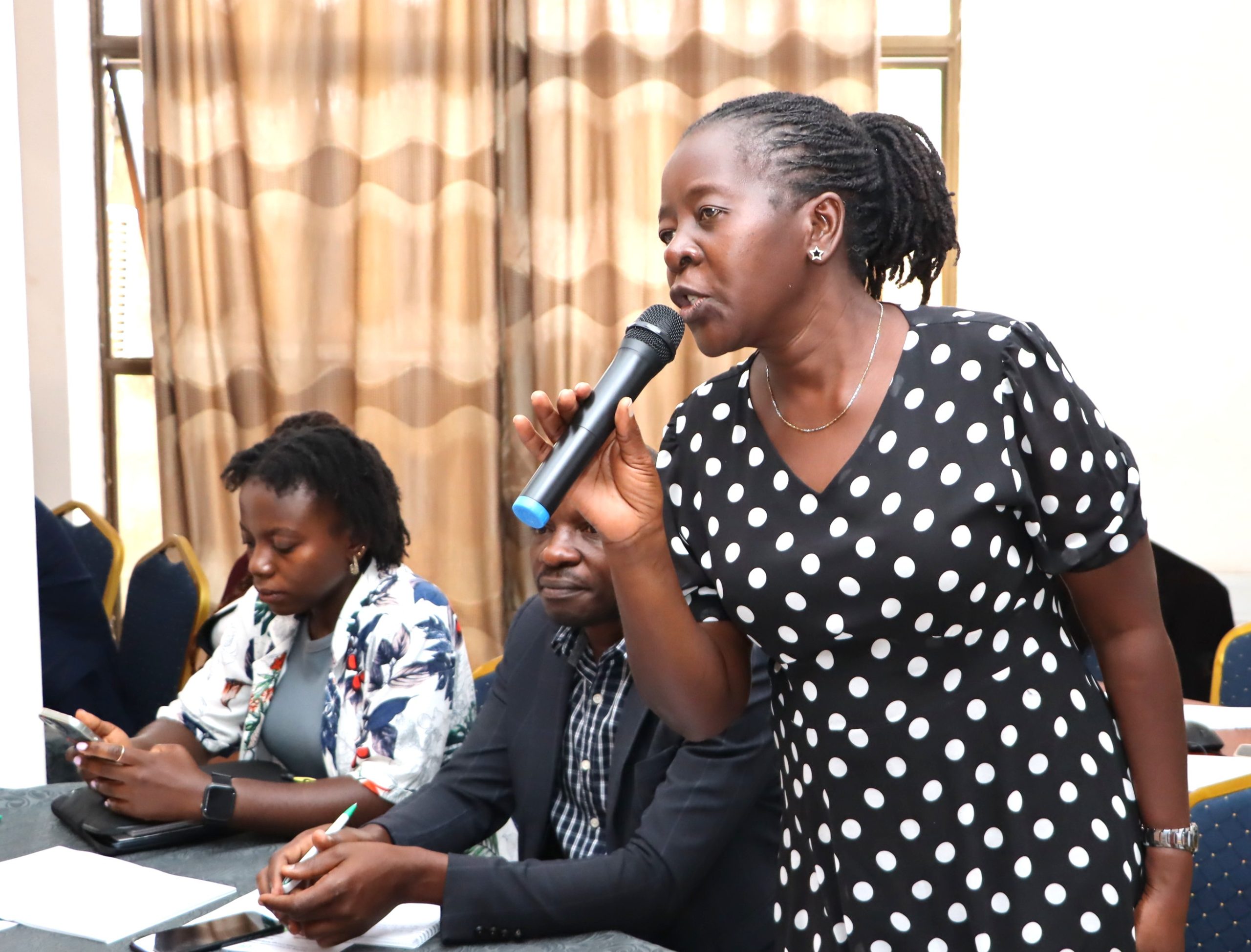
Florence, District Environment Officer in Iganga, also appreciated the practical approach of the training. “I have learned more about adaptation responses to climate change. The training was very appropriate, though I wish it could have been a little longer to allow more in-depth learning,” she said.
Edwin Masheta, a Planner in Iganga District, added that the training clarified the distinction between weather and climate. “Communities often confuse weather with climate change. This training has given me a long-term perspective, particularly on mitigation and adaptation measures. While adaptive behaviors are still limited in many communities, I believe initiatives like this will drive meaningful change at the local level,” he said.
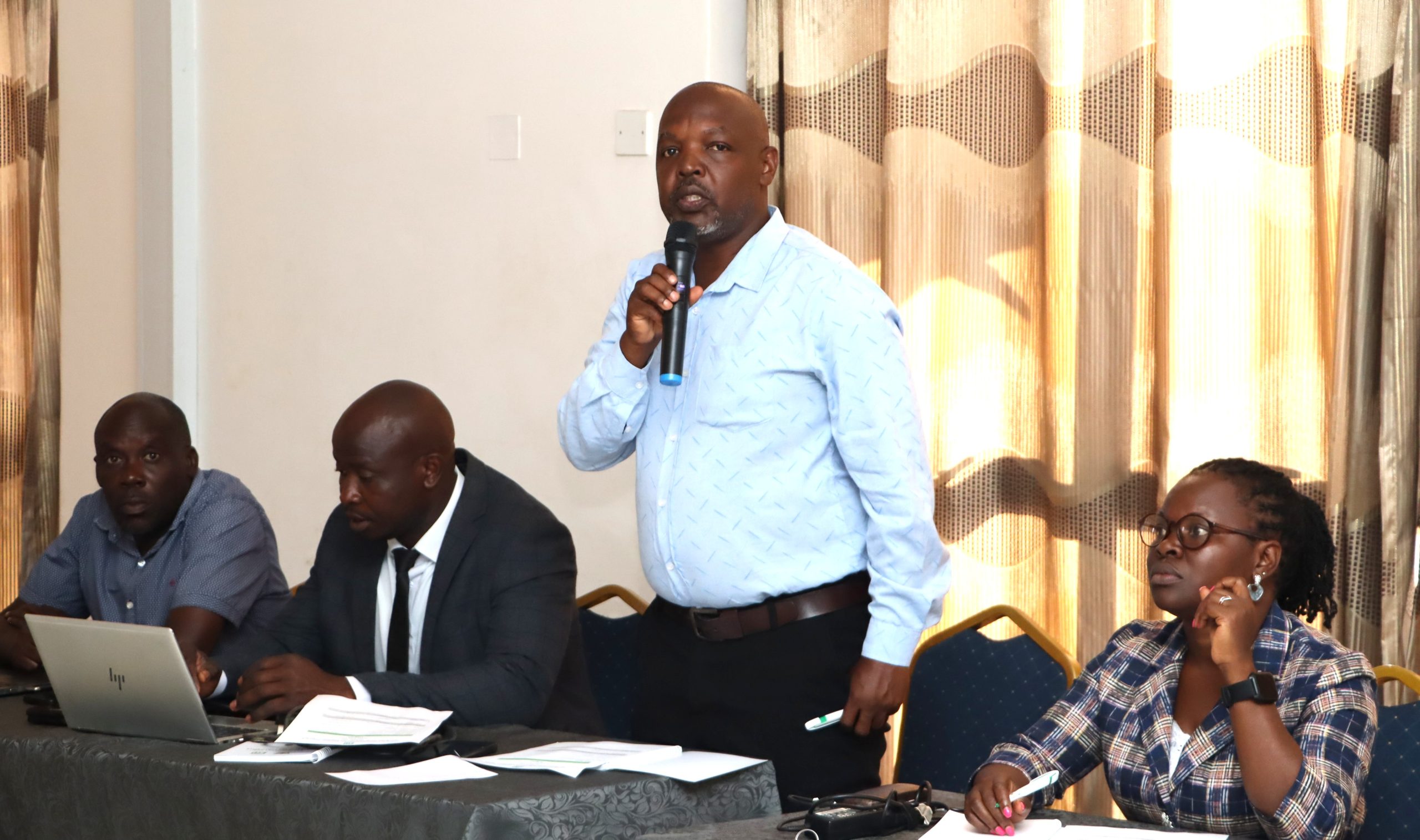
Participants agreed that the training will inform their future planning and implementation of environmental policies, emphasizing the need for more structured capacity-building initiatives to strengthen local government roles in environmental governance.
End
-

 General1 week ago
Application for Admission to Graduate Programmes 2026/27
-
 General2 weeks ago
Custodians and Wardens trained on Fire prevention in Halls of Residence
-

 General1 week ago
Mastercard Foundation Scholars Program at Makerere University Celebrates the Last Cohort of Phase One Graduates
-
 General2 weeks ago
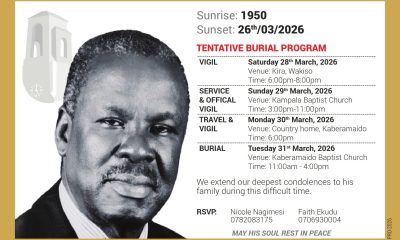
Celebrating a Life of Loyal and Distinguished Service
-
 General2 weeks ago
RIMS Implementation to End Supervision Delays, Enhance Transparency, Close Gaps and Boost Research Excellence at Makerere University