
Agriculture & Environment
Uganda Martyrs Namugongo Students Turn Organic Waste into Soap in an Innovative School Project on Sustainable Waste Management

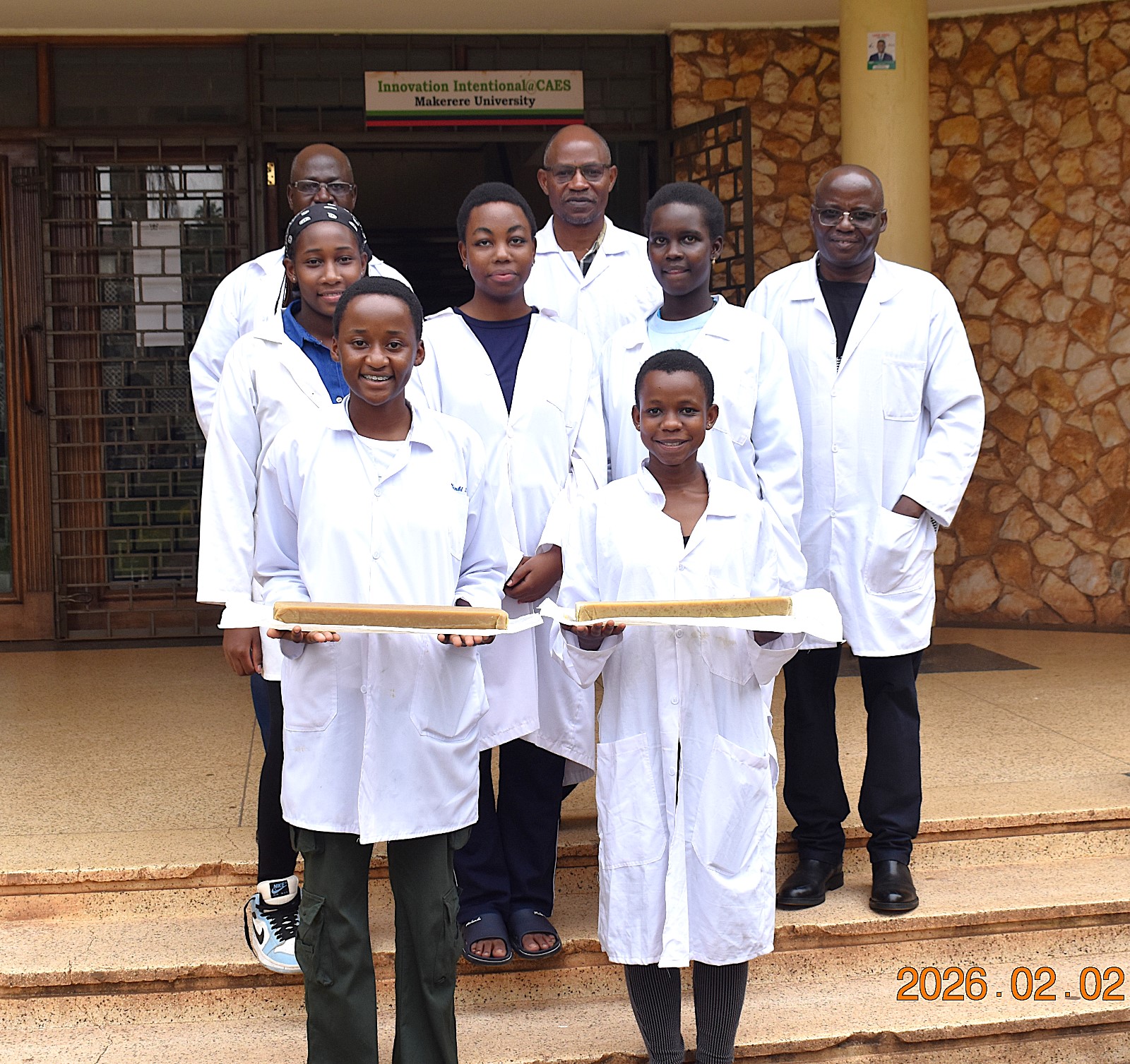
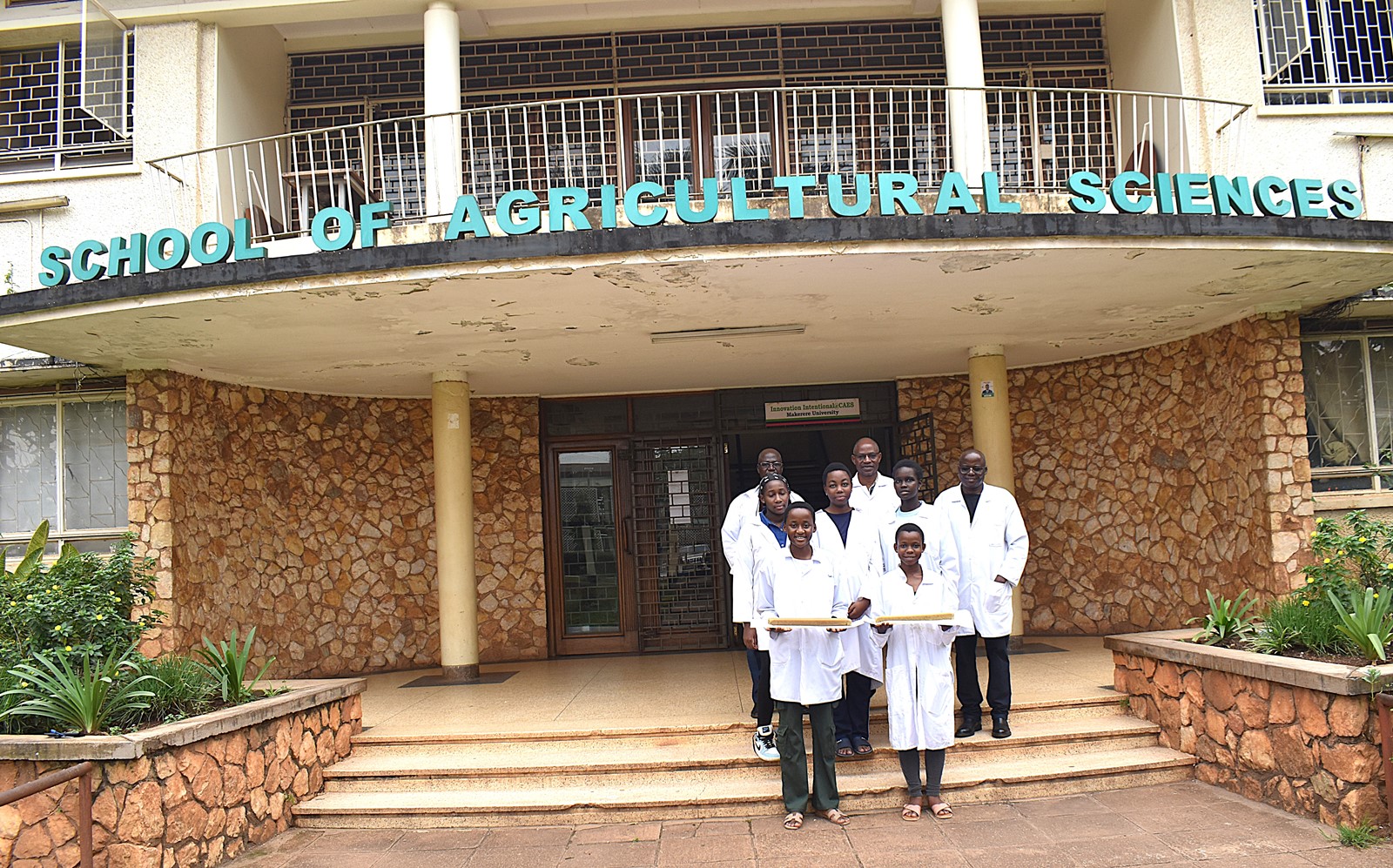
*****The students were supervised by researchers from the College of Agricultural and Environmental Sciences (CAES) at Makerere University, led by Prof. Fred Kabi.
The garbage challenge
With urbanization rates rising rapidly across Uganda, municipal solid garbage generation in the country’s cities is projected to increase by more than 40 percent by 2050. The growing burden of unmanaged garbage, particularly organic garbage, continues to pose environmental and public health risks, underscoring the urgent need for innovative and sustainable solutions.
It is against this backdrop that Senior Four students of Uganda Martyrs Secondary School Namugongo undertook a project to demonstrate how local market garbage challenges can be transformed into opportunities for sustainable development.
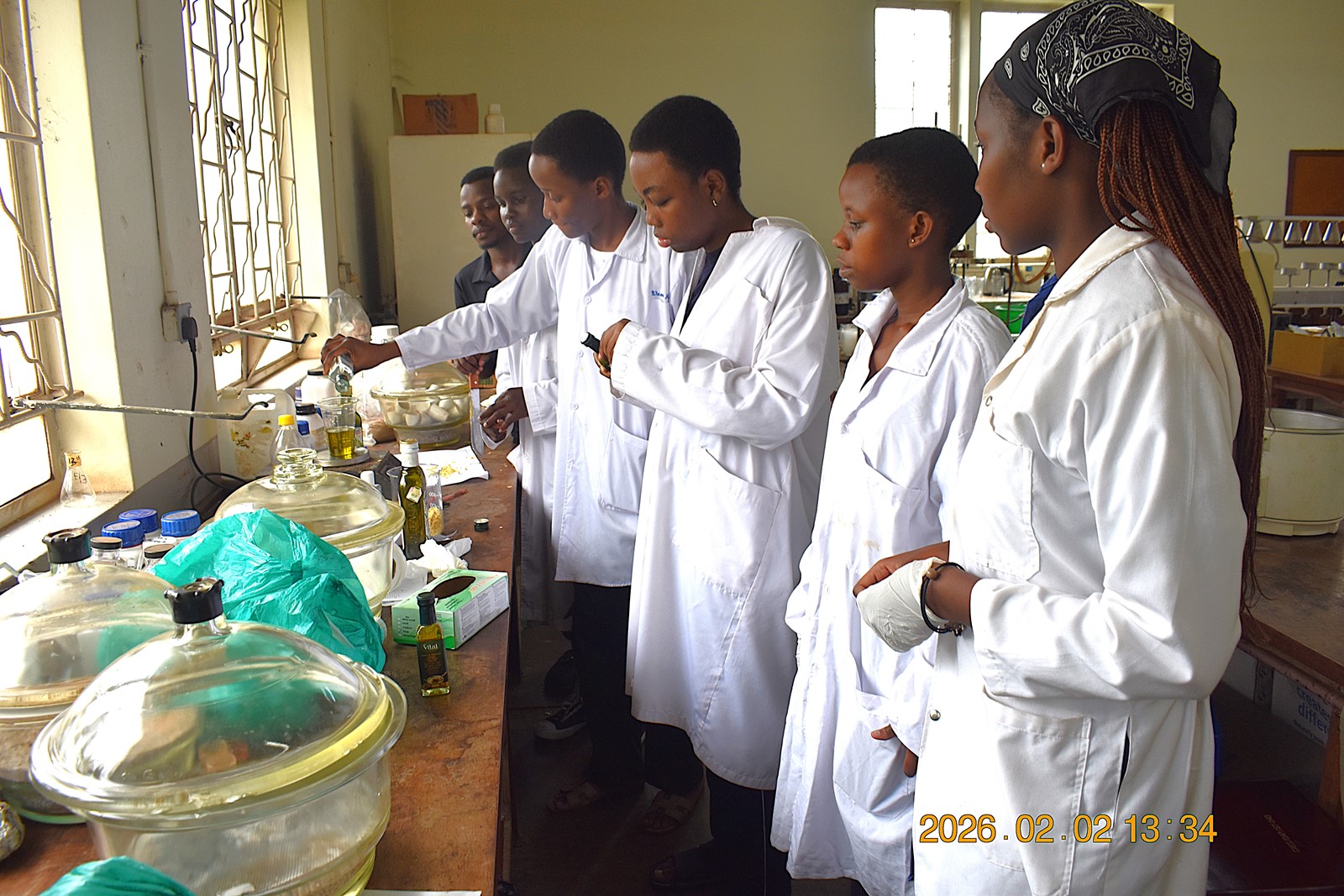
Addressing the garbage Challenge
As part of their academic project under the competence-based curriculum, the students were tasked with identifying real-world challenges within their communities and developing practical solutions using locally available resources. Through research and field observations, they identified poor garbage management, particularly the accumulation of organic waste at major dumping sites such as Kiteezi Landfill, as a critical issue.
At these sites, unsorted solid garbage often accumulates uncontrollably, sometimes leading to collapses that pose serious environmental and public health risks including water contamination by leachates, persistent foul odors, and disease outbreaks.
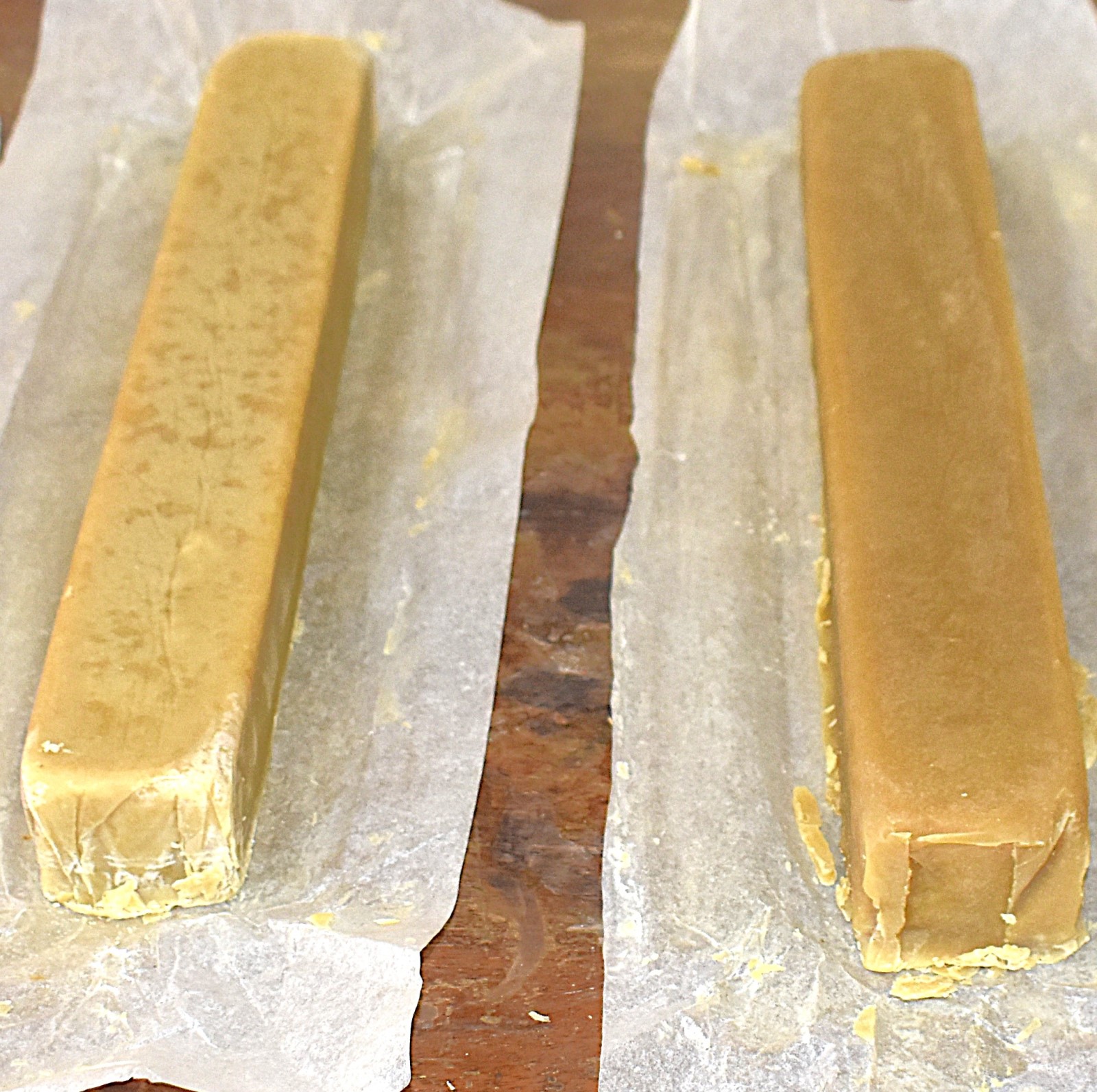
Rather than solely viewing solid market garbage as a problem, the students recognized its untapped potential within the biodegradable fraction of market garbage streams. Their innovative solution was to convert organic solid market waste (biodegradable garbage) into an industrial raw material for soap production by utilizing saprophagous Black Soldier Fly larvae (BSFL) to accumulate lipids and applying the scientific process of saponification.
Makerere University Support to the project
The students’ project was supervised by Prof. Fred Kabi together with technicians from the College of Agricultural and Environmental Sciences (CAES) at Makerere University. Prof. Kabi and his team have been actively researching on Black Soldier Fly Larvae (BSFL) as a bio-waste management technology capable of converting biodegradable solid municipal garbage and farm waste into valuable by-products such as organic fertilizers, animal feeds, soap, and biodiesel.
Working in collaboration with Ento Organic Farm Uganda Ltd, the researchers have demonstrated how insect-based waste conversion systems can support a circular economy by transforming biodegradable waste into industrial raw materials.
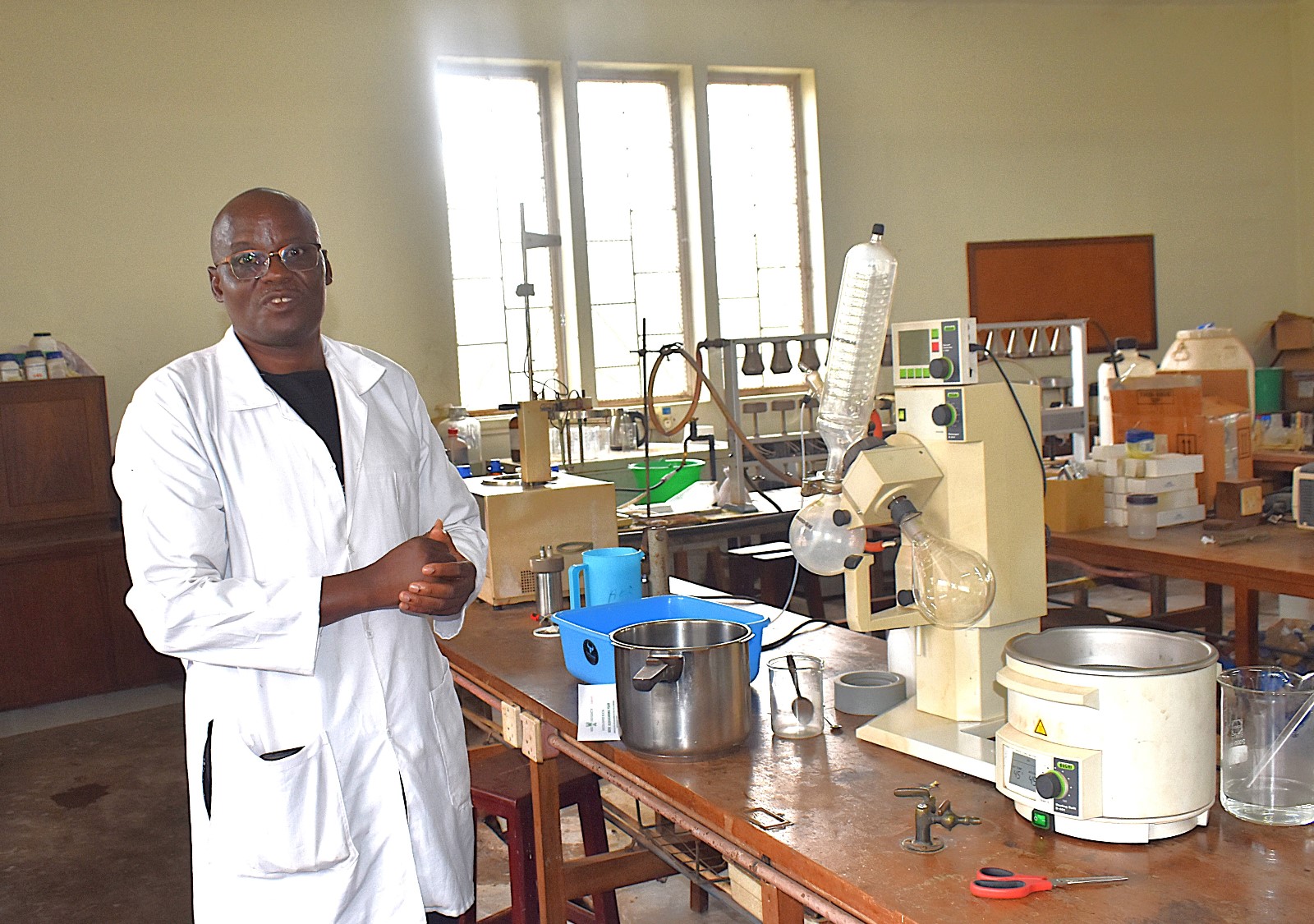
According to Prof. Kabi, the five young garbage entrepreneurs (students) began their project by collecting information on household garbage management practices. After analyzing the data, they engaged stakeholders along the garbage value chain to brainstorm all-inclusive, source-based waste management strategies.
“The students developed a solution that links efficient waste management at garbage generation source to support production of organic fertilizer, insect protein for animal feeds, and soap, which is only possible with biodegradable garbage,” Prof. Kabi explained. “This approach of the Competence Based Curriculum (CBC) for lower secondary schools supports the concept of taking Makerere University to the community of budding scientists while promoting sustainable community development through a circular economy.”
From Market Waste to Soap Bars
The Team leader, Ms. Ivy Stephanie Kitali explained the step-by-step scientific process behind the project. The students began by collecting organic waste from local markets, which was then shredded to prepare it for the larvae as a substrate. “Black Soldier Fly larvae were then introduced to the prepared waste. The larvae efficiently consumed the organic matter, greatly reducing its volume while accumulating lipids (fats) in their bodies. After maturation, we separated the larvae from the remaining waste, euthanized through blanching and dried it. Oil was then extracted from the dried larvae using ethanol as a solvent. This lipid-rich oil became the primary ingredient or raw material for soap production. To enhance the final product, the larvae oil was blended with minute quantity of sunflower oil before adding sodium hydroxide, initiating saponification, the chemical reaction that transforms fats and oils into soap,” she explained. The process ultimately yielded usable bars of soap derived entirely from what had once been discarded as unwanted market waste/garbage.
Building Skills and Sustainable Innovation
Beyond producing soap, the project provided students with hands-on training in scientific research, waste management techniques, bio-chemistry, and sustainable innovation. They gained practical exposure to insect-based biotechnology and learned how environmental challenges can be addressed through science-driven by entrepreneurship.








Agriculture & Environment
Mak’s Urban Action Lab Develops Community-Specific Maps to Improve Risk Management in Kampala’s Informal Settlements
In Kampala’s informal settlements, waste, flooding, poor drainage and health risks are closely intertwined. Poor disposal of waste can obstruct stormwater flows, worsening flooding, while stagnant water and blocked drainage can affect health, mobility and livelihoods.
Understanding these connections is at the centre of a community-led systems-mapping process being undertaken through the Urban Futures Project to examine how urban risks emerge, interact and can be addressed.
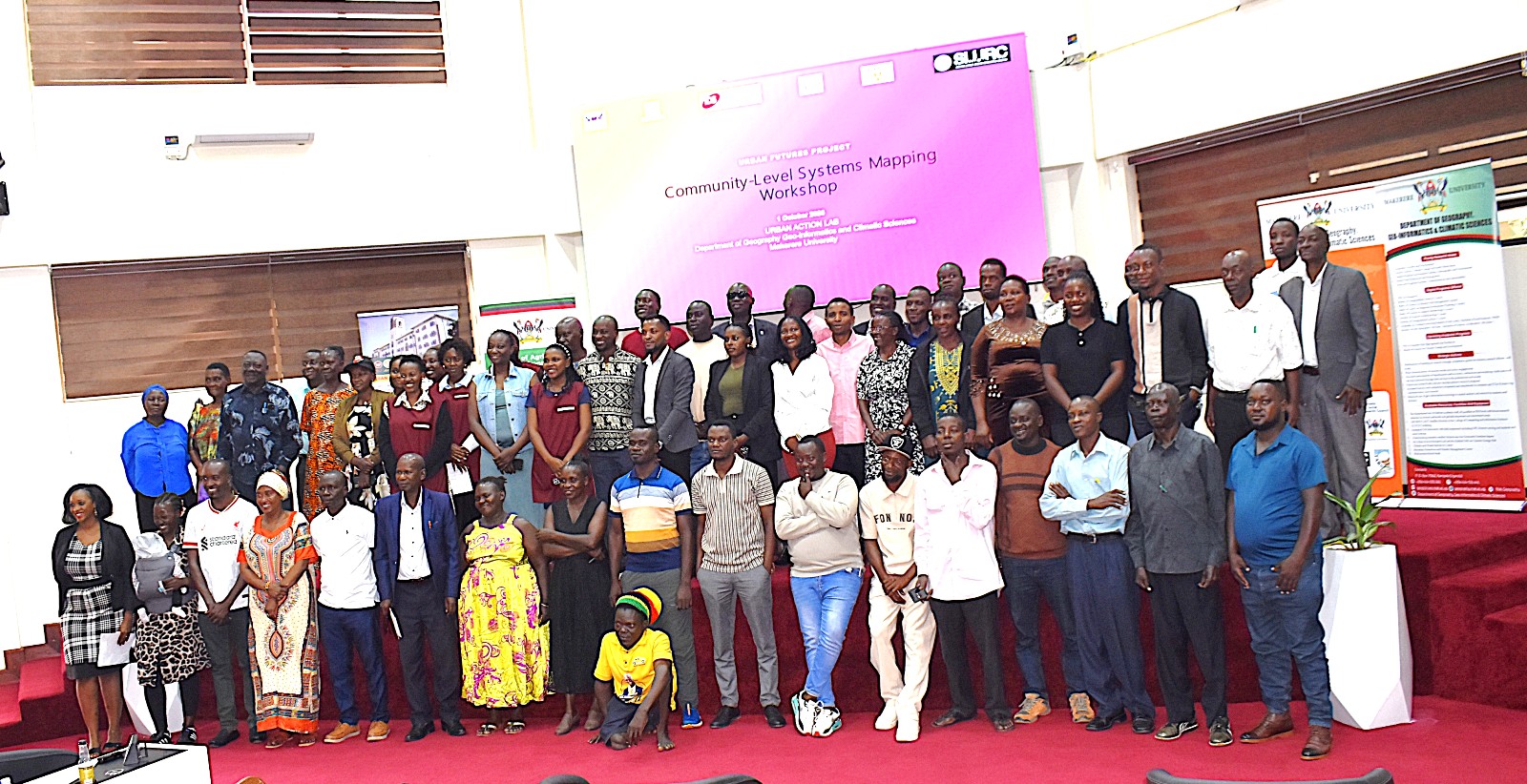
On 1st October 2026, Makerere University through the Urban Action Lab, convened a community-level systems-mapping workshop to develop a shared understanding of how solid waste, drainage, flooding, climate vulnerability, health, and livelihoods interact within Kampala’s informal settlements.
Rather than examining these challenges in isolation, the exercise explored their interconnections as part of a wider urban system, recognizing that changes in one area can influence outcomes in another.
Putting Community Knowledge at the Centre
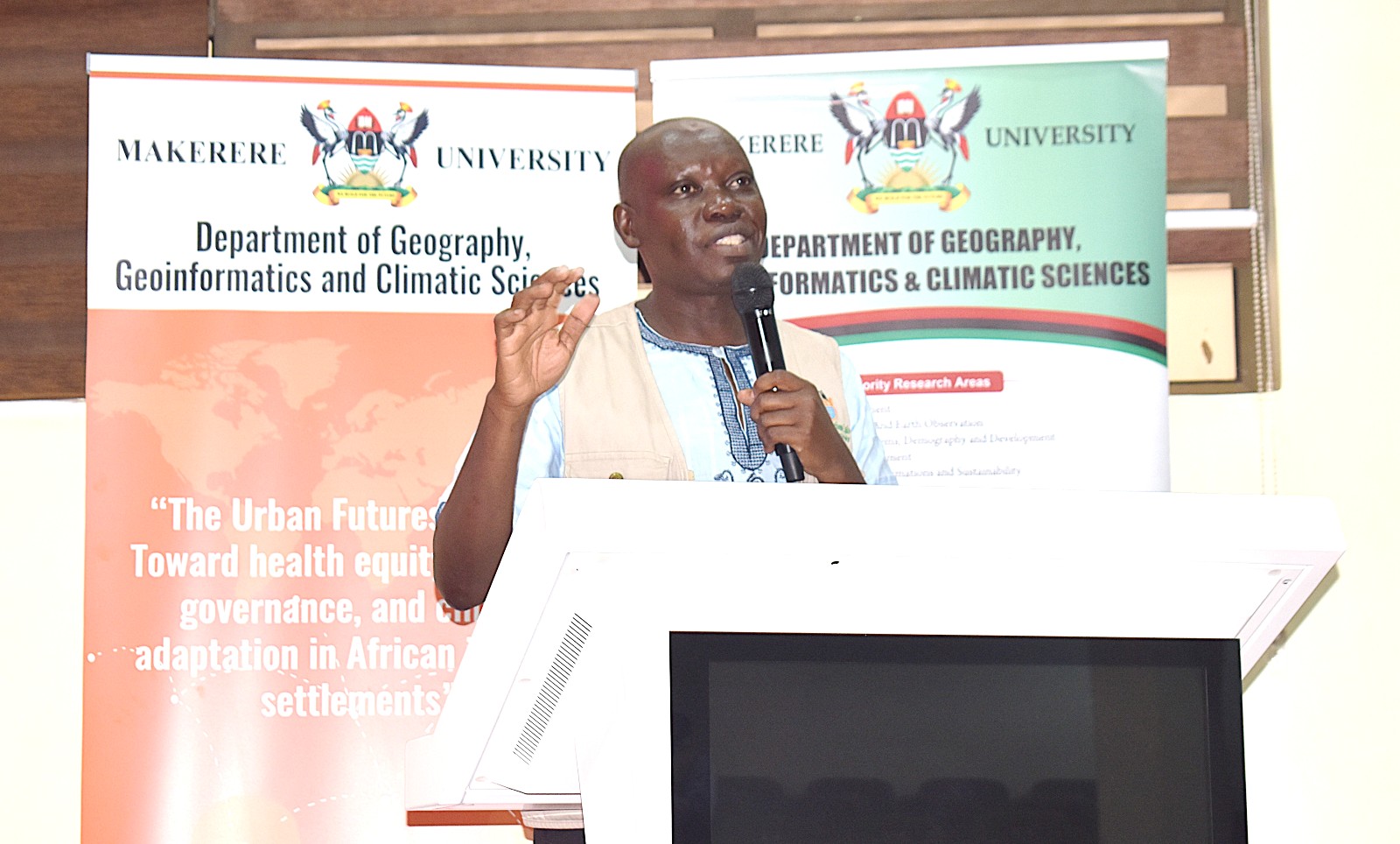
Led by Dr. Paul Mukwaya Isolo, Coordinator of the Urban Action Lab, the workshop sought to develop a community-led map of urban risks grounded in the experiences and perspectives of people living and working in informal settlements.
Residents and community leaders from Kampala suburbs, including Kabalagala, Bwaise, Makerere Kivulu and Acholi Quarters, led the process of examining how waste accumulates and moves through their communities, identifying areas vulnerable to flooding, assessing who is most affected and documenting local responses. They also mapped the roles and influence of institutions, service providers, community groups and other actors whose decisions and actions shape these interconnected urban systems, helping to identify key challenges, existing responses and opportunities for community-led action.
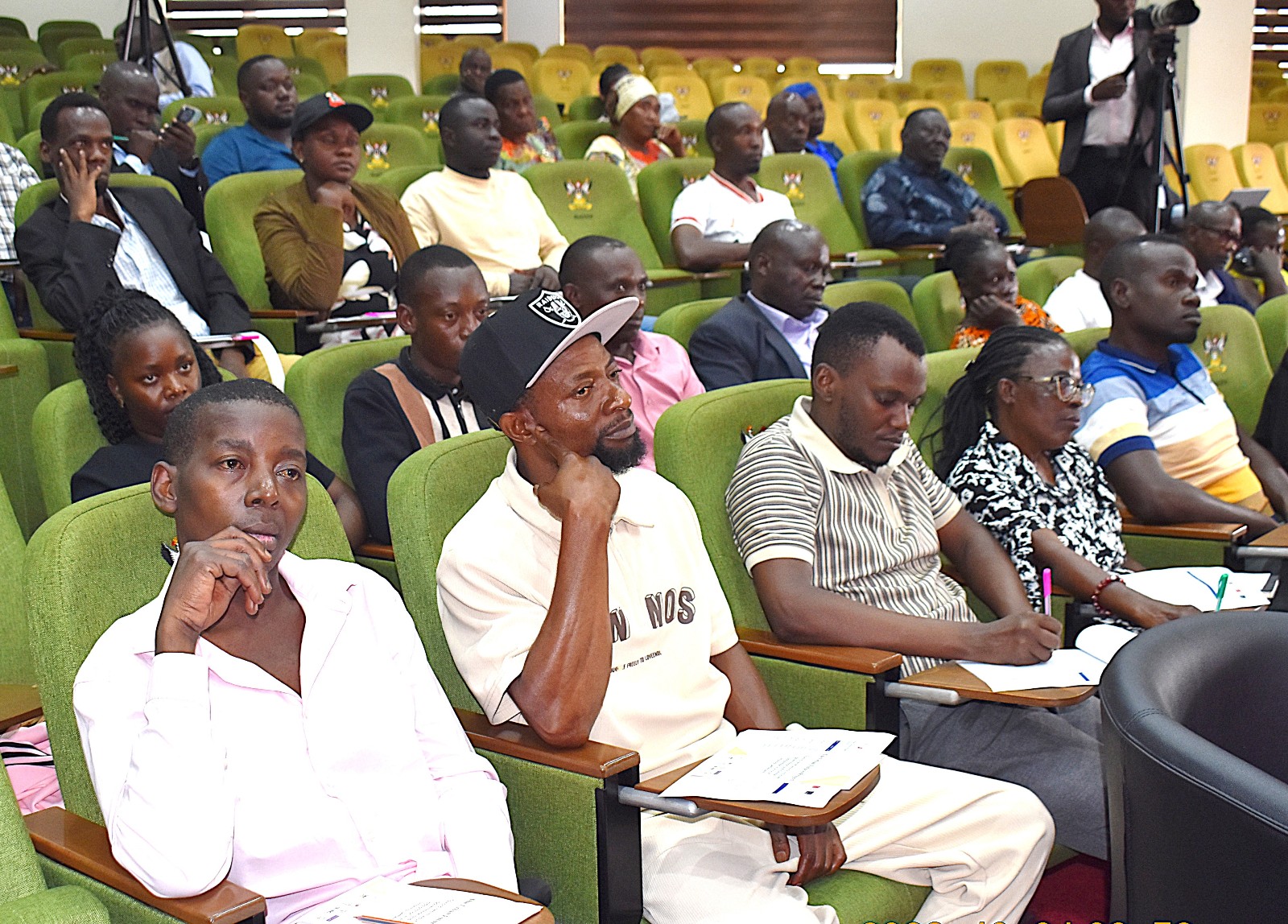
The approach recognizes residents as key sources of knowledge about the risks affecting their neighbourhoods. Their lived experience provides insight into where hazards occur, how they disrupt daily life, which groups are most affected and how communities respond. Bringing this knowledge into the mapping process helps ensure that urban risks are understood from the community level and that potential responses build on existing local capacities, priorities and solutions.
Tracing the Waste Management Journey
A key part of the exercise was mapping the movement of solid waste-from generation and sorting through collection, transportation, disposal and recycling-to identify gaps in the waste-management chain that can heighten wider urban risks.
Participants examined how poorly managed waste can enter drainage channels and waterways, contributing to blocked drainage, flooding and other environmental and public-health risks. They also mapped the roles of informal waste handlers, private service providers, public institutions and communities, highlighting how different actors contribute to the movement and management of waste.
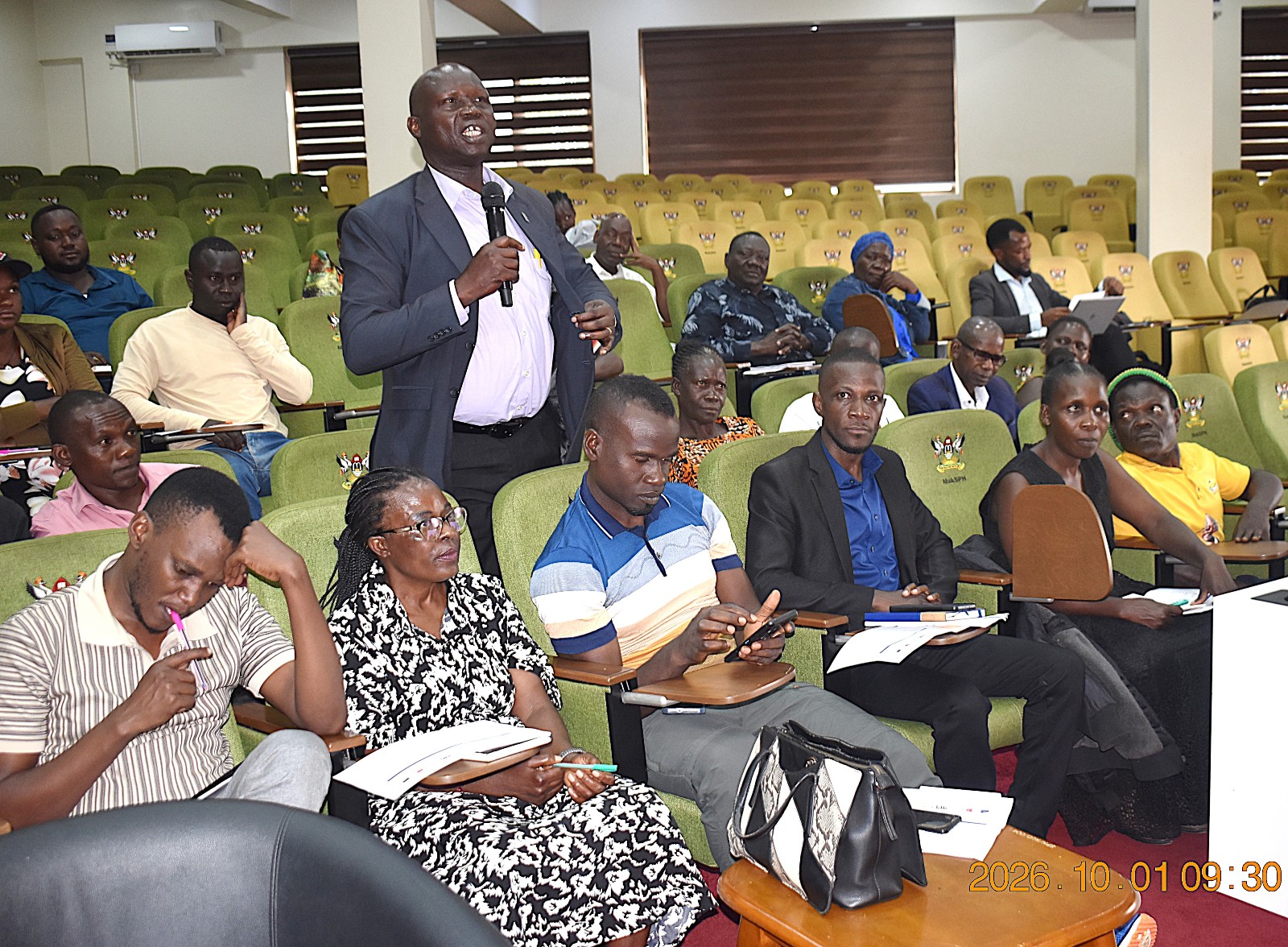
By viewing waste management as part of a wider urban system, the exercise sought to identify opportunities to strengthen waste management services, reduce environmental and public-health risks, and build on existing recycling and resource-recovery practices.
Linking Drainage, Flooding and Livelihoods
The workshop further explored how waste management, drainage and flooding interact within informal settlements.
Participants examined how waste entering drainage channels and culverts can obstruct stormwater flows, increasing the risk of flooding during heavy rainfall, particularly in areas with limited drainage capacity. The flooding can disrupt movement, damage property and businesses, limit access to markets and services, and disrupt livelihoods.
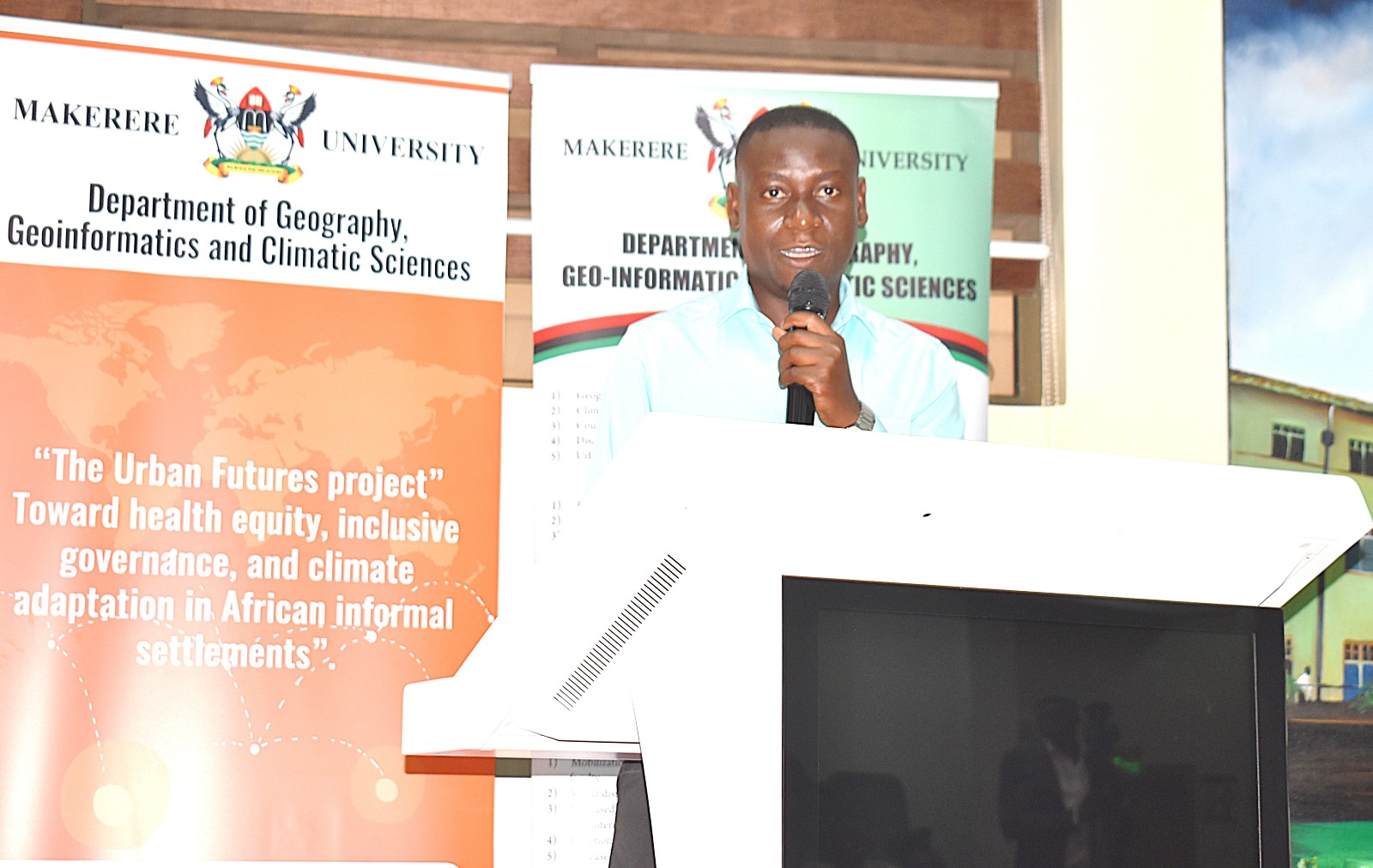
By mapping these connections, participants sought to identify priority risks and inform practical measures to reduce flooding and its effects on livelihoods, while building safer and more resilient communities.
Building on existing community responses
Participants also documented community responses to flooding, waste and other urban pressures, including local practices for managing waste, clearing drainage, coping with floods and protecting livelihoods. The exercise highlighted community knowledge and existing capacities that can inform future, locally driven interventions.
Supporting locally informed urban resilience
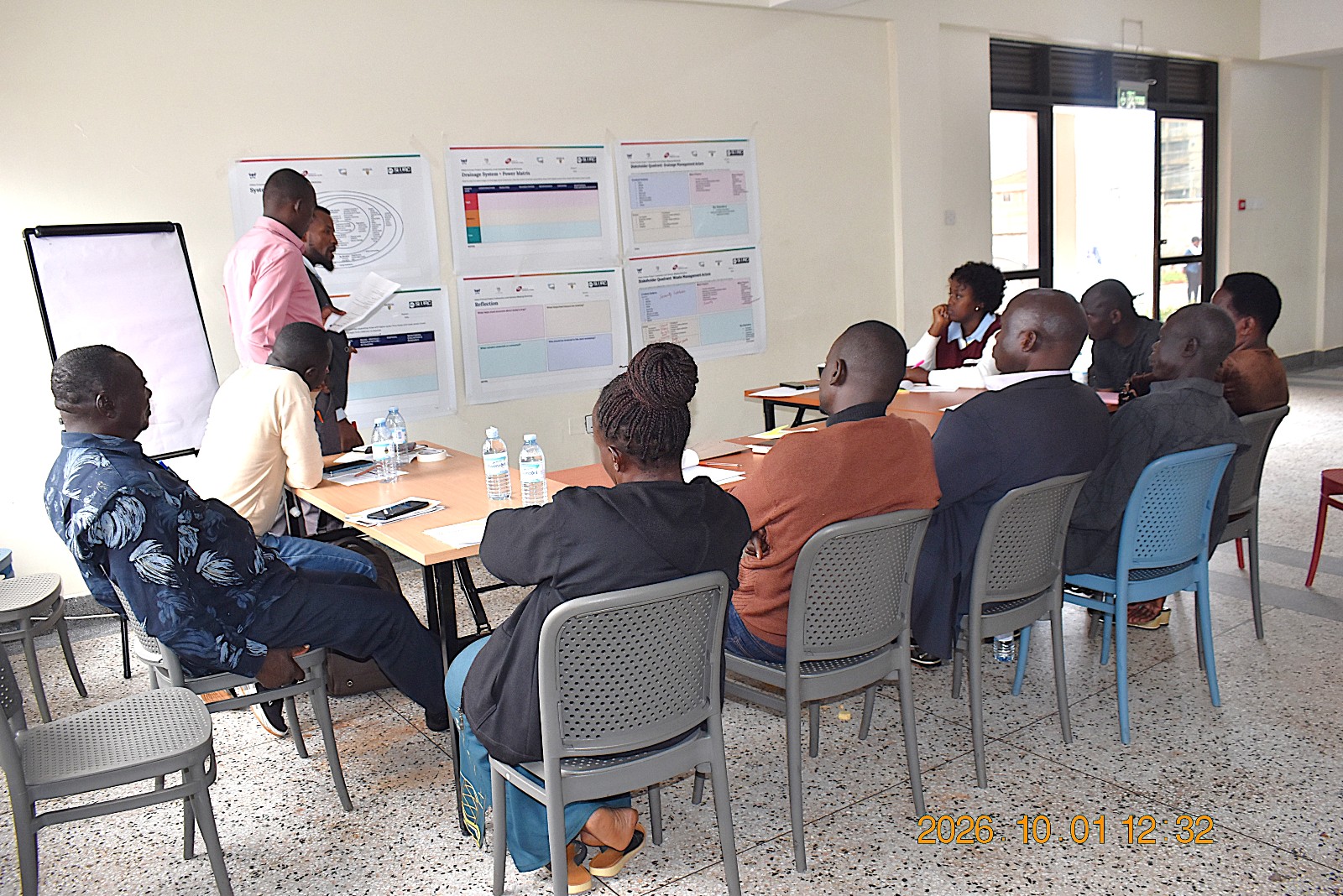
The systems-mapping workshop forms part of broader efforts under the Urban Futures Project to advance health equity, inclusive governance and climate adaptation in African informal settlements.
Through the Urban Action Lab, Makerere University is bringing research and community knowledge together to examine complex urban challenges from the perspective of the people who experience them.
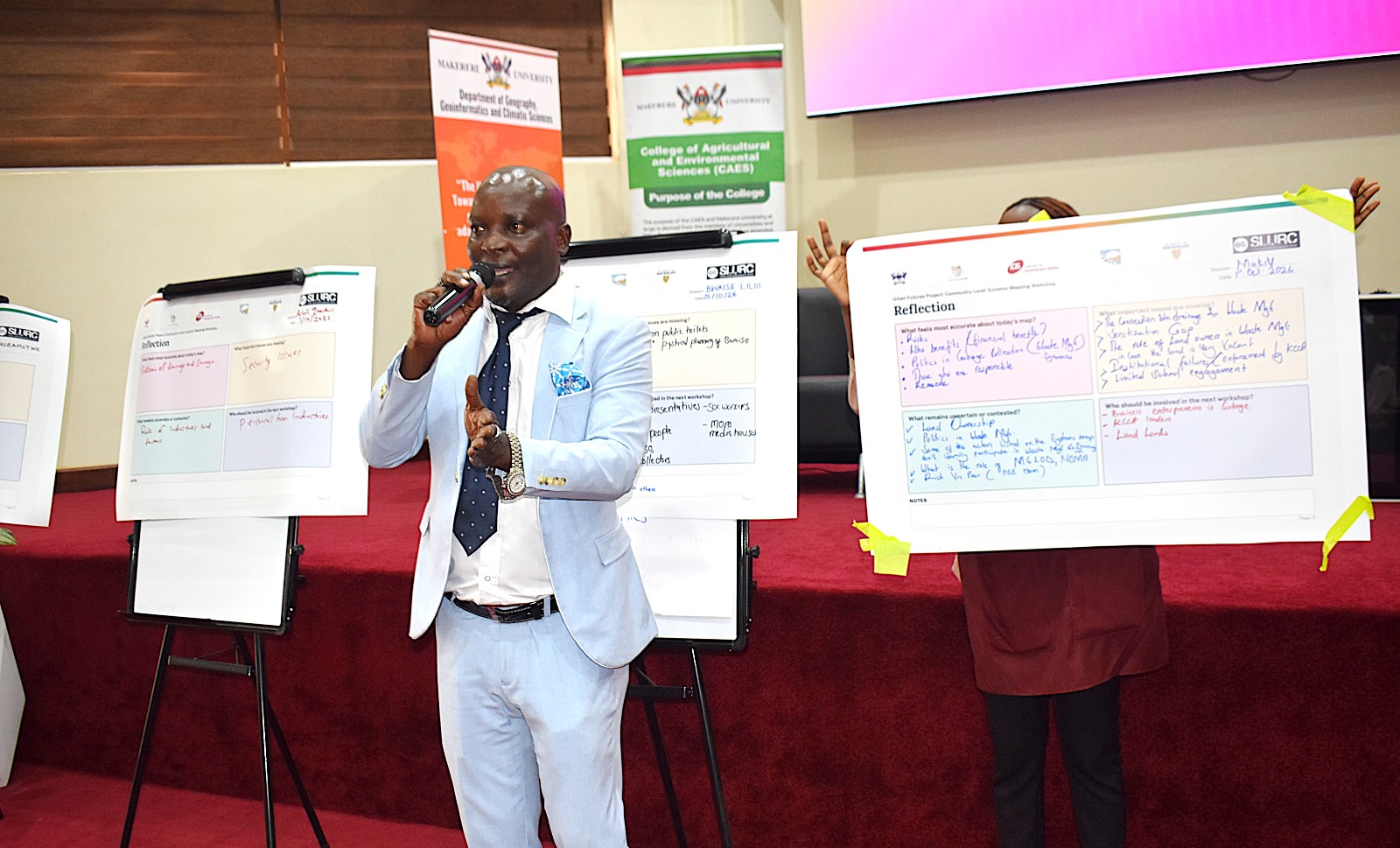
Rather than beginning with predetermined solutions, the process starts by identifying the risks, relationships, actors, vulnerabilities and responses that shape everyday life within informal settlements.
The resulting shared understanding can help communities, researchers, policymakers and other stakeholders identify where action is needed, who needs to be involved and how community knowledge can contribute to healthier, more inclusive and climate-resilient informal settlements in Kampala.
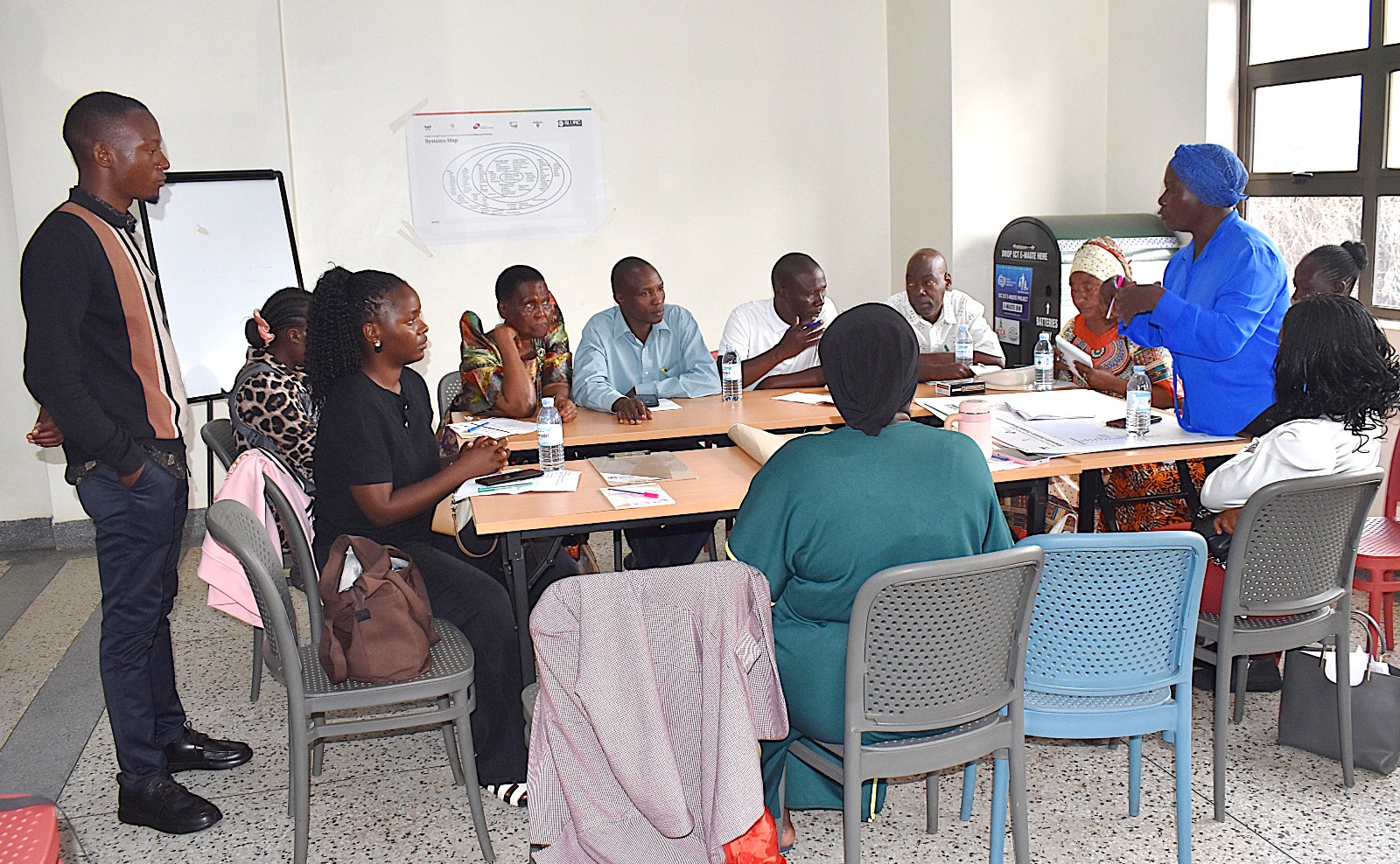
Details about the Urban Futures Project launched on 6th March 2025: https://news.mak.ac.ug/2025/03/mak-launches-urban-futures-project-unveils-handbook-on-urban-heat-management/
Agriculture & Environment
Mak Strengthens Kasese, Mbale Urban Food Systems through Cross-City Learning
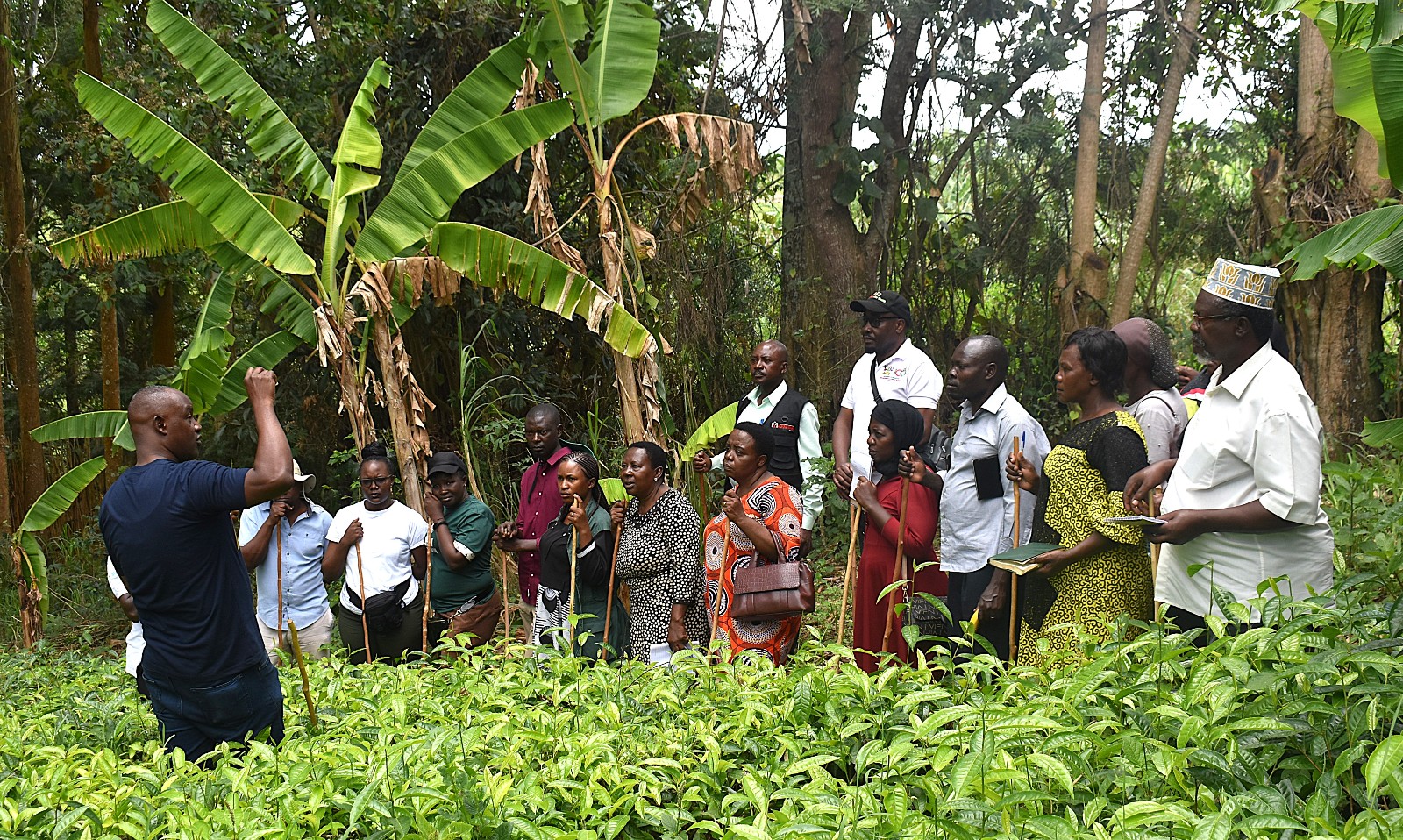
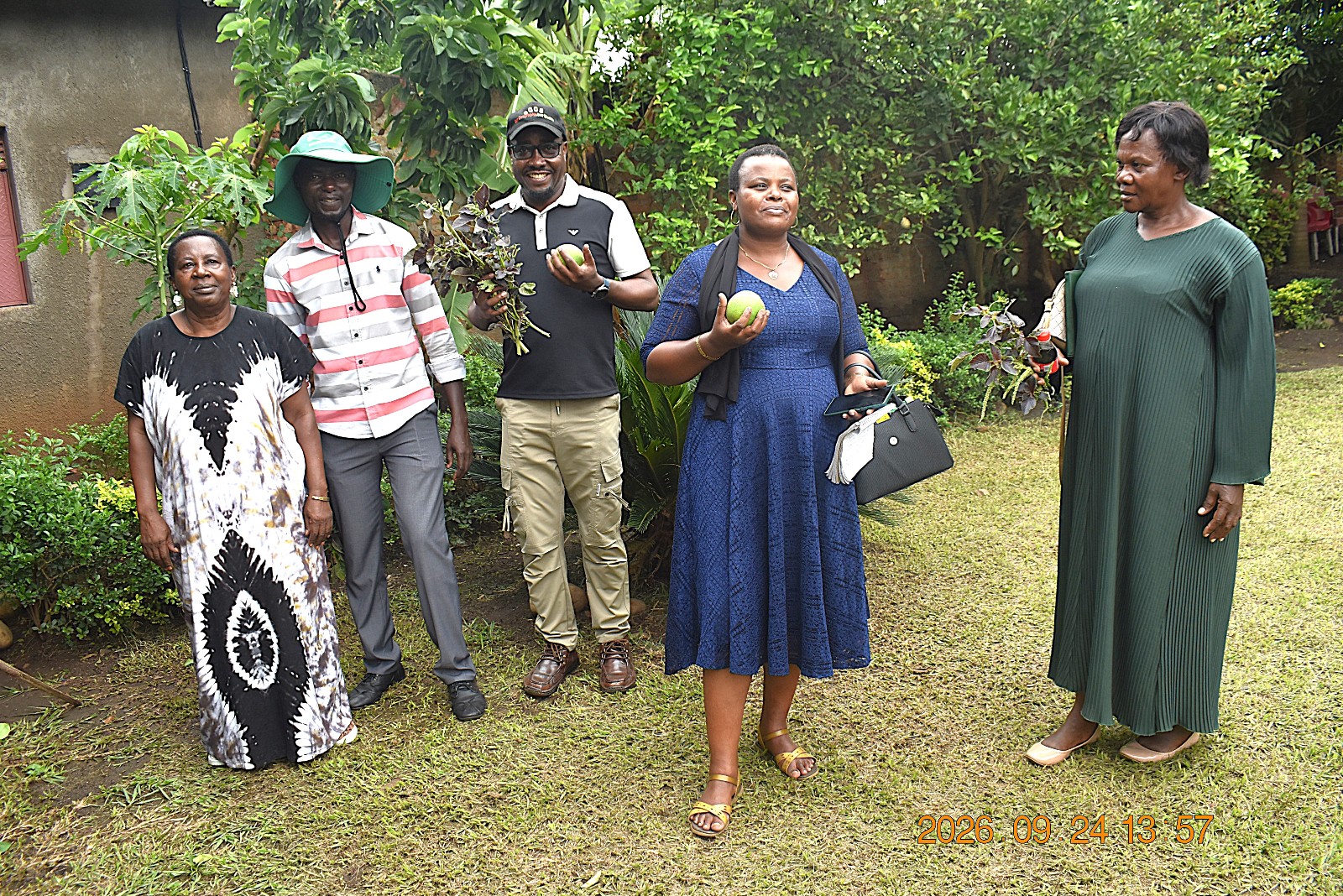
Farmers from Mbale City have gained new skills for strengthening urban food production following a four-day learning exchange programme in Kasese Municipality and Kabarole District.
Supported by the Resilient Urban Food Systems (RUFS) Project, the programme, held from 23rd-26th September 2026, brought farmers from Mbale City into direct contact with their counterparts and practitioners engaged in diverse agricultural enterprises. The interaction provided a platform for participants to share experiences, examine practical approaches to production and enterprise management, and identify lessons that could be adapted to strengthen livelihoods and build more resilient urban food systems.
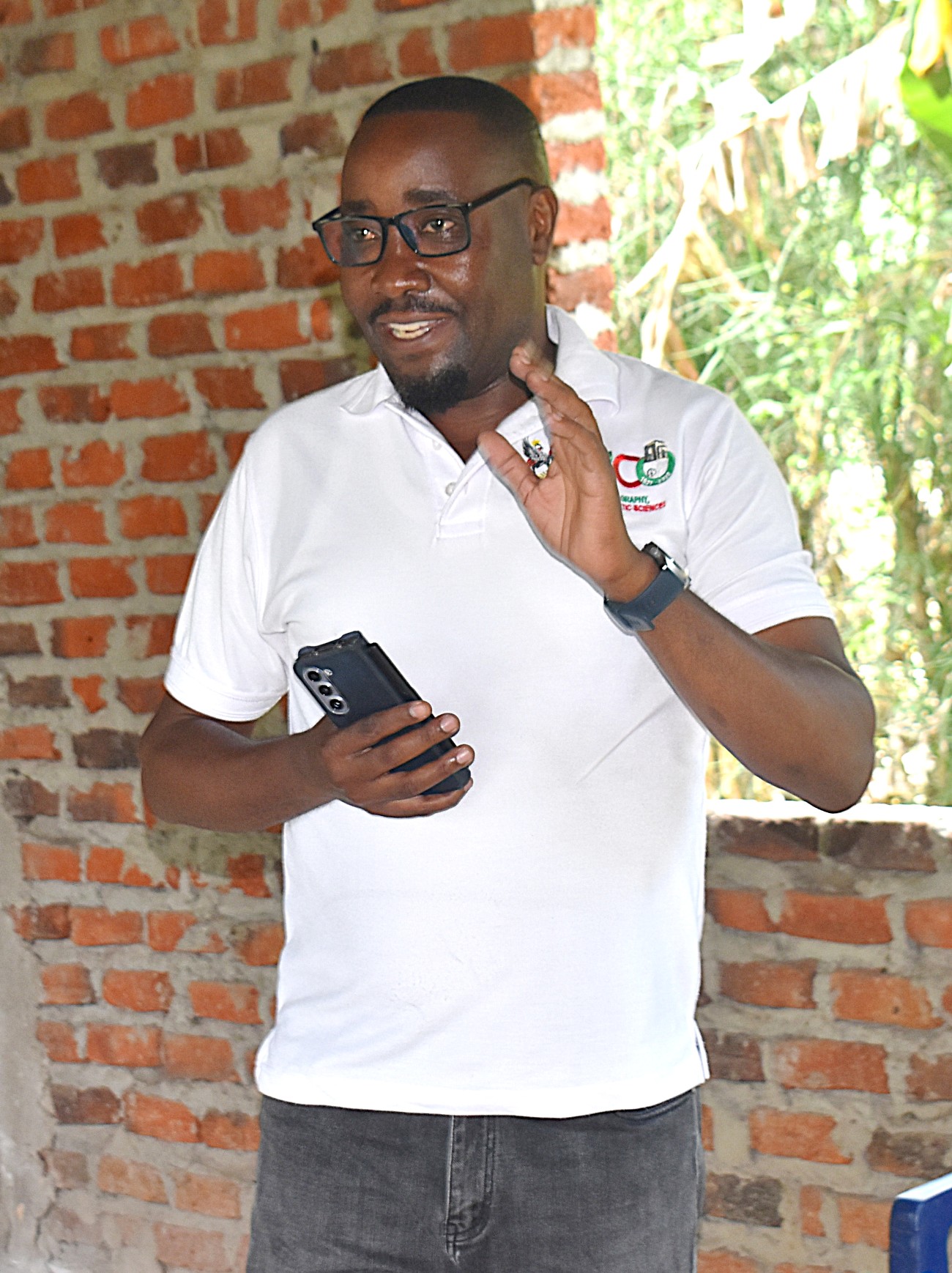
The delegation was led by Prof. Frank Mugagga, Principal Investigator of the RUFS Project and a member of staff in the Department of Geography, Geo-Informatics and Climatic Sciences at the College of Agricultural and Environmental Sciences (CAES), Makerere University.
Strengthening Urban Food Systems Through Peer Learning
The exchange forms part of RUFS’ efforts to strengthen urban food systems through peer-to-peer learning, knowledge sharing, practical skills development and collaboration among farmers and other food-system actors. It builds on work undertaken during the first phase of the project (2021-2023) and second phase (2024-2026) in Mbale City and Kasese Municipality, where the project has supported farmers and stakeholders to identify food-system challenges, strengthen local capacities and promote more resilient and sustainable approaches to urban agriculture.
Funded under the AgriFoSe2030 programme, RUFS places strong emphasis on learning through practical experience. Rather than relying solely on classroom-based training, the exchange enabled farmers to observe agricultural enterprises firsthand and learn directly from practitioners. This hands-on approach gave participants an opportunity to explore practical solutions and consider how farming and enterprise-management practices could be adapted to the conditions of Mbale City.
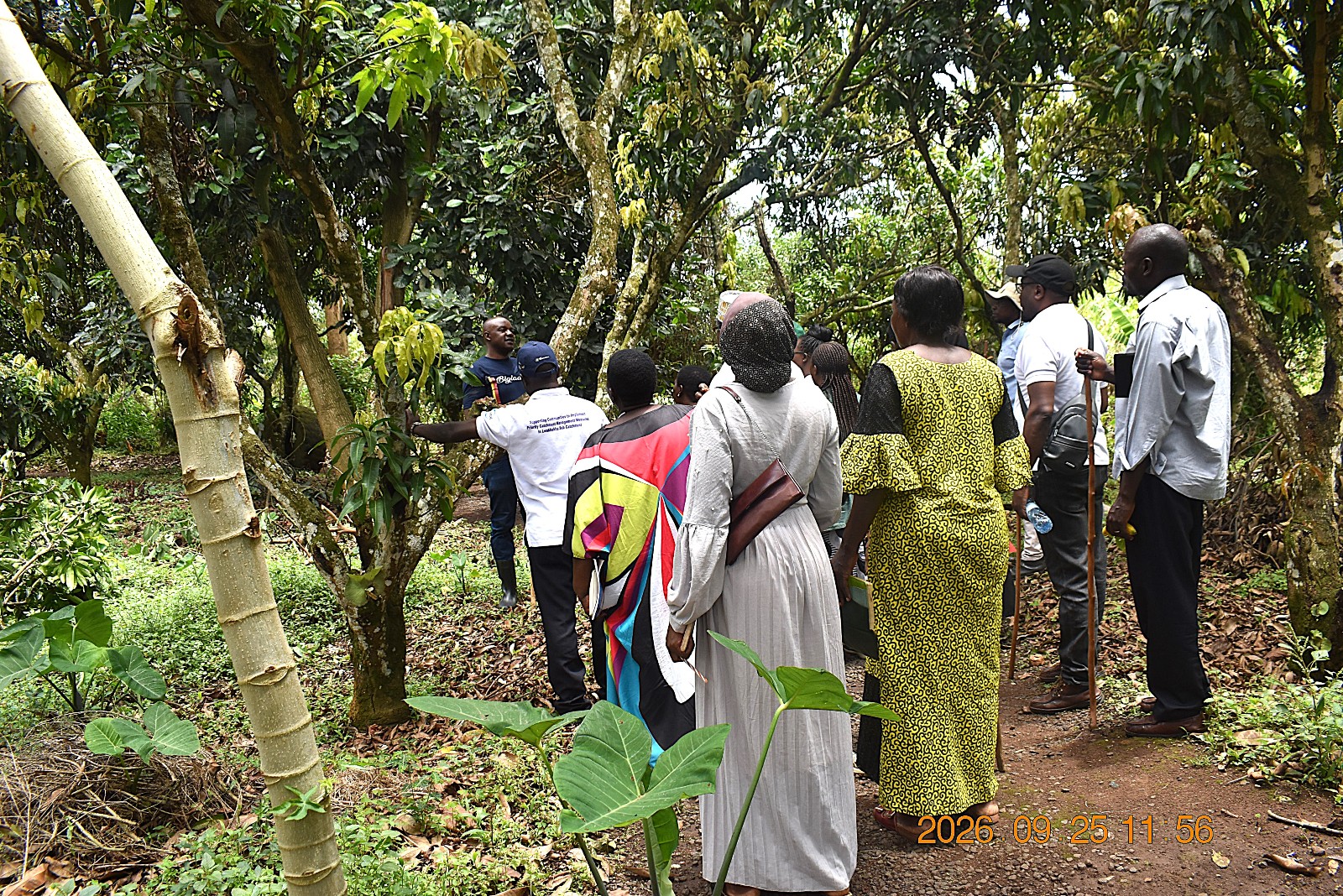
The programme featured learning sessions at agricultural enterprises and production sites in Kasese Municipality and Kabarole District, each offering a different perspective on urban and peri-urban food production, enterprise management and livelihood diversification.
The farmers visited four farms in Kasese Municipality, including Citrus Agrotech Ltd and Sunice Farm, as well as Mubuku Irrigation Scheme.
Farmers’ Engagement at BIGLAD Agri-Tourism Farm Ltd
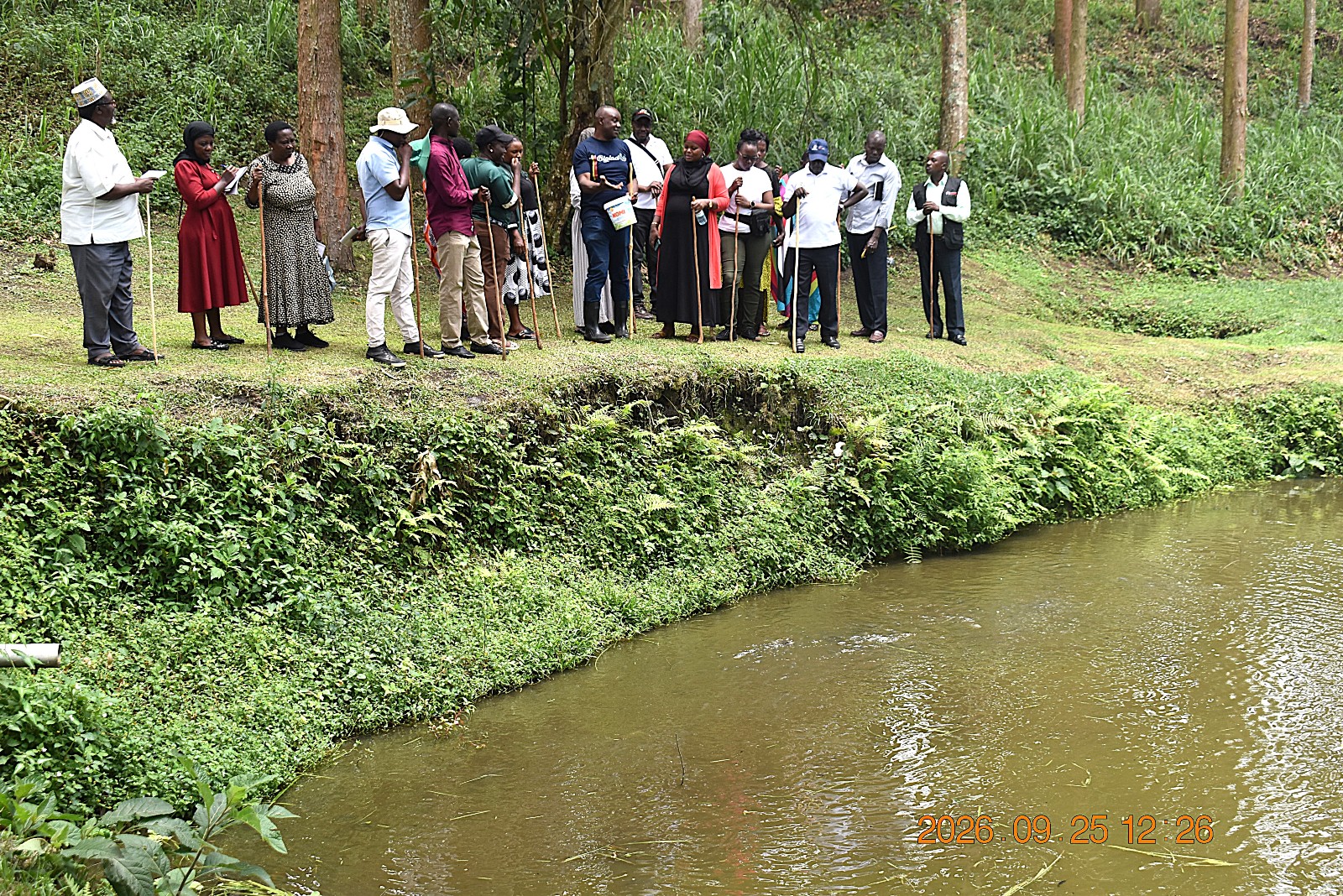
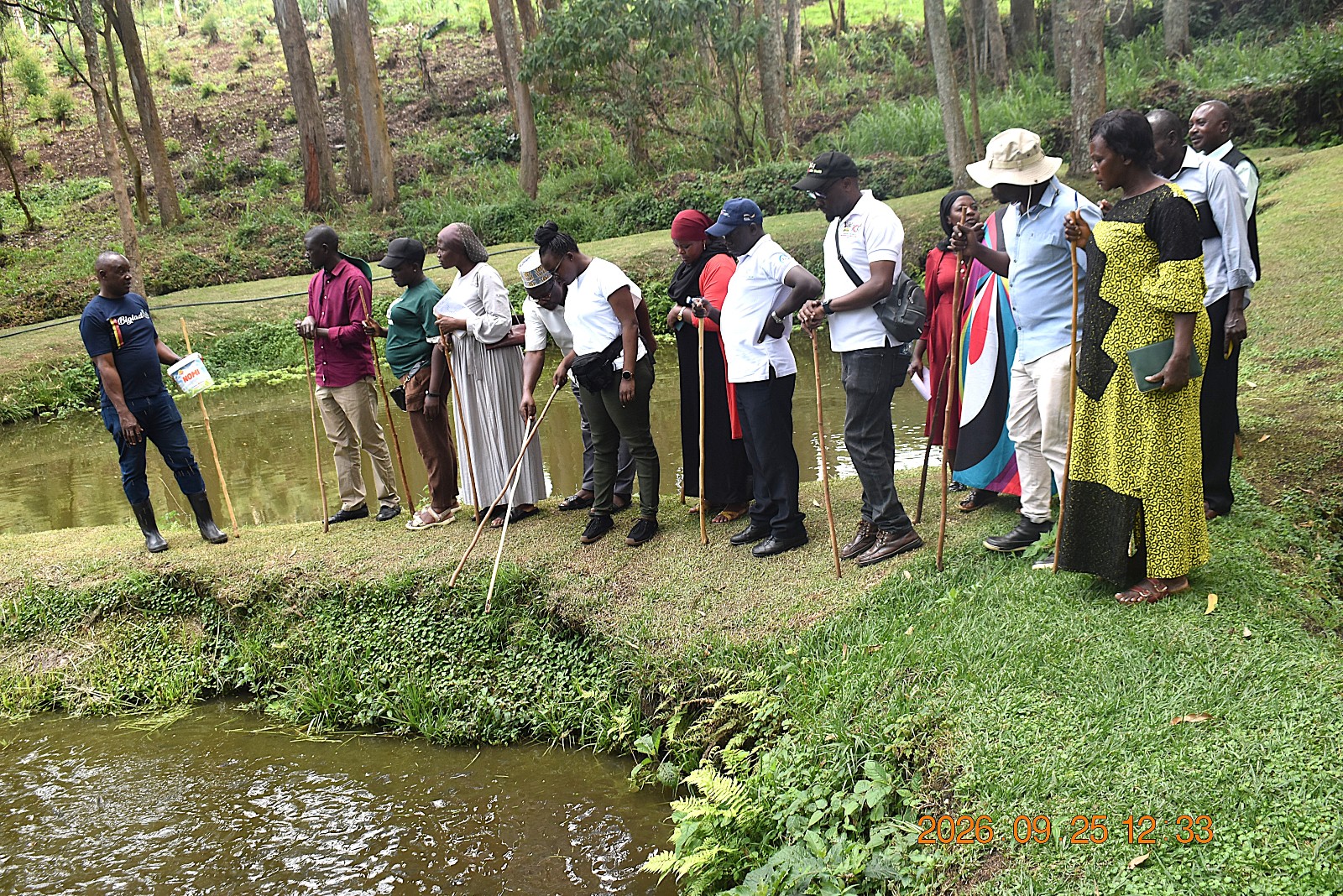
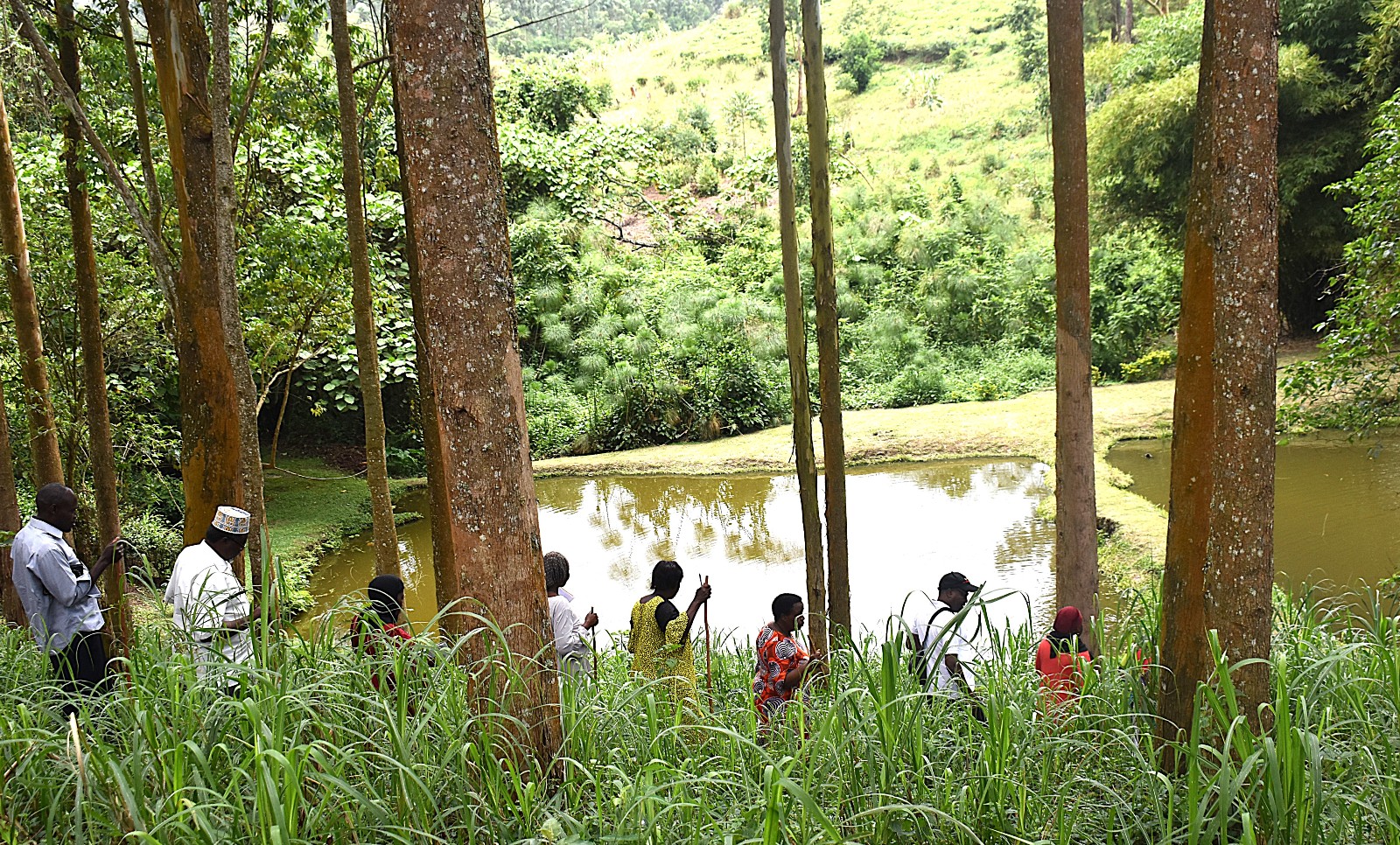
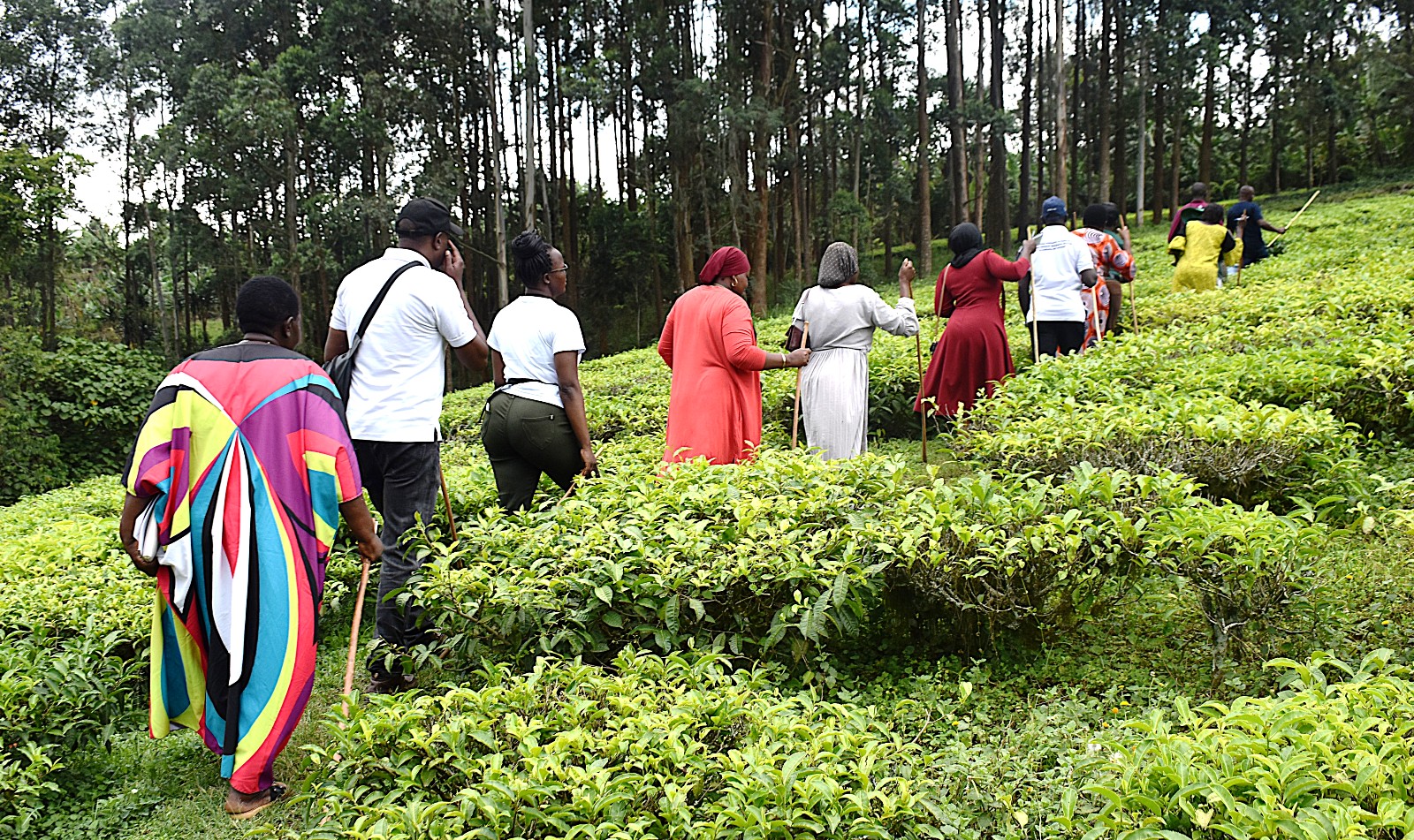
A major highlight of the programme was the tour of BIGLAD Agri-Tourism Farm Ltd in Kabarole District, an agricultural enterprise founded in 2008. Beyond agricultural production, BIGLAD provides practical training in agriculture, entrepreneurship, financial management and environmental conservation, offering an integrated approach to improving livelihoods through agriculture.
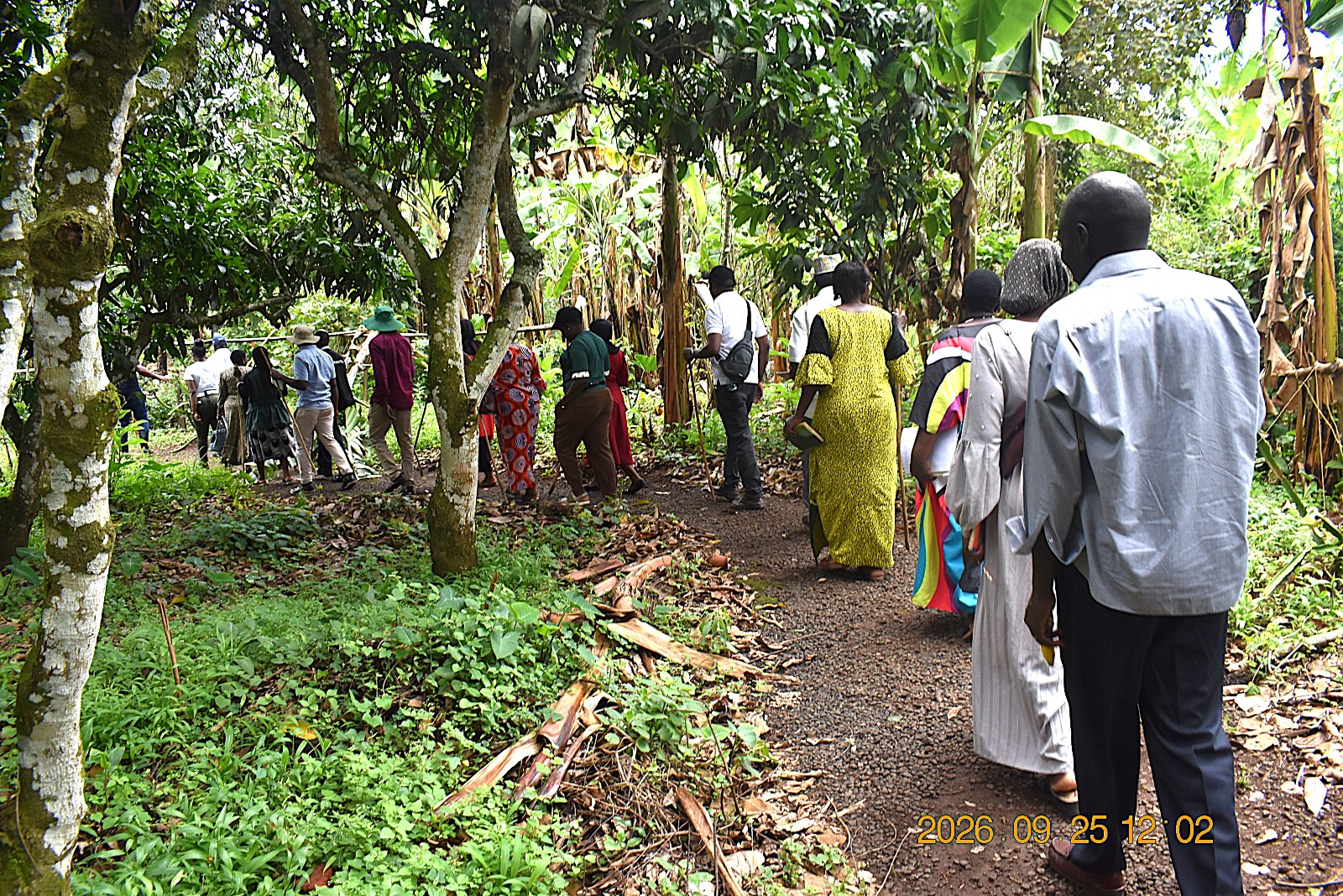
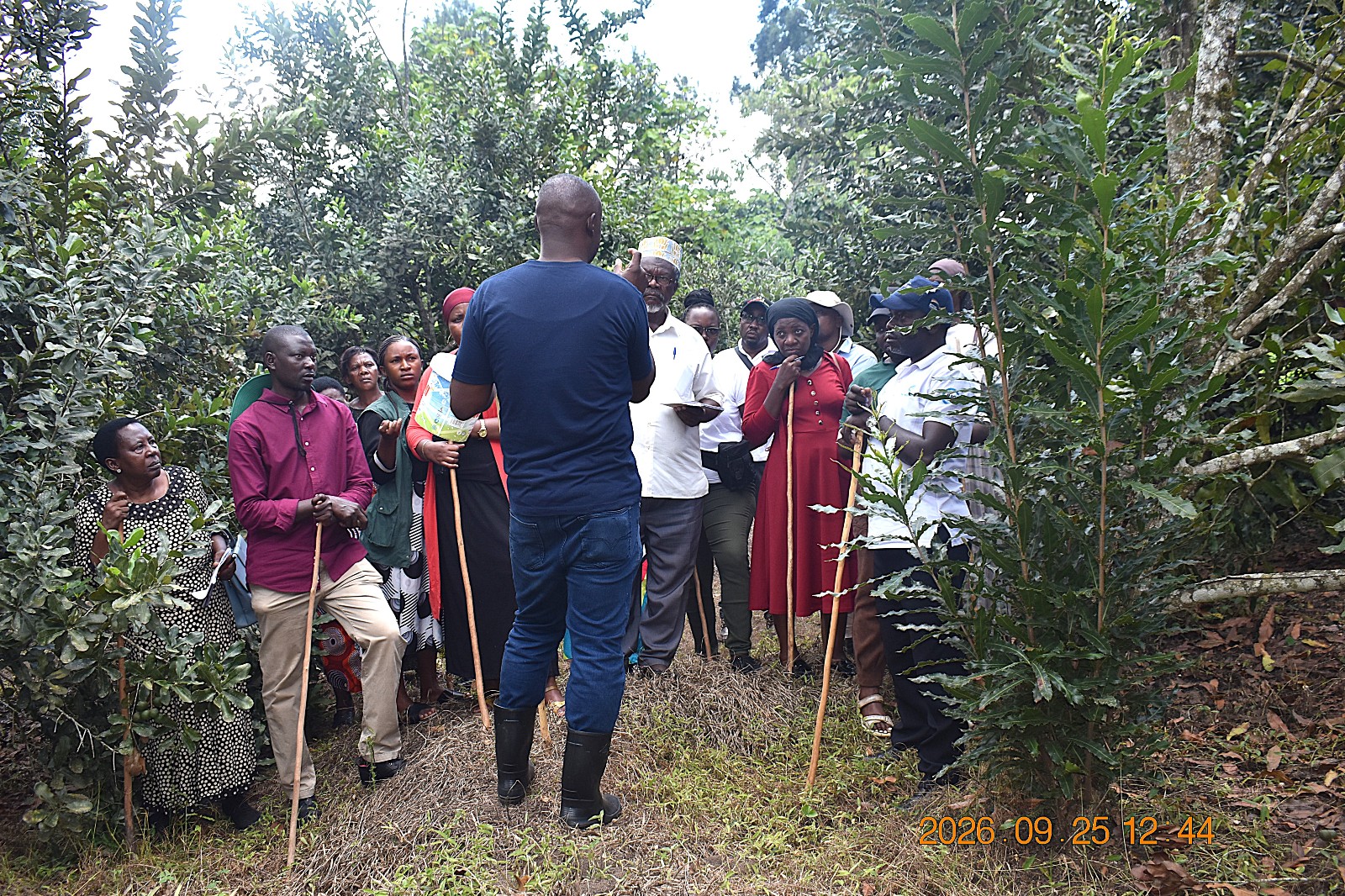
At the enterprise, the Mbale City farmers were introduced to a diverse range of agricultural enterprises, including bananas, tea, vanilla, macadamia, stevia, yacón and chives, alongside fish farming, poultry and livestock production. The experience illustrated how different enterprises can be combined to maximize the use of available land and resources, spread production risks and create multiple sources of household income.
Guided by the proprietor and 2nd runner-up of the 2017 Harvest Money Expo, Mr. Julius Bigabwa, the farmers gained a broader understanding of agriculture as a business enterprise rather than a subsistence activity. They learnt that successful farming requires deliberate planning, proper record-keeping, prudent financial management, careful selection of enterprises and continuous attention to markets.
The visit also underscored the importance of understanding the entire production chain-from selecting suitable enterprises and managing inputs to production, post-harvest handling, value addition and marketing.
Diversification and Value Addition
One of the key lessons from BIGLAD was the value of enterprise diversification. Engaging in a range of crop and animal enterprises can reduce dependence on a single source of income and strengthen farmers’ ability to manage production challenges, market fluctuations and changing environmental conditions. The experience encouraged participants to consider how complementary activities can be integrated to strengthen household livelihoods.
The farmers also gained insights into value addition and efficient resource utilization. Rather than viewing agricultural produce solely as raw commodities, they explored ways of increasing value and returns through improved production practices, processing, packaging and market-oriented approaches. The integration of environmental conservation into agricultural activities further underscored the need to pursue productivity while protecting the natural resources on which farming livelihoods depend.
For the Mbale City farmers, the experience at BIGLAD offered more than exposure to different agricultural enterprises. It provided a practical framework for planning farming as a business, diversifying strategically, adding value, managing resources responsibly and identifying opportunities for more sustainable returns.
Sharing experiences at Citrus Agro-tech Ltd
For Ms. Kabugho Rebecca, a mixed farmer in Kasese and Manager of Citrus Agro-tech Ltd, farming is a journey of learning, adaptation and perseverance. Her story offered the Mbale City farmers an opportunity to learn from the experiences and challenges that have shaped her agricultural enterprise.
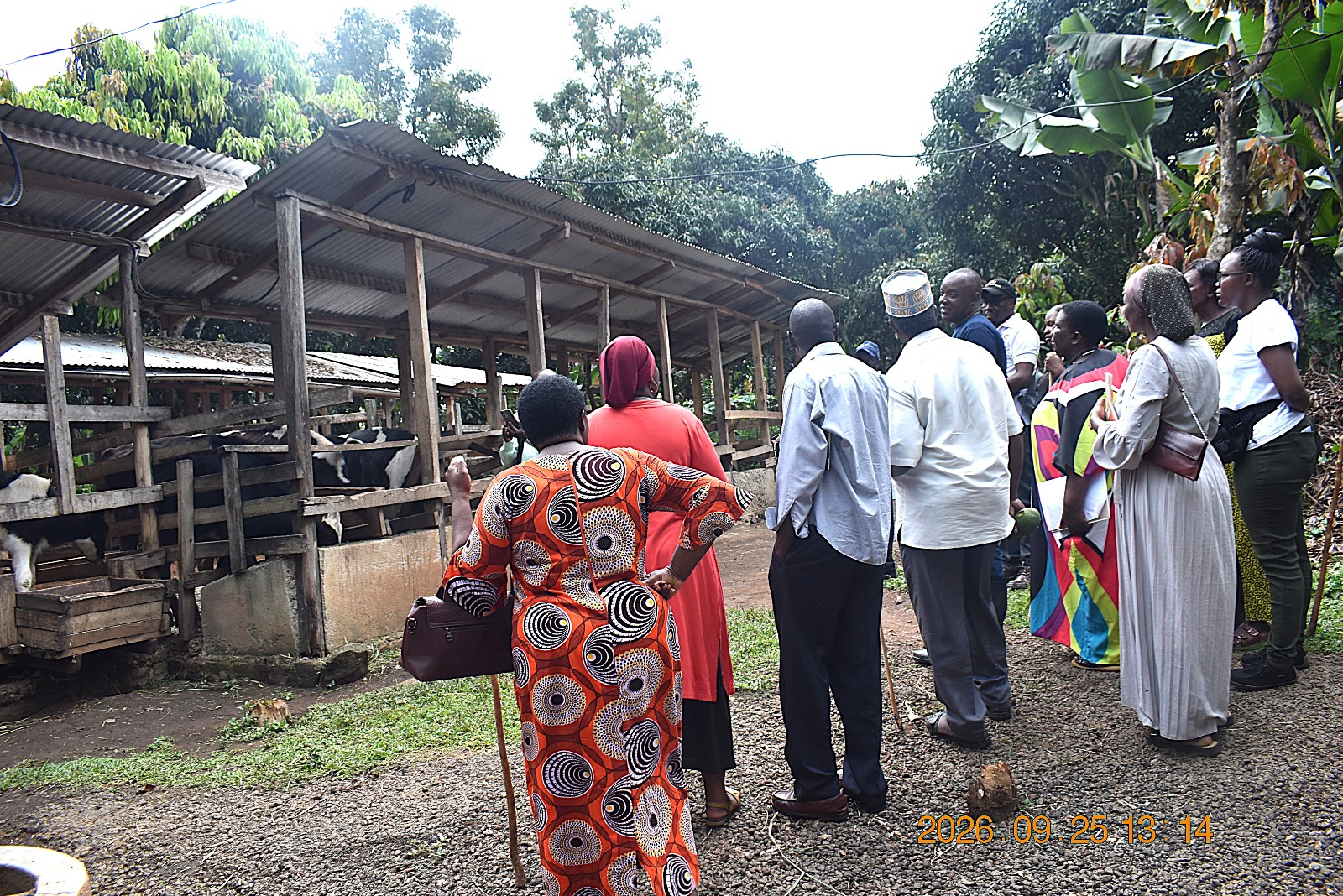
Managing poultry, piggery, banana, tomato, mango and vegetable enterprises, Rebecca has learnt the value of diversification, proper record-keeping and understanding the market. Her experience highlighted how decisions concerning labour, feed, records, market access and enterprise selection can influence the performance and sustainability of a farming business.
She also emphasized the importance of securing reliable water supplies to help farmers sustain production under changing weather conditions.
Rebecca’s experience further highlighted the opportunities that arise when farmers move beyond primary production into value addition and other stages of the agricultural value chain. Her hatchery, for example, has created an additional income stream while responding to the needs of other farmers.
Through Citrus Agro-tech Ltd, she also supports small-scale farmers through training in agricultural enterprises and agronomic practices, supplies banana seedlings and provides internship opportunities for agriculture students. Her enterprise has evolved into more than a production site – it is also a space for knowledge sharing, practical learning and mentorship.
Understanding the market has been equally important to her enterprise. In her poultry business, the surrounding community provides a ready consumer base, illustrating how farmers can strengthen their businesses by understanding local demand and aligning production with market needs.
For the Mbale City farmers, Rebecca’s experience provided practical lessons relevant to their own circumstances. It highlighted that progress in farming depends not only on the size of a farm or number of enterprises, but also on how effectively farmers use available resources, learn from experience, respond to challenges and continuously improve their practices.
The learning exchange was not one-way. As they interacted with Rebecca and observed her enterprises, the Mbale City farmers also shared their own experiences and practical suggestions for strengthening her operations. Among the issues discussed was pest management, including approaches that could improve efficiency, reduce wastage and strengthen enterprise performance.
Learning from Other Farms and Mubuku Irrigation Scheme
The learning continued at Sunice Farm, owned by Ms. Eunice Mutooro Sunday, and at the farm of Ms. Masika Nevercate, both in Bulembia Division, Kasese Municipality. Through interactions with the farmers, the Mbale delegation gained practical insights into vegetable production, enterprise management and ways of improving productivity using available resources.
They also learnt from Ms. Grace Masika, a smallholder farmer in Central Division, Kasese Municipality, whose experience offered insights into how small-scale agriculture can contribute to household livelihoods.
At Mubuku Irrigation Scheme, the farmers gained practical insights into irrigated crop production, with a focus on rice and maize. The visit exposed them to different stages of crop production, from land preparation and planting to water management, crop maintenance and harvesting. It also enabled participants to appreciate how irrigation can support more reliable production, improve productivity and reduce dependence on seasonal rainfall.
Lessons Learnt
The programme demonstrated that valuable agricultural knowledge does not only come from formal training or technical experts. Farmers themselves are an important source of practical knowledge, innovation and experience. Direct interaction with fellow farmers gave the Mbale City delegation insights grounded in real-life experience.
The exposure to diversified agricultural enterprises, agri-tourism, entrepreneurship and irrigation provided practical ideas that farmers could reflect on and adapt to their own circumstances. Key lessons included:
i) Diversification can strengthen household incomes: Farmers learnt the importance of diversifying beyond a single enterprise to spread risk and create multiple sources of income. Combining crop production with livestock, poultry and other complementary enterprises can generate income at different times of the year and reduce dependence on one livelihood source.
ii) Farming requires patience, consistency and passion: Experiences shared by host farmers showed that successful farming takes time. Farmers need to remain committed to their enterprises, learn from setbacks and consistently improve their practices. Passion and persistence were identified as important qualities for sustaining an agricultural business.
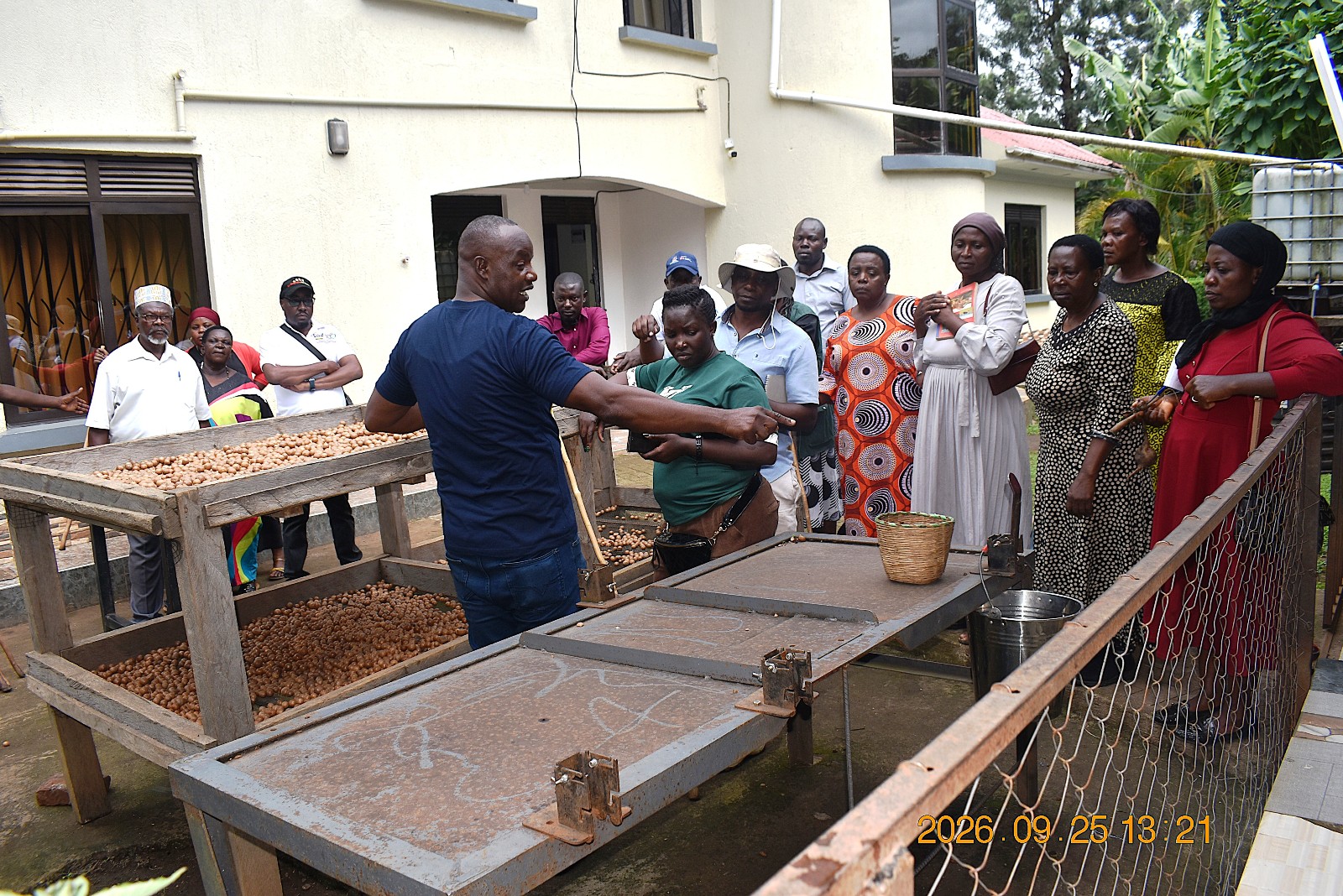
iii) Strong partnerships create opportunities for growth: The exchange reinforced the value of building relationships with fellow farmers, local institutions, technical experts, markets and other stakeholders. Partnerships can provide access to knowledge, skills, inputs, markets and new opportunities that individual farmers may struggle to access on their own.
iv) Make informed investment decisions: The farmers learnt that not every seemingly attractive agricultural venture is necessarily profitable. Before investing, farmers need to consider the costs of production, available markets, expected returns, labour requirements, risks and the time required to generate income. Careful assessment can help farmers avoid putting resources into enterprises that may not provide adequate returns.
v) Every coin earned from sales should be accounted for: Proper financial record-keeping emerged as an important lesson. Farmers need to know how much they spend on inputs, labour, transport and other operational costs and how much they earn from sales. Keeping track of income and expenditure enables farmers to determine whether an enterprise is profitable and make better decisions about reinvestment.
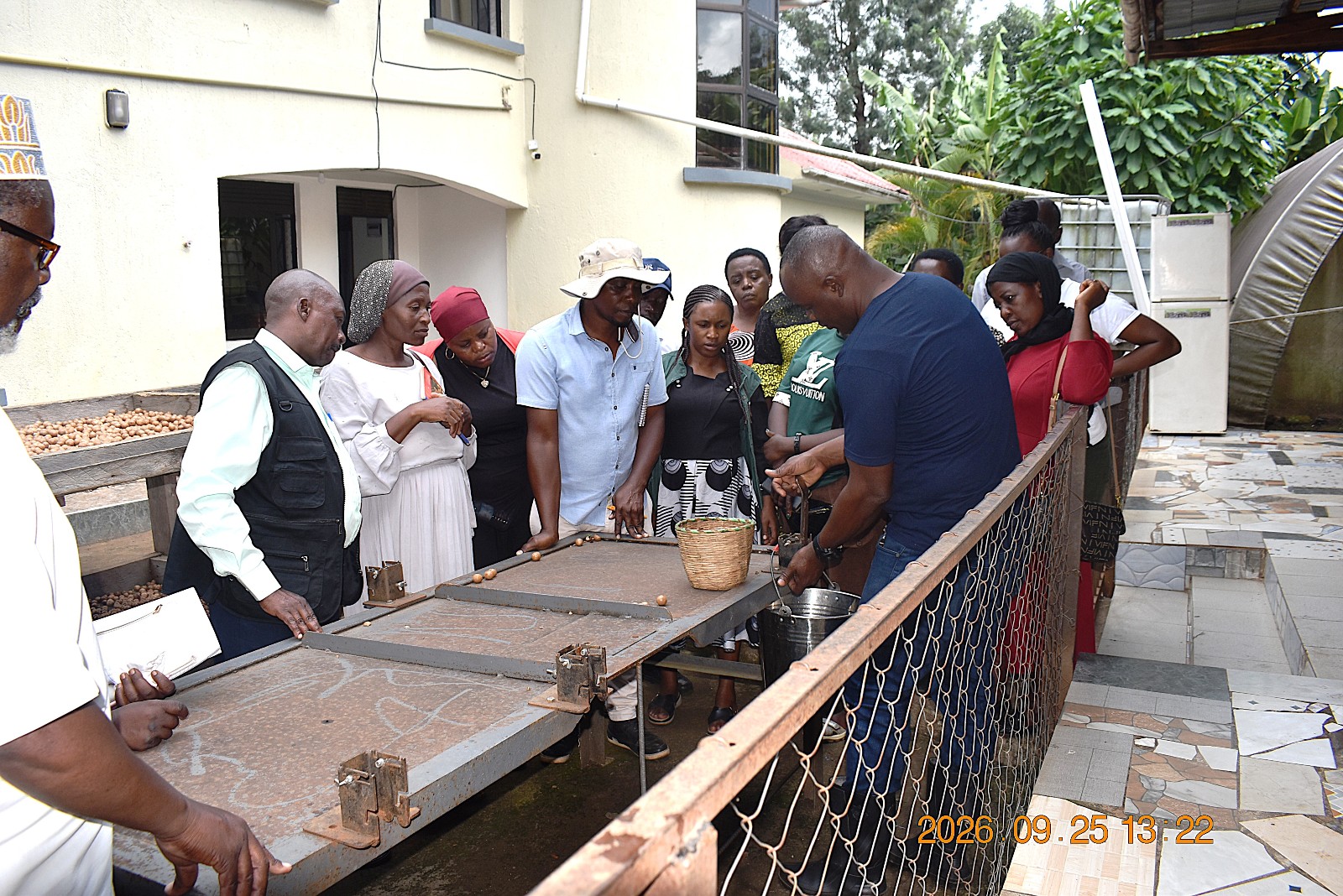
vi) Plan labour strategically to ensure smooth operations: The farmers learnt that relying heavily on casual or seasonal workers can disrupt farm operations. They recognized the importance of planning labour needs in advance, developing reliable sources of labour and, where feasible, adopting practices and technologies that reduce reliance on labour-intensive activities.
vii) Sustainability requires continuity across generations: Engaging younger family members can help ensure continuity of agricultural enterprises, preserve valuable experience and knowledge, and support the long-term sustainability of farming activities.
viii) Farmers should embrace new opportunities: The exchange encouraged farmers to remain open to new ideas and opportunities that can strengthen their farming enterprises.
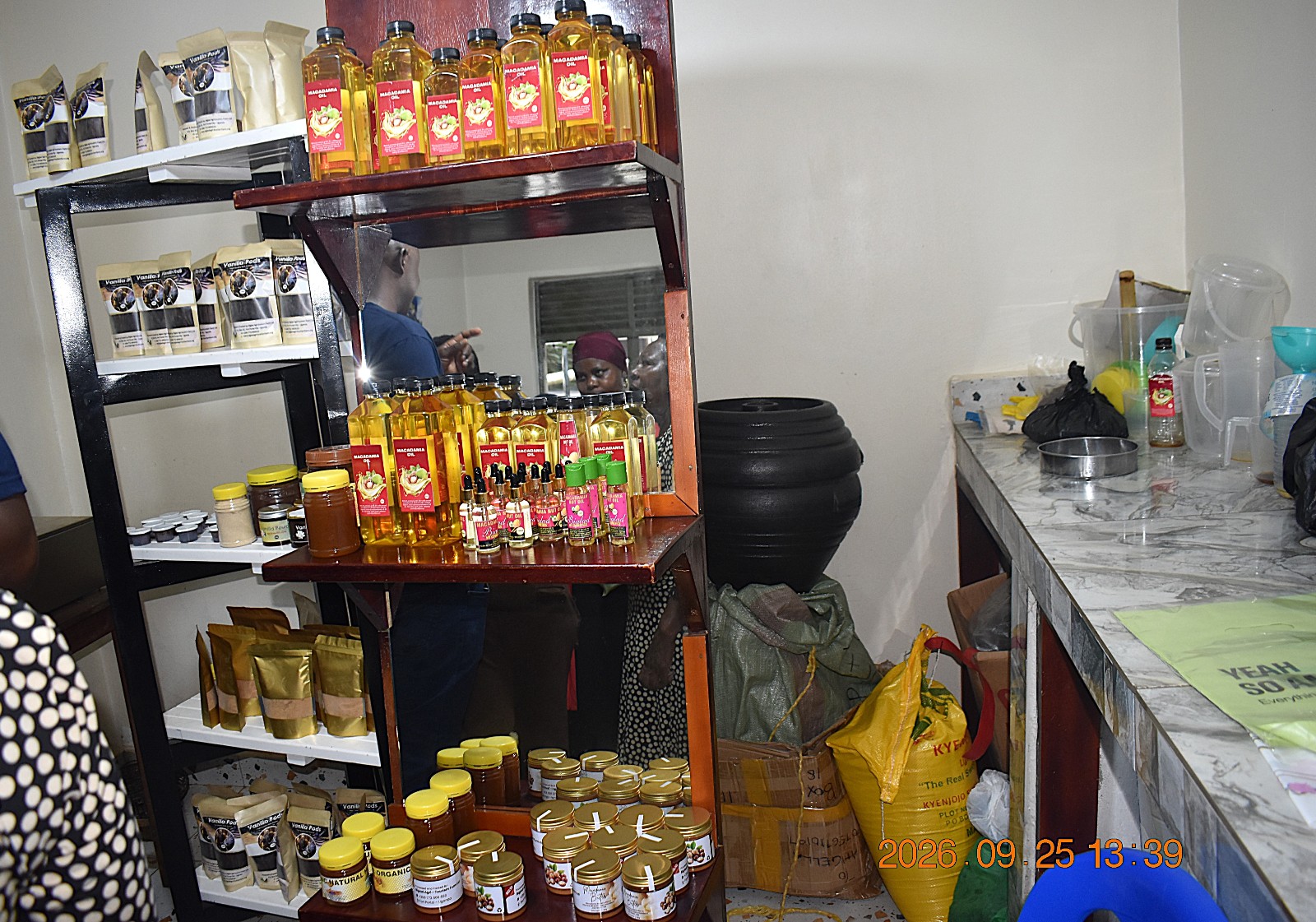
ix) Organic farming can support sustainable production: The farmers appreciated how organic practices can improve soil health, reduce reliance on synthetic inputs, lower some production costs and promote environmental sustainability through better use of locally available resources.
x) Understanding the quality of soil helps farmers make better production decisions: Farmers learnt the importance of observing and understanding their soils before deciding what to plant. Simple observations of soil characteristics, combined where possible with appropriate soil testing and technical advice, can help farmers identify crops that are better suited to particular areas and improve productivity.
xi) Adapt farming practices to local conditions: Farmers learnt that crops and practices suited to one area may not perform similarly elsewhere, making it important to consider local weather, soils and growing conditions.
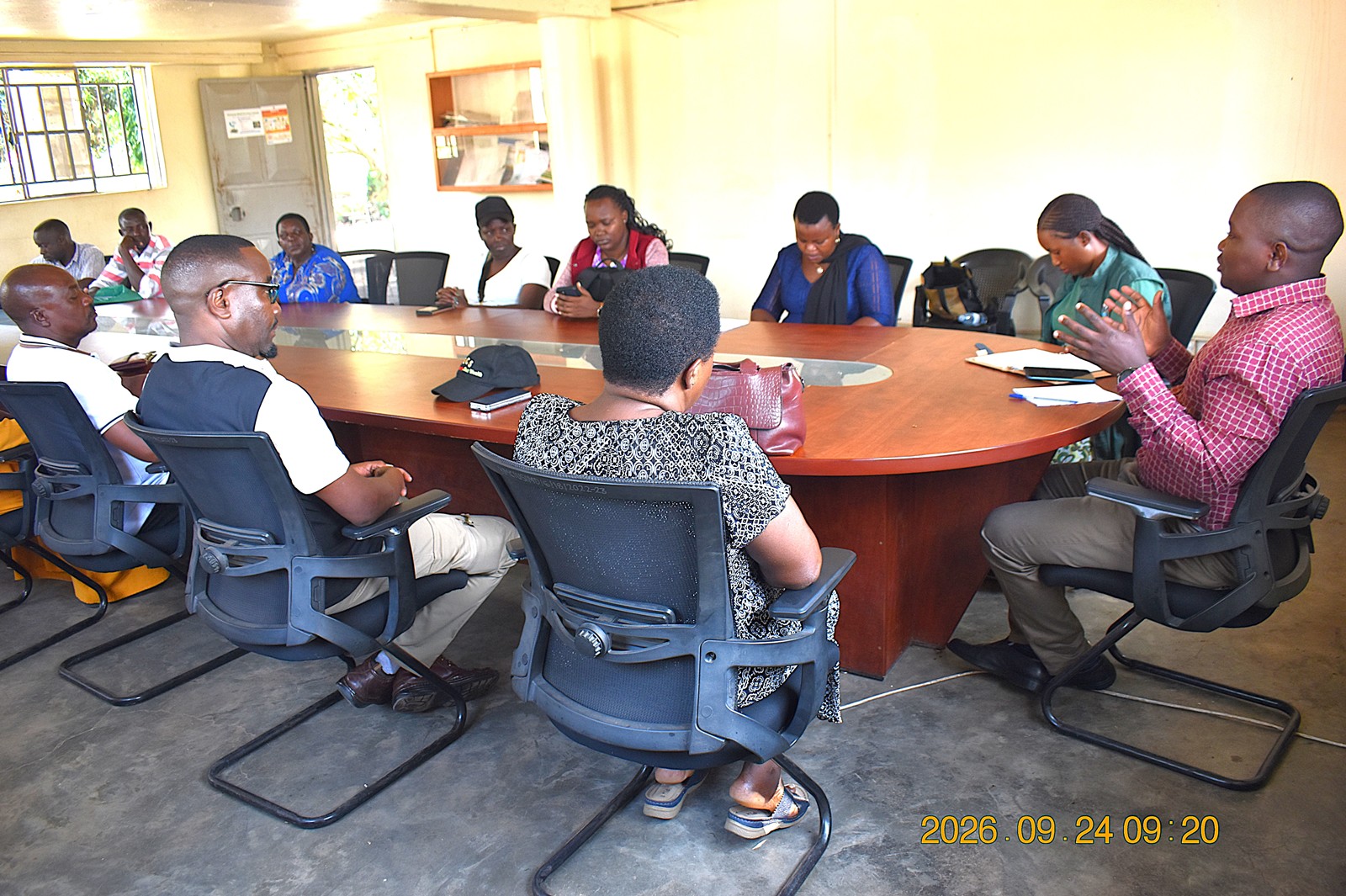
xii) Start small and grow gradually: Farmers do not always need large amounts of capital to start a new enterprise. Beginning on a manageable scale enables them to gain experience, test the market, address challenges and improve their practices before reinvesting and expanding.
Local Government Appreciation
In the course of the field trip in Kasese Municipality, the team interacted with the Deputy Mayor, Mr. Mupango Rabson, who commended the RUFS Project for its timely and forward-looking approach to strengthening urban food systems.
He appreciated the project’s contribution to equipping communities with practical knowledge and solutions for addressing the interconnected challenges of rapid urbanization, food security and livelihoods.
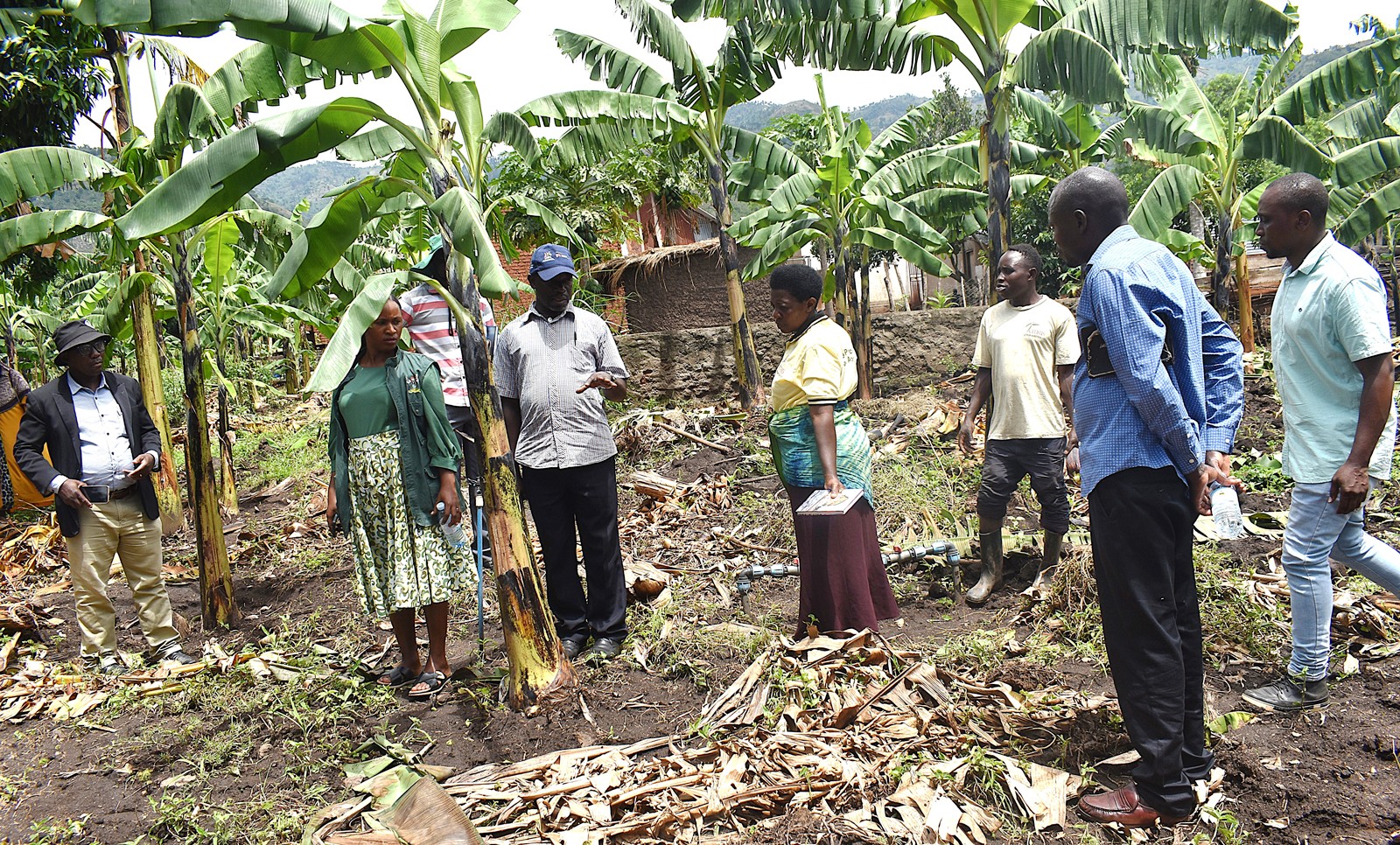
A similar engagement will be held in Mbale City from 7th-10th October 2026.
Photos of other activities/farms toured
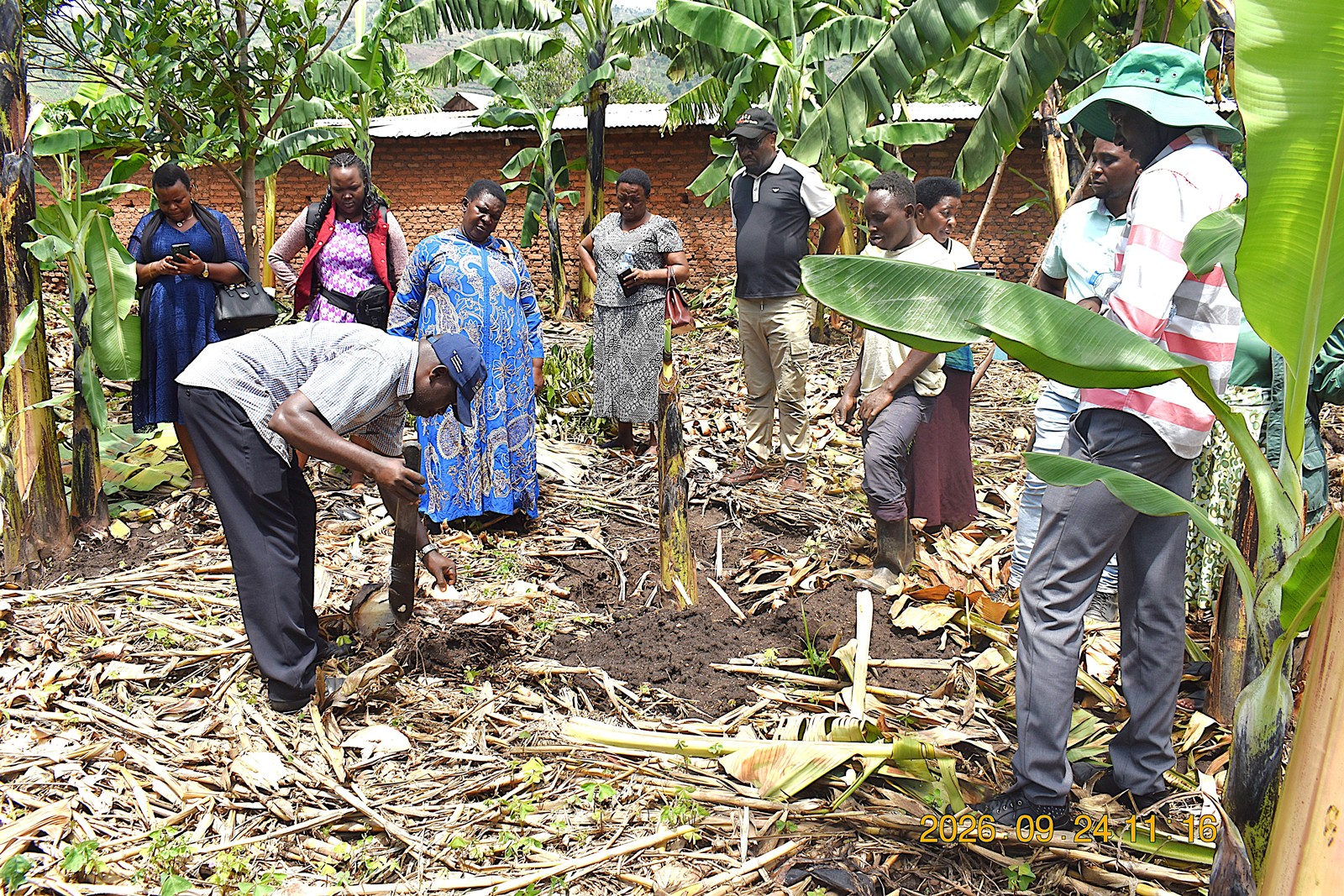
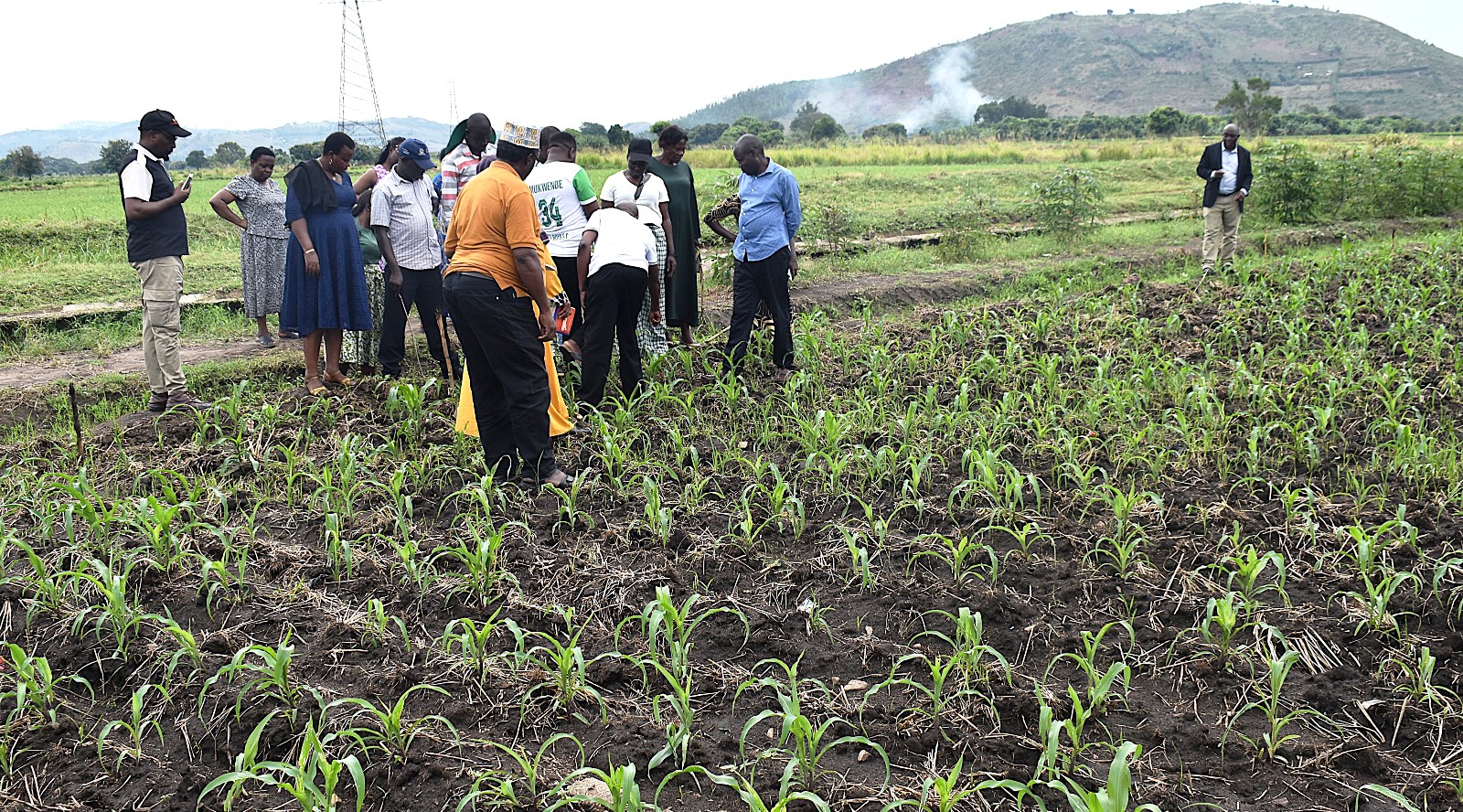
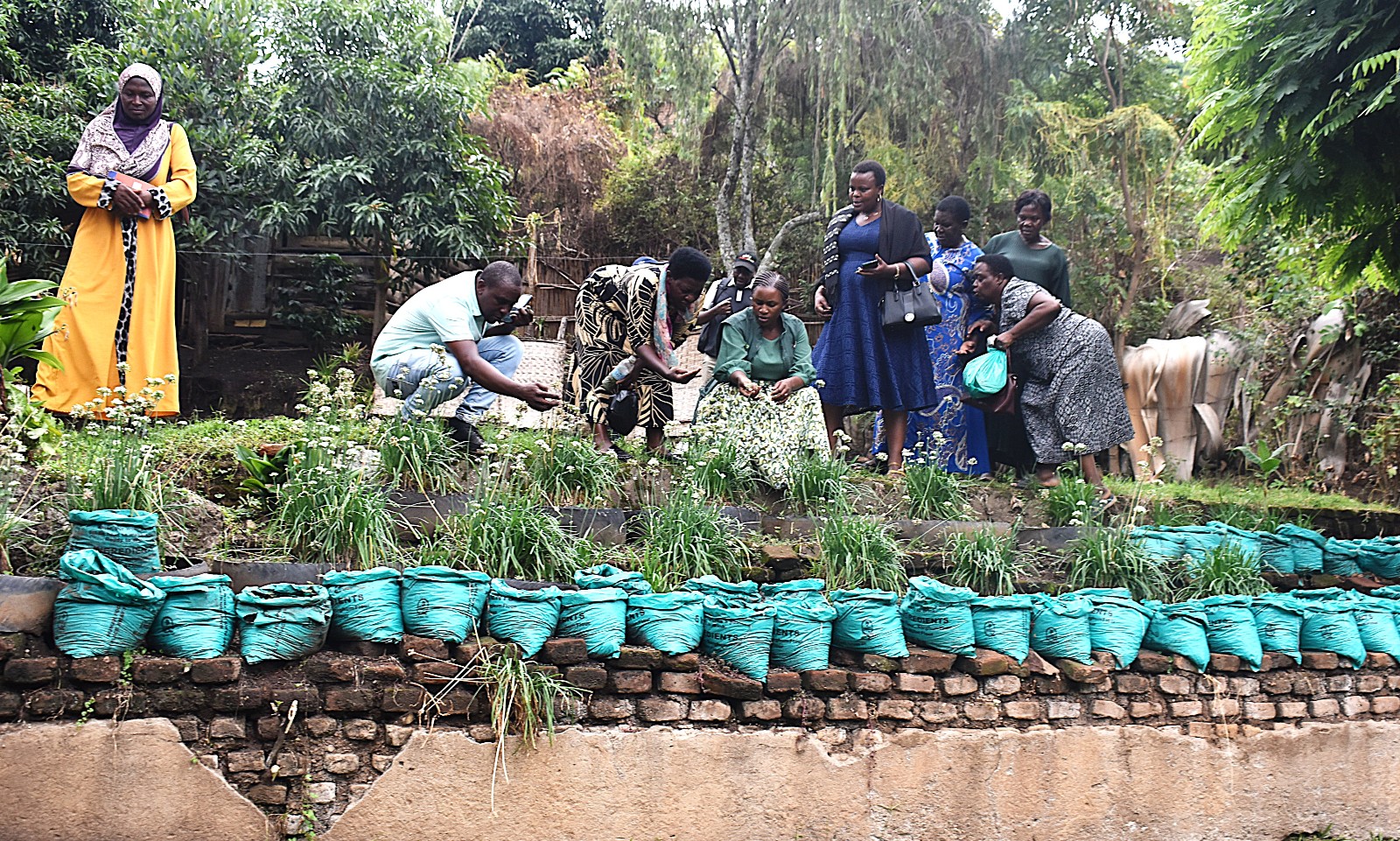
Link to the pictorial of the activities:
https://drive.google.com/drive/folders/1WyKkMEwefJHufr-ERzcu9NUdI3fzgIYy?usp=sharing
More about RUFS: https://news.mak.ac.ug/2025/08/mak-launches-phase-ii-of-the-rufs-project-to-strengthen-climate-resilience-food-security-in-kasese-mbale-districts/

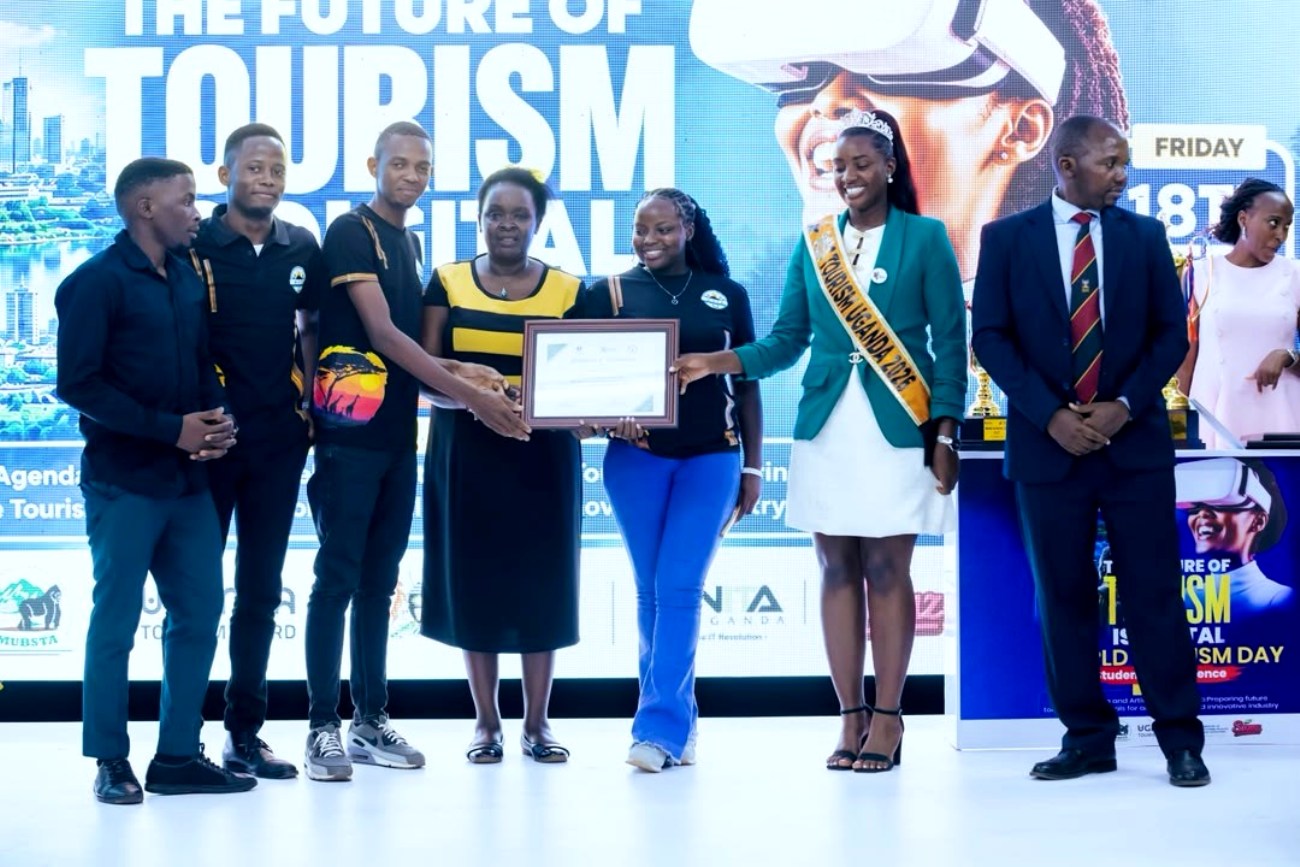
On Friday 18th September 2026, the Ministry of Tourism, Wildlife and Antiquities, Makerere University Business School (MUBS) and the Uganda Tourism Board held a workshop on a theme “ Digital agenda, artificial intelligence to redesign tourism”.
This event was held at Makerere University Business School (MUBS) where 15 universities participated;
- Makerere University
- MUBS
- Kampala International University
- Metropolitan International University
- Muteesa 1 Royal University
- ISBAT university
- Avance University
- Uganda Wildlife and Research Training Institute
- Uganda Hotel and Tourism Training College
- Kyambogo University
- International University of East Africa
- Ndejje University
- Islamic University in Uganda
- St. Lawrence University
- Uganda Christian University

A highlight of the workshop was an inter-university tourism quiz that tested students’ knowledge of tourism, Ugandan culture and heritage, as well as their ability to interpret photographic representations of tourism attractions. Makerere University’s tourism students emerged as the overall winners, demonstrating strong knowledge and understanding of Uganda’s tourism sector. The winning team was presented with a trophy by the Head of the Tourism Department at MUBS, Dr. Celestine Katongole, in recognition of their outstanding performance.
-
 General2 weeks ago
Call for Applications: RLRH Graduate Traineeship Programme
-
 General6 days ago
Statement on Concerns Circulating Regarding a Member of Academic Staff
-
 Research2 weeks ago
Call for Makerere Staff PhD Completion Grant Applications, 2026-27
-
 Engineering, Art & Tech2 weeks ago
Public Art Talk Sparks Dialogue on Contemporary Art Practices at MTSIFA
-
 General1 week ago
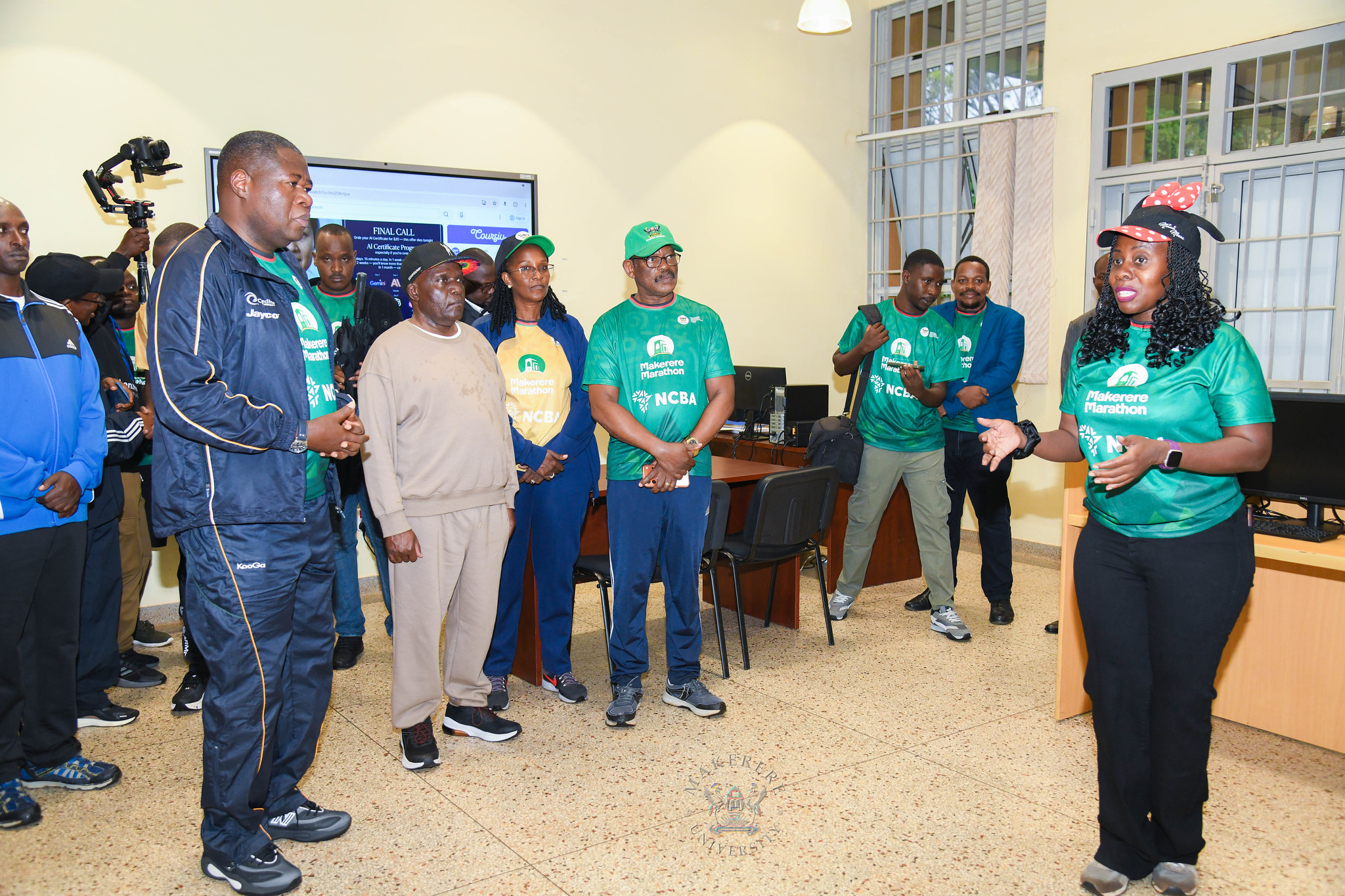
Makerere Marathon 2026 – Running to Equip the Disability Support Center