
General
Makerere University Hosts Delegation from Ghent University Association

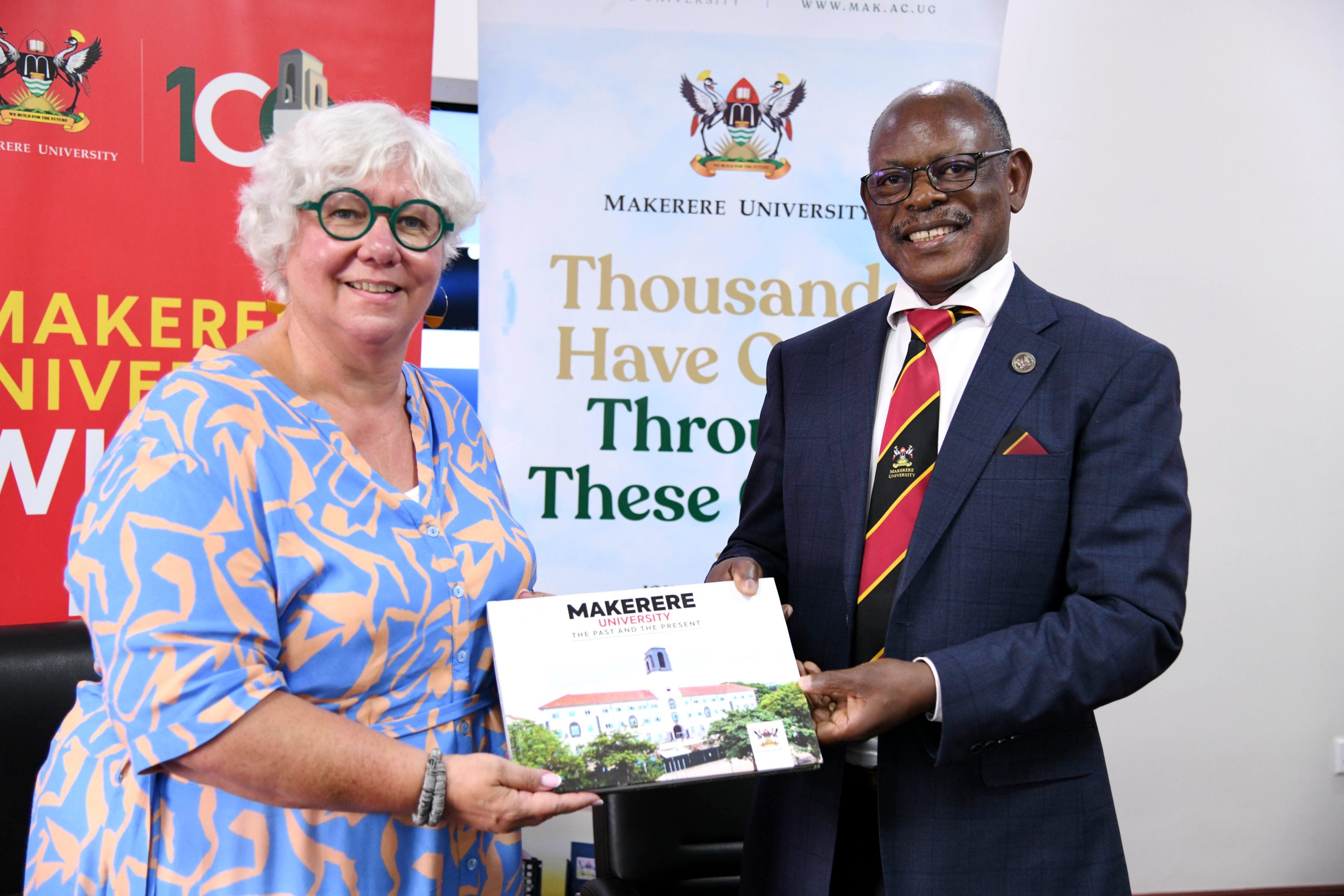
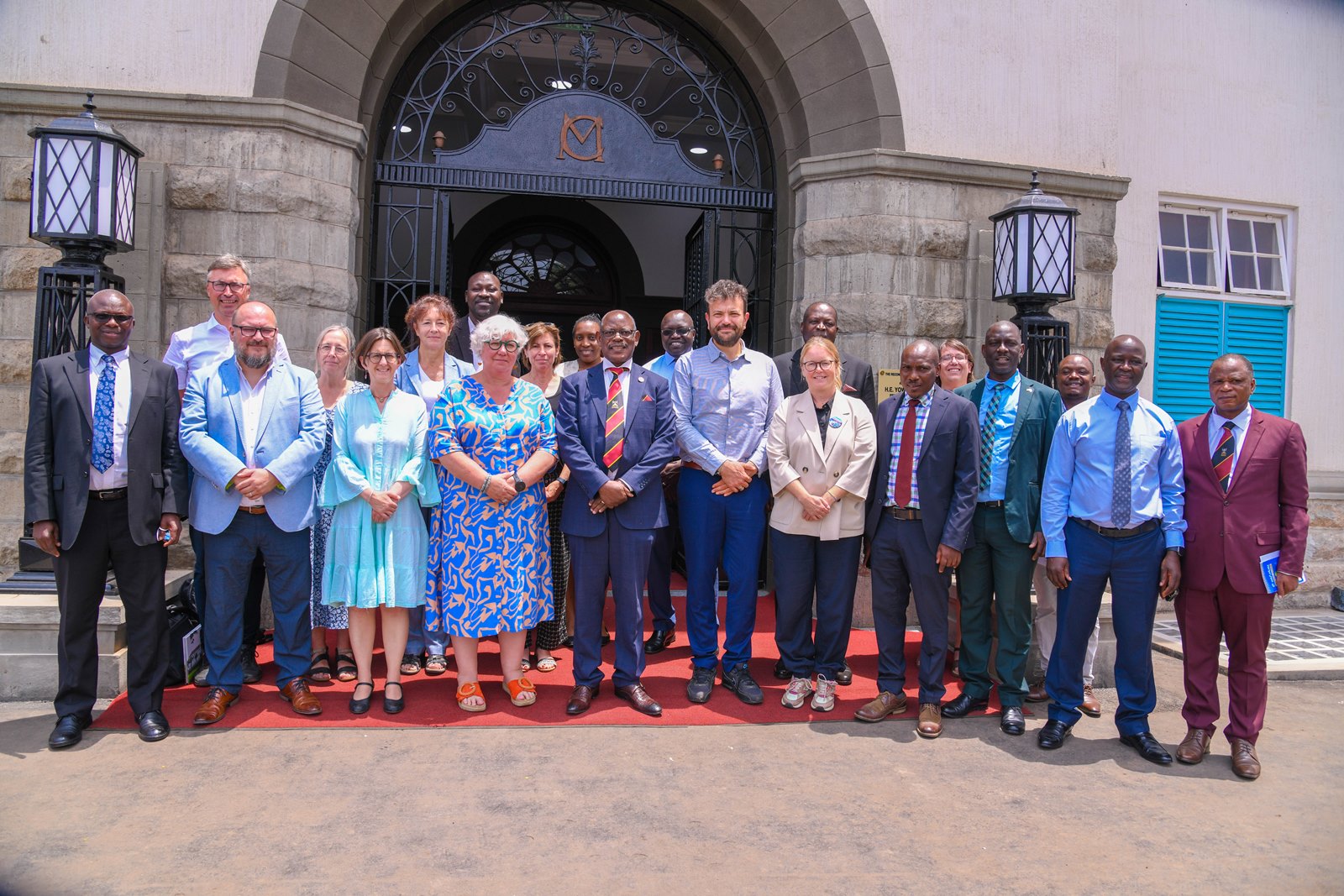
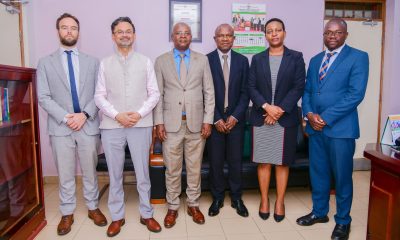
Makerere University has hosted a delegation from the Ghent University Association, led by Prof. Mieke Van Herreweghe, Vice Rector of Ghent University. The delegation included representatives from Howest University and Hogent University of Applied Sciences.
Vice Chancellor Prof. Barnabas Nawangwe welcomed the team and highlighted Makerere University’s commitment to addressing the pressing challenges in the region. These include climate change, which continues to hinder investment, and Uganda’s rapidly growing population that has surged from 5 million in the late 1940s to nearly 50 million currently, creating socio-economic challenges such as high youth unemployment.
He emphasized that Makerere’s research agenda focuses on understanding the fast-growing population, tackling health challenges, advancing governance and human rights, and fostering peace through initiatives such as the Rotary Peace Center—the only one of its kind on the African continent. Research at Makerere also seeks to provide solutions to youth unemployment in one of the world’s youngest nations.
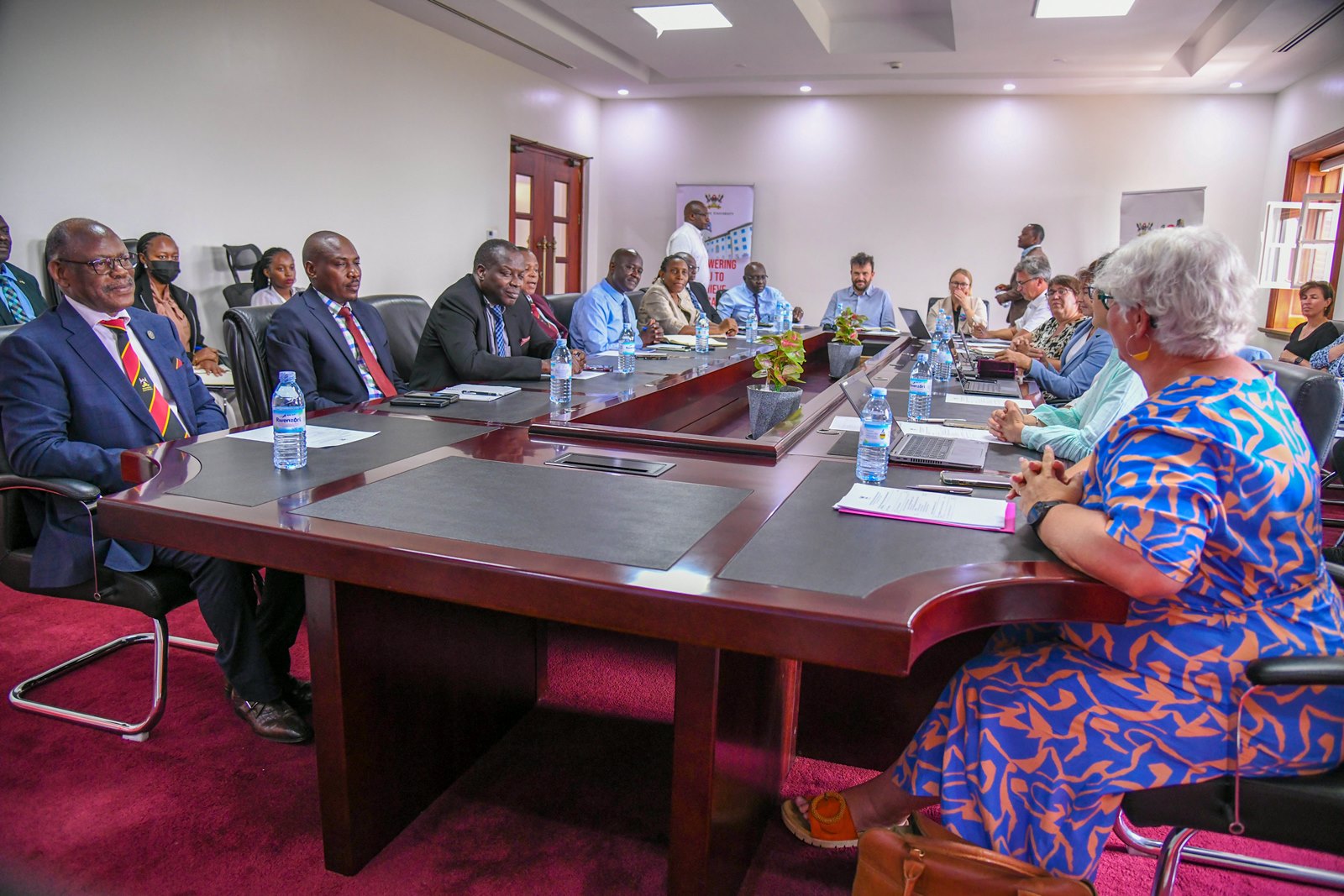
The Vice Chancellor further noted that Makerere University teaches and conducts research across a wide spectrum of disciplines, organized into colleges including Agriculture, Business and Management, Computing, Education and External Studies, Engineering and Technology, Health Sciences, Humanities and Social Sciences, Natural Sciences, and Veterinary Medicine. The university also hosts over 60 specialized research centers, among them Centers of Excellence such as the Regional Centre for Crop Improvement, which works to enhance food security, manage pests and diseases, and improve agricultural productivity. Another key institution is the Infectious Diseases Institute, which leads research on HIV/AIDS. With these initiatives, he added, Makerere continues to expand its research footprint while strengthening global partnerships.
Prof. Van Herreweghe provided an overview of Ghent University, founded in 1817 and ranked among the top 100 universities globally for decades. With its motto “Dare to think,” Ghent University has built a strong international reputation. It also holds the distinction of being the only Belgian, and currently the only European, university with a campus in South Korea. Established in 2014, the campus offers bachelor’s programs in applied biotechnology.
She highlighted Ghent’s joint PhD programs, which are structured as sandwich programs to support African universities. Under this arrangement, PhD candidates spend two years funded at Ghent University and another two years at their home university (such as Makerere), with joint supervision from both institutions. These programs, she noted, are a strategic way of fostering international collaboration.
During the visit, Ghent University signed a Student Exchange Agreement with Makerere University to complement the existing Memorandum of Understanding. The agreement will pave the way for more joint initiatives and strengthen collaboration in the years ahead.
The delegation also included Mr. Lieven Theys, International Coordinator for Business Management at Howest University, who explained that Howest clusters its programs into three key domains: Design and Technology, Human Well-being and Health, and Business and Organization. Dr. Robin Stevens represented Hogent University of Applied Sciences, which runs programs across nine schools including Business and Management, Computer Sciences, Biosciences, Industrial Technology, Teacher Training, and Healthcare.
The visit, held on 27th August 2025, was attended by Makerere University officials and members of various colleges, among them Prof. Winston Tumps Ireeta, the Acting Deputy Vice Chancellor (Finance and Administration) and Principal of the College of Natural Sciences (CoNAS), Prof. Tonny Oyana-Principal College of Computing and Information Sciences (CoCIS), Prof. Moses Musinguzi-Principal College of Engineering, Design, Art and Technology (CEDAT), Prof. Julius Kikooma-Director Graduate Training, Assoc. Prof. Yazidhi Bamutaze-Deputy Principal College of Agricultural and Environmental Sciences (CAES), Assoc. Prof. James Wokadala-Deputy Principal College of Business and Management Sciences (CoBAMS), Assoc. Prof. Richard Idro-Deputy Principal College of Health Sciences, and Dr. Cathy Mbidde, Manager of the Makerere University Innovation Pod (Mak UniPod).






General
Mastercard Foundation Scholars Program at Makerere University Celebrates the Last Cohort of Phase One Graduates

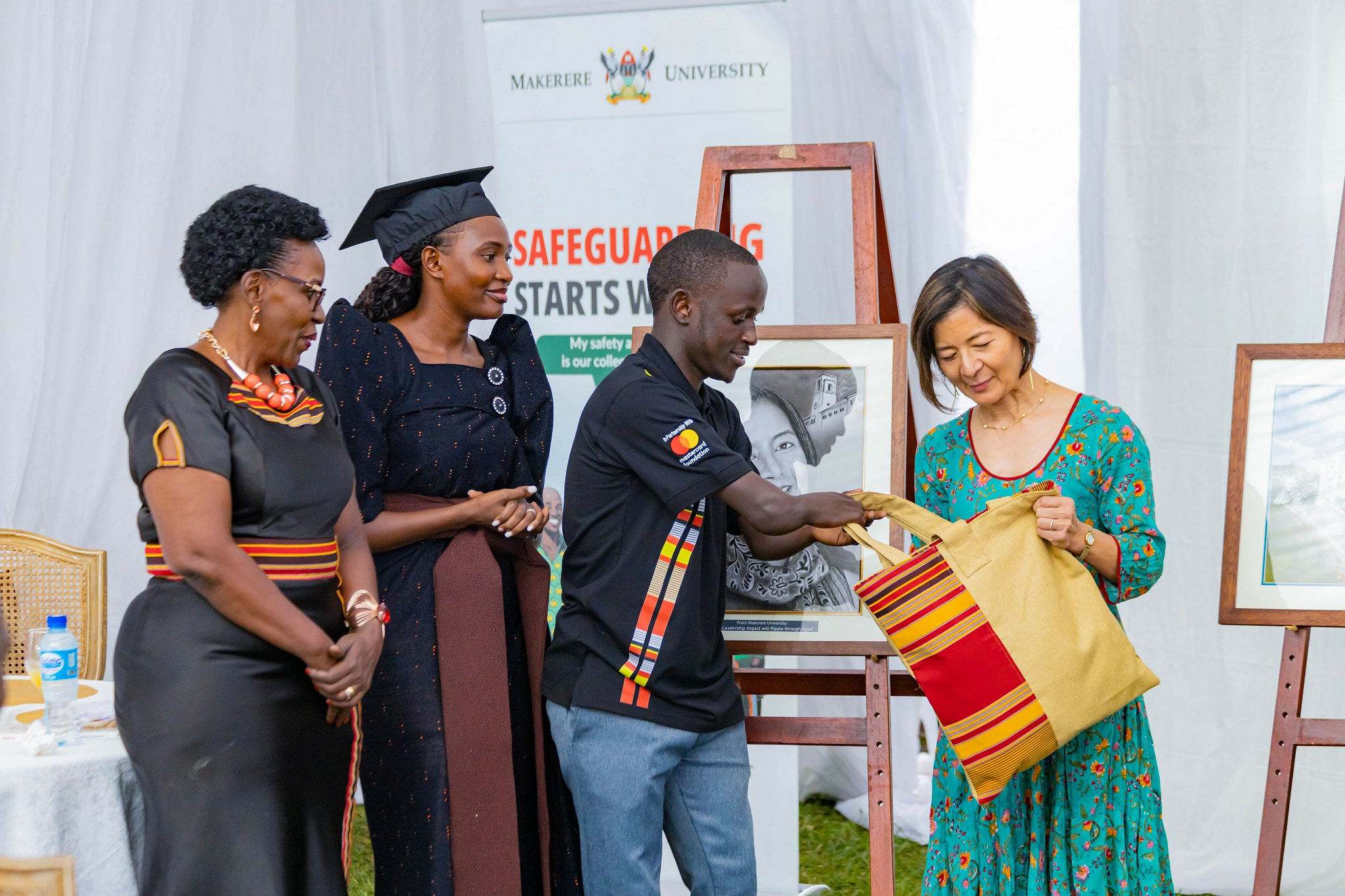
At the just-concluded 76th Graduation Ceremony at Makerere University, which took place between 24th and 27th February 2026, the Mastercard Foundation Scholars Program at Makerere University celebrated the graduation of the final Cohort of 10 Mastercard Foundation Scholars from the first phase of the Mastercard Foundation Scholars Program (2013-2023). This brings the total number of graduates from Phase One to 974 out of the 1,032 Mastercard Foundation Scholars recruited.
Who are these 10 graduates, and what are their dreams and aspirations?
ACOLA Jackline graduated with a Bachelor of Science in Conservation Biology from the College of Natural Sciences. Her passion for nature and commitment to addressing environmental issues, including degradation, pollution, and the unsustainable exploitation of natural resources, have motivated her to pursue a career in conservation. As a conservation biologist, Jackline’s primary objective is to ensure that natural resources and the environment are preserved in their pristine state. She is dedicated to promoting sustainable resource utilisation and advocating for eco-friendly business practices. To achieve this, she plans to implement comprehensive conservation education initiatives for the general public.

AJIAMBO Eunice graduated with a Bachelor of Commerce. She is motivated and detail-oriented, with a strong academic foundation in accounting, taxation, finance, and business management. Her programme provided her with practical knowledge and analytical skills relevant to today’s dynamic commercial environment. During her academic journey, she developed a strong interest in taxation and financial compliance. She undertook coursework and case studies that enhanced her understanding of corporate taxation, value-added tax, financial reporting, and business decision-making. These experiences strengthened her ability to analyse financial information, interpret regulations, and apply commercial principles effectively. Eunice aspires to build a professional career in finance and taxation, with a focus on tax advisory, revenue administration, and corporate finance. She is passionate about ethical business practices and believes that effective financial management and tax compliance are essential for sustainable economic growth.

Dr. AKITE Flowrence graduated with a Bachelor of Veterinary Medicine, a testament to resilience and support. Losing her father at a young age could have derailed her aspirations, but instead, it fueled her determination to succeed. Throughout her academic career, she received encouragement and assistance from generous individuals who recognised her outstanding academic achievements. As a Mastercard Foundation Scholar, she not only excelled academically but also actively engaged in her community, treating animals as she gained experience as a vet student. In her hometown of Dokolo, Northern Uganda, she has played a vital role in treating animals and enhancing the health and welfare of local livestock.

AUMA Barbra attained a Bachelor of Arts with Education, representing a significant milestone in her educational journey. Hailing from a modest family of eight children, she faced numerous challenges on her path to higher education, particularly after her father, a security guard, was unable to fund her university tuition following her Senior Six. Consequently, her graduation not only signifies a personal accomplishment but also embodies a remarkable triumph over adversity. Her academic excellence earned her a place in the Mastercard Foundation Scholars Program at Makerere University, a pivotal opportunity that enabled her to pursue her dreams. Barbra is particularly dedicated to advocating for girls’ education.
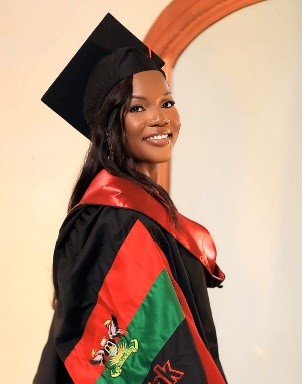
Dr. BABALANDA Immaculate is a dedicated veterinary professional who recently completed her Bachelor of Veterinary Medicine. Throughout her studies, she maintained a strong focus on animal health, food safety, and sustainable livestock systems. Passionate about agricultural innovation, she founded the Green Grub Revolution Project, which promotes black soldier fly larvae as a sustainable, cost-effective alternative to traditional poultry feed. Her work focuses on bridging the gap between scientific research and grassroots community needs. Currently, through her Fellowship at the International Livestock Research Institute (ILRI-Nairobi), Immaculate is strengthening her research and leadership in one health and climate-smart livestock production. She envisions a career at the intersection of veterinary medicine and agricultural innovation, where she can scale sustainable feed alternatives and contribute to resilient food systems across Africa.

MAZAPKWE Vicky proudly earned her Bachelor of Business Administration, showcasing the remarkable outcomes of determination and resilience in overcoming adversity. Having lost both parents at a young age, pursuing higher education seemed an unattainable dream. However, with her auntie’s unwavering support, she successfully completed her primary and secondary education. Her dedication and academic excellence earned her a place in the Mastercard Foundation Scholars Program, paving the way for her academic journey at Makerere University. Now equipped with her degree, Vicky has set her sights on becoming a successful businesswoman while nurturing her passion for storytelling as a film writer and director. She is grateful for the opportunities provided by the Mastercard Foundation Scholars Program, which not only empowered her but also inspired her to launch a project that supports orphans in her community.

NAMATOVU Noeline graduated with a Bachelor of Business Administration. A daughter of a single mother, her graduation is both a joy and big relief to her mother.
After the loss of her father, she received invaluable support from a priest, a friend of her late dad.
“The priest took me to school and covered my fees until I completed Senior Six. Although he couldn’t help with university expenses, it motivated me to seek a scholarship, and the Mastercard Foundation Scholars Program at Makerere University enabled me to pursue my university education.” Namatovu shares. Initially aspiring to be a doctor, she found the sciences challenging and shifted her focus to accounting, where she plans to major and pursue professional qualifications. Her achievements have inspired young people in her community.
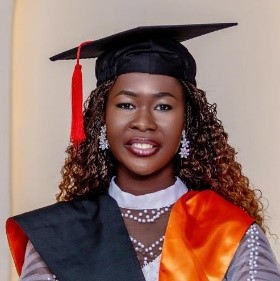
NAMIYINGO Christine graduated with a Bachelor of Arts with Education, majoring in Economics. Her academic journey has been challenging, particularly given her experience with bipolar disorder; however, she is grateful for the support she has received from the Mastercard Foundation Scholars Program team at Makerere University. She is keen to pursue a Master of Business Administration (MBA) to strengthen her expertise in Business Management and realise her aspiration of becoming an entrepreneur. Beyond her academic pursuits, Christine is deeply committed to her faith, which she considers a significant factor in her success. She is also dedicated to assisting those in need, guided by a belief that acts of generosity are rewarded. Inspired by accomplished individuals, she actively seeks mentorship to foster her personal development.

NAMONGIN Alice is a dedicated development practitioner, climate justice advocate, and youth leader from Uganda’s Karamoja region. As a Mastercard Foundation Scholar at Makerere University, she earned a Bachelor of Science in Business Statistics, with a focus on research and social entrepreneurship. She founded the Nurture HER Initiative, a youth-led venture that promotes climate resilience and girls’ education in Indigenous communities. She has trained over 70 Indigenous youth volunteers, supported climate education in schools, and promoted sustainable solutions. With interests in climate policy, entrepreneurship, and community solutions, Alice aspires to influence policies that prioritise Indigenous knowledge and youth participation. She enjoys mentoring young girls, public speaking, and using storytelling to drive social change.

NVIRI Robert graduated with a Bachelor of Arts with Education. Throughout his academic career, he has demonstrated a strong commitment to education, leadership, and community development. His enthusiasm for teaching and empowering his peers has motivated him to pursue a career dedicated to improving Uganda’s education system, focusing on integrating modern teaching methodologies and digital tools to enrich the learning experience. Robert aspires to become a transformative educator who inspires students to engage in critical and creative thinking. He is particularly passionate about improving access to education for under-served communities and firmly believes in education’s capacity to foster social change. In addition to his academic endeavours, Robert has actively tutored children facing social and economic barriers and organised mentorship programmes for young people, thereby reinforcing his dedication to community service.
How did the Mastercard Foundation Scholars Program journey start at Makerere University? The Program Director, Prof. Justine Namaalwa, shares the highlights.
Phase One of the Mastercard Foundation Scholars Program (2013-2023)
In 2013, Makerere University entered into a transformative partnership with the Mastercard Foundation to nurture the next generation of leaders in Africa. This initiative is designed to empower young people to drive positive change in their lives, their communities, and across the continent. The Mastercard Foundation Scholars Program places strong emphasis on enabling young people to shape new narratives and pursue meaningful aspirations.
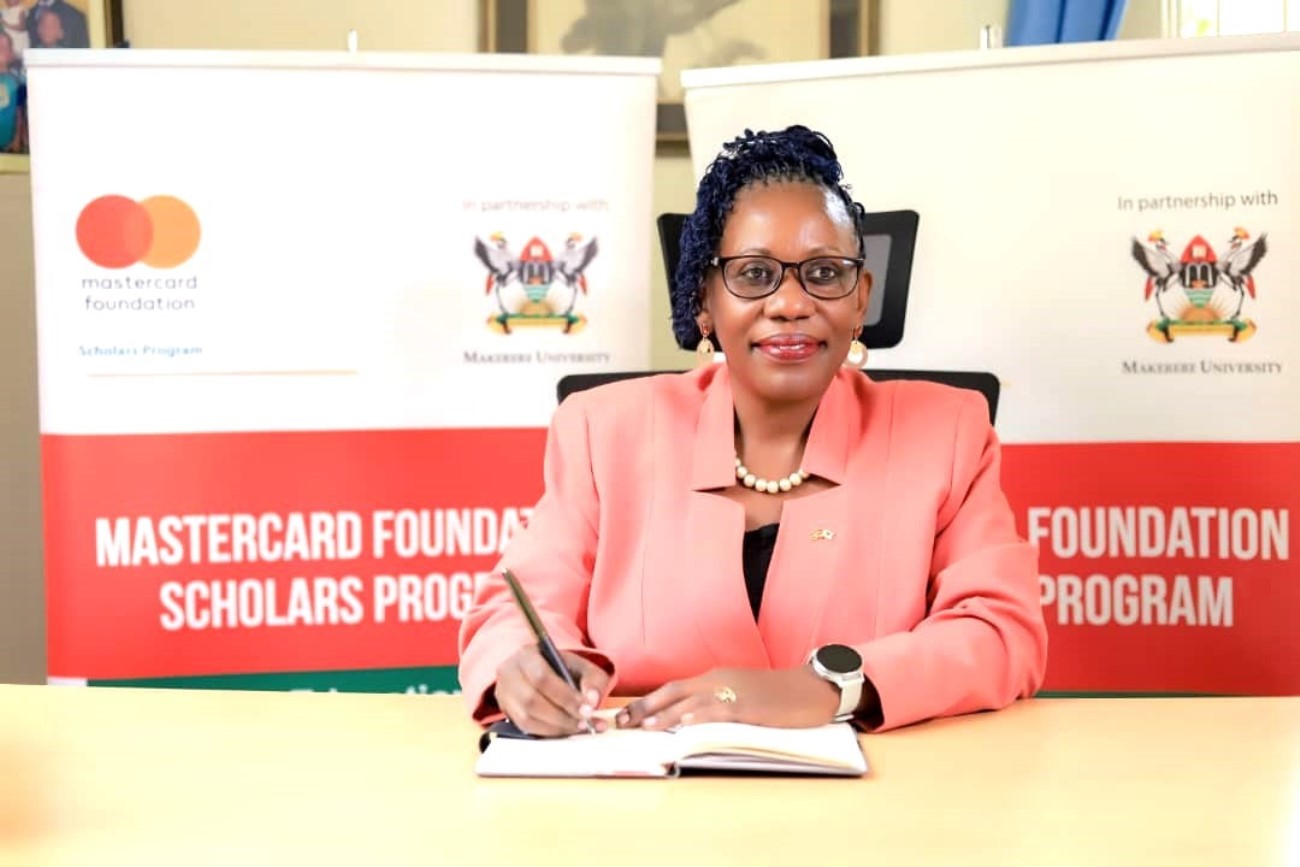
Through this collaboration, Makerere University has successfully implemented two phases of the Mastercard Foundation Scholars Program. The first phase of the Mastercard Foundation Scholars Program was implemented from 2013 to 2023. Under this phase, 1,032 Mastercard Foundation Scholars were recruited and educated at Makerere University, of which 974 graduated and are contributing in various capacities within their communities.
Phase Two of the Mastercard Foundation Scholars Program (2023-2034)
In December 2023, the partnership was renewed, and the second phase of the Mastercard Foundation Scholars Program is currently being implemented at Makerere University and will run through 2034. Building on the first phase, the University is committed to fostering inclusion and ensuring equitable access in this phase. To support this goal, specific scholarship quotas have been established for the following groups:
- Refugees and Internally Displaced Persons (25% of the Scholarships)
- Young People living in Refugee-Hosting Communities (5% of the Scholarships)
- Young People from Underrepresented Ethnic Groups in Uganda (5% of the Scholarships)Young People Living with Disabilities (25% of the Scholarships)
- International Students (10% of the Scholarships)
- Other Ugandan Nationals facing financial barriers to pursuing University Education (30% of the Scholarships)
What has been the individual impact of Phase One graduates of the Mastercard Foundation Scholars Program?
To date, 974 Mastercard Foundation Scholars have graduated, proudly joining the Makerere University Alumni community.
Notably, 48% of these Mastercard Foundation Scholars Program Alumni have secured formal employment, demonstrating successful integration into the workforce. Furthermore, 18% have launched their own businesses, not only creating jobs for themselves but also generating opportunities for other young people and driving local economic transformation. The Mastercard Foundation Scholars Entrepreneurship Fund (SEF) supported 46 ventures by the end of 2025, proving that start-ups are indeed a crucial solution to combating youth unemployment.
In addition, 8% of the Mastercard Foundation Scholars Program Alumni are gaining essential work experience through internships facilitated by Transition Partners. Meanwhile, 5% are pursuing further study in Master’s, Postgraduate Diploma, and PhD programmes, reflecting their commitment to personal and professional growth.
In total, 72% of the Mastercard Foundation Scholars Program Alumni are actively engaged in productive employment or entrepreneurship. This data clearly shows that investing in young people generates tangible economic and social returns.
The remaining 12% are part of other young people in Uganda with university degrees who are facing challenges entering the world of work. These young people need support and systems to translate their career navigation journeys into meaningful engagements.
What has been the impact on the Communities?
Communities have greatly benefited from the Mastercard Foundation Scholars’ Give Back initiatives, including the establishment of safe water sources, the construction of classrooms, and the planting of trees for environmental protection. These efforts reflect a commitment to empowering young people, positively impacting communities, and showcasing the potential of African universities for a sustainable future. Mastercard Foundation Scholars and Alumni implement one impact project each year on the Annual Day of Service, which allows them to showcase skills in organisation, mobilisation, and teamwork. Since 2014, Mastercard Foundation Scholars have implemented various community projects, as highlighted below.
- In 2023, Achukudu Primary School in Napak District made significant strides by constructing a two-room classroom block, complete with desks and benches, enhancing the learning environment for its students.
- In 2022, St. Katherine Primary School in Agago District contributed to its community by building a two-room classroom block alongside a new pit latrine, improving facilities for both students and staff.
- In 2021, the Bulamwaki community in Iganga District saw valuable initiatives: a borehole was completed, and 56 jerrycans were donated to local women, promoting access to clean water.
- In 2020, Mastercard Foundation Scholars made a positive impact in the Kyangwali Refugee Settlement in Kikuube by providing essential COVID-19 protective materials, distributing sanitary pads, promoting tree planting, and offering career guidance to the community.
- In 2019, efforts at Salama School for the Blind in Mukono included planting trees and erecting a protective fence around the school, creating a safer and more welcoming environment for students. At Kibaale Primary School in Mityana, activities included general cleaning, tree planting, and the completion of a two-room teacher’s residence.
- In 2018, Mastercard Foundation Scholars donated learning materials, nappies, and food items, supported feeding activities and carried out general cleaning at Kampala School for children living with disabilities.in Kampala.
- In 2017, Mastercard Foundation Scholars constructed and renovated classroom blocks, dug a rubbish pit, and cleared a community well at Muzinda Primary School, and raised awareness on hygiene at Mbuya Gizaza Community in Nakawa. Additionally, they built a wooden classroom, renovated a latrine, cleaned the area, and planted trees at St. Charles Lwanga Primary School in Mukono.
- In 2015, Mastercard Foundation Scholars planted trees, undertook general cleaning, painted the buildings, and carried out electrical installations and repairs at Kireka School of Children with Special Needs in Kampala.
- In 2014, the first cohort of Mastercard Foundation Scholars dug a rubbish pit and a borehole trench, washed children’s clothes, supported feeding activities, carried out general cleaning and compound slashing, and donated foodstuffs, nappies and laundry detergents to Mercy Child Care Centre in Wakiso.
Giving back to the community has been, and continues to be, a core aspect of the Mastercard Foundation Scholars Program, which fosters a culture of giving through individual and group initiatives. As Nelson Mandela rightly puts it:
“What counts in life is not the mere fact that we have lived. It is what difference we have made to the lives of others that will determine the significance of the life we lead”. He also championed community service, noting that “we can all do more to reach out, take care, and serve the well-being of others”.
Bernard Buteera is the Principal Communications and Public Relations Officer of the Mastercard Foundation Scholars Programme at Makerere University.

-

 General6 days ago
Application for Admission to Graduate Programmes 2026/27
-
 General1 week ago
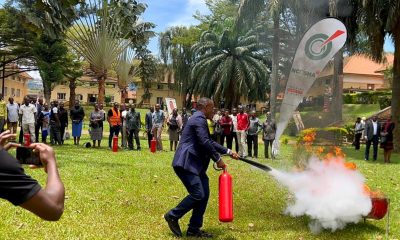
Custodians and Wardens trained on Fire prevention in Halls of Residence
-
 Education2 weeks ago
Makerere University Charts New Future with the unveiling of the Open, Distance and E‑Learning Building and Strategic Plan
-
 General4 days ago
Mastercard Foundation Scholars Program at Makerere University Celebrates the Last Cohort of Phase One Graduates
-
 Education2 weeks ago
Mak CEES Hosts Kiswahili Primary School Orientation Workshop to Boost Language Teaching Quality