
General
Rt. Hon. Nakadama commends Makerere’s Safeguarding Policy

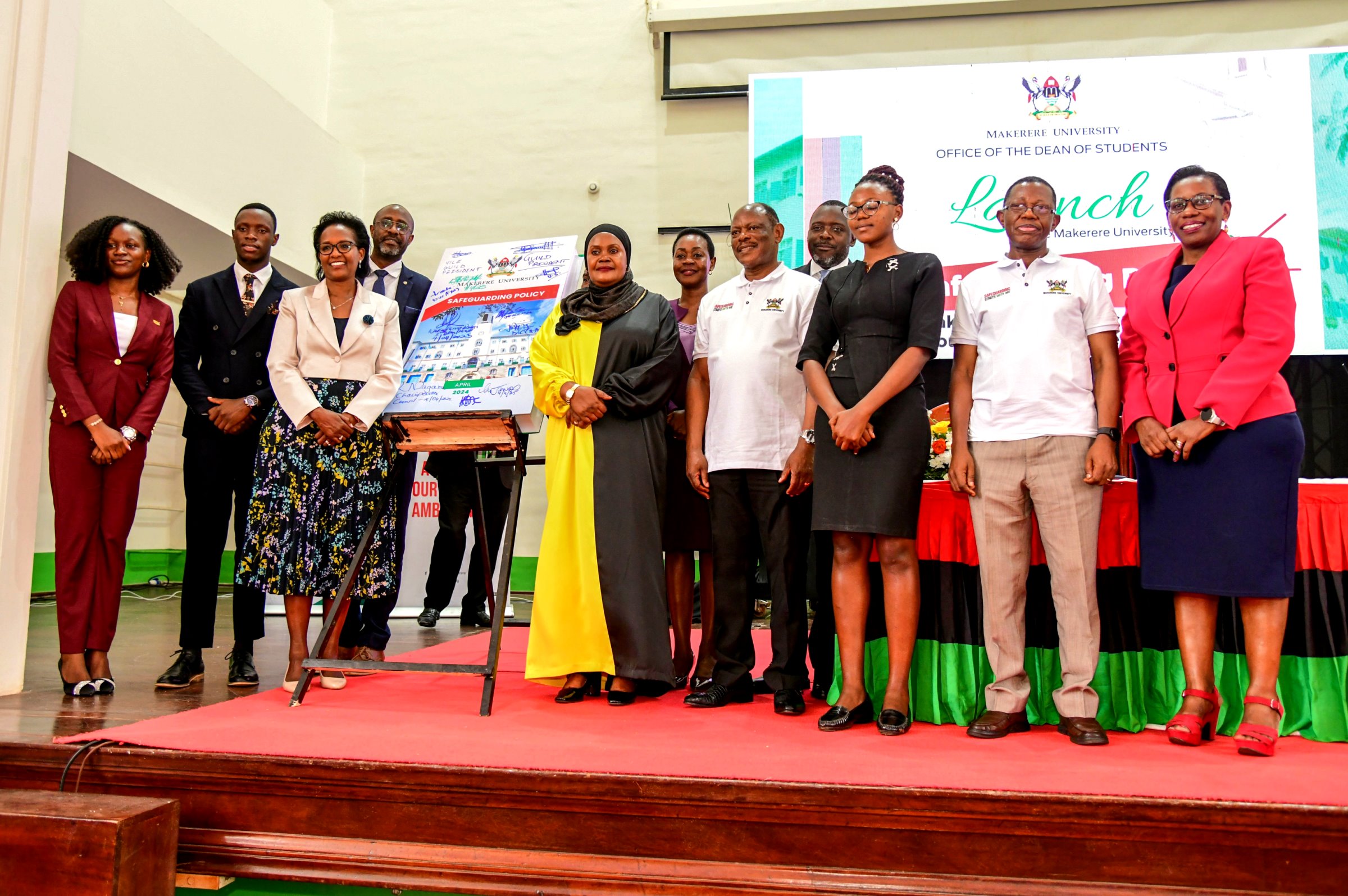
The Third Deputy Prime Minister and Minister without Portfolio, Right Honourable Lukia Isanga Nakadama, has commended Makerere University for crafting a policy aimed at creating a safe, inclusive, and respectful environment for all members of the University community.
Speaking at the Launch of the Safeguarding Policy today (Friday, April 4,2025) at Makerere University, Rt. Hon. Nakadama, noted that the policy is more than just a document, it represents a commitment to change, a pledge to protect, and a foundation for the future.
“I applaud the Makerere University Council and Management for the openness to acknowledge the existence of safeguarding risks within the institution, and the commitment to enhance the safety and well-being of all Students, Staff and associated stakeholders,” remarked Rt. Hon. Nakadama.
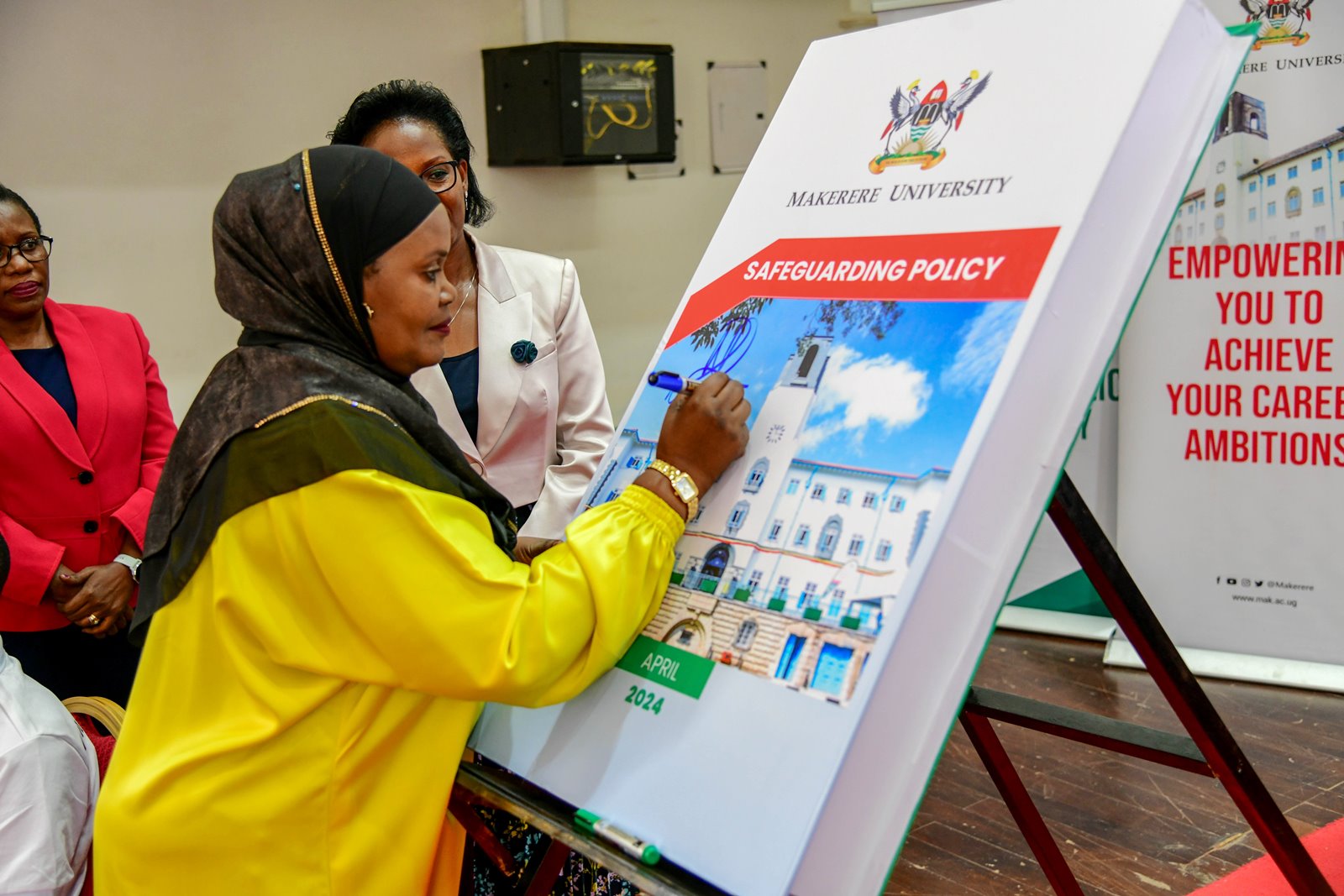
In her speech, the Minister emphasized the government’s commitment to fostering safer learning spaces in higher education institutions.
“We must collaborate to ensure its (the Safeguarding Policy’s) implementation and effectiveness. I urge all stakeholders, students, staff, Administrators, Partners and Government officials to engage in creating and maintaining a safe University Environment,” Rt. Hon. Nakadama, observed.
Makerere University has a duty of care to do no harm and promote the wellbeing of all students, staff, and other University community stakeholders. It seeks to enhance the learning environment to make it more secure, inclusive, and ethically sound for all stakeholders. In this quest, a comprehensive Safeguarding Policy was developed and approved by the University Council in April 2024.
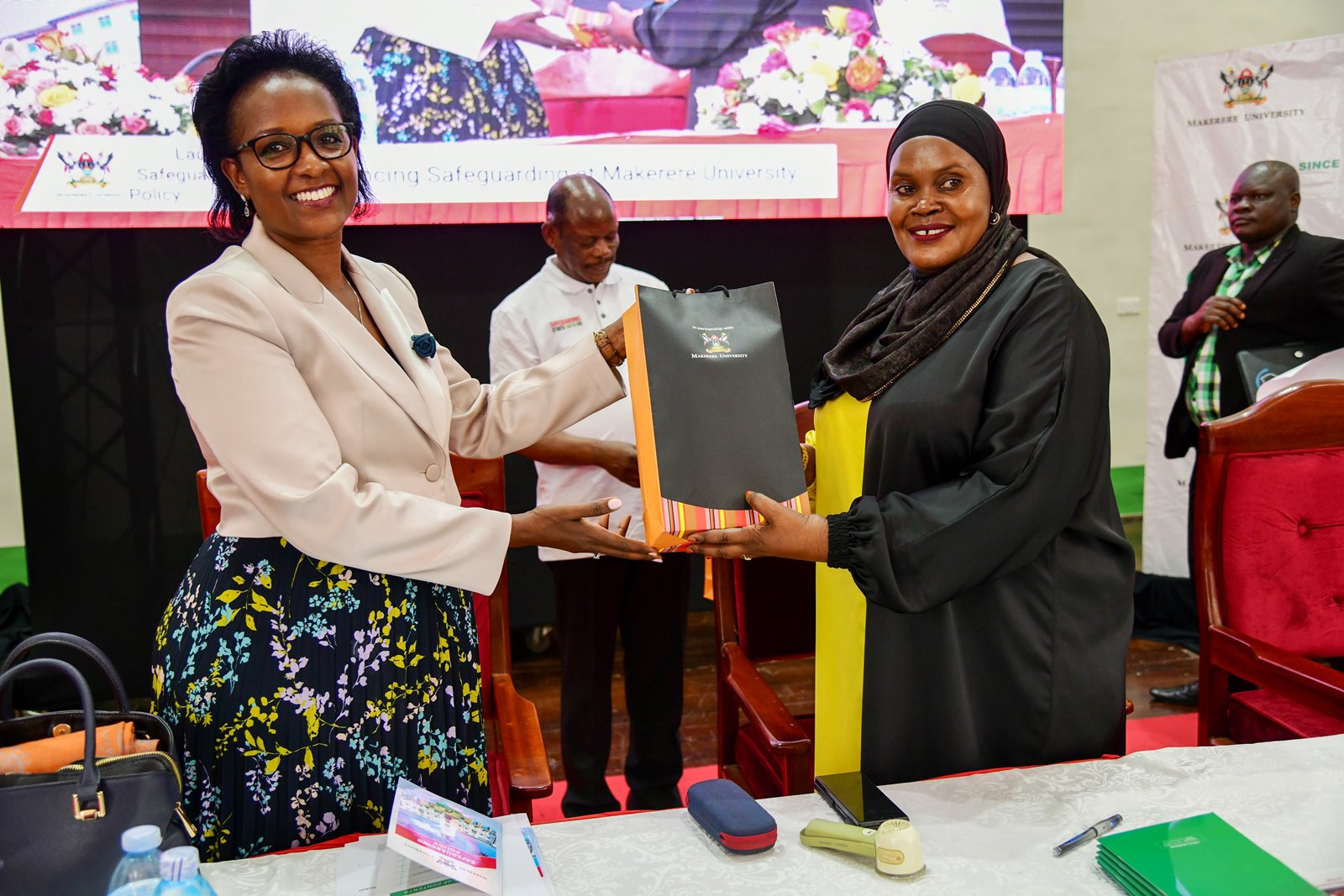
The Policy is designed to detect, and swiftly act on safeguarding risks; prevent the occurrence of harm; provide mechanisms for reporting all allegations or incidents that have occurred; respond appropriately to all reported incidences; and, continuously monitor, evaluate and learn from practices and experiences of managing safeguarding concerns.
The University Council Chairperson, Mrs. Lorna Magara, pledged total commitment to make sure that the policy does not remain on paper.
“With this policy we reinforce our zero-tolerance stance on abuse and commit to building a community where equality and respect thrive, and where every individual feels seen, supported and secure. Today marks a new chapter. We expect Management to ensure that every Campus member understands and lives out these principles. Violations will be met with strong disciplinary and legal action and survivors will receive the support, care and justice they deserve,” Mrs. Magara, said.
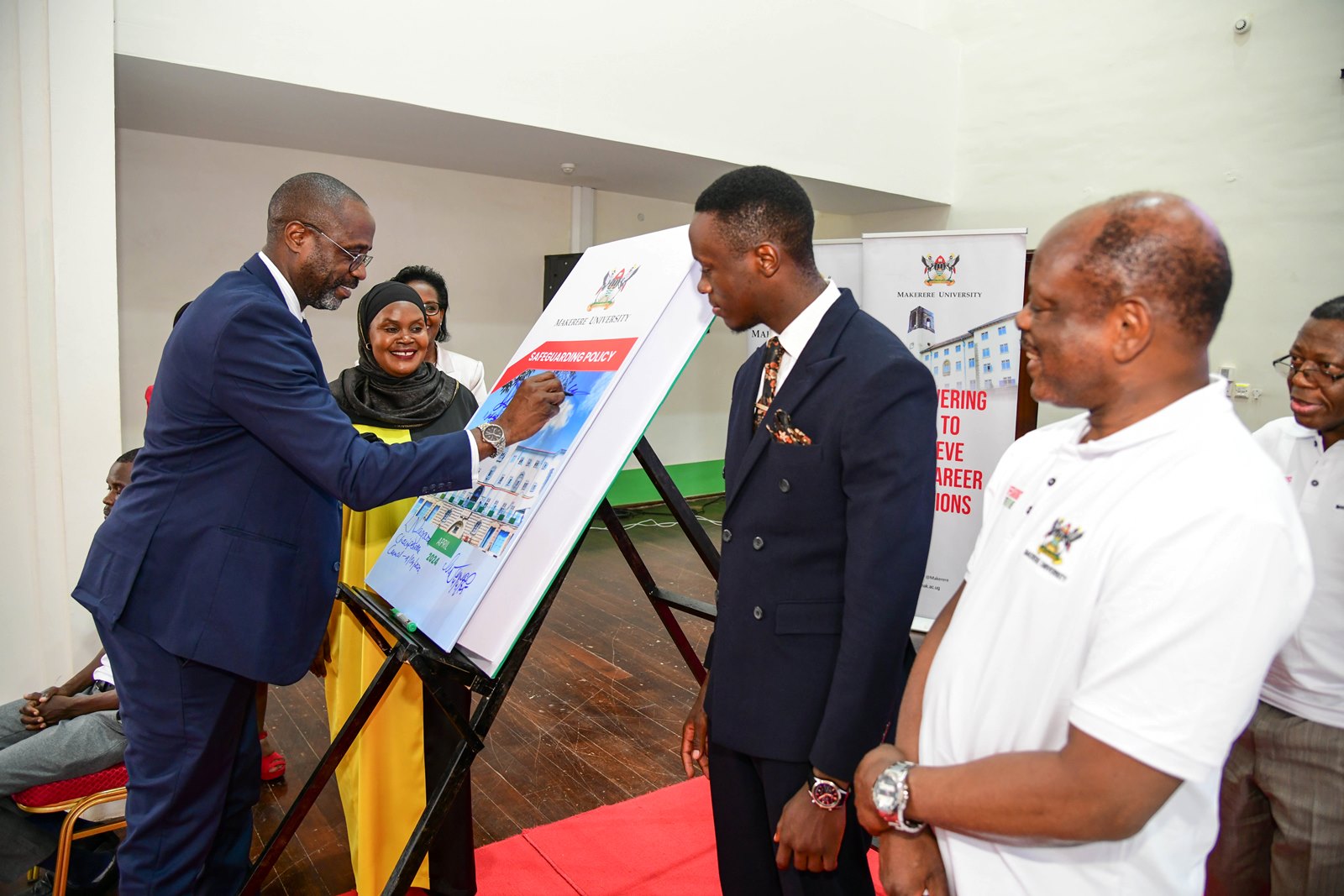
Addressing guests, Prof. Barnabas Nawangwe, the Vice-Chancellor, reassured that the launch of the Policy is not just a ceremonial event but a call to action. He called upon staff and students to ensure that every member of the University community knows their rights and has access to channels where they can report cases without fear of retaliation.
“Makerere is an equal opportunities institution and we are intentional in maintaining a safe environment for our students, staff and visitors. On the African continent, we are pioneers in establishing the gender mainstreaming policy, the anti-sexual harassment policy, the policy on students with disabilities and others, and I want to assure you Your Excellency Mr. Ssentamu that this policy will be implemented,” Prof. Nawangwe pledged.
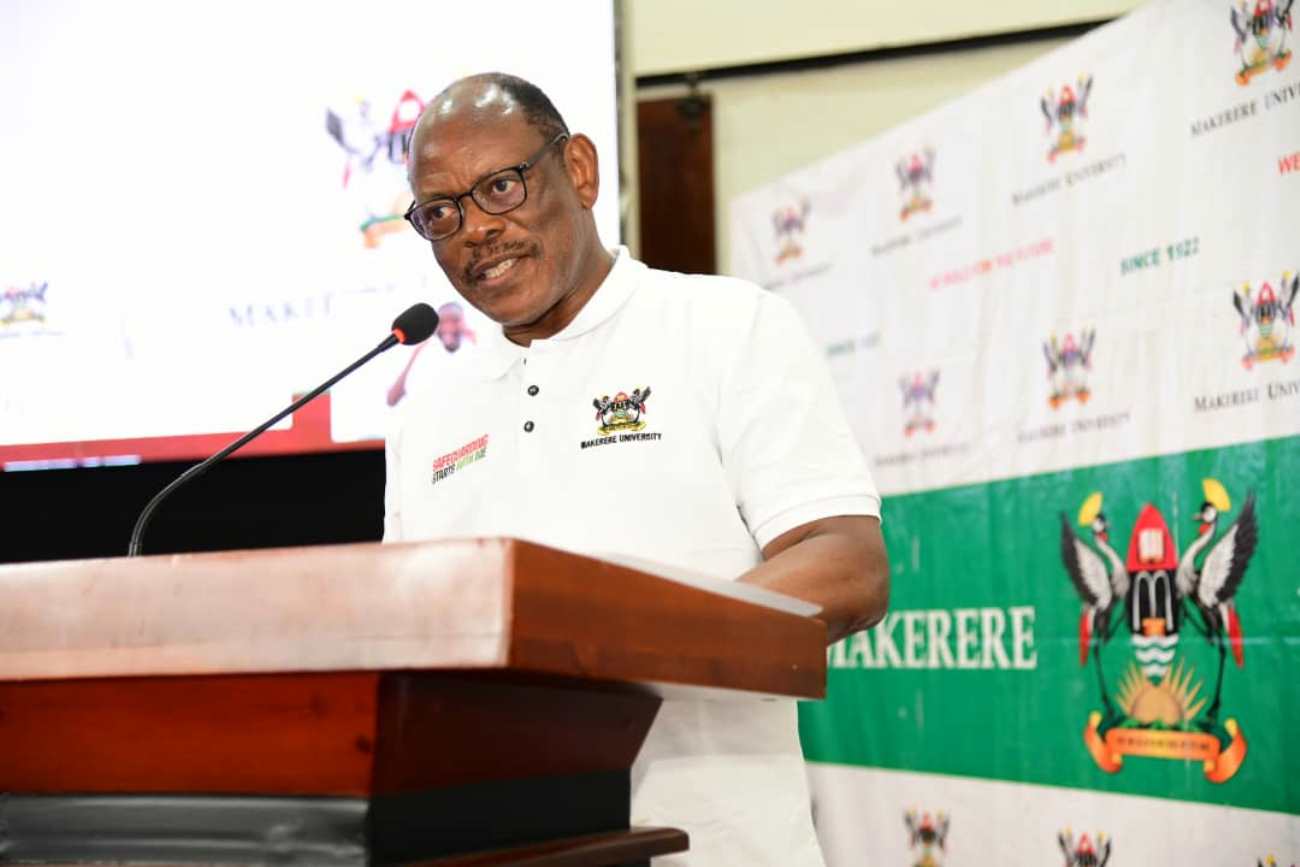
In his address prior to the Vice Chancellor’s remarks, H.E. Churchill James Ssentamu, the 91st Guild President had appealed to the University Management, to ensure that the policy does not remain in the filing cabinet but is put into practice. He had also requested Management to use the policy to guide in decision-making, disciplinary action, staff training, and student orientation. Prof. Nawangwe’s response therefore sought to promptly address the Student Guild’s prayer.
H.E. Ssentamu equally lauded the University Management, for developing a policy that aspires to create a safe space for everyone, especially women, students with disabilities, international students, and other vulnerable groups.

“This policy is a bold declaration that enough is enough. That silence is not an option. That every student matters. That every complaint will be taken seriously. That perpetrators will be held accountable regardless of title, status, or office,” His Excellency, Ssentamu, noted.
“To my fellow students: Safeguarding is not about punishing people; it is about protecting everyone. Speak out against misconduct. Support your colleagues. Educate yourselves about your rights. Use the reporting systems. Let us build a culture of respect,” the Guild President highlighted.
During the launch, students with disabilities, pointed out that with the policy in operation, they feel that Makerere University has created a framework for inclusivity.
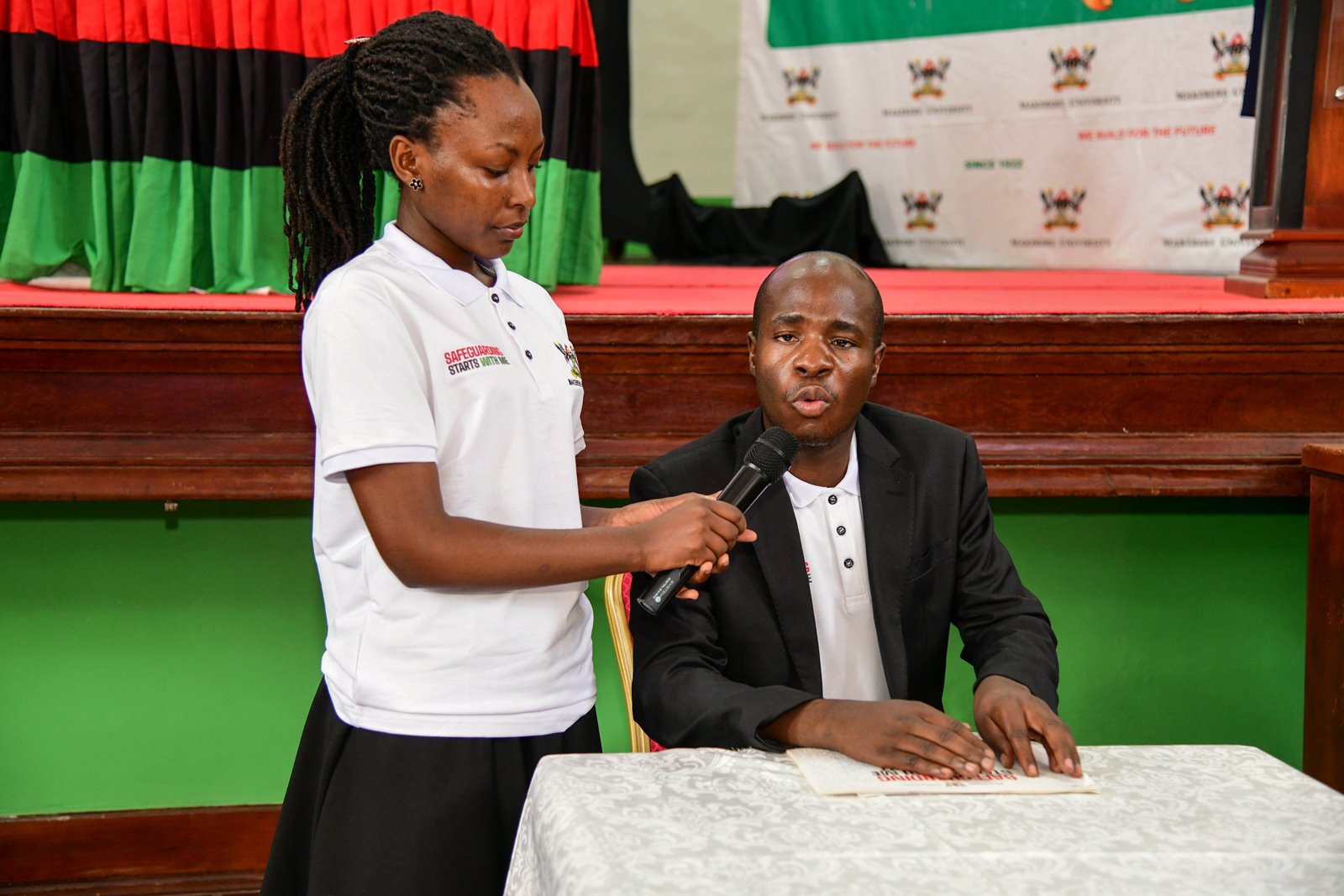
“With the Safeguarding Policy in place, we have not been left behind. We now know where to report when we have challenges and also the MakSafeSpace, the online reporting system, can easily be accessed. We feel we are part of this prestigious Institutions,” Yasin Ikoza, a first-year student Social Work and Social Administration with visual impairement, said.
The MakSafeSpace platform, which incorporates accessibility features for differently abled users, provides a robust and confidential means of reporting any risk or harm that is likely to occur or has occurred during teaching, learning, research, and community engagements. This platform complements the other reporting channels, both digital and non-digital, provided by Makerere University.
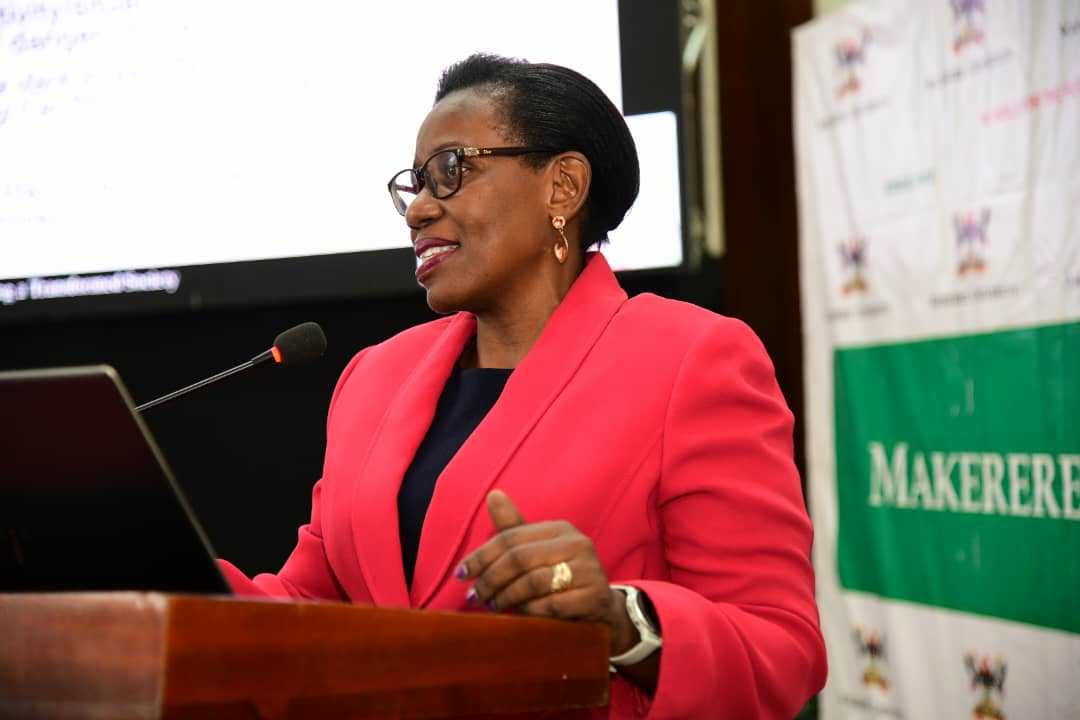
Prof. Justine Namaalwa a member of the Safeguarding Steering Committee added that an Inclusion and Safeguarding Liaison Office has been established in the Gender Mainstreaming Directorate (GMD) to track incidences. She equally requested members of the community to report incidences through the MakSafeSpace and other designated spaces so as to ease case tracking.
“When you report, the incidences will be channeled to the Safeguarding Liaison Office. The University Management is committed to have an annual audit; what is prevailing, what is most occurring, and what has come down. So if you don’t report through designated spaces, University Management cannot have data to act accordingly,” Prof. Namaalwa advised.
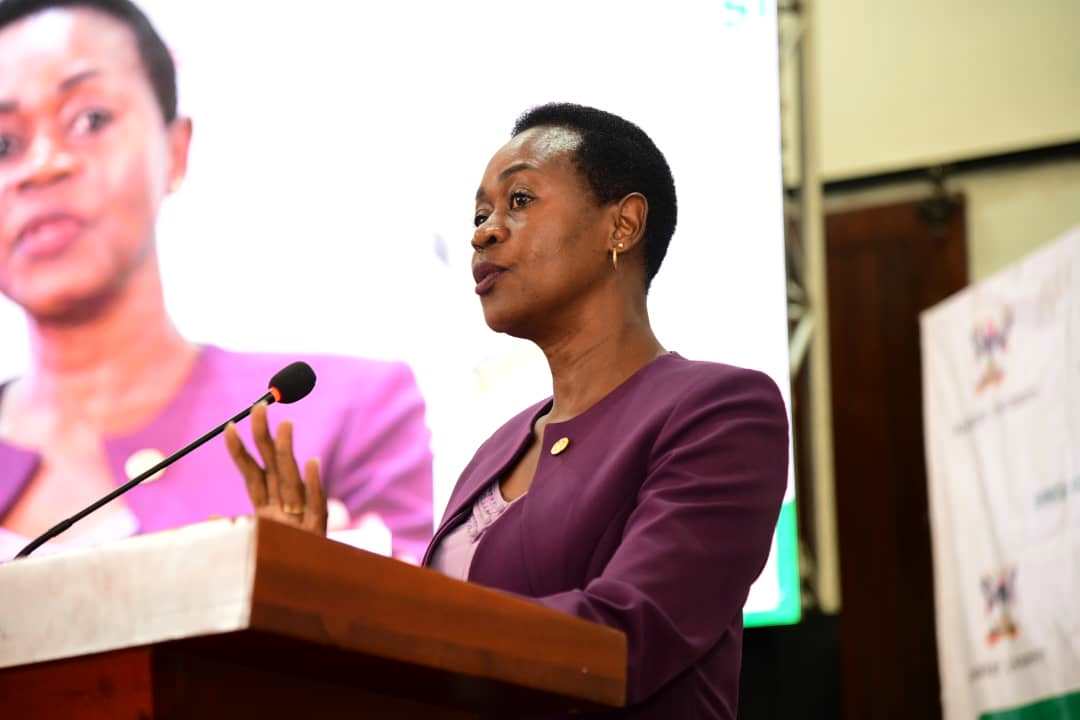
Dr. Winifred Kabumbuli, the Dean of Students and Chairperson of the Safeguarding Implementation Committee informed the audience that her team has rolled out sensitization campaigns for both staff and students. The campaigns which began in Student Halls of Residence will proceed to affiliated hostels thereafter.
“The purpose of these sensitization campaigns is to educate students and staff about the importance of the Safeguarding Policy and how to identify, prevent and respond to safeguarding concerns. We have also trained staff and student safeguarding champions and we are confident that these individuals will promote a culture of safeguarding in our University community,” Dr. Kabumbuli added.
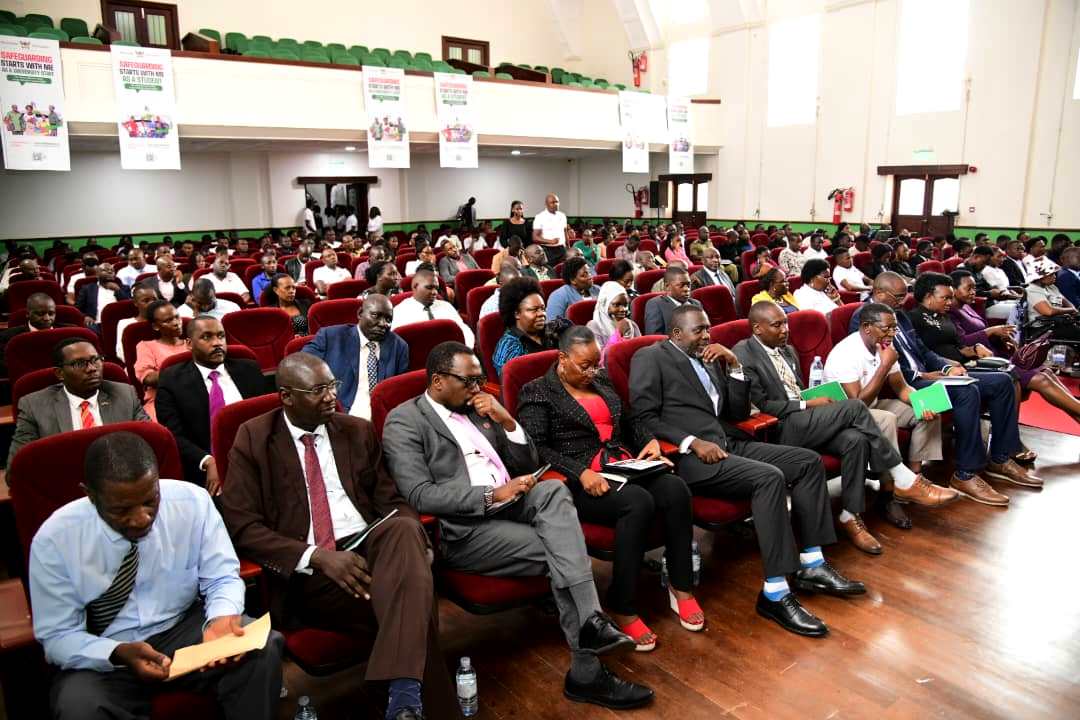
The introduction of the safeguarding policy aligns with the University’s broader mission to uphold the highest standards of Education and Institutional ethics. With this development, the University reaffirms its dedication to protecting the rights and well-being of all its stakeholders.





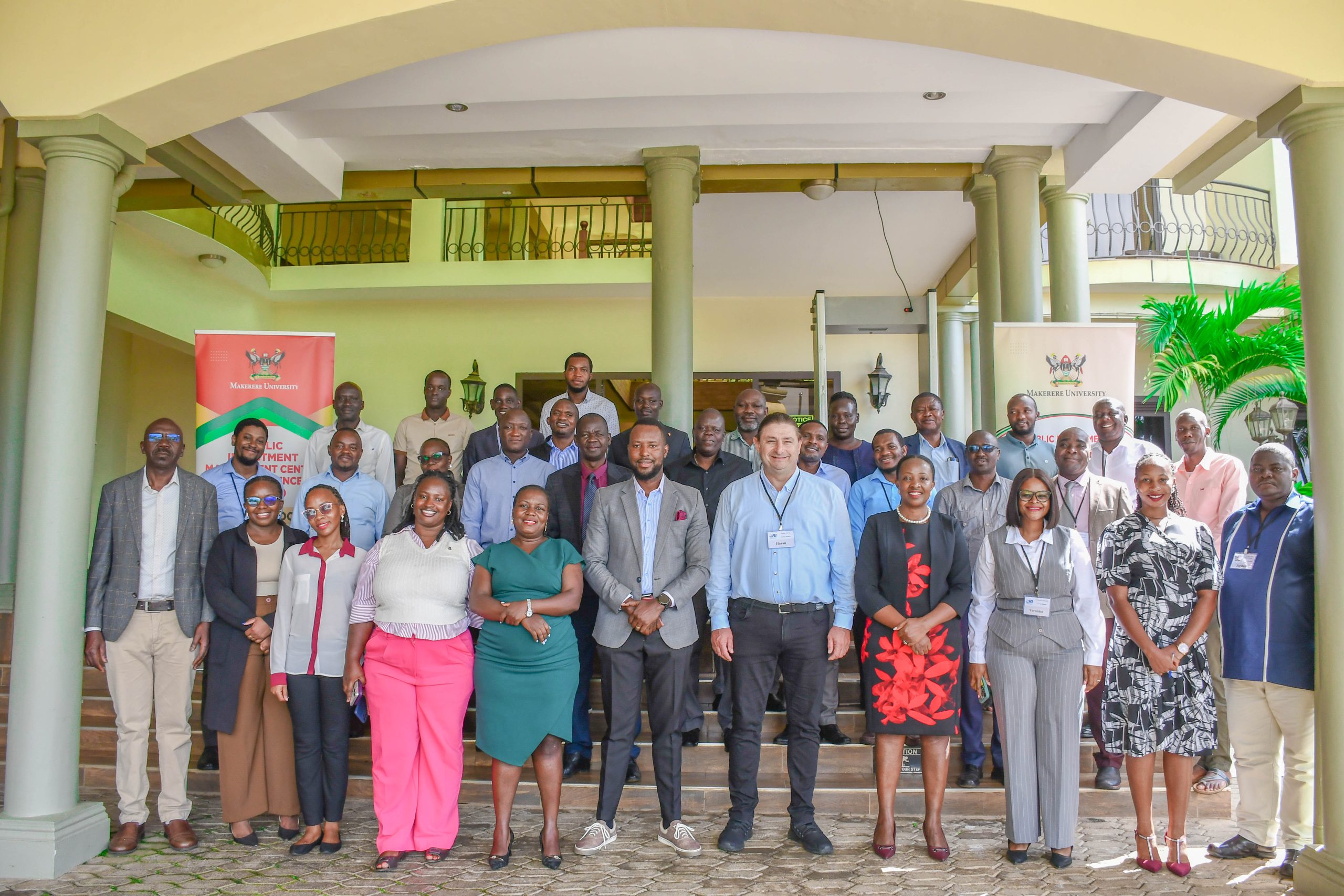
The two-week training programme aims to equip government officers with practical skills to assess project viability, manage investment risks and ensure public resources deliver value for money.
The Public Investment Management Centre of Excellence (PIM CoE) is strengthening the capacity of government officers to undertake financial appraisal and risk analysis of public investment projects through a two-week training programme designed to improve the quality of project preparation, appraisal and decision-making in Uganda.
The training, which started in Fort Portal on October 19, 2026, brought together participants from various government ministries, departments and agencies (MDAs), alongside facilitators from Makerere University, the Ministry of Finance, Planning and Economic Development, Cambridge Resources International (CRI), the National Planning Authority and the Uganda Development Bank.
Officially opening the training on behalf of the Permanent Secretary/Secretary to the Treasury, Ms Esther Ayebare, Acting Assistant Commissioner in the Project Analysis and Public Investment Department of the Ministry of Finance, Planning and Economic Development, emphasised the importance of rigorous project appraisal in strengthening Uganda’s public investment management system.
She noted that projects admitted into the public investment plan must be aligned with national priorities, technically sound, financially viable and capable of delivering value for money.
“Government must be able to compare investment alternatives and ensure that only viable projects proceed through the public investment process,” she emphasised.
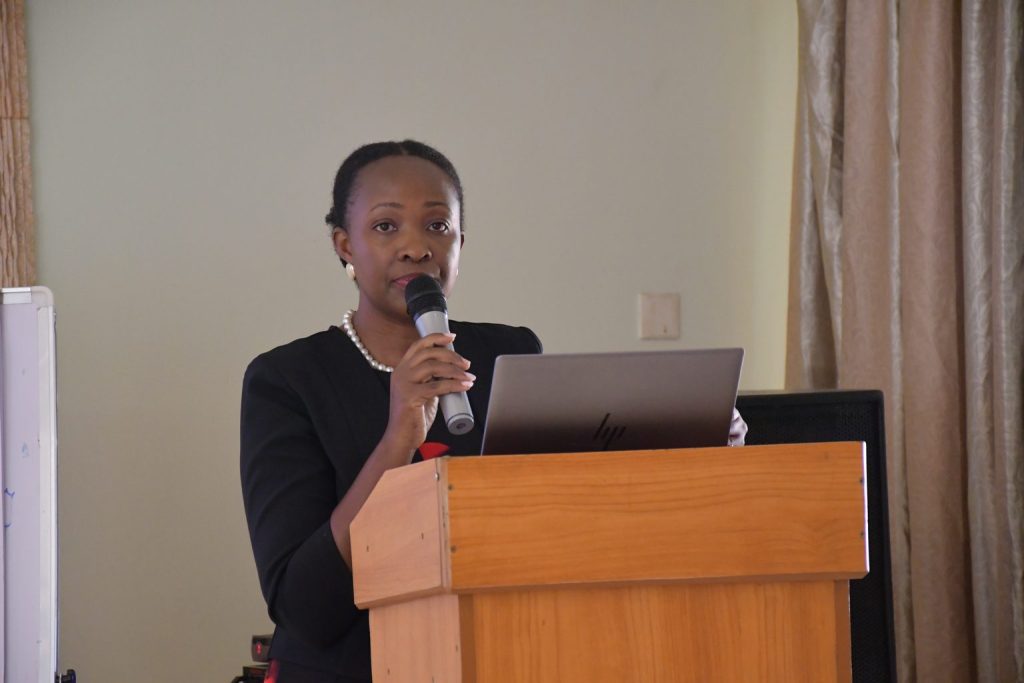
Ms Ayebare explained that sound appraisal enables government to make informed investment decisions, maximise returns on public expenditure and ensure that limited public resources are directed towards projects with the greatest potential to deliver development outcomes.
Building practical skills for better investment decisions
The training builds on the Public Investment Management course conducted in June, which introduced participants to Uganda’s public investment management framework, including project conceptualisation, stakeholder analysis, project costing, implementation action plans, the Integrated Bank of Projects, and monitoring and evaluation of public investment reforms.
The current programme advances this foundation by equipping participants with technical competencies in financial appraisal, financial modelling and risk analysis.
Participants will explore integrated investment appraisal, alternative investment criteria, cash-flow statements, inflation and exchange-rate movements, asset valuation, project financing, project scale and timing, risk-sharing arrangements and cost-effectiveness analysis.
Through practical exercises and case studies, participants will apply these concepts to investment scenarios in sectors such as roads, health, education and water. The programme will also examine how climate change, social considerations and other risks can be integrated into project preparation and appraisal.
Ms Ayebare encouraged participants to engage actively with the facilitators, question the practical application of the tools and consider how the skills acquired could improve investment decisions within their respective institutions.
She also reminded participants that the programme includes an examination and that certification requires more than attendance. Participants are expected to demonstrate an understanding of the concepts and acquire practical skills that they can apply in their work.
Reducing dependence on externally prepared studies
A key objective of the training is to strengthen the ability of government institutions to undertake high-quality project appraisal studies using their own technical teams.
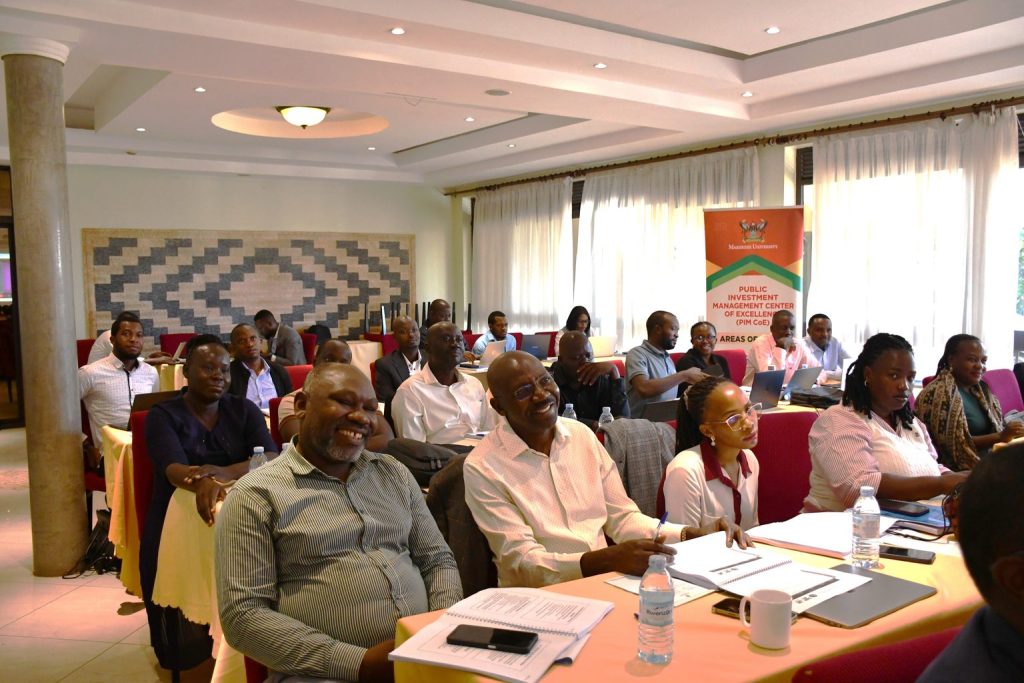
Ms Ayebare observed that many studies submitted to the Development Committee have traditionally been prepared by external consultants, often at considerable cost. Building the capacity of public officers to conduct these studies independently can help institutions strengthen their technical expertise and improve the quality of project proposals presented for consideration.
She urged participants to take full advantage of the facilitators’ expertise and return to their institutions equipped to undertake sound financial appraisals and provide evidence-based advice to decision-makers.
She further emphasised that project approval requires thorough preparation, analysis and justification, rather than simply identifying available funding and proposing a project to utilise it.
Strengthening public investment management through capacity development
In his remarks, Prof. Edward Bbaale, Director of the PIM CoE, thanked the Ministry of Finance for its financial support and for identifying participants from government institutions. He also recognised the contributions of the facilitators and partner institutions in delivering the programme.
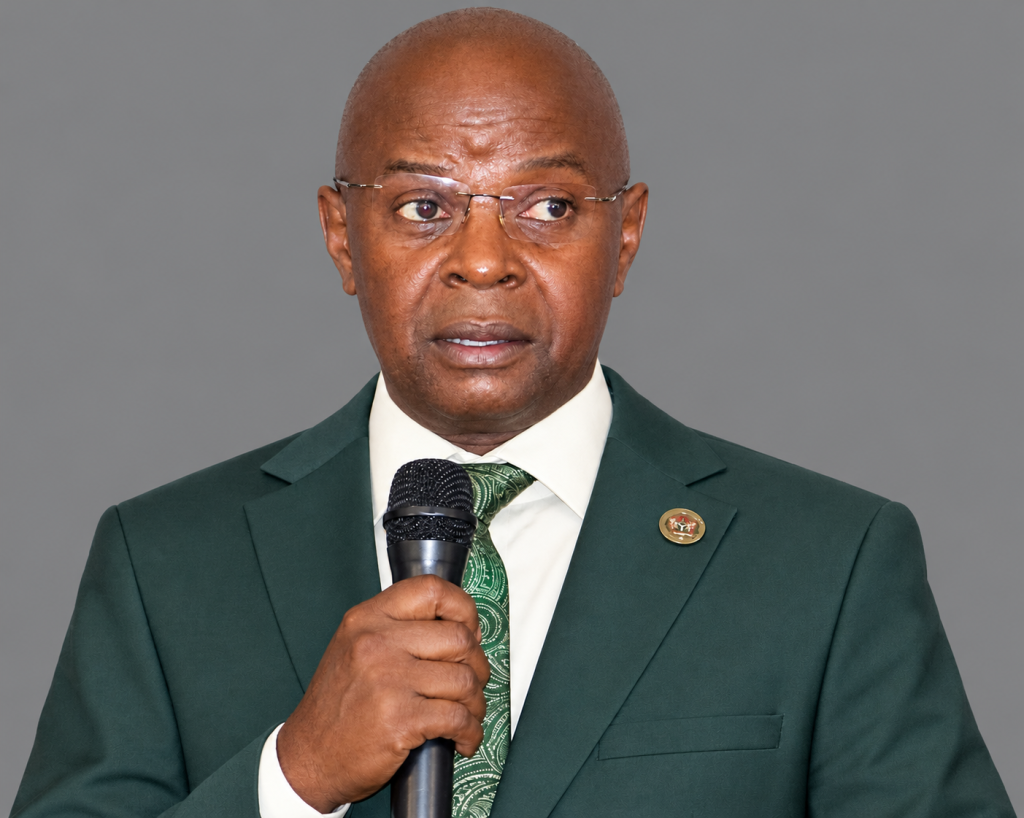
Prof. Bbaale noted that the Centre’s work extends beyond training to include research and advisory services aimed at improving public investment management practices. He encouraged continued collaboration with government institutions and other partners to advance research, knowledge sharing and capacity development.
Speaking during the training, Dr John Sseruyange, Manager of the PIM CoE, highlighted the importance of commitment, active participation and punctuality throughout the programme. He encouraged participants to engage with the facilitators, ask questions and apply the knowledge gained to the projects they support.
Dr Sseruyange also acknowledged the Government of Uganda, through the Ministry of Finance, Planning and Economic Development, for financing the training, and appreciated Cambridge Resources International for its continued support towards improving public investment preparation and analysis in Uganda.
The training reflects ongoing efforts to strengthen Uganda’s public investment management system by equipping public officers with the knowledge and practical competencies needed to assess projects rigorously, identify potential risks and make informed investment decisions.
By developing in-house expertise across government institutions, the programme seeks to contribute to better-prepared projects, more efficient use of public resources and improved delivery of Uganda’s development priorities.

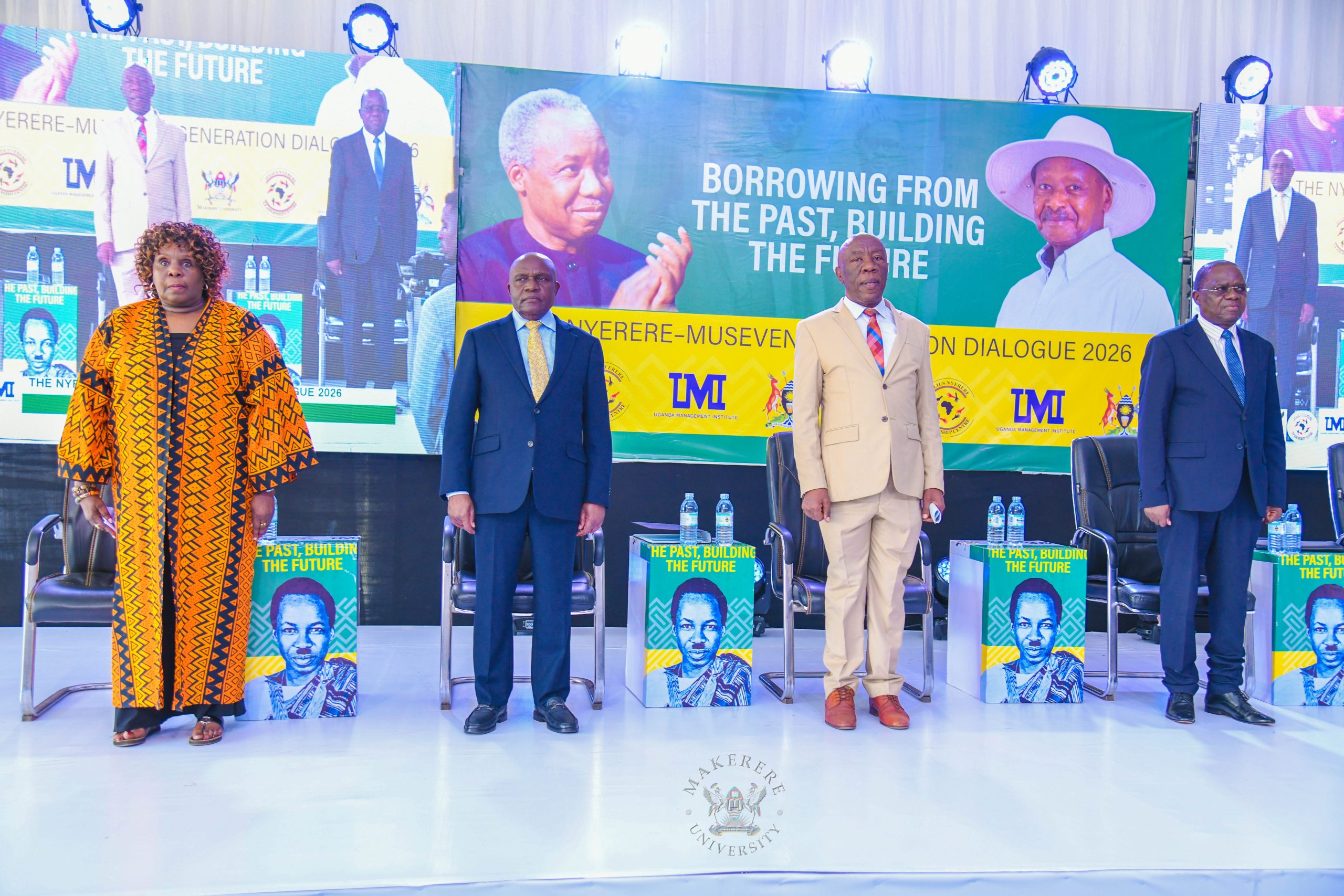
President Yoweri K. Museveni while officiating as Chief Guest at the Julius Nyerere Annual Symposium 2026: Nyerere-Museveni Dialogue at Makerere University called upon the audience not to merely hold Nyerere’s Legacy as a historical footprint but as a masterplan for the future that remains unfinished. Organised by the Julius Nyerere Leadership Centre (JNLC), the symposium was a two day event that started with “ekyooto” on 13th October at the JNLC gardens and climaxed on 14th October in Freedom Square. The second day hinged on the theme: Borrowing from the Past, Building the Future.
In the President’s message delivered by Rt. Hon. Dr. Crispus Walter Kiyonga the Second Deputy Prime Minister and Chancellor of Makerere University, the president spotlighted, “Mwalimu Nyerere as the greatest African that ever lived in terms of contribution to the African people’s efforts for freedom, human rights, and dignity.”
This greatness, he notes, spilled not just to political ideals but also to economics and security. The President agreed with him and warned that “freedom without economic transformation and economic prosperity, without a robust strategic security, remains incomplete.”
Reaching out to the younger generation of scholars and leaders, the President issued a strong warning to move beyond simply remembering Nyerere to action. He said, “you must carry forward the torch of pan-Africanism, reject sectarianism and tribalism, build our regional markets, and champion the total political integration of our motherland.”
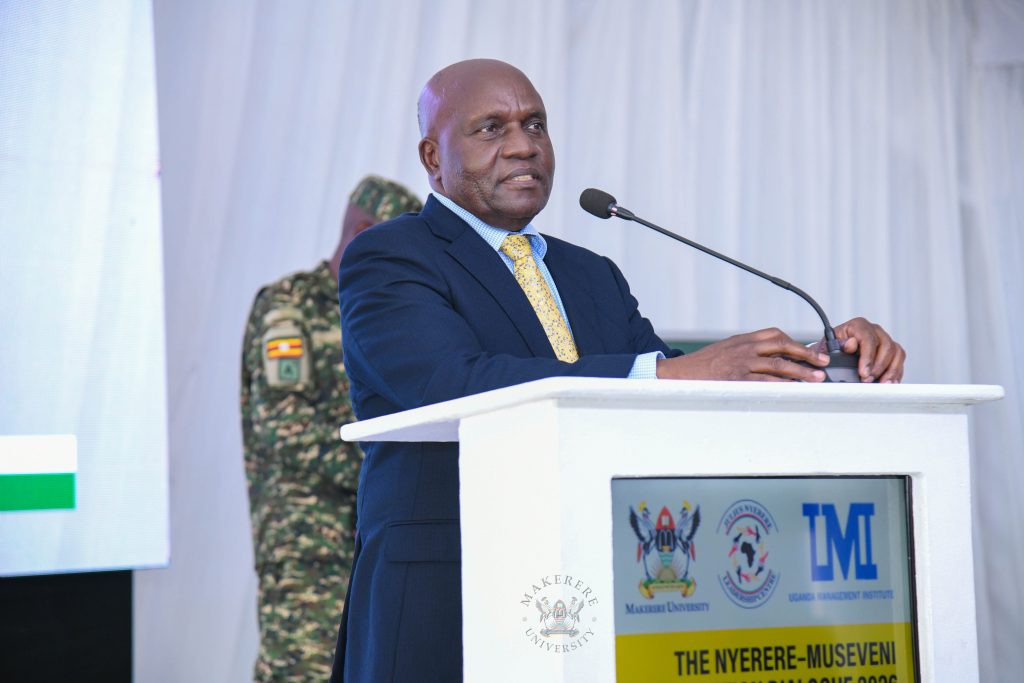
He appreciated Mwalimu for his; unwavering support for the struggle of the East African Federation, courageous backing of the armed anti-colonial struggles in the southern half of Africa, principled and decisive support for the anti-Idi Amin struggle, pro-people and pro-unity policies that kept Tanzania peaceful for decades, and ensuring that Tanzania remained a strategic rear base for the entire African resistance.
As a believer in Nyerere’s ideals, the President urged the audience to honor Mwalimu “not merely through commemorative speeches, but through completing the historical task of uniting, defending, and prospering our motherland,” for the motive is to ensure that the independence wars won by our predecessors were not in vain.
To this note, he reiterated the case for Uganda, saying “we shall never forget his profound contribution” to Africa.
Professor Nyamsenda’s Keynote Unparked Pan-Africanism
During the Nyerere-Museveni Dialogue symposium at Makerere University, Professor Sabatho Nyamsenda, a lecturer at the University of Dar es Salaam delivered the Keynote Address titled “The Unfinished African Project: From Liberation Legacies to a New Generation of Transformation” during the symposium”.
He started on a lighter noticing “Nyerere is being Ugandanised.” This he said looking at the annual Public Lectures dedicated to his name and felt like challenging his home institutions to follow suit.
At the calm of the room, he presented a critique of the current state of Pan-Africanism, arguing that it has been grabbed by the ruling elites, a challenge Professor Nyamsenda identifies to have started in the period of 1960 -1980.
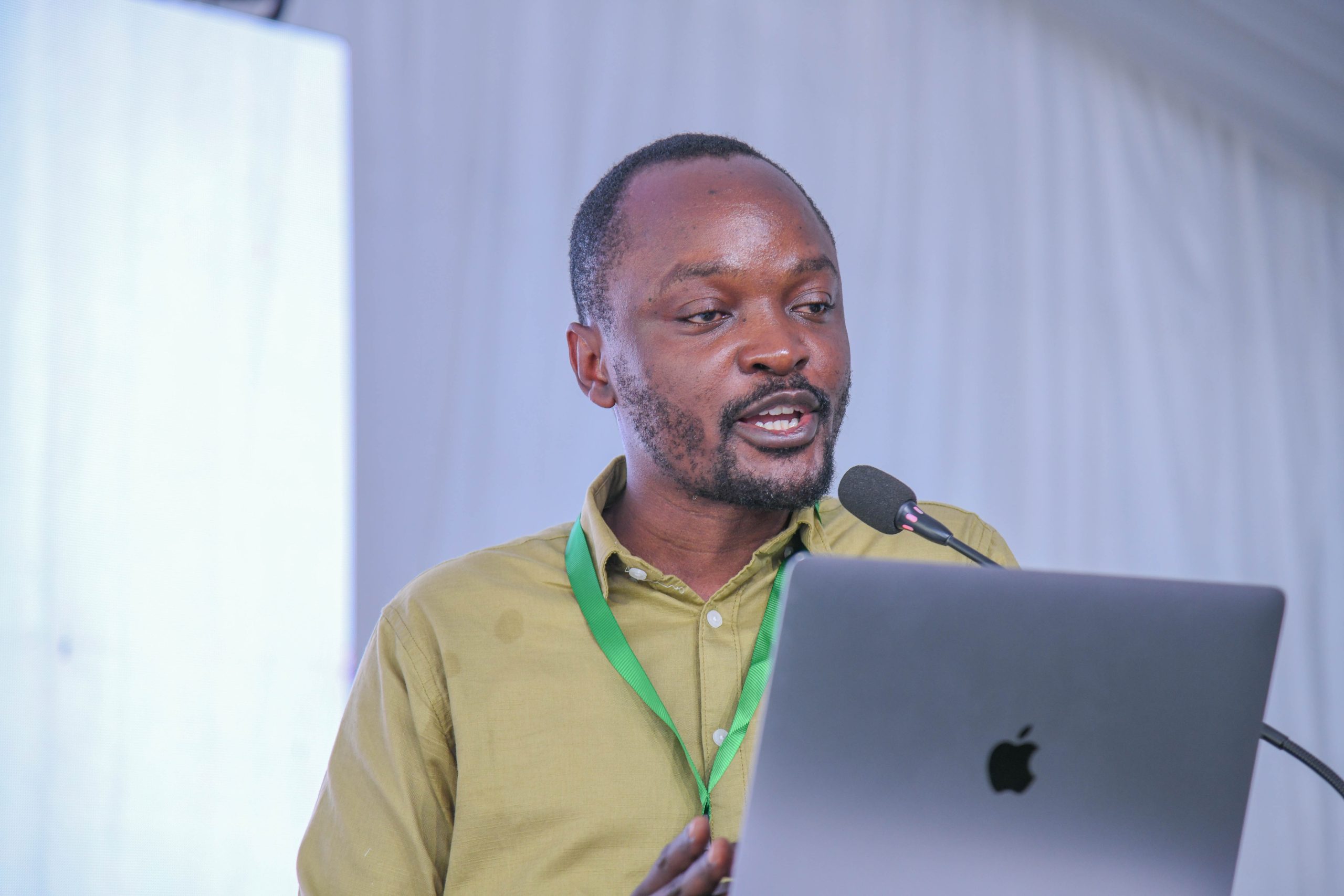
He explained that it was around this time period that Pan-Africanism was snatched away from the masses and it became a state project. Currently, he said the ideology exists in two forms: Boardroom and Street Pan-Africanism.
Professor, characterised Boardroom Pan-Africanism as a State Project. He said “boardroom Pan-Africanism sits comfortably with imperialism and elite-centered accumulation.” While Street Pan-Africanism to which Professor advocates, he emphasised that historically, this approach “united the African liberation movement and liberated the African continent from the most barbaric colonial powers.”
As he concluded, Professor Nyamsenda joined Mwalimu and the President of Uganda in urging youth to consider joining and leading the struggle for a better Africa.
Role of JNLC in Realising Nyerere’s Ideas
Professor Saturninus Kasozi Mulindwa, the JNLC Board Chair highlighted the primary objective of the center as “imparting knowledge and sharing experiences from the old generations to the new generations.” Therefore, JNLC contributes to the actualisation of Nyerere’s ideas by focusing on the development of the next generation of African leaders.
To supplement this, Dr. Nansozi K. Mwanga the Executive Director at JNLC said that the center is committed to “nurturing ethical, conscious, and transformative leaders inspired by Mwalimu’s ideas of service, human dignity, self-reliance, and Pan-African solidarity.”
She explained their focus is on several key areas with training as core. They have “trained over 1,500 young people and young leaders from across Uganda.”, and developed leadership programs “grounded in ethical decision-making, civic responsibility, public service, and action.”
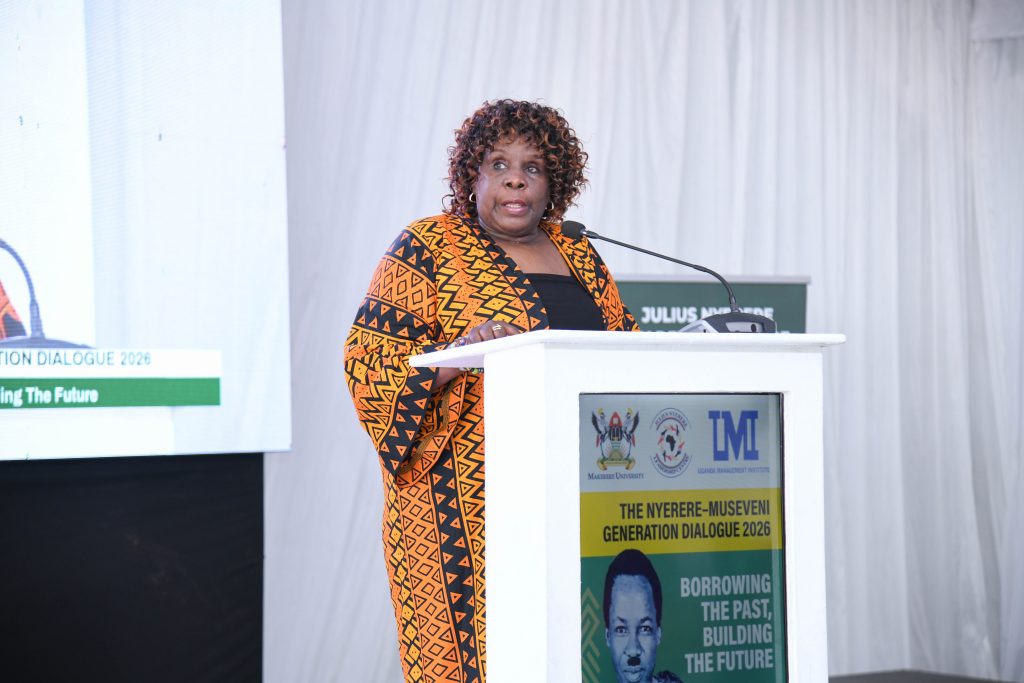
In her remarks, it was observed that training alone is not enough; they are also doing mentorship, to provide opportunities for networking and learning from experienced leaders. There are already testimonies when you visit the Centre wall of fame. To which Dr. Nansozi revealed “leadership development matters when learning becomes service and meaningful action.”
The Centre remains proud of those they have touched and are eager to support as many cohorts.
Julius Nyerere Family Pour their Heart out
Mama Maria Nyerere, addressed the Symposium virtually and commended the Centre for keeping Mwalimu’s values alive.
As a memory of her husband, she reminded the audience that his greatest legacy was anchored on the values by which he lived: service, humility, integrity, unity and love for Africa and its people. She also urged the young people to take up leadership responsibilities and lead with humility, integrity and always remember the people they serve.
Mama Nyerere also advised the youth to learn from those who came before them like her husband with courage to build a better Africa for their generation and those who will come after them.
Joining Mama Nyerere, on behalf of the Nyerere family was Ms. Julia Nyerere, a granddaughter, who attended physically and thanked H.E. Kaguta Museveni for supporting the establishment of the Julius Nyerere Centre at Makerere University and also commended the Keynote Speaker Professor Nyamsenda for Critiquing Nyerere’s ideas.
Julia further shared an understanding of her grand-father’s interest in preserving humanity as a moral.
As a family they are happy that his (Nyerere) values and legacies continue to inspire Africa and beyond.
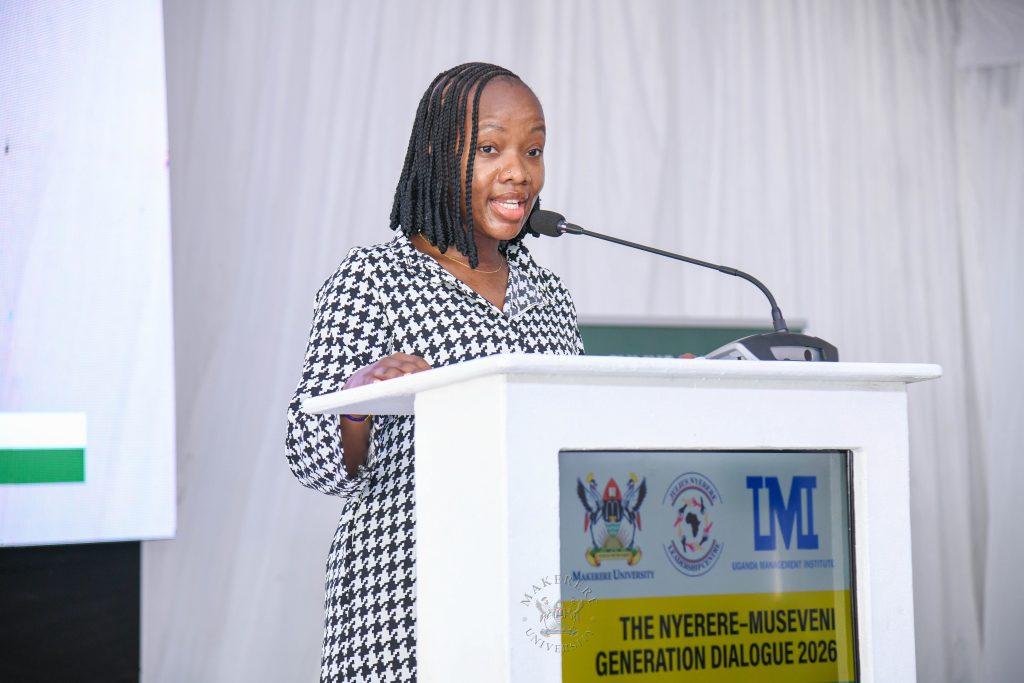
Appreciation for All who Made the Symposium Possible
Addressing the symposium, the Vice Chancellor of Makerere University, represented by Professor Henry Alinaitwe the Deputy Vice Chancellor in Charge of Finance and Administration expressed the University’s appreciation and commitment.
He thanked “the government of Uganda for the support they are giving to the Julius Nyerere Leadership Center,” and requested Dr. Kiyonga to “convey the message to the fountain of honour for this initiative that Makerere University is happy for, and is going on well.”
To the leadership of the Center, he specifically thanked the Director Dr. Nansozi for her focused leadership. He stated, “I commend my friend, Dr. Nansozi, for the work that you are doing.”
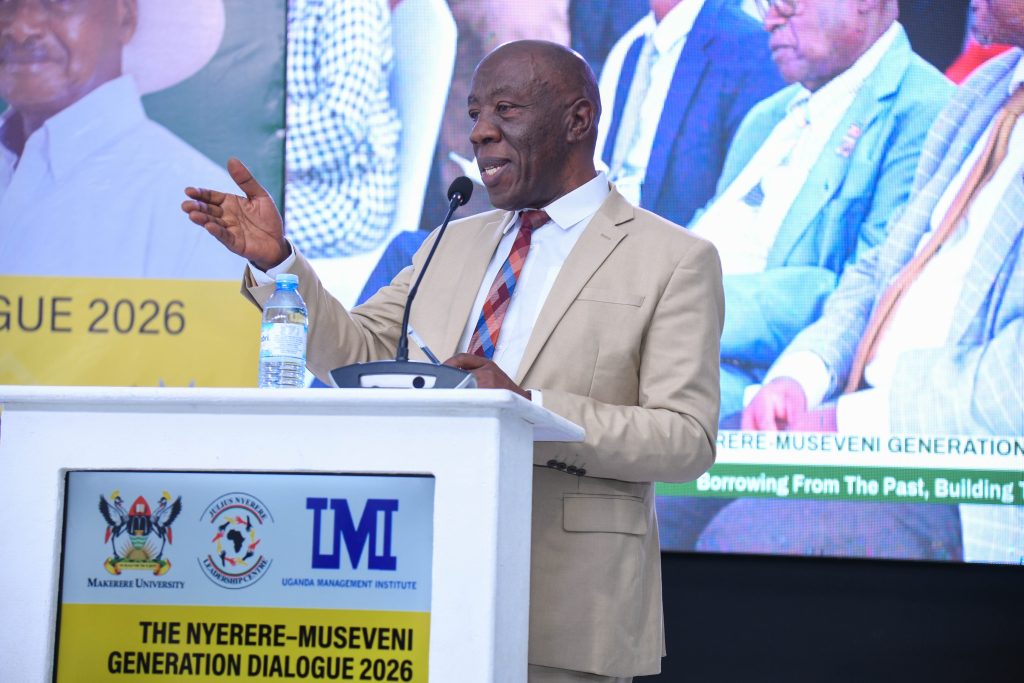
Professor Alinaitwe also emphasized “we” value these symposiums, saying, “as a university, we acknowledge that such activities create great visibility.”
Dr. Kiyonga was also thanked for delivering the President’s message, together with veterans like Professor Kabwegyere, among other distinguished guests and partners that attended.
Professor Tarsis Bazana Kabwegyere as well appreciated all and emphasised the collective duty of the youth in building the next generation.
He advised “your responsibility is to identify and build Africa forward, building on the legacies and foundations of our forefathers,”.
The Professor also argued that “being young on its own is not a virtue. It is what you are when you are young.” He challenges the audience to avoid being ignorant and claim that you are young.
Background of the Nyerere Symposium
The Julius Nyerere Annual Symposium is an intergenerational gathering hosted at Makerere University. For more than six years now, it has been connecting past leadership legacies of Nyerere and other revolutionaries with current regional and continental priorities under the (JNLC) centre.
The Julius Nyerere Leadership Centre (JNLC) serves as a training ground and research hub designed to mentor the next generation of African leaders. Co-hosted by Makerere University and the Uganda Management Institute (UMI), the Centre bridges the gap between older statesmen and youth by focusing on Pan-African ideals, ethical governance, and social transformation.

-

 Humanities & Social Sciences2 weeks ago
French Embassy Presents Four Makerere Scholars with Academic Palms
-
 General2 weeks ago
Job Opportunities: NETOMA Study
-

 Health2 weeks ago
Makerere-Mulago Host Oncology Specialist – Professor Dr. Thiha AUNG
-
 General2 weeks ago
Makerere University and Xiangtan University Advance Strategic Partnership in Chemical Engineering
-
 Health2 weeks ago
PhD Fellowship Opportunity: NETOMA Study