Connect with us

Business & Management

Uganda Revenue Authority partners with CoBAMS to Launch Research Lab

Published

on

October 29, 2024 – Makerere University, Kampala

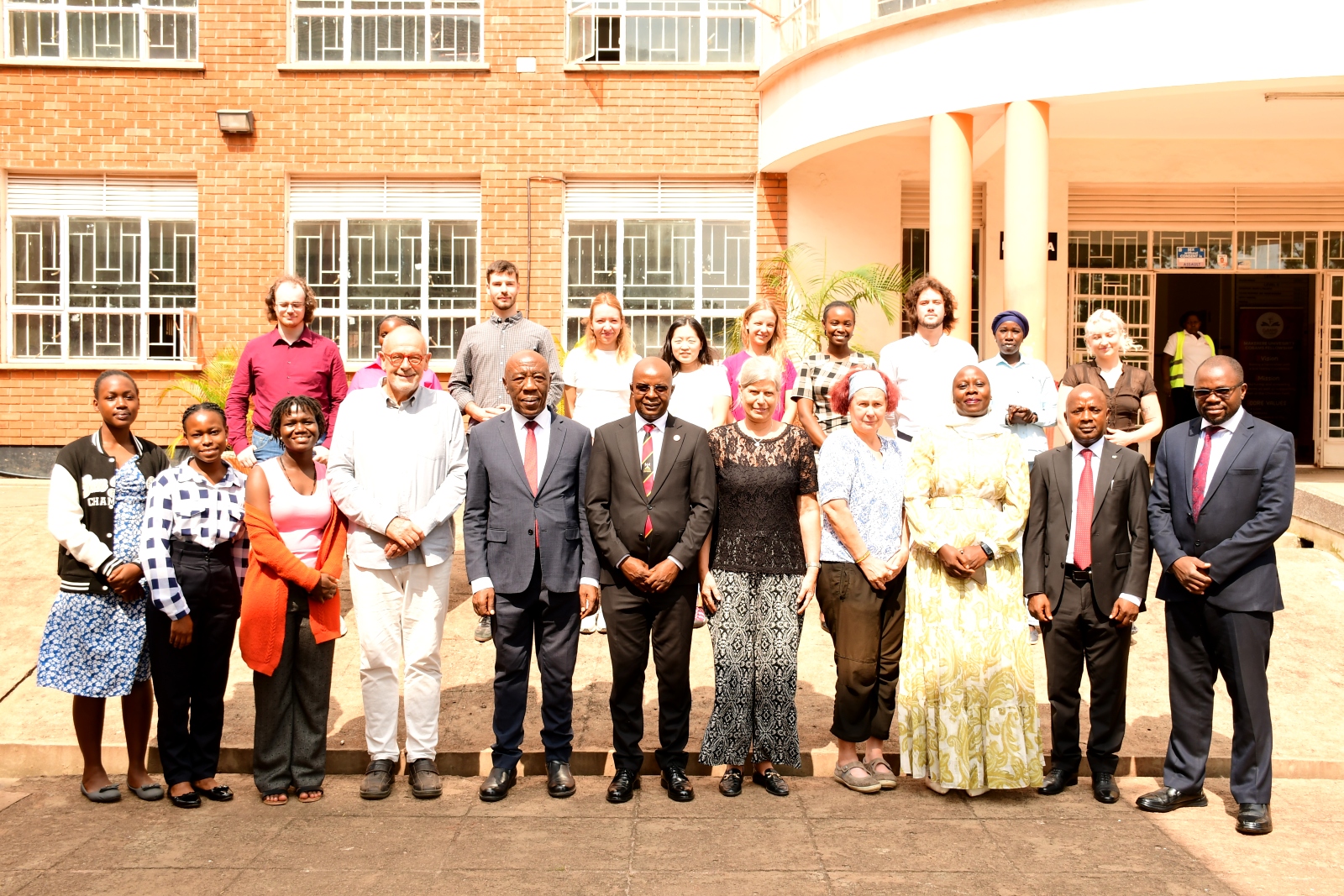
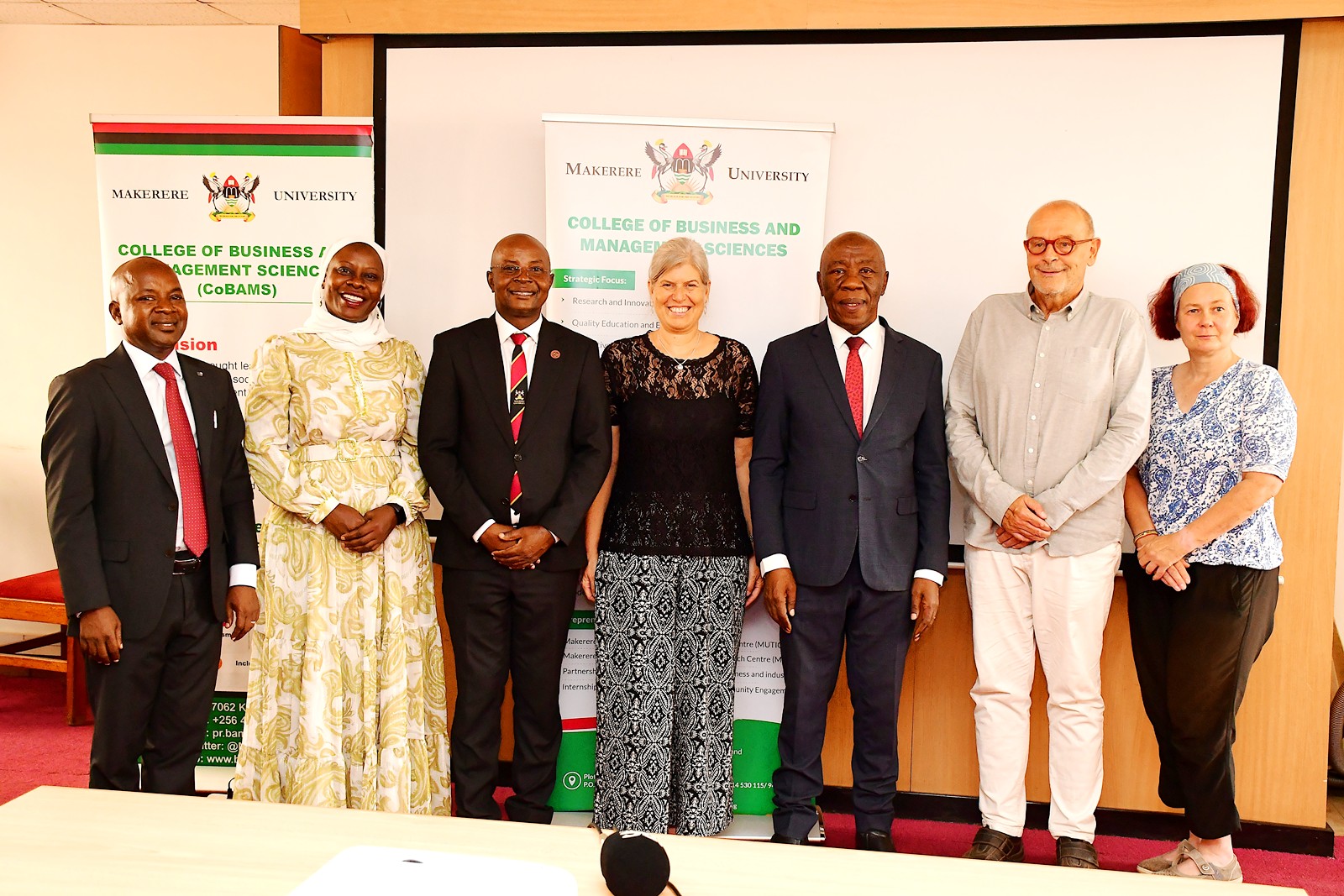
The Uganda Revenue Authority (URA) has inaugurated a research lab, aimed at boosting collaboration between URA and the academic community. The lab, which opened in 2022 with support from the United Nations University World Institute for Development Economics
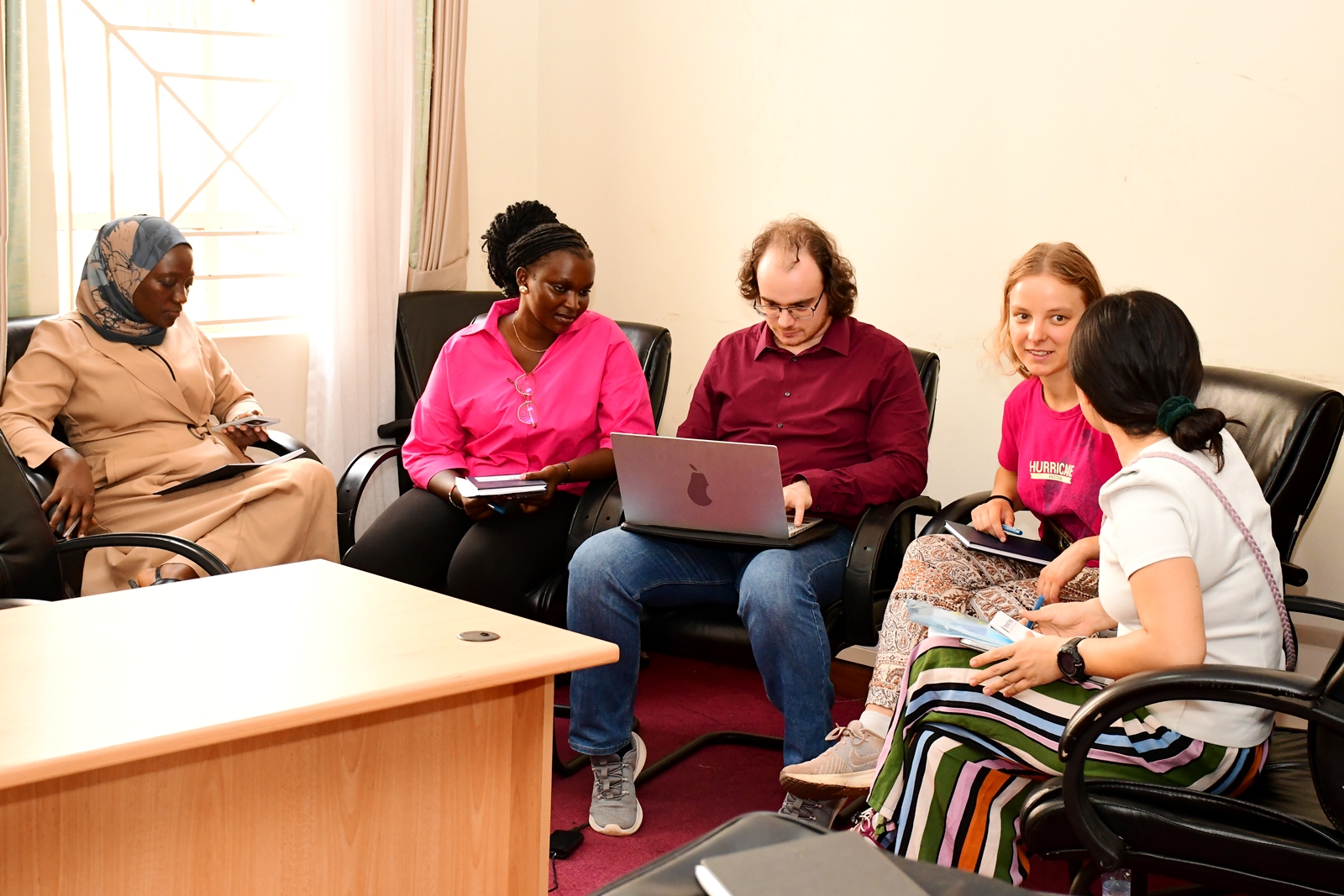
Research (UN-WIDER), was officially launched at a recent event attended by URA officials, faculty members, and students. Mr Gerald Agaba, a research Assistant said the lab provides researchers and students with access to URA’s rich datasets, advancing data-driven research to inform policy and economic growth strategies.

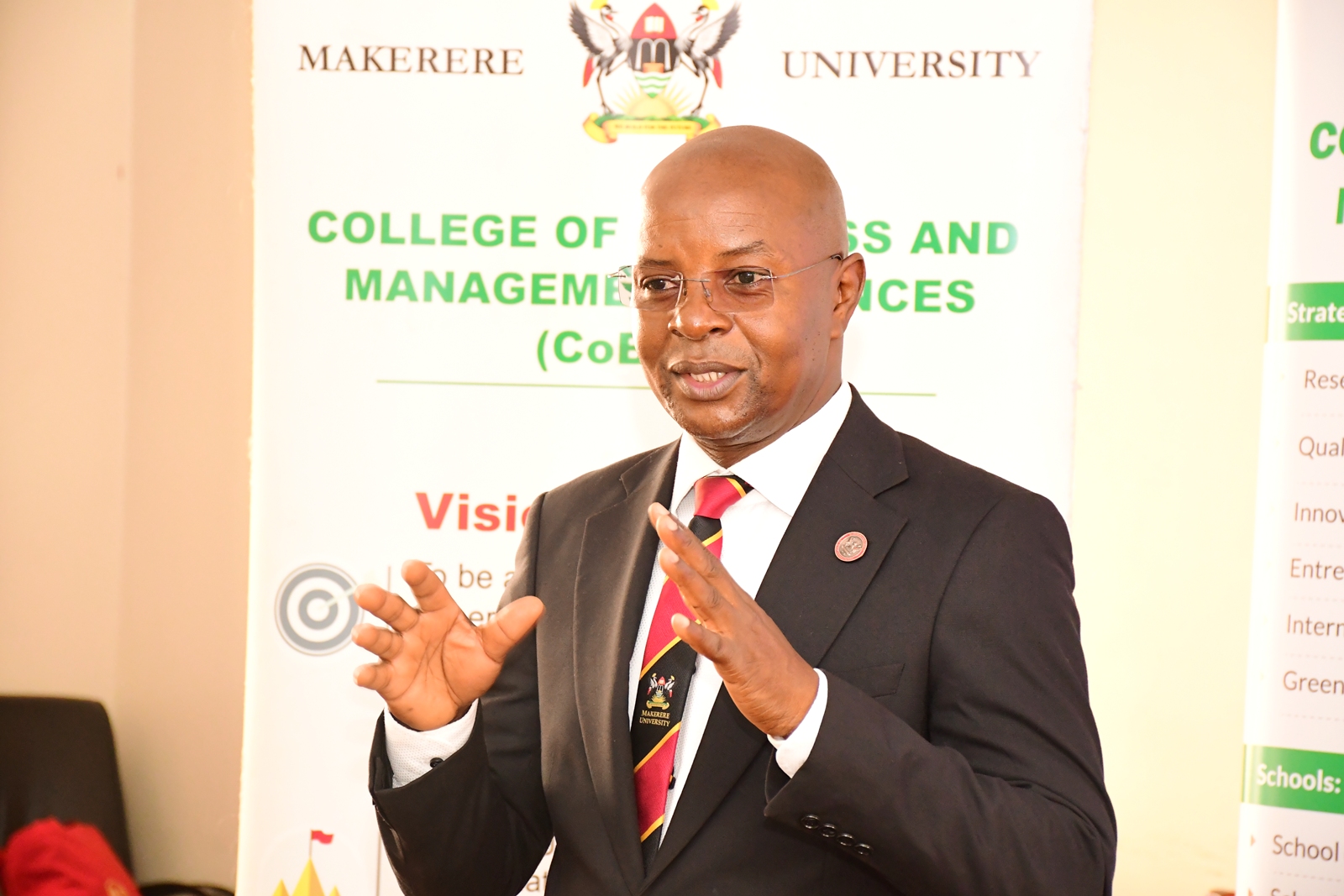
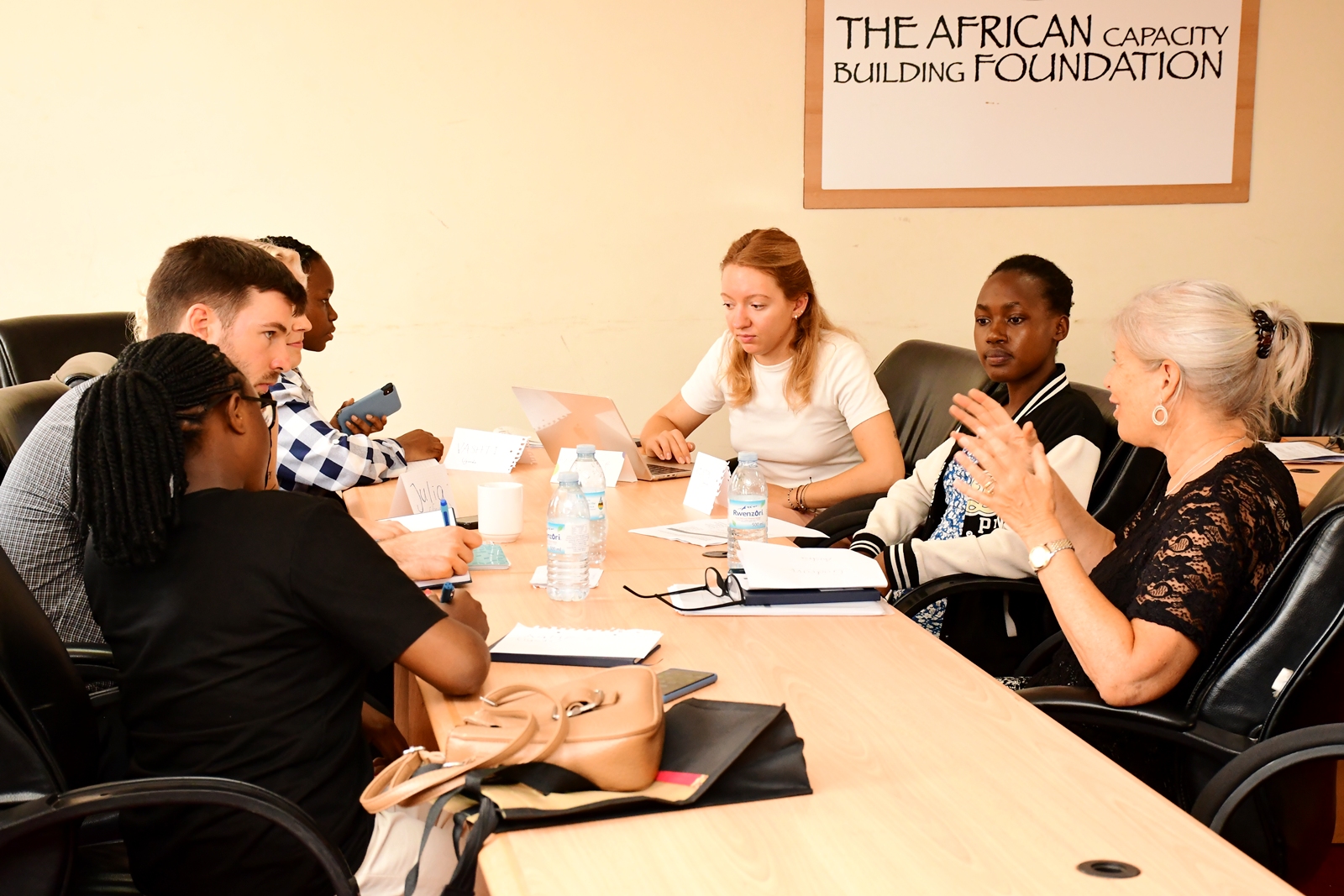
Mr. Nicholas Musoke, URA’s Manager of Research and Statistics, underscored the importance of the lab, particularly in fostering awareness among Makerere University staff and students. He noted that while access currently requires an in-person visit to URA’s headquarters, virtual access for researchers is under consideration. The lab has already been utilized by researchers from the College of Business and Management Sciences (CoBAMS), including Dr. Susan
Kavuma and Dr. Ismail Kintu.
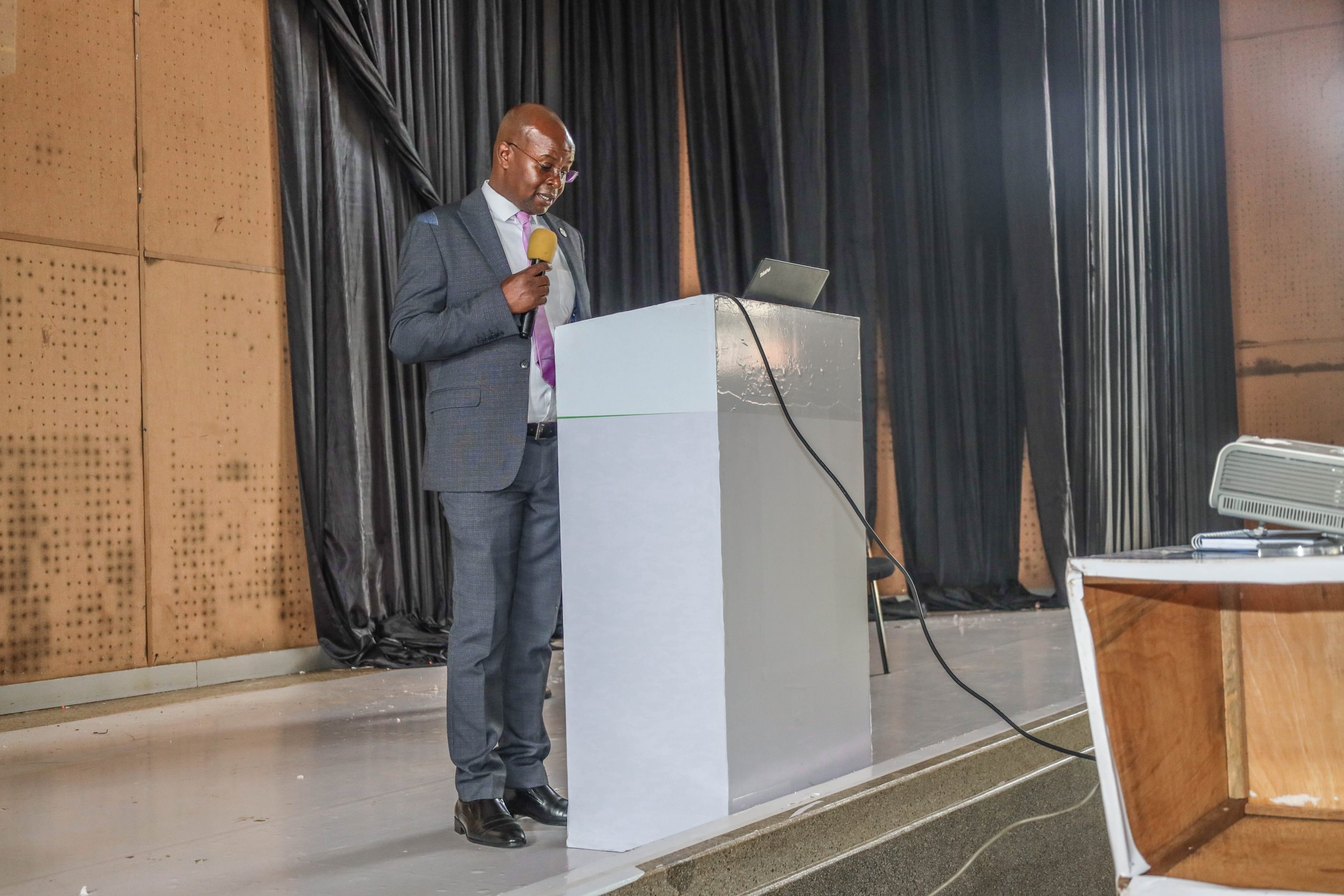
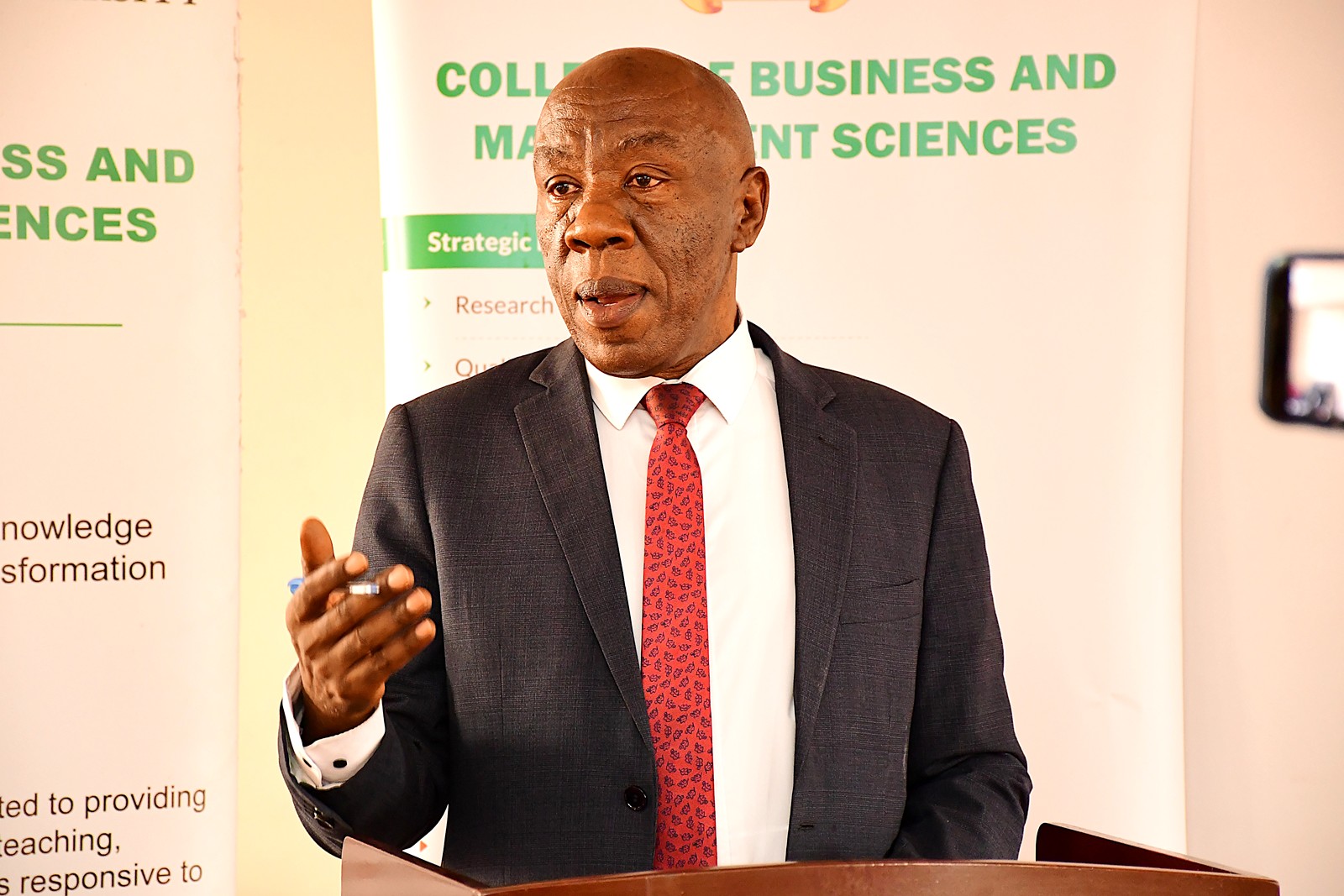
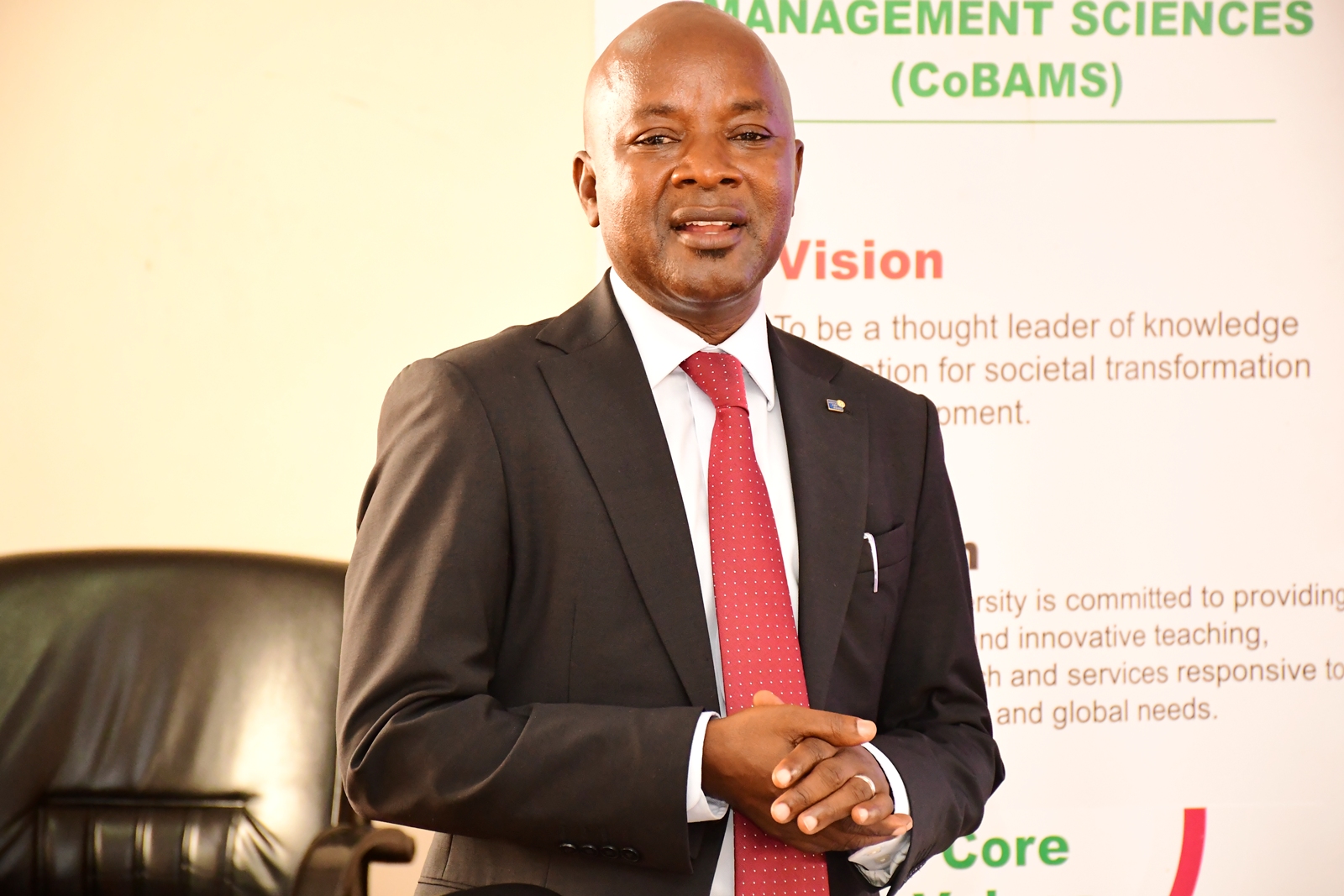
Prof. Edward Bbaale

Prof. Edward Bbaale, the Principal College of Business and Management Sciences, expressed appreciation to URA for selecting Makerere University as a strategic partner, highlighting the lab’s potential to bridge academia and public policy. He stated, “Access to administrative data is essential for high-quality research. This lab provides a unique platform for both faculty and students to apply theoretical concepts in a practical, impactful way, enabling them to engage in empirical research that addresses real-world economic challenges.”

Prof. Bbaale emphasized that the lab will empower students and faculty to conduct groundbreaking research in taxation, public finance, and fiscal policy. He called on students and faculty to embrace this opportunity and produce meaningful research that can inform evidence-based policy-making in Uganda.
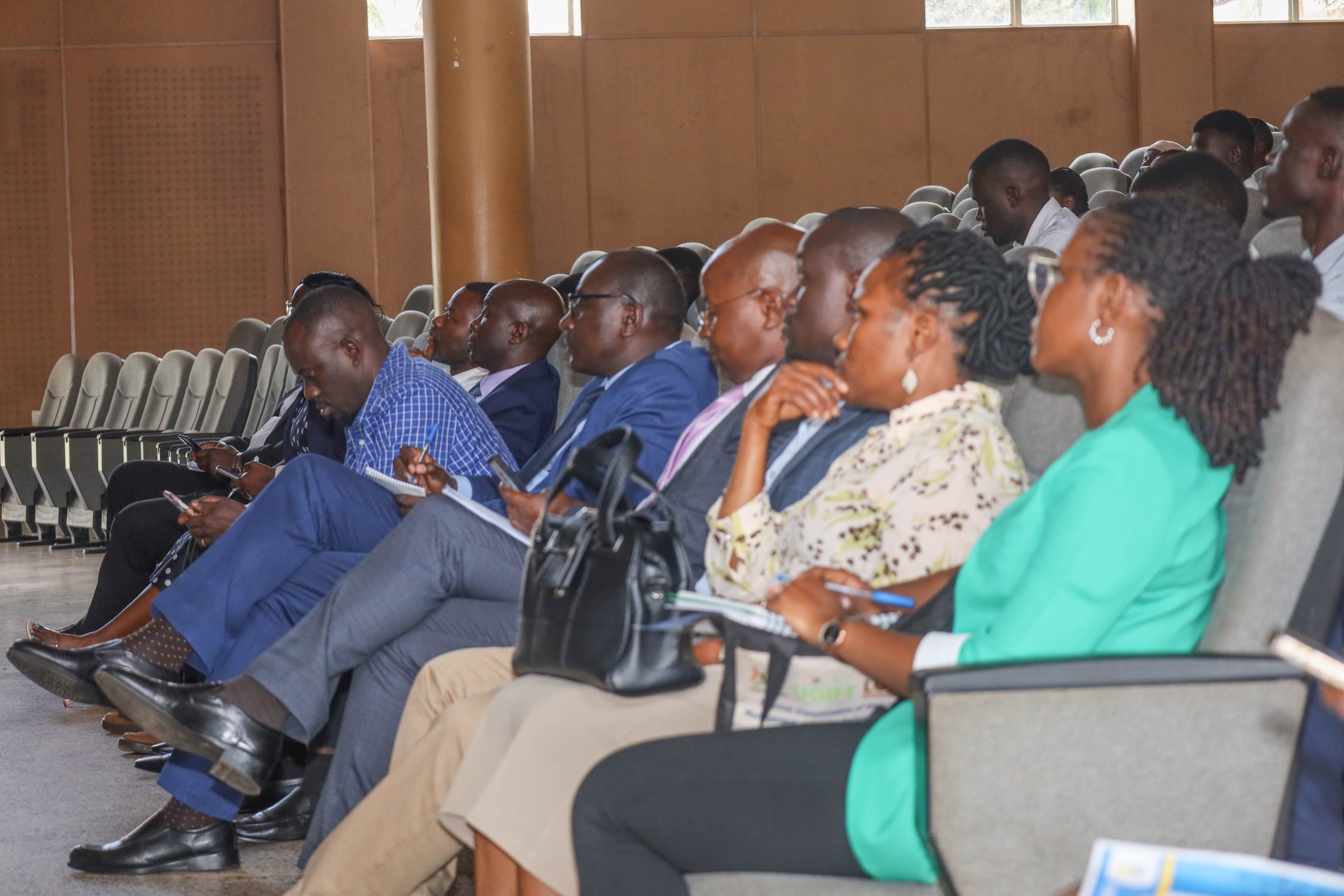
The URA Research Lab is envisioned as a catalyst for greater collaboration and insight into Uganda’s tax system and economic structure, fostering the production of research that can enhance revenue mobilization and economic resilience.

The lab launch marks a significant step toward creating a partnership model between Uganda’s tax authority and academia, with hopes of expanding access and engagement with more researchers across the country.

Betty Kyakuwa
Betty Kyakuwa

Continue Reading

Business & Management

EfD-Mak, GRO Foundation & BoU Hold High-Level Roundtable on Green and SDG-Linked Financing

Published

on

Panelists and some speakers posing for a photo with the GRO Annual report on 3rd December 2025. Makerere University high-level policy dialogue bringing together the Environment for Development (EfD-Mak) Centre, Green Gas + Reforestation + Offset (GRO)  and  Bank of Uganda, to explore alternative financing mechanisms for climate action and sustainable development, 3rd December 2025, Seminar Room 1, Main Building, Makerere University, Kampala Uganda, East Africa.

Makerere University on Wednesday hosted a high-level policy dialogue bringing together researchers from the Environment for Development (EfD-Mak) Centre, representatives from the Green Gas + Reforestation +Offset (GRO)  and  Bank of Uganda, to explore alternative financing mechanisms for climate action and sustainable development.

The roundtable, held ahead of the Tumusiime-Mutebile Annual Public Lecture, focused on “Building Capacity and Market Readiness for Green and SDG-Linked Financing Mechanisms through Private Sector Mobilisation Towards Achieving the 10-Fold Economic Transformation (ATMS).”

Discussions highlighted Uganda’s urgent need to expand climate financing, build capacity among financial institutions, and strengthen evidence-based policymaking as climate shocks increasingly affect productivity and inflation.

Partnership With GRO Will Build Capacity for Climate Finance Access – Peter Babyenda

EfD-Mak Policy Engagement Specialist and Research Fellow Peter Babyenda said the centre is implementing an Inclusive Green Economy capacity-building program, with this year’s focus on climate-smart agriculture—an area that requires substantial financing for farmers and enterprises.

Dr. Peter Babyenda wrapping up the key takeaways from the meeting. Makerere University high-level policy dialogue bringing together the Environment for Development (EfD-Mak) Centre, Green Gas + Reforestation + Offset (GRO)  and  Bank of Uganda, to explore alternative financing mechanisms for climate action and sustainable development, 3rd December 2025, Seminar Room 1, Main Building, Makerere University, Kampala Uganda, East Africa.
Dr. Peter Babyenda wrapping up the key takeaways from the meeting.

“For you to promote climate-smart agriculture, you need people who can provide finances for farmers to buy the technologies,” he said.

Babyenda explained that EfD-Mak’s collaboration with GRO is aimed at equipping the private sector and financial institutions with the capacity to mobilize and access climate finance, especially for climate-smart investments.

He added that EfD-Mak has recently partnered with the Ministry of Finance to provide evidence for climate action and stands ready to support GRO through stakeholder linkages, technical training and policy research.

Panelists from Left to Right Dr. Peter Babyenda (Mak) Ms. Elizabeth Mwerinde Head of Commercial Ecobank and Dr. John Sseruyange (Mak). Makerere University high-level policy dialogue bringing together the Environment for Development (EfD-Mak) Centre, Green Gas + Reforestation + Offset (GRO)  and  Bank of Uganda, to explore alternative financing mechanisms for climate action and sustainable development, 3rd December 2025, Seminar Room 1, Main Building, Makerere University, Kampala Uganda, East Africa.
Panelists from Left to Right Dr. Peter Babyenda (Mak) Ms. Elizabeth Mwerinde Head of Commercial Ecobank and Dr. John Sseruyange (Mak).

“This roundtable is the start of our collaboration with GRO,” he noted, emphasizing that both institutions are aligned in scaling capacity and readiness for climate financing.

Uganda Must Mobilize Private Capital to Meet Climate and Growth Goals Prof. Bbaale

Delivering the keynote address, Prof. Edward Bbaale, Principal of CoBAMS and Director of EfD-Mak Centre, warned that abnormal weather patterns such as the extreme heat recorded in November underscore Uganda’s growing climate vulnerability.

“When 26th November feels like January or July, then something is not working well with our environment,” Bbaale said.

He stressed that Uganda’s ambition to achieve a ten-fold economic transformation requires a financing ecosystem that supports sustainability, innovation and private sector participation. He noted that Uganda needs US$228 billion to implement its Nationally Determined Contributions (NDCs), yet climate finance access remains constrained.

Prof. Edward Bbaale delivering the keynote address. Makerere University high-level policy dialogue bringing together the Environment for Development (EfD-Mak) Centre, Green Gas + Reforestation + Offset (GRO)  and  Bank of Uganda, to explore alternative financing mechanisms for climate action and sustainable development, 3rd December 2025, Seminar Room 1, Main Building, Makerere University, Kampala Uganda, East Africa.
Prof. Edward Bbaale delivering the keynote address.

“The question is not whether we can participate in the global green financing momentum, but how quickly and effectively we can mobilize the private sector and strengthen institutional capacity,” he said.

Bbaale Reaffirms EfD-Mak’s Readiness to Build Capacity and Partner Across Sectors

Prof. Bbaale placed strong emphasis on capacity building as a cornerstone of Uganda’s transition to a green economy. He highlighted EfD-Mak’s ongoing regional program that trains senior civil servants from five East African countries on using fiscal policy to spur green transformation.

“At the EfD-Mak Centre we believe that knowledge, evidence and partnerships are essential ingredients for real transformation,” he said. “We are ready to collaborate with government, with GRO, with international partners to build the capacity needed to advance climate-responsive and SDG-aligned economic planning.”

He underscored that Makerere University has become more open to partnerships and is pursuing a research-led, innovation-driven agenda, adding that such collaboration is central to the university’s strategic plan.

A section of participants attending the meeting. Makerere University high-level policy dialogue bringing together the Environment for Development (EfD-Mak) Centre, Green Gas + Reforestation + Offset (GRO)  and  Bank of Uganda, to explore alternative financing mechanisms for climate action and sustainable development, 3rd December 2025, Seminar Room 1, Main Building, Makerere University, Kampala Uganda, East Africa.
A section of participants attending the meeting.

“Makerere is now more collaborative than ever before. As a research-led university, our success depends on partnerships, knowledge-sharing and internationalisation,” he said.

Bbaale Stresses Need for Evidence to Guide Policy, Fiscal and Monetary Decisions

Bbaale highlighted that researchers must generate real-time evidence to support government and financial sector decisions, especially as climate shocks begin to influence macroeconomic indicators such as inflation.

He noted that changing weather patterns have altered harvest cycles, with crops maturing earlier and reducing food availability—factors that directly affect inflation and complicate the Bank of Uganda’s monetary policy operations.

“If the environment is hitting output and therefore inflation, then monetary policy must speak to environmental shocks,” he said.

Bbaale also pointed to the critical need for natural capital accounting, fiscal policy reforms, and institutional strengthening to enable Uganda to unlock climate finance and achieve sustainable economic growth.

Prof. Bbaale urged participants to use the roundtable to diagnose gaps in market readiness, strengthen networks, and advance financial innovations that complement public funding.

Some of the participants follow proceedings during the meeting. Makerere University high-level policy dialogue bringing together the Environment for Development (EfD-Mak) Centre, Green Gas + Reforestation + Offset (GRO)  and  Bank of Uganda, to explore alternative financing mechanisms for climate action and sustainable development, 3rd December 2025, Seminar Room 1, Main Building, Makerere University, Kampala Uganda, East Africa.
Some of the participants follow proceedings during the meeting.

“Let us approach today not just as an event, but as part of a broader national commitment to building resilient, green and inclusive economies,” he said.

He encouraged active engagement throughout the session and assured stakeholders that EfD-Mak would continue to support national, regional and global climate initiatives—including the Coalition of Finance Ministers for Climate Action, where Uganda currently serves as co-chair.

GRO Foundation Pledges to Mobilise $1 Billion Annually as Uganda Ramps Up Green and SDG-Linked Financing

Executive Director of the GRO Foundation Laban Joshua Musinguzi, announced that the organisation is committing to mobilising US$1 billion every year for the next five years to support Uganda’s climate finance ambitions, alternative financing mechanisms and the country’s broader goal of economic transformation.

Musinguzi described the session as both a tribute to the legacy of the late Governor Emmanuel Tumusiime-Mutebile and a call to accelerate Uganda’s readiness for innovative and market-based climate finance.

Regional Director GRO Foundation Mr. Laban Joshua Musinguzi making his remarks. Makerere University high-level policy dialogue bringing together the Environment for Development (EfD-Mak) Centre, Green Gas + Reforestation + Offset (GRO)  and  Bank of Uganda, to explore alternative financing mechanisms for climate action and sustainable development, 3rd December 2025, Seminar Room 1, Main Building, Makerere University, Kampala Uganda, East Africa.
Regional Director GRO Foundation Mr. Laban Joshua Musinguzi making his remarks.

He opened his remarks by honouring the late Mutebile as a pioneer of macroeconomic stability, institutional reforms and private-sector-led growth.

“Today is memorable because we are here to honour a legacy and inspire the future,” he said. “Mutebile’s vision for resilient financial ecosystems still runs in the blood of young economists and statisticians. I am one of them—I studied here, so I am back home.”

He added that Mutebile’s emphasis on private sector participation remains central to Uganda’s ability to mobilise the financing needed for green growth.

Mr. Musinguzi explained that the GRO Foundation—Greenhouse Gas Reforestation Offsets is a social enterprise committed to alleviating poverty by unlocking climate finance through innovative financial instruments.

“We unlock climate finance by creating financial instruments,” he said.
“These include green bonds, carbon certificates, sustainability bonds and commodity-backed bonds.”

He highlighted that GRO is an “interesting space open to disruptive technology,” and reaffirmed the foundation’s willingness to deepen its partnership with Makerere’s EfD-Mak Centre, financial institutions and government agencies.

Mr. Laban Joshua Musinguzi, Regional Director GRO Speaking. Makerere University high-level policy dialogue bringing together the Environment for Development (EfD-Mak) Centre, Green Gas + Reforestation + Offset (GRO)  and  Bank of Uganda, to explore alternative financing mechanisms for climate action and sustainable development, 3rd December 2025, Seminar Room 1, Main Building, Makerere University, Kampala Uganda, East Africa.
Mr. Laban Joshua Musinguzi, Regional Director GRO Speaking.

The foundation works under the “Fantastic Four framework”—forestation and deforestation, food security, water security, education and skilling, and green jobs—with the current engagement at Makerere falling under the education and skilling pillar.

Musinguzi said Uganda aims to transform its economy to US$500 billion by 2040, but global shifts are demanding new sources of capital, including green financing, SDG-linked financing and capital markets.

“COP30 reinforced alternative financing as key for developing economies,” he said, adding that Uganda made commitments at the global climate conference to accelerate green bonds and SDG-linked bonds.

Uganda is currently implementing five climate finance strategies—among them the green taxonomy and the climate financing vehicle but Musinguzi  stressed that implementation now matters more than awareness.

“We are in the last phase of the SDG agenda. We have no time for awareness—we have time for implementation,” he said.

Gaps in Uganda’s Readiness: ESG Integration Still Below 20%

Musinguzi  outlined several gaps affecting Uganda’s readiness to access global climate finance: Only 30–40 financial institutions have internal ESG reporting frameworks; Less than 20% of climate risk guidelines have been integrated into credit products; Commercial banks lack clarity on what qualifies as a “green loan” and that Uganda’s regulatory frameworks have not evolved at the pace of technological disruption

He added that Uganda’s first carbon revenue—about US$40 million took nearly a decade to materialise, underscoring how delays in documentation, data and compliance slow financing.

“We must demonstrate institutional capacity through monitoring, reporting and evaluation systems to unlock financing,” he said.“We must be ready for this money.”

GRO’s Track Record: $1.5 Billion Already Mobilised, New Target of $10 Billion

Musinguzi reported that GRO has already mobilised US$1.5 billion, a commitment made at COP Azerbaijan and later presented during Uganda’s National SDG Conference and the Ministry of Water and Environment’s annual reports.

For 2025–2026, the foundation has set a more ambitious target: We aim to mobilise US$10 billion next financial year.” He emphasised that when GRO says “mobilise,” it means actualinflow, not mere pledges.

Mr. Laban Joshua Musinguzi clarifying some issues. Makerere University high-level policy dialogue bringing together the Environment for Development (EfD-Mak) Centre, Green Gas + Reforestation + Offset (GRO)  and  Bank of Uganda, to explore alternative financing mechanisms for climate action and sustainable development, 3rd December 2025, Seminar Room 1, Main Building, Makerere University, Kampala Uganda, East Africa.
Mr. Laban Joshua Musinguzi clarifying some issues.

“We mobilise, not promise,” he said. “By the time we call it mobilising, we have already brought the money into the country.”

These funds will support Climate finance business windows, Carbon certification schemes (100 million certificates already registered), Private-public-community partnership models and Clean energy, food security, waste management and youth skilling programmes

Concluding his remarks, Musinguzi  urged policymakers, academia, financial institutions and development actors to treat climate finance readiness as a national priority.

“The conversation begins here,” he said. “If not now, then when? And if not us, then who?”

He reaffirmed GRO Foundation’s commitment: “We are ready to mobilise US$1 billion every year for Uganda for the next five years.”

Bank of Uganda Positions Sustainability at Core of Financial Sector Reform

The Bank of Uganda (BoU) has intensified efforts to embed sustainability and Environmental, Social and Governance (ESG) standards across the country’s financial system, describing sustainable development as a “strategic imperative” for Uganda’s long-term economic resilience.

Prisca Ampumuza Rwamare, BoU’s Director of Strategy and Innovation, said Uganda cannot achieve its development goals or meet global commitments without a stable, forward-looking financial sector that is prepared for climate shocks, demographic shifts and resource pressures.

“Sustainable development is no longer optional. It is central to building long-term economic resilience,” Ampumuza said, noting that Mutebile himself consistently emphasised the impact of financial institutions on society.

She revealed that the Bank has redefined its purpose and mission under the 2022–2027 strategic plan to reflect its commitment to socioeconomic transformation. “We had to rethink our business model and strategy,” she said. BoU has integrated sustainability into monetary policy operations, financial stability oversight, payment systems modernisation and risk management frameworks.

Director Strategy and Innovation at Bank of Uganda, Ms Prisca Ampumuza Rwamahe addressing participants. Makerere University high-level policy dialogue bringing together the Environment for Development (EfD-Mak) Centre, Green Gas + Reforestation + Offset (GRO)  and  Bank of Uganda, to explore alternative financing mechanisms for climate action and sustainable development, 3rd December 2025, Seminar Room 1, Main Building, Makerere University, Kampala Uganda, East Africa.
Director Strategy and Innovation at Bank of Uganda, Ms Prisca Ampumuza Rwamahe addressing participants.

The central bank has also signed up for the Sustainability Standards Certification Initiative and revised its corporate social responsibility policy to align with ESG priorities.

Ampumuza highlighted several regulatory steps already underway. In partnership with the Uganda Bankers Association, BoU co-developed an ESG framework for the banking sector, launched in June 2024, with commercial banks now reporting quarterly on progress. BoU has also issued guidelines for managing climate-related financial risks and is reviewing its micro- and macro-prudential supervisory tools to enforce ESG compliance.

A key concern, she said, is preventing “greenwashing” in the financial sector. “We take this very seriously,” she noted, warning against superficial sustainability claims that do not reflect real environmental or social impact.

Innovation, Culture Shift and Collaboration Critical

According to Ampumuza, sustainable finance cannot be achieved through policy updates or digital systems alone. She stressed the need for institutional culture change, data-driven supervision and innovative solutions. That week she said the Bank launched an ambitious Innovation Strategy to support this transformation.

She noted that BoU is undergoing a culture change programme to empower its young workforce over 100 newly recruited staff to champion SDGs and sustainable finance within a traditionally cautious institution.

BoU is also collaborating with international partners including the World Bank, IMF, IFC and the global Network for Greening the Financial System (NGFS) to strengthen policy frameworks and build capacity.

Despite progress, Ampumuza said banks continue to struggle with implementing sustainable finance principles due to capacity gaps, absence of baseline ESG data and limited availability of bankable green projects. She revealed that BoU, the Uganda Bankers Association and the Institute of Bankers recently completed a curriculum on sustainable finance to support sector-wide training.

Ampumuza concluded that sustainability is now fully integrated into BoU’s internal operations. A dedicated department and ESG coordination division have been established, and all projects across currency management, logistics and infrastructure must demonstrate compliance with environmental and social standards. “If this is replicated across the banking sector, we will make significant impact,” she said.

Participants Chart Path to Green and SDG-Linked Financing

A panel, moderated by Canary Mugume, comprising Dr. Peter Babyenda, a climate finance economist from Makerere University, Ms. Elizabeth Mwerinde, Head of Commercial Banking at Ecobank, and Dr. John Sseruyange, an environmental economist at Makerere University examined Uganda’s readiness for green and SDG-linked financing, with a special focus on institutional perspectives and market preparedness.

Dr. John Sseruyange( R) giving his persepective. Makerere University high-level policy dialogue bringing together the Environment for Development (EfD-Mak) Centre, Green Gas + Reforestation + Offset (GRO)  and  Bank of Uganda, to explore alternative financing mechanisms for climate action and sustainable development, 3rd December 2025, Seminar Room 1, Main Building, Makerere University, Kampala Uganda, East Africa.
Dr. John Sseruyange( R) giving his persepective.

The discussion underscored that sustainable development is no longer optional for Uganda—it is a strategic imperative for economic transformation. Global financial shifts are creating new opportunities through green finance networks, SDG-linked instruments, and carbon markets. Yet, while Uganda’s macroeconomic fundamentals are strong, the greening component of its economy remains weak.

Speakers emphasized the strategic role of diverse actors in mobilizing green finance. Academia, the private sector, financial institutions, and government all share responsibility, but partnerships must also reach beyond traditional stakeholders to include religious and cultural leaders who can influence public awareness and mindsets. The private sector, in particular, was identified as the engine for Uganda’s ambitious economic transformation.

Ms. Elizabeth Mwerinde responding to questions. Makerere University high-level policy dialogue bringing together the Environment for Development (EfD-Mak) Centre, Green Gas + Reforestation + Offset (GRO)  and  Bank of Uganda, to explore alternative financing mechanisms for climate action and sustainable development, 3rd December 2025, Seminar Room 1, Main Building, Makerere University, Kampala Uganda, East Africa.
Ms. Elizabeth Mwerinde responding to questions.

Despite the potential, persistent challenges remain. Low institutional awareness, limited readiness among financial institutions, and the absence of a strong pipeline of bankable green projects hinder progress. Critical data gaps were highlighted, with Uganda possessing “data sets, not databases,” and research outputs were said to insufficiently inform policy and decision-making.

Panelists stressed the need for evidence-based approaches: different sectors require tailored policy instruments, and academia and think tanks have a vital role in guiding government policies, investment design, and risk assessment. Institutions must deepen their understanding of green financing mechanisms, climate risks, and ESG compliance, while reporting standards and transparency must be strengthened across all levels of the financial system.

Innovations and ongoing initiatives offer a glimpse of progress. The launch of a Sustainable Finance Curriculum for financial institutions and platforms like the monthly “Carbon Tuesdays” at Kati Kati are building capacity and creating space for innovative ideas on carbon markets and climate finance. Meanwhile, the government’s deliberate role in shaping regulatory frameworks and deploying policy instruments—including incentives, guarantees, blended finance, and public-private partnerships—was highlighted as essential.

Mobilizing private capital was presented not as a replacement for public finance, but as a critical complement, expanding Uganda’s financing capacity. The country’s credibility, transparency, and demonstrated ability to manage large-scale investments are key to attracting private investors, alongside a clear pipeline of viable instruments.

Canary Mugume moderating the roundtable. Makerere University high-level policy dialogue bringing together the Environment for Development (EfD-Mak) Centre, Green Gas + Reforestation + Offset (GRO)  and  Bank of Uganda, to explore alternative financing mechanisms for climate action and sustainable development, 3rd December 2025, Seminar Room 1, Main Building, Makerere University, Kampala Uganda, East Africa.
Canary Mugume moderating the roundtable.

The roundtable concluded with a call for a renewed strategy: Uganda must return to the drawing board, scale up bankable green projects, and strengthen institutional capacity. Success, panelists agreed, will depend on partnerships, credible data, strong governance, and unified commitment across sectors—a holistic approach to greening Uganda’s economy and advancing sustainable development.

Jane Anyango is the Communication Officer, EfD-Mak Centre

Jane Anyango

Continue Reading

Business & Management

KCCA Officials Begin Two-Week Public Investment Management Training in Jinja

Published

on

Front Row: Prof. Edward Bbaale (3rd Left) and Dr. John Sseruyange (Right) with trainers and officials from KCCA in Jinja on 17th November 2025. Public Investment Management Centre of Excellence (PIM CoE), College of Business and Management Sciences (CoBAMS) Makerere University, Kampala Uganda, East Africa, two-week specialized training in Financial Appraisal and Risk Analysis for officials from the Kampala Capital City Authority (KCCA) 17th-28th November 2025, Official opening on 17th November 2025 in Jinja.

The Public Investment Management Centre of Excellence (PIM CoE), Makerere University, has today, November 17, 2025, officially opened a two-week specialized training in Financial Appraisal and Risk Analysis for officials from the Kampala Capital City Authority (KCCA). The training, fully funded by KCCA, is taking place in Jinja and aims to strengthen the institution’s internal capacity to prepare, analyse, and manage high-quality public investment projects.

The workshop was opened by Prof. Edward Bbaale, Director of the PIM Centre of Excellence and Principal of the College of Business and Management Sciences, who commended KCCA for prioritising continuous professional development in public investment management.

Strengthening Capacity for Better Public Investments

In his opening remarks, Prof. Bbaale expressed deep appreciation to the Ministry of Finance, Planning and Economic Development (MoFPED) for its generous financial support to the PIM Centre of Excellence. He further acknowledged the Ministry’s strategic partnership with Makerere University, which has enabled the Centre to grow into a credible national hub for training, research, and policy dialogue in Public Investment Management.

“This particular cohort is unique and significant,” Prof. Bbaale said. “For the second time, KCCA has fully sponsored its officials to undertake this training, demonstrating strong dedication to improving the quality, efficiency, and overall effectiveness of public investments in the city.”

Prof. Edward Bbaale. Public Investment Management Centre of Excellence (PIM CoE), College of Business and Management Sciences (CoBAMS) Makerere University, Kampala Uganda, East Africa, two-week specialized training in Financial Appraisal and Risk Analysis for officials from the Kampala Capital City Authority (KCCA) 17th-28th November 2025, Official opening on 17th November 2025 in Jinja.
Prof. Edward Bbaale.

He thanked Makerere University management, faculty members from Makerere, MoFPED, and the National Planning Authority for their continued dedication to knowledge sharing and national capacity development.

From Theory to Hands-On Project Appraisal

Earlier, Dr. John Sseruyange, Manager of the PIM Centre of Excellence, welcomed participants and outlined the structure and importance of the training programme. He emphasized that governments worldwide increasingly require rigorous financial, economic, and risk appraisal of projects before implementation; a standard that Uganda is actively embracing.

Dr. Sseruyange noted that the training is designed to build practical skills in:

  • Preparation of project concepts and profiles
  • Financial appraisal and modelling
  • Economic appraisal and stakeholder analysis
  • Integration of climate change, environmental, and social considerations
  • Risk analysis using modern tools and techniques

“Our approach blends theory with hands-on practical sessions,” he said. “By the time you complete this course, you will have acquired skills that you can apply to multiple projects beyond the one you analyse here. The goal is to ensure that you become competent project appraisal professionals capable of supporting your institution and the wider public sector.”

Dr. John Sseruyange. Public Investment Management Centre of Excellence (PIM CoE), College of Business and Management Sciences (CoBAMS) Makerere University, Kampala Uganda, East Africa, two-week specialized training in Financial Appraisal and Risk Analysis for officials from the Kampala Capital City Authority (KCCA) 17th-28th November 2025, Official opening on 17th November 2025 in Jinja.
Dr. John Sseruyange.

He also highlighted upcoming government requirements starting July 2025, which will extend appraisal to policies, bills, and programmes; skills that participants can also support once trained.

Toward a Stronger Public Investment System

Prof. Bbaale encouraged participants to fully engage in the sessions and take advantage of the opportunity to strengthen their technical competencies. He also invited them to return for the Economic Appraisal module in the near future, after which they will earn a dual certificate issued jointly by Makerere University and MoFPED.

Beyond training, he highlighted the Centre’s recent achievements, including:

  • Revision of the Development Committee Guidelines
  • Assessment of project performance since NDPI
  • Hosting the inaugural Public Investment Management Conferences in 2024 and 2025
A section of KCCA officials. Public Investment Management Centre of Excellence (PIM CoE), College of Business and Management Sciences (CoBAMS) Makerere University, Kampala Uganda, East Africa, two-week specialized training in Financial Appraisal and Risk Analysis for officials from the Kampala Capital City Authority (KCCA) 17th-28th November 2025, Official opening on 17th November 2025 in Jinja.
A section of KCCA officials.

“These efforts demonstrate our commitment to contributing to Uganda’s public investment reform agenda,” he said. “We look forward to partnering with you in research, outreach, and capacity-building initiatives.”

Looking Ahead

The two-week KCCA training marks another milestone in the Centre’s mission to enhance Uganda’s public investment ecosystem. Over the coming days, participants will engage with real-world projects from sectors such as health, roads, education, electricity, water, and energy; equipping them with practical skills essential for driving development in the city and the country. The opening ceremony concluded with a call for collaboration, professionalism, and a shared commitment to improving public investment outcomes for national development.

Betty Kyakuwa
Betty Kyakuwa

Continue Reading

Business & Management

Uganda National Academy of Science inducts Professor Edward Bbaale as Distinguished Fellow

Published

on

The President UNAS Council-Prof. Grace Bantebya Kyomuhendo (Right) presents induction documentation to Prof. Edward Bbaale (Left) as Council Members (Background) witness on 31st October 2025. Professor Edward Bbaale, Principal of the College of Business and Management Sciences (CoBAMS), Makerere University, inducted into the prestigious fellowship of the Uganda National Academy of Sciences (UNAS), 31st October 2025, Kampala Uganda, East Africa.

On Friday 31st October 2025, Professor Edward Bbaale, the Principal of the College of Business and Management Sciences, at Makerere University, was inducted into the prestigious fellowship of the Uganda National Academy of Sciences (UNAS).

With this induction into UNAS, Professor Bbaale adds to his numerous national and international awards, the title- Fellow of the Uganda National Academy of Sciences (FUNAS).

Professor Bbaale’s induction as a distinguished Fellow of the Uganda National Academy of Sciences reflects his outstanding scholarly achievements and leadership in advancing research, policy, mentorship and academic development.

The 2025 Induction Ceremony of Fellows symbolizes UNAS’ continued commitment to recognizing and harnessing local intellectual excellence in driving the nation’s path toward self-reliance and sustainable growth.

The induction ceremony provided a platform to celebrate academic excellence, scientific innovation, and national contribution as 27 distinguished scholars were formally received into the prestigious fellowship of the Academy — 9 female and 18 male inductees representing four key disciplines namely: Medical Sciences, Social Sciences, Agricultural Sciences, and Physical Sciences.

Some of the scholars and researchers from Makerere University who were inducted as Fellows include:  Professor Edward Bbaale, Professor Helen Nambalirwa Nkabala, Professor Rev. Sr. Dominica Dipio, Associate Professor Egeru Anthony, Professor Nazarius Mbona Tumwesigye, Associate Professor Arthur Tugume, Associate Professor Jackie Bonabana and Associate Professor Frank Mugagga.

According to the UNAS Vice President, Dr. Mary Goretti Nakabugo, the process leading to the fellowship is strictly merit-based, stressing that individuals do not apply for fellowship themselves, specifying that they are nominated in recognition of their exceptional contributions to science and society. She disclosed that when the call is publicized, existing members/fellows propose qualified candidates who meet the set criteria. Highlighting UNAS’s commitment to quality assurance, she revealed that the vetting process is meticulous and time-intensive. “When the vetting is completed, a report is submitted to another committee for further scrutiny before final approval by the UNAS Council,” she explained.

Prof. Edward Bbaale (3rd R) flanked by fellow inductees including Prof. James Kiwanuka-Tondo (L), Prof. Helen Nambalirwa Nkabala (3rd L), Professor Rev. Sr. Dominica Dipio (2nd R), Dr. Amon Ashaba Mwiine (R) takes oath.

Nomination of Professor Edward Bbaale as Fellow of UNAS:

For induction into the UNAS fellowship, Professor Edward Bbaale was nominated by Dr. Ibrahim Mike Okumu, an Associate Professor and Dean at the School of Economics at Makerere University. The nomination was seconded by Professor Ronald Bisaso, the Deputy Principal of the College of Education and External Studies at Makerere University. Their endorsement highlighted Professor Bbaale’s distinguished academic record, strategic leadership, and impactful contribution to research and economic policy, which have significantly shaped higher education and national development discourse.

Presentation of Professor Edward Bbaale for Induction:

Professor Ronald Bisaso said: “I have the honour to present to you-Professor Edward Bbaale for Induction.”

Edward Bbaale is a Professor of Economics, with research focusing on development microeconomics, holding a PhD in Economics from Johannes Kepler University of Linz, Austria, and both a Master’s and Bachelor’s in Economics from Makerere University. Professor Bbaale, the Principal of CoBAMS, has previously served as Director of Research and Graduate Training, Dean of the School of Economics at Makerere University, and currently leads the Environment for Development Center, the Public Investment Management Center of Excellence, and coordinates the Inclusive Green Economy Program. He also serves as Council Member and Chair of the Humanities and Social Sciences Committee of the Uganda National Council for Science and Technology (UNCST), and as Council Member of Makerere University Business School (MUBS).

“His research focuses on development microeconomics, with over 50 publications in peer-reviewed journals. He has undertaken numerous research projects in collaboration with government and international agencies and has made significant contributions to resource mobilization through competitive grant writing, research support, training, and policy engagement initiatives that advance science and development in Uganda and beyond.

Professor Bbaale commits to advancing research, innovation, scholarship and mentorship:

Following his induction, Professor Edward Bbaale expressed profound gratitude for the honor of being admitted as a UNAS Fellow. He described the recognition as both humbling and deeply inspiring, thanking his nominator, seconder, and the entire UNAS leadership for the confidence and trust they had bestowed upon him. Professor Bbaale noted that being named a Fellow was not merely a personal achievement, but a reaffirmation of his lifelong commitment to advancing the frontiers of knowledge through research, innovation, and mentorship.

Prof. Bbaale shows off his UNAS certificate. To his left is Prof. David Bakibinga, FUNAS.

Professor Bbaale reflected on the significance of the honor as a renewed responsibility to contribute even more meaningfully to Uganda’s scientific and socio-economic transformation. He emphasized that the role of scientists extends beyond academia, underscoring the need to apply research and evidence-based insights to address real societal challenges and inform national policy.

Professor Bbaale pledged to continue fostering a culture of inquiry, collaboration, and excellence among emerging scholars, particularly those in the fields of economics, development, and public policy. He thus dedicated his induction to the next generation of scientists, affirming his commitment to guide and empower them to use science and knowledge as powerful tools for national progress and sustainable development.

“I am greatly humbled for this honor. To me, this confidence and trust is a unique call to contribute more in science and research, and also to nurture and build up the next generation of scientists,” stated Professor Bbaale.

UNAS Fellows tasked to be agents of national and community development:

The President of the Uganda National Academy of Sciences (UNAS), Professor Grace Bantebya Kyomuhendo, congratulated the newly inducted Fellows and officially welcomed them to the Academy, urging them to remain active and committed to advancing science and service to society. She commended the new Fellows for their remarkable achievement, noting that induction into UNAS is both an honor and a responsibility.

“Having accepted and signed our book of records, I officially congratulate and welcome you as new Fellows of the Uganda National Academy of Sciences                                                                                                 . May you always remember this occasion and strive to live up to the aims and ideals of this Academy in all your professional and personal endeavors,” said Prof. Bantebya Kyomuhendo.

Prof. Bbaale signs the UNAS book of records.

Professor Bantebya Kyomuhendo reminded the new fellows that the honor of induction carries the enduring responsibility to use their knowledge and influence to serve the country and uplift their communities, “After being inducted as members of UNAS, please remain in touch and active. As UNAS, we want to use science to serve our country and our communities. We must give back to society,” she urged.

UNAS President highlights the importance of trust, core responsibilities and obligations:

Reflecting on the UNAS Annual Scientific conference theme, “Renewal from Our Roots: Uganda’s Path to Self-Reliance and Self-Sufficiency,” Professor Bantebya Kyomuhendo encouraged participants to draw strength from Uganda’s cultural and intellectual heritage, noting that the nation already possesses within itself the foundation for growth through its culture, heritage, and shared history, which she said form the roots from which self-reliance and self-sufficiency can be nurtured.

She underscored the importance of trust as a cornerstone for development and progress. “The concept of trust has come up a lot — trust at individual, family, community, and national levels. As we move forward, we must build and strengthen trust, for it is through trust that we can harness the potential within us and the resources around us,” she said.

Professor Bantebya Kyomuhendo outlined to the newly inducted fellows the core responsibilities and obligations that come with being a Fellow of the Academy. She highlighted that fellowship is both an honor and a responsibility, requiring dedication to scientific excellence, ethical leadership, and service to the nation. She emphasized that Fellows must uphold the UNAS Constitution, contribute to the Academy’s mission, vision and objectives. She urged them to remain active in their fields, participate in Academy activities, maintain high standards of conduct, and foster positive relationships within the scientific community and the public.

Seated: The Chair-Prof. Grace Bantebya Kyomuhendo (2nd R) with UNAS Vice President-Dr. Mary Goretti Nakabugo (2nd L) and Council Members Prof. David Okello Owiny (L) and Prof. Grace Ndeezi (R).

UNAS Vice President elaborates the quality assurance measures for selection of Fellows:

Speaking about the induction process, Dr. Mary Goretti Nakabugo, the UNAS Vice President articulated the thorough and transparent procedure followed in identifying and approving new Fellows. She explained that the Fellows and Membership Committee, guided by the UNAS Constitution, works closely with the Secretariat to open a window for nominations, during which existing members propose qualified candidates who meet the set criteria. She noted that each nomination is supported by a nominator and a seconder and accompanied by detailed documentation demonstrating the nominee’s qualifications and contributions.

“When we advertise, members of UNAS nominate those who are eligible to become inductees. We have a nomination form that outlines all the criteria and requirements for one to be considered. This form is filled by the nominee, with the assistance of the nominator, and it is usually supported by a seconder. Once the documentation is complete, it is submitted to us,” the Vice President explained.

She extended her appreciation to the Secretariat and organizing team for their dedication in ensuring the success of the UNAS Annual Scientific conference and induction ceremony. She lauded the excellent panels, engaging discussions, and the spirit of collaboration that characterized the event, emphasizing that it was through collective effort that the meeting had been successful.

Ritah Namisango
Ritah Namisango

Continue Reading

Trending