
General
Farmer, not Hunter Mentality Key to National Transformation


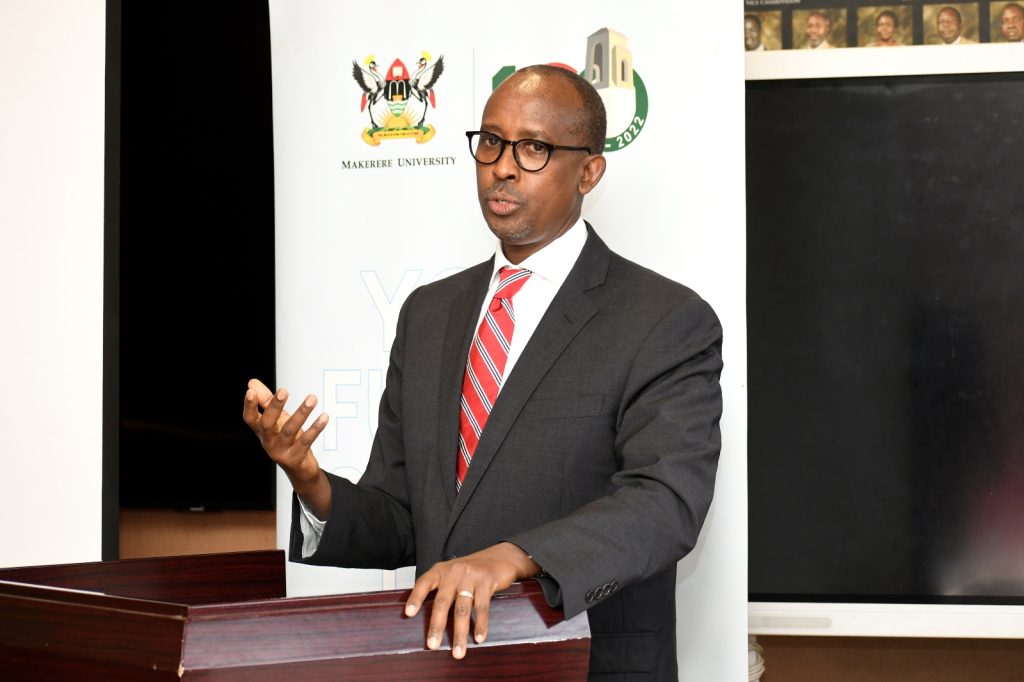
Following his delivery of the keynote address at the first-ever Symposium on National Transformation held on 30th March 2023, Makerere University on Monday 3rd April 2023 once again hosted Professor Vincent Anigbogu for an in-depth presentation to Top Management. Held in the Council Room, Frank Kalimuzo Central Teaching Facility, the interaction was graced by the Chairperson of Council, Mrs. Lorna Magara and later, the Presidential Advisor-Special Duties, Mr. Odrek Rwabwogo.
A holder of a PhD in Analytical Chemistry, Professor Anigbogu taught his specialization for over twenty years at four different universities in the USA before returning to Lagos, Nigeria in 2006 to pursue his passion, “the development of leaders with leadership and management competencies necessary for the transformation of Africa.” As Director General of the Institute of National Transformation (INT), he, together with his wife and partner, Mrs. Peggy Anigbogu has established training centres in Ivory Coast, Kenya, Rwanda, South Africa, and London, UK.
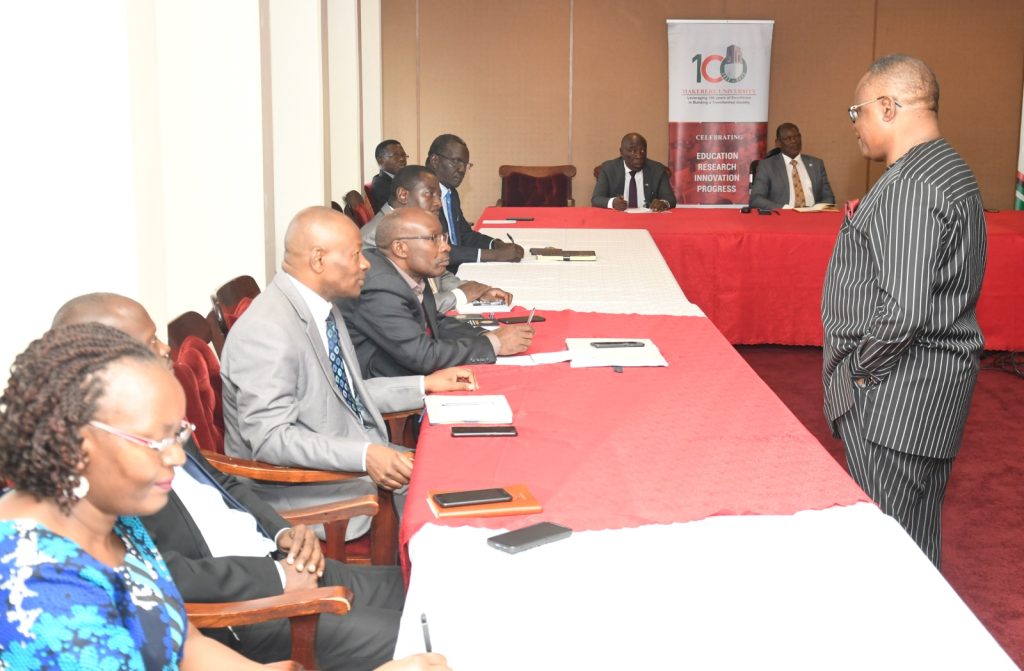
“Everyone that goes through the Institute of National Transformation in Uganda today is passionate about Uganda; they actually give their lives to build Uganda. Is that the typical attitude?” Professor Anigbogu paused to ask before clarifying “It has to be taught, and we teach it (at INT).”
He emphasized that it is only individuals who are passionate about Uganda that will transform the nation into ‘The Pearl of Africa’s Crown’, as stated by the third stanza of the National Anthem. Further unpacking the anthem, Professor Anigbogu could not help but appreciate how rich and embodying it is of Uganda’s vision.
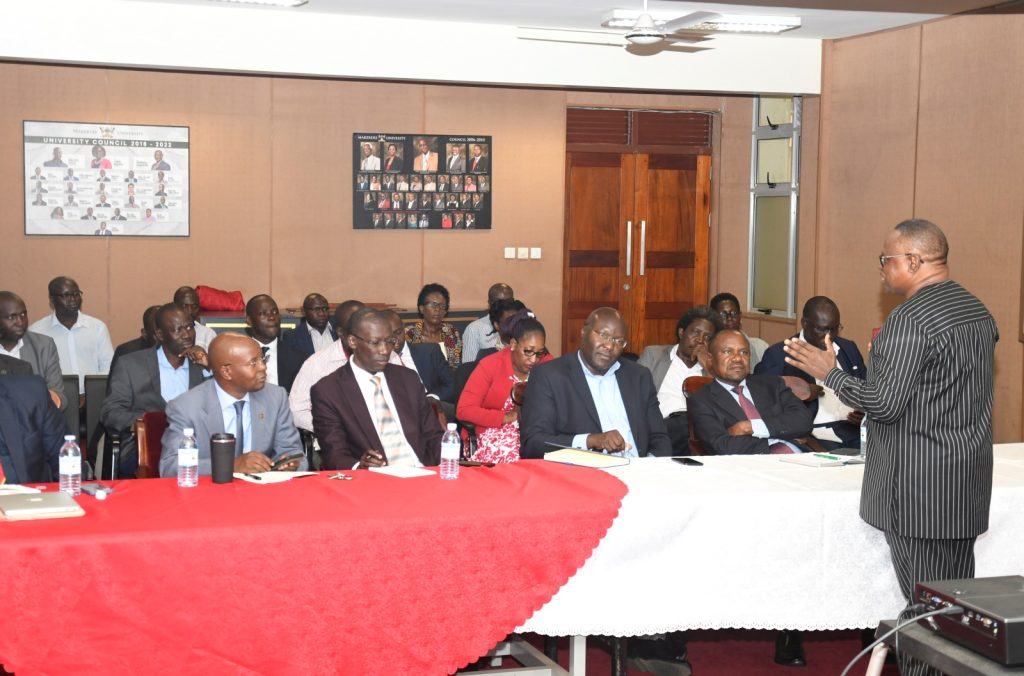
Professor Anigbogu therefore urged all faculty in the room to make it their responsibility to teach students values such as Godliness, Unity, Hard work, Peace and Friendship as espoused by the National Anthem. “If you are to talk about changing education and you don’t understand national transformation, you will not be useful.”
Turning to Vision 2040 that aspires to create “A transformed Ugandan society from a peasant to a modern and prosperous country within 30 years”, Professor Anigbogu stressed that it is Makerere’s responsibility to provide holistic education that produces graduates who are passionate enough to build the nation. “Who is producing the Presidents? Who is producing the Members of Parliament?” he questioned to illustrate his point.
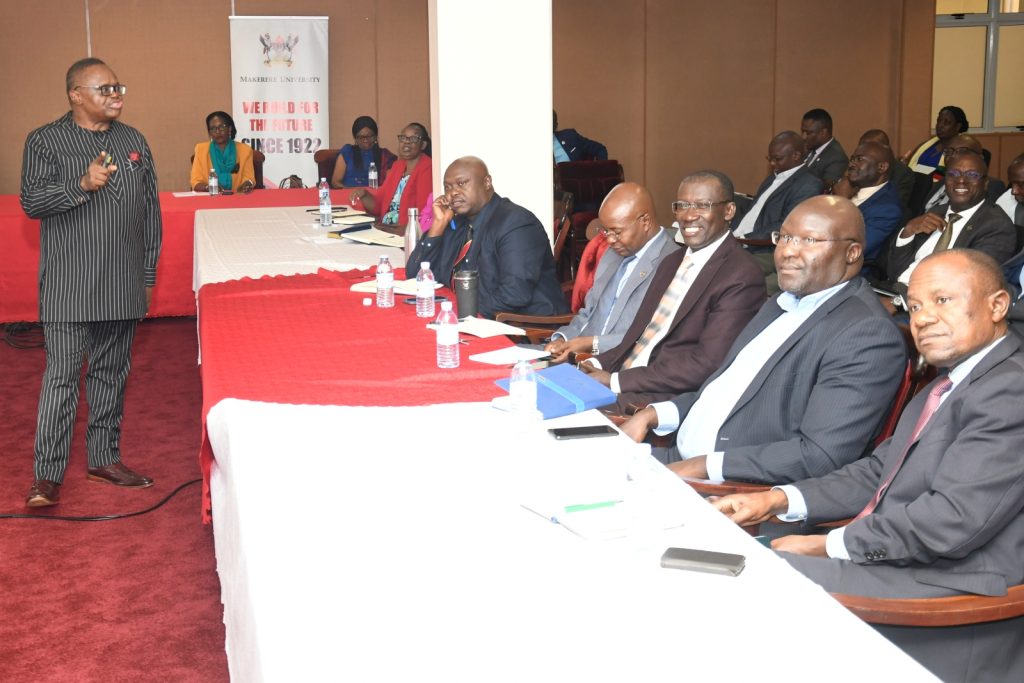
He further emphasized the need for Makerere to go beyond the first level of knowledge generation to producing graduates that are contextually in tune with both national and global trends. On one hand, they ought to be appraised of their personal responsibility in the national development agenda, while on the other hand, they ought to be equipped to weather storms from global trends.
Citing the Global Trends 2025 report produced by the National Intelligence Council USA, Professor Anigbogu noted that the current rise of China, India and other nations, the shift of wealth and economic power from West to East, and rapid population growth among others were predicted close to twenty years ago. “Of what value is education that’s not given in the context of anticipated challenges and opportunities?” he asked.
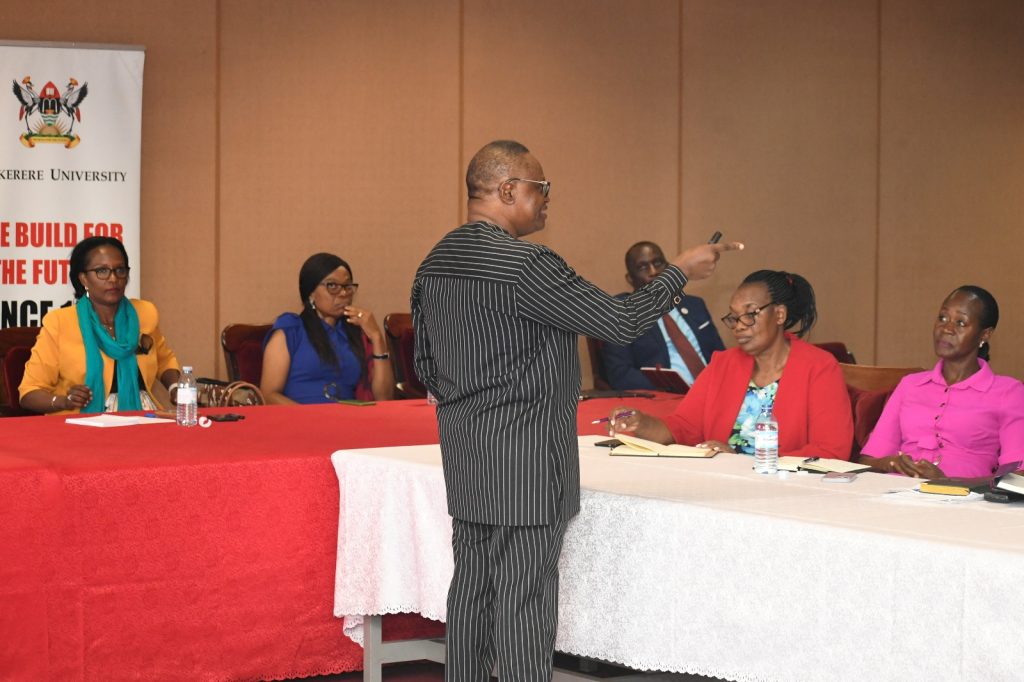
To achieve the much-anticipated national transformation, Professor Anigbogu noted that it was important for Makerere to produce graduates with the farmer rather than the hunter mentality. He explained that whereas we are all essentially hunters at birth – selfishly craving attention and loudly demanding that all our needs are instantly met, it was important for institutions such as Makerere to mould us into farmers – who are selfless, patient nurturers that regard every opportunity (seed), not as an answer to their immediate need (food) but as holding great potential for the future (a forest).
He noted that whereas lot of what Makerere is doing is good, the day’s interaction was aimed at reflecting on but how it could be done better, so as to have greater impact. He nevertheless concluded that this could only be achieved with a major shift in the way we conduct business.
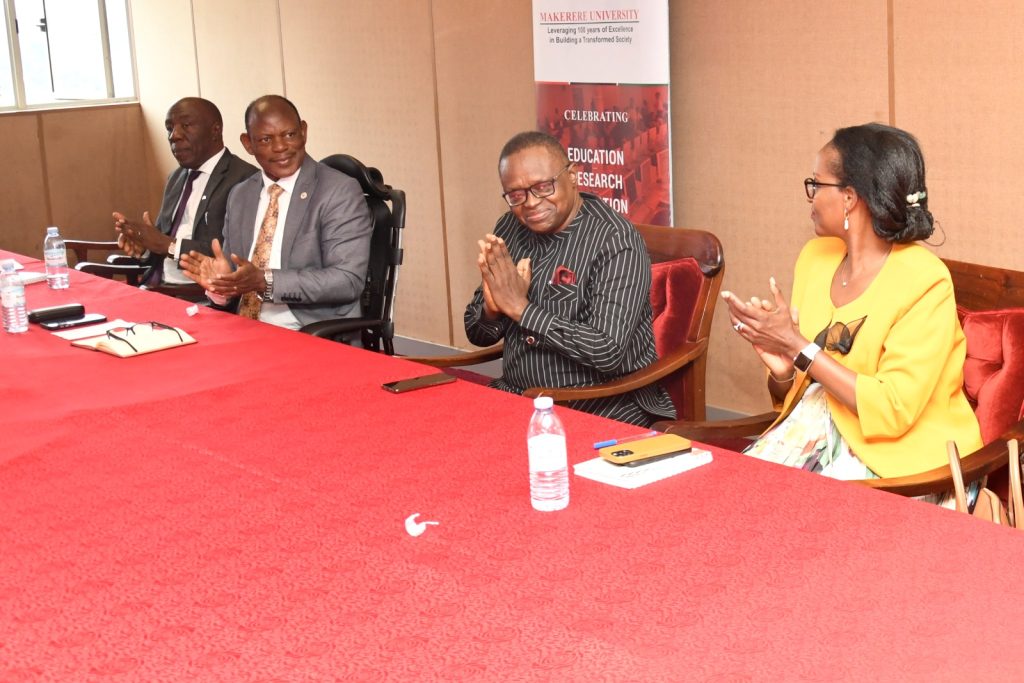
Sharing his experience as a farmer that processes and markets his products, Mr. Odrek Rwabwogo outlined four interventions that should be undertaken in order to sail through the post-COVID headwinds. Firstly, he noted that venturing into international markets ought not to done blindly, but rather informed by market research conducted by trade representatives.
Secondly, he underscored the need to comply with market standards, which some countries employ as non-tariff trade barriers. Thirdly was the need for the necessary infrastructure to support both present and future investments as well as bring costs of utilities further down. And fourthly, the need for export credit funding to de-risk entry of Ugandan products into foreign markets.
These four interventions, he said, are hinged on research, and the private sector is keen to connect with Makerere University and tap into the resources and expertise herein to generate it. He reiterated that scientists and scientific findings have a strong advocate in the person of the President and Makerere partnering with the private sector would go a long way in amplifying both parties’ critical role of working with Government to reduce poverty.
Following the presentations and interactive discussions, the Vice Chancellor Professor Barnabas Nawangwe thanked Professor Anigbogu for sparing time to share great insights with the Makerere Top Management. He observed that some of the pertinent issues touched on needed further deliberation and expressed the University Management’s readiness to go into a retreat and deepen the conversation.
Furthermore, he observed the need to continue the conversation on the central role of the private sector and academia in national transformation. “In addition to initiatives such as setting up incubation hubs and reviving the Makerere University Private Sector Forum, we shall find a framework through which to continue this discussion until the next annual symposium on national transformation.”
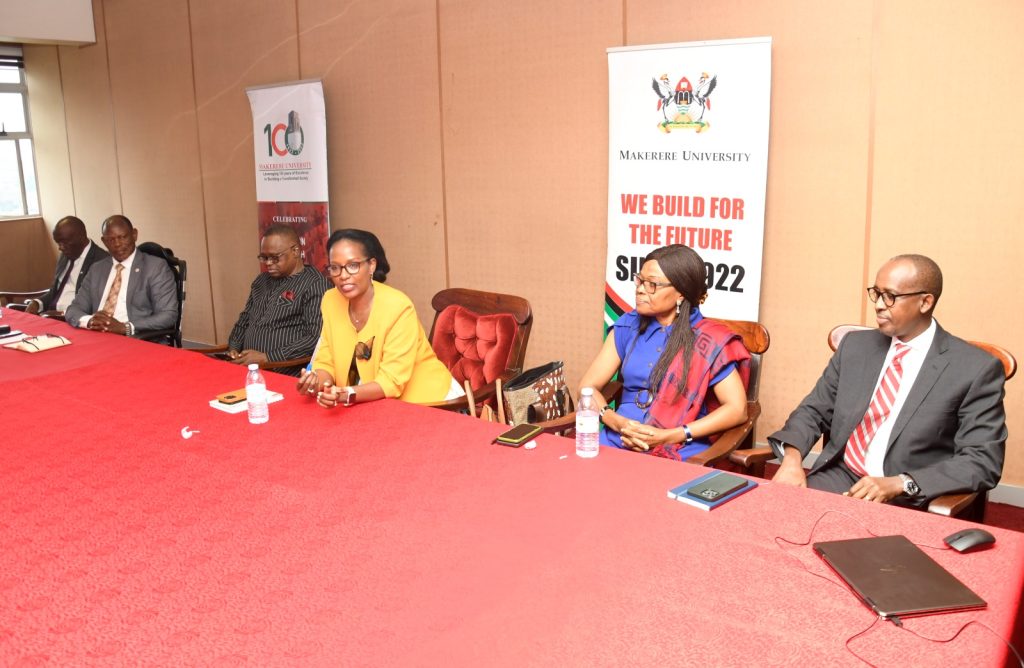
Concluding the day’s discussion, the Chairperson of Council Mrs. Lorna Magara admitted that although Makerere continues to produce a lot of research, there was need for increased engagements with Government and the private sector to increase uptake and utilization of findings.
“We want to invite the private sector to come and see what Makerere is doing in the different colleges… creating that framework that will cause the engagement is already in the offing and once it is fully setup and operationalized we will inform faculty of the opportunities that are available” shared Mrs. Magara.
She prayed that the day’s presentations would stir up the staff to continuously reflect on how their teaching and research roles can propel the economy of Uganda forward and achieve national transformation.


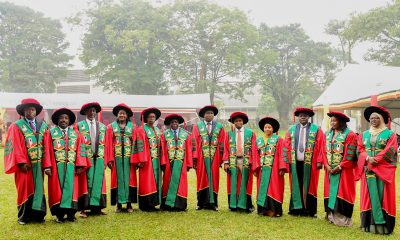


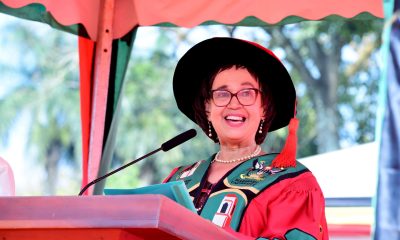

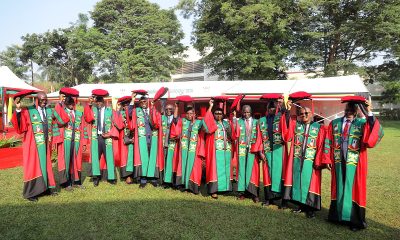





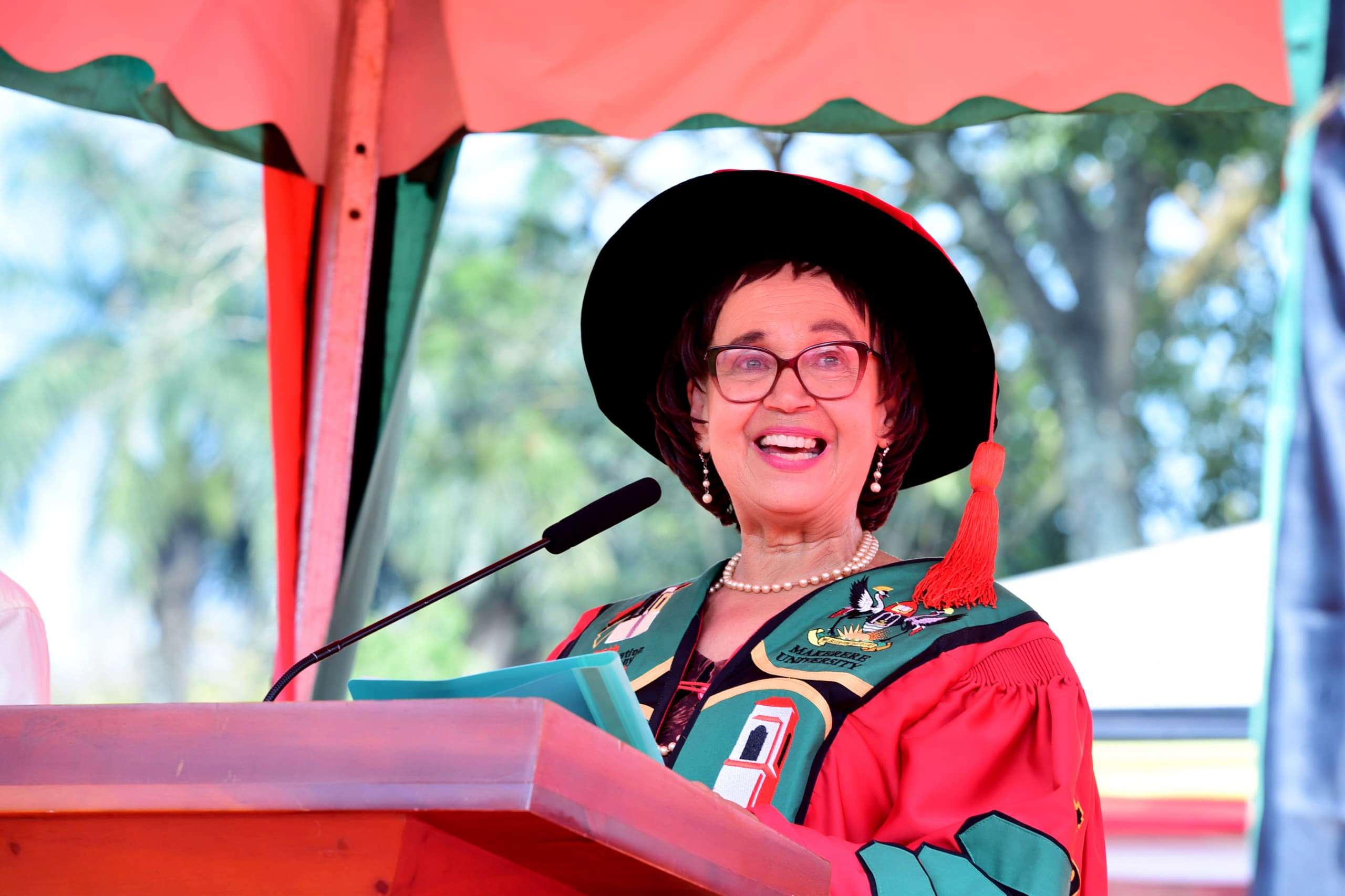
The Board Chairperson of the Makerere University Endowment Fund (MakEF), Dr. Margaret Blick Kigozi, has urged graduands in Health and Life Sciences to uphold professional ethics and serve humanity with diligence and compassion.
Her appeal came during the passing out of graduates from the College of Natural Sciences (CoNAS), the College of Veterinary Medicine, Animal Resources and Bio-Security (CoVAB), the College of Health Sciences (CHS) and the School of Public Health (SPH) on Day Two of the 76th Graduation Ceremony of Makerere University.
“Class of 2026, you are now part of the Makerere legacy. Wherever you go clinics, laboratories, farms, boardrooms, or classrooms, you carry this institution with you. Serve your patients with skill and compassion. Care for animals and communities responsibly. Question boldly and keep learning,” Dr Kigozi, said.
Delivering the commencement address, Dr. Kigozi lauded the graduates for their dedication to careers that directly impact lives and communities. She encouraged them to use their knowledge generously and exercise their power gently.
“Your education has trained you to ask better questions. Your humanity must guide the answers. Never forget that behind every chart, every case, every animal, every experiment, there is life. And life deserves care, patience, and dignity. Give every person you come in contact with care, patience and dignity,” Dr Kigozi, noted.
As the graduates embark on their professional journeys, Dr. Kigozi emphasized the importance of cultivating basic business acumen and financial literacy to ensure sustainability in their work.
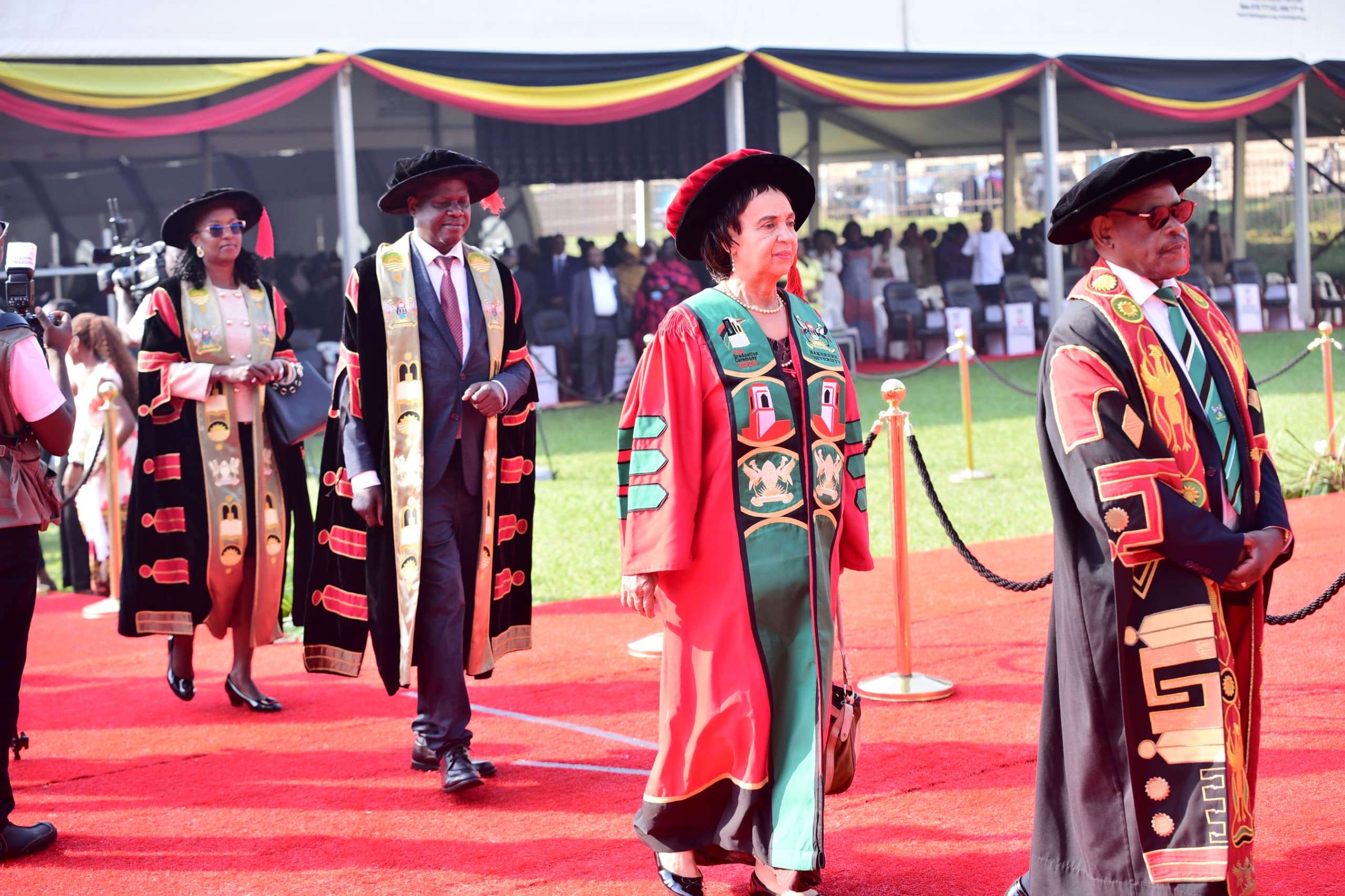
“You do not need to become accountants but you must be able to read the essentials: understand simple financial statements, budgets and key metrics so you can judge whether a clinic, lab, or program is sustainable. You are encouraged to start your business. There are numerous investment opportunities in your areas of training. You can provide services to our people and create jobs,” Dr Kigozi, said.
She shared candidly how, when she first stepped into leadership, she realised she did not understand balance sheets or budgets well enough. So, she returned to Makerere for short courses to strengthen herself.
“A well-run Hospital, clinic or lab delivers better outcomes, attracts staff, and secures funding. Business savvy is not only about profit, it’s about sustainability and the freedom to serve ethically and effectively. Carry clinical skill with business sense so your work endures and grows,” Dr. Kigozi, noted.
Quoting renowned writer and producer Shonda Rhimes, creator of Grey’s Anatomy, who once reflected that succeeding in one area of life can sometimes mean falling short in another, Dr. Kigozi encouraged women graduates to intentionally balance professional ambition with family responsibilities.
“When one area thrives, another is often under strain. When Navio was graduating from school I had to manage the Presidential Investor Round Table on the same day as Executive Director Uganda Investment Authority. I chose my job and delegated his siblings to attend Navios graduation. I learnt from this. I choose family always after that thing you achieve once and keep forever,” Dr Kigozi, said.
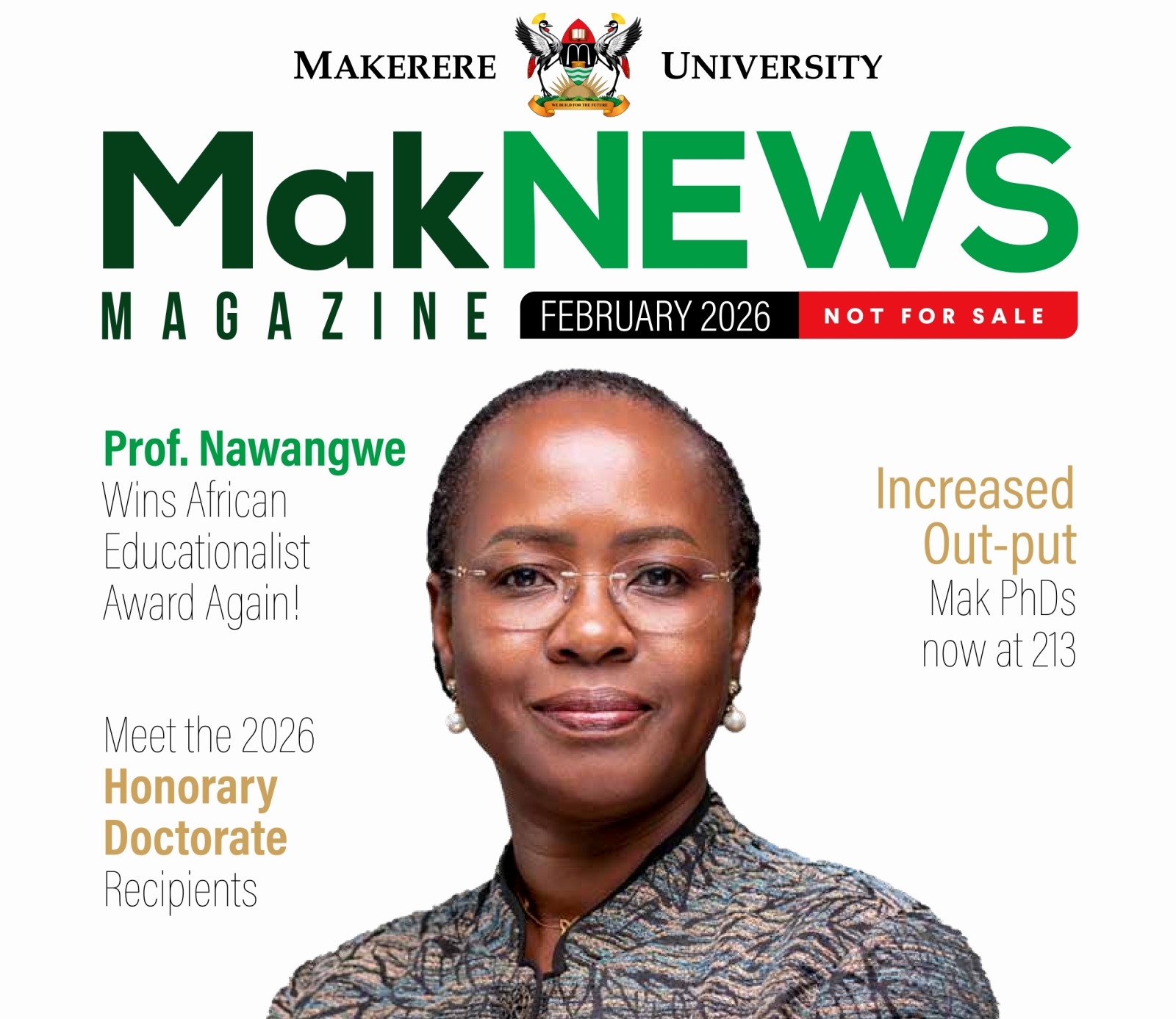
In his speech, the Prof Barnabas Nawangwe, the Vice Chancellor, informed the congregation that Makerere’s ranking on all university ranking platforms has remained stable, placing Makerere among the top 10 African universities and within the top 4.5% globally.
“In the Times Higher Education global ranking, Makerere University made a formidable jump from the 1200-1500 bracket to the 800-1000 bracket. This was no mean achievement and I congratulate all members of the Makerere Community on this stellar performance,” Prof Nawangwe, said.
-
 Humanities & Social Sciences5 days ago
Meet Najjuka Whitney, The Girl Who Missed Law and Found Her Voice
-
 Health1 week ago
Uganda has until 2030 to end Open Defecation as Ntaro’s PhD Examines Kabale’s Progress
-
 Agriculture & Environment1 week ago
Uganda Martyrs Namugongo Students Turn Organic Waste into Soap in an Innovative School Project on Sustainable Waste Management
-
 General4 days ago
76th Graduation Highlights
-
 General1 week ago
Mastercard Foundation Scholars embrace and honour their rich cultural diversity