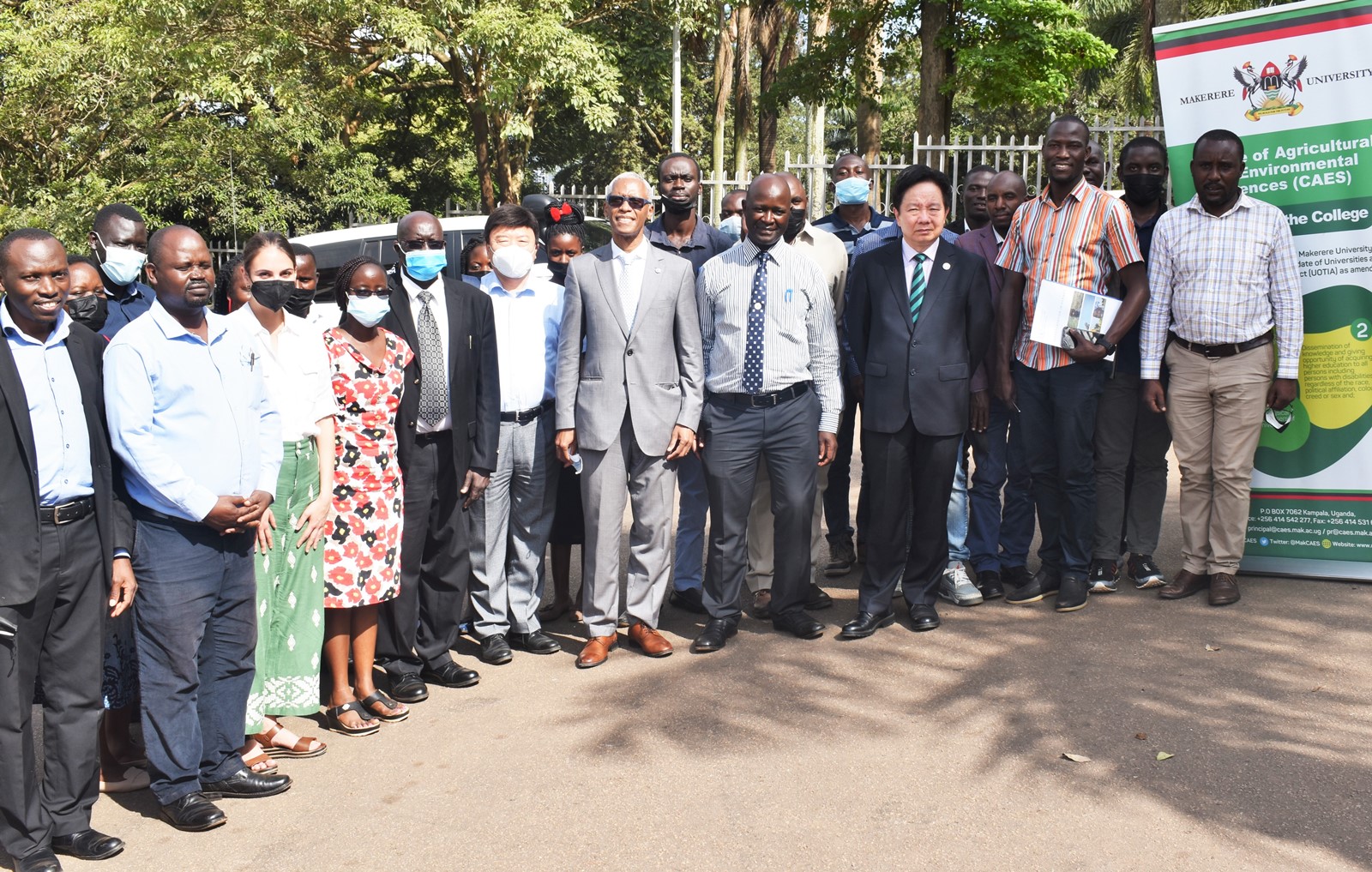
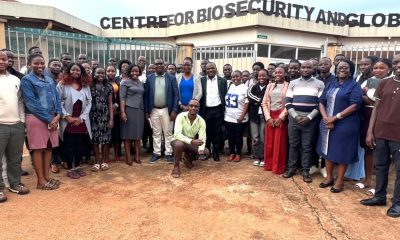
The Director, Office of South-South and Triangular Cooperation Division, FAO-Mr Anping Ye (3rd R), FAO Country Representative-Dr. Querido Antonio (5th R), Ag. Principal CAES-Prof. Yazidhi Bamutaze (4th R) and participants after the opening ceremony on 13th June 2022, CoCIS, Makerere University.
The Department of Agricultural Production, College of Agricultural and Environmental Sciences (CAES), Makerere University in collaboration with FAO Uganda conducted a five-day training on digital soil mapping. The training organized under the framework of the project – Capacity Development on Sustainable Soil Management for Africa, and held at Makerere University was officially opened by Mr. Anping Ye, Director, Office of South-South and Triangular Cooperation Division, FAOon 13th June 2022. The opening ceremony was graced by Dr. Querido Antonio, the Food and Agriculture Organisation Country Representative for Uganda; Dr Lui Zhongwei, Senior Programme Officer, Resource Mobilization and Private Sector Partnerships Division, FAO Rome; and Prof. Yazidhi Bamutaze, Deputy Principal, CAES.
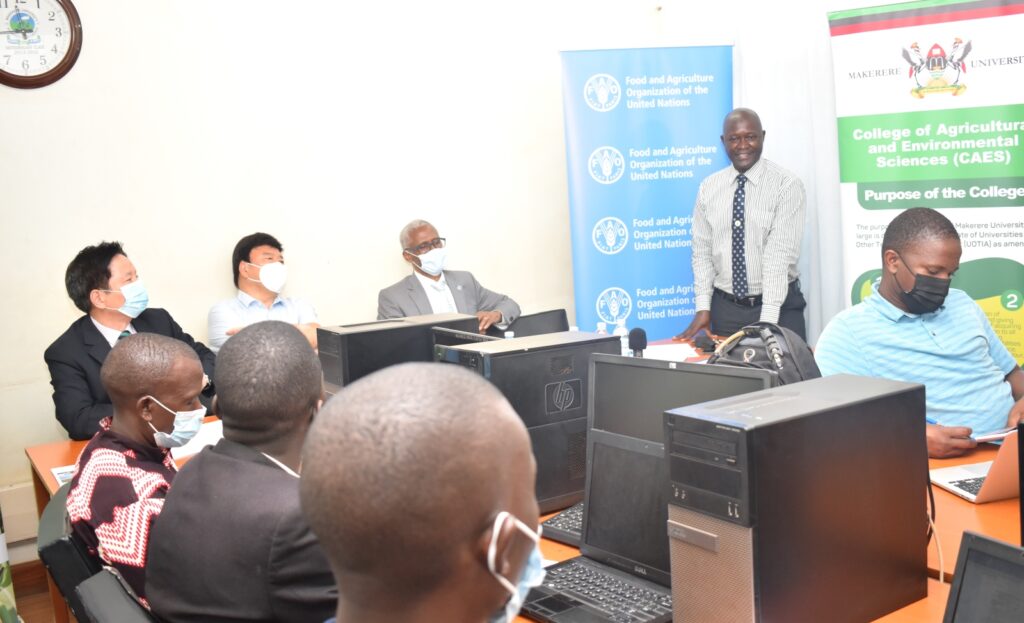
Prof. Yazidhi Bamutaze (standing) represented the Principal, CAES, Prof. Gorettie Nabanoga.
The two-year project (July 2020-June 2022) financed by the China International Centre for Economic and Technical Exchange (CICETE), Ministry of Commerce, People’s Republic of China aims to develop capacity in sustainable soil management through South-South cooperation, within the framework of Global Soil Laboratory Network (GLOSOLAN) and the International Code of Conduct for Sustainable Use and Management of Fertilizers (the Fertilizer Code), with special focus on balanced fertilization. The project is part of FAO’s efforts to strengthen capacity of public and private institutions and communities to sustainably manage natural resources, restore degraded land and protect vital ecosystems. Partners on the project include Makerere University; FAO Uganda; the Ministry of Agriculture, Animal Industry and Fisheries; the Institute of Agricultural Resources and Regional Planning – Chinese Academy of Agricultural Sciences; Busiitema University; China Aid; Global Soil Partnership; National Semi-Arid Resources Research Institute – Serere, and the National Agricultural Research Laboratories – Kawanda.
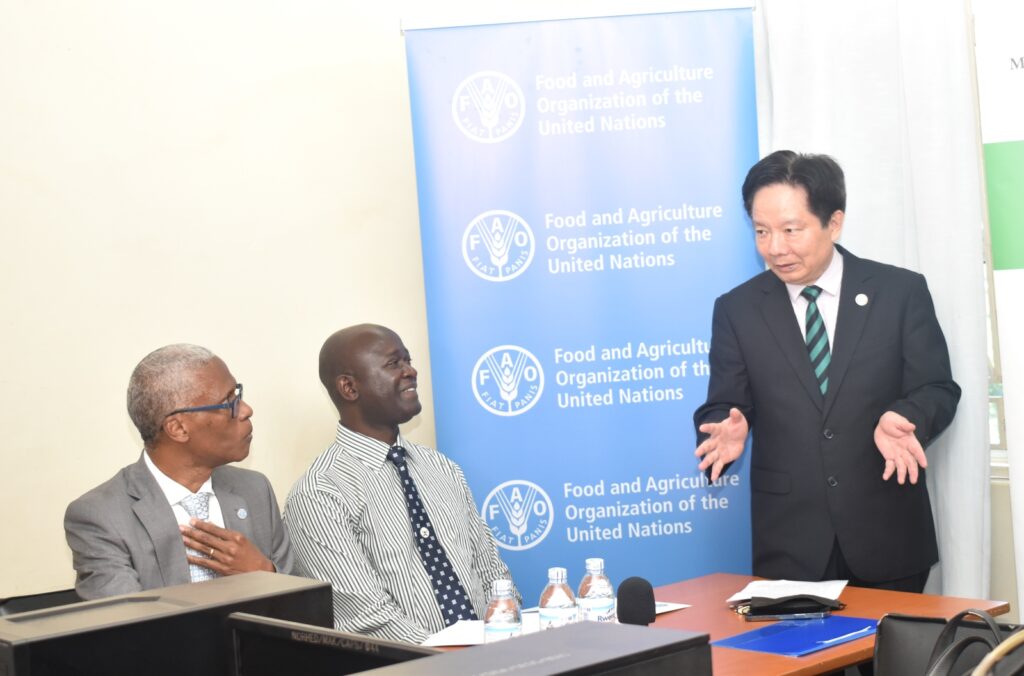
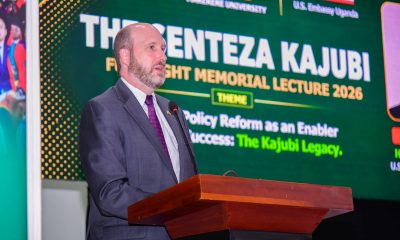
Mr Anping Ye, Director, Office of South-South and Triangular Cooperation Division, FAO (R) officially opened the training session.
Objectives of the training
The training aimed to provide an easy to follow and step-by-step course for mapping soil properties.
It also aimed to present methodologies that can be used in soil data cleaning and processing
Providing a user-friendly and introductory course to the R language
Participants included experts from government and research institutions – Ministry of Agriculture, Animal Industry and Fisheries (MAAIF), the National Agricultural Research Organization (NARO), Universities as well as researchers and students with a background in soil, agricultural and environmental sciences.
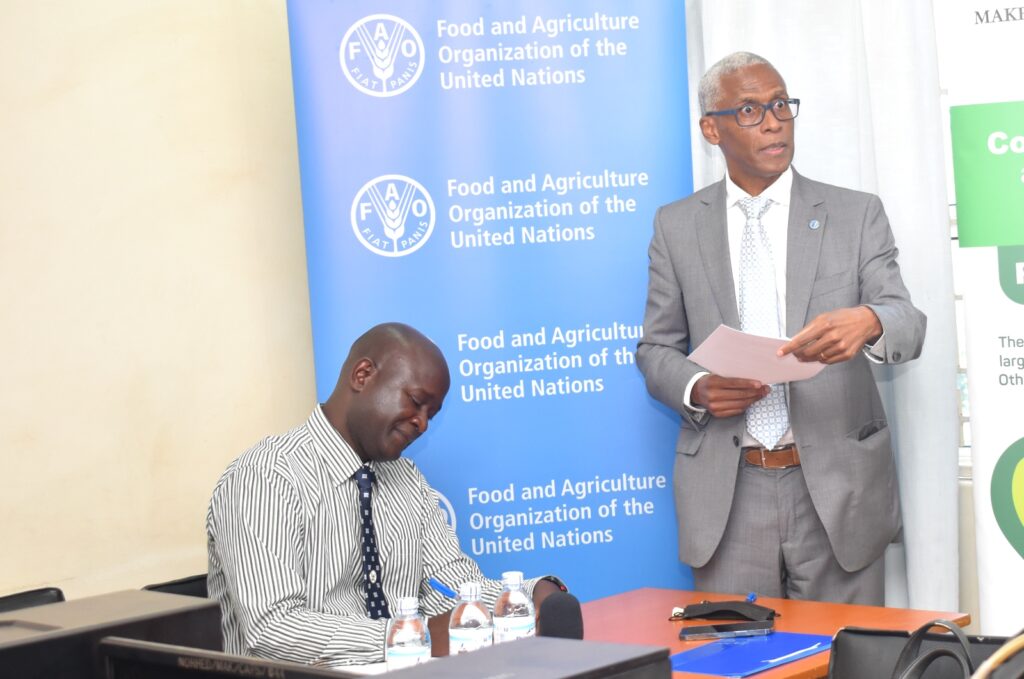
Dr. Querido Antonio, the Food and Agriculture Organisation (FAO) Country Representative for Uganda (R) delivering his remarks.
Course content included; Soil property mapping, soil data cleaning and processing, use of R language in soil mapping and data visualization and delivery.
The training programme was coordinated by Dr. Patrick Musinguzi from the Department of Agricultural Production, CAES in collaboration with officials from FAO Uganda.
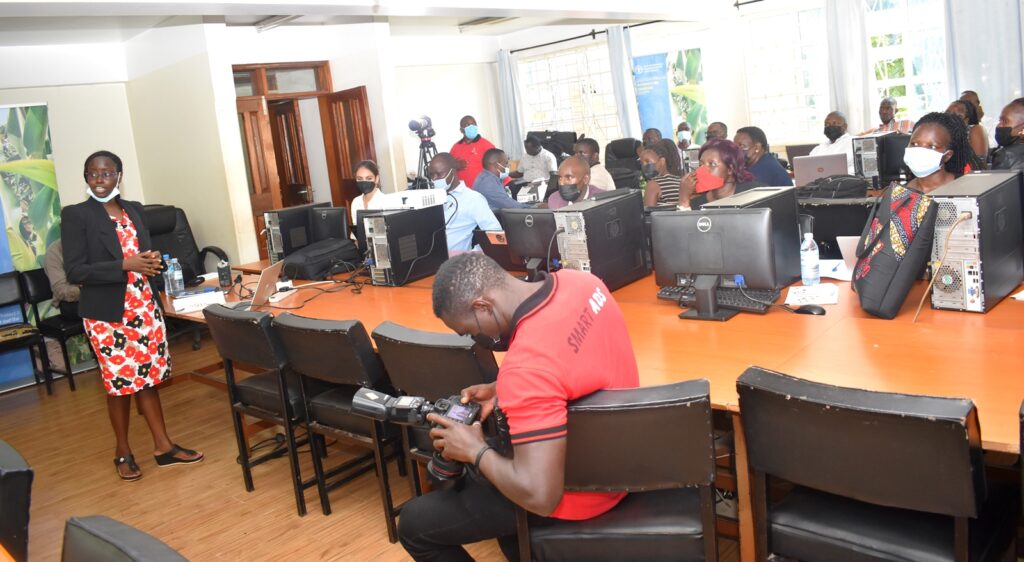
Janet Nabwami, Soil Specialist at FAO (L) briefs participants on the project.
Remarks by Mr. Anping Ye, Director, Office of South-South and Triangular Cooperation Division, FAO
Speaking at opening ceremony, Mr Anping Ye, Director, Office of South-South and Triangular Cooperation Division, FAO underscored the importance of the training noting that sustainable soil management contributes directly and indirectly to the achievement of at least 10 Sustainable Development Goals (SDGs). “Unsustainable practices lead to the degradation of soil properties and decline in soil productivity. In most developing countries including some in Africa, the decline in productivity is happening at an alarming rate due to inappropriate soil management. The training will largely contribute to building capacity for national soil database and soil monitoring for the key stakeholders in Uganda,” he noted.
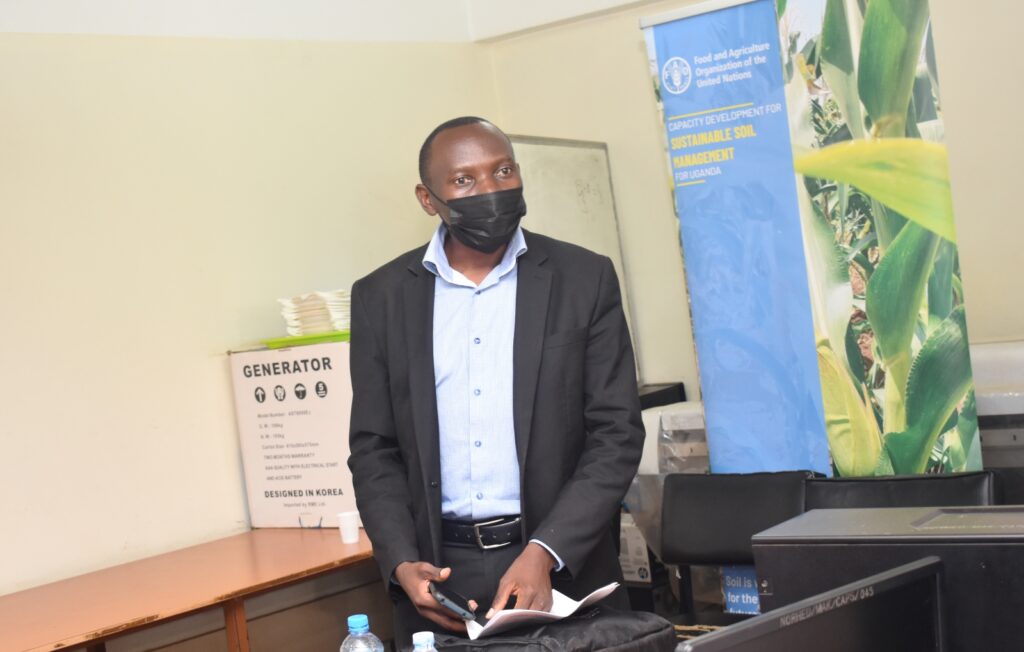
Dr. Patrick Musinguzi coordinated the training programme.
Representing the Principal of CAES, the Deputy Principal, Prof. Yazidhi Bamutaze expressed gratitude to all the partners who supported the training programme. In a special way, he appreciated FAO for always partnering with Makerere University in the areas of research, training and outreach. CAES and FAO continue to work on a number of projects in livestock development, crop production, water management, climate change and food nutrition. In her remarks, the Principal noted that the project had made significant contributions towards soil management and fertilizer application leading to increased productivity and food security.
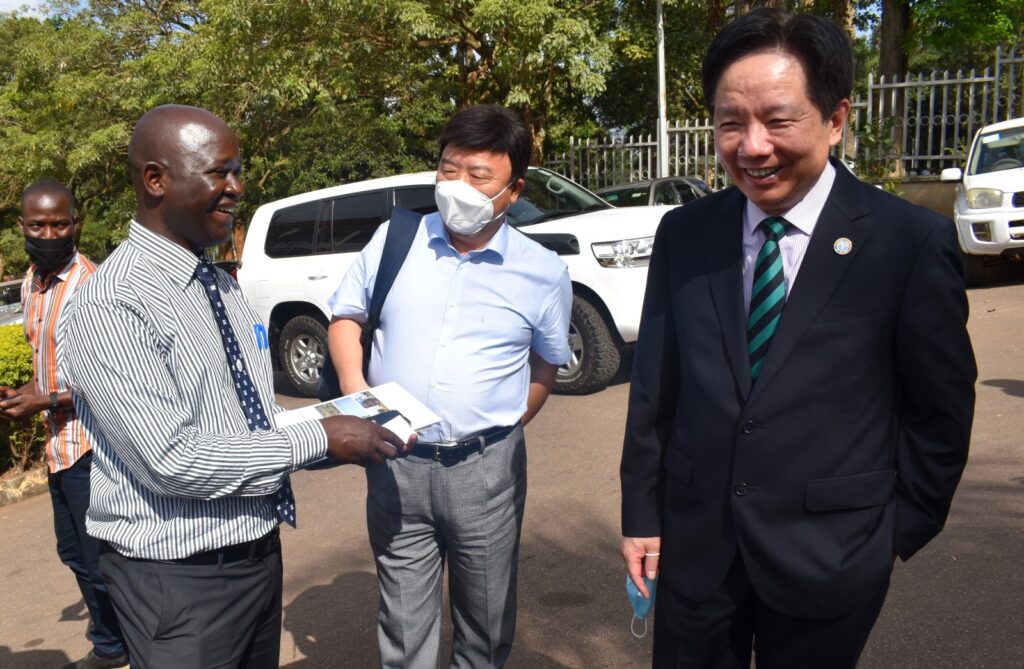
Prof. Bamutaze (L) sharing a light moment with Mr. Anping Ye (R) and Dr. Lui Zhongwei from FAO (C) after the opening ceremony.
“In Uganda, proper fertilizer application remains a major challenge. The farmers often get challenged when using fertilizers especially if the fields are highly variable in soil fertility. With the advancement of digital technologies, farmers are now in position to know the status of their soils and the appropriate fertilizers,” she noted. She said the training programme was timely given the rapid technological transformation and that it would largely enhance the capacity of researchers and agricultural extension experts to effectively guide farmers on the most appropriate fertilizers for different fields.
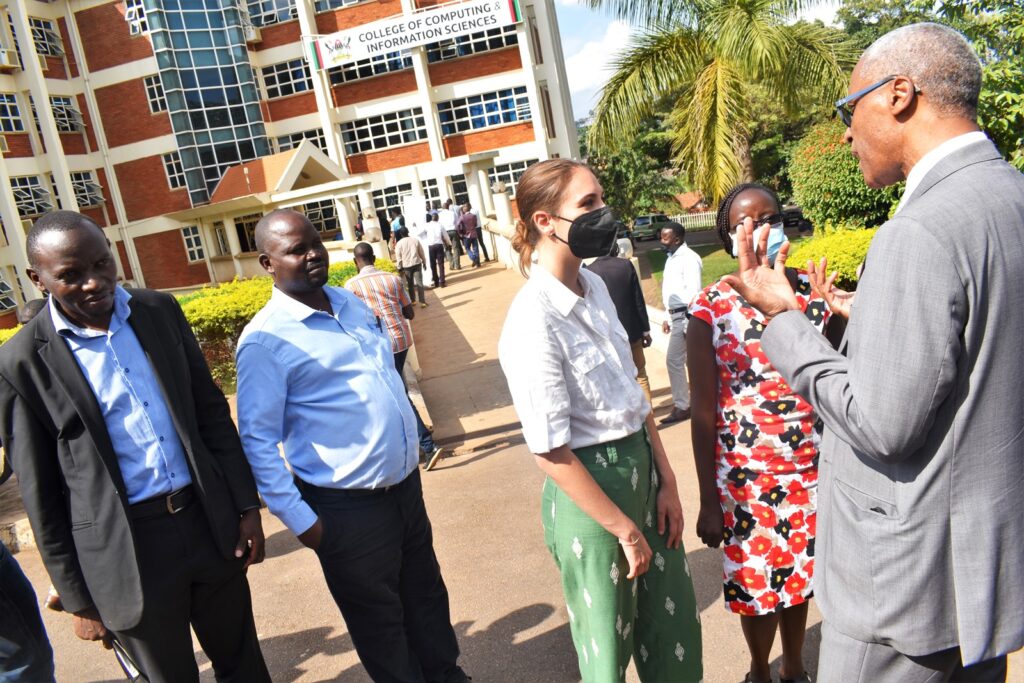
Dr. Querido Antonio, the Food and Agriculture Organisation Country Representative for Uganda chatting with some of the trainers.
Commenting on the relevance of the training, Prof. Bamutaze emphasized the importance of soil in national development and the need to understand soil variations for proper fertilizer application. He called for the development of a national soil database to inform public policy. Prof. Bamutaze informed participants that components of the training course would be integrated in the curriculum.
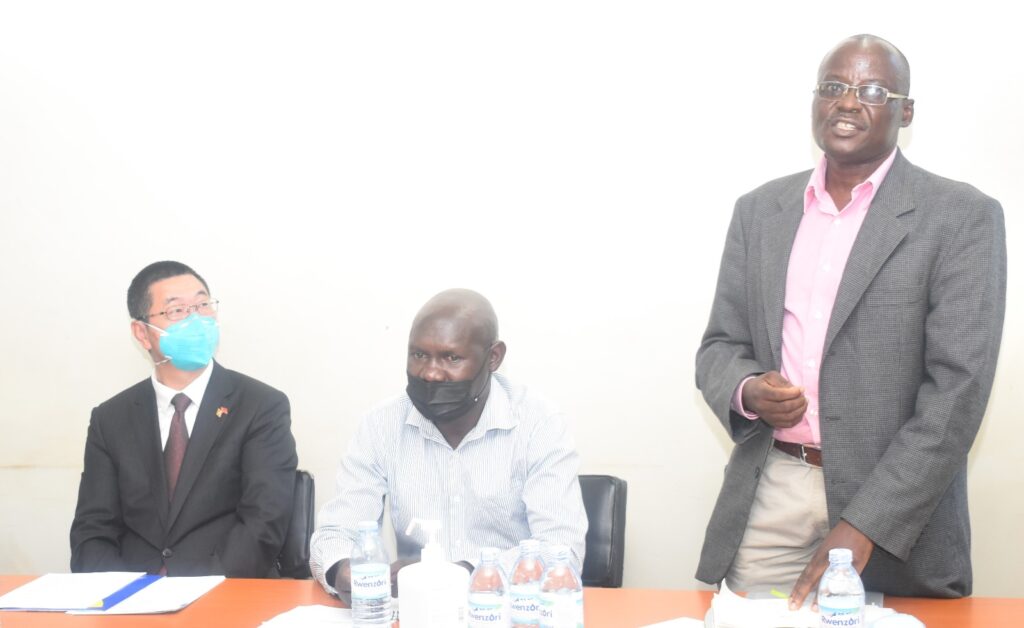
Prof. Fred Kabi (Standing) represented the Principal, CAES at the closing ceremony.
The training ended on 17th June 2022 with more than 30 participants awarded certificates of participation. Representing the Principal of CAES at the closing ceremony, Prof. Fred Kabi emphasized the importance of theoretical grounding in all fields. He reiterated the significance of soil mapping in guiding soil amendments. He appreciated FAO and the Ministry of Agriculture, Animal Industry and Fisheries (MAAIF) for facilitating the training.
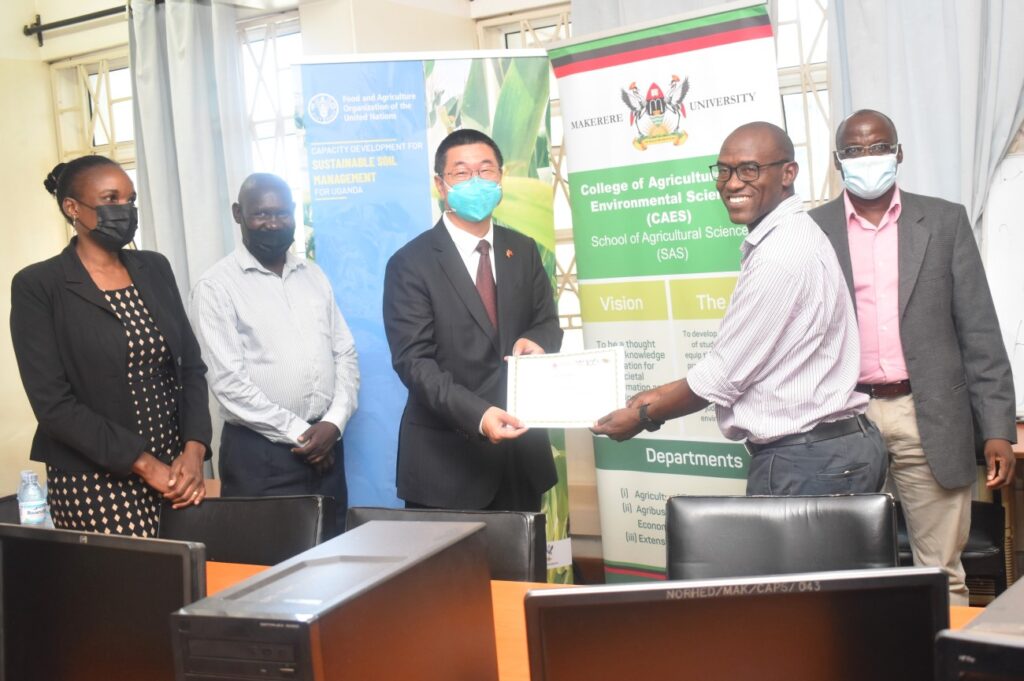
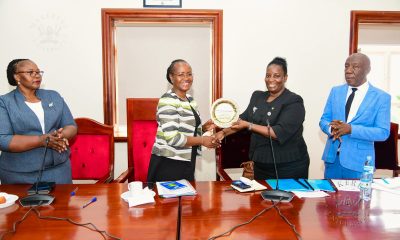
One of the participants in the Digital Soil Mapping training receives a certificate of participation from the First Secretary, Embassy of China in Uganda, Mr Chenxu Wang.
The training was officially closed by the First Secretary, Embassy of China in Uganda, Mr Chenxu Wang.
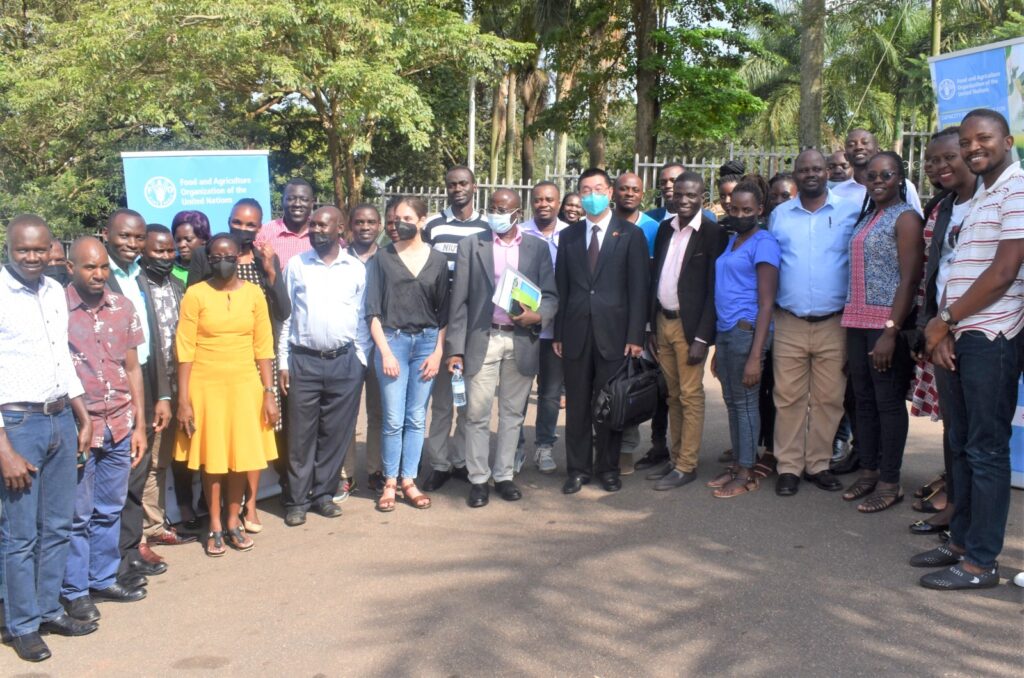
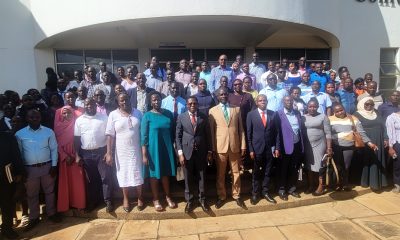
Participants in a group photo with the First Secretary, Embassy of China in Uganda, Mr Chenxu Wang (6th R) and the representative of the Principal of CAES, Prof. Fred Kabi (7th R) at the end of the training.
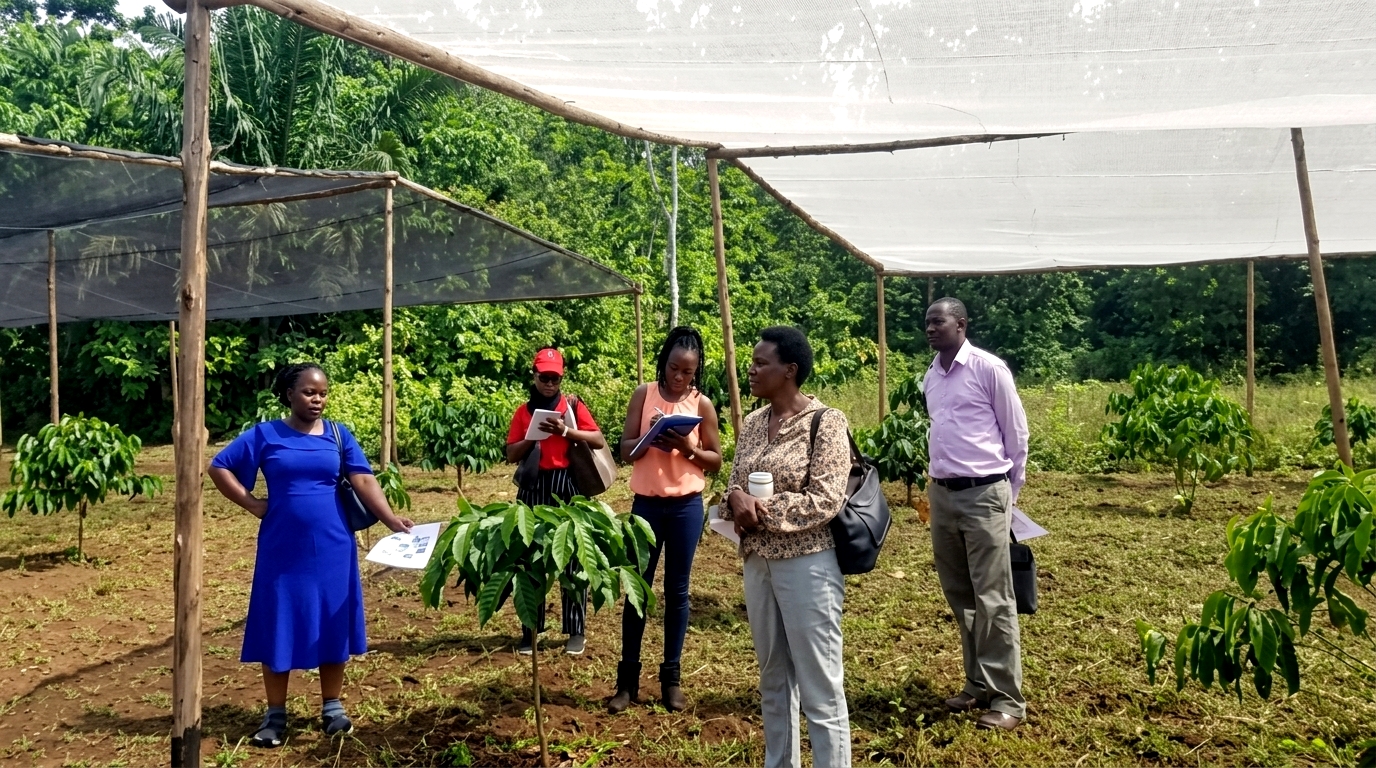
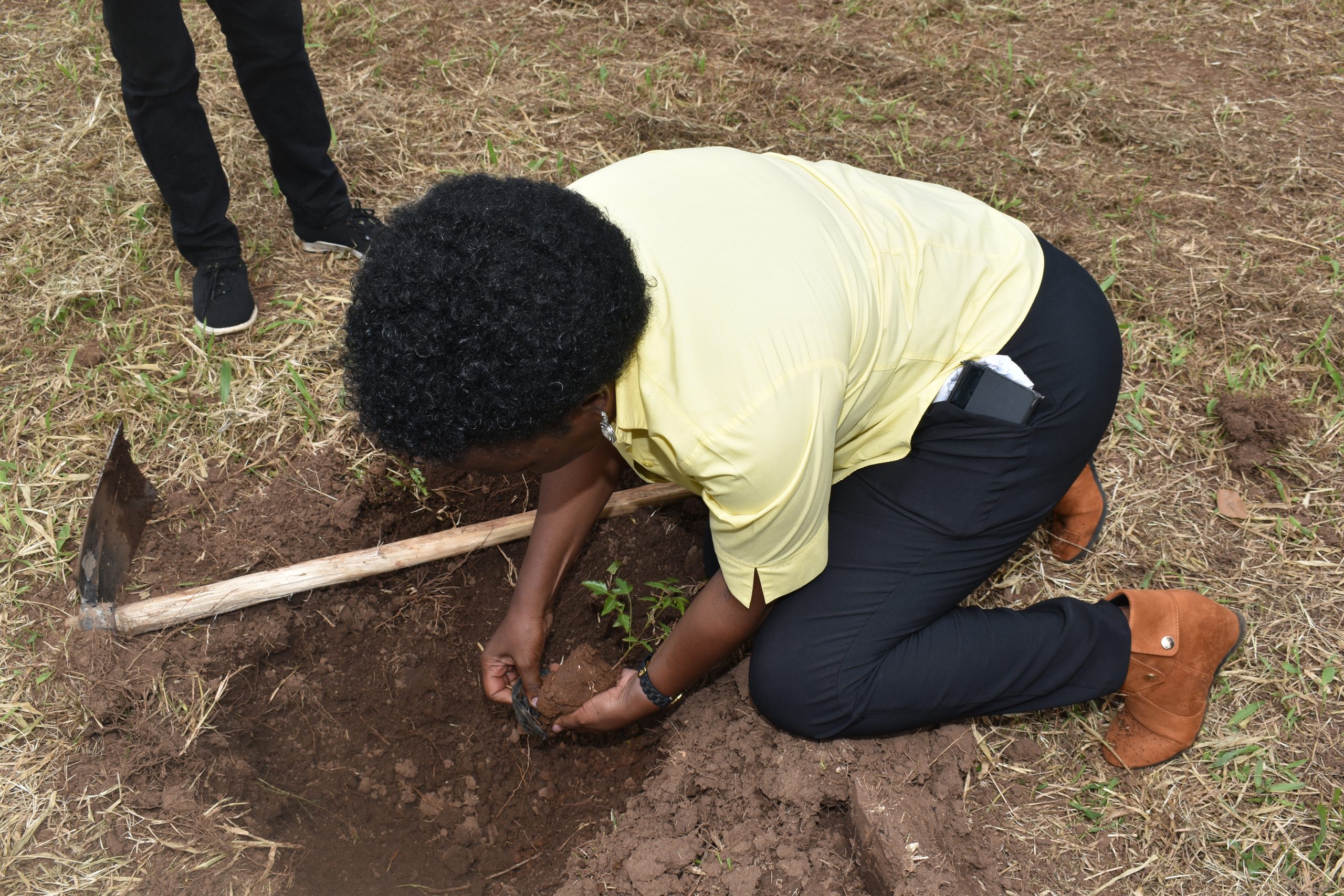
This report provides an update on ongoing training, research and community engagement activities being done under the DANIDA-funded APCCO Coffee Agroforestry Project that is being implemented at Makerere University under collaboration with NARO-University of Copenhagen (UCPH), National Coffee Research Institute Uganda (NaCORI), Mukono Zonal Agricultural Research and Development Institute (MuZARDI), CURAD Incubator, GrowGrounds, NewForesight, and Regen Farmer. This report highlights part of students’ PhD research studies being conducted in Mukono and Nakaseke districts focused on understanding how Robusta Coffee Agroforestry systems can contribute to improving smallholder livelihoods, closing the living income gap, and enhancing climate resilience. The APCCO project seeks to promote sustainable coffee agroforestry systems that deliver environmental benefits such as carbon sequestration, biodiversity conservation, and climate resilience, while also improving household welfare. Integrating trees into Robusta coffee farms is a proven strategy to enhance smallholder productivity and build resilience to climate variability. As a multi-benefit nature-based solution, tree integration can improve ecosystem services, support climate adaptation, and strengthen livelihoods when effectively managed. However, its adoption remains uneven, constrained by gaps in farmers’ knowledge, socio-cultural and economic barriers, and misconceptions, particularly under increasing climate pressures. This project aims to investigate farmers’ knowledge of tree species, the factors influencing their integration and the performance of Robusta coffee in central Uganda.
Makerere University’s Department of Geography, Geo-informatics and Climatic Sciences in partnership with Quadrature Climate Foundation and Red Cross Red Crescent Climate Centre are seeking two fellows for Quadrature Climate Foundation (QCF) Fellowship Programme. This is a two-year post-doctoral programme fully funded by QCF, which is an independent charitable foundation working for a greener and fairer future. Applications for the two-year post-doctoral fellowship are invited from individuals with demonstrated interest and expertise in locally led adaptation to climate change research. This initiative is a unique and excellent opportunity to expand the network of interested individuals with researchers and decision-makers, as well as deliver action-oriented research to inform policy and practice. Depending on their interest, each applicant should choose one of the two thematic areas offered under the fellowship program:
Knowledge co-creation for locally led adaptation to climate change
Decentralised decision making for effective climate change adaptation and resilience
The Fellow working on the Thematic Area 1: knowledge co-creation for locally adaptation will explore collaborative learning processes (including informal learning) for climate change adaptation among smallholder farmers with focus on Uganda, with linkages to related work in Bangladesh, Mozambique and Napal. The overall intention is to generate understanding of how decision making processes, across scales, can be linked to local and context specific knowledge systems and process for epistemic just adaptation. The key research questions are:
What does the process of co-creating knowledge for locally led climate change adaptation look like in a rural smallholder farming setting of a Least Developed Country (LDC)?
What are the possibilities, promises and pitfalls of knowledge co-creation for locally led adaptation planning?
The research will intentionally contribute to methodological and practice advances in co-creation of knowledge for locally led climate change adaptation.
The research on Thematic Area 2: decentralized decision making for effective adaptation and resilience will undertake scientific interrogation of a climate finance mechanism that has been designed for locally led adaptation and resilience in Uganda. The Fellow will largely focus on testing selected assumptions behind the design of the mechanism. The key questions are:
How does effective locally led climate change adaptation and resilience building investment decision making look like in practice?
What works and how does it work? What does not work and why?
Key considerations in the research will include local leadership, inclusion, context specificity, cross-scale, and capability strengthening. The targeted contributions of the fellowship include improved knowledge management for climate resilience planning and decision-making, strengthened evidence-based research-policy-practice dialogues, framework(s) for integrating local and experiential knowledges in resilience building investment decision making processes, among others.
The Fellows will be based, full-time, at Makerere University, Kampala as a core member of the team working on locally led adaptation and resilience. Their work will be conducted under the auspices of the Least Developed Countries Universities Consortium on Climate Change (LUCCC) through which Makerere University is engaged in research and knowledge management collaborations. The Fellowships will focus on Uganda, but with deliberate linkages across LDCs, which might necessitate travels for in-person working meetings.
Roles and responsibilities of the Postdoctoral Research Fellow
The Fellow will be highly motivated to work with a transdisciplinary research team, grow their research expertise, engage with climate change researchers, decision-makers, practitioners and generate different categories of publications. Makerere University will mentor to the Fellow to provide professional development support. Where needed, the Fellow will participate in teaching and community outreach activities including knowledge sharing in ways that foster collaborative research for adaptation policy and practice.
Requirements:
A PhD, awarded within the previous five years, in a related discipline (e.g., geography, climate and society, sustainability, adaptation governance, epistemic justice, climate finance).
Knowledge and experience of locally led adaptation
Experience in synthesizing and managing datasets and literature.
Experience in, and knowledgeable of, participatory and collaborative action-oriented research methodologies and tools.
Demonstrated ability to produce research information products for different audiences.
Excellent written and verbal communication skills in English
Demonstrated interest and experience in transdisciplinary collaborations across-scales including with local communities, decision-makers and practitioners
Experience in giving international oral presentations and interest in public communication for wide-ranging categories of audiences
Data and information visualisation skills will be an added advantage
Application requirements:
Applicants should submit a single PDF with: (i) an application letter not longer than 2 pages that includes indication of theme of interest, a description of demonstrated research interests, research expertise, and an explanation of how they can work as part of the transdisciplinary research team in line with the fellowship objectives described above; (ii) a CV including a publication list; (iii) copies of academic transcripts and/or certificates; (iv) an example of written work; (v) email addresses of two references who have been directly involved in their PhD research.
Applicants must submit the PDF application document to colocal.caes@mak.ac.ug. Please type “LUCCC PDR Application: COLOCAL-Makerere” as the subject line of the email.
Closing date
Midnight (GMT+3) on 15th May, 2026 or until the position is filled.
Selection process
Eligible and complete applications will be considered followed by communication with short-listed applicants. Makerere University, in consultation with Quadrature Climate Foundation and the Red Cross Red Crescent Climate Centre, will conduct interviews of the short-listed applicants.
If you have not heard from Makerere University within two months of the deadline, please assume your application has been unsuccessful.
Contact details for enquiries about this post-doc fellowship: colocal.caes@mak.ac.ug
Change the conditions of the award or to make no awards at all
-The QCF Fellowship Programme is a two-year, post-doctoral programme fully funded by Quadrature Climate Foundation (QCF).
-Quadrature Climate Foundation is an independent charitable foundation working for a greener and fairer future. For more information on QCF, please visit qc.foundation.
Makerere University, in partnership with Mastercard Foundation, is implementing Africa Climate Collaborative, an initiative that aims to shape a future where African knowledge, innovation, and leadership drive sustainable, climate-resilient development across the continent.
Makerere University is pleased to announce Fifty [50] Masters and Twelve [12] PhD Scholarship opportunities under the Africa Climate Collaborative for the Academic Year 2026/2027.
DEADLINE FOR SUBMISSION OF APPLICATIONS: Friday, 5th June 2026.