
General
Ubuntu; The Answer to Ending GBV – Prof. Sylvia Tamale

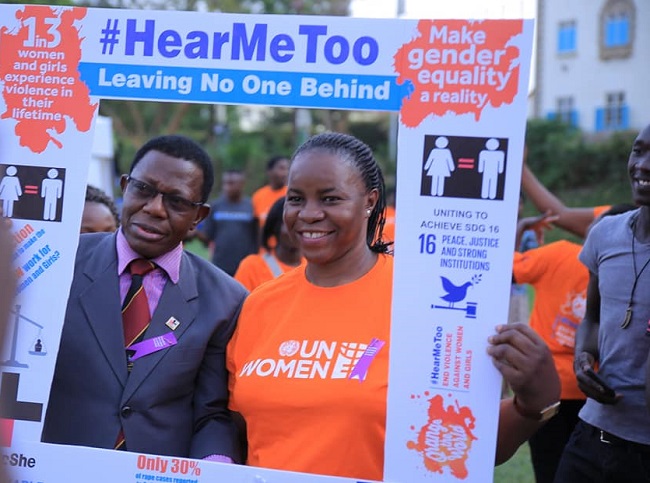
Makerere University Academician and Ugandan human rights activist Prof. Sylvia Tamale has called upon Ugandans to embrace the values of Ubuntu in order to end Gender Based Violence and sexual harassment among communities.
“Growing up, my mother used to drum it into us to have obuntu bulamu… I want to therefore appeal to those values of humaneness, solidarity, interdependence, compassion, respect and dignity associated with Ubuntu. I want to appeal to your human goodness and sense of justice. I want to implore you to reject hierarchy and dominion based on gender, race, ethnicity, disability, age and so on,” she said
In a keynote address entitled Ubuntu: ending Gender based violence in institutions of higher learning and work places, Prof. Syliva Tamale, one of the leading African feminist lawyers and scholars in Africa said that there is need to instigate a spirit of togetherness and cooperation in communities in order to have free gender based societies.

The dialogue held on 30th November 2018 was one of the activities organised by the Makerere University Gender Mainstreaming Directorate in partnership with Communication for Development Foundation Uganda (CDFU); with financial support from UN Women during the international campaign of the 16 Days of Activism against Gender Based Violence (GBV).
Other activities included; an exhibition that ran from 29th – 30th November 2018, in the Makerere University Freedom Square, a session for students on Gender Based Violence conducted by Medical Doctors, Lawyers, and counsellors and signing up as HeForShe champions.
According to Prof. Tamale, Ubuntu is humaneness. it reflects the African understanding of diversity, solidarity, compassion, respect, dignity and the belief in a universal bond and sharing. She said that African traditional culture was not attuned to individual competition but to cooperating within community. The interests of the community were always placed above of those of the individual.
Reflecting on the theme of the day: Gender Based Violence prevention and responses, Prof. Tamale said that Gender Based violence is grounded in the hierarchy or social order that supports men’s dominance and superiority over women. It is based on a system of power called patriarchy and is driven by sexiest prejudices.

She mentioned that while men can and certainly do experience violence, the greatest majority of victims and survivors of gender based violence are women and girls.
“In other words our mothers, sisters, daughters, nieces, aunts and grandmothers are more likely to experience gender based violence in their lifetimes than will our fathers, brothers, sons, nephews, uncles, and grandfathers,” she stated.
She urged societies to adopt the values of Ubuntu to protect the weakest and most vulnerable person from undue arm.
Prof. Sylvia Tamale also proposed 10 key points on how to end gender based violence and these included;
- We all need to raise our consciousness and awareness to the different systems of intolerance of fellow human beings.
- We all need to educate ourselves on the root structural causes of gender based violence in order to nip the bud.
- Men, you need to rid yourselves of the false sense of superiority and entitlement over women.
- Women, we need to rid ourselves of the false sense of inferiority and deprivation.
- All of us need to stop objectifying women’s bodies.
- Women, we need to empower ourselves by speaking out and participating in decision making.
- Men, you need to empower yourselves by engaging with social justice and gender equity.
- Women, we need to liberate our minds from patriarchal thoughts that always put men first.
- We all need to tap into our essential goodness as human beings and treat others as we would have them treat us.
- We all need to return our African Spirituality of Ubuntu.
The program Specialist of UN Women-Uganda Ms. Susan Oregede acknowledged the tremendous role played by the young men to ensure that institutions of learning such as Makerere University are safe for women. She applauded Makerere University leadership for the bold action to fight against sexual harassment and called upon young women and men to participate and support the HeforShe campaign movement and the implementation of the sexual harassment policies in their respective institutions.
Representing the Makerere University Vice Chancellor Prof. Barnabas Nawangwe, the Director, Directorate of Research and Graduate Training Prof. Mukadasi Buyinza said that Makerere University has demonstrated strong commitment to end Gender Based Violence and its related practices.

“We have put in place a well-established Gender and Mainstreaming Directorate to mainstream gender in the University functions and propel the struggle for gender justice at Makerere University and beyond. Through the School of Women and Gender Studies, we have been able to address gender and development issues from an African perspective” he explained.
The Director of Makerere University Gender Mainstreaming Directorate Dr. Euzobia Mugisha Baine emphasised Makerere University’s zero tolerance to sexual harassment.
Mr. Oketcho Emanuel and Mr. Ocheng Ocheng, students from Makerere University and Kyambogo University respectively appealed to their fellow students to stand firm and fight against sexual harassment and gender based violence at universities.
“The actions start with us. While elders are talking and professors are writing books, let the youth and students act. That way we shall curb Gender Based Violence at Institutions of learning and workplaces,” said Mr. Ocheng.
Article by Mak Public Relations Office


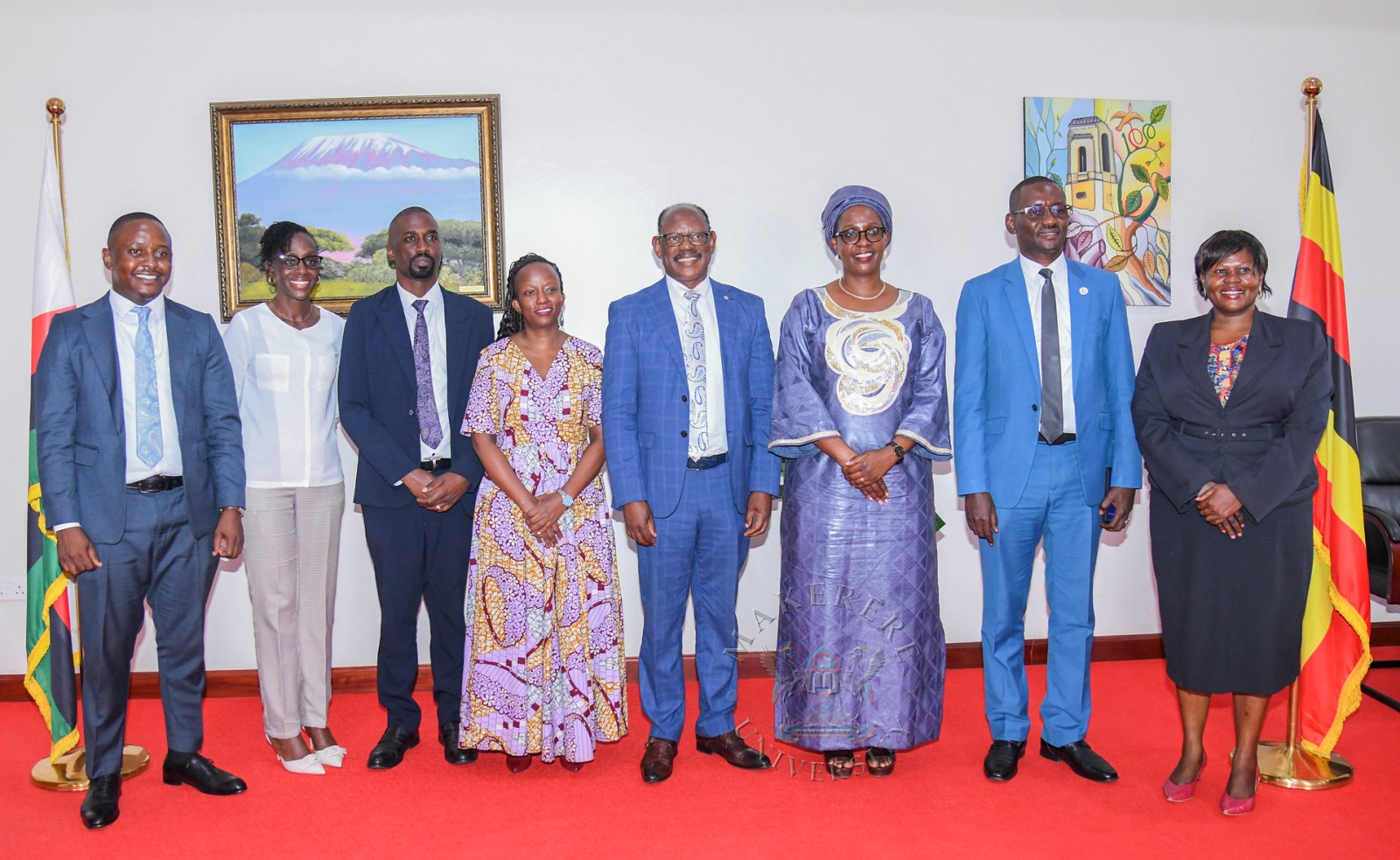
On October 5, 2026, Makerere University welcomed Mrs. Anne Twinomugisha Muhairwe, the Deputy Inspector General of Government (DIGG) and her delegation for a courtesy visit ahead of the International Ombuds Day 2026 commemoration under the theme “Ombuds: Office of Options”.
The delegation was received by Professor Barnabas Nawangwe the Vice Chancellor of Makerere University in his office where they discussed the Ombuds Day theme, the university’s successful reconciliation-based conflict resolution, ongoing infrastructure projects, and a renewed commitment to institutional partnership.
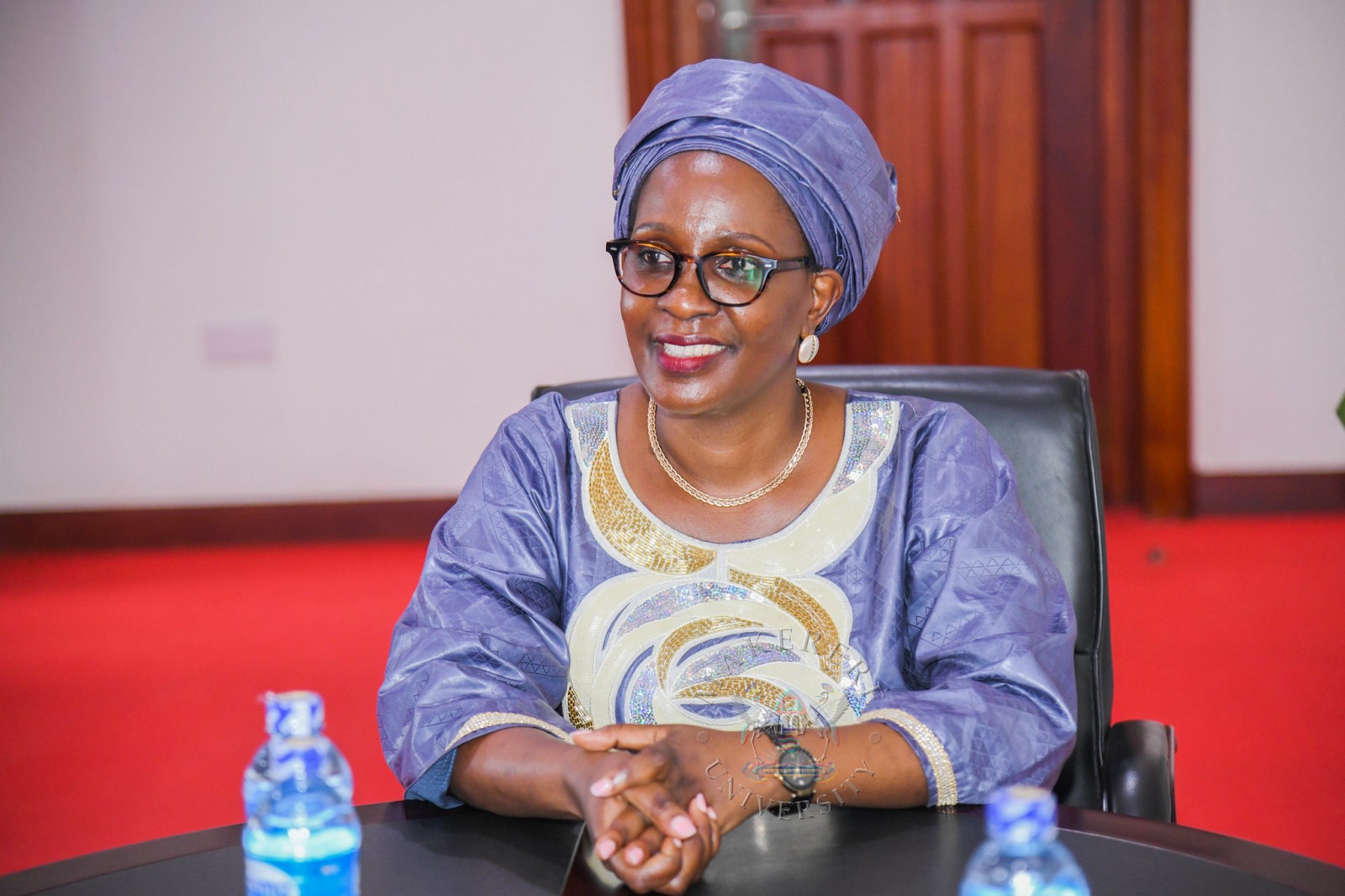
Mrs. Twinomugisha Muhairwe, who also spoke as the President of the African Ombudsman and Mediators Association (AOMA), emphasised that her office aims to be a partner in building and strengthening public institutions rather than merely a critic. Therefore, this visit marked a big step in the evolving relationship between public institutions and the Office of the Ombudsman at the Inspectorate of Government, where it is headed by Director Kakooza Savio Ntensibe, who was also part of the delegation.
The DIGG shared that the office provides essential options for resolving grievances such as administrative injustice, where people feel victimised, and unheard.
Reconciliation Underscored
While addressing the delegation, Professor Nawangwe, framed the visit as a turning point in the institution’s relationship with oversight bodies. He welcomed the DIGG, an alumna of Makerere, and commended the Ombuds methodology that prioritizes reconciliation as initiated by neutral persons or bodies to resolve disputes.
“The style of reconciliation has worked very well for us as well, ever since we started talking to the students, it has kept peace in the university,” the Vice Chancellor remarked.
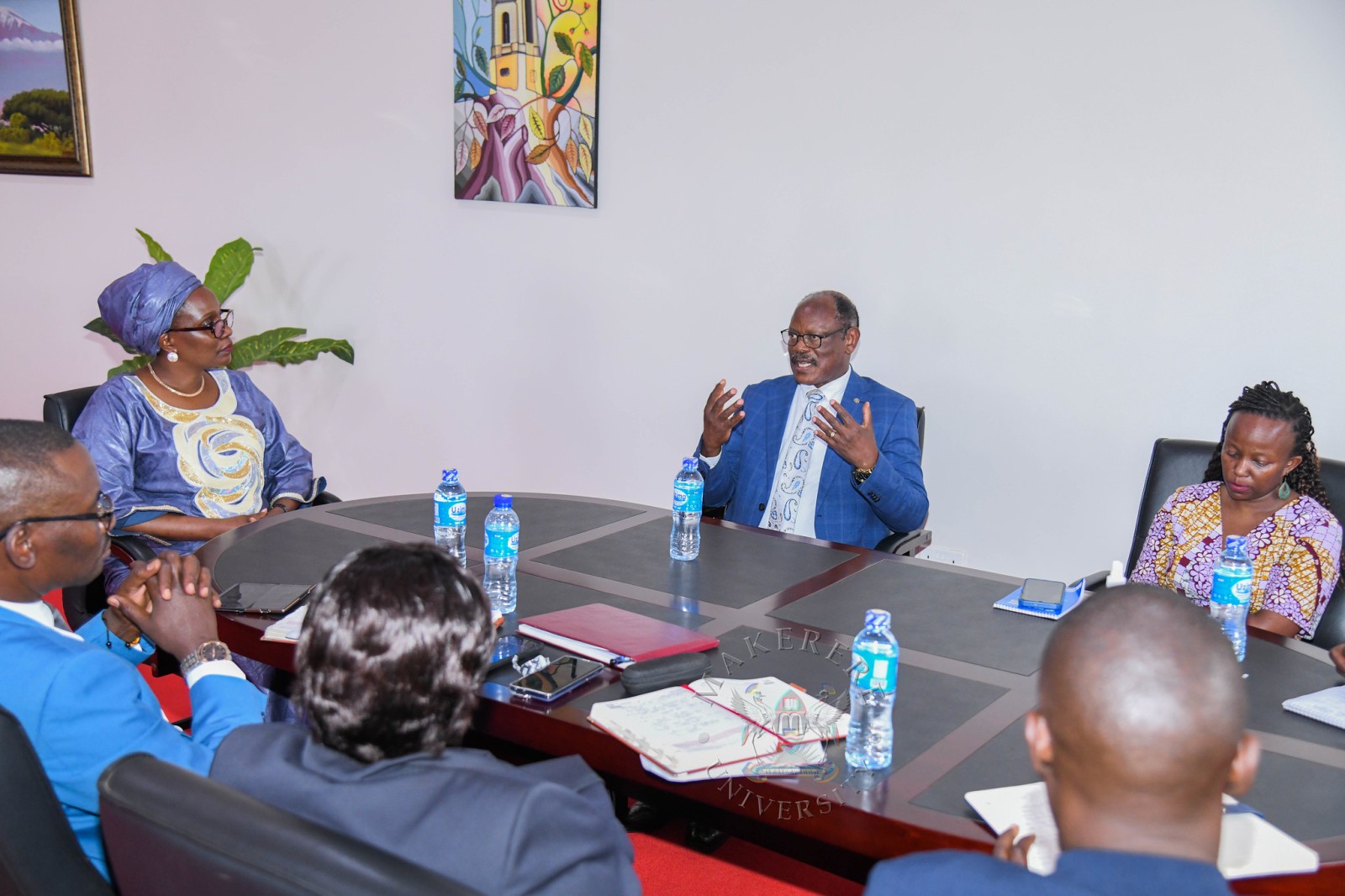
“We started talking to the students and… eventually, they started to understand. Today, if you come and begin talking of strike, fellow students will tell you, ‘We came here to study’”, added the Vice Chancellor.
The engagement also discussed the practical realities of student welfare. Mrs. Twinomugisha Muhairwe, with specific interest, probed the Vice Chancellor on the status of hall renovations. In response, the Vice Chancellor explained the phased approach to renovations, noting that the university is systematically upgrading facilities to improve the living conditions.
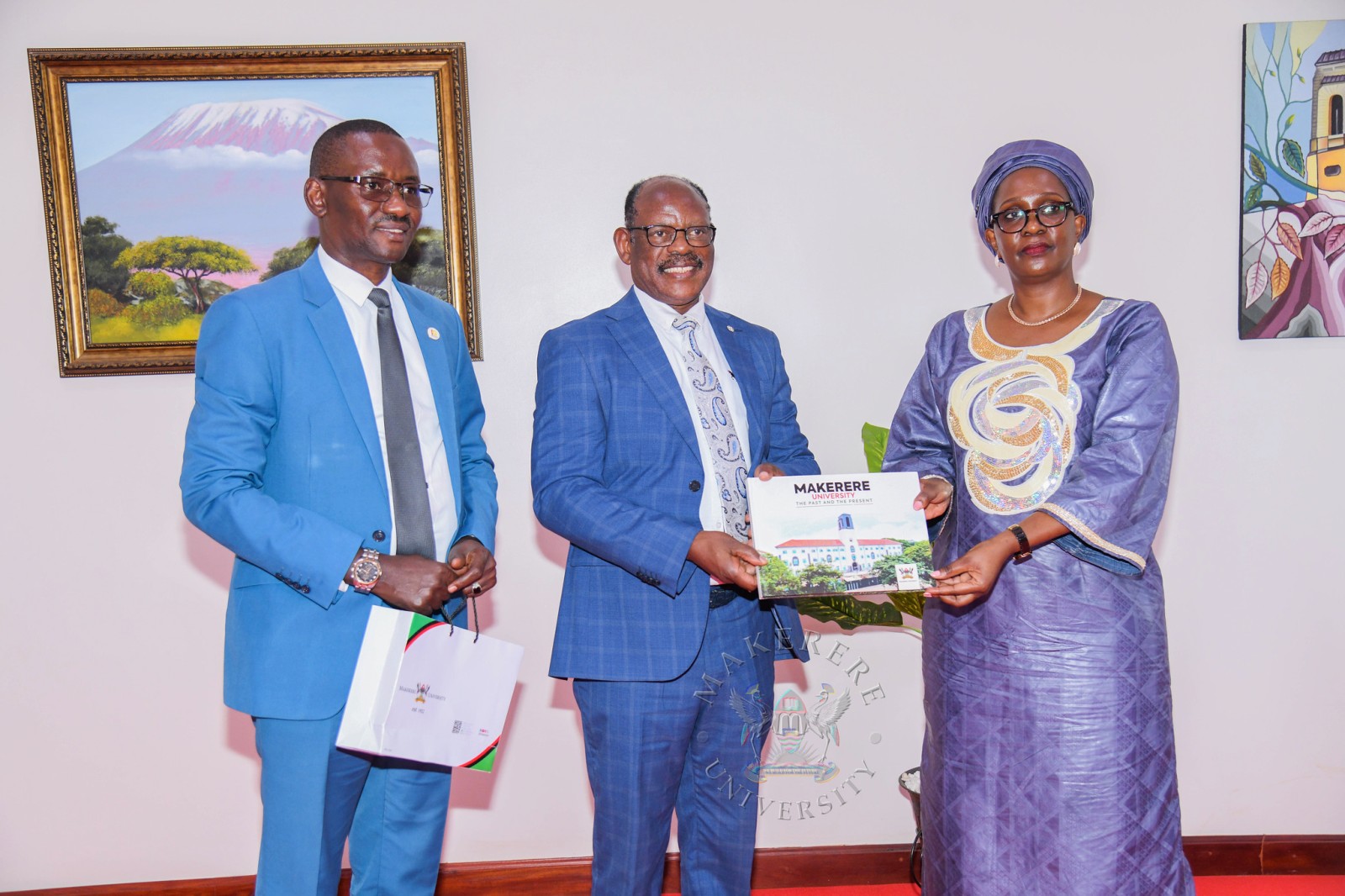
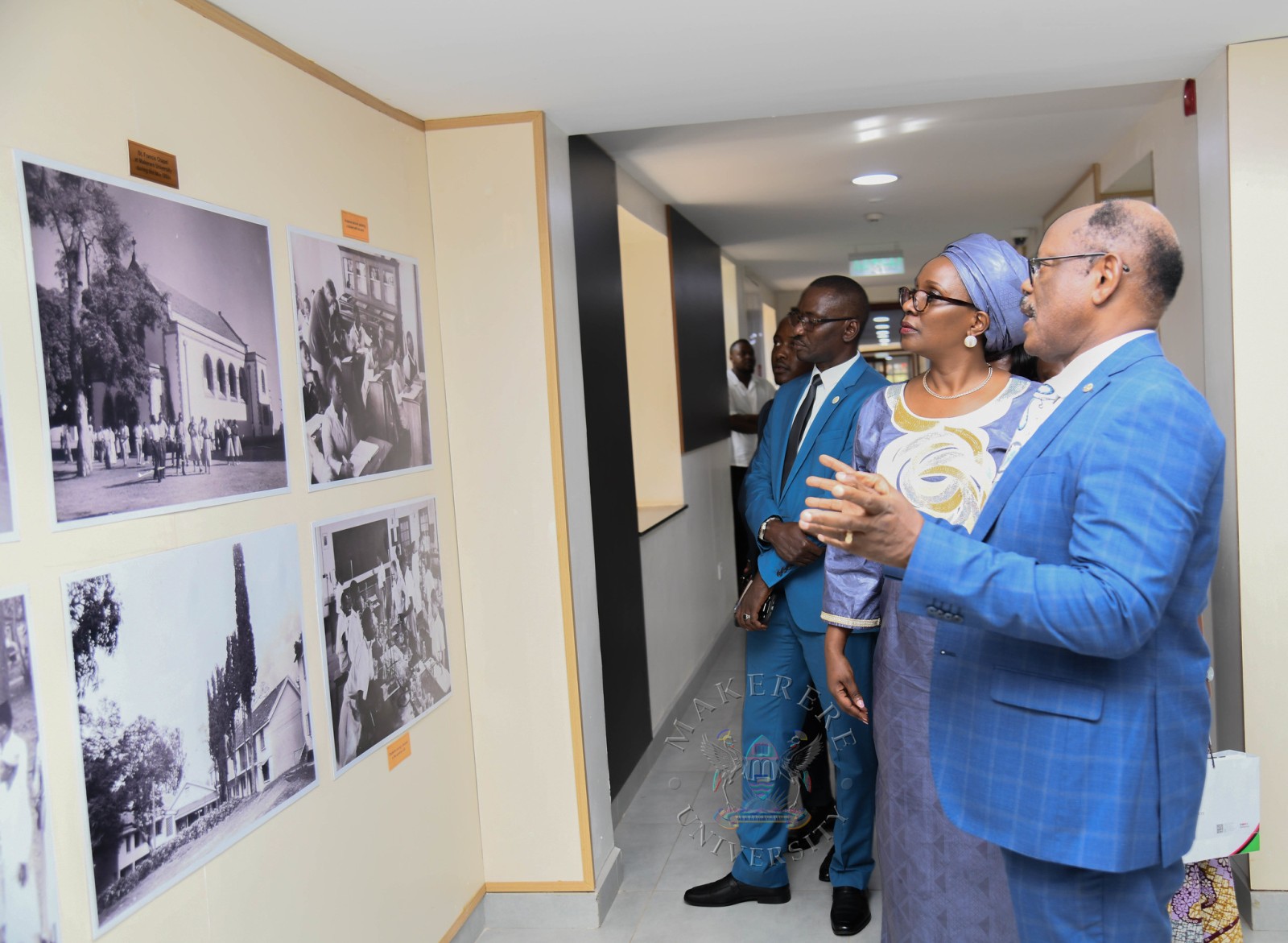
The Vice Chancellor thereafter invited Mrs. Twinomugisha Muhairwe and her team to visit the university museum, as a gesture to underscore the spirit of the day where the Ombudsman and the university stand together.
About Ombuds Day
Ombuds Day is an international observance held annually on the second Thursday of October to raise public awareness of the ombuds profession.
According to the International Ombuds Association, an ombuds is an independent, neutral, and confidential professional who helps resolve disputes, investigate complaints, and address systemic issues within an organization, government agency, or institution.

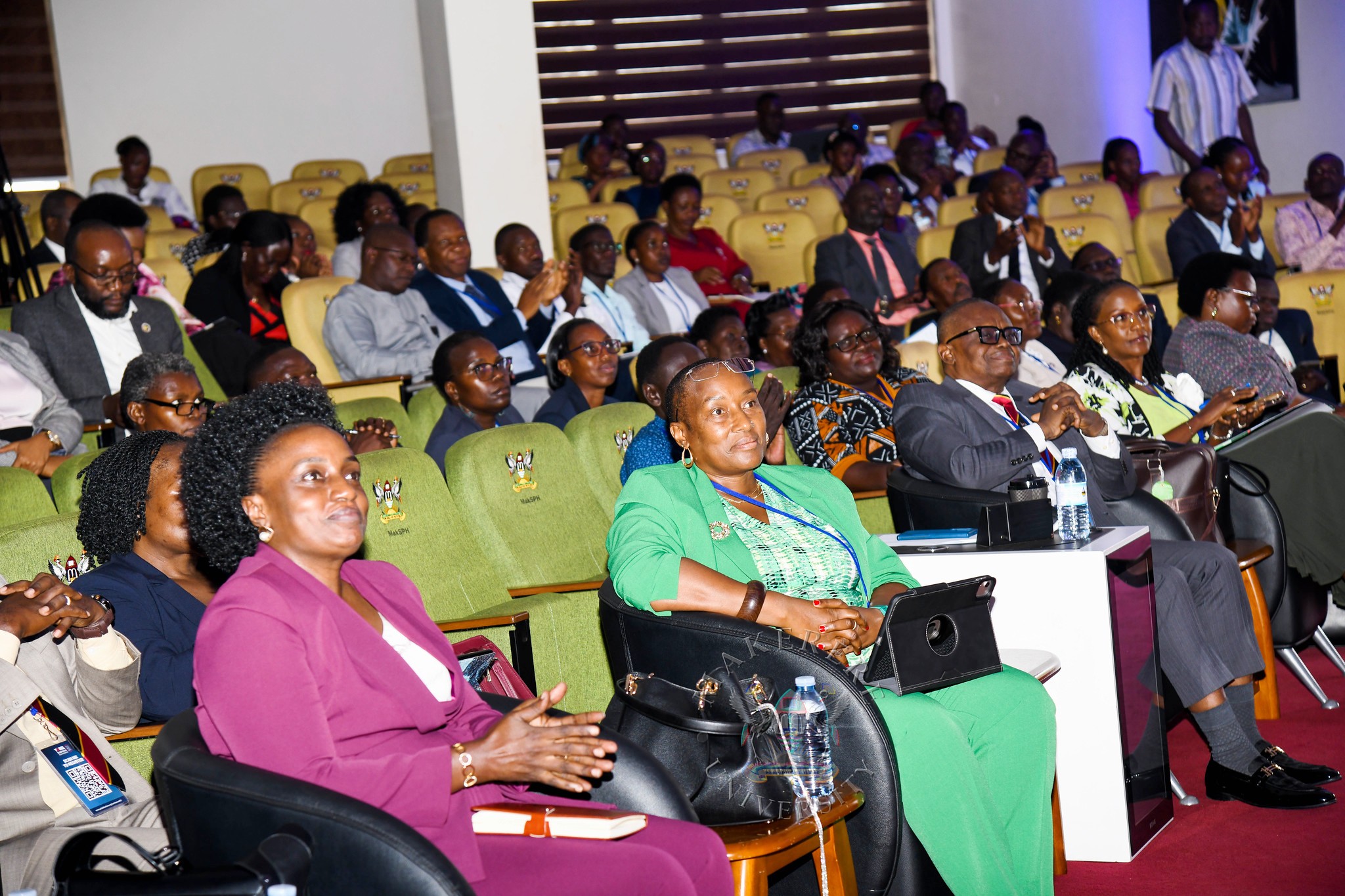
Dr. James Magara, a futurist and Chairman of Yobel Biashara Initiative stood before an audience at Makerere University on September 30, 2026, and projected a map of the world. It was upside down.
He asked the room if anything was wrong, and as the audience hesitated, he revealed that “in 1569, the Flemish cartographer and geographer whose name was Gerardus Mercator, developed a map now known as the Mercator projection. It represented the curved shape of the Earth on a flat map.” He simplified it saying, the Mercator map accurately shows direction and local shape, but it distorts the size of places, especially those that are located near the poles. He pointed out that the map distorts the size of continents, making Greenland appear as large as Africa, when in reality, Africa is 14 times larger.
Fixing the map was easy and free, it took one vote, Dr Magara said, referencing the recent United Nations resolution that encouraged accurate area projections. Indeed fixing the map was easy but the actual material weight of this continent and its institutions that run within the world economy is why dialogues like this exist. “Until we (Africa) fund our own institutions ourselves, the continental agenda will keep belonging to whoever writes the check.”
This and more were part of Dr. Magara’s opening remarks while delivering a keynote at the YOBEL Biashara Conference 2026 hosted at Makerere University School of Public Health Auditorium.
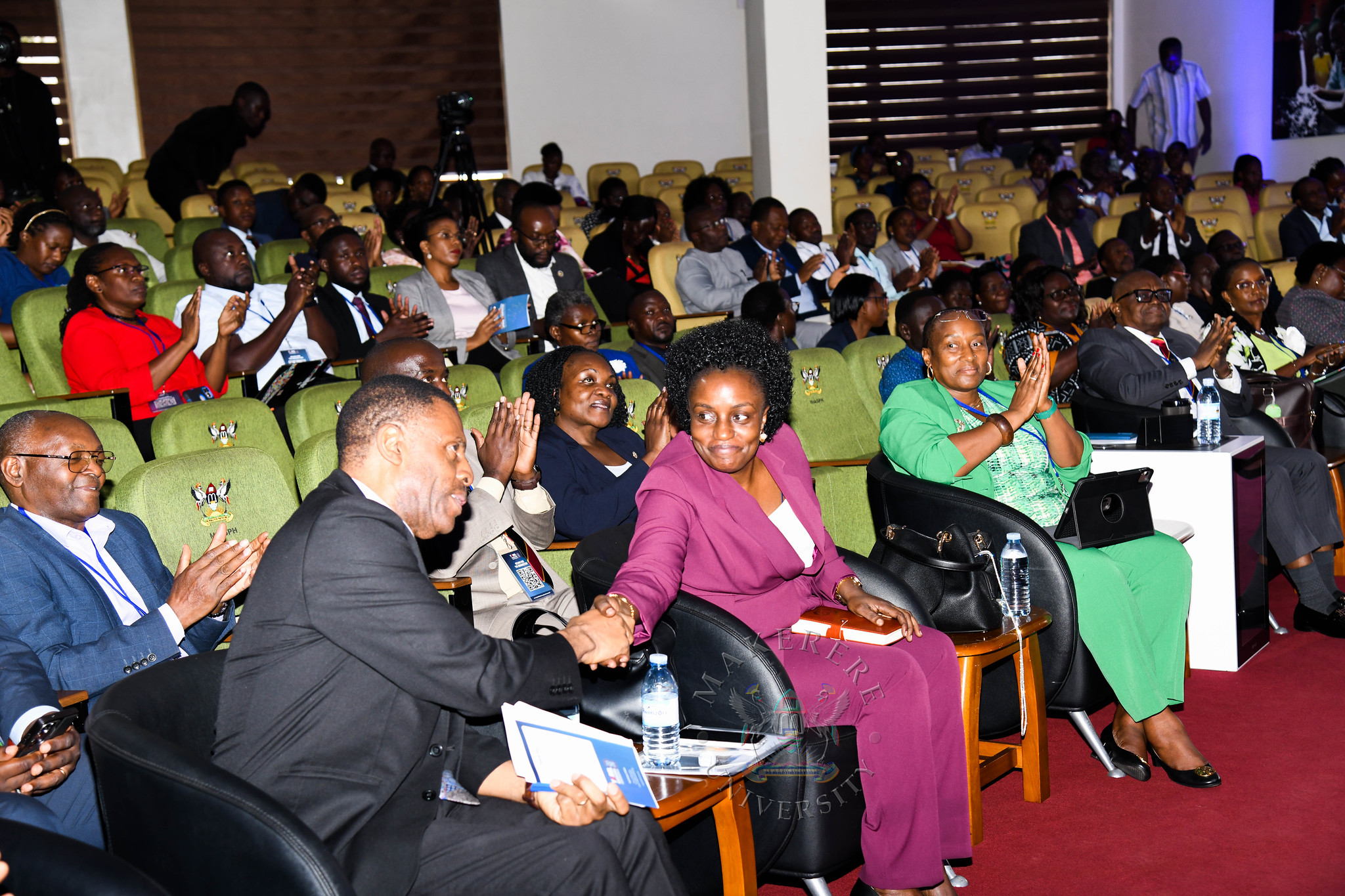
The event, was co-hosted by the CASTLE Think Tank, YOBEL Biashara, and Makerere University under the theme: “Africa’s Agency in an Era of Geopolitical Change: Trade, Investment and Economic Transformation,” brought together a diverse assembly of policymakers, academics, and private sector leaders.
Representing Dr. Adam Mugume the Chief Guest who could not make it due to unavoidable circumstances, Ms. Doreen Katangaza, a researcher and economist at the Bank of Uganda (BoU) delivered his remarks while reflecting on Dr. Magara’s keynote.
She explained “what agency means in economic policy, is not isolation, it’s not withdrawal, but the capacity to choose, to negotiate, and to act.”
She emphasized that relying on external factors or rhetoric is insufficient for long-term transformation. Instead, she suggests that agency is defined by internal strength and the ability to act independently. As she states, “Africa’s agency will not only be secured by rhetoric. It will be built through capabilities. The capability to produce, the capability to finance development, capability to manage shocks and above all, capability to make choices based on our own long-term interests and people’s priorities.”
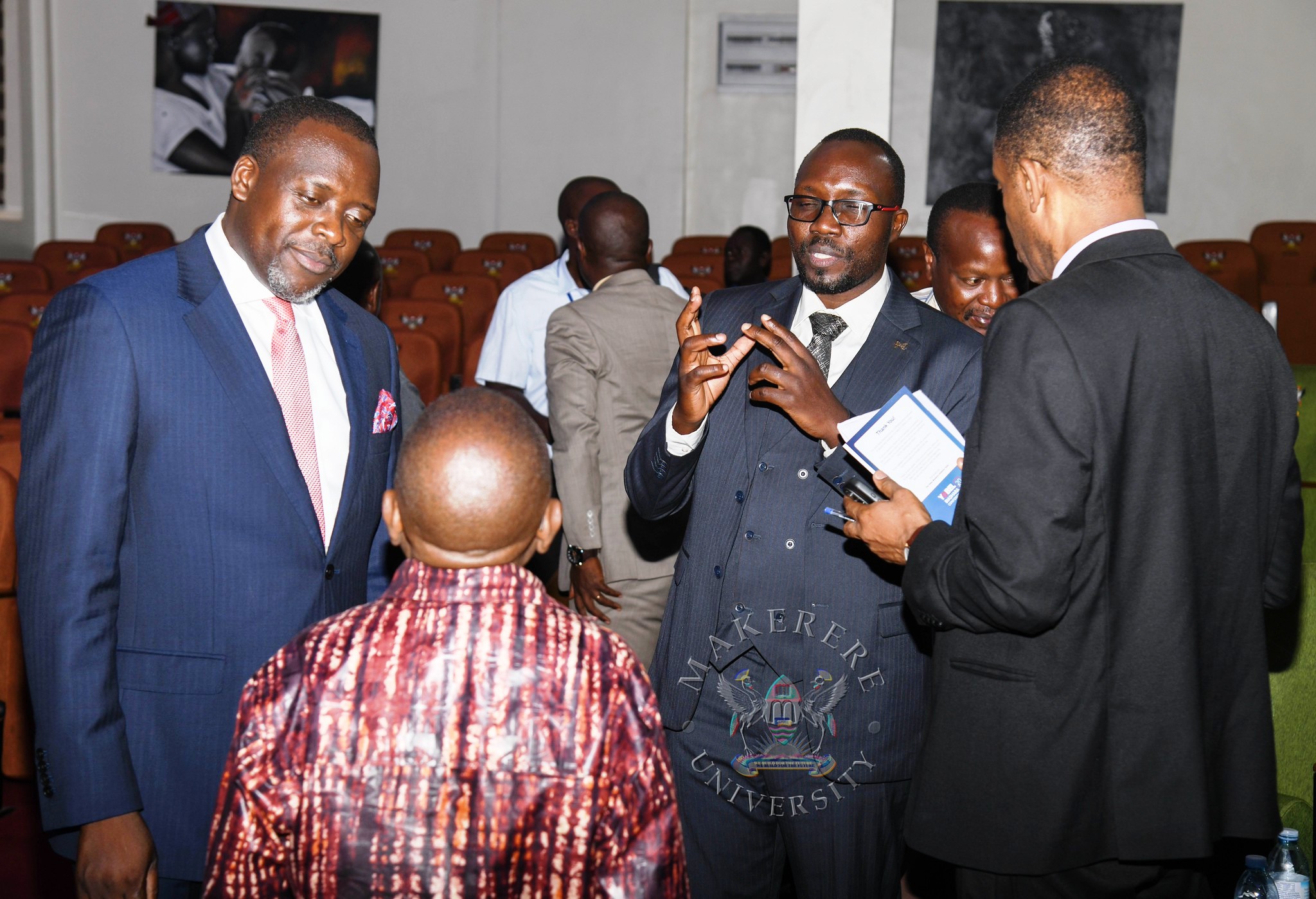
Ultimately, Ms. Katangaza aligned with all speakers mobilising for a holistic approach involving government, the private sector, and academia to build these foundations. She noted that the Bank of Uganda is committed to harmonising policies and payment systems to support this, but success depends on whether these ideas translate into tangible outcomes, such as stronger institutions and resilient economies, when stakeholders reconvene in the future.
She concluded by congratulating the YOBEL Biashara Initiative, CASTLE Think Tank, and Makerere University for organizing the forum “a platform for thoughtful discussion about Africa’s economic future.” She thanked all the speakers, all panelists, and participants for their valuable contribution and attention during her communication and entire event.
Cost of Institutional Dependence to the Continent
Dr. Magara’s address was his critique of the continent’s institutional funding. He pointed out that member states currently fund only 24% of the African Union’s own program budget. Charity begins at home, he stated. With 76% out of every dollar the African Union spends coming from partners outside the continent. He argued that this dependency is self-inflicted and fixable.
He advised that if we genuinely want a technology-creating continent, the work has to start in the primary school classroom, not in the university innovation hub. He added, while also highlighting that Africa’s research and development spending sits at 0.4 percent of GDP, far below the world average.
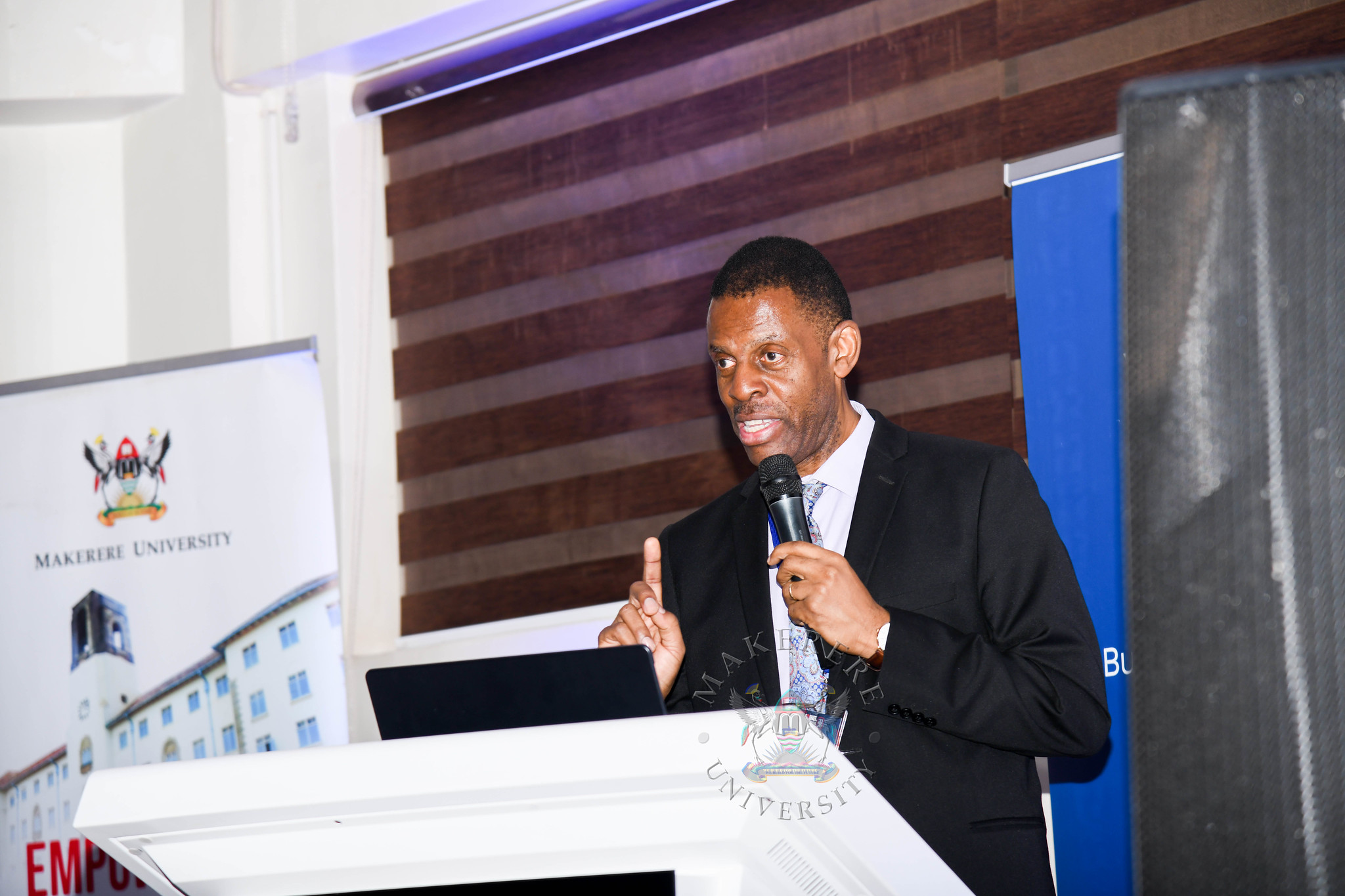
Dr. Magara also addressed the implementation gap that has affected the continent for decades. He suggested that the failure to execute on well-crafted strategies is not just a capacity problem, but a result of selfish interests within. Some people are benefiting from the way things are, he explained. So, if they change, they will lose the benefit.
As a futurist and leadership strategist, Dr. Magara used his keynote address to also dismantle some of the comfortable narratives often repeated in policy circles. He challenged the audience to reconsider the concept of agency, arguing that choice only becomes agency when backed by the capacity to act. He pushed back against the common narrative that Africa’s youth population is automatically a demographic dividend.
A youth bulge without a falling birth rate, without matching job creation is not a dividend, he warned. It is a dependency burden wearing dividends lobbying.
Dr. Magara said, “if you ask any panel anywhere on this continent why Africa has not industrialised, you will get the same three answers almost every single time. Not enough skills, not enough infrastructure, not enough finance. And all of this is true. All of it is real. None of it should be dismissed.” But none of those three answers explains a much stranger fact sitting right in front of us, “why have we been writing almost identical strategy documents, making almost identical recommendations for 30 years plus.”
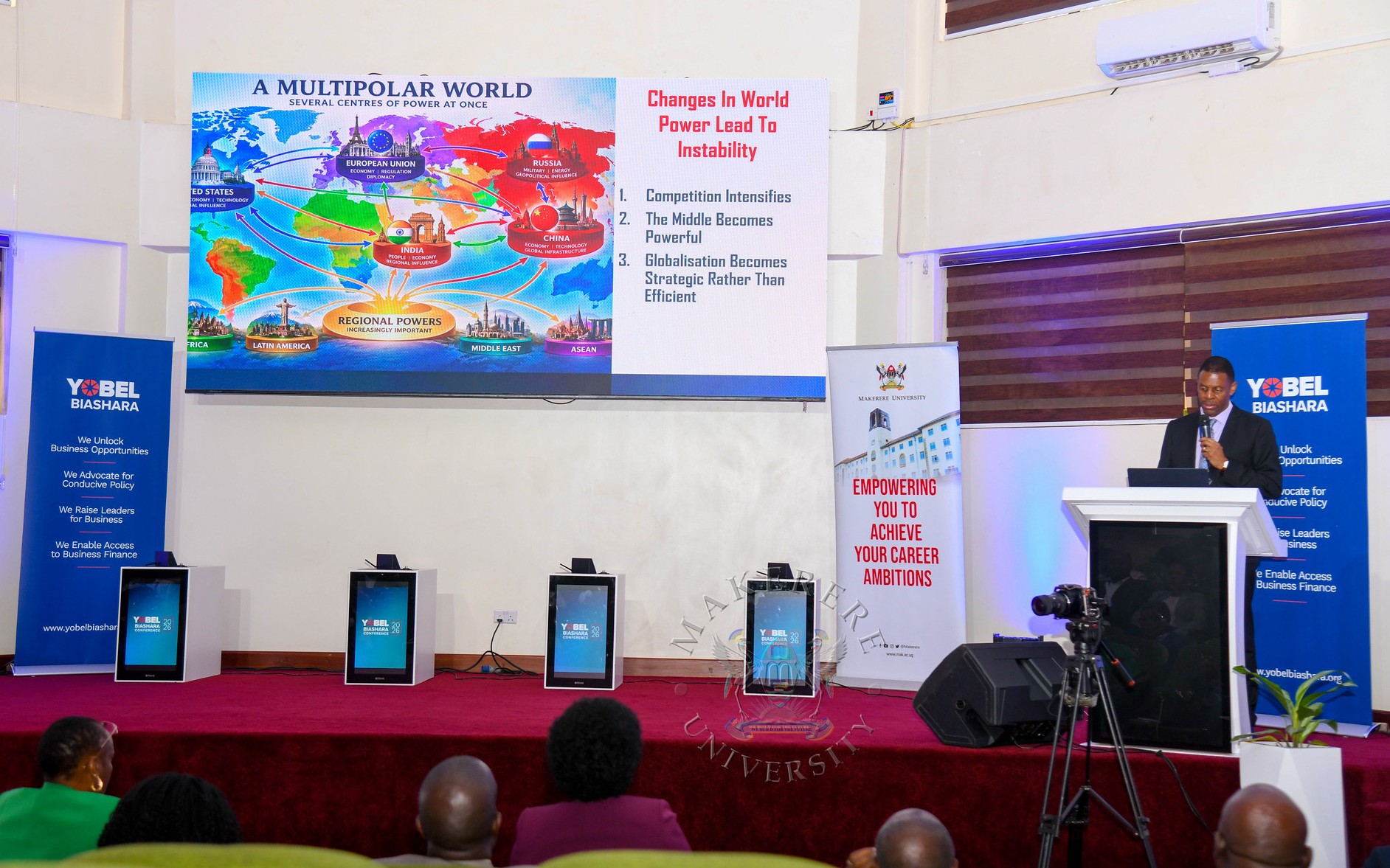
He urged the room to be honest about the reality of the labor market, noting that every year, between 10 and 12 million Africans enter the labor market, while economies create roughly three million formal jobs. That gap cannot close itself, he stated. And it does not close by wishing it away in a policy document.
Engagement with Dr. Magara’s Keynote
The keynote featured significant engagement, primarily from Professor Pamela Mbabazi, Ms. Allen-Sophia Asiimwe, and Dr. Fred NK Muhumuza, who offered diverse perspectives that somewhat aligned with, and at certain points challenged his arguments.
Professor Pamela Mbabazi, Executive Chairperson of the National Planning Authority (NPA), offered a government perspective on the issues raised. She acknowledged the disconnect between some policy and deep thinking. Siding with Dr. Magara, there is a visible rush into making decisions without having deep thinking and engaging with amazing think tanks like YOBEL, CASTLE, she admitted.
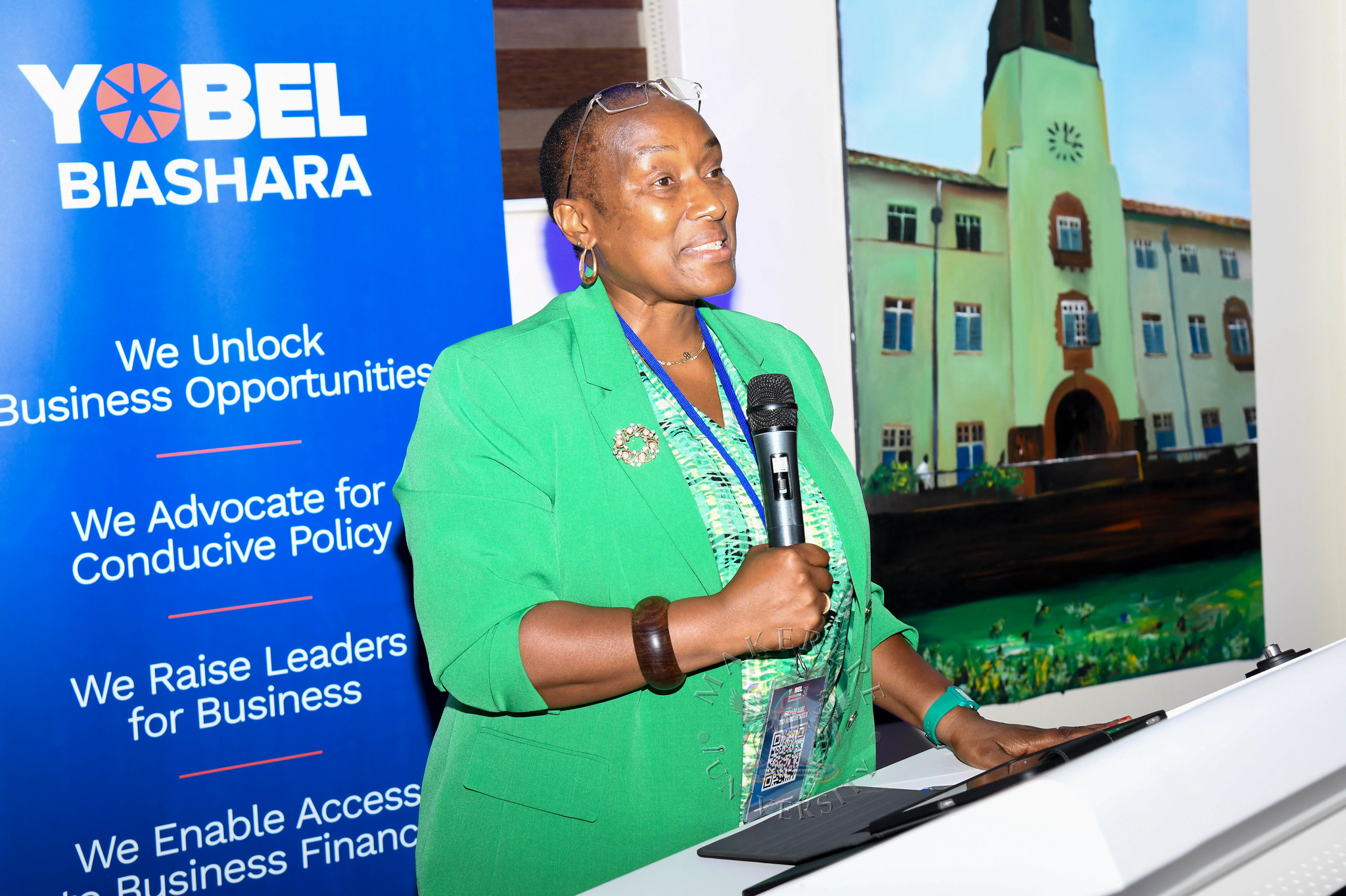
She called for a more intentional approach to policymaking, urging think tanks to collaborate more closely with government bodies like the NPA. She explained that countries like China did not get to where they are by accident, they were intentional to include their think tanks into policy making and no decisions were made haphazardly.
Professor Mbabazi suggested that as a country and continent we can have our think tanks drive policy if we want to build a five-hundred-billion-dollar economy by 2040.
She concluded her submission joining Dr Magara in questioning whether Africa could credibly speak of strategic agency when the institutions through which agency is exercised remain substantially dependent on financing from elsewhere.
Allen Sophia Asiimwe the Deputy CEO/Chief of Programme at trademark Africa addressed the conference via zoom, and expressed she was happy “when Dr. Magara started off with a question on the size of Africa on the map and in reality, it matters.”
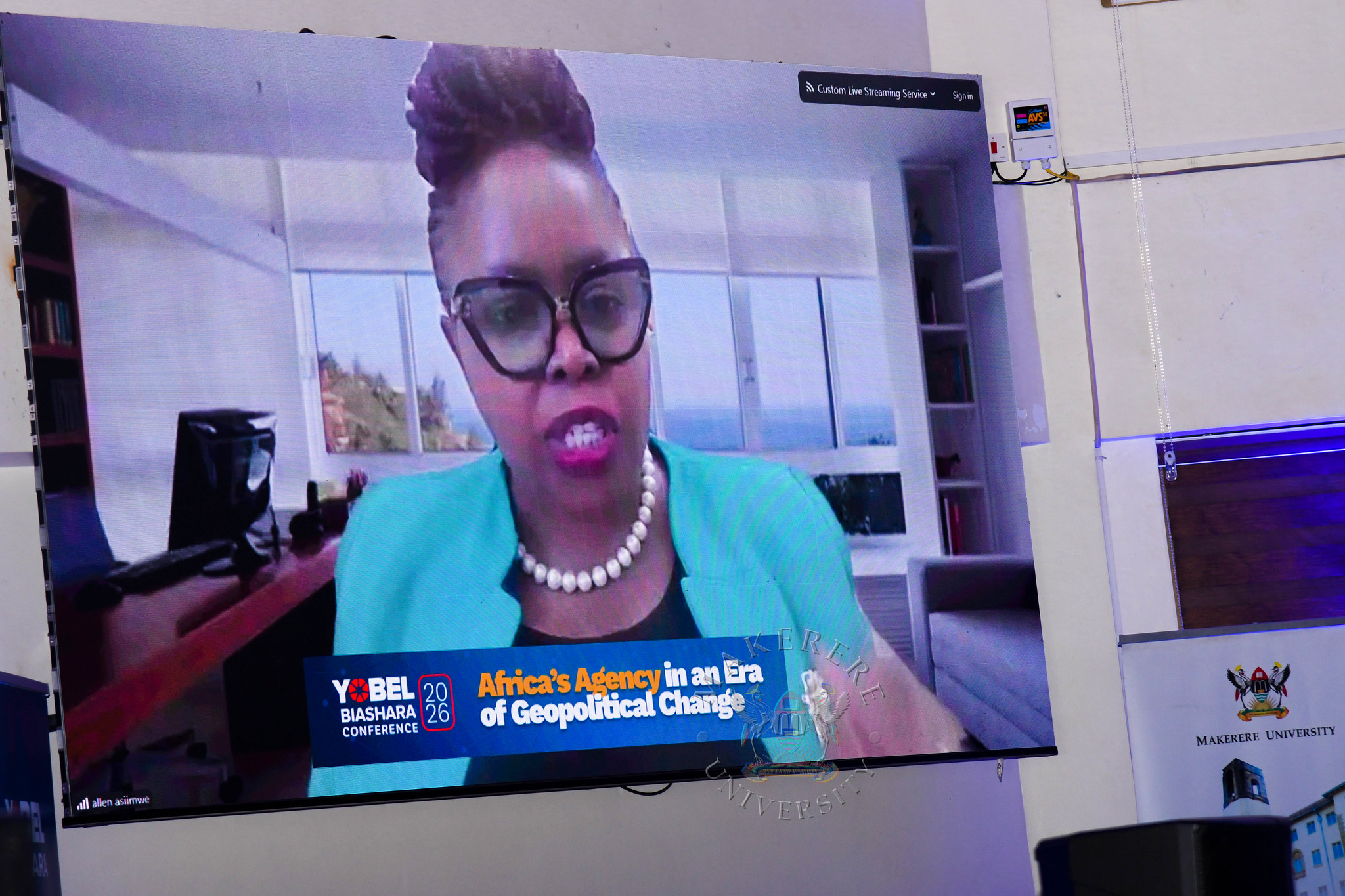
However, she challenged some of his assertions on financing. She requested to push back on this very strongly saying “If you look at how Africa is made up, a lot of our countries are still very poor,” arguing that the continent’s economic reality as of now requires external support.
With that said, she shifted the focus from external funding to internal inefficiencies, agreeing that Africa is sabotaging its own growth through non-tariff barriers, noting, “we are self-sabotaging. If we opened up for trade, if we allowed goods to cross the borders, we may actually make a big difference,” Ms. Asiimwe discussed.
Dr. Fred Muhumuza a prominent Ugandan development economist, senior lecturer, and policy advisor also engaged with the views on economic planning and indicators.
He agreed that think tanks are an issue, and that they must be embraced for the better. We must think about our problems, talk about them, and see what sense we make to ourselves.
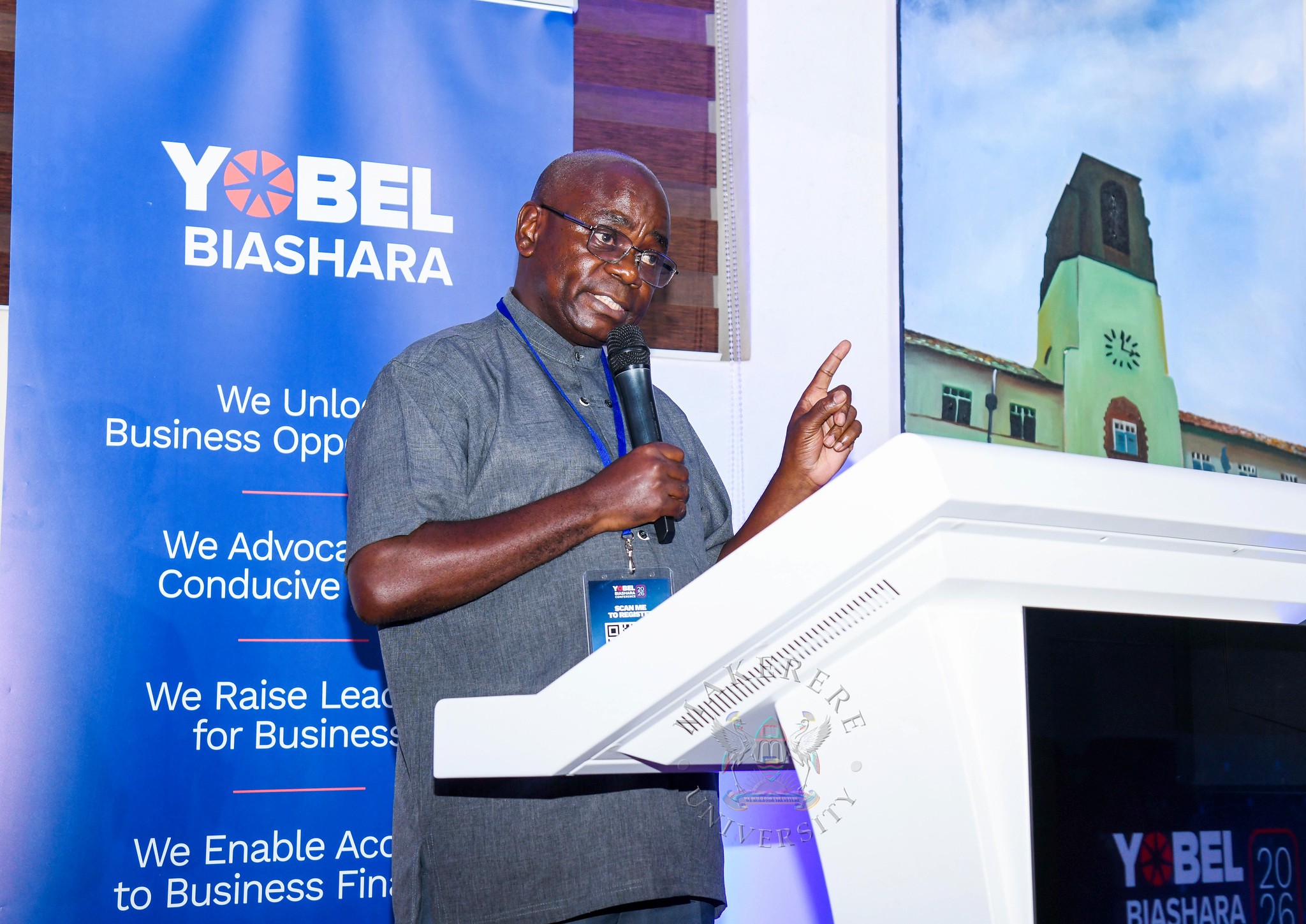
Dr. Muhumuza questioned the premise that the source of financing is the primary issue, suggesting that the quality of the plan being financed is more critical.
Major General Gregory Mugisha Muntuyera, added his voice to Dr Magara’s arguing that beyond map size, Africa’s development is hindered not by a lack of potential, but by a mindset of dependency. Drawing a contrast to the conditioning of elephants in India mastered by small humans.
The General stated, “we have got the knowledge, we have got the qualifications, but we have been conditioned.”
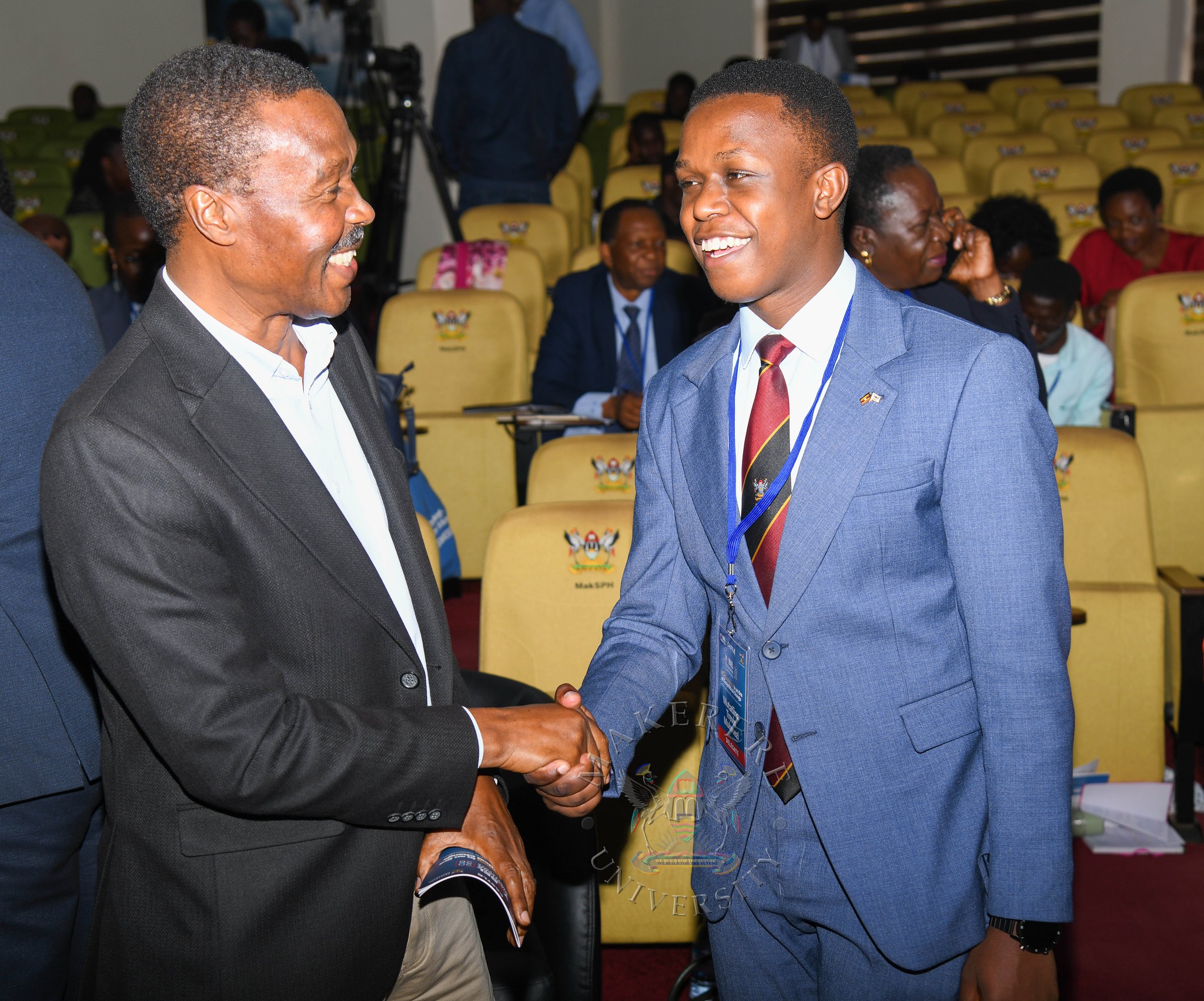
He emphasized that true progress requires discipline for ” without this nothing is going to happen” regardless of how many conferences are held.
The Cost of a Broken System
Ms. Eseza Mulyagonja, a member of the YOBEL Biashara board, as one of the opening speakers, issued a strong reminder of the urgency required in addressing the continent’s challenges.
Ms. Mulyagonja shared a story so dear to her, of a young boy in a village who died after being bitten by a snake because he was not in school, for his fees were unpaid. She used this to illustrate the human cost of broken systems and advised that we do not have to wait for calamity to strike, since this is a story that is so common.
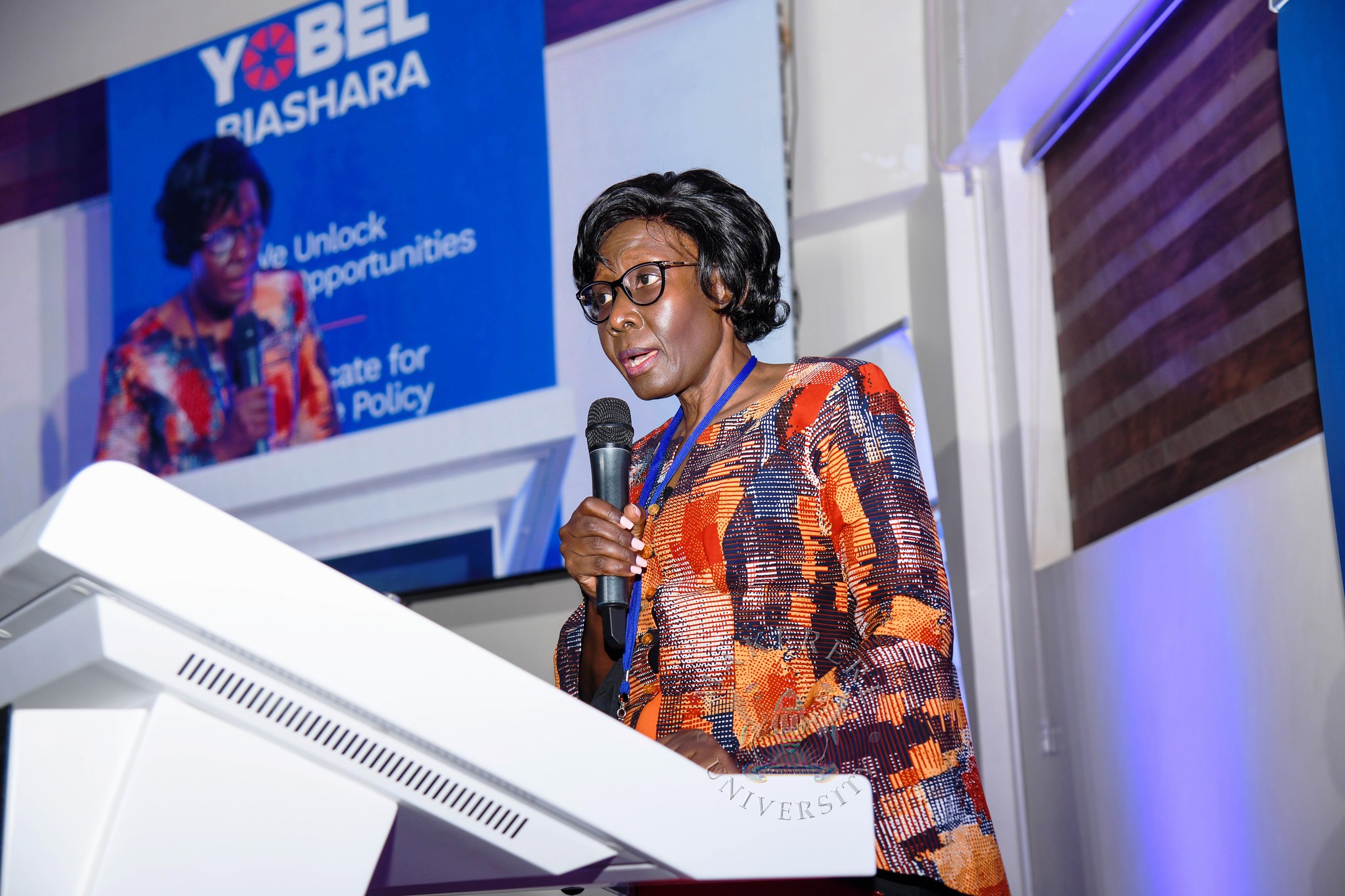
She said as a continent, we have got to confront these things saying if we do not bring these stories close to home, we will not be propelled to change the direction for the better.
MAKERERE-CASTLE-YOBEL A PARTNERSHIP FOR AFRICA’S TRANSFORMATION
Representing Professor Sarah Ssali, the First Deputy Vice Chancellor in charge of Academic Affairs, Professor Edward Bbaale the Principal College of Business and Management Sciences, emphasised the institution’s commitment to being an active partner in national and continental transformation acknowledging the global economic order is undergoing profound change, characterised by geopolitical realignment and an accelerating energy transition.
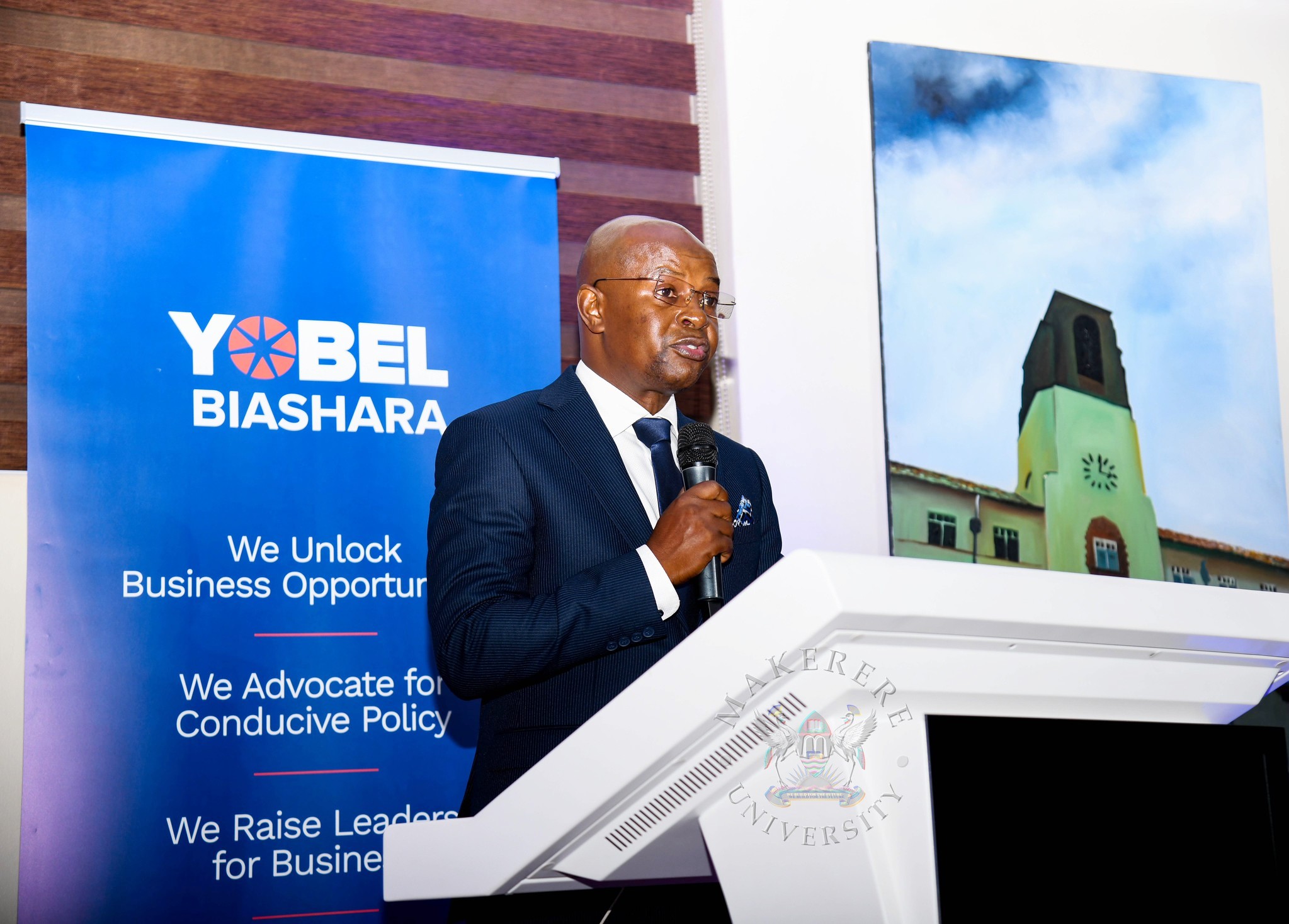
“These questions cannot be settled in just one conference. These are conversations that we’re going to have to continue even after here. So once again, I thank our chief guest, our keynote speaker, our discussants, our partners, the organizers, and every one of you who have made this time a meaningful time spent and made meaningful contributions to Africa’s future.
“The important question, therefore, is not simply how Africa will be affected by these changes, but how Africa will shape them”, Professor Bbaale remarked.
Crowning the remarks from the host institution, Makere University Chairperson of Council Dr. Lorna Magara appreciated everyone that was present for this noble conversation.
She said, “I trust that each of us leaves today with at least one idea that we are going to execute for the good of our continent.”
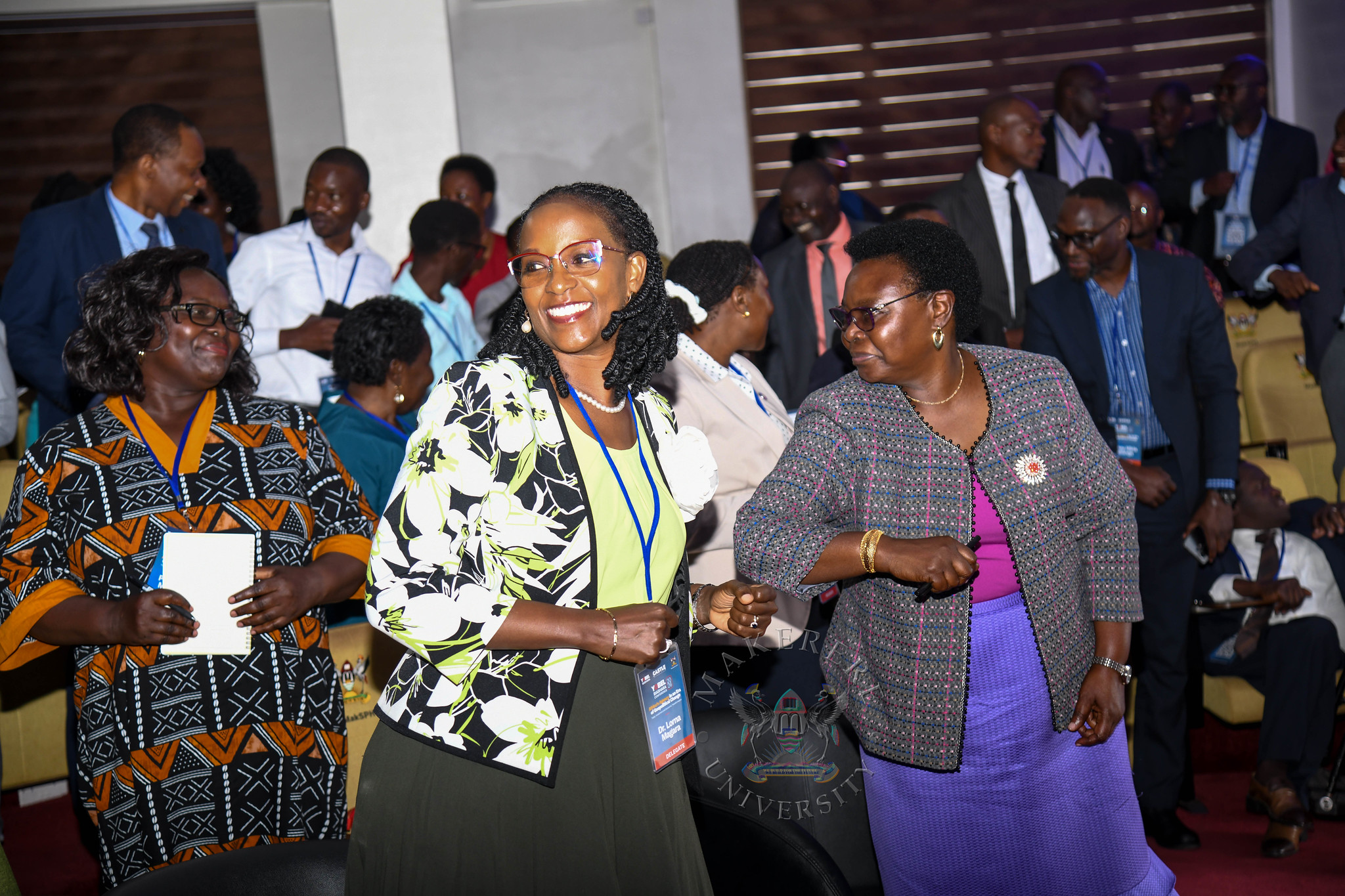
She proposed that the first item on the agenda of the YOBEL Biashara 2027 conference should be looking at the scorecard of what has been done to see that Africa increasingly moves from being a passive recipient of global economic decisions to becoming an active participant in shaping the rules, institutions, and partnerships that determine its development direction.
View Pictorial: https://flic.kr/s/aHBqjD6mhp
Event Livestream
-
 General2 weeks ago
Call for Applications: RLRH Graduate Traineeship Programme
-

 General5 days ago
Statement on Concerns Circulating Regarding a Member of Academic Staff
-
 Natural Sciences2 weeks ago
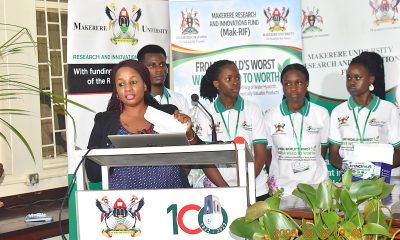
From World’s Worst Water Weed to Worth: Makerere Researchers Turn Water Hyacinth into Valuable Products
-

 Research2 weeks ago
Call for Makerere Staff PhD Completion Grant Applications, 2026-27
-
 Engineering, Art & Tech2 weeks ago
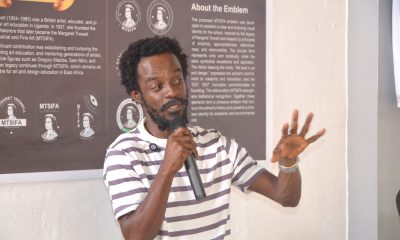
Public Art Talk Sparks Dialogue on Contemporary Art Practices at MTSIFA