
General
Pedagogical Skills Training for Mak Assistant Lecturers kicks off

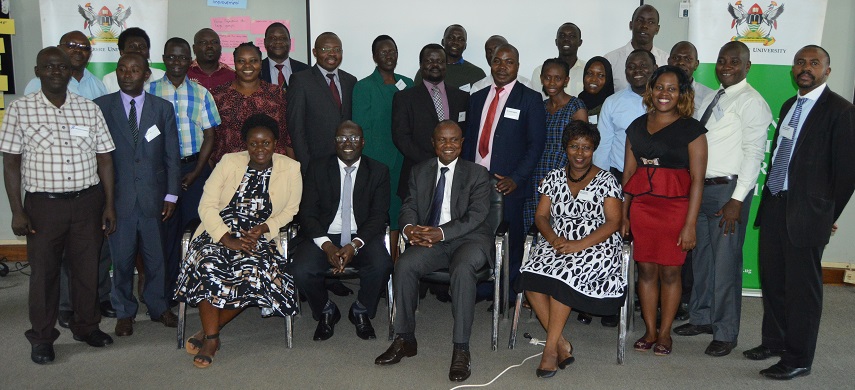
The Vice Chancellor of Makerere University, Prof. Barnabas Nawangwe has urged lecturers to observe the professional ethics in their line of duty. This was during the official opening of the Pedagogical Skills Training for Assistant Lecturers on 23rd July 2018 at Makerere University Telepresence Centre. The Pedagogical Skills training, was organised by the Directorate of Human Resources together with the College of Education and External Studies to equip Makerere University Assistant Lecturers with skills and techniques that will enhance their teaching ability and improve the quality of teaching at Makerere University.
The training was geared towards sensitizing the Assistant Lecturers on how to generally share ideals of Makerere University and advance the students and customer experience through improved teaching and learning.

According to the Director of Human Resources Mr. Andrew Abunyang, the training that officially started on 23rd July 2018 will end in March 2019 with more than 300 participants trained. “We have restructured this training in a way that, we shall have a session every after two weeks. In each session we expect 35 participants from the selected Colleges to undertake the training for three days,” he explained.
35 Assistant Lecturers from the College of Natural Sciences, College of Business and Management Sciences and College of Computing and Information Sciences are participating in the first session of the Pedagogical Skills Training that is running from 23rd-25th July 2018.
“Pedagogical Skills Training is so special and it impacts competence among people. We all know that universities are regarded as engines of growth in a country. Those who teach, are supposed to efficiently do the work. Remember, we are expected to spur development,” said Dr. David Onen, a Coordinator, at the East African School of Higher Education Studies and Development.

In a speech read by the Principal of the College of Business and Management Sciences Dr. Eria Hisali, the Vice Chancellor thanked the Directorate of Human Resources for taking the lead in the Pedagogical Skills Training workshop.
“I am impressed that you have worked had to deliver the training. It is my hope that you will create time to discuss the possibilities of how to mainstream students’ mentoring in our activities. I hope this will form the basis for annual refresher training and capacity building on selected pertinent areas to continuously improve our performance,” he said.
He urged participants to take the Pedagogical Skills Training seriously and encouraged them to put into practice what they would have learnt during the three days training. He challenged participants to build strong networks that will inform future collaborations in areas such as joint supervisions of dissertation, research and grant proposal development.
“I want to remind you that Makerere University belongs to all of us and we will be happy to receive feedback through the workshop evaluation that you should undertake to give us baseline data for future interventions,” said the Vice Chancellor.

Representing Prof. Fred Masagazi Masaazi, the Principal of the College of Education and External Studies, the Deputy Principal, Dr. Paul Birevu Muyinda thanked the Directorate of Human Resources for ensuring that Lecturers receive a skill that will help them perform their tasks professionally.
Reiterating the importance of the training, the Dean of the East African School of Higher Education Studies and Development Dr. Ronald Bisaso urged all lecturers and teachers to undertake the Pedagogical Skills Training. “knowing something and passing on the knowledge to someone are two different things. You will always need to be trained on how to properly and efficiently pass on that knowledge to the intended person.”
Some of the topics to be discussed during the three days training include;
- Higher education (its environment and dynamics)
- Learning theories, style and changing philosophy of learning
- Learning goals and learning outcomes
- Pedagogical Design
- Assessment of and information learning
- Student support
Article by; Racheal Kanyi, Volunteer- Mak Public Relations Office


General
Makerere University and Xiangtan University Advance Strategic Partnership in Chemical Engineering

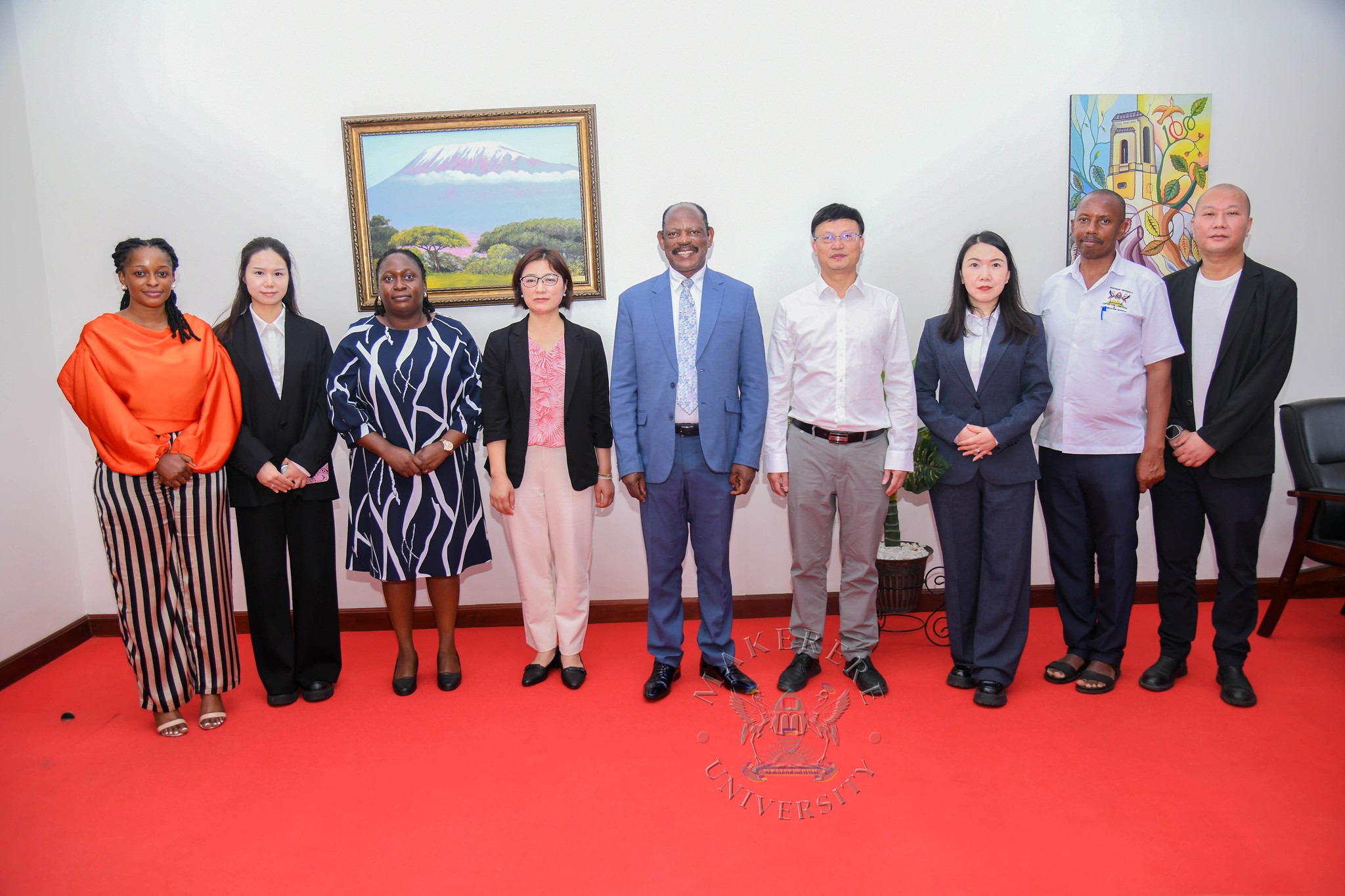
Makerere University and Xiangtan University are set to update their close to 20-year academic partnership, with a new focus on launching a joint Master’s degree program in Chemical Engineering and expanding student and staff exchange initiatives.
The commitment was reaffirmed during a recent visit by a delegation from Xiangtan University to Makerere University headed by Professor Dingyu Ou, in the company of Mr. Tang Fei and Professor Gilbert Gumshabe, the Chinese and Ugandan Directors of the Confucius Institute at Makerere University respectively.
While addressing the delegation, Professor Nawangwe highlighted that this initiative is part of a broader strategy to diversify academic offerings and contribute to national development through training in Chemical Engineering. Through this new initiative, the University will better prepare graduates for the petrochemical industry and support the country’s industrial growth.
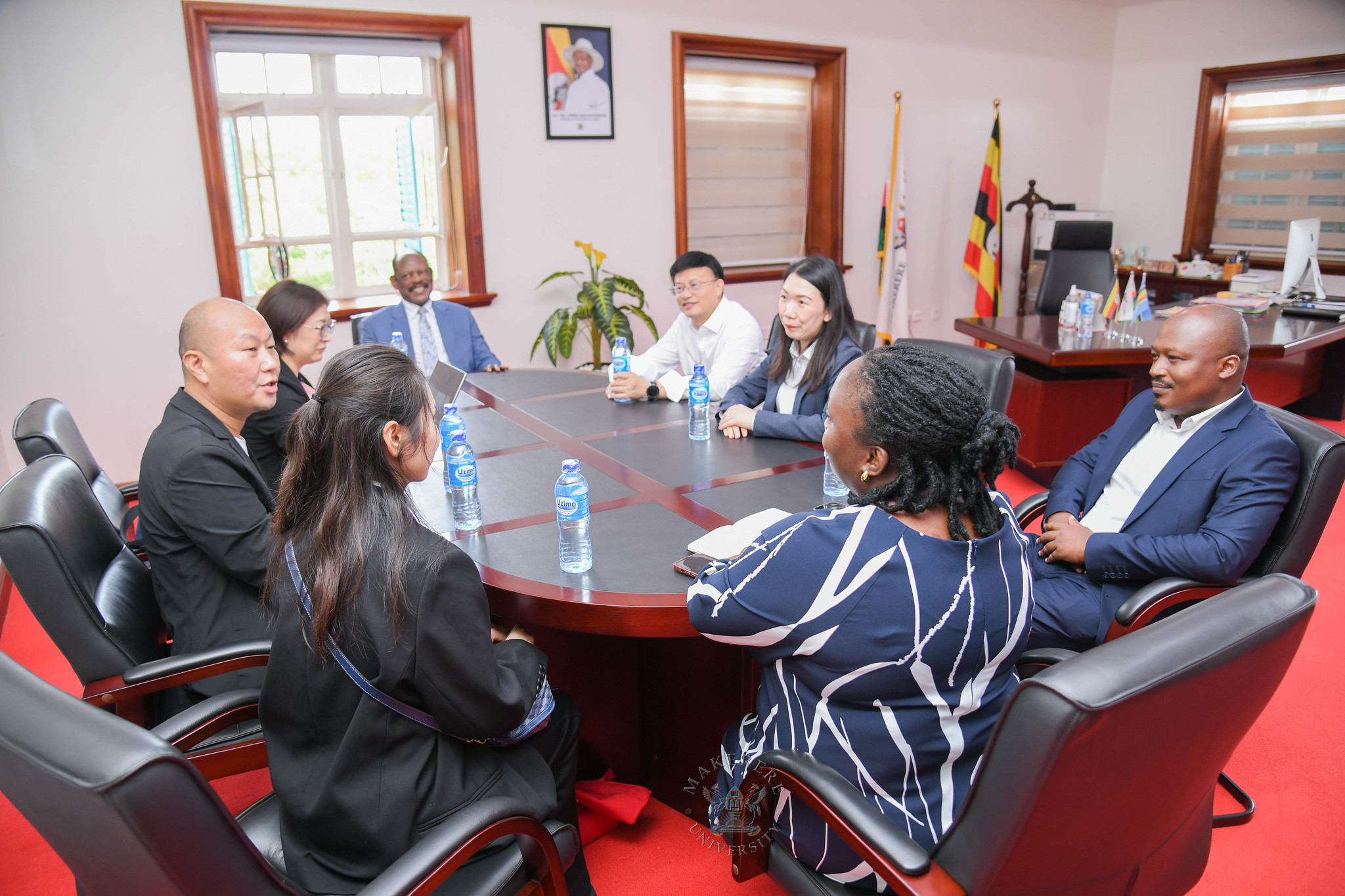
The Vice Chancellor appreciated that the proposed collaboration aims to address Uganda’s growing need for industrial expertise, particularly as the country develops its petroleum sector. The two universities here are working toward a 1+2 training model, which will enable Makerere students to gain practical experience and access advanced laboratory facilities at Xiangtan University.
Professor Nawangwe further reiterated that “our relationship with the people of China, not just for Makerere but also for a big part of Uganda, has been opened wider by the establishment of the Confucius Institute, considering that many other collaborations like one being discussed now have come through this collaboration.”
The head of the Xiangtan delegation, Professor Dingyu Ou, expressed appreciation for the meeting, and acknowledged the history between the institutions. “As mentioned, we have a very long relationship and a very stable friendship between our two universities.”
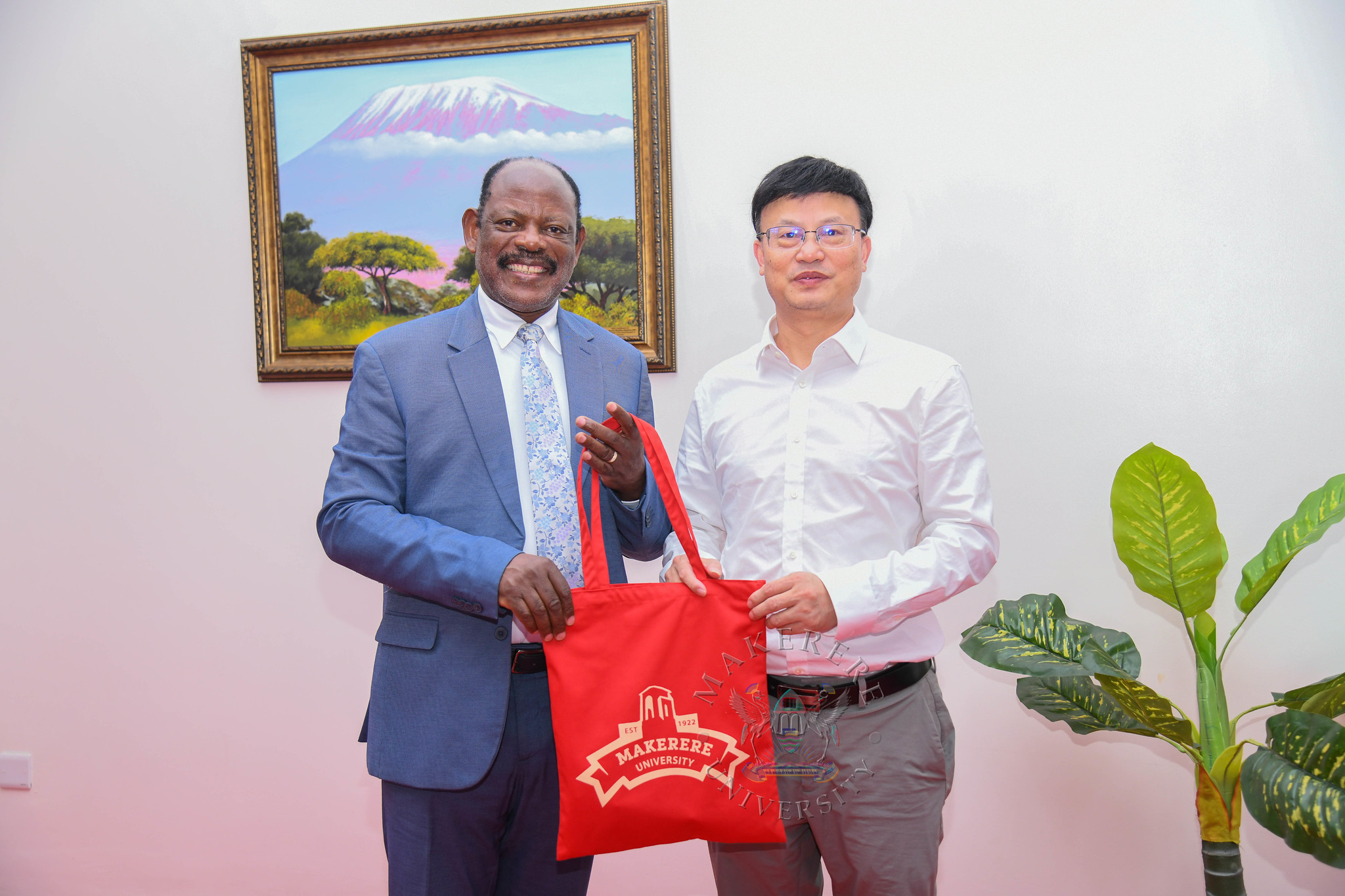
Professor Ou extended appreciation for the support provided to the Confucius Institute at Makerere, the care shown to his colleagues, and looked forward to the successful start of the Chemical Engineering collaboration.
Assuring the delegation of Makerere’s readiness for the collaboration, Ms. Hawa Ndagire Kajumba the Lead, Partnerships and Stakeholder Engagement, Makerere University Advancement Office, aligned with the Vice Chancellor’s emphasis of University goal to have both theory and practice imparted to the students.
She said “the curriculum of the university and Uganda as a whole is moving towards competence-based education training to ensure students are equipped to demonstrate those skills in the actual field, particularly regarding petroleum exploration.”
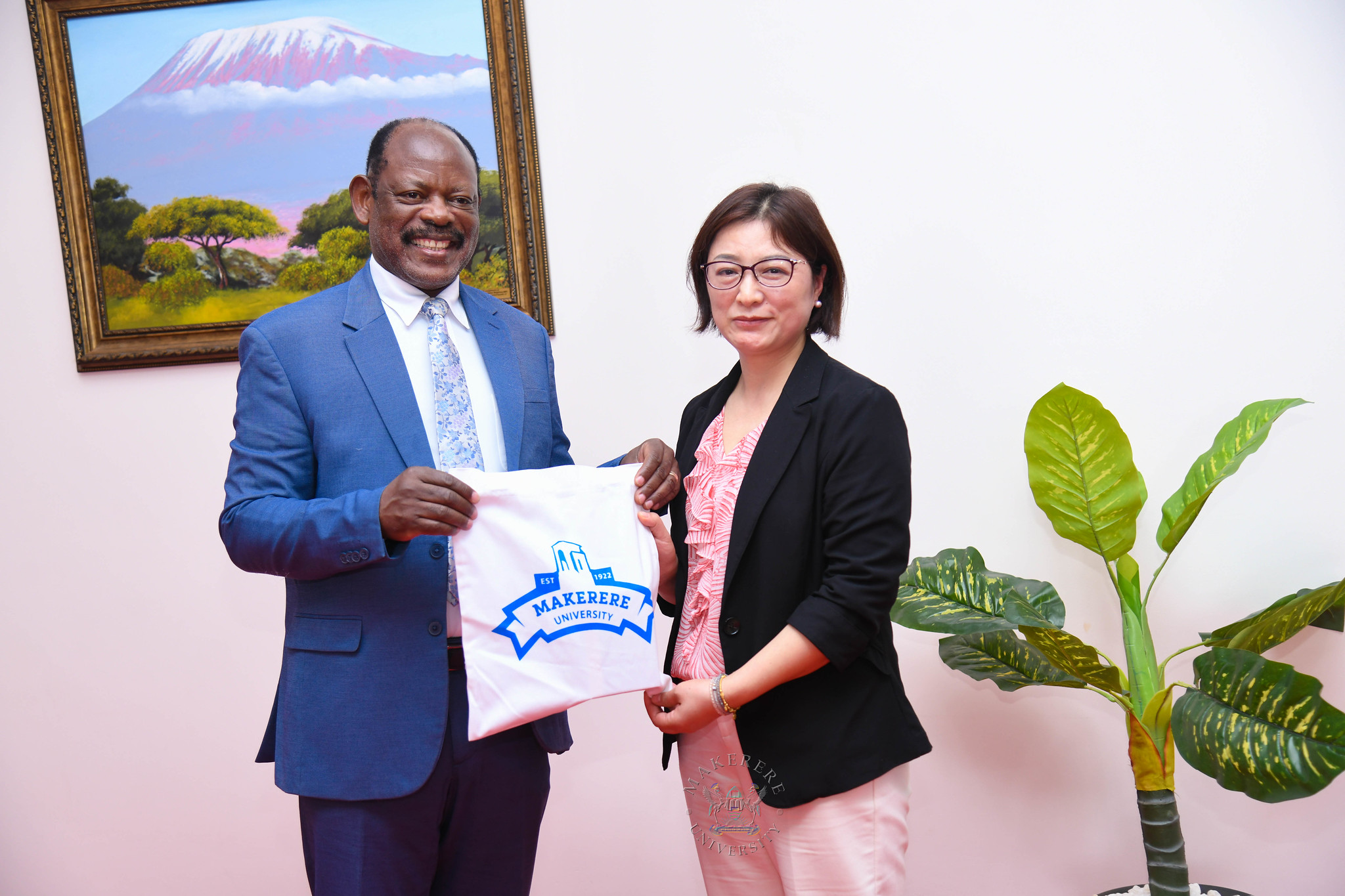
Ms. Ndagire Kajumba also emphasised a shift in strategy for the partnership office, saying, “we are moving away from just signing MOUs that collect dust, and moving towards those that are more collaborative to benefit our faculty and students, just like this one.”
Professor Gilbert Kumushabe aligned his remarks with those of the Vice Chancellor and Ms. Ndagire Kajumba, and described the method used at Xiangtan University as “actually competence-based teaching.”
Based on his recent visit, Prof. Gumoshabe shared that students in China are divided into groups with dedicated teachers to perform practical, hands-on work beyond the theoretical lecturers. He expressed gladness that the same was being adopted for the Ugandan context.
Both institutions are now working to finalise the specific agreements for the joint degree and exchange programs. Beyond academic training, the collaboration will advance cultural and professional exchange.

-
 General2 weeks ago
Statement on Concerns Circulating Regarding a Member of Academic Staff
-
 General1 week ago
Timothy Khabusi: From Barefoot Walks to shaping Uganda’s Eye health Future
-
 General2 weeks ago
Beyond Map Size: Africa’s Agency Should Not Be Funded by Other People
-
 Health1 week ago
Uganda’s HIV Treatment Gains Bring the Youth Gap into Focus
-
 Agriculture & Environment1 week ago
Makerere University Welcomes 50 Youth Skilling Program trainees under the Africa Climate Collaborative, Supported by Mastercard Foundation