
General
Makerere Marks 2026 International Day of Persons with Disability – Lord Mayor Balimwezo Delivers Keynote

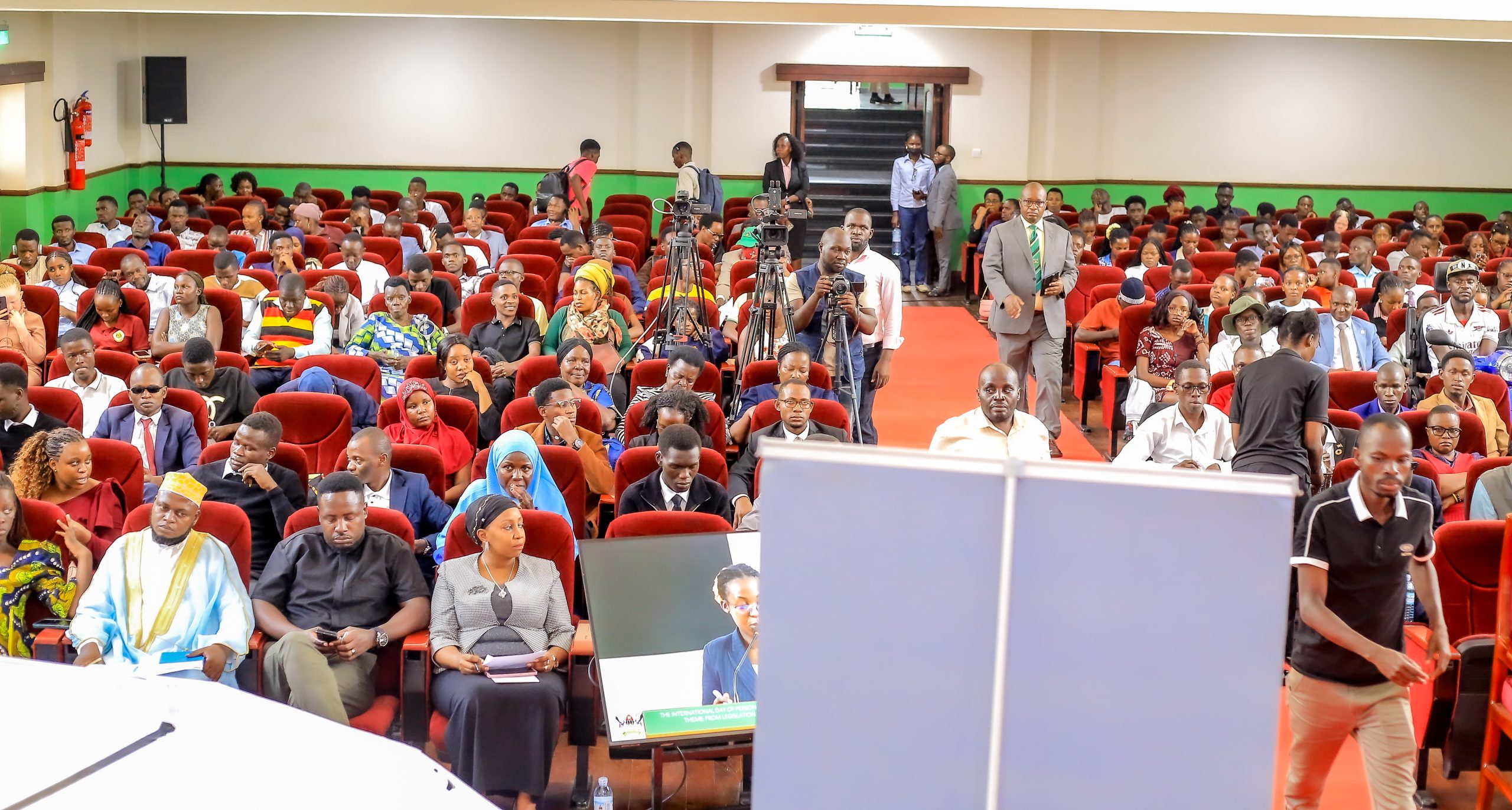
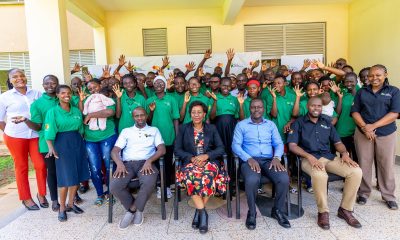
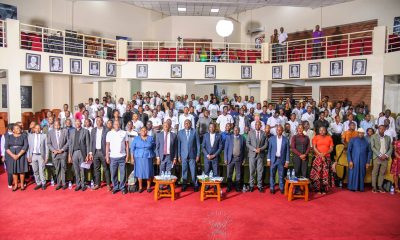
Makerere University celebrated the 2026 International Day of Persons with Disability, with a message mobilising stakeholders to transition from policy formulation to implementation under the theme, “From Legislation to Action: Strengthening Disability Inclusion through Effective Policy Implementation in Higher Education.”
Held on November 05 2026 at Makerere University – Main Hall, the event evaluated current legal frameworks on inclusivity, identified persistent enforcement gaps, and accelerated concrete measures that can safeguard the rights and accessibility of persons with disability across Uganda.
Dr. Winifred Kabumbuli the Dean of Students at Makerere University explained the reason for the event is to create increased awareness about the rights and needs of both students and staff with disabilities on campus.
She expressed that Makerere is intentional and decisive to the implementation of inclusive policies and practices.
“We have established a disability support center. This is a one-stop center for resources and services for both students and staff with disabilities, equipped with state-of-the-art assistive devices, to assist our students and staff with disability to integrate ably into the academic and social environment.”
She also noted that the University has provided caretakers, helpers, and sign language interpreters to students with disability. These are paid a salary, accommodated, and fed, and as well access university health services.
This shows effort that Makerere University is building for all abilities.
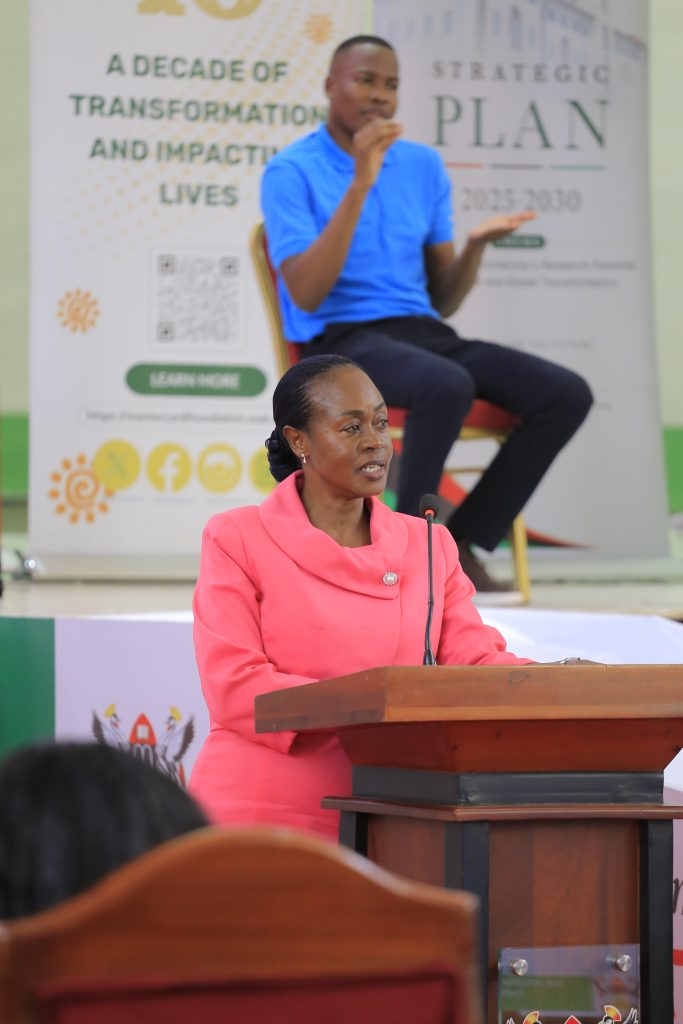
Lord Mayor Balimwezo’s Keynote Address
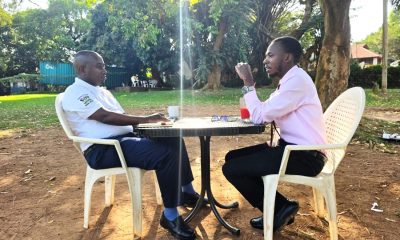
Delivering the keynote, His Worship Eng. Hon. Ronald Nsubuga Balimwezo, the Lord Mayor for Kampala Capital City Authority started with a personal encounter of an accident that left him disabled. He appealed to fellow persons with disability, particularly the young people gathered at the event, to never consider themselves a burden to society. He added, “you are not a charity case. You are not less valuable because of your physical appearance. You are leaders, engineers, teachers, doctors, lawyers, entrepreneurs, artists, and public servants in the making.”
He encouraged them never to allow circumstances of birth or challenges encountered during life to determine the boundaries of their dreams. Confessing from his own situation he has had the privilege of standing on different platforms in Uganda and beyond, and his message has consistently been that persons with disability are equal, and capable of contributing to society.
To the University, Lord Mayor advised that every new building should be designed with universal accessibility in mind from the initial architectural drawings. He insisted that accessibility should never be an afterthought, requiring expensive modification.
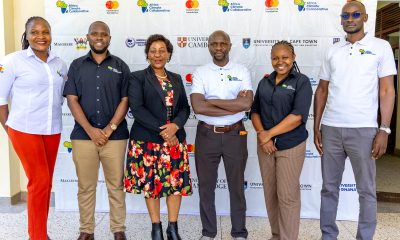
Eng. Hon. Balimwezo encouraged management to continue strengthening partnership with development organisations and institutions committed to inclusive education. He commended partners like UNESCO, MasterCard Foundation and other partners and sincerely appreciated their contribution towards advancing inclusive education and expanding opportunities for young people with disabilities.
The Lord Mayor concluded by applauding all those that have benefited a person with a disability for he believes legacy is not how much money you have but rather how many lives you have changed. He made a call to action to each and everyone to make sure that we leave a legacy.
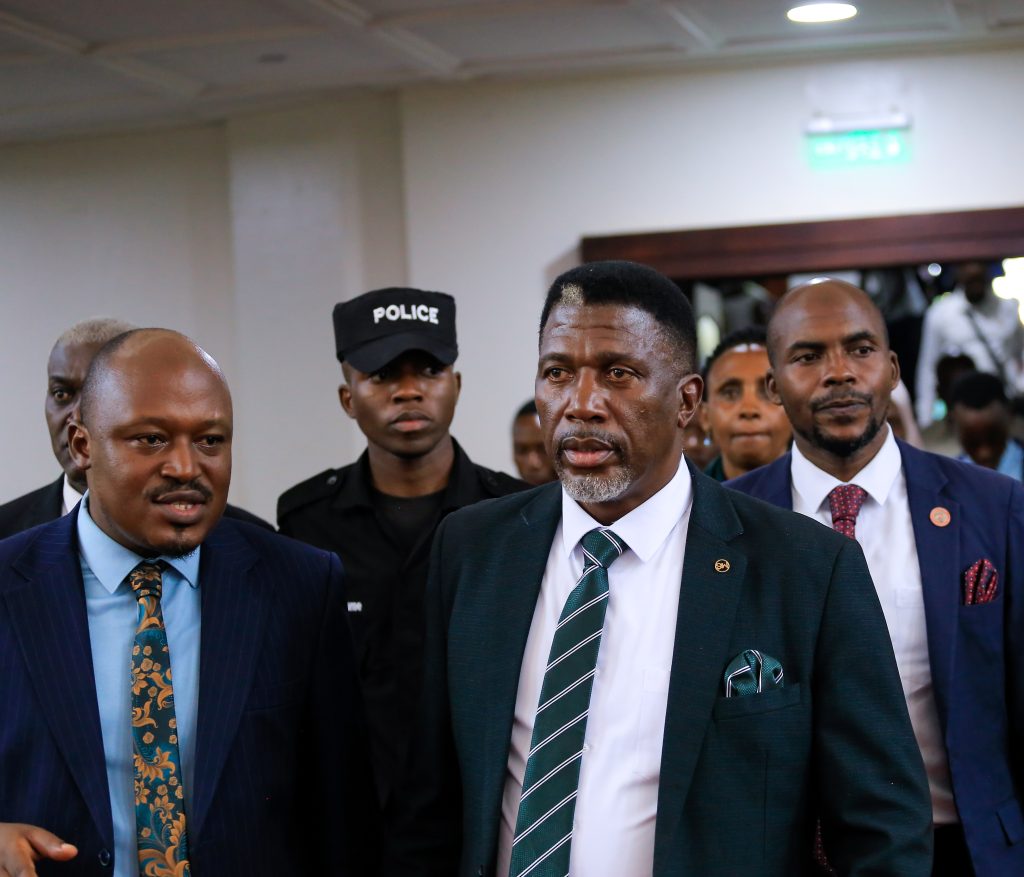
Chairperson of Makerere University Council represented by Rt. Hon. Daniel Fred Kidega, observed that the commemoration of this day by all persons present resonates well with Makerere’s enduring motto, ‘We build for the future.’
Building for the future means creating an inclusive university where everyone, regardless of disability, has equal opportunity to access education, participate and realise their full potential. He said we cannot genuinely claim to build for the future if members of our university community continue to encounter barriers to their full participation and learning ability.
He shared that as a globally recognised institution, Makerere will remain aligned with international commitments, particularly the UN Sustainable Development Goals, especially SDG 4 which emphasises quality of education, SDG 10 which emphasises reduction in inequalities and SDG 16 inclusive and accountability institutions.
Hon. Kidega, appreciated university management for its continued support and the commitment to advancing disability inclusion at this great University.
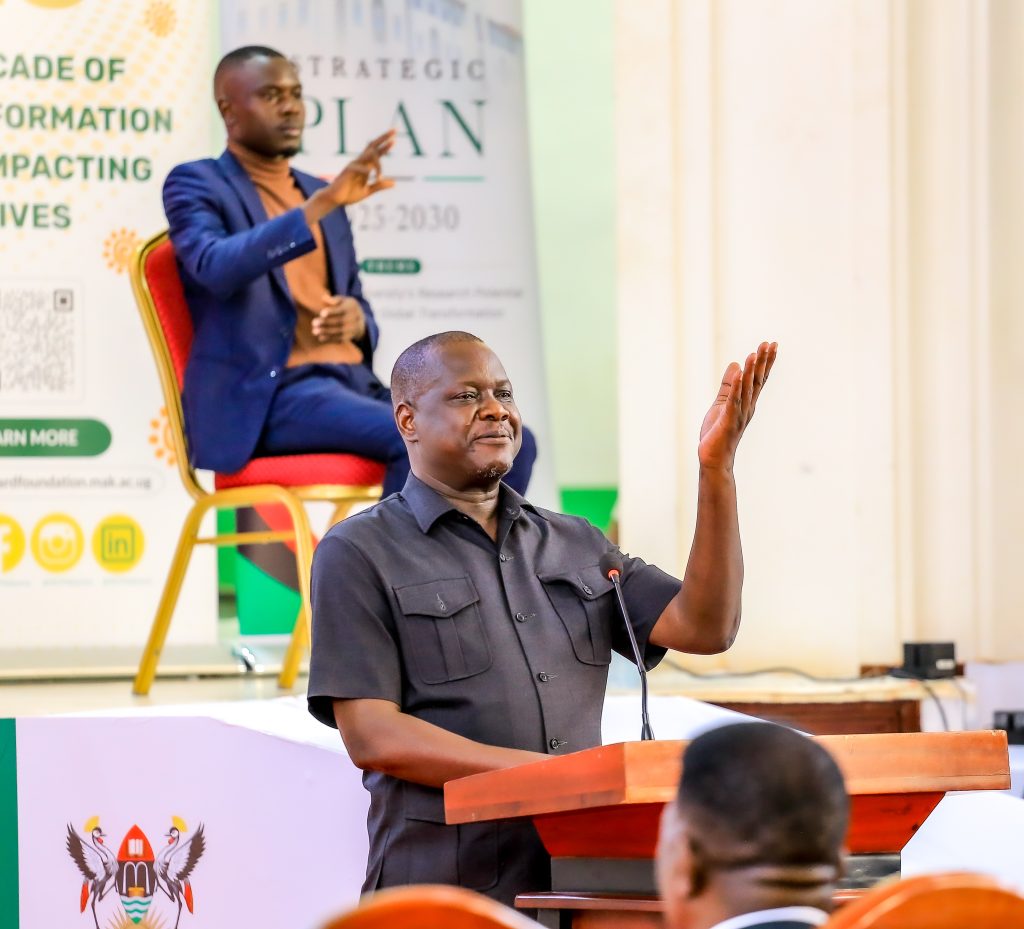
Checking National Progress with Inclusion
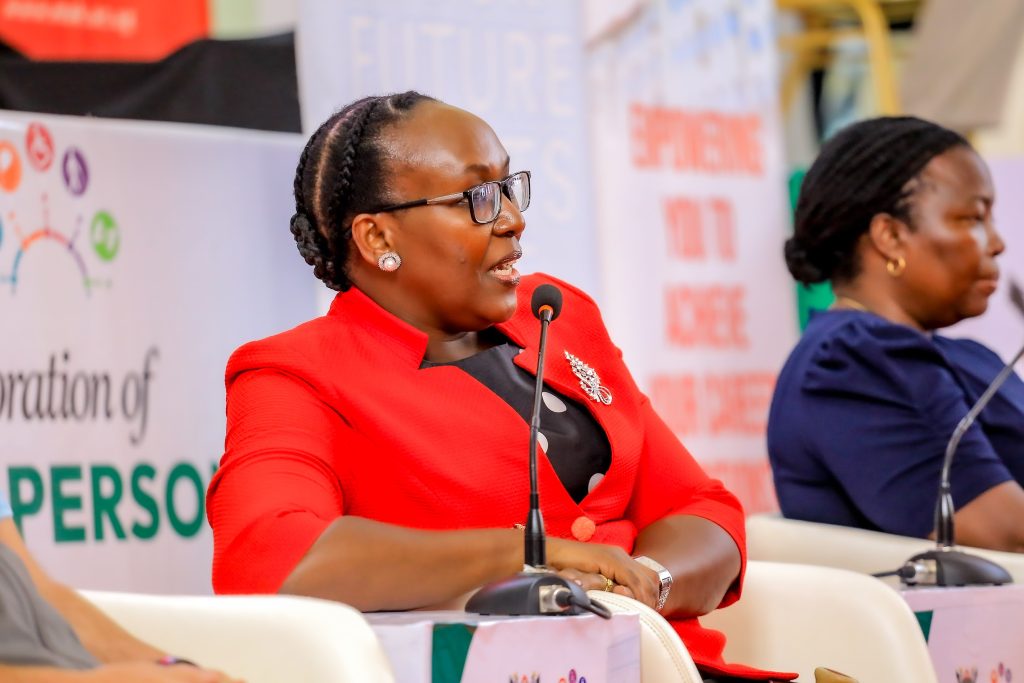
Prof. Zahara Nampewo, Deputy Dean School of Law moderated discussions on the theme. She highlighted Uganda’s efforts in legislating for persons with Disability, she said in 2008, we took a step by ratifying the UN Convention on Persons with Disabilities. That was 18 years ago. And Uganda had also earlier, two years before in 2006, enacted a law, a statute on persons with disabilities. That says a lot about us as a country, that we are committed to inclusion.
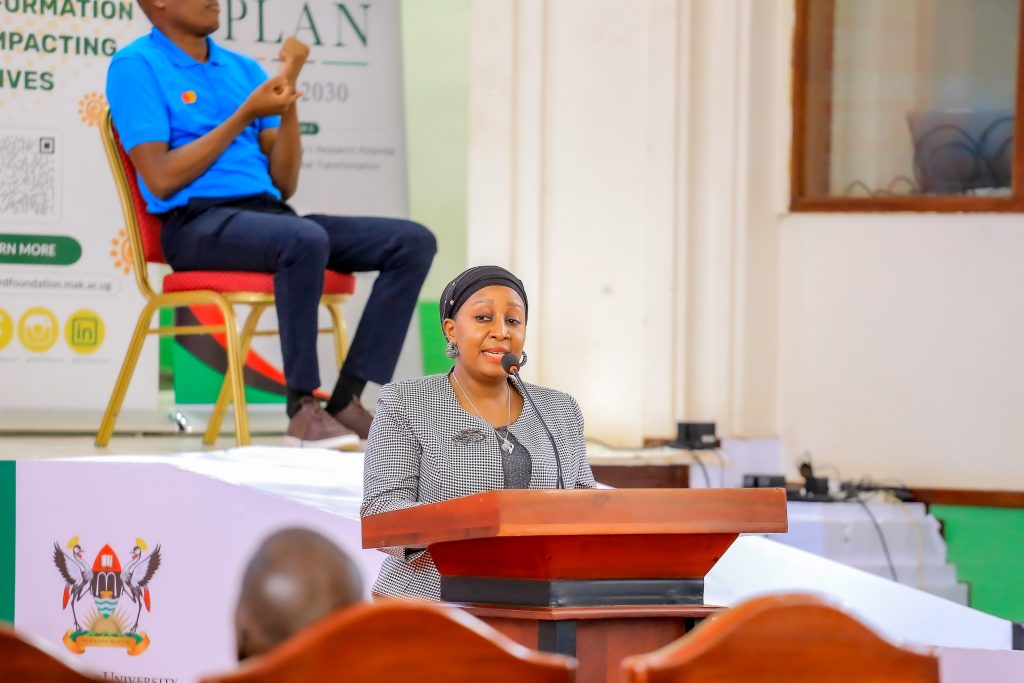
Hon. Laura Kanushu commented that as a country, if I were to rate where we are in terms of inclusion of persons with disability, we might be at 15%, and that’s because we have not fully implemented those laws and policies.
She held tight on this opinion saying Uganda is one of those countries that is very quick to ratify international treaties and later domesticate them. Hon. Kanushu clarified that domestication requires, domesticating in the laws, domestication in terms of policies and also representation at all levels. “However, as a country, we do ratify very fast, but we never plan for implementation.”
Choose and Spread Inclusion not Sympathy
Mr. Daniel Elaju, a master’s student, shared his perspective on what true inclusion requires, emphasising that the foundation of progress lies in shared experience. He stated that, “lessons come from living with a disability, but not just living with people with disability. Because once you live with a disability, even when you are not disabled, you can be able to understand what state of life we people with disability are in.”
Daniel challenged the audience to look beyond the basics of entry because access alone is not enough they are also looking at participation. He said, “you have given me access, am I able to participate?” He questioned the adequacy of current support, asking, “Even when you have given me access to participate, is there reasonable accommodation for me to do whatever I have been given as a role.
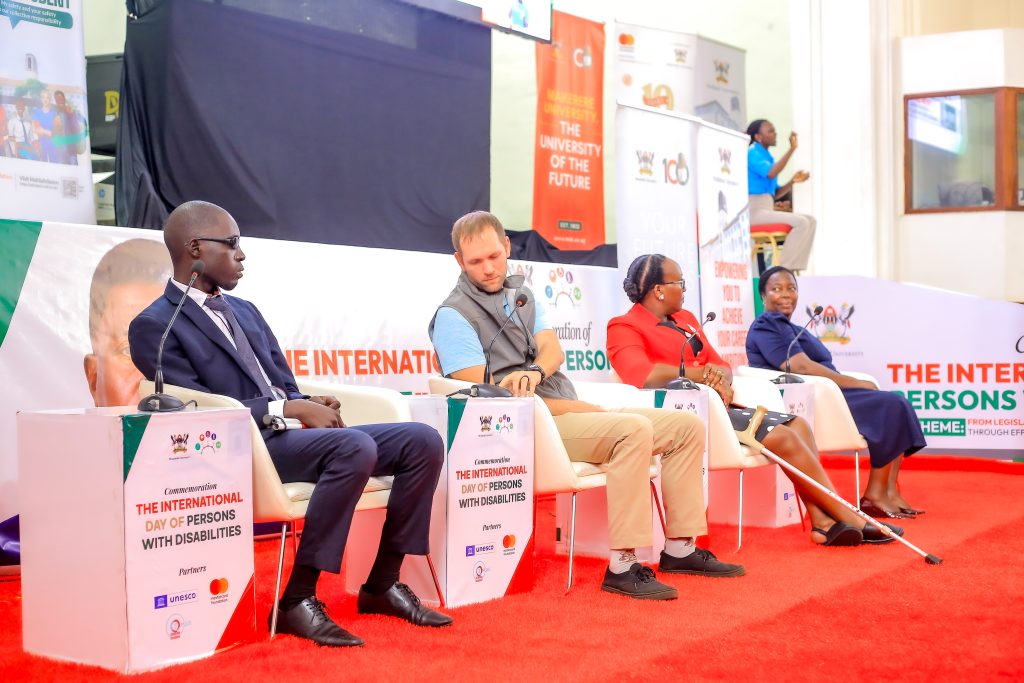
In agreement, Ryan Hopper, Head of Physiotherapy at Hope Speaks, said when it comes to disability inclusion, especially in higher education, it is more than just putting a ramp here and making a change there. It’s more than that. It’s a change in mindset that starts with everyone.”
“So instead of being reactive to these students that are coming in and they have a disability that is calling for extra support, let us become proactive.” For someone with a disability is still deserving of love and still a human being that needs to be cared for.
Hon. Shakirah Akello, the Minister of Students with Disabilities in the Student Guild alluded to a story of the late Mr. Kapere to challenge the audience’s perception of disability and inclusion. She said, “recently, we lost a prominent comedian, Mr. Kapere.”
Kapere (real name Yokana Mbuuse) was a prominent Ugandan Comedian and Actor, born with distinctive facial features and a hearing impairment.
Hon. Akello highlighted his ability to live a full, integrated life, stating, “this gentleman got married,” and adding that he was “able to be so friendly, social, and interacted with lots of people.”
She concluded the story by emphasising his legacy: “Late Kapere was a man that was known, married with three children, and yet he had disability.” This served as a prompt for the audience to consider the broader question, “do you think without us including and supporting persons with disabilities, there can be development?” The question remains.
Makerere’s Commitment to Creating a Safer Environment for Persons with Disability
The Acting Vice Chancellor, Prof. Sarah Ssali revealed this day provides an opportunity not only to celebrate the achievements and contributions of persons with disability, but also to reflect on institutional responsibilities.
She shared a commitment on behalf of University management to support the shift from sympathy to structured transformation, and from charity to active agents in the life of persons with Disability. Dissecting the theme, Prof. Ssali encouraged us all to move beyond the mere existence of policies and legislation and demonstrate action that transforms the experiences of persons with disabilities at Makerere University, and beyond, as we have heard from the panel discussions.
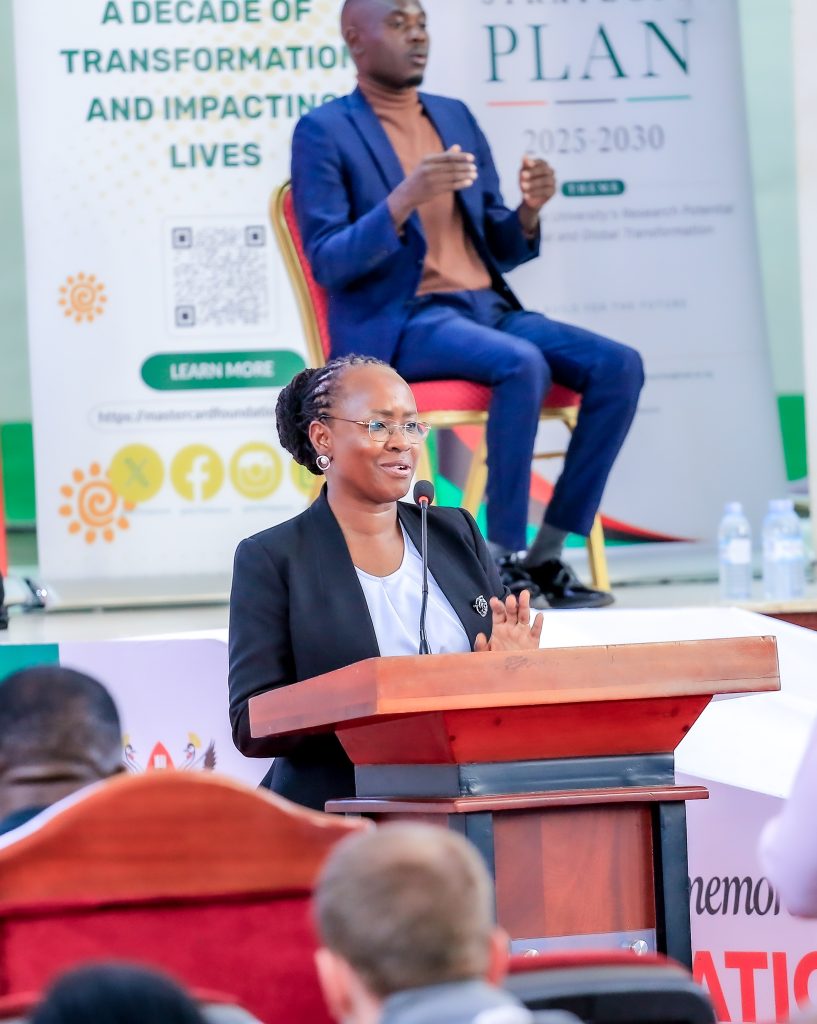
Prof. Ssali concretised the Vice Chancellor’s message by highlighting that the call to make institutions and systems to work is not a call for persons with disabilities. It is a call for all of us. “As a University we reflect inclusion in the way, we teach, in the way we learn, conduct research, provide services, allocate resources, and govern the university.”
“Makerere University , remains dedicated to building an institution where excellence and inclusion reinforce each other on campus and also ensuring whatever – positive has happened in Makerere University happens in the world outside for inclusive settings,” Vice Chancellor pledged.
The commemoration ended with awards to stakeholders who have sacrificed to make a contribution to the welcome stay for persons with Disability at Makerere University and beyond.







General
Institutionalizing ORCID at Makerere University: Strengthening Researcher Identification, Visibility and Research Output Tracking

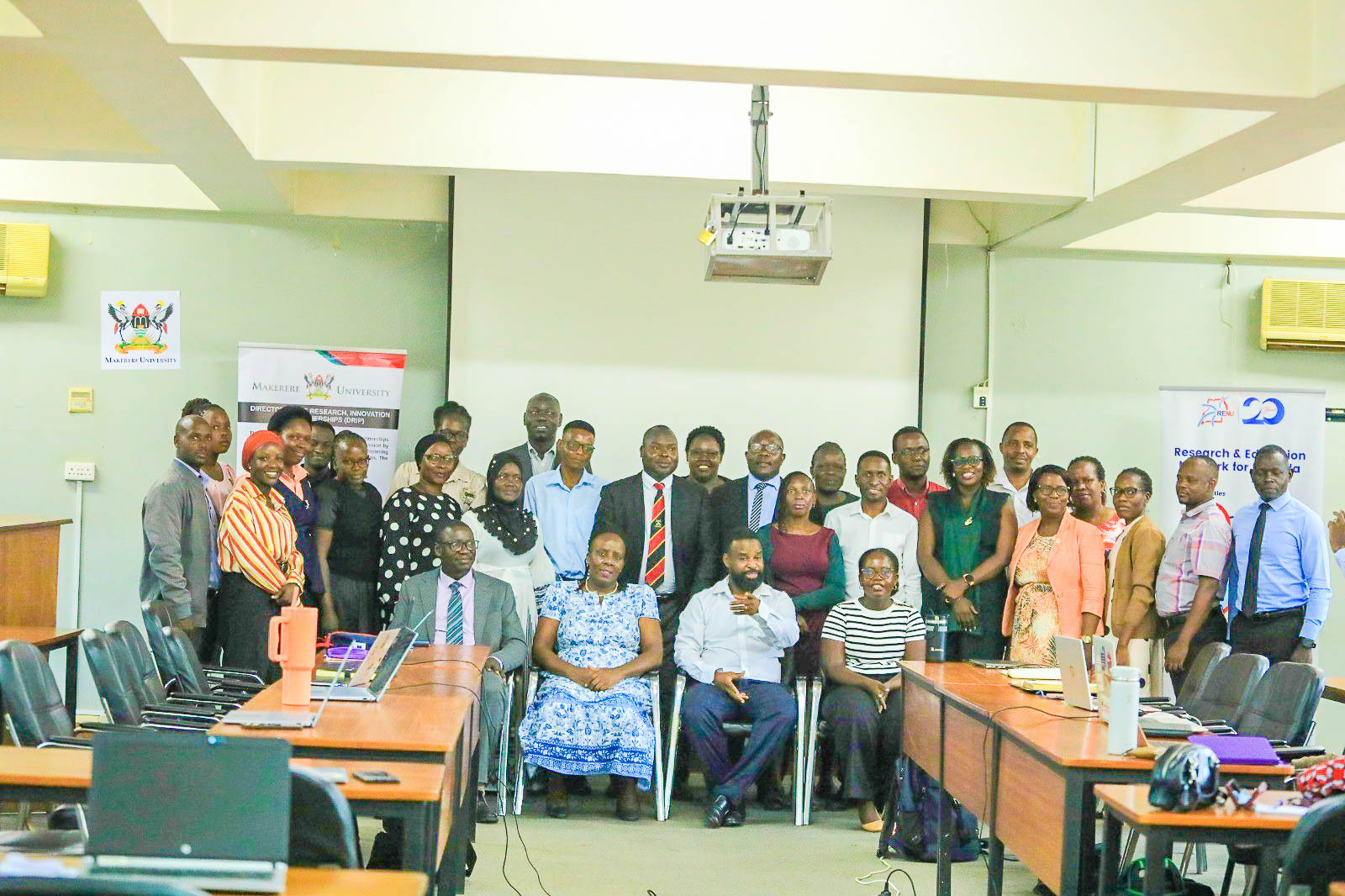
The Unit-Based ORCID Sensitization and System Capture of Researcher Identification Workshop was held on Tuesday, 3 November 2026, commencing at 9:00 a.m. at the Telepresence Centre, Senate Building, Makerere University. The workshop was facilitated by the Research and Education Network for Uganda (RENU).
The workshop was opened by Prof. Robert Wamala – Director of the Directorate of Research, Innovations and Partnerships (DRIP). In his remarks, Prof. Wamala emphasised the importance of ORCID in strengthening researcher identification, improving the visibility and discoverability of Makerere University‘s research outputs, and ensuring accurate attribution of scholarly contributions.
Prof. Wamala highlighted the need to move beyond individual ORCID registration towards systematic institutional adoption, including the accurate capture and validation of researchers’ ORCID identifiers in relevant University information systems. He underscored the importance of coordinated implementation at unit level, recognising the critical roles of College Librarians, Library staff and the Directorate of Graduate Training in supporting ORCID adoption among academic staff, researchers and graduate students.
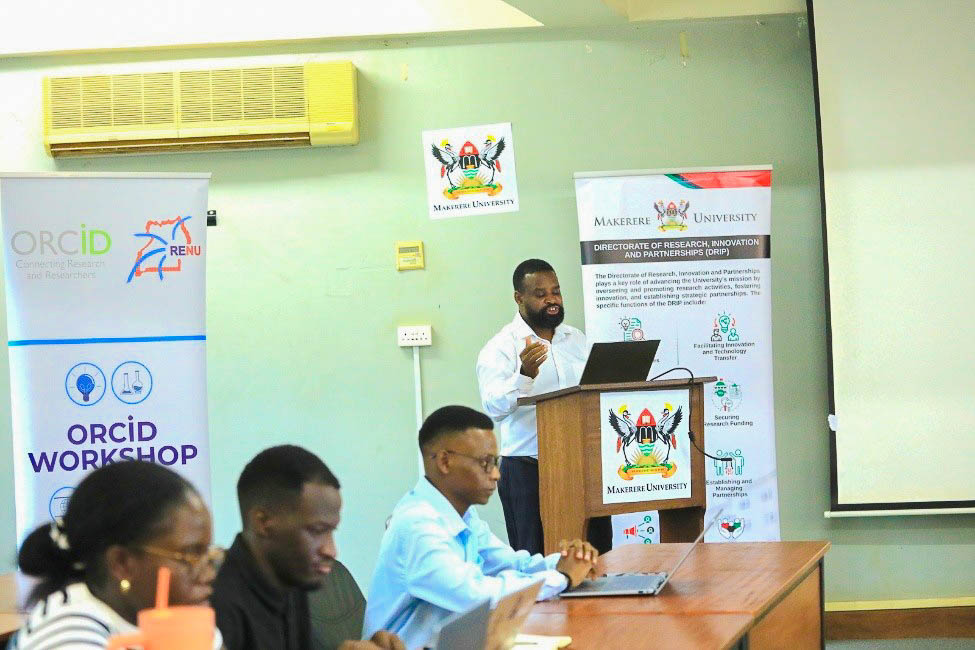
Prof. Wamala appreciated RENU for facilitating the engagement and encouraged participants to translate the knowledge gained into practical action within their respective units. The workshop marked an important step in Makerere University‘s efforts to strengthen researcher identification, improve research visibility and enhance the institutional management and tracking of scholarly outputs.
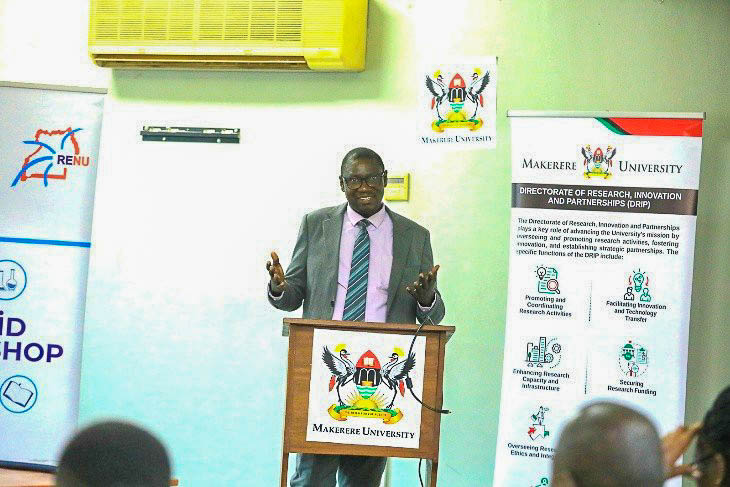
The opening session also featured remarks from the University Librarian Prof. Ruth Nalumaga and Dr. Cyprian Misinde, the Director of Quality Assurance, who underscored the importance of ORCID in strengthening research visibility, scholarly communication and institutional research information management. Their contributions highlighted the need for collaboration across the Library, Quality Assurance, Graduate Training and DRIP to support effective ORCID adoption and integration into University processes.
The workshop provided an opportunity to sensitise participants on ORCID and strengthen their capacity to support its adoption and system capture within their respective units. The participation of College Librarians, Library staff and the Directorate of Graduate Training was particularly strategic in supporting researchers and graduate students to establish and maintain their ORCID profiles.
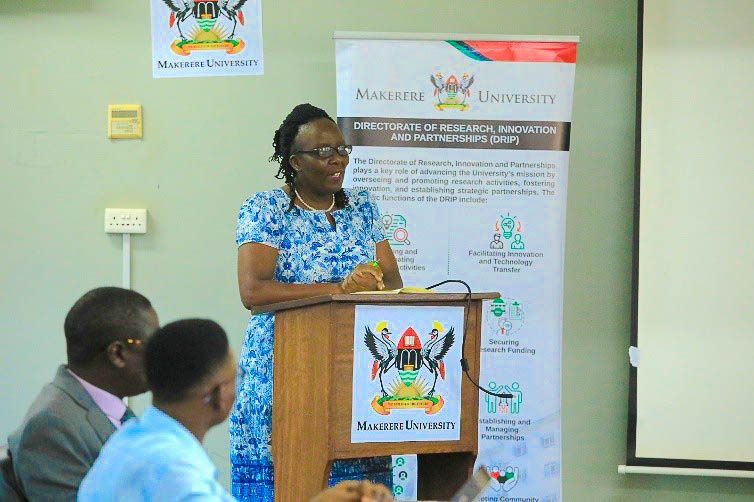
The workshop was attended by College Librarians and Library Staff; Representatives from the Directorate of Graduate Training; Directorate of Quality Assurance and the Directorate of Research, Innovations and Partnerships. Their participation was intended to strengthen awareness, institutional coordination and practical support for ORCID adoption across the University.
The engagement, marked a collaborative step towards institutionalizing ORCID at Makerere University and strengthening the University’s capacity to identify, track and showcase its research contributions globally.

As Greater Kampala continues to expand, the question of how the city will secure enough water for its growing population is becoming increasingly urgent. New homes, roads, industries and commercial centres are transforming the metropolitan landscape, but this growth also places pressure on wetlands, catchments and the infrastructure that supplies water to communities. For Makerere University, this challenge is not only a matter for public debate. It is also a question that research can help answer before today’s decisions become tomorrow’s problems.
That concern shaped a dissemination workshop held at the University on Wednesday, 28th October 2026. The gathering brought together researchers, policymakers, university leaders, planners, students, development partners and members of the media to consider findings from the Urban Expansion Model for Mitigating Water Scarcity in Greater Kampala Metropolitan Area, known as UREMWAS, an occasion that was graced by the Minister for Kampala Capital City and Metropolitan Affairs, Hon. Hajjat Minsa Kabanda, who attended as chief guest.
At the heart of the research is a practical concern: how can a fast-growing metropolitan area accommodate more people and economic activity without undermining the natural systems and public infrastructure on which its residents depend? The UREMWAS project seeks to help answer that question by giving planners a way to examine how different patterns of urban development may affect water availability. Rather than treating water scarcity as an isolated problem of supply, the study relates it to the choices made about land, housing, drainage, settlement and infrastructure.
Understanding the Link Between Urban Growth and Water
Presenting the study, the Principal Investigator Dr. Nestor Mugabe explained that Greater Kampala is among Uganda’s fastest-growing urban regions. Its expansion has increased pressure on water sources and supply networks, while also changing the natural landscapes that help sustain those resources. As settlements spread, the consequences can extend beyond the immediate area where construction takes place. Wetlands may be encroached upon, catchments altered and the routes through which water moves across the landscape disrupted. “The value of this model is in helping planners see the consequences of today’s choices before those choices become difficult and costly to reverse.” He stated.
The model brings together information on population movement, built-up areas, drainage patterns, wetland cover and water demand. By considering these factors together, planners can explore possible urban growth scenarios and assess their likely implications before major decisions are made. The intention is to support better-informed choices on where development should take place, which natural areas require protection and where investment in water infrastructure may be most needed.
Dr. Mugabe cautioned that water scarcity rarely emerges from a single decision or event. Instead, it can develop gradually as many small choices accumulate without sufficient attention to their combined effect. The value of the model, he explained, lies in helping decision makers see a wider picture and understand how development in one part of the metropolitan area may affect water security elsewhere.
The findings point to a close relationship between the pattern of urban growth and the pressure placed on water systems. When settlements expand without effective planning, development can reach sensitive areas such as wetlands and catchments. These landscapes perform important functions in storing, filtering and releasing water. When they are degraded, the natural processes that support water availability are weakened. At the same time, extending piped water infrastructure to scattered communities can become more difficult and expensive.
By contrast, growth guided by clear plans, the protection of natural areas and timely infrastructure investment offers a stronger basis for managing demand. The research therefore presents urban planning and water security as closely connected responsibilities. Decisions about housing, roads and commercial development cannot be considered separately from the resources needed to sustain the people who live and work in those places.
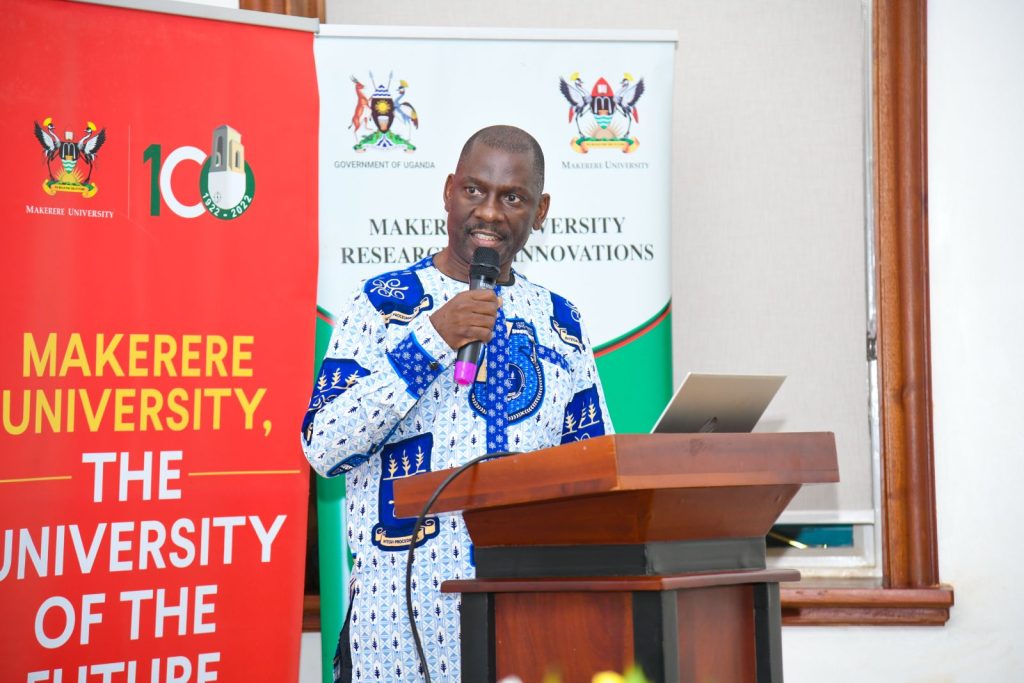
Dr. Mugabe also emphasised that water scarcity cannot be solved by infrastructure alone. The challenge involves governance, public behaviour and coordination among institutions that may otherwise plan and operate independently. Engineers, physical planners, local leaders, communities and researchers need to work with shared evidence if their decisions are to reinforce rather than undermine one another.
That message was given a human dimension through the experiences of communities consulted during data collection. Dr. Mugabe acknowledged the residents who shared their perspectives with the research team, including people who travel long distances or pay high prices to obtain water. Their experiences, he noted, helped the researchers understand the everyday consequences of water insecurity in ways that statistics alone cannot fully convey. Behind every figure on demand or supply are households and individuals whose routines, finances and wellbeing are affected by access to water.
Taking the Findings Beyond the University
The discussion that followed the presentation reflected the broad reach of the issue. Participants considered the role of wetlands in protecting water sources, the need to enforce planning regulations and the importance of involving communities early in decisions that affect their surroundings. They also explored whether the model could be adapted for other fast-growing towns and cities in Uganda, where urbanisation may create similar pressures on land and water resources.
Several contributors stressed that research findings should be communicated in accessible language, particularly to local leaders and community groups. A model can help inform technical decisions, but its impact is likely to be greater when the people affected by planning choices can also understand the evidence and use it in their own discussions. Participants further encouraged the research team to keep the model updated as new information becomes available. Because cities change rapidly, a planning tool must be able to reflect changing populations, land use and demand if it is to remain useful.
The discussion was moderated by Prof. William Tayeebwa, who guided the discussion and encouraged participants to engage with the findings from their different areas of experience. The questions and reflections reinforced the importance of treating water security as a shared metropolitan concern rather than the responsibility of a single institution or profession.
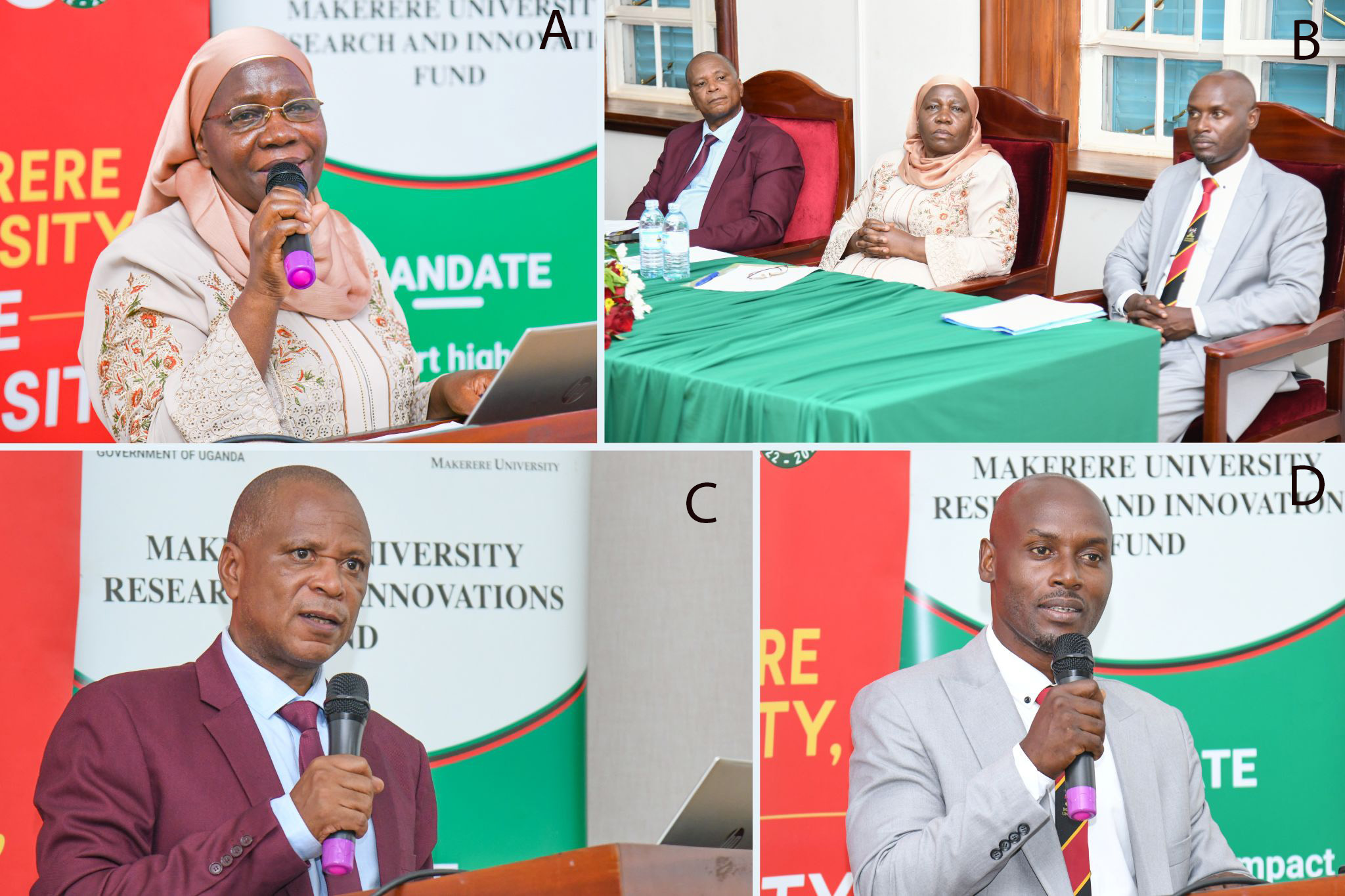
Speaking on behalf of the Makerere University Research and Innovation Fund, its Engagement officer, Ms. Grace Cherotich Ruto congratulated the research team and reaffirmed the fund’s commitment to supporting research that responds to Uganda’s practical challenges. He encouraged researchers to consider the people who will use their findings from the earliest stages of a project and to plan how the knowledge generated will be communicated and applied. Research, he observed, is most valuable when it moves beyond academic shelves and contributes to policy, services and people’s lives. “Research has its greatest value when the knowledge generated at the university reaches the people and institutions that can use it to improve lives.” Prof. Julius Kikooma, Director, Directorate of Graduate Training stated.
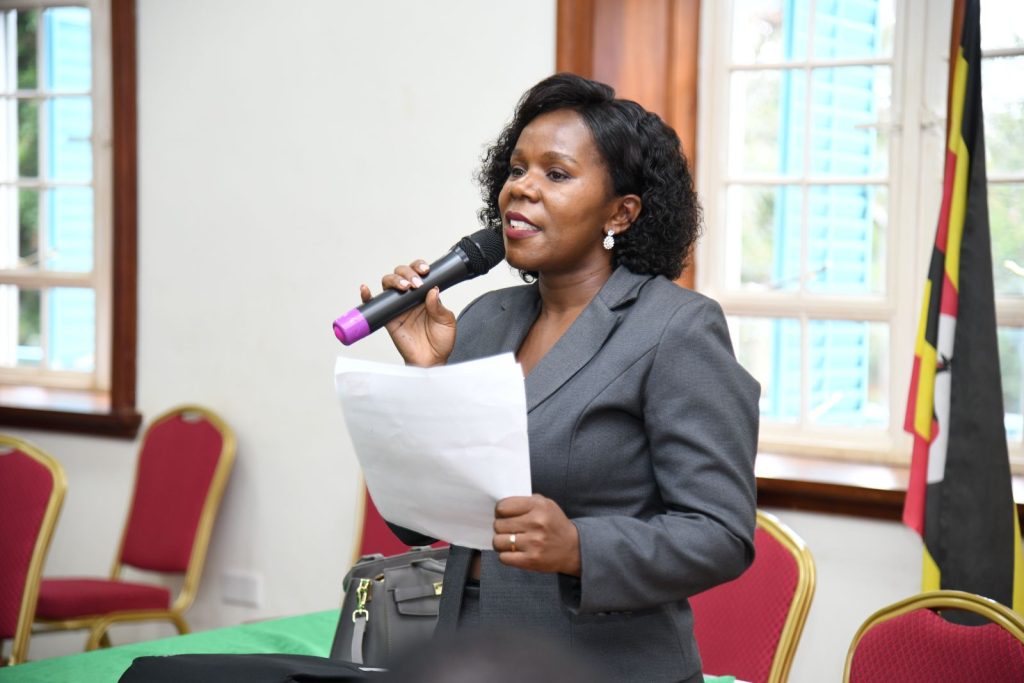
The remarks also highlighted the role of graduate training in building research capacity. Prof. Julius Kikooma, Director of the Directorate of Graduate Training, welcomed participants and commended the team for bringing its work to a wider audience. He noted that universities demonstrate their value to society when knowledge developed through research and scholarship informs decisions beyond the campus. Graduate research, including the work of master’s and doctoral students, helps generate and develop ideas that can be tested against real conditions and contribute to practical solutions.
A Shared Responsibility for a Growing City
Representing the Vice Chancellor, Prof. Moses Musinguzi commended the researchers for addressing an issue of national importance. He reaffirmed the university’s commitment to serving the country through knowledge and collaboration, and called on government agencies, local authorities and development partners to draw on the expertise available at the institution. Water, land and urban growth are interconnected, he noted, and the management of rapidly expanding cities must be guided by sound evidence.
For the university, the workshop offered an opportunity to connect research with the institutions and communities that may put its findings to use. The model’s potential depends not only on its technical capacity, but also on whether planners and decision makers can incorporate its insights into the choices they make. Continued engagement between researchers and end users will therefore be important as the work develops.
In her address, Chief Guest Hon. Hajjat Minsa Kabanda thanked Makerere University for convening the workshop and recognised the contribution of its scholars to national development. She described the growth of Kampala and the surrounding metropolitan area as both an opportunity and a responsibility. As the country’s economic heart and home to millions of people, the city needs reliable services, including access to clean and safe water. The challenge is to ensure that expansion does not outpace the systems and natural resources required to sustain it.
“Kampala’s water challenges extend beyond administrative boundaries, so our response must be built on cooperation, shared evidence and responsible planning.” Hon. Hajjat Minsa Kabanda emphasized.
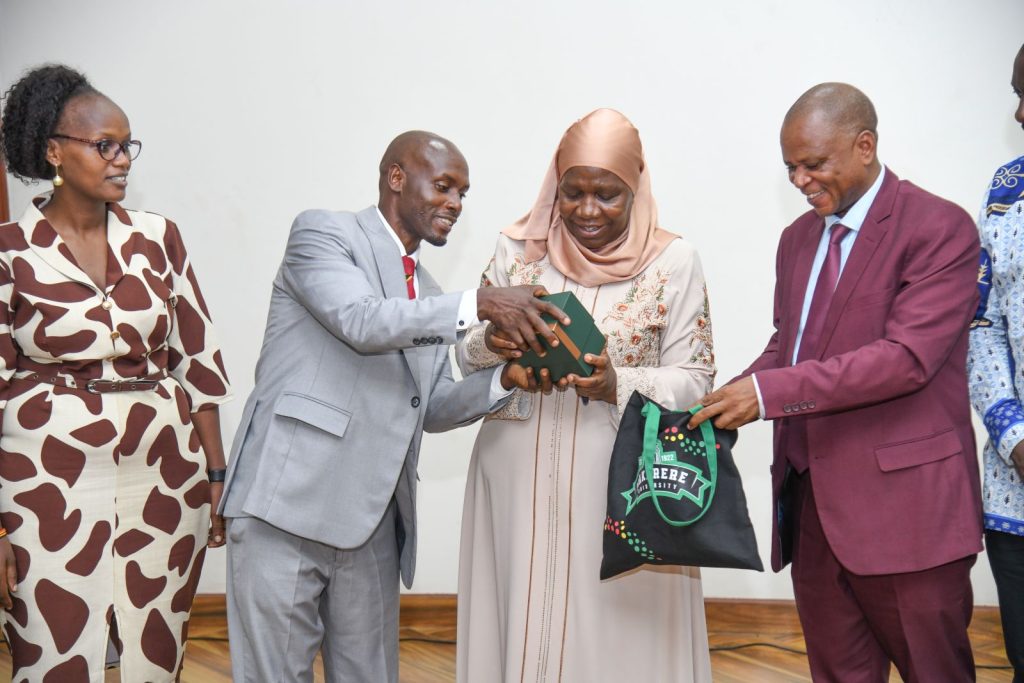
Hon. Kabanda said that the UREMWAS model could help government make better-informed decisions about the direction of urban growth, the protection of natural resources and the location of water infrastructure investment. She also pointed out that the metropolitan area extends beyond the administrative boundaries of Kampala itself. Water and land pressures do not stop at those boundaries, making coordination among the ministry, Kampala Capital City Authority, neighbouring local governments, water utilities and researchers essential.
The Minister assured the university that her ministry would study the findings and consider how they could inform its planning work. She encouraged the research team to maintain a close relationship with policymakers so that the model can remain relevant to decisions as the metropolitan area changes. She also called on citizens to protect wetlands, use water responsibly and observe planning guidelines, stressing that the future of the city will be shaped by the actions of both public institutions and residents.
Turning Research into Public Action
Her remarks underscored the role universities can play as partners in public decision making. By bringing together research expertise, emerging talent and the freedom to examine difficult questions, institutions of higher learning can help government understand complex challenges and consider options grounded in evidence. She congratulated Makerere on its research tradition and encouraged it to continue producing work that responds to the needs of the country.
The workshop closed with a shared recognition that disseminating the findings is a starting point rather than an end in itself. The research team and its partners expressed the need to continue engaging government and other stakeholders, share the results more widely with local leaders and communities, and refine the model as further data becomes available. These next steps will help determine how effectively the research can support planning in Greater Kampala and whether its approach can be useful in other urban areas.
The timing of the work is significant. Decisions made now about land use, housing, drainage and water infrastructure will influence the shape of Greater Kampala for years to come. Once wetlands have been damaged, settlements established in unsuitable locations or infrastructure built without adequate coordination, correcting the consequences can be difficult and costly. A model that allows decision makers to explore possible outcomes in advance offers an opportunity to identify risks earlier and weigh development choices more carefully.
For residents, the stakes are tangible. Reliable water affects household routines, public health, livelihoods and the ability of businesses and institutions to operate. Protecting the resources that sustain supply is therefore not separate from the wider ambition to build a productive and liveable city. The challenge is to ensure that urban growth improves people’s lives without weakening the environmental systems on which those lives depend.
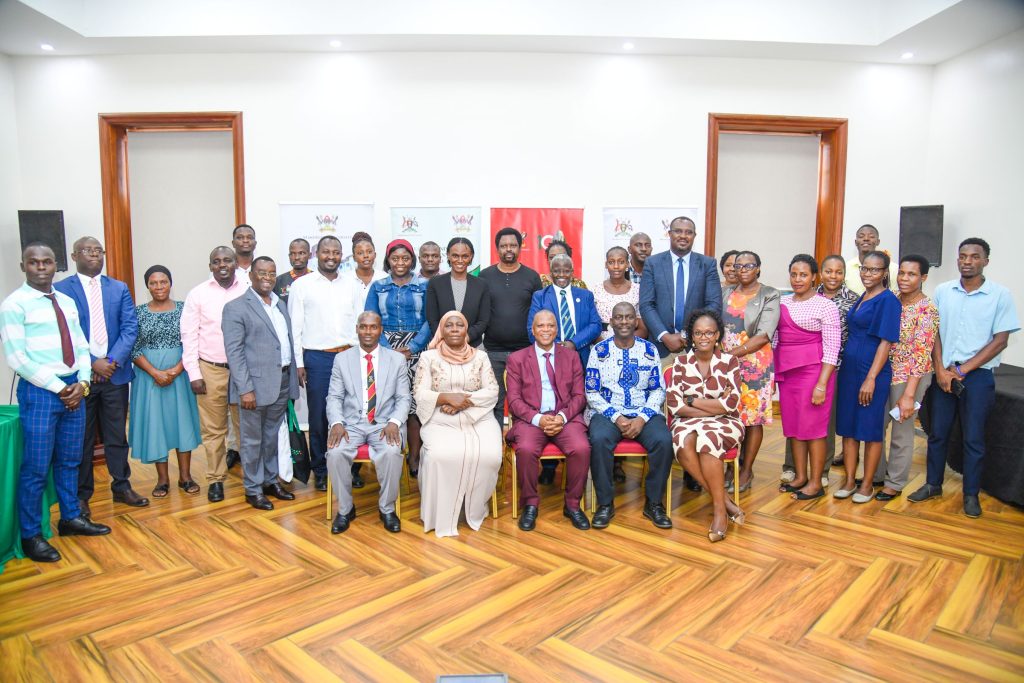
By bringing researchers and decision makers into the same conversation, Makerere’s UREMWAS dissemination workshop demonstrated how university research can contribute to a shared understanding of a public problem. The work does not remove the difficult choices facing the metropolitan area, but it offers a way to examine those choices with a clearer view of their possible consequences. As Greater Kampala continues to grow, the task ahead will be to turn that evidence into coordinated planning, responsible development and sustained protection of water resources.
The gathering marked a step in moving the UREMWAS findings from a research project into wider public and policy discussion. The central message was clear: the future of Greater Kampala’s water security will depend not only on how much water can be supplied, but also on how the city grows, how its natural systems are protected and how well the institutions responsible for its future work together.
-
 General1 week ago
ADVERT: Mature Age Entry Scheme Examinations – 2027/2028
-
 Agriculture & Environment2 weeks ago
What two weeks with Farmers in Mwera, Mityana, taught Makerere’s PhD Students about Agricultural Innovation
-
 General1 week ago
MURBS Presents FY 2025/26 Performance with 15% Growth
-
 General7 days ago
CoNAS Staff & Students Sensitized on Gender Equality, Sexual Harassment Policies
-
 General1 week ago
Gender Sensitization Session to Strengthen Gender-Responsive Practices conducted at CoVAB