
General
Timothy Khabusi: From Barefoot Walks to shaping Uganda’s Eye health Future

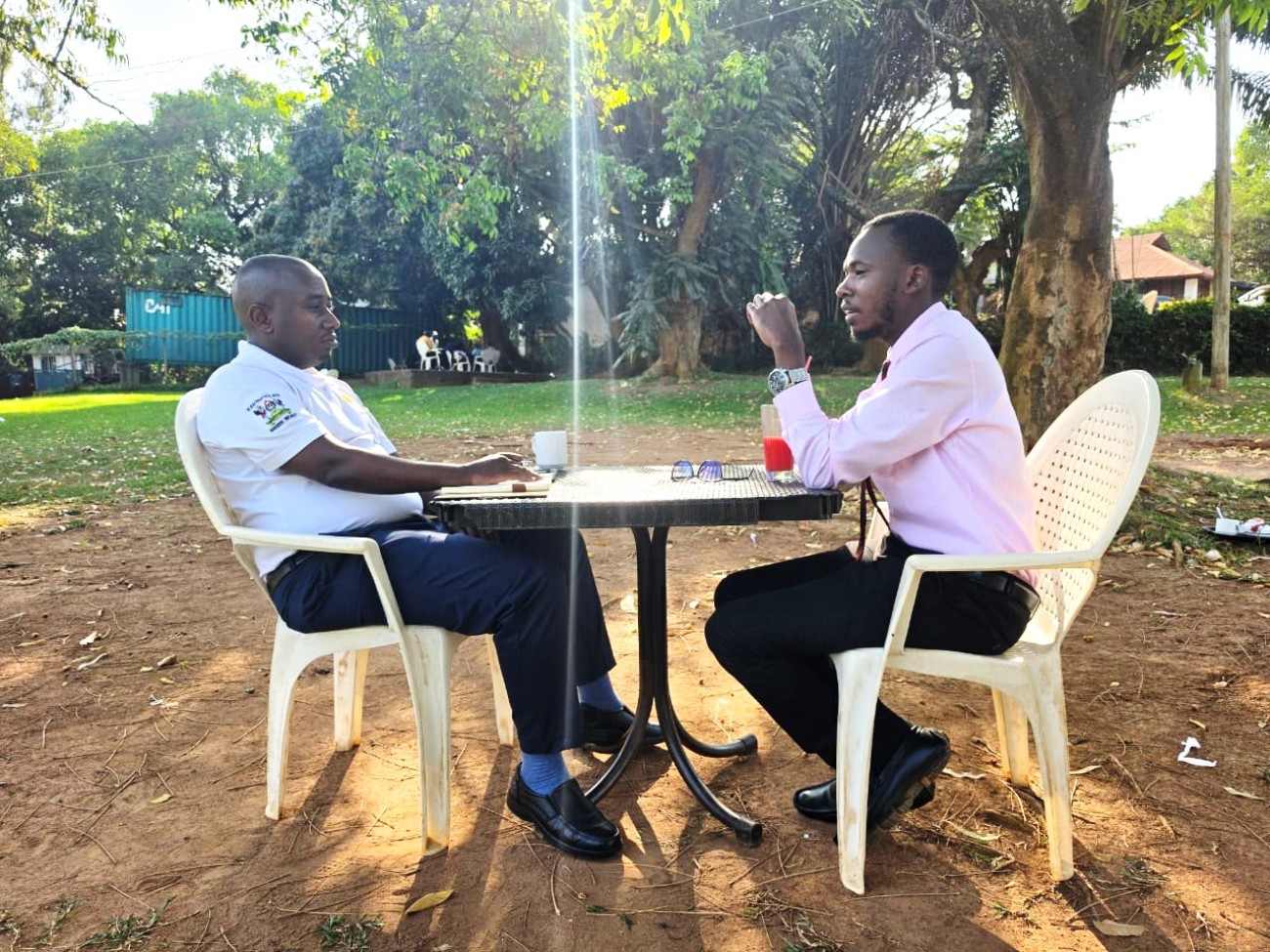
Before becoming an optometrist, researcher, programmer, and eye health entrepreneur, Timothy Khabusi walked barefoot to school along rough roads in Manafwa District, Eastern Uganda. For most of his primary school years, Timothy walked more than nine kilometres each day from his home to Bubulo Mixed Primary School in Manafwa District.
He would leave home at about 6:00 a.m., walk to the highway, and join other children on their way to school. On the murram road, sharp stones pressed into his feet. When the rains came, he sometimes arrived at school completely drenched. Occasionally, a truck carrying market vendors would stop and offer them a lift. “Those were few lucky days,” Timothy recalls.
At the time, however, Timothy did not see his life as unusual. It was simply how life was for many children in his village. What he did not yet know was that those long walks were helping shape a determination that would eventually take him from rural Manafwa to Makerere University and, later, the University of Edinburgh in Scotland.
Timothy Khabusi is the sixth of eight children (5 boys and 3 girls). His father, 68, a retired primary school teacher, and his mother, 60, a small retail shop owner, had limited resources but were determined to give their eight children opportunities they had not enjoyed themselves.
The family tried several ways to make ends meet. His mother ran a small local brew joint, selling malwa, a traditional fermented cereal drink. When Timothy was about ten, the family closed the malwa joint and moved on, first trying farming and later, in 2009, opening a small retail kiosk with money earned from selling a small coffee harvest.
The family kiosk changed things. Timothy started taking snacks to school and also began developing an interest in business. He sold sugarcane and later teamed up with his younger brother, Mark, to make mandazi, a popular delicacy among schoolchildren.
Behind these modest ventures were sacrifices his parents made for their children’s education and health. His father took loans to support the family through school, while both parents repeatedly emphasised the importance of education.
Timothy’s own academic journey was far from perfect.
At rural Bubulo Primary School, Timothy performed very well and earned a place at one of the best secondary schools in Eastern Uganda, Mbale Senior Secondary School, in Mbale city.
At Mbale Secondary School, he became a strong academic performer and earned a renewable merit-based bursary that covered most of his school fees. Mr Mabaku, his Mathematics teacher, taught him to connect classroom concepts to real-life problems—a way of thinking that would later shape his interest in technology and programming.
Then came a setback.
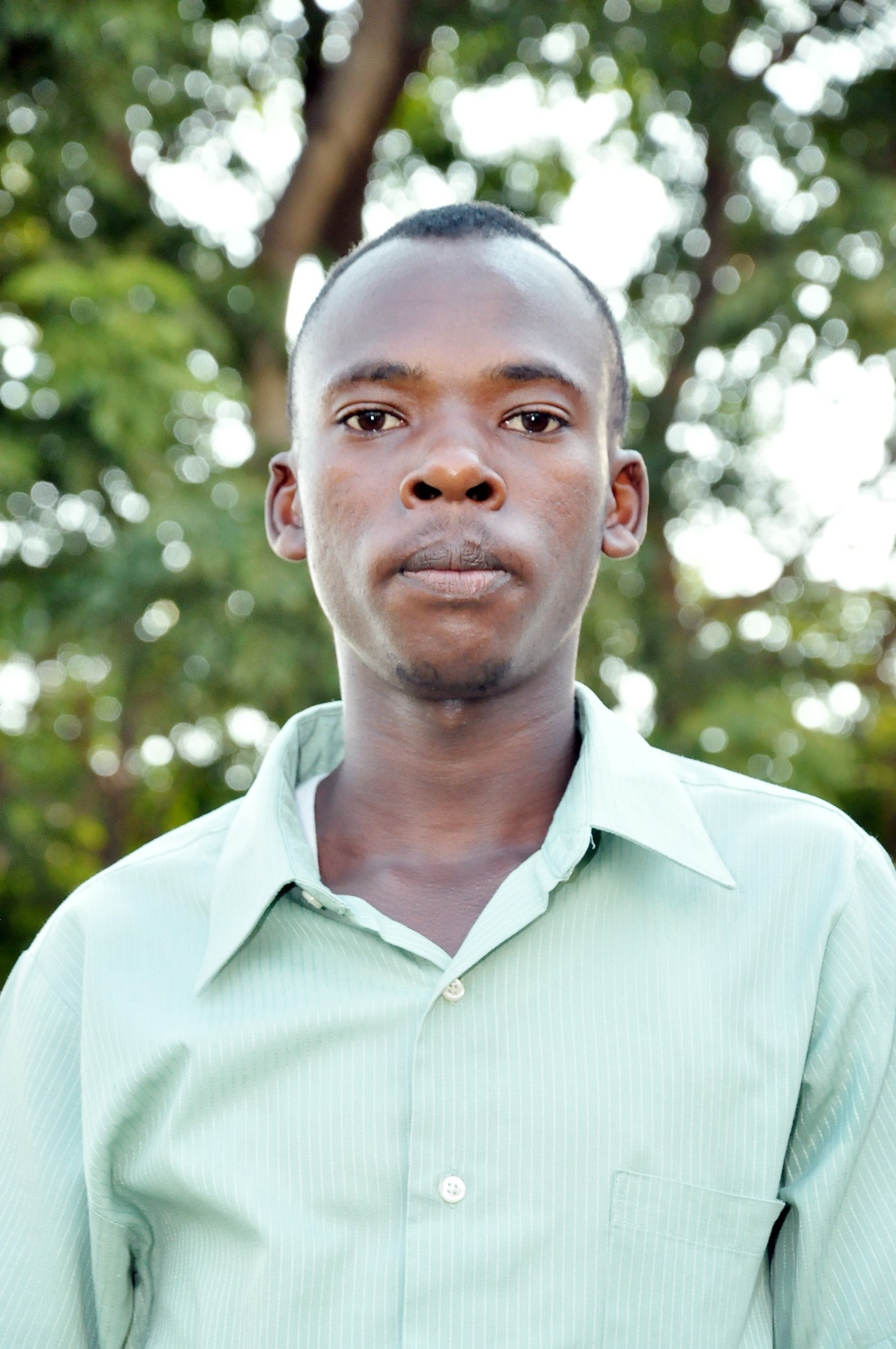
Timothy’s A-level results (15 points in Physics, Chemistry, and Mathematics) were far lower than he had expected. For someone who had always seen himself as a top student, the outcome was deeply disappointing, and he missed out on the much-coveted government scholarship. He even wondered whether university was still possible. He considered repeating his A-levels but instead applied to Makerere University on private sponsorship. He was admitted to study Optometry, although he had initially wanted to pursue Medicine and Surgery.
Then came the opportunity that changed everything.
In 2017, Timothy became a Mastercard Foundation Scholar at Makerere University, receiving support that enabled him to continue his university education. The financial uncertainty that had threatened his university education was resolved. What initially felt like failure became an opportunity that redirected him towards a field he had not planned to enter. Through optometry, he discovered a profession that linked clinical care with science, technology, research and public health.
His career journey after graduation.
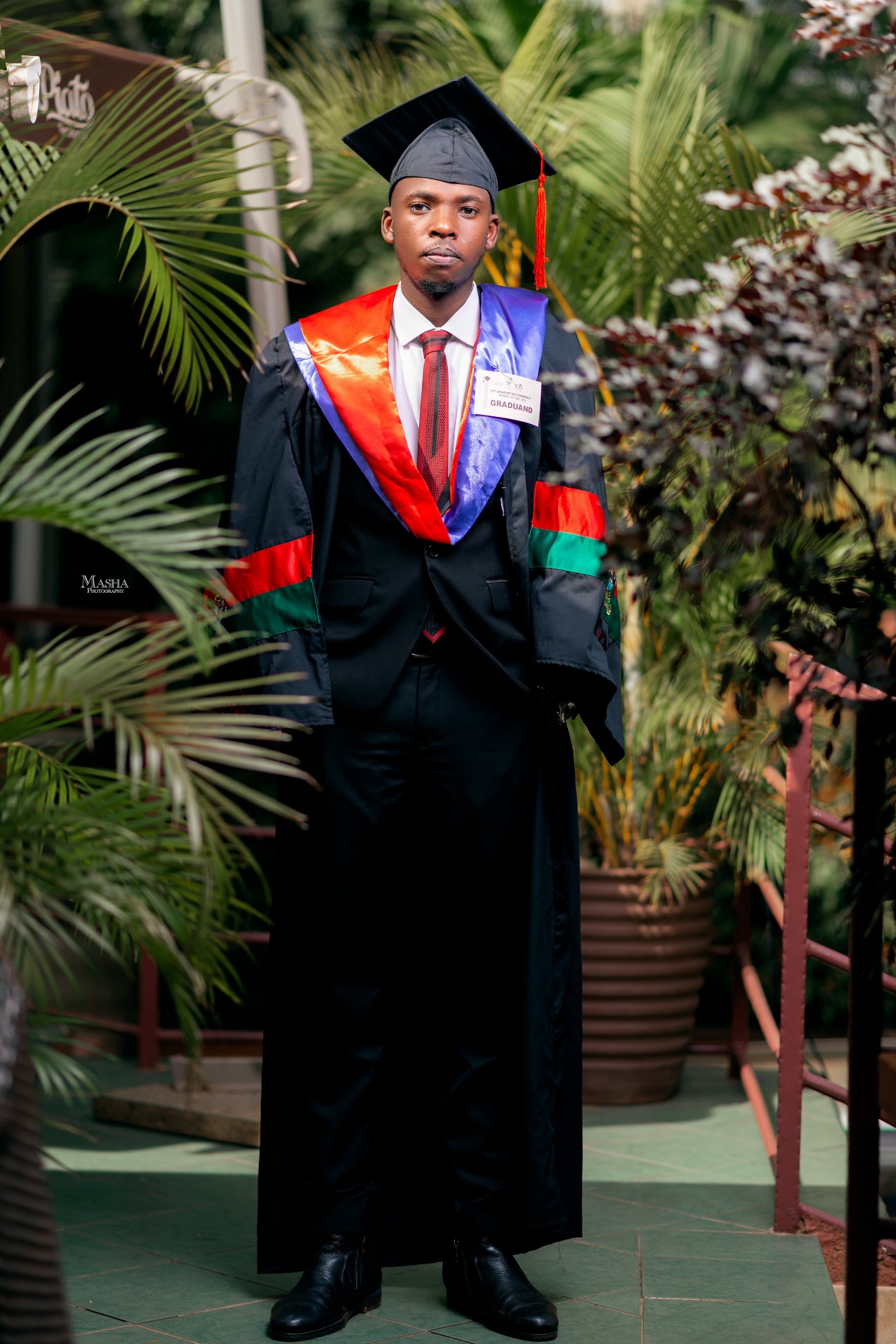
After graduating from Makerere University in January 2022, Timothy set out to fulfil his ambitious mission to improve eye health in Uganda. His career began far from his village home in Manafwa: he started at a private clinic in Arua town, West Nile, hundreds of kilometres from Manafwa in Eastern Uganda. Asked why he didn’t find a job in Kampala, as most of his peers did, Timothy quickly explained that his mission is to provide the best eye health care to communities with limited access to these services.
After working for one year in Arua, he returned to Kampala. He first worked at Dr. Agarwal’s Eye Hospital from 2023 to 2025, then moved to Med-Optics, another popular eye clinic in Kampala. In February 2026, he opened his own eye clinic, Khabusi Vision Care Centre, a modern optometry centre dedicated to providing eye care services at subsidised rates to individuals and families who may face financial barriers to accessing these services.
His leadership journey
For Timothy, leadership is not about collecting titles. At Mbale Senior Secondary School, he led the Science Club, organising seminars and holiday revision programmes. At Makerere, he served as a minister at the College of Health Sciences and as a leader in the Optometry Students’ Association. Those experiences shaped a simple philosophy: leadership means seeing what needs improvement, taking responsibility, and bringing others along.
That philosophy now drives his ambitions for Khabusi Vision Care. In the coming years, he aims to strengthen the organisation’s clinical, public health, digital and research work. His longer-term vision is to build a major Ugandan eye health organisation with branches across the country, comprehensive services, research programmes and locally developed diagnostic and ophthalmic technologies.
Impact in the community
Asked about his impact in the community, Timothy quickly pointed to the number of patients whose sight he has helped restore at a modest cost they otherwise couldn’t have afforded.
“I am proud to have treated more than 10,000 patients and enabled them to see better since I began my optometry practice in 2022. Among the patients, I vividly remember a police woman who was on the verge of going completely blind due to a misdiagnosis she had received at different facilities she had visited in Kampala, until she came to Khabusi Vision Care Centre in Kyanja, where I was able to help correct the optical issue she was grappling with.” Timothy proudly states.
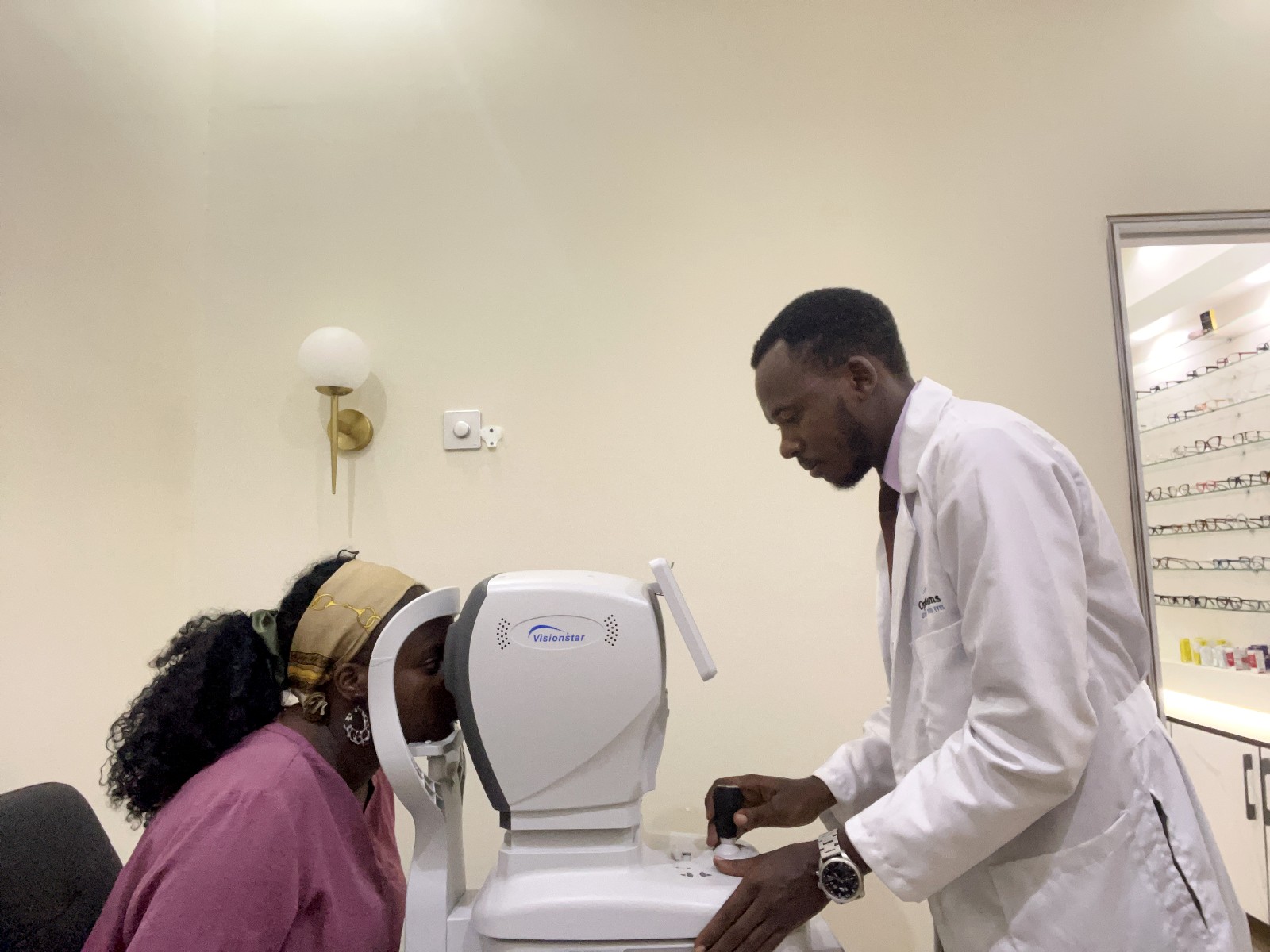
Timothy further enumerates the number of young people he has mentored and continues to mentor in optometry. He also offers graduate internships at his clinic and employs five young people as permanent staff. He also conducts regular community outreach activities, offering free eye check-ups in the community and subsidised treatment for those who need it.
A word to the Mastercard Foundation Scholars Community
Timothy expressed his gratitude to the Mastercard Foundation Scholars Program and Makerere University for giving him the opportunity to pursue a quality university education at a time when he had lost hope of attending university after failing to secure a government scholarship.
“I am forever grateful to Mastercard Foundation and Makerere University for giving me a scholarship that changed my whole life; without the scholarship, I would not have been able to afford the university fees; therefore, I wouldn’t have become what I am today,” Timothy points out.
Asked what advice he would give to current Mastercard Foundation Scholars, Timothy urges them to take advantage of the additional skilling and development programmes the Mastercard Foundation Scholars Program offers.
“I urge my young brothers and sisters on the Mastercard Foundation Scholars Program currently to take the capacity-building training the Mastercard Foundation Scholars Program offers; it is what will give you an advantage over others in the job market,” Timothy advises.
Looking ahead
Beyond healthcare, Timothy is a writer, programmer, and researcher. He has published “From the Slopes of Mount Elgon”, a novel about a young girl who confronts poverty and betrayal while pursuing education and dignity. Timothy’s story is not a straightforward journey from challenge to success. It is about unexpected turns: the barefoot walks, the disappointing A-level results, the unexpected scholarship, and the career he never originally intended to pursue. His advice to young people comes from that experience: one disappointing result or difficult season need not decide the rest of your life. Sometimes, you have to keep walking.
“Keep learning, keep improving, and when opportunity comes, use it—not only to change your own life, but to create opportunities for others,” Timothy advises.
Timothy is now pursuing a Master’s degree in Patient Safety and Clinical Human Factors at the University of Edinburgh. The programme has reshaped his approach to healthcare. Rather than focusing solely on individual mistakes, he examines the systems that allow failures to occur and how to redesign them to improve patient safety.







Education
Makerere Celebrates Prof. Mbazira’s Law Scholarship at His Inaugural Professorial Lecture and Book Launch

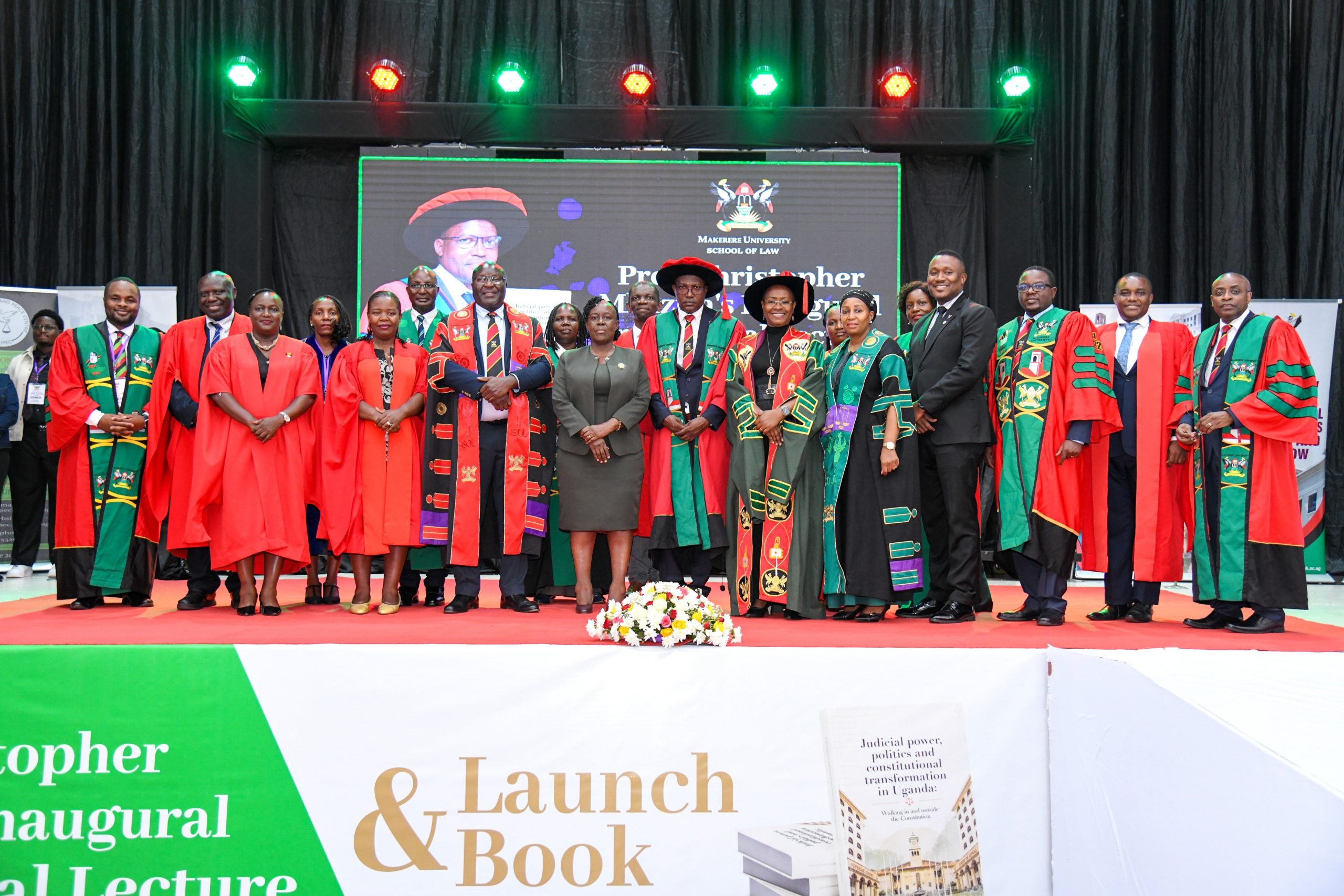
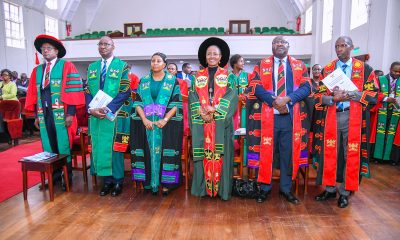
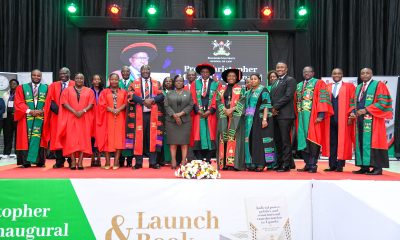
Makerere University lauded Professor Christopher Mbazira’s excellent contribution to the legal practice and academia during his inaugural professorial lecture and book launch organised through the School of Law. The celebration provided an opportunity to introspect on the topic of the day; exercise of judicial power for constitutional transformation in Uganda.
The lecture held on November 12, 2026 at Makerere Main Hall began on a lively note as Prof. Mbazira called out the traditional Makerere chant, “Emakerere Oye!” drawing an enthusiastic “Oye!” from the audience. It was a fitting start to a presentation he described as both a privilege and an honour.
Central Message of Prof. Mbazira’s Inaugural Lecture
In his presentation, Prof. Mbazira framed his central message to highlight that Judicial power remains one of the most important instruments for constitutional transformation, but its effectiveness depends on how it is exercised and whether its outcomes are respected.
Empahsising this, he drew on international scholarship to define judicial role. He referenced South African academic Prof. Bertus de Villiers, who guides that “the Judiciary can be an essential agent in the transformative process of a country. This is because the Judiciary can breathe life into the dry text of the constitution.”
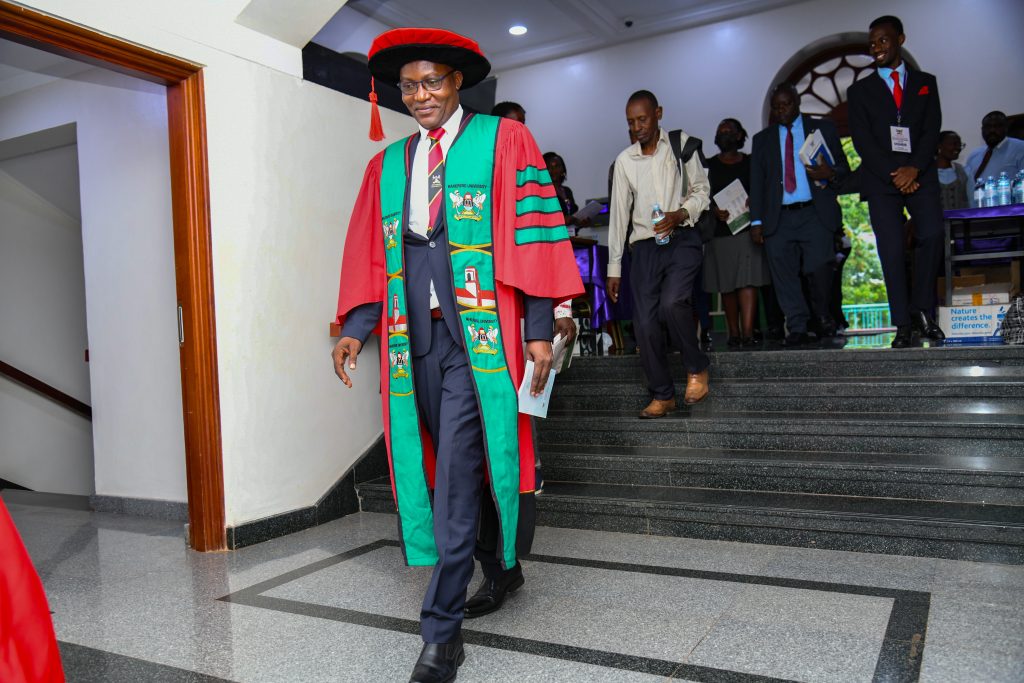
Acknowledging that courts do not automatically become transformative simply because a constitution gives them extensive powers, Prof. Mbazira drew a sobering reality check regarding the limitations of the courts.
He warned that the Judiciary can of course be an instrument of oppression, and a defender of the status quo. Therefore, for the better, he recommended that the Judiciary be independent, courageous, principled, and responsive to the constitutional aspirations of the people. To the Executive and Legislature, he encouraged they recognise that constitutional limitations are not obstacles to governance but rather foundations to legitimate governance. He mobilised legal professionals, academicians, civil society to remain engaged in defending constitutionalism.
Professor’s inaugural lecture themed, “Uganda@64 and the Exercise of Judicial Power for Constitutional Transformation: Examining the Gains and the Lost Opportunities,” typically challenged the audience to rethink the role of the Judiciary.
Beyond his academic achievements, Prof. Mbazira made room to celebrate his family that has accompanied him on his journey. He invited his daughter, Ms. Christabella Mbazira, an aspiring lawyer, to address the gathering.
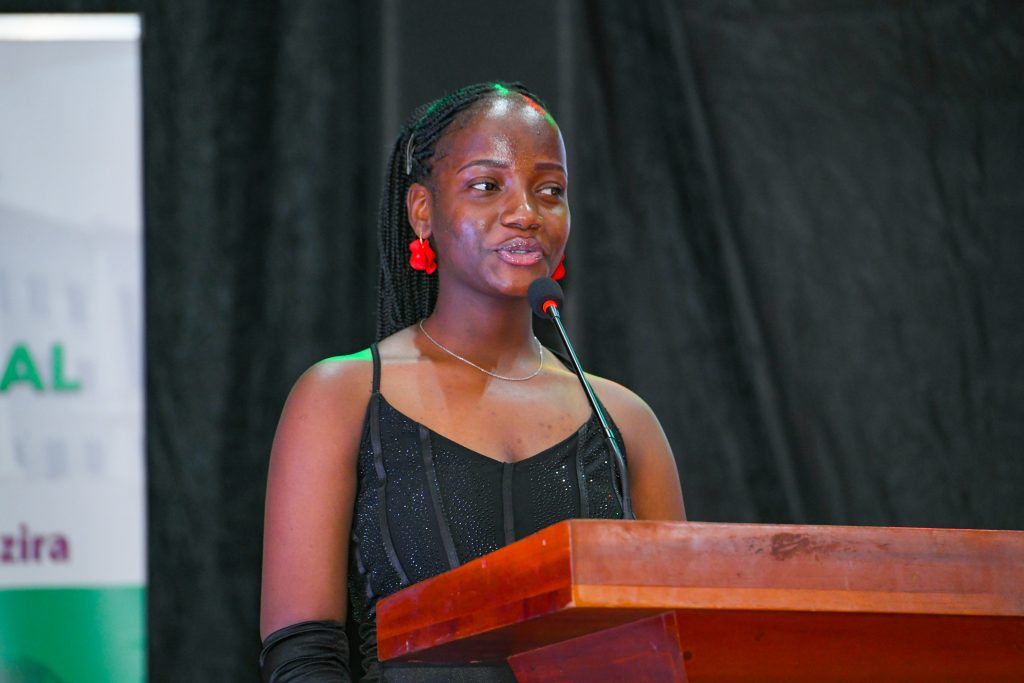
In her remarks, Christabella described her father as a role model, expressing admiration for his legal intellect and, with a touch of humour, the financial rewards of his profession.
A Tribute to Prof. Mbazira from Makerere University
Acting Vice Chancellor, Professor Sarah Ssali, congratulated Prof. Mbazira on this achievement, describing it as not merely personal but institutional; a source of pride and a reflection of the scholarship and intellectual excellence that Makerere University continues to nurture.
Contextualising the Lecture, Prof. Ssali noted that it is always an opportunity to reflect on the academic journey of research, teaching, service, and contribution to society. She expressed confidence that this lecture on the role of courts in promoting constitutional transformation offers solutions to Uganda’s constitutional development and democratic future.
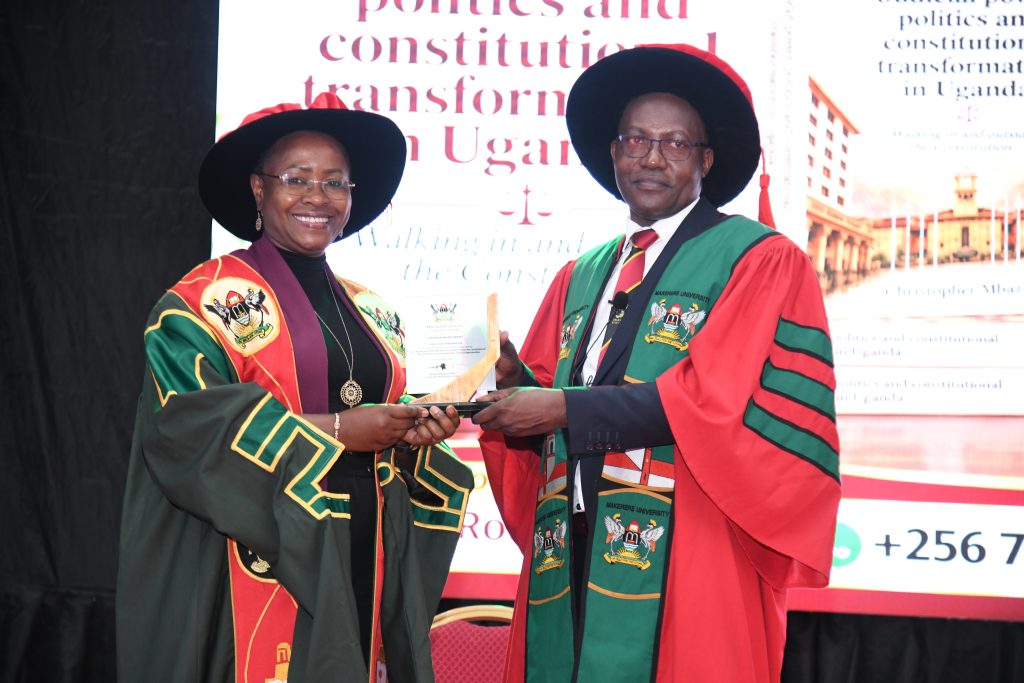
Prof Ssali, praised Prof. Mbazira for his mentorship contribution, noting that through his role at Makerere School of Law, he has groomed lawyers and legal scholars capable of critically using the law as an instrument of justice and social transformation.
The Acting Dean School of Law, Dr Zahara Nampewo described the inaugural professorial lecture as “one of the most significant academic traditions of any university,” noting it allows professors to “share the intellectual journey that has shaped their scholarship, to reflect on the contribution of their work to society, and to engage the wider public on issues of national importance.”
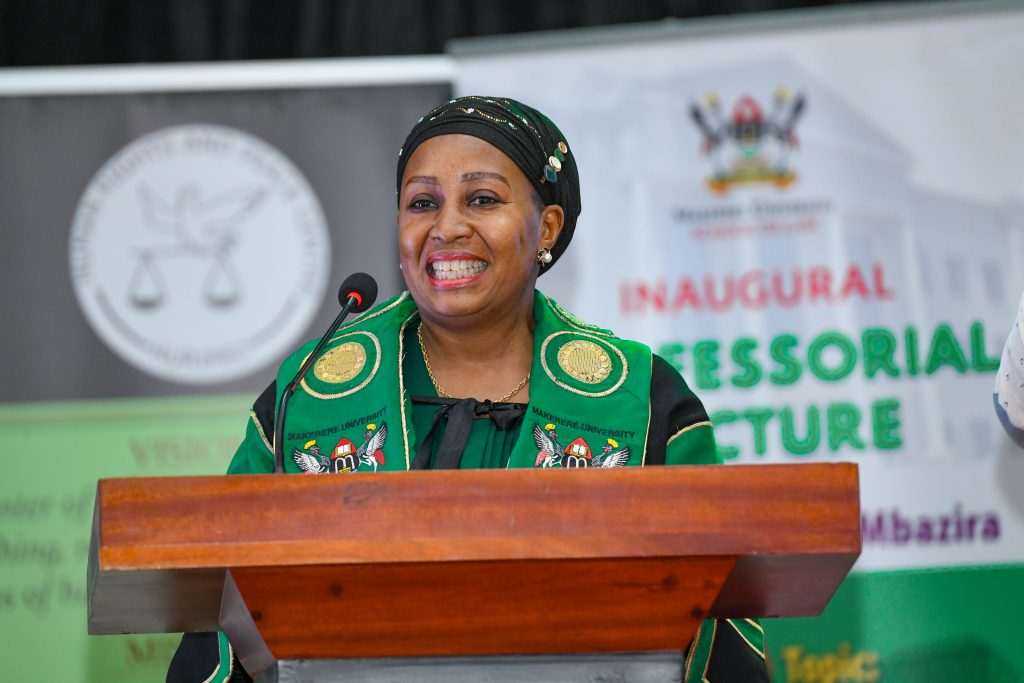
She emphasised that at the School of Law, constitutionalism is not an abstract academic concern. It is rather central to their mission as the leading institution of legal education, research and public engagement in Uganda. Exemplifying this, she referenced the 2016 amicus curiae brief submitted by nine law lecturers, including Professor Mbazira, which “established a progressive precedent for admission of amici curiae.”
Amici curiae are non-parties to a lawsuit such as experts, advocacy groups, organisations, or government officials who have a strong interest or specialised knowledge in the subject of the case.
Official Launch of Prof. Mbazira’s Book
Launching the book titled “Judicial Power, Politics and Constitutional Transformation in Uganda: Walking in and outside the Constitution”, Hon. Lady Justice Prof. Lillian Tibatemwa-Ekirikubinza, Justice of the Supreme Court of Uganda and former Deputy Vice Chancellor Academic Affairs and faculty at School of Law highlighted her long-standing relationship with Prof. Christopher Mbazira.
She acknowledged first encountering Mbazira as a student with “Law Intellect” and later as a colleague. She therefore expressed joy addressing him as Professor of Law now.
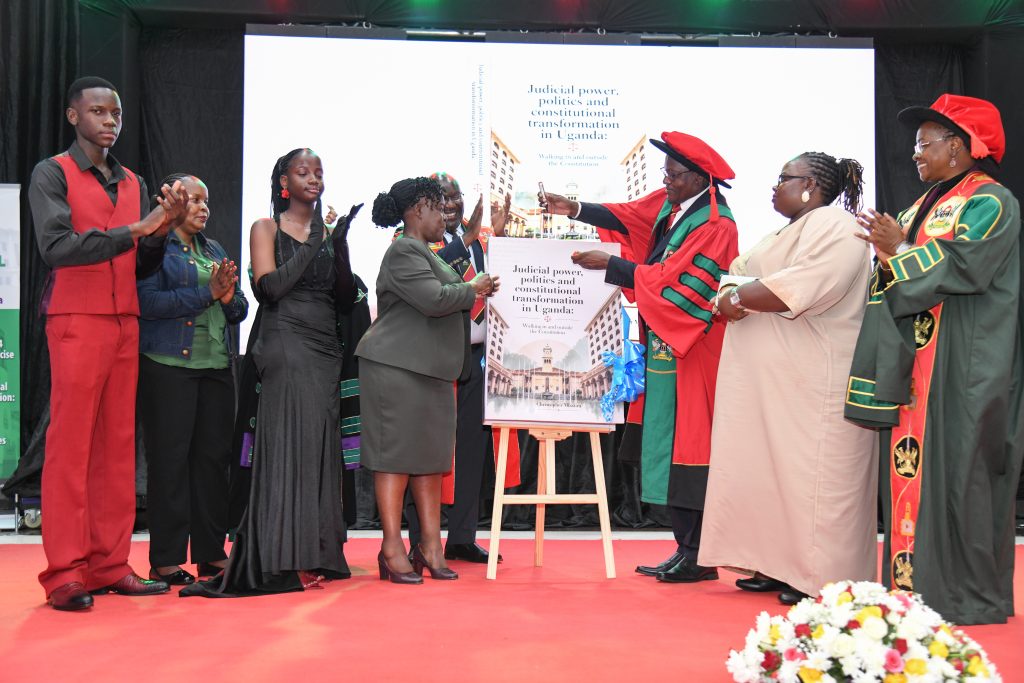
As the foreword author, she appreciated his book for its ability to help the Judiciary “reflect on their work, introspect and think, how we can do better.”
Further commending his role in critiquing the Judiciary, she emphasised the importance of authorship, referencing Albert Schweitzer to describe how authors “light the flame within” others.
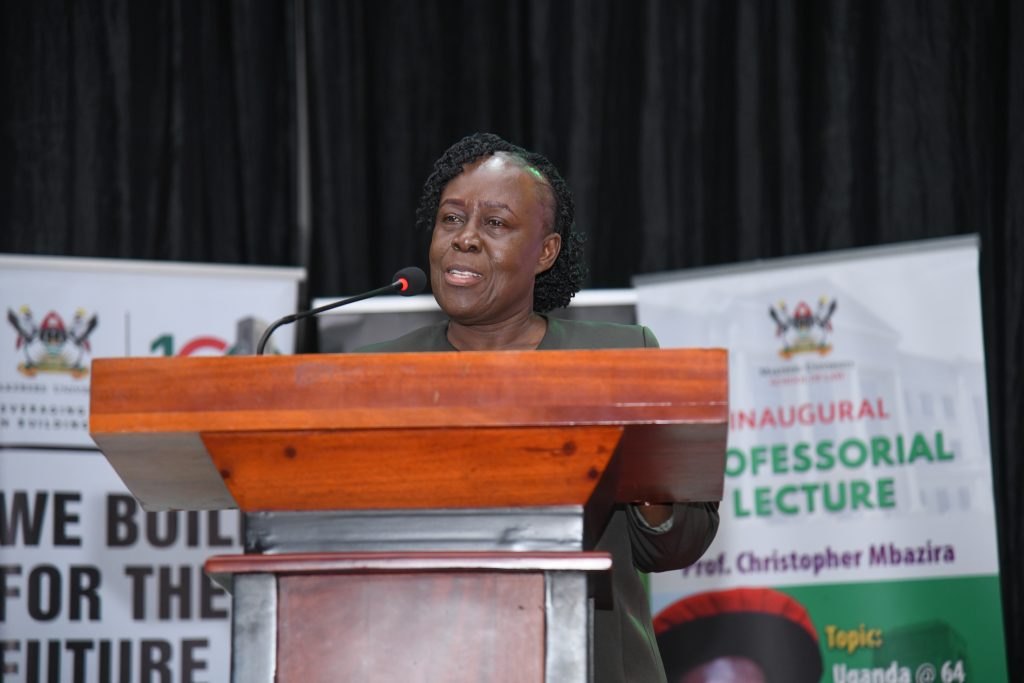
On behalf of the University, Prof. Ssali said the book demonstrates how scholarship can interrogate institutions, challenge established thinking, and contribute to national and international debates.
Professor Mbazira’s Journey – Academic and Professional
Born in Jinja in the 1970s, at a time when the town was a thriving industrial centre, Prof. Mbazira would later build a distinguished career in legal academia. His journey into teaching was not initially planned. After graduating from the Law Development Centre in 2001, he had hoped to establish himself in commercial legal practice.
However, his career took a different turn when he was appointed a teaching assistant at Makerere University‘s then Faculty of Law where he serves to date and has grown to a senior position.
His journey has since brought him into contact with generations of lawyers, judges, academics, students and policymakers, most of whom were present for his inaugural lecture.
The citation presented by Dr Zahara Nampewo, the Deputy Dean at School of Law detailed Professor Mbazira’s academic and professional journey as follows:
Education and Early Work
Born in 1975, he earned his LLB from Makerere in 1999, an LLM from the University of Pretoria in 2003, and a PhD from the University of the Western Cape in 2007. His doctoral thesis “set the course for a substantial body of scholarship on how constitutional and international human rights guarantees can be translated into effective remedies for people whose rights have been violated.”
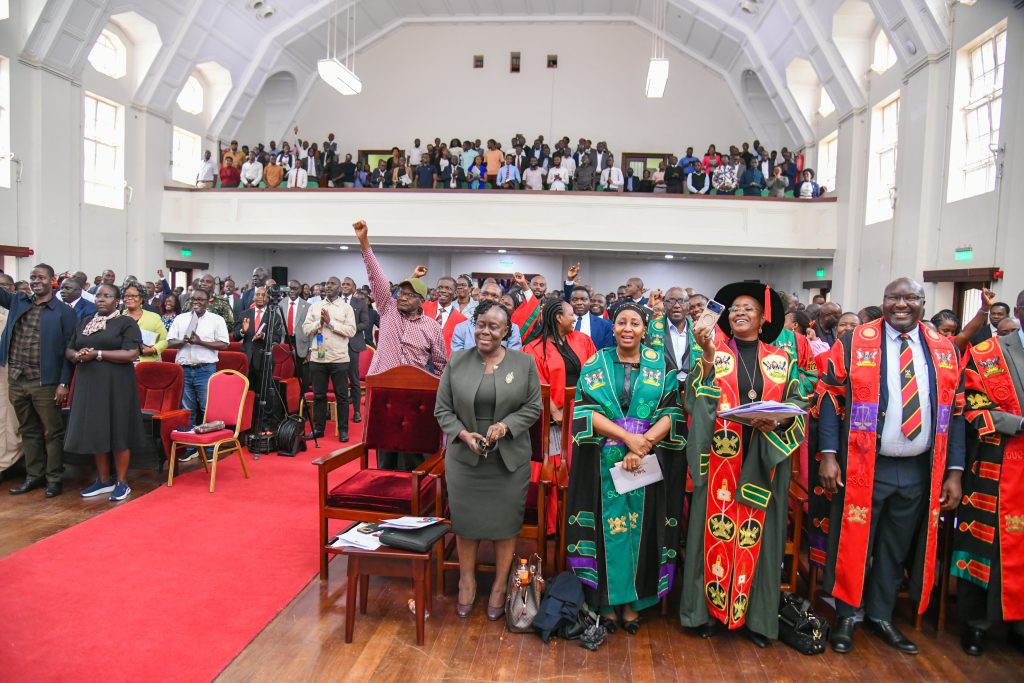
Career at Makerere
He joined the faculty in 2001 and became a full professor in July 2020. He has served in various leadership roles, including Head of Department and Acting Principal.
Scholarship
His work centers on “economic, social, and cultural rights, constitutionalism, and democratic governance.” His publications include “Litigating Economic and Social Rights in South Africa” and “Budding Democracy or Judicialisation.”
Public Interest Law Clinic (PILAC)
Since 2012, he has coordinated PILAC, which “helps advance a model of legal education that combines academic instruction with practical engagement in the justice needs of the communities.”
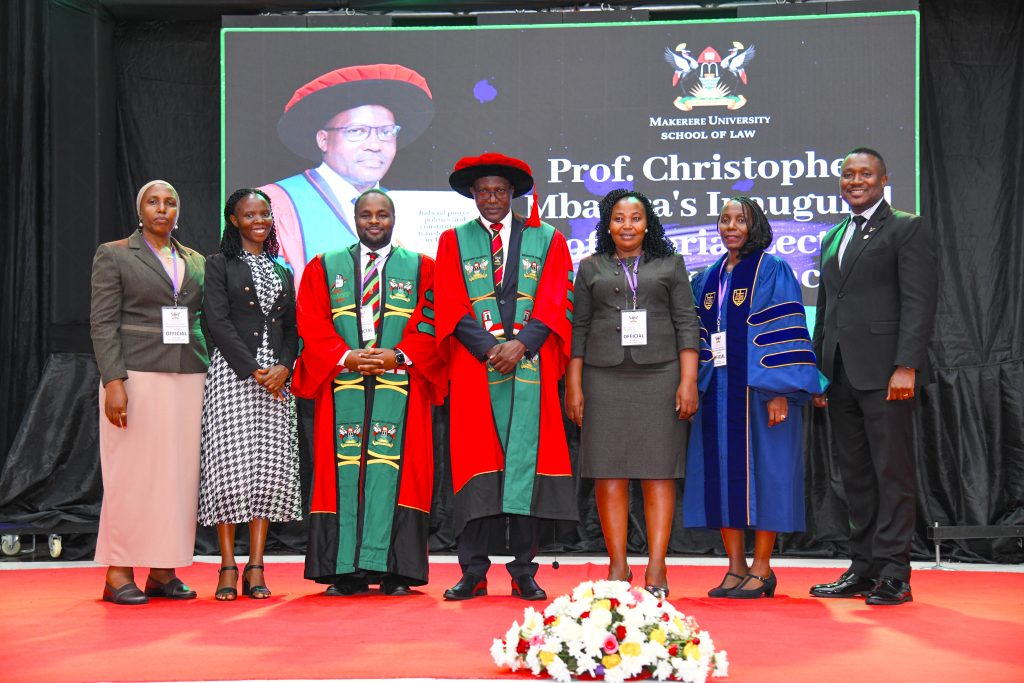
It was indeed a great day that honored not just the individual, but the ongoing struggle for a more just and accountable society in Uganda.
General
Advancing Makerere university’s Research Visibility and Impact: DRIP Spearheads Institutional ORCID Adoption

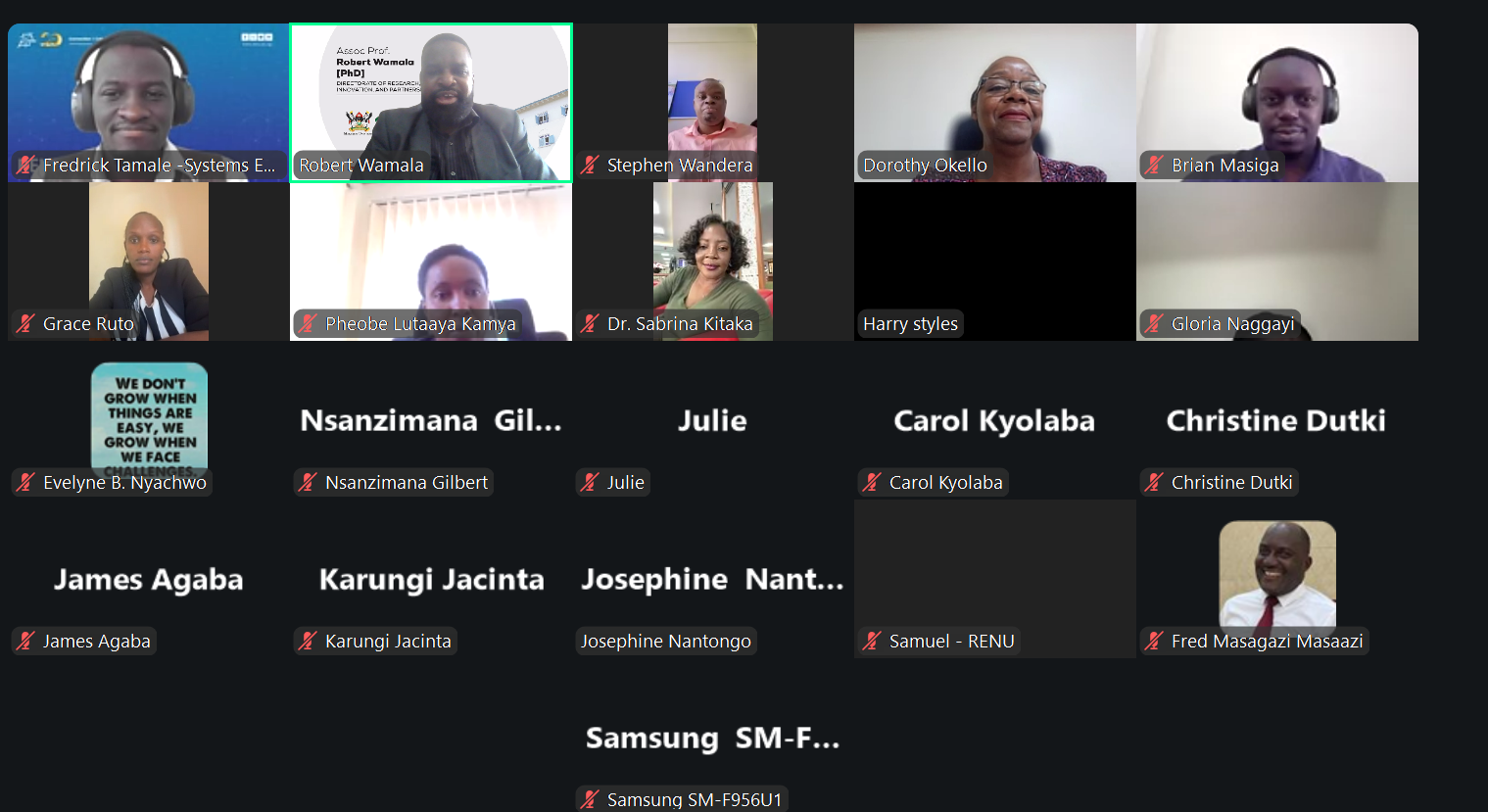
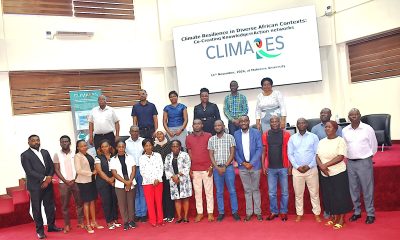
The Directorate of Research, Innovations and Partnerships (DRIP) has conducted a series of training sessions aimed at equipping graduate students, researchers, and research administrators with the knowledge and practical skills needed to effectively use the Open Researcher and Contributor ID (ORCID). These trainings are designed to strengthen researchers’ professional identities, enhance publication tracking, and improve the visibility and recognition of their research outputs.
On 11th November 2026, DRIP held an online engagement with Makerere Research Innovations Fund (Mak-RIF). The engagement was attended by Grants Management Committee(GMC) and (Mak-RIF) Secretariat staff. The GMC members in attendance included Chairperson Prof. Fred Masagazi Masaazi, Vice Chairperson Dr. Sabrina Kitaka, Dr. Zahara Nampewo, Dr. Dorothy Okello, Dr. Stephen Wandera and Prof. Robert Wamala. The members were sensitized on individual and institutional registration, and benefits of ORCID adoption in research administration.
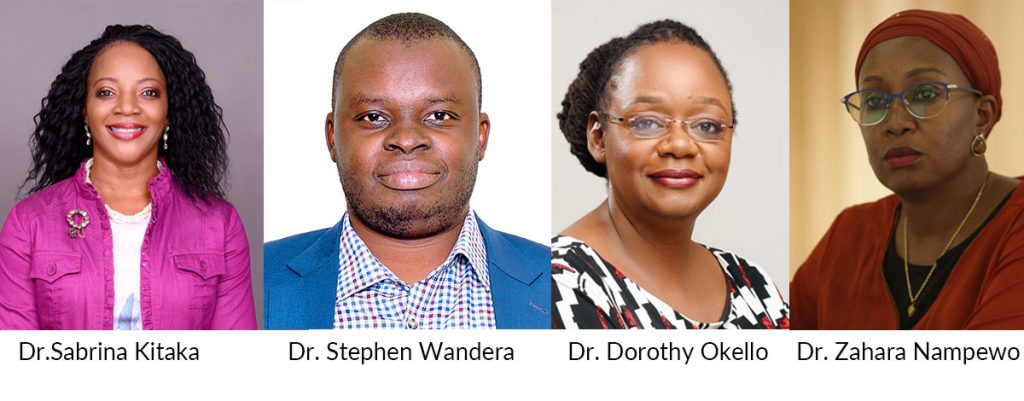
The successful drive towards strengthening ORCID adoption at Makerere University has greatly benefited from the strategic leadership and unwavering commitment of Prof. Sarah Sali, Deputy Vice Chancellor (Academic Affairs). Her leadership and institutional support have been instrumental in positioning ORCID adoption as a strategic University priority, recognising its importance in strengthening researcher identification, enhancing the global visibility of Makerere’s research outputs, improving publication tracking and reinforcing institutional research management. Her commitment to embedding ORCID within the University’s academic and research systems provides an important foundation for building a more visible, accountable and globally connected research community. DRIP sincerely appreciates her visionary leadership and continued support towards advancing Makerere University’s research excellence and impact.
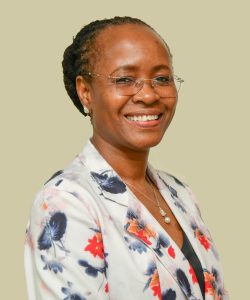
Prof. Sarah Sali, Deputy Vice Chancellor Academic Affairs
The Deputy Coordinator (Mak-RIF) Mrs. Phoebe Lutaaya Kamya speaking on behalf of Mak-RIF secretariat commended DRIP – the organisers of the online workshop and pledged support to the integration of ORCID in Mak-RIF’s processes. Mrs. Kamya looked forward to the training which was to help improve their operations in administering the research fund. Other members of MaKRIF secretariat included Evelyne Nyachwo, Grace Ruto, Gloria Nagayi, Karungi Jancita, Julie Nabirye, among others.
In his remarks, the Director Quality Assurance Officer, Dr. Cyprian Misinde acknowledged the importance of ORCID and called on all researchers to embrace the tool for their own benefit and to improve the evaluation of institutional research ranking.
“Being a research-led institution, we are ranked, and our ranking is partly based on research we do. So, if our research is not known, then we lose credit and it affects our position internationally”, Dr. Misinde noted.
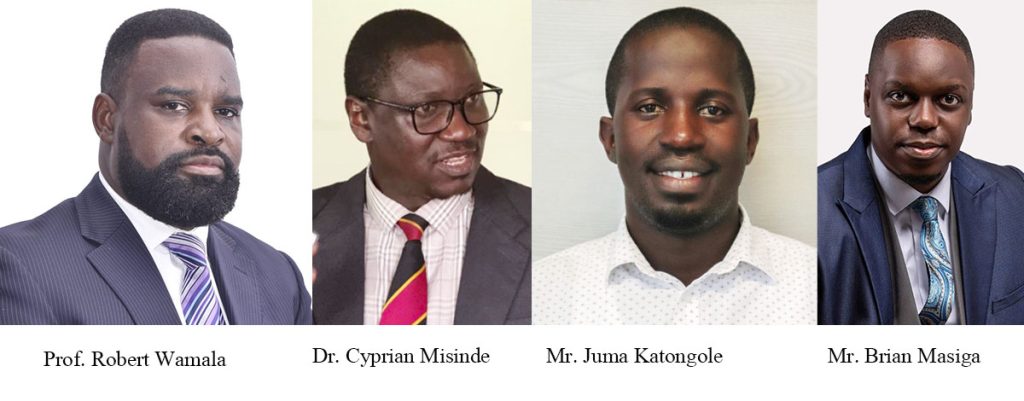
Mr. Brian Masiga speaking on behalf of the Research and Education Network for Uganda (RENU), praised Prof. Robert Wamala and his team at DRIP for their efforts towards improving the research ranking of Makerere University most especially in research outputs.
“ORCID is one of those digital identifiers that is sort of like a CV that tracks the work that has been done by the researcher over a period of time”, Mr. Masiga said.
During the training, Prof. Robert Wamala presented a report which was previously discussed by the University Central Management on research outputs. The report showed that there were only 24% of academic staff who could be identified by ORCID. It is by this revelation that management resolved to sensitise staff and also to ensure that all systems at Makerere University are integrated with ORCID. Prof. Wamala assured the participants that the requirement for ORCID registration in research management was to ease Mak-RIF’s work in tracking research identities against outputs.
“The biggest importance towards the University is that Makerere University can actually validate and affiliate that a professor who claims to come from Makerere University is actually from Makerere University. Once these ORCIDs are generated and given through a hub and managed by Mak-RIF, Mak-RIF doesn’t have to ask people for their publications, these publications are automatically fetched into a hub”, Prof. Robert Wamala reported.
Mr. Tamale Fredrick from RENU delivered a presentation on the registration, use and benefits of ORCID to both the institution and the researcher. He explained that it was possible to integrate research done before a researcher obtained the ORCID other than creating a new identity profile.
Mr. Juma Katongole, Deputy Chief – Directorate of ICT Support(DICTS) reported that they had commenced the integration of ORCID in some of the institutional information systems like Research Information Management System (RIMS)- a systems that tracks postgraduate students’ research, and Makerere University Human Resource Management System (e-HRMS) which manages university staff records.
Mr. Katongole commended the partnership with RENU that working the Uganda OSHID Consortium they were able to integrate the systems and report appropriately.
“Because this information belongs to a staff or a researcher, they can always revoke permission. However, we follow data acquisition guidelines. Our role is to connect and synchronize. Since there is a bit of change management required, I’m happy that Prof. Wamala has gone around orienting stakeholders”, remarked Mr. Katongole.
Dr. Stephen Wandera contributing to the discussion, was glad for university’s resolve to leverage the ORCID platform for research identification and journaling.
“We could encourage staff members to make sure that they have created the profiles with the Web of Science, and many others. We need to make sure that as scientists, we are located and positioned properly in the global space”, Dr Steven Wandera reported.
Dr. Wandera said that through ORCID registration, the university will have better rankings and the contribution as individual researchers and institutions are properly allocated.
Dr. Sabrina Kitaka, supplementing on the engagement, commended the initiative and the benefits towards the university and the research ecosystem.
Dr. Zahara Nampewo and others confirmed having an ORCID but may require further assistance on how to tag their publications. Similar to the views of other GMC members, Dr. Zahara Nampewo and Dr. Dorothy Okello thanked DRIP for organizing the training.
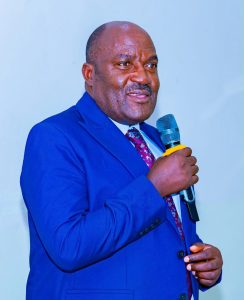
In his closing remarks, Chairperson MAKRIF, Professor Fred Massagazi Masaazi said that the topical conversation on the development was very important and the benefits of ORCID was evident and relevant to MAKRIF. He was delighted that Mak-RIF staff had joined the discussion. Prof. Masagazi Masaazi pledged support of MAKRIF in advancing Makerere University’s Research Visibility and Impact by championing ORCID adoption through MAKRIF.
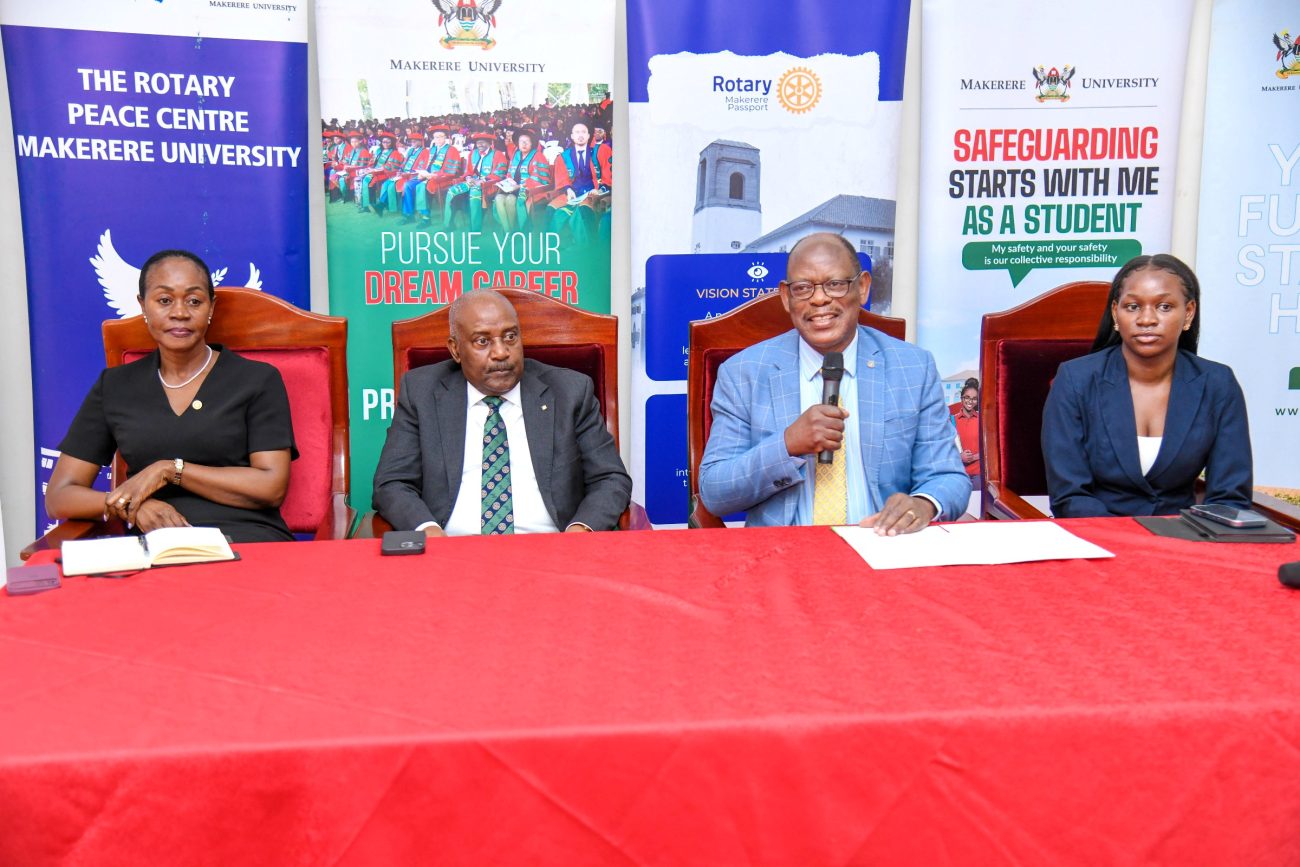
Through the Food for Peace initiative, the Rotary Club of Makerere Passport is stepping in to provide meals to over 200 students who struggle to afford meals, especially during the examination period.
According to Professor Barnabas Nawangwe, the Vice Chancellor of Makerere University and President of the Rotary Club of Makerere Passport, hundreds of students drop out of Makerere University every year due to financial constraints. The reality for those who remain is sometimes tougher, for they struggle to survive.
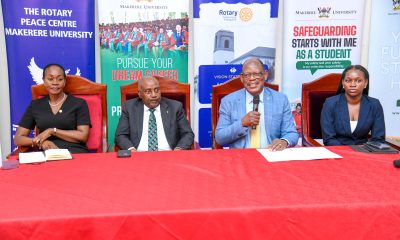
While addressing the media at a press conference held at Makerere University on November 11, 2026, Prof. Nawangwe shared that many of these students skip meals, a situation that is more frequent during examination periods, when the demands on the brain are much greater.
The University is aware of these reports and in his capacity as Vice Chancellor and President of the Rotary Club of Makerere Passport, Prof. Nawangwe lobbied the club to take action.
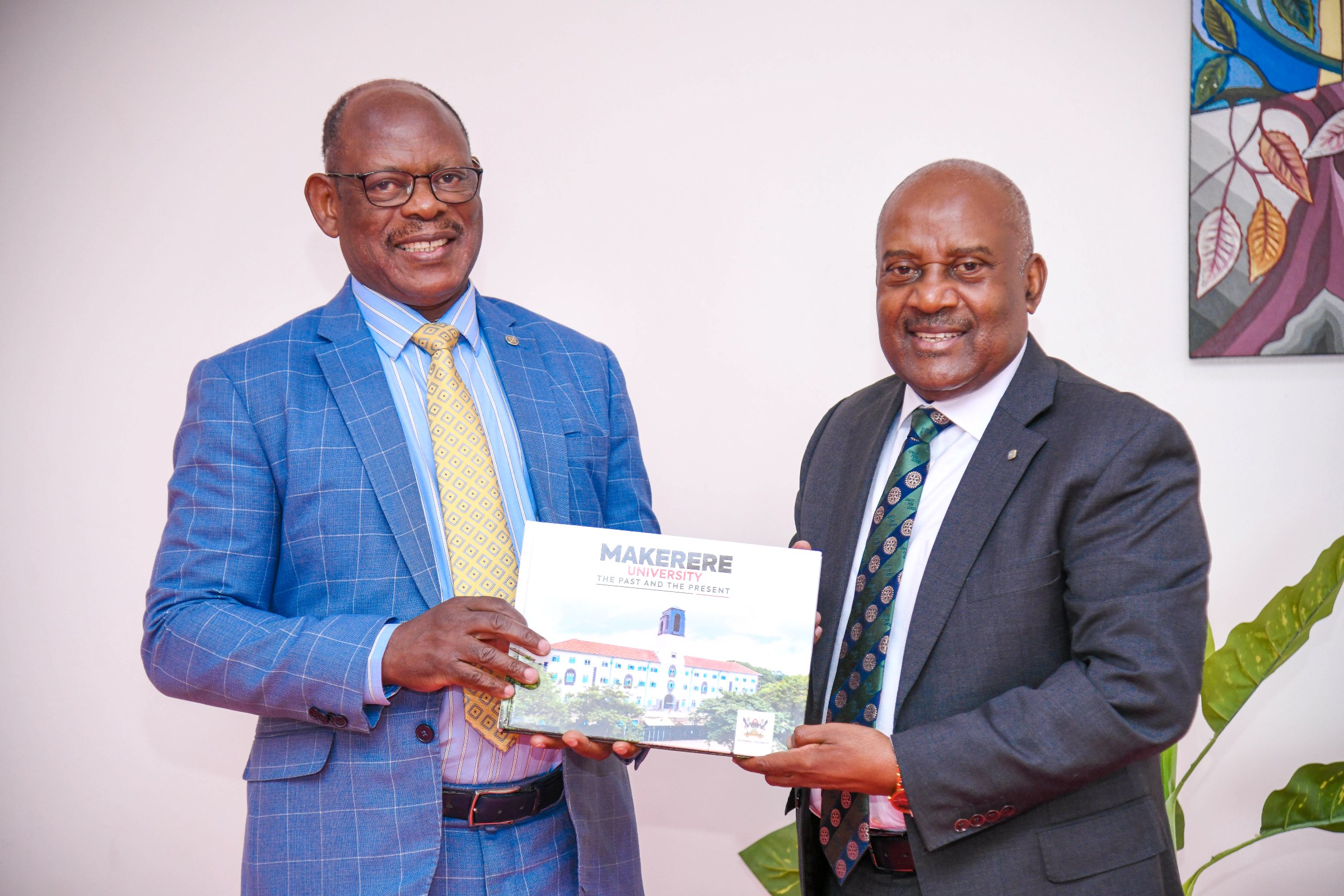
In preparation for intervention, a comprehensive needs assessment was conducted, inviting students to come forward and share their needs. About 200 students responded to the survey, indicating a pressing need for food support during examinations.
The findings birthed a legacy project code-named “Food for Peace”, targeting, for a start, 206 students at Makerere University, regardless of their sponsorship status, as long as they participated in the survey. The Makerere Rotary Peace Centre spearheaded the survey that helped identify the first cohort of those who will benefit from the initiative and guided that for a dignified experience, the beneficially names will remain in records and not disclosed.
Prof. Nawangwe emphasised that the core mission of this cause is to move a step up with efforts to ensure that economically challenged students at Makerere University do not go a day without a meal. Service providers in halls of residence will serve these students their food following a meal card.
Seeding the Project
The Guest of Honour, Mr. Emmanuel Katongole, the Rotary International Director (RID) for Zone 22, while launching the initiative shared his personal experience of facing challenges that almost barred him from attaining an education. He believes education is an equaliser in life and that everyone should have a chance to access it. He reminded those in the room that they were all there together because of education.
RID Katongole highlighted the importance of supporting people, both as individuals and as a community. He expressed pride in being part of the launch of this project because it is going to create many more “Emmanuel Katongoles” through the provision of a meal.
He therefore personally committed to contribute UGX 5 million annually, starting this year, for as long as he lives or until the project ends. He also pledged to remain part of the initiative.
92nd Guild Commends “Service above Self”
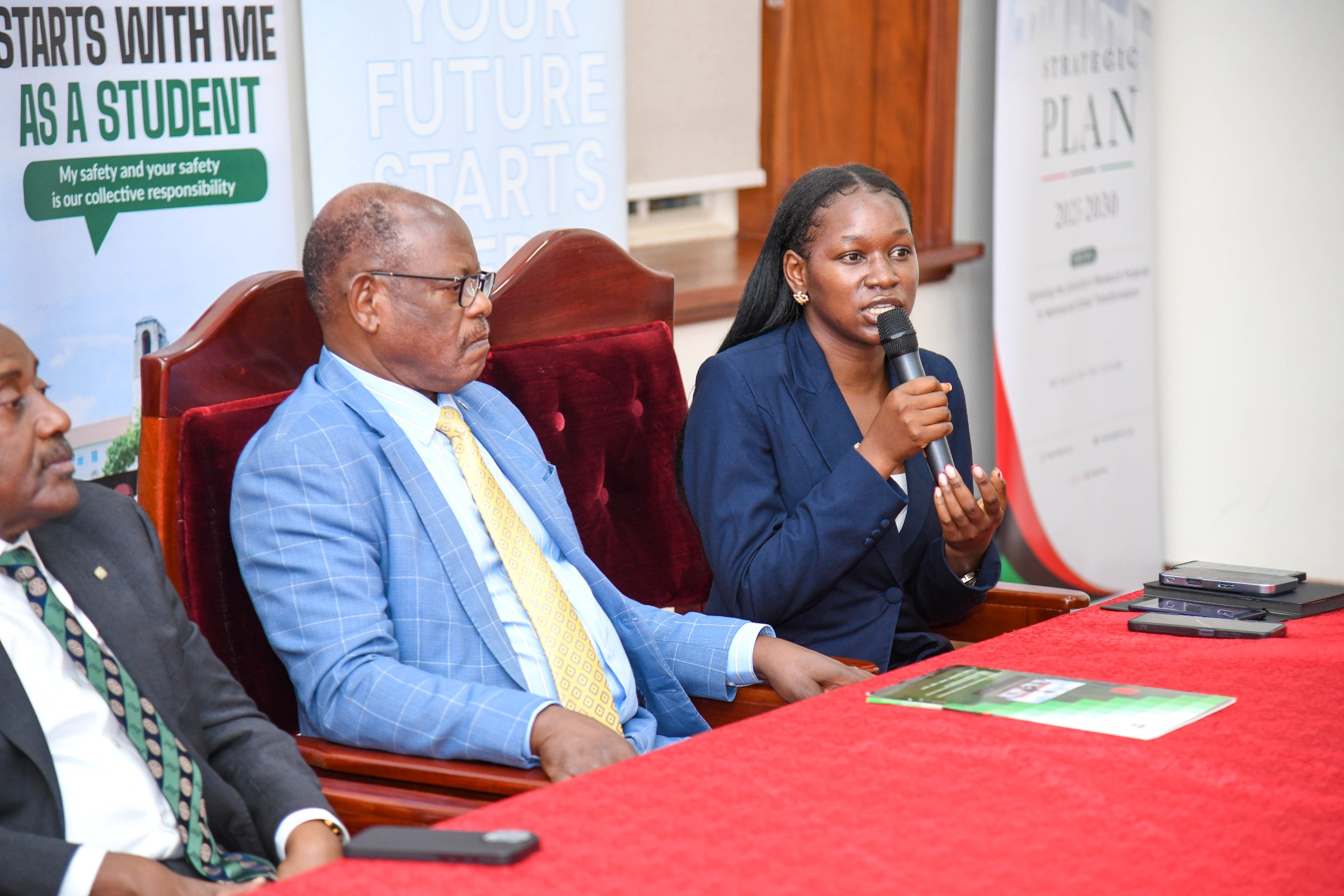
From a student perspective, H.E. Kadondi Gracious, the 92nd Makerere University Guild President, delivered a vote of thanks for the initiative. She noted that students had petitioned Parliament to intervene in the matter and were happy that solutions had started coming from within.
She framed this move not just as charity, but as a way of restoring hope to Makerereans who were unsure of how they were going to maneuver through the examination period without lunch. In appreciation, the Guild President commended Rotary for showing what it actually means to offer service above self.
Sustainability of the “Food for Peace” Project
Although the immediate intervention is directed towards fewer than 300 students who expressed a need for assistance, the vision is bigger and looking beyond the current examination season.
As the Rotary Passport Club President noted, “if this is going to be sustainable, it means we are going to look out for partners to create a fund to sustain this initiative.”
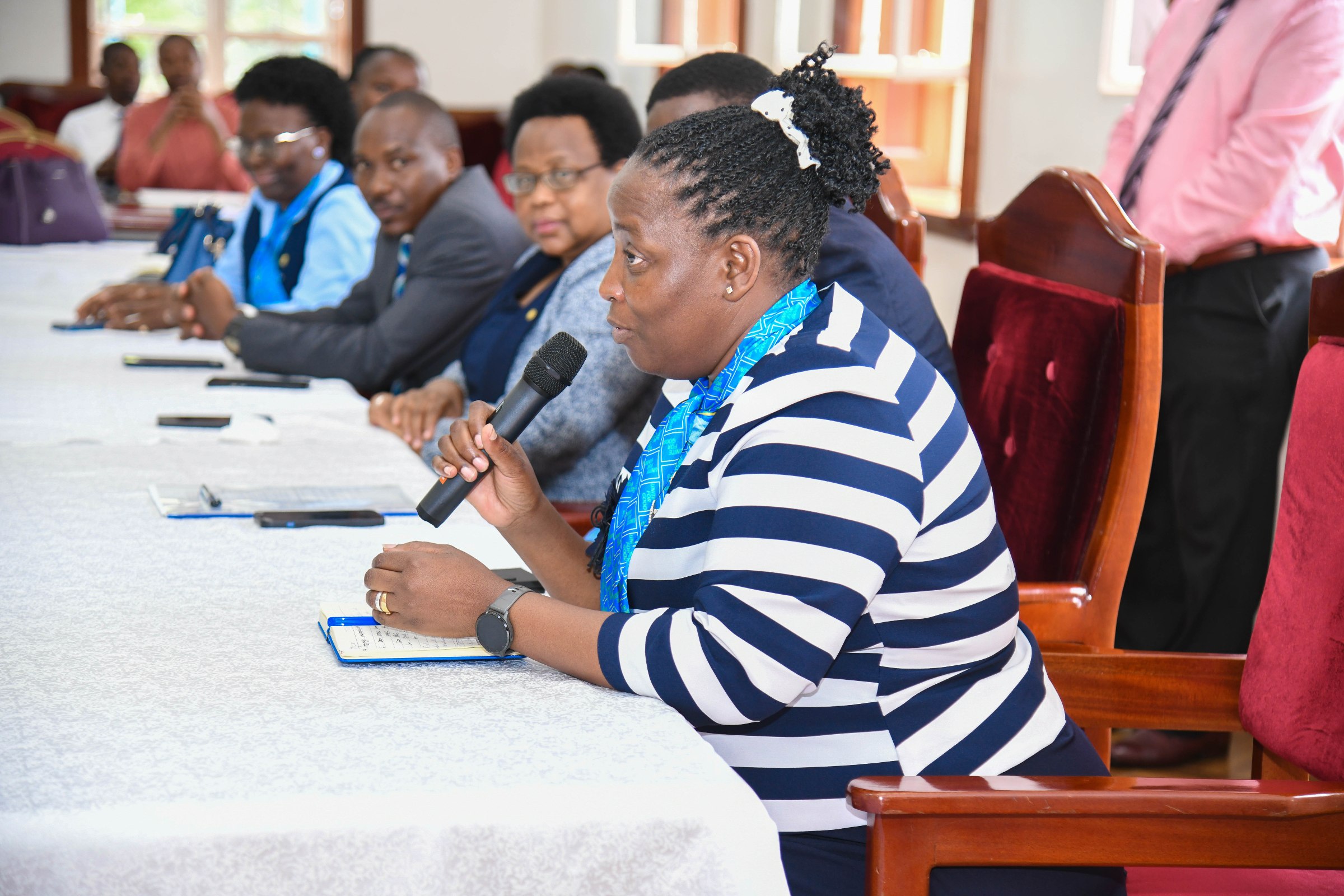
The Club Secretary, Associate Professor Helen Nambalirwa Nkabala, explained that as a legacy project, it is not a one-off. She committed the services of the Passport Club to supporting this legacy project.
Grounding the sustainability move, RID Emmanuel Katongole set the pace by pledging annual cash and in-kind support towards providing consistent assistance to students throughout subsequent academic periods, thereby enhancing student welfare over the long term.
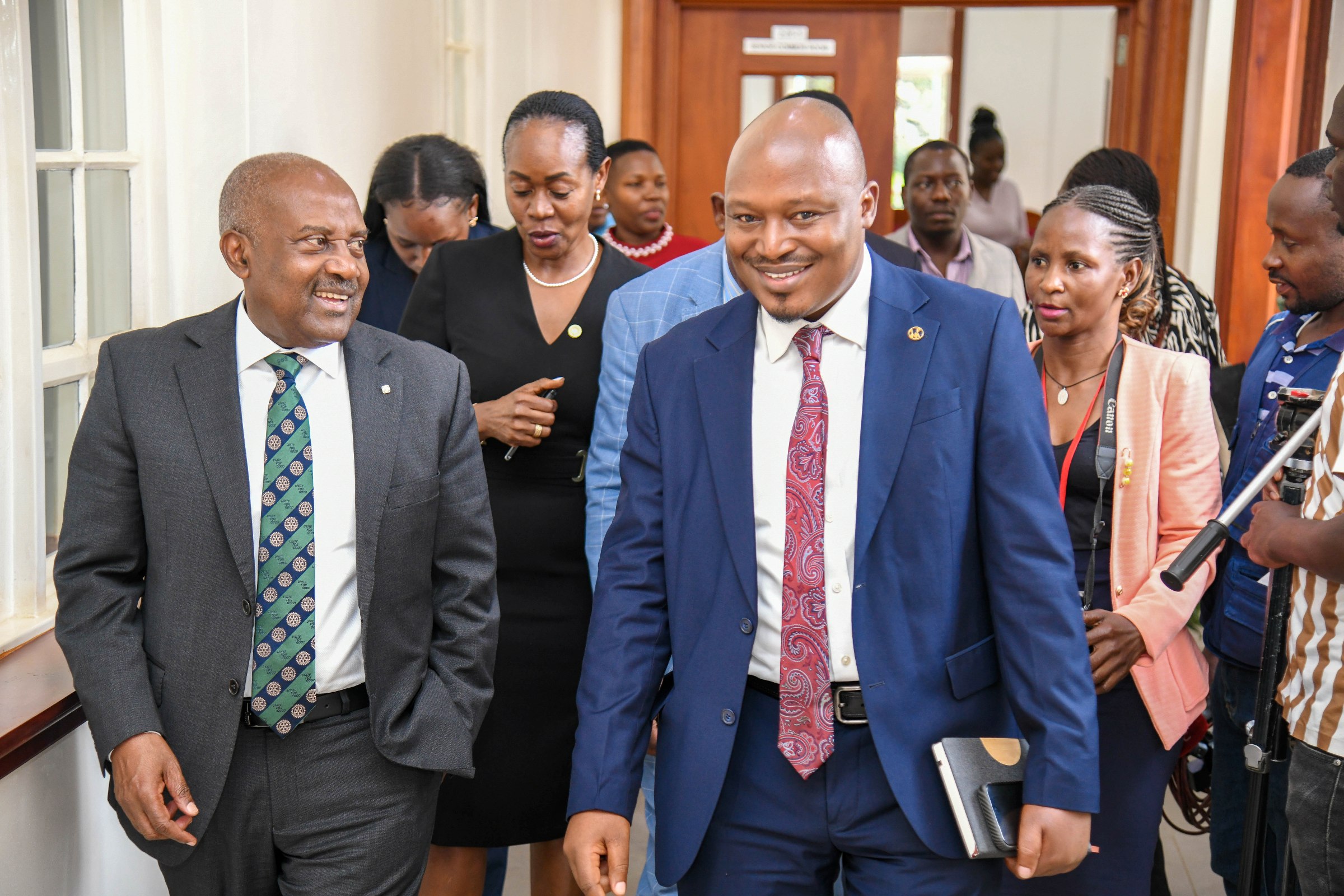
Dr Winfred Kabumbuli, the Makerere University Dean of Students, showed strong support for the initiative since it falls within the core mission of student welfare. She appreciated the collaboration with Makerere University Passport Club, and pledged to rally internal support.
Call to Action and Contributions
The Club President made an appeal to alumni, corporate bodies, development partners, individuals and institutions of goodwill to join this noble cause, intended to ensure that students not only remain at the University but also attain their full potential on a full stomach.
The immediate fundraising goal is UGX 10 million shillings, which is required to implement the initial phase of food support. Excess amounts collected will facilitate an increase in the number of beneficiaries and after the examination period, add to the kitty for subsequent semesters.
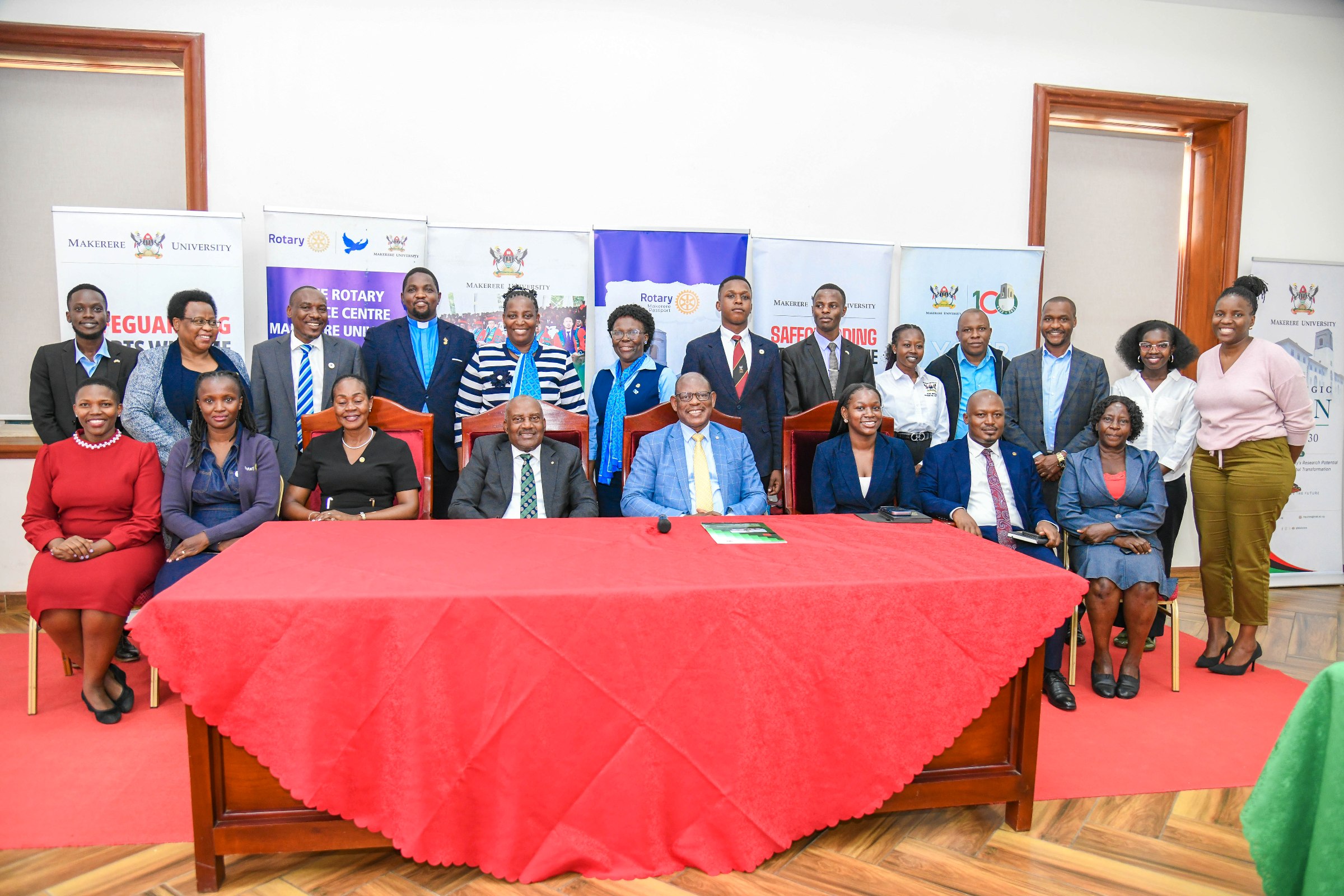
Support and assistance can come in the form of financial contributions, food supplies, corporate partnerships, logistical support, and long-term partnerships.
To facilitate support, the club, through its Charter Treasurer (C.T.), Professor Winston Tumps Ireeta, shared the banking details as follows
Bank: NCBA Uganda Limited.
Account Name: Rotary Club of Makerere Passport
Uganda Shillings (UGX) Account Number: 228129200017
United States Dollar (USD) Account Number: 228129200027
SWIFT Code: CBAFUGKA
Bank Code: 36
Students were left with one final promise from the Chief Guest, “you are no longer alone. You have a partner in the Rotary Club of Makerere Passport.”
-

 General1 week ago
NOTICE: Online Applications for Government Sponsorship for Programmes Offered at Public Universities & Other Tertiary Institutions 2027/2028 AY
-
 General2 weeks ago
Update On Payment of Endowment Fund Fees
-
 General2 weeks ago
Makerere Marks 2026 International Day of Persons with Disability – Lord Mayor Balimwezo Delivers Keynote
-
 Health2 weeks ago
Mayuge Study Finds NCD Risks Emerging in Adolescence, and Shows Early Action Can Help
-
 Agriculture & Environment1 week ago
Zambia readies to host the 22nd RUFORUM AGM in the Capital Lusaka