
Health
Uganda’s HIV Treatment Gains Bring the Youth Gap into Focus

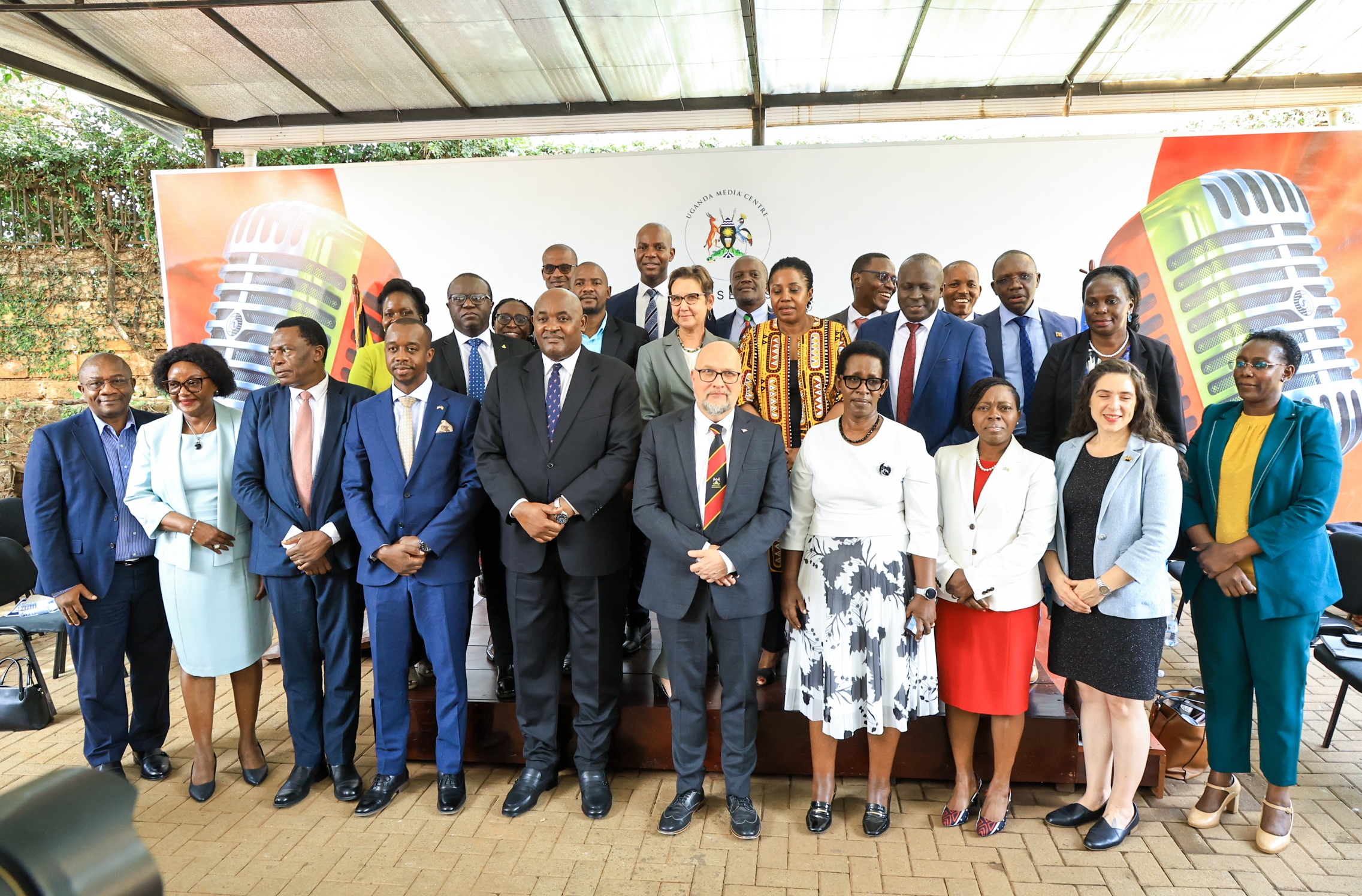
Uganda’s latest national HIV survey reveals lower viral suppression among adolescents and young adults living with HIV than among older adults, even as the country records substantial improvements in controlling the virus. The findings come from Uganda Population-Based HIV Impact Assessment (UPHIA 2025), a national household survey examining HIV prevalence and whether people living with the virus know their status, receive treatment, and achieve viral suppression.
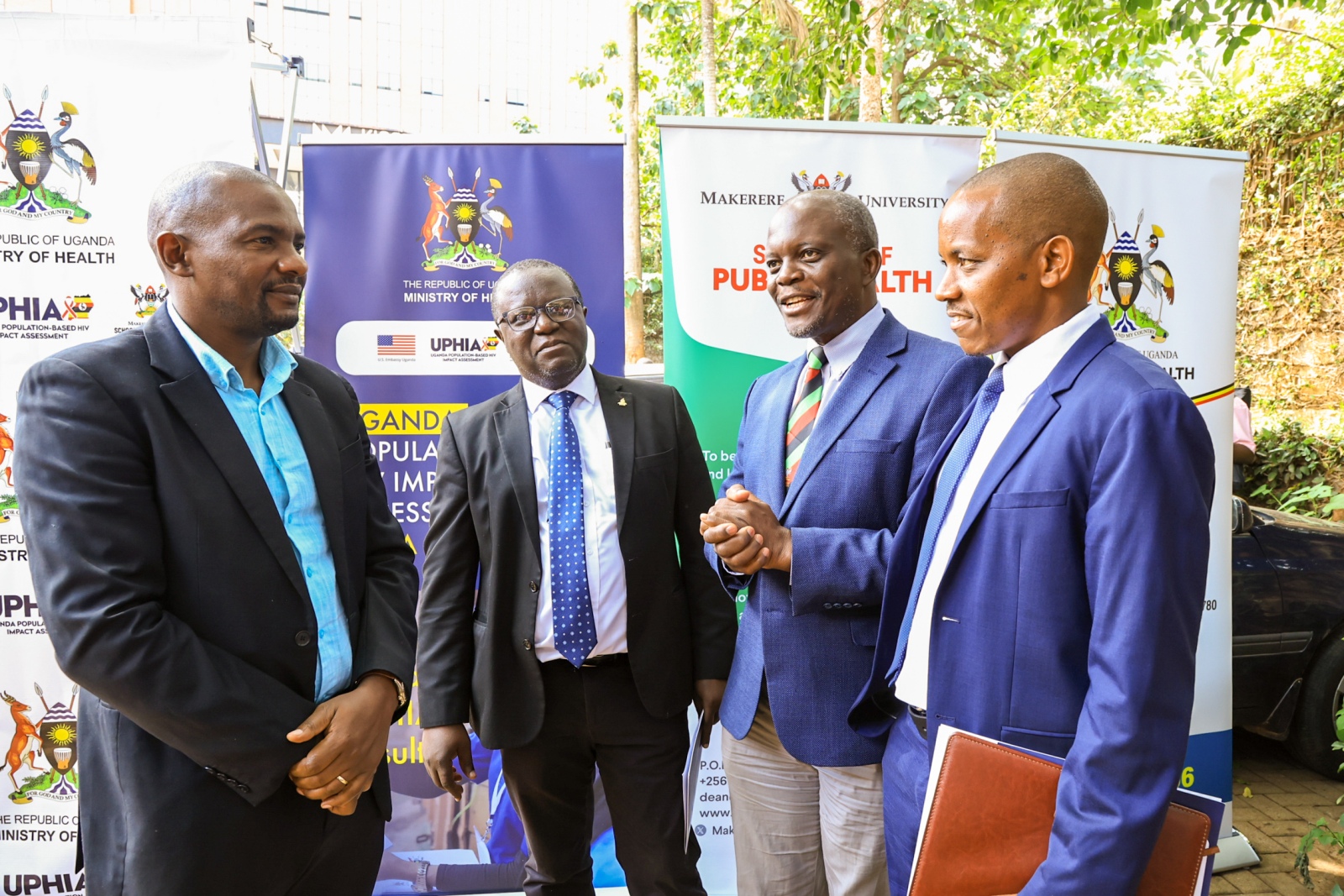
Releasing the preliminary UPHIA 2025 findings at the Uganda Media Centre on 1 October 2026, Minister of Health Hon. Dr. Chris Baryomunsi called for earlier prevention and testing, particularly among adolescent girls and young women, alongside support for treatment adherence. “We must reach out to the young people, ensure that they have information, they test, take treatment, and adhere to the treatment guidance,” he urged.
Hon. Baryomunsi recalled how fear had discouraged testing during his university years: “I remember when we were at university, we went for testing at the university hospital. We sat there for three hours. Some of us left without even testing because it was scary.” Today, he explained, “even if you test HIV positive, you can be initiated on treatment, and you live normally like the rest of those who don’t have HIV.”
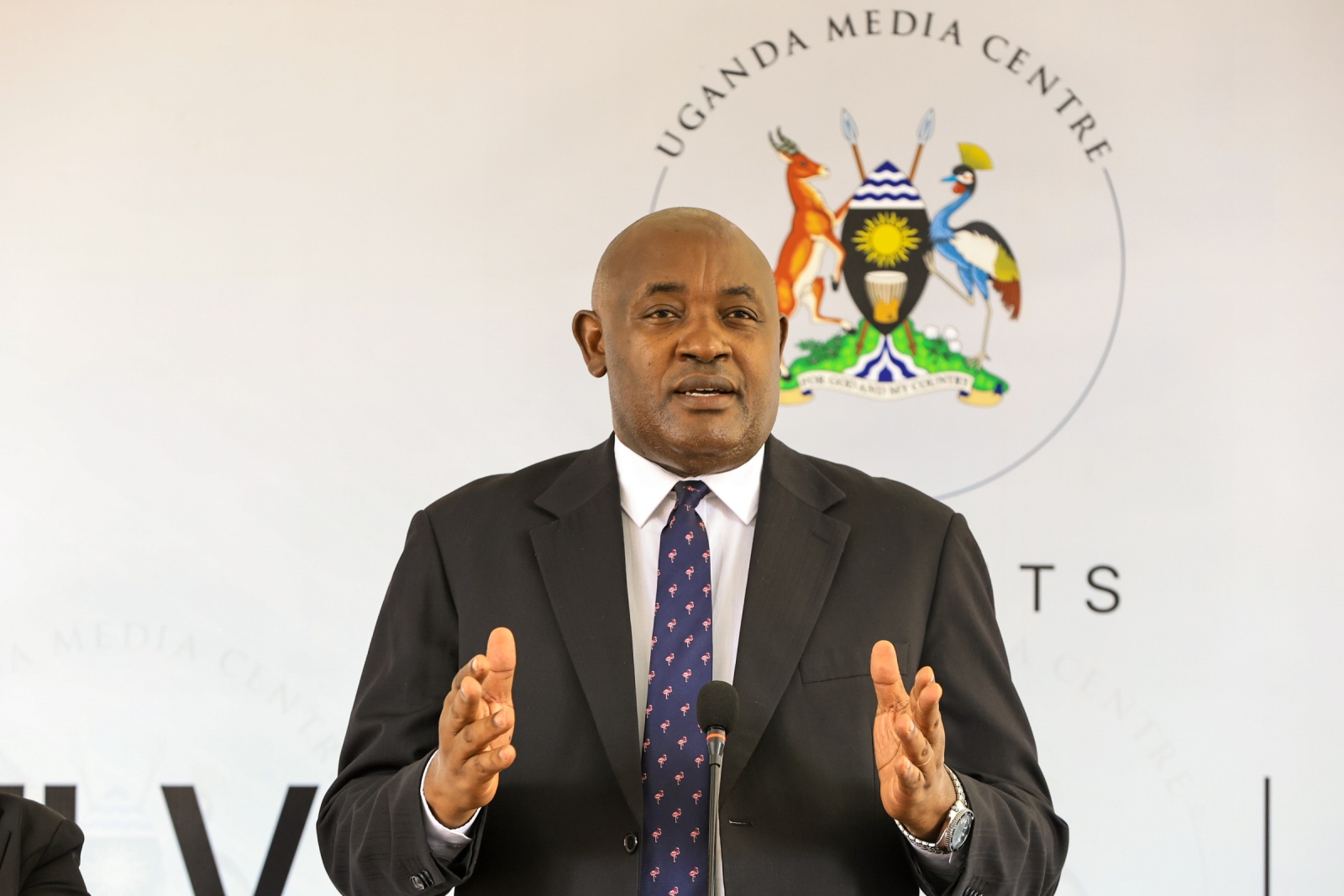
UPHIA 2025 was locally led under the Ministry of Health’s overall leadership, with Makerere University School of Public Health serving as the prime implementer, a role ICAP at Columbia University held in the previous two surveys. The Uganda Bureau of Statistics led sampling, while the Uganda Virus Research Institute and National Health Laboratory and Diagnostic Services led laboratory operations. Regional referral hospitals and local governments supported implementation, and the U.S. government provided US$10 million through PEPFAR, along with technical assistance from the U.S. CDC.
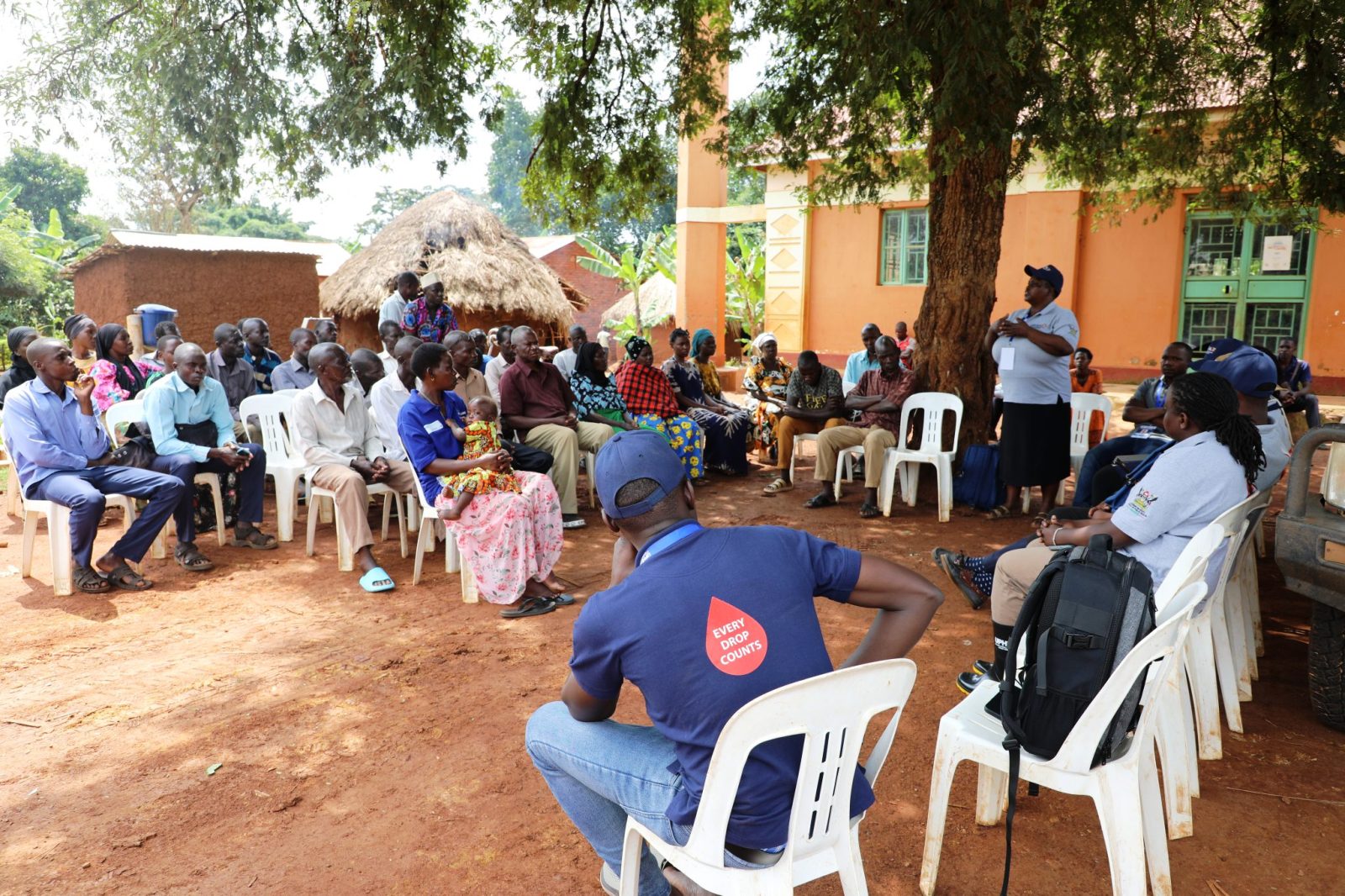
UPHIA collected data from July to September 2025 among people aged 15 and above, including those outside routine treatment services. Of 6,283 eligible households, 94.4% completed interviews. Researchers interviewed 13,801 people and tested 13,477 for HIV.
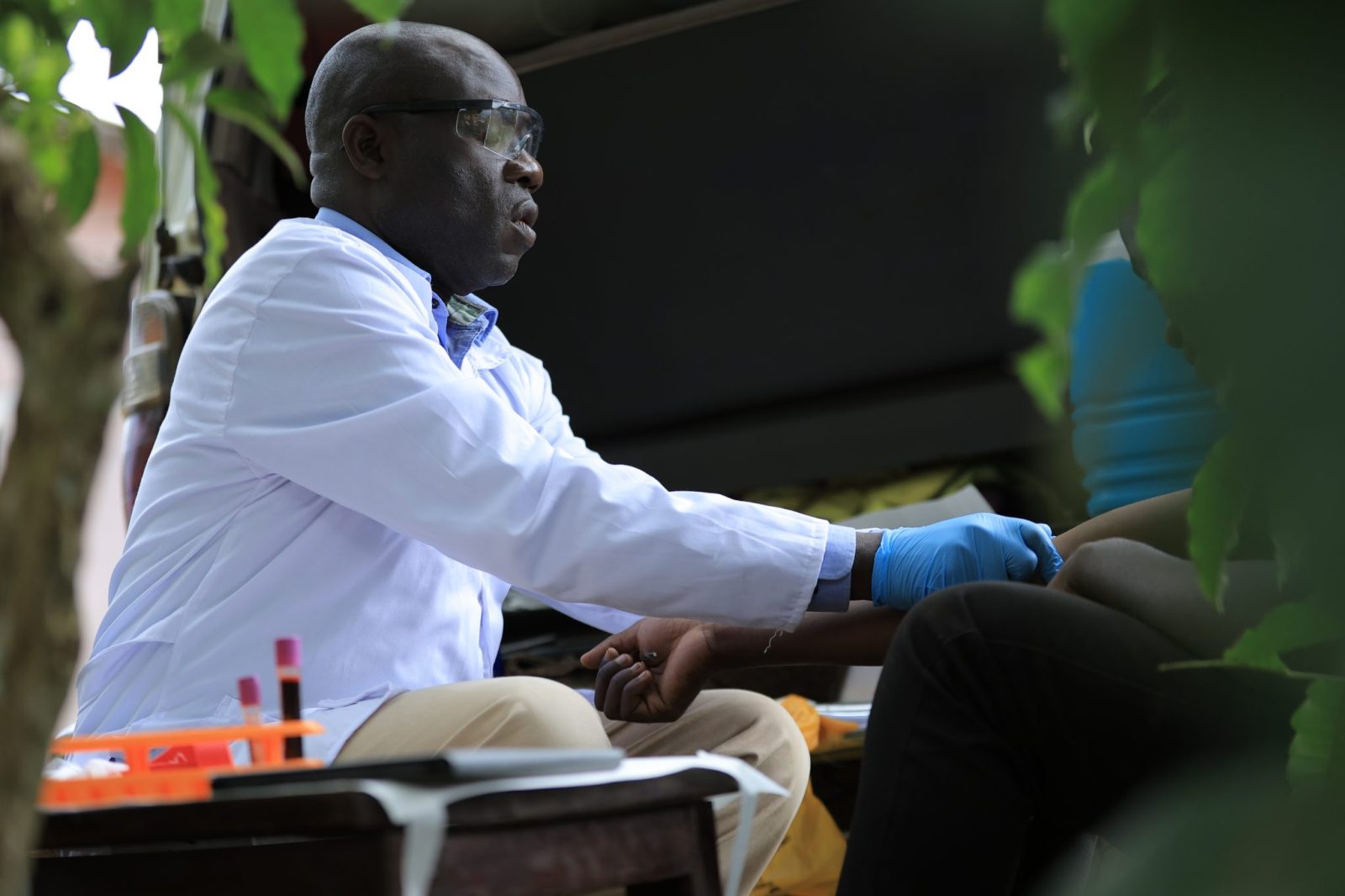
Testing followed Uganda’s national algorithm, with laboratory confirmation of positive samples, viral-load measurement, and checks for antiretroviral medicines to establish treatment use. Researchers weighted the estimates to account for the sampling design. Participants received counselling and results, and those who tested positive were referred for treatment.
Hon. Baryomunsi thanked participants and their families for welcoming survey staff and contributing their time, information and samples, without which the national evidence would not have been available.
National progress and the youth gap
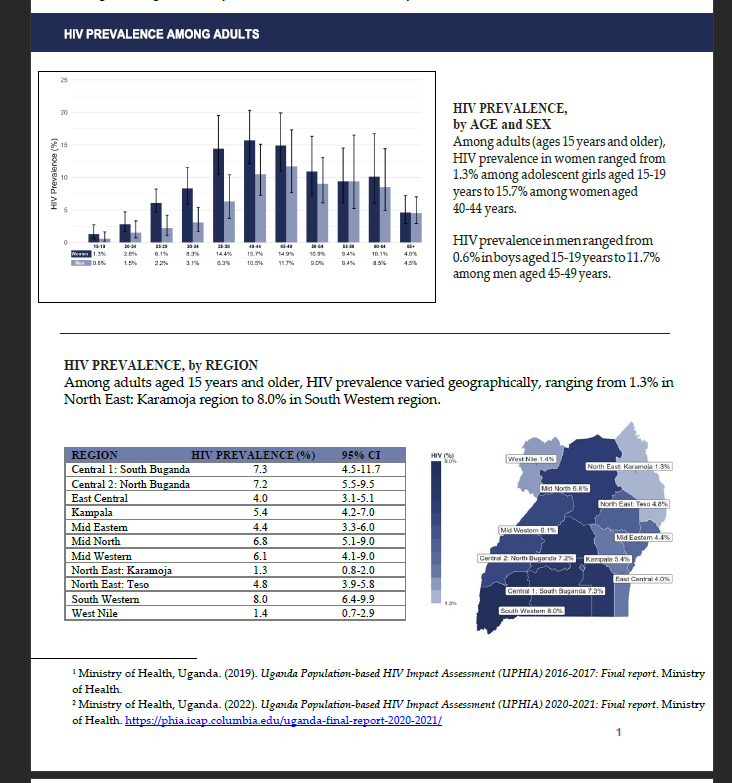
The survey estimated HIV prevalence, which means the proportion of people living with HIV, at 5.9% among those aged 15 and above, corresponding to about 1.496 million people in this age group nationwide. Prevalence was 7.3% among women and 4.1% among men, ranging from 1.3% in Karamoja to 8% in the South Western region.
Among people aged 15 and above living with HIV, 86% had achieved viral suppression, meaning a low amount of HIV in the blood, measured in UPHIA as fewer than 1,000 copies per millilitre. Suppression stood at 69.3% among adolescents and young adults aged 15–24 living with HIV, compared with 89.9% among those aged 50 and above. These estimates cover people living with HIV regardless of whether they know their status or receive treatment.
HIV prevalence among people aged 15–24 was 1.5%, including 2% among young women and 1% among young men. Among young women, prevalence was 1.3% at ages 15–19 and 2.8% at ages 20–24. These differences support attention to earlier prevention and testing, although they do not establish when infections occurred.
The highest prevalence estimates occurred among middle-aged adults: 15.7% among women aged 40–44 and 11.7% among men aged 45–49. Lower suppression among young people therefore requires attention alongside the higher HIV prevalence among middle-aged adults. Comparing the same age group across both surveys, viral suppression among people aged 15–64 increased from 74.9% in 2020–21 to 86.1% in 2025, while HIV prevalence remained at 5.9%.
Diagnosis and the path to 2030
The treatment results identify diagnosis as the main national gap. Among people aged 15 and above living with HIV, 85.3% knew their status. Of those aware, 99.1% were receiving treatment; among those receiving treatment, 96.5% had achieved suppression.
The 95-95-95 targets aimed for 95% of people living with HIV to know their status, 95% of those diagnosed to receive treatment, and 95% of those receiving treatment to achieve viral suppression by 2025. Among people aged 15 and above, Uganda exceeded the treatment and suppression targets, while diagnosis remained below target. UNAIDS’s Global AIDS Strategy 2026–2031 retains these targets towards ending AIDS as a public health threat by 2030.
According to WHO, viral suppression protects health and helps prevent HIV transmission. Uncontrolled HIV weakens the immune system, increasing the risk of serious illness. With continued treatment as prescribed, sexual transmission risk is negligible when HIV remains suppressed but detectable, and zero when undetectable. The Uganda AIDS Commission estimated over 34,000 new HIV infections in 2025, underscoring the importance of early diagnosis, timely treatment, and sustained suppression alongside other prevention measures.

The demographic stakes are substantial. People aged 15–24 constituted 21.2% of Uganda’s population in the 2024 census. The country’s Fourth National Development Plan, covering 2025–2030, prioritises a healthy, knowledgeable, skilled and productive population and reducing HIV through primary health care. Protecting young people’s health, therefore, supports their participation in education, work, and national development; UPHIA helps identify where services need greater attention.
Turning evidence into action
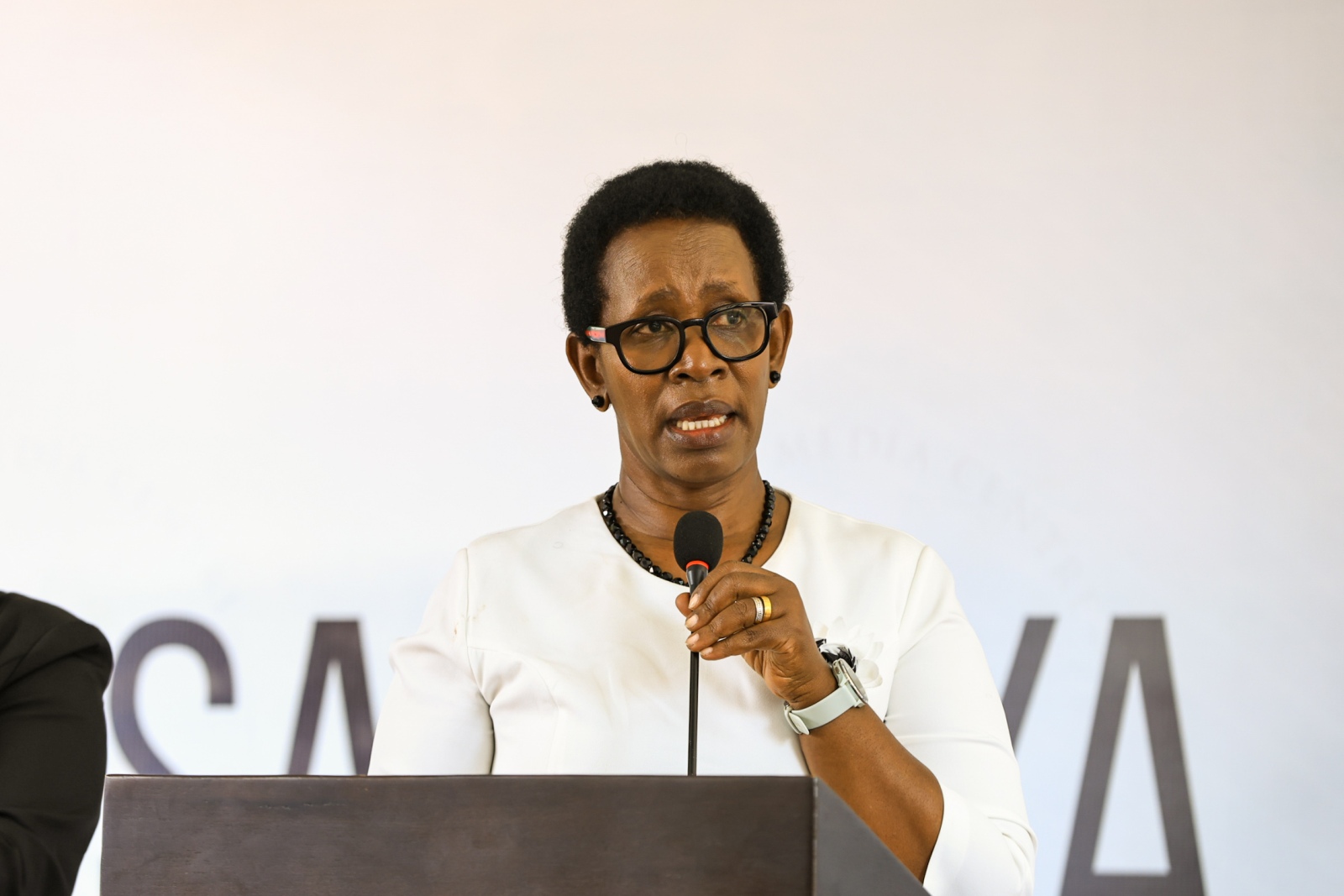
The study’s conclusions identify three priorities: sustain treatment outcomes, find people unaware of their status, and improve suppression among younger people. Permanent Secretary Dr. Diana Atwine connected the findings to the Ministry’s planning.
“We do believe that these results are a true reflection of what is happening in our country as far as the HIV status is concerned, and we do believe that it will give us a very clear direction and the roadmap that we are going to take in the next five years to target and to get our targets achieved.”
Acting on these priorities requires funding for services and research. Hon. Baryomunsi outlined plans to target resources where needs are greatest, strengthen district services and align partner support with government priorities. Responding to journalists’ questions, he noted the government’s intention to increase domestic funding for the HIV response, including research.
“The HIV/AIDS response, including research and surveys such as this one, has largely been funded by partners in the past. The government of Uganda is committed to allocating more resources from our domestic budget to support the response and research,” he noted.
For the first time in the UPHIA series, the survey assessed selected noncommunicable disease indicators among people aged 15 and above: 15.5% had elevated blood pressure, 24.8% were overweight or obese, and 0.9% had raised random blood glucose. These screening findings align with the Ministry’s integration agenda and Hon. Baryomunsi’s call to bring HIV and chronic care services together to address people’s wider health needs.
Speaking at the release of the preliminary results, U.S. Embassy Chargé d’Affaires Mikael (Mika) Cleverley described UPHIA 2025 as the first Population-Based HIV Impact Assessment worldwide fully led and implemented by the country itself.
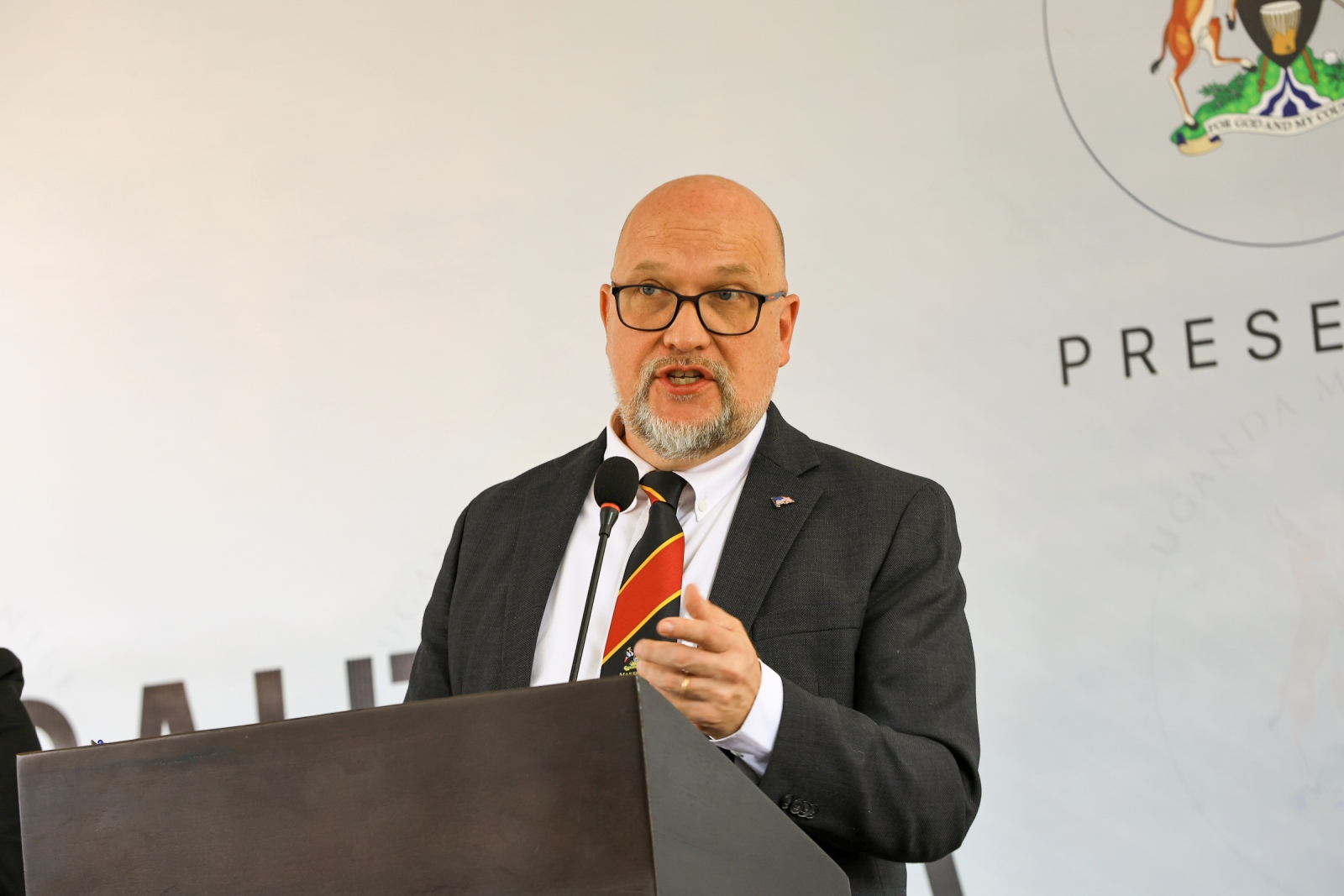
“The study was led by Ugandan scientists, Ugandan managers, Ugandan public servants, Ugandan field teams, from design to data collection to analysis. And this is what two decades of focused strategic U.S. foreign investments in the public health sector was meant to produce, is to reinforce Ugandan leadership and Ugandan-led efforts.”
At the survey launch on 29 May 2025, MakSPH Dean Prof. Rhoda Wanyenze highlighted the partnership’s contribution: “The partnership between Makerere University and CDC has not only helped build national capacity in surveillance and epidemiology, but has also strengthened our ability to lead high-quality, large-scale national surveys.”
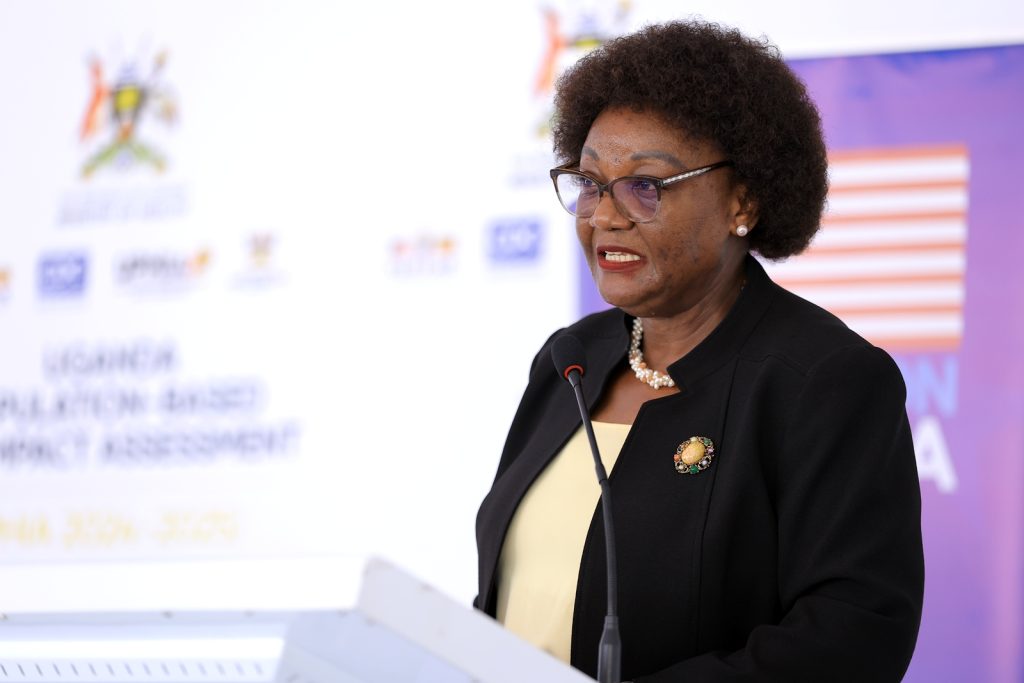
The Dean added: “After two decades of joint work, we are proud that UPHIA is now a fully Ugandan-led effort. This is critical to the sustainability of the skills and knowledge generation to inform our local response.”
UPHIA 2025 shows how far Uganda’s HIV response has advanced and where gaps remain. As the country works towards ending AIDS as a public health threat by 2030, reaching young people with testing, treatment, and continued care will be essential to extending those gains.
Read the full UPHIA 2025 summary results here:









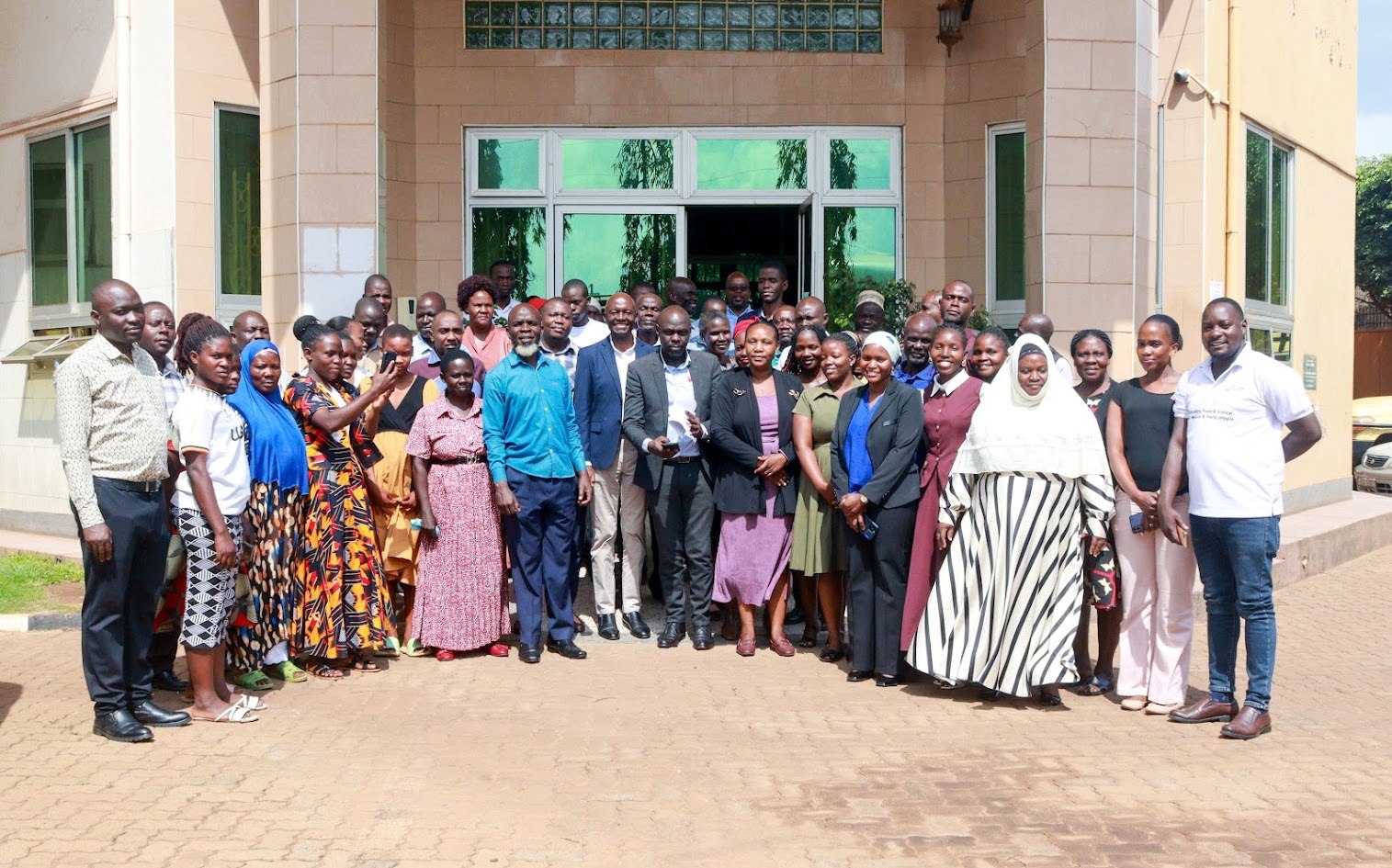
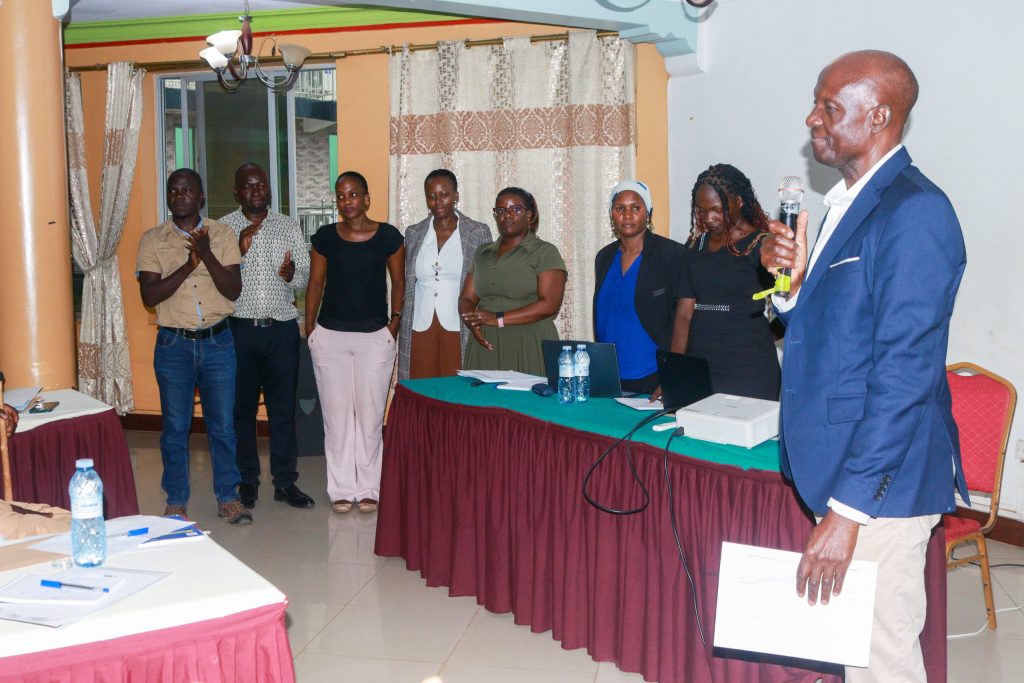
Prof. David Guwatudde, Principal Investigator (centre), and Dr. Justine Bukenya with researchers and stakeholders at the ARISE-NUTRINT dissemination meeting in Iganga, 1 October 2026.
Adolescence is a consequential period for health, when diets, behaviours and other risks can form and persist into adulthood. In Mayuge District, new evidence from Makerere University School of Public Health is showing how some of these early vulnerabilities could contribute to the later risk of non-communicable diseases (NCDs), and what can change when interventions begin early.
The evidence comes from the ARISE-NUTRINT project, a three-year EU-funded study led by Prof. David Guwatudde and Dr. Justine Bukenya. The project examines health and behavioural risks among adolescents and young adults, with a particular focus on nutrition-related NCD risks, and tests interventions designed to improve nutrition fluency and diet quality.
The work comes against a substantial NCD burden in a country where 73.2% of the population is below 30. WHO estimates that NCDs accounted for 42.2% of deaths in Uganda in 2023, while the country’s latest national NCD risk-factor survey found significant risk factors persisting in the population, with little overall change from the previous survey in 2014. Together, the evidence strengthens the case for prevention much earlier in life.
“There is strong evidence from literature demonstrating that most behavioral NCD risk factors, including nutrition-related, are established during childhood, persisting into adulthood. This may lead to development of actual NCDs if such risks are not reversed early,” Prof. Guwatudde said.
The study, he explained, linked assessment of young people’s health risks with developing responses suited to their circumstances. Since enrolling 1,206 participants aged 10–24 in Mayuge District in March 2024, the team has conducted three annual rounds of data collection, with young people and local stakeholders also helping evaluate interventions to reduce the risks identified.
A problem that starts early
The findings, shared with community and district stakeholders in Iganga on October 1, 2026, show that some vulnerabilities were already evident at baseline. Nearly one in three participants had anaemia, 49% had low nutrition literacy, while about one in ten reported symptoms of anxiety and a similar proportion reported depressive symptoms.
Anaemia, a condition in which the blood does not have enough healthy red blood cells or haemoglobin to carry adequate oxygen around the body, was highest among the youngest participants. Overall, 375, or 31%, had anaemia, rising to 35.7 per cent among 10–14-year-olds, compared with 18.9% among those aged 15–19 and 10.6 per cent among young adults aged 20–24.
Nutrition presented another challenge. At baseline, 49% of participants had low nutrition literacy and 13% had poor overall diet quality. Low nutrition literacy was associated with more than four times the odds of poor diet quality.
Gaps also emerged in sexual and reproductive health knowledge and behaviour. About 14 per cent of participants did not know that HIV cannot be transmitted by sharing food with a person living with HIV, 10% believed a condom could be used more than once, and 13 per cent did not know pregnancy could occur during first sexual intercourse. Among 168 participants who reported having had sex, more than half reported using no method to prevent pregnancy during their first or most recent sexual intercourse.
Mental health findings added another dimension. Anxiety symptoms were reported by 10 per cent of participants, depressive symptoms by 9.5% and loneliness by 6.3 per cent. Among 534 participants aged 13–24 assessed for suicidal ideation, 1.9% reported suicidal thoughts.
Together, the baseline findings show that vulnerabilities extended beyond any single health issue. For nutrition, the study went further to examine what shaped everyday food choices and whether those influences could be changed.
Nutrition literacy goes beyond knowing which foods are healthy. It includes understanding nutrition information and applying it to everyday choices. The study found those choices were also shaped by parents, peers, food vendors, culture, prices, seasons, and what was available locally. Improving diets, therefore, required reaching beyond individual knowledge to the households and communities where food choices are made.
What early action changed
The baseline evidence informed the Adolescent Nutrition Fluency Intervention. Working with adolescents and young adults, caregivers, Community Health Workers (CHWs), district teams and other stakeholders, the project adapted nutrition messages to local foods, language and household realities. Ten trained CHWs delivered nine monthly household sessions covering balanced diets, physical activity, vitamins and minerals, meal planning and anaemia prevention.
The household approach reached young people in and out of school. The nutrition literacy, diet-quality and intervention analyses form part of the PhD research of Mr. Thomas Buyinza, supported through ARISE-NUTRINT. At endline, participants who received the sessions recorded higher nutrition literacy and overall diet-quality scores.
“The improvement in nutrition literacy and diet quality suggests that practical education, grounded in local foods and household realities, can support healthier choices among adolescents and young adults. In addition, involving parents and caregivers is important because they influence what families buy, prepare, and eat,” Dr. Bukenya said.
She stressed that nutrition education needed to be complemented by better access to affordable, nutritious foods. Dr. Bukenya also called for continued follow-up, including the use of nutrition and dietary data from DHIS2, to assess whether improvements were maintained and guide district planning.
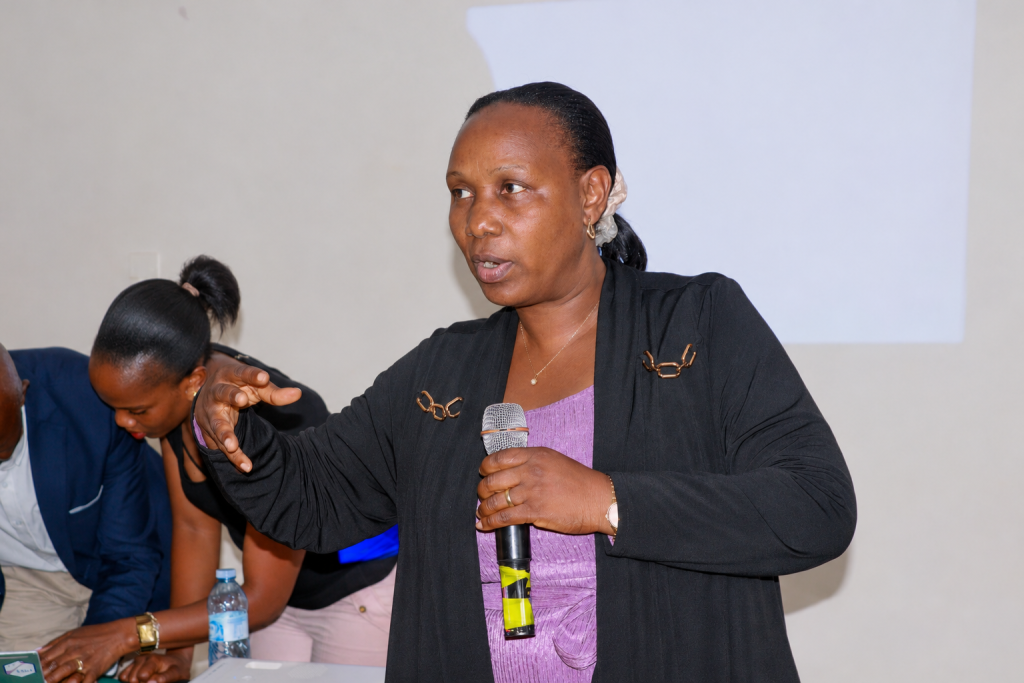
Changes in other outcomes were mixed. Participants reporting no physical activity fell from 22.6% to 7.4%, while those active on four to seven days a week increased from 46% to 54.8%. But activity duration did not improve: those reporting more than 60 minutes a day declined from 28.2% to 21.1%. Underweight fell modestly from 6.2% to 5%, while overweight and obesity did not change significantly.
Anaemia recorded the largest change, falling from 31.1% before the intervention to 9.9% afterwards. During the intervention period, participants received weekly iron and folic acid supplementation and deworming alongside nutrition education on iron-rich foods, dietary diversity and practices that improve iron absorption.

Mayuge District’s Assistant District Health Officer, Ms. Elizabeth Kawaala, said the findings reflected problems recognised locally and highlighted the need for a response involving families and other stakeholders.
“There is a serious challenge that needs to be tackled with many stakeholders, with parents at the centre because these are children. We also learnt that many parents, I think, lack the skills to communicate with their adolescents,” she said.
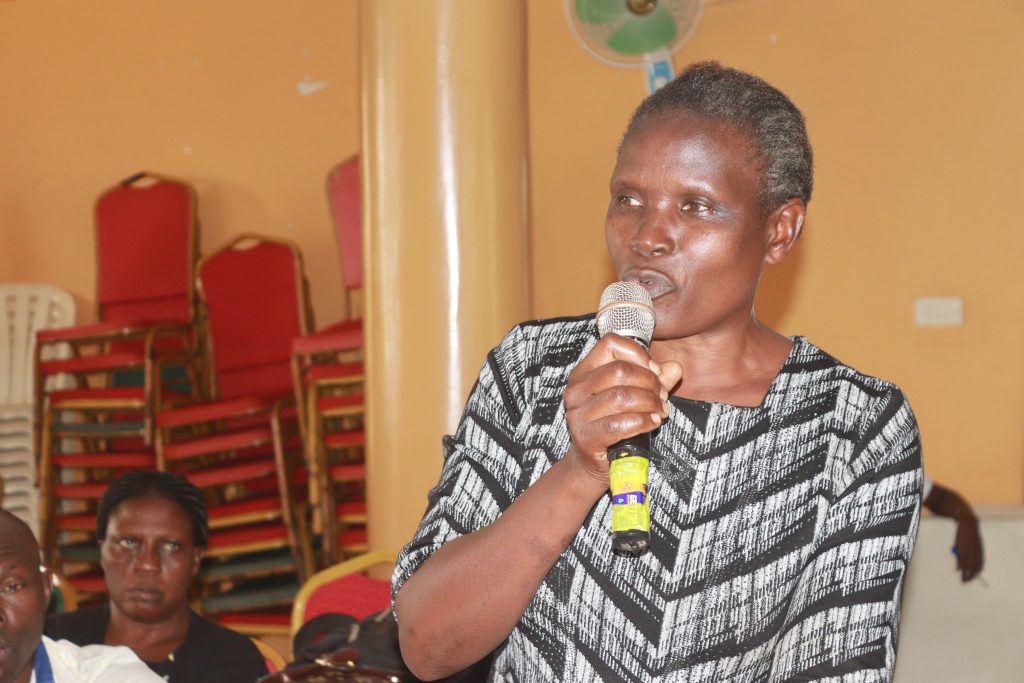
She said the findings had been shared with colleagues and described integrating health education and sensitisation into services. She also called for departments to use the evidence when planning activities in their workplans.
Beyond Mayuge
Seen alongside Uganda’s 2023 STEPS survey, the Mayuge findings add an earlier-life dimension to the national evidence. Makerere University School of Public Health contributed to both studies, with Prof. Guwatudde contributing to the national STEPS survey and now leading ARISE-NUTRINT. While STEPS found significant NCD risk factors persisting among adults, ARISE-NUTRINT shows that some behaviours and vulnerabilities relevant to later NCD risk are already evident during adolescence and young adulthood. The Mayuge research goes further by testing what can change when interventions begin during this period.
The findings leave Mayuge with more than a measure of the problem. They show where vulnerabilities are emerging, what changed when interventions were introduced and where challenges remain. For ARISE-NUTRINT, the evidence now turns attention to which approaches can be sustained and how lessons from Mayuge can inform efforts to support healthier transitions from adolescence into adulthood.




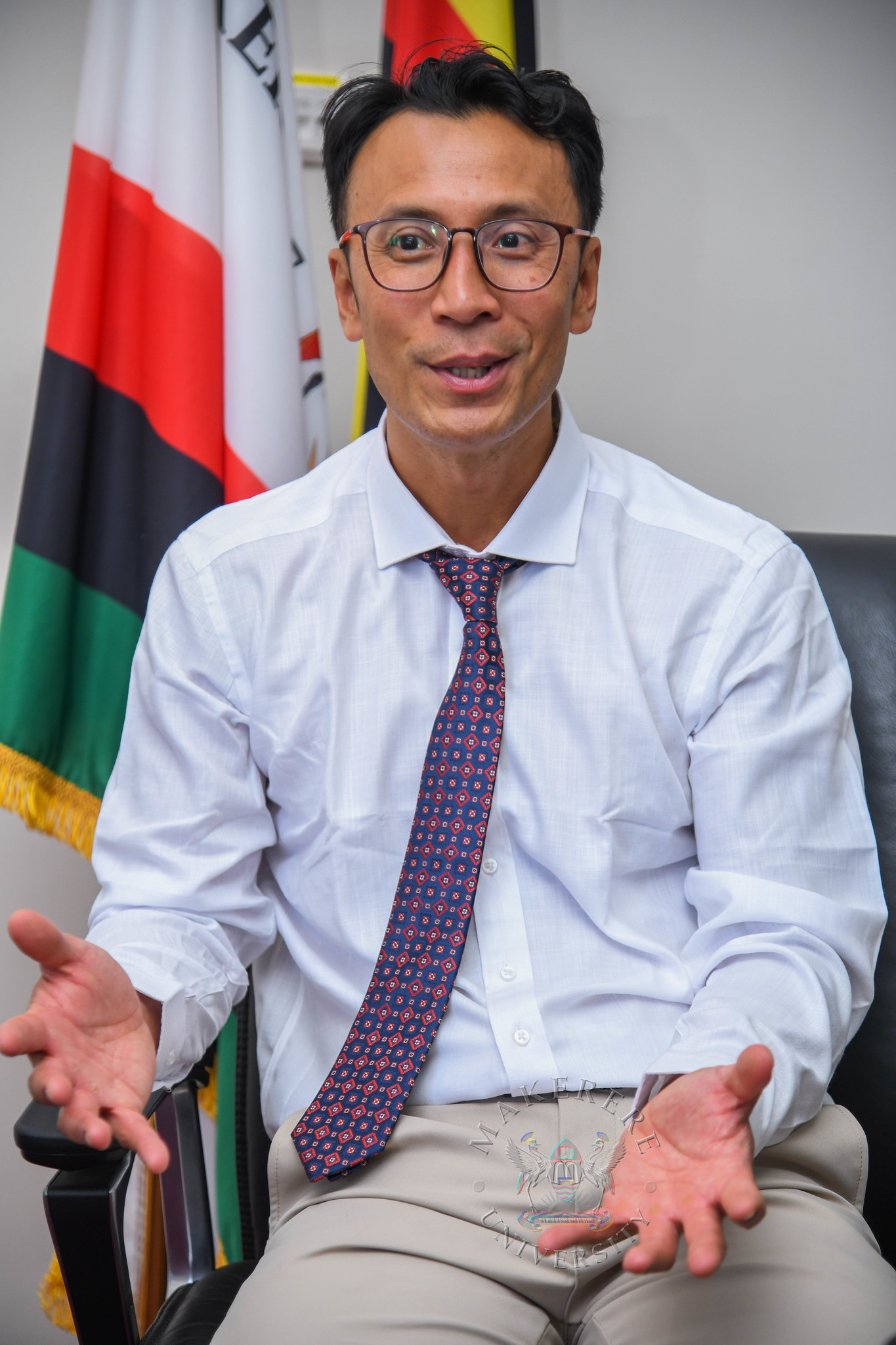
Through a European Union (EU) funded initiative, Makerere University and Mulago Hospital are hosting a German oncology reconstruction specialist Professor Dr. Thiha AUNG. AUNG is a surgeon, trainer at the Deggendorf Institute of Technology (THD), and researcher on cancer from the Deggendorf Institute of Technology (DIT), Germany.
With his international expertise in oncology and medical management roles at his home institution, his visit is a valuable addition to Uganda’s capacity building efforts in medical advancement.
Prof. Aung who arrived in Uganda in late September 2026 and has since then conducted free identified patient specialised surgeries and training for locals. These are expected to span two weeks. For the period, his service intersects medical expertise and humanitarian efforts.
This is not Prof. Aung’s first time in the country; his first major visit was in 2023, when he performed life-changing free surgeries on early patients. He then made medical history in June 2024 when he arrived to perform Africa’s first-ever lymph node transplant at Mulago Hospital.
It was against this background that the Makerere Public Relations Office engaged him in an exclusive interview to share his philosophy on medical service, his experiences in oncology reconstruction, and his unwavering belief that passion and dedication rather than just resources are the true drivers of sustainable medical progress.
Transforming Lives Through Oncology Reconstruction
At the heart of his mission through the ERASMUS – Oncology/Lymphedema project, is the treatment of lymphedema, a condition often referred to as elephantiasis.
In Europe, such surgeries can cost between 80,000 and 100,000 euros, making them inaccessible to many.
Thankfully, Professor and his team, including some of his post graduate students like Anna Friedrich (B.Sc) and Sophia Waser (B.Sc., PA) from the Institute of Medical Science and Engineering, have once again brought this specialised care to Uganda pro bono.
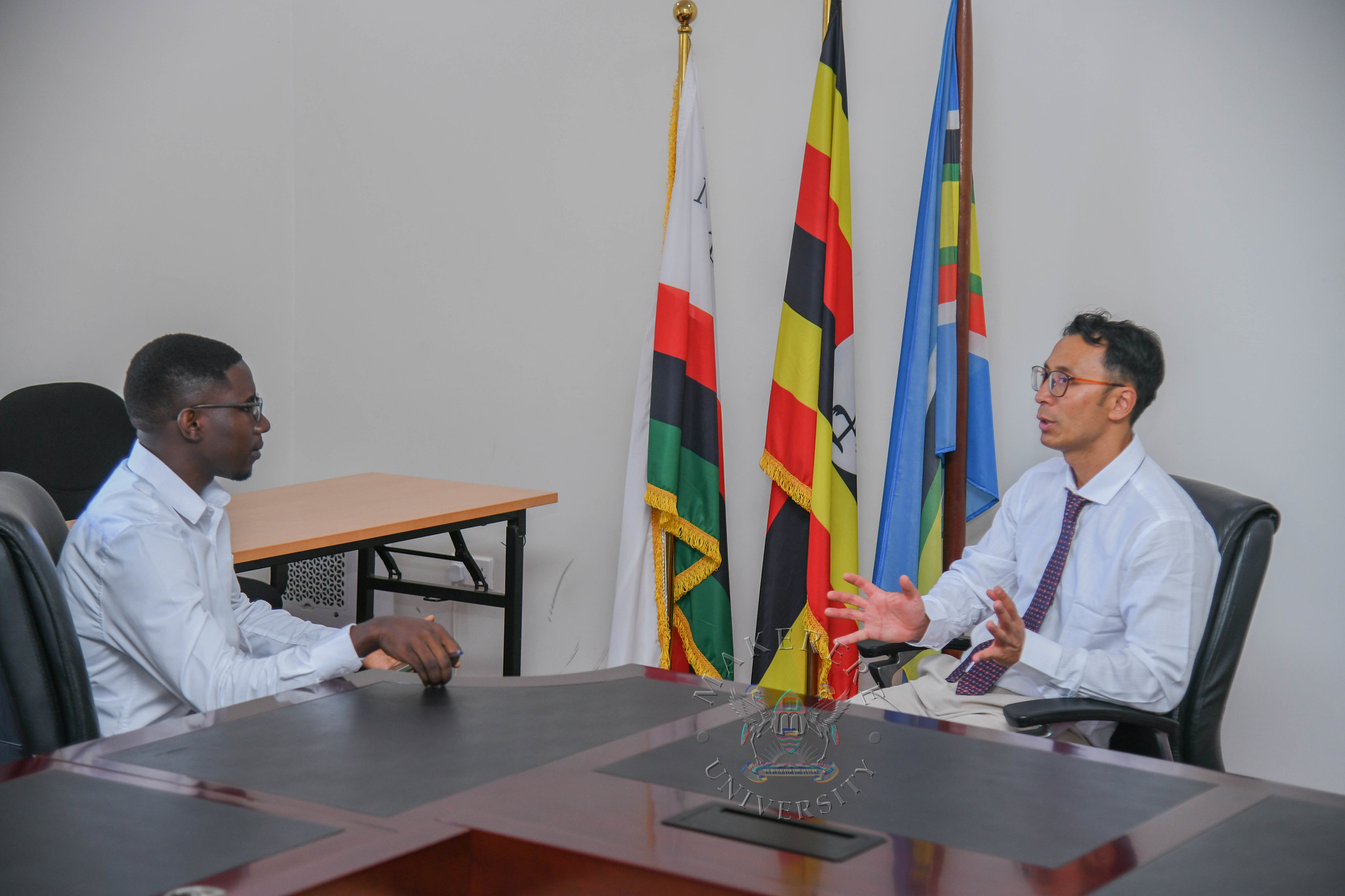
He highlights the story of a teacher who, after receiving surgery, regained her quality of life and returned to the classroom. For him, the impact is exponential. “You change one life, but this person changes a lot in the community.”
This shift from individual surgery to the long-term wellbeing of the community, reinforces the local impact of these services.
Professor AUNG’s Personal Conviction
The professor confessed that inherently, he commands himself that beyond knowledge, true progress is driven by passion and will rather than resources.
He does not agree with those that think money and resources are the sole prerequisite for change in the medical world, stating, “you cannot change with money only.” Rather, he upholds the importance of personal decision and commitment.
When discussing the challenges of working in resource-limited settings, he maintains a simple, direct explanation “it’s always beyond the money.”
Ultimately, the Professor believes that if he can provide the spark, his students and patients can carry through with the same flame for significant change.
Motivation to Serve in Uganda
When asked about his inspiration for entering the field and now volunteering to work in Uganda, he explained that his primary goal was always to serve others. “That’s why I finished my medical school to help as many people as possible with my skills.”
He views his medical expertise not as a tool for the privileged, but as a universal resource., “People are all the same, their anatomy is the same. So, I can help all these people pretty well,” Prof AUNG remarked.
His approach is motivated by a pay it forward dogma where treating a single patient creates a broader societal benefit. He illustrates this through his work with patients who, after surgery, are able to return to their professions like the teacher earlier mentioned.
Tips for Medical Professionals working in Uganda
As a foundation for professional growth, the Professor advised medical professionals working in Uganda to prioritise genuine interest in their work because he believes it is “the most important…” for “if you are interested, you will go far in the profession.”
He further reinforced the human capacity point, noting, “no matter what kind of equipment you have… it all depends on the people operating them and the patient.”
Professor AUNG concluded by encouraging doctors to overcome resource fears through action, stating, “If you want to create impact or change, you do.”
Dr. AUNG is part of the Lymphoedema Warriors Association (LWAU) in Uganda. He describes it as a grassroots organisation and commends them for “leveling the grond”. He reiterated his commitment to work with the organisation in reviewing patient reports to determine the best course of treatment.
-

 General1 week ago
ADVERT: Mature Age Entry Scheme Examinations – 2027/2028
-
 Agriculture & Environment2 weeks ago
What two weeks with Farmers in Mwera, Mityana, taught Makerere’s PhD Students about Agricultural Innovation
-

 General2 weeks ago
MURBS Presents FY 2025/26 Performance with 15% Growth
-
 General2 weeks ago
Gender Sensitization Session to Strengthen Gender-Responsive Practices conducted at CoVAB
-
 General1 week ago
CoNAS Staff & Students Sensitized on Gender Equality, Sexual Harassment Policies