
General
Makerere Research Offers a New Lens on Kampala’s Growing Water Challenge

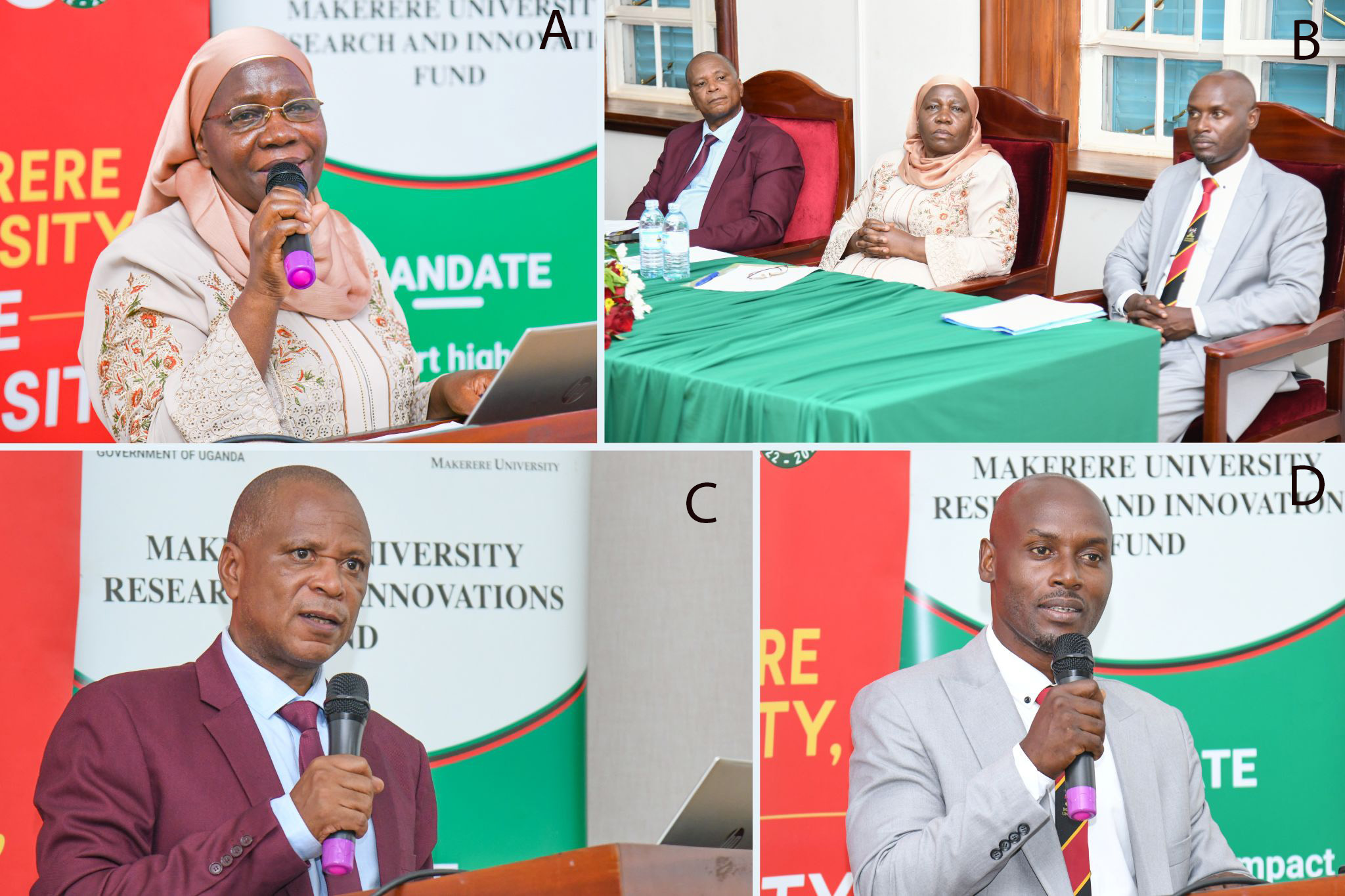
As Greater Kampala continues to expand, the question of how the city will secure enough water for its growing population is becoming increasingly urgent. New homes, roads, industries and commercial centres are transforming the metropolitan landscape, but this growth also places pressure on wetlands, catchments and the infrastructure that supplies water to communities. For Makerere University, this challenge is not only a matter for public debate. It is also a question that research can help answer before today’s decisions become tomorrow’s problems.
That concern shaped a dissemination workshop held at the University on Wednesday, 28th October 2026. The gathering brought together researchers, policymakers, university leaders, planners, students, development partners and members of the media to consider findings from the Urban Expansion Model for Mitigating Water Scarcity in Greater Kampala Metropolitan Area, known as UREMWAS, an occasion that was graced by the Minister for Kampala Capital City and Metropolitan Affairs, Hon. Hajjat Minsa Kabanda, who attended as chief guest.
At the heart of the research is a practical concern: how can a fast-growing metropolitan area accommodate more people and economic activity without undermining the natural systems and public infrastructure on which its residents depend? The UREMWAS project seeks to help answer that question by giving planners a way to examine how different patterns of urban development may affect water availability. Rather than treating water scarcity as an isolated problem of supply, the study relates it to the choices made about land, housing, drainage, settlement and infrastructure.
Understanding the Link Between Urban Growth and Water
Presenting the study, the Principal Investigator Dr. Nestor Mugabe explained that Greater Kampala is among Uganda’s fastest-growing urban regions. Its expansion has increased pressure on water sources and supply networks, while also changing the natural landscapes that help sustain those resources. As settlements spread, the consequences can extend beyond the immediate area where construction takes place. Wetlands may be encroached upon, catchments altered and the routes through which water moves across the landscape disrupted. “The value of this model is in helping planners see the consequences of today’s choices before those choices become difficult and costly to reverse.” He stated.
The model brings together information on population movement, built-up areas, drainage patterns, wetland cover and water demand. By considering these factors together, planners can explore possible urban growth scenarios and assess their likely implications before major decisions are made. The intention is to support better-informed choices on where development should take place, which natural areas require protection and where investment in water infrastructure may be most needed.
Dr. Mugabe cautioned that water scarcity rarely emerges from a single decision or event. Instead, it can develop gradually as many small choices accumulate without sufficient attention to their combined effect. The value of the model, he explained, lies in helping decision makers see a wider picture and understand how development in one part of the metropolitan area may affect water security elsewhere.
The findings point to a close relationship between the pattern of urban growth and the pressure placed on water systems. When settlements expand without effective planning, development can reach sensitive areas such as wetlands and catchments. These landscapes perform important functions in storing, filtering and releasing water. When they are degraded, the natural processes that support water availability are weakened. At the same time, extending piped water infrastructure to scattered communities can become more difficult and expensive.
By contrast, growth guided by clear plans, the protection of natural areas and timely infrastructure investment offers a stronger basis for managing demand. The research therefore presents urban planning and water security as closely connected responsibilities. Decisions about housing, roads and commercial development cannot be considered separately from the resources needed to sustain the people who live and work in those places.
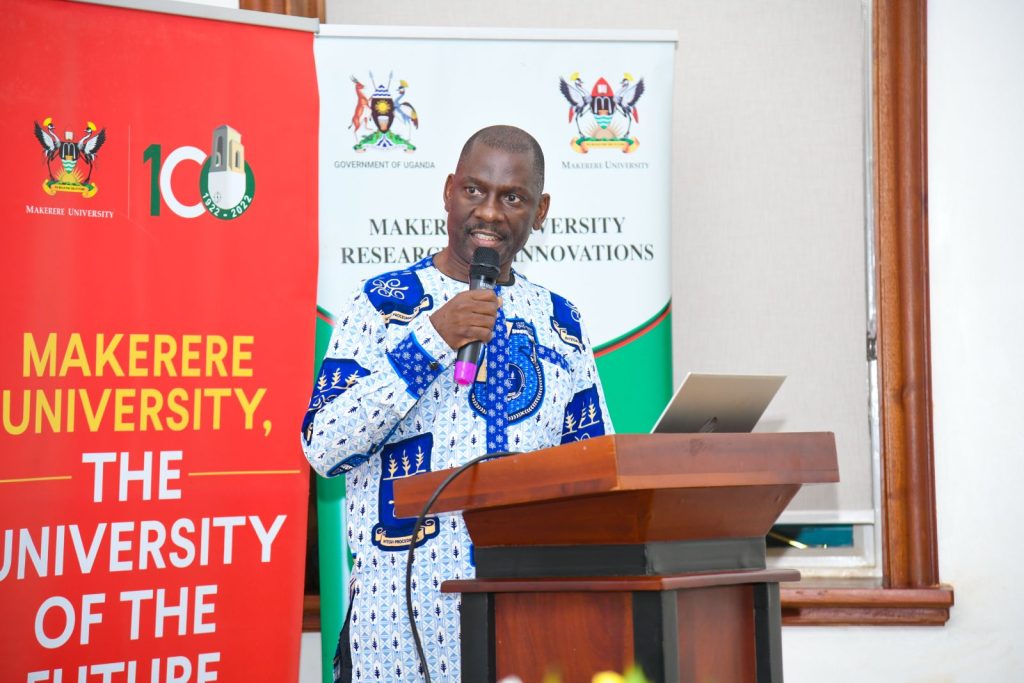
Dr. Mugabe also emphasised that water scarcity cannot be solved by infrastructure alone. The challenge involves governance, public behaviour and coordination among institutions that may otherwise plan and operate independently. Engineers, physical planners, local leaders, communities and researchers need to work with shared evidence if their decisions are to reinforce rather than undermine one another.
That message was given a human dimension through the experiences of communities consulted during data collection. Dr. Mugabe acknowledged the residents who shared their perspectives with the research team, including people who travel long distances or pay high prices to obtain water. Their experiences, he noted, helped the researchers understand the everyday consequences of water insecurity in ways that statistics alone cannot fully convey. Behind every figure on demand or supply are households and individuals whose routines, finances and wellbeing are affected by access to water.
Taking the Findings Beyond the University
The discussion that followed the presentation reflected the broad reach of the issue. Participants considered the role of wetlands in protecting water sources, the need to enforce planning regulations and the importance of involving communities early in decisions that affect their surroundings. They also explored whether the model could be adapted for other fast-growing towns and cities in Uganda, where urbanisation may create similar pressures on land and water resources.
Several contributors stressed that research findings should be communicated in accessible language, particularly to local leaders and community groups. A model can help inform technical decisions, but its impact is likely to be greater when the people affected by planning choices can also understand the evidence and use it in their own discussions. Participants further encouraged the research team to keep the model updated as new information becomes available. Because cities change rapidly, a planning tool must be able to reflect changing populations, land use and demand if it is to remain useful.
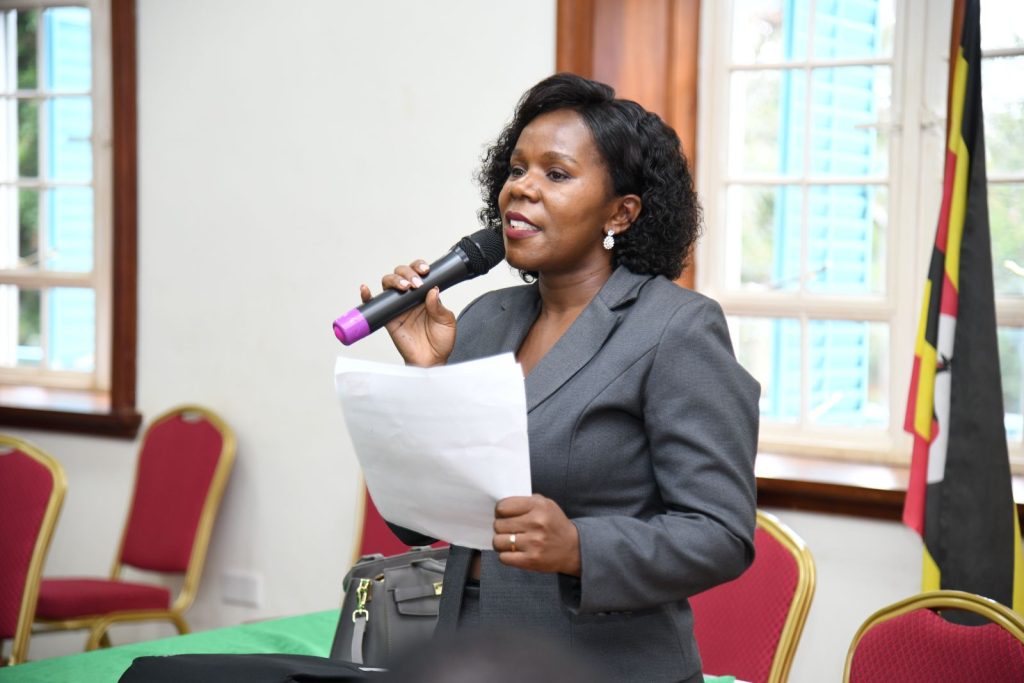
The discussion was moderated by Prof. William Tayeebwa, who guided the discussion and encouraged participants to engage with the findings from their different areas of experience. The questions and reflections reinforced the importance of treating water security as a shared metropolitan concern rather than the responsibility of a single institution or profession.
Speaking on behalf of the Makerere University Research and Innovation Fund, its Engagement officer, Ms. Grace Cherotich Ruto congratulated the research team and reaffirmed the fund’s commitment to supporting research that responds to Uganda’s practical challenges. He encouraged researchers to consider the people who will use their findings from the earliest stages of a project and to plan how the knowledge generated will be communicated and applied. Research, he observed, is most valuable when it moves beyond academic shelves and contributes to policy, services and people’s lives. “Research has its greatest value when the knowledge generated at the university reaches the people and institutions that can use it to improve lives.” Prof. Julius Kikooma, Director, Directorate of Graduate Training stated.
The remarks also highlighted the role of graduate training in building research capacity. Prof. Julius Kikooma, Director of the Directorate of Graduate Training, welcomed participants and commended the team for bringing its work to a wider audience. He noted that universities demonstrate their value to society when knowledge developed through research and scholarship informs decisions beyond the campus. Graduate research, including the work of master’s and doctoral students, helps generate and develop ideas that can be tested against real conditions and contribute to practical solutions.
A Shared Responsibility for a Growing City
Representing the Vice Chancellor, Prof. Moses Musinguzi commended the researchers for addressing an issue of national importance. He reaffirmed the university’s commitment to serving the country through knowledge and collaboration, and called on government agencies, local authorities and development partners to draw on the expertise available at the institution. Water, land and urban growth are interconnected, he noted, and the management of rapidly expanding cities must be guided by sound evidence.
For the university, the workshop offered an opportunity to connect research with the institutions and communities that may put its findings to use. The model’s potential depends not only on its technical capacity, but also on whether planners and decision makers can incorporate its insights into the choices they make. Continued engagement between researchers and end users will therefore be important as the work develops.
In her address, Chief Guest Hon. Hajjat Minsa Kabanda thanked Makerere University for convening the workshop and recognised the contribution of its scholars to national development. She described the growth of Kampala and the surrounding metropolitan area as both an opportunity and a responsibility. As the country’s economic heart and home to millions of people, the city needs reliable services, including access to clean and safe water. The challenge is to ensure that expansion does not outpace the systems and natural resources required to sustain it.
“Kampala’s water challenges extend beyond administrative boundaries, so our response must be built on cooperation, shared evidence and responsible planning.” Hon. Hajjat Minsa Kabanda emphasized.
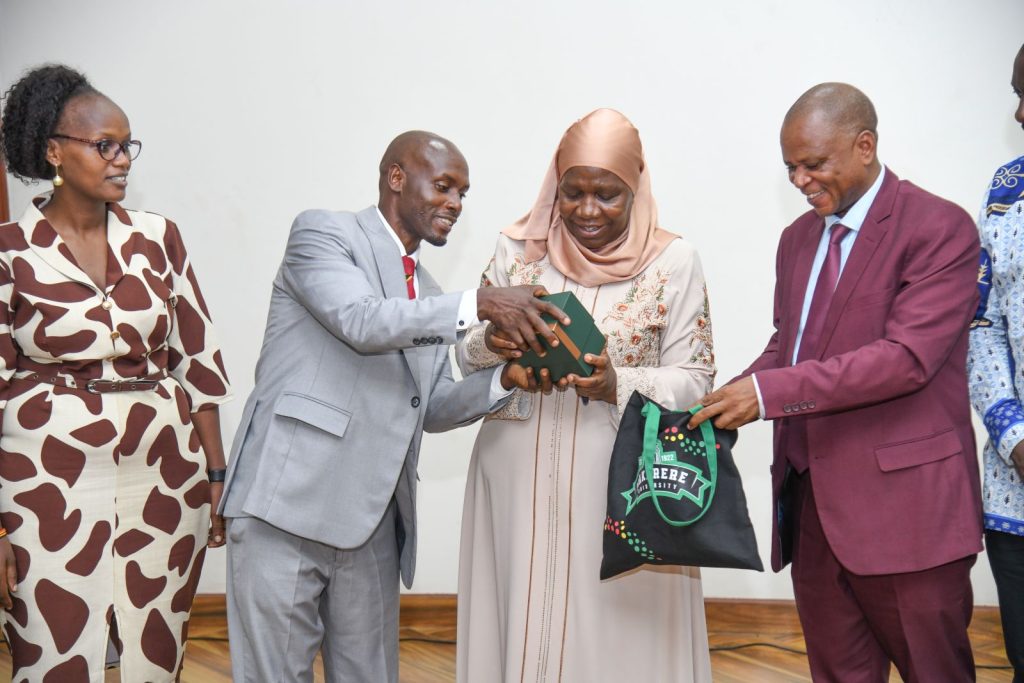
Hon. Kabanda said that the UREMWAS model could help government make better-informed decisions about the direction of urban growth, the protection of natural resources and the location of water infrastructure investment. She also pointed out that the metropolitan area extends beyond the administrative boundaries of Kampala itself. Water and land pressures do not stop at those boundaries, making coordination among the ministry, Kampala Capital City Authority, neighbouring local governments, water utilities and researchers essential.
The Minister assured the university that her ministry would study the findings and consider how they could inform its planning work. She encouraged the research team to maintain a close relationship with policymakers so that the model can remain relevant to decisions as the metropolitan area changes. She also called on citizens to protect wetlands, use water responsibly and observe planning guidelines, stressing that the future of the city will be shaped by the actions of both public institutions and residents.
Turning Research into Public Action
Her remarks underscored the role universities can play as partners in public decision making. By bringing together research expertise, emerging talent and the freedom to examine difficult questions, institutions of higher learning can help government understand complex challenges and consider options grounded in evidence. She congratulated Makerere on its research tradition and encouraged it to continue producing work that responds to the needs of the country.
The workshop closed with a shared recognition that disseminating the findings is a starting point rather than an end in itself. The research team and its partners expressed the need to continue engaging government and other stakeholders, share the results more widely with local leaders and communities, and refine the model as further data becomes available. These next steps will help determine how effectively the research can support planning in Greater Kampala and whether its approach can be useful in other urban areas.
The timing of the work is significant. Decisions made now about land use, housing, drainage and water infrastructure will influence the shape of Greater Kampala for years to come. Once wetlands have been damaged, settlements established in unsuitable locations or infrastructure built without adequate coordination, correcting the consequences can be difficult and costly. A model that allows decision makers to explore possible outcomes in advance offers an opportunity to identify risks earlier and weigh development choices more carefully.
For residents, the stakes are tangible. Reliable water affects household routines, public health, livelihoods and the ability of businesses and institutions to operate. Protecting the resources that sustain supply is therefore not separate from the wider ambition to build a productive and liveable city. The challenge is to ensure that urban growth improves people’s lives without weakening the environmental systems on which those lives depend.
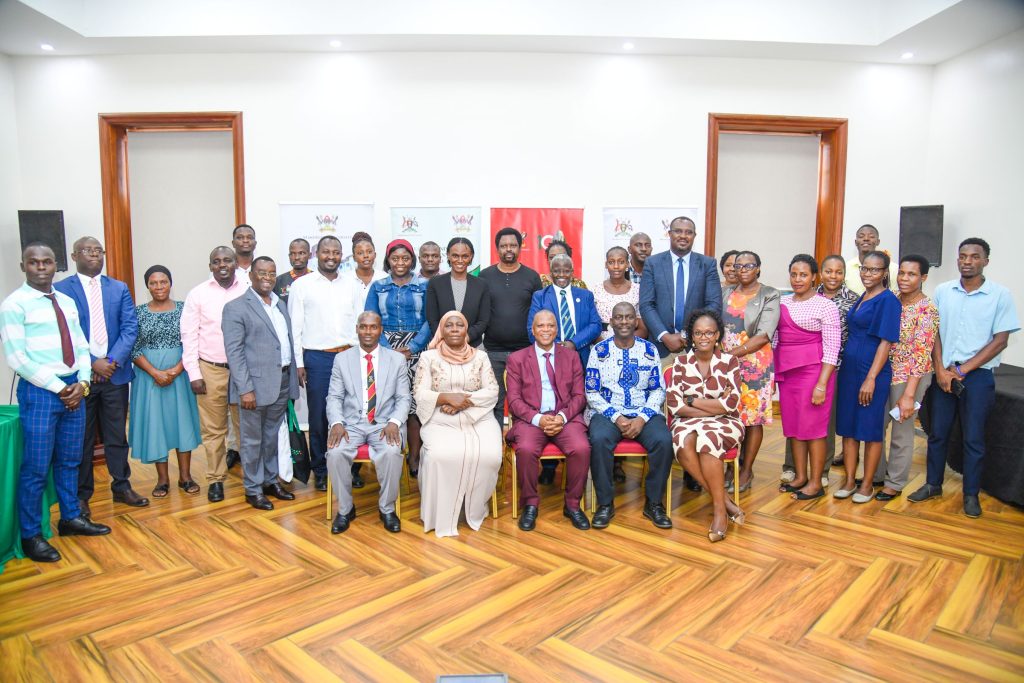
By bringing researchers and decision makers into the same conversation, Makerere’s UREMWAS dissemination workshop demonstrated how university research can contribute to a shared understanding of a public problem. The work does not remove the difficult choices facing the metropolitan area, but it offers a way to examine those choices with a clearer view of their possible consequences. As Greater Kampala continues to grow, the task ahead will be to turn that evidence into coordinated planning, responsible development and sustained protection of water resources.
The gathering marked a step in moving the UREMWAS findings from a research project into wider public and policy discussion. The central message was clear: the future of Greater Kampala’s water security will depend not only on how much water can be supplied, but also on how the city grows, how its natural systems are protected and how well the institutions responsible for its future work together.


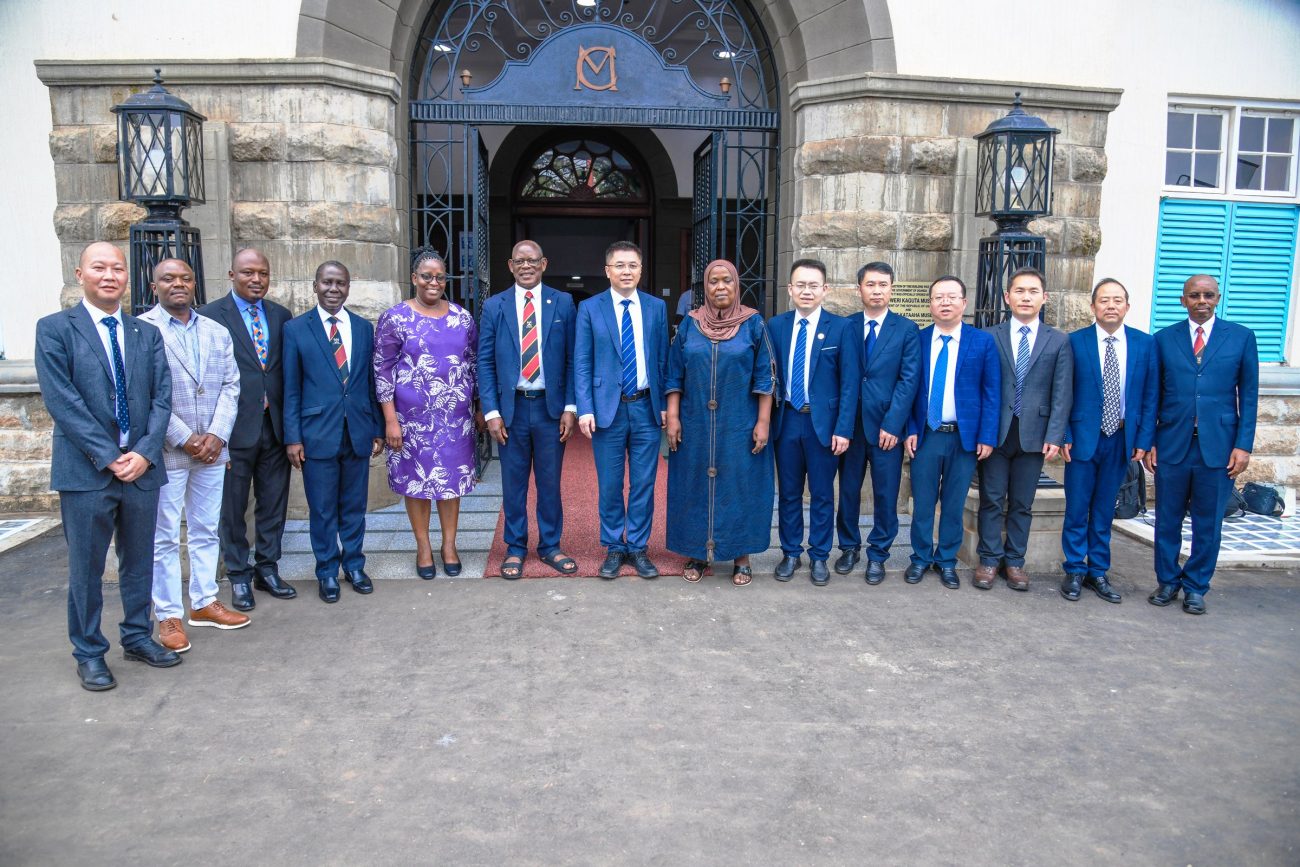
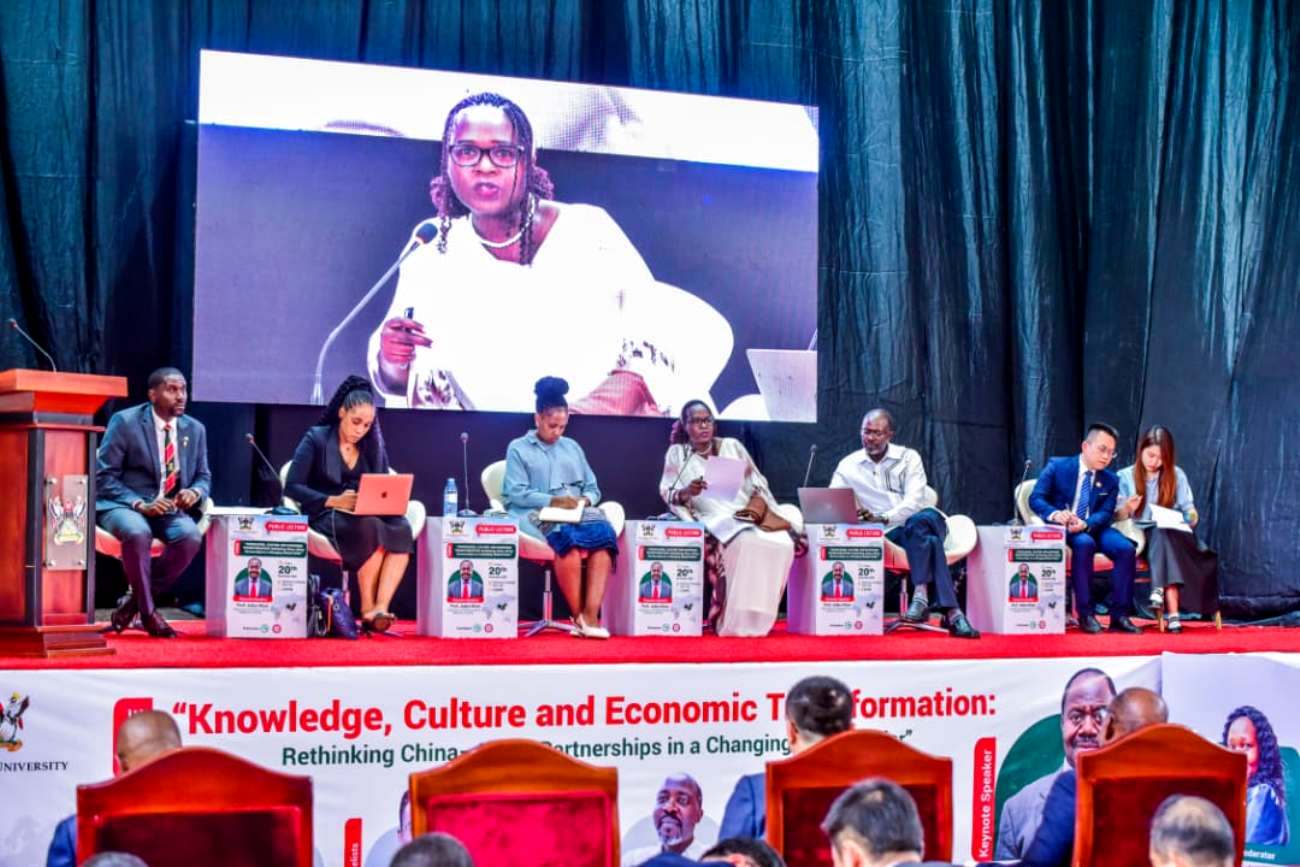
As a platform to discuss the China-Africa partnership, Makerere Confucius Institute convened a public lecture themed, “Knowledge, Culture and Economic Transformation: Rethinking China–Africa Partnerships in a Changing Global Order.” The session highlighted the role of education, economic, and cultural exchange in fostering sustainable international cooperation.
Dr Gilbert Gumoshabe, the Uganda Director of the Confucius Institute together with his co-lead Mr. Tang Fei, the Chinese Director, opened the Lecture. The former speaking and the latter translating, noted that as the global political and economic landscape continues to change, Africa must strategically position itself to benefit from emerging partnerships, technological advancements, educational opportunities, and new models of economic cooperation all of which China is performing well, hence a great benchmark.
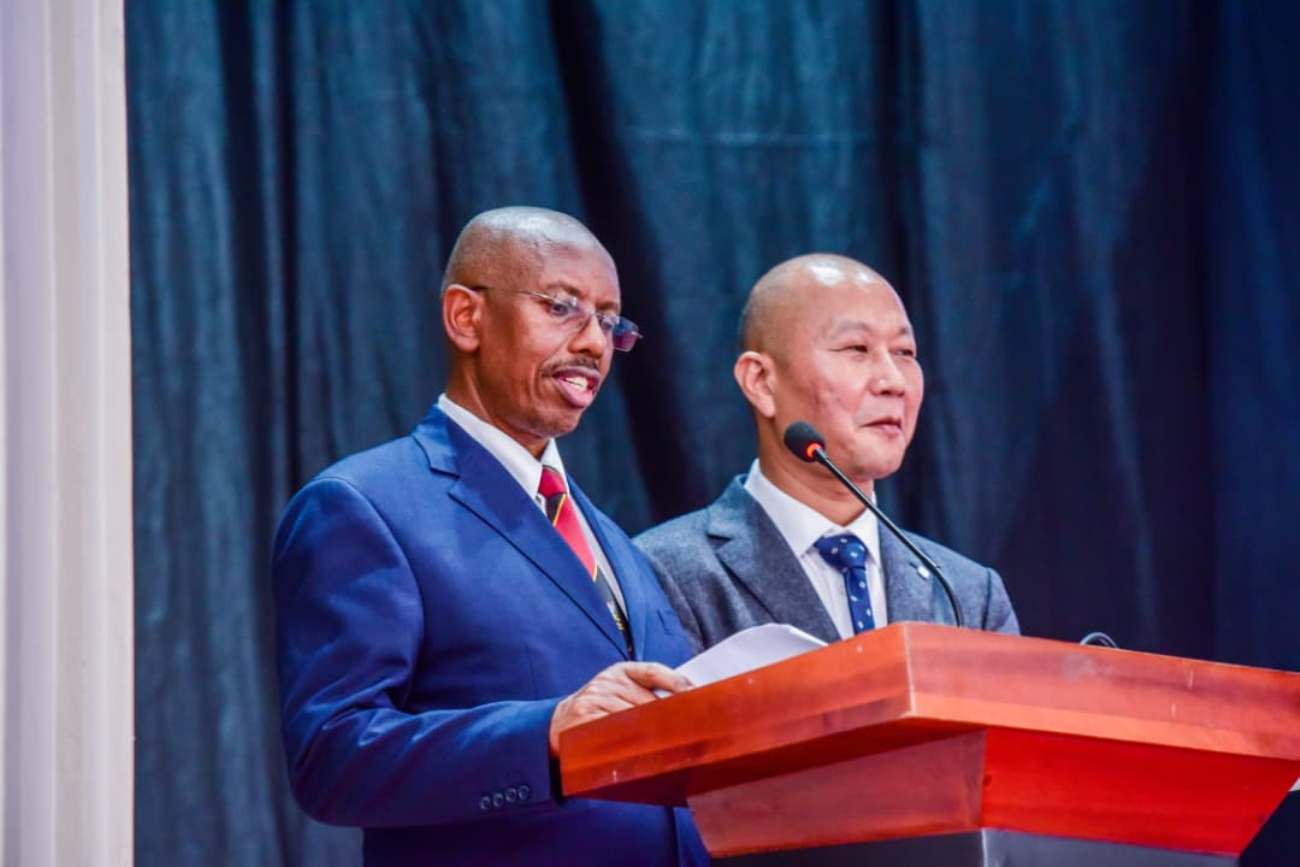
Recognising that the China-Africa relationship is not without questions, the Confucius Directors birthed this platform for critical, evidence-based conversations about the opportunities, challenges, and implications of the China-Africa partnership. They said, we should not only interrogate what Africa can learn from China, but also what Africa can contribute to this relationship.
The event held on November 20, 2026 featured a keynote from Prof. Julius Kiiza critiquing the partnership and in attendance were academic leaders, students, and a visiting delegation from Xiangtan University, led by Prof. Liu Jingang, Deputy Secretary of the CPC, Xiangtan University Committee.
Makerere Vice Chancellor’s Vision: China-Africa Relations
Prof. Barnabas Nawangwe, the Vice Chancellor of Makerere University took the podium and welcomed the audience and contextualised the partnership within the university’s broader mission. He framed the relationship with China not just as a diplomatic gesture, but as a pragmatic necessity for Makerere and Uganda’s development.
He announced concrete steps Makerere University is taking to operationalise this partnership. Beyond the existing Confucius Institute, the university is expanding its academic footprint to better understand the Chinese economic model.
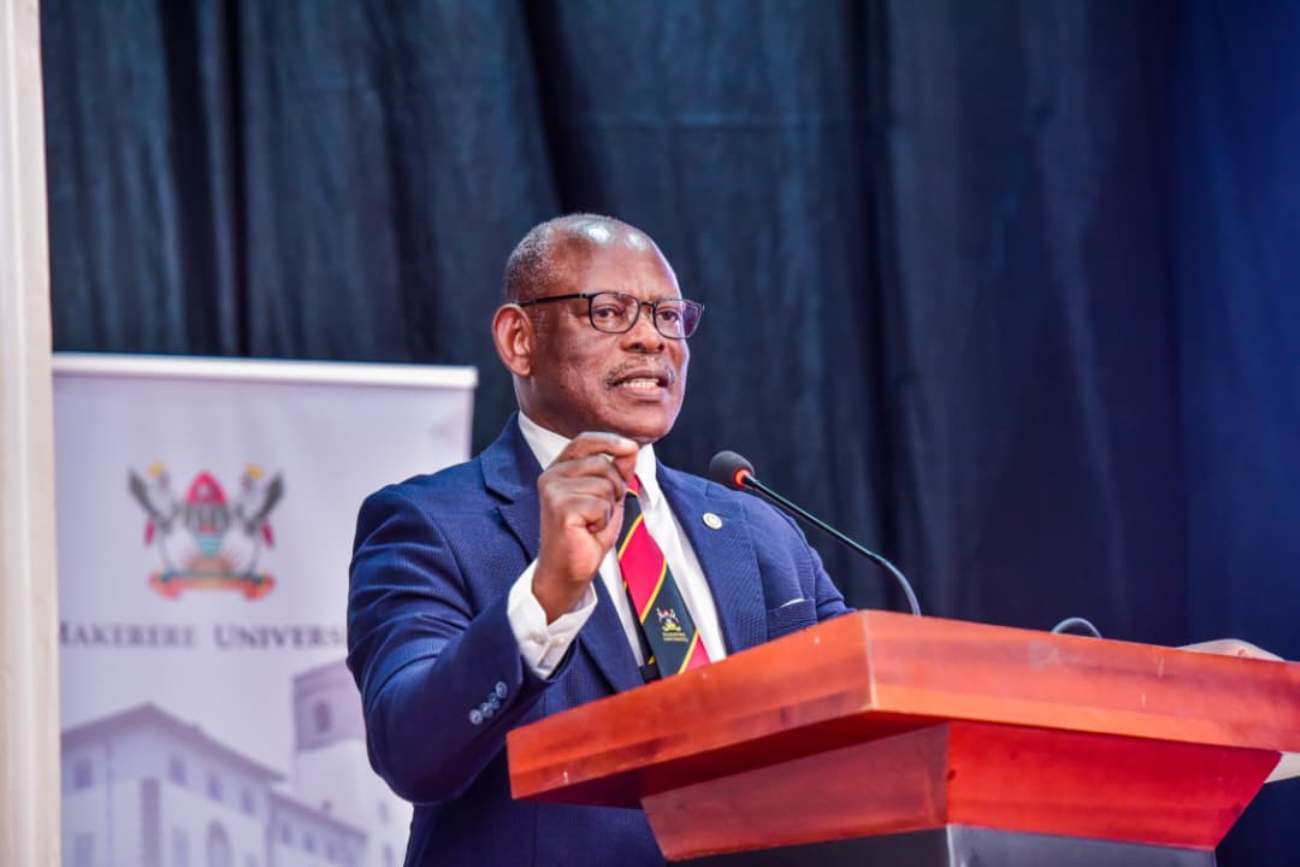
He said “apart from the teaching of the Chinese language, we have decided that we are going to establish a center for Chinese studies, considering, China currently controls almost 50% of the world economy.”
Prof. Nawangwe also highlighted a new, practical collaboration in the field of engineering where Makerere is yet to start a joint Masters program in Chemical Engineering. This is was marked as extremely important for Uganda as it sets up to begin producing oil, but with limited capacity to develop byproducts from that oil.
He ended his address with a direct charge to the young people, students, and all in the room to study China because it is leading the world in many things. It is only through this that we can beat poverty in Uganda and Africa.
Prof. Kiiza’s Keynote: A Call to Prioritise African Values as we partner with China
Prof. Julius Kiiza, a professor of Political Science at Makerere University, took the stage with a provocative opening, framing his address as an exercise in challenging the status quo. He immediately steered the conversation toward the power dynamics inherent in international relations, urging the audience to look past the surface-level rhetoric of partnership and dissect the wording in the title of the event that he considered an entry to measuring power. Starting with the word China already puts it ahead in the partnership.
He did not hold back in explaining the nature of foreign aid where he contrasted Western assistance with Chinese engagement, noting that while Western aid is often viewed as political or predatory, Chinese aid is presented as developmental.
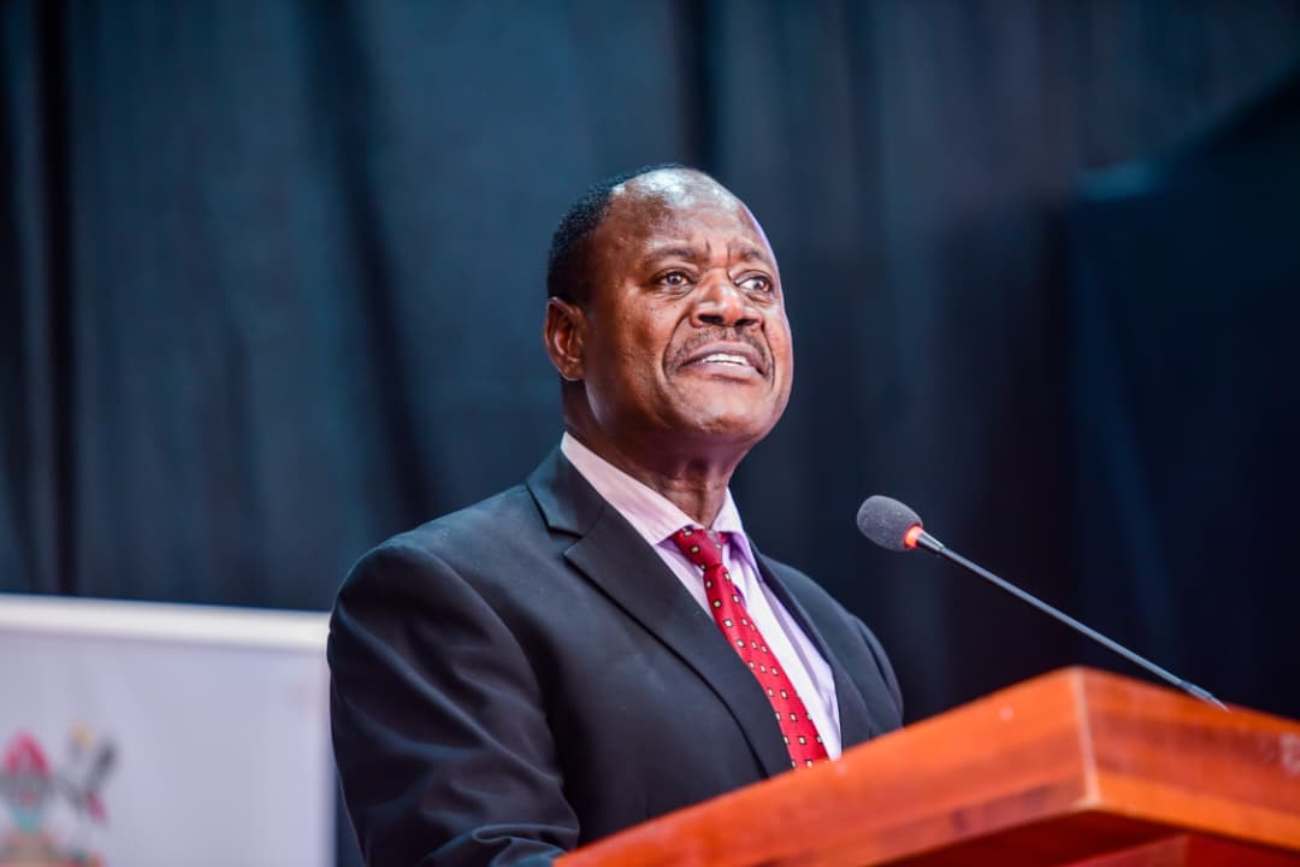
However, he woke the audience saying, “China is definitely Africa’s ally, with a strong history of partnership with Africa. But friends, China is a sovereign state, not a charity house. China is not an NGO.”.
“The key incentive driving China is to project Chinese power across the world, not just in Africa. In diplomacy, therefore, I will invite Ugandans and other Africans to appreciate that you get what you negotiate, not necessarily what you desire for,” Prof. Kiiza said.
The professor also argued that Africa’s current economic stagnation is not a result of a lack of potential, but a failure of strategy and statecraft. He pointed to the “infrastructure miracle” in China, bullet trains, smart cities, and advanced logistics as the blueprint that Africa must emulate.
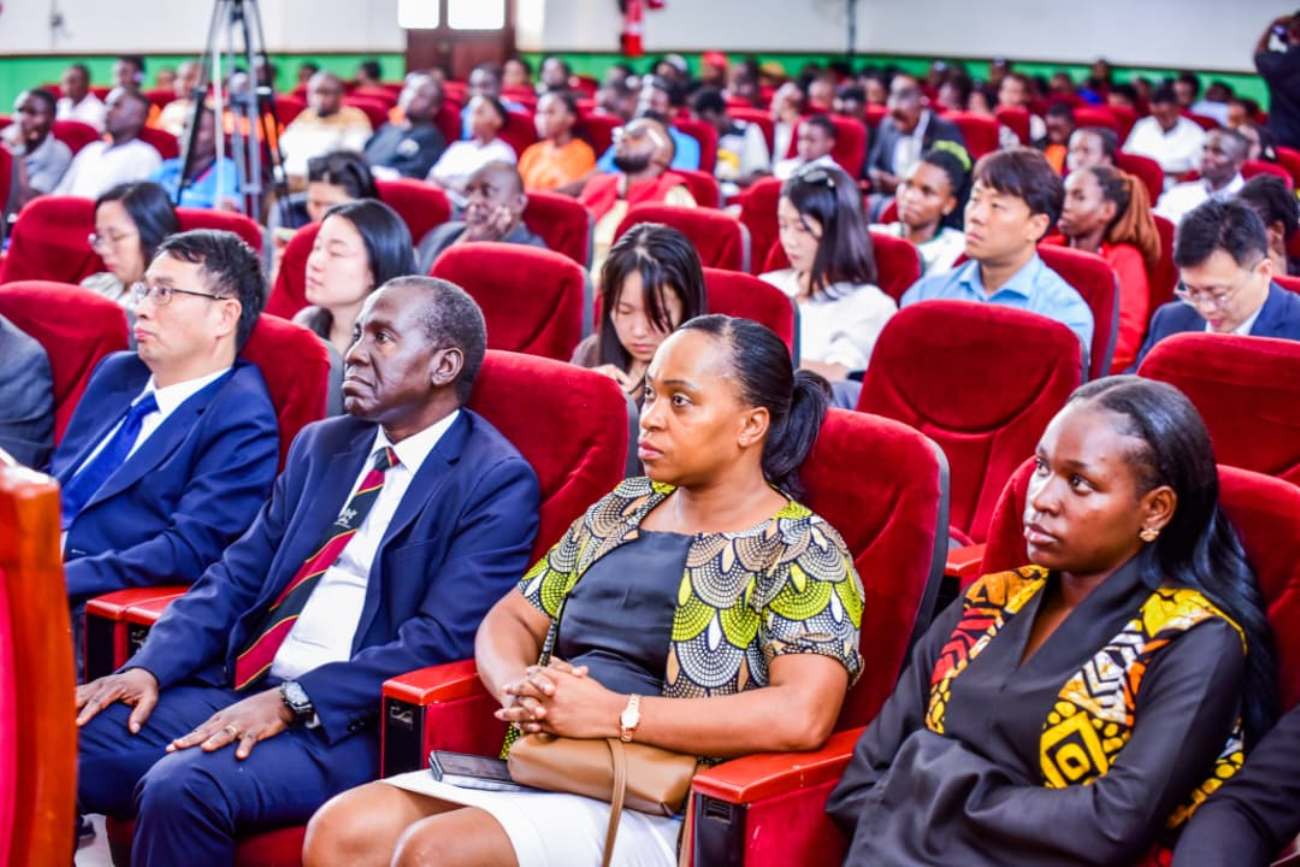
He explained that if we partner with China to build bullet trains? Then we shall not need to live in Kampala to work in Kampala. Prof. Kiiza suggested that if we have a bullet train which travels 500 kilometres in an hour and ten minutes, you can live in Kabale or Gulu or Karamoja and work in Kampala. “That way, we can decongest Kampala.”
Prof. Kiiza challenged the reliance on Western development philosophies, arguing that African scholars should reclaim their own history and intellectual agency. He emphasised that China’s success was built on economic nationalism, meritocracy, and a developmental state, rather than just cultural adherence to Confucianism.
He concluded his keynote emphasising that “China attained modernity without modernisation. Transformation without being captured by Western capitalism. The lessons for China-Africa relations are clear. We must transcend the culturalised theoretical perspectives. We must therefore adopt African Confucianism. These are our own values. Resurrect them, respect them, but edit them so that we kick out the negative elements.”
Xiangtan University as a Bridge for these Relations
Prof. Liu Jingang, the head of the delegation from Xiangtan University, spoke on behalf of the visiting Chinese academics, emphasising the long-term nature of the cooperation between the two institutions. He reiterated the ideas of the Vice Chancellor, framing the university partnership as a vital bridge for cultural and economic exchange.
Reflecting on the shared history of the two universities and the role of the Confucius Institute as a flagship for people-to-people exchanges. He explained how the partnership has evolved from simple language instruction to a more robust academic collaboration.
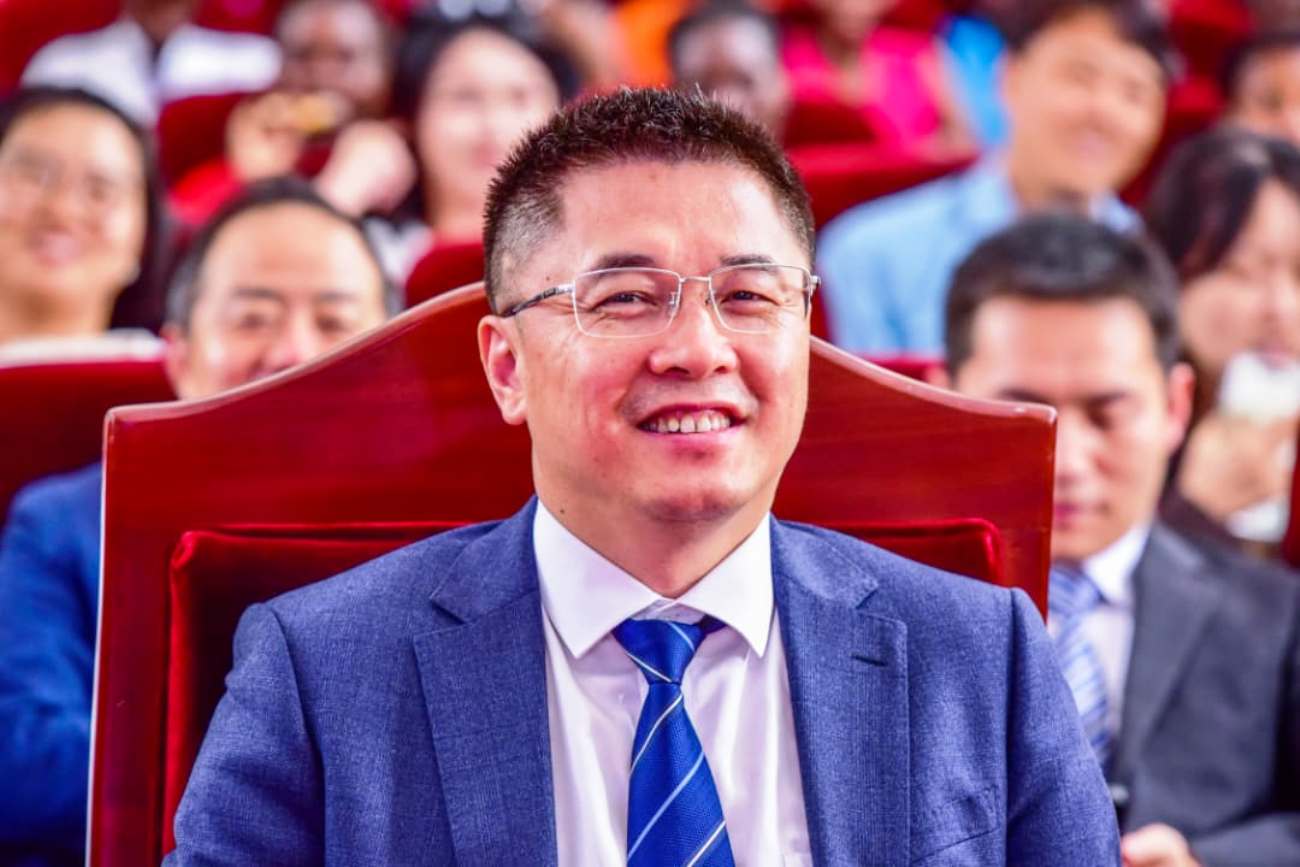
Prof. Jingang also addressed the economic transformation. He offered the Chinese perspective on what drove their own economic takeoff. He emphasised stability, international cooperation, and the integration of education, science, and technology.
Liu concluded by reaffirming Xiangtan University’s commitment to the partnership, focusing on the next generation of leaders.
By facilitating these discussions, the Confucius Institute moves beyond surface-level interactions, to encouraging interrogation of what Africa can learn from China and, crucially, what Africa can contribute to the relationship. Towards the end, the two institutions; Makerere University and Xiangtan University signed an agreement on the “1+2” joint master’s degree in materials and chemical engineering.
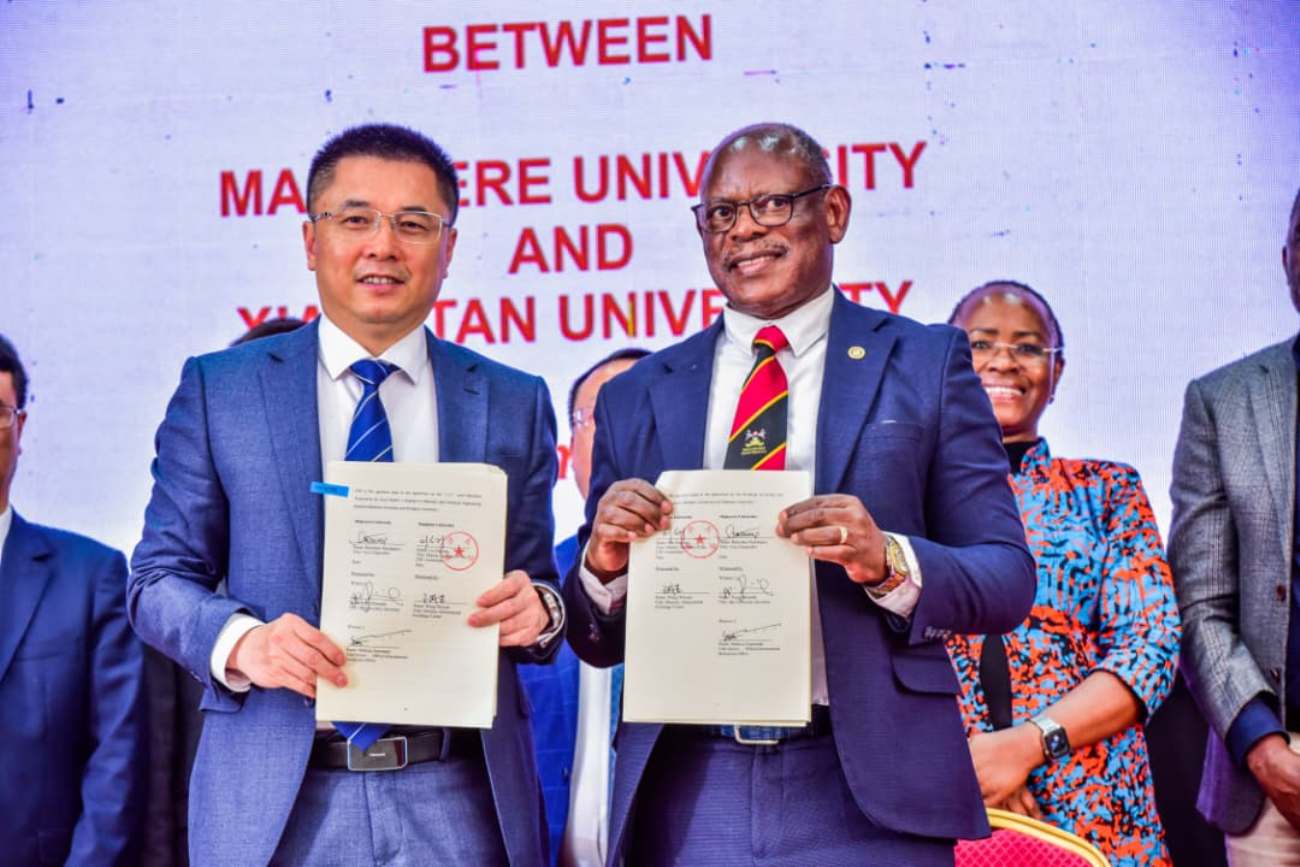
The lecture concluded with a consensus among the speakers that the relationship between China and Africa is at a critical juncture that requires a deliberate, informed, and proactive approach to ensure that this partnership yields tangible benefits for the people of Africa.

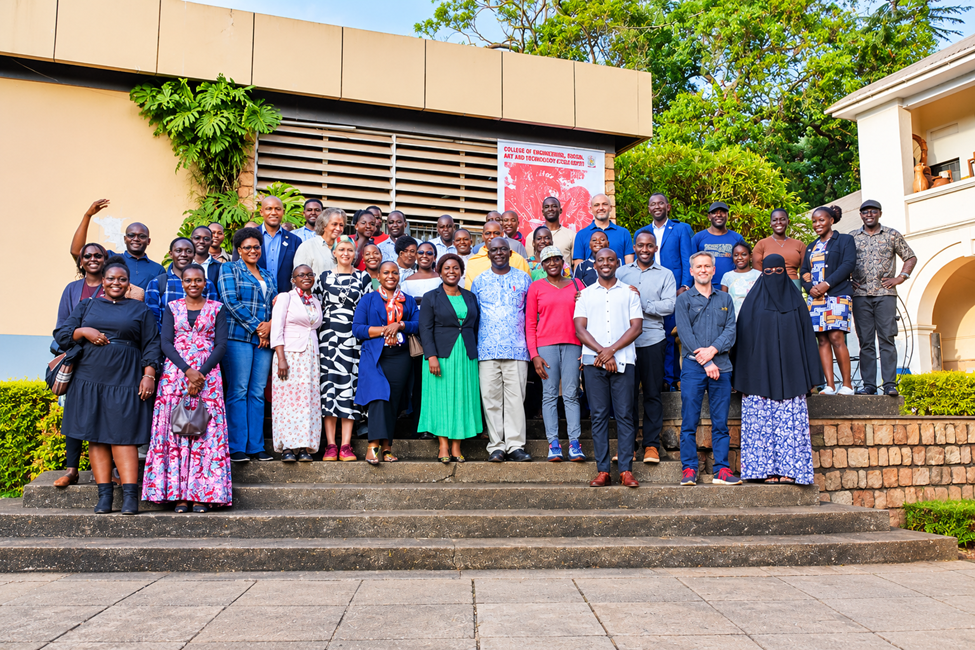

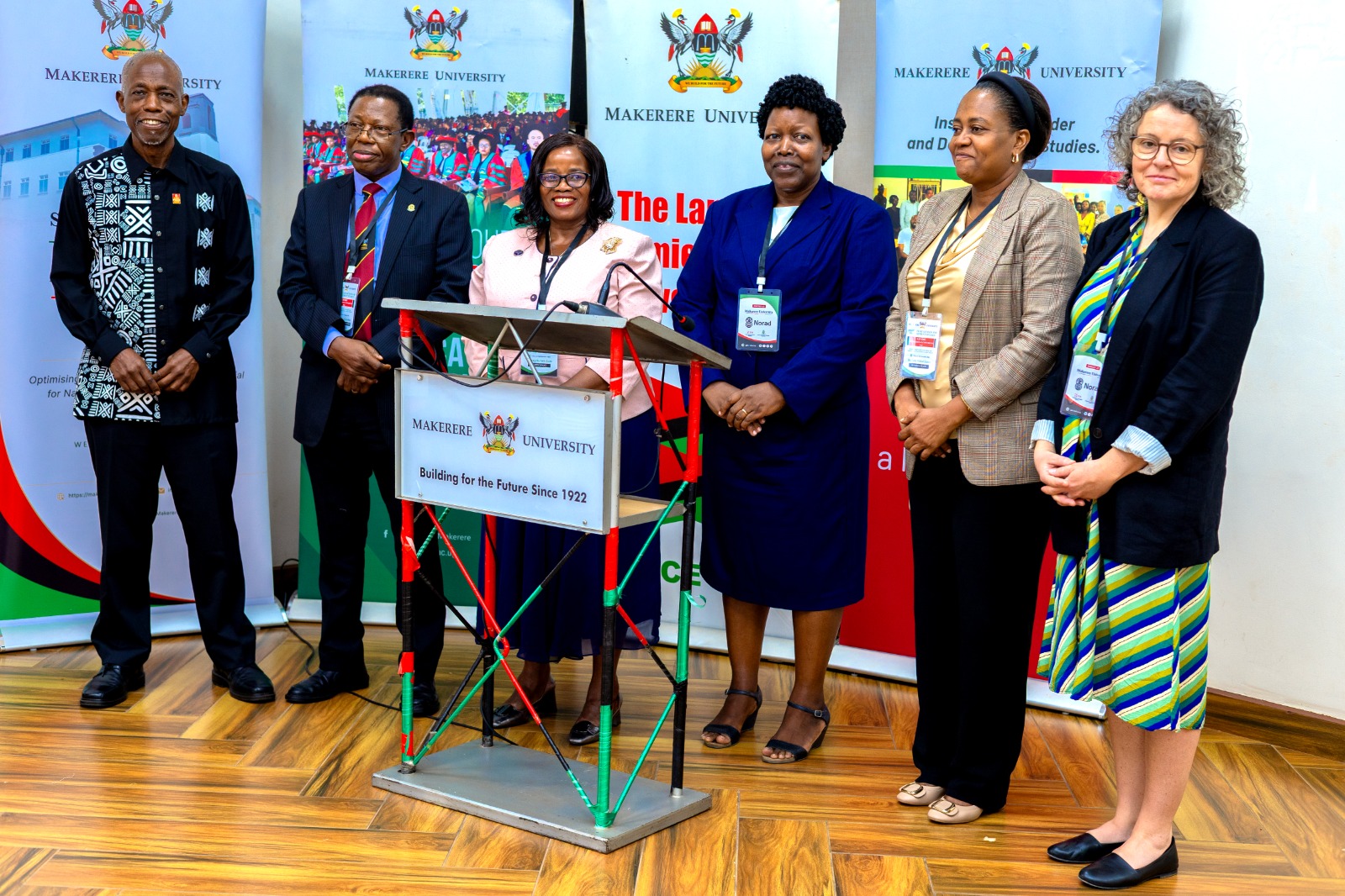
November 17, 2026: Makerere University has called for greater investment in digital infrastructure, artificial intelligence literacy and gender equality in higher education, as a six-year collaborative project involving universities in Uganda, Tanzania and Norway reported more than 30 research publications and improved graduate completion.
The call was made on Tuesday 17th November 2026 during the opening of the International Conference on Gender and Digitalisation in Higher Education at Makerere University. The November 17–18 conference, held under the theme “Reimagining Gender in the Digital Age: Opportunities and Transformations in Higher Education”, has brought together academics, researchers and policymakers from Uganda, Norway, Italy, Kenya, Nigeria, Ghana, South Sudan, Tanzania and Zambia.
Associate Professor Ruth Nsibirano, the conference convener and Principal Investigator of the Gender and Digitalisation (GENDIG) project at Makerere, said the initiative was established to ensure that women and other disadvantaged groups are not excluded from opportunities created by digital transformation.
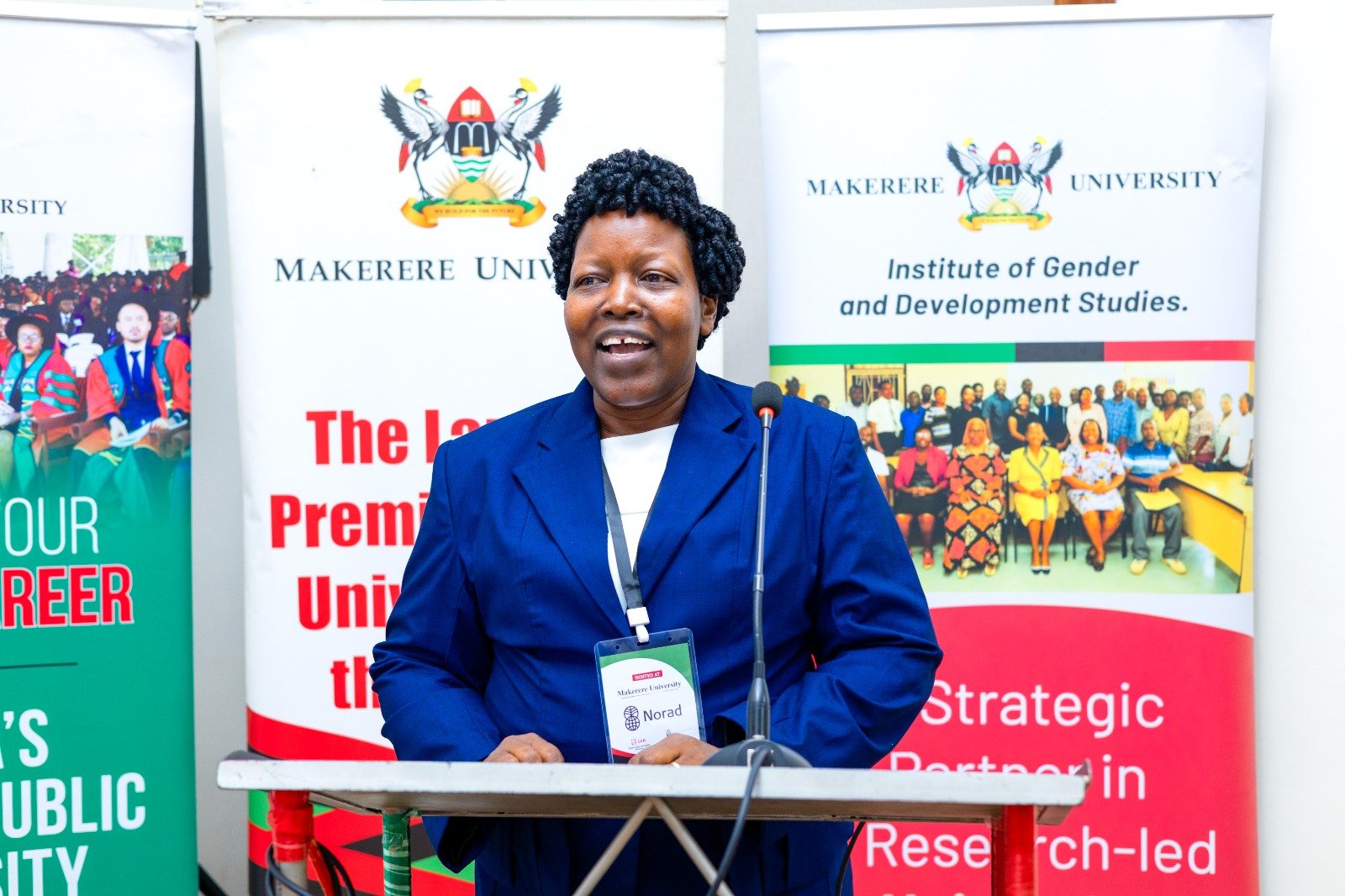
“Our central message is that no one should be left behind,” said Assoc. Prof. Nsibirano.
The project, which began in 2021, supported the digitisation of Makerere‘s Master’s in Gender Studies curriculum and Diploma in Gender and Local Economic Development. It also trained academic staff to develop digital learning materials.
Assoc. Prof. Nsibirano highlighted that the Makerere team had produced more than 30 publications from research conducted by students and staff.
“The Makerere GENDIG team is proud to have more than 30 publications arising from research conducted by students and staff,” she said.
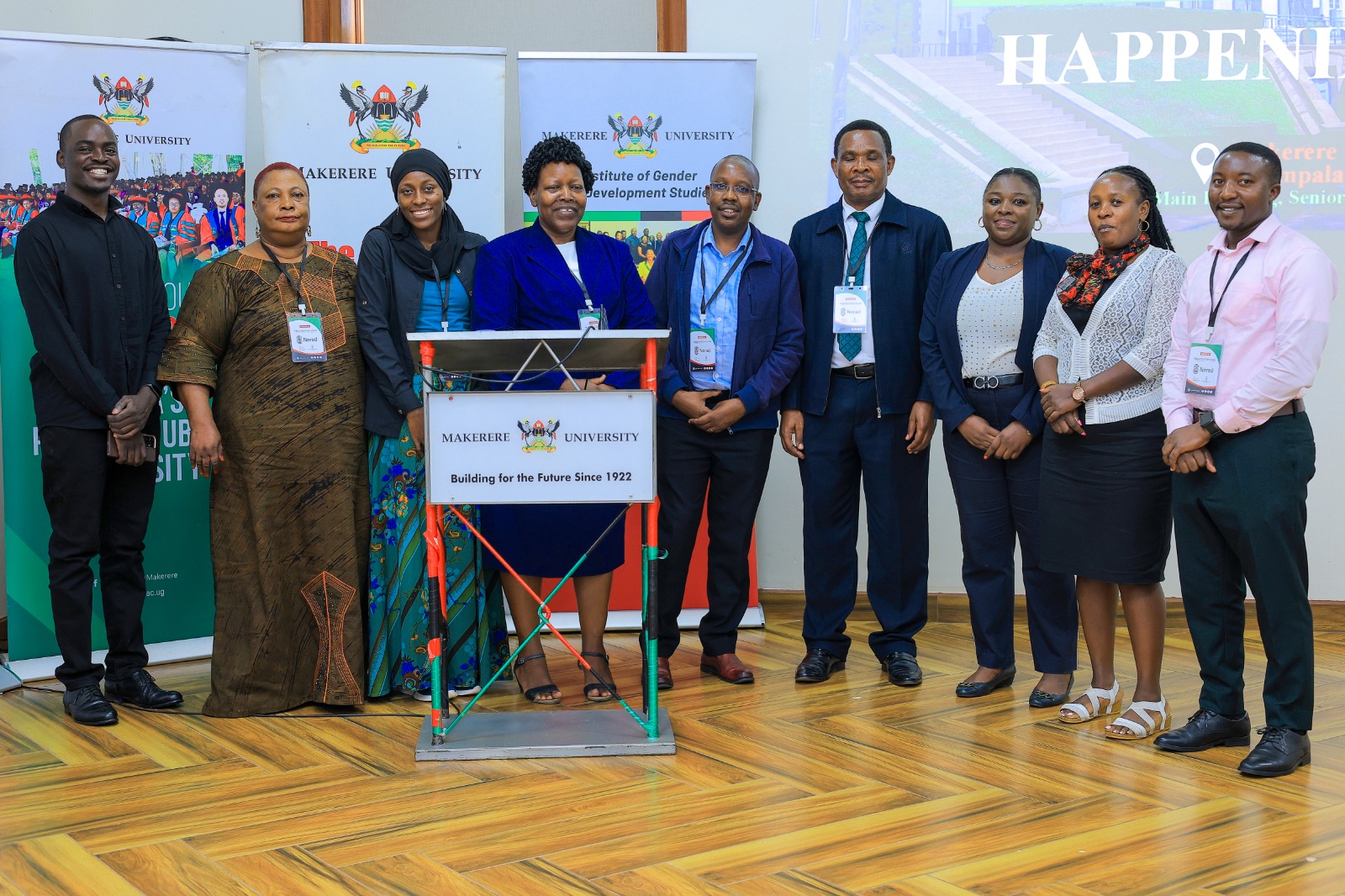
Reporting the improvements in graduate supervision, she noted that 43 graduate students from the Institute of Gender and Development Studies completed their studies and graduated during the most recent graduation ceremony.
“That did not happen by accident. It was not an isolated occurrence. It was the result of deliberate and sustained efforts to support graduate students,” she said.
The project introduced structured supervision, including weekly sessions where students could present their research, receive guidance and address challenges affecting their progress. It also supported partnerships with civil society organisations, student internships and academic exchanges involving Makerere, the University of Agder in Norway and the University of Dar es Salaam in Tanzania.
However, Assoc. Prof. Nsibirano said access to digital devices, reliable internet and other resources remained a challenge for some students.
Universities must prioritize the digital agenda
The Academic Registrar of Makerere University, Professor Buyinza Mukadasi said digital technologies were changing how universities generate, access, share and apply knowledge.
“The concept of reimagining challenges us to rethink our existing institutional structures, policies, systems, resources and available assets,” he said.
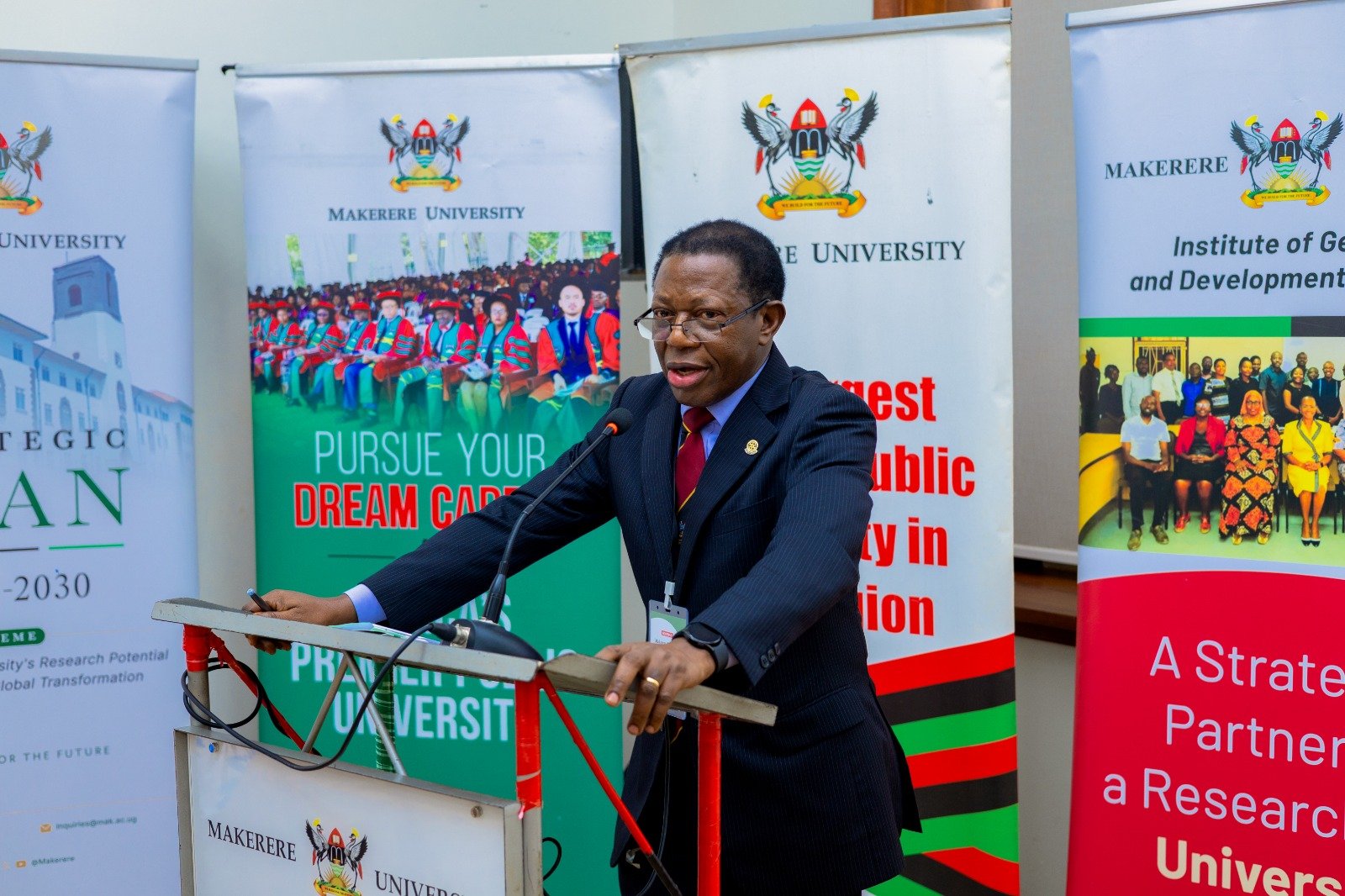
Prof. Buyinza Mukadasi, who is also Makerere‘s institutional coordinator for the NORHED programme, urged universities to invest in reliable digital infrastructure and ensure that technological progress advances gender equity and inclusion.
Prof. Buyinza Mukadasi aargued that digital learning could reduce the costs students incur on accommodation, transport and food by allowing universities to move beyond systems that depend entirely on physical attendance.
Government raises questions about ownership and access
Dr Angela Nakafeero, Commissioner for Gender and Women’s Affairs at the Ministry of Gender, Labour and Social Development, said digital transformation was raising questions about who controls technology, who benefits from it and whose values are represented.
“Who is building this digital world?” she asked. “Are we, as Ugandans, participating in its construction? Are we contributing to the technologies that are shaping the future?”
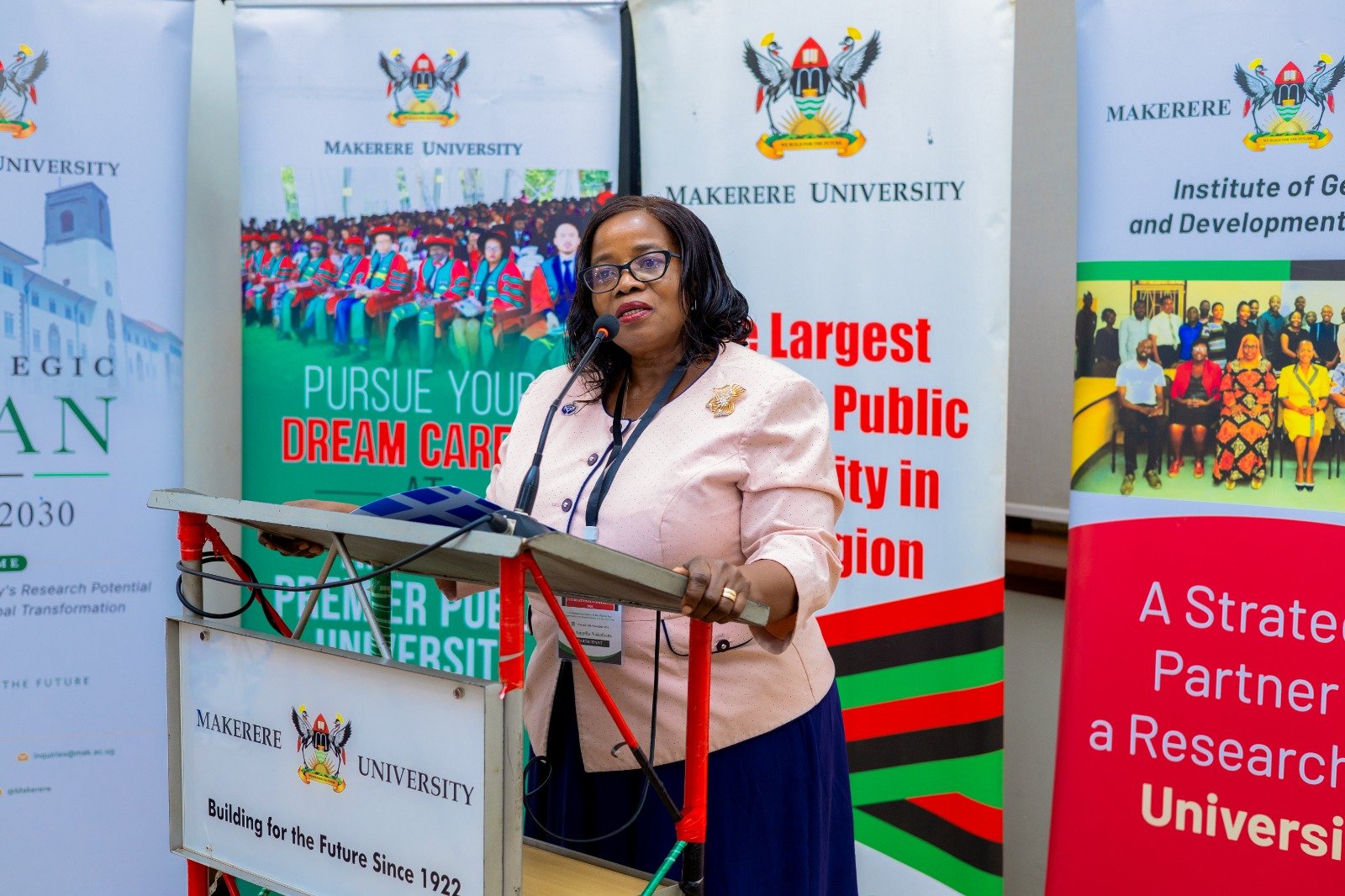
Dr Nakafeero, who was the Guest of Honour, warned that Uganda risked remaining a consumer of technologies developed elsewhere unless universities and institutions invested in the capacity to design, develop and own digital innovations.
She advocated for strategies that empower more girls and women to pursue science, technology, engineering and mathematics (STEM), while cautioning against overlooking the contribution of humanities and social sciences-related disciplines and soft skills.
Dr Nakafeero implored researchers to examine how technology could reduce women’s unpaid care work and remove barriers to their participation in productive activities.
She raised concerns about online safety, including technology-facilitated gender-based violence, and called for affordable digital solutions that protect women’s rights and improve access to justice.
Eng. Dr. Tusubira questions slow progress on gender equality
Delivering the keynote address, Eng. Dr. F. Francis Tusubira, Managing Partner of Knowledge Consult Ltd, challenged universities to confront institutional and cultural barriers limiting women’s participation in leadership and technology.
He said progress towards gender equality remained slow and fragile, with global estimates suggesting that achieving parity could take more than a century at the current rate.
“The culture eats strategy for breakfast,” Eng. Dr Tusubira said, invoking management thinker Peter Drucker to argue that institutional policies would achieve little without changes in the attitudes and practices shaping decision-making.
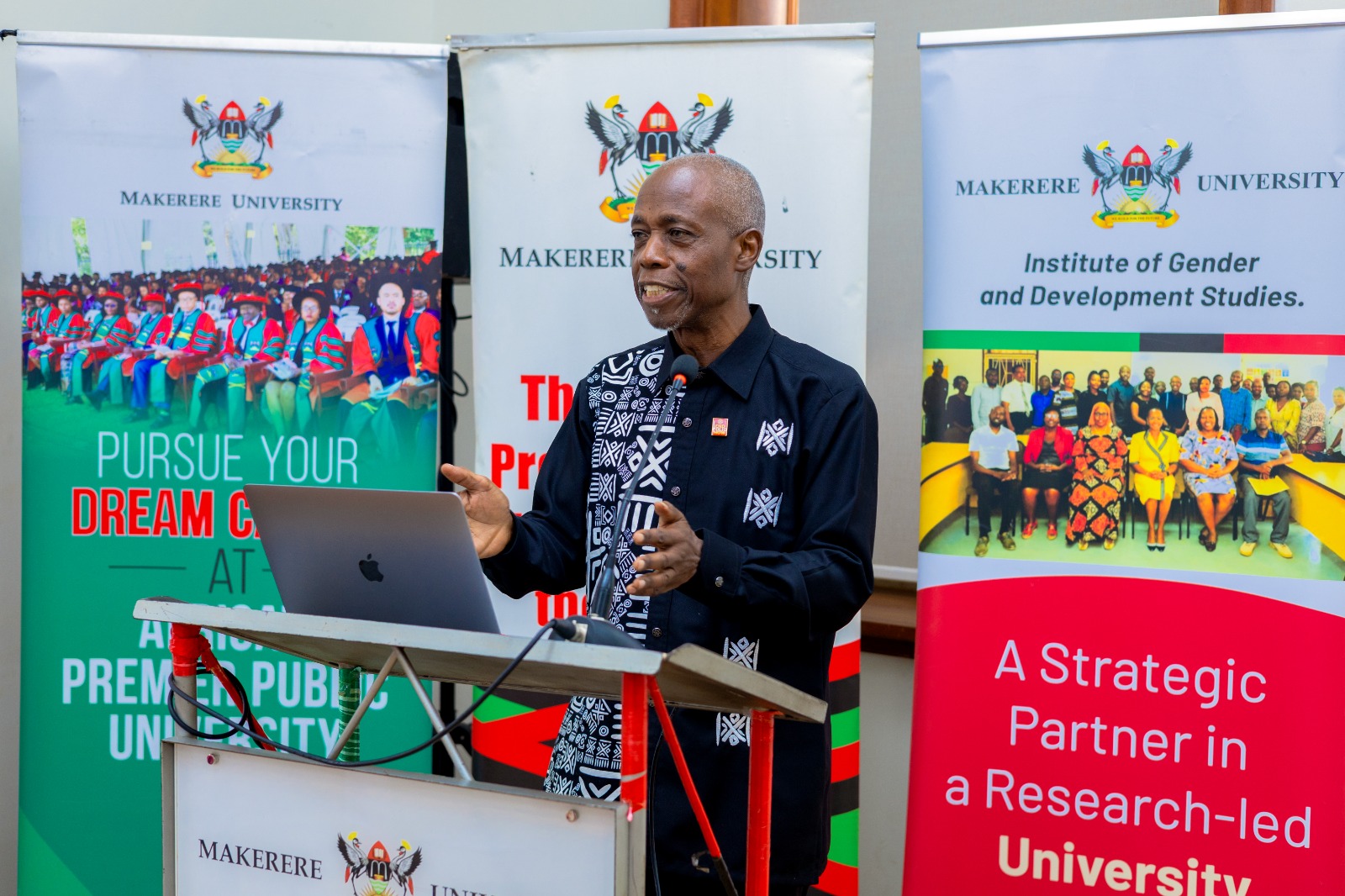
Using Makerere University as an example, he said the university’s Directorate of ICT Support (DICTS) is dominated by male staff members, with very few women.
Eng. Dr. Tusubira questioned how an institution with a long history of gender studies could have such limited female representation in its ICT department.
He argued that meaningful progress required organised women’s activism, political leadership and enforceable legal and institutional structures.
“Is this research simply for the sake of research? Or does it produce actionable findings that can accelerate progress in a revolutionary way?” he asked.
AI literacy and adoption
On artificial intelligence, Eng. Dr. Tusubira proposed introducing a compulsory artificial intelligence utilisation course for all first-year students, regardless of their academic disciplines. “AI literacy should become a foundational skill across all disciplines,” he said.
He stressed that AI is a key research tool that should be put to use, advising that “resisting AI is suicidal.”
He nevertheless called for caution as AI tools are trained by humans and if they (trainers) reflect women in bad light, the AI will do the same. He therefore urged all the participants to portray women and girls in a positive light.
Eng. Dr. Tusubira warned that systems trained on historical records that marginalise women could reproduce those biases. He cited African historical figures, including Queen Nzinga of Matamba, Queen Nandi of the Zulu Kingdom and Queen Ranavalona of Madagascar, whose contributions he said had often been excluded from historical accounts.
“Otherwise, we risk automating historical prejudice,” he said, calling for women’s contributions to be better represented in the information used to develop AI systems.
Tanzania highlights disability inclusion
During a panel discussion on the project’s achievements and future, Dr Lulu Simon Mahai, Director of Social Services and former Director of the Institute of Gender Studies at the University of Dar es Salaam, said the project had supported the development of an undergraduate course in Gender and Community Development.
The university also supported five scholarship beneficiaries-three men and two women-deliberately including men because they were underrepresented in gender studies.
Dr. Mahai said the project had supported six women to strengthen their academic writing and helped 120 students with disabilities undertake ICT training using assistive technologies, including BrailleSense, NoteTouch+, computers and magnifiers.
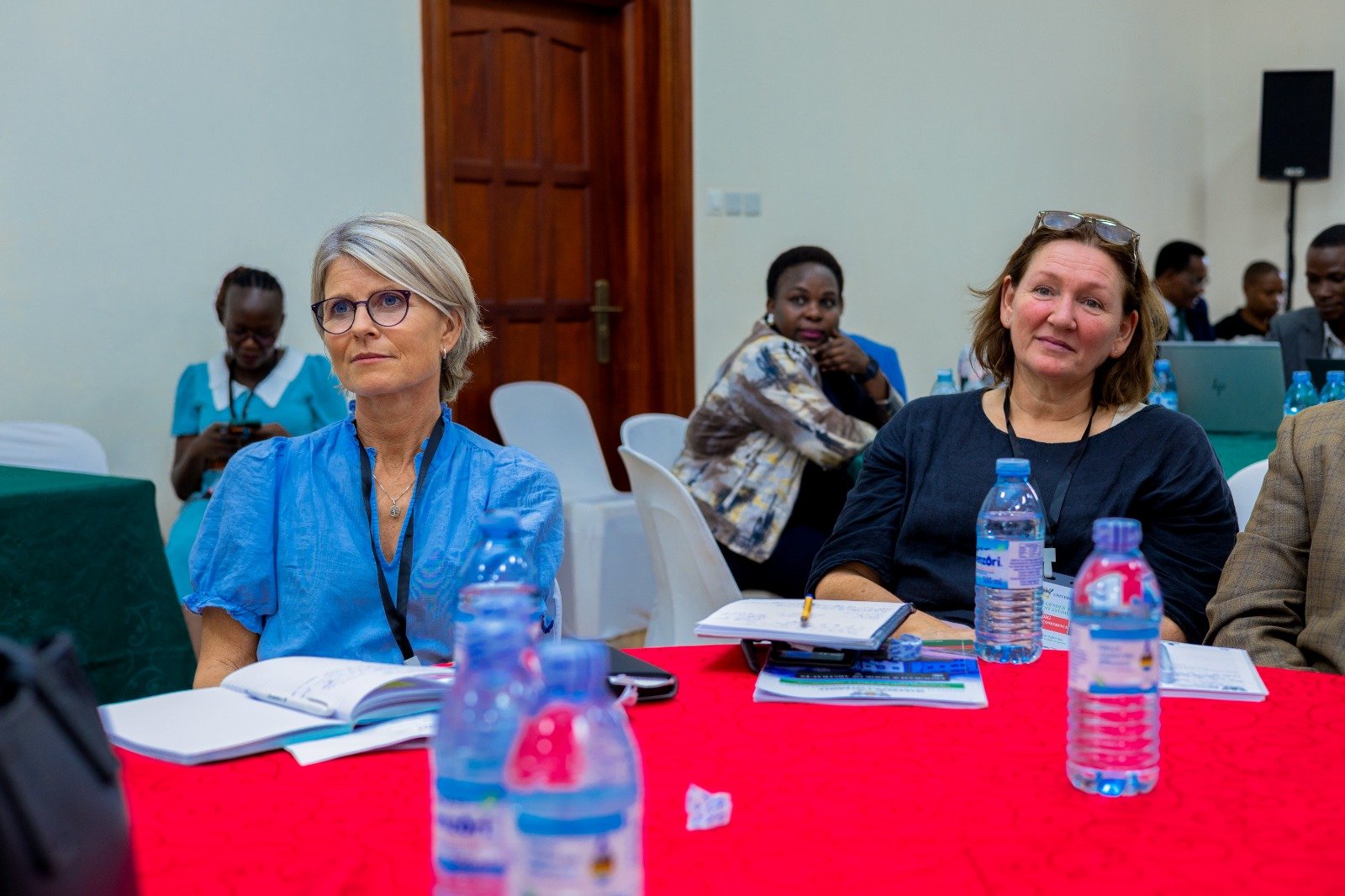
“Sometimes, when we support students with disabilities, we take these achievements for granted. However, we are planting a seed for future generations,” she said.
She added that the university’s experience showed that students had differing preferences for digital learning.
“Half of the students supported digitalisation, while the other half preferred physical classroom interaction,” Dr. Mahai said.
Some students faced difficulties accessing devices and internet services, while others preferred the social interaction of physical classrooms.
Digital access and funding remain challenges
Assoc. Prof. Arnhild Leer-Helgesen, Head of the Department of Global Development and Planning at the University of Agder and a GENDIG Principal Investigator, said the project was conceived during the COVID-19 pandemic, when universities had to move teaching and collaboration online.
“Digitalisation of higher education and teaching was what saved us as teachers and students. We would not have been able to continue higher education if we had not managed to move online,” she said.
However, she cautioned that digital learning could also reduce physical interaction and contribute to isolation.
“The combination of digitalisation and individualism is not necessarily good for teaching and learning,” Leer-Helgesen said.
Dr. Nsibirano said some Makerere students still lacked smartphones and reliable internet access, with others were relying on phones that limited their participation in online learning.
She questioned how lecturers could establish whether students logging into online classes were actually participating and learning.
“In the next project, we want to investigate whether online teaching is effective in the African context. Are we delivering? Are students actually learning?” she said.
The panellists also cited funding constraints, inflation, exchange-rate fluctuations and differences in financial accountability procedures among the partner universities and NORAD as challenges during implementation.
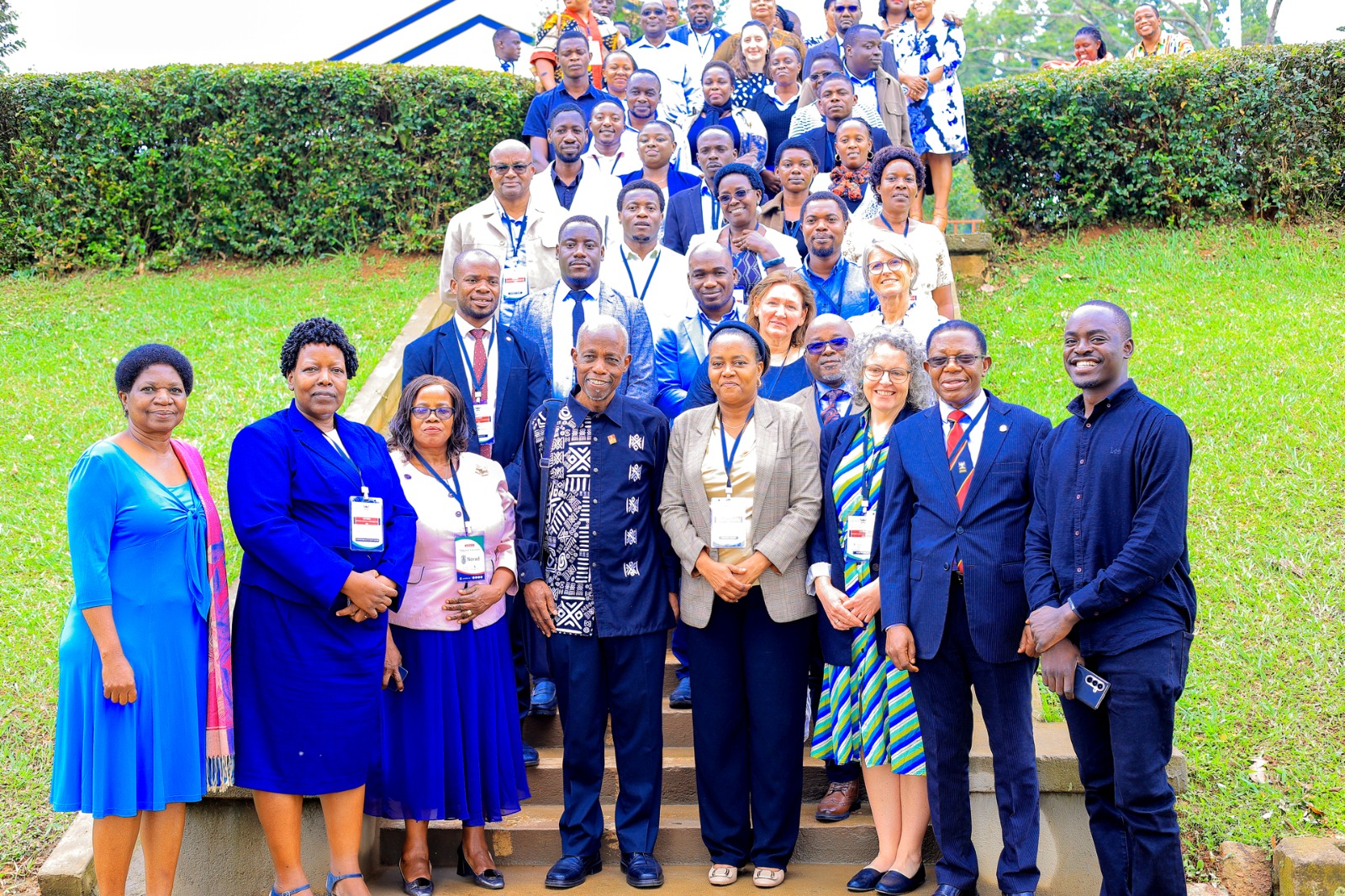
Dr. Mahai said limited funding had prevented consistent follow-up visits to rural women who received digital skills training, forcing the project to rely on telephone calls and remote monitoring.
Partners call for another phase
The partners called for continued investment in graduate scholarships, doctoral training, disability inclusion and collaboration with civil society organisations.
Leer-Helgesen said the next NORAD programme was expected to be managed by a university in the Global South, giving African institutions greater responsibility for setting priorities and determining its direction.
Dr. Mahai called for more doctoral scholarships to develop a stronger pool of gender experts, alongside continued support for students with disabilities.
The panel moderator, Dr Ritah Nakanjako, urged the partners to find ways of extending the collaboration beyond the current project.
“I want you to become creative and find ways of ensuring that we have GENDIG 3, GENDIG 4 and GENDIG 5,” she said.
The conference continues with research presentations and discussions on gender and digitalisation in higher education, inequality and inclusion, gender and digital technology in civil society, contemporary issues in gender studies, and gender and artificial intelligence.
The project is supported by the Norwegian Agency for Development Cooperation (NORAD) under the Norwegian Programme for Capacity Development in Higher Education and Research for Development (NORHED).
-

 General2 weeks ago
NOTICE: Online Applications for Government Sponsorship for Programmes Offered at Public Universities & Other Tertiary Institutions 2027/2028 AY
-

 Agriculture & Environment2 weeks ago
Zambia readies to host the 22nd RUFORUM AGM in the Capital Lusaka
-
 General2 weeks ago
Makerere-Rotary Launch Student Food for Peace Initiative
-
 Research2 weeks ago
Your Research, Your Identity, Your Impact. Makerere Empowers Graduate Students to Go Global Through ORCID
-
 General2 weeks ago
RENU Communications Department Graduate Trainee Program: Two (2) Vacancies