
General
2nd National Inter University Debate Competition 2026 Makerere Secures 2nd Place

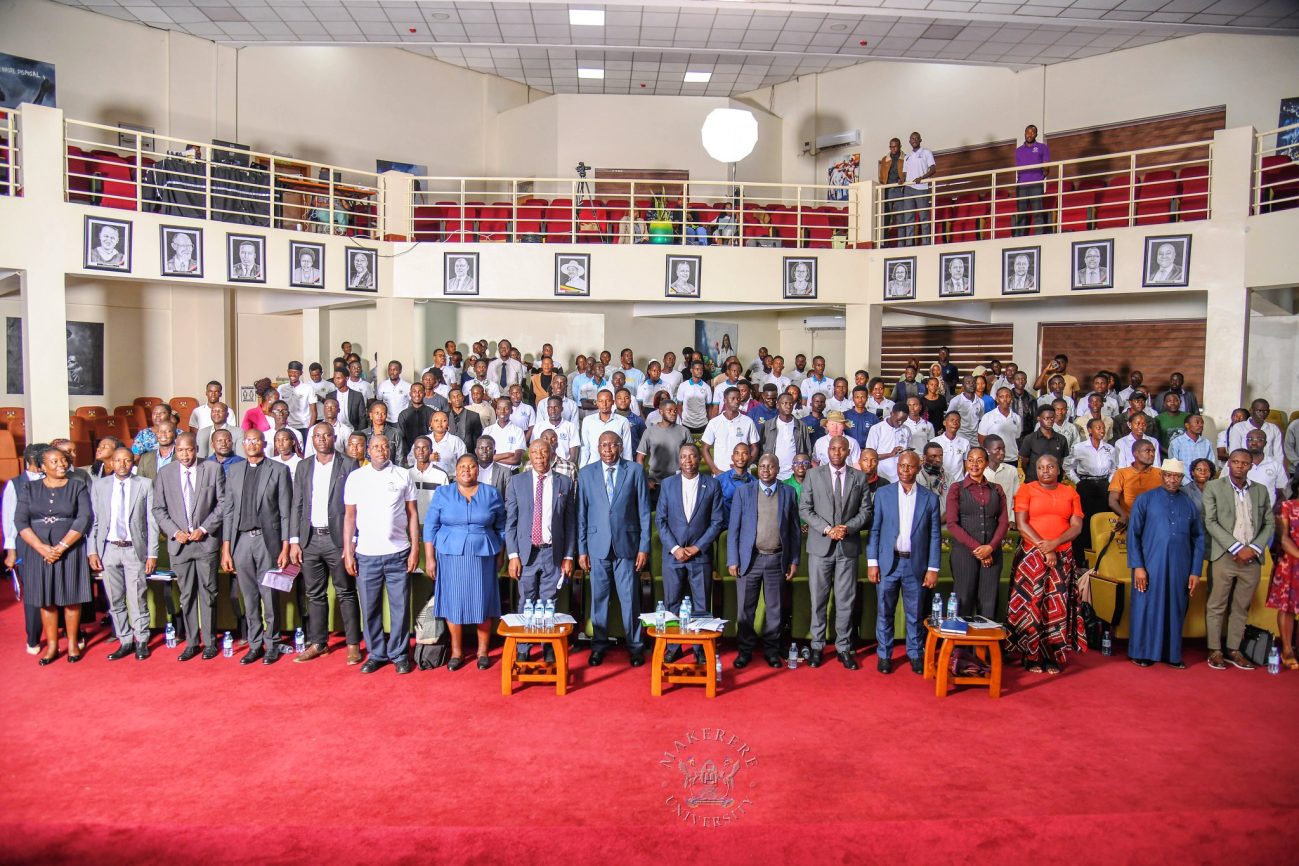
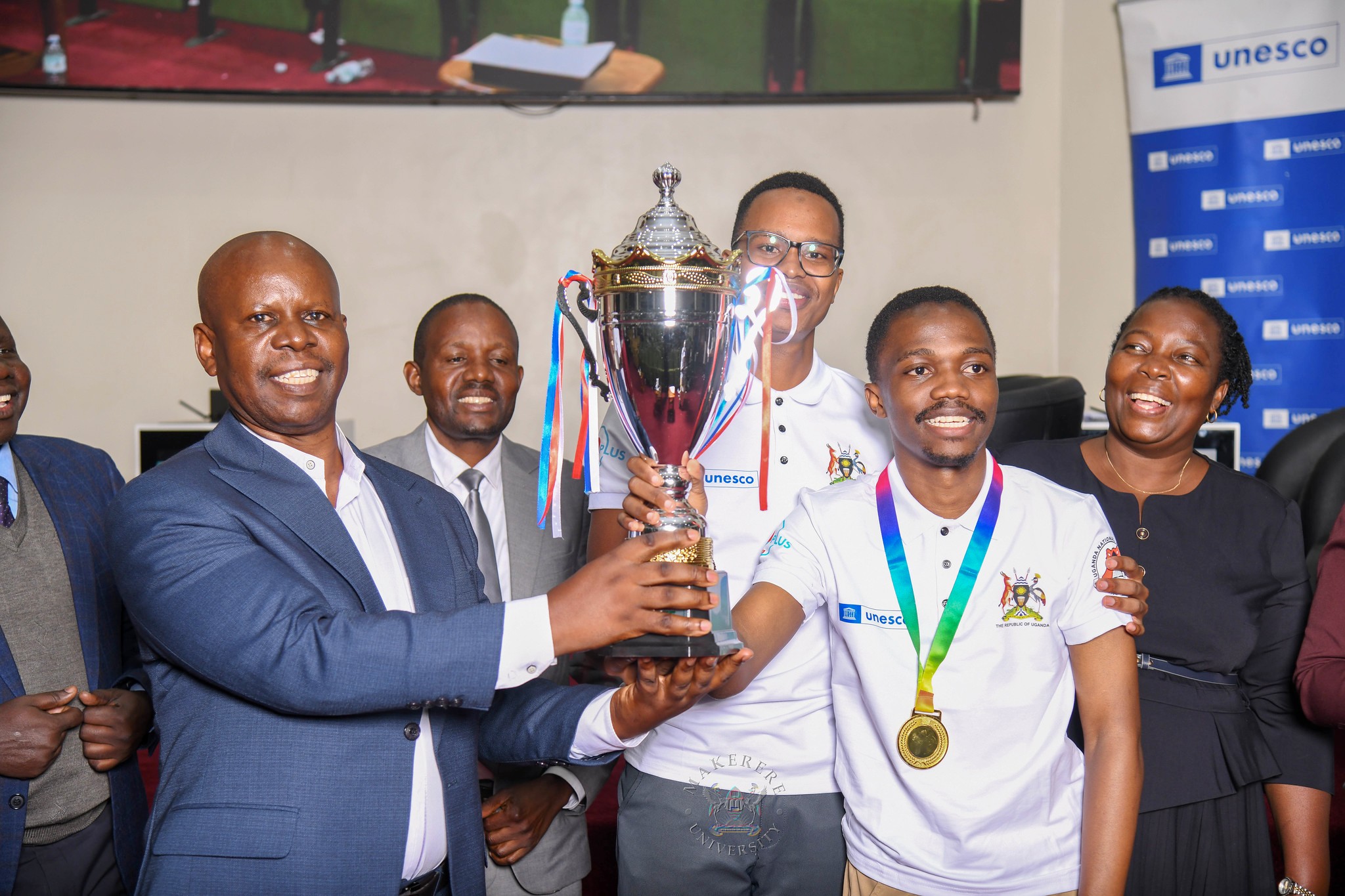
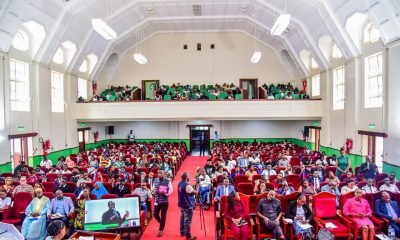
September 29, 2026 – The Vice Chancellor (VC) of Makerere University Prof. Barnabas Nawangwe hosted the 2nd National Inter University Debate Competition 2026 at School of Public Health Auditorium where Makerere University secured 2nd place in the grand finale, National level. The proceedings were witnessed by representatives from the Ministry of Education and Sports, UNESCO as the premium sponsor and organiser, University(ies) staff and administrators, students from various institutions and distinguished guests.
The final saw four Universities namely Makerere University, Kyambogo University, Soroti University and Kampala University Main Campus, each with two student debating representatives tussle it out under the theme “Students Health, Safety and Well-Being: A Catalyst for enhanced educational outcomes and academic excellence in higher education institutions in Uganda.”
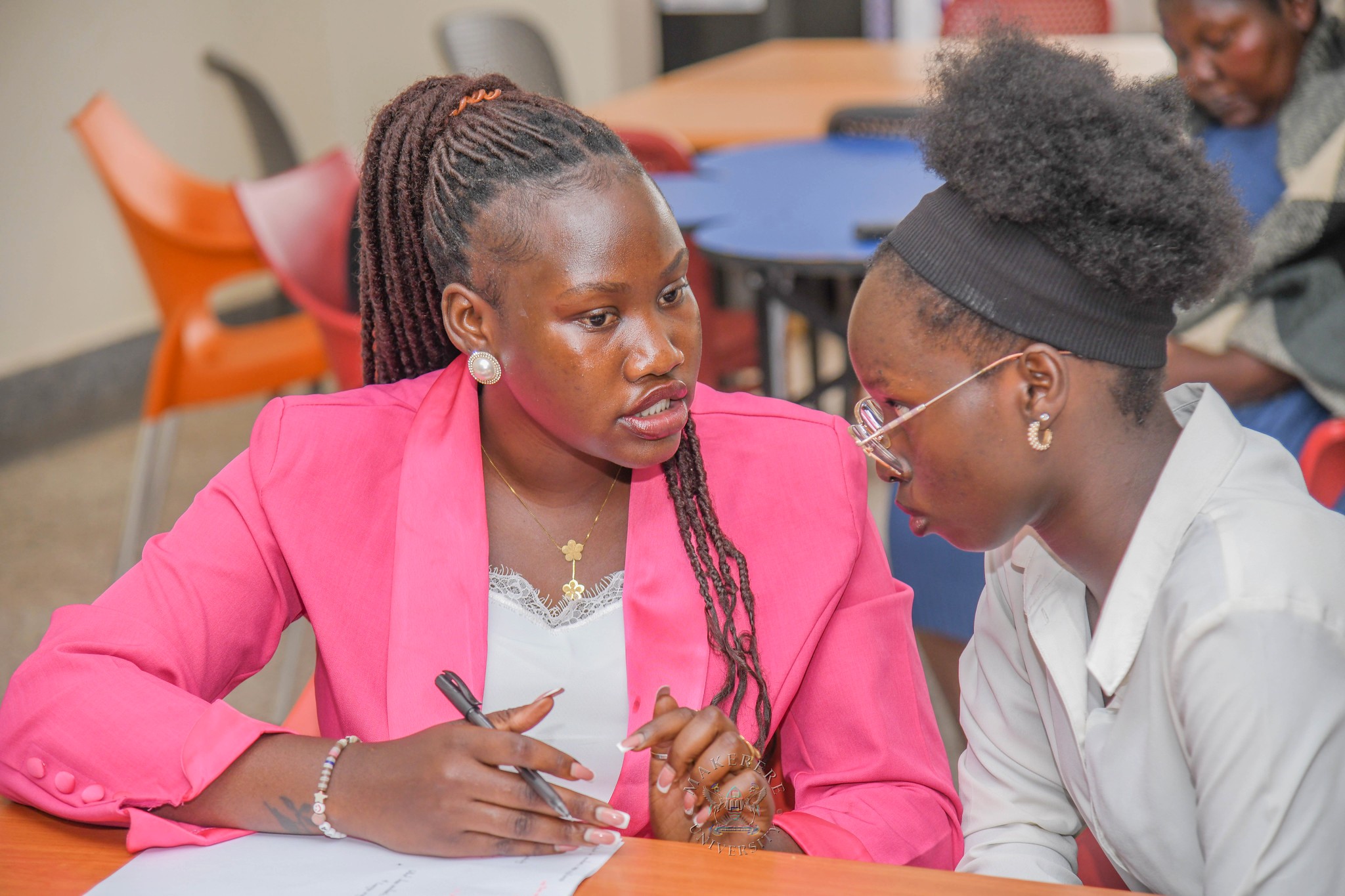
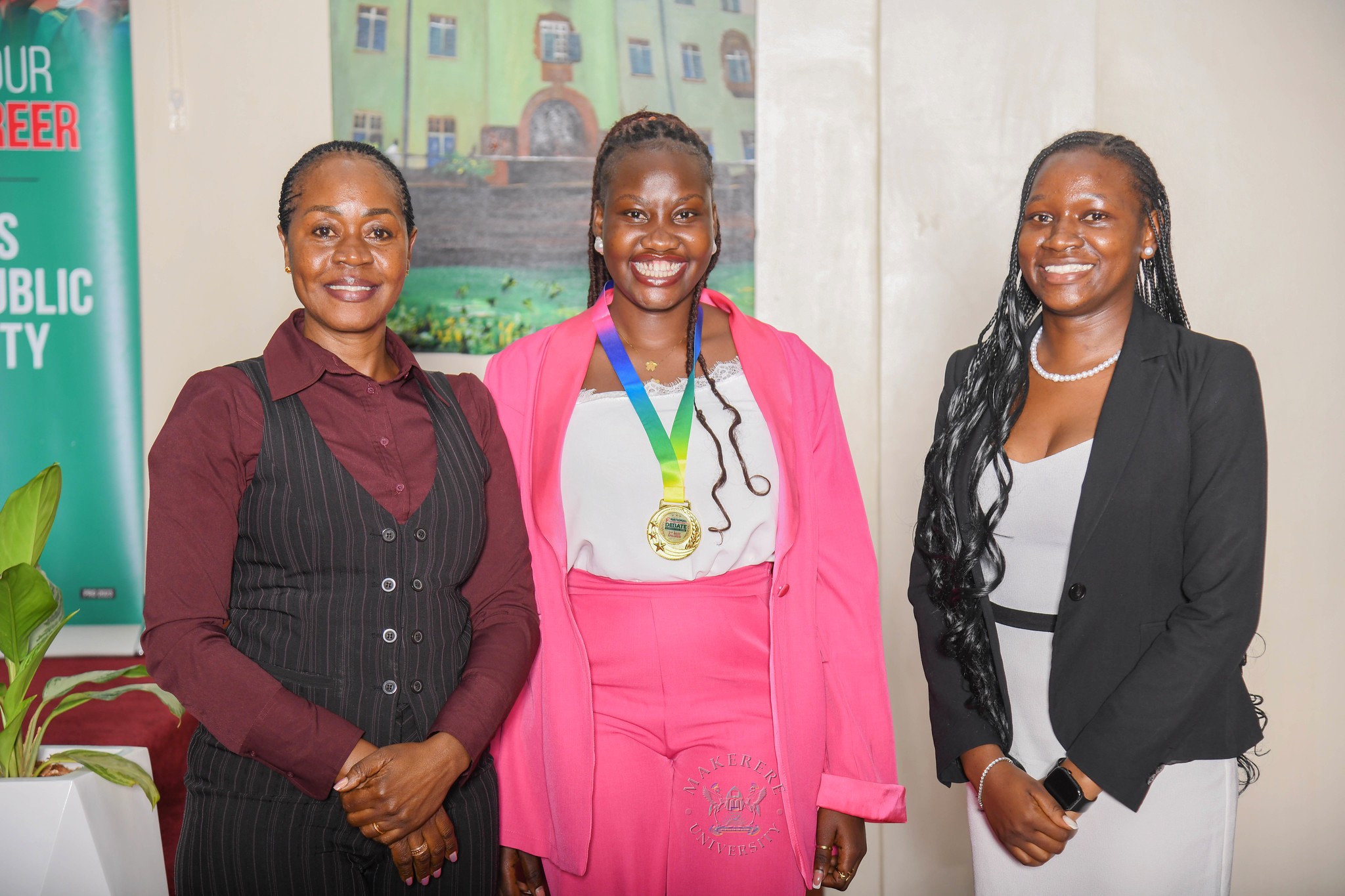
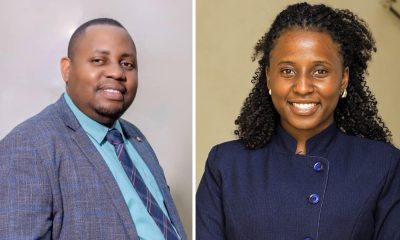
Makerere was represented by Ms. Synthia Lamaro, a second-year student of Bachelor of Laws and Ms. Cynthia Apili, a second-year student of Bachelors of Social Sciences who ably competed.
Cynthia Apili came up as the second-best debater at regional and national level just a few points behind Mr. Kibirango Rahim Osama of Kyambogo University who won as an individual, and also enabled his institution to secure 1st position.
Makerere Positions self as a Hub for Student Engagement
Representing the Vice Chancellor Prof. Barnabas Nawangwe, Professor Henry Alinaitwe, the Deputy Vice Chancellor in charge of Finance and Administration welcomed all, and framed the act of hosting as central to the university’s identity and ongoing success.
He extended a warm greeting to students from other Universities, particularly those visiting the campus for their first time. “I want to say that you are welcome to Makerere University, especially those of you who are from up country and you have never been to Makerere University,” Professor Alinaitwe expressed.
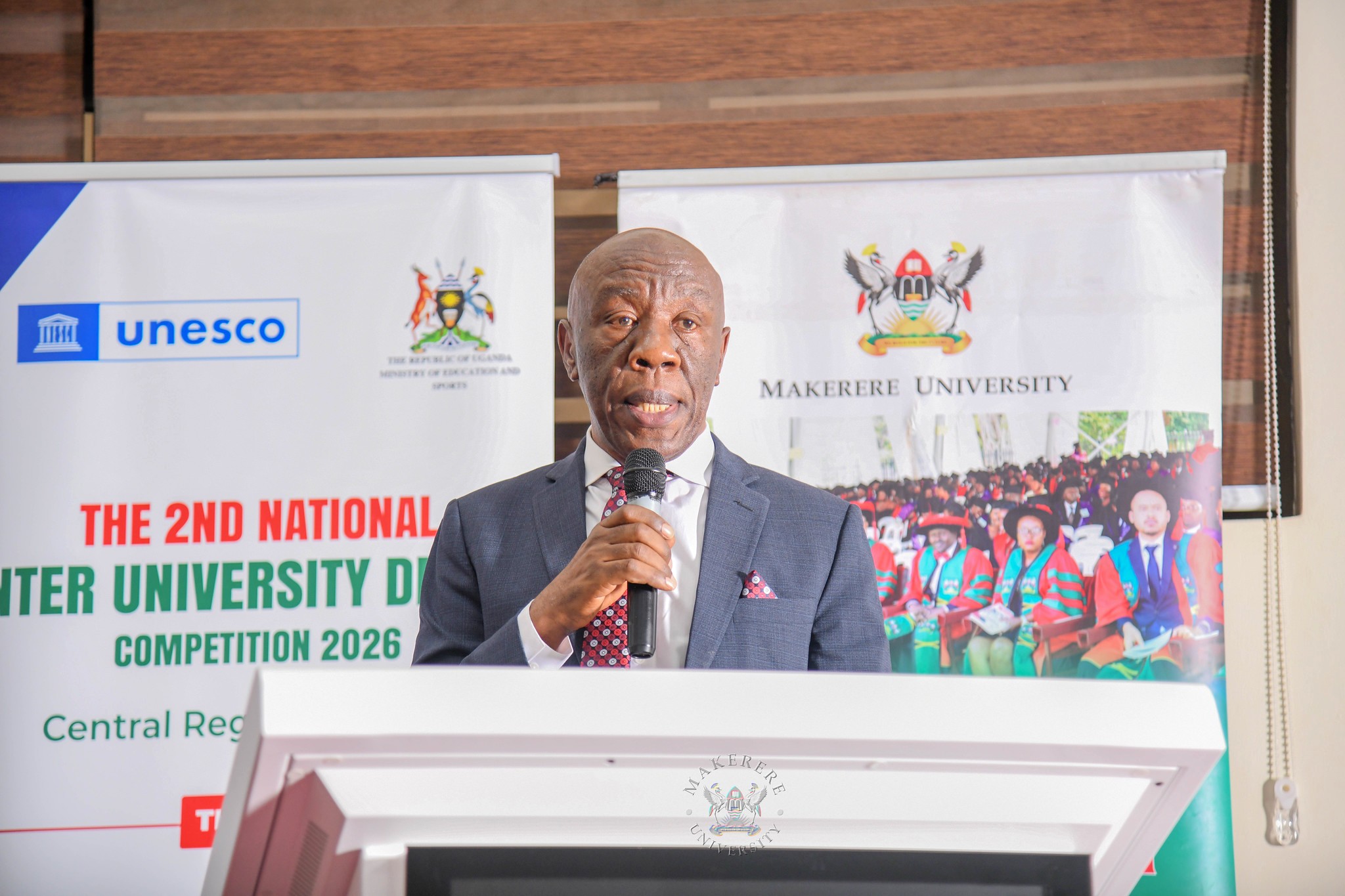
With this warm tone, he described the debate as a catalyst for current student leadership, saying the Inter-University Debate Championship is not merely an academic exercise, but a vital training ground for immediate leadership. This, he said, with regard to the skills acquired through debating such as communication, critical thinking, and emotional regulation, which are essential tools for students to navigate their current realities.
Most significantly, the VC challenged the common narrative that students are only “future” leaders. He assured them that he cannot say they “are the future leaders, but you are leaders even today.” By linking the debate platform to the broader theme of student wellbeing and safeguarding, he positioned the event as a necessary component for universities to remain relevant and engaged in the holistic development of their students.
Ministry of Education Calls for Safer Campuses
CPA Micheal Wanyama, the Commissioner for Higher Education Students Financing Scheme, popularly known as the Student Loan Scheme delivered warm greetings from the Permanent Secretary, Ministry of Education and Sports, Dr. Kedrace Turyagyenda the Chief guest, who was unable to join in due to other competing demands.
CPA Wanyama read her speech verbatim and emphasized that student welfare is inseparable from academic success. She stated, “there is no way we can separate education outcomes from the health, safety, and wellbeing of our learners, especially for us in the education sector.”
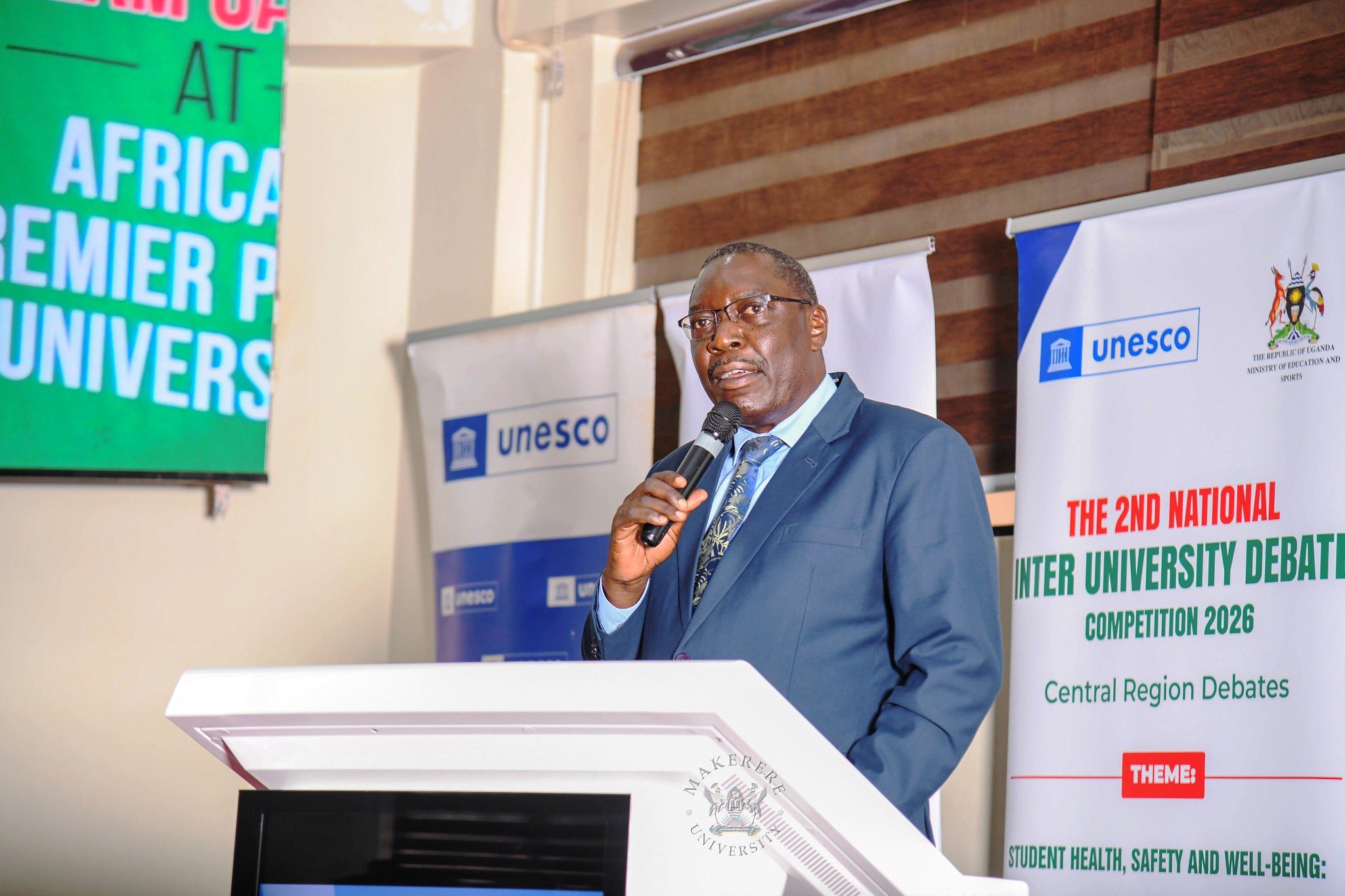
She further encouraged universities to address a range of issues, including psychosocial challenges, and ensure that “every learner knows where they can seek help, and secure confidence that their legitimate concerns will be handled appropriately, promptly, and responsibly.”
Reflecting on the championship, Dr Turyagenda praised the organisers and UNESCO for creating a platform that promotes critical thinking and leadership.
She expressed the Ministry’s support for the continuation of the event, noting that the goal is to see all universities participating in the future.
CPA Wanyama concluded her remarks by agreeing with Professor Alinaitwe that the long-term impact of the competition is that it contributes to “the ability to think critically, communicate responsibly, and use knowledge to solve real problems in society.”
UNESCO calls for move from debate to action
The National Antenna – Coordinator for the United Nations Education Scientific Organization (UNESCO), Mr. Charles Draecabo addressed the Inter-University Debate Championship with a clear message regarding the necessity of student support. He stated, “Educational excellence cannot be achieved without student wellbeing.”
Mr. Draecabo outlined the barriers students face, noting, “no student can fully realize their potential when faced with poor mental health, violence, sexual and reproductive health challenges, discrimination, substance abuse, financial stress, or unsafe learning environment.”
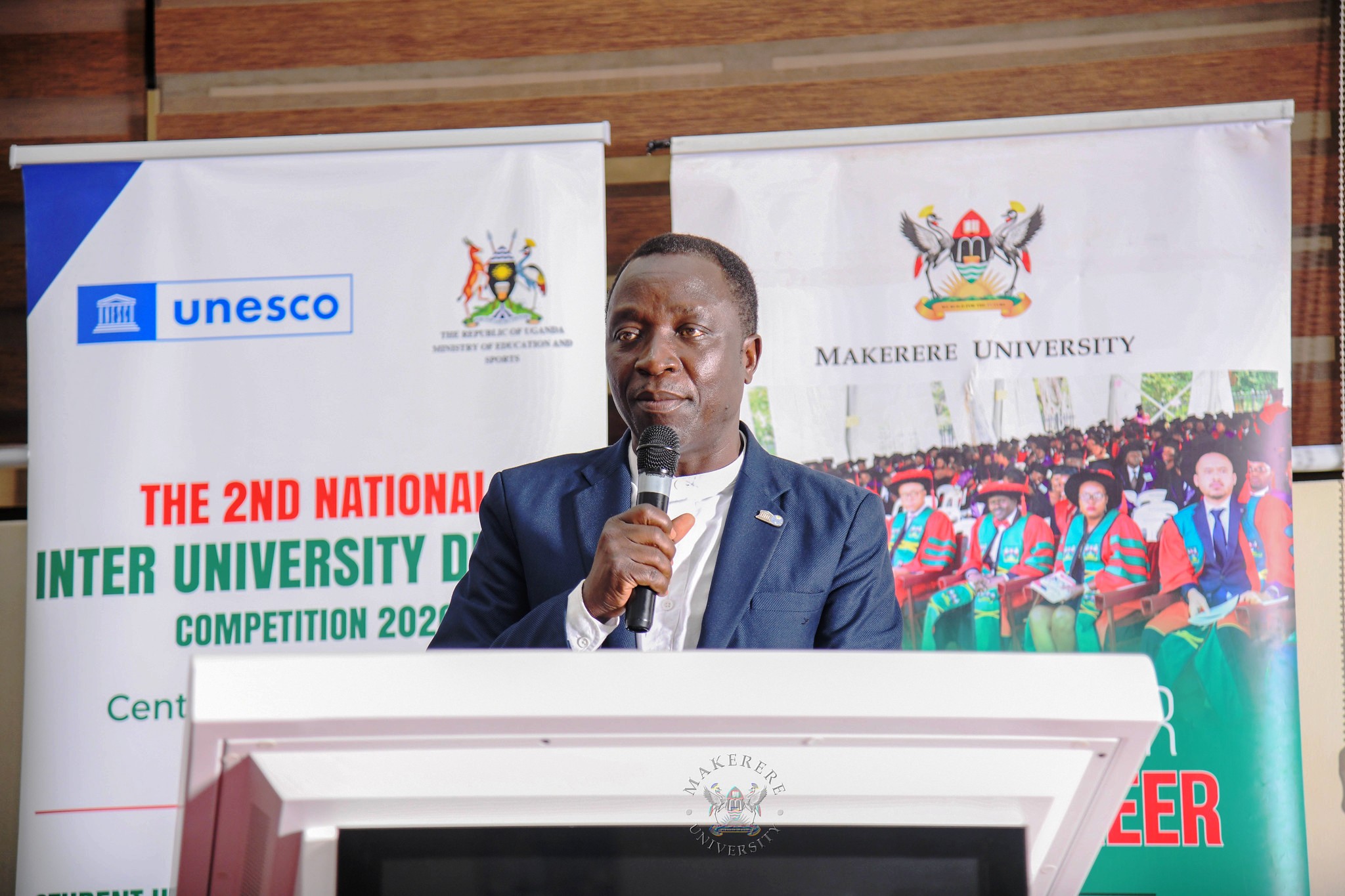
He also talked about knowing and the right environment, “knowledge alone does not always translate into informed choices. Students need accurate information. They need to be confident. They need friendly services, supportive environment, which seek to address issues of stigma and discrimination, among others.
Finally, he urged the debaters and the audience to ensure their advocacy leads to tangible results. He advocated for a, “move from debate to action, from idea to impact, and from commitment to measurable change.”
Background of the 2nd Inter University Debate Competition 2026
Mr. John Ochira, the Assistant Commissioner for Higher Education in the Ministry of Education and Sports having served as the Chairperson of the organising committee for the debate, explained that this is the second occurrence of the event, noting, “last year, we organized a similar event like this, but the participating teams were very few. We had only three universities participating… That debate was like a pilot.” This year, they expanded the scope significantly, stating, “We are now looking at all the universities in the country to participate. That’s why the participation started from the regional level.”
Mr. Ochira, said “the inter-university debate is a way of operationalizing the O3 Plus program, which is supported by UNESCO under the Ministry of Education and Sports.”
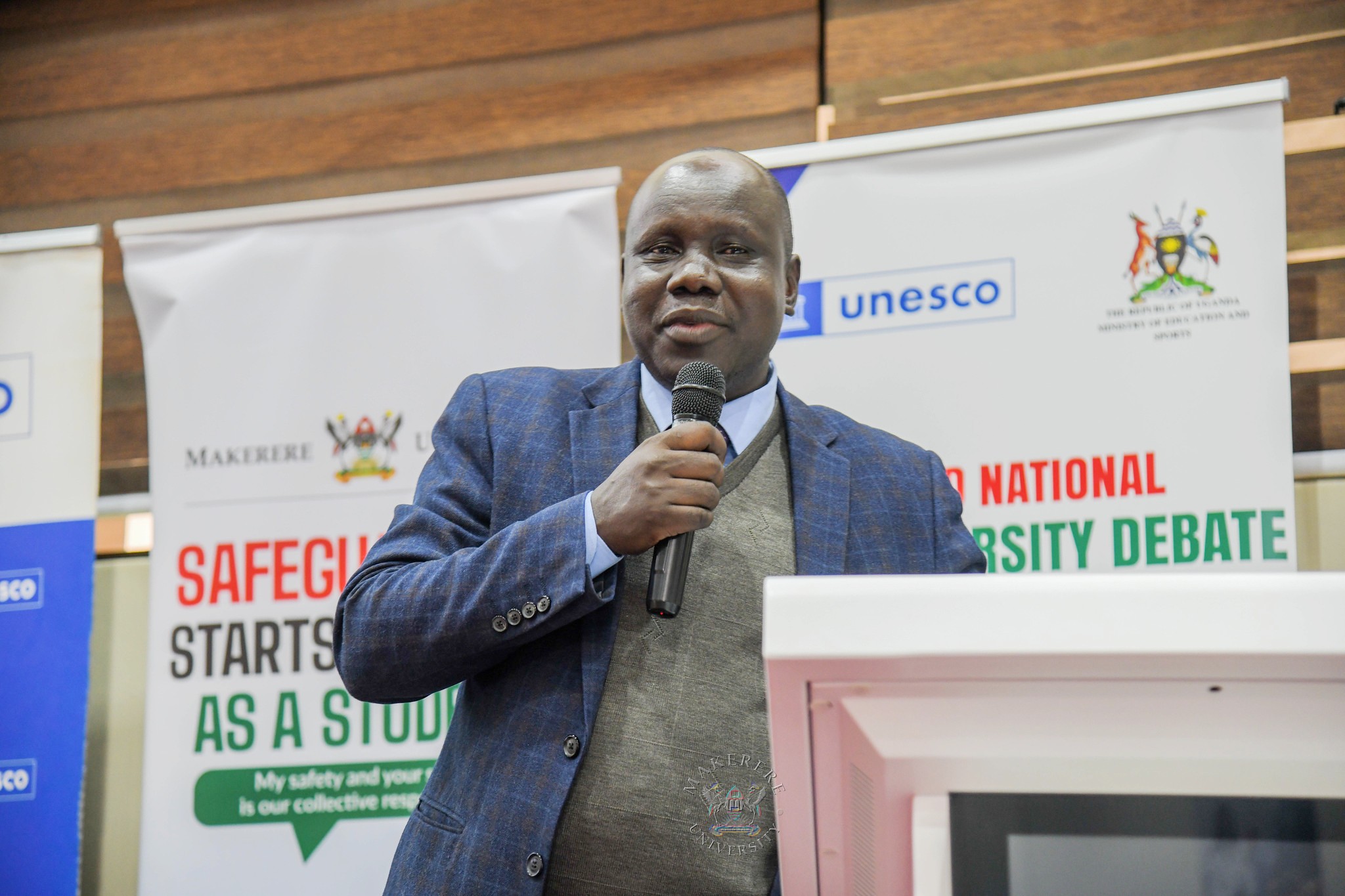
He explained the core philosophy: “the O3 plus, is about our rights, our lives, and our future” and emphasised the addition of a crucial element, noting, “You cannot talk about our lives, our rights, our future without responsibilities.”
He also outlined the goals, stating, “one is to provide a safe platform for students to openly discuss and critically examine health, safety, and well-being affecting them.” The research aspect was also mentioned, noting, “need to promote evidence-based research, dialogue, and sharing of information scientifically,” among others.
Judge Vincent Odonga Appraises the Debate
Coach Vincent Odong of Junior Academy was one of the judges that handled the sessions where Makerere appeared. He commended debaters from all Universities for their hard work and research.
Agreeing with all other speakers on the importance of such debate sessions to students, Odong also shared that they serve as a vital incentive for students to engage with university policies and beyond.
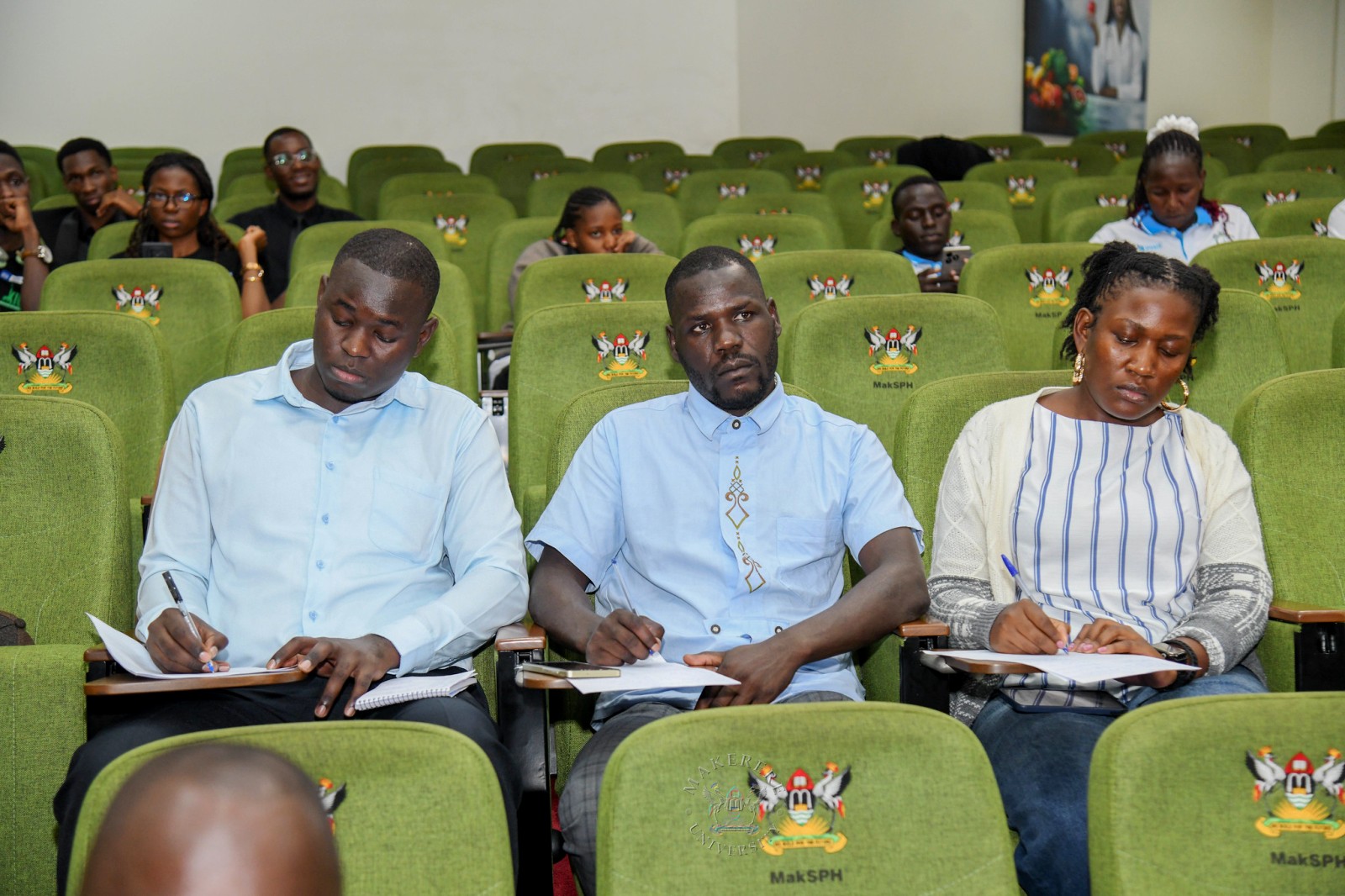
“The debates are informative of how much the students know about their universities, and I think that creates incentives for them to know about the policies that are in universities and how they affect them.”
He also praised the high quality of engagement in the current round, observing that “the arguments are more nuanced and more specific and more detailed as opposed to people just putting forth ideas without decent explanation.”
Furthermore, he applauded the organising committee for its commitment to regional inclusivity, noting that “being able to go to the remotest of places and to get those people to engage with the wider country is something that is very commendable.”
Odong mentioned some areas where the process might need tightening. He recognized that the motions are not really tailored for debate but rather open discussion.
For future debates, he suggested that grassroots training be done before hosting the real competitions. This, he added, is intended to bridge the accessibility gap, identifying that the central region is more advantaged for currently it has “more opportunities, more training, more interaction compared to other regions.”
Photos by Allan Ainematsiko
View Pictorial: https://flic.kr/s/aHBqjD6gBx




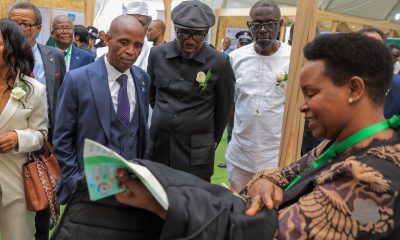



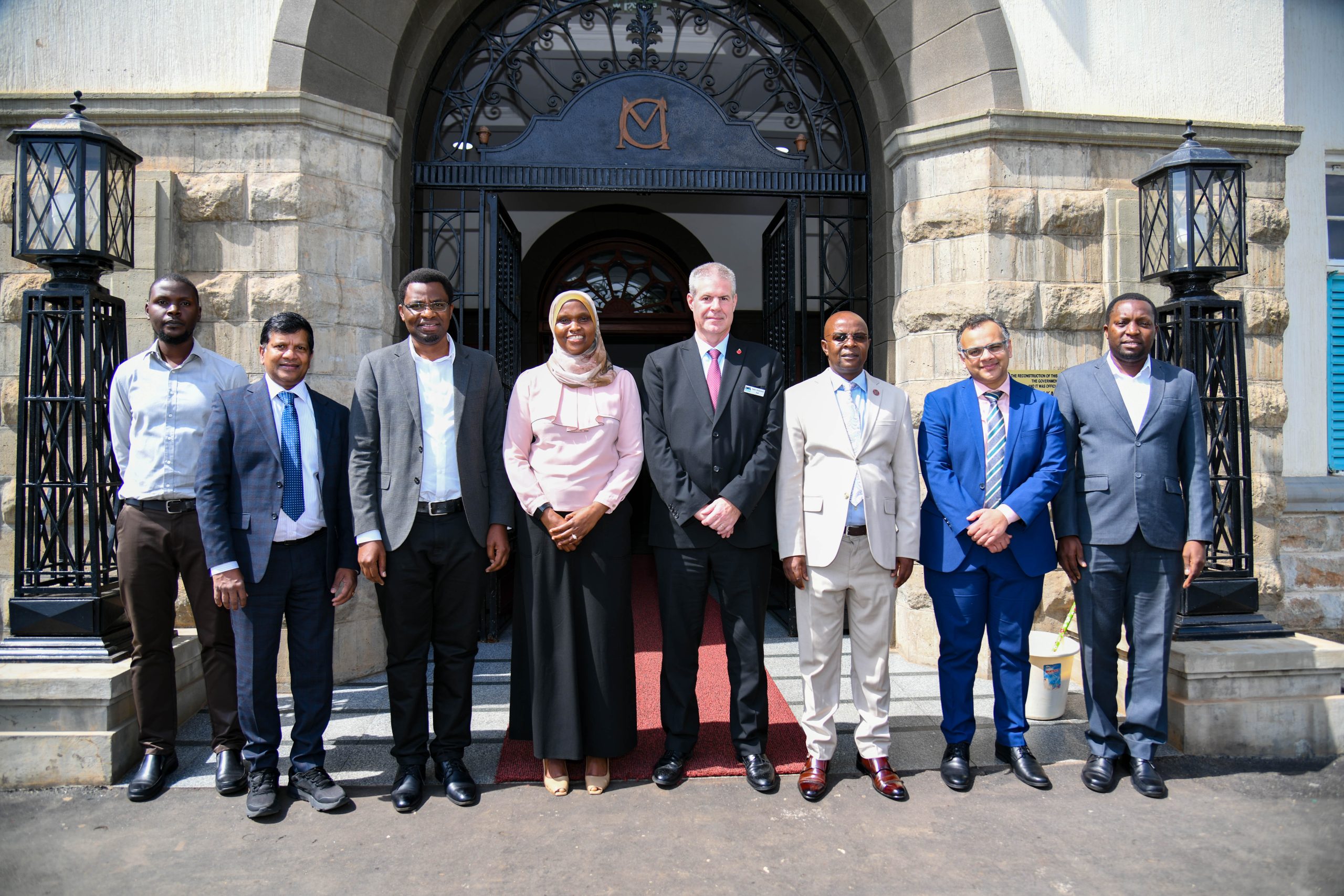
Prof. Edward Bbaale, Acting Deputy Vice Chancellor for Finance and Administration at Makerere University, on November 10 2026 welcomed a delegation from the International Water Association (IWA), led by Mr. Keith Robertson, the Learning and Events Director at International Water Association (IWA). Mr. Robertson, in his remarks, highlighted their visit to Makerere University as a fact-finding mission regarding the potential establishment of a new regional IWA office in Africa to support the continent in solving challenges relating to water.
The International Water Association is a leading global nonprofit organisation and knowledge hub for the water and sanitation sector. Connecting more than 10,000 individual members and 500 corporate entities across 140 plus countries, the association bridges the gap between scientific research and practical engineering to solve global water crises, improve sanitation, and secure clean water systems. Currently, IWA is evaluating potential host cities in Africa; Makerere University in Kampala is the first they have visited out of their three countries and venues earmarked.
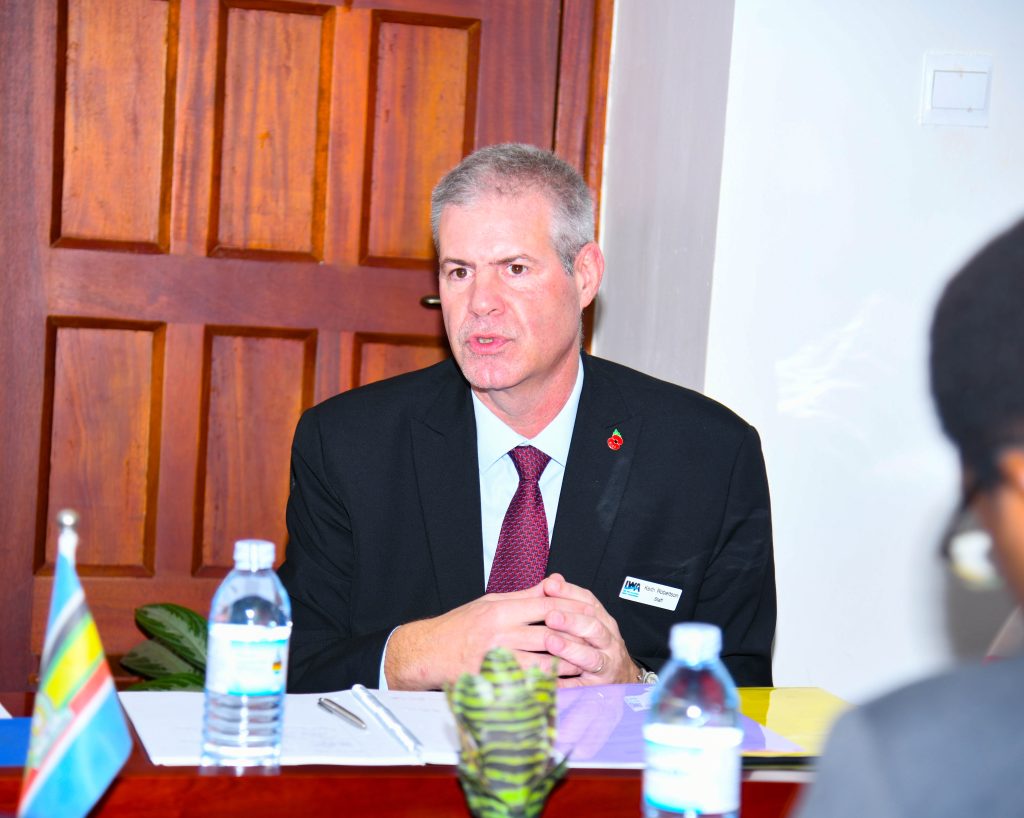
This meeting held at Makerere Main Administrative Building, was attended by university leadership, faculty from College of Engineering, Design, Art and Technology (CEDAT), and representatives from the National Water and Sewerage Corporation (NWSC). Discussions explored possibilities of the yet to be established office bridging the gap between academic research and practical application in the water sector not only in Uganda but also on the continent.
On behalf of University Management, Prof. Edward Bbaale underscored this engagement that focused on possible Water and Sanitation advancement partnership as one that aligns well with the strategic direction of the University.
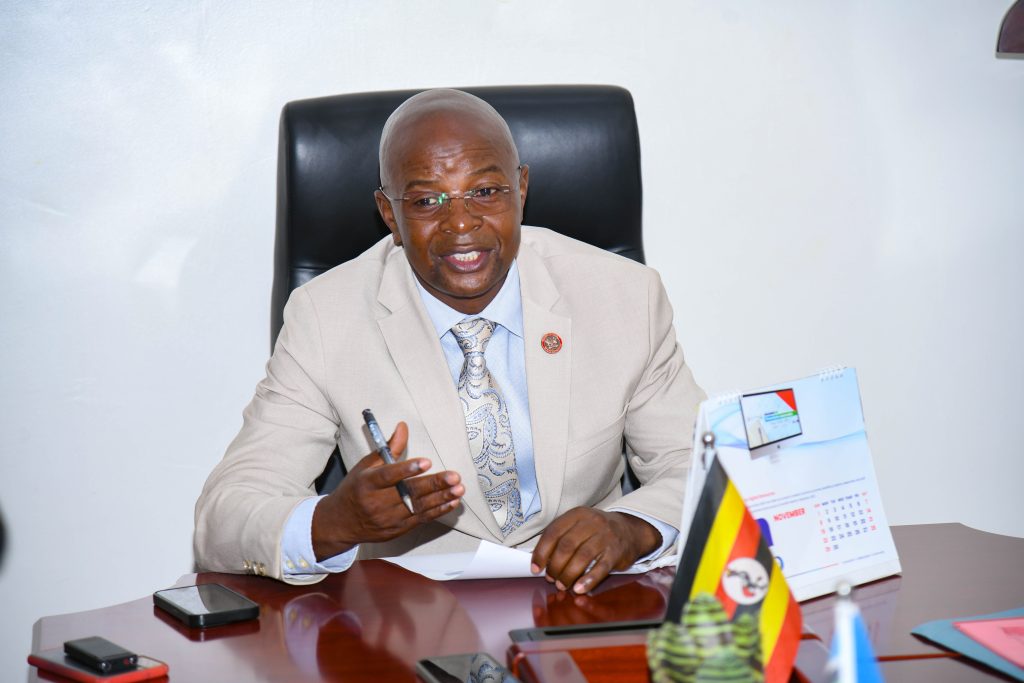
Projected Impact of a Kampala-Based IWA Office
Dr Philip Nyenje, Head of Department, Civil and Environmental Engineering (DCEE), expressed optimism about the collaboration, saying, “this is a very good opportunity for us to grow our interest in the sector of water and sanitation.”
In addition, Dr Seith Mugume, a Senior Lecturer at DCEE, noted that the regional office would unlock research and innovation opportunities in the real world for our students and also provide incentives for them to pursue projects within local research and innovation angles.
Eng. Zainab Mpakiraba, Acting Senior Manager at NWSC framed Kampala as a very unique venue for the centre and highlighted Makerere as one of the core academic partners for the regional Eastern and Southern Africa hub of the Global Sanitation Graduate School. Eng. Mpakiraba further endorsed Makerere, saying that, as a top-notch university in Uganda and in the region, when it leads on any aspect, it is able to pull most of the other universities.
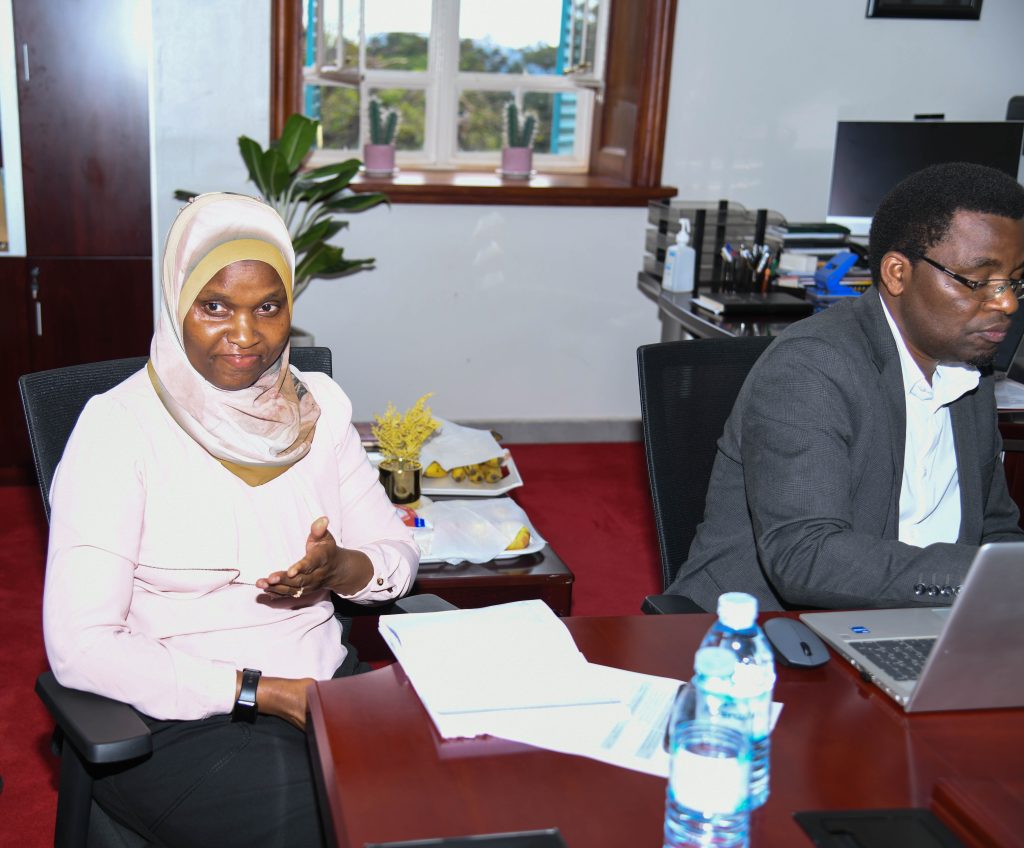
Makerere’s Strategic Initiatives and Activities so far in the Area of Water
Dr Nyenje noted that his Department has a very strong base in water and sanitation, covering disciplines like water resources, environmental, structural, and highway engineering. Dr. Mugume added that they are conducting research on “modeling of water resource systems, hydrological and hydraulic modeling,” “water quality management,” and “fecal sludge management, sanitation in low-income and peri-urban areas.”
The two also mentioned that the department has introduced a “master’s in sanitation, and also a postgraduate program… a diploma in sanitation” to address growing interest in the sector.
All these strategies have been made possible through good will and funding from the Government of Uganda, strategic partnerships, and International Collaborations that have positioned Makerere as a key player in the region.
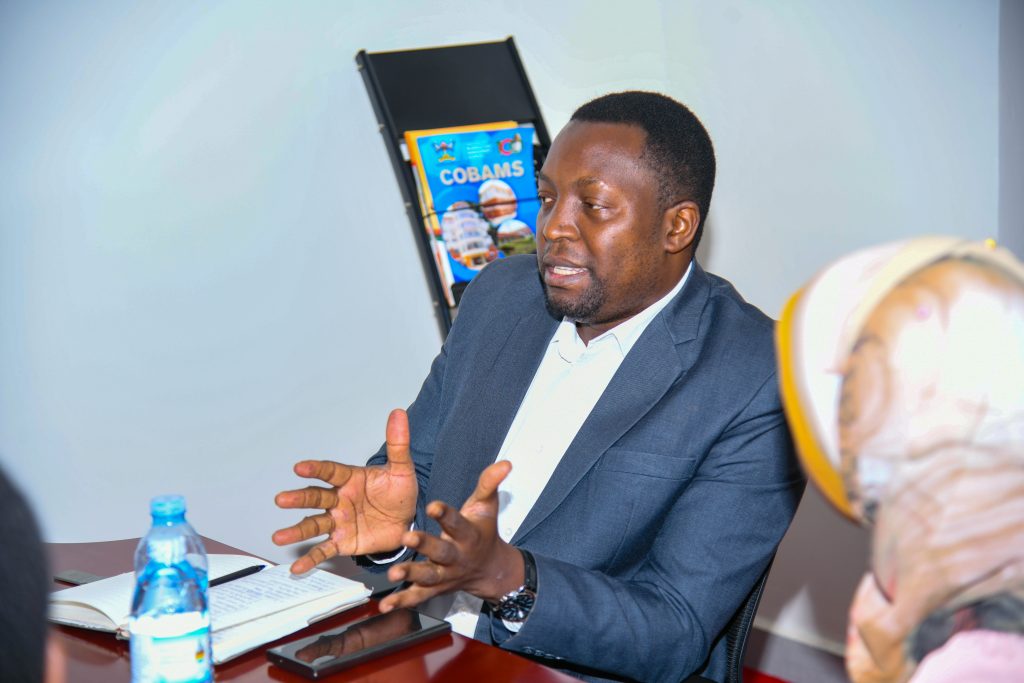
Concluding the session, Prof. Edward Bbaale reaffirmed Makerere’s ability to run this Office when established as the University has human resources in multidisciplinary research, global credibility and working relationships with many organisations and institutions on the continent and far.
General
NOTICE: Online Applications for Government Sponsorship for Programmes Offered at Public Universities & Other Tertiary Institutions 2027/2028 AY


-
 General2 weeks ago
ADVERT: Mature Age Entry Scheme Examinations – 2027/2028
-
 General1 week ago
Update On Payment of Endowment Fund Fees
-
 General1 week ago
Institutionalizing ORCID at Makerere University: Strengthening Researcher Identification, Visibility and Research Output Tracking
-
 General2 weeks ago
CoNAS Staff & Students Sensitized on Gender Equality, Sexual Harassment Policies
-
 Business & Management2 weeks ago
Makerere Entrepreneurship Congress Rallies Youth Behind Uganda’s ‘Tenfold Growth’Plan