
Health
Uganda’s Outbreak Experience Points to Strong Response Systems but Persistent Detection Gaps

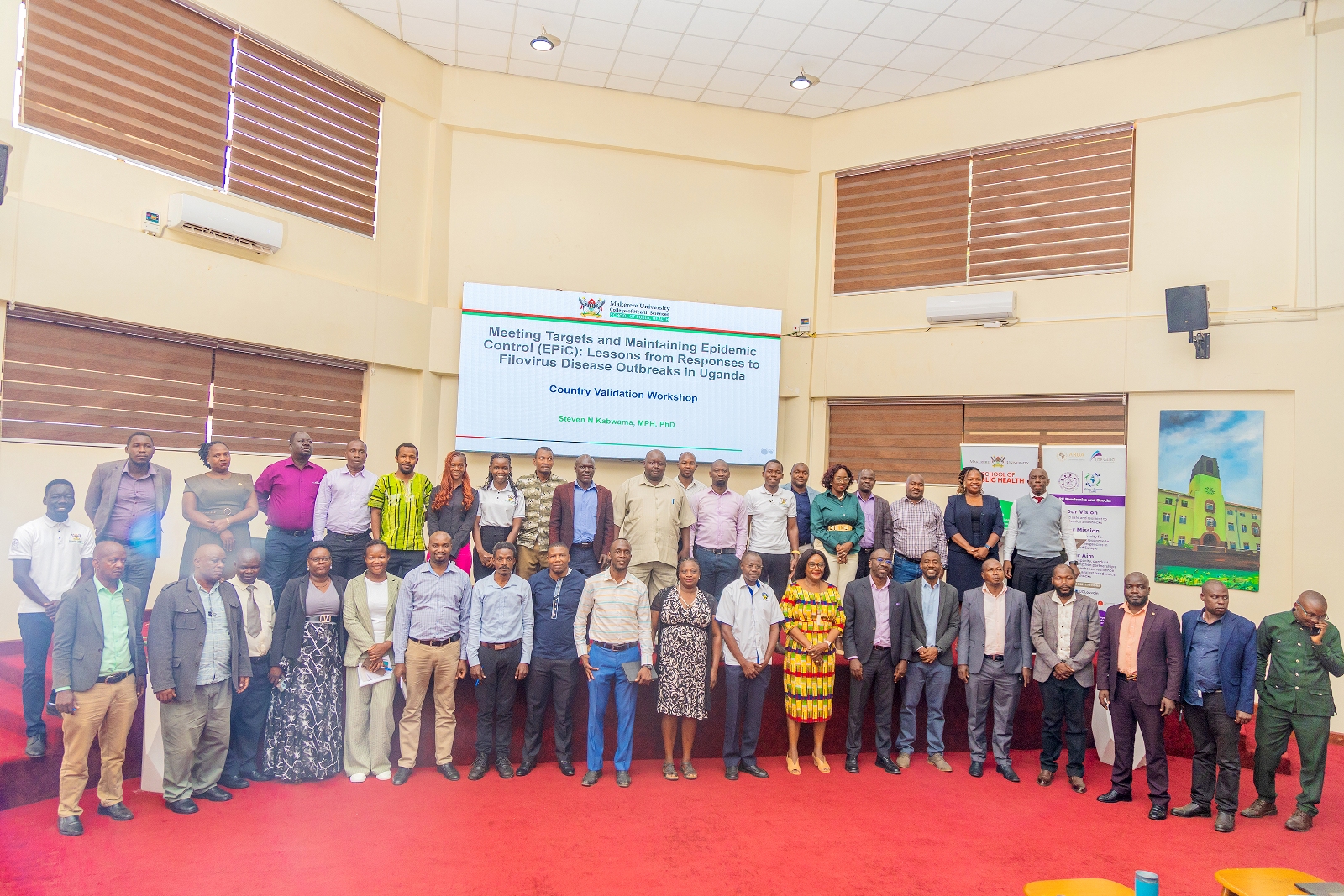
Uganda has strengthened its ability to respond rapidly to Ebola and Marburg outbreaks once cases are confirmed, but delays in frontline detection, health worker exposure, emergency financing bottlenecks and incomplete implementation of lessons from previous outbreaks continue to undermine preparedness, a study has found.
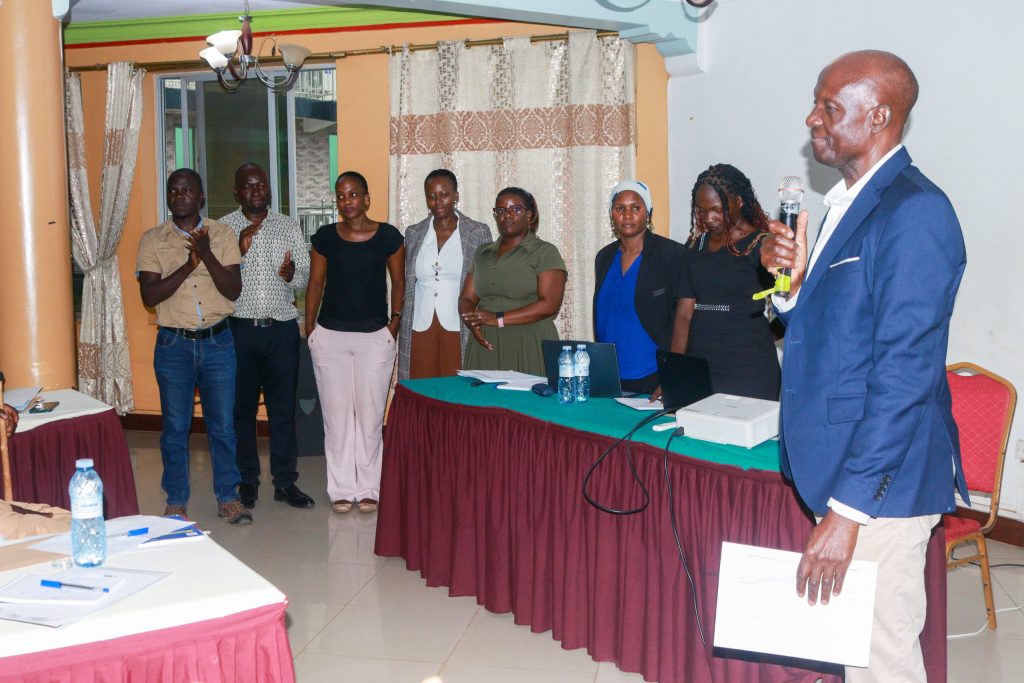
The findings were presented today, October 6, 2026, during a country validation workshop convened by the Meeting Targets and Maintaining Epidemic Control (EPiC) project, to examine lessons from Uganda’s response to filovirus disease outbreaks. The study was undertaken by Makerere University School of Public Health and FHI 360.
Presented by Dr. Steven Kabwama, the synthesis examined Uganda’s experience with recurrent Ebola virus disease (EVD) and Marburg virus disease (MVD) outbreaks between 2000 and 2026, drawing particularly on After-Action Reviews from the 2017 Marburg outbreak and the 2019, 2022 and 2025 Ebola outbreaks. The work seeks to consolidate recurring strengths, weaknesses, innovations and lessons that had previously been documented separately.

Uganda has recorded 12 filovirus outbreaks over the 26-year period, including nine Ebola and three Marburg outbreaks, according to the research team. Among the four outbreaks examined closely were the 2017 Marburg outbreak in Kween and Kapchorwa, the cross-border Ebola outbreak in Kasese in 2019, the multi-district Sudan Ebola virus outbreak in 2022, and the 2025 outbreak whose index case was a health worker.
Strong systems after confirmation
Across the outbreaks reviewed, the synthesis found that Uganda has developed significant capacity to mobilise after laboratory confirmation. National and district task forces and technical response structures are activated quickly, supported by strong laboratory capacity, established coordination mechanisms and increasingly sophisticated surveillance systems.
The country has also built laboratory capacity around the Uganda Virus Research Institute, mobile laboratories, genomic sequencing, sample referral systems and the Results Dispatch System. Digital surveillance tools, Village Health Teams, survivor champions and established national and district coordination structures have further strengthened response capacity.
Detection remains a weak point
However, the findings point to a critical problem before confirmation: recognising a possible outbreak early enough.
For outbreaks originating within Uganda, the synthesis found that the period between a patient’s first presentation and confirmation ranged from nine to 27 days. This the study found is linked to low clinical suspicion and weaknesses in screening. Other recurring challenges included delayed access to emergency financing, infections among health workers, disruptions to essential health services, community mistrust and stigma, and limited follow-through on recommendations from previous After-Action Reviews.
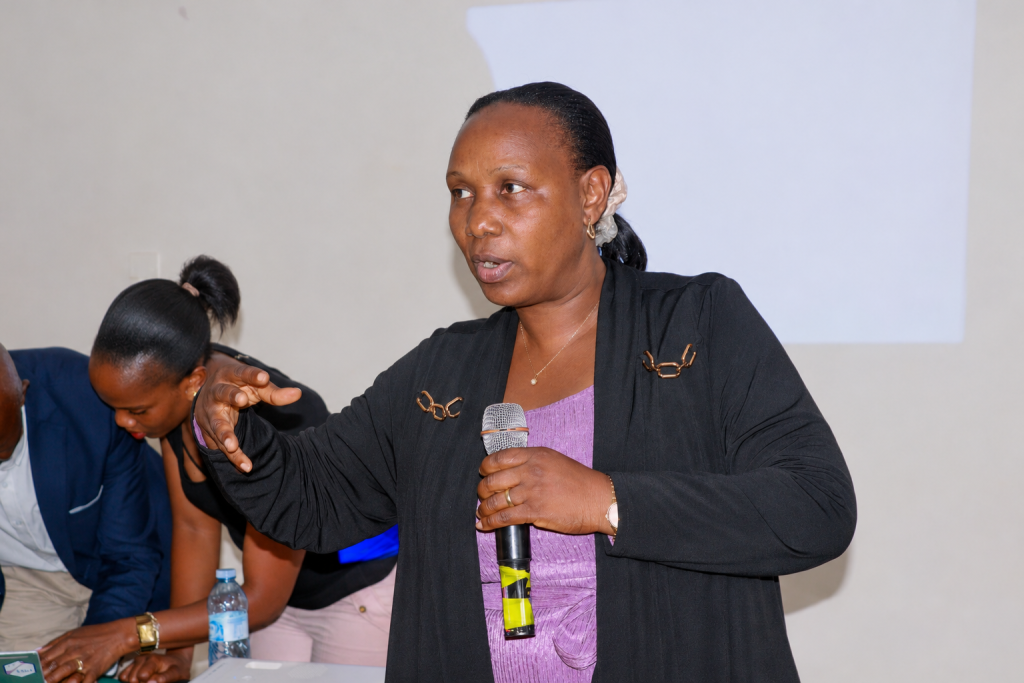
Opening the workshop, the Dean, Prof. Rhoda Wanyenze, said understanding these delays requires going beyond identifying broad weaknesses to examining where response systems fail in practice.
“We can identify a broad challenge such as delayed detection from the literature, but your experience on the ground can help us understand the specific factors that create that challenge,” Prof. Wanyenze said while addressing district health officials from across the country.

“When we begin looking for solutions, we need to be able to target the actual problems rather than simply identifying broad challenges.”
The workshop brought together partners and colleagues from districts, including people directly involved in outbreak response, to validate the synthesis against frontline experience. Prof. Wanyenze noted that published literature, scientific papers and response reports cannot capture every operational reality, making practitioner experience essential to understanding where delays occur and what interventions have worked. Remarks validation workshop
Turning outbreak experience into continuous readiness
Among the priority actions proposed are stronger screening and alert systems for earlier detection; ring-fenced emergency financing and more reliable responder payment systems; routine infection prevention and control training; stronger occupational protection for health workers; continued investment in laboratories and genomic sequencing; and preparedness extending beyond districts traditionally considered outbreak hotspots. The study also recommends stronger community engagement and a formal mechanism to track and finance implementation of recommendations from After-Action Reviews.

Dr. Andrew Acero, Director of the EPiC project at FHI 360’s Uganda Office said the central challenge is ensuring that experience accumulated during successive outbreaks translates into lasting institutional capacity.
“The real value lies in ensuring that what we learn changes what we do. Our findings should inform policy, shape guidelines and training, strengthen systems and ultimately improve practice.”
He noted that preparedness cannot begin only after an emergency has been declared, but must be built through sustained relationships, systems and capacity before outbreaks occur. Remarks validation workshop
The EPiC project is led by FHI 360 with core partners including Right to Care, Palladium and Population Services International.








Health
Makerere University’s Prof. Peter Waiswa Appointed to WHO Technical Working Group on Essential Child Health Services

Health
Mak Staff Receive Prestigious International “Future of the Field” Recognition in Global Research Administration Class of 2026.



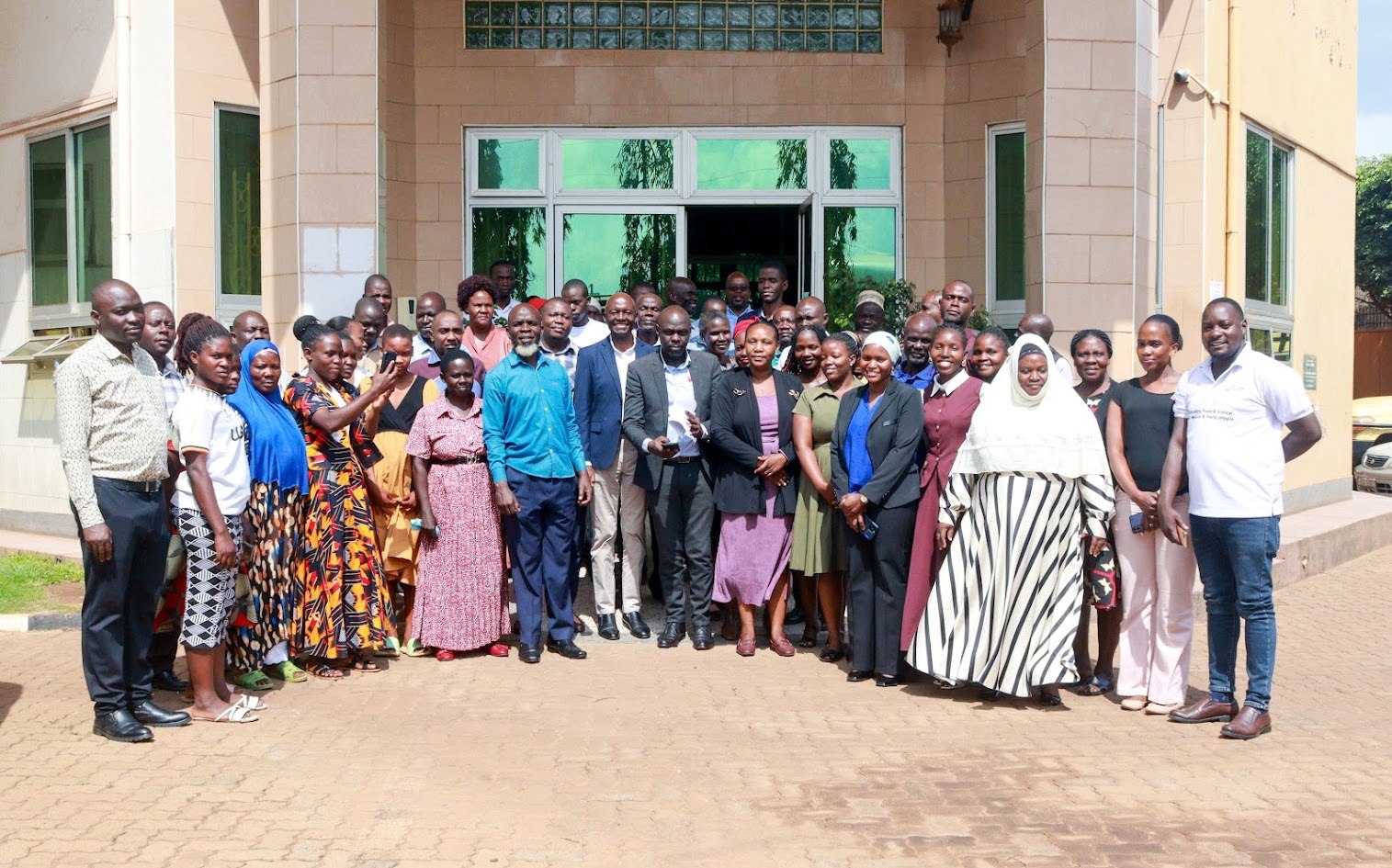
Prof. David Guwatudde, Principal Investigator (centre), and Dr. Justine Bukenya with researchers and stakeholders at the ARISE-NUTRINT dissemination meeting in Iganga, 1 October 2026.
Adolescence is a consequential period for health, when diets, behaviours and other risks can form and persist into adulthood. In Mayuge District, new evidence from Makerere University School of Public Health is showing how some of these early vulnerabilities could contribute to the later risk of non-communicable diseases (NCDs), and what can change when interventions begin early.
The evidence comes from the ARISE-NUTRINT project, a three-year EU-funded study led by Prof. David Guwatudde and Dr. Justine Bukenya. The project examines health and behavioural risks among adolescents and young adults, with a particular focus on nutrition-related NCD risks, and tests interventions designed to improve nutrition fluency and diet quality.
The work comes against a substantial NCD burden in a country where 73.2% of the population is below 30. WHO estimates that NCDs accounted for 42.2% of deaths in Uganda in 2023, while the country’s latest national NCD risk-factor survey found significant risk factors persisting in the population, with little overall change from the previous survey in 2014. Together, the evidence strengthens the case for prevention much earlier in life.
“There is strong evidence from literature demonstrating that most behavioral NCD risk factors, including nutrition-related, are established during childhood, persisting into adulthood. This may lead to development of actual NCDs if such risks are not reversed early,” Prof. Guwatudde said.
The study, he explained, linked assessment of young people’s health risks with developing responses suited to their circumstances. Since enrolling 1,206 participants aged 10–24 in Mayuge District in March 2024, the team has conducted three annual rounds of data collection, with young people and local stakeholders also helping evaluate interventions to reduce the risks identified.
A problem that starts early
The findings, shared with community and district stakeholders in Iganga on October 1, 2026, show that some vulnerabilities were already evident at baseline. Nearly one in three participants had anaemia, 49% had low nutrition literacy, while about one in ten reported symptoms of anxiety and a similar proportion reported depressive symptoms.
Anaemia, a condition in which the blood does not have enough healthy red blood cells or haemoglobin to carry adequate oxygen around the body, was highest among the youngest participants. Overall, 375, or 31%, had anaemia, rising to 35.7 per cent among 10–14-year-olds, compared with 18.9% among those aged 15–19 and 10.6 per cent among young adults aged 20–24.
Nutrition presented another challenge. At baseline, 49% of participants had low nutrition literacy and 13% had poor overall diet quality. Low nutrition literacy was associated with more than four times the odds of poor diet quality.
Gaps also emerged in sexual and reproductive health knowledge and behaviour. About 14 per cent of participants did not know that HIV cannot be transmitted by sharing food with a person living with HIV, 10% believed a condom could be used more than once, and 13 per cent did not know pregnancy could occur during first sexual intercourse. Among 168 participants who reported having had sex, more than half reported using no method to prevent pregnancy during their first or most recent sexual intercourse.
Mental health findings added another dimension. Anxiety symptoms were reported by 10 per cent of participants, depressive symptoms by 9.5% and loneliness by 6.3 per cent. Among 534 participants aged 13–24 assessed for suicidal ideation, 1.9% reported suicidal thoughts.
Together, the baseline findings show that vulnerabilities extended beyond any single health issue. For nutrition, the study went further to examine what shaped everyday food choices and whether those influences could be changed.
Nutrition literacy goes beyond knowing which foods are healthy. It includes understanding nutrition information and applying it to everyday choices. The study found those choices were also shaped by parents, peers, food vendors, culture, prices, seasons, and what was available locally. Improving diets, therefore, required reaching beyond individual knowledge to the households and communities where food choices are made.
What early action changed
The baseline evidence informed the Adolescent Nutrition Fluency Intervention. Working with adolescents and young adults, caregivers, Community Health Workers (CHWs), district teams and other stakeholders, the project adapted nutrition messages to local foods, language and household realities. Ten trained CHWs delivered nine monthly household sessions covering balanced diets, physical activity, vitamins and minerals, meal planning and anaemia prevention.
The household approach reached young people in and out of school. The nutrition literacy, diet-quality and intervention analyses form part of the PhD research of Mr. Thomas Buyinza, supported through ARISE-NUTRINT. At endline, participants who received the sessions recorded higher nutrition literacy and overall diet-quality scores.
“The improvement in nutrition literacy and diet quality suggests that practical education, grounded in local foods and household realities, can support healthier choices among adolescents and young adults. In addition, involving parents and caregivers is important because they influence what families buy, prepare, and eat,” Dr. Bukenya said.
She stressed that nutrition education needed to be complemented by better access to affordable, nutritious foods. Dr. Bukenya also called for continued follow-up, including the use of nutrition and dietary data from DHIS2, to assess whether improvements were maintained and guide district planning.
Changes in other outcomes were mixed. Participants reporting no physical activity fell from 22.6% to 7.4%, while those active on four to seven days a week increased from 46% to 54.8%. But activity duration did not improve: those reporting more than 60 minutes a day declined from 28.2% to 21.1%. Underweight fell modestly from 6.2% to 5%, while overweight and obesity did not change significantly.
Anaemia recorded the largest change, falling from 31.1% before the intervention to 9.9% afterwards. During the intervention period, participants received weekly iron and folic acid supplementation and deworming alongside nutrition education on iron-rich foods, dietary diversity and practices that improve iron absorption.

Mayuge District’s Assistant District Health Officer, Ms. Elizabeth Kawaala, said the findings reflected problems recognised locally and highlighted the need for a response involving families and other stakeholders.
“There is a serious challenge that needs to be tackled with many stakeholders, with parents at the centre because these are children. We also learnt that many parents, I think, lack the skills to communicate with their adolescents,” she said.
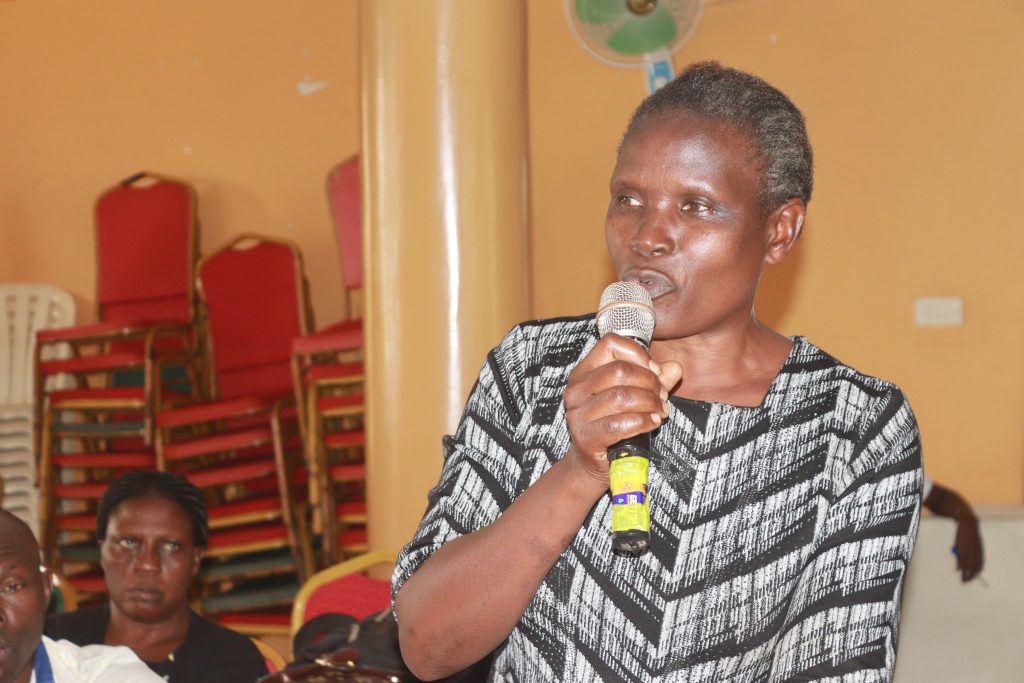
She said the findings had been shared with colleagues and described integrating health education and sensitisation into services. She also called for departments to use the evidence when planning activities in their workplans.
Beyond Mayuge
Seen alongside Uganda’s 2023 STEPS survey, the Mayuge findings add an earlier-life dimension to the national evidence. Makerere University School of Public Health contributed to both studies, with Prof. Guwatudde contributing to the national STEPS survey and now leading ARISE-NUTRINT. While STEPS found significant NCD risk factors persisting among adults, ARISE-NUTRINT shows that some behaviours and vulnerabilities relevant to later NCD risk are already evident during adolescence and young adulthood. The Mayuge research goes further by testing what can change when interventions begin during this period.
The findings leave Mayuge with more than a measure of the problem. They show where vulnerabilities are emerging, what changed when interventions were introduced and where challenges remain. For ARISE-NUTRINT, the evidence now turns attention to which approaches can be sustained and how lessons from Mayuge can inform efforts to support healthier transitions from adolescence into adulthood.
-

 General1 week ago
Update On Payment of Endowment Fund Fees
-
 General1 week ago
Institutionalizing ORCID at Makerere University: Strengthening Researcher Identification, Visibility and Research Output Tracking
-

 Business & Management2 weeks ago
Makerere Entrepreneurship Congress Rallies Youth Behind Uganda’s ‘Tenfold Growth’Plan
-
 General2 weeks ago
CoNAS Staff & Students Sensitized on Gender Equality, Sexual Harassment Policies
-

 General2 weeks ago
Scaling on Stability MURBS Declares 12.9% Interest Amidst Comparison Pressures