
General
Gender Sensitization Session to Strengthen Gender-Responsive Practices conducted at CoVAB

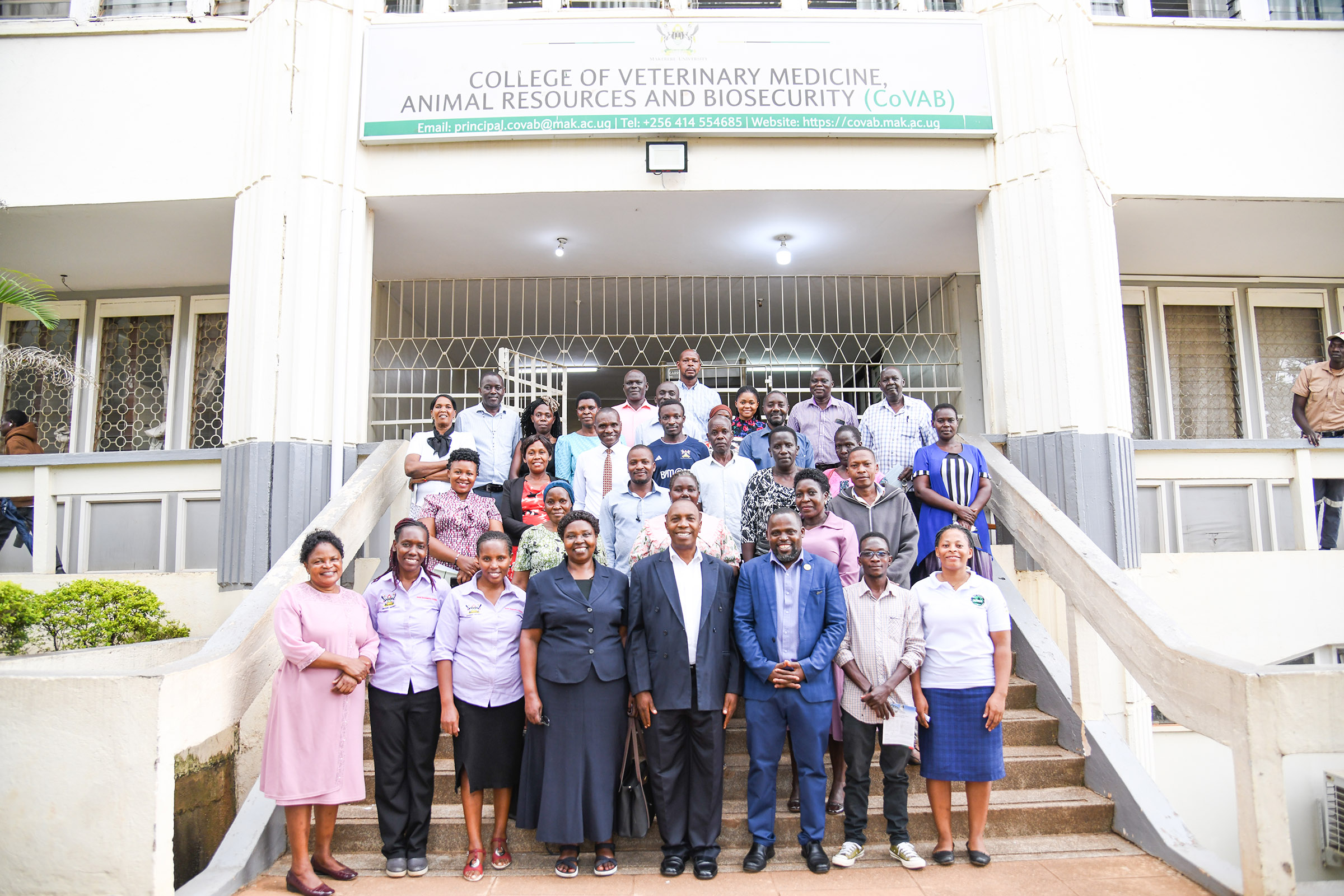
Staff and students at the College of Veterinary Medicine, Animal Resources and Biosecurity (CoVAB) were encouraged to embrace gender-responsive practices as a key step towards building an inclusive, equitable, and productive academic environment.
The call was made during a gender sensitization workshop held on October 28th, 2026, organized by the Directorate of Gender Mainstreaming, which brought together members of the CoVAB community to deepen their understanding of gender issues and their relevance in higher education institutions.
Principal Calls for Active Participation
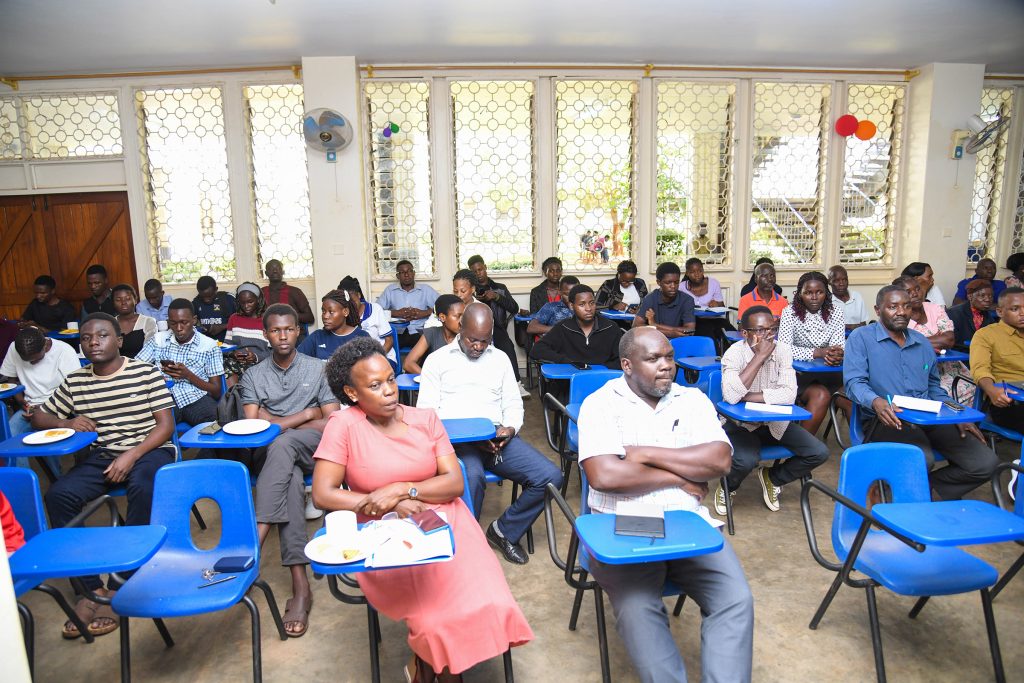
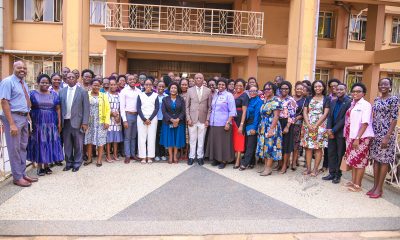
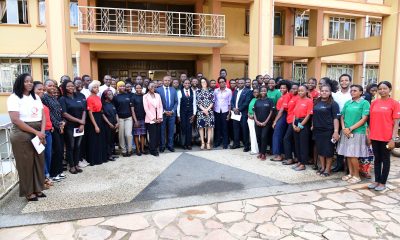
A section of the participants that included academic and administrative staff listen attentively
Welcoming participants to the workshop, CoVAB Principal Prof. Clovice Kankya thanked the Directorate of Gender Mainstreaming for choosing the College to host the engagement and encouraged staff and students to take advantage of such learning opportunities.
He described the meeting as one of his first major engagements with members of the College community since assuming office and emphasized the importance of continuous learning and participation in institutional programs.
“Opportunities such as these should not be taken for granted. When experts come to share knowledge and experiences, it is important that we make time to attend, listen, and learn,” he said.
Prof. Kankya noted that he was one of the staff training gender in the past and noted that to date, there were many gender experts who together work towards ensuring the student community gains the needed knowledge and skills to mainstream gender concerns in the college activities.
Gender Concerns Everyone
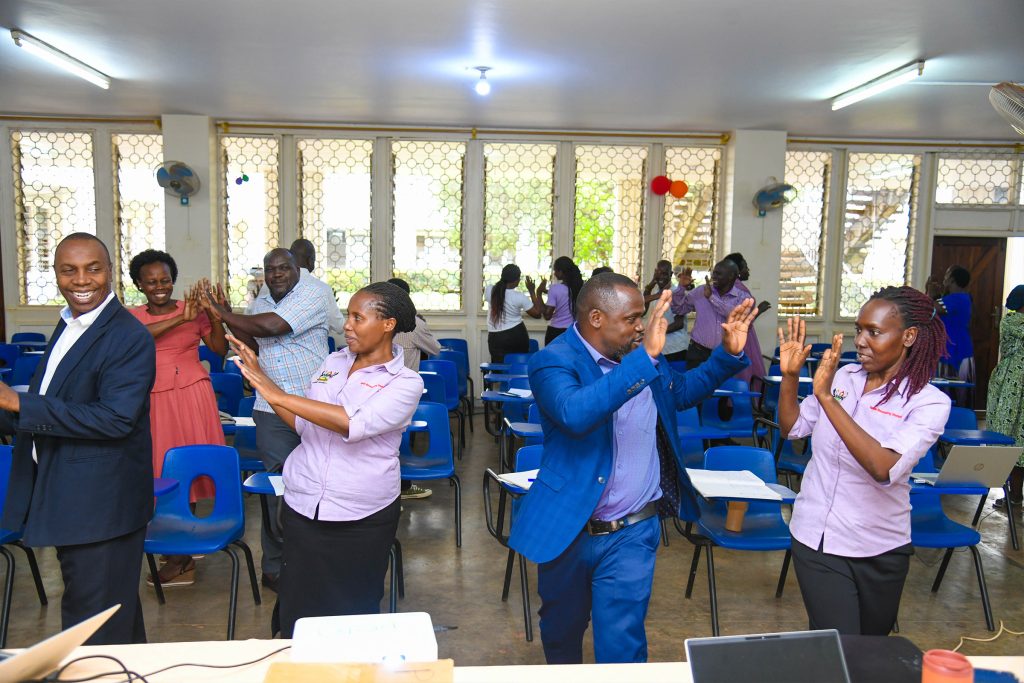
Some energizers to keep the participants fully engaged
Addressing common misconceptions about gender-related discussions, the Principal emphasized that gender is not exclusively a women’s issue but one that concerns all members of society.
“Gender is not all about women. It is about the social roles, responsibilities, and relationships that shape our lives and workplaces. Understanding these issues helps us create a more supportive and inclusive environment for everyone,” he explained.
Drawing from his academic experience, Prof. Kankya noted that gender considerations cut across disciplines and sectors and remain an important component of sustainable development efforts worldwide. He urged participants to appreciate the role of gender mainstreaming in fostering equal opportunities, promoting respectful working relationships, and enhancing institutional effectiveness.
The College of Veterinary Medicine, Animal Resources and Biosecurity (CoVAB) recently hosted a gender sensitization session aimed at increasing awareness of Makerere University’s gender policies and gathering stakeholder feedback to support their effective implementation.
Organized by the Directorate of Gender Mainstreaming, the engagement brought together staff and students to discuss gender equality, prevention of sexual harassment, gender-responsive planning and budgeting, and the role of university stakeholders in fostering an inclusive academic environment.
Principal Welcomes Gender Mainstreaming Directorate
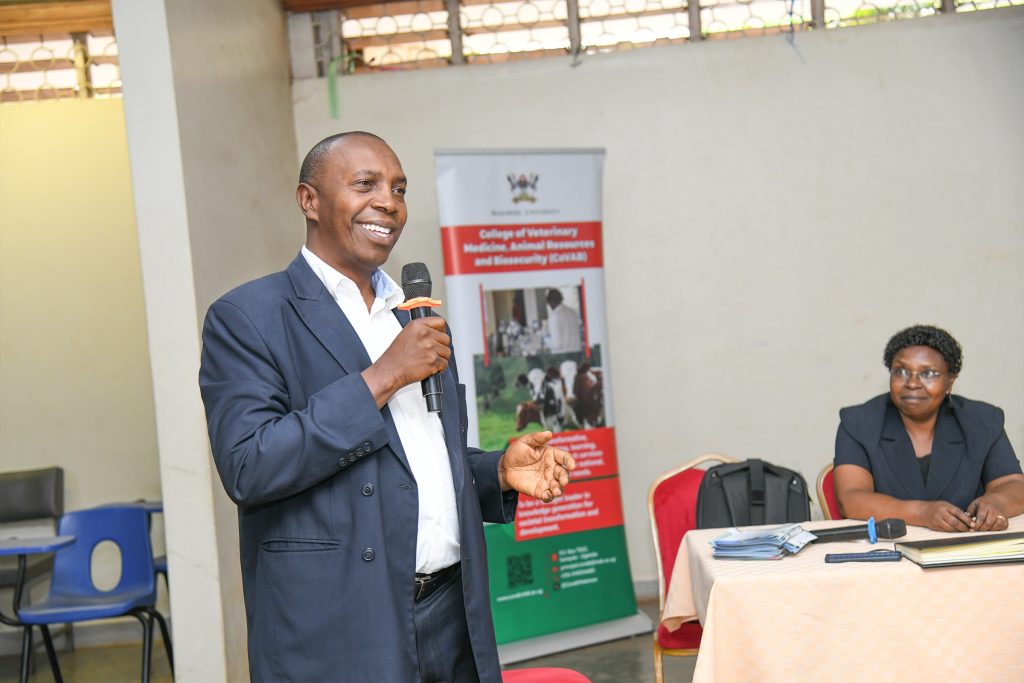
Prof. Clovice Kankya, Principal CoVAB – made welcome remarks, acknowledging the importance of gender in all areas
The session was officiated by the new CoVAB Principal, who thanked the Directorate for selecting CoVAB to host the engagement and encouraged staff and students to take full advantage of opportunities that contribute to professional and personal growth. While challenging the common misconception that gender discussions are solely women’s affairs, he emphasized the importance of participation in university activities, noting that such engagements provide valuable opportunities to learn, share experiences, and contribute to institutional development. “Gender is not all about women. It is about the social roles and responsibilities that shape our interactions and work environments. Understanding these issues is important for all of us.”, he stated.
Disseminating University Gender Policies
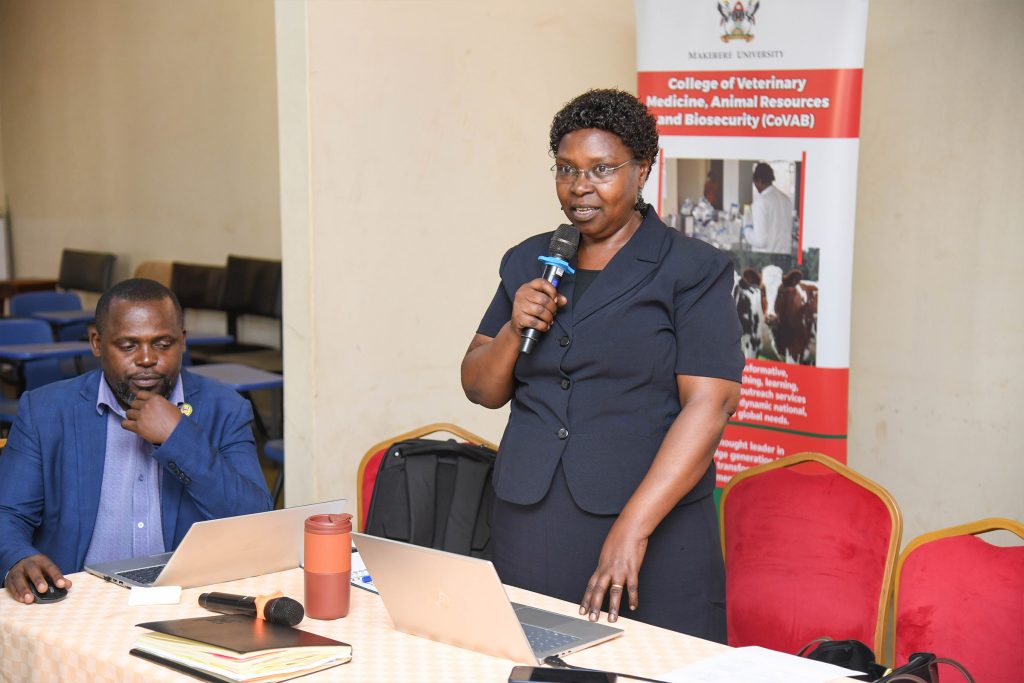
R-L: The Director of the Gender mainstreaming Directorate at Makerere University Dr. Euzobia Baine, and Mr. Eric Tumwesigye facilitated the session.
Facilitators from the Directorate of Gender Mainstreaming led by Dr. Euzobia Baine explained the purpose and scope of Makerere University’s Gender Equality Policy and the Policy and Regulations Against Sexual Harassment. Dr. Baine said the sensitization session aimed to increase awareness and understanding of the University’s gender policies and to obtain feedback from stakeholders to guide their implementation and continuous improvement.
Participants were informed that the policies apply to students, academic staff, administrative staff, and all other individuals who study, work, or undertake activities within university spaces. The Directorate also highlighted its mandate to coordinate policy implementation and provide technical support to colleges, schools, departments, and administrative units across the University.
Promoting Gender Equality across University Functions
The meeting highlighted the broad scope of the Gender Equality Policy, which seeks to integrate gender considerations into teaching, learning, research, outreach, partnerships, and institutional management.
Participants learned that the policy promotes the integration of gender perspectives into curricula and research activities, equitable access, participation, retention, and progression for students and staff, increased participation of women and other underrepresented groups in Science, Technology, Engineering and Mathematics (STEM) fields and leadership positions, Gender-responsive community engagement and university partnerships and a university culture founded on respect, inclusion, equity, and equal opportunity. The facilitators emphasized that gender mainstreaming is not a stand-alone activity but a responsibility that should be incorporated into all university programs and operations.
Addressing Sexual Harassment in University Spaces
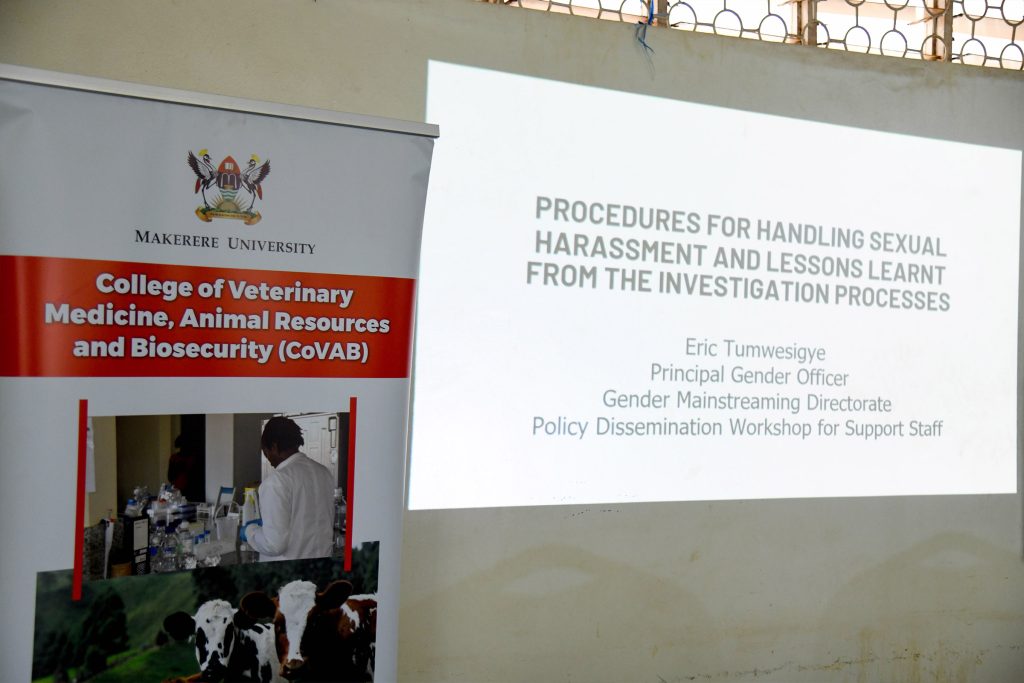
A key component of the sensitization focused on the University’s Policy and Regulations against Sexual Harassment. Participants were informed that the policy was developed in response to evidence showing that sexual harassment was affecting members of the university community and that stronger preventive and response mechanisms were needed.
It was explained that the policy provides guidance on prevention, reporting, investigation, and management of sexual harassment cases while promoting safe and respectful learning and working environments for all and that the was commited to supporting colleges and administrative units in implementing the policy and creating awareness among staff and students.
Gender and Equity in Planning and Budgeting
The session also highlighted the growing importance of gender and equity considerations in institutional planning and resource allocation. Participants were informed that the Public Finance Management Act requires public institutions to mainstream gender and equity concerns in their plans and budgets. They also learned that the Equal Opportunities Commission assesses institutional performance in implementing gender and equity commitments. The discussion prompted reflection on how colleges can strengthen compliance with these requirements and address existing gaps in implementing gender-responsive activities.
Fostering an Inclusive University Community
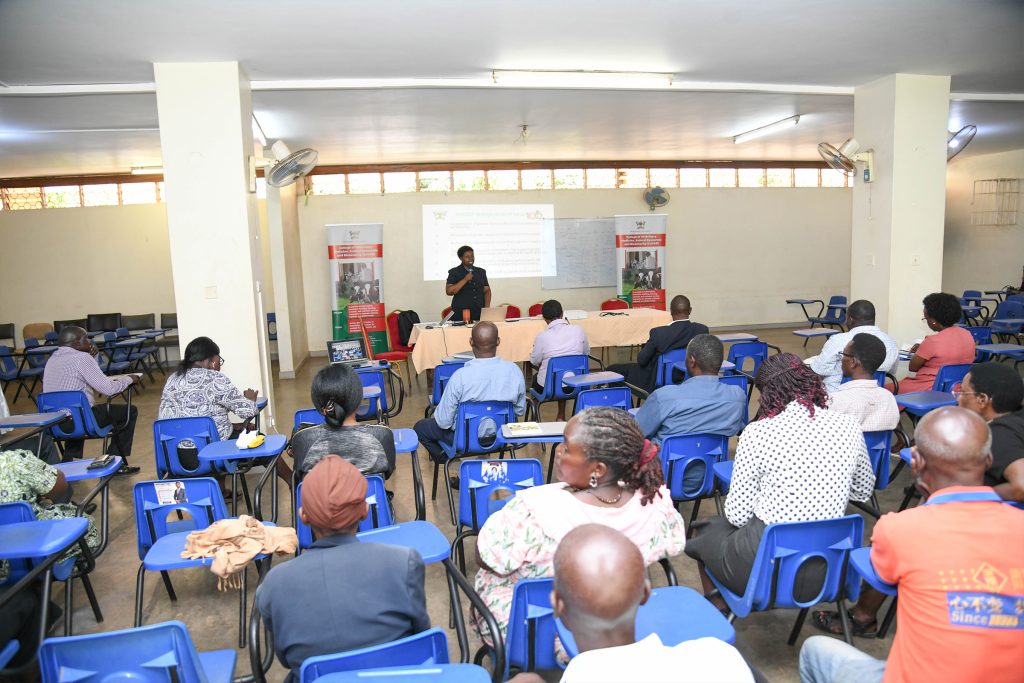
The sensitization session provided an opportunity for participants to share experiences, ask questions, and provide feedback on the implementation of the University’s policies. Participants welcomed the engagement, noting that it enhanced their understanding of gender issues and underscored their role in promoting a respectful, inclusive, and supportive environment for both staff and students.









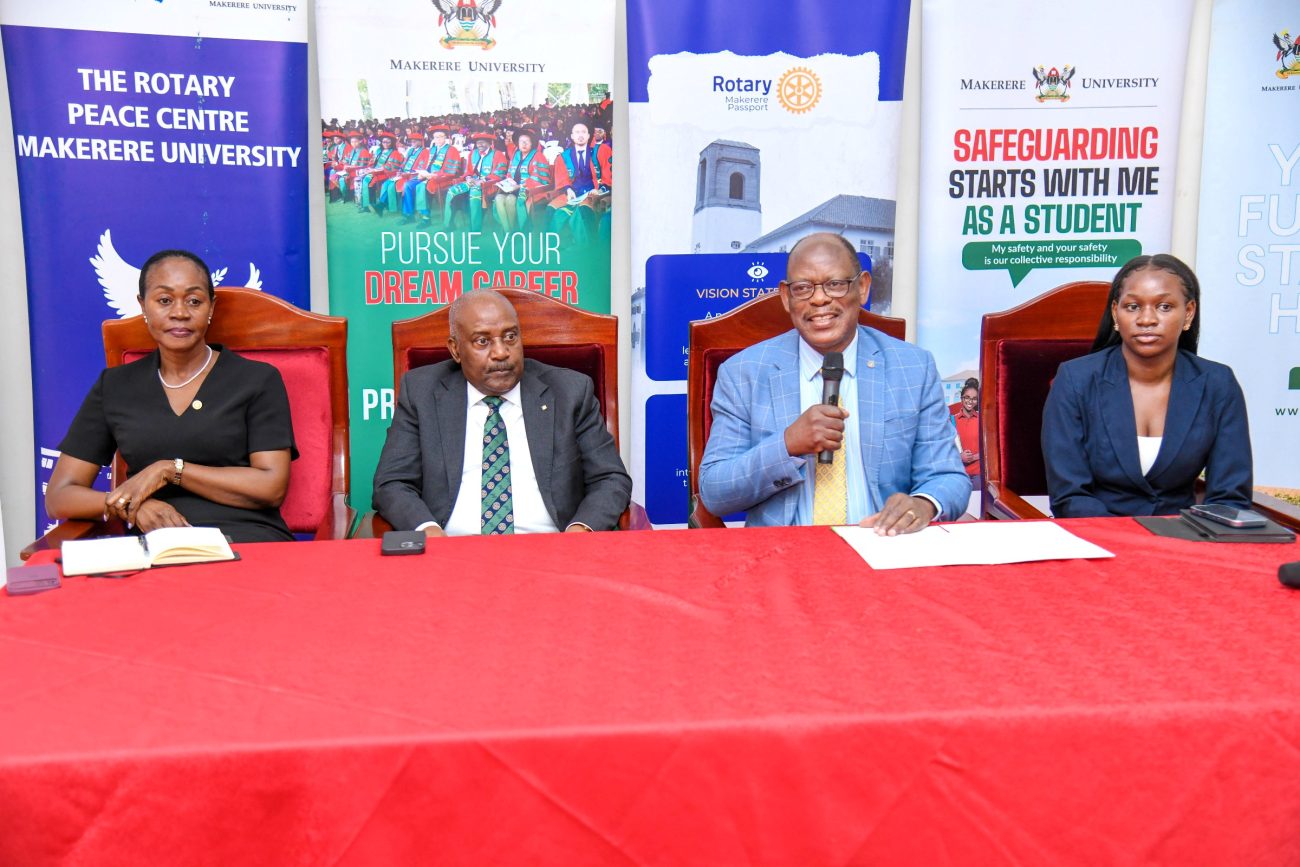
Through the Food for Peace initiative, the Rotary Club of Makerere Passport is stepping in to provide meals to over 200 students who struggle to afford meals, especially during the examination period.
According to Professor Barnabas Nawangwe, the Vice Chancellor of Makerere University and President of the Rotary Club of Makerere Passport, hundreds of students drop out of Makerere University every year due to financial constraints. The reality for those who remain is sometimes tougher, for they struggle to survive.
While addressing the media at a press conference held at Makerere University on November 11, 2026, Prof. Nawangwe shared that many of these students skip meals, a situation that is more frequent during examination periods, when the demands on the brain are much greater.
The University is aware of these reports and in his capacity as Vice Chancellor and President of the Rotary Club of Makerere Passport, Prof. Nawangwe lobbied the club to take action.
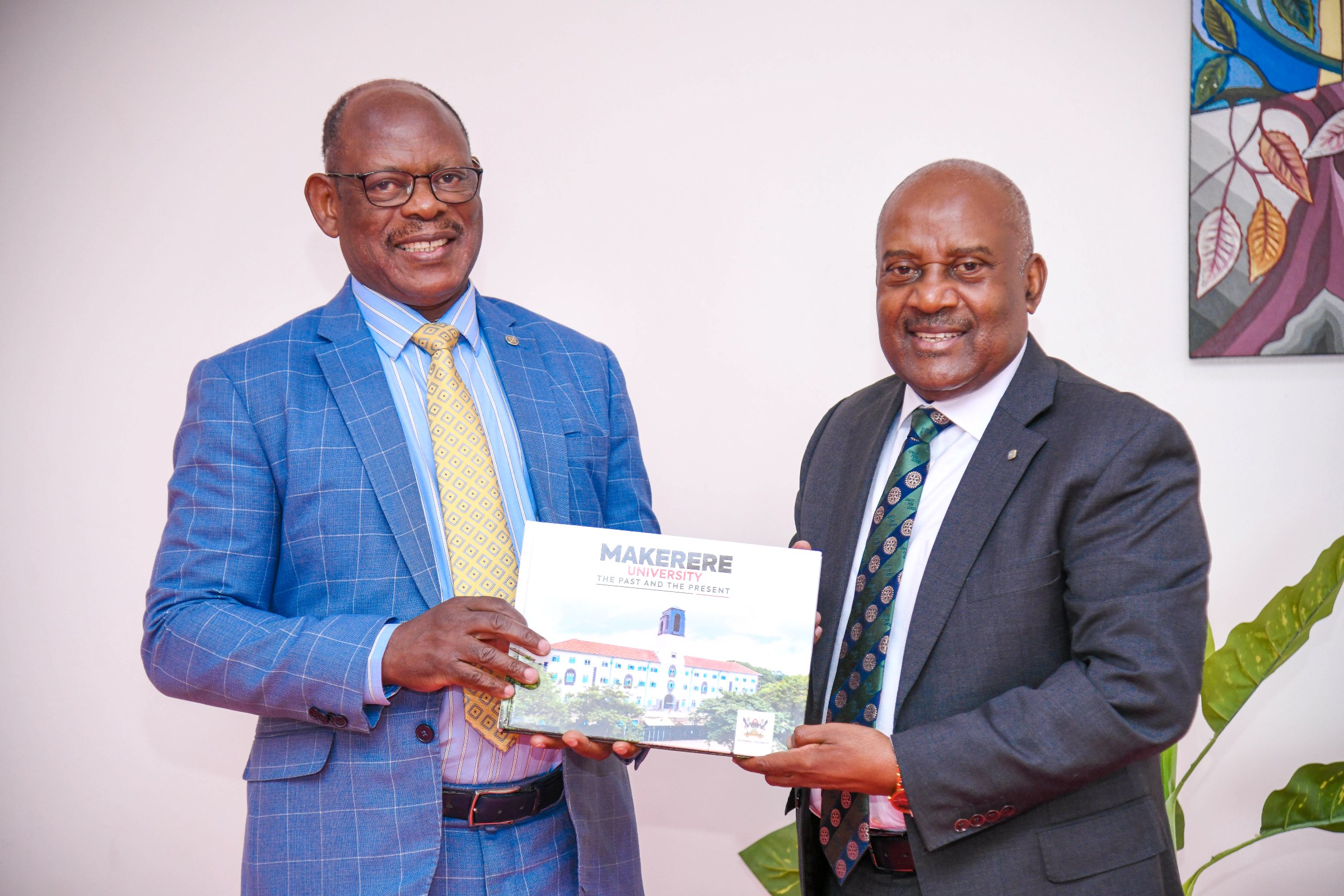
In preparation for intervention, a comprehensive needs assessment was conducted, inviting students to come forward and share their needs. About 200 students responded to the survey, indicating a pressing need for food support during examinations.
The findings birthed a legacy project code-named “Food for Peace”, targeting, for a start, 206 students at Makerere University, regardless of their sponsorship status, as long as they participated in the survey. The Makerere Rotary Peace Centre spearheaded the survey that helped identify the first cohort of those who will benefit from the initiative and guided that for a dignified experience, the beneficially names will remain in records and not disclosed.
Prof. Nawangwe emphasised that the core mission of this cause is to move a step up with efforts to ensure that economically challenged students at Makerere University do not go a day without a meal. Service providers in halls of residence will serve these students their food following a meal card.
Seeding the Project
The Guest of Honour, Mr. Emmanuel Katongole, the Rotary International Director (RID) for Zone 22, while launching the initiative shared his personal experience of facing challenges that almost barred him from attaining an education. He believes education is an equaliser in life and that everyone should have a chance to access it. He reminded those in the room that they were all there together because of education.
RID Katongole highlighted the importance of supporting people, both as individuals and as a community. He expressed pride in being part of the launch of this project because it is going to create many more “Emmanuel Katongoles” through the provision of a meal.
He therefore personally committed to contribute UGX 5 million annually, starting this year, for as long as he lives or until the project ends. He also pledged to remain part of the initiative.
92nd Guild Commends “Service above Self”
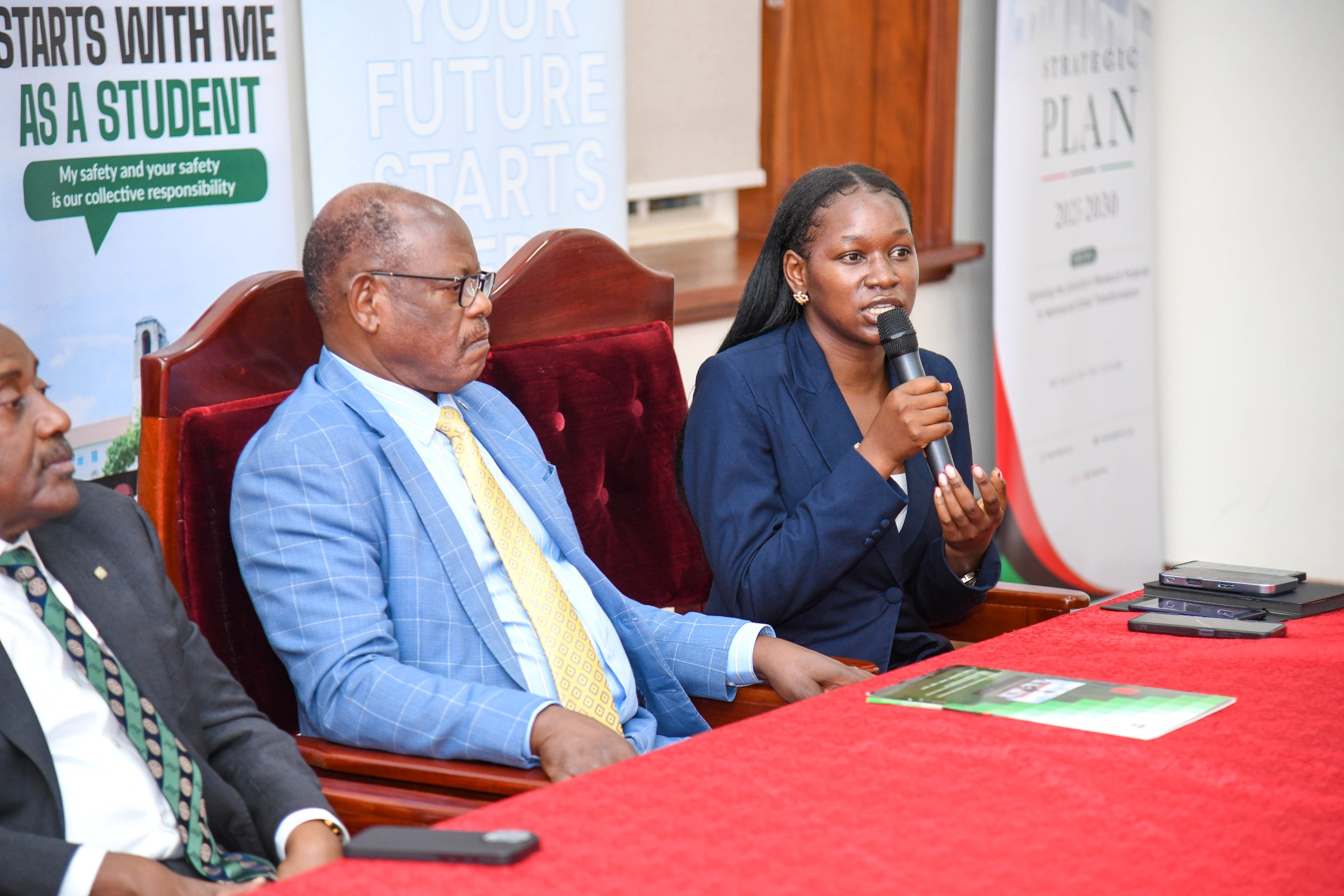
From a student perspective, H.E. Kadondi Gracious, the 92nd Makerere University Guild President, delivered a vote of thanks for the initiative. She noted that students had petitioned Parliament to intervene in the matter and were happy that solutions had started coming from within.
She framed this move not just as charity, but as a way of restoring hope to Makerereans who were unsure of how they were going to maneuver through the examination period without lunch. In appreciation, the Guild President commended Rotary for showing what it actually means to offer service above self.
Sustainability of the “Food for Peace” Project
Although the immediate intervention is directed towards fewer than 300 students who expressed a need for assistance, the vision is bigger and looking beyond the current examination season.
As the Rotary Passport Club President noted, “if this is going to be sustainable, it means we are going to look out for partners to create a fund to sustain this initiative.”
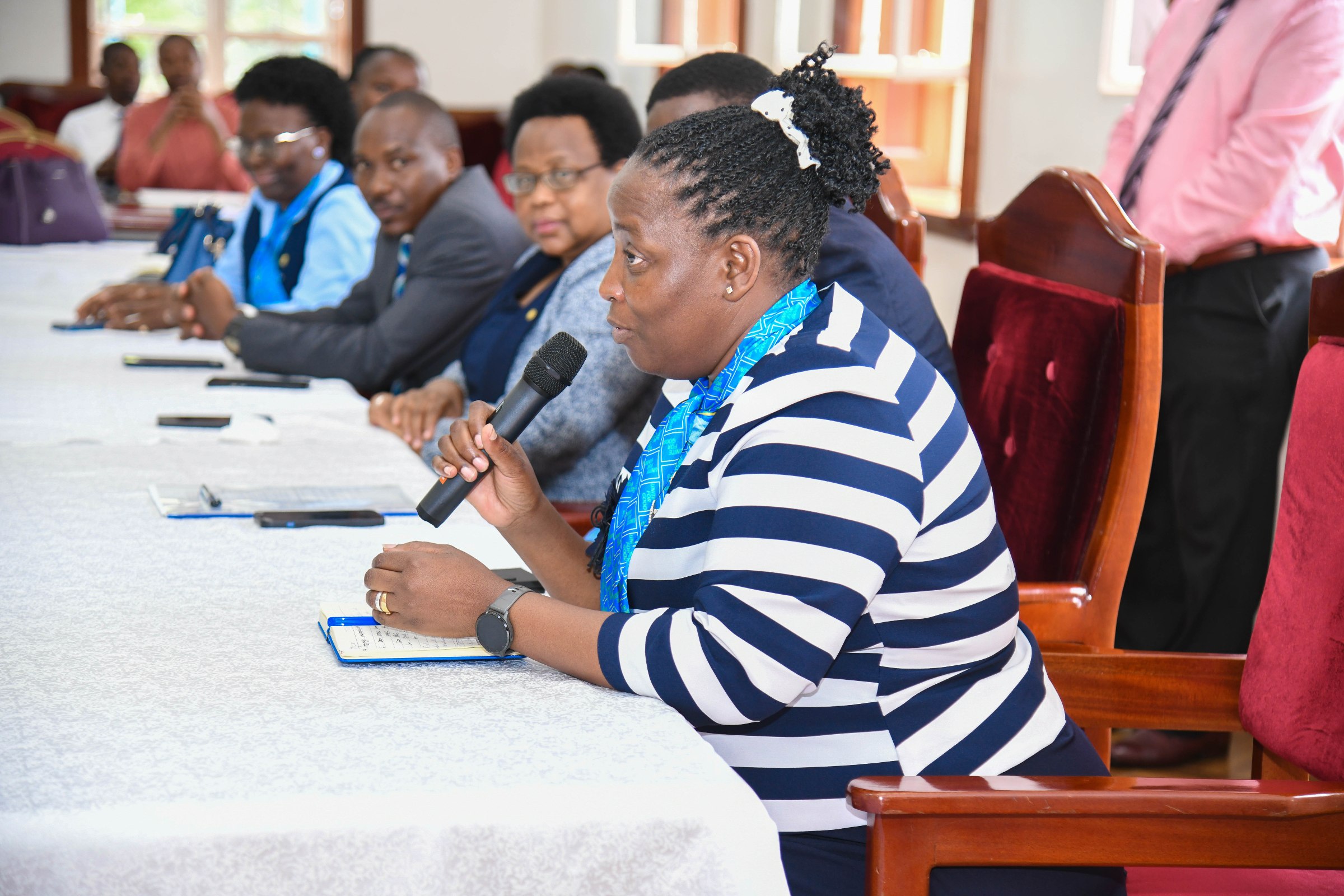
The Club Secretary, Associate Professor Helen Nambalirwa Nkabala, explained that as a legacy project, it is not a one-off. She committed the services of the Passport Club to supporting this legacy project.
Grounding the sustainability move, RID Emmanuel Katongole set the pace by pledging annual cash and in-kind support towards providing consistent assistance to students throughout subsequent academic periods, thereby enhancing student welfare over the long term.
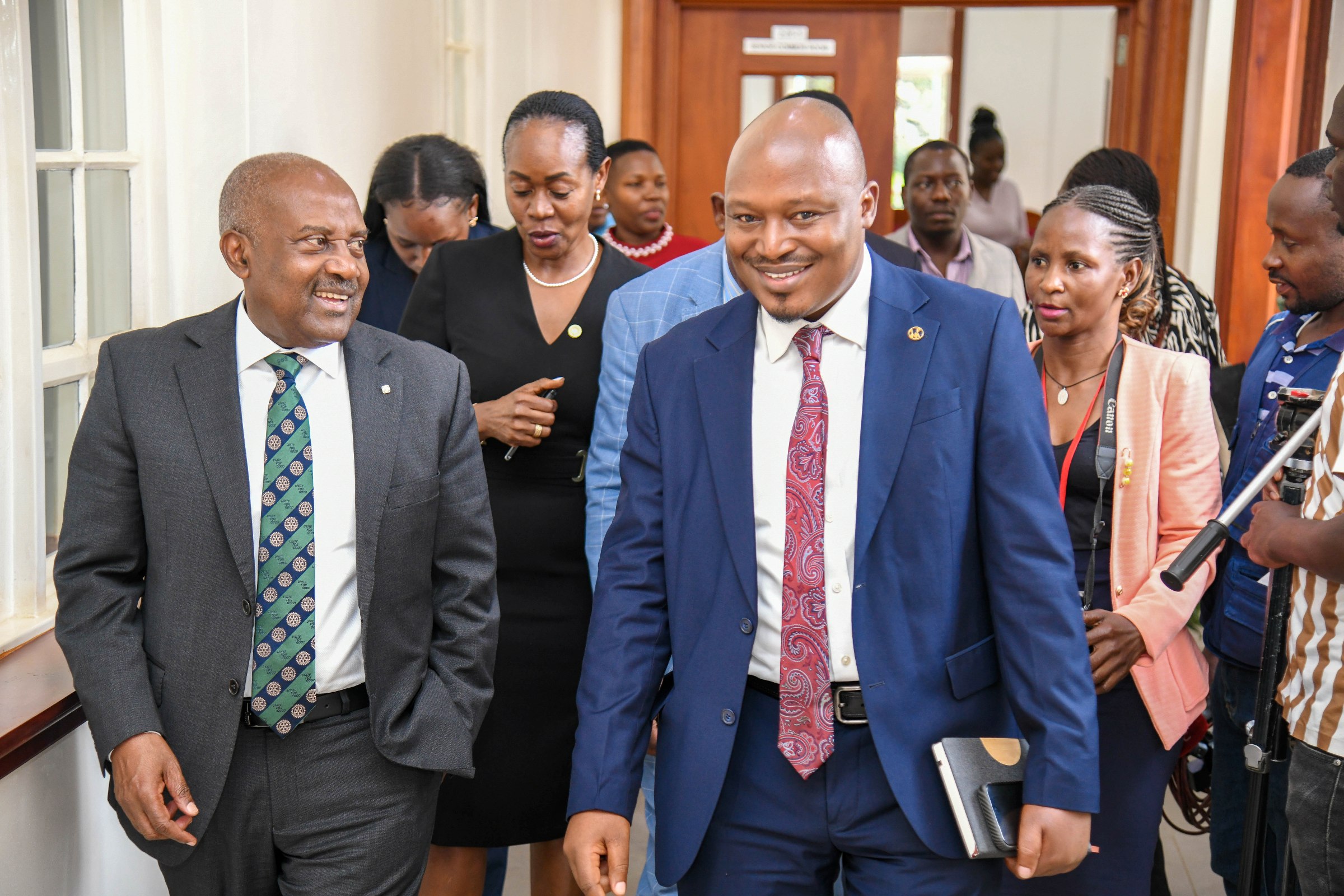
Dr Winfred Kabumbuli, the Makerere University Dean of Students, showed strong support for the initiative since it falls within the core mission of student welfare. She appreciated the collaboration with Makerere University Passport Club, and pledged to rally internal support.
Call to Action and Contributions
The Club President made an appeal to alumni, corporate bodies, development partners, individuals and institutions of goodwill to join this noble cause, intended to ensure that students not only remain at the University but also attain their full potential on a full stomach.
The immediate fundraising goal is UGX 10 million shillings, which is required to implement the initial phase of food support. Excess amounts collected will facilitate an increase in the number of beneficiaries and after the examination period, add to the kitty for subsequent semesters.
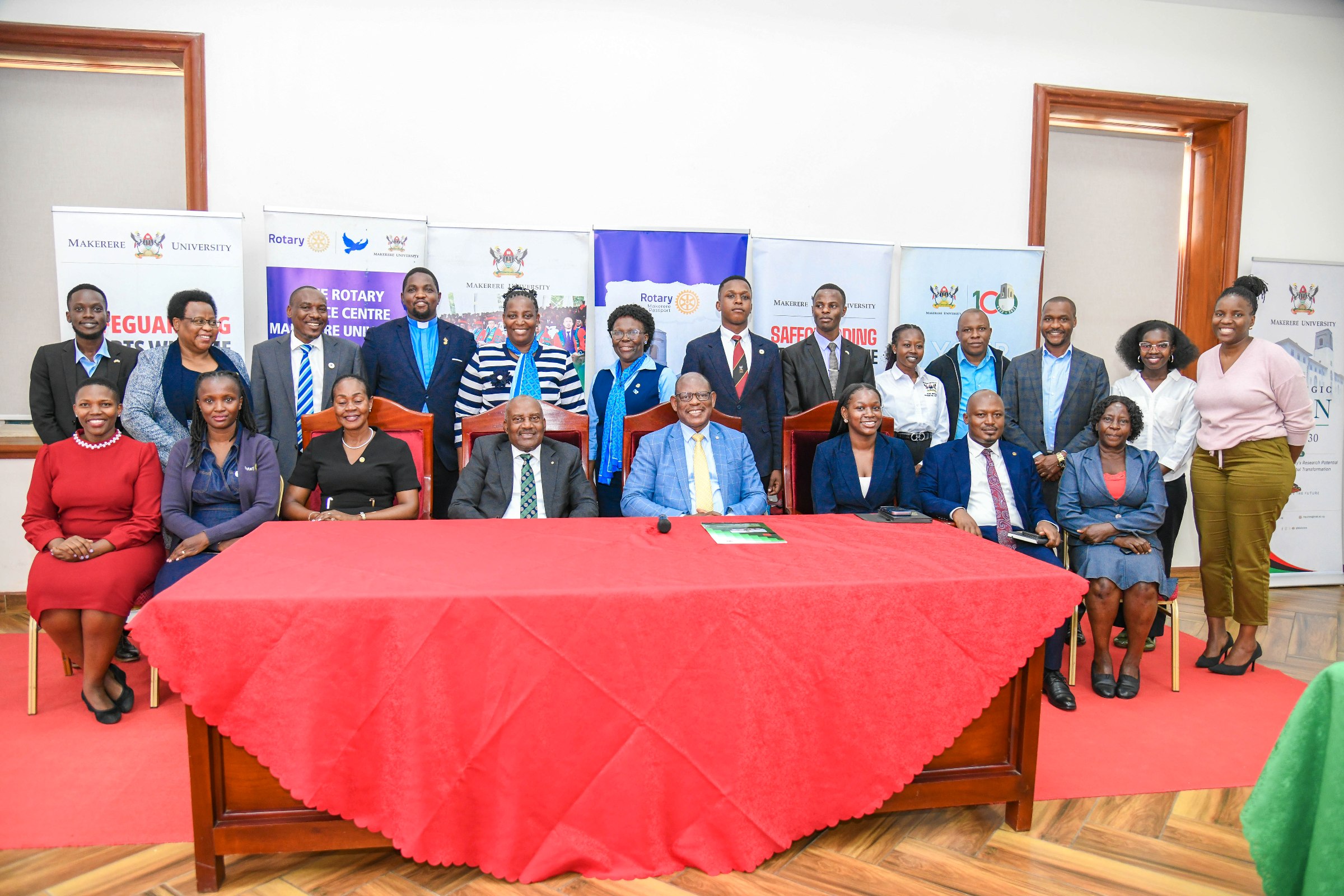
Support and assistance can come in the form of financial contributions, food supplies, corporate partnerships, logistical support, and long-term partnerships.
To facilitate support, the club, through its Charter Treasurer (C.T.), Professor Winston Tumps Ireeta, shared the banking details as follows
Bank: NCBA Uganda Limited.
Account Name: Rotary Club of Makerere Passport
Uganda Shillings (UGX) Account Number: 228129200017
United States Dollar (USD) Account Number: 228129200027
SWIFT Code: CBAFUGKA
Bank Code: 36
Students were left with one final promise from the Chief Guest, “you are no longer alone. You have a partner in the Rotary Club of Makerere Passport.”

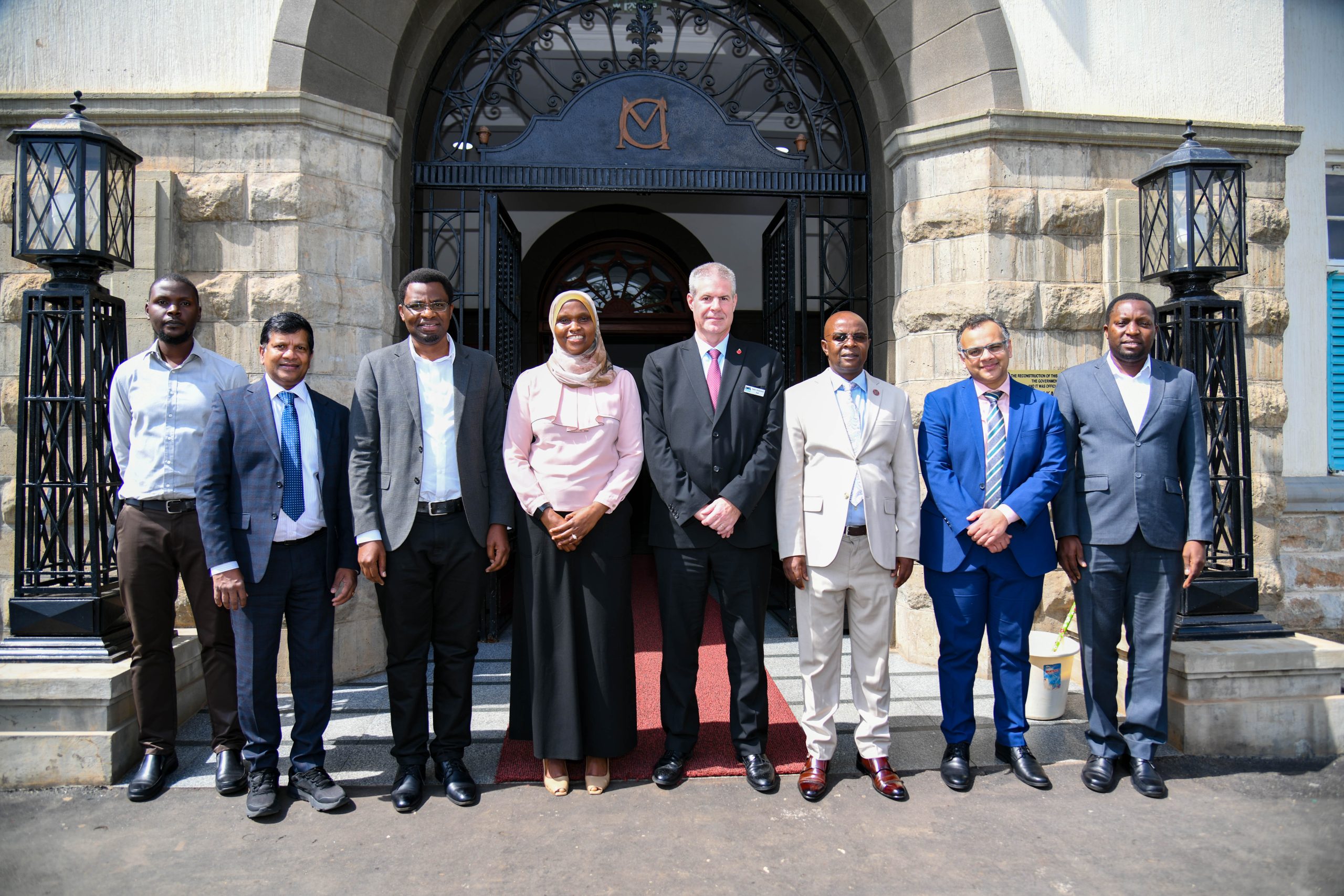
Prof. Edward Bbaale, Acting Deputy Vice Chancellor for Finance and Administration at Makerere University, on November 10 2026 welcomed a delegation from the International Water Association (IWA), led by Mr. Keith Robertson, the Learning and Events Director at International Water Association (IWA). Mr. Robertson, in his remarks, highlighted their visit to Makerere University as a fact-finding mission regarding the potential establishment of a new regional IWA office in Africa to support the continent in solving challenges relating to water.
The International Water Association is a leading global nonprofit organisation and knowledge hub for the water and sanitation sector. Connecting more than 10,000 individual members and 500 corporate entities across 140 plus countries, the association bridges the gap between scientific research and practical engineering to solve global water crises, improve sanitation, and secure clean water systems. Currently, IWA is evaluating potential host cities in Africa; Makerere University in Kampala is the first they have visited out of their three countries and venues earmarked.
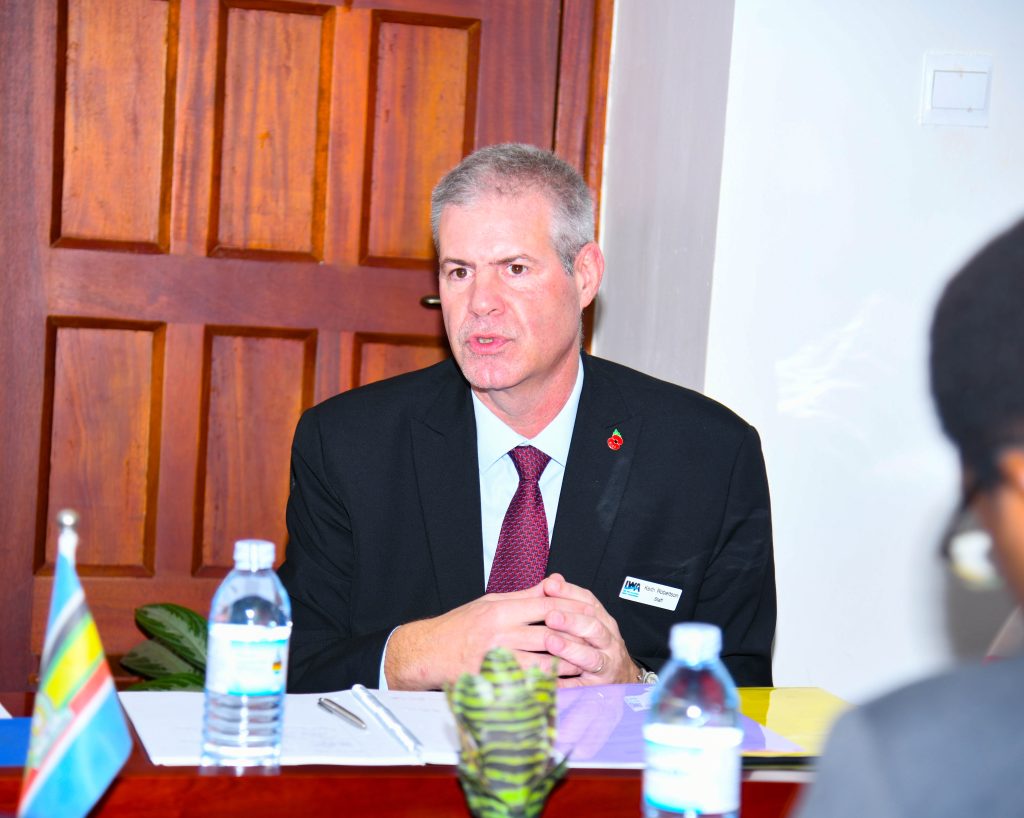
This meeting held at Makerere Main Administrative Building, was attended by university leadership, faculty from College of Engineering, Design, Art and Technology (CEDAT), and representatives from the National Water and Sewerage Corporation (NWSC). Discussions explored possibilities of the yet to be established office bridging the gap between academic research and practical application in the water sector not only in Uganda but also on the continent.
On behalf of University Management, Prof. Edward Bbaale underscored this engagement that focused on possible Water and Sanitation advancement partnership as one that aligns well with the strategic direction of the University.
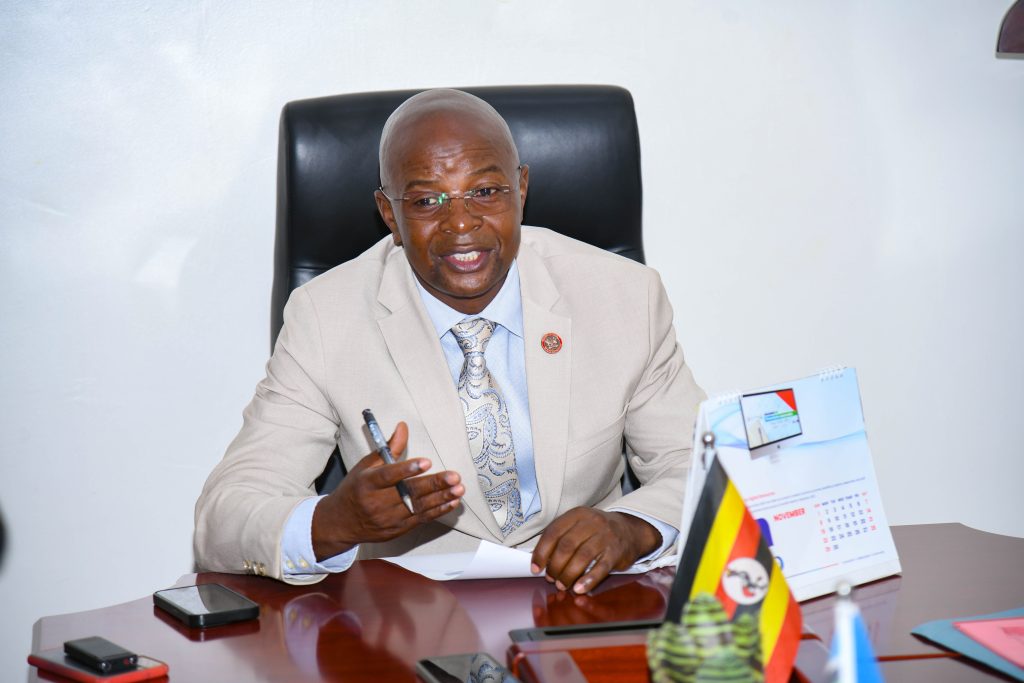
Projected Impact of a Kampala-Based IWA Office
Dr Philip Nyenje, Head of Department, Civil and Environmental Engineering (DCEE), expressed optimism about the collaboration, saying, “this is a very good opportunity for us to grow our interest in the sector of water and sanitation.”
In addition, Dr Seith Mugume, a Senior Lecturer at DCEE, noted that the regional office would unlock research and innovation opportunities in the real world for our students and also provide incentives for them to pursue projects within local research and innovation angles.
Eng. Zainab Mpakiraba, Acting Senior Manager at NWSC framed Kampala as a very unique venue for the centre and highlighted Makerere as one of the core academic partners for the regional Eastern and Southern Africa hub of the Global Sanitation Graduate School. Eng. Mpakiraba further endorsed Makerere, saying that, as a top-notch university in Uganda and in the region, when it leads on any aspect, it is able to pull most of the other universities.
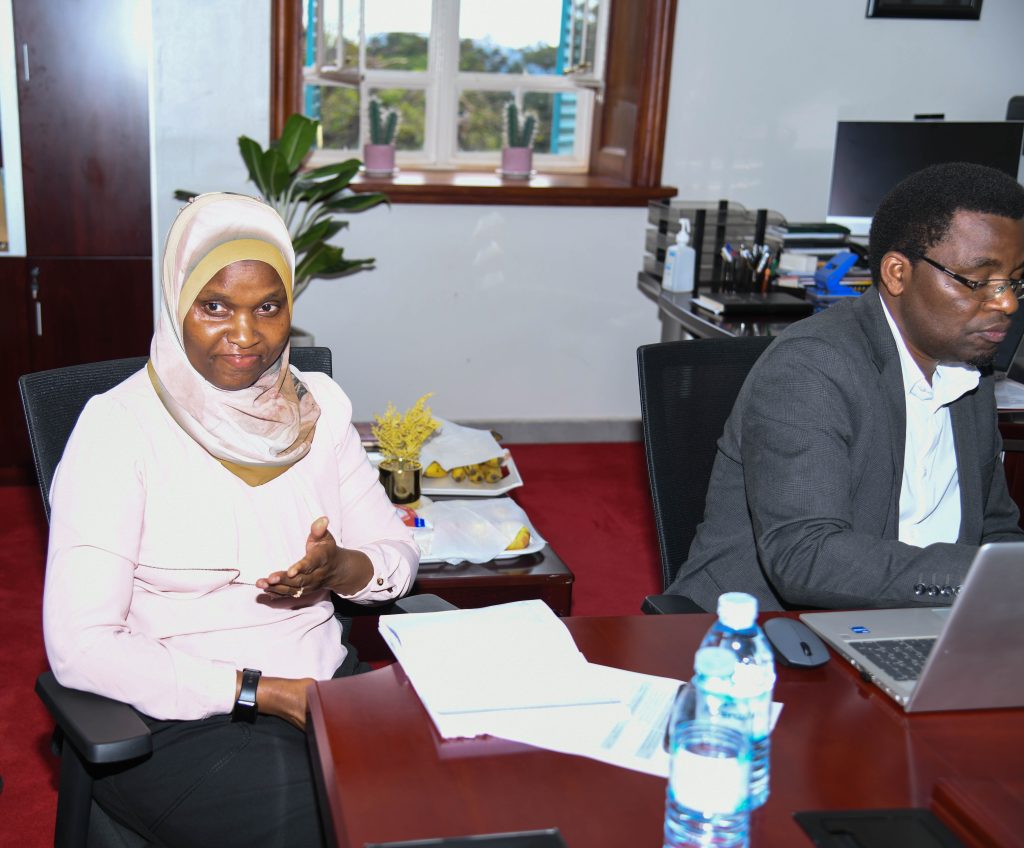
Makerere’s Strategic Initiatives and Activities so far in the Area of Water
Dr Nyenje noted that his Department has a very strong base in water and sanitation, covering disciplines like water resources, environmental, structural, and highway engineering. Dr. Mugume added that they are conducting research on “modeling of water resource systems, hydrological and hydraulic modeling,” “water quality management,” and “fecal sludge management, sanitation in low-income and peri-urban areas.”
The two also mentioned that the department has introduced a “master’s in sanitation, and also a postgraduate program… a diploma in sanitation” to address growing interest in the sector.
All these strategies have been made possible through good will and funding from the Government of Uganda, strategic partnerships, and International Collaborations that have positioned Makerere as a key player in the region.
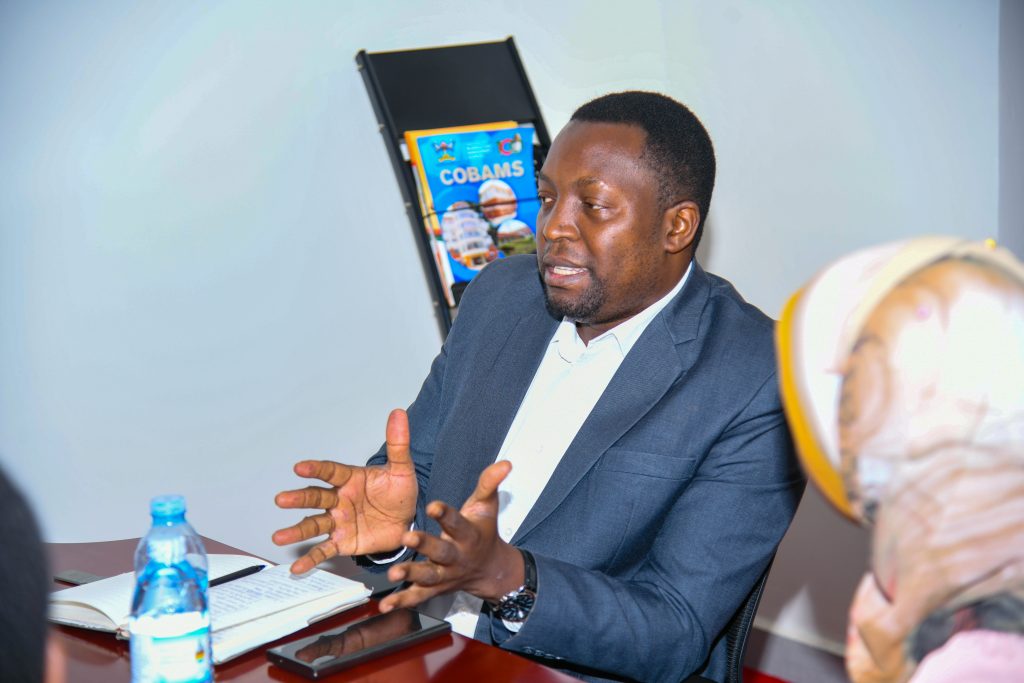
Concluding the session, Prof. Edward Bbaale reaffirmed Makerere’s ability to run this Office when established as the University has human resources in multidisciplinary research, global credibility and working relationships with many organisations and institutions on the continent and far.
-

 General2 weeks ago
ADVERT: Mature Age Entry Scheme Examinations – 2027/2028
-
 General1 week ago
Update On Payment of Endowment Fund Fees
-
 General1 week ago
Institutionalizing ORCID at Makerere University: Strengthening Researcher Identification, Visibility and Research Output Tracking
-

 Business & Management2 weeks ago
Makerere Entrepreneurship Congress Rallies Youth Behind Uganda’s ‘Tenfold Growth’Plan
-
 General2 weeks ago
CoNAS Staff & Students Sensitized on Gender Equality, Sexual Harassment Policies