
Health
How Jimmy Osuret Turned Childhood Trauma into Evidence for Safer School Crossings

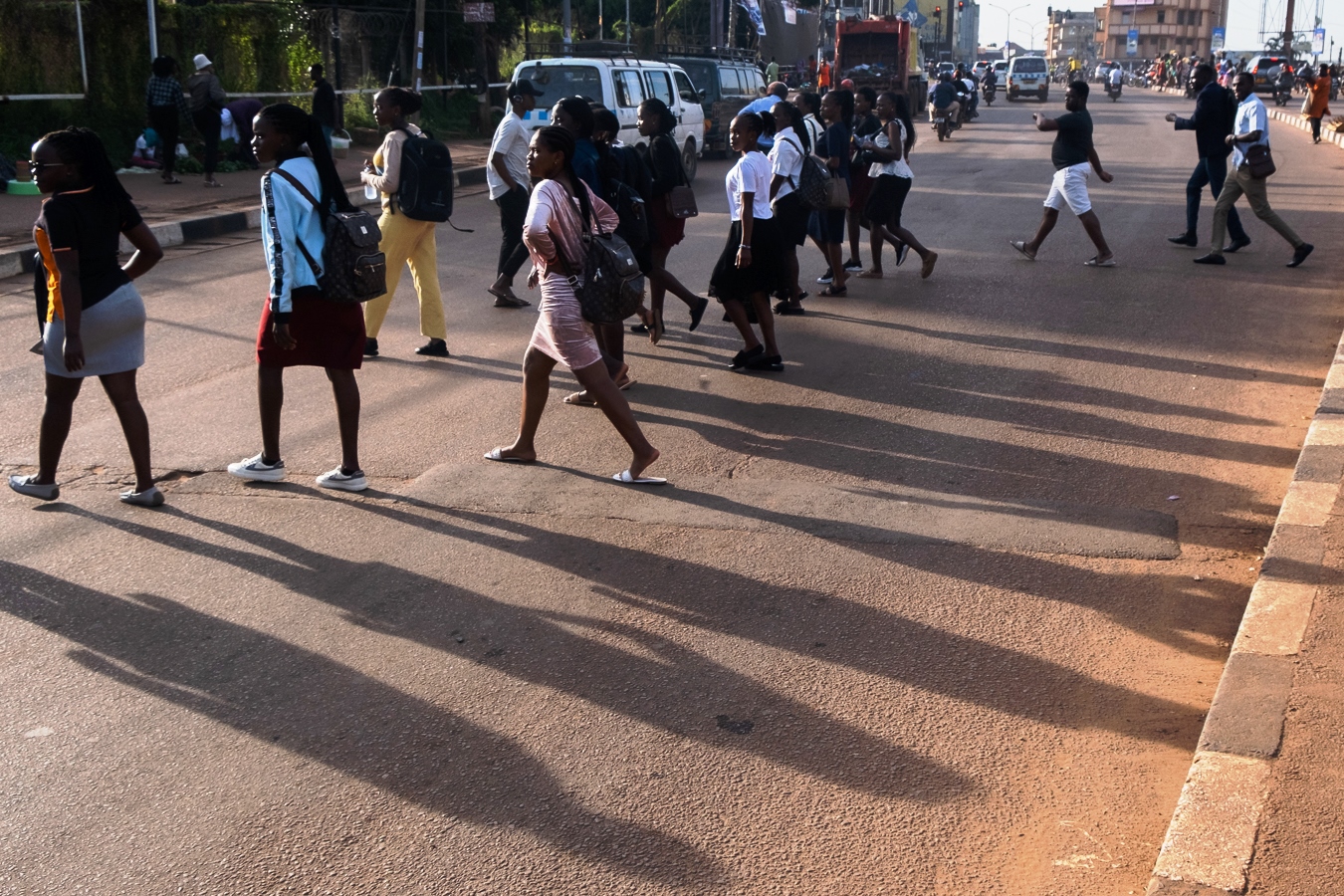
On a weekday morning in Kampala, the city snarls without any signs of awakening. Cars grind bumper to bumper along crumbling asphalt, their horns locked in a long, impatient argument. Rusting taxis and private vehicles shudder under the rising sun. Boda bodas slice through impossibly narrow gaps, mount pavements, edge past crossings, and assert dominance wherever there is room to move. The road belongs to whoever is bold enough to seize it.
And on the margins of this contest, there are children.
At 6 a.m., long before office doors open, primary school pupils begin their walk. Backpacks bounce against narrow shoulders as they navigate broken sidewalks and dusty road edges. When they reach a main road, their rhythm changes. Some stop and scan, small hands grip the straps. Others hesitate, then dart, misjudging speed, trusting that a driver will slow down.
But traffic rarely slows.
In Kampala, pedestrians do not command the road; they negotiate with it. Every crossing is a calculation. Every pause carries risk. Children learn early that movement requires courage. They watch for gaps, read the body language of drivers, and step forward in faith.
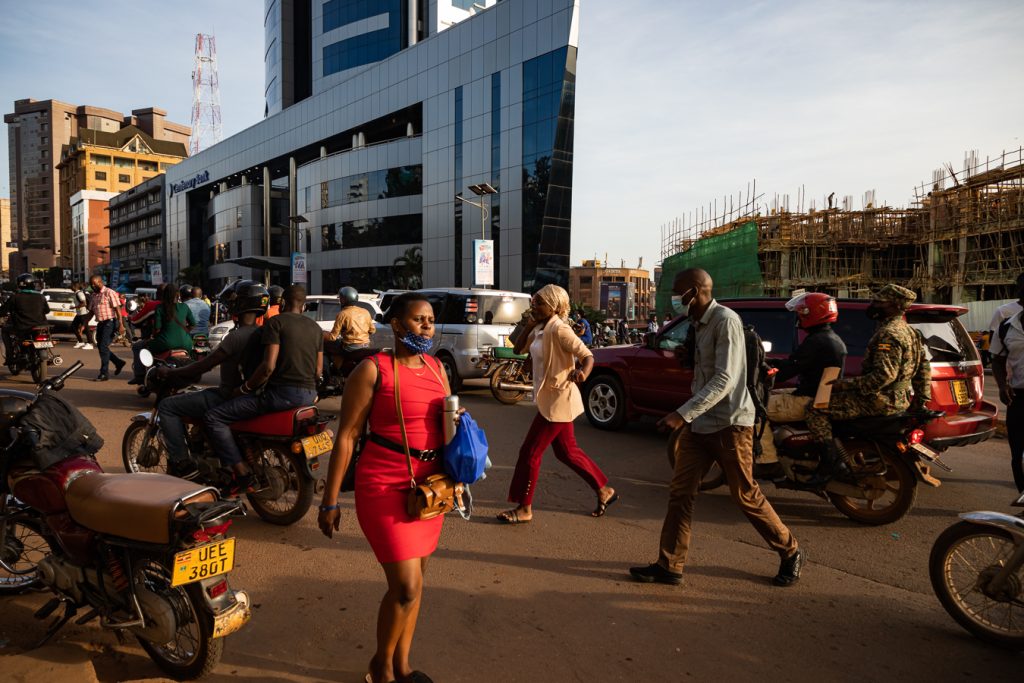
It is in that fragile second, between hesitation and impact, that the question begins to form.
For Jimmy Osuret, this is not an abstract problem of urban mobility but a daily reality, etched into memory long before it became research.
In 1996, as a Primary Four pupil at Shimoni Demonstration School, then located along the busy Nile Avenue corridor in Uganda’s capital, Kampala, he watched a classmate attempt to cross the road on an ordinary school day. A truck did not slow down. The child did not make it to the other side.
“It stayed with me,” Osuret recalls. “At the time, I didn’t have the language for it. But that moment shaped how I came to understand injuries—not as accidents, but as something patterned, preventable, and deeply unfair.”
Nearly three decades later, the school has moved, and the road has changed, but Kampala’s traffic has only grown more unforgiving. Children still gather at pavements across the city, backpacks bouncing, eyes fixed on gaps in traffic that may or may not come. And Osuret would return to these streets, not as a schoolboy navigating danger, but as a public health scientist determined to change what danger looks like for Uganda’s children.
From Personal Loss to Public Health Purpose
Osuret’s journey into injury research unfolded through lived experience, service, and grief, each layer sharpening his understanding of why pedestrian safety matters.
After completing his Bachelor’s degree in Environmental Health at Makerere University, he volunteered with the Uganda Red Cross Society in Bushenyi District between 2009 and 2011. There, he was exposed to emergency response, first aid, and trauma care. Road crashes were no longer statistics but bleeding bodies, panicked families, and systems struggling to respond in time.
“That experience changed how I saw injuries,” he reflects. “They weren’t isolated events. They were predictable outcomes of unsafe systems.”
His MSc in Public Health at Oxford Brookes University deepened that lens. Focusing his dissertation on alcohol-related road traffic injuries, Osuret built strong skills in epidemiology and behavioural research, tools he would later bring back home.
But it was personal loss that cemented his resolve. A cousin was killed in a hit-and-run crash. Another reminder that vulnerability on Uganda’s roads often carries the highest cost.
Together, these experiences shaped the research question that would define his PhD: Why are Kampala’s roads so unsafe for children, and what actually works to protect them?
Kampala’s Roads, Through a Child’s Eyes
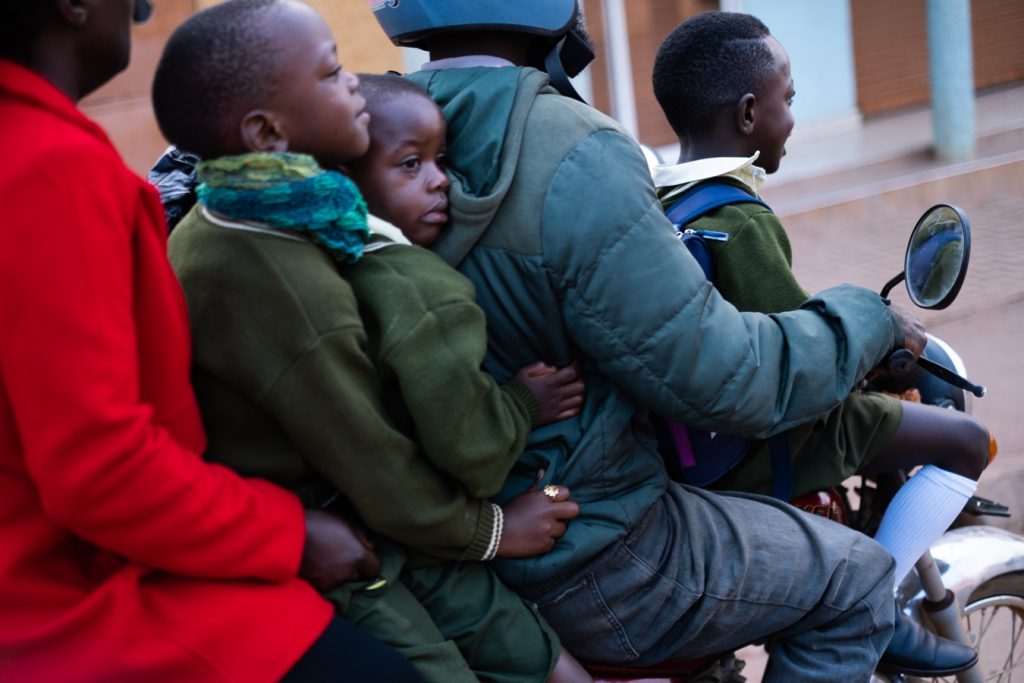
Every day, millions of Ugandans walk to school, to work, to markets, to taxi stages. At some point in the day, everyone becomes a pedestrian. For children, walking is not a choice; it is the only option. Yet Kampala’s roads tell children they do not belong.
Rapid urbanisation and motorisation have transformed the city, but road design continues to privilege vehicles over people. Sidewalks are missing or obstructed. Safe crossings are rare. Speed control is weak. Children are forced to negotiate fast-moving traffic despite their limited ability to judge speed and distance.
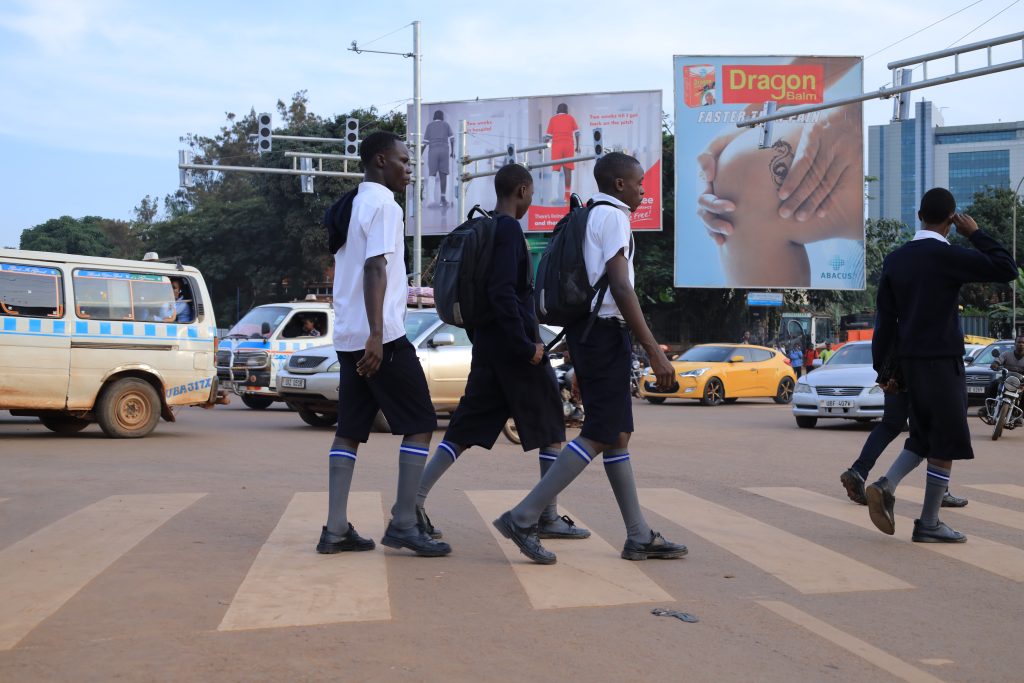
Osuret’s research confirms what many parents already fear. Pedestrians account for more than a third of road casualties in Uganda, with children bearing a disproportionate share of that burden. Unsafe crossing behaviours, running, failing to stop at the pavement, and weaving between vehicles are not acts of carelessness. They are survival strategies in hostile environments.
“Children are expected to behave safely in systems that are fundamentally unsafe,” he explains. “That is not reasonable, and it is not ethical.”
Watching the Road Tell Its Story
Rather than relying on self-reports or simulations, Osuret turned to the road itself. Using discreetly mounted video cameras at school crossings across Kampala, his team observed thousands of real interactions between children, vehicles, and the built environment. The footage captured moments of hesitation, confusion, urgency, and occasionally, near misses that left the researchers gasping for air.
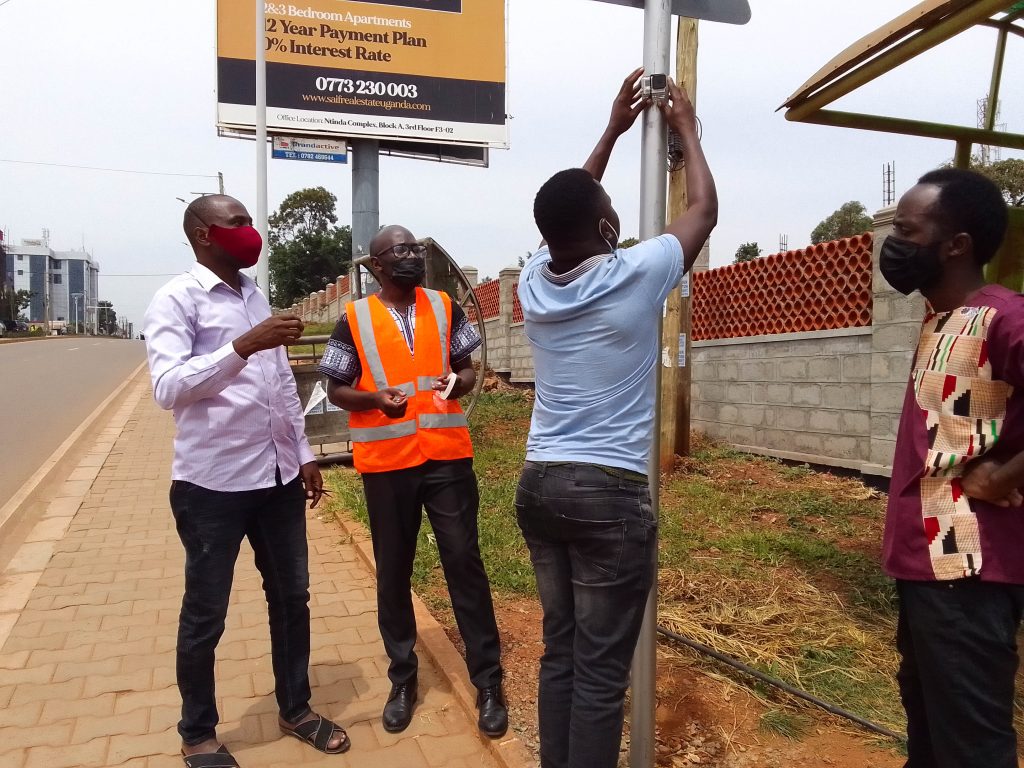
His findings were sobering. One in five children failed to wait at the pavement. More than a quarter crossed outside marked crosswalks. Many ran. Some crossed between vehicles, often when drivers failed to yield.
“These behaviours are not random,” Osuret notes. “They respond directly to what drivers do and what the road allows.”
Crucially, the data revealed something else: where trained school traffic wardens were present, children behaved differently, and drivers did too.
The Power of a Raised Hand
Osuret’s PhD went beyond observation. It tested a solution.
In a cluster-randomized trial across 34 public primary schools, his team introduced a school traffic warden behavioural promotion programme, a low-cost intervention placing trained adult wardens at school crossings during peak hours. The wardens wore reflective gear, used stop paddles, made eye contact with drivers, and guided children through safe crossing routines: stop, look, wait, walk.
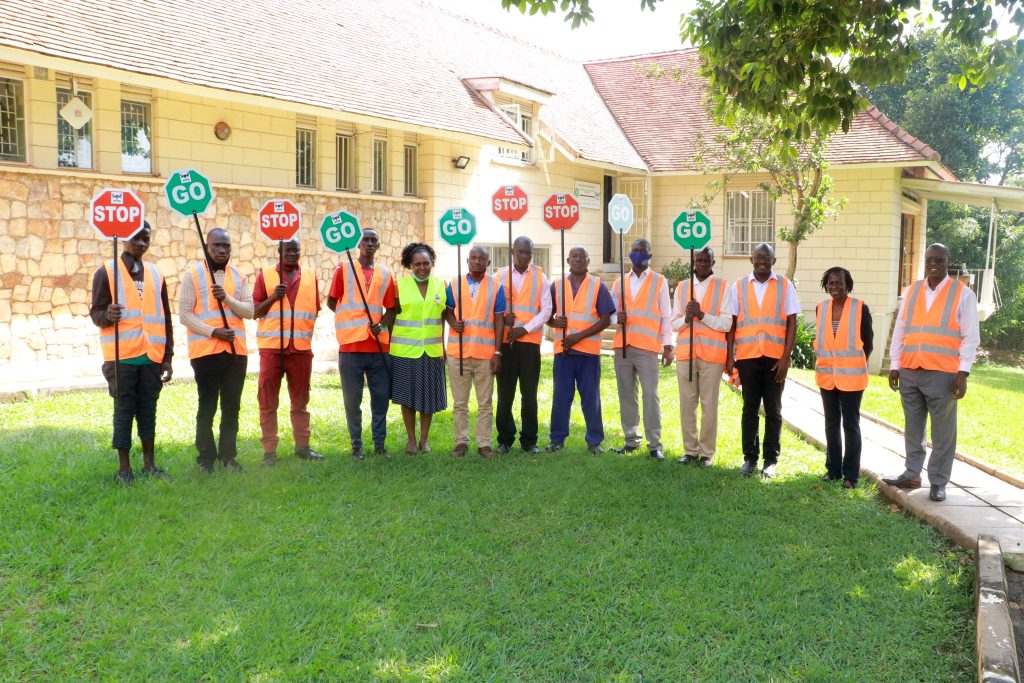
Strikingly, drivers were more than seven times more likely to yield to child pedestrians where a traffic warden was present. Children were 70% more likely to cross safely, stopping at the pavement, walking instead of running, and avoiding dangerous gaps between vehicles.
“What surprised me most,” Osuret recalls, “was how quickly children adapted. When the system supported them, safer behaviour became the norm.”
The intervention faced some resistance. Some drivers ignored wardens. Others were openly hostile. These moments revealed a deeper truth that behaviour change cannot rely on goodwill alone. It requires enforcement, legitimacy, and policy backing.
Behaviour Is Not the Problem—Systems Are
A central insight of Osuret’s work is that road safety debates often focus on the wrong actor.
“Children are told to be careful,” he says. “But children are not the ones designing roads, setting speed limits, or enforcing laws.”
His research shows that driver behaviour, especially yielding and speed, has a direct protective effect on children. Higher driver-yielding rates are consistently associated with fewer pedestrian collisions. Behaviour change among drivers is therefore not optional but foundational.
This perspective aligns with the Safe Systems Approach, which recognises human error as inevitable and places responsibility on systems to prevent fatal outcomes. In Kampala, where infrastructure and enforcement gaps are stark, behavioural interventions like traffic wardens offer an immediate, scalable bridge, especially in school zones.
Scholarship Grounded in Community
Osuret’s academic home at Makerere University School of Public Health shaped how his research evolved. Mentorship from senior injury researchers at Makerere University grounded his work in rigorous methods and local relevance.
“I worked closely with Dr. Olive Kobusingye at the Trauma, Injury, and Disability Unit and became involved in research on pedestrian road safety through international collaborations. Makerere taught me to ask questions that matter here,” he says. “Not just what is publishable, but what is usable.”
That grounding helped him navigate the most challenging phase of his PhD, especially balancing full-time academic work, research, and personal responsibilities. Like many African scholars, he conducted much of his doctoral research while teaching, mentoring, and engaging communities.
“It made me deeply aware of the structural barriers young researchers face,” he reflects. “And it strengthened my commitment to mentorship.”
From Evidence to Action
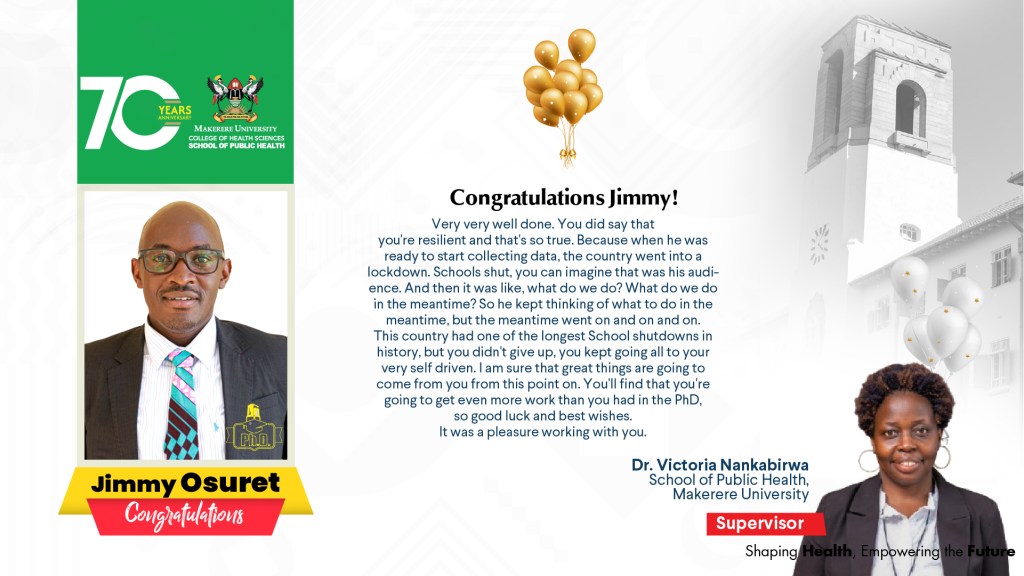
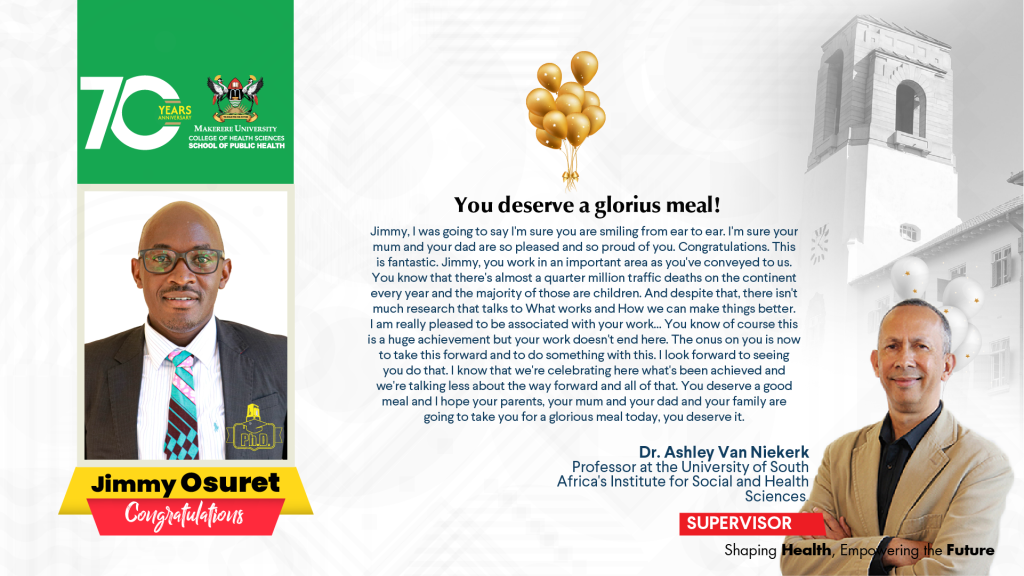
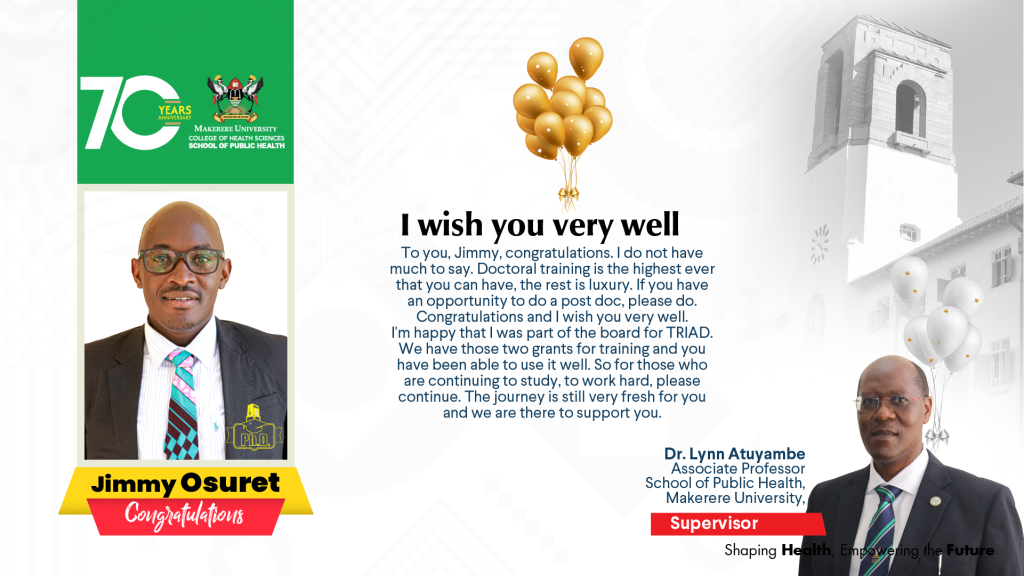
On January 10, 2025, Osuret publicly defended his PhD in a hybrid session at the Makerere University School of Public Health Auditorium. The defense was both a scholarly milestone and a personal reckoning, a moment when decades of memory, loss, and inquiry converged.
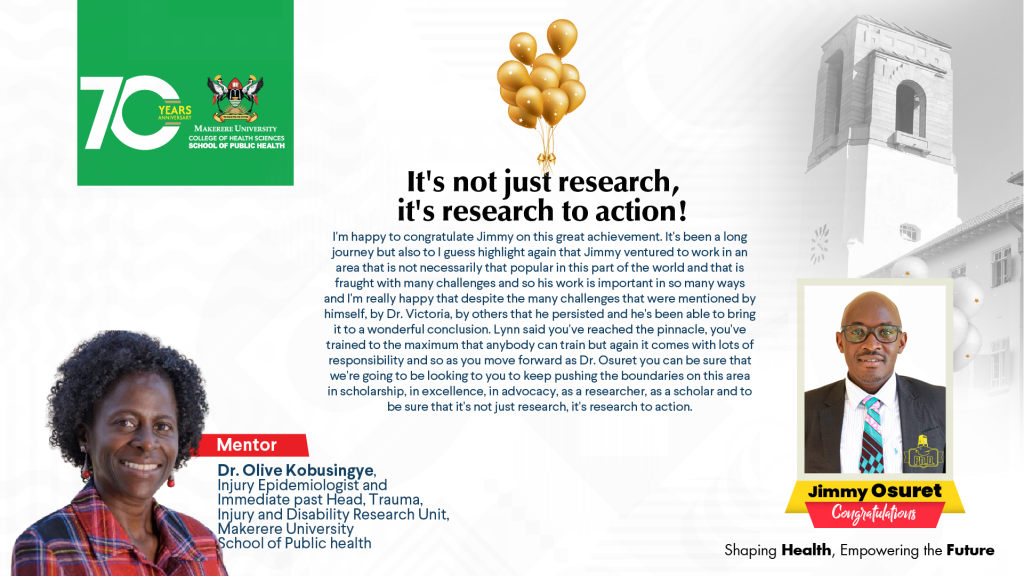
But for Osuret, the PhD was never an endpoint.
Today, he serves on the National Road Safety Committee, contributing evidence to Uganda’s National Road Safety Action Plan. He mentors students, collaborates with policymakers, and continues to argue, persistently, that injuries deserve the same public health urgency as infectious diseases.
“The gap is not knowledge,” he says. “We know what works. The gap is translating evidence into action.”
If policymakers took just one lesson from his research, “design roads around children, not vehicles,” he says. Osuret believes that speed management, safe crossings, and visible enforcement around schools are essential obligations, not luxuries.
Walking Toward Safer Futures
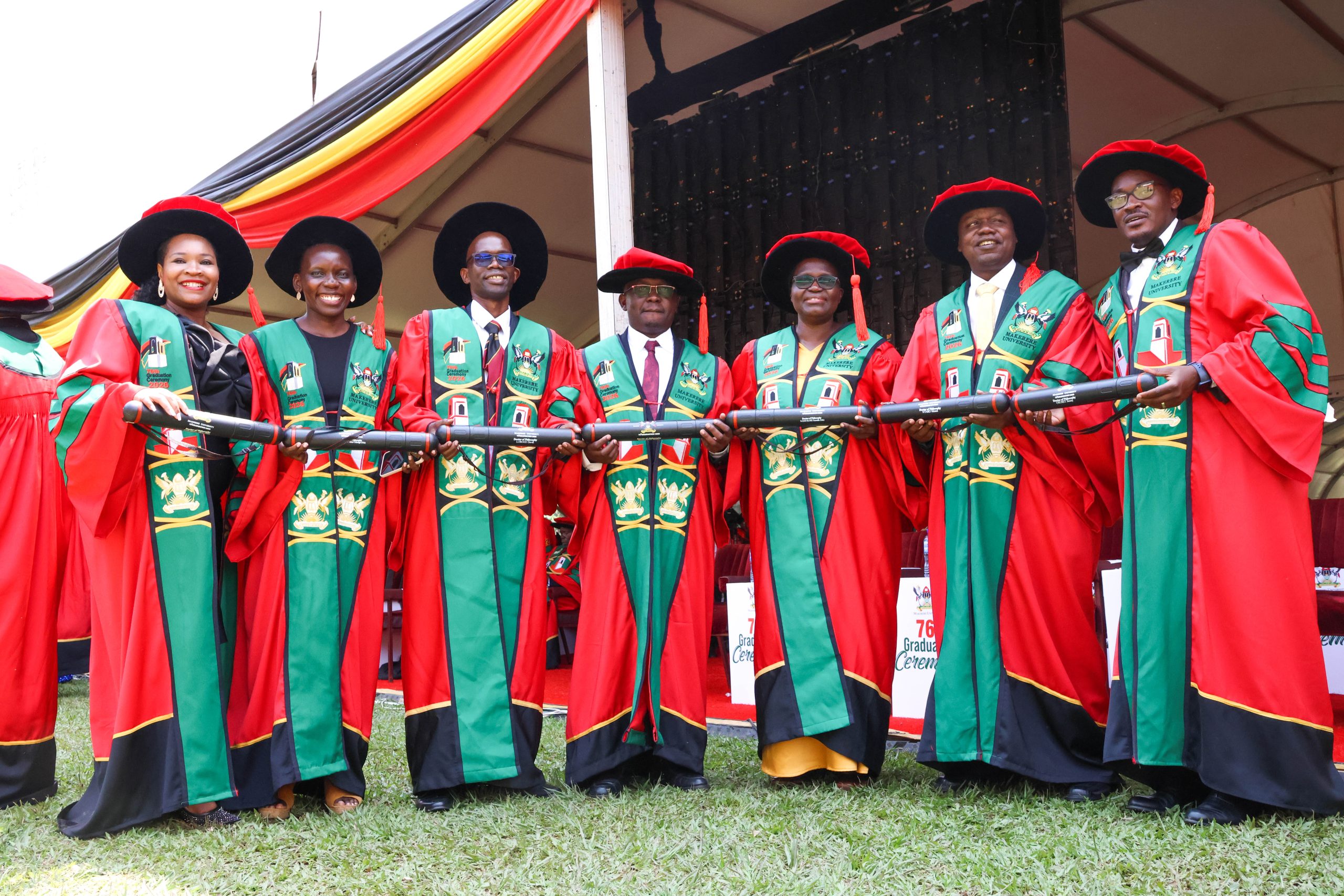
As the country prepares for the 76th Makerere University Graduation Ceremony this February 2026, where Osuret and 184 others will receive their PhDs, we are reminded of what scholarship can do when it remains rooted in lived reality.
Every day, children still gather on the road pavements outside schools like Shimoni. Traffic still hums, and risk has not disappeared. But in some places, a raised hand, a reflective vest, and a trained presence have shifted the balance, if only slightly, toward safety.
When asked what responsibility he now carries, Osuret does not hesitate.
“To ensure that evidence informs decisions,” he says. “Because at some point in the day, we are all pedestrians. And no one should have to gamble with their life just to cross the road.”
—A publication of the Makerere University School of Public Health Communications Office, Graduation Profiles Series, 76th Graduation Ceremony








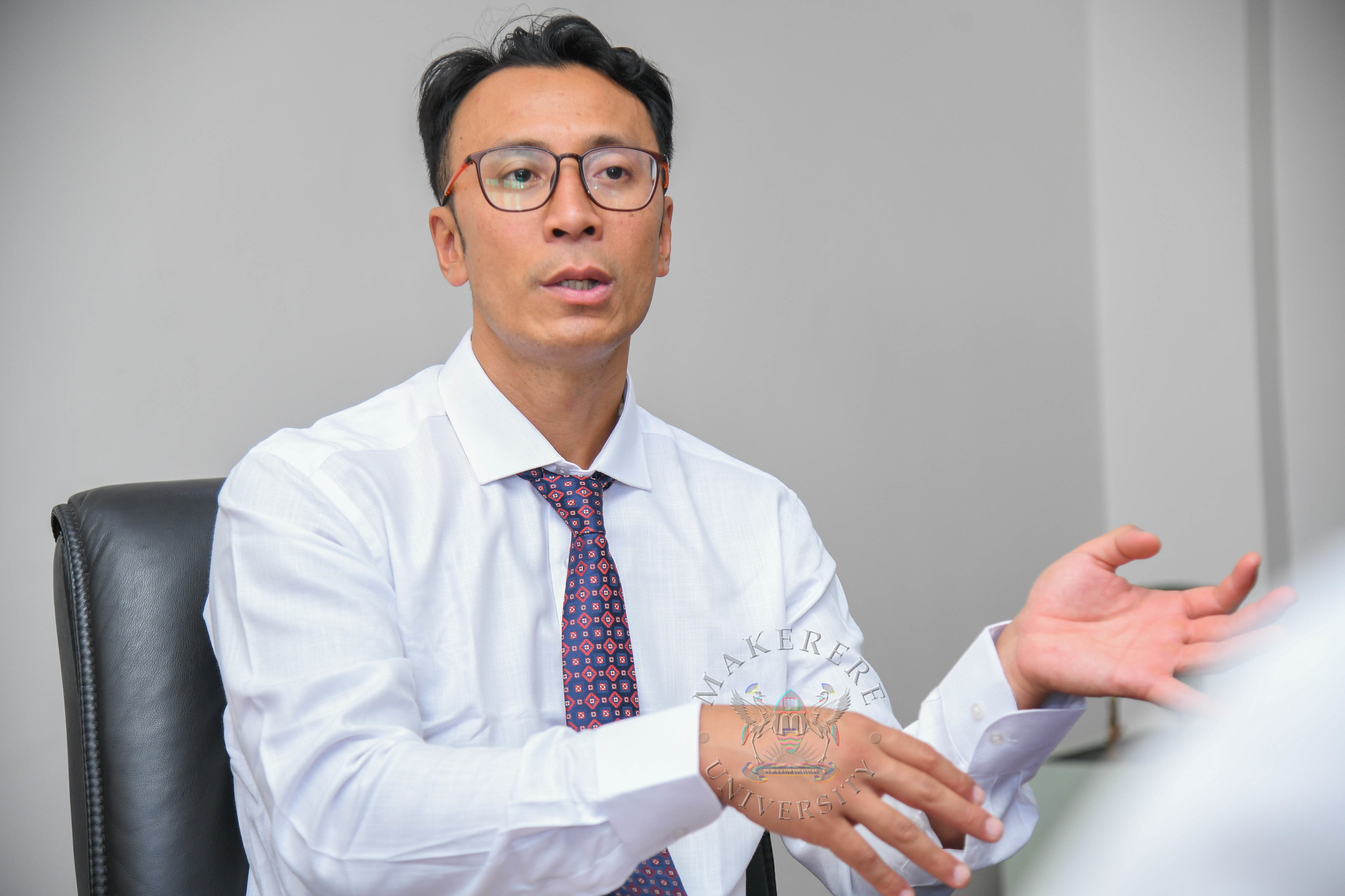
Through a European Union (EU) funded initiative, Makerere University and Mulago Hospital are hosting a German oncology reconstruction specialist Professor Dr. Thiha AUNG. AUNG is a surgeon, trainer at the Deggendorf Institute of Technology (THD), and researcher on cancer from the Deggendorf Institute of Technology (DIT), Germany.
With his international expertise in oncology and medical management roles at his home institution, his visit is a valuable addition to Uganda’s capacity building efforts in medical advancement.
Prof. Aung who arrived in Uganda in late September 2026 and has since then conducted free identified patient specialised surgeries and training for locals. These are expected to span two weeks. For the period, his service intersects medical expertise and humanitarian efforts.
This is not Prof. Aung’s first time in the country; his first major visit was in 2023, when he performed life-changing free surgeries on early patients. He then made medical history in June 2024 when he arrived to perform Africa’s first-ever lymph node transplant at Mulago Hospital.
It was against this background that the Makerere Public Relations Office engaged him in an exclusive interview to share his philosophy on medical service, his experiences in oncology reconstruction, and his unwavering belief that passion and dedication rather than just resources are the true drivers of sustainable medical progress.
Transforming Lives Through Oncology Reconstruction
At the heart of his mission through the ERASMUS – Oncology/Lymphedema project, is the treatment of lymphedema, a condition often referred to as elephantiasis.
In Europe, such surgeries can cost between 80,000 and 100,000 euros, making them inaccessible to many.
Thankfully, Professor and his team, including some of his post graduate students like Anna Friedrich (B.Sc) and Sophia Waser (B.Sc., PA) from the Institute of Medical Science and Engineering, have once again brought this specialised care to Uganda pro bono.
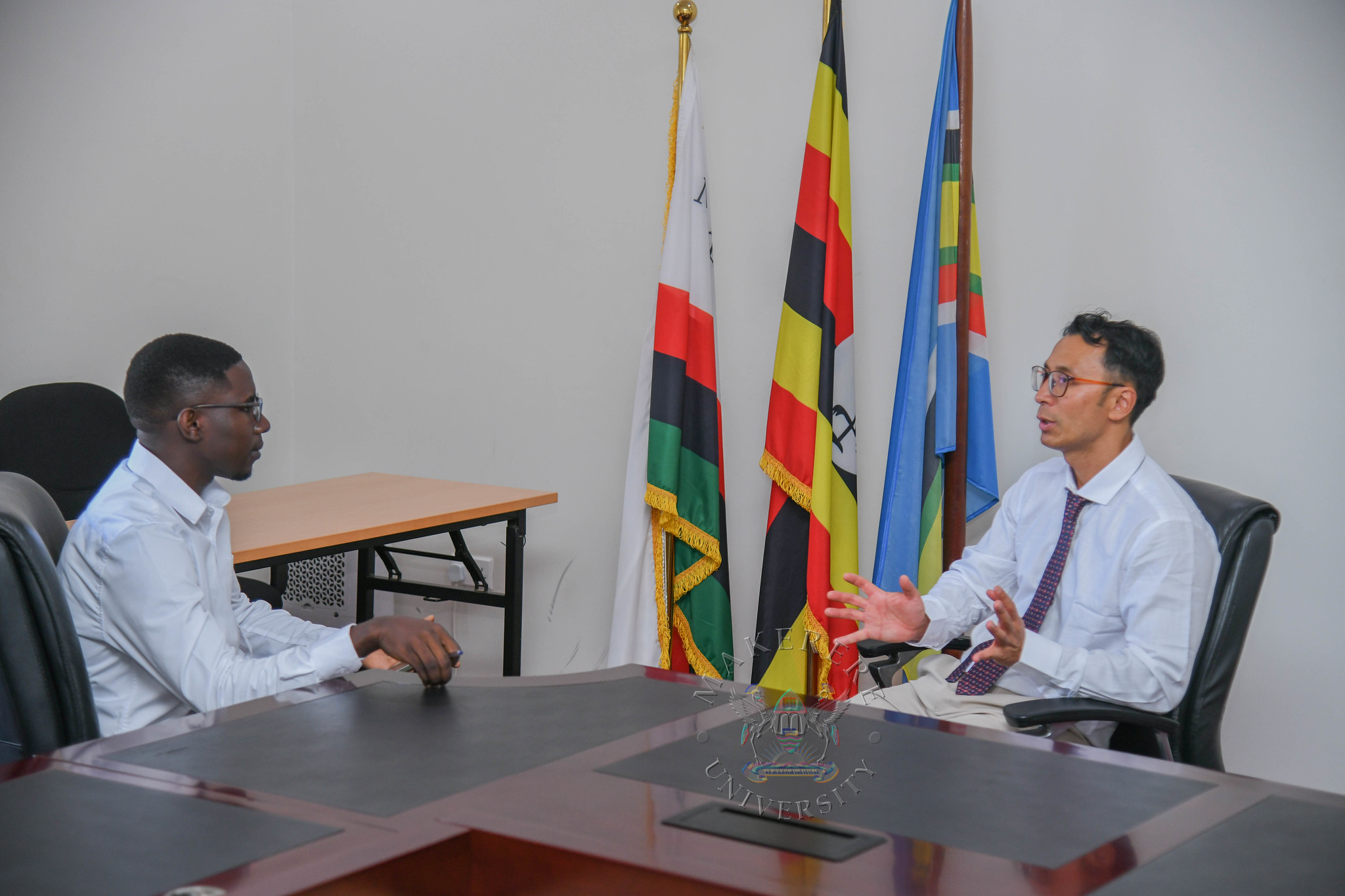
He highlights the story of a teacher who, after receiving surgery, regained her quality of life and returned to the classroom. For him, the impact is exponential. “You change one life, but this person changes a lot in the community.”
This shift from individual surgery to the long-term wellbeing of the community, reinforces the local impact of these services.
Professor AUNG’s Personal Conviction
The professor confessed that inherently, he commands himself that beyond knowledge, true progress is driven by passion and will rather than resources.
He does not agree with those that think money and resources are the sole prerequisite for change in the medical world, stating, “you cannot change with money only.” Rather, he upholds the importance of personal decision and commitment.
When discussing the challenges of working in resource-limited settings, he maintains a simple, direct explanation “it’s always beyond the money.”
Ultimately, the Professor believes that if he can provide the spark, his students and patients can carry through with the same flame for significant change.
Motivation to Serve in Uganda
When asked about his inspiration for entering the field and now volunteering to work in Uganda, he explained that his primary goal was always to serve others. “That’s why I finished my medical school to help as many people as possible with my skills.”
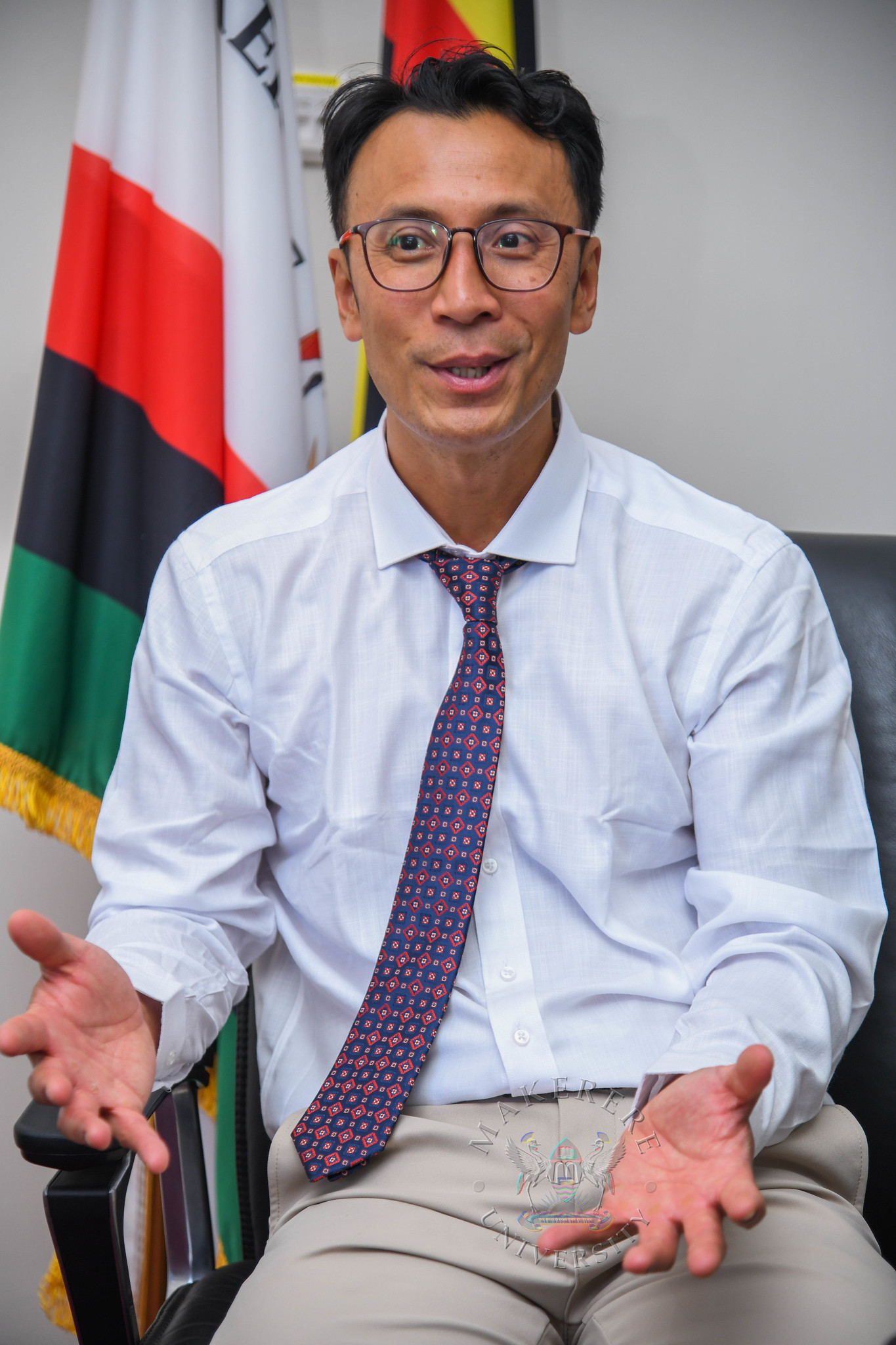
He views his medical expertise not as a tool for the privileged, but as a universal resource., “People are all the same, their anatomy is the same. So, I can help all these people pretty well,” Prof AUNG remarked.
His approach is motivated by a pay it forward dogma where treating a single patient creates a broader societal benefit. He illustrates this through his work with patients who, after surgery, are able to return to their professions like the teacher earlier mentioned.
Tips for Medical Professionals working in Uganda
As a foundation for professional growth, the Professor advised medical professionals working in Uganda to prioritise genuine interest in their work because he believes it is “the most important…” for “if you are interested, you will go far in the profession.”
He further reinforced the human capacity point, noting, “no matter what kind of equipment you have… it all depends on the people operating them and the patient.”
Professor AUNG concluded by encouraging doctors to overcome resource fears through action, stating, “If you want to create impact or change, you do.”
Dr. AUNG is part of the Lymphoedema Warriors Association (LWAU) in Uganda. He describes it as a grassroots organisation and commends them for “leveling the grond”. He reiterated his commitment to work with the organisation in reviewing patient reports to determine the best course of treatment.

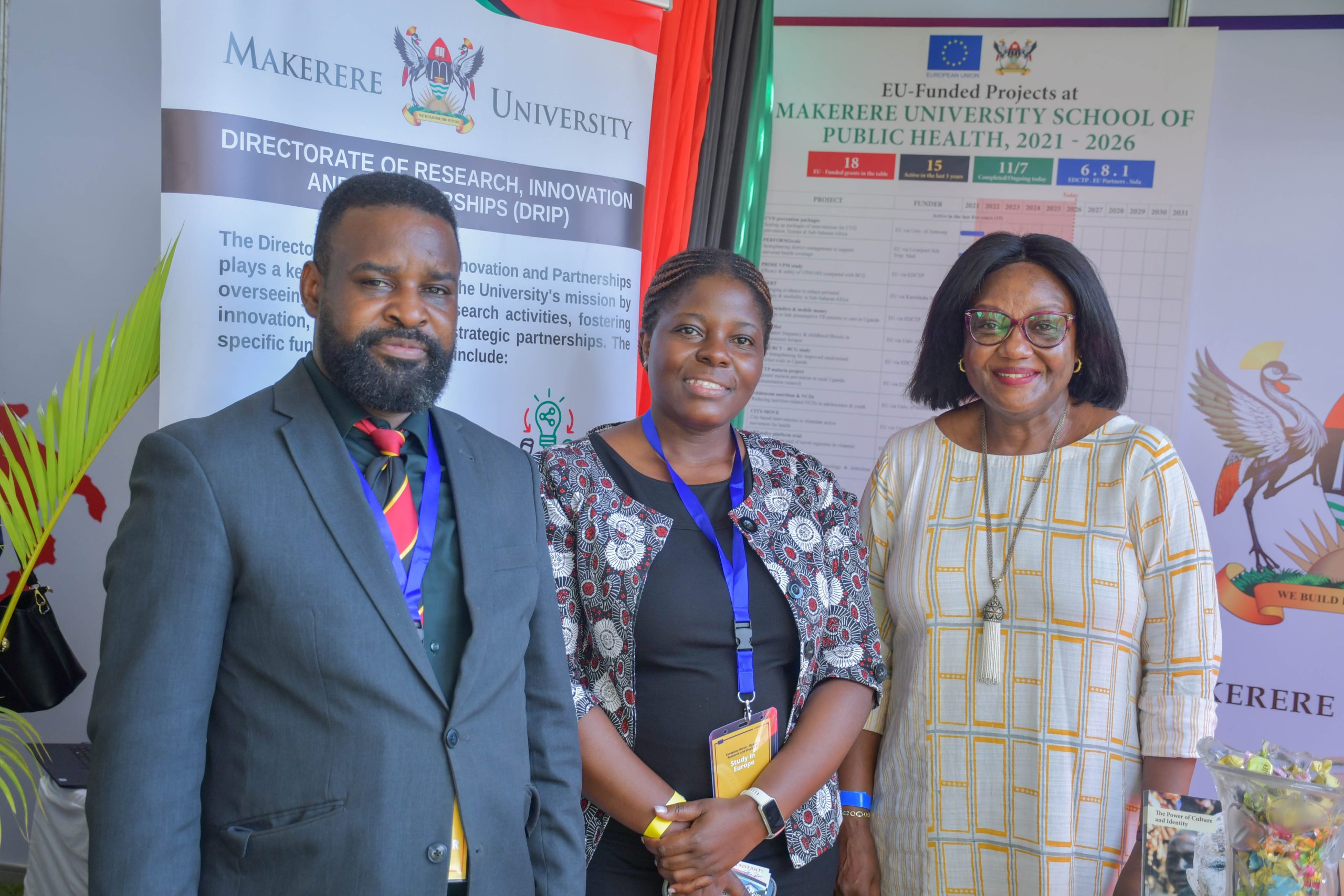
Makerere University’s School of Public Health (MakSPH) showcased research, training and international partnerships supported through European Union funding during the EU Uganda Research and Study Fair 2026 held at Makerere University.
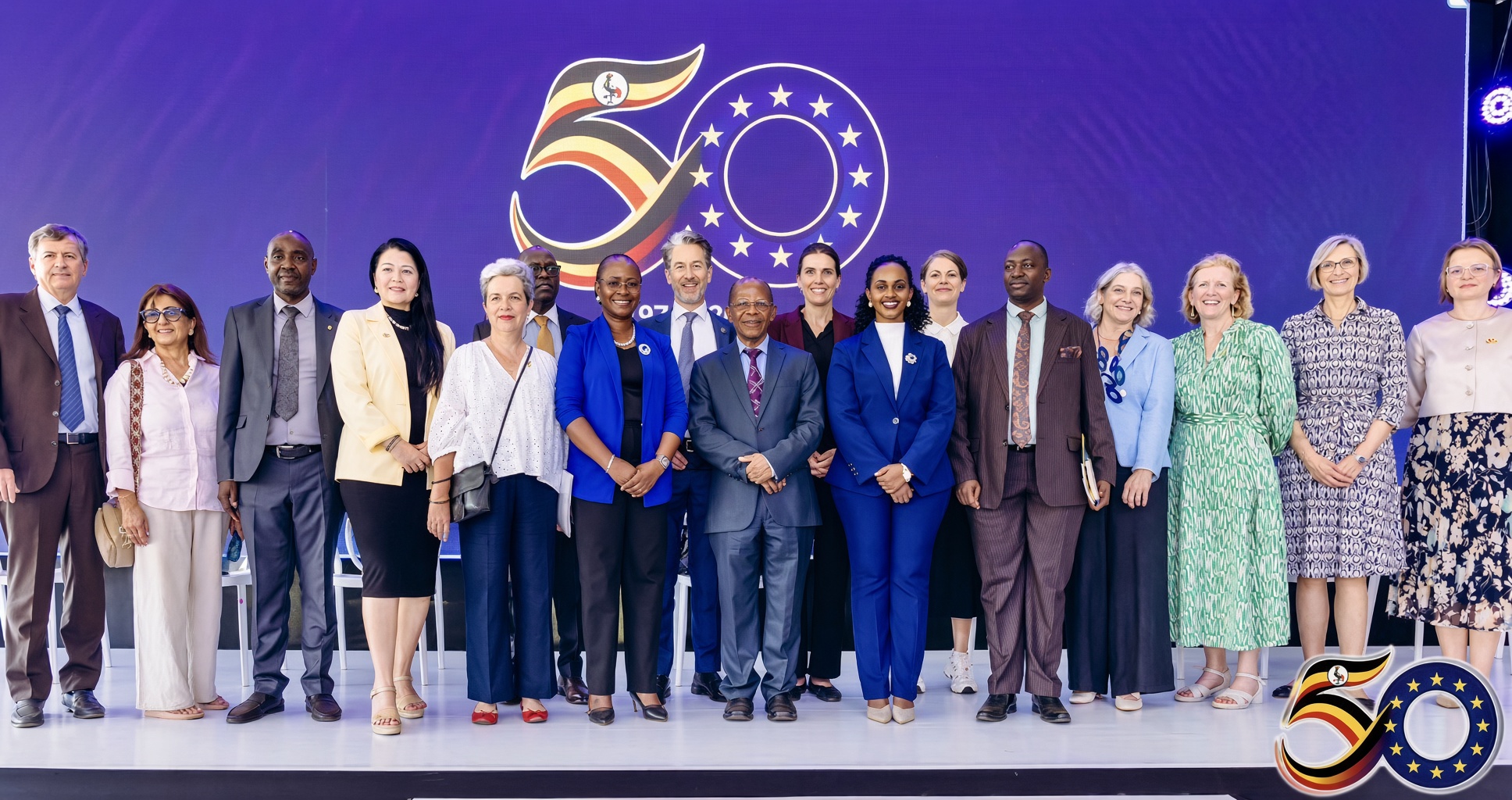
The fair brought together students, researchers, academics, government representatives and development partners to explore opportunities in education, research, innovation and international collaboration, while celebrating 50 years of partnership between Uganda and the European Union.
Through its exhibition, MakSPH highlighted research and capacity building initiatives addressing public health challenges including infectious diseases, non communicable diseases, health systems, climate change and pandemic preparedness.
18 EU funded projects supported at MakSPH
Prof. Rhoda Wanyenze, Dean of Students, School of Public Health, said the School has benefited from 18 EU funded projects over the past five years, supporting research and training across several areas of public health.
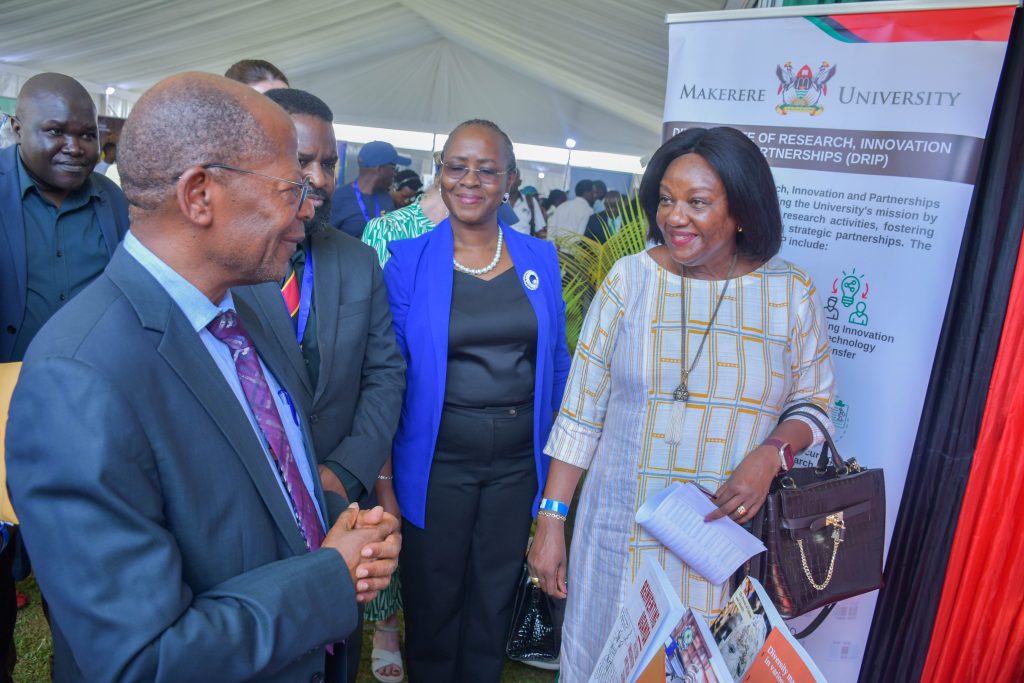
She said the projects have contributed to the training of PhD researchers and the development of research addressing infectious diseases and prevention, non communicable diseases, health systems, climate change and health.
Prof. Wanyenze also highlighted a new five year programme which started in 2021 that is aiming at strengthening capacity for research on pandemic preparedness and response, including outbreaks such as Ebola.
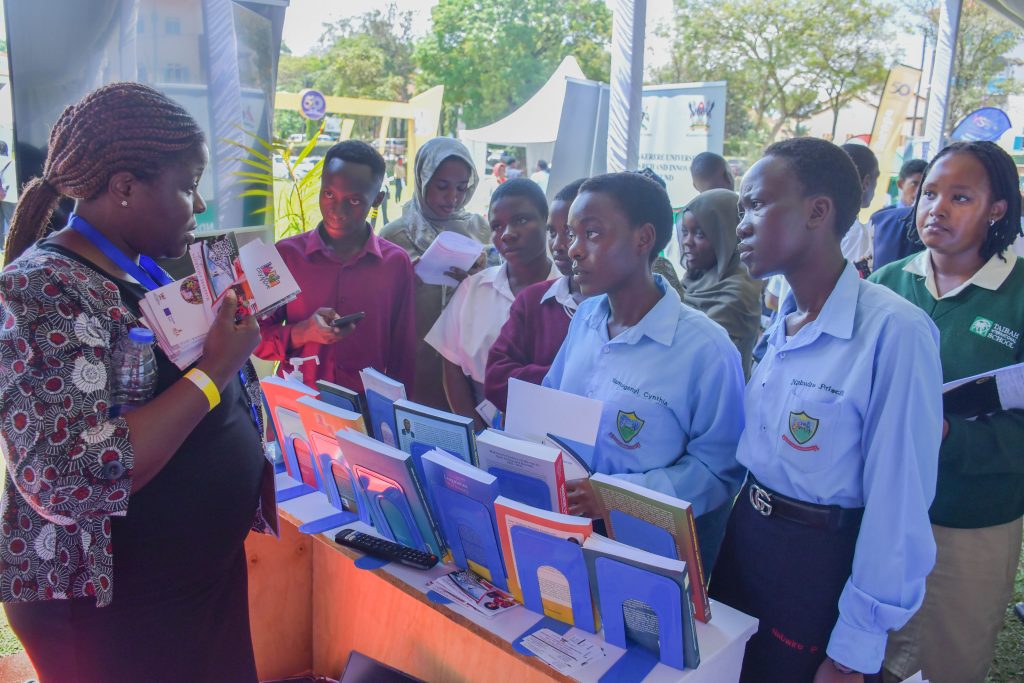
Another programme being undertaken with the Ministry of Health and Karolinska Institute focuses on improving maternal health while also addressing adolescent pregnancy and the health of mothers and children.
She described partnerships as critical to advancing science and innovation, noting that collaboration allows researchers in Africa and Europe to share knowledge and strengthen the impact of research on communities.
Research partnerships strengthen innovation
Prof. Robert Wamala, Director of the Directorate of Research, Innovation and Partnerships at Makerere University, said the exhibition provided an opportunity to showcase EU funded projects across the University.
He noted that the School of Public Health alone has more than 18 such projects, while other colleges also have several EU supported initiatives.
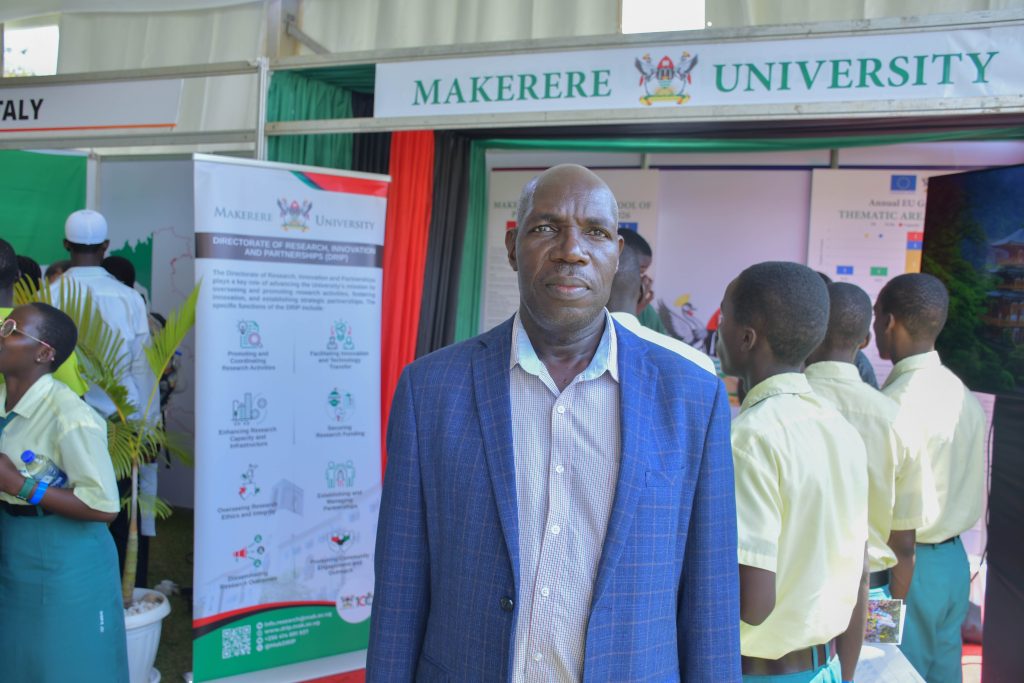
One of the projects showcased was PREPARE TID, a partnership aimed at developing rapid diagnostic technologies for emerging and re emerging infectious diseases.
Prof. Julius Okuni, Associate Professor of Veterinary Pathobiology and Molecular Diagnostics at Makerere University, said the project brings together universities, industries and other organisations from Africa and Europe.
The project is working to develop technologies that can quickly identify pathogens responsible for outbreaks such as Ebola, Rift Valley fever and Crimean Congo haemorrhagic fever.
According to Prof. Okuni, Makerere is involved in field and laboratory work to test and refine the technologies before they can be delivered to end users.
Fair provides platform for research visibility
For researchers at MakSPH, the fair also provided an opportunity to increase the visibility of ongoing research and create new connections with researchers, policymakers and potential funders.
Dr. Raymond Tweheyo, Honorary Lecturer and Senior Research Fellow in the Department of Health Policy, Planning and Management, said such exhibitions allow researchers to share their work and identify others working on related challenges.
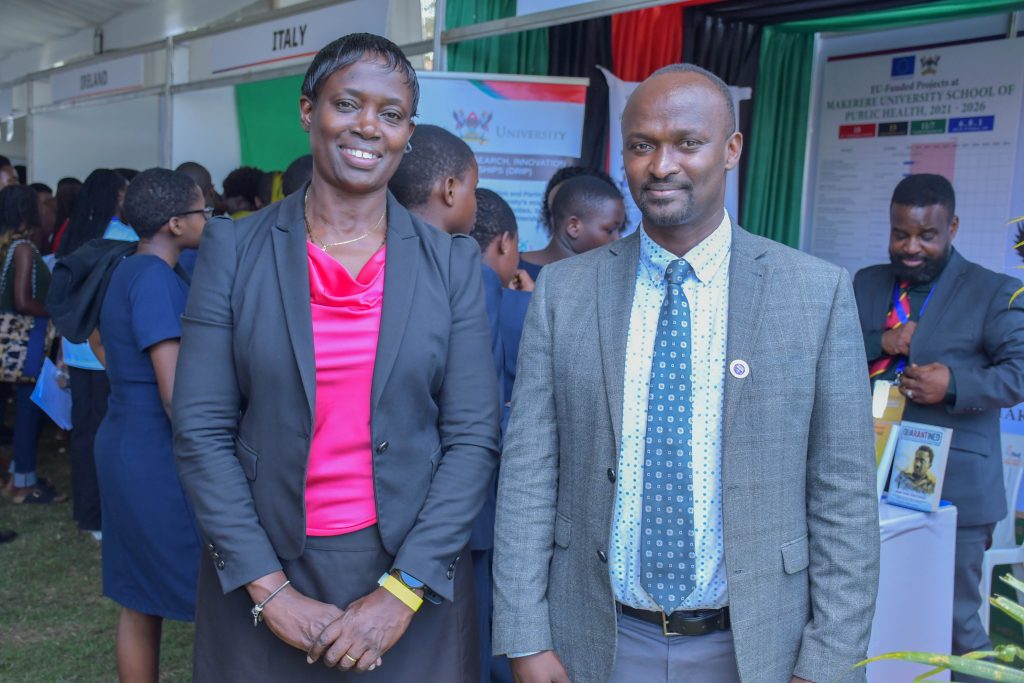
He cited the CONNECT for Health project, which focuses on transforming non-communicable disease care in Uganda through collaboration with partners across several countries.
Dr. Tweheyo said exhibitions can help researchers connect with policymakers, civil society organisations and other partners who can contribute to translating research into practical solutions.
Assoc. Prof. Angelina Kakooza Mwesigye, Associate Professor and Child Neurologist at Makerere University College of Health Sciences, also emphasised the importance of exposing young people to international research opportunities.
She said the long standing Uganda Europe partnership provides opportunities for the next generation of researchers to learn, build networks and prepare for future research collaborations.
The School of Public Health’s participation highlighted the role of international partnerships in strengthening research capacity, supporting innovation and developing evidence based responses to Uganda’s public health challenges.
-
 Agriculture & Environment2 weeks ago
Makerere University Welcomes 50 Youth Skilling Program trainees under the Africa Climate Collaborative, Supported by Mastercard Foundation
-
 General2 weeks ago
Timothy Khabusi: From Barefoot Walks to shaping Uganda’s Eye health Future
-
 Humanities & Social Sciences1 week ago
French Embassy Presents Four Makerere Scholars with Academic Palms
-
 General2 weeks ago
Makerere Hosts EU Uganda Research and Study Fair
-
 Agriculture & Environment2 weeks ago
After 10 Years Out of Education, Africa Climate Collaborative at Makerere University Opens a New Chapter for Okello