
Innovation
Hon. Eng. Jonard Akiiki Applauds Makerere’s Research Legacy, calls for Commercialisation

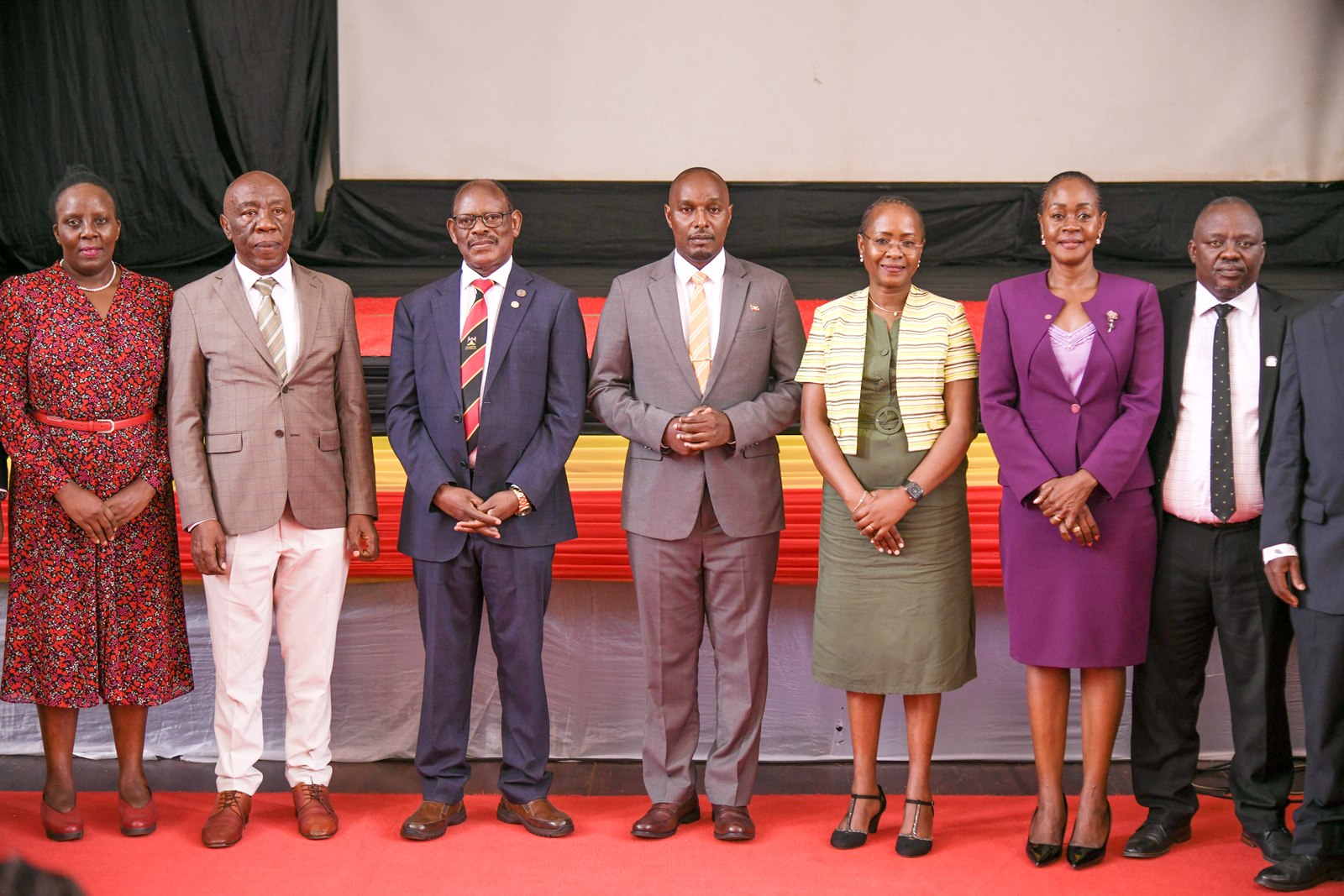
The Honourable Eng. Jonard Asiimwe Akiiki, Minister of Science, Technology and Innovation in the Office of the President, spent his first day at Makerere University immersed in the work of the very people the Ministry exists to support, its researchers, its innovators and, above all, its students. The visit, his maiden engagement with the University since taking up the docket, opened on Tuesday 21 July 2026 under the theme of research infrastructure, emerging technologies and enterprise creation, and by the time the day closed, the Minister had walked through workshops, laboratories and innovation hubs spanning three colleges, each one built around work led substantially by Makerere students at different levels of study.
Setting the tone
The day began with an opening session at which University leadership laid out, in fairly direct terms, the scale of what Makerere is building. The Vice Chancellor took the Minister through the University’s research and innovation strategy, touching on its major infrastructure investments, its externally funded research portfolio, its growing stock of patents and intellectual property, and the start ups and spin off companies that have emerged from University research in recent years. He spoke about commercialised technologies already in use beyond the University gates, about industry partnerships that have grown out of research collaborations, and about the specialised human capital Makerere continues to produce in science, technology and innovation fields. The presentation was framed deliberately around the National Development Plan IV and the Tenfold Growth Strategy, with the Vice Chancellor making the case that Makerere’s research output is not an academic exercise sitting apart from national priorities but a direct contributor to them.
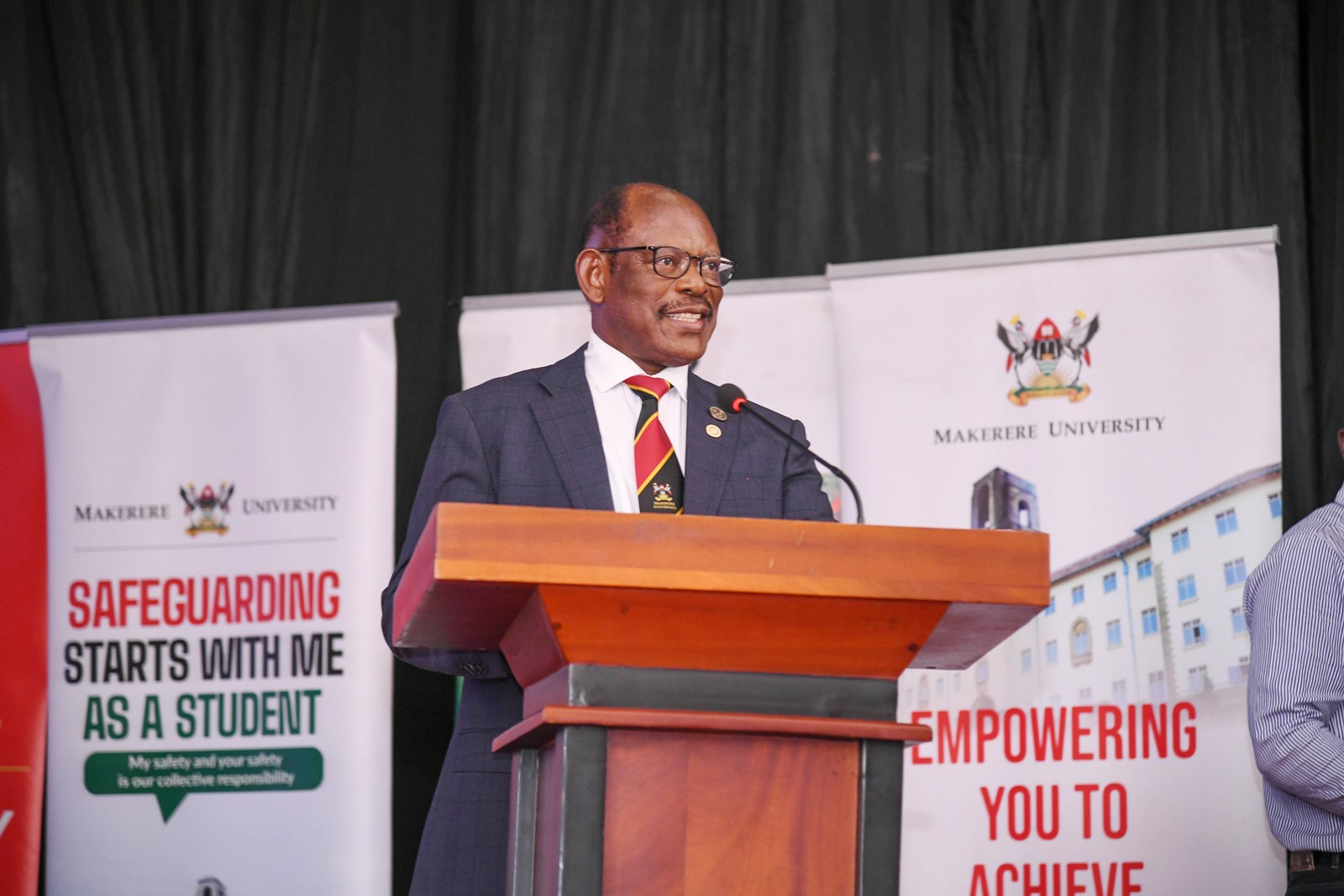
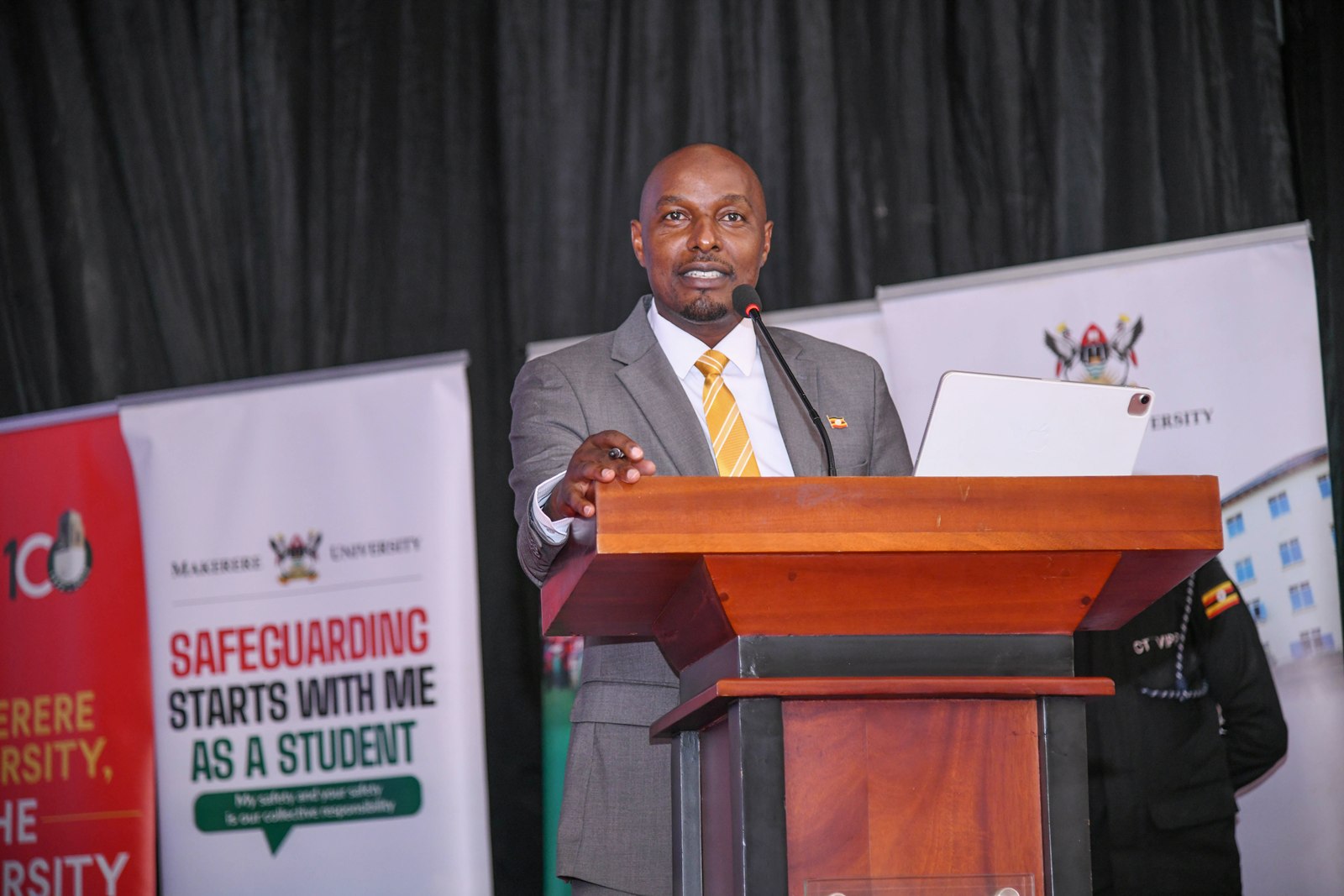
The Minister responded with a strategic vision address of his own, setting out what he expects from the science, technology and innovation sector over the coming years and the role he wants public universities to play in delivering it. What followed was a candid, moderated exchange in which University leadership pressed the Minister on policy direction and the operating environment for research, while he in turn asked pointed questions about how quickly Makerere‘s research strengths can be converted into products, services and enterprises that create jobs and generate revenue. It set the tone for a day that would, from that point on, be less about presentations and more about seeing the work itself.
CEDAT Showcases Seven Projects
That work began in earnest at the College of Engineering, Design, Art and Technology (CEDAT), where the Minister was welcomed by Vice Chancellor Prof. Barnabas Nawangwe and College Principal Prof. Moses Musinguzi, and where senior scholars had presented their innovations directly to him. The Minister did not hide his familiarity with the terrain. “This is my college because I come from engineering mathematics”, he told his hosts, adding that he intended to work with the College under the guidance of the President as the sector moves forward.
He was candid, too, about what he had come to look for. His mission, he explained, as directed by the President, is to ensure that scientists’ projects move beyond the laboratory and into commercialisation. “My mechanism is touch, don’t do things rashly. Whatever you do, ensure it is ready to be seen nationally and internationally”. It was a line that set the tone for the rest of his time at CEDAT, an insistence that promising research findings alone are not enough unless they can be shown to the world and, eventually, sold in it.
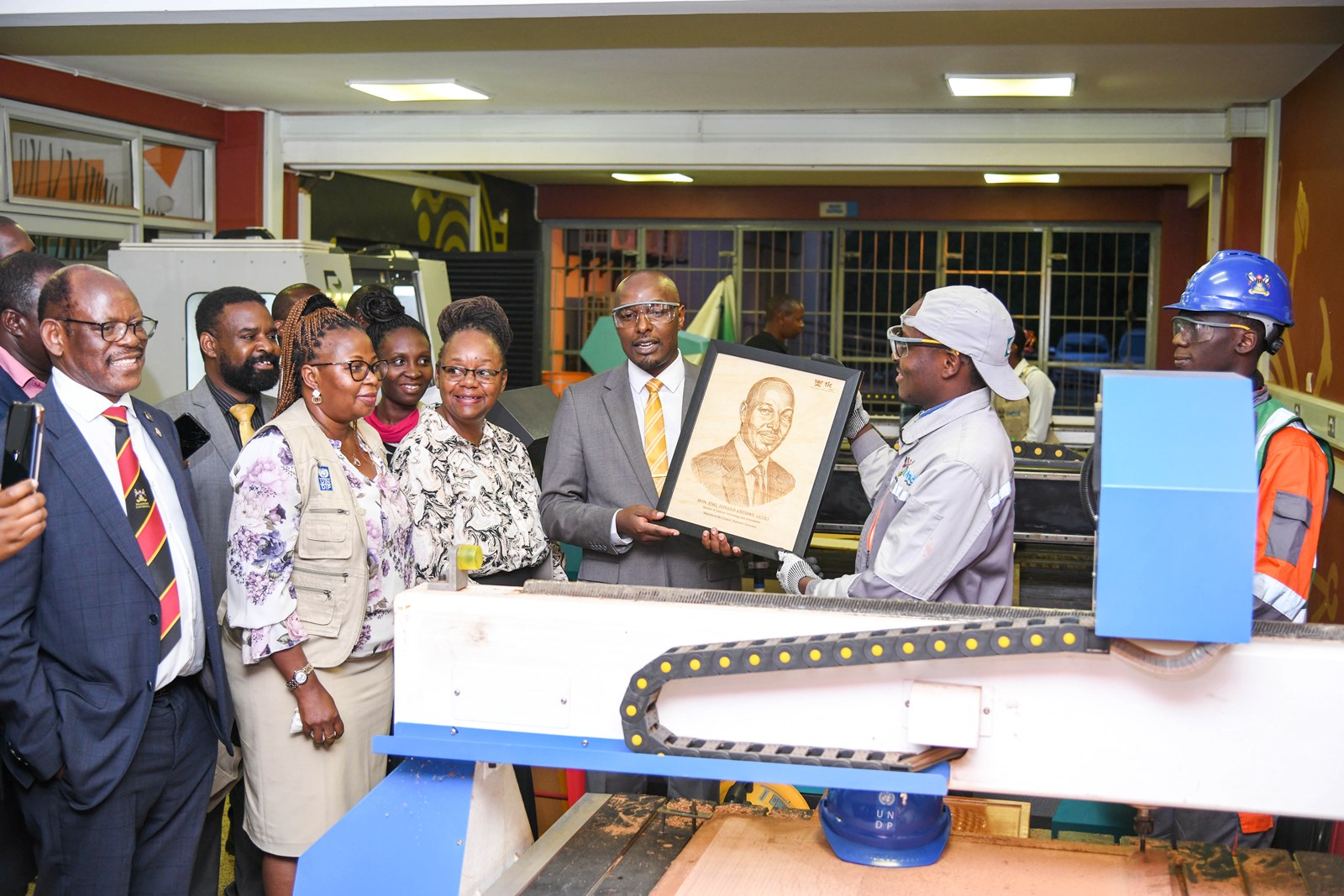
The projects put before him bore that out. Researchers presented work on the value addition of tungsten ores into tungsten carbides for sustainable mineral development, a Smart Home Energy Project, and the development of solar water pumps suited to local conditions. CEDAT has Direct Reduction Technology aimed at the metallisation of Ugandan iron ores, and Smart Mobility Corridors that use artificial intelligence and Internet of Things analytics to improve road safety. The College also showcased work on electrifying informal urban transport, built around evidence-based support for the adoption of electric motorcycles, alongside research into the use of iron oxide nanoparticles in the treatment of wastewater and drinking water. Taken as a set, the seven projects made a fairly complete case for what CEDAT researchers and their students have been quietly building, work that spans mineral processing, renewable energy, smart infrastructure, transport and environmental protection.
A walk-through of Living Labs
At the Marconi Research and Innovation Laboratory, engineering students and their supervisors walked him through further work on infrastructure innovations developed within the College, much of it born out of final year projects and postgraduate research that never quite stopped after the marks were awarded. A stop at the MAPRONANO facility introduced the Minister to its scanning electron microscopy and materials characterisation equipment, a resource that has quietly become central to nanotechnology and advanced materials work across several colleges, not just CEDAT.
What became clear as the Minister moved between benches was how much of the College’s engineering output is aimed squarely at problems close to home. Renewable energy prototypes on display were built around the realities of Uganda’s power grid rather than borrowed wholesale from foreign textbooks, and several of the projects, from the tungsten carbide work to the iron ore metallisation research, dealt directly with turning Uganda’s own mineral resources into higher value products. Facility leads explained that this local orientation is deliberate, a way of ensuring that engineering training at Makerere produces graduates who can solve the problems in front of them rather than only the ones described in imported case studies.
Speaking more broadly on the visit, the Minister underscored the role of universities in driving Uganda’s industrialisation and technological advancement, noting Makerere‘s long legacy in publishing and pledging to help it become a hub for commercialisation as well. “Our future prosperity depends on strengthening our scientific base and ensuring innovation is locally developed and supported”, he said. Prof. Musinguzi thanked the Ministry for its support, affirming that Makerere remains committed to championing academic and research excellence in Uganda and the region.
Strides made in Artificial Intelligence
From CEDAT, the delegation moved to the Research and Education Network for Uganda and the College of Computing and Information Sciences, where the conversation shifted from workshops and welding to compute power and code. The centrepiece here was the National AI Research Cloud hosted at RENU, a facility that gives researchers and students across the country access to the kind of computing infrastructure that serious artificial intelligence work demands, infrastructure that would otherwise be well beyond the reach of most individual departments. Inside the College’s Artificial Intelligence and Data Science laboratories, the Minister was shown a range of applications built on this infrastructure, many of them the direct output of graduate and undergraduate research projects rather than staff led initiatives handed down from above.
The applications on display touched health, agriculture, environment, climate, cybersecurity and public service delivery, a spread that gave a fair sense of just how broadly Makerere‘s computing talent has been put to work. Lab leads walked the Minister through how student teams had identified real problems, in some cases working directly with government agencies or private sector partners, and built working systems around them. Among the examples presented were tools built by student researchers to support disease surveillance and diagnosis, systems designed to help farmers make better decisions using satellite and sensor data, and early-stage cybersecurity tools developed to protect the kind of digital public services the government has been rolling out in recent years. The Minister, for his part, pushed the conversation toward questions of governance and access, wanting to understand how a shared national resource like the AI Research Cloud is allocated, how its operating costs are sustained, and what it would take to scale similar compute access to other public universities. It is, after all, one thing to build a laboratory full of promising student projects, and quite another to build the national infrastructure that lets such laboratories multiply.
Exploring Agricultural Value Chains
The final stop of the segment covered here was the College of Agricultural and Environmental Sciences (CAES), where the focus turned from digital systems to the physical business of turning raw produce into finished, marketable products. At the Food Technology and Business Incubation Centre, the Minister toured facilities for agricultural engineering fabrication, mechanisation and post harvest handling, the kind of unglamorous but essential technology that determines whether a farmer’s harvest reaches a processor intact or spoils before it gets there. Alongside this, the Centre showcased its food formulation, pilot processing, quality assurance and packaging capabilities, all of them built around a philosophy of taking a product from laboratory bench to shop shelf without students having to leave campus to find the equipment to do it.
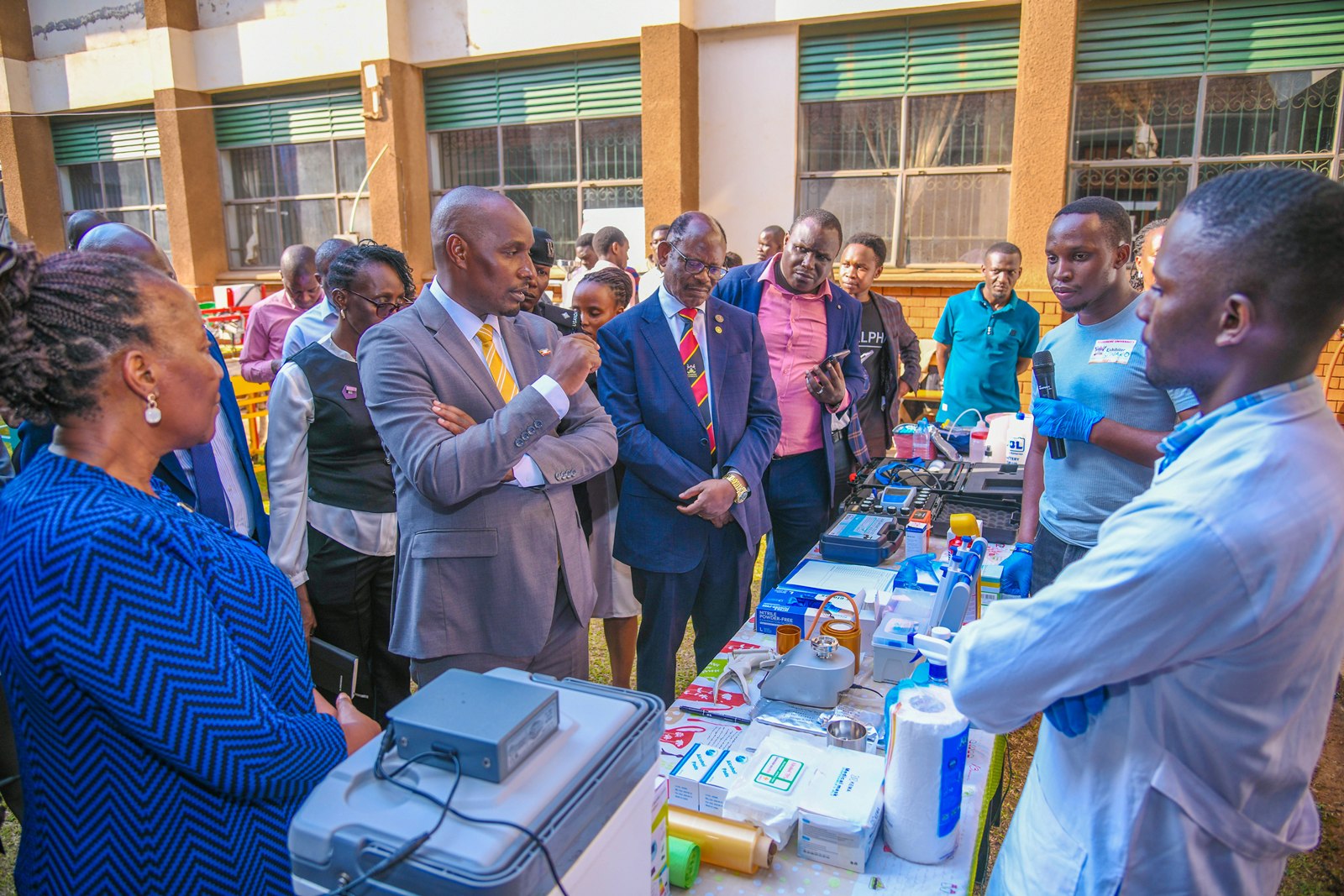
Much of what the Minister saw at the Centre had been developed by students working through the Incubation programme, turning coursework and research interests into small, functioning enterprises. Demonstrations centred on some of the country’s priority value chains, coffee, banana, dairy, cereals and fruits among them, with young entrepreneurs presenting finished or near finished products alongside the research that had gone into developing them. Several of the enterprises on display had already moved beyond the prototype stage, with student founders explaining how they had navigated food safety certification, sourced packaging, and begun testing their products with real customers, small but telling steps that separate a good idea from an actual business. For a Ministry keen on enterprise creation as much as pure research output, it was arguably the clearest illustration yet of the day’s underlying argument, that Makerere‘s students are not simply studying science and technology in the abstract but are already building businesses around it, often before they have even graduated.
Taking Stock of an Engaging First Day
Taken together, the four stops covered on the first day, the opening strategic session, the engineering and manufacturing tour at CEDAT, the digital and artificial intelligence infrastructure at RENU and CoCIS, and the food technology and agro industrial work at CAES, offered the Minister a cross section of a university whose research culture runs considerably deeper than its published output alone would suggest. What stood out consistently across the four was the extent to which students themselves, rather than only senior researchers, were the ones presenting the work, explaining the thinking behind it, and answering the Minister’s questions directly. University officials were keen to point this out at every stop, framing it as evidence that Makerere is not merely producing research papers but producing a generation of scientists, engineers and entrepreneurs already at work on the problems the Ministry has been asked to help solve.
The Minister’s first day at Makerere continued beyond the stops covered here, taking him further into the University’s natural sciences platforms and its innovation and enterprise pipeline before the day’s programme drew to a close. His engagement with the University resumes on Wednesday, 22 July 2026, with a second day focused on health and life sciences, before culminating in a strategic dialogue between Makerere and the Ministry and the adoption of an agreed action matrix to guide follow up work between the two institutions.







Agriculture & Environment
Makerere Hosts Inaugural Falling Walls Lab Competition as Innovators Pitch Solutions to National Challenges

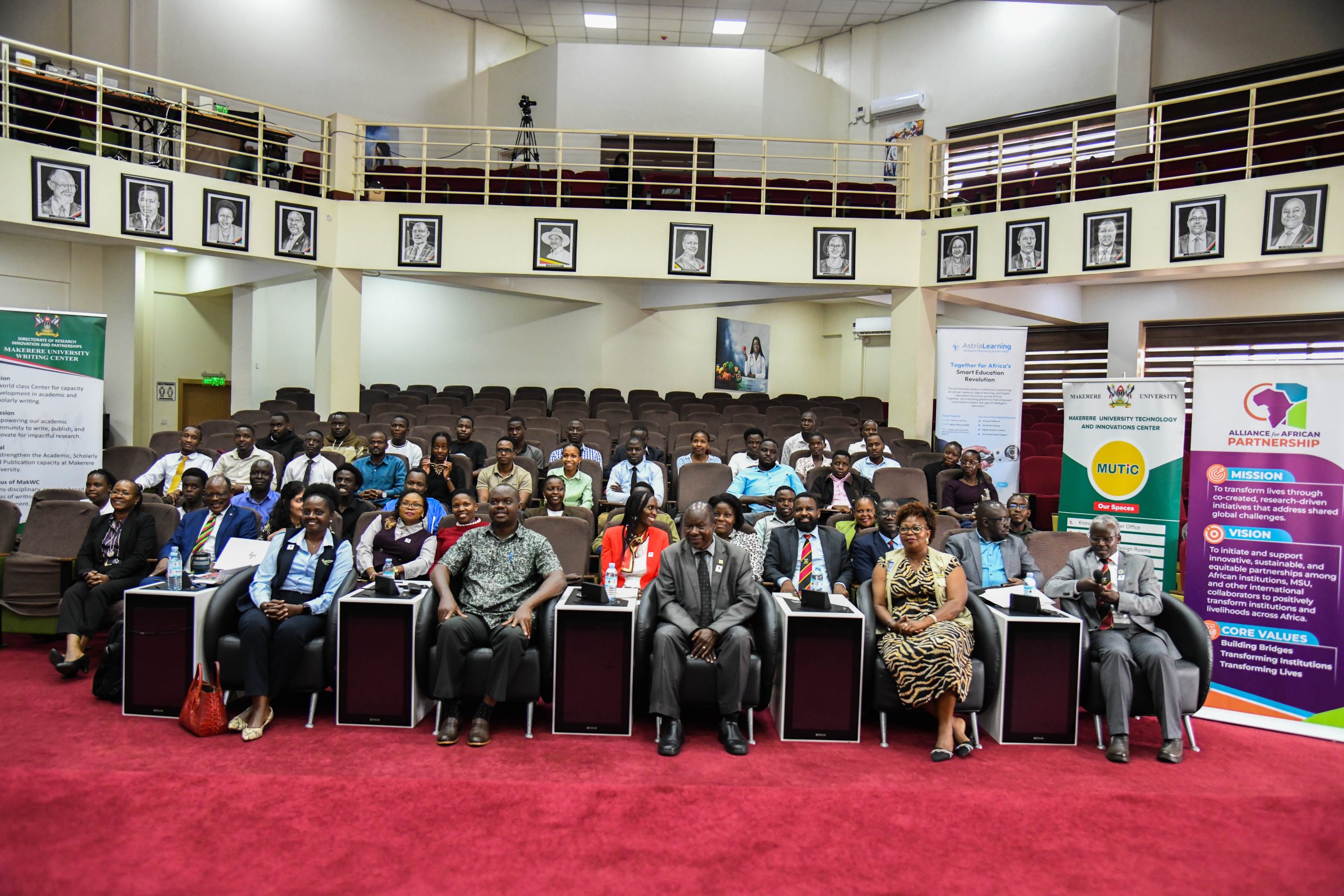
Students and researchers from Makerere University and other institutions pitched 12 innovations addressing challenges in healthcare, clean energy, agriculture, waste management and community resilience during the inaugural Falling Walls Lab Kampala, held at the School of Public Health Auditorium, Makerere University.
The competition brought together emerging innovators to present solutions to practical challenges through a three minute pitch, followed by questions from a panel of judges.
Modelled on the Falling Walls format that originated in Berlin, the event required each participant to identify a “wall” a problem or barrier, and demonstrate how their innovation seeks to break it down.
Mudhasi wins with newborn jaundice screening device
Andrew Mudhasi of Makerere University emerged as the overall winner with a score of 90 per cent for a low cost medical device designed to improve newborn jaundice screening across different skin tones.
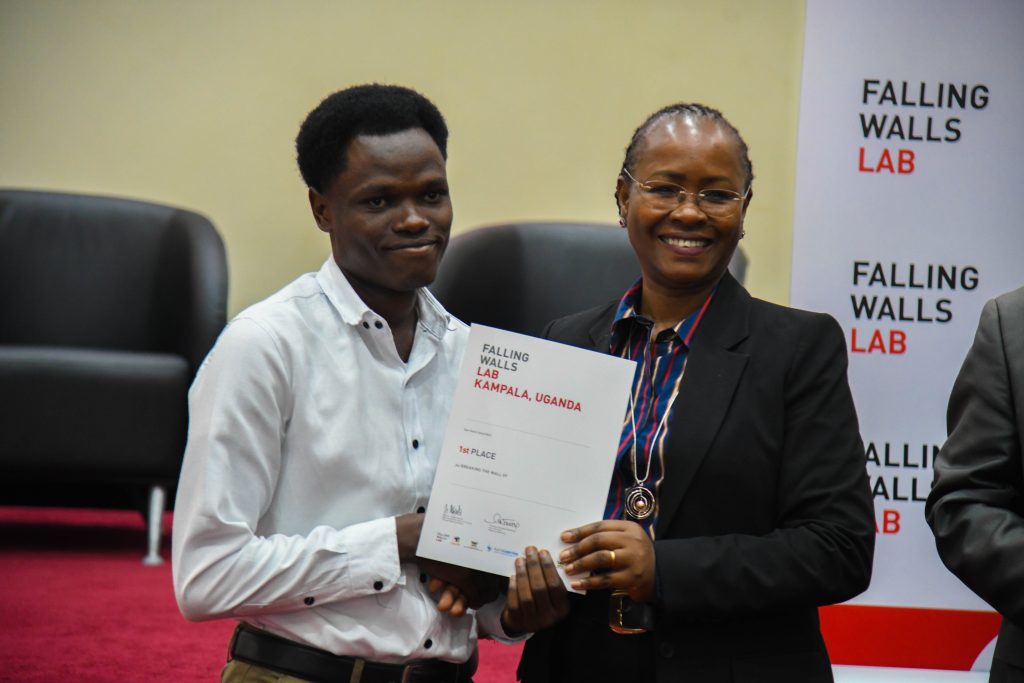
Mudhasi explained that the device uses optical sensor technology and a skin tone targeting algorithm to provide a rapid reading, with the aim of helping nurses and clinicians identify jaundice more efficiently.
During questions from the jury, Mudhasi said the device had not yet been tested on actual babies but had undergone laboratory testing using simulated skin tones.
He reported an accuracy rate of 94 per cent when the device was compared with laboratory spectrophotometers.
The innovation is intended initially for use in clinics and hospitals, with Mudhasi saying the team is also considering a version that could eventually allow mothers to screen babies at home.
Mudhasi’s innovation has previously received recognition at the African Business Concept Challenge and the iF Design Student Award, according to his presentation.
Rhonda’s innovation tackles diaper waste
Rhoda John of the University of Nairobi emerged in second place with 89.6 per cent for an innovation addressing the problem of used diaper waste.
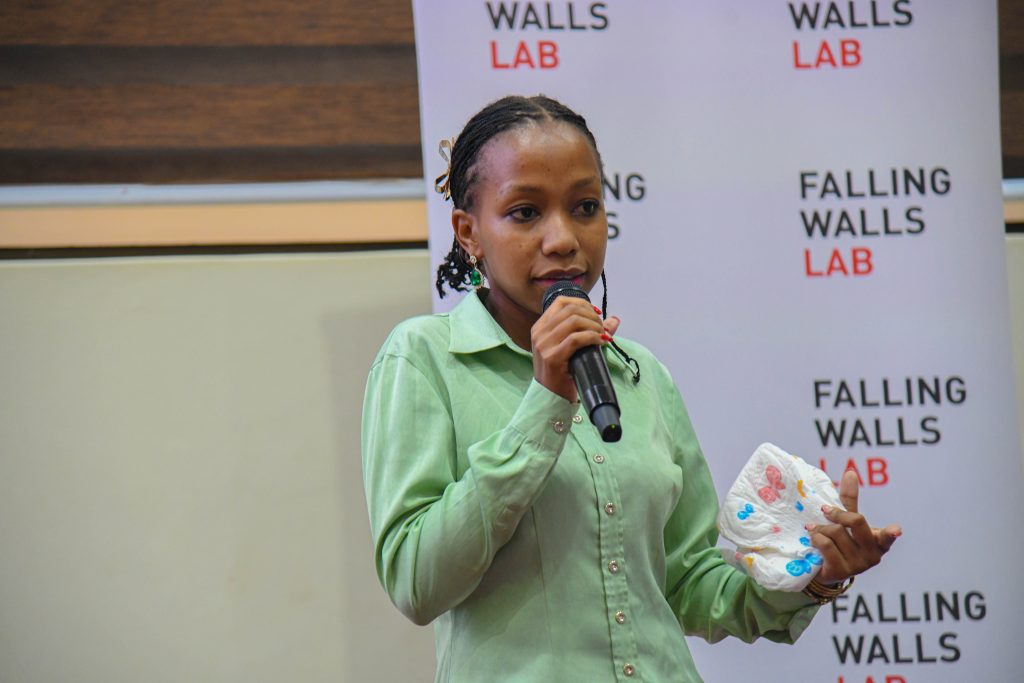
Under the theme “Breaking the wall of diaper waste and drug soils,” Rhonda explained that her team extracts sodium polyacrylate, the absorbent polymer found in diapers, and replaces the sodium with potassium.
The resulting potassium based superabsorbent material is designed to act as a “water battery” in soil by absorbing and retaining water for plants during dry periods.
John said testing showed a 99 per cent increase in germination and a 23 per cent increase in drought resistance.
The innovation also seeks to reduce the amount of used diapers ending up in landfills and the environmental effects associated with their decomposition.
During the question and answer session, John explained that her team was working with government environmental officials in Nairobi on a pilot collection system to address the challenge of gathering used diapers at scale.
Mahera takes third place with herbal peptic ulcer treatment
Stuart Mahera of Makerere University finished third with 86.2 per cent for a herbal formulation targeting peptic ulcers.
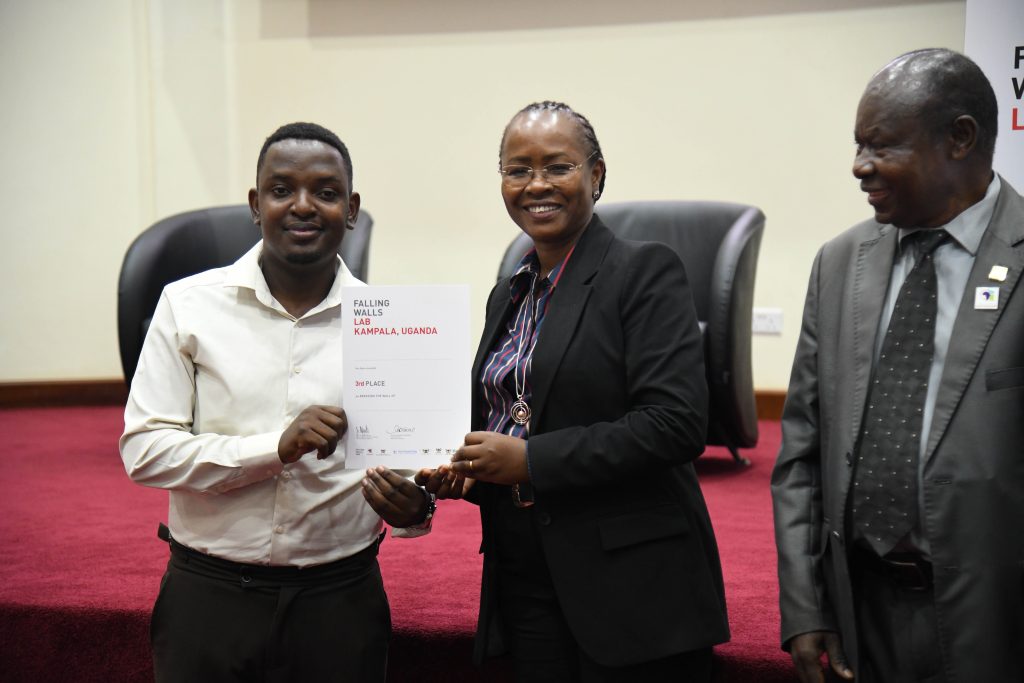
Presenting under the theme “Breaking the wall of Nature and Modern Medicine,” Mahera argued that conventional treatment for peptic ulcers can involve multiple medicines and may be associated with side effects and antimicrobial resistance.
His proposed formulation, MARAC capsules, is intended as a monotherapy, combining properties required for peptic-ulcer treatment in a single capsule.
Mahera said his team had carried out quality control work, including characterisation and dose quantification, and had conducted preclinical trials on laboratory mice.
He also told the jury that an application had been submitted to the National Drug Authority as the team awaits the next stage of the regulatory process.
According to Mahera, the proposed seven day treatment would cost about Shs21,000, compared with the existing 14 day treatment approach.
Innovators present solutions to practical challenges
The remaining presentations covered a wide range of challenges.
Esther Nakungu of Utamu University presented Agri-Track, a digital record keeping solution intended to improve visibility, accountability and management of farm operations and financial information.
Dr. Jimmy Chachiga, a Makerere University participant, presented a solar photovoltaic cooker with a heat storage system designed to provide a cleaner and more reliable cooking option during both sunny and non sunny periods.
His presentation focused on reducing dependence on biomass fuels and addressing the challenges associated with intermittent solar energy.
Abdul Noor Luttamaguzi, a PhD student and senior government fisheries officer, presented a mobile application aimed at helping fish farmers and extension officers report, track and manage disease outbreaks.
Henry Duke Tamale presented a herbal cream targeting antibiotic resistant biofilm infections associated with diabetic foot ulcers.
Marvin Seruwu proposed adapting existing near infrared brain monitoring technology to help detect extra-axial brain bleeds in health facilities where access to CT and MRI equipment is limited.
His proposal seeks to repurpose existing technology towards a diagnostic need that could be particularly important in settings where advanced imaging facilities are not readily available.
Kennedy Kisame presented a poultry alert and diagnosis system combining satellite weather information with computer vision disease detection. The proposed system could be accessed through a smartphone application, SMS or USSD, making it potentially usable by farmers with limited internet access.
Frank Atwiine proposed a solar powered mobile diagnostic van designed to bring ultrasound and other diagnostic services closer to rural communities.
Johnson Makmot, a software and blockchain developer, presented a platform that combines GPS tracking and blockchain-based tokens to incentivise and verify plastic-waste collection in Kampala.
Dr. Nelson Ndugu, from a partner university, presented an artificial intelligence tool designed to translate agricultural research publications into local Ugandan languages and generate voice notes for radio-based extension delivery.
The final presentation came from Dr. Juliet Akola, a Ugandan post doctoral researcher at Mangosuthu University of Technology in South Africa.
Akola presented a community digital resilience initiative focused on mapping risks in Kampala’s informal settlements, including flooding, fire, poor sanitation, waste management and inadequate infrastructure.
Her proposal seeks to combine local community knowledge with geographical information systems and link identified risks to action plans involving municipalities and other stakeholders.
Nawangwe calls for more investment in innovation
Closing the event, Prof. Nawangwe congratulated all the participants and described their presentations as an important beginning for Makerere University, Uganda and the wider region.
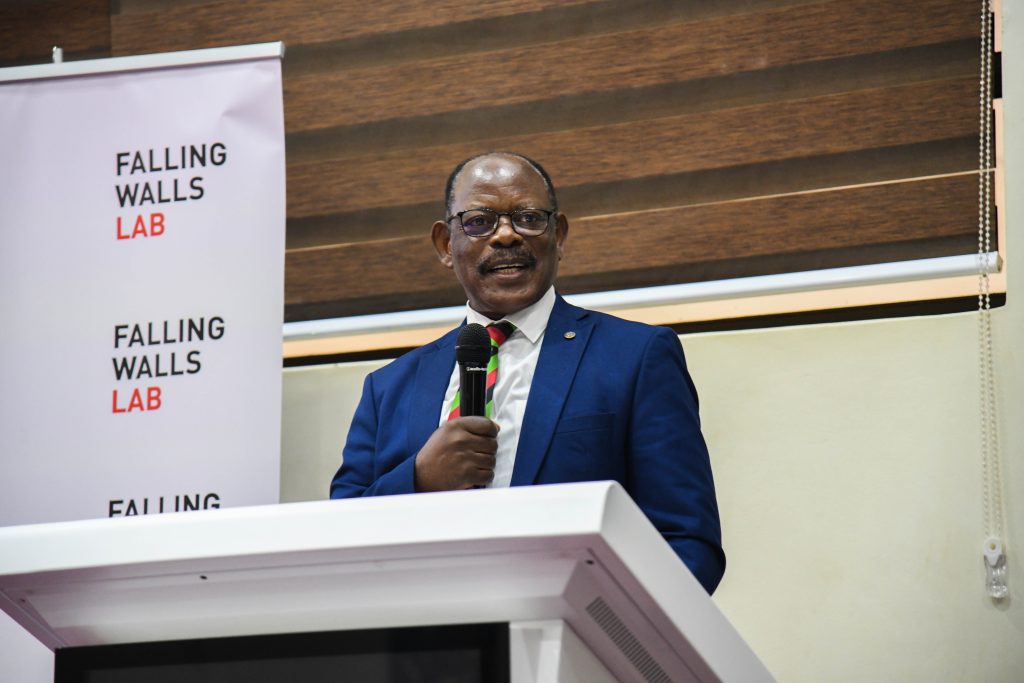
Drawing on his experience attending the Falling Walls conference in Berlin, the Vice Chancellor said initiatives of this nature are important because innovation will play a major role in determining the future of countries.
He encouraged participants to make their pitches more precise by clearly identifying the problem they are addressing, explaining their proposed solution and demonstrating what they have already achieved.
Prof. Nawangwe also welcomed the participation of innovators from other universities and countries, noting that the Kampala event had attracted participants beyond Makerere.
He thanked the Africa Office of the Falling Walls Foundation for its role in bringing the initiative to Makerere and encouraged continued support for innovation.
The Vice Chancellor further linked innovation to Uganda’s growing youth population and the need to develop home-grown solutions to address challenges such as youth unemployment.
The inaugural Falling Walls Lab Kampala ultimately provided a platform for innovators to move ideas beyond the classroom and laboratory and demonstrate how research, technology and creativity can be applied to challenges affecting communities.
| Position | Winner | Institution | Score |
| 1st | Andrew Mudhasi | Makerere University | 90% |
| 2nd | Rhoda John | University of Nairobi | 89.6% |
| 3rd | Stuart Mahera | Makerere University | 86.2% |
Engineering, Art & Tech
Makerere’s CEDAT Hosts Groundbreaking LIVWA Workshop on Advanced Climate Modelling for Lake Victoria Water Level Management


By Carol Kasujja and Betty Kyakuwa
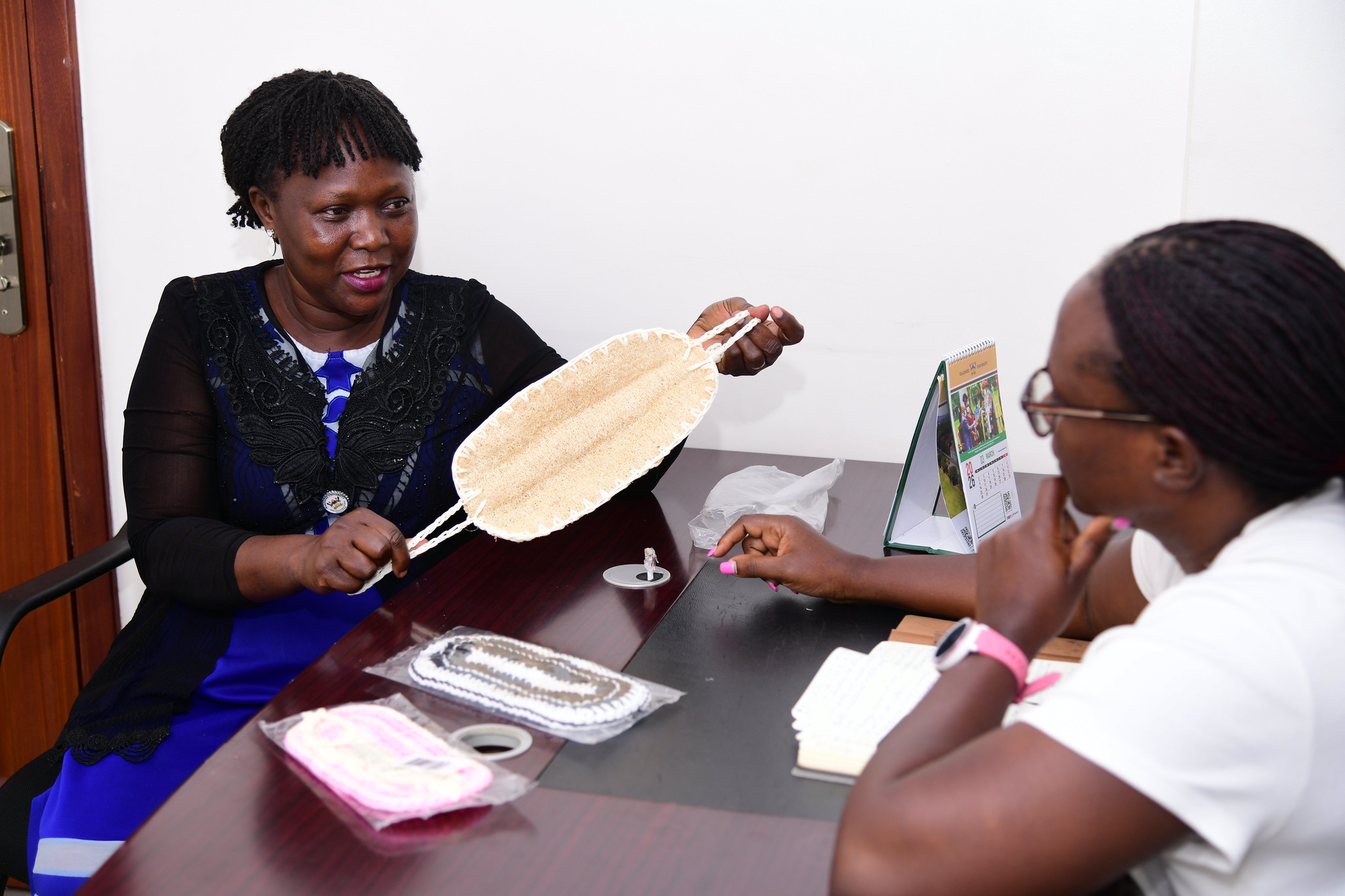
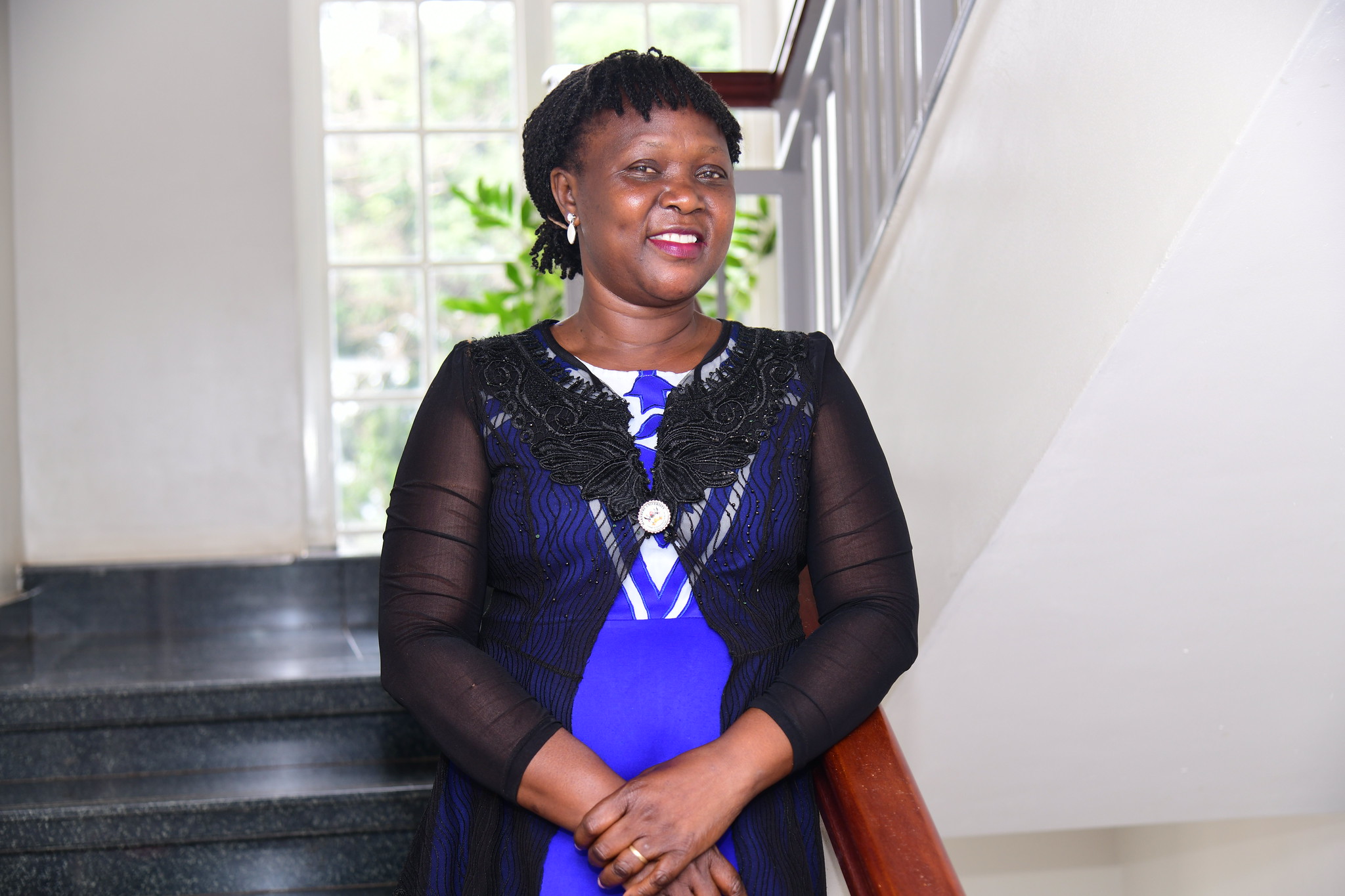
Running a side business alongside full-time employment has become an increasingly popular venture among staff. For many, it is a way to supplement income and build financial resilience. For Ms. Rebecca Talikaza, a 48-year-old custodian, it has become a pathway to transformation. Talikaza successfully balances her office responsibilities with her growing enterprise, Beckiz Bathing Sponge.
“For the years I have been running Beckiz Bathing Sponge, my side business has not affected my work. I have a support system at home, and I have learnt how to utilize my time well,” she explains.
Turning Necessity into Opportunity
Talikaza’s entrepreneurial journey began during the COVID-19 period, when schools reopened. While preparing to take her first-born son back to school, she realized he did not have a bathing sponge. A search in nearby supermarkets in Nakwero proved futile.
“When I failed to get a bathing sponge, I went back home and looked for some material I had bought earlier. I became creative and decided to knit one using skills I had acquired in primary school,” she recalls.
As she worked, a neighbor noticed her and expressed interest. “When I told her I was knitting a sponge, she asked me to make four for her,” Talikaza says. After completing the order, her neighbor paid her UGX 20,000.
That same day, a boda boda rider she had sent on an errand also requested one. “He told me instead of giving him money, I should give him a sponge. That is when it hit me—I could actually make money from this. Every home needs two or three sponges,” she says.
From Small Orders to Supermarket Shelves
Encouraged by the demand, Talikaza approached Babis Supermarket in Nakwero with her sample. She requested to supply her products after noticing the gap in the market. The manager agreed and asked her to produce two dozen sponges for distribution across five branches.
She also secured a similar opportunity with Shop Wise Supermarket in Manyangwa Village. “Both supermarkets accepted, but it took me three weeks to deliver. I had to sacrifice my sleep, sometimes working until 2:00 a.m. to meet the demand,” she says.
Her first delivery earned her UGX 54,000 per dozen, with each sponge retailing at UGX 5,000. Drawing on knowledge from her Postgraduate Diploma in Business Administration at Makerere University Business School, Talikaza realized the importance of branding and packaging. “I knew I had to register my business and package my products well because my target customers value quality,” she explains.
Improved packaging doubled the price of her sponges from UGX 5,000 to UGX 10,000. Since then, the business has steadily grown, enabling her to pay school fees and purchase land.
Challenges Along the Way
Despite her success, Talikaza faces challenges, particularly with delayed payments from supermarkets.
“Some supermarkets take long to pay, yet I need money to buy materials, so I end up using funds from other sources,” she says.
She also points to the difficulty small businesses face in meeting formal requirements. “Some supermarkets require invoices, which is challenging for small businesses like mine. Without them, we are taxed heavily,” she adds.
Advice on Managing a Side Hustle
Talikaza emphasizes discipline, sacrifice, and humility as key ingredients for success. “Never despise humble beginnings. Side businesses do not accommodate laziness. If it means working late, do so to ensure growth and profit,” she advises.
She also stresses the importance of fairness and teamwork, noting that she employs her children and a maid to help with production—and pays them weekly. To maintain professionalism, Talikaza draws a clear boundary between her job and her business.
“Your office work should not suffer because of your side hustle. I do not sell my products at the University. Those who need them can find them in supermarkets,” she says. She recommends careful time management, dedicating working hours to official duties and reserving evenings or weekends for business.
Efficiency, she adds, is critical. “I do not leave work to buy materials. I send a boda boda rider who delivers on time. He even helps monitor stock in supermarkets,” she explains. Above all, Talikaza encourages aspiring entrepreneurs to build businesses around passion and knowledge.
“Understand your business—its strengths, weaknesses, opportunities, and threats. Also know your target market to avoid being cheated,” she says.
At a Glance
Born to Mr. Nathan Magoola and the late Gladys Magoola, Talikaza hails from Iganga District. She attended Iganga Municipal Council Primary School before joining St. Peter’s Secondary School, Naalya, for both O-Level and A-Level.
She later earned a Bachelor’s degree in Social Sciences from Makerere University, followed by a Master’s degree in Gender and Women Studies and a Postgraduate Diploma in Business Administration.
The 10th born in a family of 14, Talikaza is a mother of six children.
-
 General2 weeks ago
Timothy Khabusi: From Barefoot Walks to shaping Uganda’s Eye health Future
-
 Agriculture & Environment2 weeks ago
Makerere University Welcomes 50 Youth Skilling Program trainees under the Africa Climate Collaborative, Supported by Mastercard Foundation
-
 Humanities & Social Sciences1 week ago
French Embassy Presents Four Makerere Scholars with Academic Palms
-
 Research2 weeks ago
Call For Applications: KU Postdoctoral Fellowship Programme
-
 General2 weeks ago
Makerere Hosts EU Uganda Research and Study Fair