
Research
Uganda Strengthens Research Ethics Oversight as Makerere and UNCST Equip Ethics Committees for Emerging Scientific Challenges

By Moses Lutaaya
Kampala, Uganda — July 22, 2026
Uganda’s research sector is preparing for a new era of scientific advancement as emerging fields such as artificial intelligence, genomics, digital health; big data analytics and international research collaborations continue to transform the landscape of scientific inquiry. However, experts have emphasized that these developments must be matched with stronger ethical oversight mechanisms to protect research participants, maintain scientific credibility and preserve public trust.
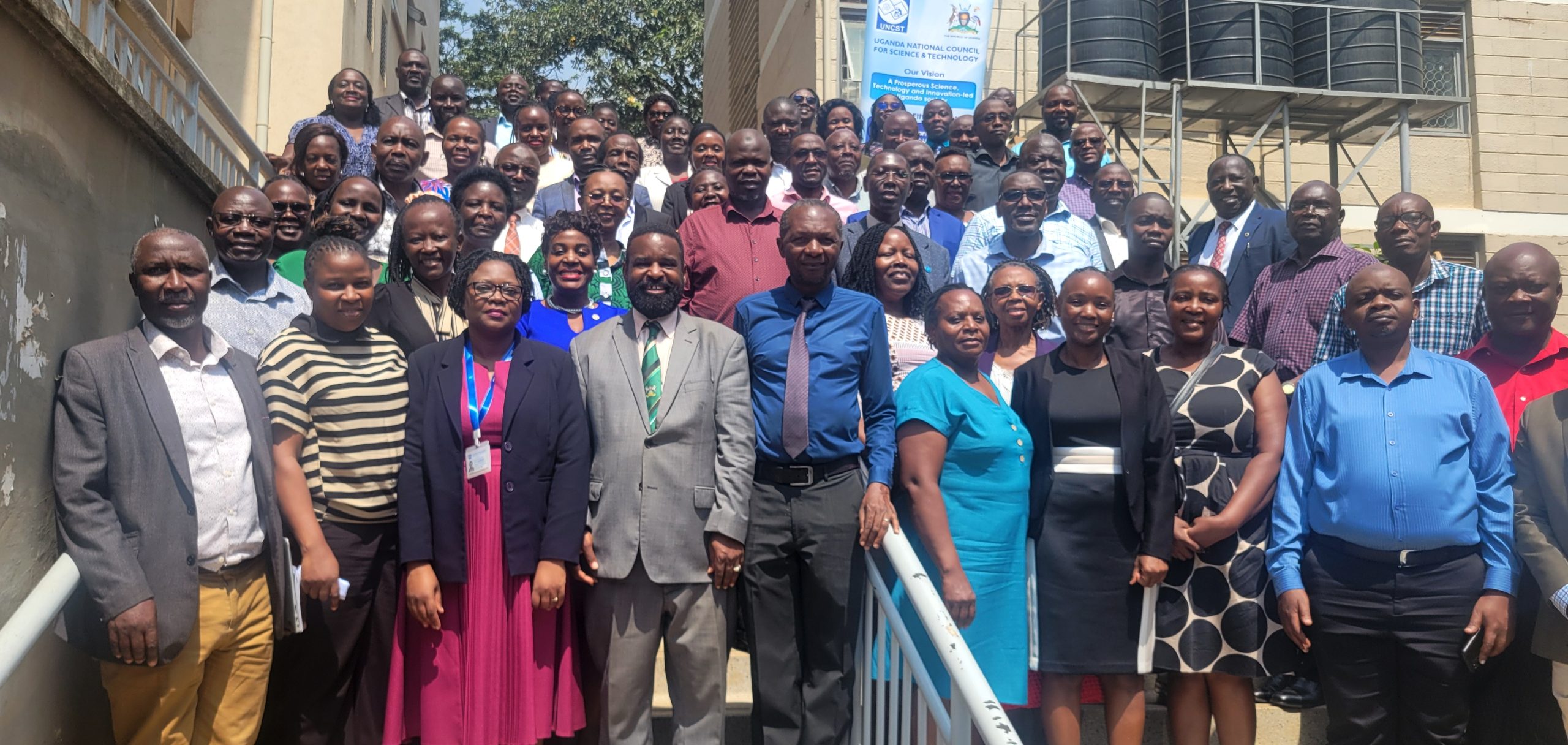
The call was made during the three-day Good Research Regulatory Practice (GRRP) Course for members of Research Ethics Committees (RECs) from Makerere University and other institutions. The training was organized by the Directorate of Research, Innovations and Partnerships at Makerere University in partnership with the Uganda National Council for Science and Technology (UNCST) to strengthen research governance and enhance ethical review practices.
Speaking at the official opening of the course, Prof. Robert Wamala, Makerere University’s Director of Research, Innovation and Partnerships, said ethical oversight remains central to achieving quality research that contributes to national development.
Prof. Wamala said Makerere University remains committed to producing research that addresses Uganda’s priorities while contributing to regional and global scientific advancement. However, he cautioned that research excellence cannot exist without strong ethical safeguards.
“Every research project involving human participants carries with it a profound responsibility to uphold the dignity, rights, safety and well-being of those who make research possible,” Prof. Wamala said.
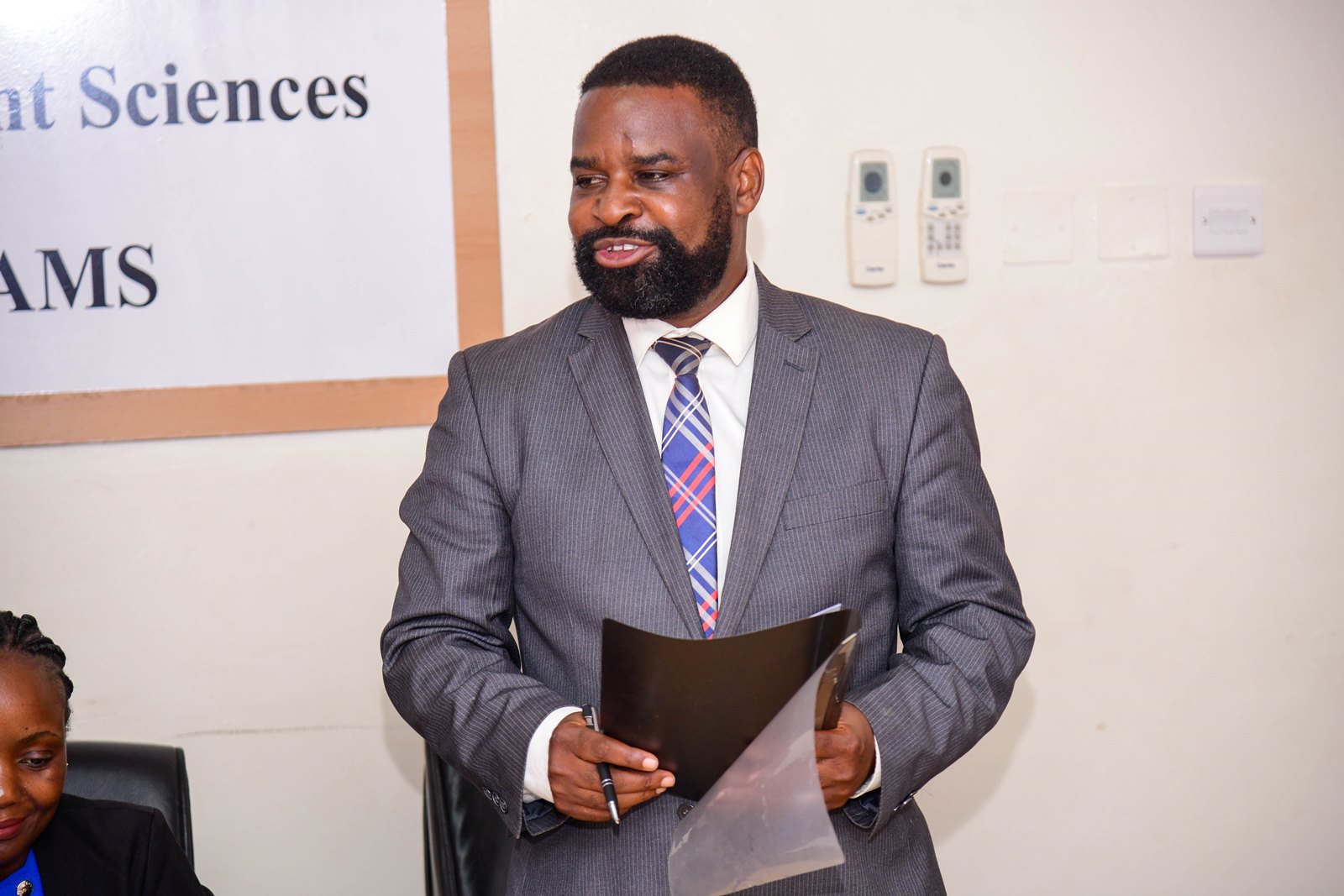
He described Research Ethics Committees as critical pillars of Makerere’s research ecosystem, emphasizing that their role extends beyond regulatory compliance to protecting scientific credibility and maintaining public confidence.
“The quality, consistency, independence and timeliness of ethical review directly influence the quality of research produced by our institution and the confidence that participants, funders, collaborators and society place in our work,” he said.
Prof. Wamala observed that emerging fields such as artificial intelligence, genomics, digital health, big data analytics and cross-border research collaborations have introduced new ethical questions requiring continuous learning and adaptation.
He said modern ethical oversight demands more than simply following regulations. “It requires critical thinking, sound judgment, an appreciation of emerging technologies and strict adherence to internationally accepted standards of ethical review,” he said.
He noted that the GRRP Course provides an opportunity to harmonize ethical review approaches across Makerere’s Research Ethics Committees, improve institutional capacity and ensure that research involving human participants meets national and international standards.
Prof. Wamala also commended UNCST for its continued partnership with Makerere University in strengthening research governance, describing the collaboration as a reflection of a shared commitment to fostering a research environment that is ethical, responsible, innovative and internationally competitive.
Relatedly, Dr. Hellen Opolot, the Assistant Executive Secretary and Head of the Directorate of Research Management and Quality Assurance at UNCST, called on Research Ethics Committees to continuously strengthen their capacity as Uganda’s research environment becomes increasingly complex.
Dr. Opolot said scientific progress presents immense opportunities but also introduces new ethical, legal and regulatory challenges that require regulators and ethics committees to remain ahead of emerging trends.
She noted that research in Uganda is rapidly expanding, driven by developments in artificial intelligence, genomics, digital health, social and behavioral sciences and multinational collaborative studies.
“As REC members, your role extends beyond reviewing research protocols. You are responsible for safeguarding the rights, dignity and welfare of research participants,” Dr. Opolot emphasized.
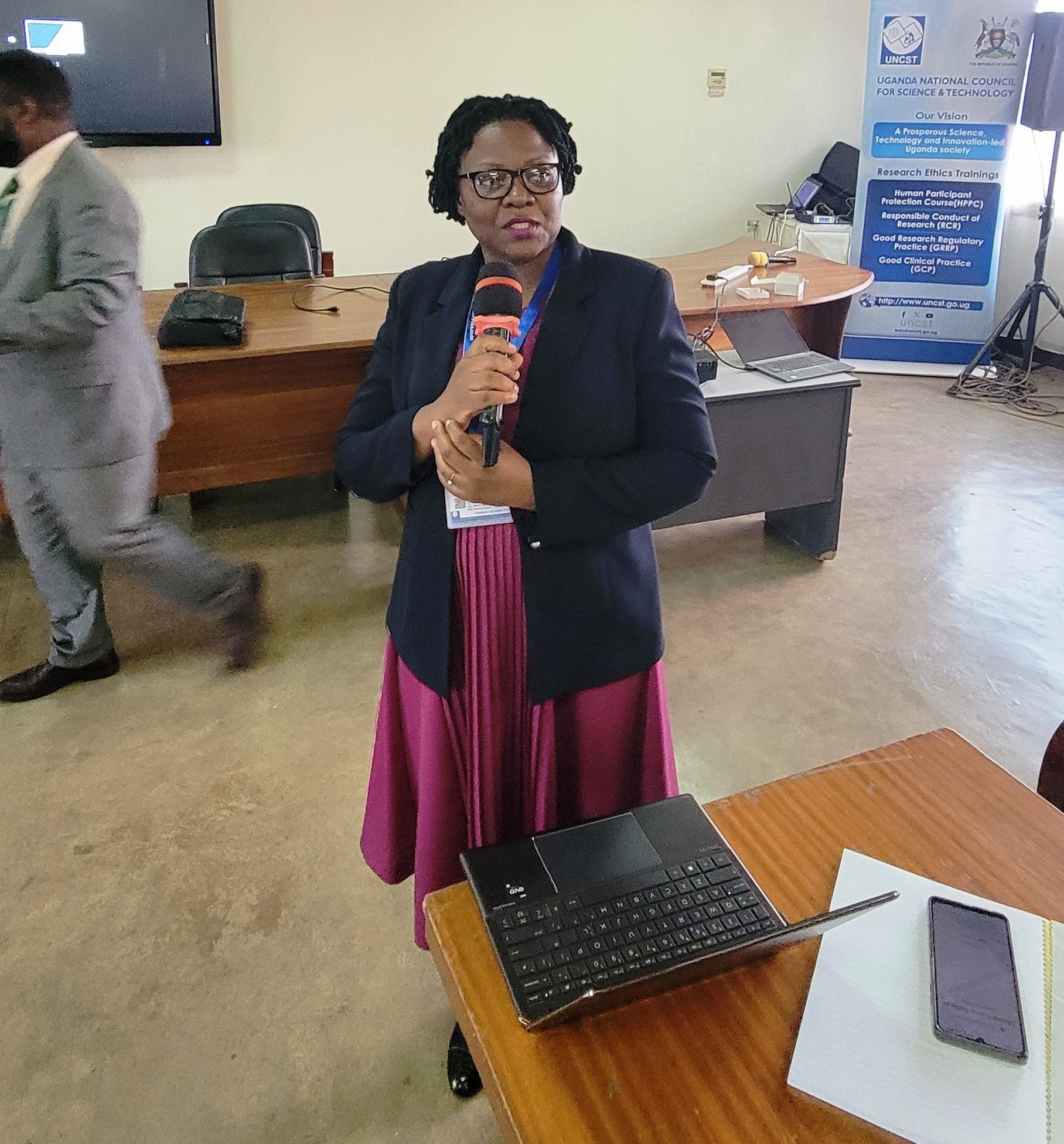
She commended the organizers, particularly Professor Wamala for their continued commitment to strengthening research governance through capacity-building initiatives targeting Research Ethics Committees, students and researchers.
“I want to express my sincere appreciation to Professor Wamala for continuously inviting me to these meetings and for organizing important capacity-building programmes, not only for Research Ethics Committees but also for students,” she said.
Dr. Opolot encouraged participants to actively engage in the training, share experiences and develop practical approaches to addressing ethical challenges, noting that many issues facing researchers and regulators require collaboration and informed judgment.
She expressed confidence that the knowledge gained from the training would improve ethical review processes, strengthen post-approval monitoring and promote a culture of research integrity across Uganda.
Prof. Fredrick Nelson Nakwagala, the Chairperson of the Accreditation Committee for Research Ethics in Uganda at UNCST, said the training was aimed at equipping Research Ethics Committees with the skills required to protect human participants and improve research quality.
“The main function of this meeting is to build the capacity of Research Ethics Committees at Makerere University to perform their responsibility of protecting human subjects in research,” Prof. Nakwagala said.
He explained that continuous training remains necessary because ethical standards evolve alongside changes in science and technology.
“Ethics keeps changing because circumstances change. We now have artificial intelligence, mathematical modelling and complex study designs that were not known before. There are also new international and national guidelines on how to protect human participants who volunteer in research,” he said.
Prof. Nakwagala emphasized that Research Ethics Committees play a broader role than approving research proposals. He said they also monitor approved studies to ensure compliance with regulations, scientific standards and legal requirements.
“They monitor approved studies to ensure they are conducted within applicable regulations, scientific standards and the law. This improves both the quality of research proposals and the quality of research implementation,” he said.
He warned that unethical research practices such as plagiarism, fabrication of participants and falsification of data could undermine national development efforts, especially when research findings influence public policy.
“You don’t want research products from scientists who are fraudulent, who fabricate participants or falsify data,” he said. “Research Ethics Committees ensure research is what it claims to be and that the process gives confidence in the results.”
Prof. Nakwagala added that ethics committees play an important role in mentoring postgraduate students by providing a framework that enables them to conduct credible and scientifically sound research.
He linked strong research ethics to Uganda’s development ambitions under the National Development Plan IV, noting that science, technology and innovation are increasingly important in sectors such as agriculture, health, infrastructure, housing and environmental sustainability.
“Ethical oversight is critical in balancing the risks and benefits of development initiatives,” he said.
Addressing concerns about delays in postgraduate research approvals, Prof. Nakwagala said new review timelines introduced by UNCST are expected to improve efficiency while maintaining quality.
“We believe that within a week, most student protocols should receive approval. Only larger studies such as clinical trials require more rigorous review, but even these should not exceed 60 days,” he said.
Day One of GRRP Course Brings Together Experts and Research Ethics Practitioners
Day one of the Good Research Regulatory Practice Course was facilitated by Ms. Irene Semakula Suryani, Dr. Fredrick Nelson Nakwagala, Dr. Robert Sekubugu, Prof. Noah Kiwanuka and Ms. Gladys Nakalema, who guided participants through key areas of ethical review, research governance, regulatory standards and best practices for strengthening Research Ethics Committees.
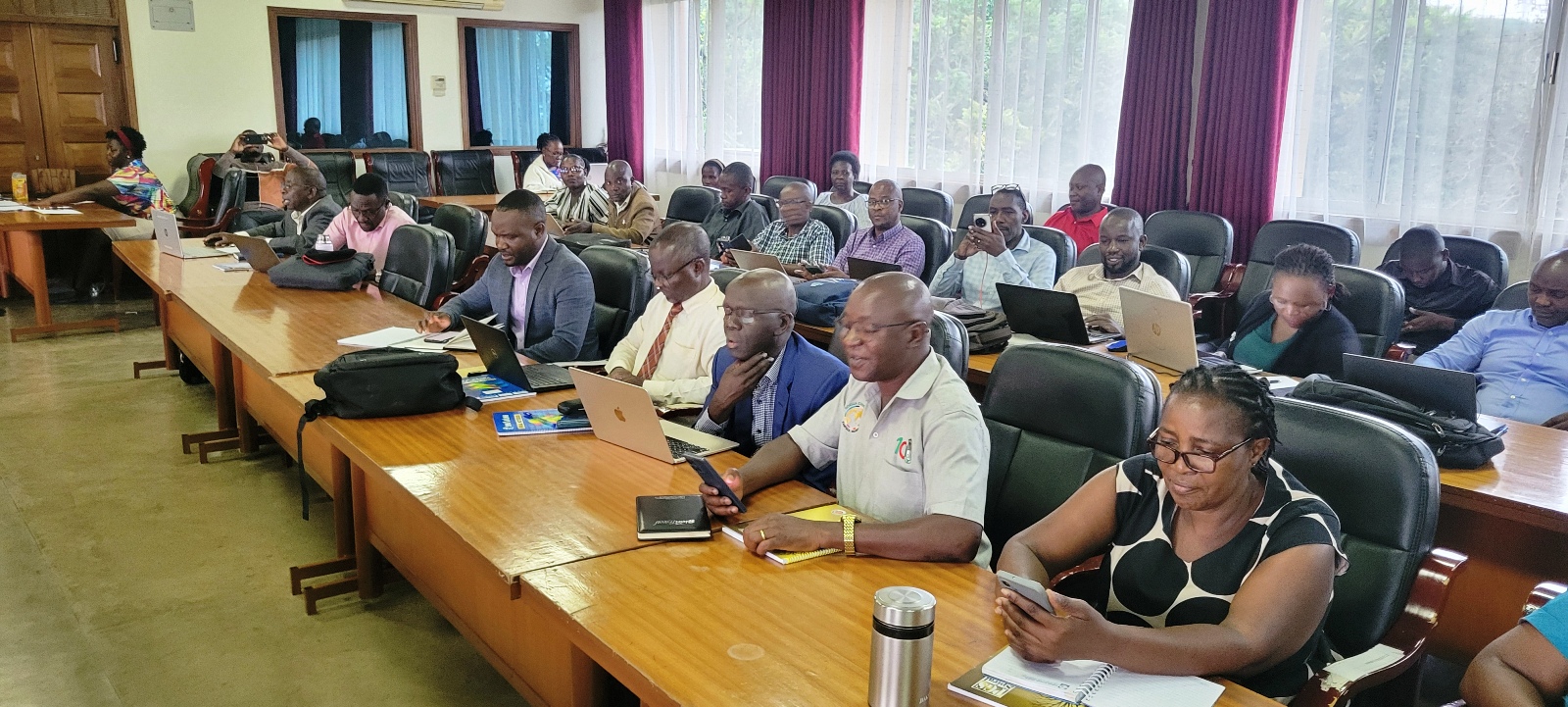
The training attracted members from various academic units and institutions, including 16 participants from the College of Health Sciences, 5 from the School of Social Sciences, 15 from the College of Agricultural and Environmental Sciences (CAES), 23 from the School of Public Health, 23 from the School of Medicine, 19 from the School of Biomedical Sciences and 5 from the College of Veterinary Medicine and Animal Resources (COVAB).
Research Ethics Committee Leaders Attend Capacity-Building Training
The course also brought together chairpersons of Research Ethics Committees from different schools and colleges who participated in strengthening ethical review systems at Makerere University and beyond. Among those in attendance were chairpersons of the different RECs including Prof. Stella Neema from the School of Social Sciences, Dr. Paul Kutyabami from the College of Health Sciences, and Dr. Joseph Kagagi from the School of Public Health, among other REC leaders.
The participation of REC chairpersons underscored the importance of institutional leadership in promoting responsible research practices, improving review efficiency and ensuring that scientific advancement is guided by integrity, accountability and respect for human dignity.
The GRRP training, running from July 22 to 24, 2026, is part of ongoing efforts by Makerere University and UNCST to strengthen Uganda’s research governance system and ensure that scientific progress is built on ethical foundations.








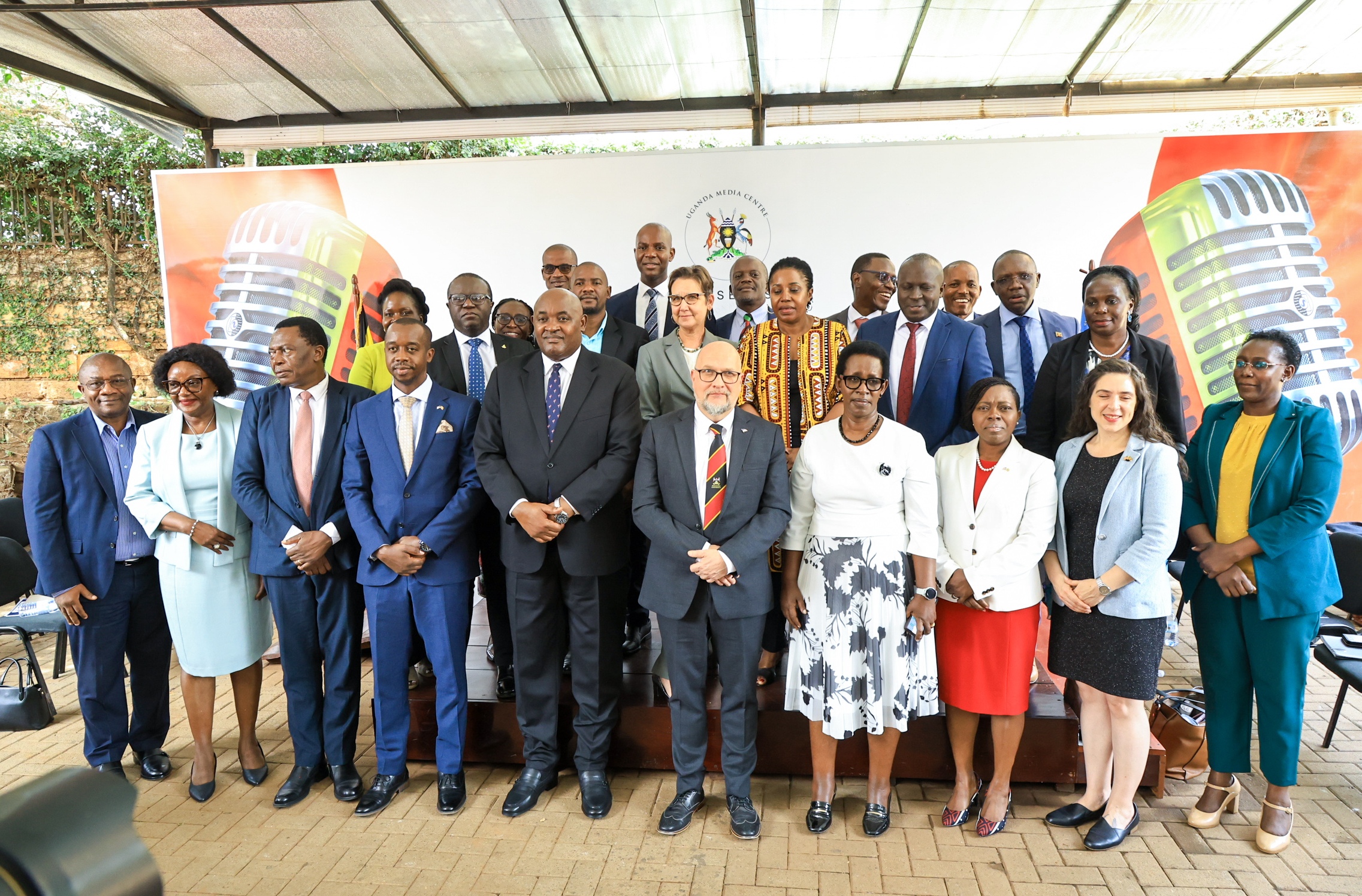
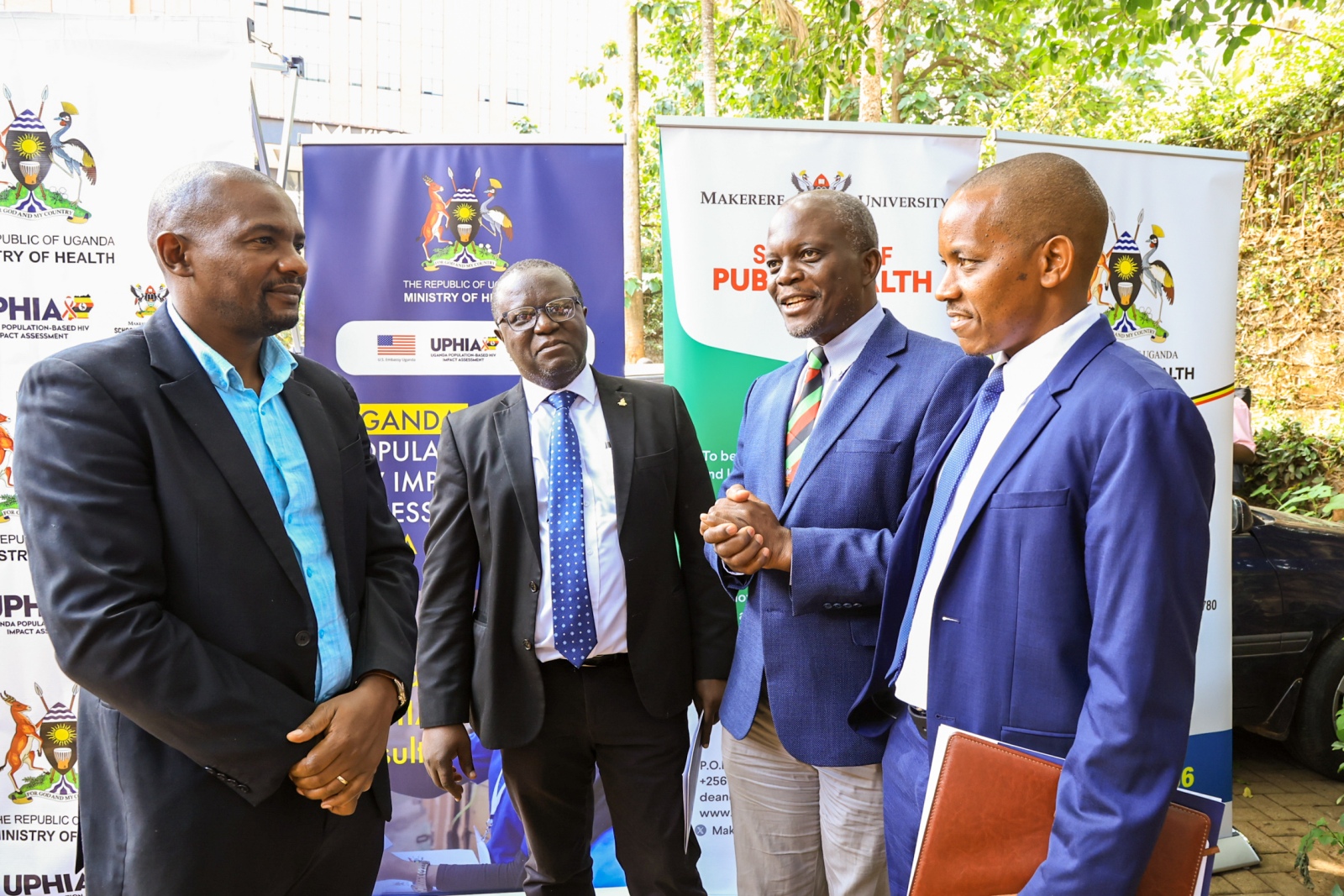
Uganda’s latest national HIV survey reveals lower viral suppression among adolescents and young adults living with HIV than among older adults, even as the country records substantial improvements in controlling the virus. The findings come from Uganda Population-Based HIV Impact Assessment (UPHIA 2025), a national household survey examining HIV prevalence and whether people living with the virus know their status, receive treatment, and achieve viral suppression.
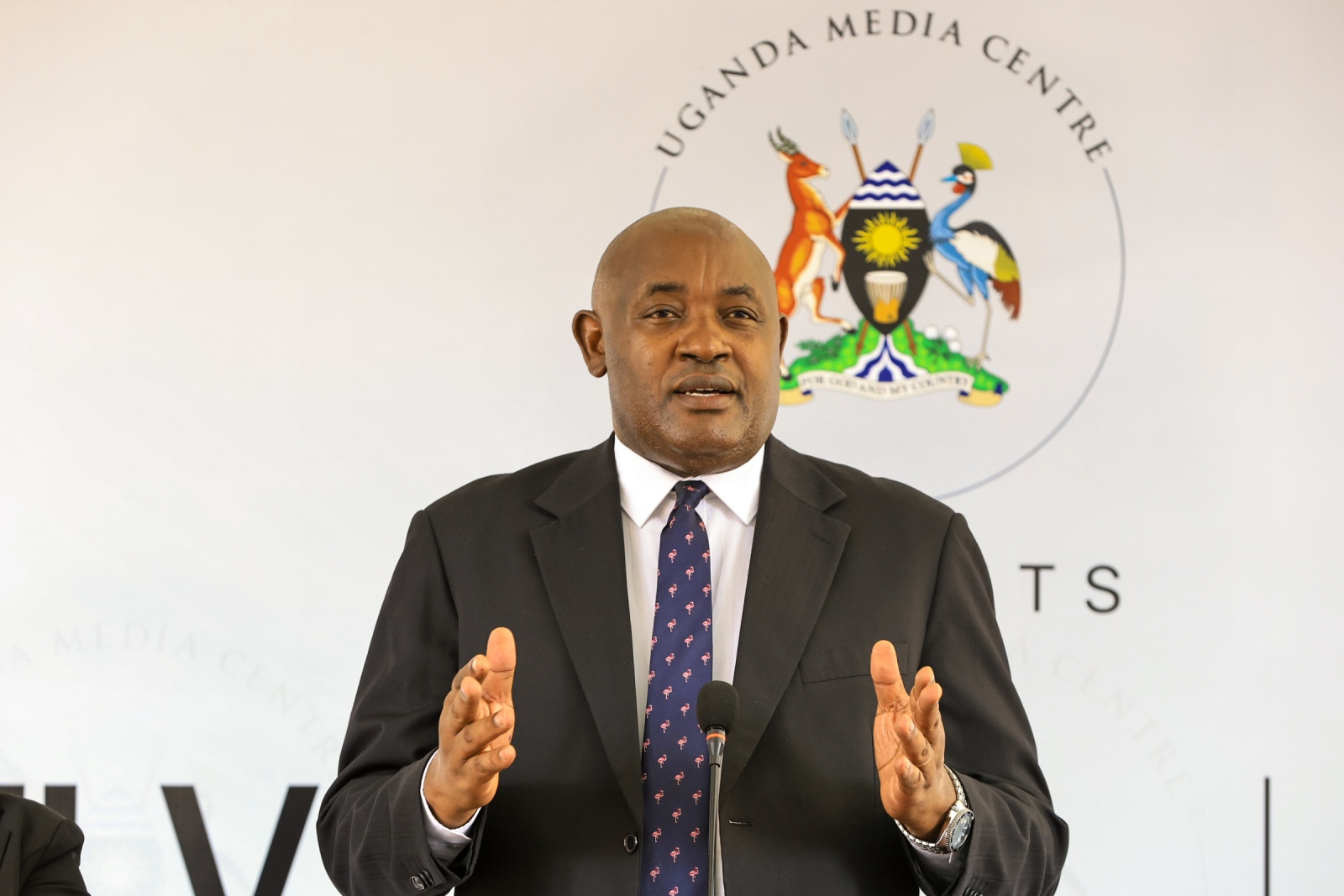
Releasing the preliminary UPHIA 2025 findings at the Uganda Media Centre on 1 October 2026, Minister of Health Hon. Dr. Chris Baryomunsi called for earlier prevention and testing, particularly among adolescent girls and young women, alongside support for treatment adherence. “We must reach out to the young people, ensure that they have information, they test, take treatment, and adhere to the treatment guidance,” he urged.
Hon. Baryomunsi recalled how fear had discouraged testing during his university years: “I remember when we were at university, we went for testing at the university hospital. We sat there for three hours. Some of us left without even testing because it was scary.” Today, he explained, “even if you test HIV positive, you can be initiated on treatment, and you live normally like the rest of those who don’t have HIV.”
UPHIA 2025 was locally led under the Ministry of Health’s overall leadership, with Makerere University School of Public Health serving as the prime implementer, a role ICAP at Columbia University held in the previous two surveys. The Uganda Bureau of Statistics led sampling, while the Uganda Virus Research Institute and National Health Laboratory and Diagnostic Services led laboratory operations. Regional referral hospitals and local governments supported implementation, and the U.S. government provided US$10 million through PEPFAR, along with technical assistance from the U.S. CDC.
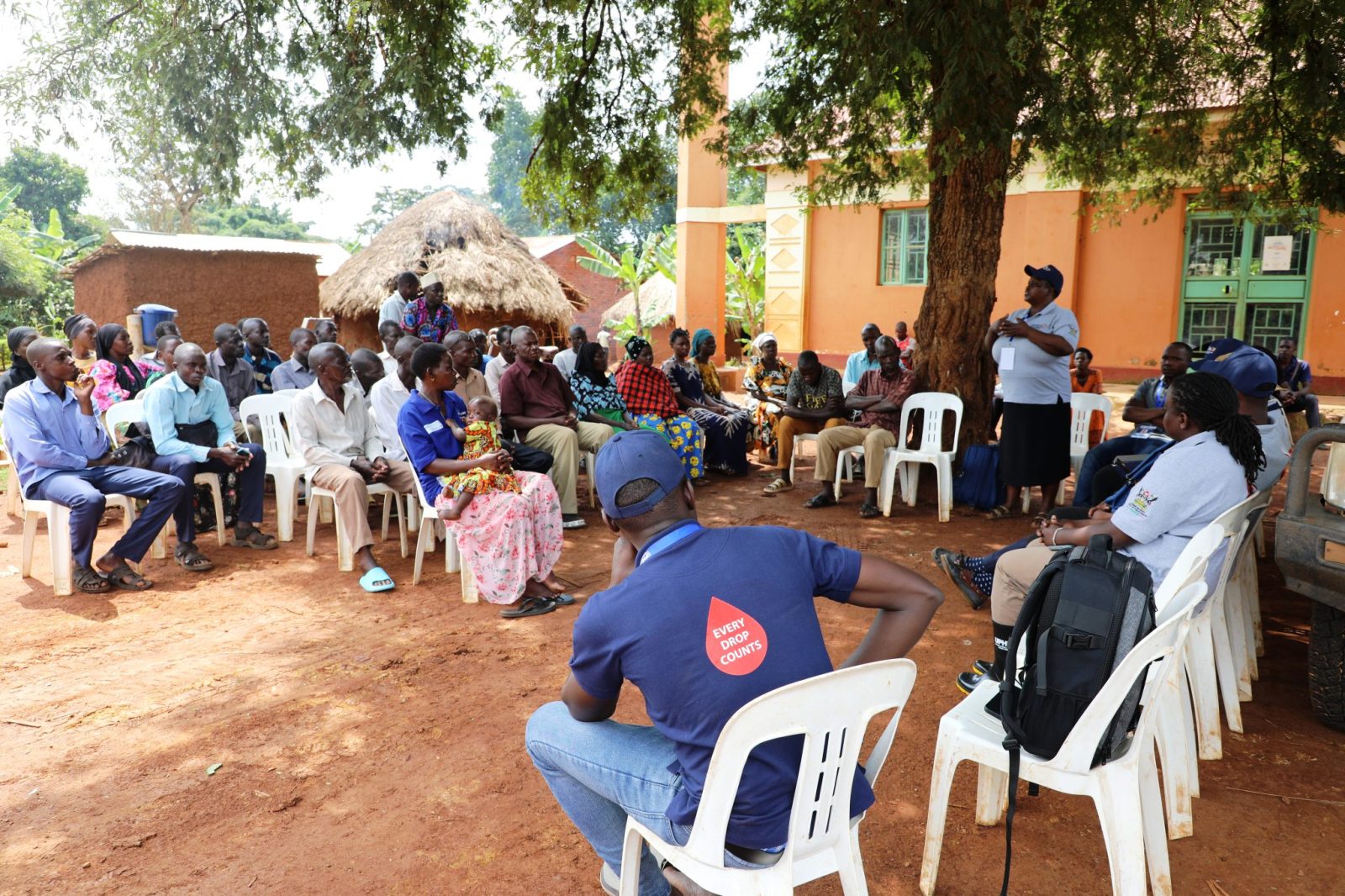
UPHIA collected data from July to September 2025 among people aged 15 and above, including those outside routine treatment services. Of 6,283 eligible households, 94.4% completed interviews. Researchers interviewed 13,801 people and tested 13,477 for HIV.
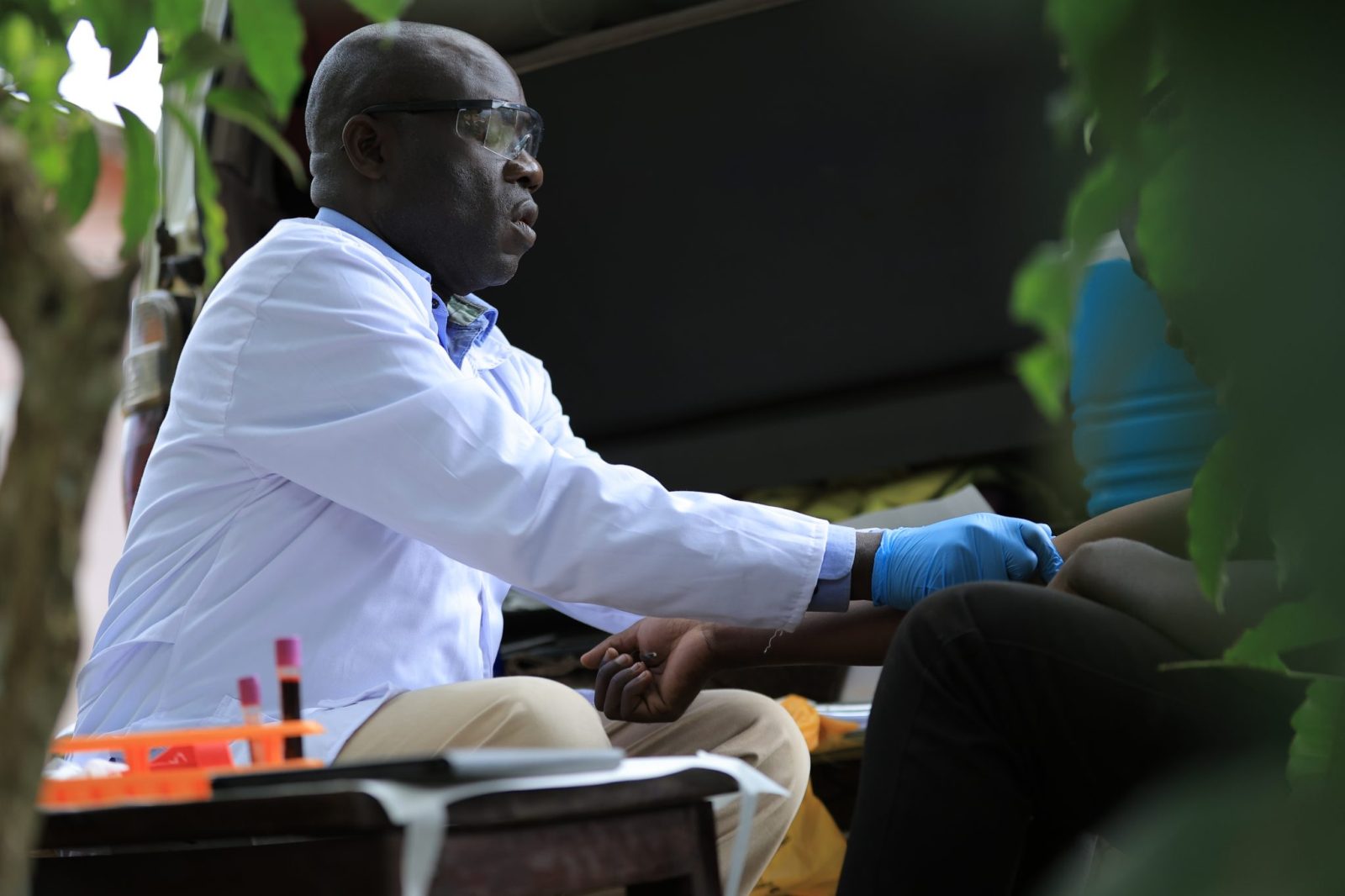
Testing followed Uganda’s national algorithm, with laboratory confirmation of positive samples, viral-load measurement, and checks for antiretroviral medicines to establish treatment use. Researchers weighted the estimates to account for the sampling design. Participants received counselling and results, and those who tested positive were referred for treatment.
Hon. Baryomunsi thanked participants and their families for welcoming survey staff and contributing their time, information and samples, without which the national evidence would not have been available.
National progress and the youth gap
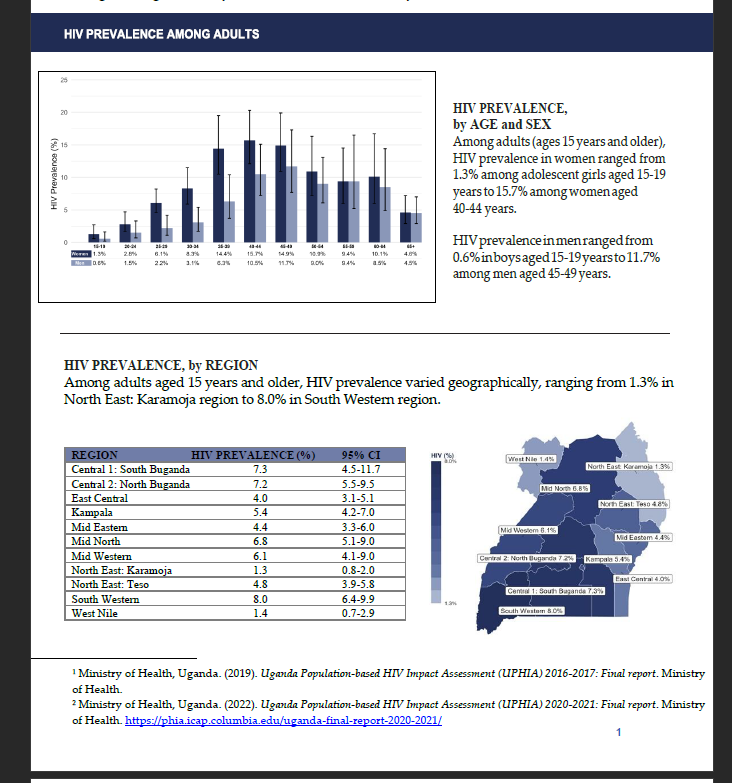
The survey estimated HIV prevalence, which means the proportion of people living with HIV, at 5.9% among those aged 15 and above, corresponding to about 1.496 million people in this age group nationwide. Prevalence was 7.3% among women and 4.1% among men, ranging from 1.3% in Karamoja to 8% in the South Western region.
Among people aged 15 and above living with HIV, 86% had achieved viral suppression, meaning a low amount of HIV in the blood, measured in UPHIA as fewer than 1,000 copies per millilitre. Suppression stood at 69.3% among adolescents and young adults aged 15–24 living with HIV, compared with 89.9% among those aged 50 and above. These estimates cover people living with HIV regardless of whether they know their status or receive treatment.
HIV prevalence among people aged 15–24 was 1.5%, including 2% among young women and 1% among young men. Among young women, prevalence was 1.3% at ages 15–19 and 2.8% at ages 20–24. These differences support attention to earlier prevention and testing, although they do not establish when infections occurred.
The highest prevalence estimates occurred among middle-aged adults: 15.7% among women aged 40–44 and 11.7% among men aged 45–49. Lower suppression among young people therefore requires attention alongside the higher HIV prevalence among middle-aged adults. Comparing the same age group across both surveys, viral suppression among people aged 15–64 increased from 74.9% in 2020–21 to 86.1% in 2025, while HIV prevalence remained at 5.9%.
Diagnosis and the path to 2030
The treatment results identify diagnosis as the main national gap. Among people aged 15 and above living with HIV, 85.3% knew their status. Of those aware, 99.1% were receiving treatment; among those receiving treatment, 96.5% had achieved suppression.
The 95-95-95 targets aimed for 95% of people living with HIV to know their status, 95% of those diagnosed to receive treatment, and 95% of those receiving treatment to achieve viral suppression by 2025. Among people aged 15 and above, Uganda exceeded the treatment and suppression targets, while diagnosis remained below target. UNAIDS’s Global AIDS Strategy 2026–2031 retains these targets towards ending AIDS as a public health threat by 2030.
According to WHO, viral suppression protects health and helps prevent HIV transmission. Uncontrolled HIV weakens the immune system, increasing the risk of serious illness. With continued treatment as prescribed, sexual transmission risk is negligible when HIV remains suppressed but detectable, and zero when undetectable. The Uganda AIDS Commission estimated over 34,000 new HIV infections in 2025, underscoring the importance of early diagnosis, timely treatment, and sustained suppression alongside other prevention measures.

The demographic stakes are substantial. People aged 15–24 constituted 21.2% of Uganda’s population in the 2024 census. The country’s Fourth National Development Plan, covering 2025–2030, prioritises a healthy, knowledgeable, skilled and productive population and reducing HIV through primary health care. Protecting young people’s health, therefore, supports their participation in education, work, and national development; UPHIA helps identify where services need greater attention.
Turning evidence into action
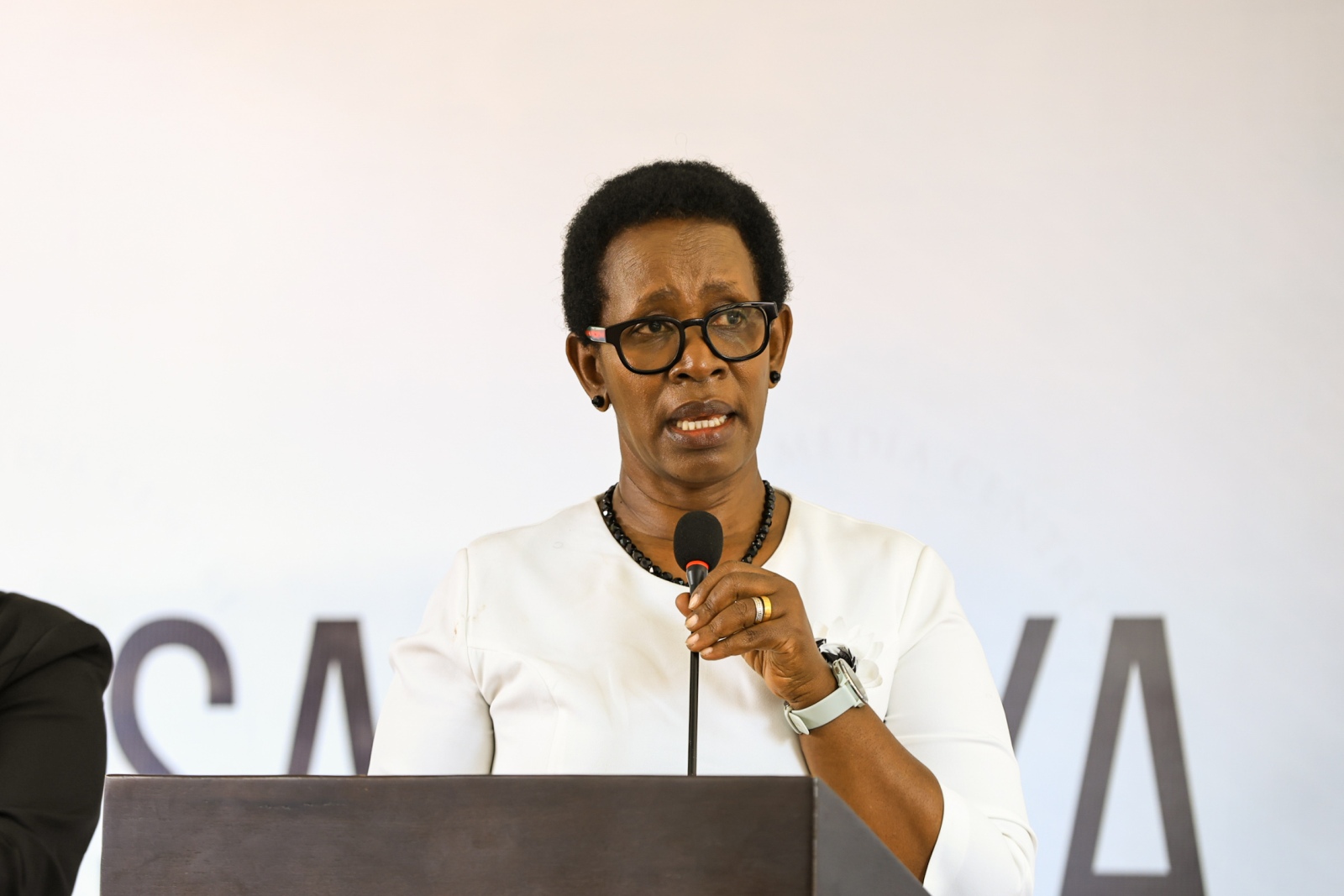
The study’s conclusions identify three priorities: sustain treatment outcomes, find people unaware of their status, and improve suppression among younger people. Permanent Secretary Dr. Diana Atwine connected the findings to the Ministry’s planning.
“We do believe that these results are a true reflection of what is happening in our country as far as the HIV status is concerned, and we do believe that it will give us a very clear direction and the roadmap that we are going to take in the next five years to target and to get our targets achieved.”
Acting on these priorities requires funding for services and research. Hon. Baryomunsi outlined plans to target resources where needs are greatest, strengthen district services and align partner support with government priorities. Responding to journalists’ questions, he noted the government’s intention to increase domestic funding for the HIV response, including research.
“The HIV/AIDS response, including research and surveys such as this one, has largely been funded by partners in the past. The government of Uganda is committed to allocating more resources from our domestic budget to support the response and research,” he noted.
For the first time in the UPHIA series, the survey assessed selected noncommunicable disease indicators among people aged 15 and above: 15.5% had elevated blood pressure, 24.8% were overweight or obese, and 0.9% had raised random blood glucose. These screening findings align with the Ministry’s integration agenda and Hon. Baryomunsi’s call to bring HIV and chronic care services together to address people’s wider health needs.
Speaking at the release of the preliminary results, U.S. Embassy Chargé d’Affaires Mikael (Mika) Cleverley described UPHIA 2025 as the first Population-Based HIV Impact Assessment worldwide fully led and implemented by the country itself.
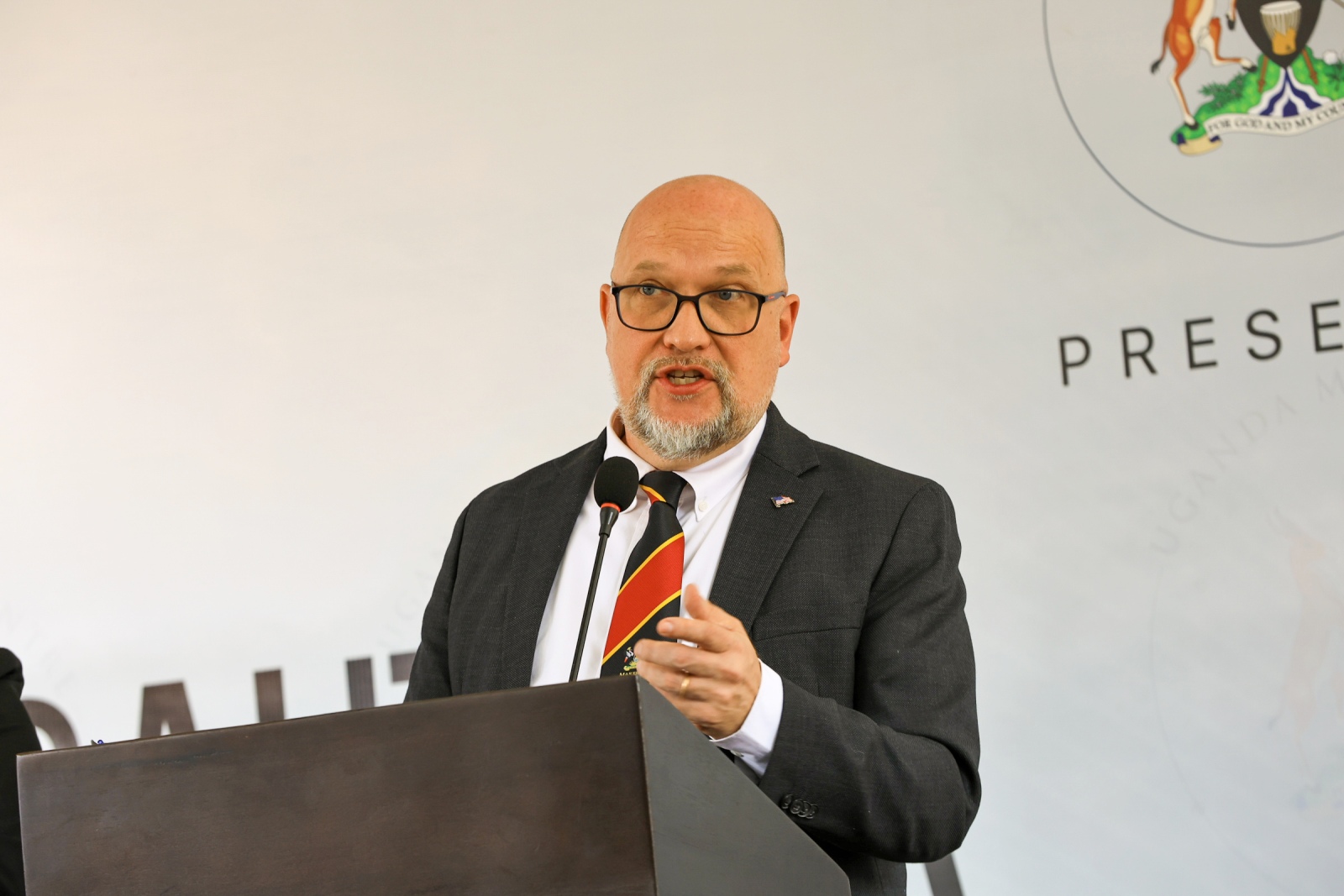
“The study was led by Ugandan scientists, Ugandan managers, Ugandan public servants, Ugandan field teams, from design to data collection to analysis. And this is what two decades of focused strategic U.S. foreign investments in the public health sector was meant to produce, is to reinforce Ugandan leadership and Ugandan-led efforts.”
At the survey launch on 29 May 2025, MakSPH Dean Prof. Rhoda Wanyenze highlighted the partnership’s contribution: “The partnership between Makerere University and CDC has not only helped build national capacity in surveillance and epidemiology, but has also strengthened our ability to lead high-quality, large-scale national surveys.”
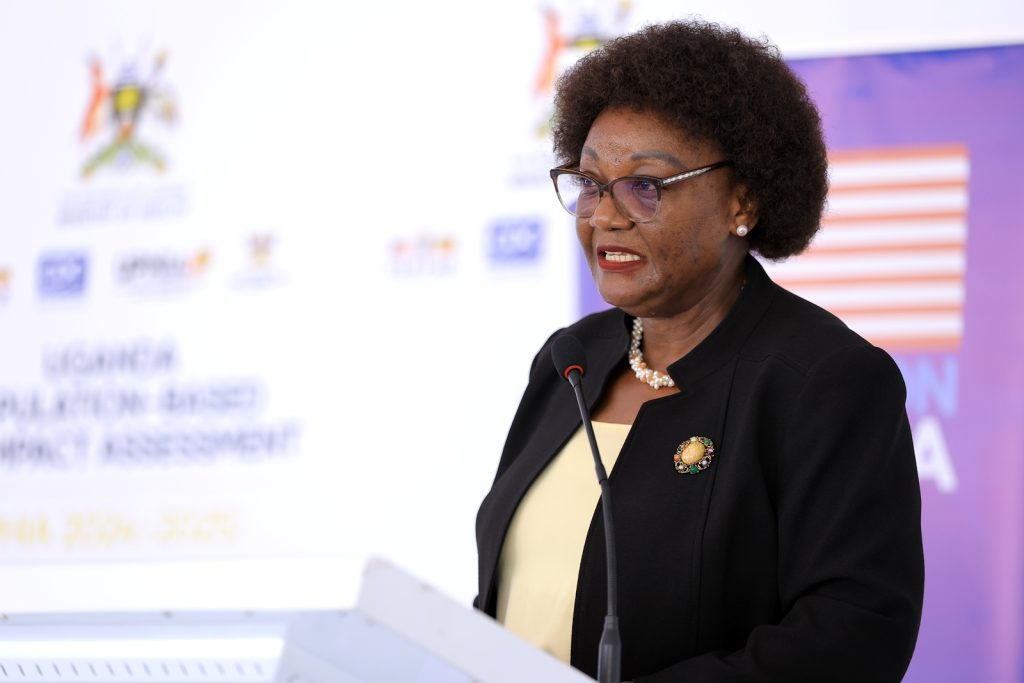
The Dean added: “After two decades of joint work, we are proud that UPHIA is now a fully Ugandan-led effort. This is critical to the sustainability of the skills and knowledge generation to inform our local response.”
UPHIA 2025 shows how far Uganda’s HIV response has advanced and where gaps remain. As the country works towards ending AIDS as a public health threat by 2030, reaching young people with testing, treatment, and continued care will be essential to extending those gains.
Read the full UPHIA 2025 summary results here:

-

 General2 weeks ago
Statement on Concerns Circulating Regarding a Member of Academic Staff
-

 General1 week ago
Timothy Khabusi: From Barefoot Walks to shaping Uganda’s Eye health Future
-
 General2 weeks ago
Beyond Map Size: Africa’s Agency Should Not Be Funded by Other People
-
 Health1 week ago
Uganda’s HIV Treatment Gains Bring the Youth Gap into Focus
-
 Agriculture & Environment1 week ago
Makerere University Welcomes 50 Youth Skilling Program trainees under the Africa Climate Collaborative, Supported by Mastercard Foundation