Connect with us

Research

Mak-RIF Bi-Annual Bulletin Issue 6: Jan-Jun 2026

Published

on

It is my pleasure to present the sixth issue of the Makerere University Research and Innovations Fund (Mak-RIF) Bi-Annual Bulletin, highlighting the remarkable progress made between January and June 2026 in advancing research, innovation, knowledge translation, and capacity building at Makerere University.

This edition demonstrates the transformative impact of research supported by the Government of Uganda through Mak-RIF. Across diverse disciplines, researchers continue to generate practical, evidence-based solutions to Uganda’s most pressing development challenges, including food security, public health, clean energy, climate resilience, education reform, digital transformation, and public sector productivity. These achievements reaffirm the critical role of research and innovation in driving national development and improving the lives of Ugandans.

The stories featured in this bulletin are a testimony that Makerere University is strengthening its position as a research-intensive institution committed to producing knowledge that addresses societal needs. Through technologies that convert invasive water hyacinth into renewable fuel, innovations in food safety through machine learning, improved agricultural technologies, digital public sector solutions, groundbreaking advances in teacher education, and more, researchers continue to demonstrate that locally generated knowledge can deliver globally relevant solutions.

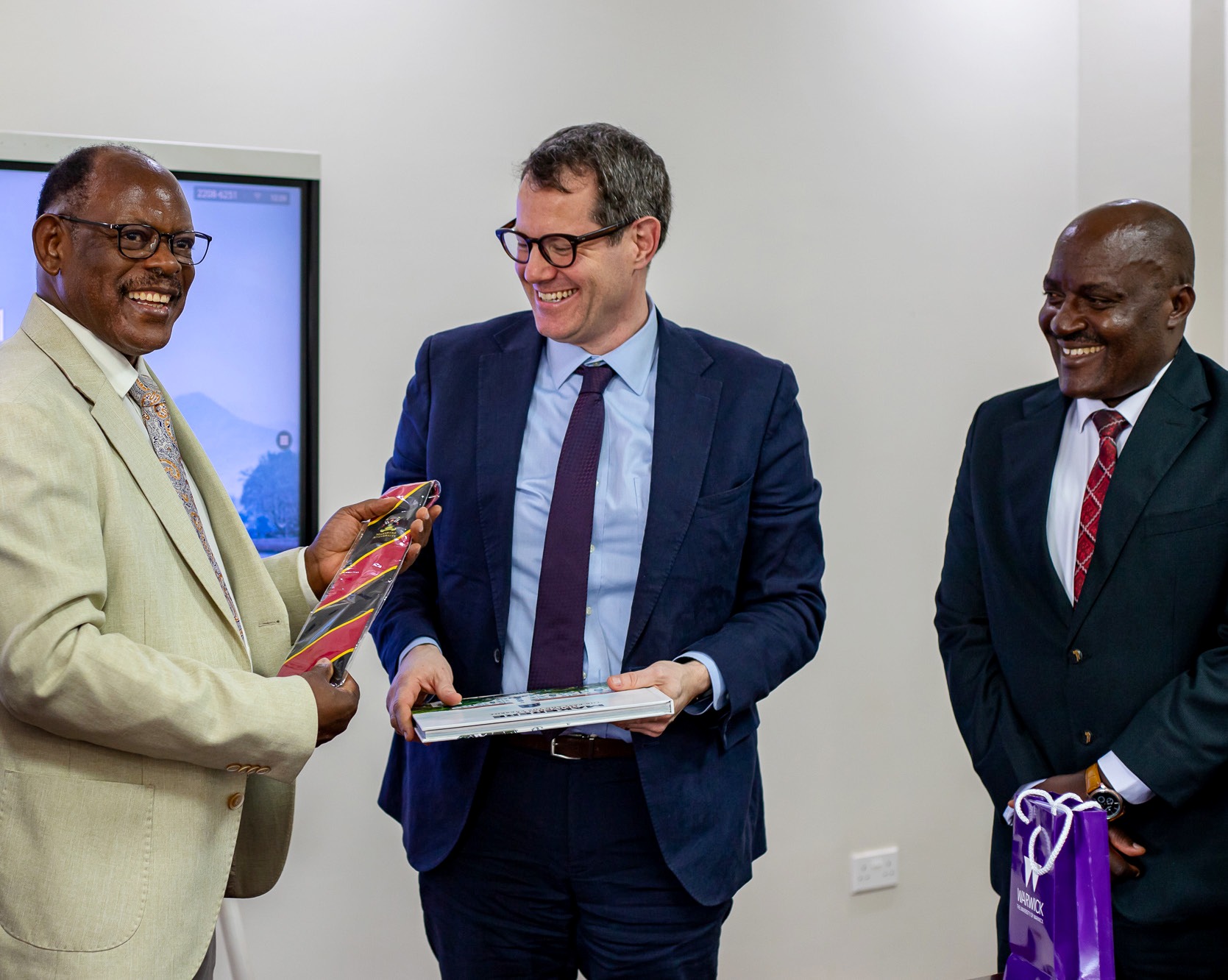
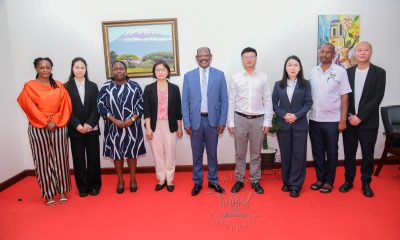
Equally encouraging is the University’s continued commitment to building strategic international partnerships. Makerere’s engagement with the University of Warwick reflects our shared vision of strengthening collaborative research, graduate training, innovation, and institutional capacity. Such partnerships expand opportunities for our researchers and students while contributing to the global exchange of knowledge required to address increasingly complex development challenges.This issue also highlights Mak-RIF’s growing emphasis on research knowledge translation. Through dedicated capacity-building initiatives, researchers are being equipped to communicate their findings more effectively to policymakers, practitioners, industry, and the public. By strengthening the interface between research, policy, and practice, we are ensuring that scientific evidence informs decision-making and delivers measurable impact beyond academia.

The continued growth in high-quality research publications showcased in this bulletin further demonstrates the increasing visibility and influence of Makerere University’s research community. These scholarly contributions not only advance scientific knowledge but also strengthen Uganda’s participation in global research while fostering innovation, collaboration, and evidence-informed policymaking.

These accomplishments would not have been possible without the unwavering support of the Government of Uganda, whose investment in Mak-RIF continues to strengthen the University’ research and innovation ecosystem. I commend our researchers, project teams, University leadership, industry collaborators, government MDAs, and communities for their commitment and collaboration. I invite you to explore the inspiring stories presented in this bulletin and celebrate the collective achievements of our researchers and Makerere University.

Prof. Fred Masagazi-Masaazi
Chairperson, Grants Management Committee (GMC)

Mak Editor

Research

CARTA Fellow Tamale on Building Systems, Shaping Policy and Transforming Lives beyond the PhD

Published

on

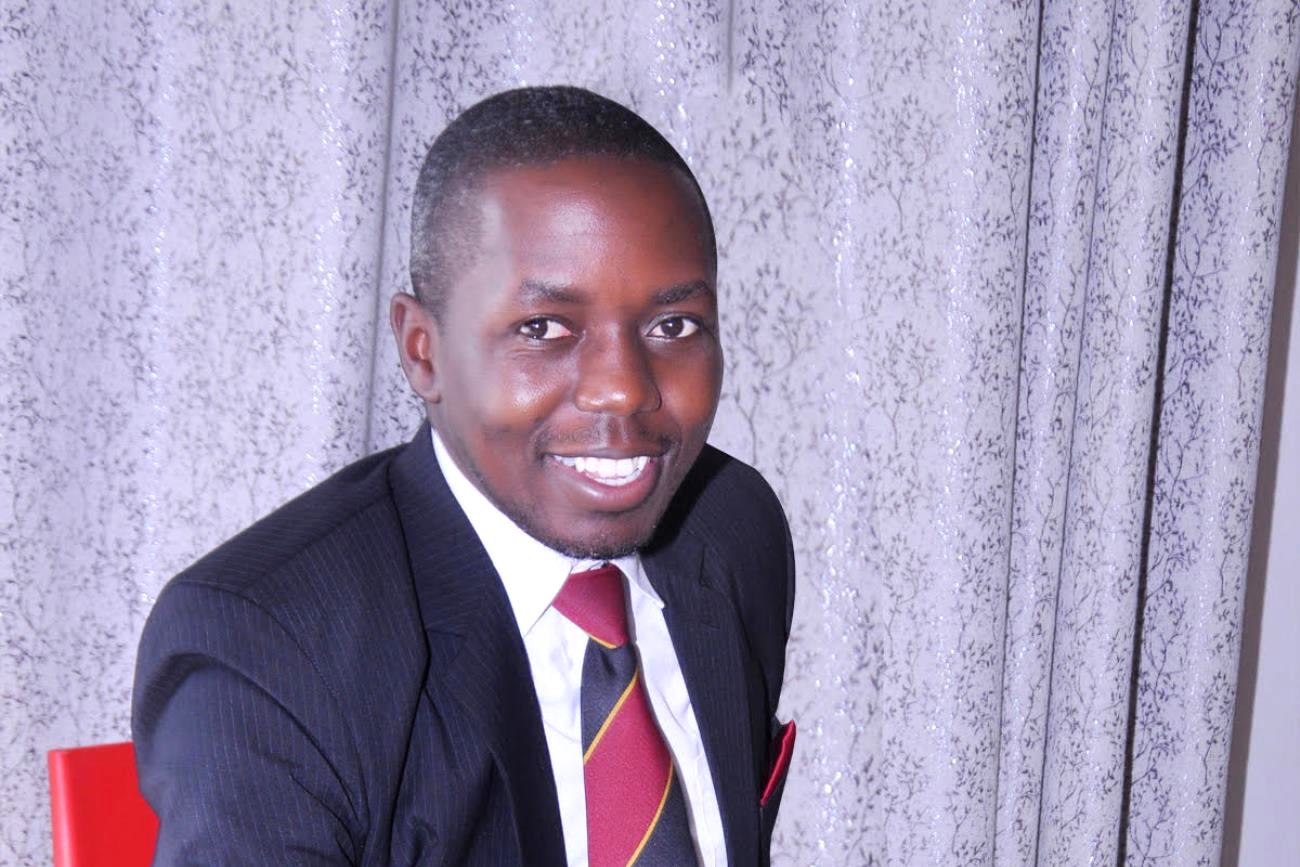
Dr. Andrew Tamale, College of Veterinary Medicine, Animal Resources and BioSecurity (CoVAB), Makerere University, Kampala Uganda, East Africa. Photo. CARTA.

A PhD can spark impact that extends far beyond academia. Meet CARTA graduate Andrew Tamale, whose journey demonstrates the multiplier effect of research capacity strengthening—from helping transform doctoral training and generating evidence that informed safer fish consumption practices, to strengthening One Health approaches for outbreak preparedness in Uganda and beyond. 

Read full story

Source: CARTA News & Updates Issue 105

Mark Wamai

Continue Reading

Research

CARTA Fellow Anywar Appointed UTANA Subject Matter Expert, Talks Medicinal Plants

Published

on

Dr. Godwin Anywar, Department of Plant Sciences, Microbiology and Biotechnology, College of Natural Sciences (CoNAS), Makerere University. Kampala Uganda, East Africa.

Godwin Anywar, cohort 6, Makerere University, was appointed as a Subject Matter Expert on the Manuscript Technical Evaluators team of the Uganda Textbook Academic and Non-Fiction Authors Association (UTANA) on August 31, 2026. In this role, Godwin will contribute to the qualitative, academic, and pedagogical assessment of manuscripts submitted under the Capacity Building for School Books Project (CB-SP). The four-year project, implemented jointly with the Department of Teacher Education and Training Development (TETD) of Uganda’s Ministry of Education and Sports (MoES), aims to strengthen authorship and support the development of school books in Uganda’s education sector.

He was also featured in Uganda’s New Vision on July 26, 2026, in a special report on Uganda’s medicinal plants.

Source: CARTA News & Updates Issue 105

Mark Wamai

Continue Reading

Research

Makerere Hosts TERID Hub Early Career Researchers Grant Writing Workshop

Published

on

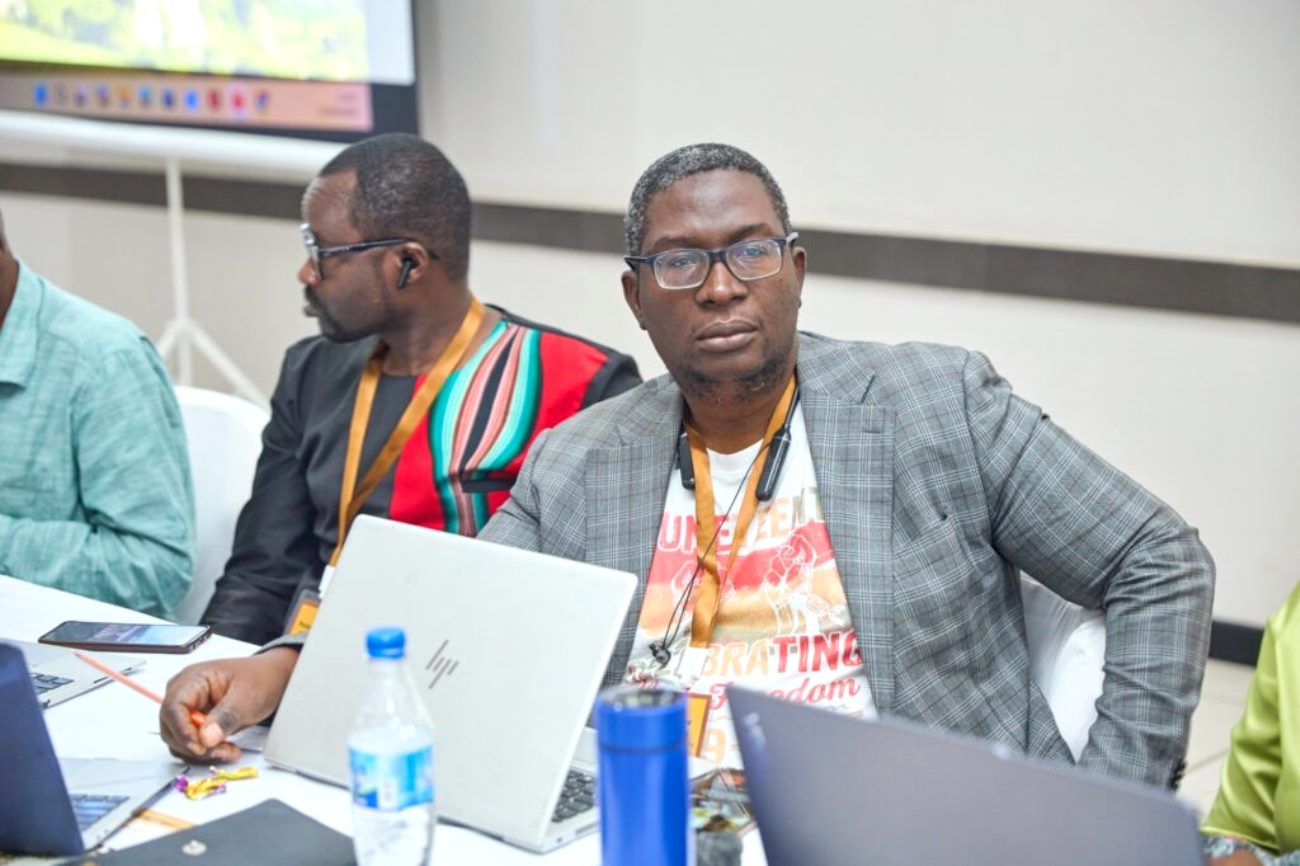
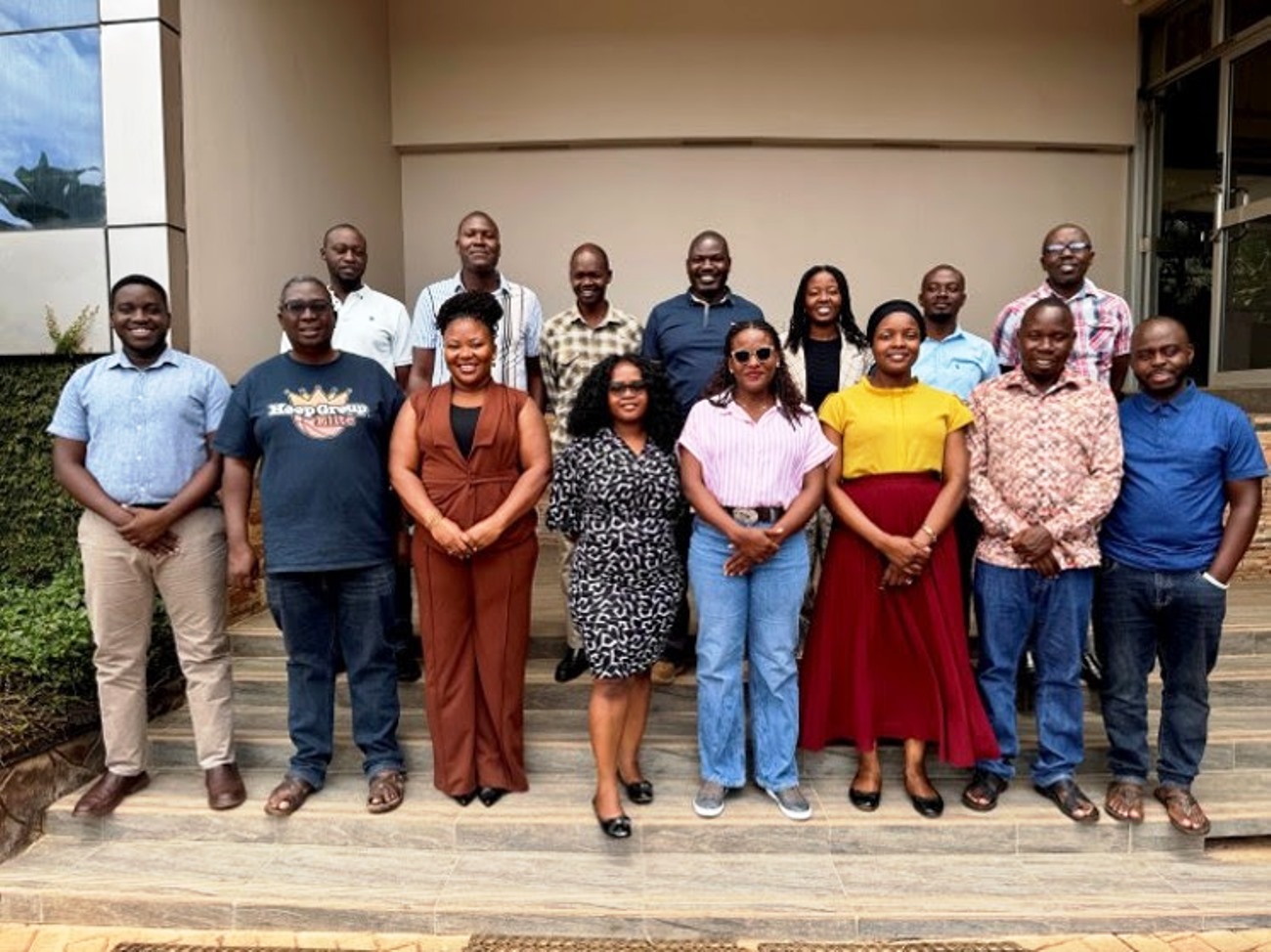
The Emerging and Re-emerging Infectious Diseases (TERID) Hub continued its efforts to strengthen the capacity of 17 early career researchers (ECRs) (10 men, 7 women) on an institutional level by holding a grant writing workshop from September 8 - 11, 2026, at Makerere University, Kampala Uganda, East Africa.

The Emerging and Re-emerging Infectious Diseases (TERID) Hub continued its efforts to strengthen the capacity of early career researchers (ECRs) on an institutional level by holding a grant writing workshop from September 8 – 11, 2026, at Makerere University. The workshop, attended by 17 ECRs (10 men, 7 women), strengthened participating researchers’ capacity by equipping them with critical skills to secure competitive funding. The intensive sessions bridged the gap between innovative academic concepts and fundable proposals, focusing heavily on decoding complex funder criteria and structuring compelling narratives. Participants prioritized the CONNECT-VAX call, which closely aligns with the Hub’s core work, and formed two groups: one on vaccine research and development capacity, the other on public trust and demand for vaccines manufactured in Africa.

Through this call, the Hub engaged collaborators from West Africa (Sierra Leone) and East Africa (Kenya and Tanzania) in developing two of its grant applications. Individual concepts on leishmaniasis, leptospirosis, tuberculosis, and pharmaceutical inventory management were also advanced, bringing the total to eight proposals across four funding calls, including Makerere University Research and Innovation Fund (MAK-RIF 8), Wellcome, and WHO/TDR.

To date, the Hub’s grant writing effort has attracted over USD 700,000. The workshop reinforced the Hub’s commitment to mentoring early-career researchers and championing research in emerging and re-emerging infectious diseases.

Source: CARTA News & Updates Issue 105

Mark Wamai

Continue Reading

Trending