
Business & Management
Makerere University Launches CoBAMS Working Paper Series, Marking a major Leap in Research Excellence


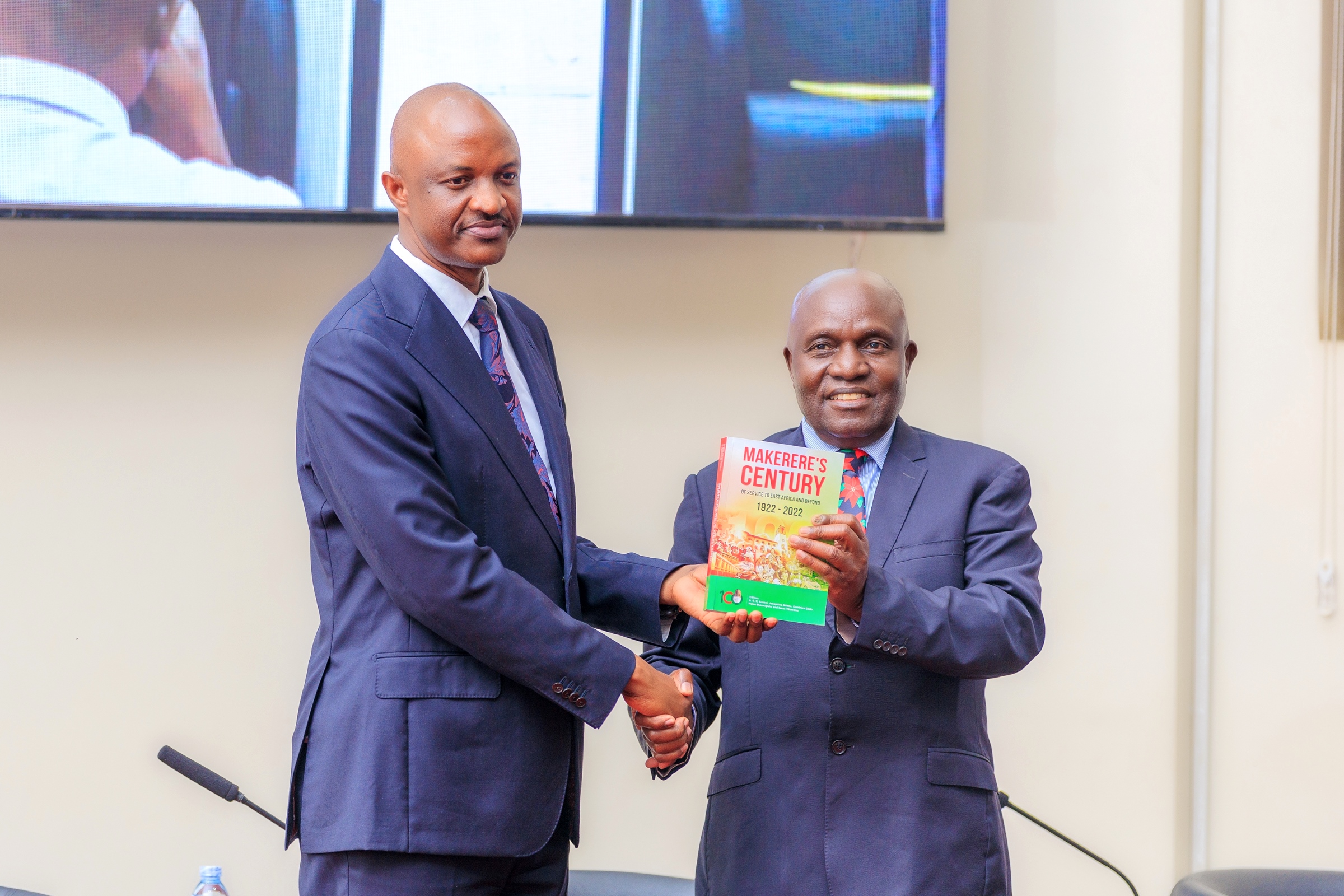
On 4th December 2025, the Deputy Vice Chancellor for Academic Affairs, Prof. Sarah Ssali launched the College of Business and Management Sciences (CoBAMS) Working Paper Series, a research product aligned with the UN Sustainable Development Goals (SDGs), Uganda’s 10-fold National Economic Growth Strategy (ATMS), and the Makerere University Strategic Plan.
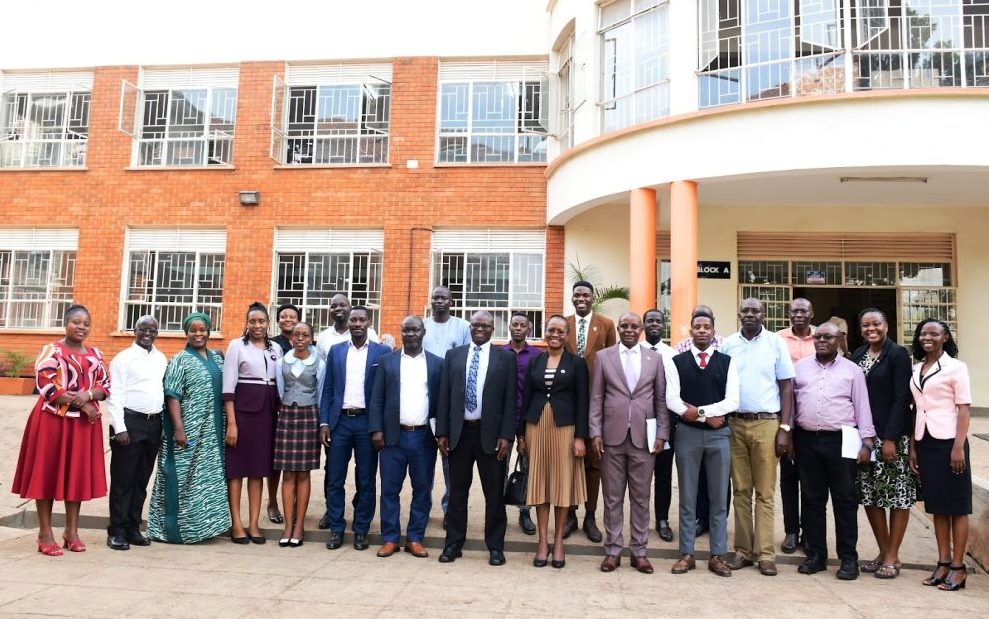
The Series consists of over 60 research papers, many of which have already been accepted in internationally recognised peer-reviewed journals. The publications cover a broad spectrum of national priorities, including unemployment, climate change, population dynamics, taxation, entrepreneurship, public investment, corruption, refugee livelihoods, and the green economy.
A landmark moment for Makerere University
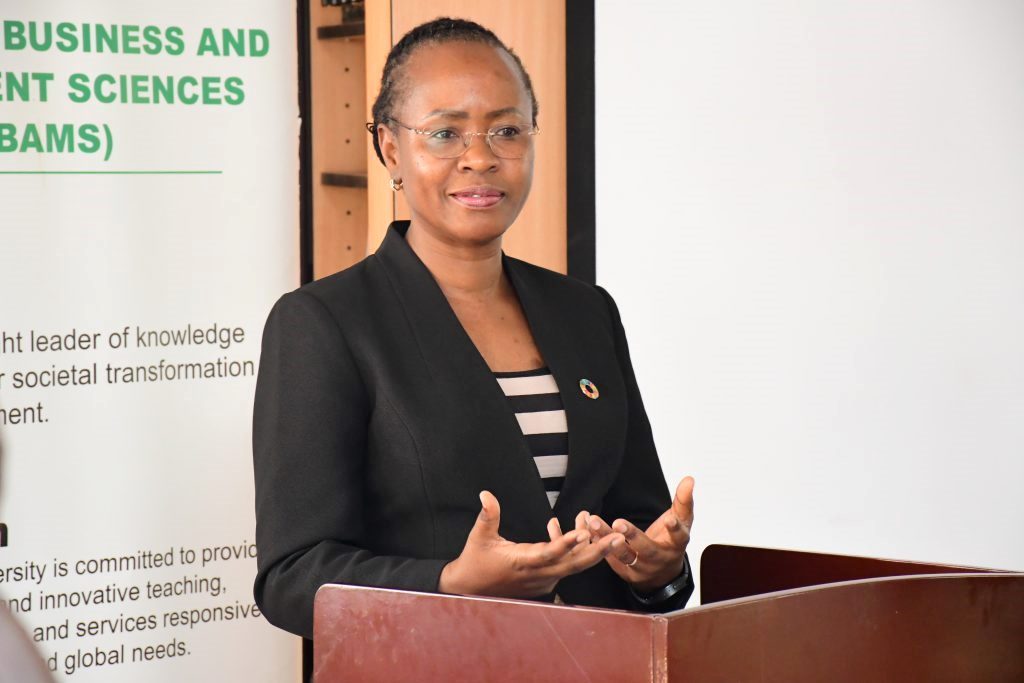
Addressing the participants comprising invited guests, staff, students and the media, who convened at the CoBAMS Conference Hall to witness the launch, Prof. Ssali commended the College leadership and staff for championing Makerere’s research vision. “Today is a landmark moment in the life of Makerere University,” she declared. She emphasized that Makerere’s move toward a research-intensive identity was deliberate. “A few years ago, we made a bold and historic decision to reorient the University toward research and innovation. Today’s launch is evidence that this decision has taken root—especially within CoBAMS.”
Prof. Ssali praised the College for providing a modest annual research grant to faculty members, an initiative that produced more than 60 working papers in the 2024/2025 financial year.
She urged the College to transition the Working Paper Series into homegrown journals, adding: “If you can produce 60 papers this year and 80 next year, you have enough content for at least three journals. Journals raise our visibility, raise our H-index, and ensure that anyone researching Uganda finds homegrown scholarship.”
The Deputy Vice Chancellor (Academic Affairs) highlighted pressing national issues requiring academic inquiry. “Uganda’s economy grows, but unemployment remains high. When we celebrate entrepreneurship, we are often celebrating survival. These are questions this Series must help confront.”
She also pointed to the importance of research in shaping national discourse: “If people are hungry and unemployed, they will go to the streets. We cannot sit here speaking English and pretend these issues will disappear.”
We are proud of this collective achievement
The Principal of CoBAMS, Prof. Edward Bbaale, described the Series as a major achievement rooted in collective effort and consistent commitment to research excellence. “What we are celebrating today is the result of your collective effort,” he told faculty. “This Working Paper Series is a nursery bed for journal articles, book chapters, and future scholarly outputs.”
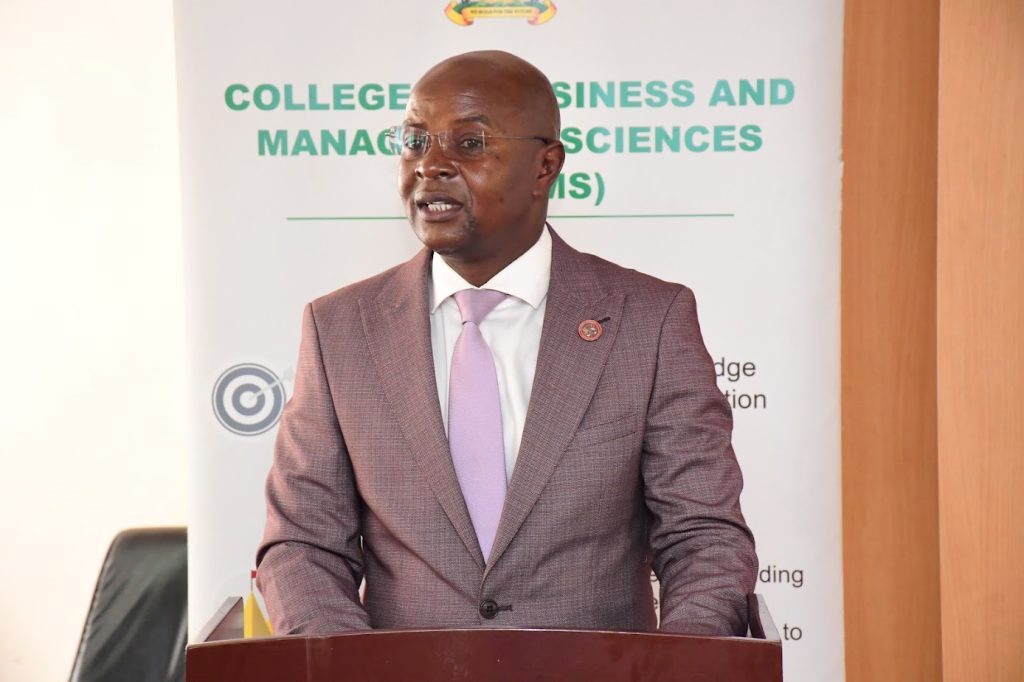
He revealed that for the upcoming(2026) paper series, the College has funded over 90 research concepts and expects to produce more than 80 working papers in the 2025/2026 cycle.
Prof. Bbaale emphasised that the College’s four research centres—in Entrepreneurship and Innovation, Statistics and Demography, Public Investment Management, and the Environment for Development Initiative—form a strong foundation for sustained knowledge production. “These centres anchor high-level research, policy engagement, and interdisciplinary collaboration. They are the backbone of our research ecosystem.”
This journey started with a modest grant
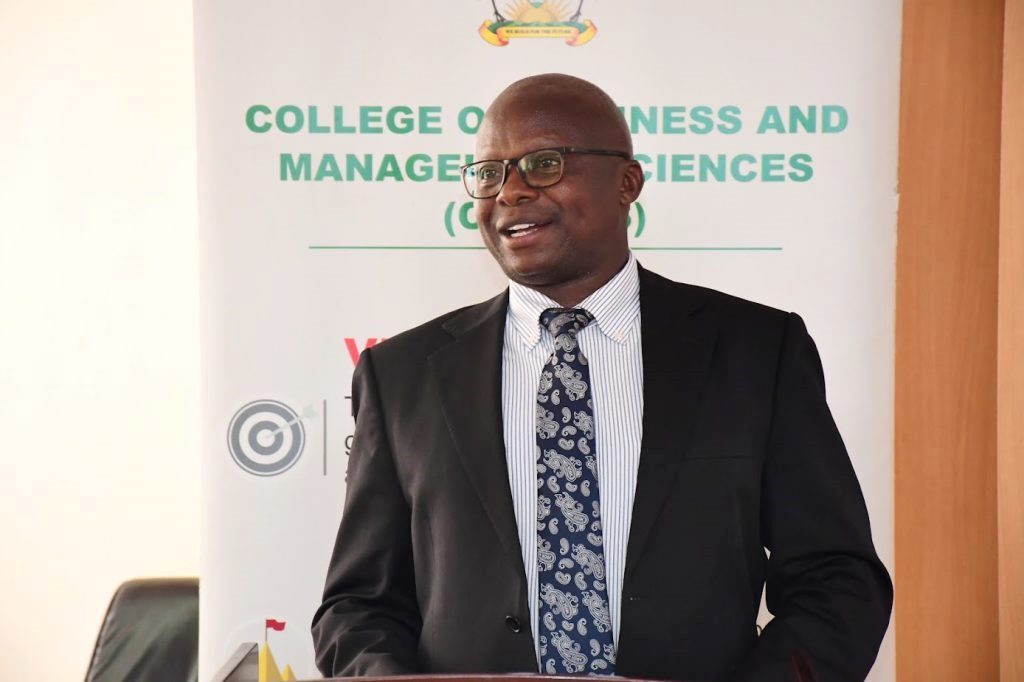
Associate Professor James Wokadala, the Deputy Principal, traced the origins of the Series to a small but impactful College research grant introduced in November 2024. “This afternoon is a very important day for us. This Series is the product of our internal efforts and internal resources,” he said. “By May this year, the working papers had already been finalised by the various principal investigators.”
He noted that each paper went through school-level presentations, editorial checks, and harmonisation before being accepted into the Series. “Today, we are launching 60 of those papers, with many more to follow.”
CoBAMS is a powerhouse of knowledge production

Dr. William Tayeebwa, Chief Managing Editor of Makerere University Press, praised the College’s output and pledged the Press’s support in transforming the papers into high-quality books and journal articles. “The topics and issues contained in the Working Paper Series confirm that CoBAMS is truly a powerhouse of knowledge production.”
He committed to working closely with the College: “We can convert these working papers into journal articles, special issues, and thematic book volumes within six months. Makerere University Press stands ready to support you.”
Dr. Tayeebwa highlighted the broad range of topics covered—refugees, Myooga, malaria, tax compliance, corruption, and more—describing the Series as “a rich intellectual nursery bed.”
PhD Forum: Building the next generation of researchers

Speaking on behalf of postgraduate students, Ms. Sylvia Namujjuzi, Assistant Lecturer and Vice President of the CoBAMS PhD Students Forum, emphasised the importance of peer support in research training. “The PhD journey can be lonely,” she said. “This Forum brings students from the three Schools together to network, share knowledge, organise seminars, and hold mock defences.”
A milestone for Makerere’s research future
Prof. Ssali reaffirmed the University’s commitment: “As Makerere University positions itself among leading research institutions globally, initiatives such as the CoBAMS Working Paper Series give concrete meaning to our strategic vision.”
She officially launched the Series with a call for sustained excellence: “May it grow, mature, and inspire a new generation of researchers. May it elevate Makerere University’s intellectual footprint.”






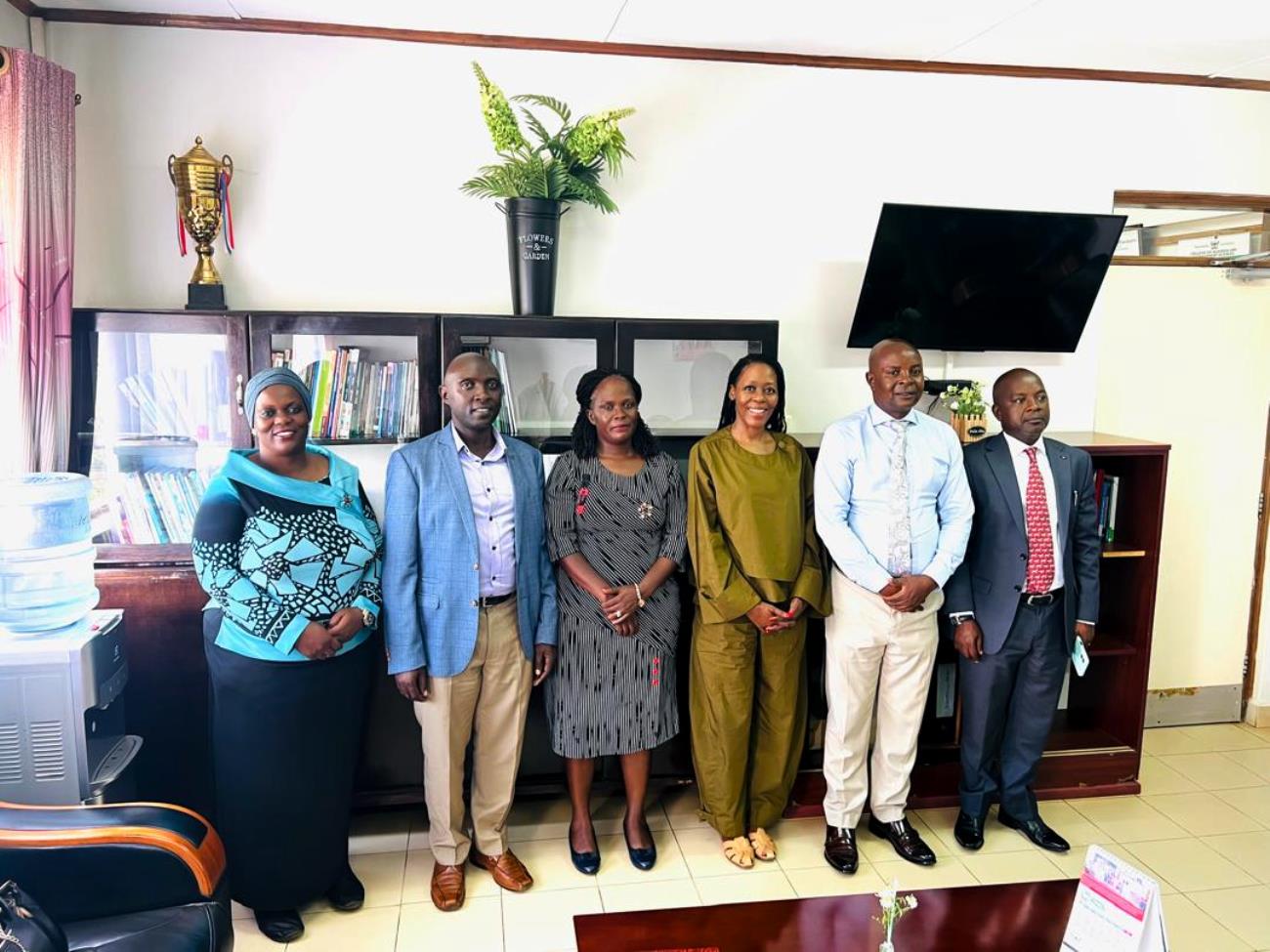
On Wednesday 8th April 2026 the Principal of the College of Business and Management Sciences (CoBAMS), Prof. Edward Bbaale received and welcomed, Dr. Sizile Makola, a Senior Lecturer in Human Resource Management from the University of South Africa (UNISA), to the College and Makerere University.
The interaction meeting held in the Office of the Principal brought onboard the following members of staff from the Department of Marketing and Management, School of Business: Dr. Jude Mugarura, Dr. Zaina Nakabuye, Dr. Agnes Sansa, and Dr. Anthony Tibaingana.
Dr.Sizile Makola is visiting Makerere University for two (2) weeks to cement the MoU between Makerere University and UNISA and to finalise her comparative studies with staff from the department of marketing and management on behalf of Makerere University for the Ugandan context.
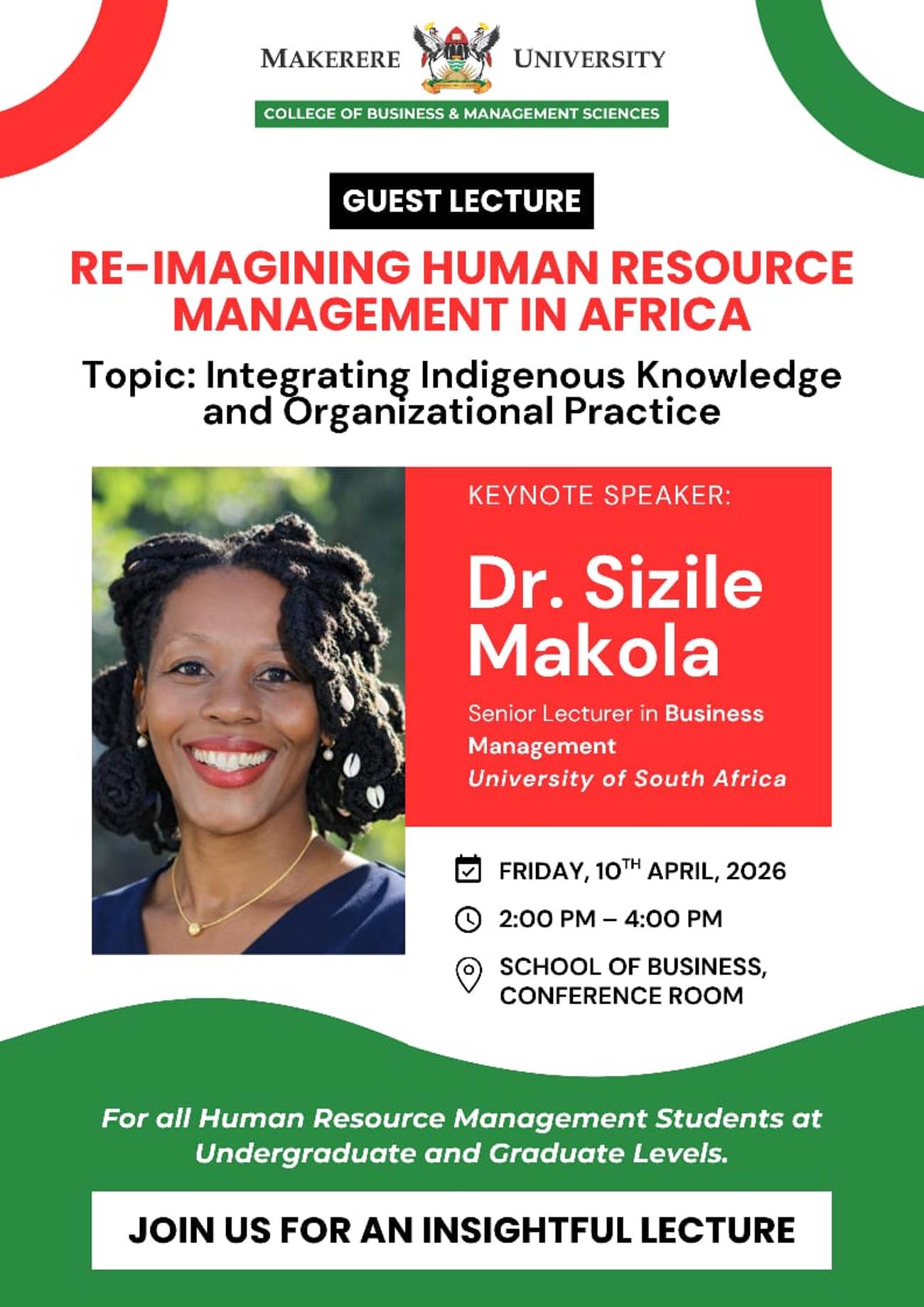
Dr. Makola is scheduled to deliver an interactive guest lecture to undergraduate and postgraduate human resource management students on Friday 10th April 2026 from 2:00pm to 4:00pm in the School of Business, Conference Hall.
Agriculture & Environment
Environmental Officers from Eastern Uganda Retooled on Valuation and Accounting of Natural Resources

March 26, 2026 – Soroti, Uganda
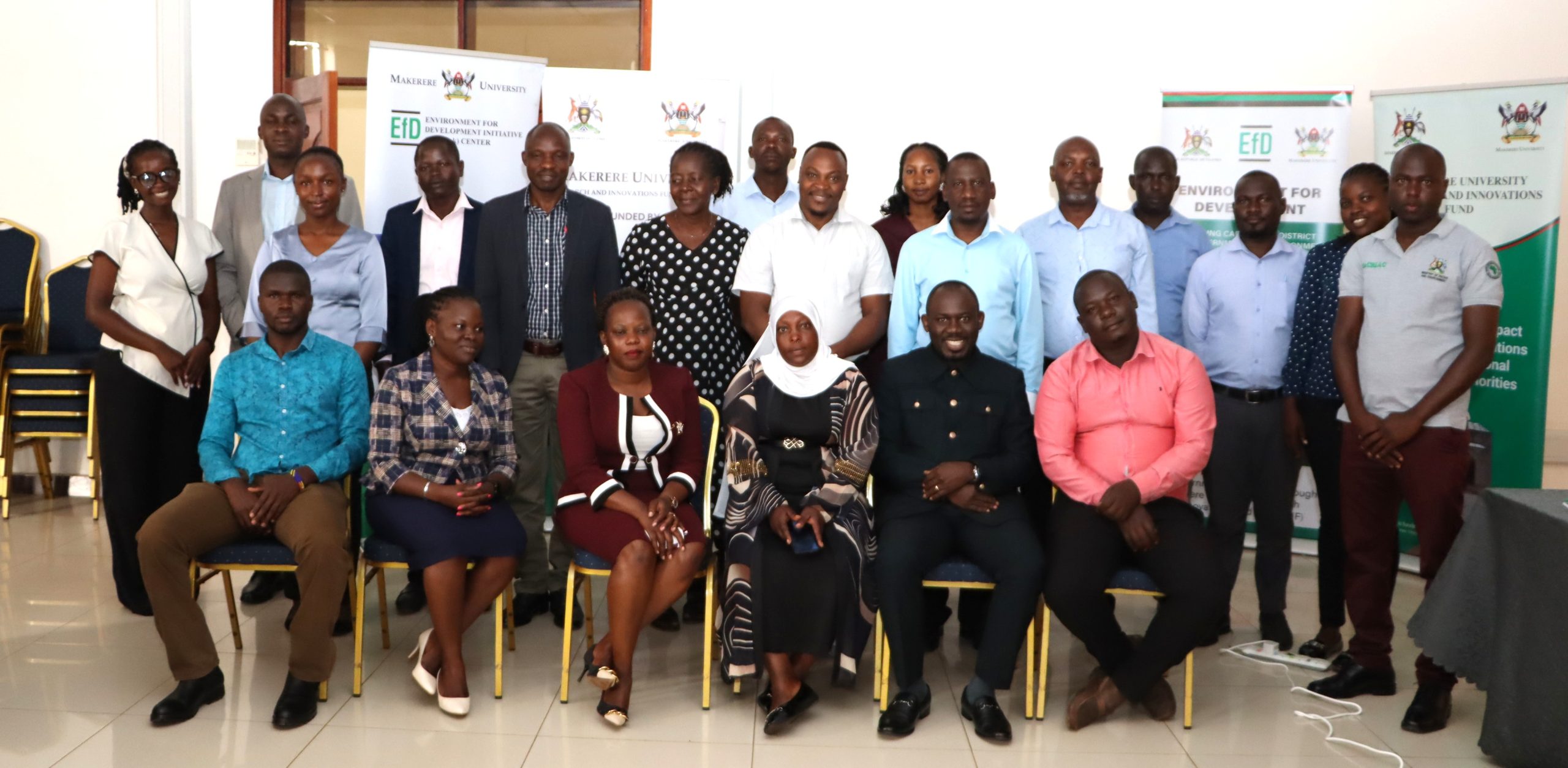
Environmental and natural resource officers from Eastern Uganda have undergone intensive training on economic valuation, evaluation, and accounting of natural resources, in a move aimed at strengthening evidence-based environmental management at district level.
The training, held at Jasmine Hotel in Soroti, brought together district environmental officers, forestry officers, agricultural officers, planners and natural resource managers from at ten districts, including Palisa, Butebo, Busia, Bukedea, Jinja, Mbale, Kapchorwa, Iganga, and Soroti.
Organised by Environment for Development (EfD) Uganda and funded by the Government of Uganda through the Makerere University Research and Innovations Fund (Mak-RIF), the capacity-building initiative seeks to equip local government officers with practical tools to better manage natural resources amid growing environmental pressures.

Speaking at the opening of the training, Dr. Peter Babyenda, representing the EfD Centre Director and Principal Investigator Prof. Edward Bbaale, emphasized the importance of continuous skills development among environmental practitioners.
He noted that while many officers already possess foundational knowledge, refresher training is essential in a rapidly evolving field. “Capacity building is critical. We must keep reminding ourselves and sharing experiences so that we remain relevant and effective in our roles,” he said.
The training focused on key areas including environmental valuation and evaluation, environmental accounting, and climate change mitigation and adaptation. According to Babyenda, the programme was informed by a prior survey that revealed significant skills gaps among district officers, particularly in valuing natural resources such as wetlands and forests.
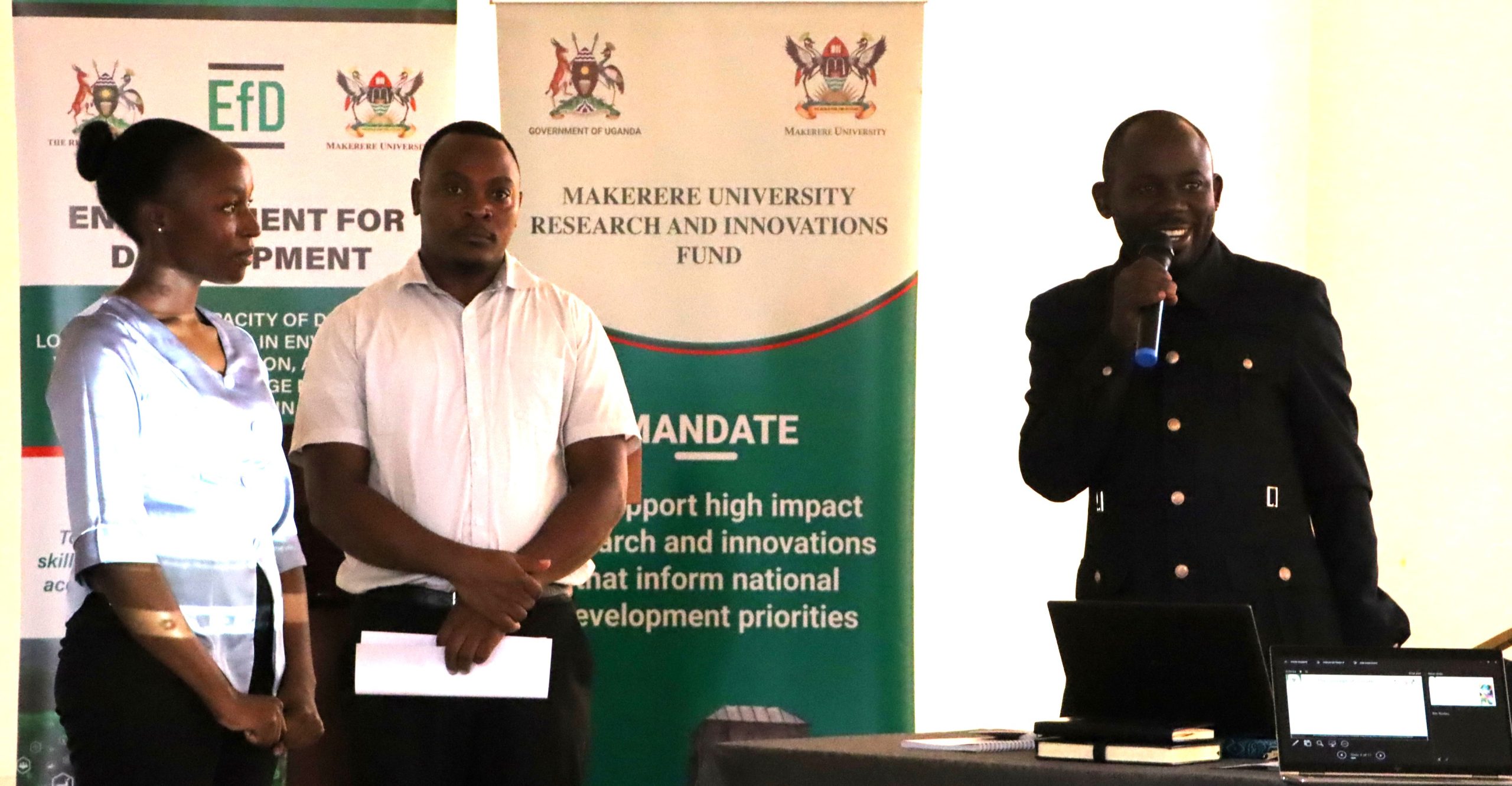
Babyenda stressed that the ability to quantify the economic value of natural resources is crucial for informed decision-making. “If districts can assess and assign value to resources like swamps and forests, it strengthens national planning and ensures these resources are not undervalued or degraded,” he said.
He further highlighted the importance of cost-benefit analysis in guiding policy decisions. “When policymakers ask for alternatives to resource exploitation, officers must be equipped to present evidence-based scenarios that balance conservation and development,” he explained.
The training also introduced participants to emerging concepts such as circular economy practices, where waste is transformed into valuable resources. Dr. Babyenda cited examples of innovations in waste management, including the conversion of human waste into energy and organic fertilizer.
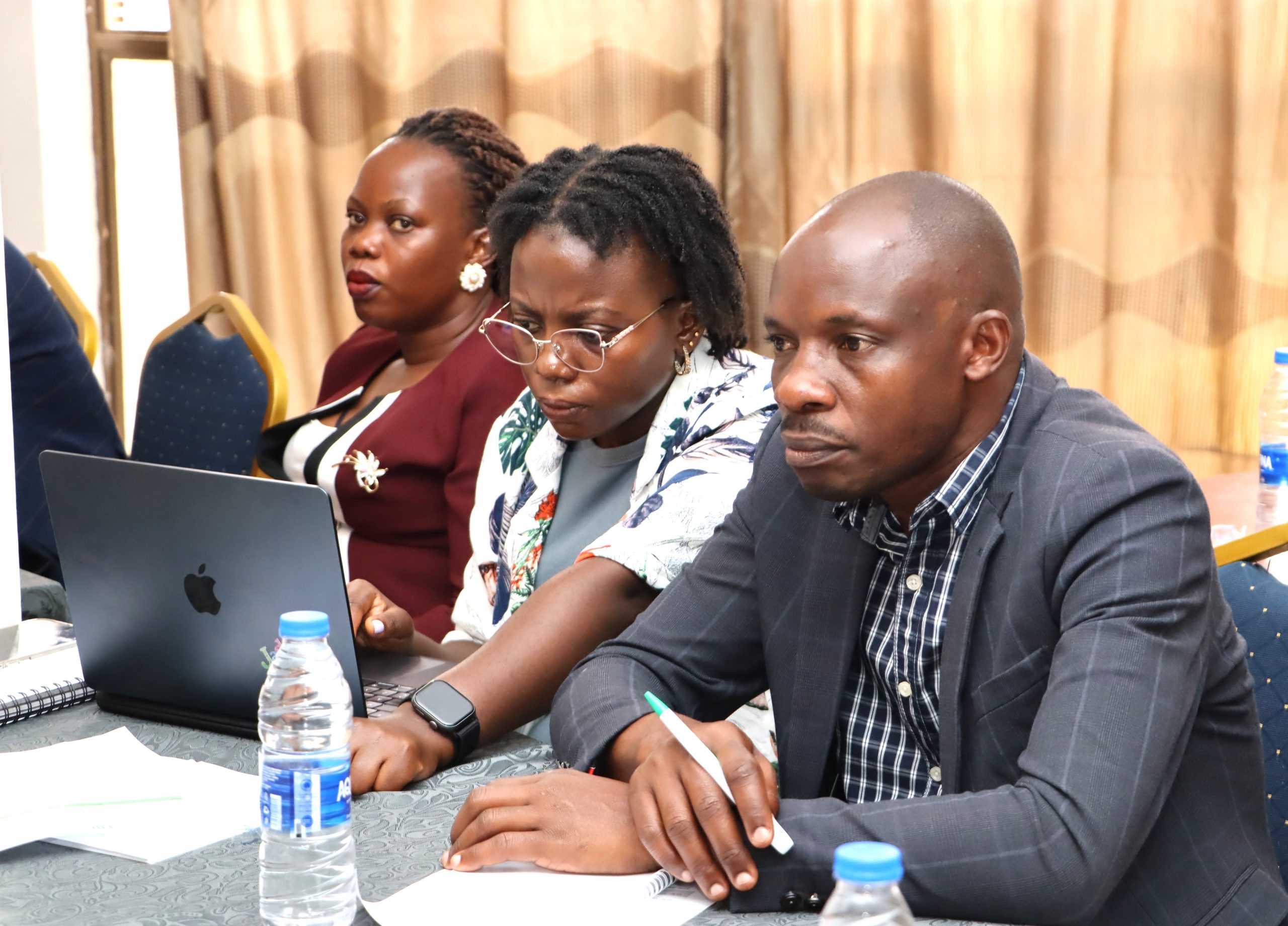
“Gone are the days when waste was simply discarded. Today, every form of waste has value from energy generation to carbon credit opportunities,” he noted, urging officers to embrace such innovations in their districts.
Participants were also being encouraged to leverage their new skills to attract funding for local environmental projects, including climate financing opportunities. Small grants, he noted, can support community-driven solutions to environmental challenges.
In addition, the programme underscored the role of district officers in generating data for national development frameworks. Accurate environmental data, including biodiversity indicators, is increasingly critical for Uganda’s reporting on Sustainable Development Goals (SDGs) and national planning instruments such as the National Development Plan IV (NDP IV).
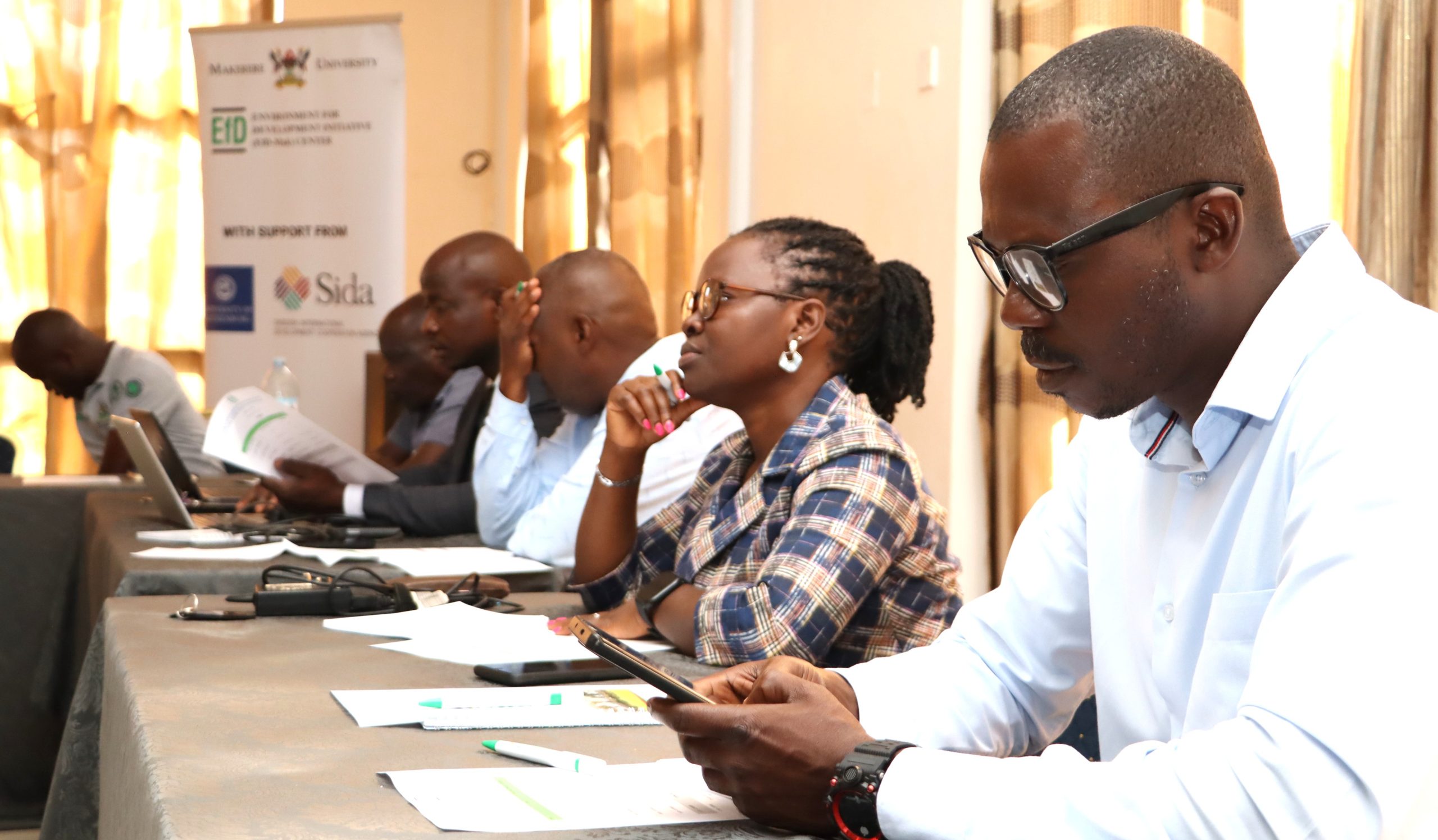
“We cannot develop national indices like biodiversity indicators without your input. You are central to data collection and reporting,” Dr. Babyenda said.
He urged participants to act as change agents by sharing knowledge gained from the training with colleagues in their respective districts. “When you go back, ensure that this knowledge is cascaded. Let us leave here transformed and ready to make an impact,” he said.
The training in Soroti marks the final session in a series that has been conducted in various regions across the country, including Jinja, Masaka, Entebbe, and Arua. Babyenda expressed hope that additional funding will be secured to extend similar capacity-building initiatives to more districts.
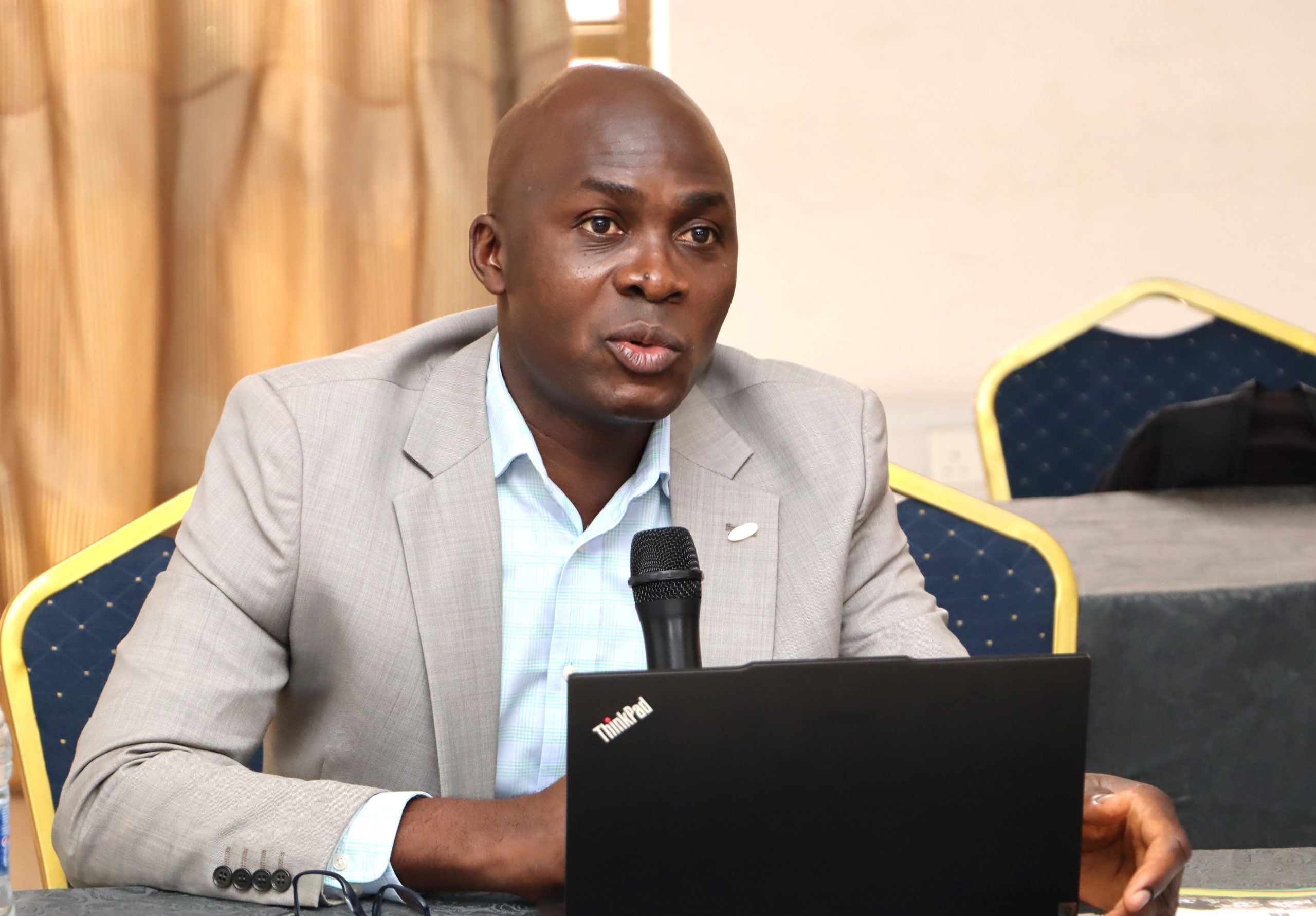
Facilitators at the training include Dr. Nick Kilimani, who led a sessions on environmental accounting, and Ms. Alice Nalweera, who covered climate change mitigation and adaptation strategies.
As environmental challenges intensify due to population growth and increased demand for natural resources, experts say such trainings are essential in promoting sustainable resource use while supporting local economic development.
Environment at the Center of Uganda’s Development Agenda
Environmental economist Dr. Peter Babyenda has called for stronger efforts to value and protect Uganda’s natural resources, warning that failure to do so could undermine the country’s long-term development.
Presenting on Environmental valuation and evaluation Dr. Babyenda emphasized that the environment—defined as both living and non-living surroundings remains the backbone of economic activity and human survival.
He noted that the environment provides essential resources such as water, minerals, forests, and oil, which support livelihoods and national growth. Uganda’s recent gains in gold exports and ongoing oil developments, he said, demonstrate the economic importance of natural resources.
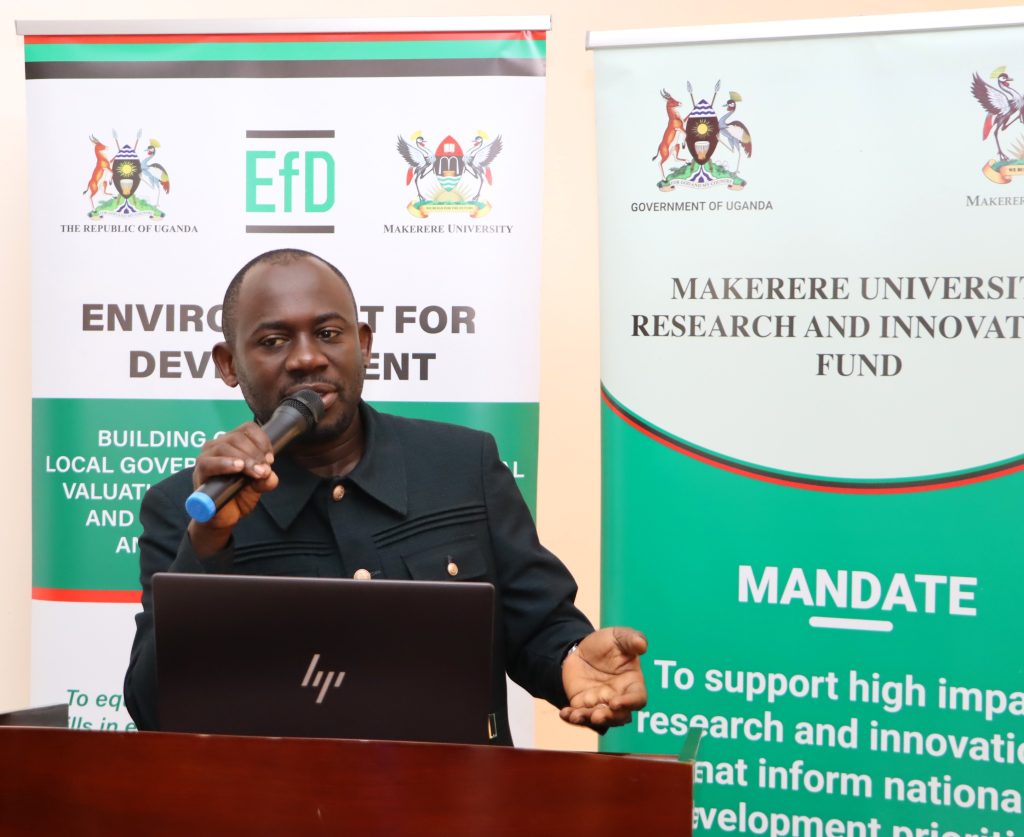
“The environment sustains life, supplies resources, and even determines the quality of life,” he explained, adding that areas with clean water, forests, and scenic beauty often command higher land values.
Dr. Babyenda pointed out that many people prefer living in well-preserved environments, citing high property prices near water bodies like Lake Victoria as evidence of nature’s economic value.
Poverty and Environmental Degradation
However, he stressed that poverty remains a major driver of environmental destruction. Communities often resort to deforestation and unsustainable farming practices in search of survival. “You cannot stop someone from cutting a tree for charcoal when they have nothing to eat,” he said.
Participants highlighted key environmental challenges in eastern Uganda, including poor agricultural practices, deforestation, climate change, landslides in highland areas, and flooding in low-lying regions. Many of these, he noted, are largely human-induced.
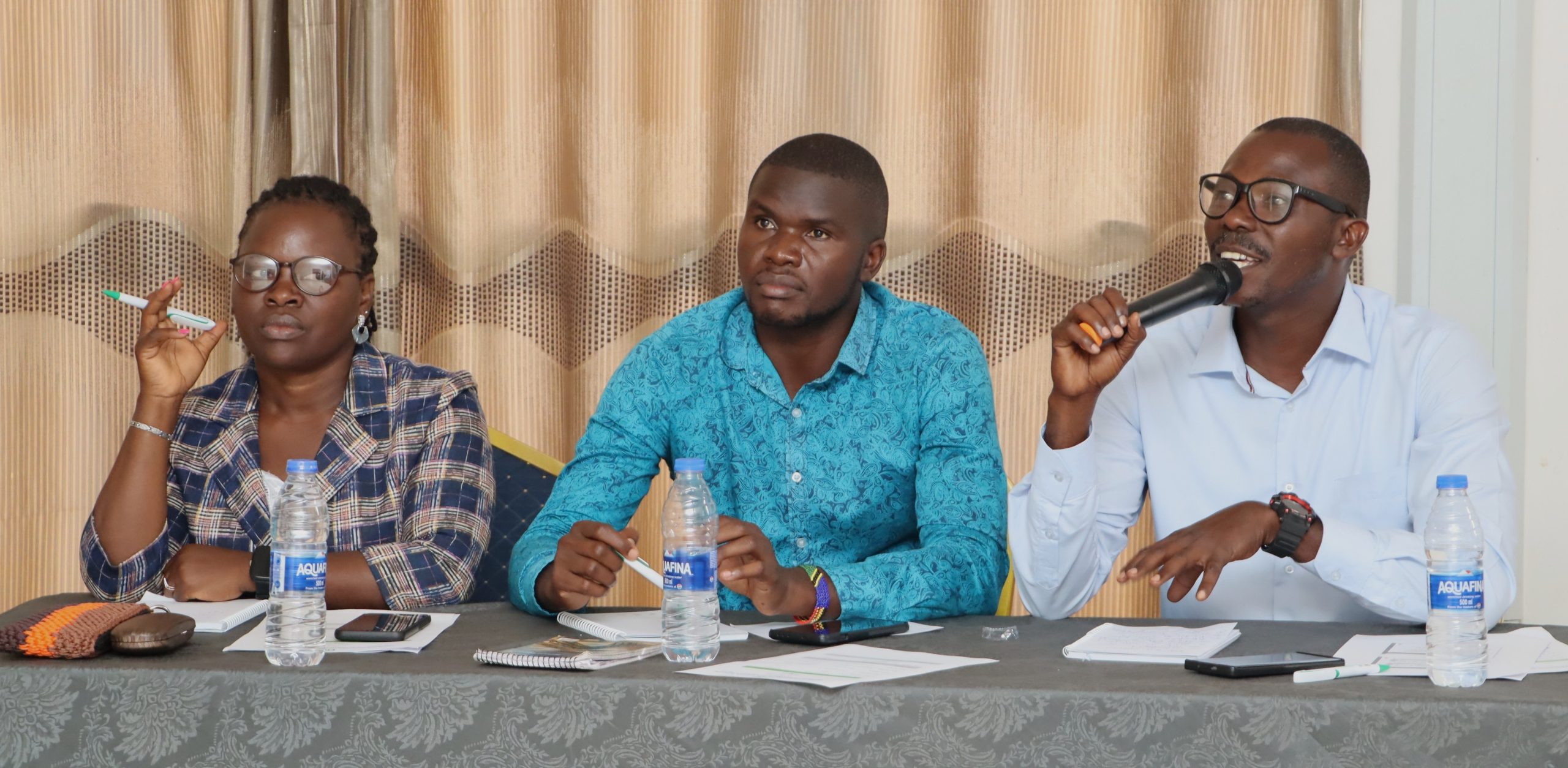
Beyond economic benefits, Dr. Babyenda underscored the importance of ecosystem services, including cultural and spiritual values. He explained that many communities derive identity, medicine, and traditions from natural resources.
Natural systems also support agriculture through soil fertility and pollination. He warned that misuse of chemicals could threaten pollinators like bees, potentially affecting food production.
With Uganda’s rising population, demand for land, food, and energy is increasing, placing pressure on forests, wetlands, and wildlife. Expanding agriculture, urbanization, and illegal logging are among the key threats.
Dr. Babyenda also noted emerging global policies requiring environmental accountability, such as traceability in coffee production to ensure crops are not grown on deforested land.
Why Environmental Valuation Matters
A central theme of the presentation was environmental valuation, the process of assigning monetary value to natural resources.
Dr. Babyenda explained that valuation helps policymakers make informed decisions, especially when balancing conservation with development. For instance, a forest may generate more long-term economic benefits than short-term gains from clearing it for agriculture.
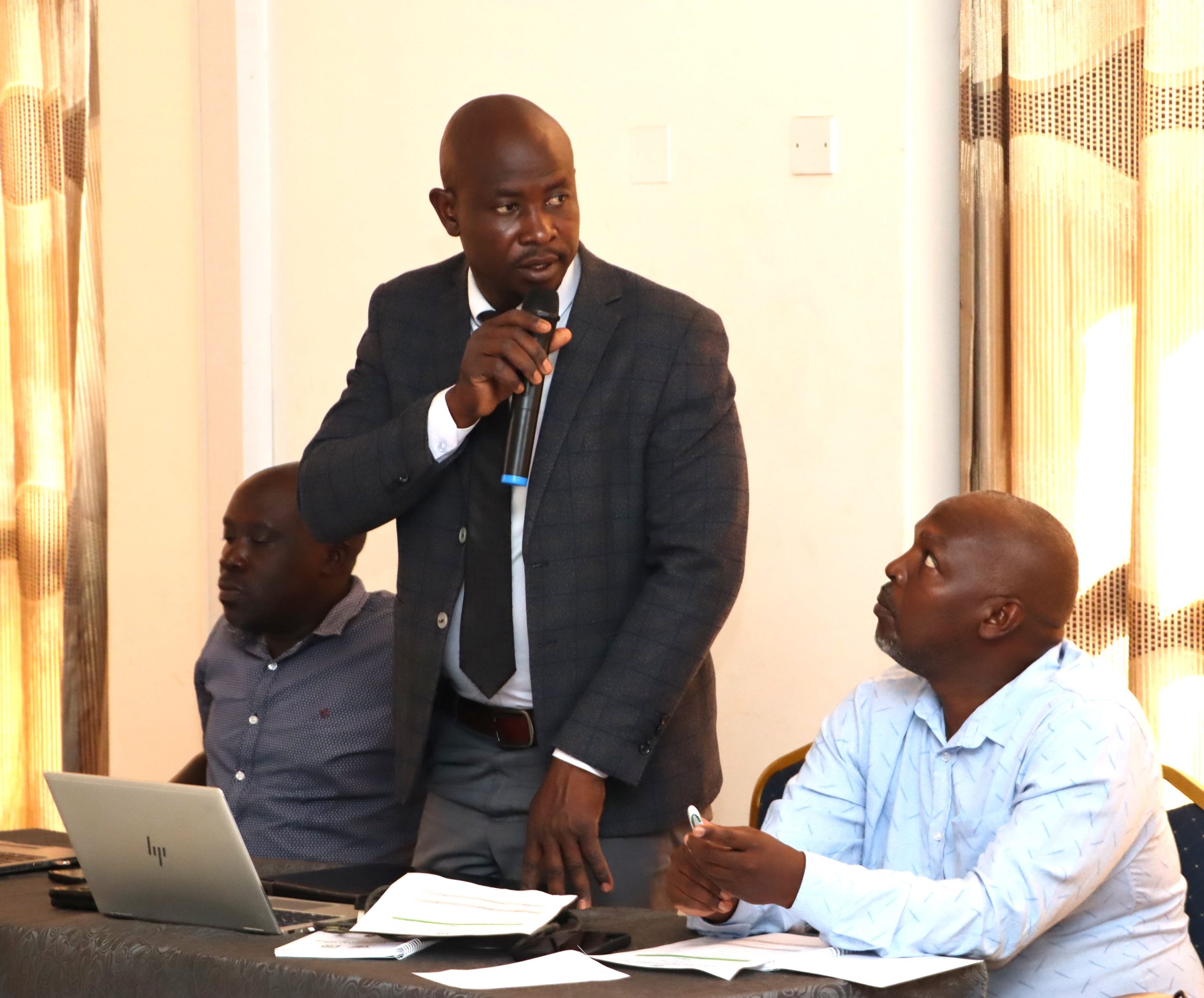
He introduced key valuation methods such as Willingness to Pay (How much individuals would pay to access or preserve environmental resources) and Willingness to Accept: (Compensation required for losing environmental benefits).
These approaches, he said, can help quantify both direct uses like timber and tourism and indirect or non-use values, such as preserving resources for future generations.
Dr. Babyenda urged environmental officers to document and report risks proactively, noting that failure to act early often leads to severe consequences when disasters occur.
He cited Uganda’s policy framework, including Vision 2040 and environmental laws, as critical tools for sustainable management. However, he stressed that implementation requires proper data, budgeting and justification.
“Once you know the value of something, you are more likely to protect it,” he said.
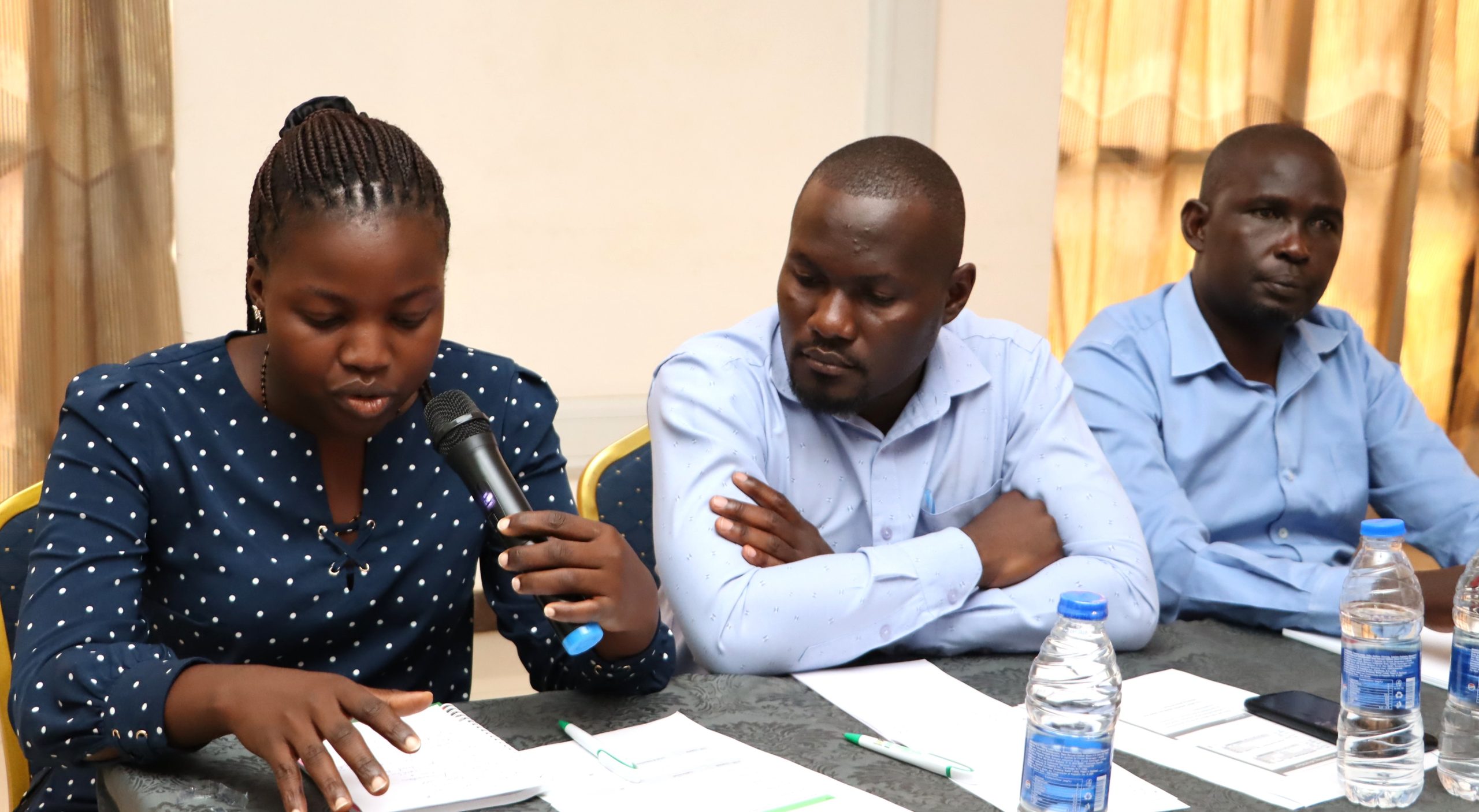
The presentation concluded with a call for collective responsibility in safeguarding Uganda’s biodiversity, which includes forests, wetlands, savannahs, and national parks.
Dr. Babyenda encouraged innovation in land use, better planning, and increased investment in environmental protection, warning that the country’s future depends on how well it manages its natural wealth.
“Development and environmental protection must go hand in hand,” he said.
Environmental Accounting Key to Sustainable Development
Environmental accounting is critical for Uganda’s sustainable development, with district-level officers playing a pivotal role in safeguarding natural resources, according to environmental expert Dr. Nicholas Kilimani.
Presentation to technical officers, Dr. Kilimani emphasized that environmental management is no longer an auxiliary function but a central component of national development. “The environment in which we live affects the economy, human health and our livelihoods,” he said, warning that failure to account for natural resources could have far-reaching consequences
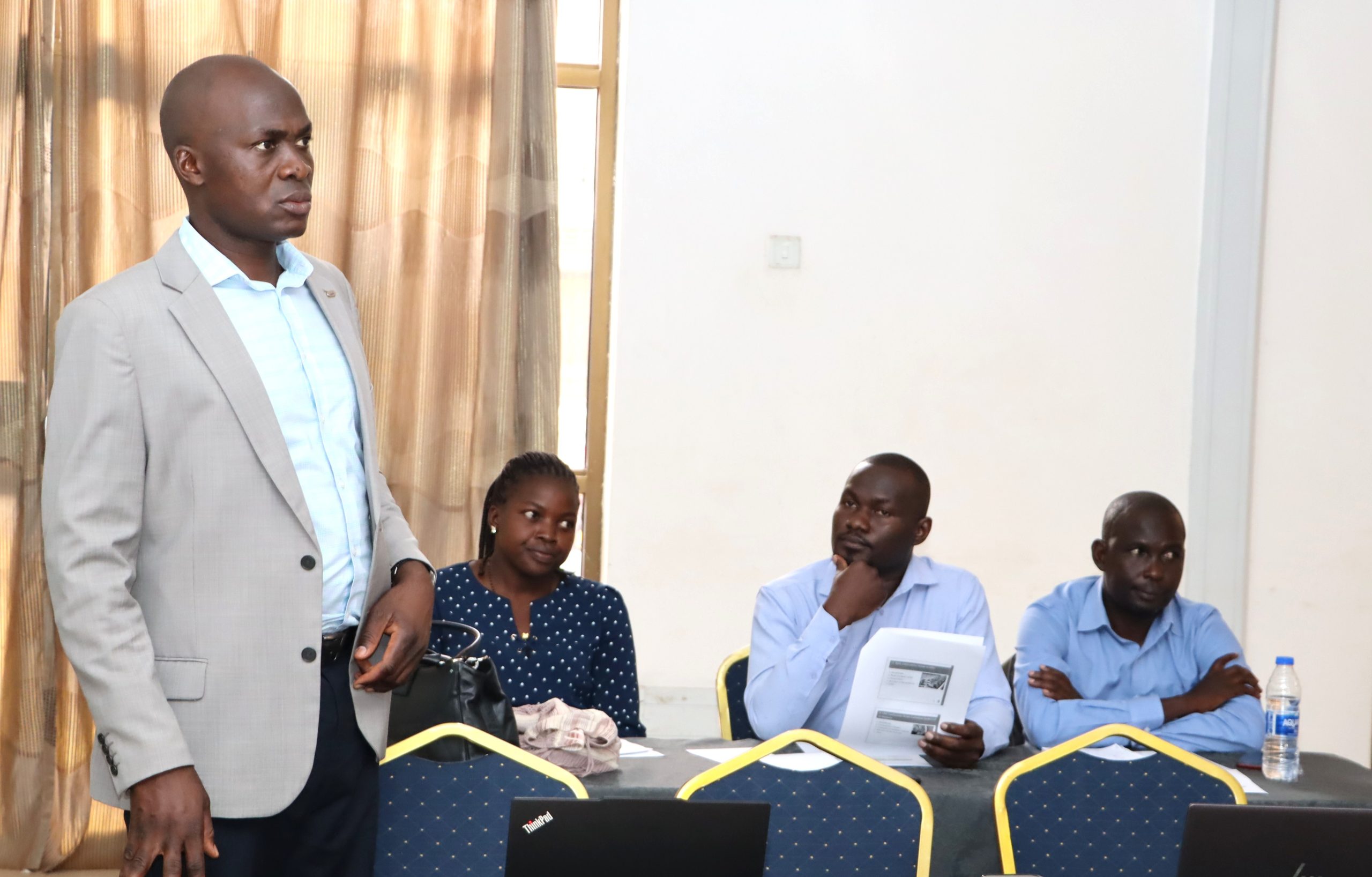
Dr. Kilimani highlighted the connection between ecological health and economic outcomes. “When forests are cleared or wetlands polluted, agricultural yields fall, water resources degrade, and diseases increase. This affects the economy in ways that conventional indicators like GDP often fail to capture,” he explained.
He cited examples such as unsustainable fish harvesting, pollution from industrial effluents, and deforestation, which can reduce Uganda’s revenue from exports and compromise public health. “If investors pollute water resources, fish stocks die, and we lose both income and markets,” he said, stressing the need for vigilant oversight by environmental officers.
Understanding Environmental Accounting
Central to Dr. Kilimani’s message was the United Nations System of Environmental-Economic Accounting (SEEA), a framework designed to integrate environmental data with economic indicators.
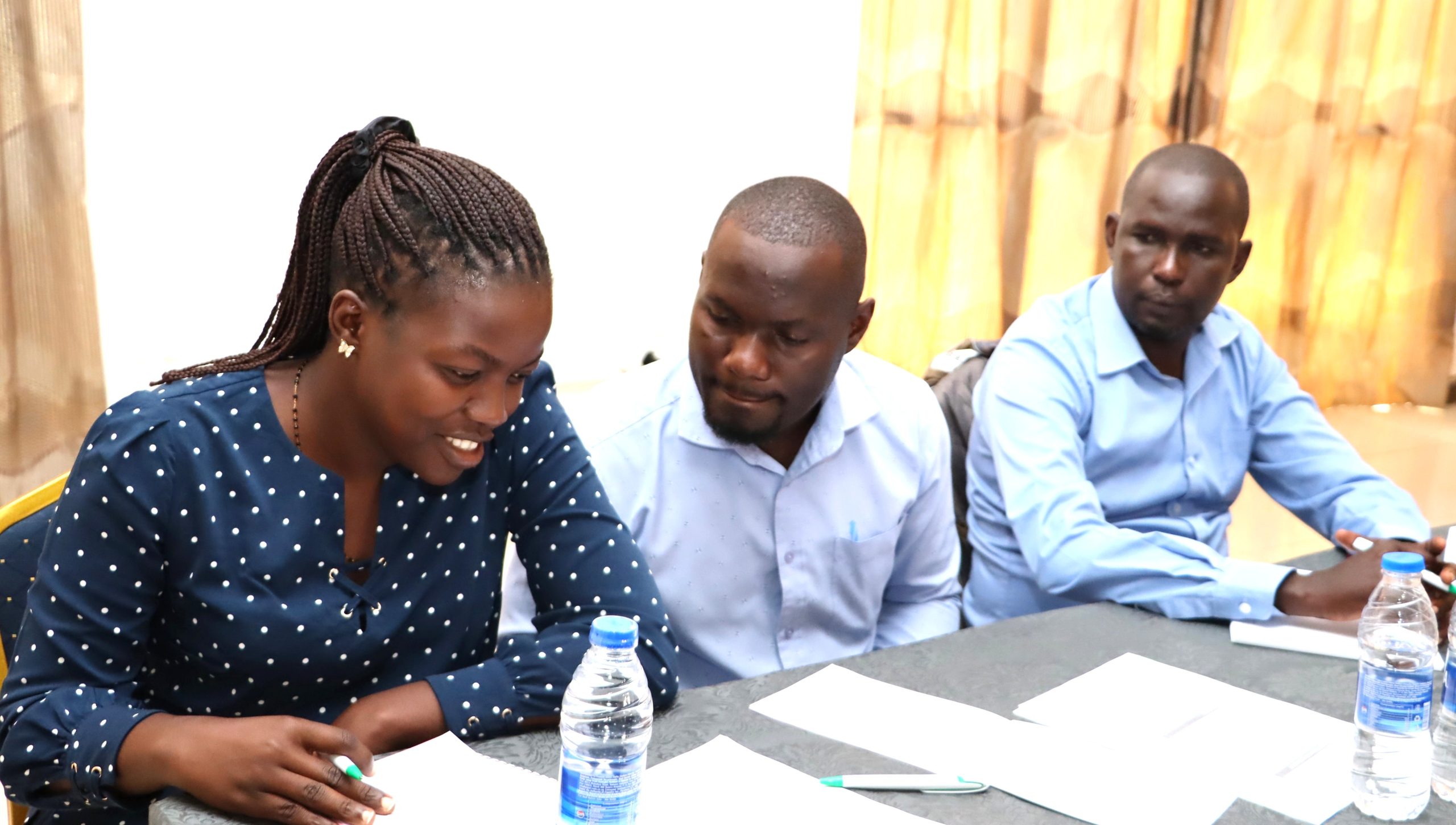
“This system allows us to track resources like water, forests, fish, and energy, showing both their contribution to the economy and how human activity affects them,” he said. By combining social, economic, and environmental data, policymakers and technical officers can develop evidence-based interventions and set sustainable extraction and pollution limits.
Dr. Kilimani also emphasized ecosystem accounting, which captures the benefits of natural systems beyond direct economic output. Forests, rivers, and urban parks provide services such as recreation, water purification, disease regulation, and stress relief. “These services contribute to human well-being and quality of life, even if they are not directly traded in the market,” he explained.
He stressed that understanding and communicating these services is crucial when interacting with policymakers and community leaders, including mayors and district officials, to ensure that development decisions do not compromise environmental integrity.
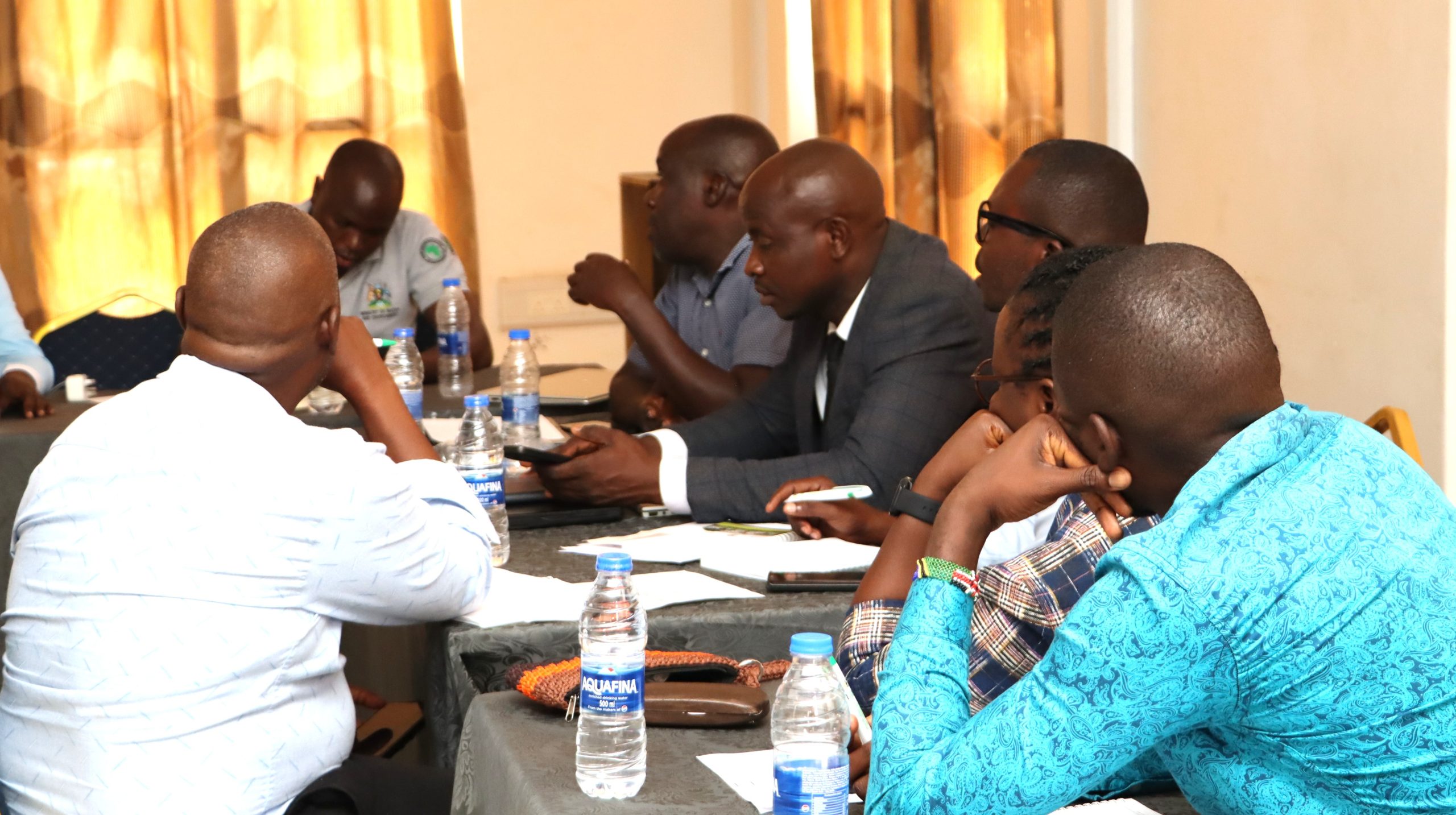
Concluding his presentation, Dr. Kilimani urged environmental officers to strengthen their monitoring and reporting systems, emphasizing that accountability and proper documentation are essential. “You are the gatekeepers of Uganda’s natural wealth. Proper environmental accounting ensures that resources are used sustainably, benefiting both the economy and the people,” he said.
He further emphasized that environmental protection and development must go hand in hand, warning that neglecting natural resources today could lead to irreversible losses tomorrow.
Climate Change Adaptation and Mitigation: Practical Solutions Urged for Districts
Climate change is no longer a distant threat, but a reality already affecting Uganda, with unpredictable rains, crop failures, floods, and droughts impacting communities, says Alice Nalweera, an environmental expert.
Speaking to district officers, Nalweera emphasized the need for practical action in policies, plans and budgets to address both the causes and effects of climate change. “We are already experiencing the impacts. Delayed rains, extreme heat, and changing planting seasons are clear signs that climate change is here,” she said.
Nalweera distinguished between weather – the short-term state of the atmosphere and climate, which refers to long-term patterns over at least 30 years. She cited local experiences in districts such as Bulisa, where traditional planting indicators have become unreliable due to shifting rainfall patterns.
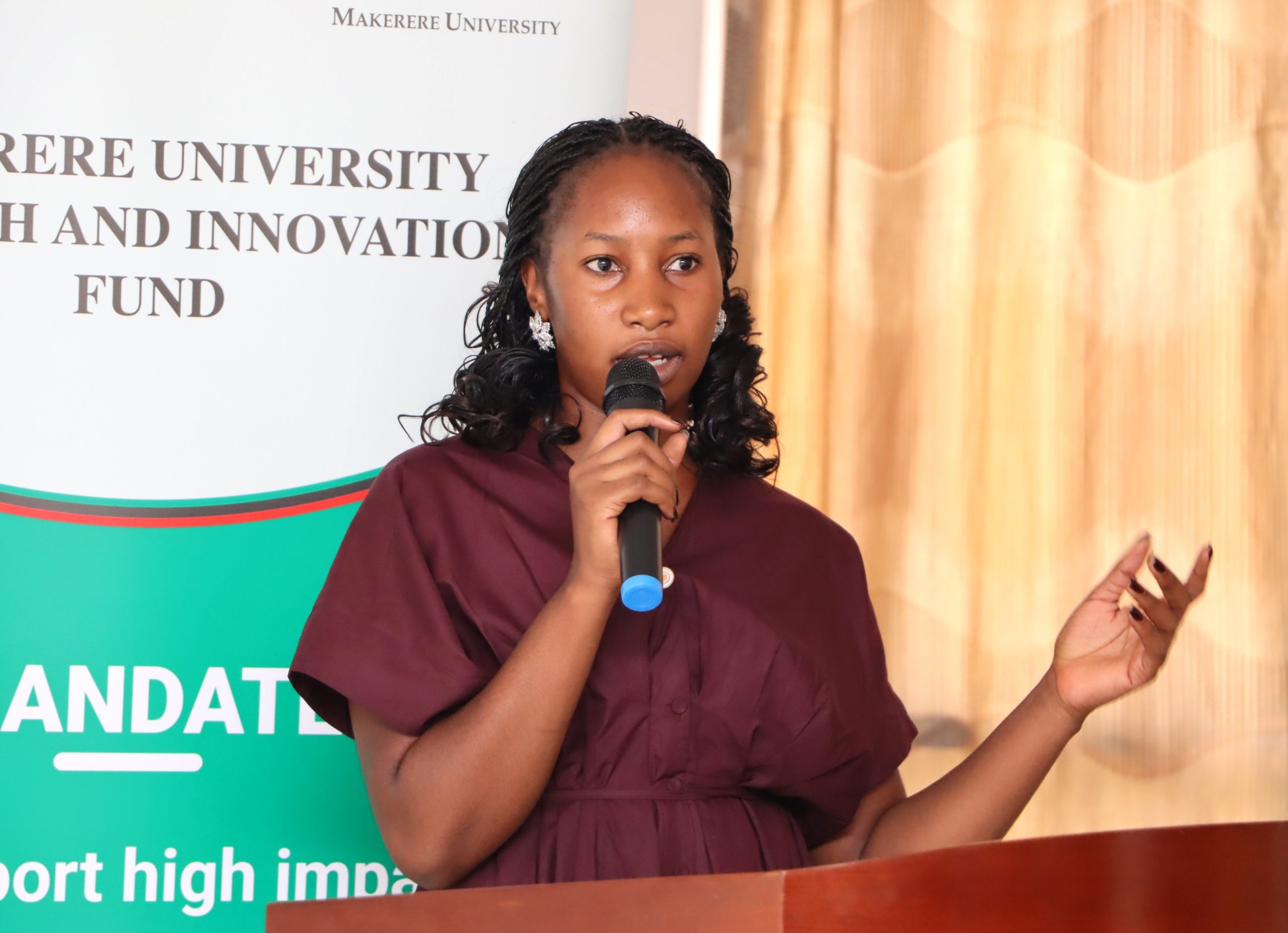
Human activities, including deforestation, industrialization, methane emissions from livestock, transport, and resource extraction, have compounded natural factors, contributing to rising temperatures, land degradation, loss of biodiversity, food insecurity, and increased vulnerability to diseases.
Mitigation and Adaptation Approaches
To address climate change, Nalweera outlined two main strategies. Mitigation tackles the root causes by reducing greenhouse gas emissions, conserving forests, creating carbon sinks, and promoting energy-efficient technologies while Adaptation focuses on adjusting to the impacts, including the use of drought-resistant crops, resilient infrastructure, early warning systems for disasters and climate-smart agriculture.
“Uganda is moving toward adaptation because climate change is already a reality. Adaptation reduces vulnerability, enhances resilience, and supports sustainable livelihoods,” she said.
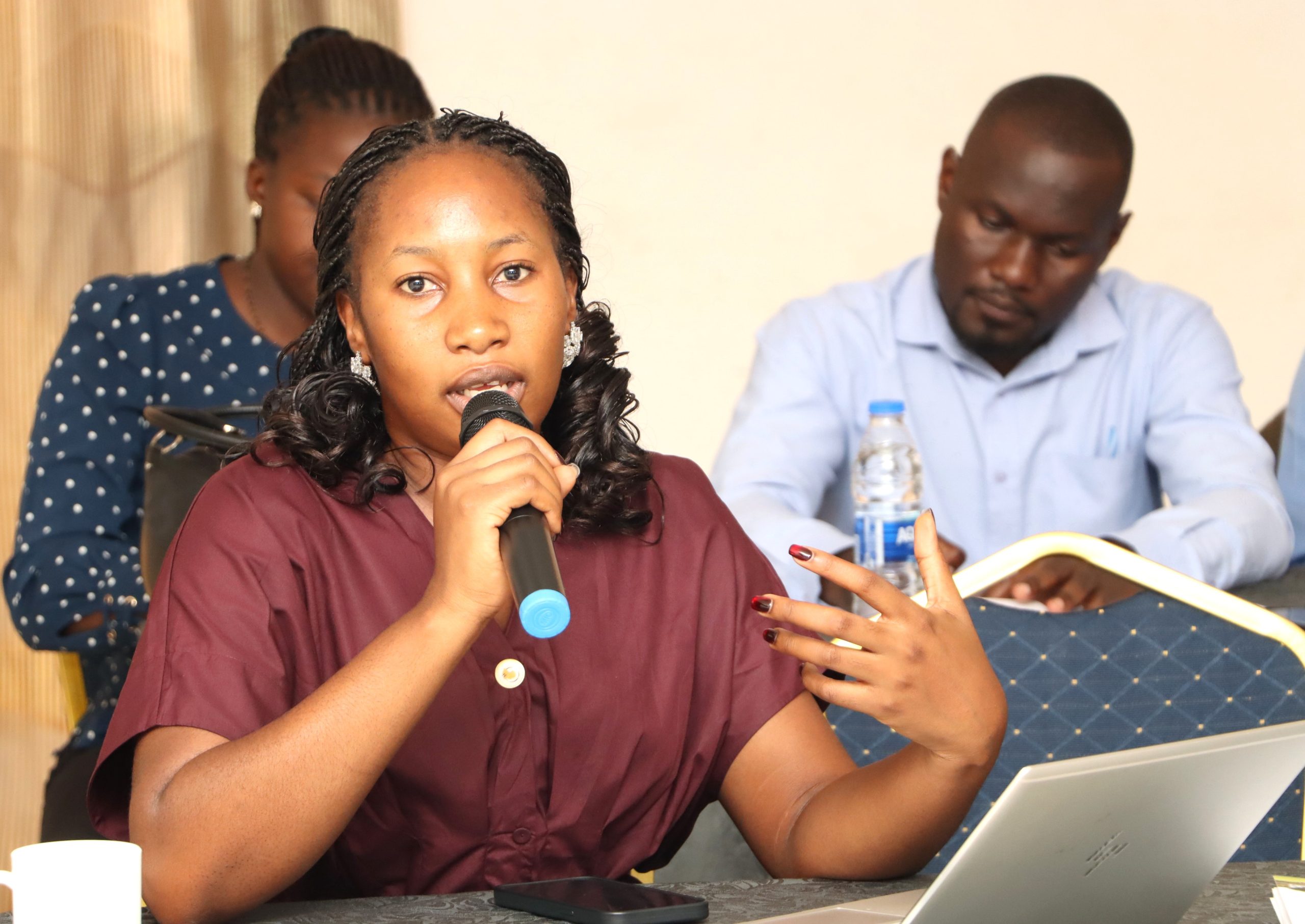
Nalweera highlighted climate-smart agriculture as a key tool for both adaptation and mitigation. Techniques such as agroforestry, improved composting, energy recovery from waste, and drought-resistant crops help communities maintain productivity while reducing environmental impact.
“Through climate-smart agriculture, farmers can increase productivity, protect the environment, reduce greenhouse gas emissions, and improve household incomes,” she said.
The session concluded with participatory exercises, where officers were encouraged to reflect on climate changes in their districts, identify local adaptation measures, and propose policy interventions. Nalweera stressed the importance of integrating climate risks into district development plans to ensure that communities are prepared for both current and future impacts of climate change.
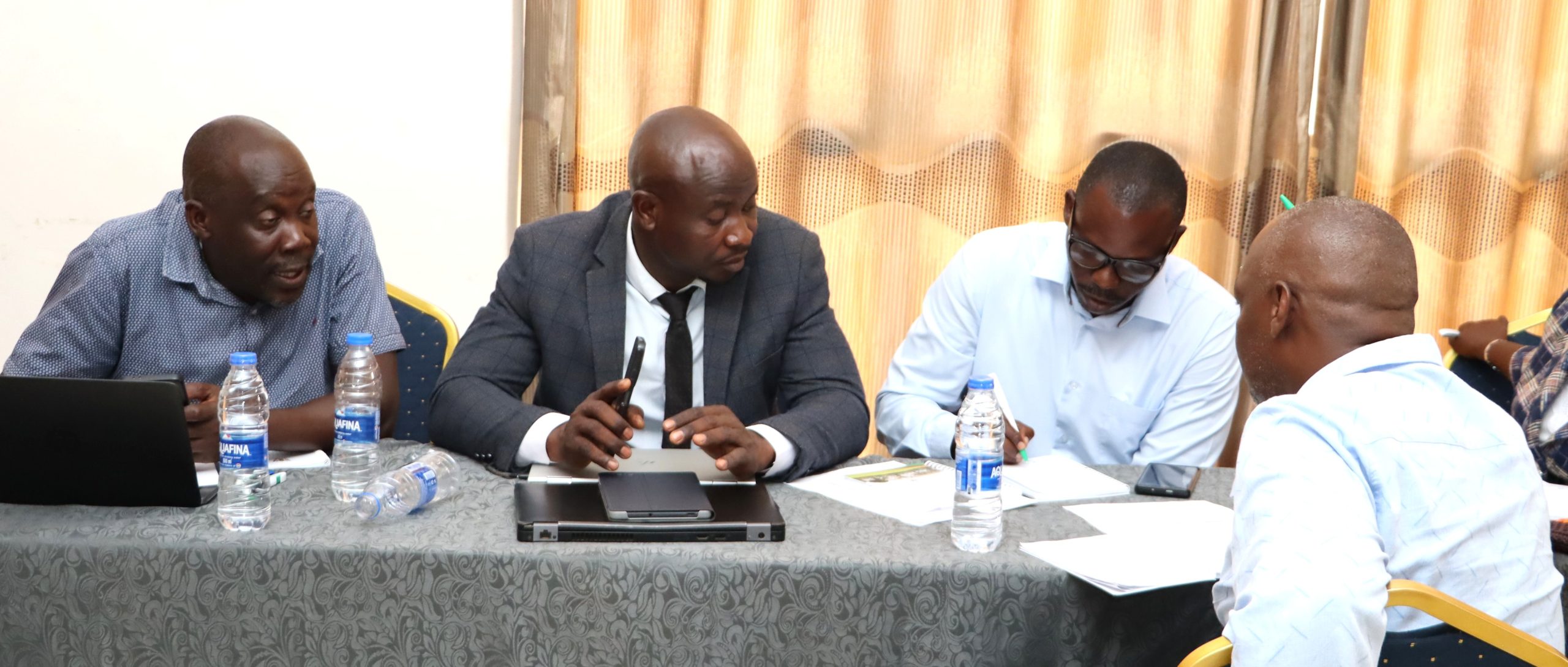
“Adaptation and mitigation must go hand in hand. Practical solutions, community engagement and informed policy decisions are key to safeguarding livelihoods, enhancing resilience, and promoting sustainable development,” she said.
District Officers Laud Training
District environmental officers praised the training highlighting the relevance of the training to their day-to-day responsibilities and the need to integrate environmental considerations into district development planning.
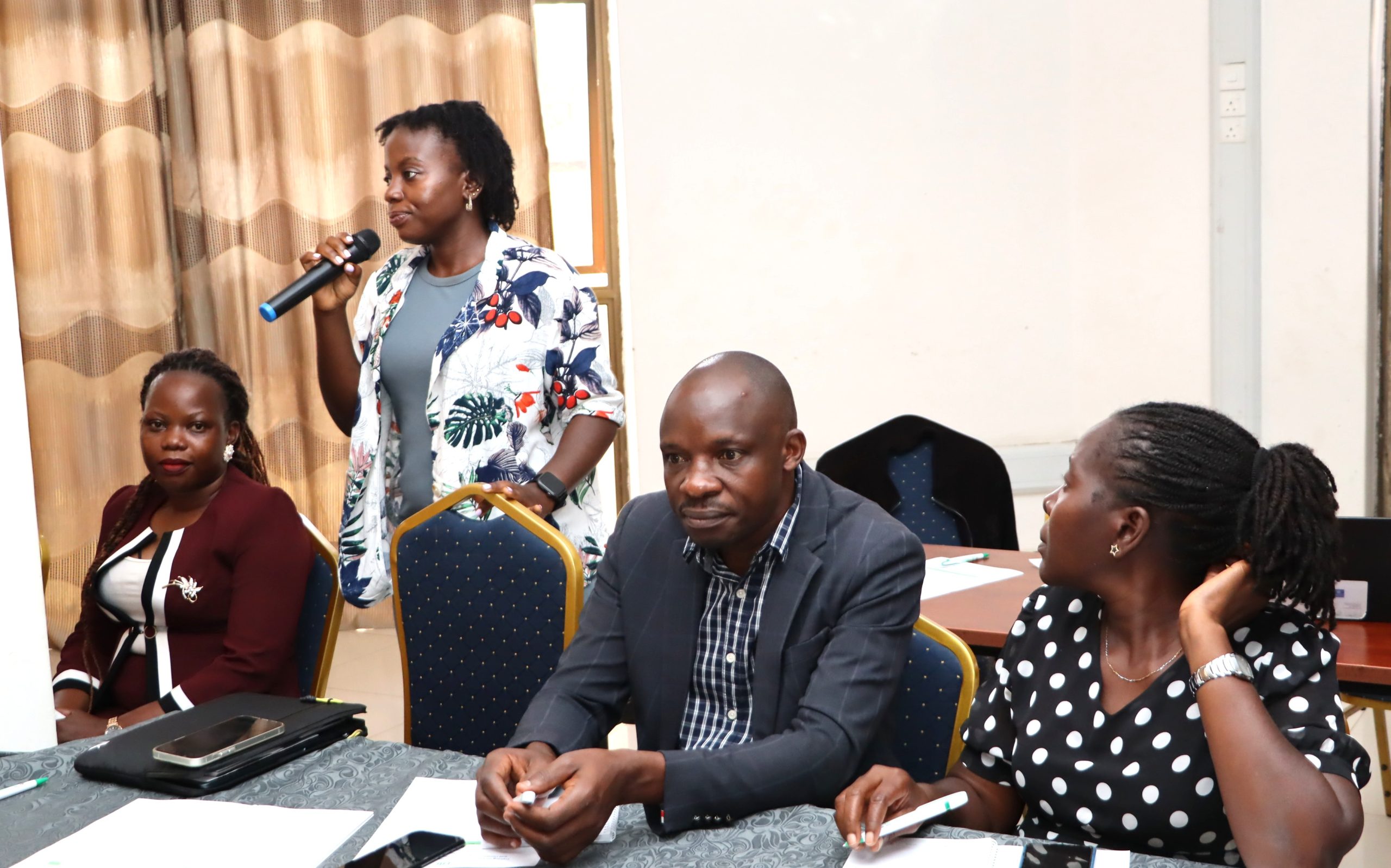
Nakayenze Anna, Head of Natural Resources in Mbale District, noted, “This training has been very beneficial. It has highlighted the government’s commitment to integrating environmental reporting into our frameworks. For local governments, we now understand the importance of having the right data to inform reporting and service delivery. The challenge, however, remains in building capacity to collect and manage such data across sectors. This training is an opportunity to rethink our structures and strengthen environmental management at the district level.”
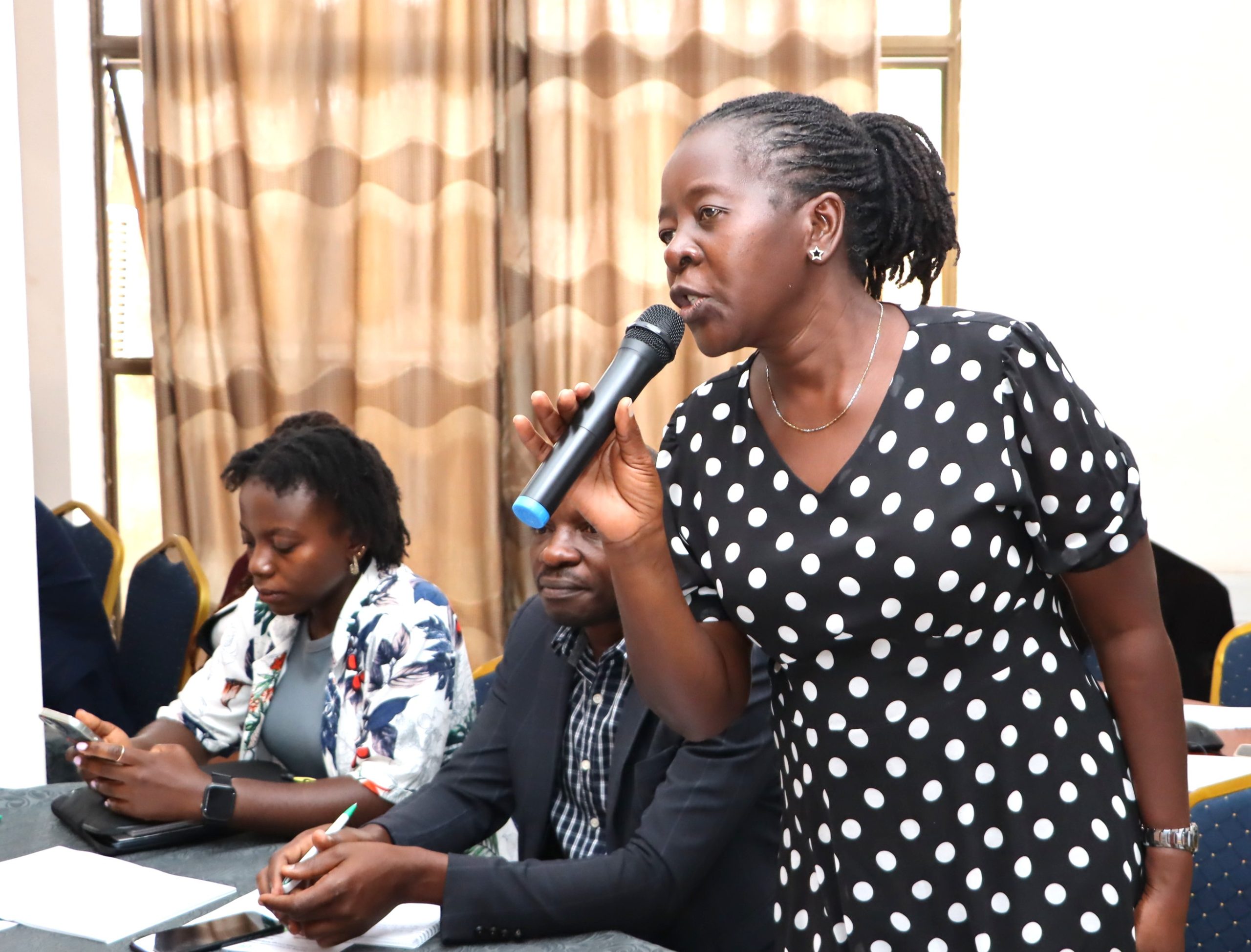
Similarly, Maganda Moses, Principal Environment Officer from Jinja District, emphasized the need to attach economic value to natural resources. “We have forests, wetlands, and Lake Victoria, but for a long time, we haven’t attached economic value to these resources. This training has shown us the importance of valuing natural resources to convince policymakers and funders to support their protection. Local governments must step forward to mobilize resources to safeguard these critical assets,” he said.
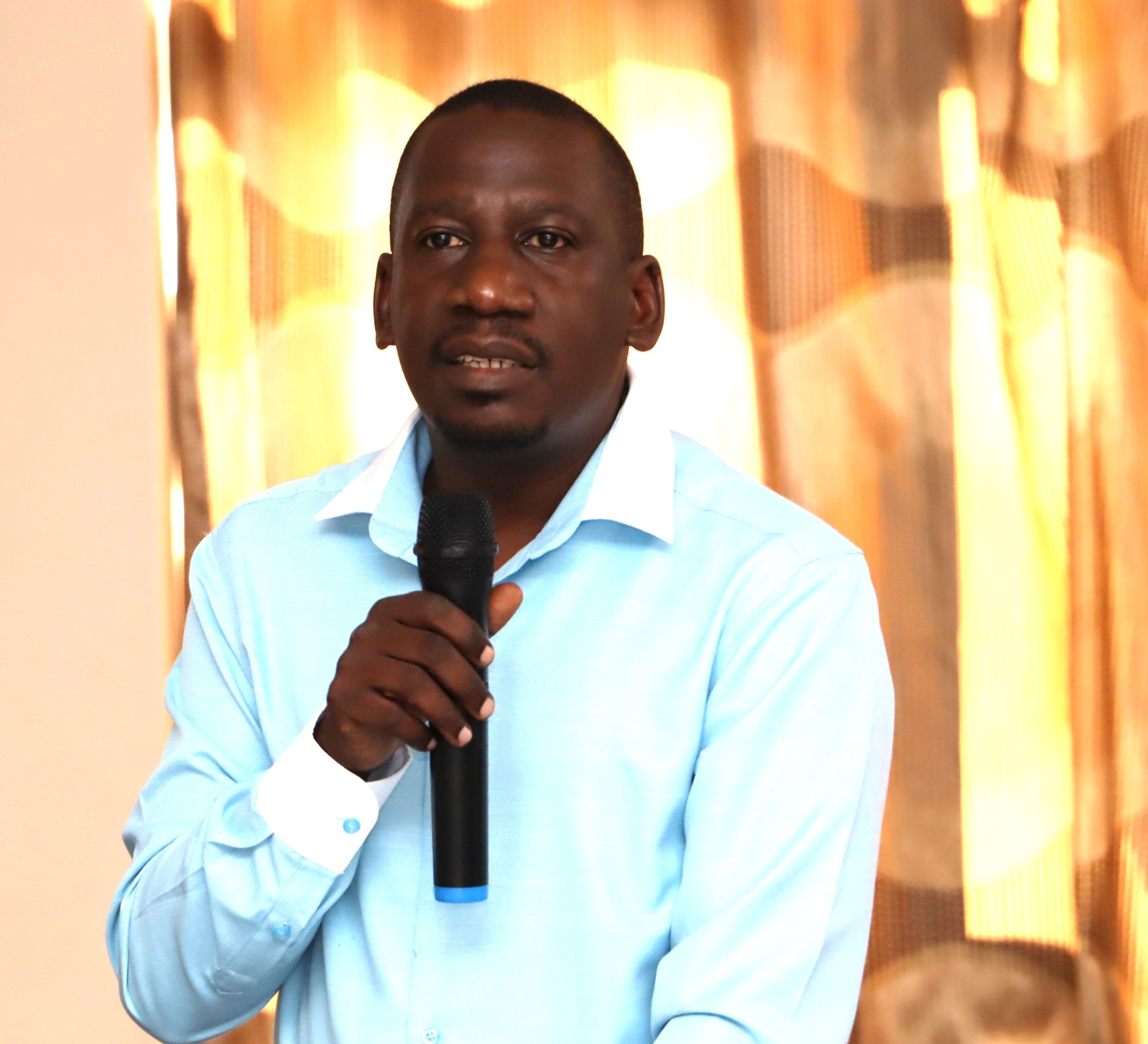
In Kapchorwa District, Chelimo Salim, Environmental officer, reflected on applying the knowledge in the field. “We have learned about environmental evaluation, valuation, and climate change mitigation and adaptation. I will take this knowledge back to Kapchorwa to encourage communities to conserve the environment, plant trees and protect wetlands,” he said.
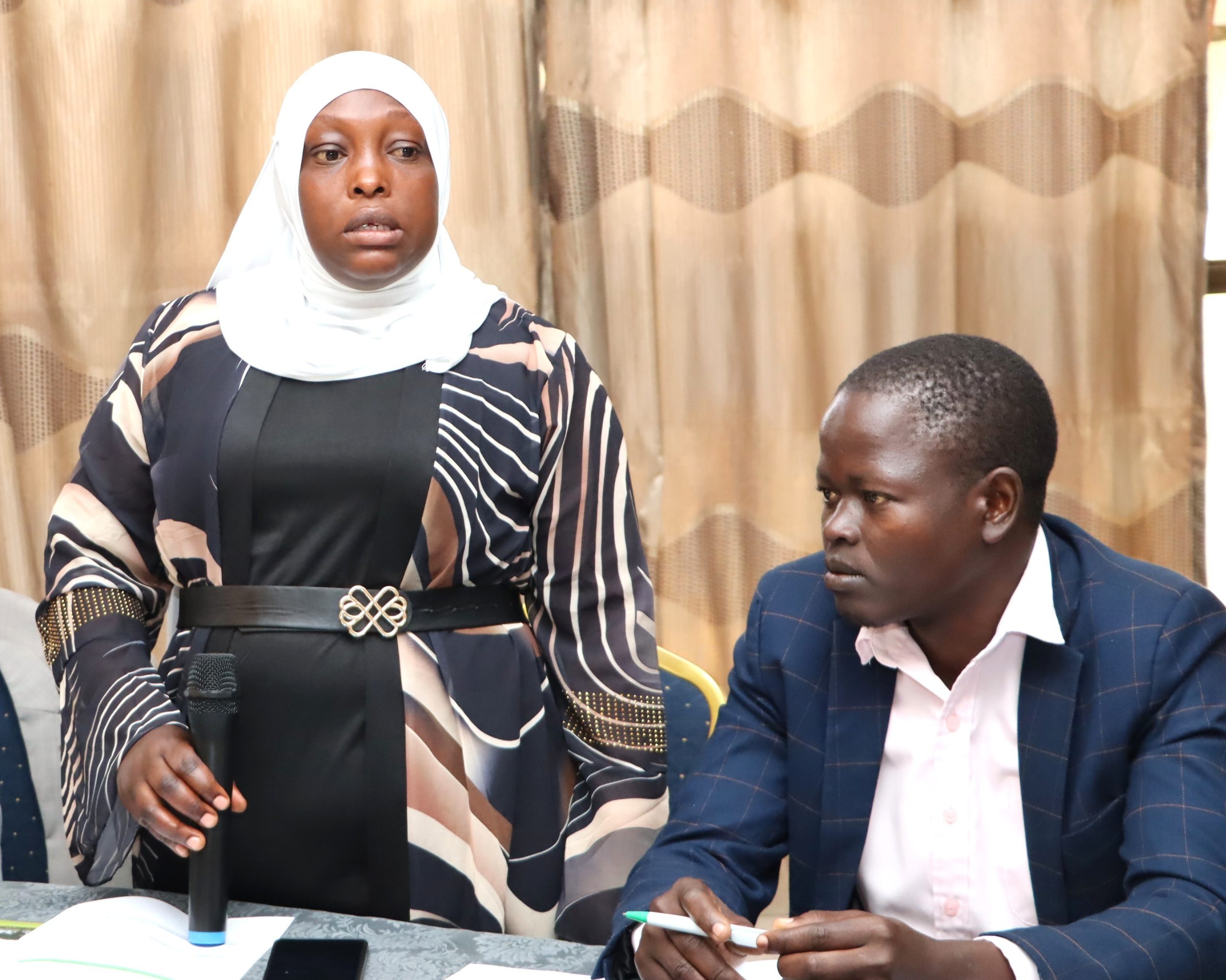
Florence, District Environment Officer in Iganga, also appreciated the practical approach of the training. “I have learned more about adaptation responses to climate change. The training was very appropriate, though I wish it could have been a little longer to allow more in-depth learning,” she said.
Edwin Masheta, a Planner in Iganga District, added that the training clarified the distinction between weather and climate. “Communities often confuse weather with climate change. This training has given me a long-term perspective, particularly on mitigation and adaptation measures. While adaptive behaviors are still limited in many communities, I believe initiatives like this will drive meaningful change at the local level,” he said.
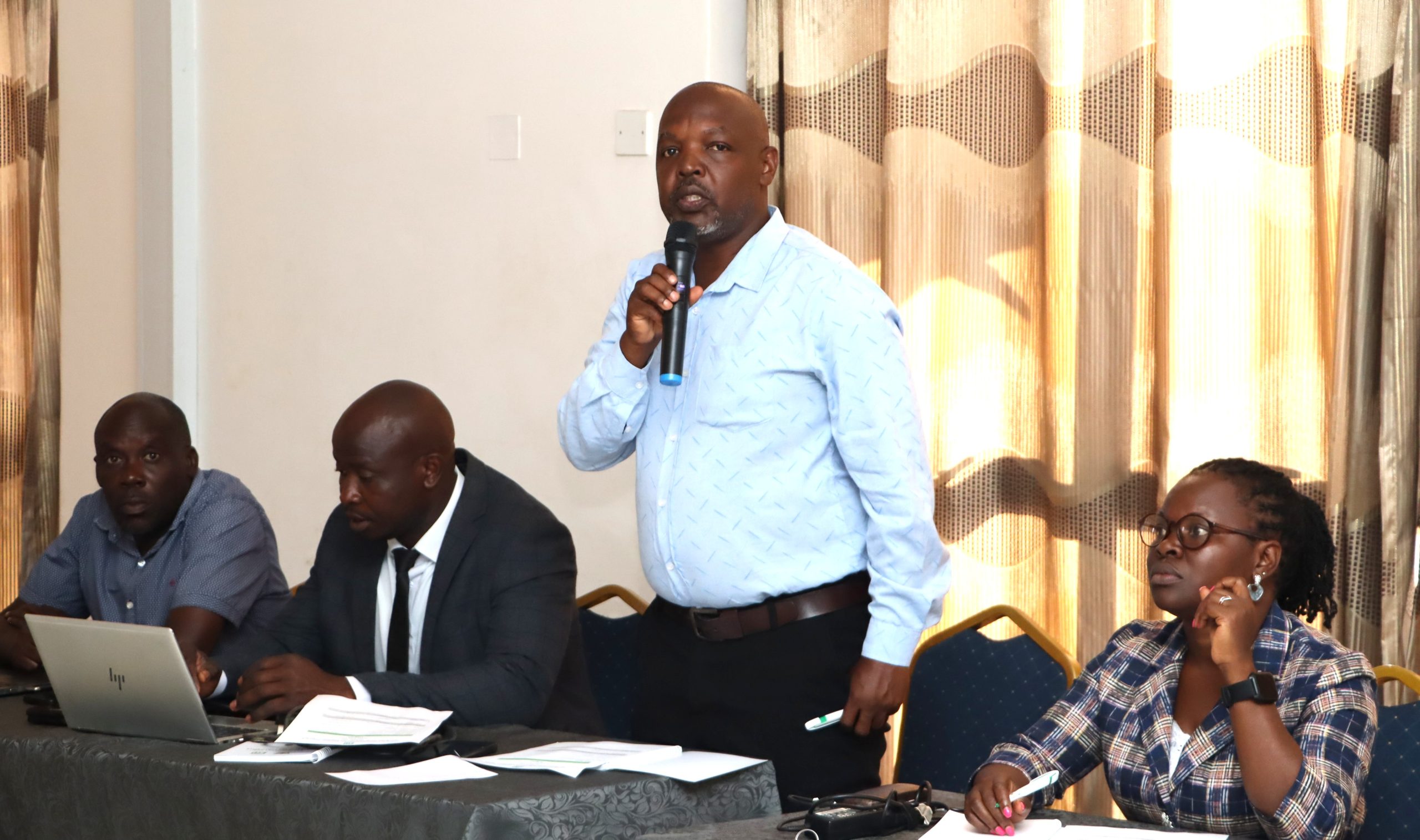
Participants agreed that the training will inform their future planning and implementation of environmental policies, emphasizing the need for more structured capacity-building initiatives to strengthen local government roles in environmental governance.
End
-

 General2 weeks ago
Application for Admission to Graduate Programmes 2026/27
-

 General2 weeks ago
Mastercard Foundation Scholars Program at Makerere University Celebrates the Last Cohort of Phase One Graduates
-
 Agriculture & Environment2 weeks ago
CPUg Project Equips Waste Management Personnel with Essential Skills
-
 Veterinary & Biosecurity2 weeks ago
From Classroom to Cattle Farms: Makerere Unleashes 100+ Job Creators in Bold Skills Revolution
-
 Health2 weeks ago
Mak Transitions $100 Million Digital Health Systems Assets to Health Ministry