
Agriculture & Environment
Universities urged to embrace AI for climate change adaptation and mitigation

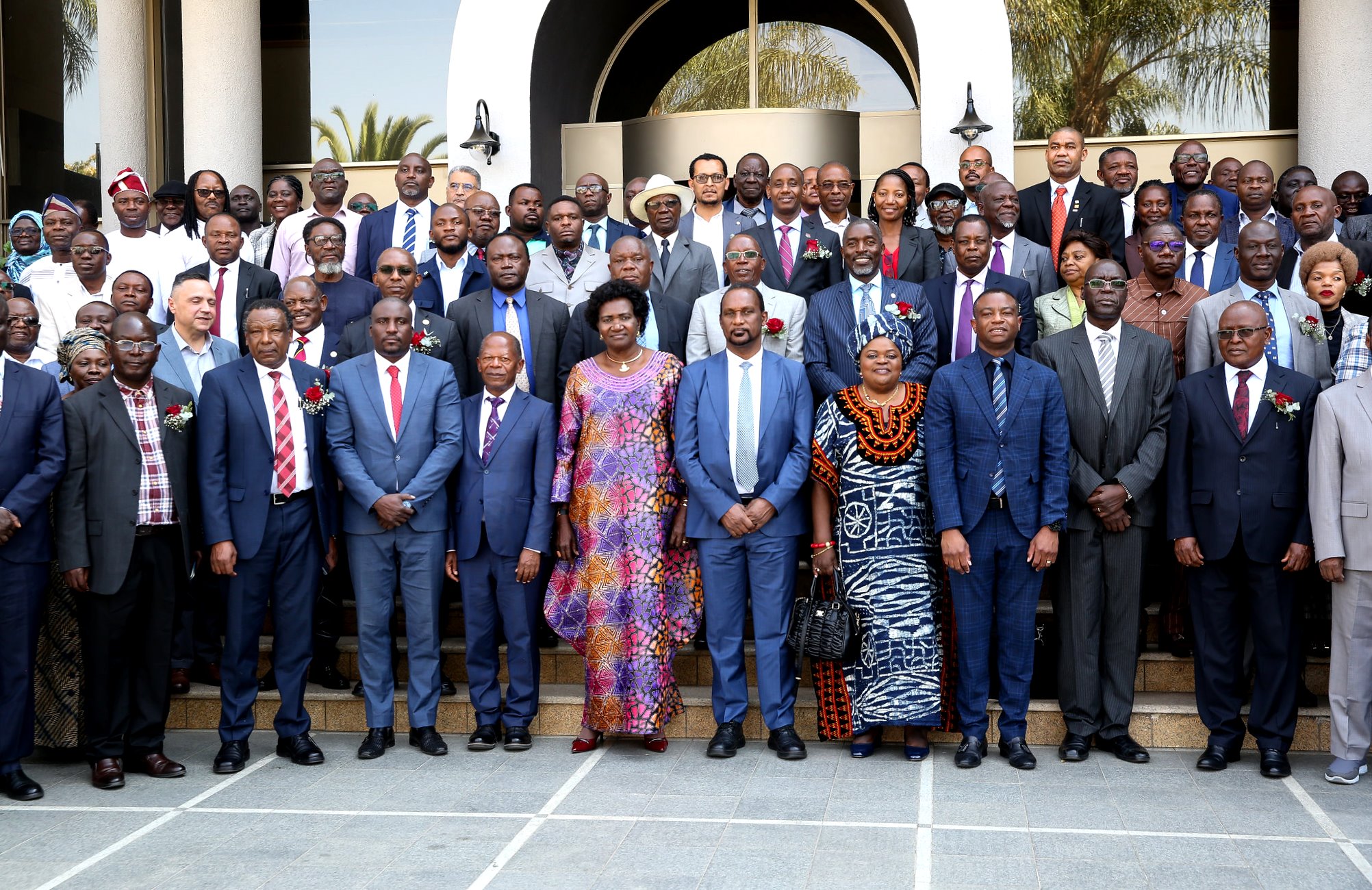
African universities have been challenged to harness the power of emerging digital technologies such as Artificial Intelligence (AI) to transform the agricultural sector and mitigate the effects of climate change on the African continent.
Agriculture is the major source of livelihood in most African countries yet it is one of those that are most-affected by climate change. Faced with this challenge, universities, farmers and communities should embrace digital technologies in farming and livestock production and management.
In addition, the use of digital technologies would not only contribute to the transformation of the agriculture sector, but also make the sector interesting and attractive to the young people constituting 60% of the total population in Africa.
These deliberations featured prominently at the second RUFORUM Triennial Conference from 12th to 16th August 2024 held in Windhoek, Namibia specifically during the Scientific Session under the theme; ‘AI and Climate Change’ and another scientific session on ‘Emerging Issues-Digitization of Education.’
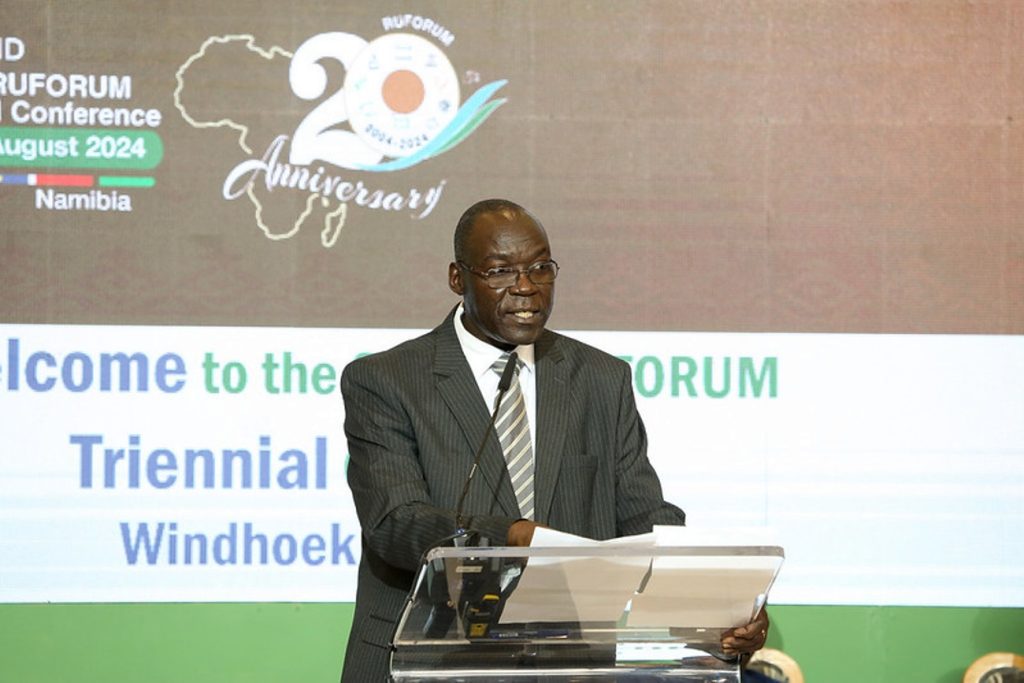
The Regional Universities for Capacity Building in Agriculture (RUFORUM), which consists of 170 African countries and 40 universities in Africa, seeks to facilitate the creation of vibrant transformative universities catalyzing sustainable development inclusive agricultural development to feed and create prosperity for Africa.
At the strategic level, participants noted that AI was a reality that had come to stay, which necessitates Universities to come up with policies to integrate AI into teaching and learning, research, and knowledge transfer.
This strategic approach was re-echoed by Prof. Patrick Okori, the Executive Secretary of RUFORUM, when he said: “Universities should focus on the integration digital technology in all processes. Digital technology should enable universities, farmers and communities to share information, knowledge and skills to enable the transformation of the agricultural sector.”
Prof. Okori emphasized that digitization of agriculture should be inclusive with the young people, women, persons with disabilities and refugees empowered to participate in the various chains within the agricultural sector.
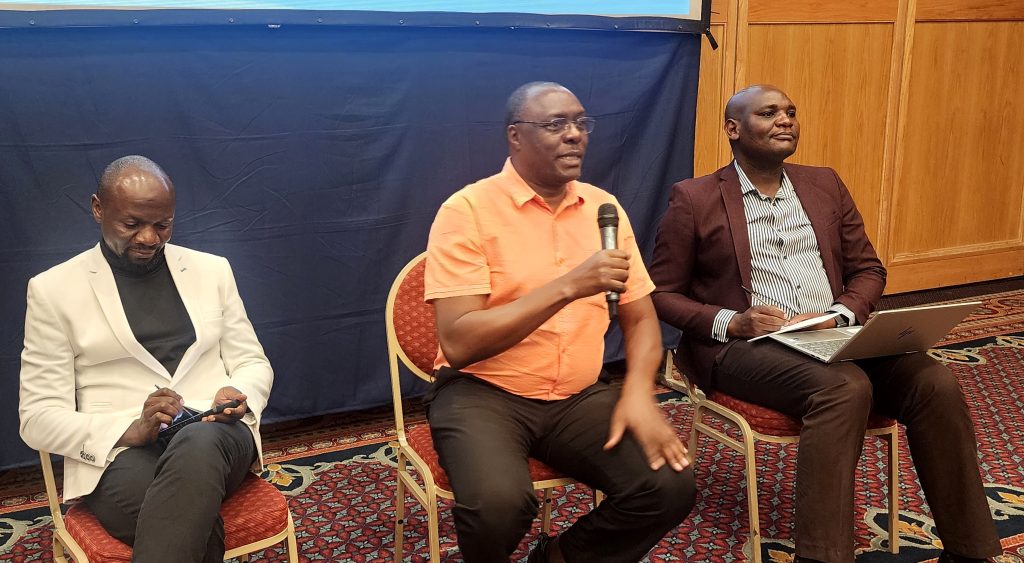
During these interactive sessions, participants also discussed some fears about digital technologies such as AI. These include: overdependence on AI reduces critical thinking of students and learners in general; AI puts the credibility of the learners in balance-how do you detect lies; using AI and upholding the ethical standards in research, teaching and learning. There was also a serious fear of losing jobs due to AI.
The Vice Chancellor of Jomo Kenyatta University of Agriculture and Technology in Kenya, Prof. Victoria Wambui Ngumi, reminded participants that there was need to be frank and accept that the young people (Gen. Z) were ahead of their teachers in AI applications and usage.
Responding to the Vice Chancellor’s revelation (real life scenario), the Dean School of the Built Environment at Makerere University College of Engineering, Design, Art and Technology, Dr. Anthony Gidudu, noted that universities should invest resources to bridge the gap between the digital experts and the digital migrants. This involves committing to a deliberate effort to train and re-tool the human resources in the respective universities.
Noting the niche of Jomo Kenyatta University of Agriculture and Technology, which is anchored in hands-on training, the Vice Chancellor sought guidance from the researchers, panelists and participants on the viability of applying AI and practical courses in the conduct of hands-on training.
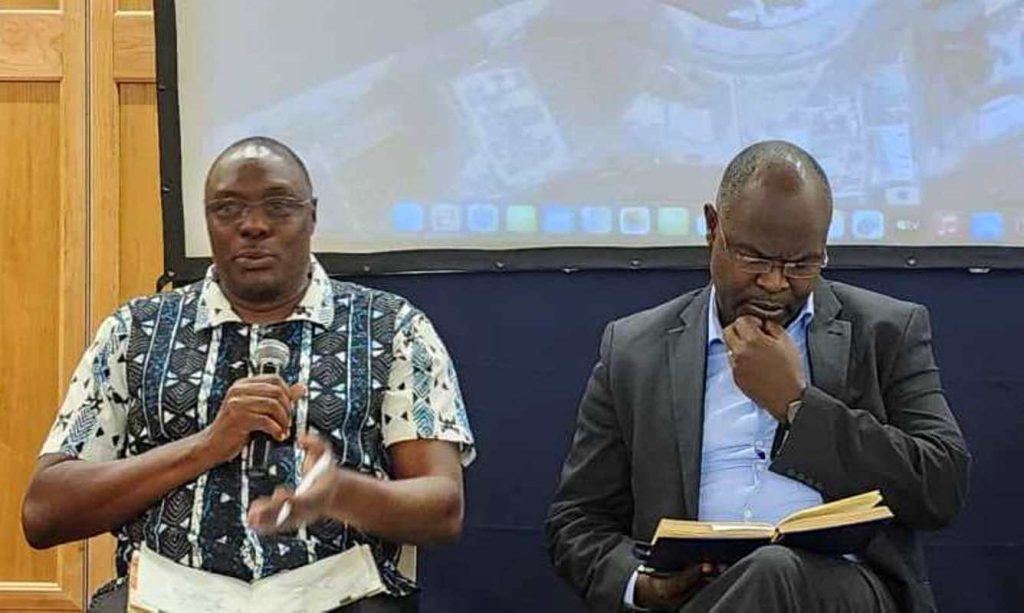
In his response, Dr. Gidudu revealed that AI is not an end in itself as human beings are still in control with ability to conduct research that informs AI applications and processes. He pointed out that in the various presentations focusing on research conducted by researchers from Makerere University, AI applications are informed by researchers. The researchers were on ground, undertook field studies, interacted with the farmers and community leaders. Using a real-life example, Dr. Gidudu explained that whereas an airplane uses technology and AI to advance into space, the pilot (a human being) takes charge.
Responding to the fear of losing jobs, Ketshepileome Matlhoko from the University of Free State, said: “We have to face the reality. AI will not take away your job, but an individual who knows AI will take away your job.”
On the issue of credibility, ethical standards and detection of lies, the participants agreed that universities should come up with policies on using AI ethically. For instance, there should be a point of caution in regard to overdependence on AI. “Humans must not be over dependent on AI. They must be able to make decisions that override the AI decisions,” he said.
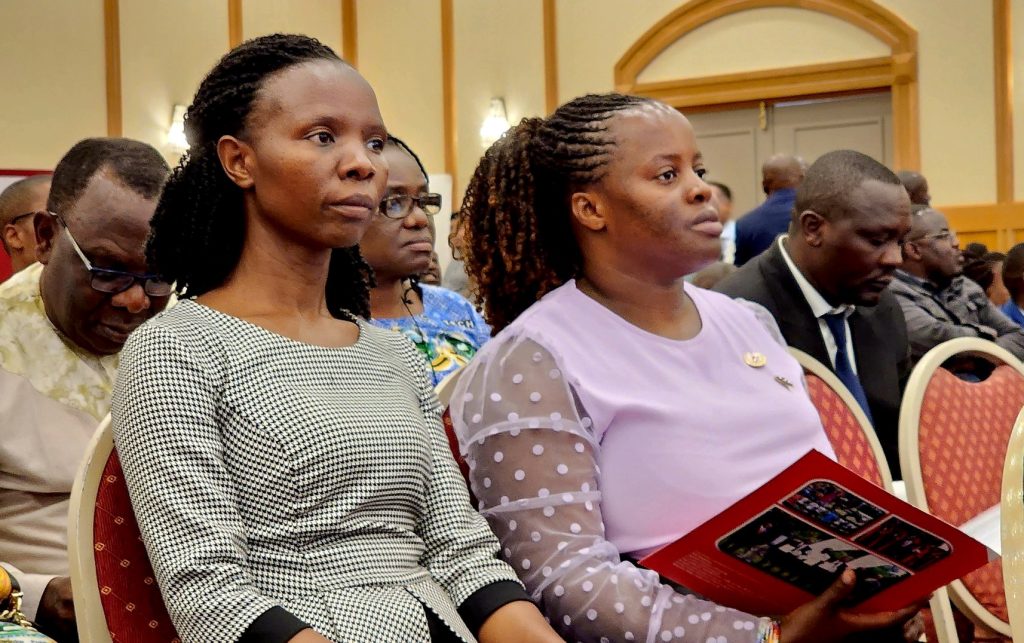
Prof. Isa Kabenge, a researcher at Makerere University College of Agricultural and Environmental Sciences, assured participants that AI presents an opportunity to universities to enhance research and contribute to changing livelihoods. Noting that Makerere University runs an artificial intelligence laboratory under its College of Computing and Information Sciences, Prof. Kabenge disclosed plans by Makerere University researchers to team up to establish an AI Innovations Hub, aimed at integrating AI into agricultural management.
In his presentation, Prof. Kabenge demonstrated research that involved the use of AI to monitor and track livestock production. AI models such as the Cattle Detection Model and the Cattle Identification Model provide real-time information to farmers and researchers. In the area of livestock farming, Prof. Kabenge plans to use AI in livestock health monitoring, pasture characterization and management, livestock behavior monitoring.
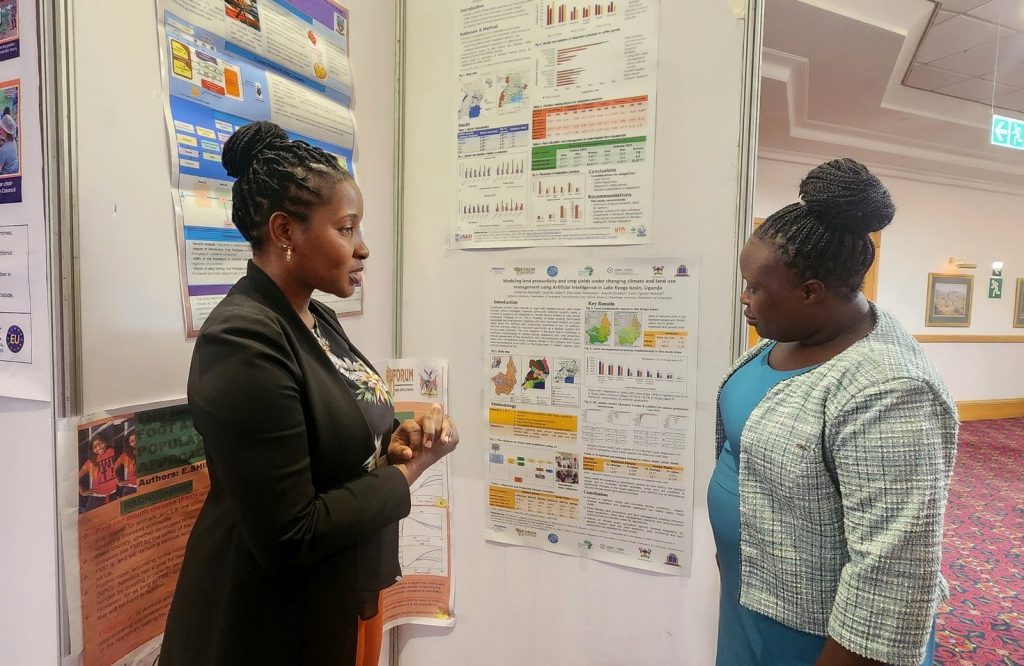
Dr. Catherine Mulinde, a researcher from Makerere University College of Agricultural and Environmental Sciences, explained that maize is one of the crops affected by climate change. She presented research on modelling land productivity and crop yields under changing climate and land use management using AI. Focusing on the maize farmers in the Kyoga Basin, Dr. Mulinde noted that AI informed their research on the productivity of land and the determinants of the productivity of maize. Despite the rampant land fragmentation issues, inorganic and organic fertilizers as well as pesticides application had a positive impact on the maize production.
In a presentation titled; Remote Sensing as an enabling technology for agriculture, Dr. Anthony Gidudu demonstrated the use of satellite imagery to develop products and services through remote sensing to transform the agricultural sector. Focusing on AI and future research prospects, Dr. Gidudu said: “Remote sensing: use satellite imagery and drone data (earth observation) combined with AI to create detailed maps of crop health, soil moisture and nutrient levels. AI algorithms can process this data to provide real-time recommendations for site-specific management.”
Focusing on the digitization of education, Dr. Drake P. Mirembe from Makerere University College of Computing and Information Sciences, rallied universities and participants to change from the traditional methods of learning to embrace the student-centered and problem-based approach, which involves knowledge co-creation by the teacher and learner. Dr. Drake P. Mirembe is also a Member of the National Taskforce on AI.
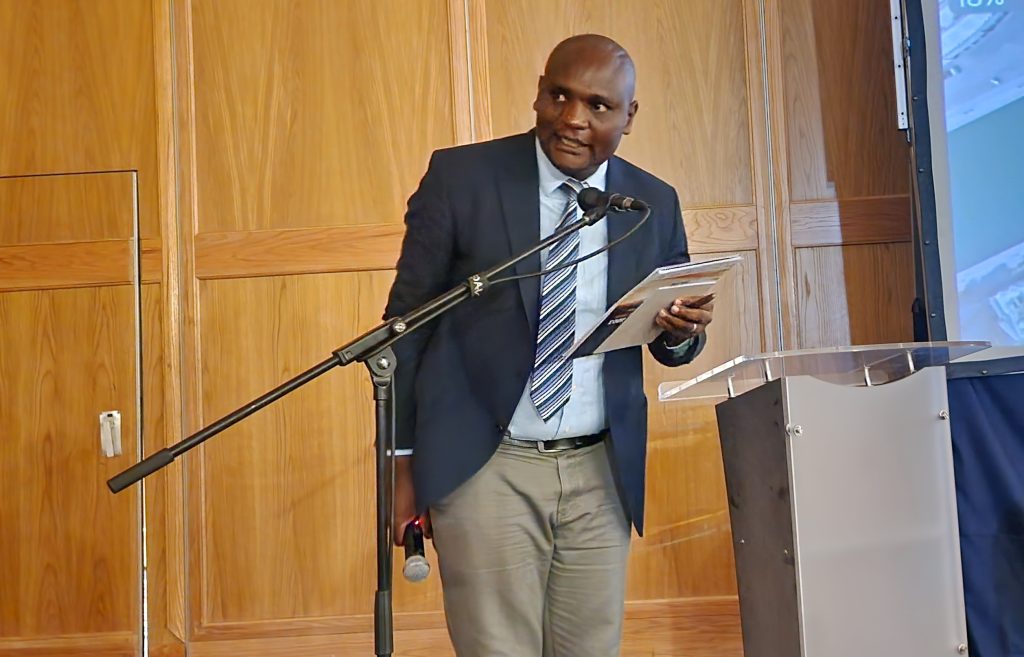
Prof. John W. Makokha from Kibabii University explained that the North Rift of Kenya has received intensive impacts of climate change. He then demonstrated the use of smart technology to predict climate change effects on terrestrial plant diversity and conservation for sustainable livelihoods in the North rift of Kenya. In this research, AI models through the North Rift Weather prediction system were designed for broader community adoption. It provides consistent data and advice on behavior of agricultural patterns.
As indicated through the presentations and demonstrations, the key message was that advances in technology such as AI should be adopted to contribute to the transformation of the agricultural sector. A multi-disciplinary approach to research should be undertaken to enable the different disciplines to enrich the application and usage of AI research and models. Engagement of farmers, leaders at the different levels and communities in general informs and enriches AI application and usage. Participants were informed that some of the AI areas for further research include: Investigation of how different agricultural practices affect land productivity and crop yields, studying the economic implications of adopting AI-based land use management strategies to farmers, integration of pest and diseases prediction and monitoring using AI; developing AI models for site-specific crop management to optimize inputs like water, fertilizers and pesticides, climate resilience and AI.







Agriculture & Environment
NbS4Tea Project Team Makes Great Progress, Deploys Drones for Data Collection

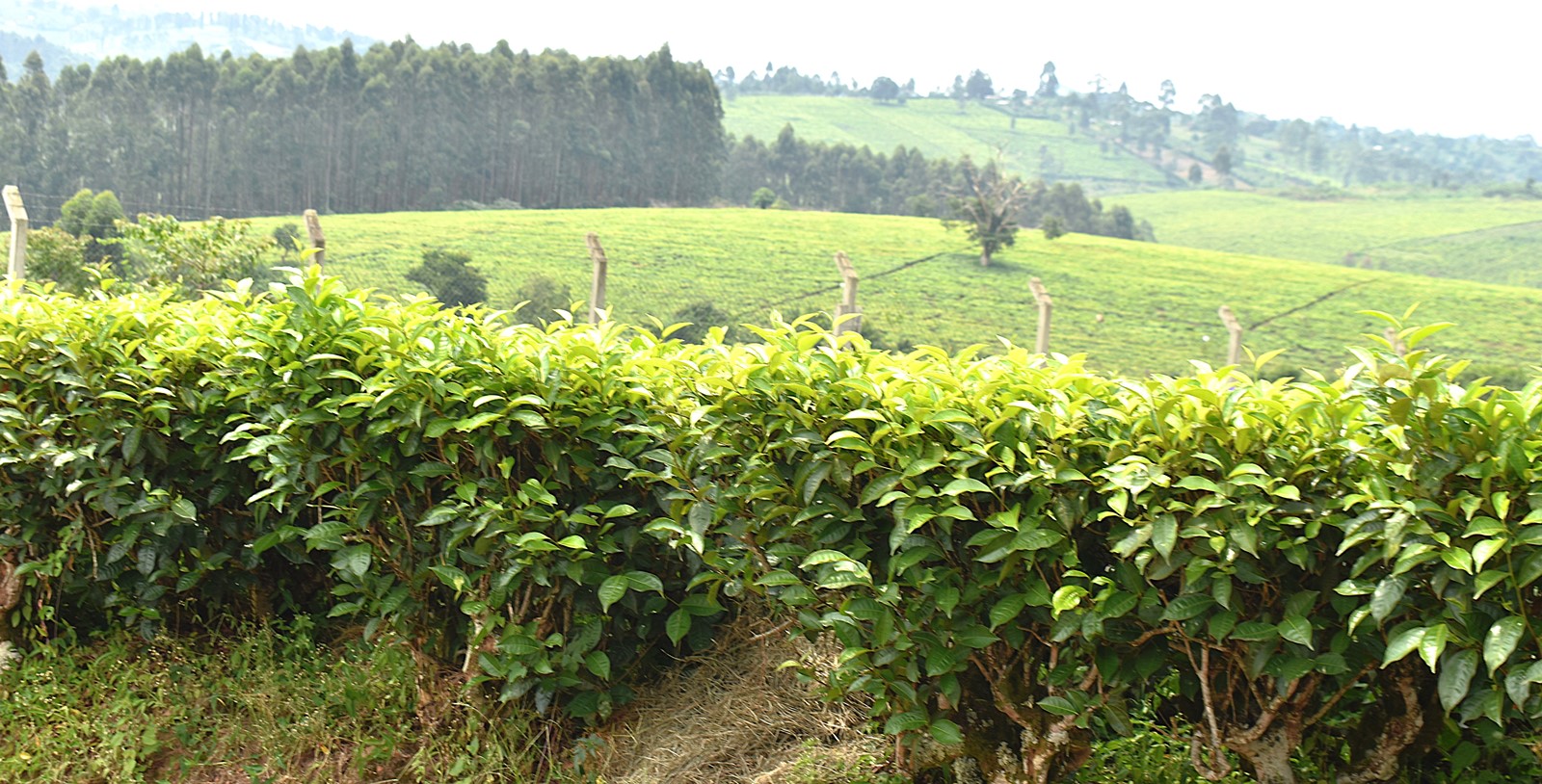
****Funded by the Danish Fellowship Centre under Denmark’s Ministry of Foreign Affairs, NbS4Tea is a five-year initiative aimed at enhancing climate resilience and tea productivity in Uganda.
Launch of drones for data collection
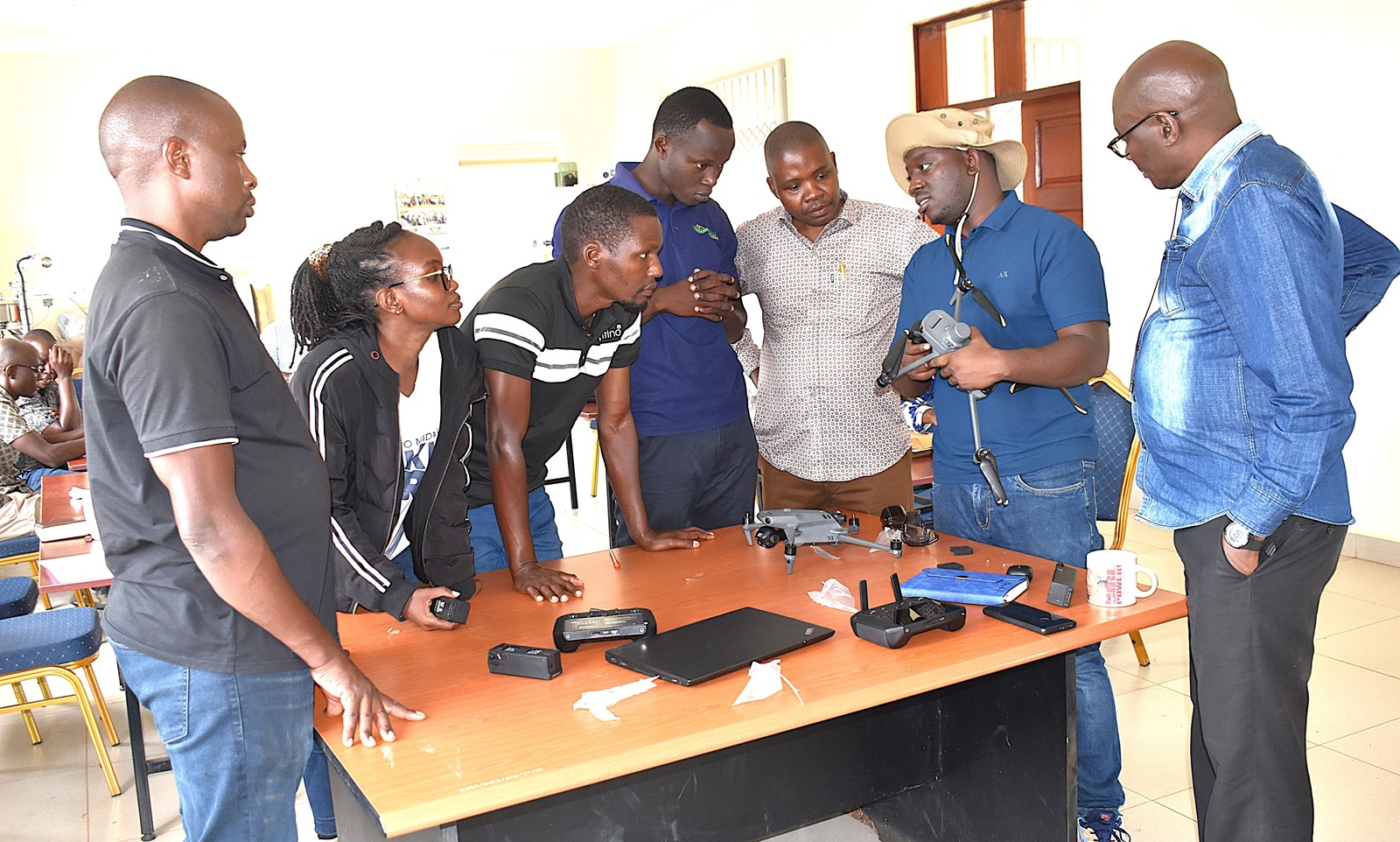
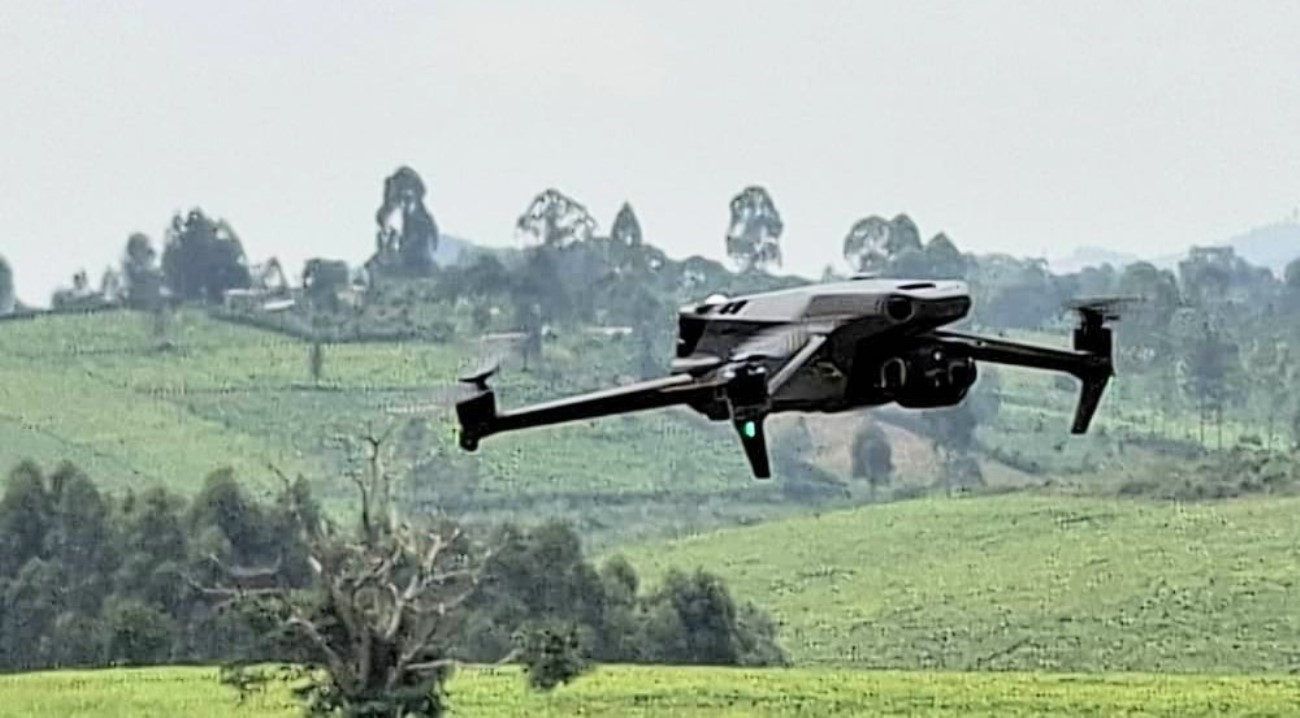
The Nature-based Solutions for Tea (NbS4Tea) project has registered a significant milestone with the successful deployment of drones to improve environmental and agricultural data collection.
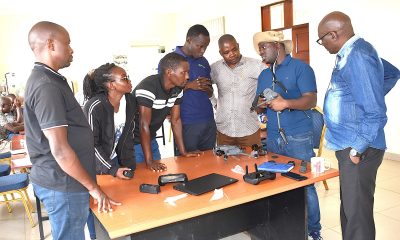
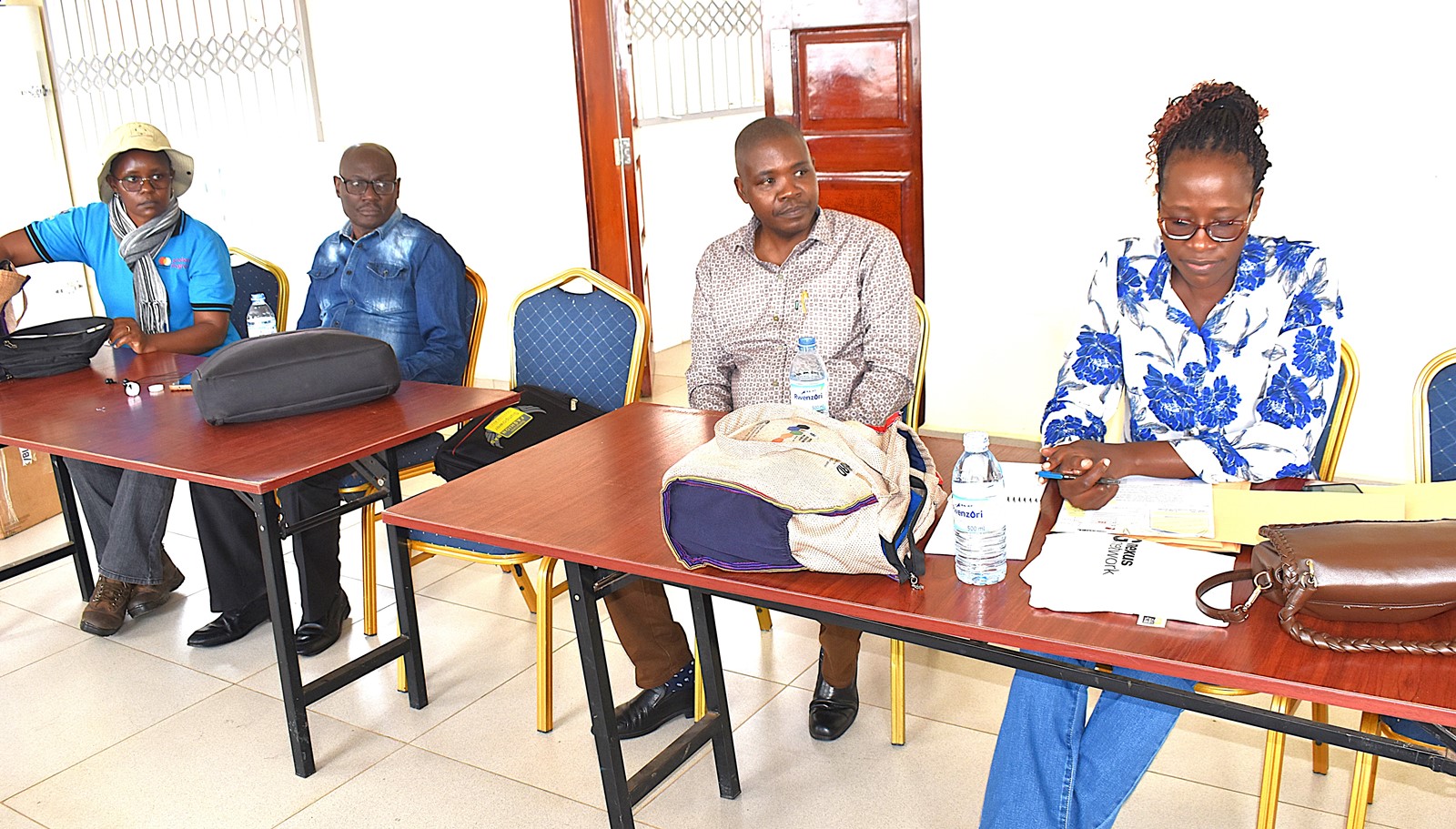
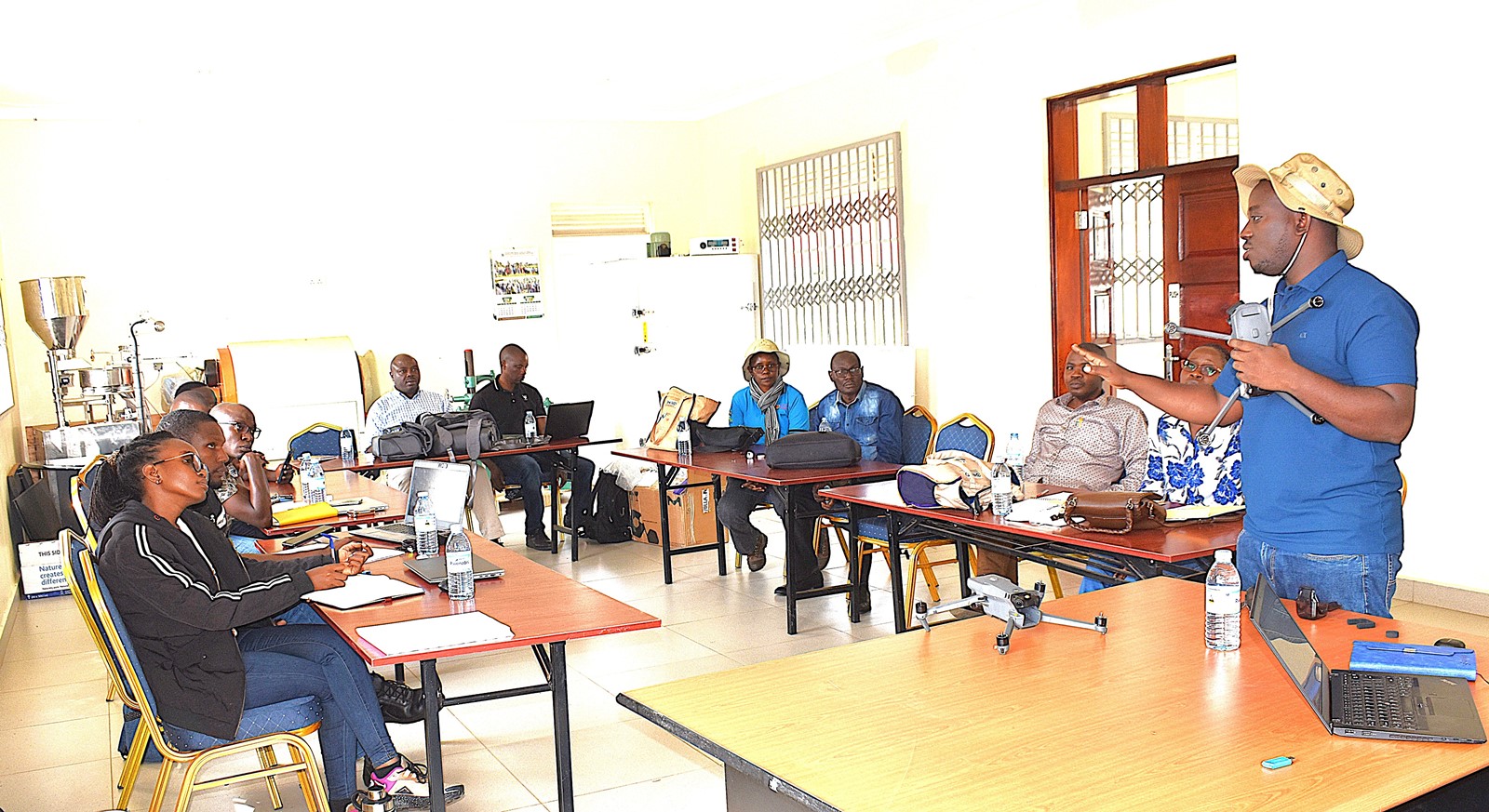
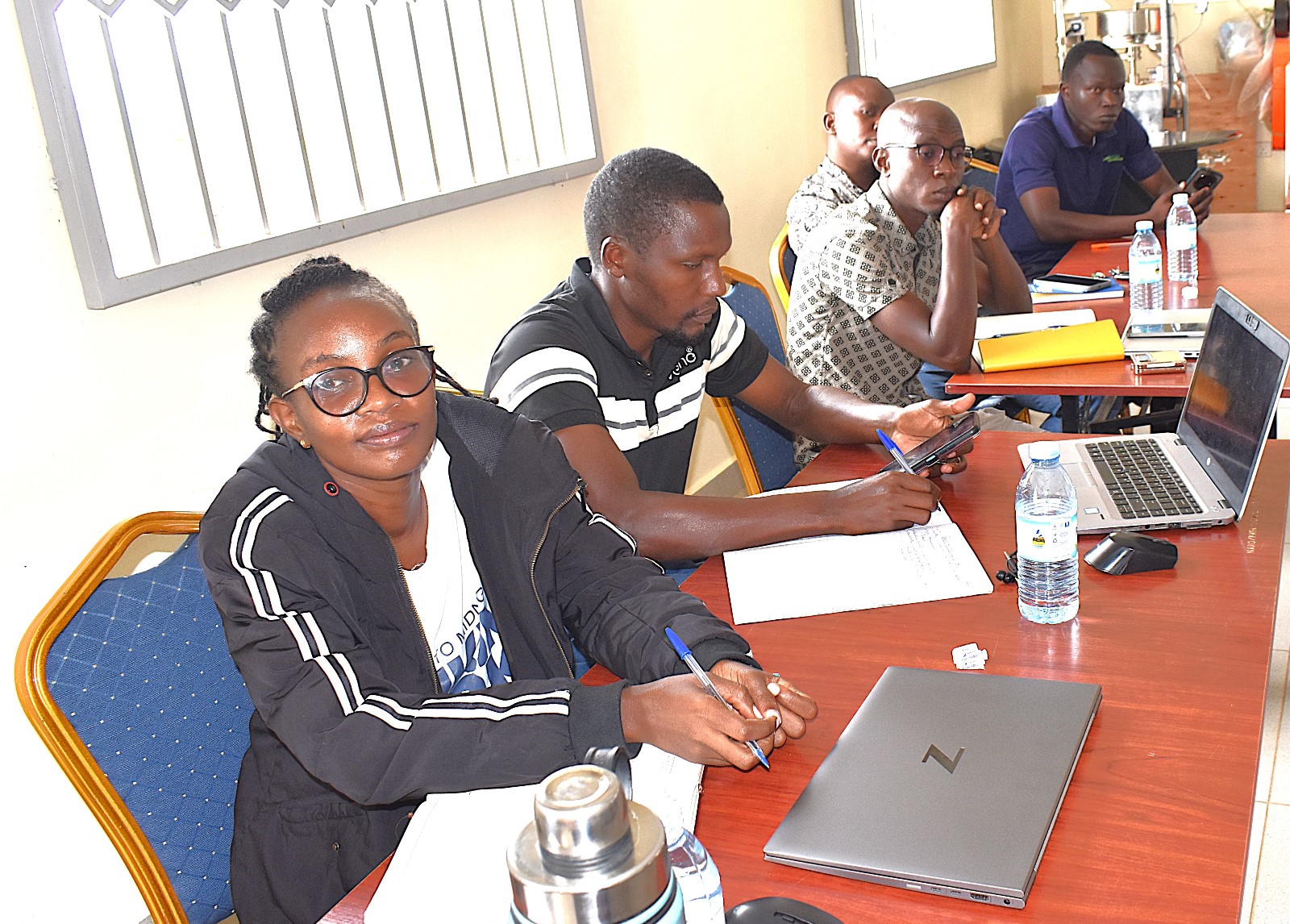
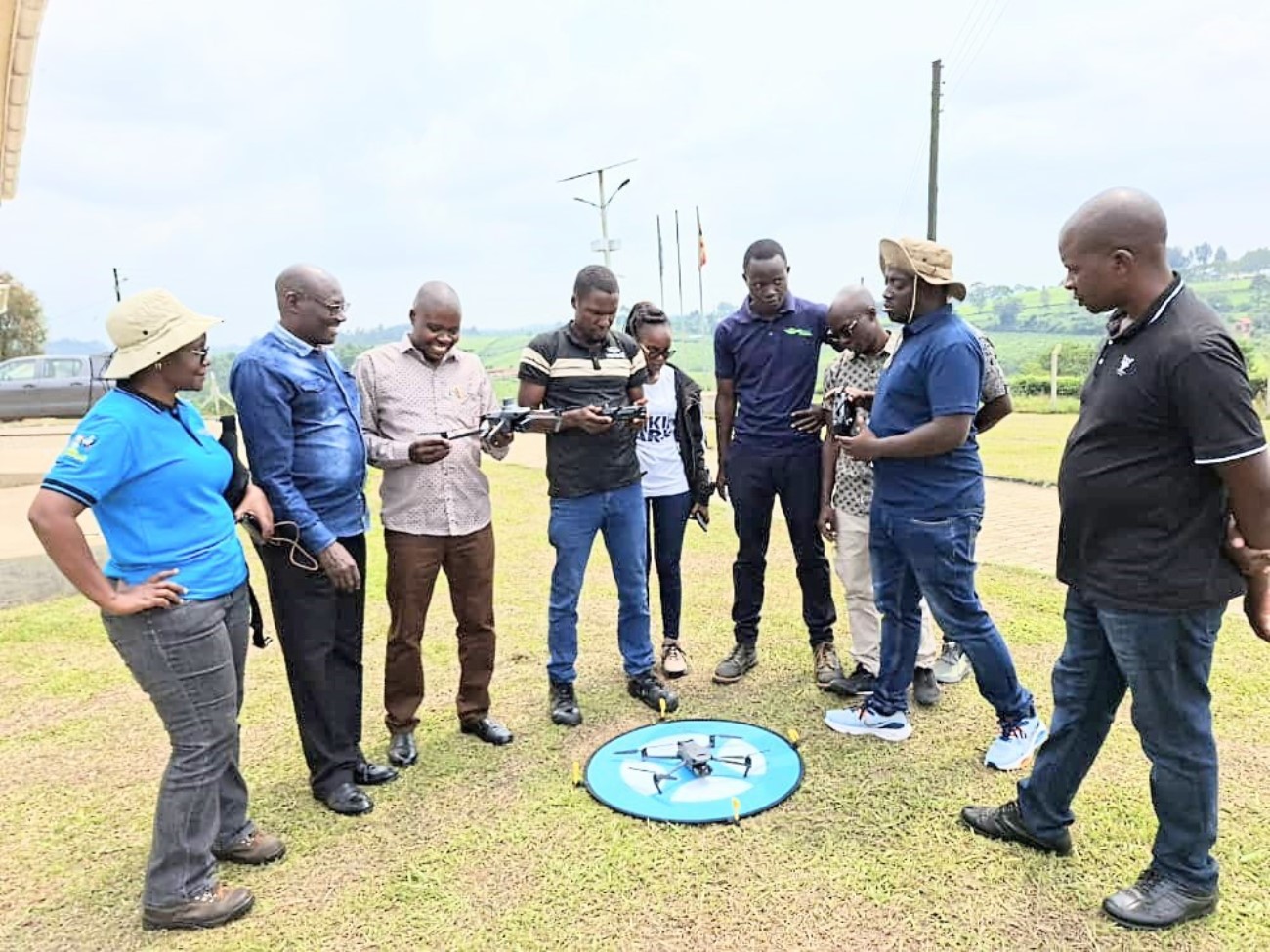
On 19th June 2025, the project team officially launched the drones at the Rwebitaba Tea Research Centre in Kyenjojo District, the project’s main research hub. The launch event included hands-on training sessions by Mr. Timothy Mutungi, a certified Remote Sensing Drone Pilot. Mr. Mutungi provided detailed instruction on drone operation, safety procedures, and data acquisition techniques specifically tailored to the project’s goals. The training was attended the core NbS4Tea researchers as well as students supported by the project.
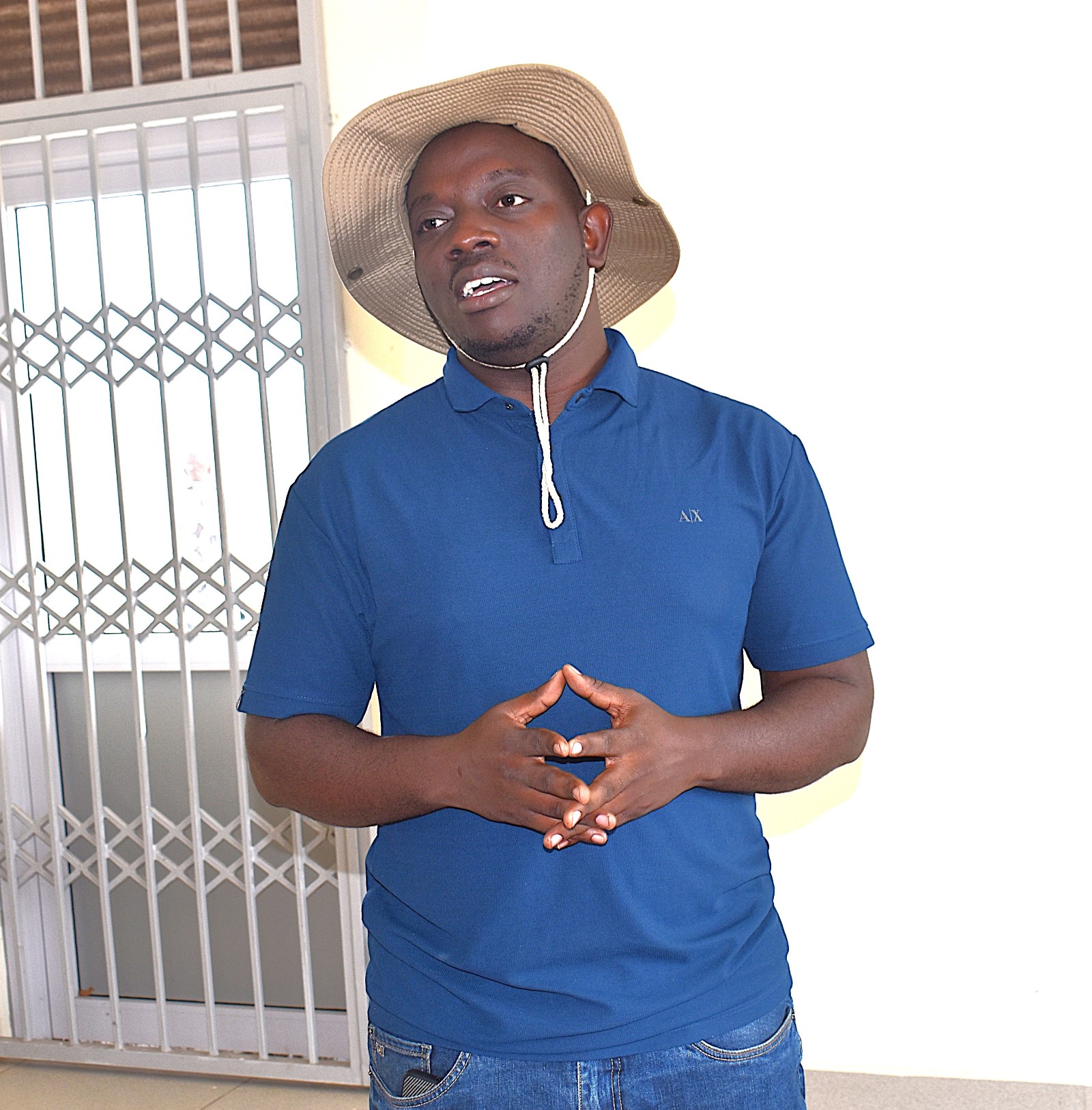
By utilizing drone technology, the team will be able to capture high-resolution imagery and gather critical environmental data across vast tea-growing areas. This will enable more precise assessments of biodiversity, soil health, water use, and overall ecosystem services. The valuable insights generated will guide the development of sustainable, nature-based agricultural practices with the potential for widespread adoption throughout the tea industry.
About the NbS4Tea Project
NbS4Tea is a five-year initiative aimed at enhancing climate resilience and tea productivity in Uganda. Funded by the Danish Fellowship Centre under Denmark’s Ministry of Foreign Affairs and led by Dr Emmanuel Arthur from Aarhus University, the project is being implemented through a consortium of Ugandan and Danish institutions namely: Makerere University, the National Agricultural Research Organization (NARO), Uganda, Uganda Tea Association, Aarhus University, Denmark, and Kick-start International.
The primary objective of the project is to sustainably close the tea yield gap in Uganda by developing research-driven, nature-based solutions that enhance the climate resilience of tea production systems. This involves identifying climate-resilient tea varieties, integrating tea prunings and banana by-products, utilizing nitrogen-fixing agroforestry trees, and improving irrigation management. The approach emphasizes socio-economic feasibility, capacity building in research, and a market-oriented, multi-stakeholder collaboration to ensure both environmental and economic sustainability.
At Makerere University, the project is coordinated by Dr Alex Nimusiima from the Department of Geography, Geo-Informatics and Climatic Sciences at CAES. Other Project members are; Dr Grace Nakabonge from the Department of Forestry, Biodiversity and Tourism; Dr Prossy Nakawuka from the Department of Agricultural and Bio-systems Engineering; Dr Twaha Ali Basamba from the Department of Agricultural Production; and Dr Alice Turinawe from the Department of Agribusiness and Natural Resource Economics.
Specific objectives
- Identify and quantify climate change impacts on tea yield and quality based on historical and newly obtained data and novel data mining methods.
- Screen, select and recommend tea varieties adapted to abiotic (drought and heat) and biotic stresses (diseases and pests).
- Develop new knowledge on the potential of local waste biomass (tea prunings, banana pseudostems and peels) as soil amendments- mulch, compost, biochar, to recycle nutrients, improve soil fertility, increase carbon sequestration and alleviate drought.
- Reveal NbS through agroforestry combined with organic mulch, irrigation and resilient tea varieties that increase biodiversity and tea yield.
- Innovate new methods to enhance tea production under climate change through rainwater harvest and climate-smart irrigation infrastructure.
- Empower vulnerable groups (women, youth, and people with disabilities) in tea production and processing to ensure multi-actor involvement and socio-economic benefit outreach of the proposed NbS in tea cultivation and production.
- Identify export market strategies for NbS tea products, aligned with consumer preferences.
Progress thus far
Launched in January 2024, the project, organized in five work packages, has registered significant progress. Each of the work packages listed below supports one PhD student and one Masters’ student. The PhD students are: i) Mr. Adiga Hassan from the Department of Geography, Geo-Informatics and Climatic Sciences at CAES conducting research under work package 1; ii) Ms. Sarah Namayengo from the Department of Forestry, Biodiversity and Tourism conducting research under work package 2; Ms. Vivian Namutebi from the Department of Soil Science and Land Use Management undertaking research on work package 3; Mr. Keneth Chelimo from the Department of Agricultural and Biosystems Engineering conducting his research under work package 4; and Ms. Moreen Asasira from the Department of Agribusiness and Natural Resource Economics focusing on work package 5. The Masters students are: i) Ms. Evelyn Katasi from the Department of Environmental Management at CAES (work package 1), Mr. Vereriano Turyahebwa from Department of Forestry, Biodiversity and Tourism (work package 2); Mr. Ben Okurut from the Department of Soil Science and Land Use Management (work package 3); Mr. Augustine Okot from the Department of Agricultural and Biosystems Engineering (work package 4); and Mr. Augustine Kigozi from the Department of Agribusiness and Natural Resource Economics (work package 5)
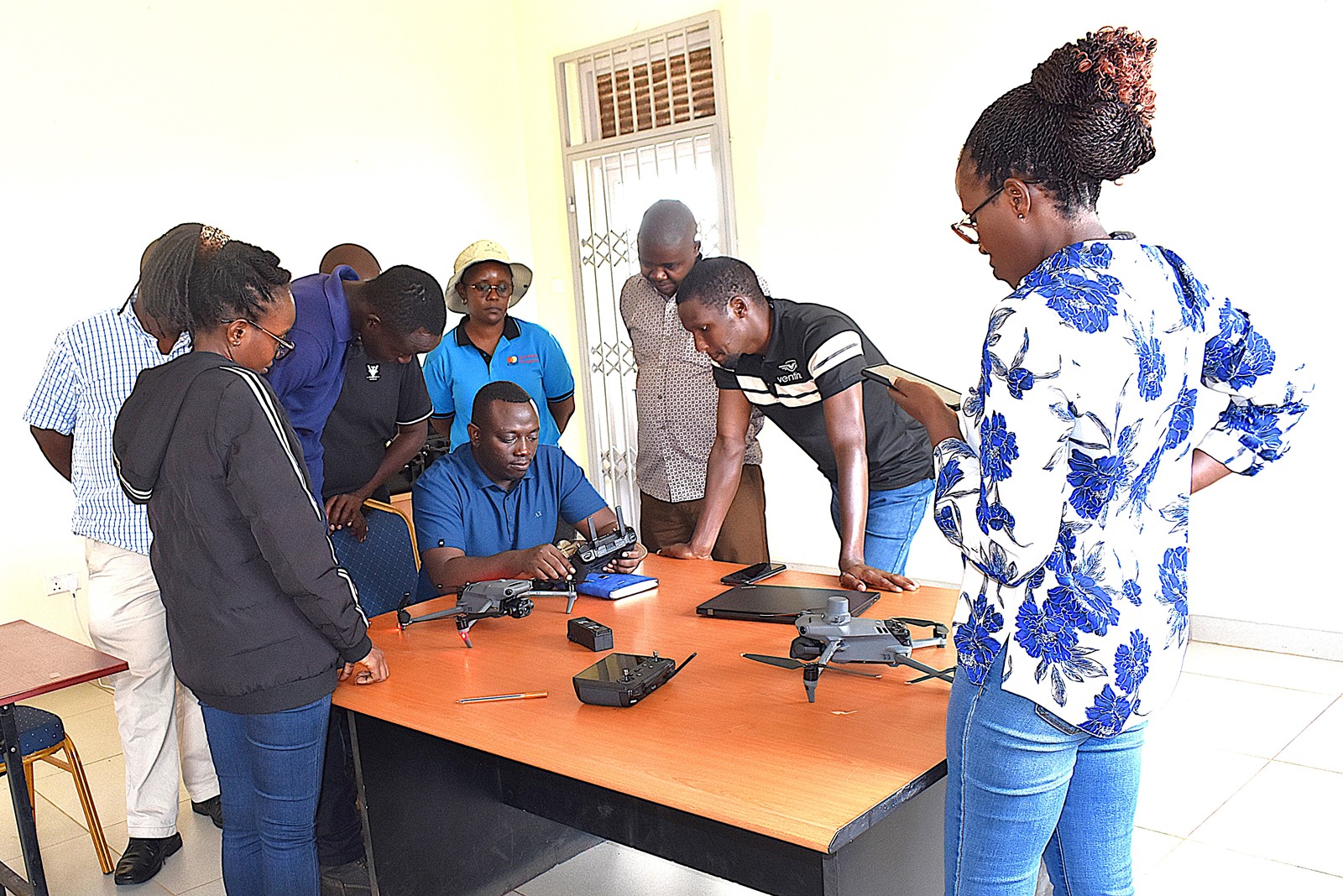
Work packages and achievements registered
Work Package 1: Climate change impacts on tea yield and quality – Headed by Dr. Alex Nimusiima
This work package centres on the analysis of historical and projected climate conditions in the study area. It examines how current climate patterns influence tea production, as well as the potential effects of future climate change on tea yield and quality.
Progress
i) A household survey assessing the socio-economic status of tea farmers and the effects of climate variability on their livelihoods has been completed.
ii) The collected data has been cleaned, and the Masters student supported under this work package is currently writing her thesis based on the survey findings.
iii) A historical climate analysis of the study area has been conducted by the PhD student, who is now preparing a manuscript.
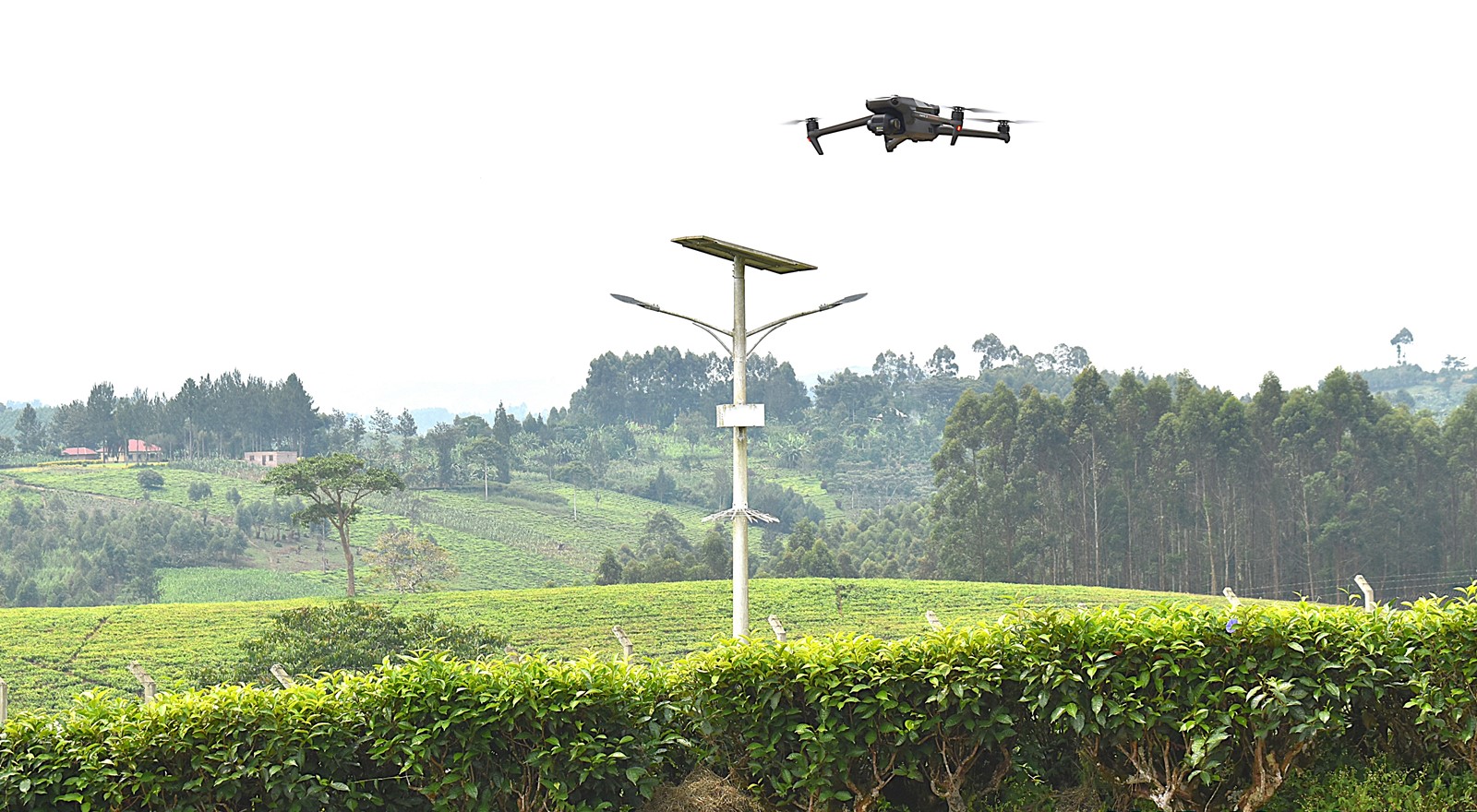
Work Package 2: Screening & selecting tea genotypes for resilience to abiotic and biotic stresses – Headed by Assoc. Prof. Grace Nakabonge
This work package focuses on evaluating existing tea genotypes for their resistance to pests and diseases, using chlorophyll fluorescence imaging as a diagnostic tool.
Progress
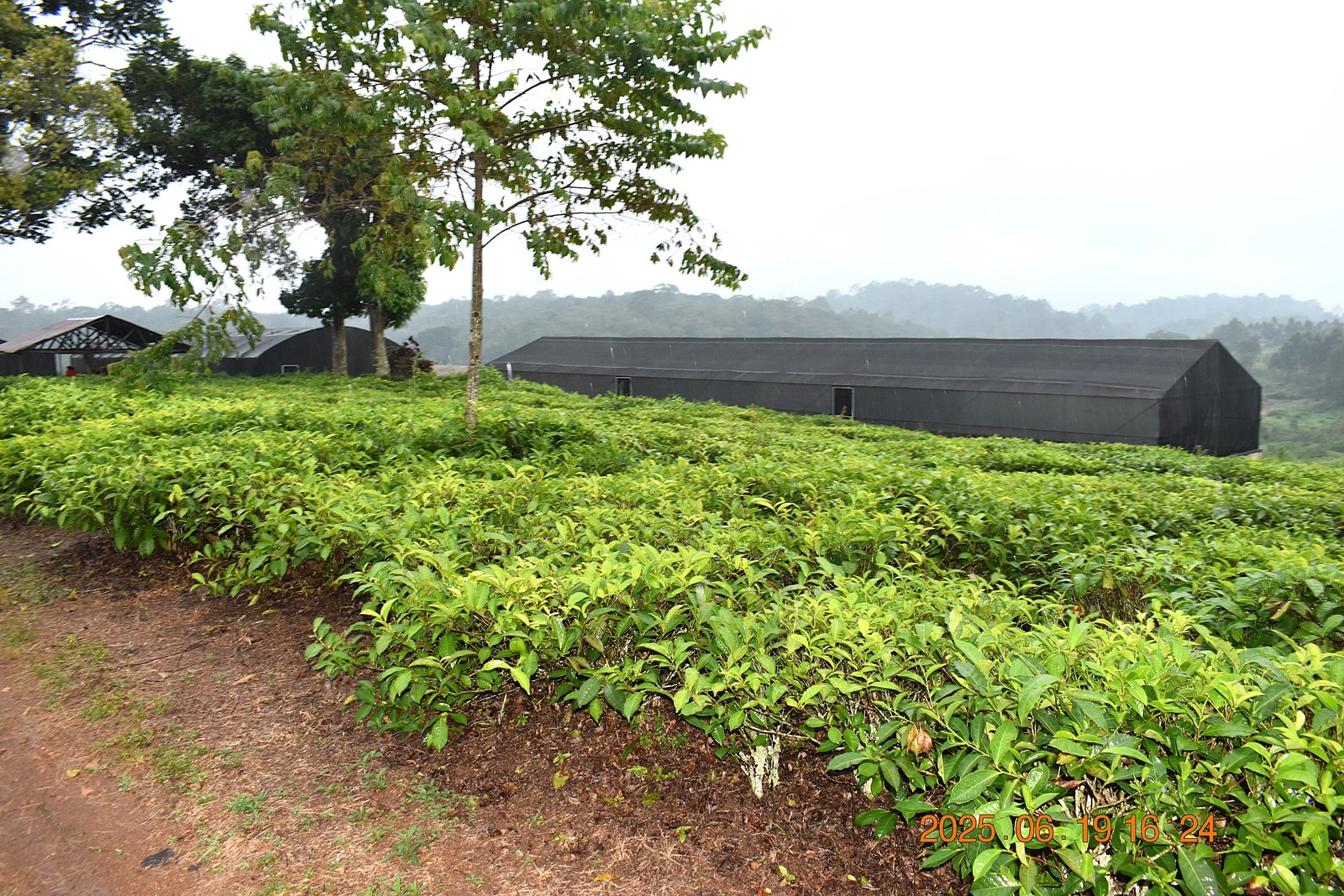
i) A screen house has been constructed to serve as the experimental site.
ii) Germplasm from two tea varieties is currently being cultivated in the screen house in preparation for the upcoming experiments.
iii) A drone has been acquired to assist in data collection for this work package.
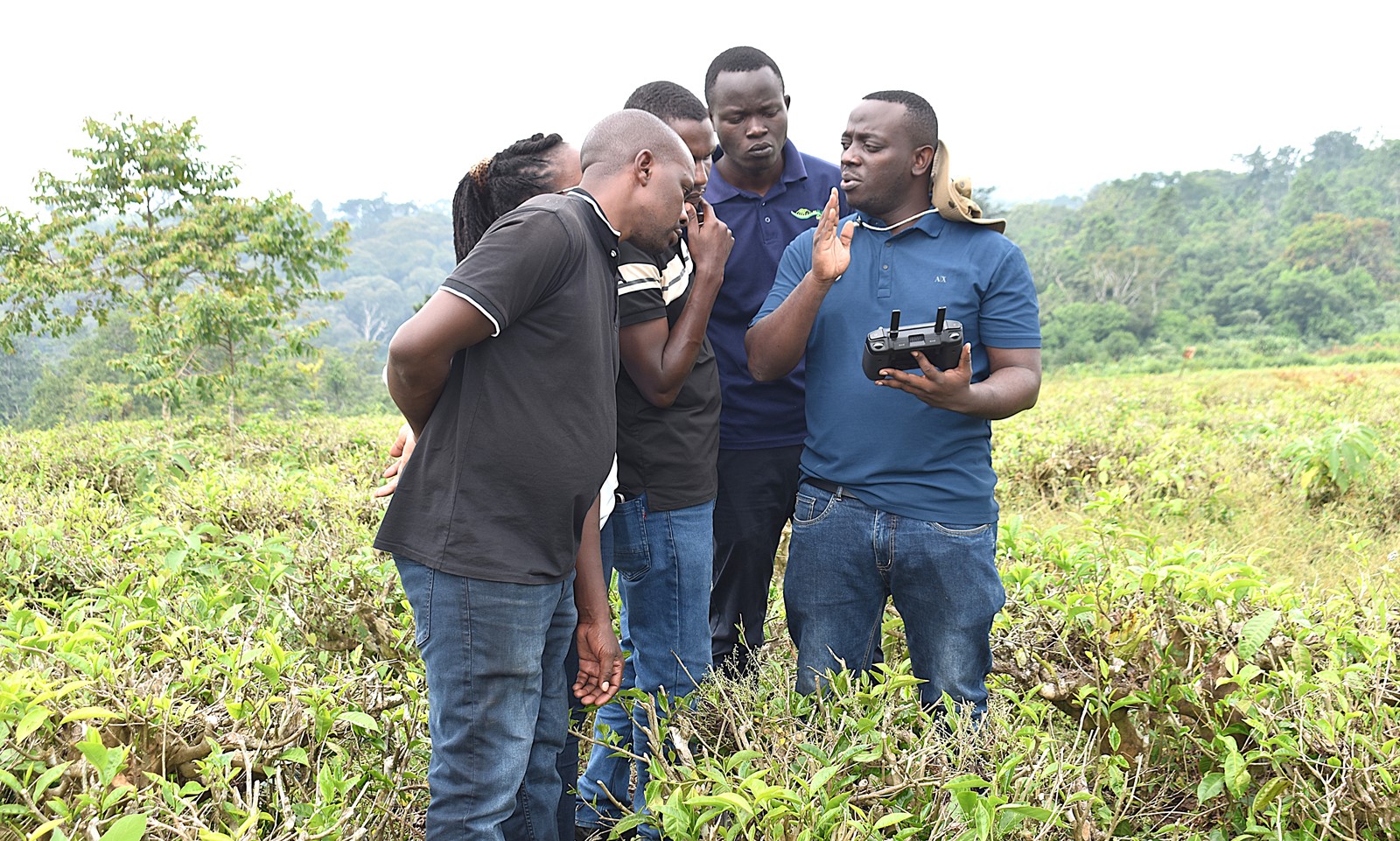
Work Package 3: Evaluation of NbS for climate resilience, higher yield and biodiversity- Headed by Assoc. Prof. Twaha Ali Basamba
This focuses on the characterization of mulch and biochar derived from tea prunings to improve soil health. It also aims to quantify the added value of Nature-based Solutions (NbS) in enhancing tea productivity, promoting climate resilience, and supporting biodiversity.
Progress
- So far, Biochar has been produced from tea prunings and characterized.
- The Masters student supported under this work package is writing his thesis on the results of biochar characterization.
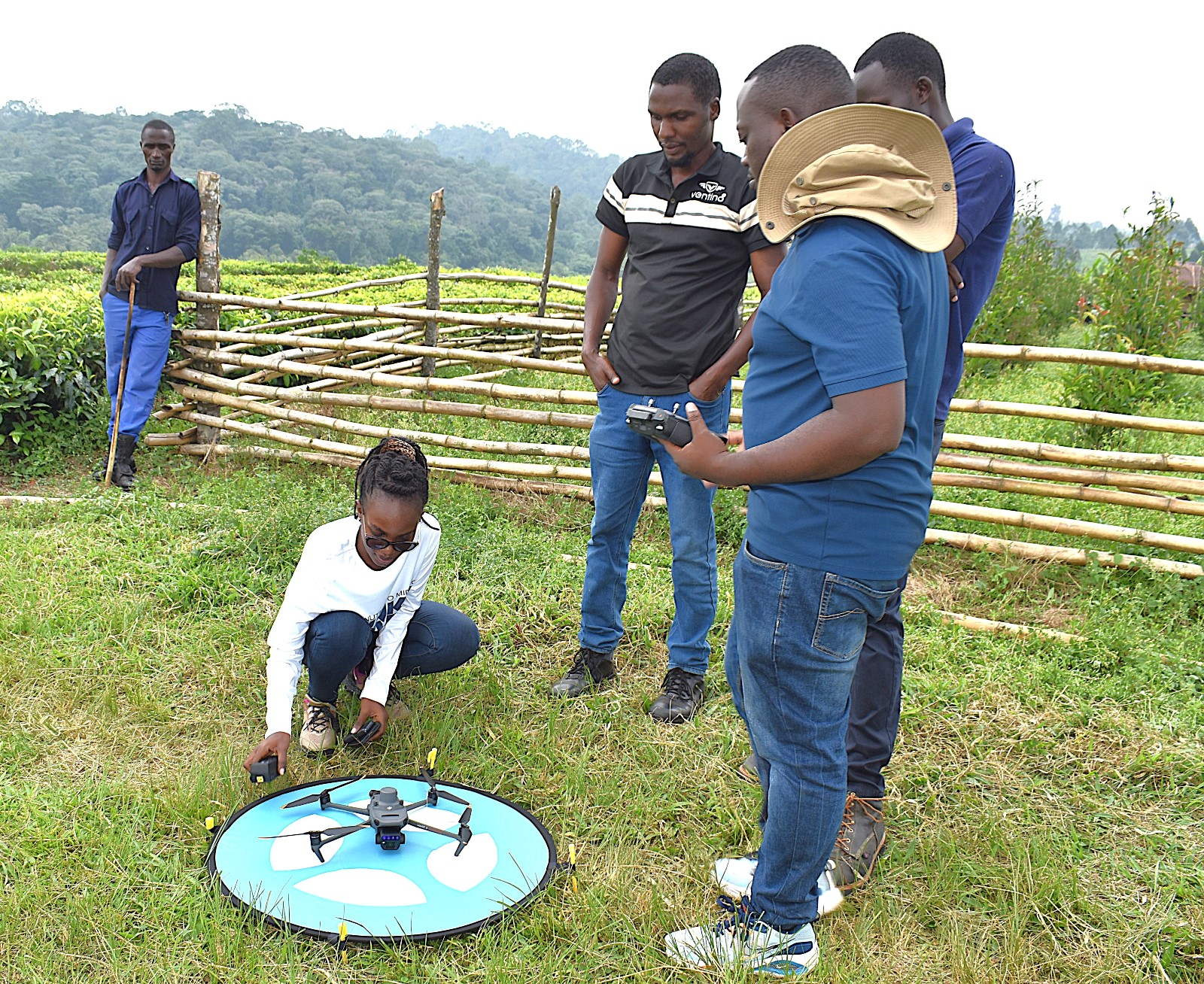
Work Package 4: Innovating smart and scalable irrigation technology for improved tea production- Headed by Dr. Prossie Nakawuka
This work package aims to develop and evaluate smart, scalable irrigation solutions to boost tea production. It focuses on assessing how irrigation impacts tea yield and quality, measuring water use efficiency, and analyzing the economic returns of irrigation practices. Additionally, it explores deficit irrigation and climate-resilient strategies to ensure sustainable tea farming in changing environmental conditions.
Progress
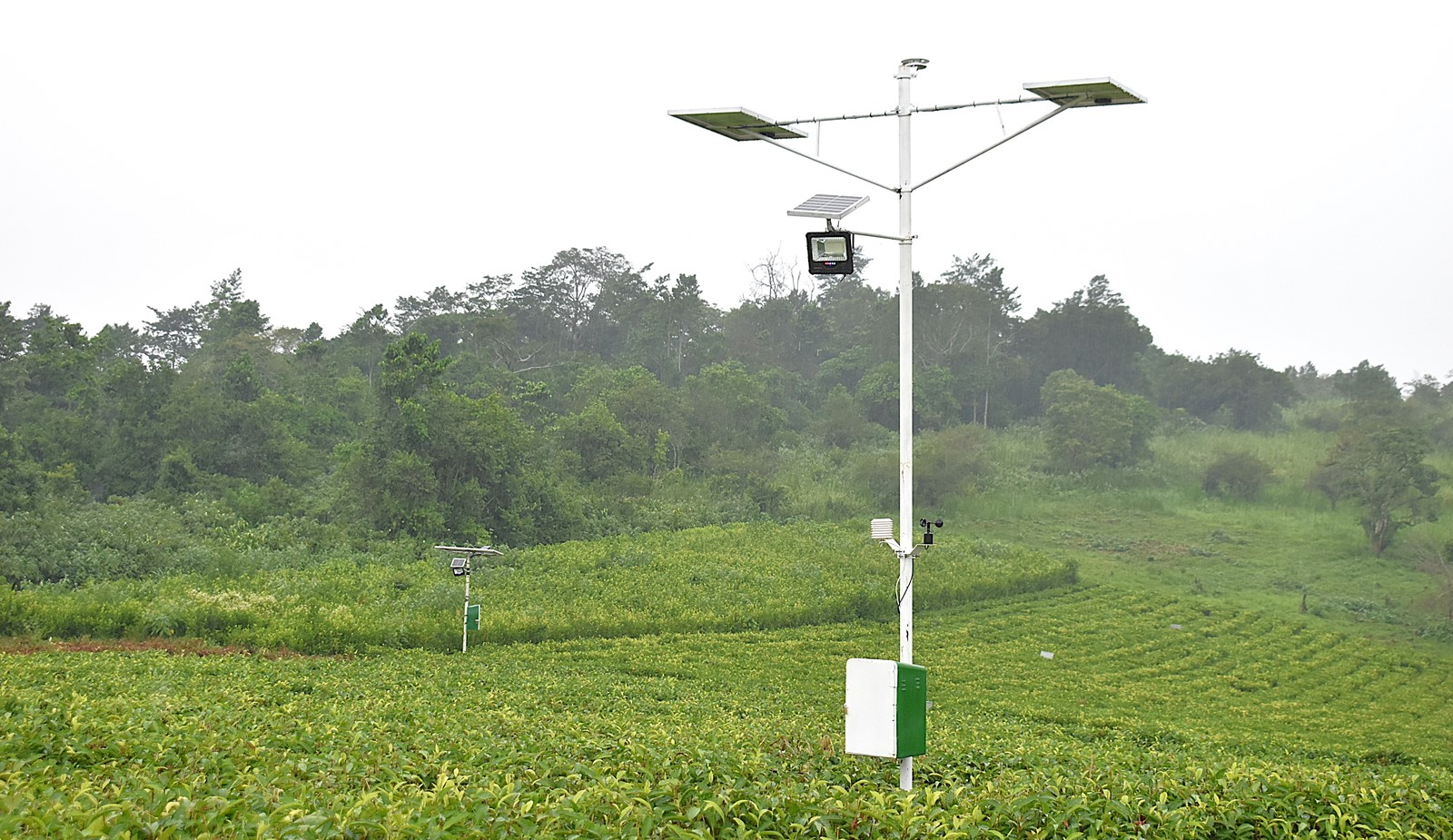
- The irrigation infrastructure is now in place and fully operational at Rwebitaba Tea Research Centre in Kyenjojo District.
- The experimental plots for irrigation experiments are already in place with water pipes.
Work package 5: Socio-economic assessment of tea-agroforestry and selected tea varieties – Headed by Dr. Alice Turinawe
This work package emphasizes co-creation within multi-stakeholder innovation networks to evaluate the economic feasibility and market access of tea agroforestry systems. It also focuses on promoting gender balance and understanding consumer valuation of Nature-based Solutions (NbS) tea from Uganda.
Progress
To date, two co-creation workshops have been successfully conducted and the Masters student under this work package is currently analyzing the workshop results as part of their research.
Expected outputs and outcomes
- Increased tea production, productivity, and biodiversity through the adoption of NbS.
- Increased research and technical capacity of Makerere and R-ZARDI.
- Holistic stakeholder insight on economic feasibility, consumer acceptance and market access strategies, especially for vulnerable groups in the tea value chain.
- Increased job prospects for youth and women in tea production sub-sectors.
- Improved social status and increased incomes of tea farmers, traders, and exporters.
- Improved economic and environmental quality by recycling biomass waste into value-added products dedicated to soil enhancement.
- 4+ high-yielding tea genotypes adapted to drought and heat, diseases and pests.
- 15+ scientific articles, conference presentations.
- Five PhDs and Five MSc degrees.
- Market access assessment and empowerment.
Details on the project: https://news.mak.ac.ug/2024/01/new-caes-project-to-improve-tea-production-in-uganda/
More photos from the event
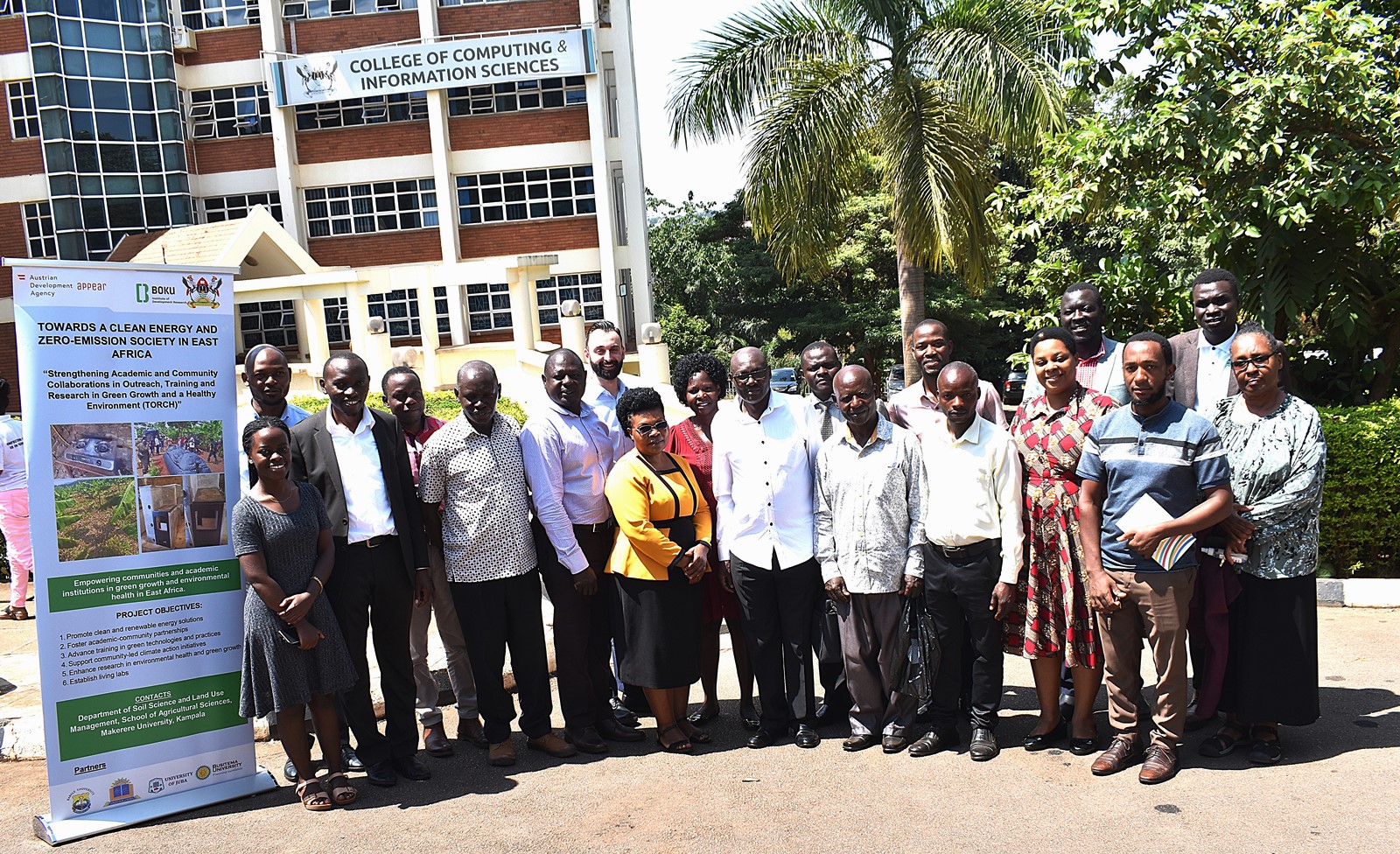
Makerere University, through its Department of Soil Science and Land Use Management at the College of Agricultural and Environmental Sciences (CAES), has launched a new project aimed at fostering green growth and promoting sustainable development across East Africa. This initiative aligns with global efforts to combat climate change and create eco-friendly, low-carbon communities through collaborative research, education, and technology.
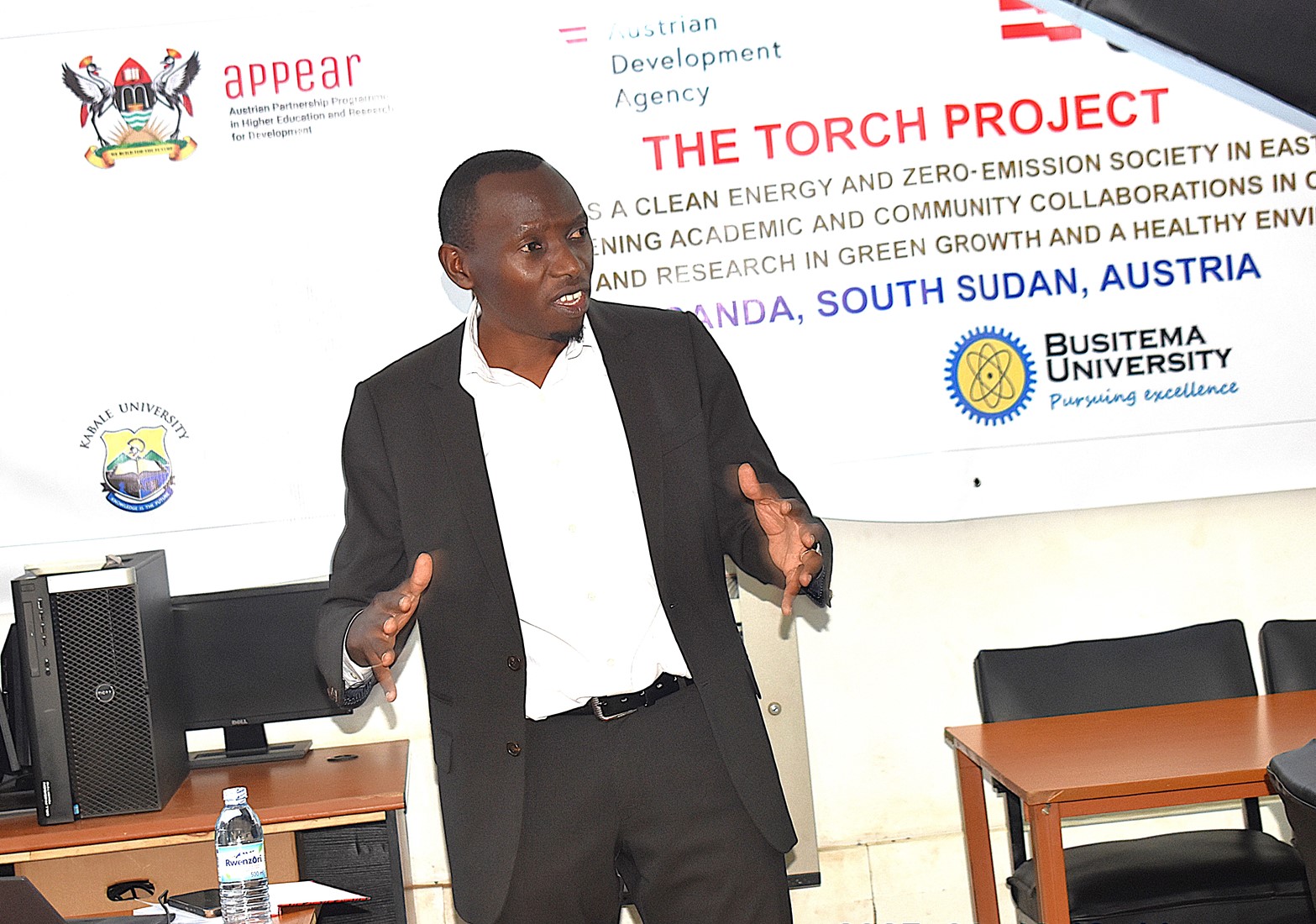
Introducing the TORCH Project: Towards a Clean Energy and Zero-Emission Society
The two-year project, code-named TORCH (Towards a Clean Energy and Zero-emission Society in East Africa), seeks to strengthen cooperation between academia and local communities to promote green growth and environmental sustainability. Funded by the OeAD-GmbH under the Austrian Partnership Programme in Higher Education Research for Development (APPEAR), TORCH focuses on clean energy solutions, carbon emission reduction, and community empowerment through training, research, and co-creation of green technologies.
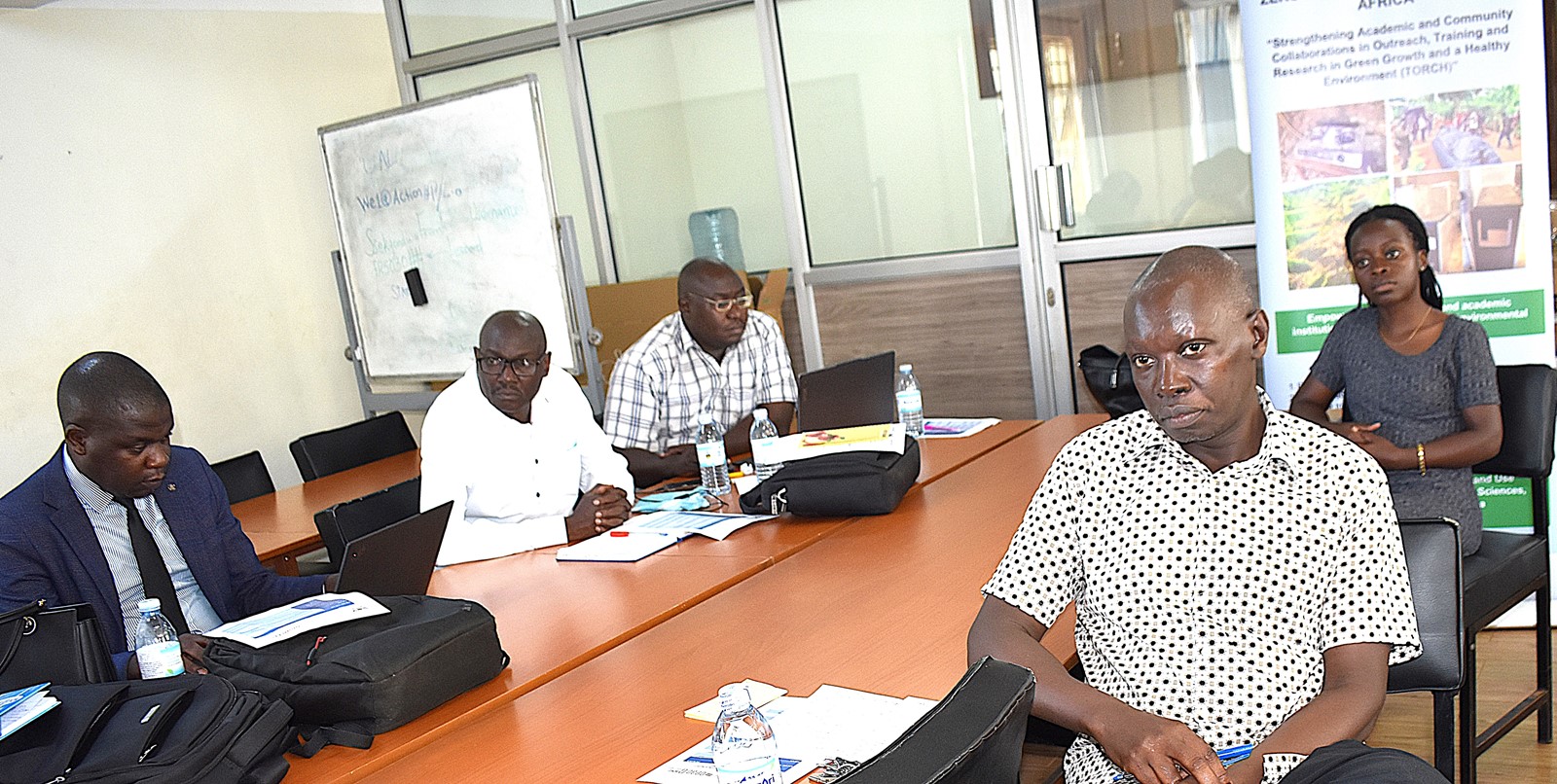
Officially launched by the Principal of CAES, represented by Dr. Paul Mukwaya, Head of the Department of Geography, Geo-Informatics and Climatic Sciences at Makerere University, TORCH builds upon existing East African government policies. The project will implement the innovative concept of living labs, where universities, communities, and stakeholders co-design, co-create, and co-produce affordable, reliable green technologies tailored to local needs.
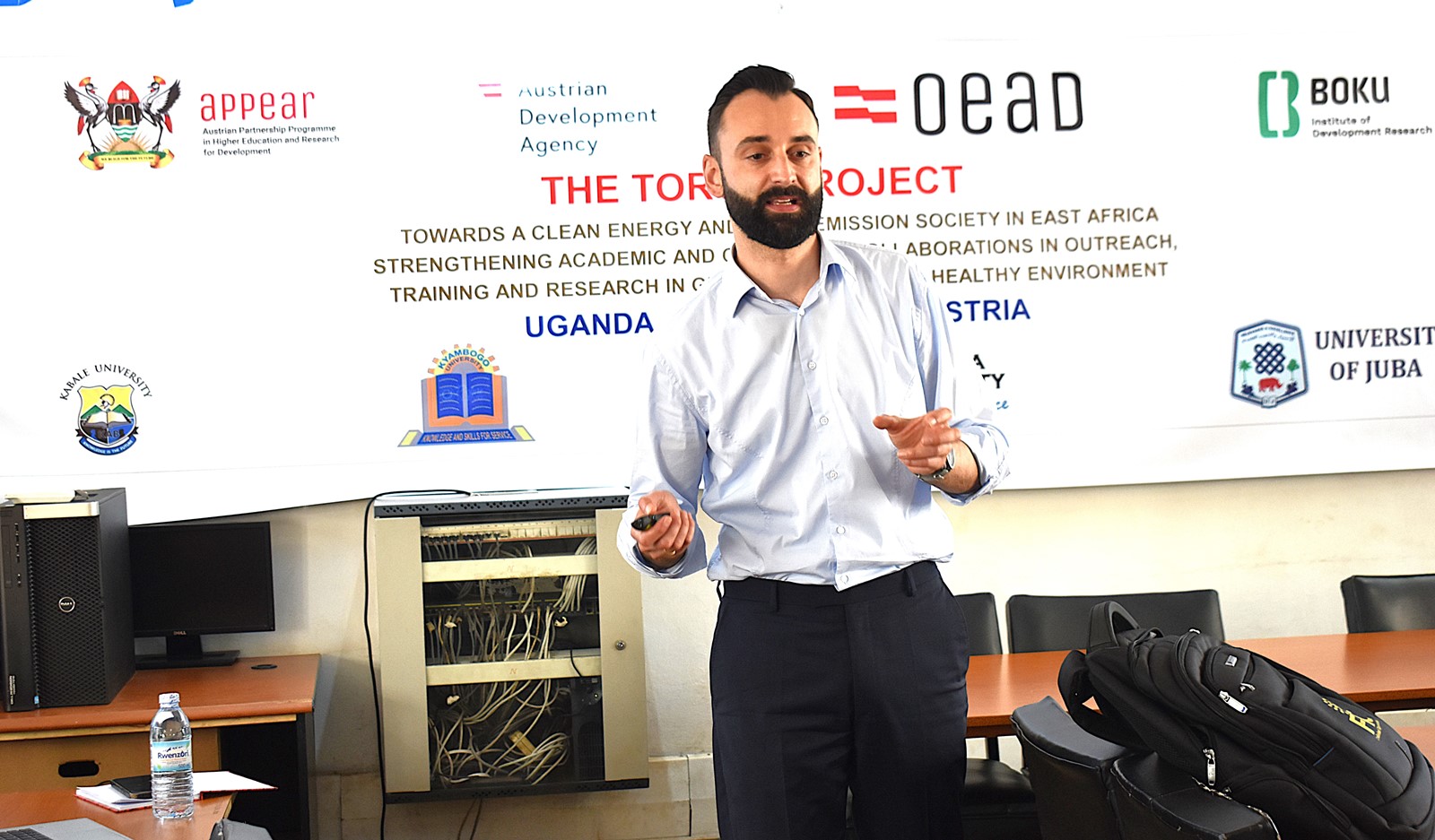
Key Objectives and Activities
TORCH aims to:
- Enhance teaching on green growth by integrating principles into selected academic curricula.
- Establish three living laboratories in Central, South Western, and Eastern Uganda to boost co-creation on energy efficiency and low-carbon emissions.
- Increase human capacity through short courses, field research, and training.
- Empower women in science and technology.
- Promote novel green technologies and support policy transformation.
- Strengthen partnerships among universities in East Africa.
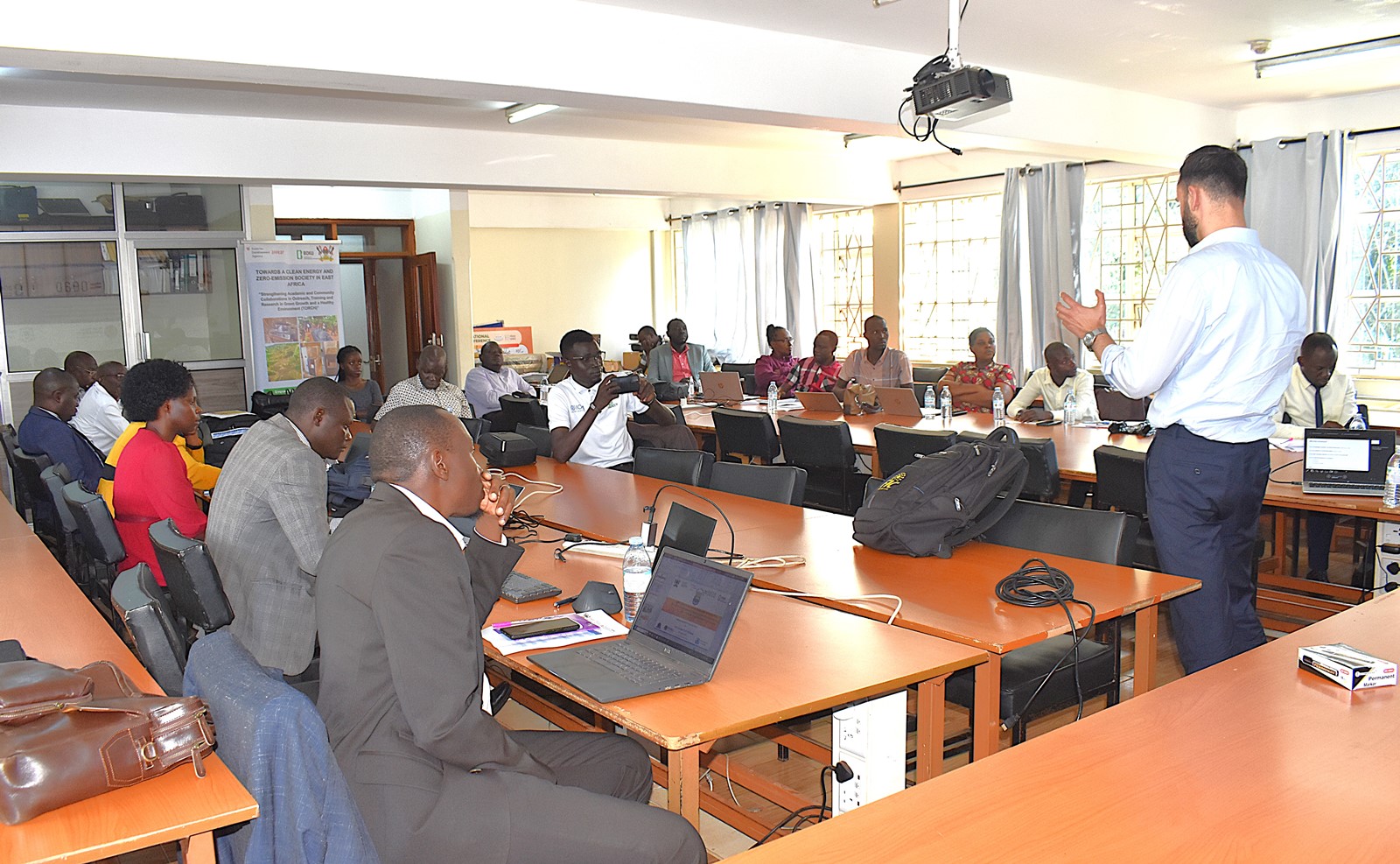
These activities directly contribute to achieving several Sustainable Development Goals (SDGs), including SDGs 4 (Quality Education), 5 (Gender Equality), 6 (Clean Water and Sanitation), 7 (Affordable and Clean Energy), 12 (Responsible Consumption and Production), and 13 (Climate Action), while also reducing health risks and conserving the environment.
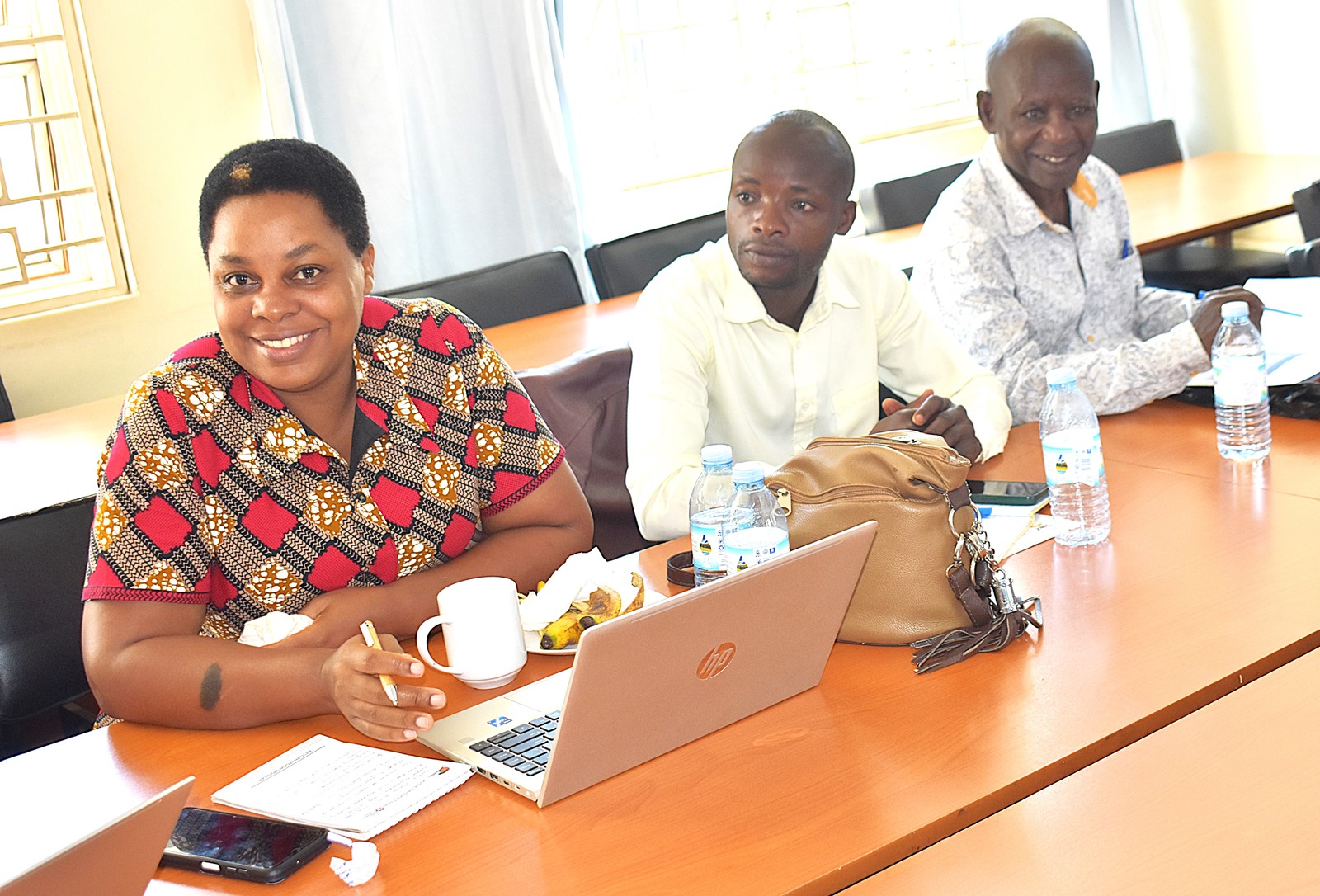
Leadership and Partner Institutions
The overall project coordinator is Dr. Patrick Musinguzi, Lecturer in the Department of Soil Science and Land Use Management at Makerere University. TORCH involves several partner institutions, including: Makerere University (Uganda), University of Natural Resources and Life Sciences, Vienna (Austria), Kabale University (Uganda), Busitema University (Uganda), Kyambogo University (Uganda), and the University of Juba (South Sudan).
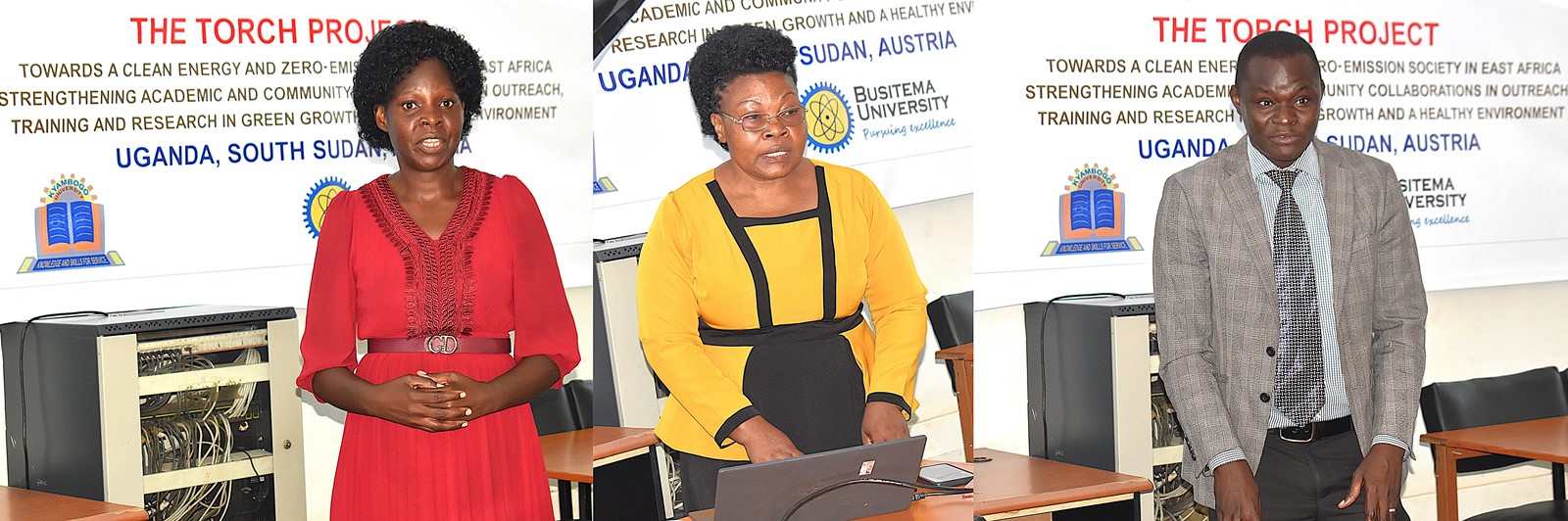
Highlights of the Launch Ceremony
During the launch ceremony held in the GIS Lab at Makerere University, and attended by representatives from the partner institutions, Dr. Musinguzi presented an overview of TORCH, outlining key strategies for implementation and expected outcomes. Central to the project’s strategy is the integration of green growth principles into Makerere University’s academic curriculum. This will be formally proposed to the University Management for adoption. Additionally, the project aims to strengthen the university’s research agenda in this critical area. This will involve supporting faculty and student-led research projects and generation of evidence-based insights on green growth to influence policy at both local and national levels. There are also plans to establish three living labs in Central, South Western, and Eastern Uganda to serve as practical hubs for advancing green growth.
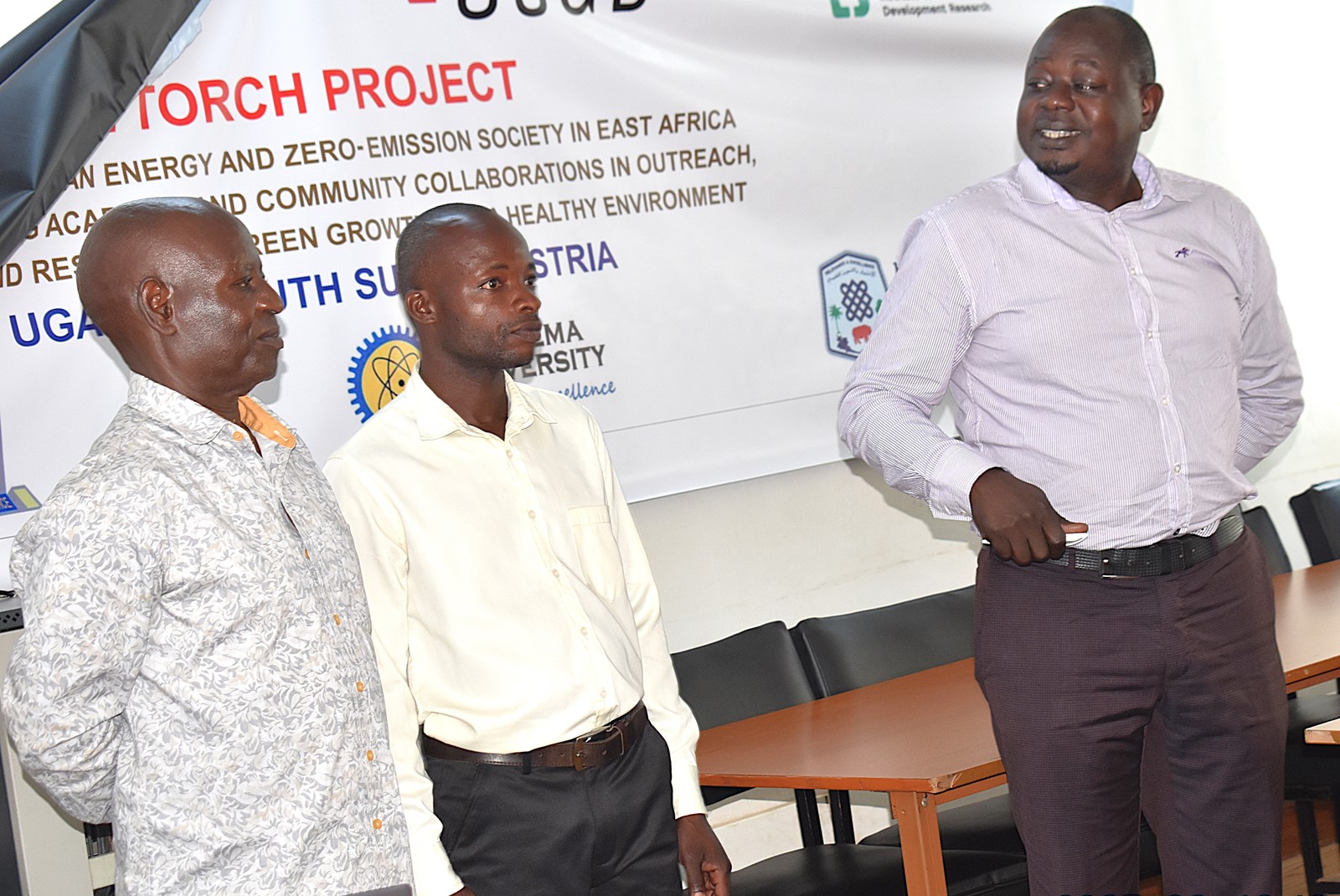
Expert Insights on Community Engagement
In his presentation, Mr. Andreas Bauer from the University of Natural Resources and Life Sciences, Vienna provided valuable insights into the critical role that living labs play in promoting sustainable, green growth. Highlighting practical examples and innovative approaches, Mr. Andreas Bauer emphasized how living labs serve as dynamic platforms for collaboration between researchers, industry stakeholders, and local communities, enabling real-world experimentation and the development of eco-friendly solutions that drive environmental and economic progress.
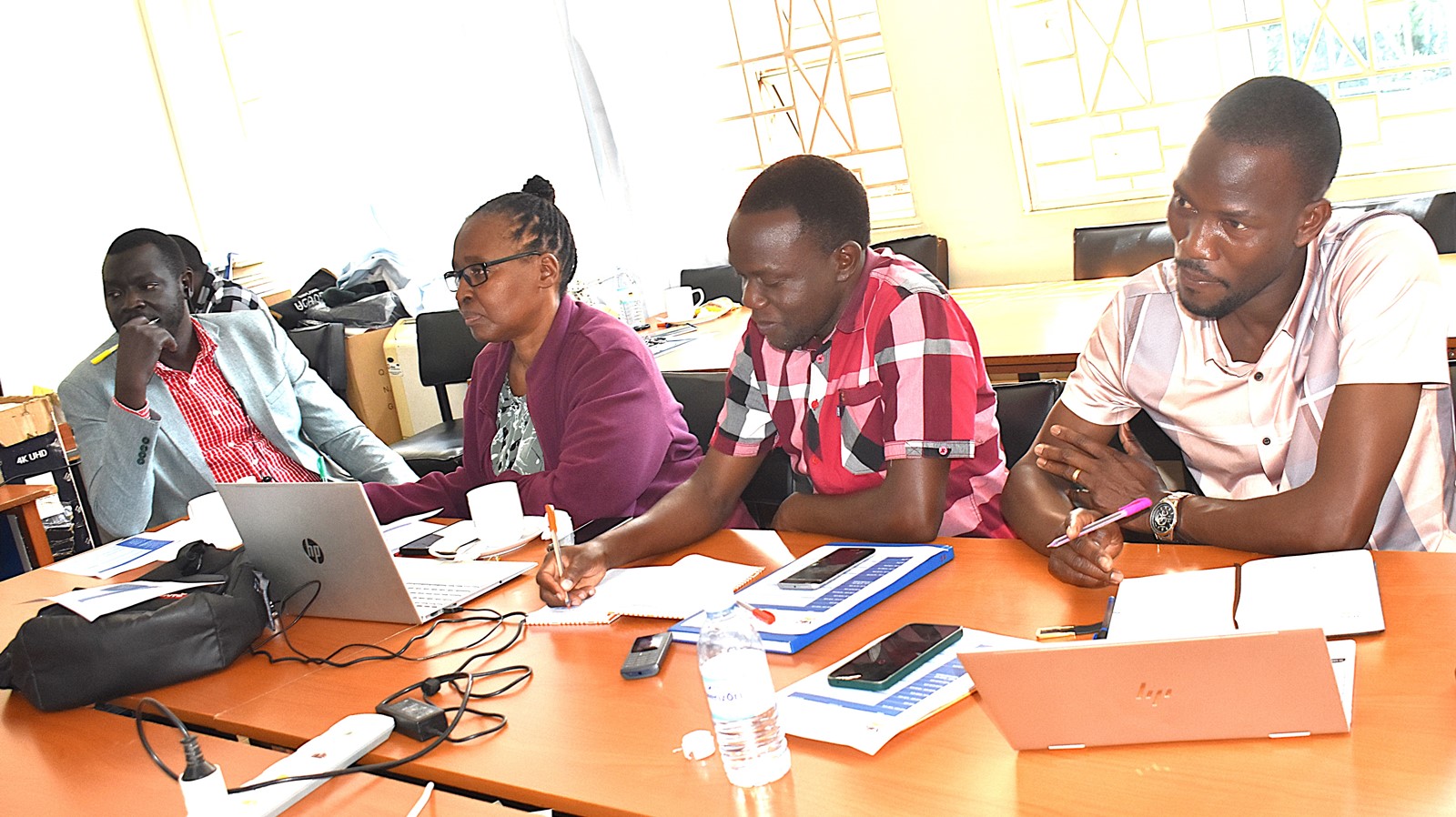
To emphasize the importance of collaboration between local communities and the academia, Mr. Kayanja Susane, a farmer from Kawumu Village in Luweero District, explained that, with guidance and support from the project team, he learned to produce biogas from animal waste -a reliable source of energy that reduces dependence on traditional fuels, subsequently minimizing environmental degradation.
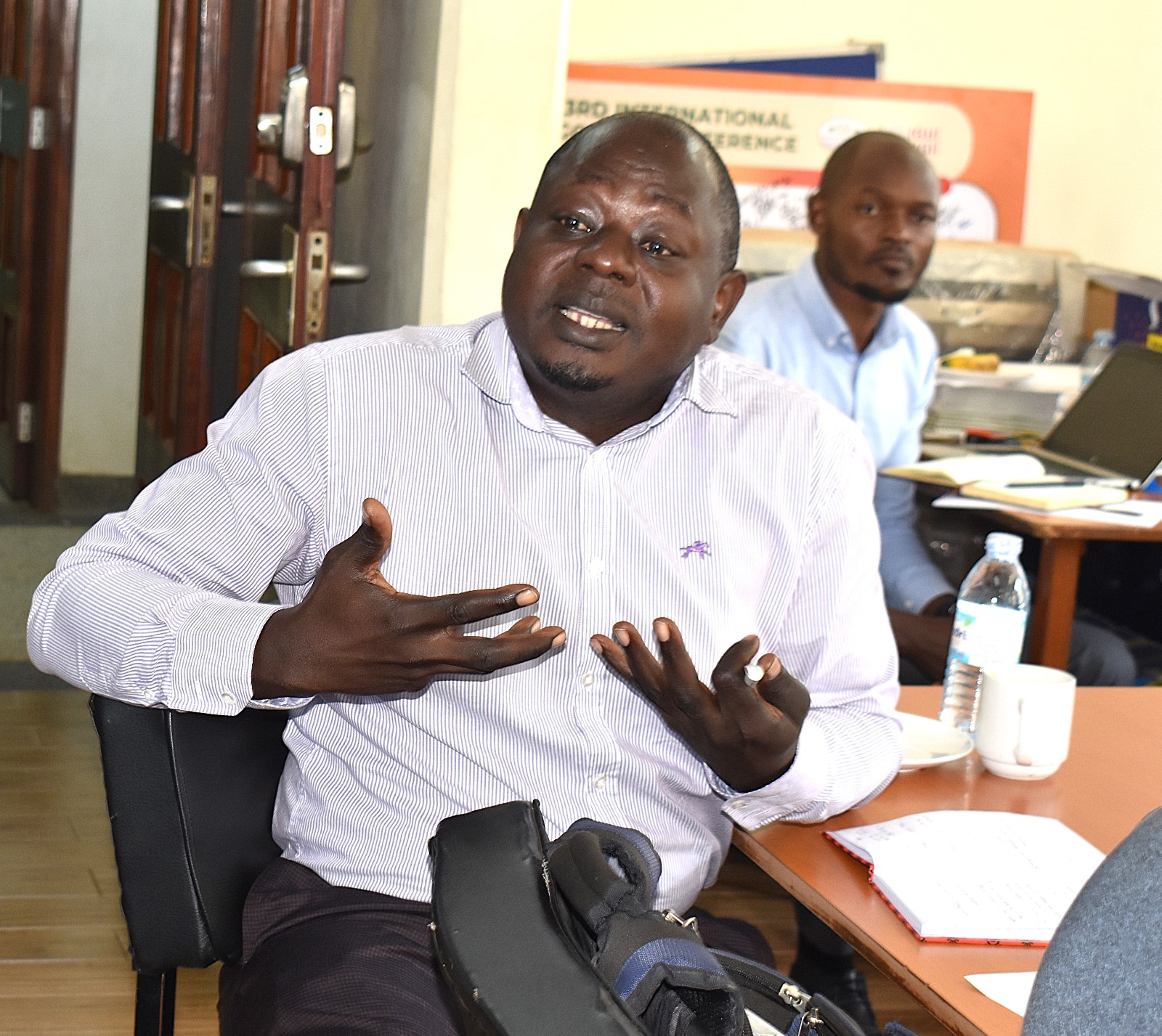
Research Focus
As part of the strategy to guide implementation, the project team brainstormed potential ecological and social indicators of low emissions in homesteads, and proposed several research areas to support green growth. Proposed research areas include:
- Life cycle analysis
- Circular economy practices within homesteads
- Gender integration and the intersection of gender with green growth
- The role of livestock in promoting green growth
- Evaluating the impact of interventions on total emissions
- Barriers to adopting green innovations
- The use of indigenous knowledge in promoting green growth
Addressing the participants, the Principal of the College of Agricultural and Environmental Sciences (CAES), represented by Dr. Paul Mukwaya, Head of the Department of Geography, Geo-Informatics, and Climatic Sciences at Makerere University, commended the project as a timely initiative aligned with the University’s research agenda. He underscored the importance of collaborating with other stakeholders, noting that similar projects have been conducted within and outside Makerere. Dr. Mukwaya called for the adoption of the theory of change framework to ensure the project delivers measurable, sustainable impacts that extend beyond policy briefs and gender mainstreaming, ultimately contributing to lasting green transformation in the region. He expressed appreciation to the project funders for their unwavering support to Makerere University.
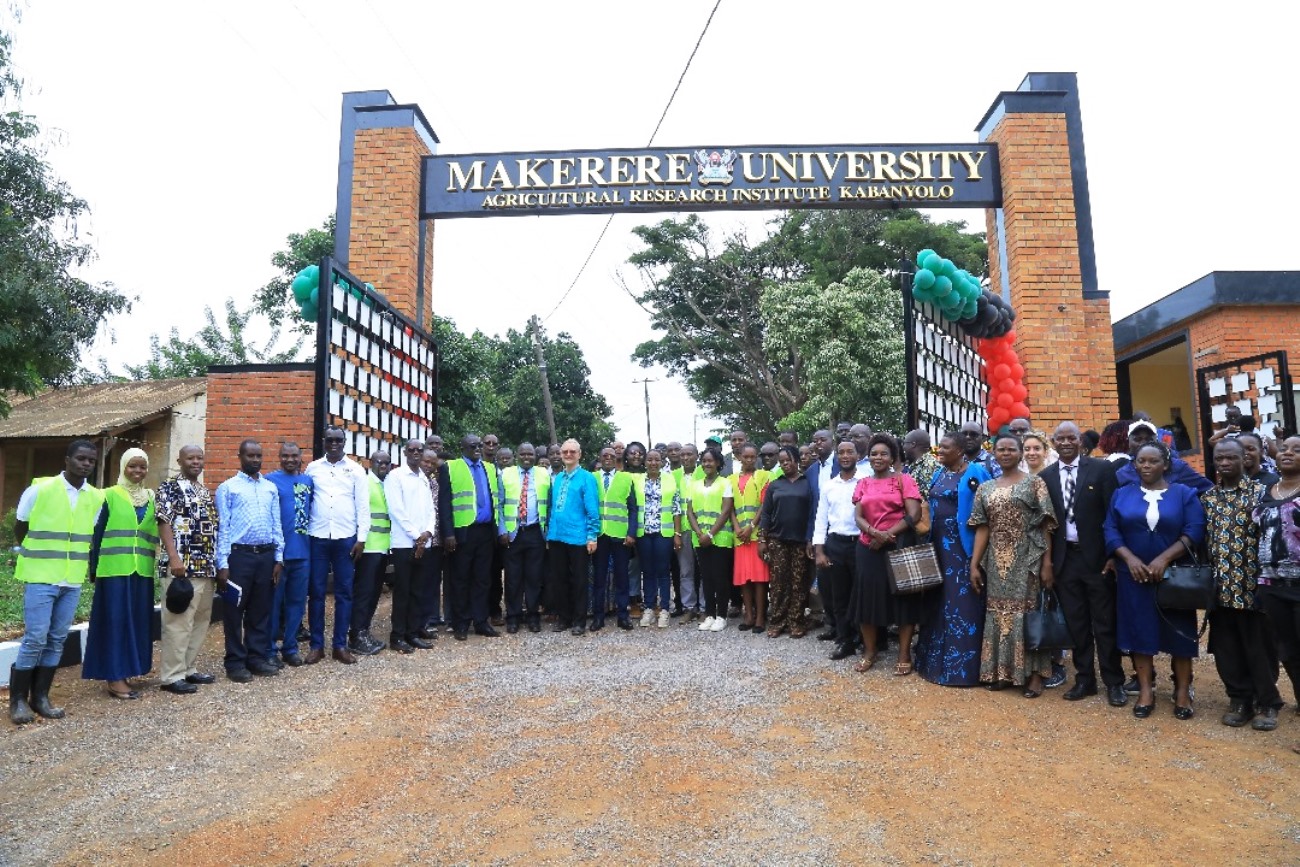
Refurbished gate to boost the institute’s aesthetics, security, accessibility, and sustainability
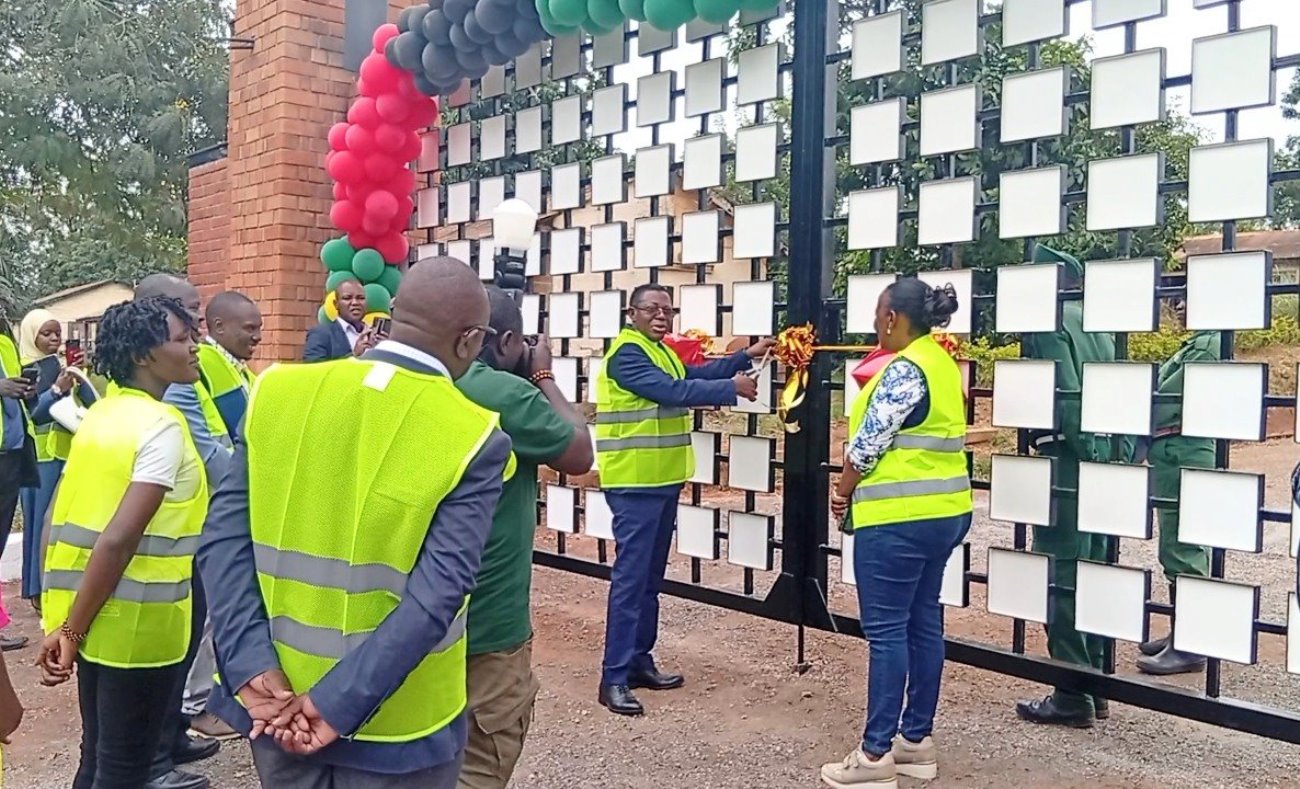
Makerere University College of Agricultural and Environmental Sciences (CAES) has completed the refurbishment of the main gate at the Makerere University Agricultural Research Institute Kabanyolo (MUARIK). The renovation was carried out by students from both CAES and the College of Engineering, Design, Art, and Technology (CEDAT), under the supervision of their academic mentors.
According to the Principal of CAES, Prof. Gorettie Nabanoga, the revamped gate now truly reflects the spirit of Makerere University and will significantly enhance the institute’s visual appeal, security, accessibility, and sustainability. The refurbished gate was officially commissioned by the Vice Chancellor, represented by the First Deputy Vice Chancellor in charge of Academic Affairs, Prof. Buyinza Mukadasi. The ceremony was attended by the Deputy Vice Chancellor in charge of Finance and Administration, Prof. Winston Tumps Ireeta, alongside CAES staff, students, and partners.
About MUARIK
Established in 1953, MUARIK serves as a hub for numerous research projects and facilities within CAES. It houses centres such as the Makerere University Regional Centre for Crop Improvement (MaRCCI), the Makerere University Centre for Soybean Improvement and Development (MakCSID), the Continuing Agricultural Education Centre (CAEC), the Centre of Excellence in Waste Management, and the Consortium for Enhancing University Responsiveness to Agribusiness Development (CURAD).
Additionally, MUARIK hosts KOICA-funded projects, including a modern layers production unit and a climate-controlled greenhouse for vegetable production. These units operate independently but collectively contribute to MUARIK’s dynamic research environment.
MUARIK also houses research units for the School of Agricultural Sciences (SAS) such as the Biotechnology and Tissue Culture Laboratories, experimental fields, Horticulture and Livestock Units, and the black soldier fly project. It accommodates training and research facilities for the Schools of Food Technology, Nutrition, Bioengineering, and the School of Forestry, Environmental, and Geographical Sciences. It also hosts hostels for both local and international students who stay at the Institute to gain practical experience in production and research under typical farming conditions.
Enterprises and Research at MUARIK
Enterprises at MUARIK include approximately 100 acres of pastures, a dairy farm, feed mill, silage production, poultry unit, piggery unit, banana and coffee plantations, maize and soybean crops, horticulture, goat farming, and the recently revived rabbit unit featuring four breeds: New Zealand White, Chinchilla, California White, and Flemish Giant.
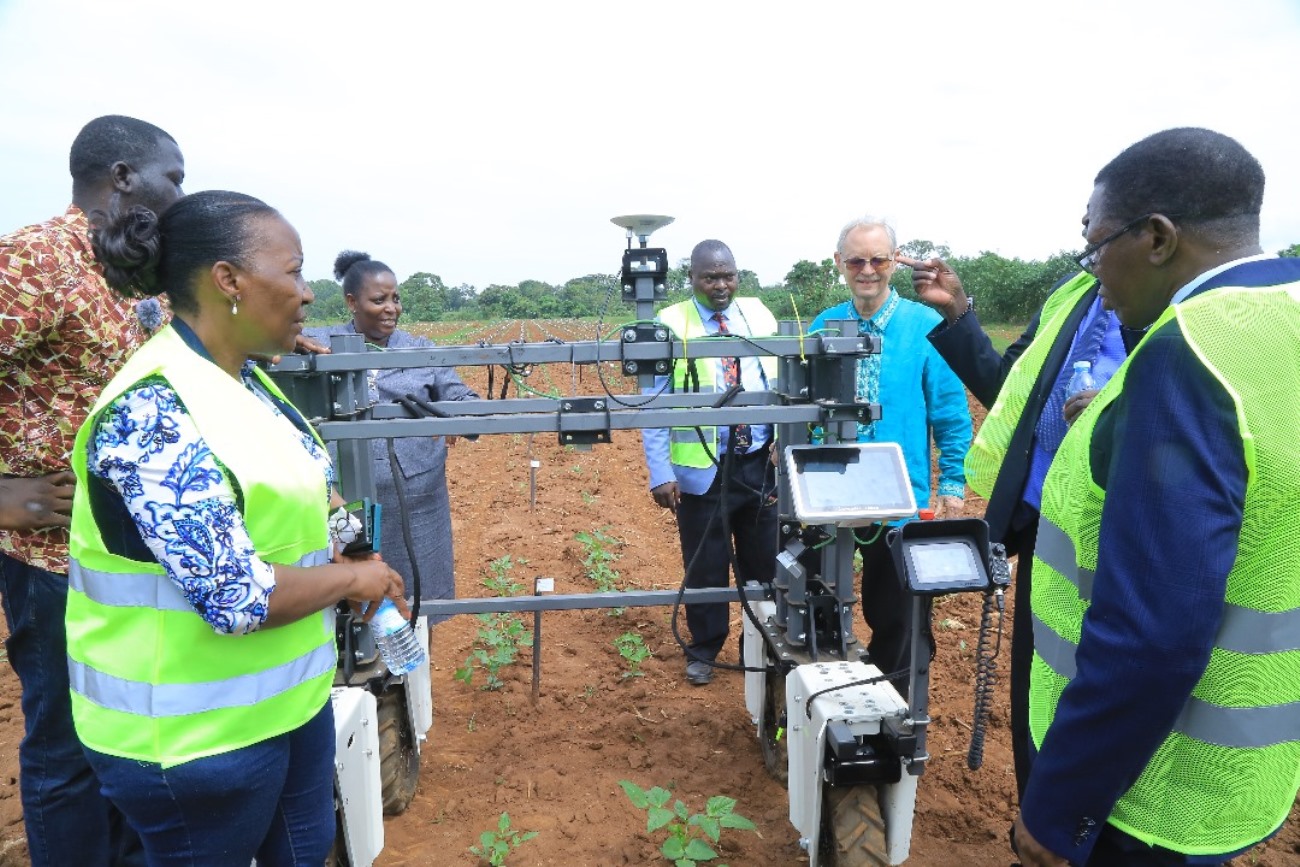
Current research initiatives focus on edible insects and worms as alternative livestock feeds, agroforestry, horticulture, and value addition in food processing. MUARIK maintains a strong partnership with the Uganda Flowers Exporters Association (UFEA), collaborating on the commercial testing of new flower species to diversify Uganda’s flower exports beyond traditional rose bouquets. Collaborative efforts also include identifying native natural enemies to control Chrysanthemum pests, working with UFEA, Wageningen University, breeders, and the National Agricultural Research Organization.
As part of Uganda’s National Agricultural Research System (NARS), MUARIK prioritizes research in biotechnology, tissue culture, plant breeding, improved farming methods, agro-processing, value addition, and marketing.
Tour to Assess the Capacity and Condition of Facilities at MUARIK
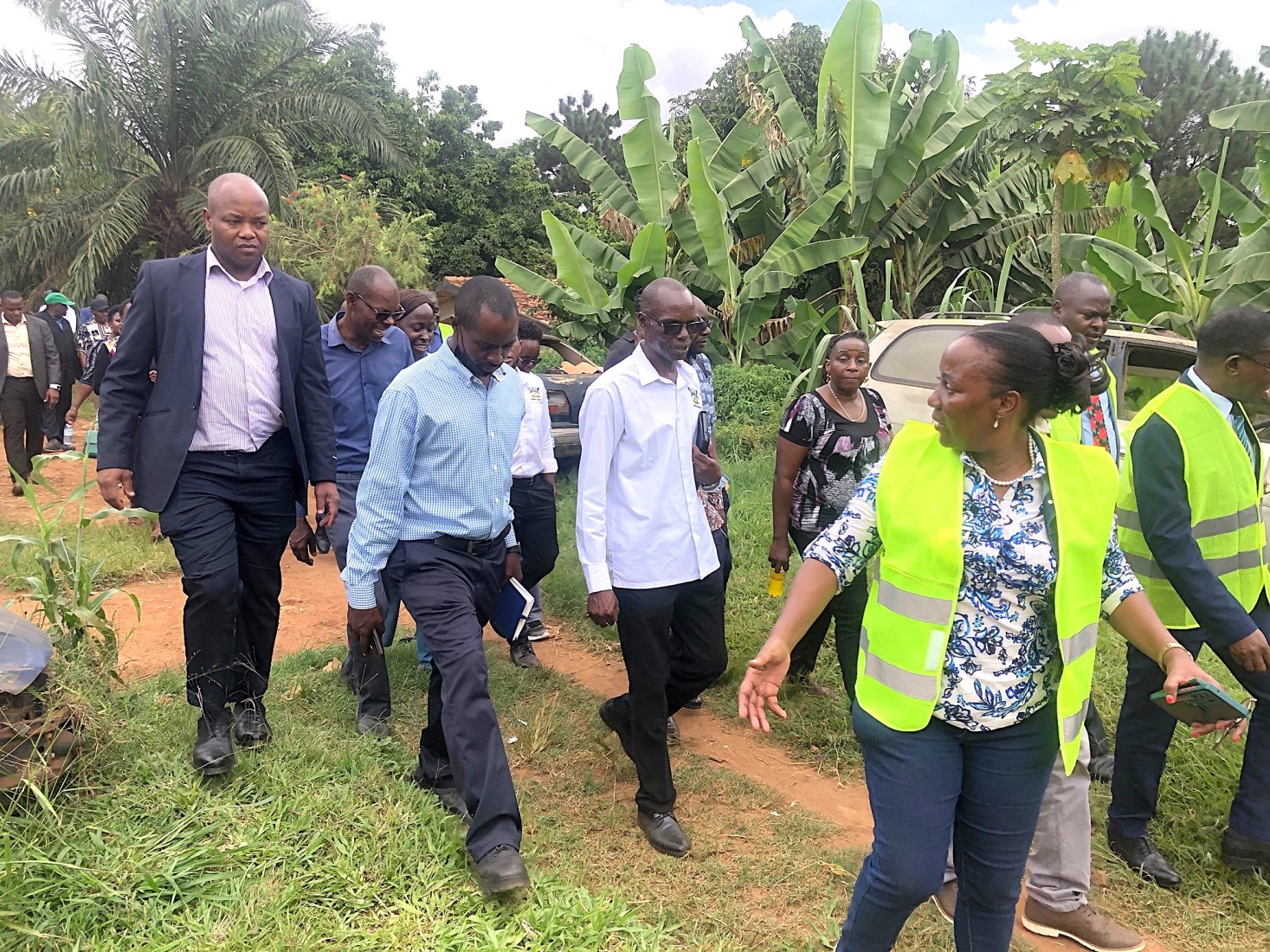
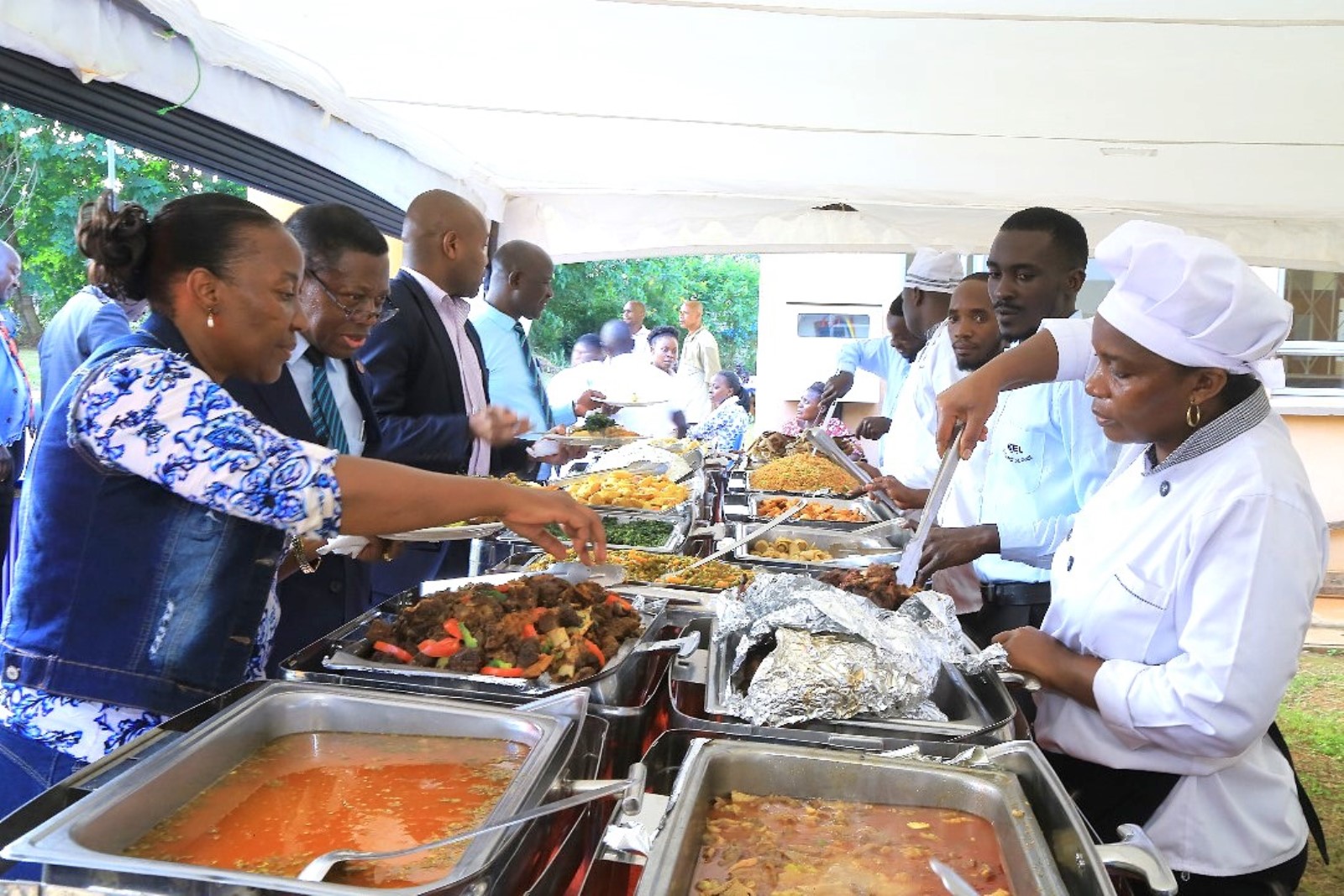
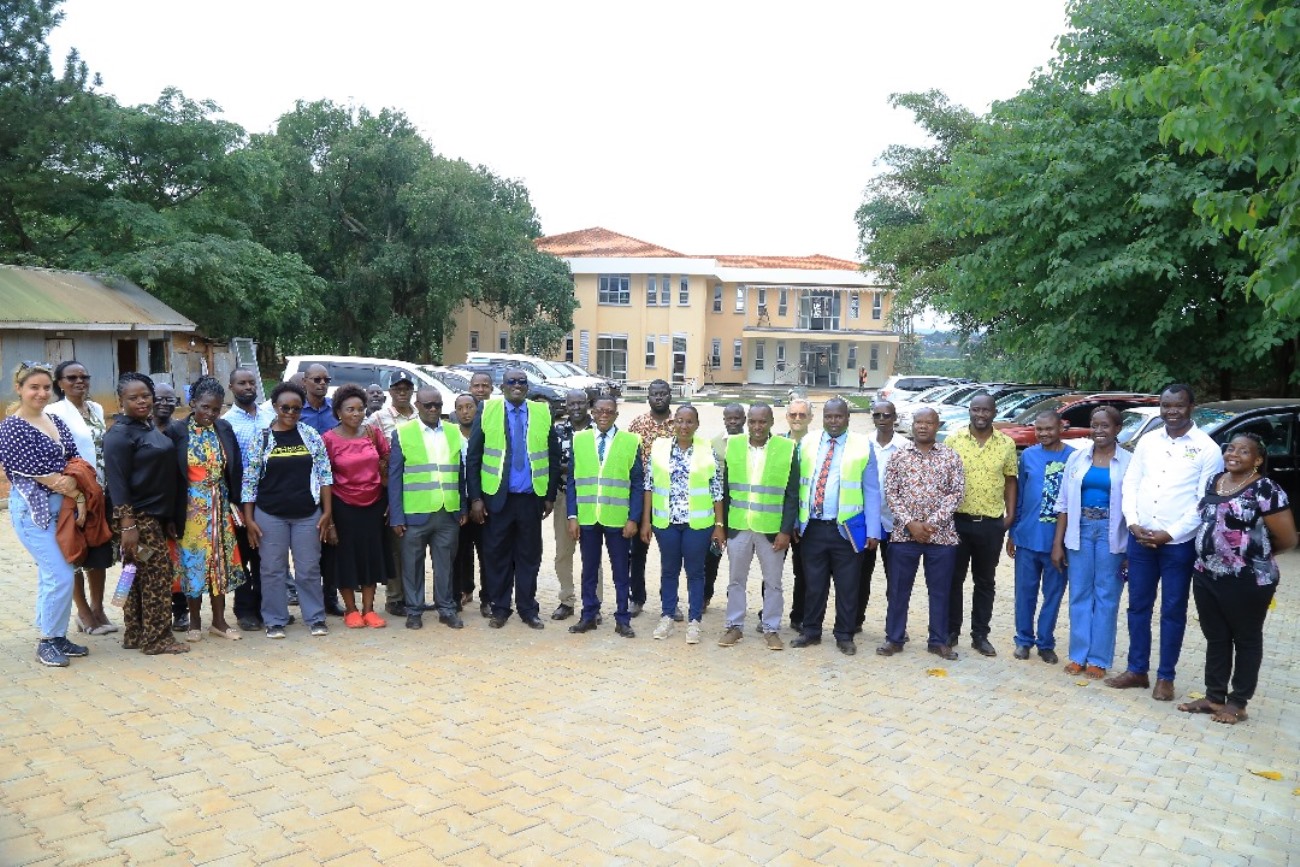
As part of the commissioning ceremony, the Principal of CAES, Prof. Gorettie Nabanoga, led visitors on a comprehensive tour of the Makerere University Agricultural Research Institute, Kabanyolo (MUARIK). The purpose of the tour was to provide first-hand insight into the institute’s current infrastructure, operational capacity, and ongoing challenges.
During the visit, Prof. Nabanoga highlighted both the strengths and limitations of the institute. While the tour showcased MUARIK’s potential as a hub for agricultural research and innovation, it also brought to light a number of critical issues affecting its functionality. Chief among these is the persistent challenge of land encroachment, which continues to threaten the integrity and sustainability of the institute’s operations.
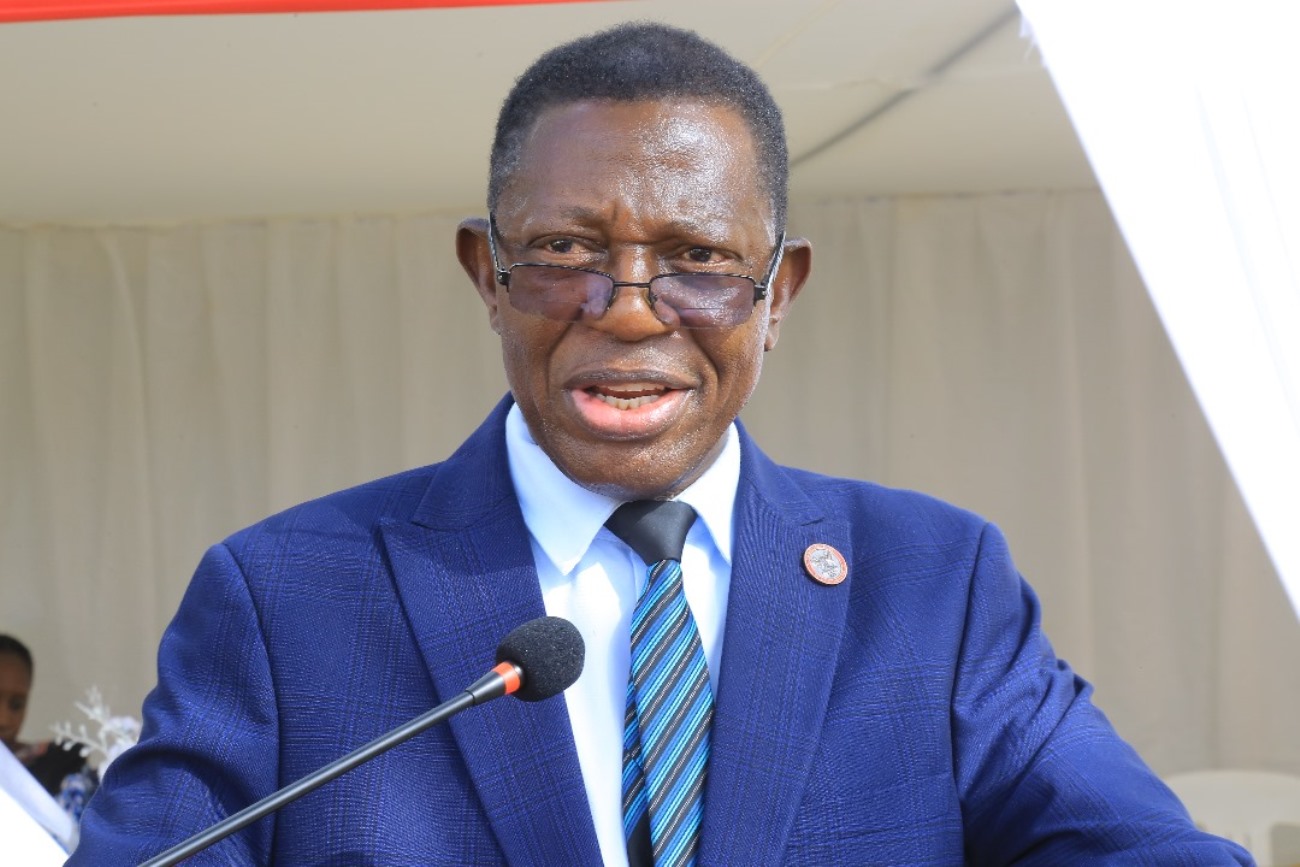
In her remarks, Prof. Nabanoga commended Dr. Cyrus Ongom, the outgoing Director of MUARIK, for his unwavering dedication to safeguarding the institution’s land. She acknowledged his resolute efforts in the face of persistent threats and numerous challenges, emphasizing the vital role he played in preserving MUARIK’s integrity. “This year, we aim to further reposition MUARIK as a leading centre for agricultural innovation and production in the region,”said Prof. Nabanoga. “Our focus will be on strengthening research, fostering partnerships with stakeholders, and enhancing the capacity of our infrastructure to support sustainable and impactful agricultural practices.”
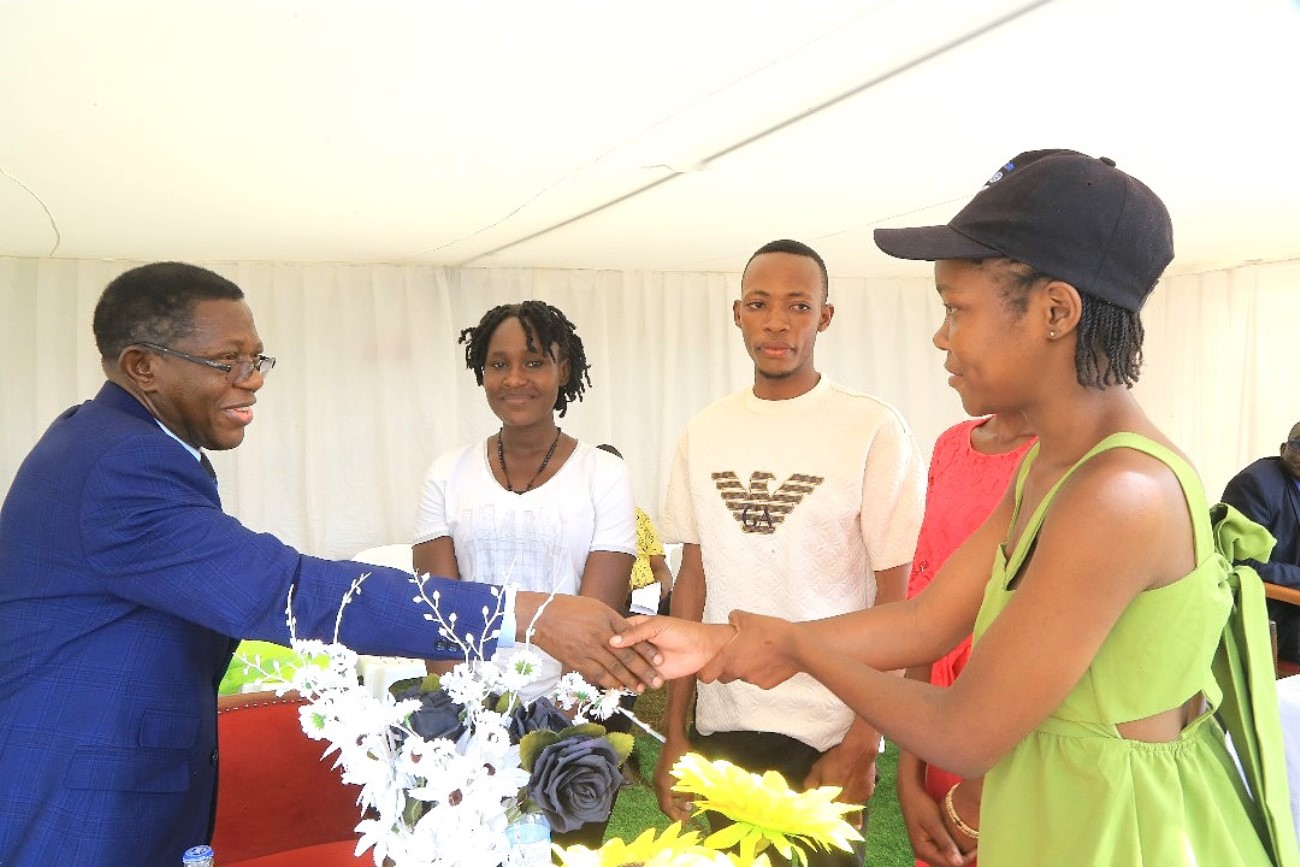
The Principal expressed gratitude to all who have supported the transformation journey of CAES. “As we celebrate our achievements today, we take this moment to recognize and honour everyone who has been part of our transformation journey,” the Principal said. “We are especially grateful to the Vice Chancellor, Prof. Barnabas Nawangwe for his unwavering support, which has been instrumental in driving the College forward.”
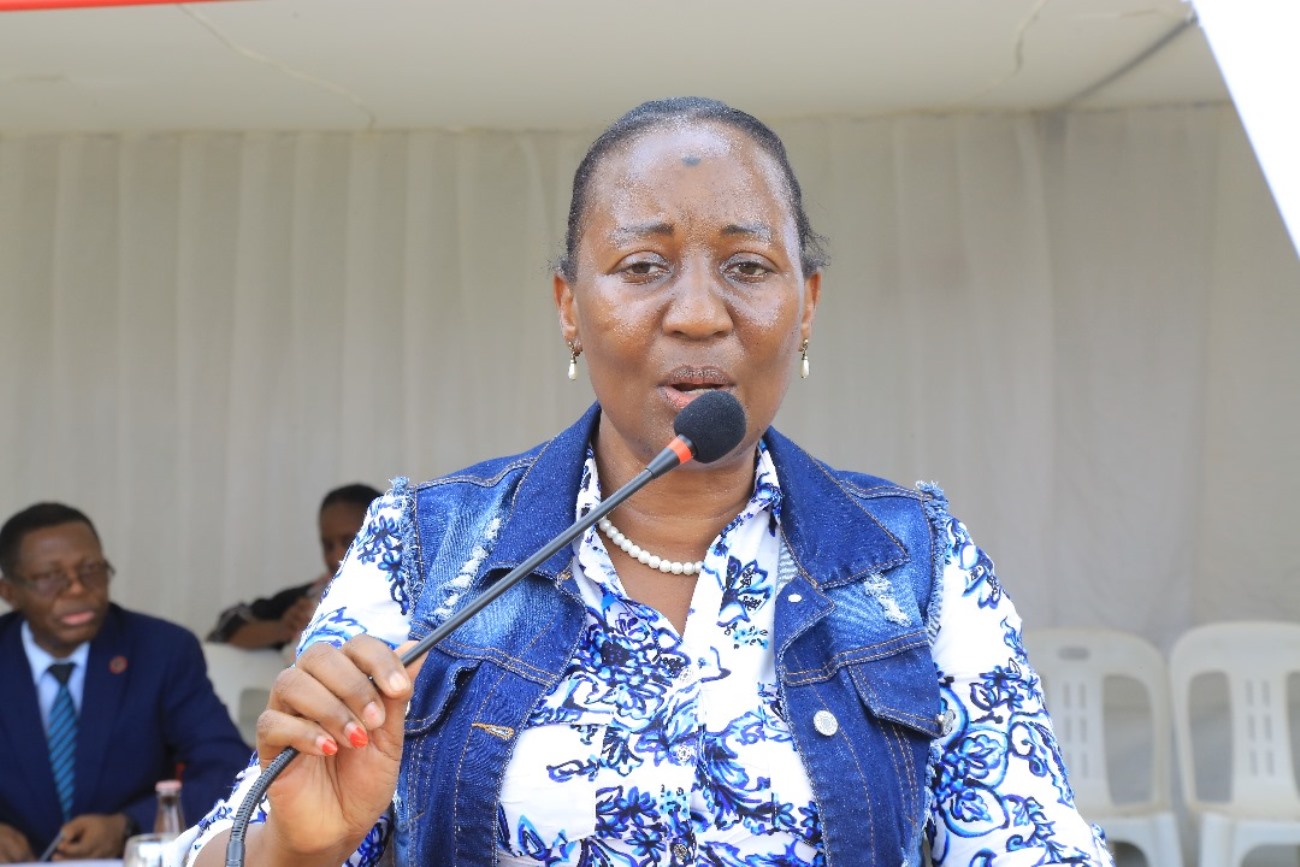
Delivering his remarks, the Deputy Vice Chancellor in charge of Academic Affairs (DVCAA), Prof. Buyinza Mukadasi, commended the CAES for its remarkable achievements in training and research.
“From my assessment, CAES has consistently excelled across its core mandates – training, research, production, and community outreach. The College has played a crucial role in advancing the agricultural sector through innovative research, high-quality academic programmes, and meaningful community engagement. These efforts have made a significant contribution to Uganda’s national development goals and the transformation of its agricultural landscape. Given its demonstrated success and strategic relevance, CAES is highly deserving of enhanced investment and funding to further expand its impact,” he stated.
CAES Annual Awards and Staff Recognition Ceremony
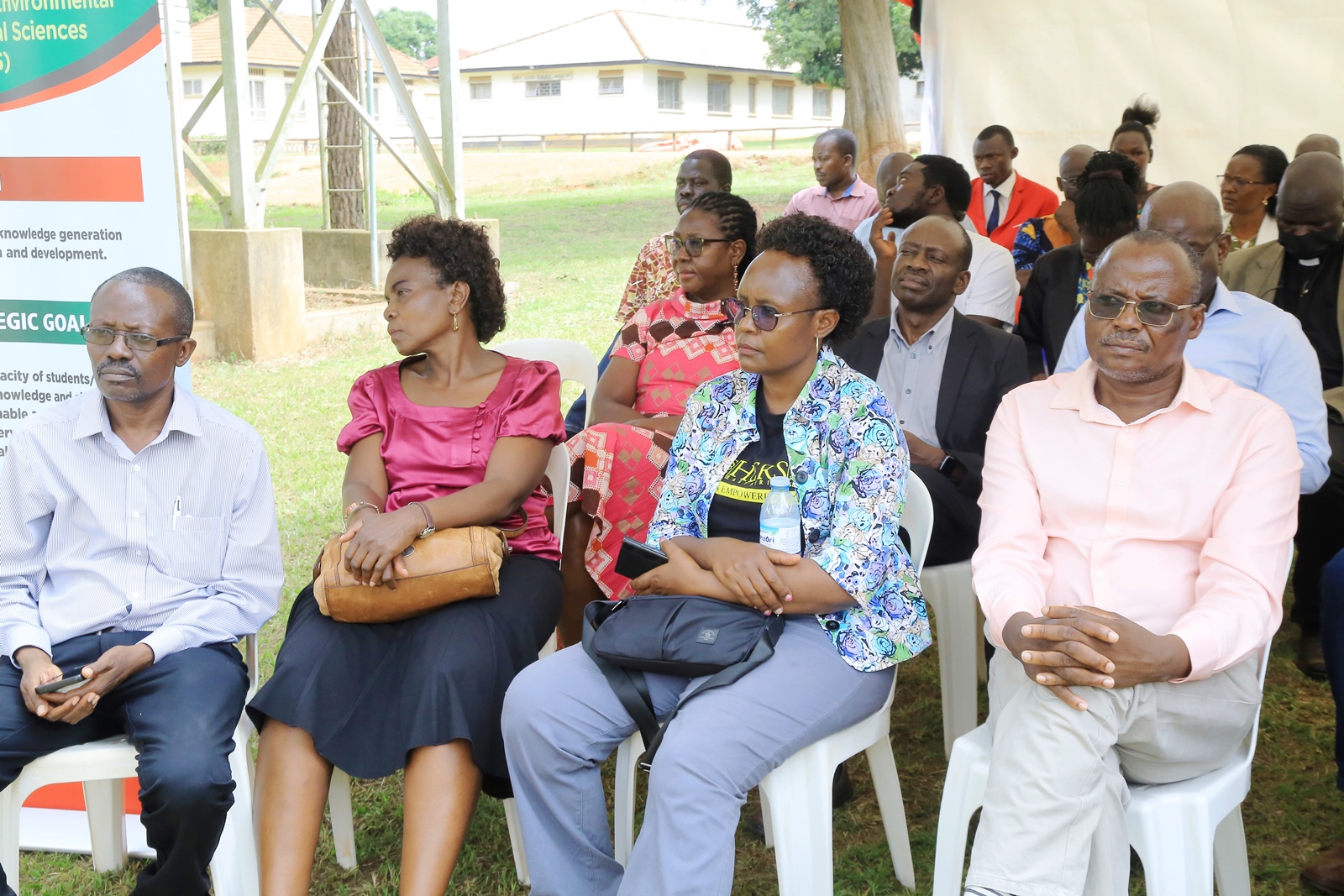
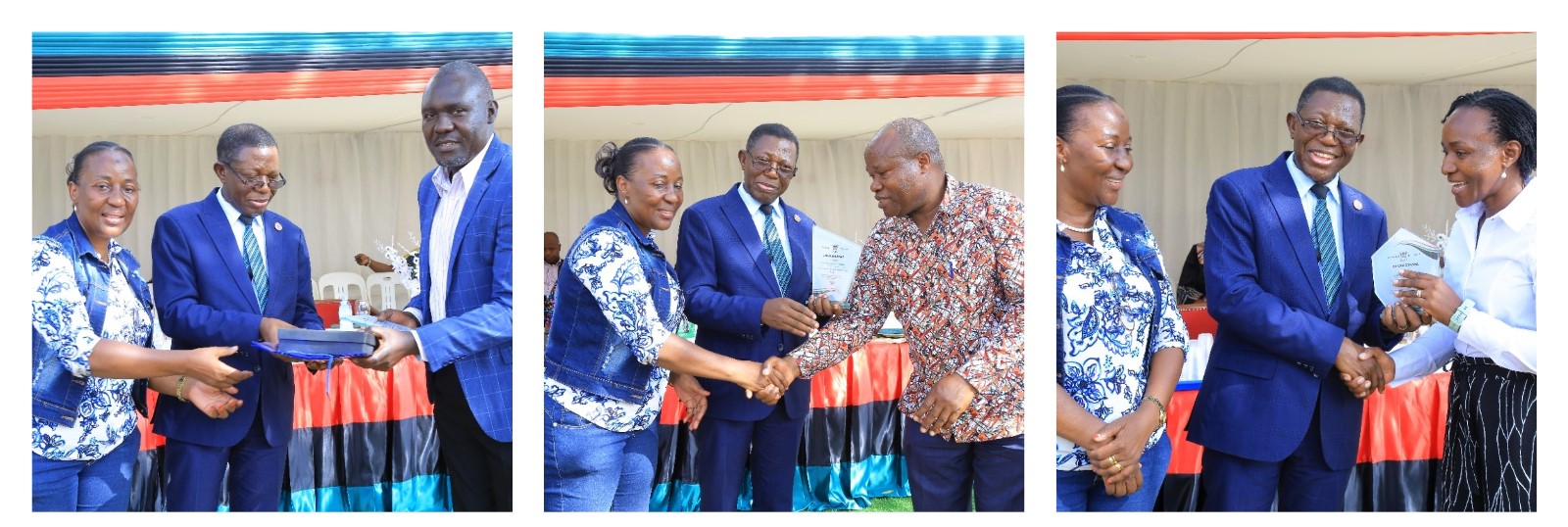
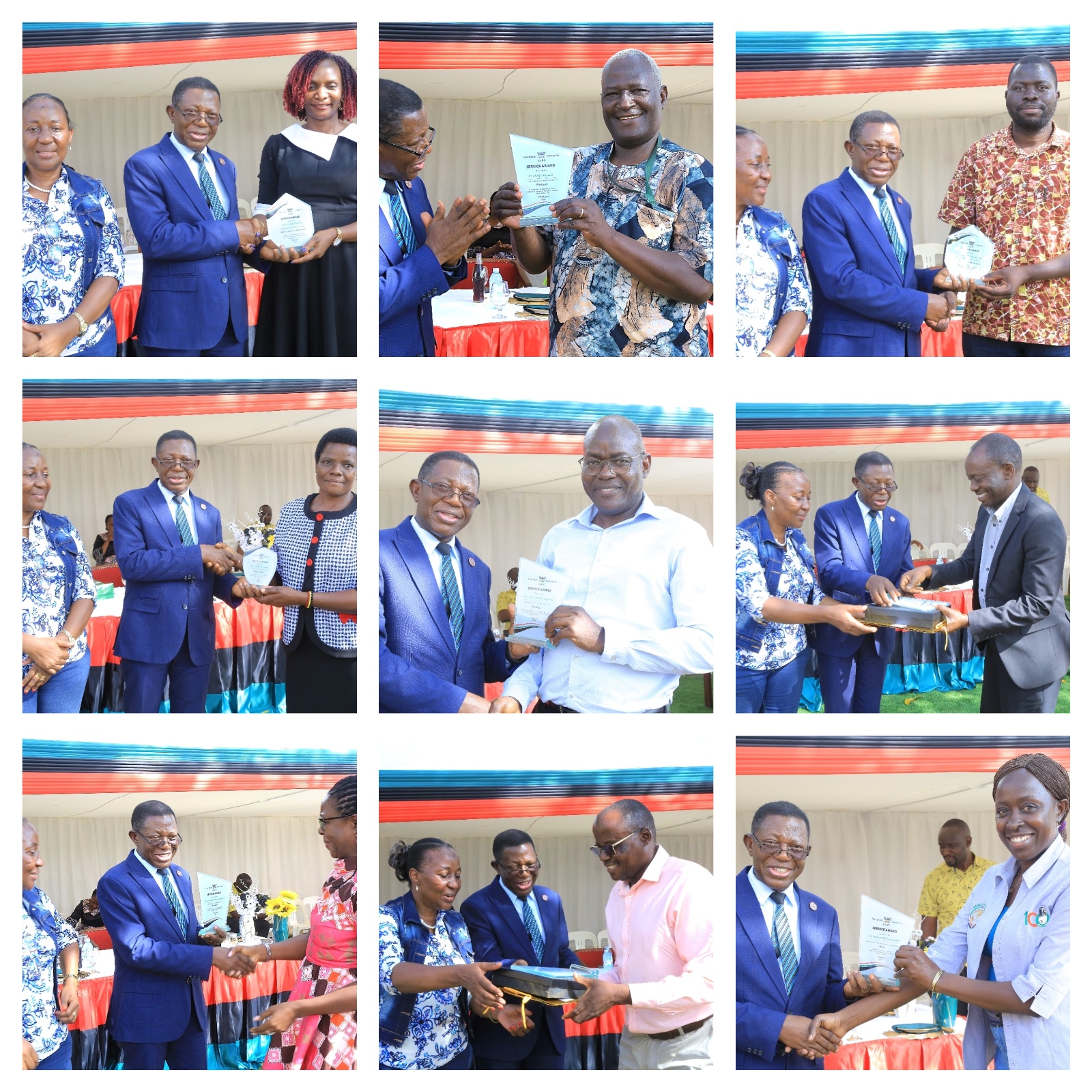
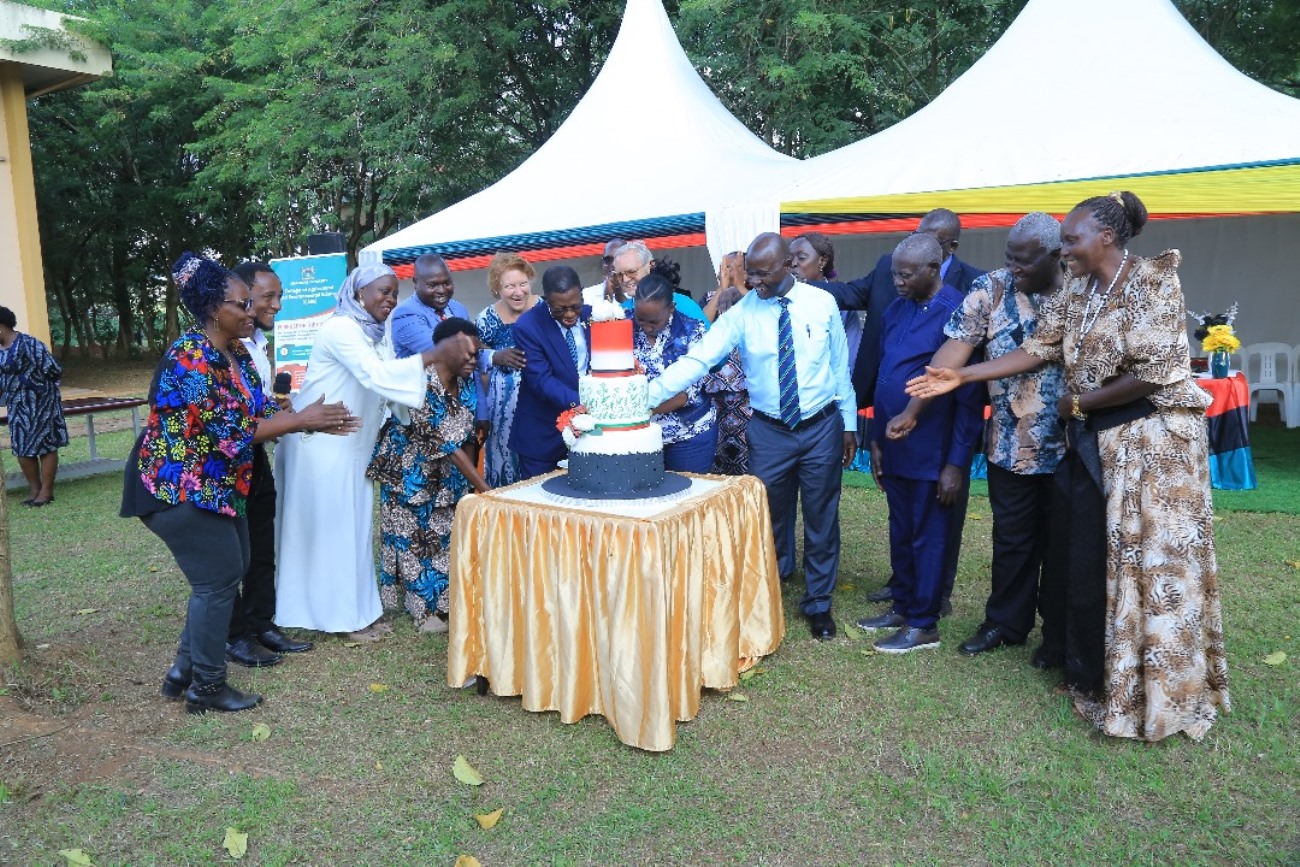
The CAES Annual Awards and Staff Recognition Ceremony celebrated the outstanding achievements of dedicated teaching, administrative, and support staff. During this special event, several members of staff were acknowledged and honoured for their exceptional performance, commitment, and contributions to the College’s success.
Commenting on the significance of the awards, Prof. Buyinza praised the initiative, emphasizing that such recognition serves as a powerful motivator. He highlighted how acknowledging excellence not only boosts morale but also inspires continued dedication and fosters a culture of high performance.
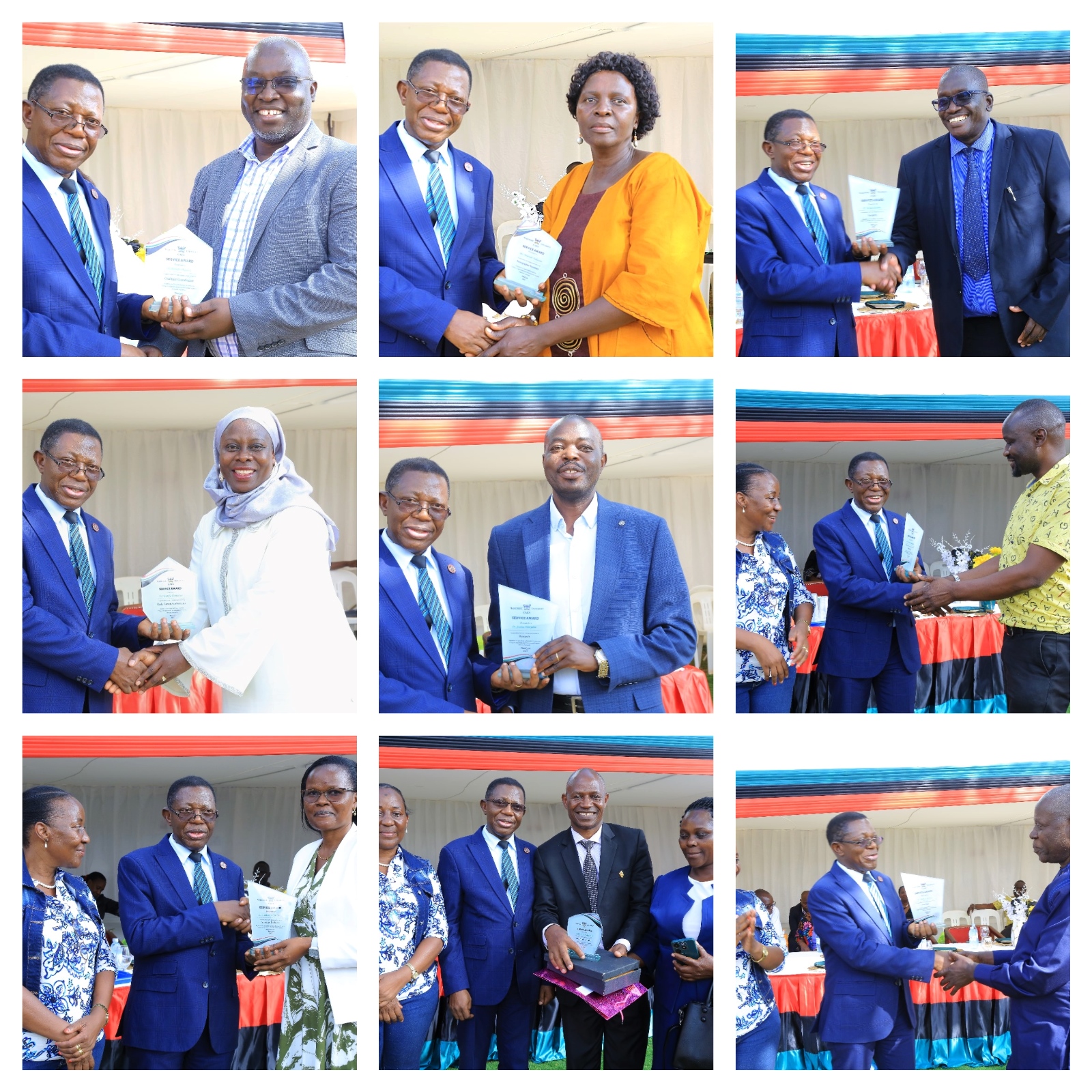
Click on the link below to access the list of staff recognized for exceptional performance.
More pictures from the event
-
 General3 days ago
Mature Age Scheme Exam Results for 2025/2026
-
 General6 days ago
Freshers’ Joining Instructions 2025/2026
-
 General1 week ago
Mastercard Foundation Board pays its inaugural visit to Makerere University
-
 General1 week ago
UVCF Makes Case for HEAC Programme
-
 Natural Sciences2 weeks ago
CoNAS Participates in the 2025 National Science Week Exhibition