
Agriculture & Environment
EfD Uganda Graduates Third Cohort of IGE Fellows, Focuses on Clean Cooking Solutions

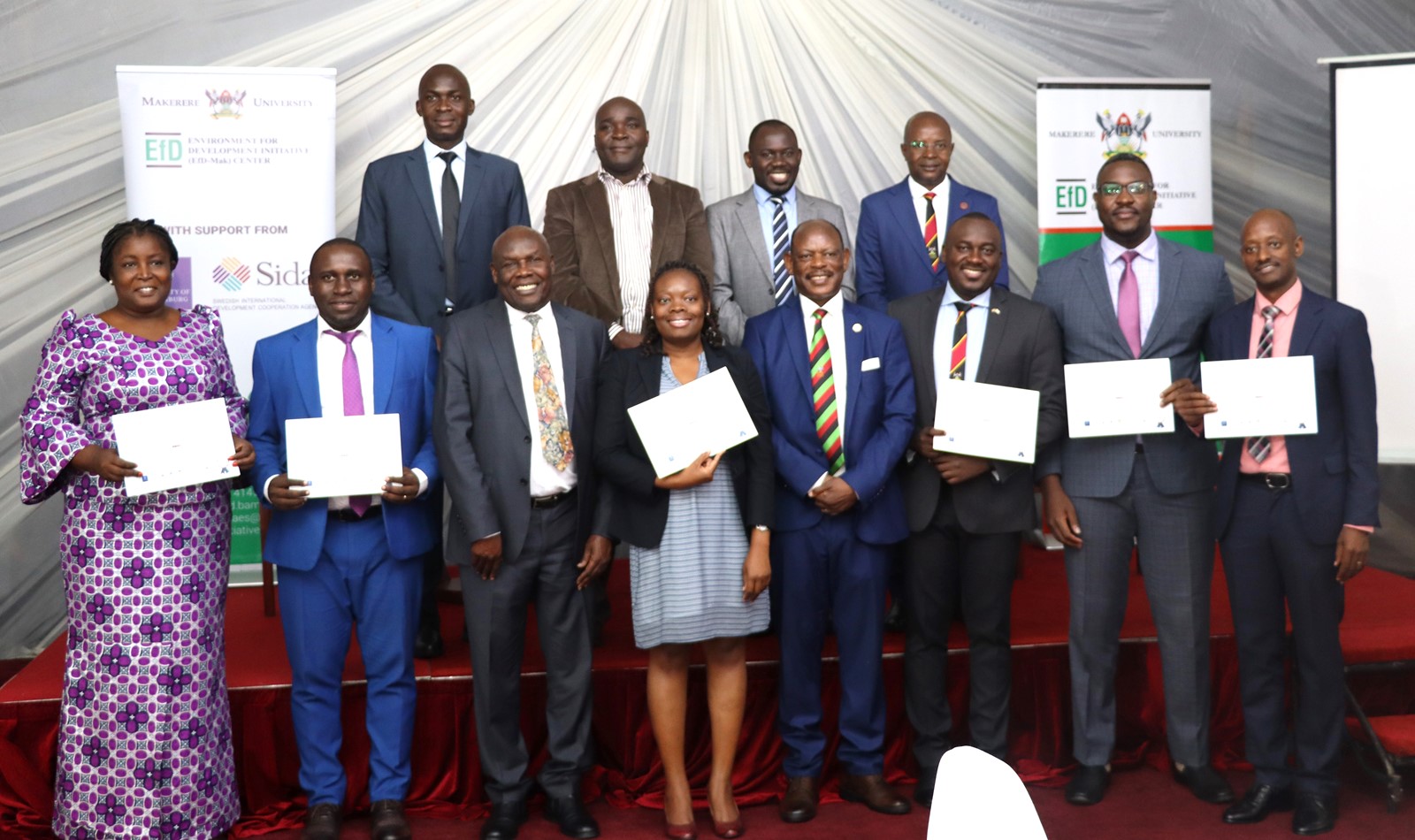
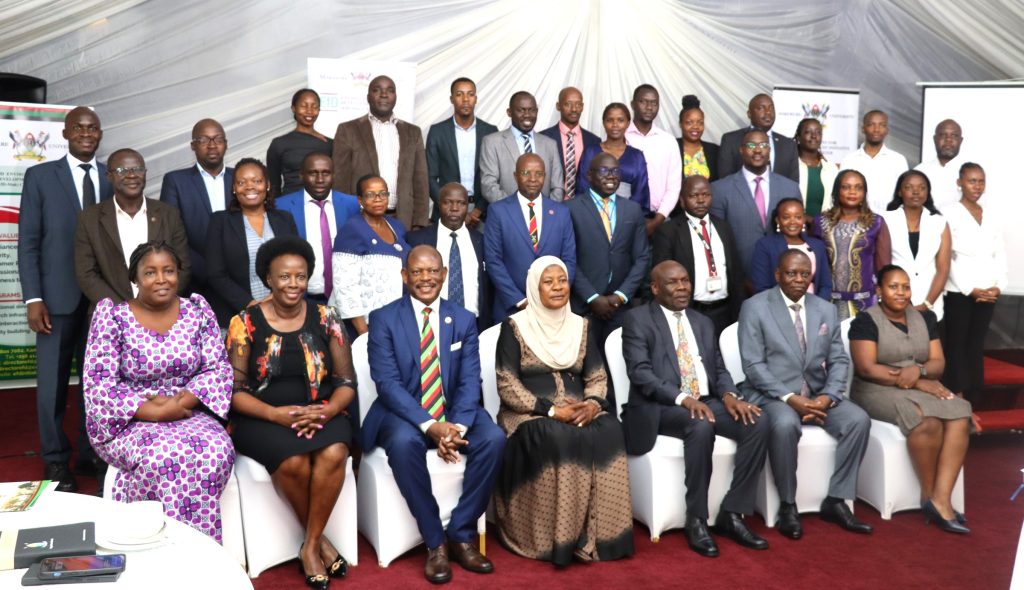
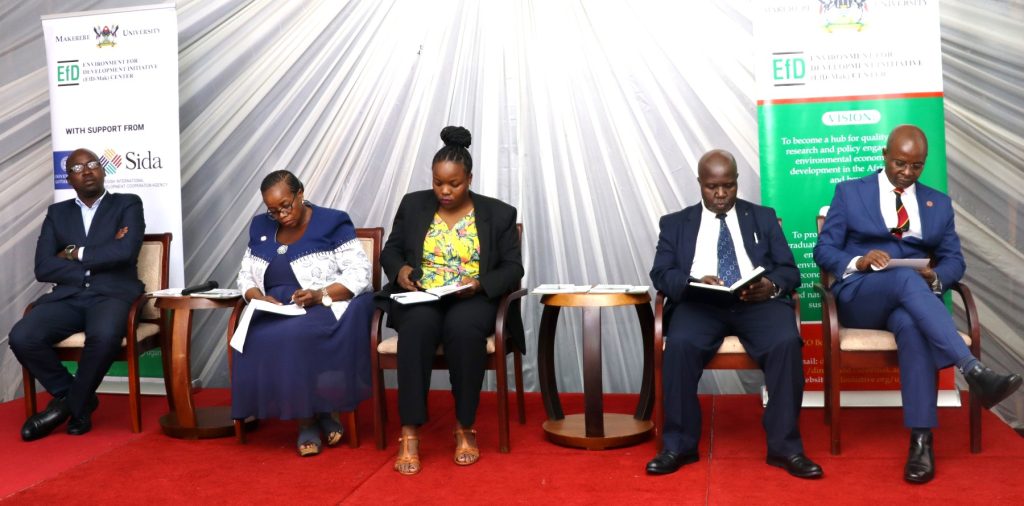
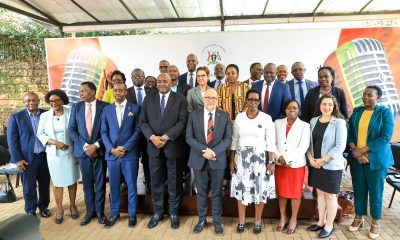
EfD Uganda has celebrated the graduation of its third cohort of the Inclusive Green Economy (IGE) Capacity Building Program. The event, held at the Sheraton Hotel in Kampala, also included a discussion on promoting clean cooking in rural areas of Uganda. The function brought together IGE Fellows, representatives from various ministries and agencies, academia, the private sector, civil society organizations, and charcoal traders.
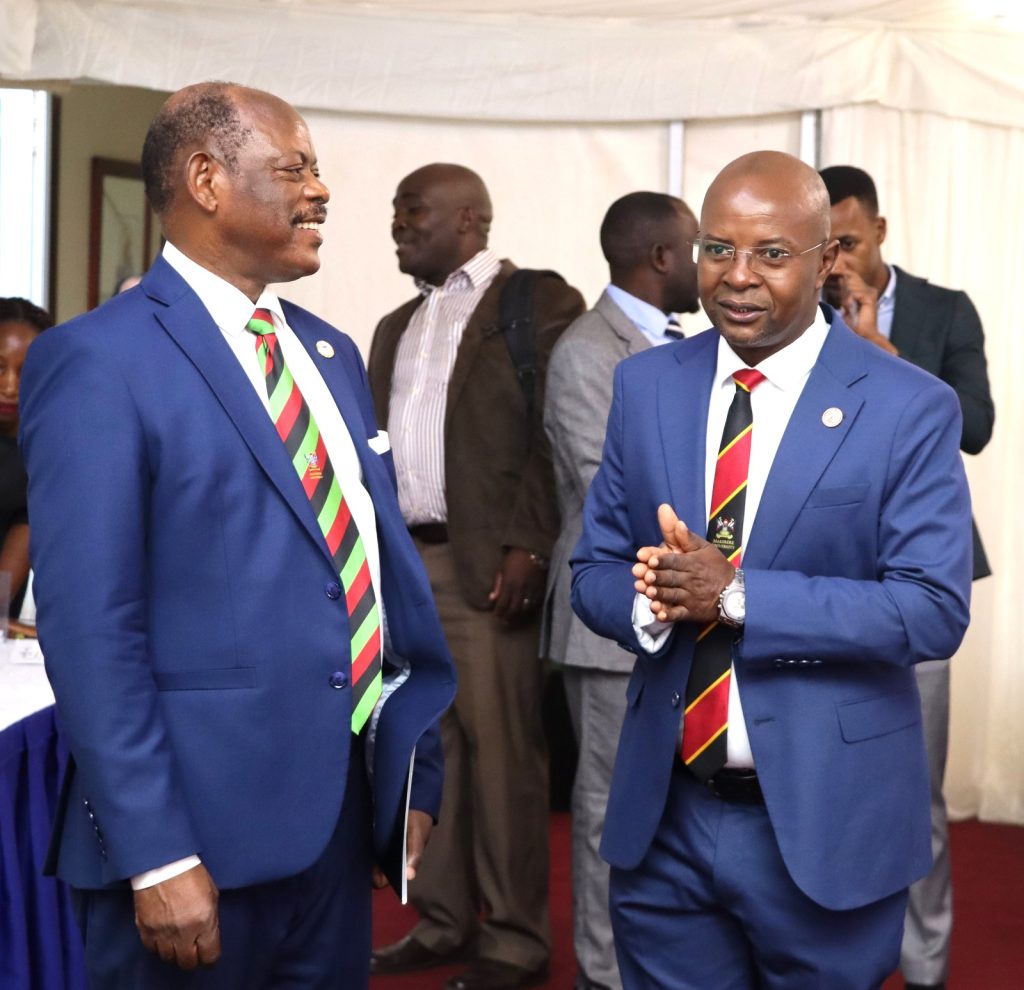
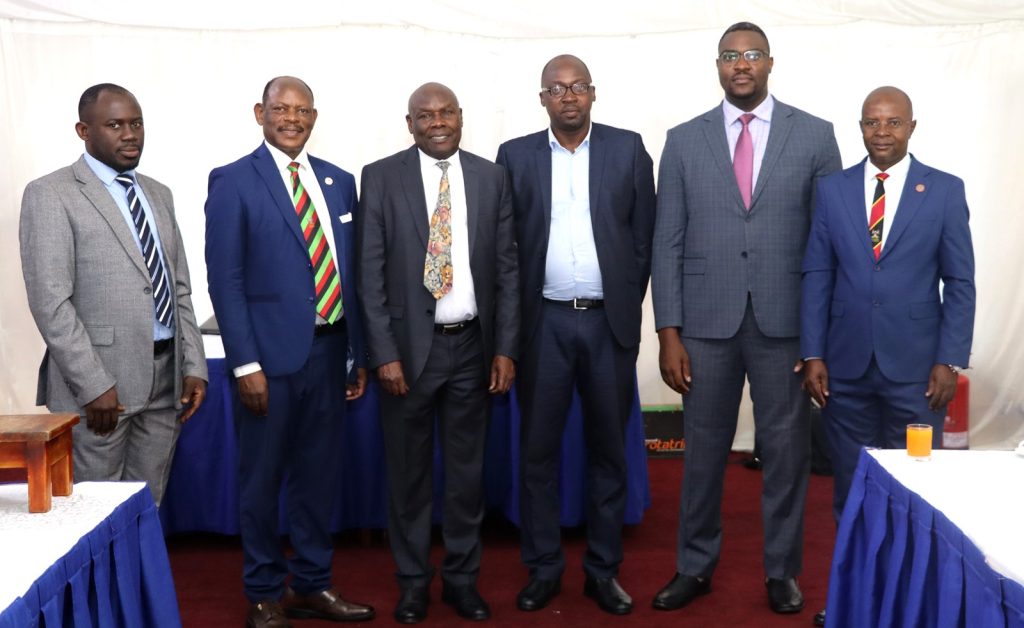
The ceremony held on August 7, 2024 was graced by the Swedish Ambassador to Uganda, Maria Hakansson, Minister of State for Energy Hon. Okaasai Opolot Sidronius, and Makerere University Vice Chancellor Prof. Barnabas Nawangwe.
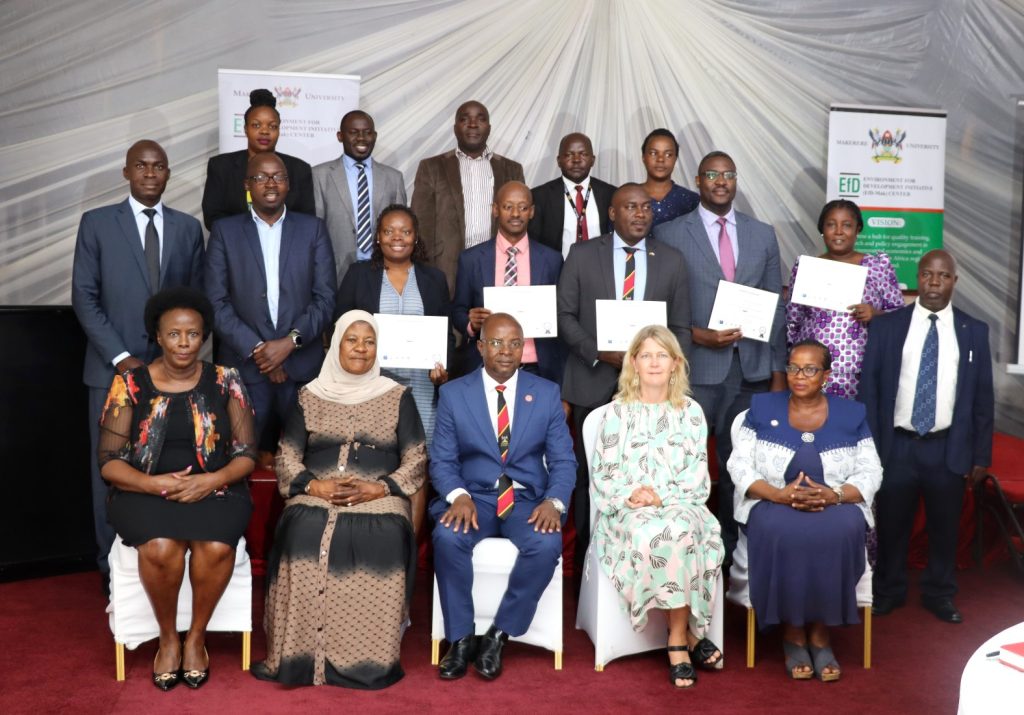
The Inclusive Green Economy (IGE) in Practice Program is a capacity development initiative for senior civil servants and policymakers in Eastern Africa. It aims to increase the knowledge and use of economic policy instruments to achieve a just green transition. The program, financed by the Swedish International Development Cooperation Agency (Sida) and implemented by the Environment for Development Initiative (EfD) at the University of Gothenburg, collaborates closely with EfD centers and partners in Ethiopia, Kenya, Rwanda, South Africa, Tanzania, and Uganda at Makerere University. Since its inception, 25 senior policymakers, including some at the director level, have been trained.
Prof. Edward Bbaale, the IGE Country Lead Uganda and Director of EfD Uganda, explained that the program includes several activities aimed at creating impacts at various levels including high-level dialogues, professional in-service training, Training of Trainers programs, co-creation of solutions for IGE Transformation Initiatives, cross-country learning workshops, initiation and promotion of an IGE community of practice, and the development and maintenance of a digital learning platform.
At the event, six IGE Fellows graduated from the program, including Eng. Ssekitoleko Simon Peter, Assistant Commissioner, Ministry of Energy and Mineral Development; Tony Joshua Mwesigwa, Economist, Ministry of Energy and Mineral Development; Mr. Kandwanaho Jonan, Senior Planner, Chemical Industry, National Planning Authority; Kebirungi Elizabeth, Planner, Natural Resources and Environment, National Planning Authority; Mr. Paul Byamugisha, Senior Climate Finance Officer, Ministry of Finance, Planning, and Economic Development; and Ms. Flavia Namagembe, Climate Finance Officer, Ministry of Finance, Planning, and Economic Development. The support team included Prof. Edward Bbaale, Dr. John Sseruyange, Dr. Nicholas Kilimani, and Dr. Peter Babyenda.
“The program will continue until 2027, having received a renewal for five years starting in 2023. For 2024, we will still focus on energy, specifically looking at energy efficiency and emissions reduction, concentrating on promoting the uptake of electric vehicles in Uganda’s transport sector,” Prof. Bbaale reported.
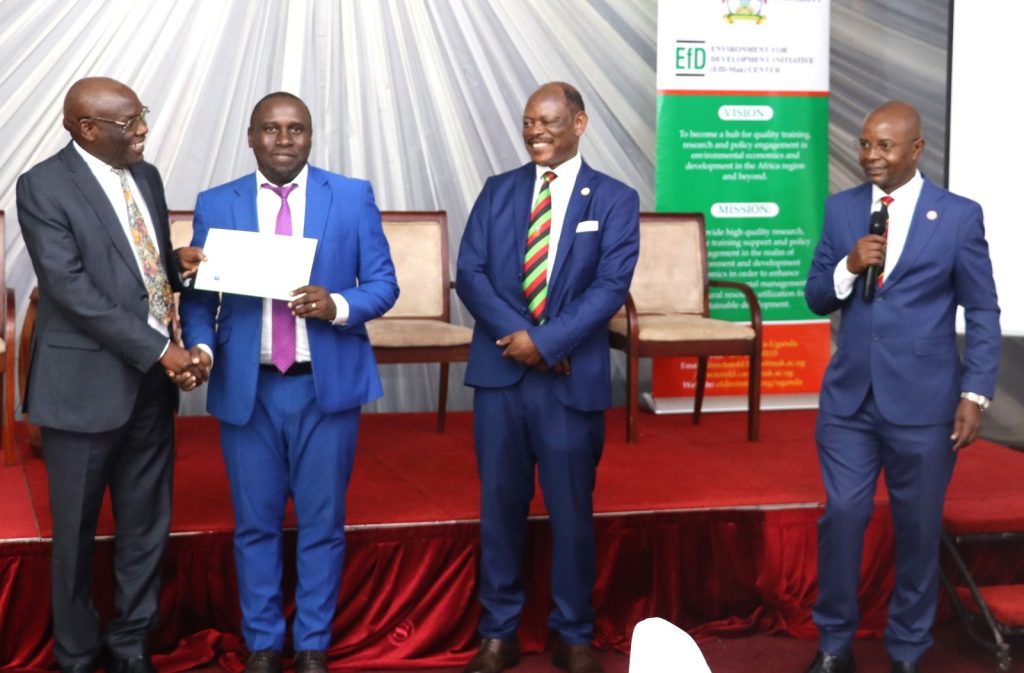
The 2024 IGE Fellows were also introduced. They will undergo a one-year training course, engaging in various activities including both physical and online lectures co-delivered with policymakers and university faculty. They include Lucy Atek, Economist, Ministry of Energy and Mineral Development; Charles Ocen, Engineer, Ministry of Water and Environment; Doreen Ankunda, Climate Finance Officer, Ministry of Finance, Planning, and Economic Development; Lucky Nabwire, Economist, Kampala Capital City Authority; and Vincent Operimo, Manager, Strategic Planning, National Planning Authority.
“The current group we are celebrating today focused on increasing the uptake of clean cooking in rural areas as their Transformation Initiative. The objectives were to create awareness about transitioning from biomass dependence to cleaner energy sources and to establish factors that can increase the uptake of cleaner energy sources such as LPG, electricity, and biogas,” Prof. Bbaale said.
This initiative included dialogues, a national stakeholders’ workshop, policy briefs, focus group discussions, and awareness-raising campaigns through social media, print media, and TV. It also contributed to developing the National Climate Finance Strategy 2023/24 – 2029/30, guidelines to mainstream climate change in Uganda’s financial sector, the fiscal framework for carbon markets, national green taxonomy, and a just transition framework.
Prof. Bbaale highlighted key lessons from cross-country learning, such as the importance of developing local solutions for local problems, making alternative fuels more accessible, and conducting effective awareness campaigns. He emphasized the need for targeted training programs to empower rural residents with knowledge and skills related to clean energy adoption.
Energy Minister Calls on Makerere University to Lead in Localizing Energy Technology and Human Resource Development
In his opening remarks, Minister of State for Energy, Hon. Okaasai Opolot Sidronius, urged Makerere University to collaborate in localizing and developing technology, laboratories, and human resources for energy systems.
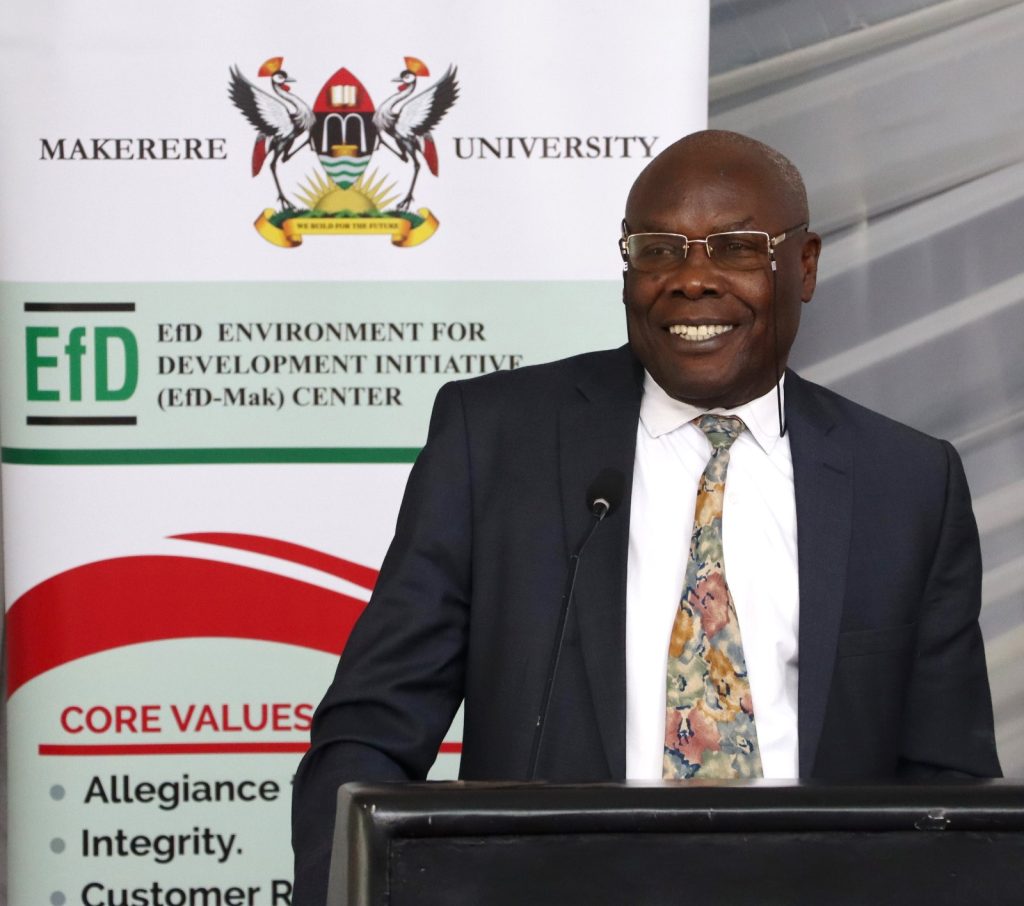
Hon. Opolot expressed his frustration with Uganda’s dependence on foreign consultancies and emphasized the importance of building local capacity. He shared his experiences from visiting advanced energy labs in the United States, highlighting the need for Uganda to develop similar facilities and expertise. “We need to stop relying on foreign experts and start developing our own technologies and human resources. If the Americans can do it, why can’t we?” he said.
The Minister outlined Uganda’s efforts in developing its nuclear energy capacity, including signing multiple MoUs with countries like Russia, China, and Korea, and identifying potential sites for nuclear plants and training centers. He stressed the necessity of developing human resources locally, stating, “We must focus on building our own capacity to train thousands of scientists and technicians. Sending them abroad is not sustainable.”
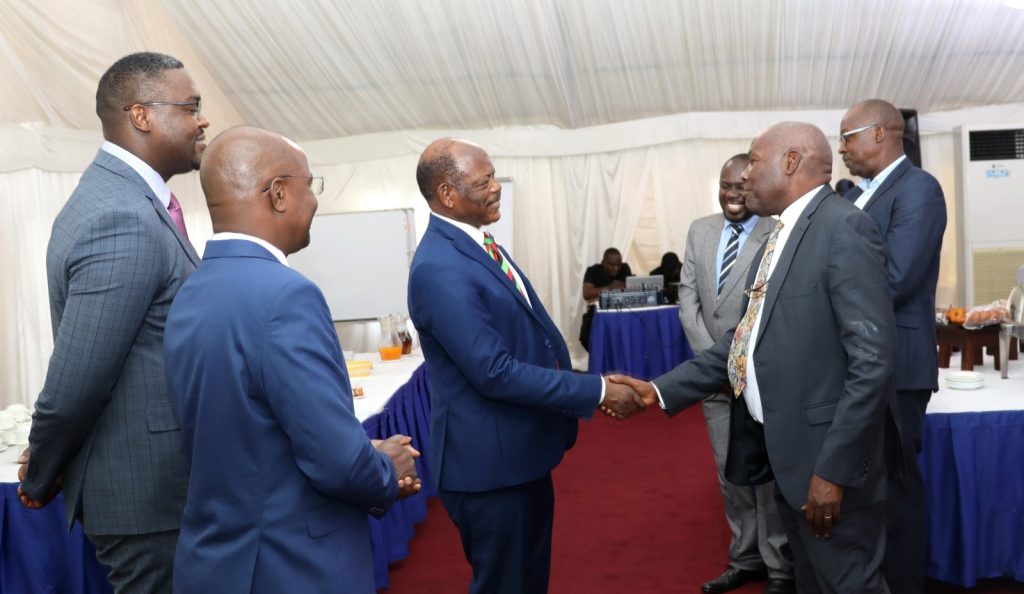
Minister Opolot called on Makerere University to lead these efforts by establishing energy laboratories and training programs. “Makerere University should be at the forefront of localizing technology, establishing laboratories, and training personnel in energy systems,” he said. He also highlighted the importance of research and collaboration with other universities to transform Uganda’s energy sector.
Prof. Barnabas Nawangwe Pledges Makerere University‘s Support to Government Initiatives
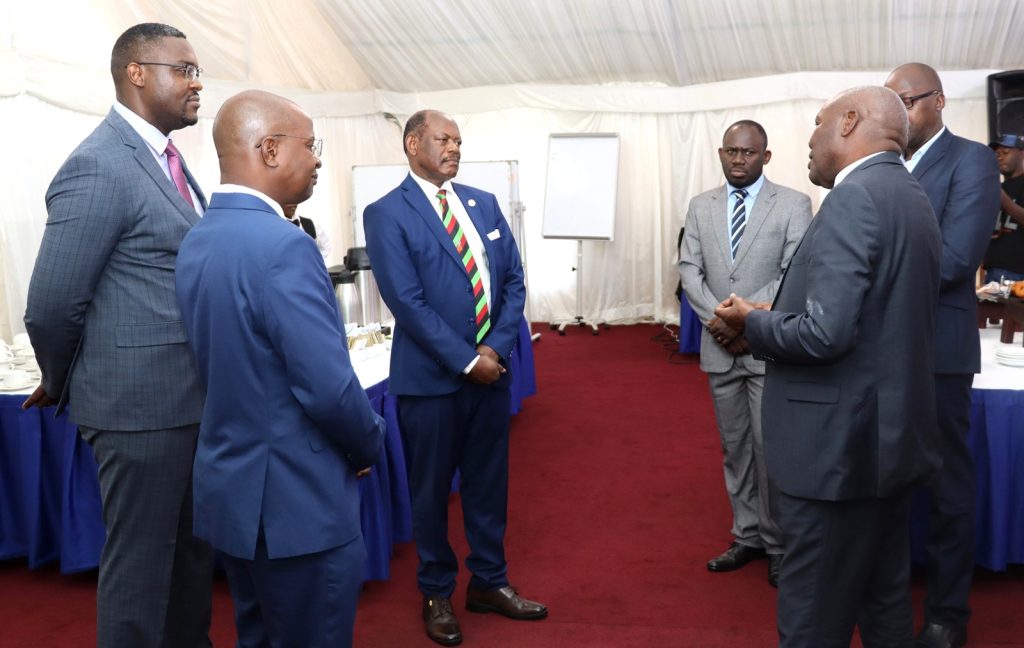
In his opening and welcome remarks, Makerere University’s Vice Chancellor Prof. Barnabas Nawangwe expressed gratitude to the Minister for making time to attend the event, indicating the Minister’s appreciation of the university’s collaborative efforts with the government. Prof. Nawangwe emphasized that Makerere University, being a large institution with substantial resources, is underutilized by the government. He pointed out that the government spends significant funds on foreign consultancy for tasks that could be efficiently handled by the university’s lecturers and students.
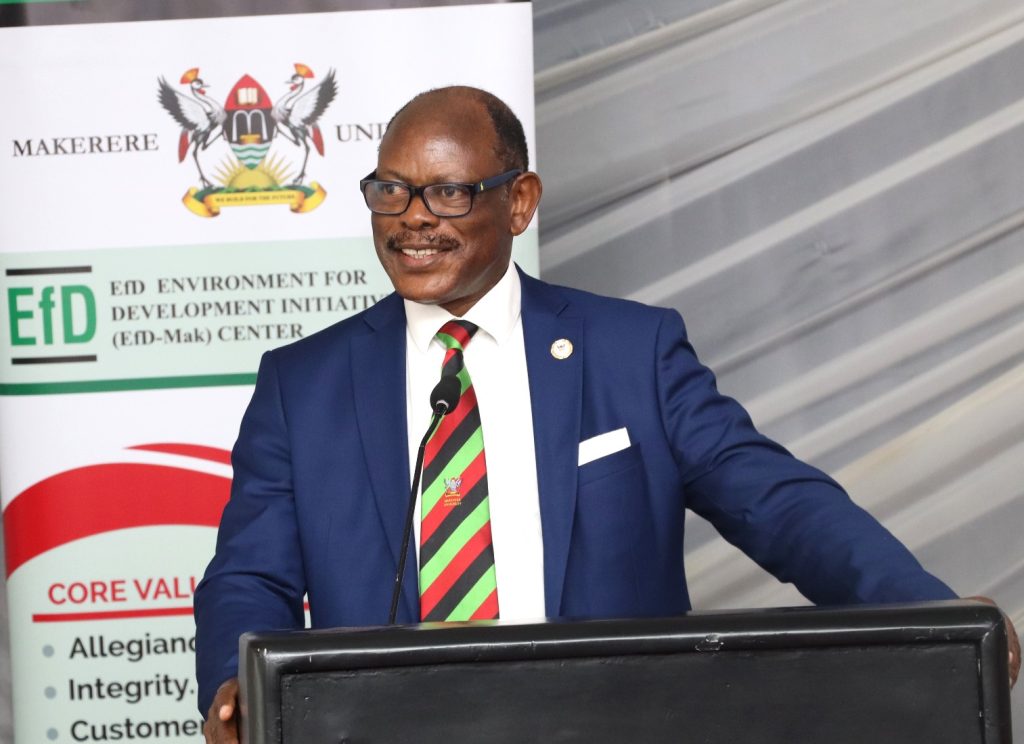
Prof. Nawangwe highlighted Makerere University‘s commitment to supporting government programs, stating, “We are here for you. We are a government institution, and the people of Uganda have invested heavily in Makerere University, so we must reap from that investment.” He assured the Minister that the university is available to support government initiatives and emphasized that the funds provided for research and innovations should be used to address the government’s development challenges.
He specifically mentioned the university’s capability to conduct mineral testing, which could prevent the need to send samples abroad, thereby saving costs. Prof. Nawangwe expressed excitement about the invitation to collaborate and pledged Makerere University‘s full support for government programs. He also congratulated the Ministry of Energy on its successes, particularly the commissioning of the West Nile plant, which he described as a game-changer for the country’s energy sector.
Prof. Nawangwe acknowledged the importance of the Inclusive Green Economy (IGE) Capacity Building Program, highlighting that the issues addressed by the fellows are crucial for Uganda’s future. He recounted his childhood experience of passing through a green forest while studying in his village home , contrasting it with the current state of deforestation and urban slums. He stressed the urgency of addressing environmental issues as the population continues to grow, predicting severe consequences if action is not taken.
He commended the government for its active involvement in the IGE program and its collaboration with Makerere University through various initiatives, such as the Climate Resilient Infrastructure Development Facility (CRIC). Prof. Nawangwe congratulated the graduating fellows for their year-long engagement and encouraged incoming participants to take the training seriously, emphasizing that it would empower them and enhance their professional capabilities.

Swedish Ambassador Emphasizes the Importance of Universal Access to Sustainable Energy
Closing the event, Swedish Ambassador to Uganda, Maria Håkansson, highlighted the critical role of universal access to affordable, reliable, and sustainable energy in achieving the Sustainable Development Goals (SDGs). She stressed that energy is essential for economic growth and the provision of social and public services.
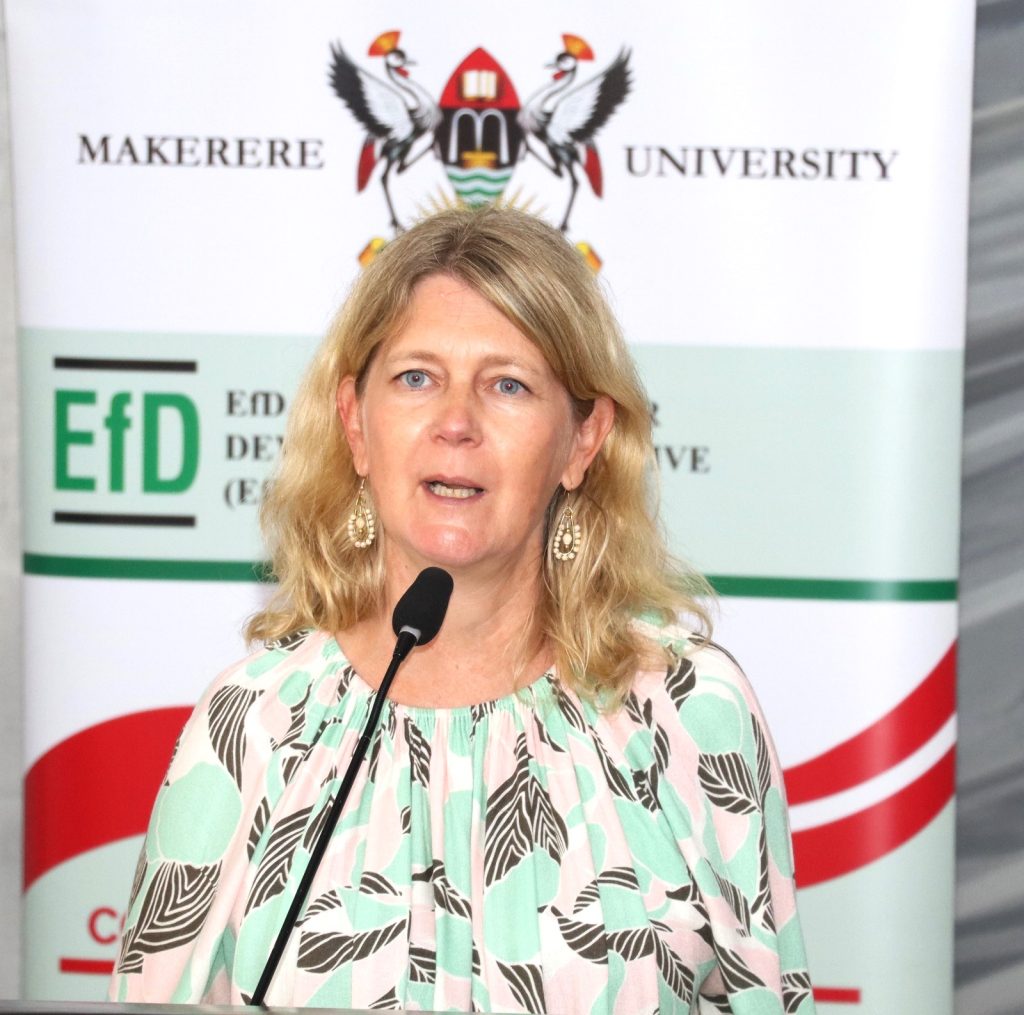
Ambassador Håkansson noted Sweden’s ambitious goal to become the world’s first fossil-free welfare state by 2045, aiming for net zero emissions. “We strongly believe this is important for us to keep the planet and life safe,” she said. This transformation requires a profound shift in systems and technology to ensure cleaner air, better urban environments, and safer energy supplies. Sweden has successfully decoupled carbon dioxide emissions from GDP growth since 1997, thanks to a significant reliance on renewable energy, without compromising public welfare or prosperity.
Sweden’s partnership with Uganda in promoting energy access and efficiency is strong. In 2019, the ambassador said, a Memorandum of Understanding was signed with the Ugandan government for energy sector cooperation, which has been extended. Various capacity-building programs have trained energy sector staff in renewable energy and energy efficiency. A partnership with SNV, Makerere University, and the Private Sector Foundation Uganda, supported by Sweden with USD 8.8 million, aims to engage the private sector in designing impactful energy efficiency solutions.
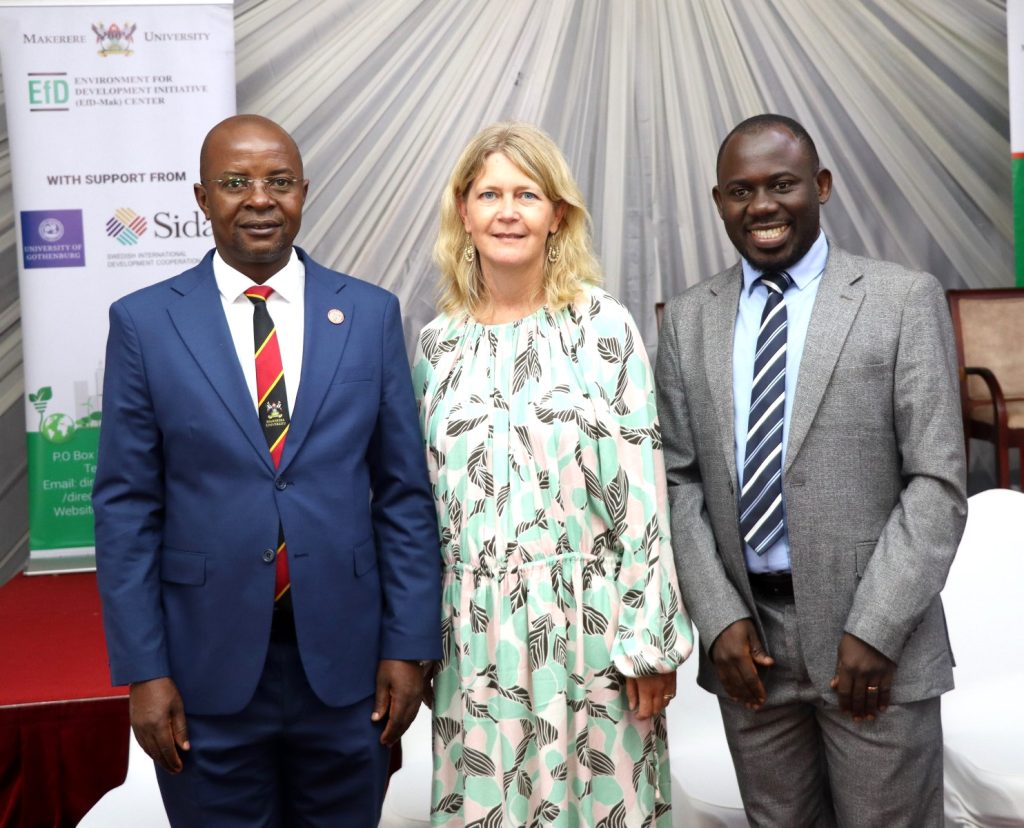
Sweden also reported that supports the Power Africa initiative to double electricity access in sub-Saharan Africa and collaborates with UEGCL and Swedfund on a feasibility study for floating solar panels on water reservoirs. This project aims to enhance the electricity generation capacity of Ugandan hydro power dams.
Additionally, Sweden’s support for the UNCDF Renewable Energy Challenge Fund has resulted in the avoidance of approximately 1,514,787 tons of carbon dioxide emissions through clean cooking initiatives. “The use of effective and clean cooking solutions has clear positive impacts on the daily lives of not least women and children by reducing indoor air pollution and easing the workload of collecting firewood,” Håkansson explained. “At the same time, it reduces deforestation and soil degradation.”
The Inclusive Green Economy (IGE) in Practice program, funded by the Swedish Development Cooperation and conducted in collaboration with Makerere University, focuses on sustainable energy transitions, particularly promoting clean cooking solutions. These solutions according to the ambassador have significant positive impacts, such as reducing indoor air pollution, easing the workload of collecting firewood, and mitigating deforestation and soil degradation.
Ambassador Håkansson concluded by commending the IGE Fellows for their efforts to raise awareness and increase the uptake of cleaner energy sources, congratulating them on their graduation from the program. “Let me conclude by commending the IGE Fellows for their work to raise awareness and increase the uptake of cleaner energy sources as well as congratulate them as they today graduate from the program,” she said.
Jane Anyango is the Communication Officer EfD Uganda







Agriculture & Environment
Makerere University Welcomes 50 Youth Skilling Program trainees under the Africa Climate Collaborative, Supported by Mastercard Foundation

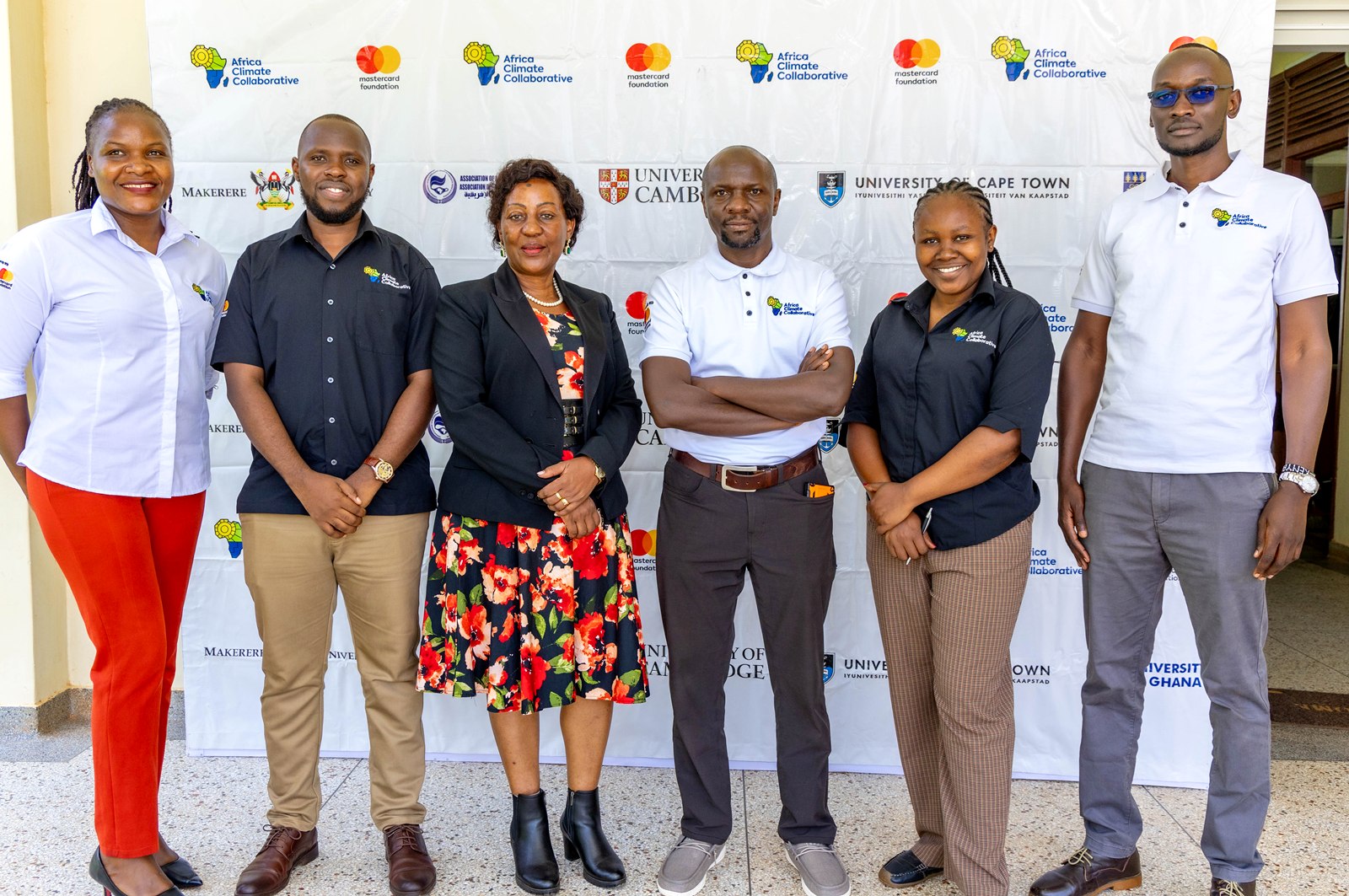
By Damali Mukhaye
Laughter, excitement and renewed hope filled the Makerere University Agricultural Research Institute Kabanyolo (MUARIK) on 28th September 2026, as 50 young people who had previously been left out of employment, education and training opportunities gathered to begin their journey under the Africa Climate Collaborative (ACC) Youth Skilling Program.
The youth, selected from Lwengo, Rakai and Yumbe districts, are the first cohort under the Africa Climate Collaborative Youth Skilling Program at Makerere University, an initiative supported by the Mastercard Foundation.
Speaking during the day two orientation at MUARIK, the Program Director, Prof. Gorettie Nabanoga, said the youth will undergo a 10-week residential training programme at MUARIK, followed by a three-month industrial attachment with various organisations.
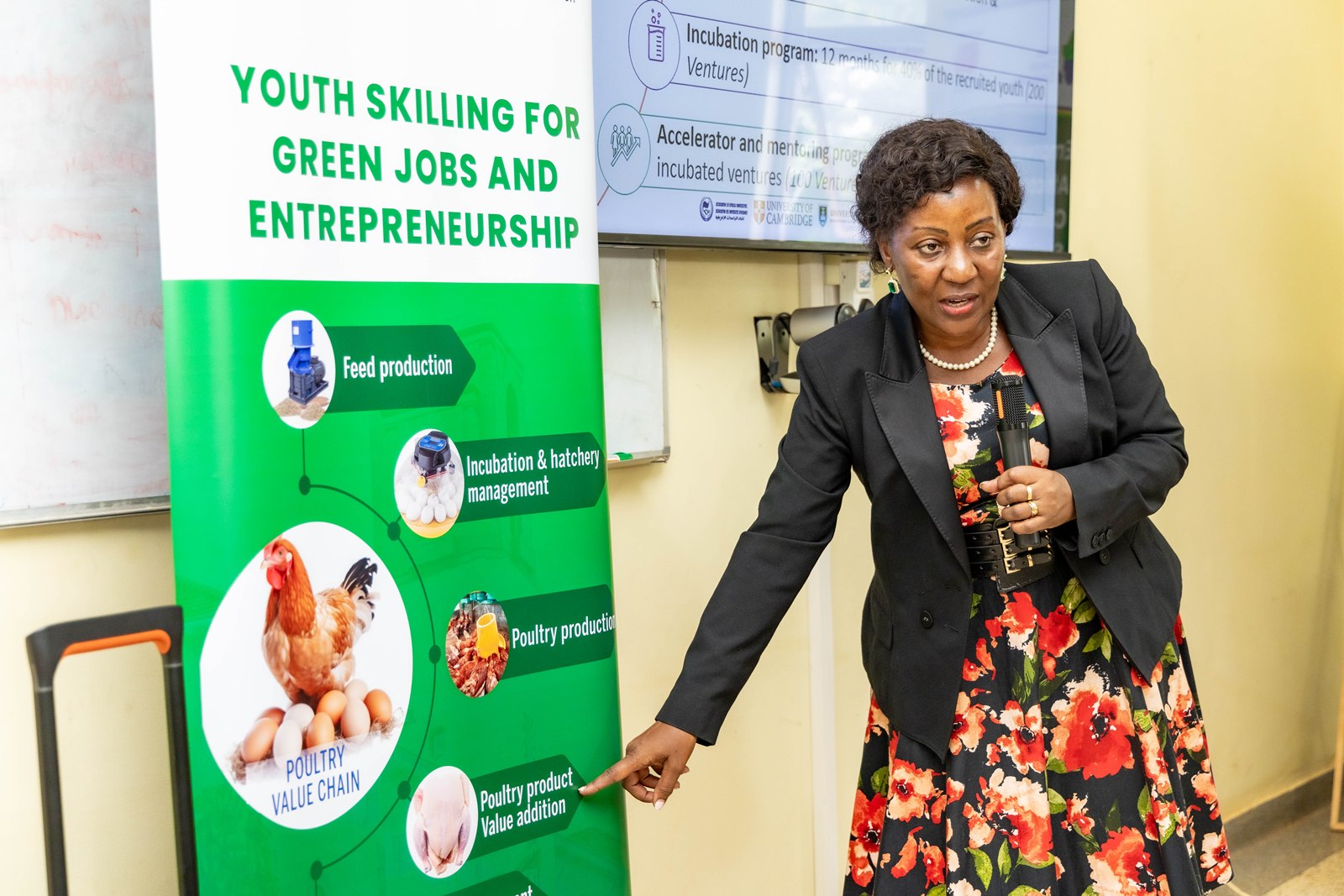
The youth will thereafter be assessed by the Uganda Vocational and Technical Assessment Board (UVTAB) and will receive government-recognised certificates upon successful completion of the program.
Prof. Nabanoga told the participants that the program was not designed to benefit them alone, urging them to think about how they would use the skills acquired to transform the lives of others in their communities.
“The bigger question is going to be, who is going to benefit because you came here? Don’t think about yourself. Who else?” Prof Nabanoga asked.
She challenged the youth to see themselves as future trainers who would pass on the knowledge and skills they acquire to other young people once they return to their communities.
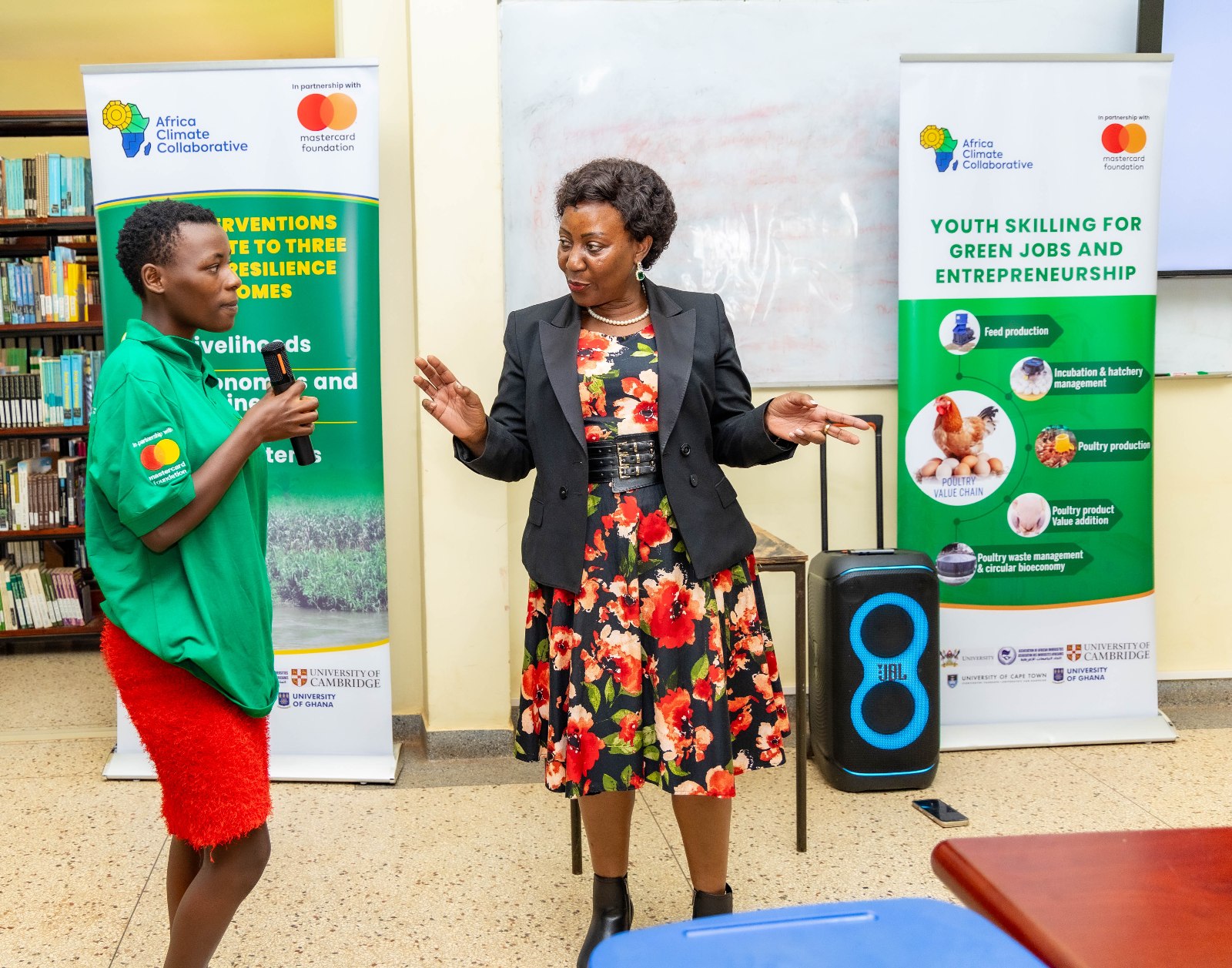
“The reason you’re here is for us to skill you so that you can go back and skill others. We call you trainers of trainers,” Prof. Nabanoga said.
She encouraged the participants to approach the training with a learning mindset and focus on the skills they could take back home and use to create opportunities for others.
“As you interact, don’t ask what we are going to teach you. But just ask, what are you going to learn for you to be able to go and impact others? What skill are you picking and taking away for you to be able to impact others?” she said.
The Youth Skilling Program is part of Africa Climate Collaborative’s wider eight-year plan to equip 500 young people with practical skills and opportunities that can contribute to employment, entrepreneurship and community development.
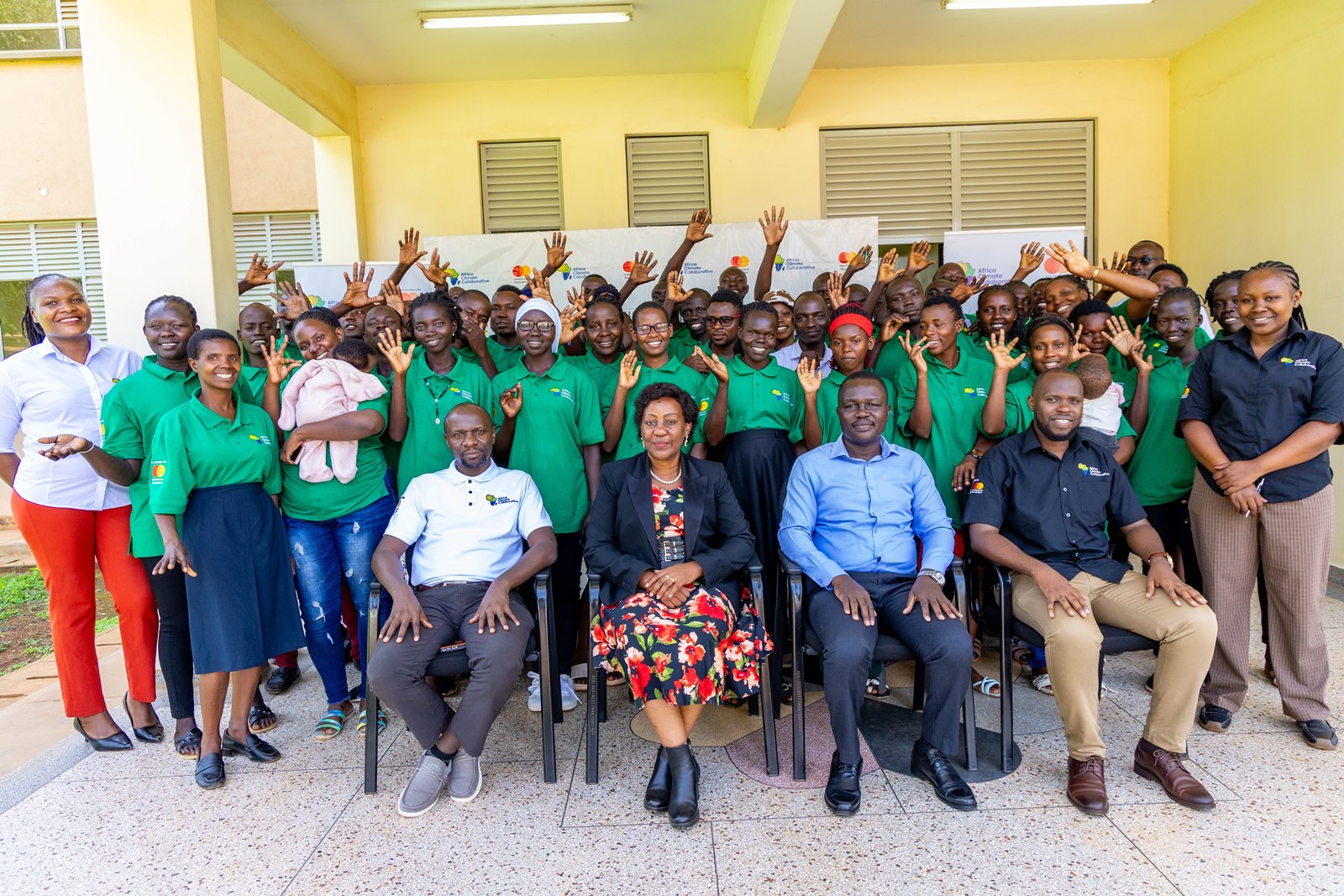
Prof. Nabanoga said the 50 participants in the first cohort represent only a fraction of the program’s wider target and challenged them to set the pace for the cohorts that will follow.
The programme also seeks to create a multiplier effect, with each trained youth expected to share their knowledge and skills with others.
She said the ultimate goal is to see the skills translate into businesses, jobs and further training opportunities for other young people.
A section of youth to be supported to start own businesses
Beyond the initial training, Africa Climate Collaborative plans to support young people with promising innovations to develop and scale their ideas.
Out of the 500-youth targeted, 200 will receive support to develop innovations, while 100 will receive further support to establish and scale enterprises in their communities.
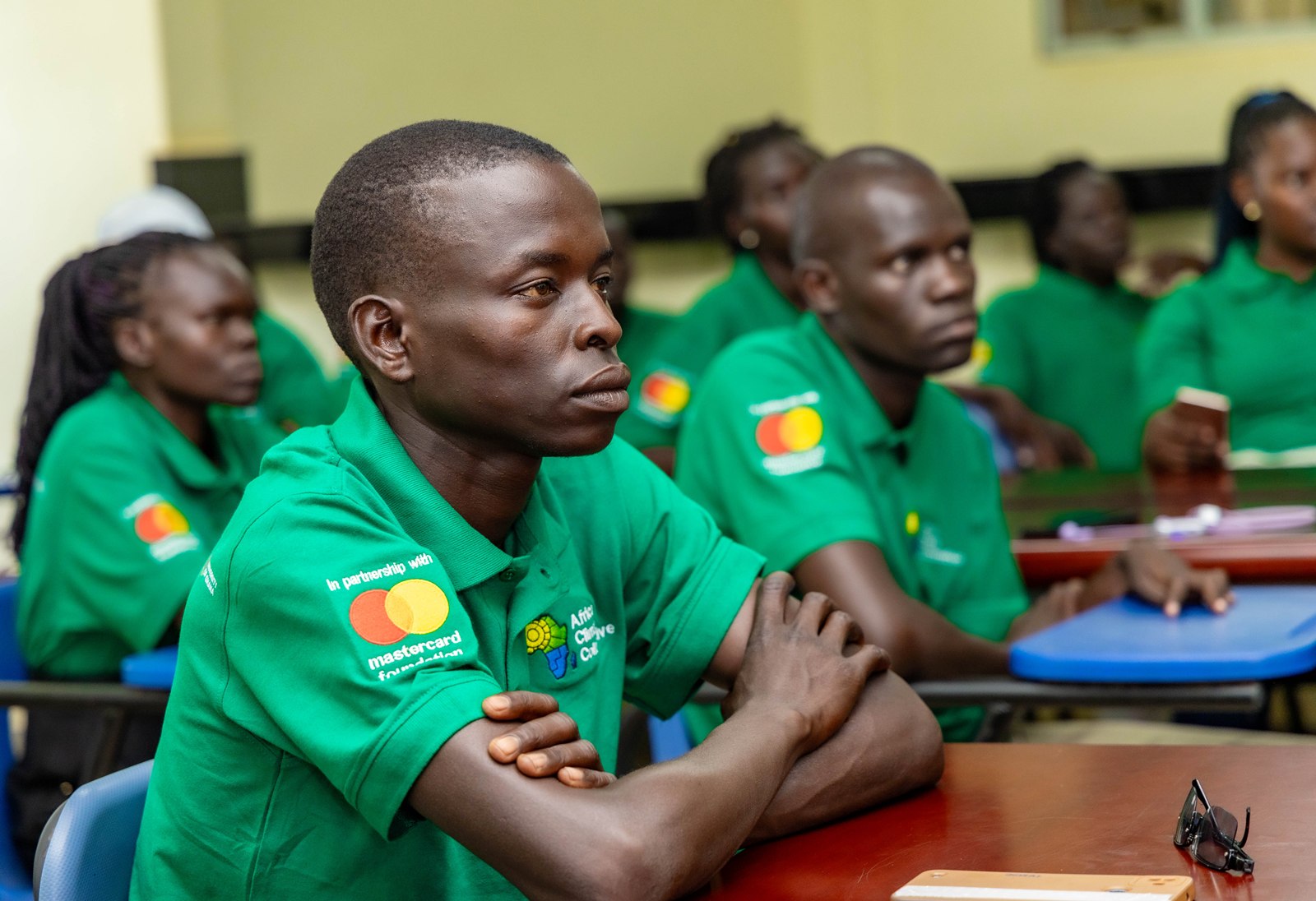
For the first cohort, 20 of the best-performing youth with promising innovations will receive support to grow their businesses, while 10 will receive additional support to accelerate and scale their enterprises.
The youths were urged to embrace innovation and strive to develop solutions that can be replicated and scaled.
“I would want to see that the first cohort give me the biggest number of the good innovations that are scalable,” she said.
The Director MUARIK Urged Youth to Turn Skills into Enterprises and Jobs
The Director of the Makerere University Agricultural Research Institute Kabanyolo (MUARIK), whose remarks were delivered by the Director of the Continuing Agricultural Education Centre (CAEC), Dr Christopher Mawa, said the program would equip young people with practical skills in green entrepreneurship, beginning with the poultry value chain, and described MUARIK as more than a farm but a centre for practical learning, research, innovation and enterprise development.
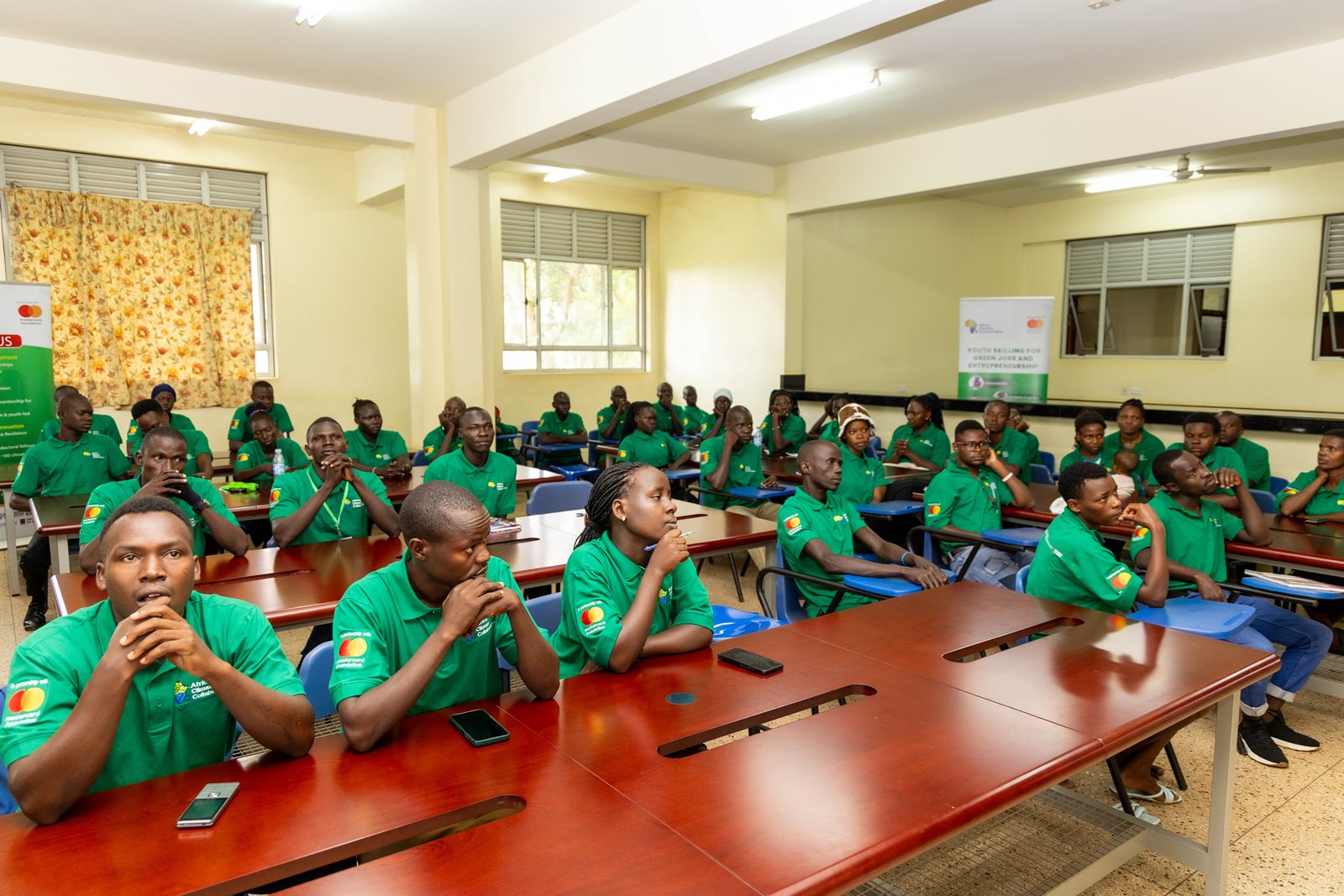
He encouraged the participants to take advantage of the wider learning opportunities available at the institute, including crop production, livestock enterprises, pasture and feed production, farm mechanisation, value addition, agribusiness and environmental management.
“As you begin your training, I encourage you to regard the whole of MUARIK as your classroom,” he said.
Dr Mawa urged the youth to focus on applying the skills they acquire to create enterprises, employment opportunities and solutions within their communities.
“Do not therefore come here simply to complete a three-month course. Come with the mindset of acquiring skills that you can apply. Ask questions. Observe carefully. Participate actively. Learn from the trainers and from one another. Most importantly, begin to ask yourself: “How can I turn what I am learning here into an enterprise, employment opportunity or solution for my community?”.
Agriculture & Environment
After 10 Years Out of Education, Africa Climate Collaborative at Makerere University Opens a New Chapter for Okello
By Damali Mukhaye
For Alex Okello Johan Amoya, a refugee from Zone 5, Bidi-Bidi Refugee settlement, stepping onto the Makerere University Agricultural Institute Kabanyolo (MUARIK) was more than the beginning of a training programme. It was the fulfilment of his childhood dream that had remained out of reach for more than a decade.
As a young boy, Okello dreamed of studying at Makerere University and even remembers singing a song with other children about whether they would ever make it to the university.
Little did Okello know then that the words would follow him into adulthood.
After completing Senior Four (O’level) at Kanyira Senior Secondary School in Yumbe District in 2015, the 33-year-old youth could not proceed to Senior Six (A’ level) and university due to financial difficulties.
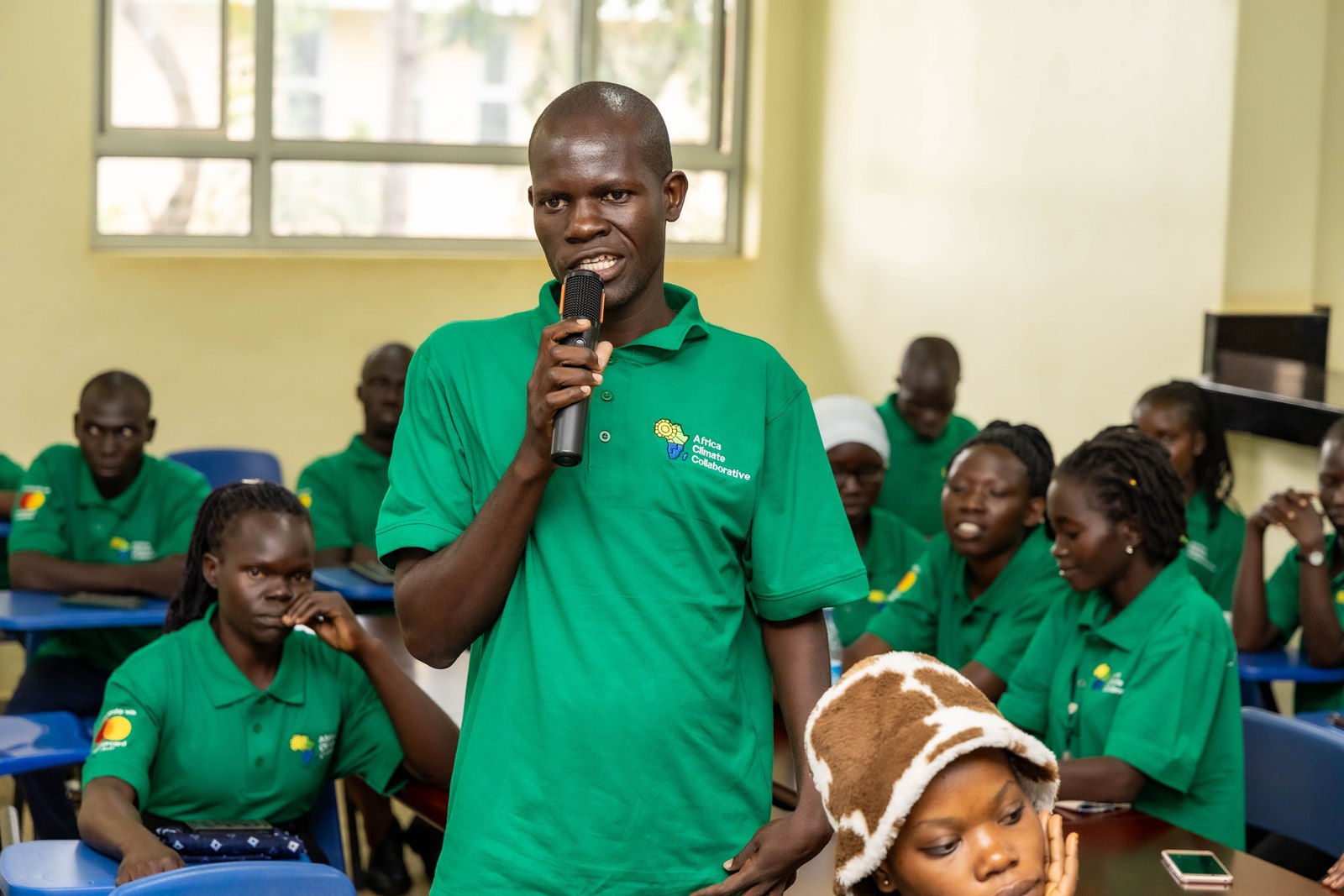
For the last 10 years, Okello has been trying different opportunities, but the dream of studying at Makerere remained out of reach, as he did not succeed in getting any scholarship to enable him to progress with his dream.
“My parents could not take me to university. Between secondary school, college and where I am now, it took more than 10 years. I tried different opportunities, but they could not work,” Okello said.
Now, at a stage in life when he had almost resigned himself to the possibility that the dream might never come true, Okello has finally set foot at the university, not as the student he once imagined becoming, but as one of 50 young people selected for the first cohort of the Africa Climate Collaborative Youth Skilling Program.
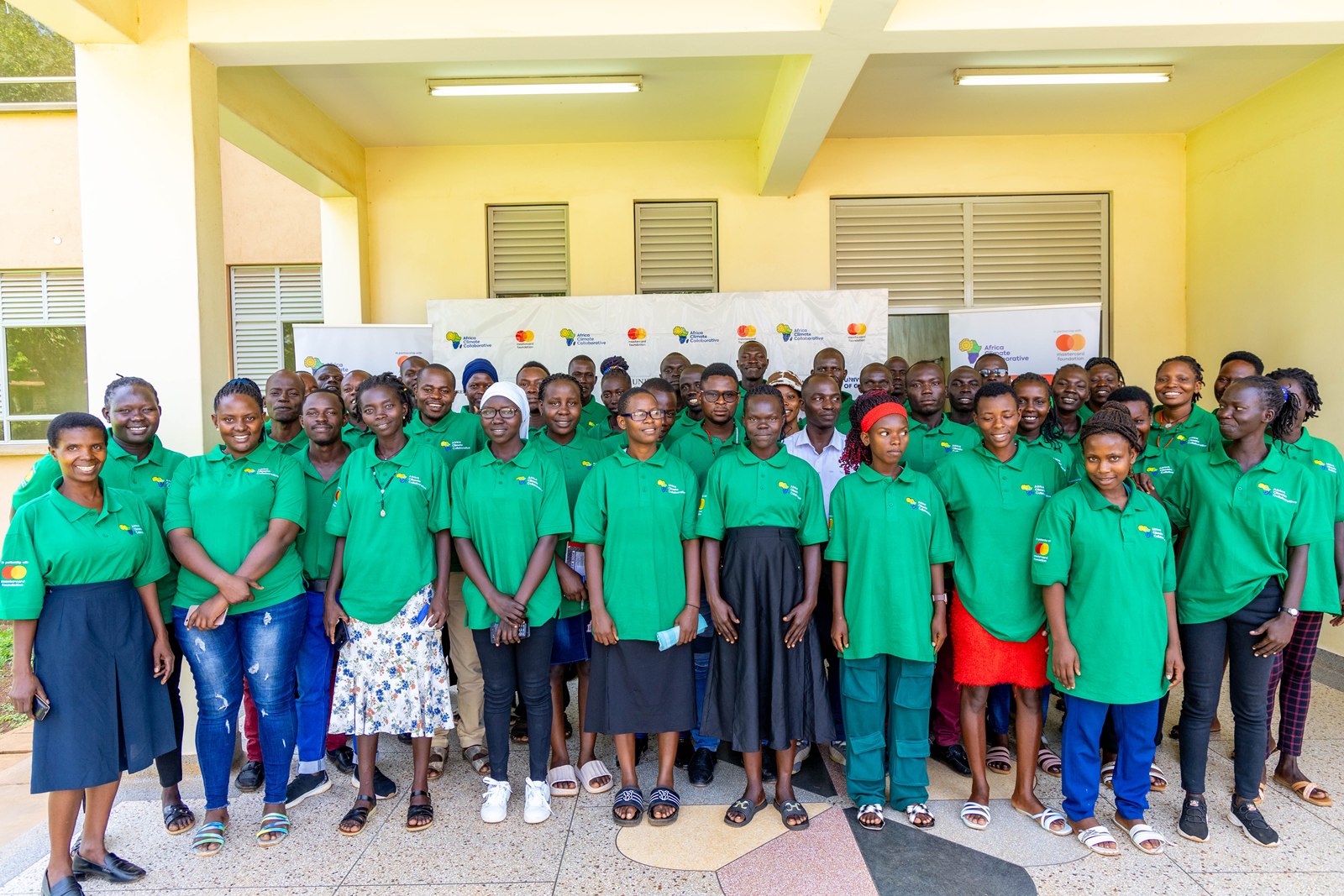
Okello’s dream, which he once sang about, finally became a reality on 28th September 2026, when he reported to Makerere University Agricultural Research Institute (MUARIK), where he and his other 49 counterparts from Lwengo, Rakai and Yumbe will undergo a 10-week residential training programme, followed by a three-month industrial attachment with various organisations.
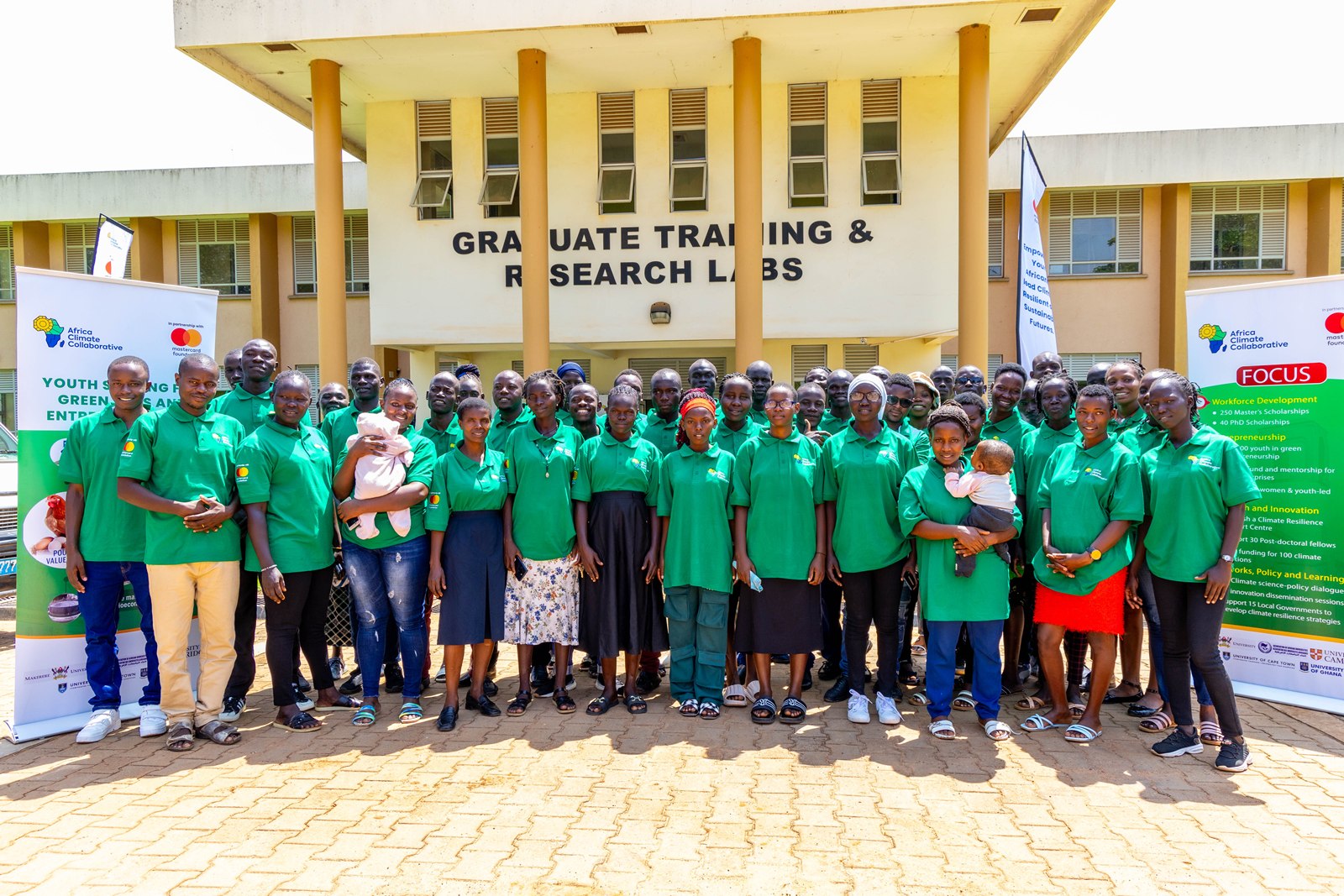
The 50 youth, who are the first cohort of the Africa Climate Collaborative Youth Skilling Program at Makerere University, an Initiative supported by Mastercard Foundation will thereafter be assessed by the Uganda Vocational and Technical Assessment Board (UVTAB) and will receive government-recognised certificates upon successful completion of the programme.
The program, supported by the Mastercard Foundation, is providing the participants with practical skills and competences relevant for them to pursue employment, entrepreneurship and other livelihood opportunities.
For Okello, the opportunity has given him new meaning to a dream he had almost given up on.
“I used to dream of reaching Makerere when I was young. Today, that dream has come to pass. I really appreciate all the partners that made it possible for us to be here. I am very sure that this opportunity is here to change my life,” he said.
His dream now extends beyond acquiring skills. Okello plans to return to his community in Yumbe and establish a poultry enterprise specialising in egg production. He sees an opportunity in the limited local supply of eggs, which he says are currently transported from distant areas.
“My dream is to start a poultry business that can supply eggs within my neighbourhood. The eggs supplied there come from far, so I believe this business can make it easier for people to access them while also creating employment opportunities for me and others,” he said.
But Okello hopes the impact of the training will go beyond his own livelihood.
“I also aim to pass the information and knowledge I will receive in this program to others and empower them so that they can also stand on their own. I expect to learn the skills I need and make sure I implement them when I go back,” he said.
A chance to start again
For Jessica Kila-Edward, from Zone 5 of Bidi Bidi Refugee Settlement in Yumbe District, the program represents another kind of new beginning for her.
Jessica completed Senior Four during the COVID-19 period, after which opportunities for further education or employment proved difficult to find.
“Since I completed Senior Four during the Corona season, I had nothing to do. What I could do was farming, but I could not even manage things. Things were really rough for me,” she recounted.
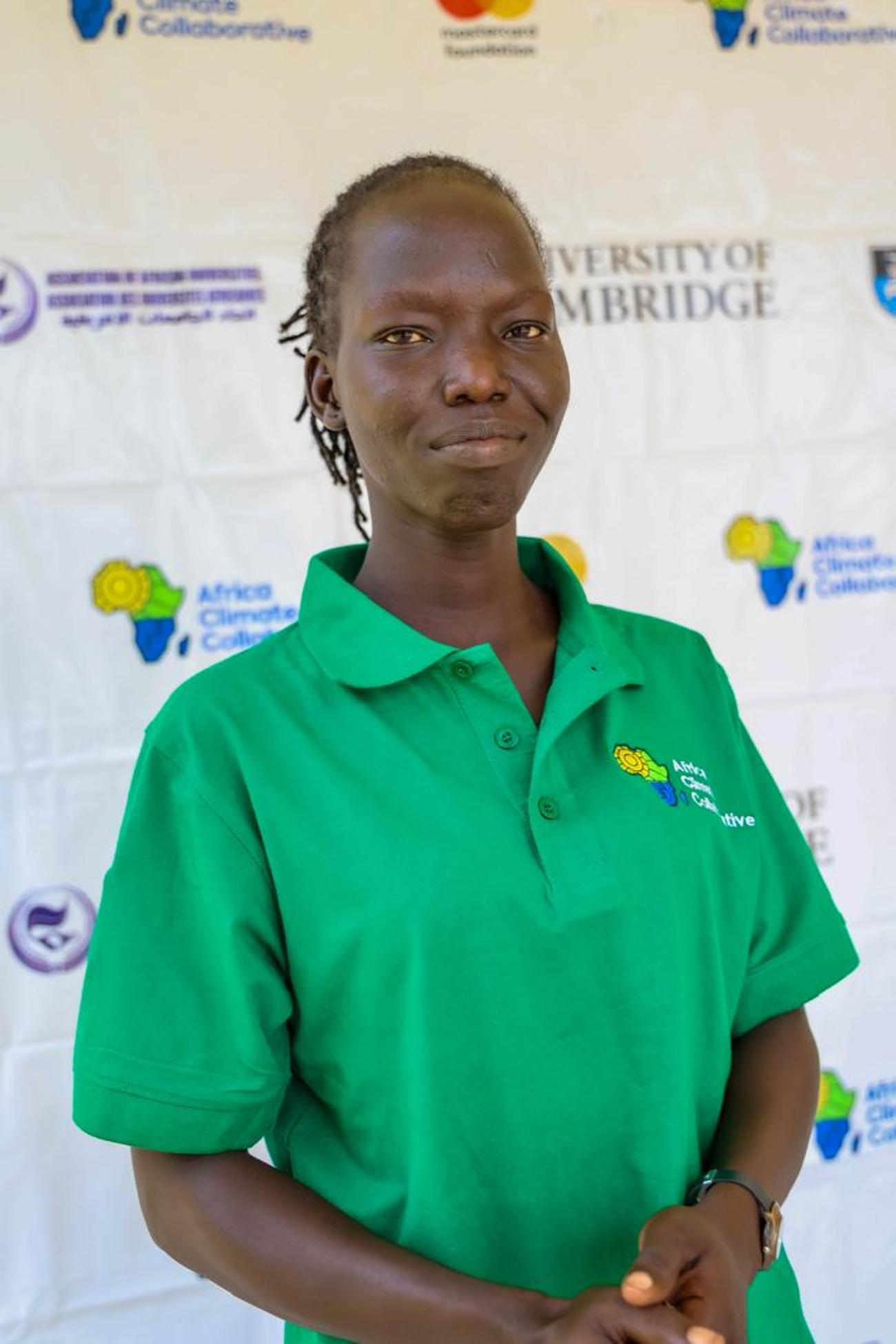
When she learnt about the Africa Climate Collaborative Youth Skilling Program between June and July 2026, Jessica was determined to secure a place.
“I tried all the possible ways to make sure I was part of it, and luckily enough, I succeeded,” she said.
She now hopes to return to her community with skills that will enable her to become a change-maker and support other young people facing similar challenges.
“I am no longer going to be the same person I used to be in the village. I am looking forward to becoming a change-maker in my community and working with other young people who are also crying for opportunities like this,” she said.
Turning skills into income
For Carlos Magimbi from Lwengo District, the program presents an opportunity to strengthen his already existing business in poultry farming while improving his livelihood.
He hopes to use the knowledge gained during the training to support other young people in his community and improve his own income.
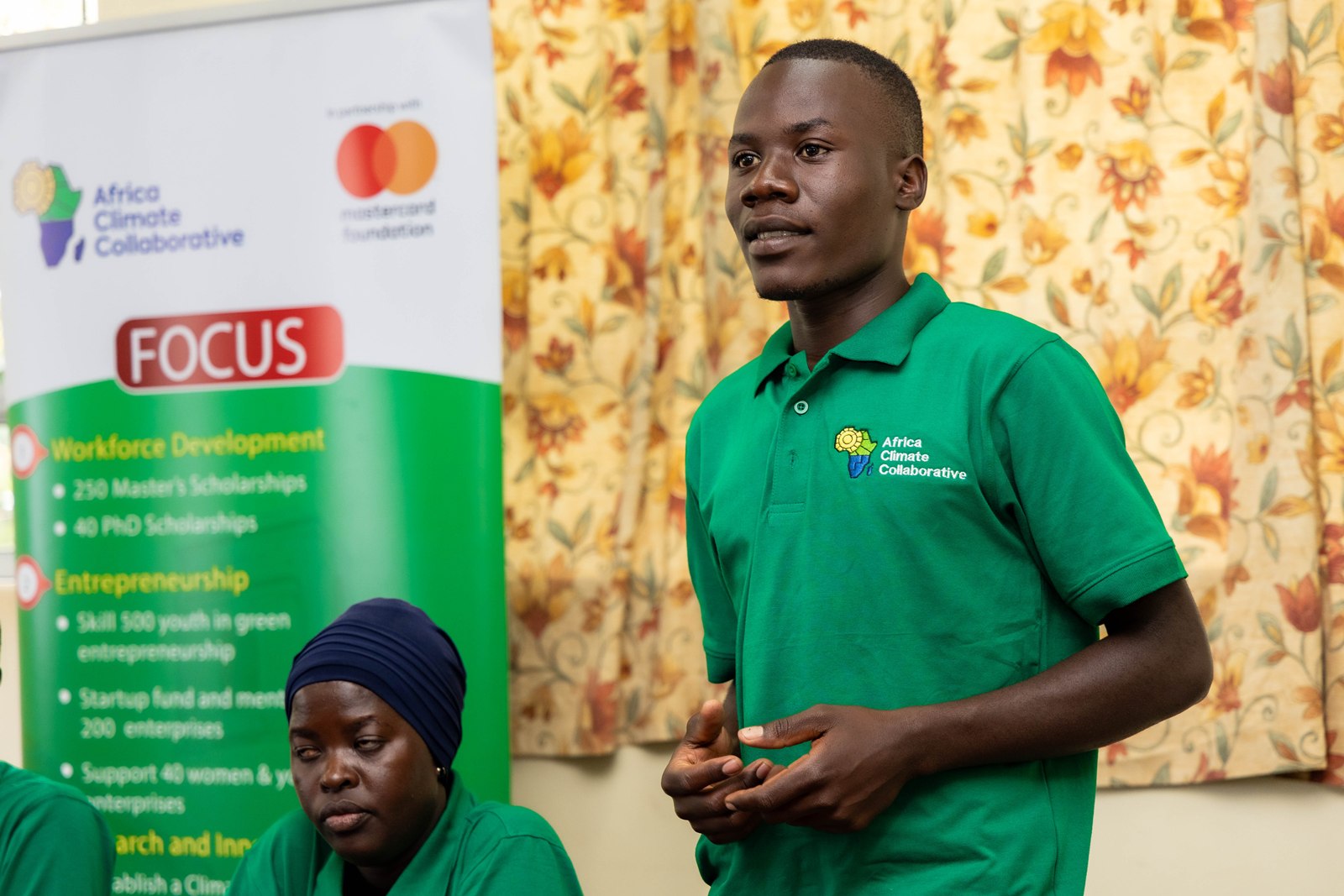
“After obtaining the skills from this training, I expect to go back to my community and share them with my fellow youth. I also hope the skills will help me transform my income and improve my life,” Magimbi said.
One of his immediate interests is improving poultry feed production. He says poor-quality feed has affected his birds and hopes the training will equip him with the skills to produce better feed himself. “I am expected to master the techniques, especially because I have been facing a problem with feed. The feed on the market is sometimes of poor quality. I hope that through this training, I can learn how to make my own feed and improve the yields of my birds,” he said.
Agriculture & Environment
Mak’s Urban Action Lab Develops Community-Specific Maps to Improve Risk Management in Kampala’s Informal Settlements

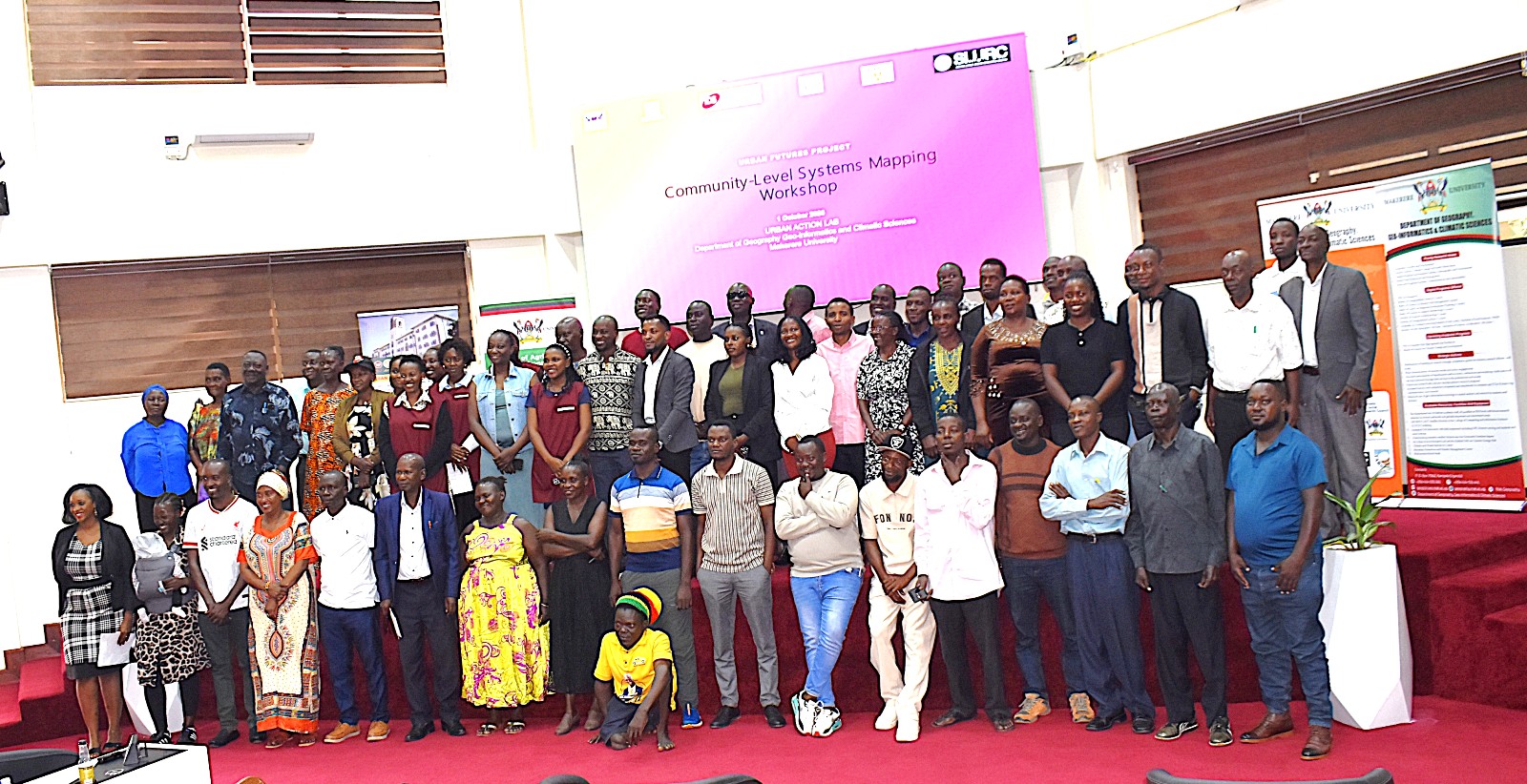
In Kampala’s informal settlements, waste, flooding, poor drainage and health risks are closely intertwined. Poor disposal of waste can obstruct stormwater flows, worsening flooding, while stagnant water and blocked drainage can affect health, mobility and livelihoods.
Understanding these connections is at the centre of a community-led systems-mapping process being undertaken through the Urban Futures Project to examine how urban risks emerge, interact and can be addressed.
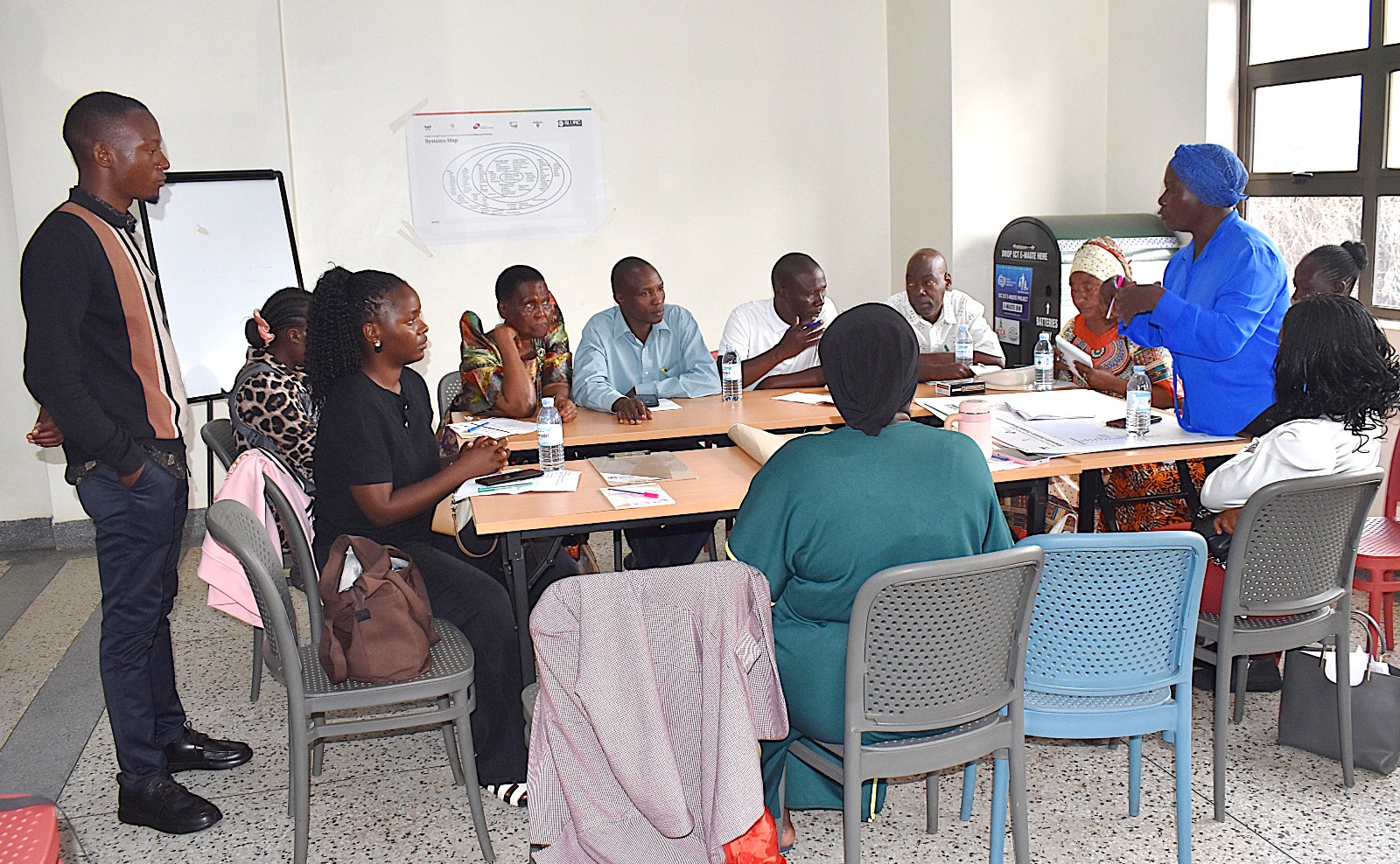
On 1st October 2026, Makerere University through the Urban Action Lab, convened a community-level systems-mapping workshop to develop a shared understanding of how solid waste, drainage, flooding, climate vulnerability, health, and livelihoods interact within Kampala’s informal settlements.
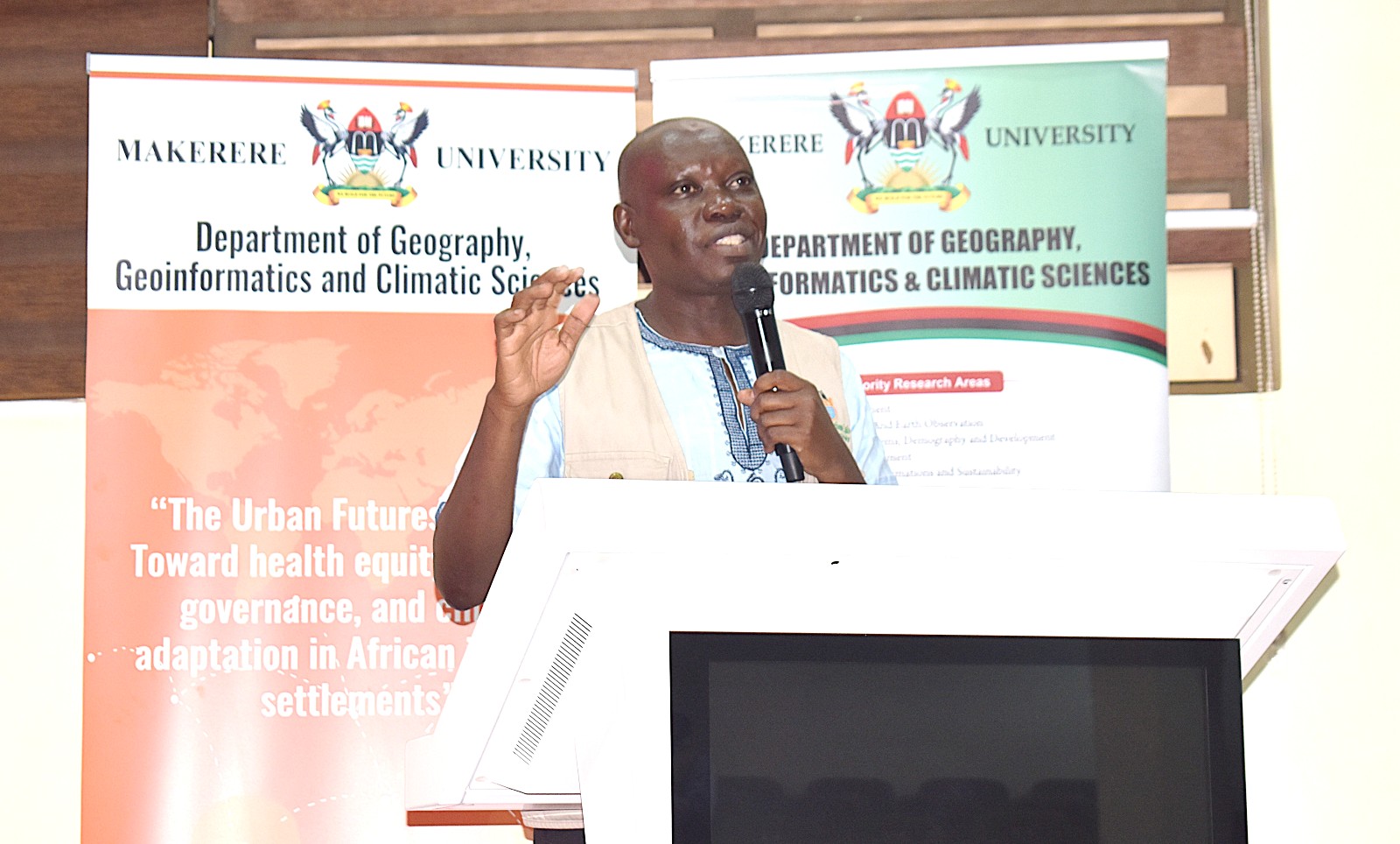
Rather than examining these challenges in isolation, the exercise explored their interconnections as part of a wider urban system, recognizing that changes in one area can influence outcomes in another.
Putting Community Knowledge at the Centre
Led by Dr. Paul Mukwaya Isolo, Coordinator of the Urban Action Lab, the workshop sought to develop a community-led map of urban risks grounded in the experiences and perspectives of people living and working in informal settlements.
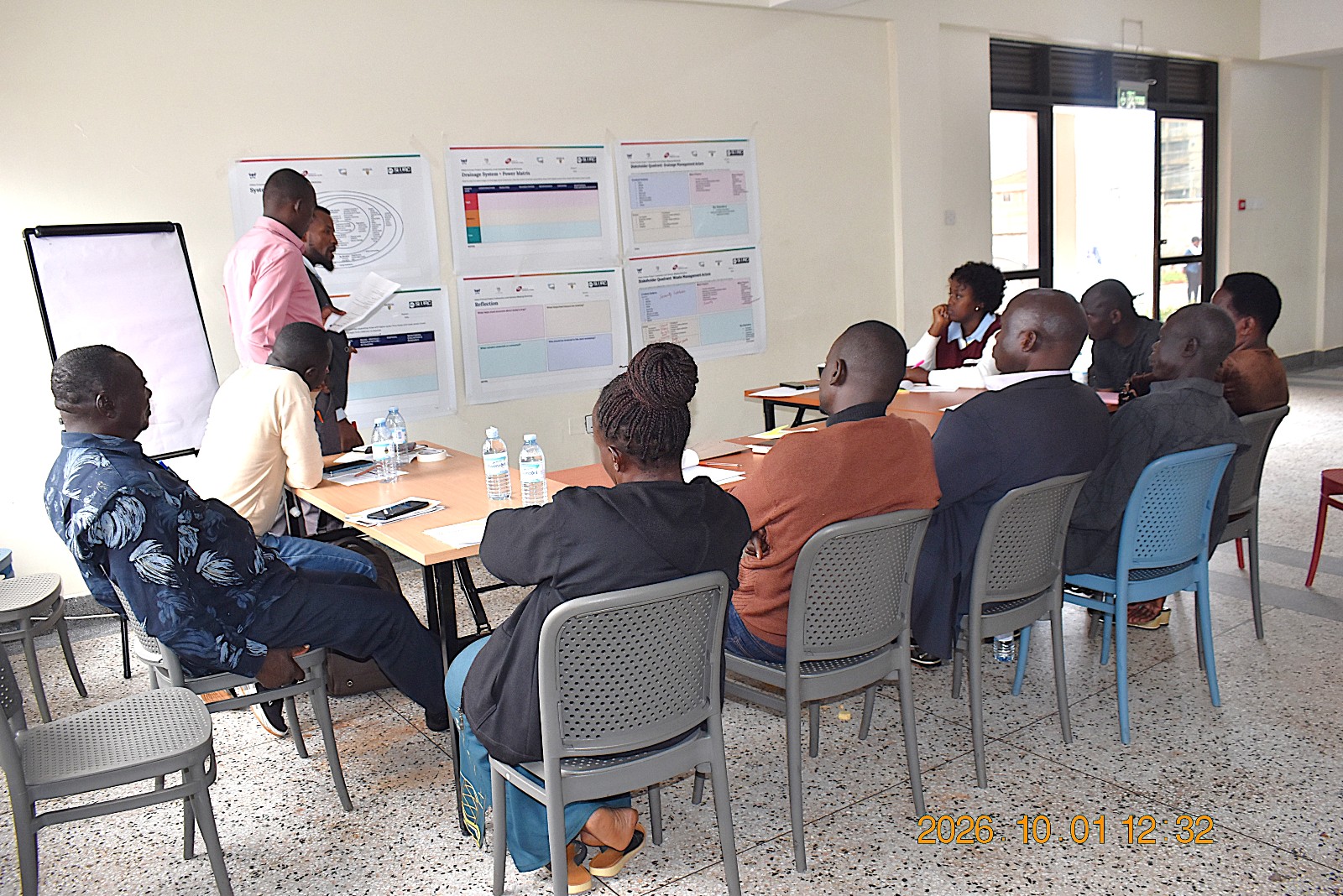
Residents and community leaders from Kampala suburbs, including Kabalagala, Bwaise, Makerere Kivulu and Acholi Quarters, led the process of examining how waste accumulates and moves through their communities, identifying areas vulnerable to flooding, assessing who is most affected and documenting local responses. They also mapped the roles and influence of institutions, service providers, community groups and other actors whose decisions and actions shape these interconnected urban systems, helping to identify key challenges, existing responses and opportunities for community-led action.
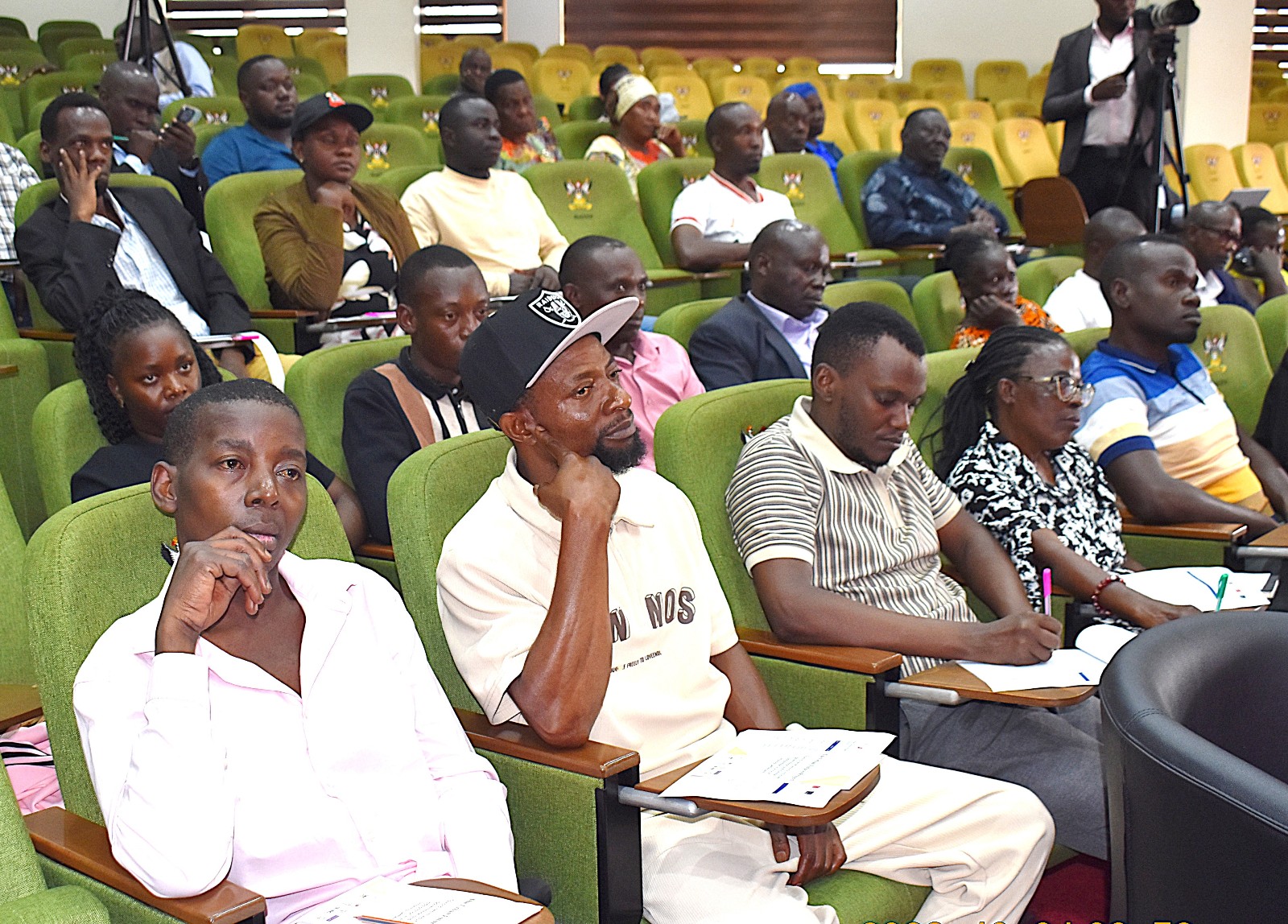
The approach recognizes residents as key sources of knowledge about the risks affecting their neighbourhoods. Their lived experience provides insight into where hazards occur, how they disrupt daily life, which groups are most affected and how communities respond. Bringing this knowledge into the mapping process helps ensure that urban risks are understood from the community level and that potential responses build on existing local capacities, priorities and solutions.
Tracing the Waste Management Journey
A key part of the exercise was mapping the movement of solid waste-from generation and sorting through collection, transportation, disposal and recycling-to identify gaps in the waste-management chain that can heighten urban risks.
Participants examined how poorly managed waste can enter drainage channels and waterways, contributing to blocked drainage, flooding and other environmental and public-health risks. They also mapped the roles of informal waste handlers, private service providers, public institutions and communities, highlighting how different actors contribute to the movement and management of waste.
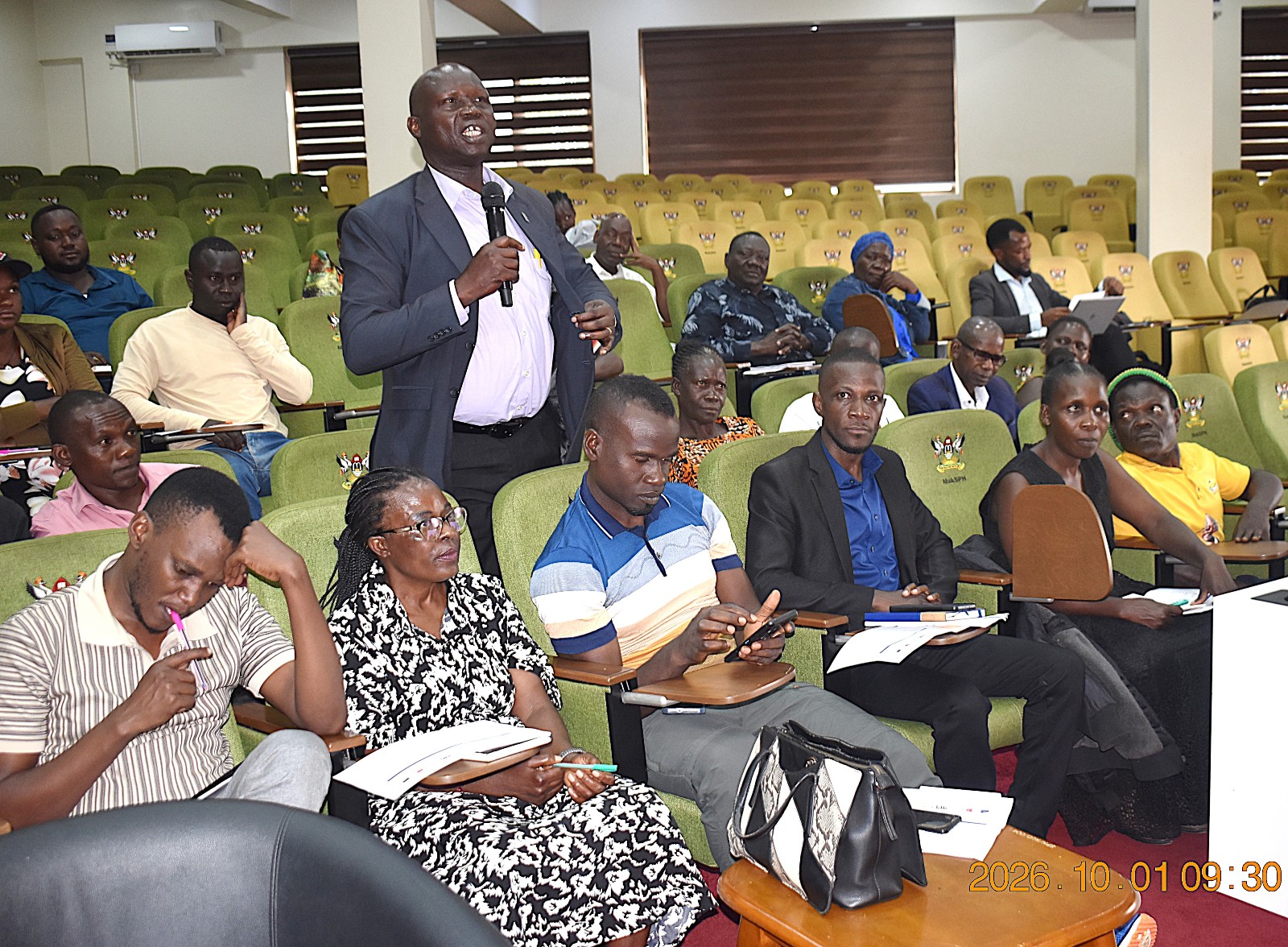
By viewing waste management as part of a wider urban system, the exercise sought to identify opportunities to strengthen waste management services, reduce environmental and public-health risks, and build on existing recycling and resource-recovery practices.
Linking Drainage, Flooding and Livelihoods
The workshop further explored how waste management, drainage and flooding interact within informal settlements.
Participants examined how waste entering drainage channels and culverts can obstruct stormwater flows, increasing the risk of flooding during heavy rainfall, particularly in areas with limited drainage capacity. The flooding can disrupt movement, damage property and businesses, limit access to markets and services, and disrupt livelihoods.
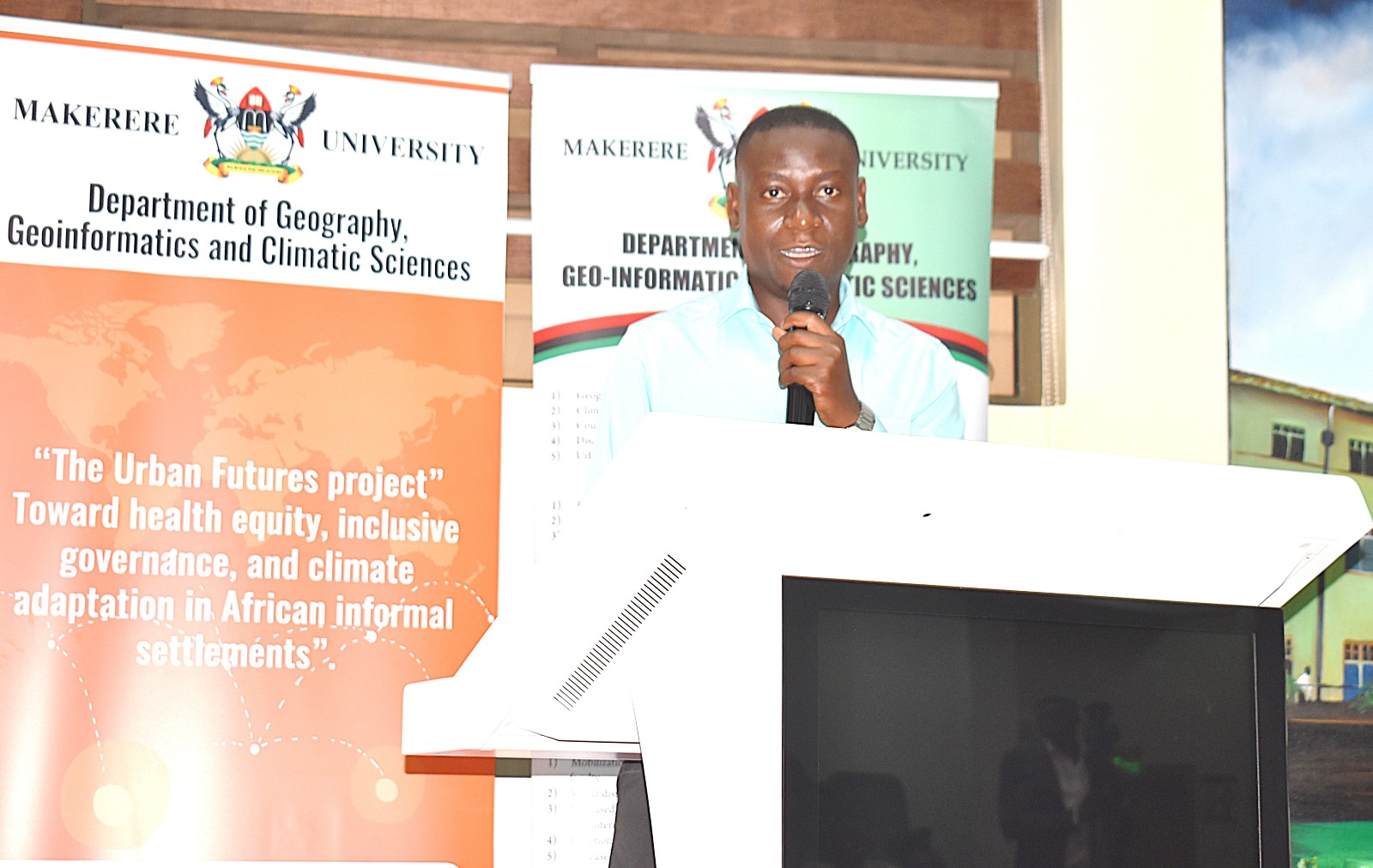
By mapping these connections, participants sought to identify priority risks and inform practical measures to reduce flooding and its effects on livelihoods, while building safer and more resilient communities.
Building on existing community responses
Participants also documented community responses to flooding, waste and other urban pressures, including local practices for managing waste, clearing drainage, coping with floods and protecting livelihoods. The exercise highlighted community knowledge and existing capacities that can inform future, locally driven interventions.
Supporting locally informed urban resilience
The systems-mapping workshop forms part of broader efforts under the Urban Futures Project to advance health equity, inclusive governance and climate adaptation in African informal settlements.
Through the Urban Action Lab, Makerere University is combining research with community knowledge to examine complex urban challenges from the perspective of the people who experience them.
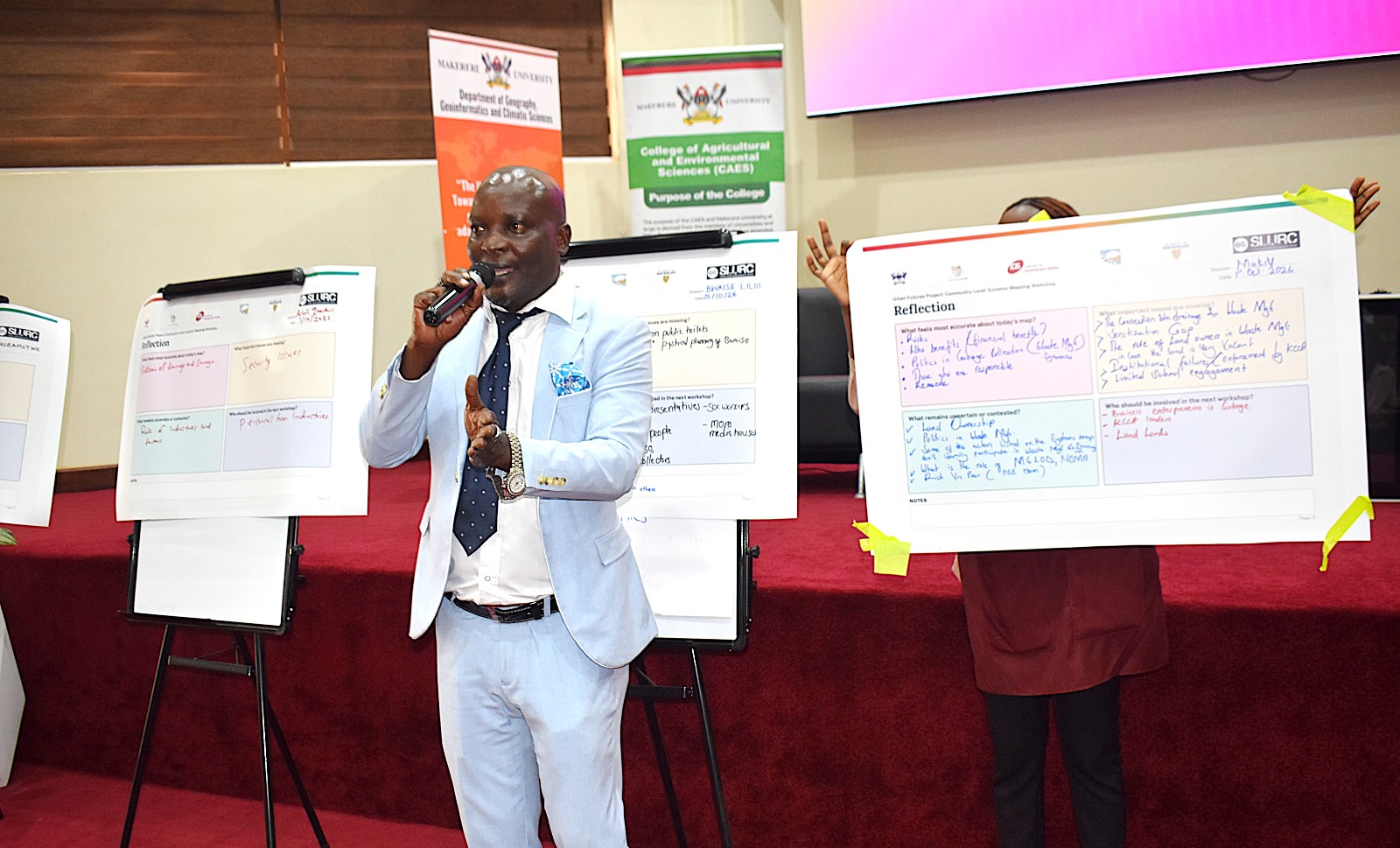
Rather than beginning with predetermined solutions, the process starts by identifying the risks, relationships, actors, vulnerabilities and responses that shape everyday life within informal settlements.
The resulting shared understanding can help communities, researchers, policymakers and other stakeholders identify where action is needed, who needs to be involved and how community knowledge can contribute to healthier, more inclusive and climate-resilient informal settlements in Kampala.
Details about the Urban Futures Project launched on 6th March 2025: https://news.mak.ac.ug/2025/03/mak-launches-urban-futures-project-unveils-handbook-on-urban-heat-management/
-

 General2 weeks ago
Statement on Concerns Circulating Regarding a Member of Academic Staff
-
 General7 days ago
Timothy Khabusi: From Barefoot Walks to shaping Uganda’s Eye health Future
-
 General2 weeks ago
Beyond Map Size: Africa’s Agency Should Not Be Funded by Other People
-
 General2 weeks ago
Press Statement: Incident Involving Death of a Student at Makerere University
-
 Health1 week ago
Uganda’s HIV Treatment Gains Bring the Youth Gap into Focus