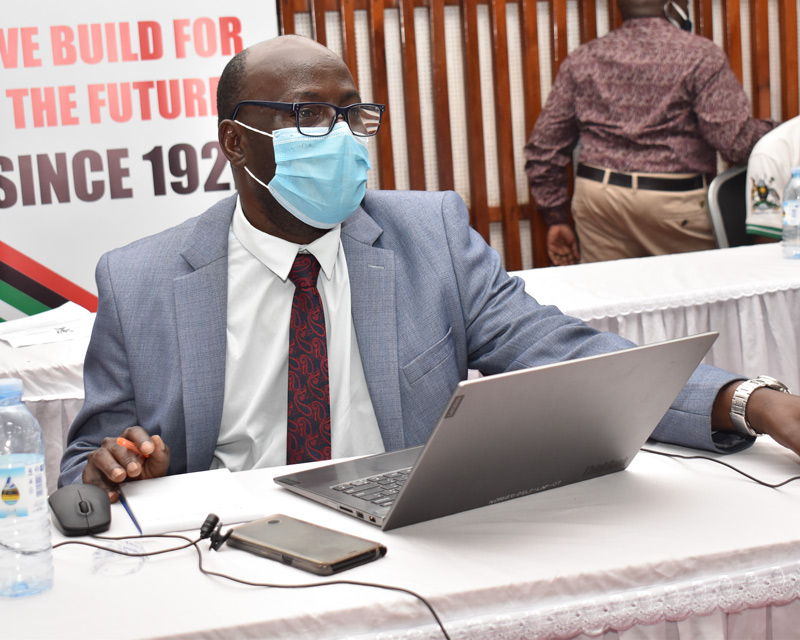
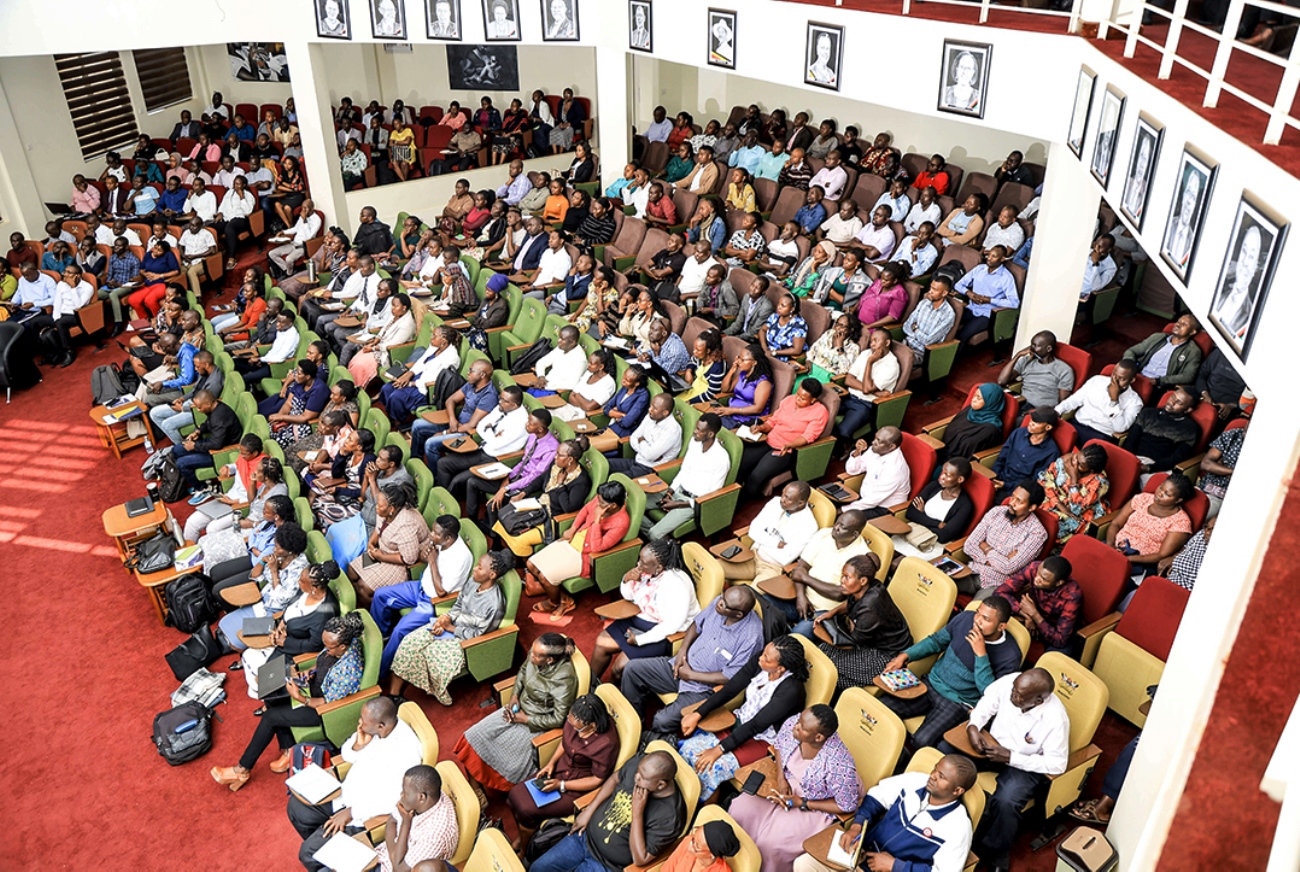
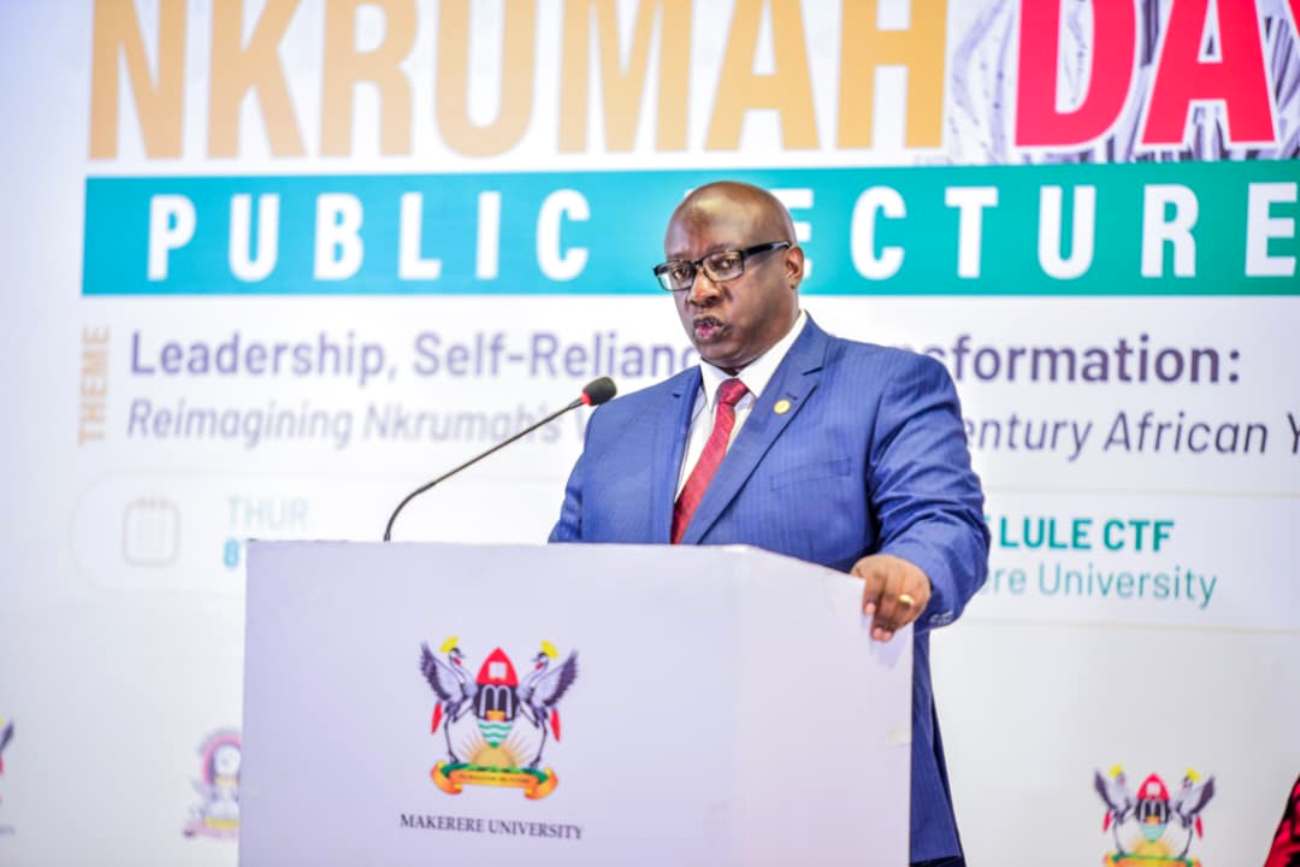
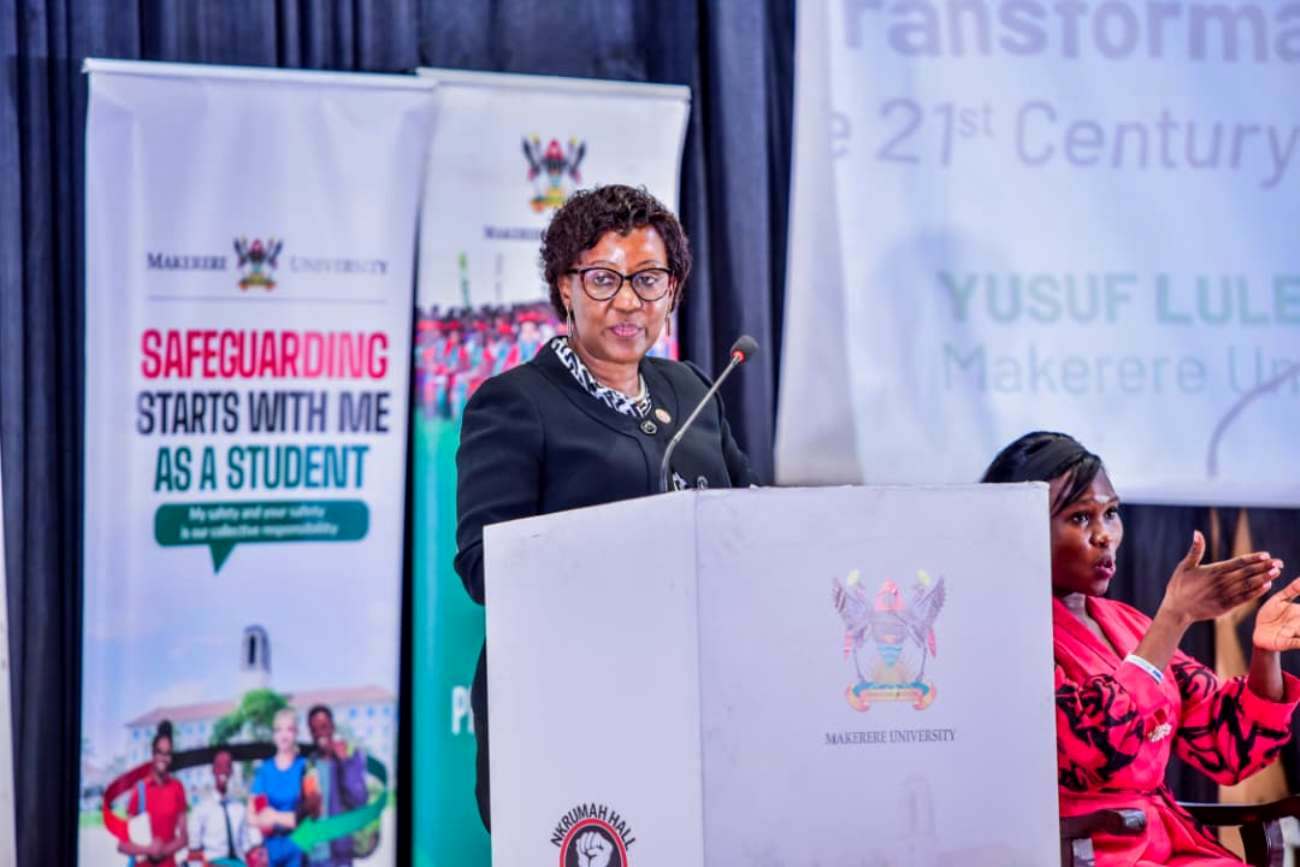
On 17th December, 2021, scores of Ugandan Universities educators and policy makers held a virtual workshop themed ‘Navigating technology-supported examinations for higher education institutions’ due to the prevailing effects of the Covid 19 pandemic.
The Covid-19 pandemic has affected every sector. Institutions of Higher learning were forced to adopt online assessment. A number of institutions attempted to administer high-stake examinations using technology-platforms available to them. However, the move to online exams necessitated a quick transition to ensure that the exams produced valid, reliable and fair results. While students required having devices, stable and secure internet connectivity, the educators required a transition in examination design. Makerere and Uganda Christian University were the first to manage online assessments in Uganda
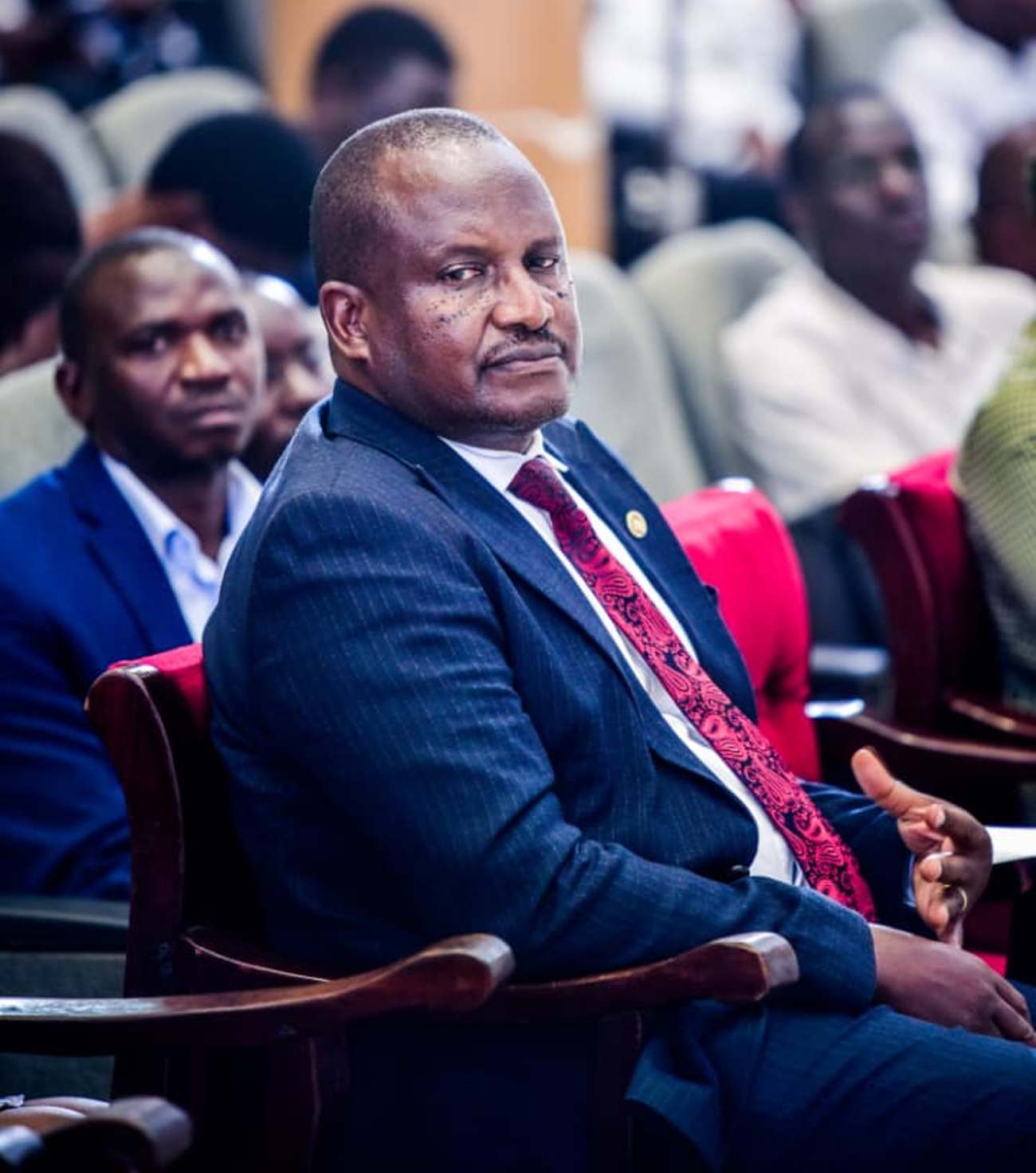
Prof. Paul Muyinda a Makerere University senator opened the workshop and reminded the audience that the EQIP project aims at a transformative pedagogy for students to excel in learning and post education.
“We have to move with modern times, if the banking sector has transformed, the education sector has to also embrace the emergency of new learners not only technology. Time has changed and so methods of doing things, the education sector should be able to fit in the 21st century,” added Prof Muyinda.
He also urged Lecturers to always confront challenges with innovative solutions which the EQIP project is doing.
The Uganda Christian University (UCU) Deputy Vice Chancellor for Academic Affairs, Rev. Dr. John Kitayimbwa, showcased a systematic approach the institution has adopted to manage online assessment. He quoted the Hoffman foundation 2020 report that indicated that half the biggest companies in America were created in periods of market crush and crises saying that managing at a time of crisis is like shooting at a moving target as you are ought to adjust.
The Uganda Christian University (UCU) has focused on equipping its students with knowledge and skills of finding and using information but not remembering facts, it has prepared its students to remember, evaluate, analyze and apply knowledge. All this added to a strong online examination software that ensures full virtual supervision during the examination.
The UCU online assessment portal is designed to prevent copying as it secures the question paper through disabling copy-paste keys as any candidate attempting to do so is thrown out of the examination room after three warnings. Screen sharing and printing is also not permitted by this system and it randomly takes pictures of the candidate as they sit the examination.
Rev. Kitayimbwa added that the institution is designing an authentication and authorization platform that will focus on ruling out illegitimate persons from sitting examinations for students through live video conferencing and remote picturing for examiners to keep track of any activity and movements of students.
He ended by urging educators to embrace adaptability as only the adaptable will win this game but not the strongest or the most intelligent.
Makerere University ’s Online Learning expert Dr. Godfrey Mayende briefed the audience on how Makerere University has transitioned to online examinations. The ‘Constructive Alignment’ model that focuses on how and when learners shall learn and how learning shall be measured has been adopted at the Ivory tower.
This model is embedded into the Makerere University E-learning system (MUELE) and can identify early adopters amongst learners and these are used to support their fellow learners after thorough capacity building from the online assessment team of the university. The university also conducts trainings for facilitators, examiners and students on online assessment modalities. The educators have greatly catered for the visually impaired students through developing transcriptions
Dr. Mayende further said that the university has successfully engaged Mastercard Foundation to aid in the program and it promised to assist with top notch servers to boost online learning at Makerere University .
All the educators and other stakeholders that attended this workshop in one voice urged government and regulators to engage telecom companies on Zero rating Institutions’ online learning systems so that full inclusion of students regardless of financial capabilities is ensured. The EQIP project is a joint partnership among Makerere University , Norwegian Agency for international Cooperation, University of Rwanda and University of Adger Norway.
The Office of Academic Registrar, Makerere University has released the admission list of Diploma holders provisionally admitted to Bachelor of Education (EXTERNAL) programme under Private Sponsorship for the Academic Year 2026/2027 pending verification of their academic documents by the awarding institutions.
The List can be accessed by following the link below:
Makerere University, the oldest and most prestigious institution of higher learning in Uganda and one of the foremost universities on the African continent, has officially commenced its Semester Two examinations for the 2025/2026 academic year. The much-anticipated assessment period marks a critical milestone in the academic calendar, bringing together thousands of students from across the university’s numerous colleges, schools, faculties, and institutes as they sit their end of semester papers in a bid to demonstrate mastery of the content covered throughout the semester.
The examinations, which span a carefully structured timetable released by the Academic Registrar, are being conducted across the various examination halls, lecture theaters, and designated assessment venues spread throughout the Makerere Hill campus. Security and integrity measures have been reinforced to ensure that the examinations are conducted in a fair, orderly, and transparent manner, upholding the university’s longstanding commitment to academic excellence and integrity.
This year’s examination season arrives at a particularly significant moment for the institution. Having navigated numerous challenges in recent years including disruptions to the academic calendar, resource constraints, and the ongoing effort to modernize curriculum delivery, Makerere finds itself reaffirming its core identity as a centre of academic rigour and intellectual development. The commencement of these examinations is therefore a statement of institutional resilience and the continued determination of both staff and students to uphold the highest standards of scholarship.
A Season of Academic Reckoning
For the student body, the commencement of Semester Two examinations signals the culmination of months of learning, late night reading sessions, group discussions, coursework submissions, and individual academic effort. Across the hostels, libraries, and common rooms of Makerere, the atmosphere has unmistakably shifted into one of focused determination. Students can be seen poring over lecture notes, textbooks, and past examination papers in every available space, from the steps of the Main Library to the benches of Freedom Square.
The university administration, through the various college deans and heads of department, has urged students to approach the examinations with calmness, thorough preparation, and utmost honesty. Messages reminding students of the dire consequences of academic malpractice have been widely circulated, as Makerere maintains a strict zero tolerance policy toward examination fraud, plagiarism, and any form of misconduct during assessments.
The Academic Registrar-Prof. Buyinza Mukadasi and other officials pose with students for a group photo after the pre-examination mental health workshop on 15th May 2026.
Beyond the pressure of performance, the examination period also carries a deeply communal character on the Makerere campus. Students from different programmes, regions, and backgrounds find themselves united by the shared experience of preparation and assessment. Study groups form spontaneously in corridors and courtyards, senior students mentor their juniors on examination technique, and a spirit of collective striving pervades the institution. It is one of the defining features of life at Makerere, where the pursuit of knowledge is understood as both a personal endeavour and a shared social responsibility.
Preparation and Logistical Readiness
Ahead of the examination period, the university undertook extensive logistical preparations to ensure smooth and uninterrupted conduct of all papers. The Academic Registrar worked in close coordination with college examination officers to finalize seating arrangements, allocate invigilators, distribute examination materials, and confirm examination schedules with both academic staff and students. Special provisions were made for students with disabilities and those with documented medical conditions that may require additional time or special seating accommodations.
The university also invested in refreshing and reinforcing the physical examination venues. Lecture theaters and examination halls have been reorganized to ensure adequate spacing between candidates, proper ventilation, and clear visibility of invigilation personnel at all times. In line with best practices for examination administration, the university ensured that all required stationery, answer booklets, and supplementary materials were available and ready for distribution before the commencement of each paper.
Communication between the university and its students was also given particular attention in the lead up to the examinations. The Academic Registrar disseminated detailed instructions regarding reporting times, permitted materials, dress code requirements, and procedures for handling examination anomalies. Students were also reminded of the appeals process available to them should they have concerns about any aspect of their assessment. These communications were shared through the university’s official online portals, notice boards, college bulletins, and student representative councils to ensure maximum reach across the diverse student population.
Female students engage in a discussion outdoors at the Makerere University Main Campus. File photo.
The role of academic staff in the success of the examination period cannot be overstated. Lecturers and course instructors spent the final weeks of the semester conducting revision sessions, responding to student queries, and ensuring that all coursework components had been duly submitted and graded before the formal examination window opened. Many went above and beyond the requirements of their schedules to hold additional consultation hours, offering students every possible opportunity to consolidate their understanding and approach the examinations with confidence.
The Student Experience During Examinations
The experience of sitting Semester Two examinations at Makerere University is one that students across all disciplines describe as both challenging and transformative. Whether one is pursuing a degree in Medicine, Engineering, Law, Education, Agriculture, Business, or the Arts and Humanities, the examination period demands a high level of intellectual engagement and self discipline. For final year students in particular, these examinations carry enormous weight, as outstanding results can open doors to prestigious postgraduate opportunities, professional careers, and scholarship programmes both within Uganda and internationally.
First and second year students, many of whom are still adjusting to the demanding academic culture of university life, have also been encouraged to view these examinations not with fear, but as an opportunity to measure their growth and identify areas requiring further attention. The university’s Student Support Services office has throughout the semester offered counseling, academic advising, and peer mentorship programmes designed to equip students with the tools needed to manage examination related stress and perform at their best.
The physical and mental wellbeing of students during this period has also been a priority for the university. The university health center has been operating with extended hours to attend to students who may require medical attention, while the counseling and guidance unit has been available to offer psychological support to those experiencing anxiety or other forms of distress linked to the pressure of examinations. Student leaders have similarly been active in organizing welfare activities such as communal meals, devotional gatherings, and motivational talks to sustain morale across the student community.
Manager of the Makerere University Counselling and Guidance Centre, Mr. Henry Nsubuga addresses international students during a mental health awareness campaign.
International students studying at Makerere under various exchange and bilateral agreements have also been fully integrated into the examination process. The International Office worked to ensure that these students were aware of all relevant regulations, that their results would be properly transmitted to their home institutions, and that any unique logistical needs they may have had were addressed in a timely and sensitive manner. Makerere‘s growing profile as a destination for regional and international students makes this kind of inclusive administration increasingly important.
Upholding the Integrity of the Examination Process
Academic integrity remains one of the most sacred principles at Makerere University. The institution has, over its century long history, produced graduates who go on to serve in the highest echelons of government, civil society, academia, and industry, not only in Uganda but across East Africa and the broader global community. The credibility of a Makerere degree is therefore inseparable from the integrity with which its examinations are conducted. To this end, trained invigilators are deployed at every examination venue, and supervisory visits by senior academic officers are carried out throughout the examination period.
Students found in possession of unauthorized materials, communicating with fellow candidates without permission, or engaging in any other form of misconduct face serious disciplinary consequences, including cancellation of their papers, suspension from the university, or permanent expulsion in the most severe cases. These measures are not intended to intimidate but rather to protect the integrity of each student’s genuine academic effort and safeguard the reputation of the qualifications they earn.
It is worth noting that the vast majority of Makerere students approach their examinations with complete honesty and a genuine desire to succeed on the strength of their own preparation. The university’s integrity framework is designed not to cast suspicion on the student body as a whole, but to create a level playing field in which every student’s results accurately reflect their own knowledge, effort, and intellectual ability. The culture of academic integrity is something that Makerere actively cultivates through orientation programmes, faculty mentorship, and ongoing student engagement on the values that underpin the university’s academic mission.
A Legacy of Excellence in Focus
Makerere University was established in 1922 as a technical school and has grown over the decades into a comprehensive research university offering programmes at the undergraduate, postgraduate, and doctoral levels across virtually every field of human knowledge. Today, with an enrollment of tens of thousands of students drawn from Uganda and across Africa, the university occupies a unique and irreplaceable role in the intellectual, social, and economic development of the region. Each examination season is therefore not merely a bureaucratic academic exercise but a living expression of this legacy of excellence.
The University Council, Senate, and Vice Chancellor have collectively reiterated their commitment to ensuring that the assessment process is not only rigorous and fair but also supportive of student welfare. Plans are already in place for timely marking and moderation of scripts, with results expected to be released within the stipulated periods as outlined in the academic calendar, allowing students to plan ahead for the subsequent semester or, for those completing their programmes, for graduation and the next chapter of their lives.
A red-carpet photo moment of CHS alumni at the 2026 dinner.
Alumni of Makerere University, many of whom occupy positions of influence in Uganda and beyond, frequently look back on their examination experiences as formative moments that shaped their professional discipline, their capacity for sustained effort, and their ability to perform under pressure. The lessons learned in the examination hall, they often say, extend far beyond the academic content being tested. They speak to the development of character, persistence, and the kind of intellectual confidence that only comes from having genuinely mastered a body of knowledge. In this sense, the examinations of Semester Two 2026 are not merely an ending but a beginning for each of the thousands of students who sit them.
Looking Ahead: Results, Graduation, and Beyond
Once the examination period concludes, attention will swiftly turn to the processes of marking, moderation, and results release. The university’s academic staff are expected to adhere to strict timelines in the submission of marked scripts and the entry of results into the university’s academic management system. External examiners, drawn from other universities and professional bodies, play an important role in moderating the standards of assessment across programmes, ensuring that Makerere‘s results are benchmarked against regional and international norms.
For students who are completing their final year of study, the conclusion of Semester Two examinations sets in motion the graduation process. Makerere University‘s graduation ceremonies are among the most celebrated events in Uganda’s annual calendar, attended by families, dignitaries, government officials, and members of the public who gather to witness the conferment of degrees upon a new generation of graduates. The graduation ceremony is a moment of immense pride for the university, for the families who have supported their children through years of study, and above all for the graduates themselves who cross the stage having earned their qualifications through genuine effort and dedication.
PhD Graduand-Dr. Harriet Aber (centre) poses with family members during Makerere University’s 76th Graduation Ceremony on February 25, 2026.
Students who do not achieve the required grades in one or more papers will have access to the university’s retake and supplementary examination provisions, which are designed to give genuine learners a fair opportunity to demonstrate competence without being permanently disadvantaged by a single poor performance. The university’s academic regulations provide clear and transparent guidelines on eligibility for retakes, the conditions under which supplementary examinations may be granted, and the procedures for lodging appeals. These provisions reflect Makerere’s understanding that the journey of learning is rarely linear and that fairness requires the system to accommodate the full range of student circumstances.
A Message of Encouragement
To every student sitting examinations at Makerere University this season, the message from the university community is one of solidarity and encouragement. The journey through university is not always easy, but it is invariably worthwhile. Every late night spent studying, every difficult concept wrestled into understanding, and every assignment completed under pressure has been preparation for exactly this moment. The examination hall is where months of intellectual labor are given form and voice, and every student carries within them the capacity to rise to the occasion.
The university’s academic and administrative staff, from the Vice Chancellor and the Deans down to the examination room invigilators and the groundskeepers who ensure the campus is clean and welcoming each morning, are all invested in the success of every student. Makerere is not merely a place of learning; it is a community built on mutual commitment to the advancement of knowledge and the development of human potential. Every student who walks into an examination venue this season walks in as a representative of that community and carries with them the hopes of their family, their region, and their country.
As Makerere University proceeds through its Semester Two examination period, the entire institution stands united behind its students. From the academic staff who prepared and marked the papers, to the support staff who maintained the examination venues, to the administration that coordinated the logistics and upheld the rules, everyone is working together toward a single goal: providing every student with the fairest possible opportunity to demonstrate what they know and what they are capable of achieving. Makerere University remains, as it has always been, a place where minds are shaped, potential is realized, and futures are built.
The Writer is a Volunteer in the Public Relations Office, Makerere University and the Mak Sharks PRO | Est. 2014
The activities of the first quarter of 2026 depict Makerere University not just as a place of learning but as a dynamic space where ideas, ambition, and opportunity shape the future.
This edition highlights a university in motion. The Career Fair 2026 stood out as a powerful moment of reflection and discovery. Under the theme “Machine vs. Man,” students were challenged to rethink their place in a rapidly evolving world shaped by artificial intelligence. What emerged was not fear, but clarity a recognition that the future belongs to those who are adaptable, innovative, and willing to learn continuously. Beyond the discussions, the fair created meaningful connections, opening pathways to careers, further study, and entrepreneurship.
The launch of the Open, Distance and eLearning (ODeL) initiative is a practical step toward inclusive and accessible education. By embracing digital transformation, Makerere is expanding learning beyond physical classrooms and positioning itself as a leader in flexible, technology-driven education. This shift reflects a broader commitment to ensuring that quality education reaches more learners, within Uganda and beyond.
This issue also celebrates the people behind the progress. From staff committing wholeheartedly to the student community they serve to student leaders navigating complex challenges, the stories this quarter demonstrate the personal resilience, creativity, and purpose that drive the institutional transformation at the Hill.