General
Council Calls for Consultative, Mak Strategic Plan & NDPIII-Inclusive Budgeting
Published
5 years agoon

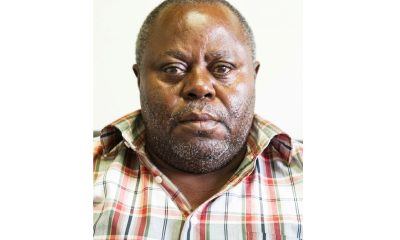
The Makerere University Council Chairperson represented by the Chairperson Finance, Planning, Administration and Investment Committee (FPAIC) of Council-Mr. Bruce Balaba Kabaasa has called upon Unit heads to ensure a consultative and inclusive budgeting process that is aligned to the objectives of the Third National Development Plan (NDPIII) and Makerere University Strategic Plan (2020-2030). The call was made during the Annual Budget Conference held virtually on 14th October 2021.
“It is my pleasure to preside over the opening of the Makerere University Budget Conference 2021, for the financial year 2022/2023. I wish to thank the Chairperson of Council Mrs. Lorna Magara who delegated me to perform this duty on her behalf” remarked Mr. Kabaasa.
He noted that the Higher Education sector, just like many other sectors, has been severely disrupted by measures aimed at controlling the spread of COVID-19 and has as a result suffered from shortfalls in revenue.
“It turns out that we must rethink the methodologies for pursuing our set goals because the new normal demands an urgent shift from business as usual and therefore, the budget being the principal tool for executing the new normal must shift” he pointed out.
The Chair FPAIC added that this year’s budgeting process was more critical than ever before, calling for a balance between realizing the goals and targets of the University Strategic Plan, and ensuring that the planned activities are consistent with operational dynamics occasioned by COVID-19.
He therefore urged the College Principals and Administrative Unit heads to align their budgets to the Budget Call Circular issued by the University Secretary as well as the University Strategic Plan and NDPIII.
“I wish to emphasise that the budgeting must be consultative and inclusive. Consultations must go beyond conferences such as the one we are having today. All stakeholders in given budgeting units must have a chance to contribute towards setting the budget priorities and allocation of funds to those priorities in the respective units” Mr. Kabaasa highlighted.
The Chair FPAIC further requested the budgeting units to involve the relevant Council Committees in the budgeting process right from the onset, as a means of ensuring adherence to set guidelines. He concluded by urging the cost centres to go beyond receiving technical guidance from the Gender Mainstreaming Directorate (GMD) and identify peculiarities within their respective units that respond to the gender and equity requirement and qualify them so as to fit within the regulations while meeting their unique needs.
In her remarks, the Acting Vice Chancellor and Deputy Vice Chancellor (Finance & Administration) Dr. Josephine Nabukenya thanked all participants for sparing time to congregate and deliberate on how best to deliver a good budget based on the proposed roadmap. The roadmap for the budget process for Financial Year 2022/2023 is highlighted below.
- 14th October 2021 – Stakeholders’ Budget Conference and Sensitisation on the new Budget structure aligned to NDPIII
- 14th October 2021 – Communication of the Budget Call Circular and issue of Ceilings to all the Units
- 19th October 2021 – Budget Units/Cost Centres Submit their Draft Budgets
- 20th October 2021 – Consolidation of University Budget
- 22nd and 23rd October 2021 – The University Budget Committee Retreat
- 25th October 2021 – The University Central Management Finance Committee Approval
- 26th October 2021 – The University Central Management Committee Approval
- 28th October 2021 – The Finance, Planning, Administration and Investment Committee (FPAIC) of Council Approval
- 5th November 2021 – University Council Approval
- 10th November 2021 – Submission of the Budget Framework Paper and the Consolidated Draft Budget 2022/2023 to the Ministry of Finance, Planning and Economic Development (MoFPED).
“We have had several meetings in preparation to fulfill this cycle and so far we seem to be progressing very well. We are extremely grateful to the cost centre heads, who have put in time to ensure that they follow the almanac for producing this budget in time” remarked Dr. Nabukenya.
She extended sincere thanks to the Offices of the University Secretary and University Bursar as well as the Planning and Development Unit for all preparations leading up to the Budget Conference. The Acting Vice Chancellor equally acknowledged and thanked the Colleges and Administrative Units that had already made input into the budgeting process, and urged others to make theirs too.
“May I request through this conference that everybody who is supposed to provide input to have this budget process executed successfully do their part and in a timely manner” said the Acting Vice Chancellor.
Earlier while introducing the budget process, the University Secretary (US) Mr. Yusuf Kiranda shared that the University had since receiving the Budget Call Circular from MoFPED on 15th September been making internal preparations, which included sourcing for the figures that form the basis for budgeting.
“These include projection of student numbers, staffing figures, infrastructure requirements, revenue from various sources including tuition and others, which together guide us on how we will budget” he explained.
The US noted that the conference was organized in compliance with the requirement of Section 9 (i) of the Public Finance Management Act 2015 (as amended), which requires every accounting officer in consultation with relevant stakeholders, to prepare a budget framework paper for the vote, taking into account consideration of balanced development as well as gender and equity responsiveness.
Referring to the Budget Call Circular received from MoFPED, Mr. Kiranda shared the theme for FY 2022/2023 as “Industrialisation for Inclusive Growth, Employment and Wealth Creation”. He also mentioned the budget strategy and priority interventions for the Government of Uganda in FY 2022/2023 as;
- To mitigate the COVID19 impact on business activity and livelihoods to support the recovery of the economy back to normality by increasing access to capital, revamping health infrastructure and health systems; reducing vulnerabilities and ensuring access to education.
- To speed up recovery of the economy; to sustain economic growth for socioeconomic transformation through re-prioritizing and delivering impactful investments and restructuring resources/budget to areas with more value for money.
- To sustain macro-economic stability, peace and security as key foundations for growth and development by keeping exchange rate stability, inflation control, maintaining an adequate reserve of forex; and mitigating emerging internal and external security threats.
Using the Research and Innovations Fund (Mak-RIF) as an example, the US noted that the University can tailor its research to answer to some of the priorities that have clearly defined in the National Budget Strategy 2022/2023.
Presenting the New Budget Structure FY 2022/2023 and implications for budgeting Units, Mr. Kabuye Matia, the Acting Manager Planning and Development informed the conference that the Education Sector has now been designated as a sub-programme under the Human Capital Development programme.
“In the new budget structure, all colleges are going to have three budget outputs namely: teaching and training; research, innovations and technology transfer; and community outreach. When it comes to the support services sub-sub-programme, the new budget structure includes: governance, which entails business of Council and Senate with their sub-committees; general administration and support; academic affairs; library services; contributions to research and international organizations; ICT/e-learning; research, consultancy and publications; students welfare,” explained Mr. Kabuye.
He also noted that under the new normal, emphasis should also be put on how cost centres are to support safe delivery of services. “Every vote should assign a specific department to coordinate the two Government-funded projects i.e. Retooling and Infrastructure Projects.”
The University Bursar, Mr. Evarist Bainomugisha who presented the Budget Performance FY 2019/2020 shared that the University received 98.9% of its approved budget of UGX 363.736 Billion. The proportionate distribution of the University budget expenditure was Wage 58%, Non-wage 38% and Development 4%.
“Collections for last financial year were UGX 69.6 Billion, which was 72% of the budget, and the shortfall is attributed to COVID-19 and the closure of the University resulting in some of the students not paying tuition” explained the Bursar.
In terms of Retooling and Infrastructure Projects, the University completed renovations on the Senate Building, Main Library, Mathematics Building and University Hospital. Ongoing development works include; partitioning of Central Teaching Facility 1, School of Women and Gender Studies Building, the Indoor Stadium, School of Public Health, Department of Dentistry, School of Law, among others.
Delivering the closing remarks, the Conference Programme Manager and Principal, College of Business and Management Sciences, Dr. Eria Hisali thanked participants for sparing time to attend the conference. He urged unit heads to stick to the strategic direction of the University and NDPIII as they finalise the budgeting process.
“It is encouraging to note that all the units derived their own strategic plans from the University Strategic Plan. I wish to assure the Chairperson of Council that we will comply with your guidance as well as the requirements stipulated in the Budget Strategy Paper issued by the Ministry of Finance, Planning and Economic Development” he concluded.
You may like
-
Makerere University, Uganda Red Cross Society Sign MoU to Advance Research, Training & Humanitarian Action
-
Makerere University Kicks Off Semester Two Examinations Amid High Student Expectations
-
Makerere University Newsletter Jan-Mar 2026
-
CAES Engagement with Mak Senior Management: VC Calls for Expansion of PhD Training to Accelerate Development in Africa
-
MakCAES Develops Agroecology Curriculum to Drive Food Systems Transformation in East Africa
-
Call for Research Support Applications from Master’s Students who have Completed their First Year of Taught Classes at Makerere University
General
Admission List to Bachelor of Education External (BED) 2026/27 -Government Sponsorship
Published
1 day agoon
May 20, 2026By
Mak Editor
The Office of Academic Registrar, Makerere University has released the admission list of Diploma holders provisionally admitted to Bachelor of Education (EXTERNAL) programme under Private Sponsorship for the Academic Year 2026/2027 pending verification of their academic documents by the awarding institutions.
The List can be accessed by following the link below:
General
Makerere University Kicks Off Semester Two Examinations Amid High Student Expectations
Published
2 days agoon
May 19, 2026
Makerere University, the oldest and most prestigious institution of higher learning in Uganda and one of the foremost universities on the African continent, has officially commenced its Semester Two examinations for the 2025/2026 academic year. The much-anticipated assessment period marks a critical milestone in the academic calendar, bringing together thousands of students from across the university’s numerous colleges, schools, faculties, and institutes as they sit their end of semester papers in a bid to demonstrate mastery of the content covered throughout the semester.
The examinations, which span a carefully structured timetable released by the Academic Registrar, are being conducted across the various examination halls, lecture theaters, and designated assessment venues spread throughout the Makerere Hill campus. Security and integrity measures have been reinforced to ensure that the examinations are conducted in a fair, orderly, and transparent manner, upholding the university’s longstanding commitment to academic excellence and integrity.
This year’s examination season arrives at a particularly significant moment for the institution. Having navigated numerous challenges in recent years including disruptions to the academic calendar, resource constraints, and the ongoing effort to modernize curriculum delivery, Makerere finds itself reaffirming its core identity as a centre of academic rigour and intellectual development. The commencement of these examinations is therefore a statement of institutional resilience and the continued determination of both staff and students to uphold the highest standards of scholarship.
A Season of Academic Reckoning
For the student body, the commencement of Semester Two examinations signals the culmination of months of learning, late night reading sessions, group discussions, coursework submissions, and individual academic effort. Across the hostels, libraries, and common rooms of Makerere, the atmosphere has unmistakably shifted into one of focused determination. Students can be seen poring over lecture notes, textbooks, and past examination papers in every available space, from the steps of the Main Library to the benches of Freedom Square.
The university administration, through the various college deans and heads of department, has urged students to approach the examinations with calmness, thorough preparation, and utmost honesty. Messages reminding students of the dire consequences of academic malpractice have been widely circulated, as Makerere maintains a strict zero tolerance policy toward examination fraud, plagiarism, and any form of misconduct during assessments.

Beyond the pressure of performance, the examination period also carries a deeply communal character on the Makerere campus. Students from different programmes, regions, and backgrounds find themselves united by the shared experience of preparation and assessment. Study groups form spontaneously in corridors and courtyards, senior students mentor their juniors on examination technique, and a spirit of collective striving pervades the institution. It is one of the defining features of life at Makerere, where the pursuit of knowledge is understood as both a personal endeavour and a shared social responsibility.
Preparation and Logistical Readiness
Ahead of the examination period, the university undertook extensive logistical preparations to ensure smooth and uninterrupted conduct of all papers. The Academic Registrar worked in close coordination with college examination officers to finalize seating arrangements, allocate invigilators, distribute examination materials, and confirm examination schedules with both academic staff and students. Special provisions were made for students with disabilities and those with documented medical conditions that may require additional time or special seating accommodations.
The university also invested in refreshing and reinforcing the physical examination venues. Lecture theaters and examination halls have been reorganized to ensure adequate spacing between candidates, proper ventilation, and clear visibility of invigilation personnel at all times. In line with best practices for examination administration, the university ensured that all required stationery, answer booklets, and supplementary materials were available and ready for distribution before the commencement of each paper.
Communication between the university and its students was also given particular attention in the lead up to the examinations. The Academic Registrar disseminated detailed instructions regarding reporting times, permitted materials, dress code requirements, and procedures for handling examination anomalies. Students were also reminded of the appeals process available to them should they have concerns about any aspect of their assessment. These communications were shared through the university’s official online portals, notice boards, college bulletins, and student representative councils to ensure maximum reach across the diverse student population.

The role of academic staff in the success of the examination period cannot be overstated. Lecturers and course instructors spent the final weeks of the semester conducting revision sessions, responding to student queries, and ensuring that all coursework components had been duly submitted and graded before the formal examination window opened. Many went above and beyond the requirements of their schedules to hold additional consultation hours, offering students every possible opportunity to consolidate their understanding and approach the examinations with confidence.
The Student Experience During Examinations
The experience of sitting Semester Two examinations at Makerere University is one that students across all disciplines describe as both challenging and transformative. Whether one is pursuing a degree in Medicine, Engineering, Law, Education, Agriculture, Business, or the Arts and Humanities, the examination period demands a high level of intellectual engagement and self discipline. For final year students in particular, these examinations carry enormous weight, as outstanding results can open doors to prestigious postgraduate opportunities, professional careers, and scholarship programmes both within Uganda and internationally.
First and second year students, many of whom are still adjusting to the demanding academic culture of university life, have also been encouraged to view these examinations not with fear, but as an opportunity to measure their growth and identify areas requiring further attention. The university’s Student Support Services office has throughout the semester offered counseling, academic advising, and peer mentorship programmes designed to equip students with the tools needed to manage examination related stress and perform at their best.
The physical and mental wellbeing of students during this period has also been a priority for the university. The university health center has been operating with extended hours to attend to students who may require medical attention, while the counseling and guidance unit has been available to offer psychological support to those experiencing anxiety or other forms of distress linked to the pressure of examinations. Student leaders have similarly been active in organizing welfare activities such as communal meals, devotional gatherings, and motivational talks to sustain morale across the student community.

International students studying at Makerere under various exchange and bilateral agreements have also been fully integrated into the examination process. The International Office worked to ensure that these students were aware of all relevant regulations, that their results would be properly transmitted to their home institutions, and that any unique logistical needs they may have had were addressed in a timely and sensitive manner. Makerere‘s growing profile as a destination for regional and international students makes this kind of inclusive administration increasingly important.
Upholding the Integrity of the Examination Process
Academic integrity remains one of the most sacred principles at Makerere University. The institution has, over its century long history, produced graduates who go on to serve in the highest echelons of government, civil society, academia, and industry, not only in Uganda but across East Africa and the broader global community. The credibility of a Makerere degree is therefore inseparable from the integrity with which its examinations are conducted. To this end, trained invigilators are deployed at every examination venue, and supervisory visits by senior academic officers are carried out throughout the examination period.
Students found in possession of unauthorized materials, communicating with fellow candidates without permission, or engaging in any other form of misconduct face serious disciplinary consequences, including cancellation of their papers, suspension from the university, or permanent expulsion in the most severe cases. These measures are not intended to intimidate but rather to protect the integrity of each student’s genuine academic effort and safeguard the reputation of the qualifications they earn.
It is worth noting that the vast majority of Makerere students approach their examinations with complete honesty and a genuine desire to succeed on the strength of their own preparation. The university’s integrity framework is designed not to cast suspicion on the student body as a whole, but to create a level playing field in which every student’s results accurately reflect their own knowledge, effort, and intellectual ability. The culture of academic integrity is something that Makerere actively cultivates through orientation programmes, faculty mentorship, and ongoing student engagement on the values that underpin the university’s academic mission.
A Legacy of Excellence in Focus
Makerere University was established in 1922 as a technical school and has grown over the decades into a comprehensive research university offering programmes at the undergraduate, postgraduate, and doctoral levels across virtually every field of human knowledge. Today, with an enrollment of tens of thousands of students drawn from Uganda and across Africa, the university occupies a unique and irreplaceable role in the intellectual, social, and economic development of the region. Each examination season is therefore not merely a bureaucratic academic exercise but a living expression of this legacy of excellence.
The University Council, Senate, and Vice Chancellor have collectively reiterated their commitment to ensuring that the assessment process is not only rigorous and fair but also supportive of student welfare. Plans are already in place for timely marking and moderation of scripts, with results expected to be released within the stipulated periods as outlined in the academic calendar, allowing students to plan ahead for the subsequent semester or, for those completing their programmes, for graduation and the next chapter of their lives.

Alumni of Makerere University, many of whom occupy positions of influence in Uganda and beyond, frequently look back on their examination experiences as formative moments that shaped their professional discipline, their capacity for sustained effort, and their ability to perform under pressure. The lessons learned in the examination hall, they often say, extend far beyond the academic content being tested. They speak to the development of character, persistence, and the kind of intellectual confidence that only comes from having genuinely mastered a body of knowledge. In this sense, the examinations of Semester Two 2026 are not merely an ending but a beginning for each of the thousands of students who sit them.
Looking Ahead: Results, Graduation, and Beyond
Once the examination period concludes, attention will swiftly turn to the processes of marking, moderation, and results release. The university’s academic staff are expected to adhere to strict timelines in the submission of marked scripts and the entry of results into the university’s academic management system. External examiners, drawn from other universities and professional bodies, play an important role in moderating the standards of assessment across programmes, ensuring that Makerere‘s results are benchmarked against regional and international norms.
For students who are completing their final year of study, the conclusion of Semester Two examinations sets in motion the graduation process. Makerere University‘s graduation ceremonies are among the most celebrated events in Uganda’s annual calendar, attended by families, dignitaries, government officials, and members of the public who gather to witness the conferment of degrees upon a new generation of graduates. The graduation ceremony is a moment of immense pride for the university, for the families who have supported their children through years of study, and above all for the graduates themselves who cross the stage having earned their qualifications through genuine effort and dedication.

Students who do not achieve the required grades in one or more papers will have access to the university’s retake and supplementary examination provisions, which are designed to give genuine learners a fair opportunity to demonstrate competence without being permanently disadvantaged by a single poor performance. The university’s academic regulations provide clear and transparent guidelines on eligibility for retakes, the conditions under which supplementary examinations may be granted, and the procedures for lodging appeals. These provisions reflect Makerere’s understanding that the journey of learning is rarely linear and that fairness requires the system to accommodate the full range of student circumstances.
A Message of Encouragement
To every student sitting examinations at Makerere University this season, the message from the university community is one of solidarity and encouragement. The journey through university is not always easy, but it is invariably worthwhile. Every late night spent studying, every difficult concept wrestled into understanding, and every assignment completed under pressure has been preparation for exactly this moment. The examination hall is where months of intellectual labor are given form and voice, and every student carries within them the capacity to rise to the occasion.
The university’s academic and administrative staff, from the Vice Chancellor and the Deans down to the examination room invigilators and the groundskeepers who ensure the campus is clean and welcoming each morning, are all invested in the success of every student. Makerere is not merely a place of learning; it is a community built on mutual commitment to the advancement of knowledge and the development of human potential. Every student who walks into an examination venue this season walks in as a representative of that community and carries with them the hopes of their family, their region, and their country.
As Makerere University proceeds through its Semester Two examination period, the entire institution stands united behind its students. From the academic staff who prepared and marked the papers, to the support staff who maintained the examination venues, to the administration that coordinated the logistics and upheld the rules, everyone is working together toward a single goal: providing every student with the fairest possible opportunity to demonstrate what they know and what they are capable of achieving. Makerere University remains, as it has always been, a place where minds are shaped, potential is realized, and futures are built.
The Writer is a Volunteer in the Public Relations Office, Makerere University and the Mak Sharks PRO | Est. 2014
General
Makerere University Newsletter Jan-Mar 2026
Published
2 days agoon
May 19, 2026By
Mak Editor
The activities of the first quarter of 2026 depict Makerere University not just as a place of learning but as a dynamic space where ideas, ambition, and opportunity shape the future.
This edition highlights a university in motion. The Career Fair 2026 stood out as a powerful moment of reflection and discovery. Under the theme “Machine vs. Man,” students were challenged to rethink their place in a rapidly evolving world shaped by artificial intelligence. What emerged was not fear, but clarity a recognition that the future belongs to those who are adaptable, innovative, and willing to learn continuously. Beyond the discussions, the fair created meaningful connections, opening pathways to careers, further study, and entrepreneurship.
The launch of the Open, Distance and eLearning (ODeL) initiative is a practical step toward inclusive and accessible education. By embracing digital transformation, Makerere is expanding learning beyond physical classrooms and positioning itself as a leader in flexible, technology-driven education. This shift reflects a broader commitment to ensuring that quality education reaches more learners, within Uganda and beyond.
This issue also celebrates the people behind the progress. From staff committing wholeheartedly to the student community they serve to student leaders navigating complex challenges, the stories this quarter demonstrate the personal resilience, creativity, and purpose that drive the institutional transformation at the Hill.
Trending
-
General1 week agoBachelor of Laws Pre-Entry Examination Results 2026/2027
-
General1 week agoCall for Research Support Applications from Master’s Students who have Completed their First Year of Taught Classes at Makerere University
-
Sports2 weeks agoMaking Waves: The Rise of the Mak Sharks and Makerere University’s Aquatic Legacy
-
General2 weeks agoMakerere University-ND Sign MoU to Enhance Collaboration
-
General1 week agoMakerere University Waste Management Boosted by Centenary Bank