
Natural Sciences
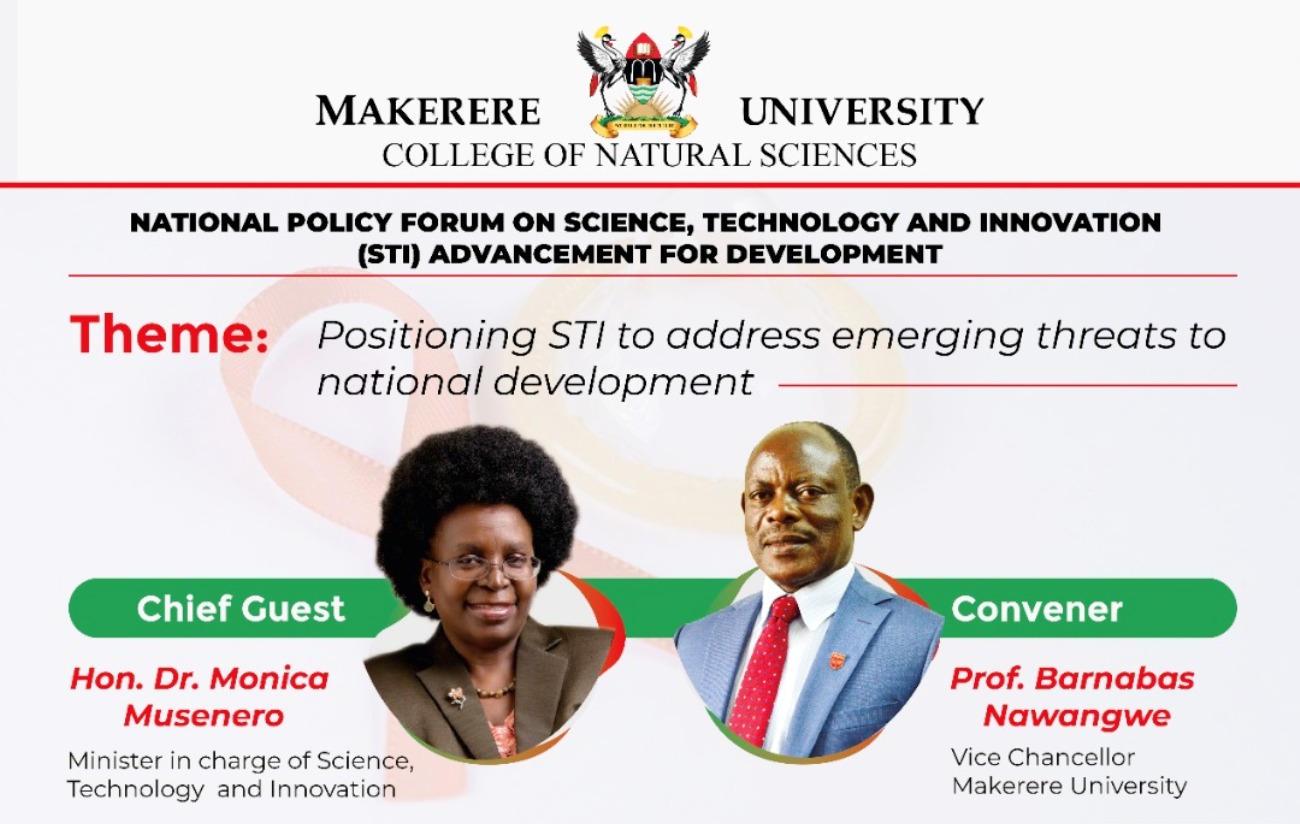
Academia Encouraged to Take Lead in the National STI Ecosystem







Natural Sciences
Makerere University Benchmarks Leading Institutions to Strengthen Geology Curriculum Review

Uganda’s mineral sector holds significant potential to drive economic transformation through increased mineral exploration, responsible extraction, value addition and investment. Realizing this potential, however, requires a highly skilled geoscience workforce equipped with the technical knowledge, practical competencies and professional skills needed to meet the evolving demands of the mineral industry.
Recognizing the critical role of skilled human resources in the sustainable development of the mineral sector, Makerere University is undertaking a comprehensive review of its geology programmes under the project titled “Strengthening Uganda’s Mineral Sector through Labour-Market Aligned Curricula Reforms: A Comprehensive Review of BSc/MSc/PhD Geology Curricula and Development of Industry-Aligned Short Courses at Makerere University (Mak-SDMU).”
The review seeks to ensure that Makerere University’s geology programmes remain responsive to the evolving needs of Uganda’s mineral sector while keeping pace with emerging trends and developments in the global geoscience profession. The exercise is being undertaken under the Sustainable Development of the Mineral Sector in Uganda (SDMU) programme, funded by the Government of the Federal Republic of Germany and the European Union through the Deutsche Gesellschaft für Internationale Zusammenarbeit (GIZ), in partnership with Uganda’s Ministry of Energy and Mineral Development (MEMD).
Benchmarking for Industry-Responsive Geoscience Education
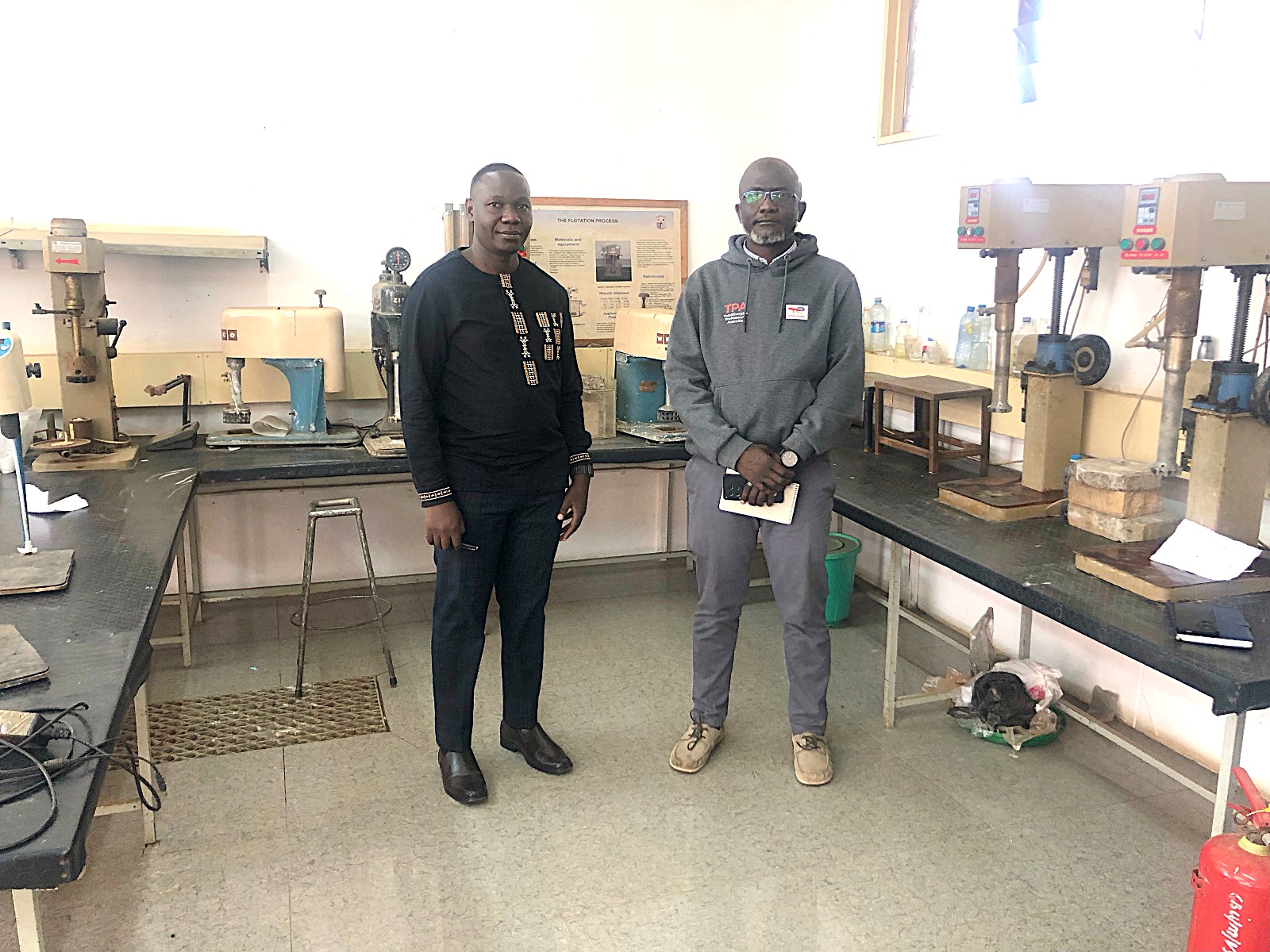
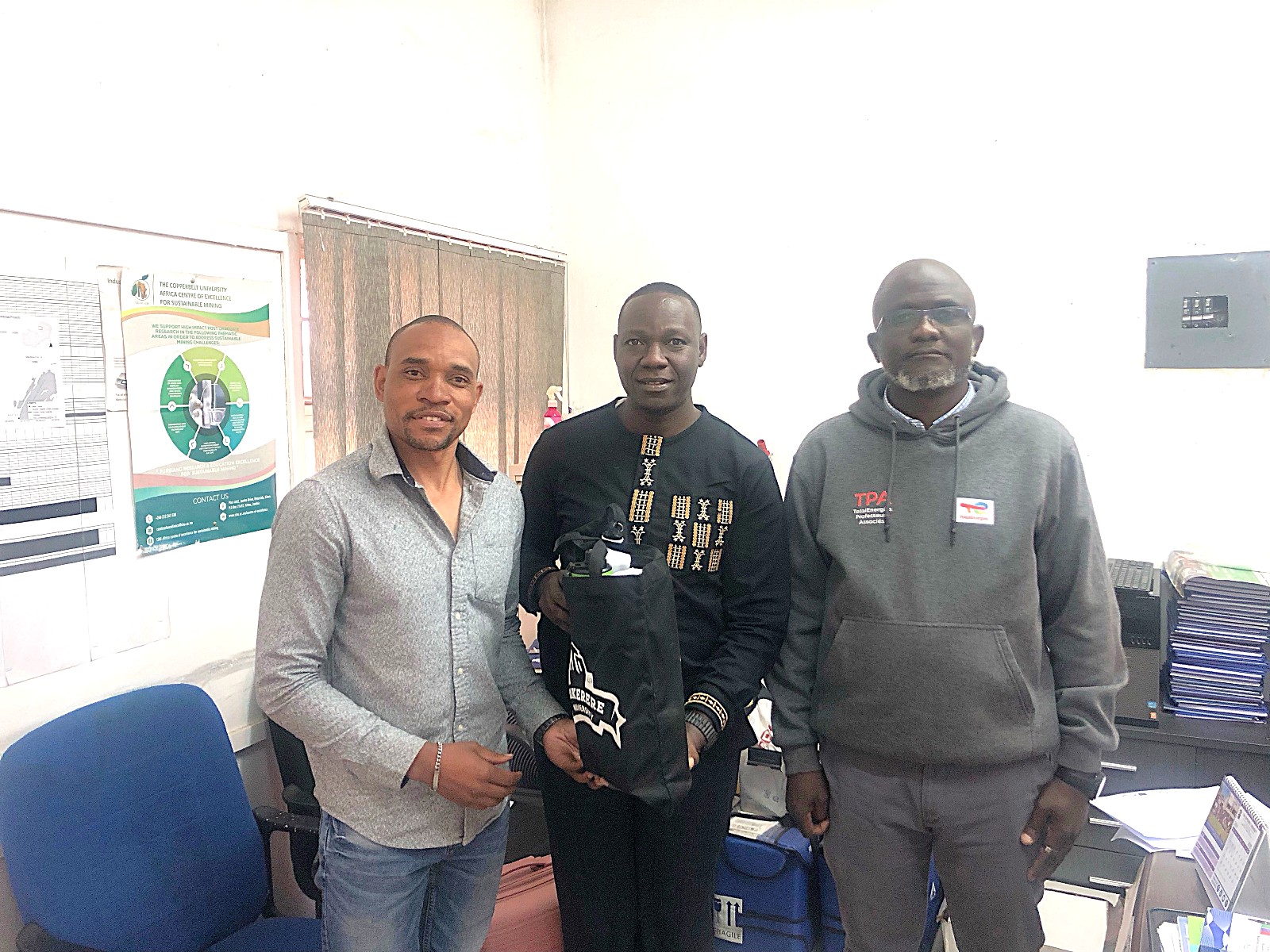
As part of the curriculum review process, staff from Makerere University’s Department of Geology and Petroleum Studies, together with a representative from the Ministry of Energy and Mineral Development (MEMD), undertook a benchmarking exercise at leading geoscience and mining education institutions in the region. The team visited Copperbelt University (CBU) in Kitwe, Zambia, and the Zimbabwe School of Mines (ZSM) in Bulawayo, Zimbabwe, to gain insights into approaches that could strengthen the relevance and quality of Makerere University’s geology programmes.
Makerere University was represented by Dr. Arthur Batte, Dr. Denis Mutebi, Principal Investigator of the Mak-SDMU project, and Dr. Joan Nakajjigo, while Mr. Kevin Byamugisha represented MEMD. Mr Byamugisha’s participation provided an opportunity to explore the role of government in strengthening geoscience and mining education through policy support, industry engagement, strategic partnerships and resource mobilisation.
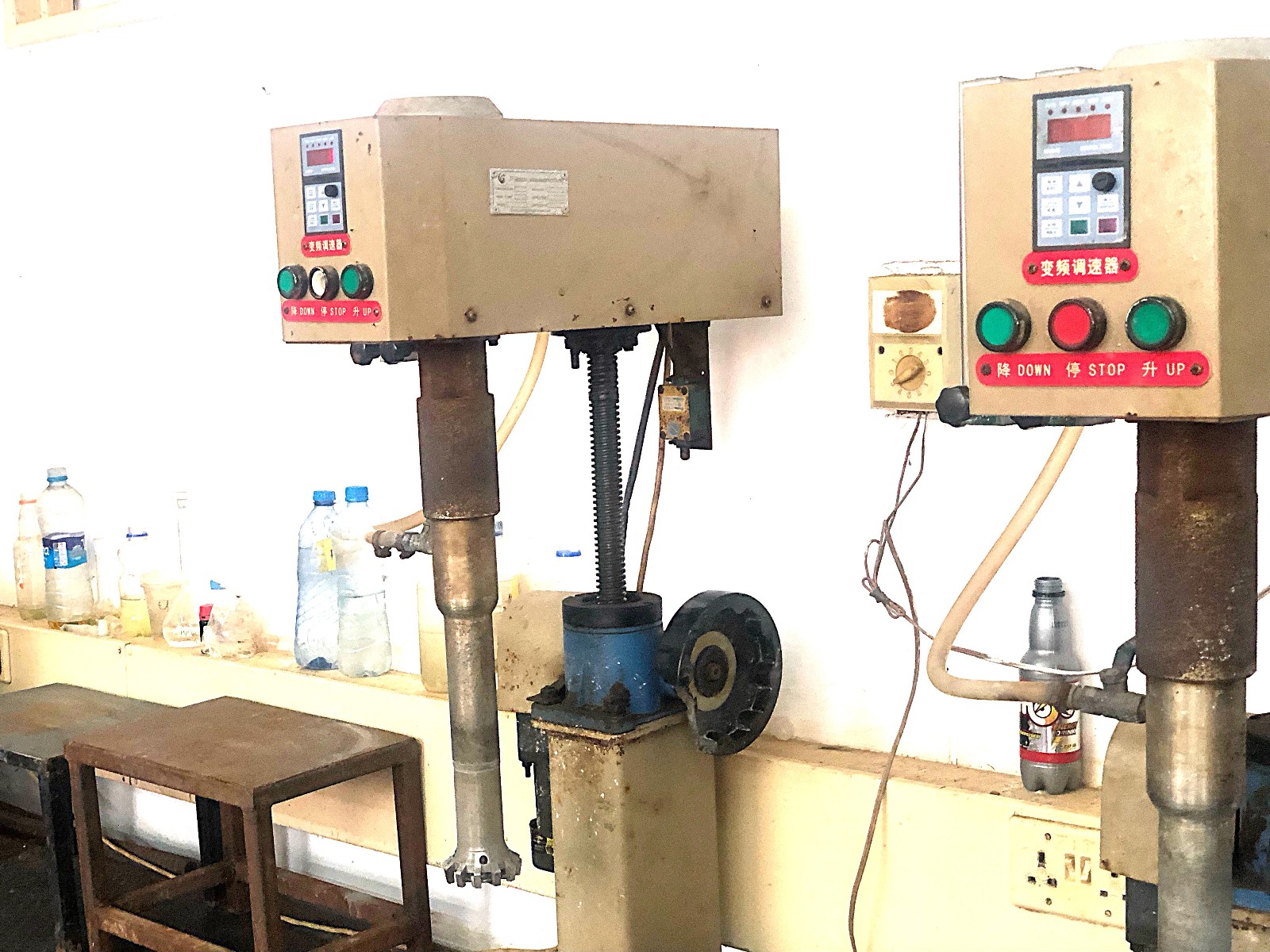
The benchmarking exercise provided an opportunity for the team to examine best practices in curriculum design and delivery, competency-based and practical training, industry engagement, infrastructure development, technology integration and professional skills development. The team also explored the role of professional short courses and institutional partnerships in supporting high-quality geoscience and mining education.
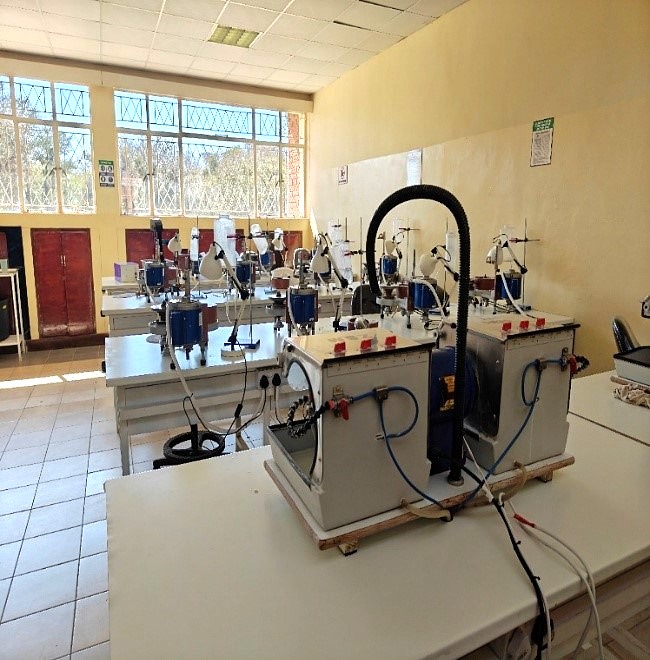
At Copperbelt University, the team toured microscopy, metallurgy, analytical and environmental laboratories, as well as the mineral processing laboratory. The team also interacted with Dr. Gabriel Ziwa, Head of the Department of Geology and representative of the Dean of the School of Mines and Mineral Sciences, to gain insights into the university’s approach to geoscience and mining training.
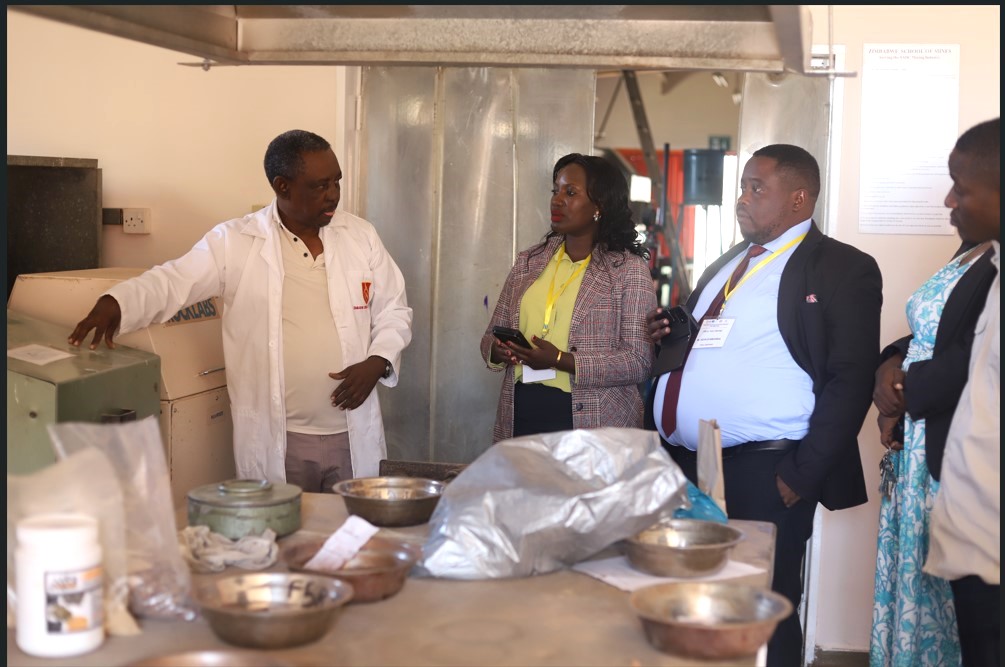
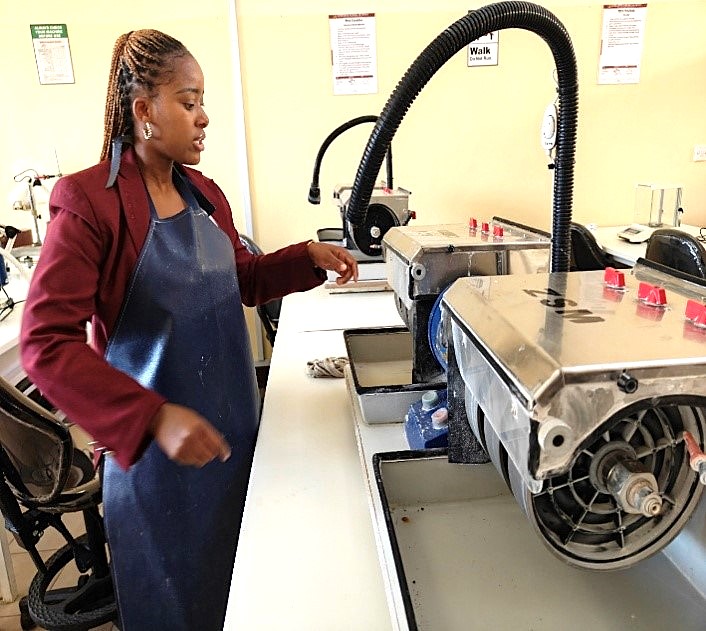
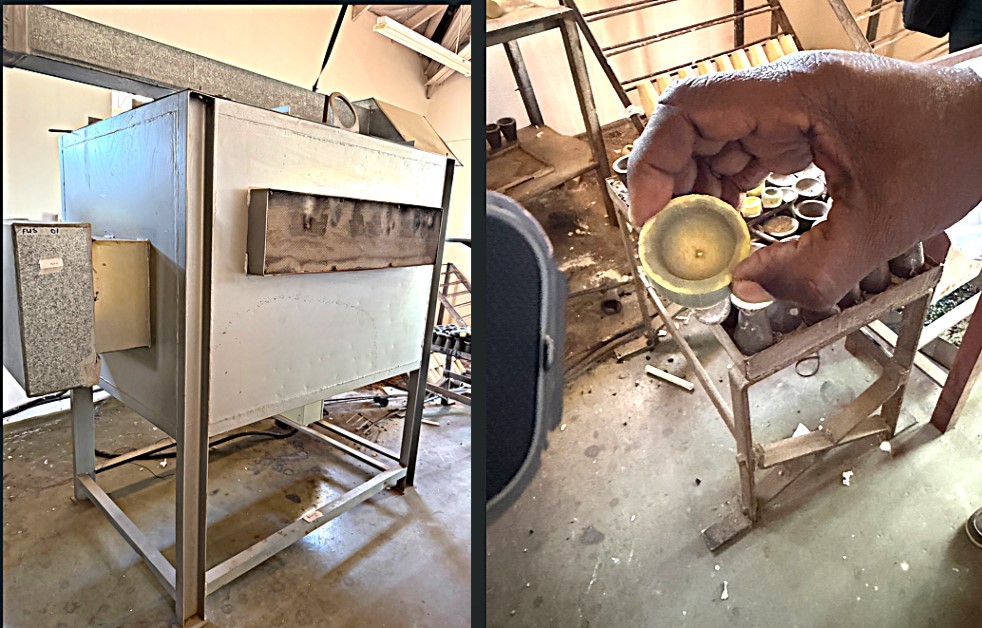
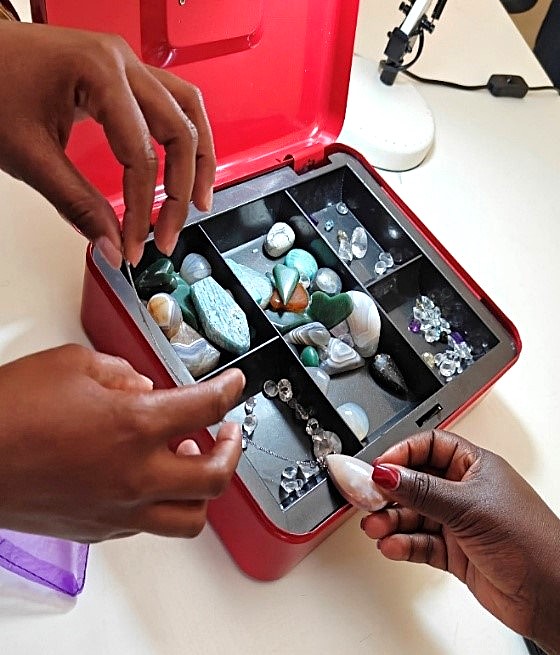
At the Zimbabwe School of Mines, the team visited mineral processing, metallurgy, gemology and analytical laboratories. They also observed practical training in gemstone cutting and polishing and examined rock pulverisation facilities. These engagements provided valuable insights into how practical training, mineral value addition and industry-oriented skills can be integrated into geoscience education.
The lessons and best practices drawn from the benchmarking exercise are expected to inform the ongoing review of the geology programmes, helping to strengthen their quality, relevance and competitiveness. The exercise will also contribute to ensuring that graduates acquire the technical, practical and professional competencies required to respond effectively to the evolving needs of Uganda’s mineral sector and the wider geoscience profession.
Lessons to Inform Makerere University’s Curriculum Review
The benchmarking exercise provided several lessons with direct relevance to the ongoing review of the geology programmes.
1. Strengthening Government-Industry-University Partnerships
The benchmarking exercise highlighted the importance of strong collaboration among universities, government and industry in developing relevant geoscience and mining programmes. Such partnerships support curriculum development, research, industrial training, equipment acquisition, scholarships, guest lectures and graduate employability. Continuous engagement with industry also enables universities to respond to changing labour-market and sector needs.
2. Aligning Training with the Mineral Value Chain
The visits demonstrated the need for geoscience training to extend beyond theoretical knowledge to cover the entire mineral value chain, including exploration, extraction, processing, value addition and environmental management. Areas such as gemstone identification, lapidary and mineral processing can equip graduates with practical skills relevant to both employment and entrepreneurship.
3. Emphasizing Competency-Based and Practical Training
The benchmarked institutions place strong emphasis on practical learning, fieldwork and laboratory-based training. Practical activities are linked to clearly defined learning outcomes and competencies, enabling students to graduate with demonstrable technical skills alongside theoretical knowledge. This provides an important lesson for strengthening practical and competency-based approaches within Makerere’s revised curricula.
4. Strengthening Industrial Training and Workplace Exposure
Structured and extended industrial exposure was identified as an important component of geoscience and mining education. Industrial training enables students to apply classroom knowledge to real-world operations, develop professional competencies, strengthen research skills and gain a better understanding of workplace expectations. These practices provide useful insights for enhancing Makerere’s existing industrial attachment programmes.
5. Investing in Modern Training Infrastructure
The benchmarking visits demonstrated the importance of well-equipped laboratories, field equipment and specialized analytical facilities in delivering effective geoscience and mining education. The facilities visited at CBU and ZSM provide useful benchmarks for assessing Makerere’s infrastructure requirements and identifying opportunities for industry partnerships in equipment acquisition, maintenance and shared utilization.
6. Integrating Digital Technologies and Industry-Standard Software
The exercise highlighted the growing role of digital technologies in contemporary geoscience and mining practice. Technologies such as Laboratory Information Management Systems, 3D geological modelling, mine-planning software and drone-based surveying and mapping can strengthen students’ preparedness for the modern workplace. Their progressive integration into the curriculum will therefore be important in enhancing graduates’ digital and technical competencies.
7. Expanding Professional Short Courses and Micro-Credentials
The institutions visited demonstrated how professional short courses can respond quickly to emerging skills gaps within the mining and mineral sector. Makerere could leverage this approach to develop flexible, demand-driven training for mining companies, artisanal and small-scale miners, professionals and other stakeholders. Such programmes could also strengthen industry engagement, support continuing professional development and create additional revenue opportunities for the University.
8. Strengthening Staff Capacity and Specialization
Effective implementation of a modern geology curriculum requires adequate academic expertise across key areas of geoscience and mining. The benchmarking findings therefore underscore the need for strategic staff development, recruitment and specialization. An assessment of existing staff competencies against the proposed curriculum will help identify expertise gaps and inform targeted capacity-building initiatives.
9. Aligning Academic Training with Professional Competencies
The benchmarking exercise emphasized the importance of ensuring that university training reflects the competencies expected by employers and professional bodies. The curriculum review should therefore take into account professional standards, industry requirements and pathways towards professional recognition to improve graduates’ preparedness for employment and professional practice.
10. Promoting Interdisciplinary Geoscience and Mining Education
The integration of related disciplines within closely connected academic structures creates opportunities for interdisciplinary teaching, research and innovation. Strengthening linkages among geology, mining engineering, metallurgy, environmental sciences, geomatics and mineral processing could promote the shared use of specialised facilities, foster multidisciplinary research and support the development of joint professional training programmes at Makerere University. This integrated approach would enhance collaboration across disciplines and contribute to more holistic and industry-responsive geoscience and mining education.
More about the curriculum review exercise: https://news.mak.ac.ug/2026/06/makerere-university-to-revamp-geology-curricula-to-bridge-critical-skills-gap-in-ugandas-mineral-sector/
Report shared by Dr Denis Mutebi, Principal Investigator of the Mak-SDMU project
Natural Sciences
Enhancing Experiential Learning: ZPEB Uganda Donates Well Control System Demonstration Model to Mak’s Department of Geology & Petroleum Studies
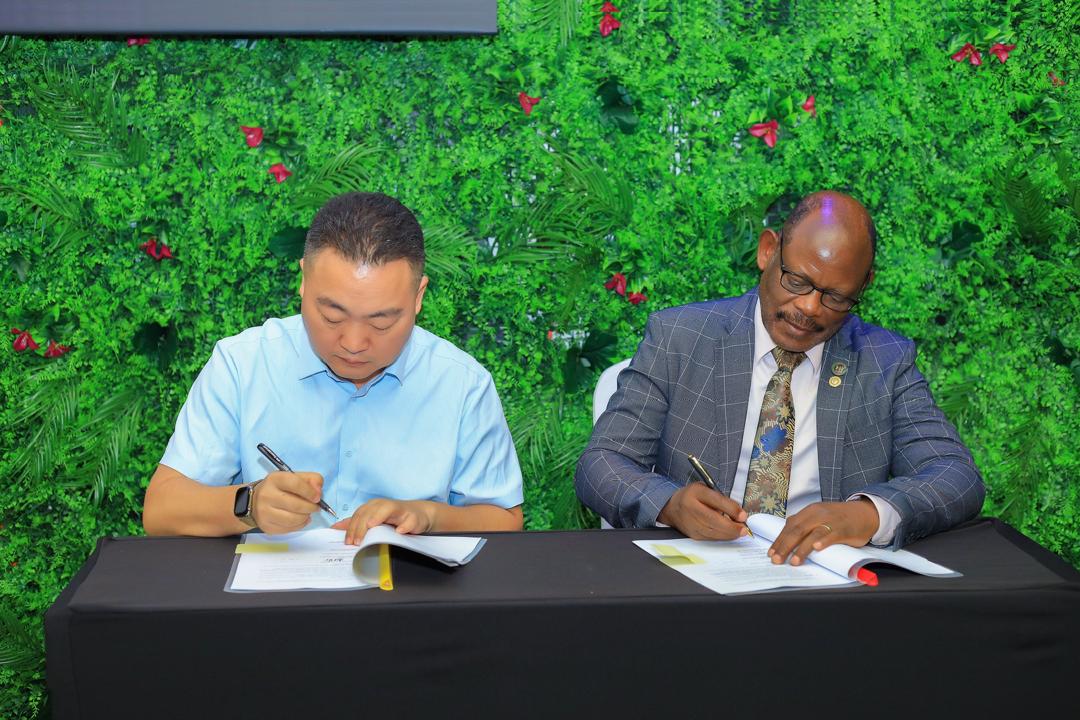
ZPEB Uganda Co. Limited has donated a Well Control System Demonstration Model to the Department of Geology and Petroleum Studies at Makerere University, a contribution expected to significantly enhance practical training, research, and industry-oriented learning in petroleum geoscience and drilling engineering.
The equipment was officially handed over to Makerere University at a ceremony held on 5th August 2026 at Onomo Hotel Kampala. The event was attended by Makerere University Vice Chancellor, Prof. Barnabas Nawangwe, alongside representatives from the Department of Geology and Petroleum Studies led by the Head, Dr John Mary Kiberu.
The Well Control System Demonstration Model is an advanced educational training tool designed to provide students with practical understanding of well control principles, equipment operation, and safety procedures applied during drilling operations. Although it is not intended for field deployment, the model offers a realistic representation of the systems and processes used in the prevention and management of well control incidents, including blowouts, enabling students to acquire practical experience within a safe learning environment.
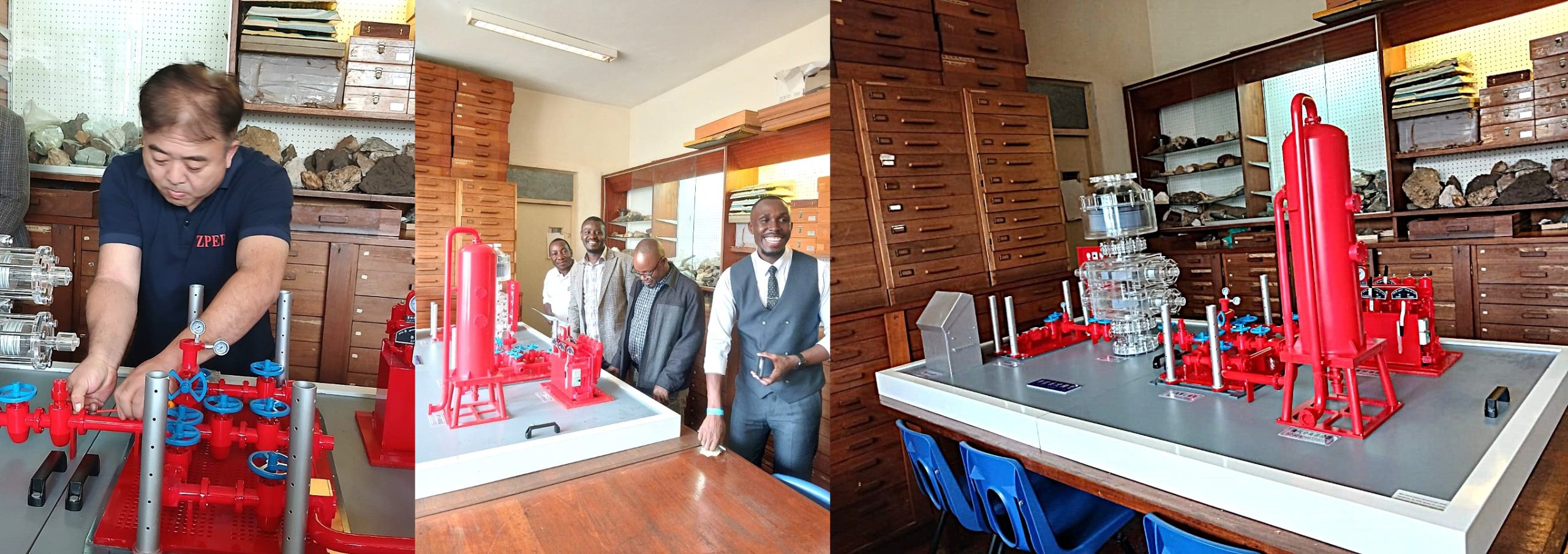
The equipment will significantly enhance students’ understanding of well control systems by providing practical demonstrations of pressure management techniques and strengthening their competencies in kick detection, well control procedures, drilling safety, and emergency response.
By integrating practical demonstrations into petroleum education, the model will contribute to the development of highly skilled graduates equipped with the technical knowledge and practical capabilities required to support Uganda’s emerging oil and gas industry.
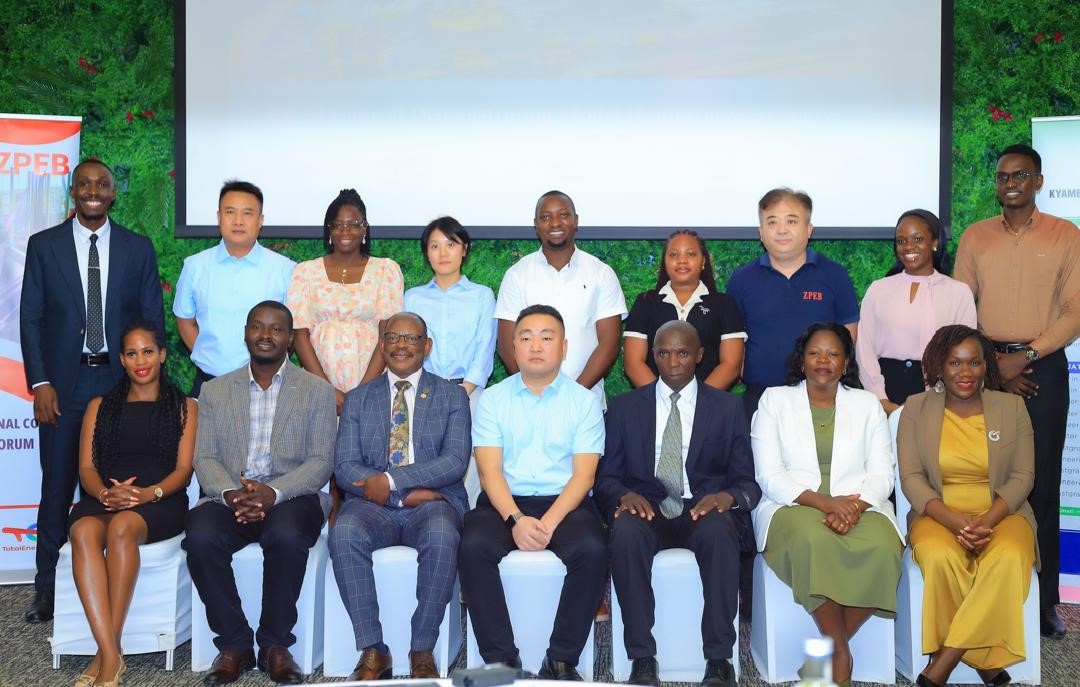
ZPEB Uganda Co. Limited, the donor of the equipment, is the Ugandan subsidiary of Zhongyuan Petroleum Exploration Bureau (ZPEB), a globally recognized Chinese drilling contractor with extensive expertise in oil and gas exploration, drilling, cementing, and engineering services. The company has been actively involved in supporting petroleum exploration and development activities in Uganda while contributing to capacity building within the country’s oil and gas sector.
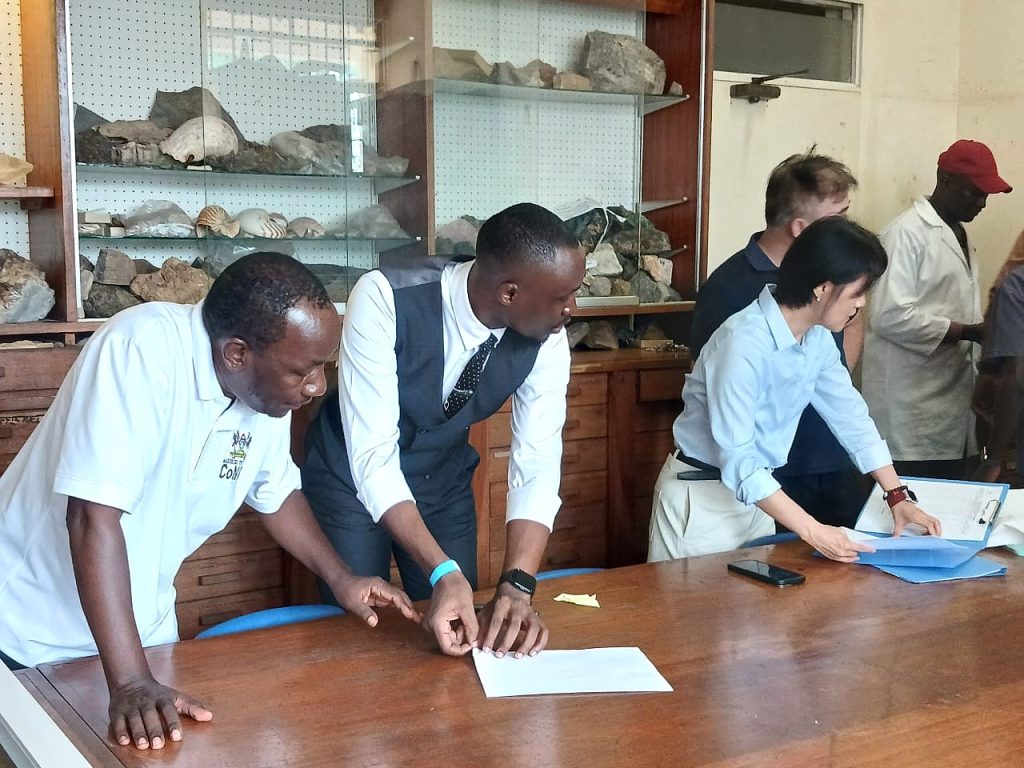
The Department of Geology and Petroleum Studies at Makerere University continues to play a pivotal role in developing professionals who contribute to the sustainable exploration and management of natural resources. Through its undergraduate and postgraduate programmes, the Department equips students with comprehensive knowledge and practical skills in geology, petroleum systems, exploration methods, reservoir characterization, and production technologies.
Natural Sciences
CoNAS Orientation: First Year Students Urged to Lay Strong Foundation for Academic & Professional Success
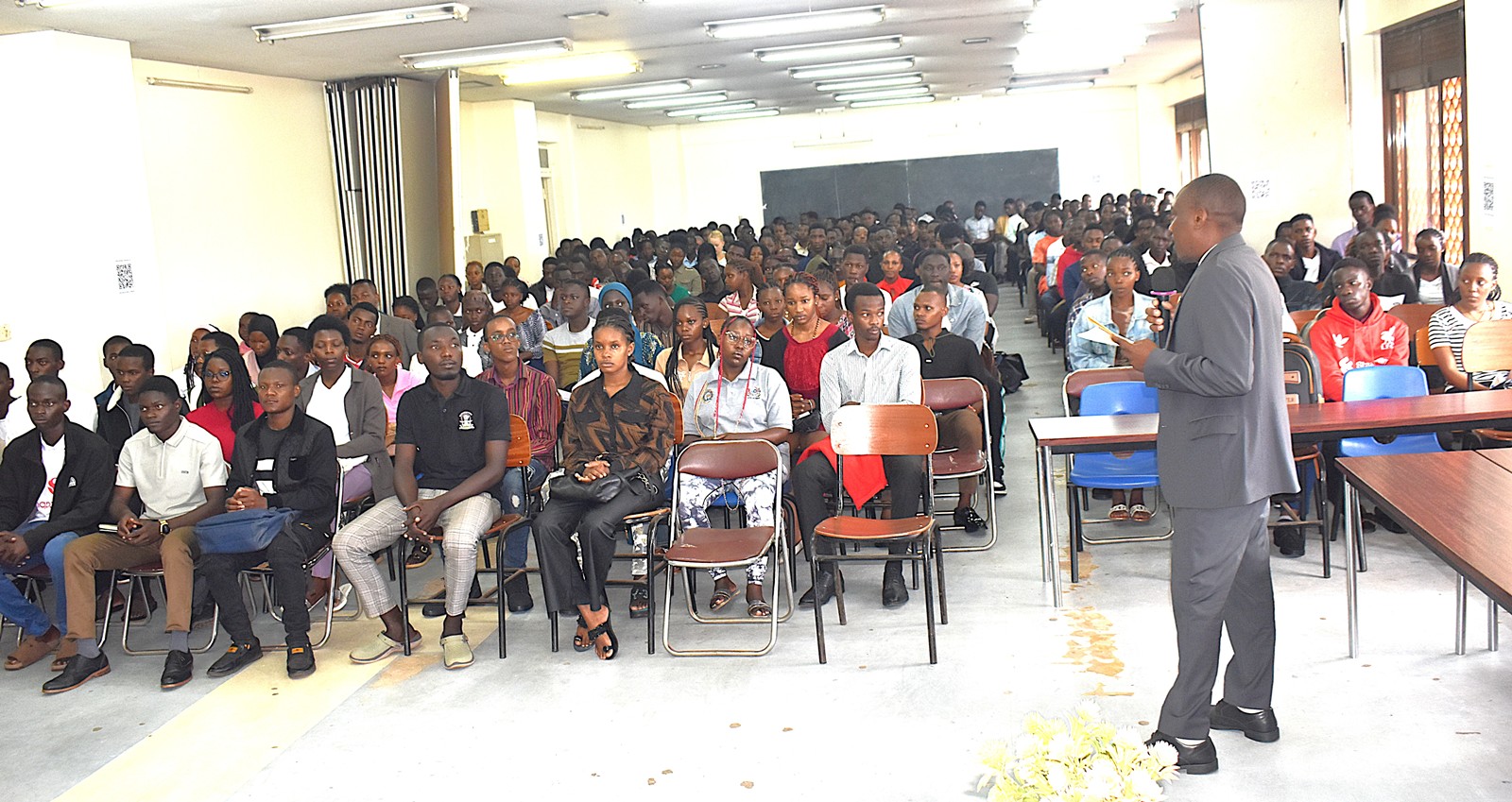
First Year students admitted to the College of Natural Sciences (CoNAS) at Makerere University for the Academic Year 2026/2027 have been encouraged to remain focused on their studies, embrace the opportunities available at the University, and lay a strong foundation for successful academic and professional careers.
The call was made during the orientation ceremony held on 5th August 2026 at the College premises. The session introduced the students to university life and policies, academic expectations, support services, and the diverse opportunities available within the College and University, helping them make a smooth transition from secondary school to higher education.
The orientation was attended by the College Management led by the Principal, Prof. Winston Tumps Ireeta, the Deputy Principal, Prof. Juma Kasozi, Deans, Heads of Departments, academic staff, and representatives from various University administrative units.
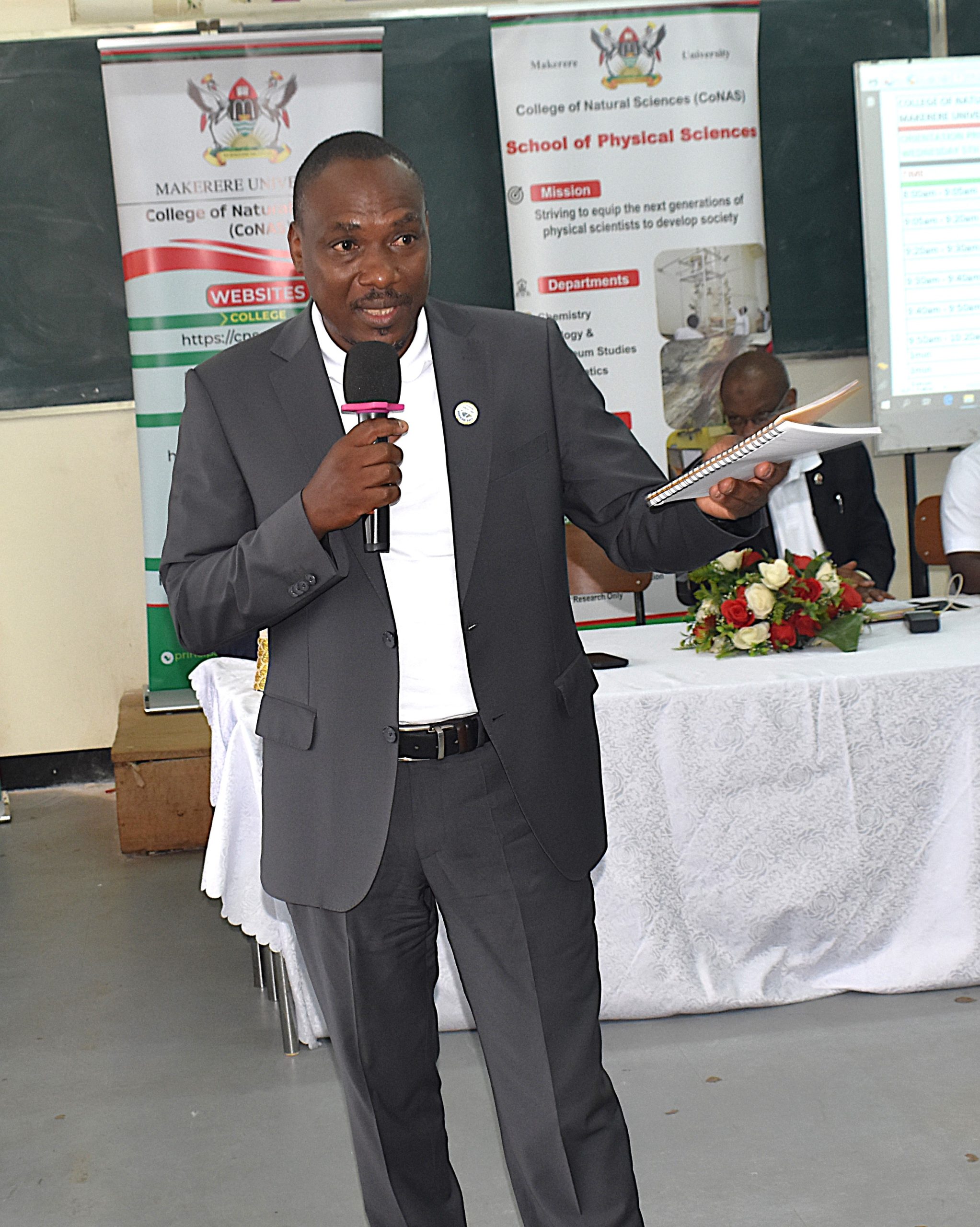
Welcoming the students, the Principal, Prof. Winston Tumps Ireeta, congratulated them on securing admission to one of Uganda’s leading science colleges and encouraged them to take full advantage of the opportunities available at the University.
“CoNAS is internationally recognized for excellence in teaching, research, and innovation. Supported by highly qualified academic staff, 95 per cent of whom are PhD holders, the College provides high-quality education, equipping students with the knowledge, skills, and global perspectives needed to excel in an increasingly competitive world.”
Prof. Ireeta urged the students to approach university life with discipline and commitment from the outset, encouraging them to attend lectures consistently and develop effective study habits that would enable them to excel academically. While acknowledging that university life presents many social opportunities, he advised the students to maintain a healthy balance between academics and extracurricular activities.
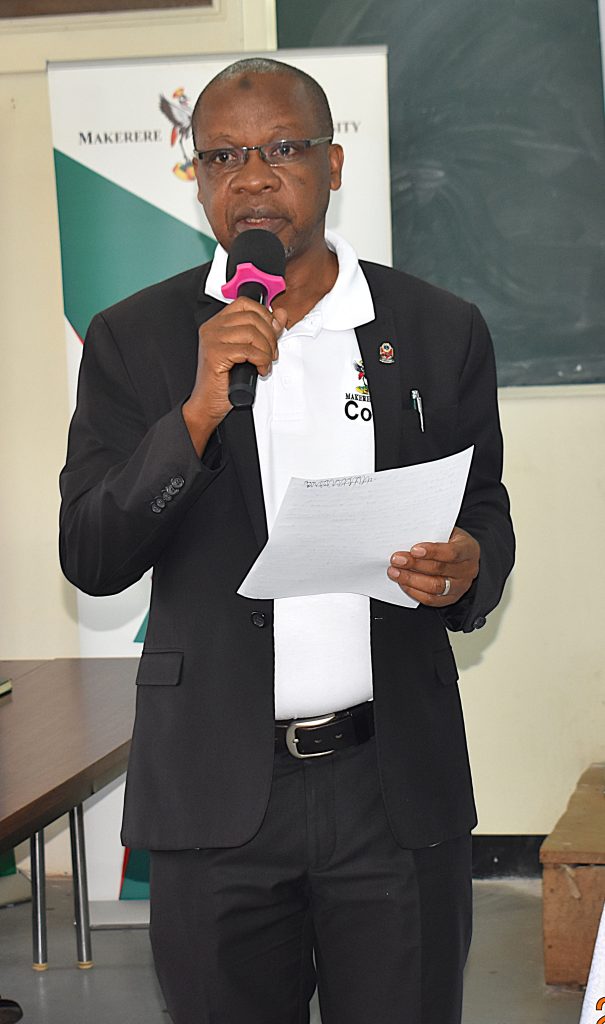
The Deputy Principal, Prof. Juma Kasozi, challenged the students to take personal responsibility for their learning and professional development. He encouraged them to cultivate a culture of discipline, curiosity, and continuous learning, emphasizing that academic success is achieved through consistent effort rather than last-minute preparation.
He equally advised the students to attend all lectures, actively participate in all academic activities, and develop strong computer and statistical skills – competencies that are increasingly vital for success across scientific disciplines and in today’s evolving workplace.
He also urged the students to uphold academic integrity, manage their time effectively, and seek guidance whenever they encounter academic or personal challenges.
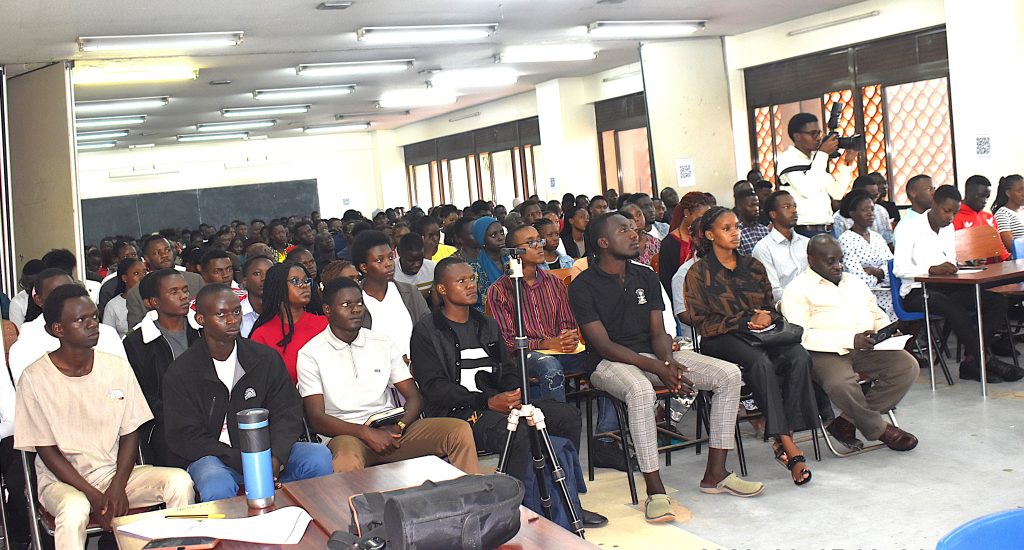
The Deans introduced students to the departments and academic programmes within their respective Schools, explaining programme structures, academic expectations, career prospects, and the support systems available to facilitate student success. They encouraged the students to take advantage of the mentorship opportunities offered by academic staff.
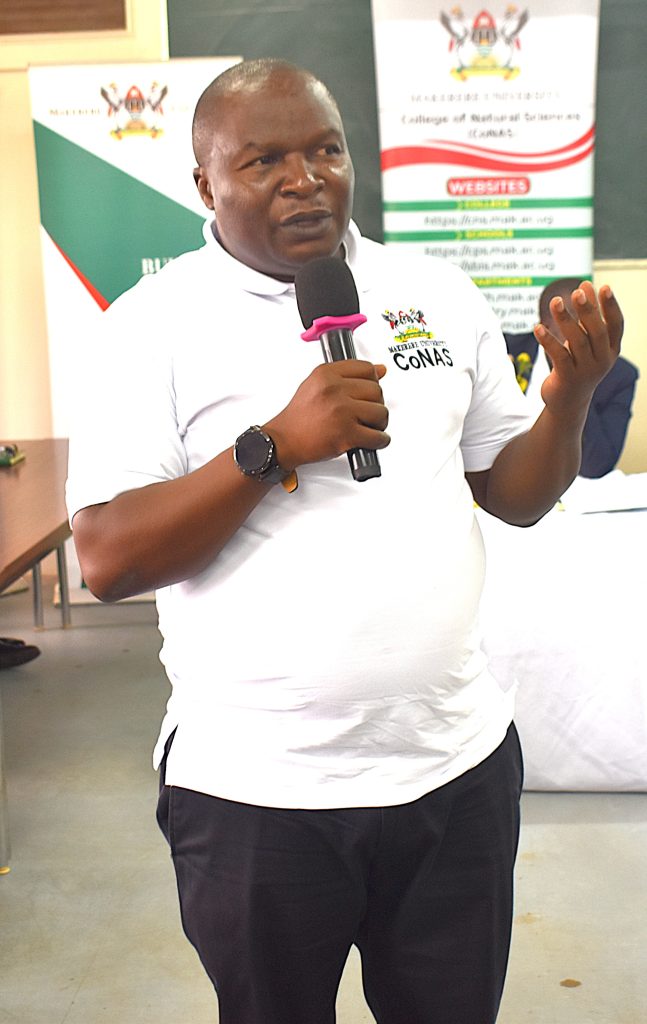
Addressing the students, the Acting Dean, School of Biosciences, also Head of the Department of Zoology, Entomology and Fisheries Sciences, Dr. Godfrey Kawooya Kubiriza, encouraged the students to embrace the programmes to which they were admitted, noting that each programme offers unique opportunities for learning, research, innovation, and career growth. “Success depends more on commitment, dedication, and hard work than on the title of one’s degree programme.” Dr. Kubiriza reminded the students that, while university life provides greater freedom and independence, it also requires a strong sense of responsibility, self-discipline, and effective time management to achieve academic success.
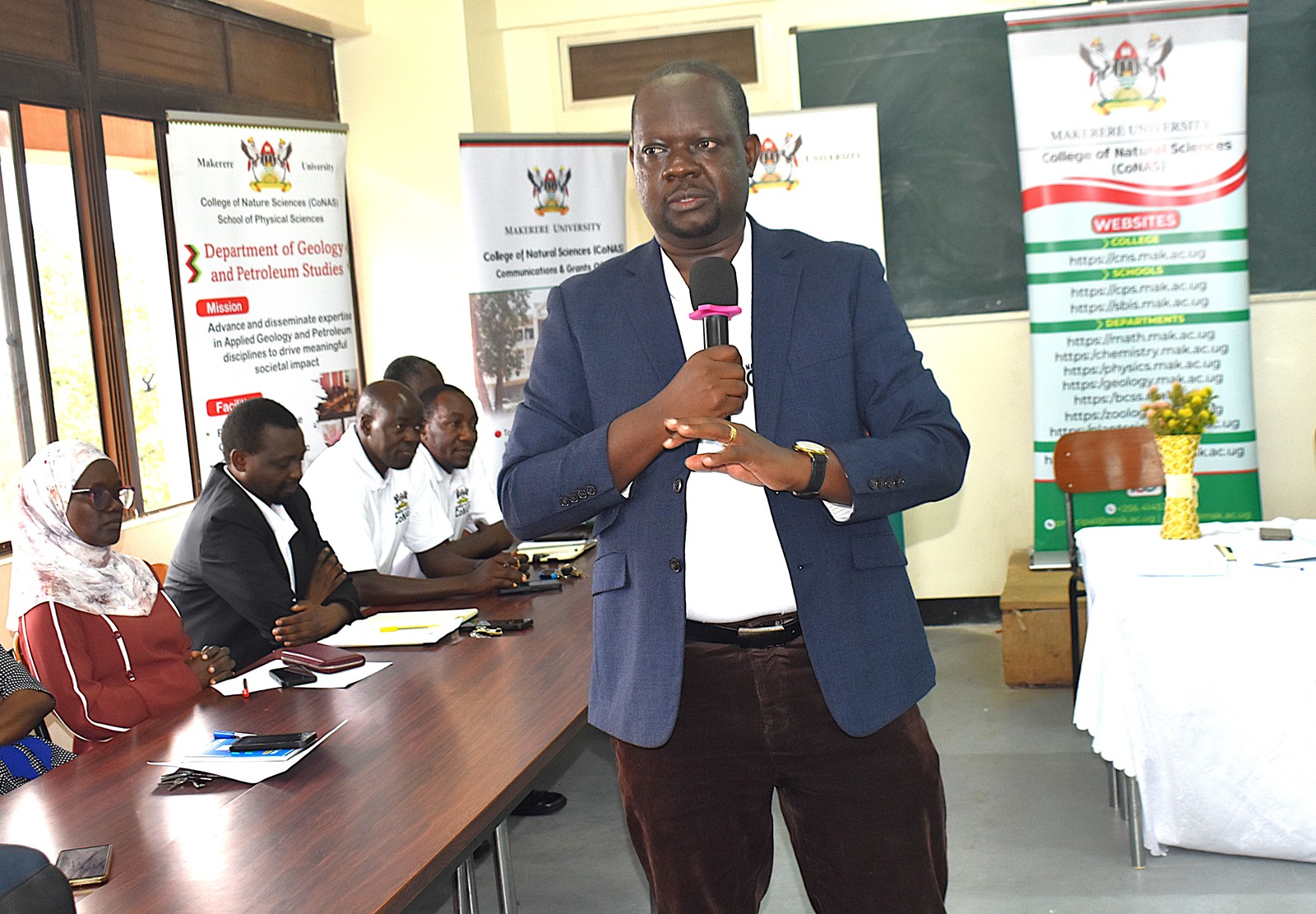
The Dean of the School of Physical Sciences, Prof. David Ssevviiri, underscored the critical role that science graduates play in driving national development through research, innovation, and technological advancement. He encouraged students to maximize the opportunities available within the School and urged them to adopt a finalist mindset from their very first semester by setting high academic standards and remaining committed to excellence throughout their academic journey.
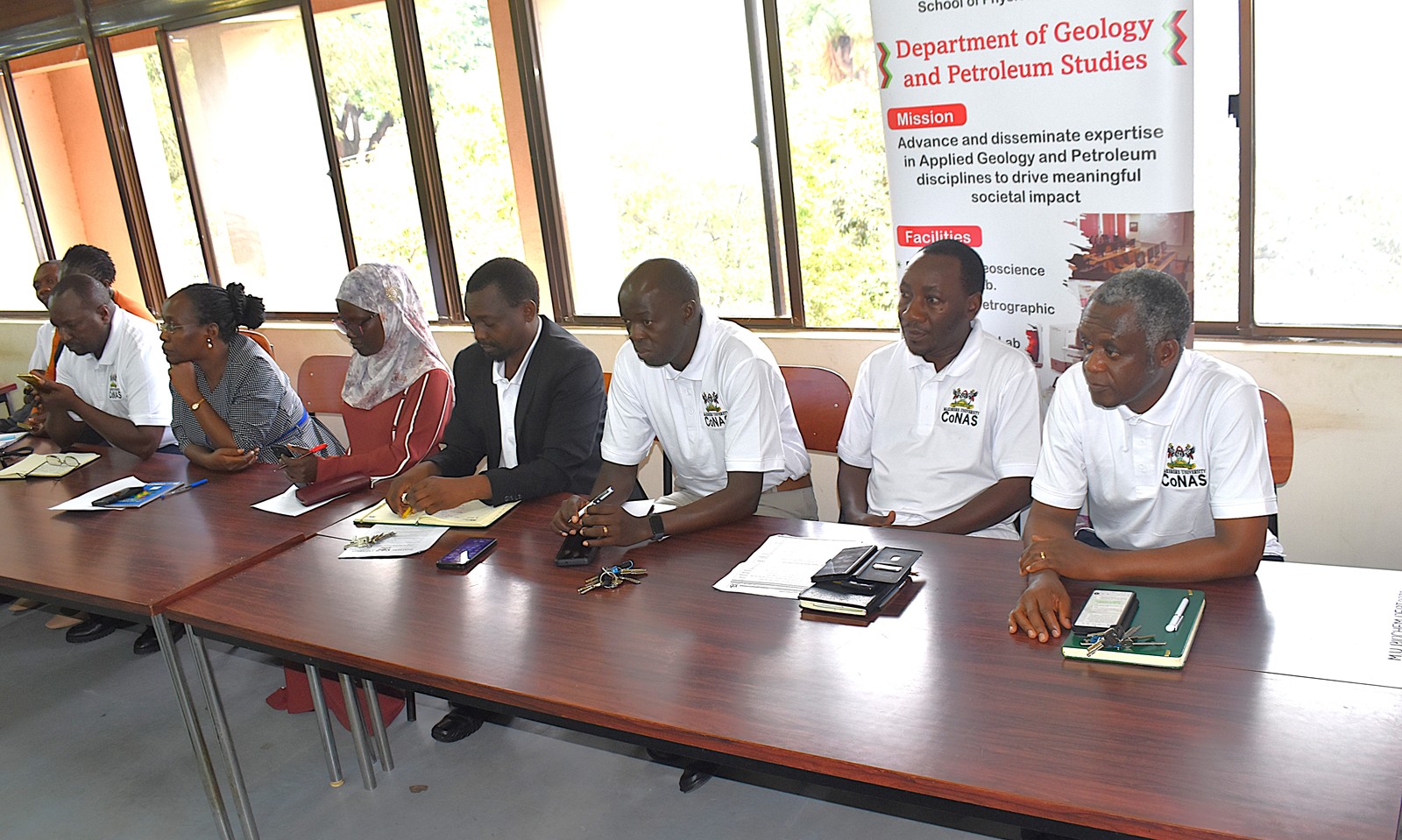
Ms. Barbra Akello and Mr. Ivan Ocen shared practical insights on strategies for achieving a good CGPA. They encouraged students to take personal responsibility for their academic success by embracing self-directed excellence, setting clear academic goals, and developing effective study habits from the beginning of their university journey. They advised students to actively engage with lecturers, seek academic guidance whenever necessary, and build supportive study networks. They emphasized that consistent effort, early preparation, discipline, and a focused approach to learning are key foundations for attaining good grades and succeeding at the university.
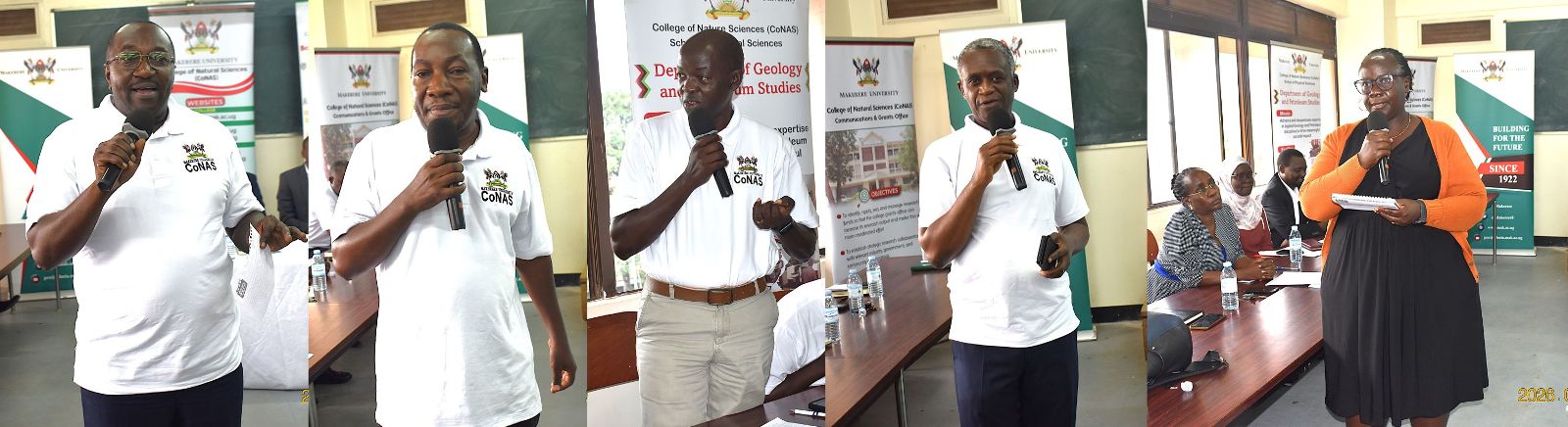
Students also received comprehensive guidance on academic procedures and University regulations from representatives of the College Registrar’s Office, Ms. Hellen Mirembe and Ms. Hasifa Mukyala. They explained key processes relating to admission, registration, enrolment, progression requirements, examinations, academic appeals, and withdrawal procedures, while emphasizing the importance of honesty, integrity, and compliance with the University regulations. The students were also sensistized on the library services and fees payment policy.
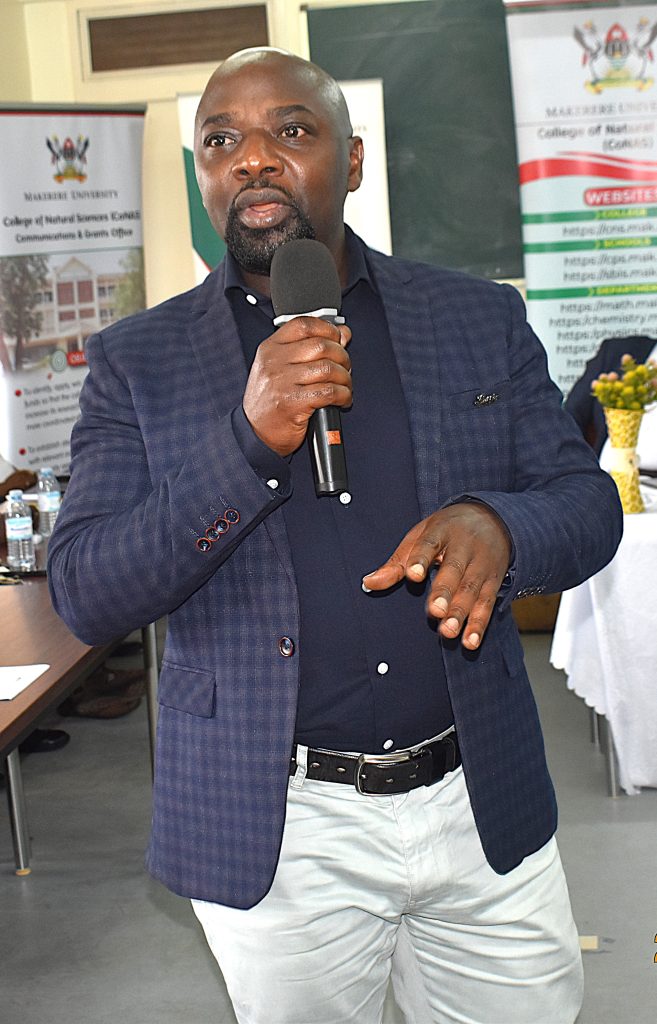
The Deputy Director of the Institute of Open, Distance and e-Learning (IODeL), Dr. Godfrey Mayende, introduced students to the University’s digital learning environment. He demonstrated how students can effectively utilize the Makerere University Electronic Learning Environment (MUELE) to access course materials, submit assignments, and interact with lecturers. He also encouraged responsible and ethical use of Artificial Intelligence (AI) tools to support learning while observing the University’s academic integrity policies.
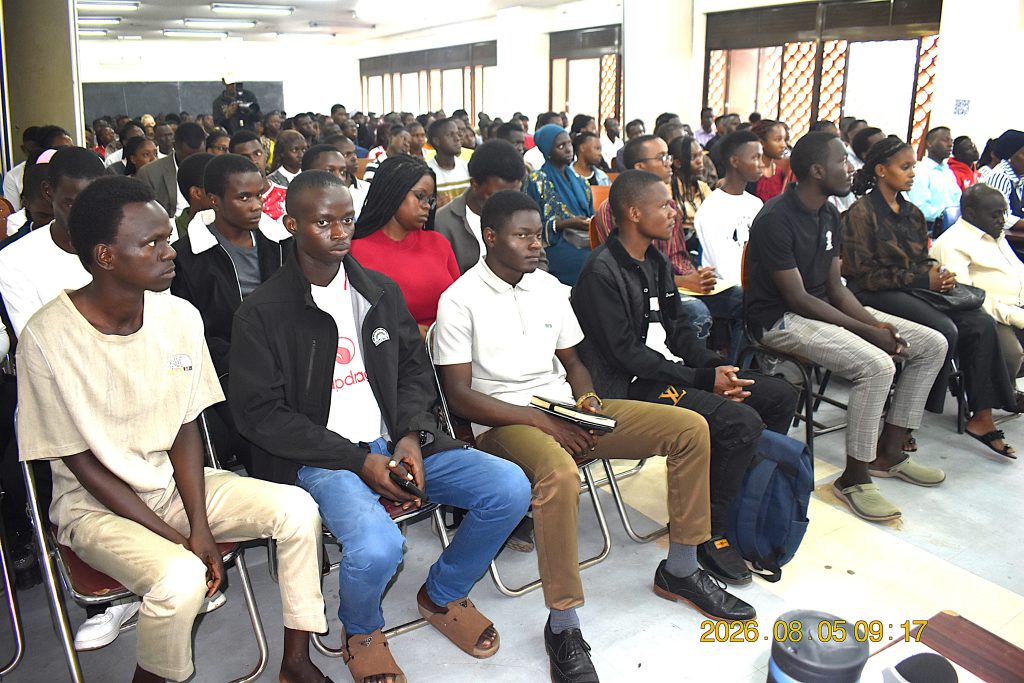
Representatives from the Gender Mainstreaming Directorate, the Counseling and Guidance Centre, and the Emerging Leaders’ Programme introduced students to institutional support services aimed at fostering academic success, personal growth, and wellbeing. They emphasized the availability of guidance, mentorship, and leadership development opportunities to help students effectively navigate university life and make informed decisions throughout their academic journey.
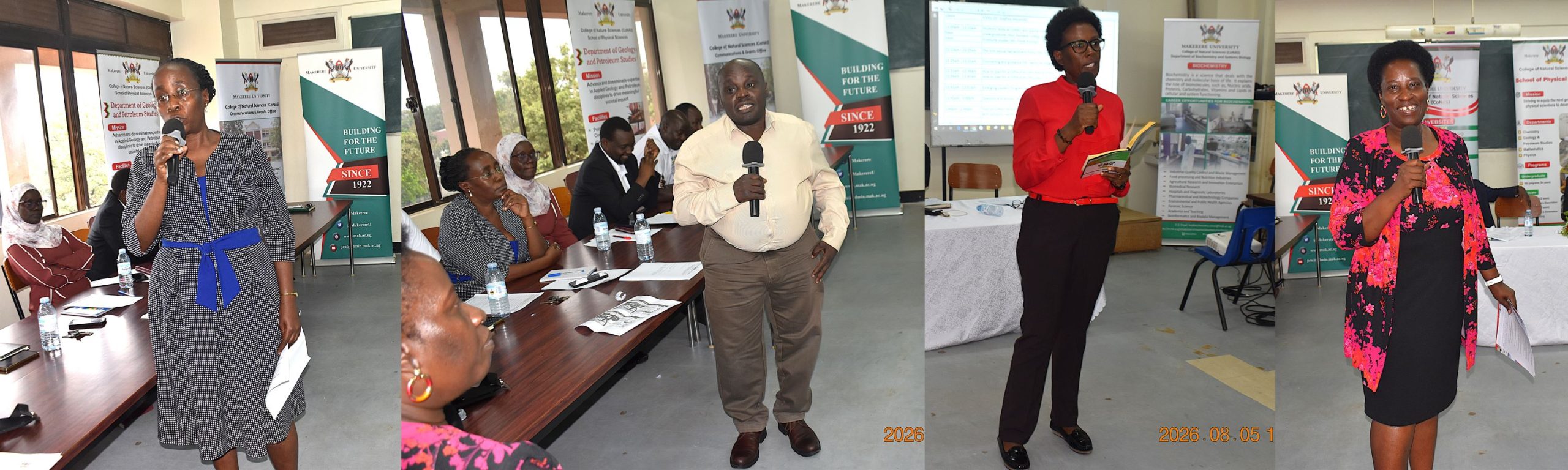
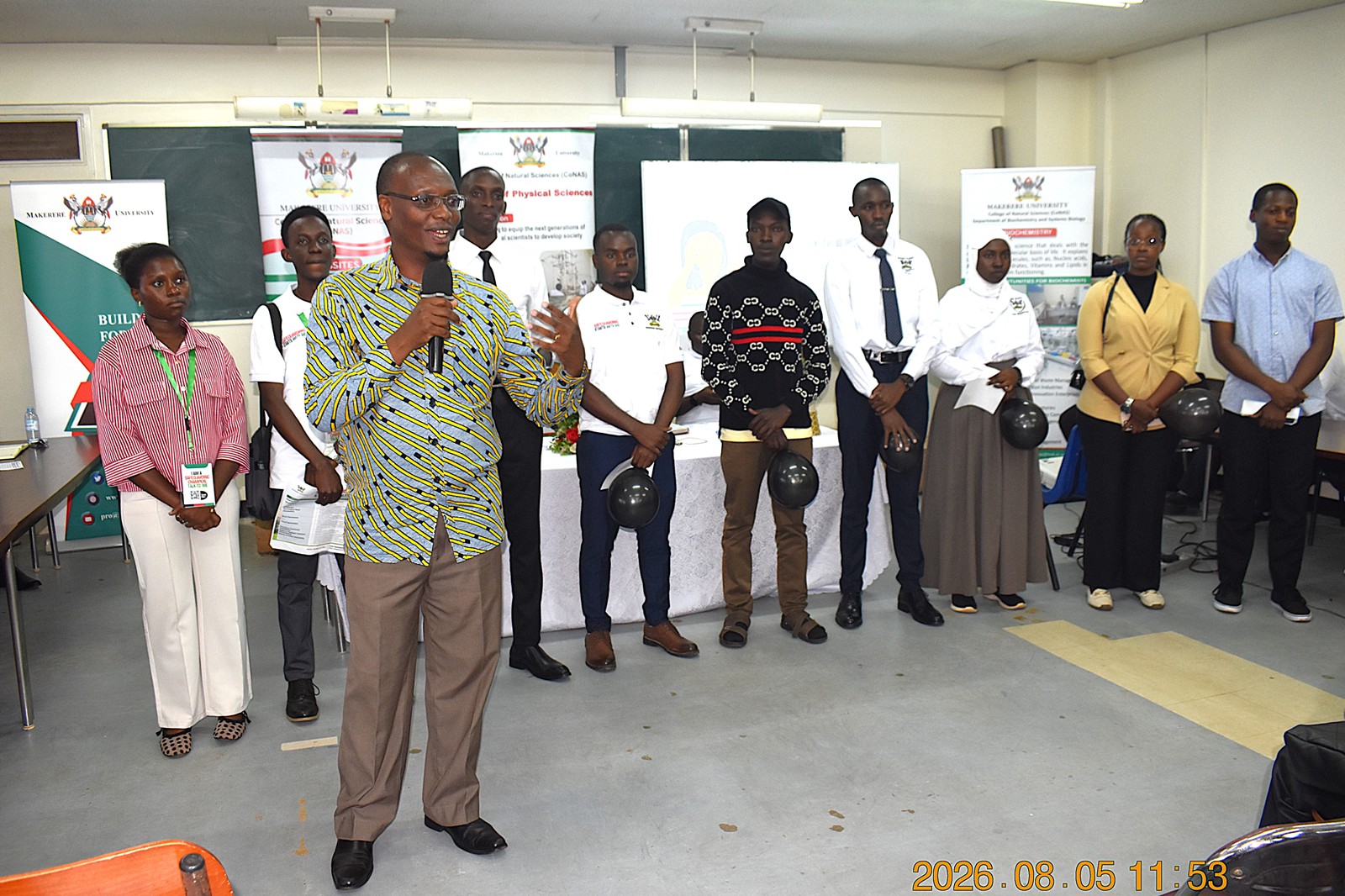
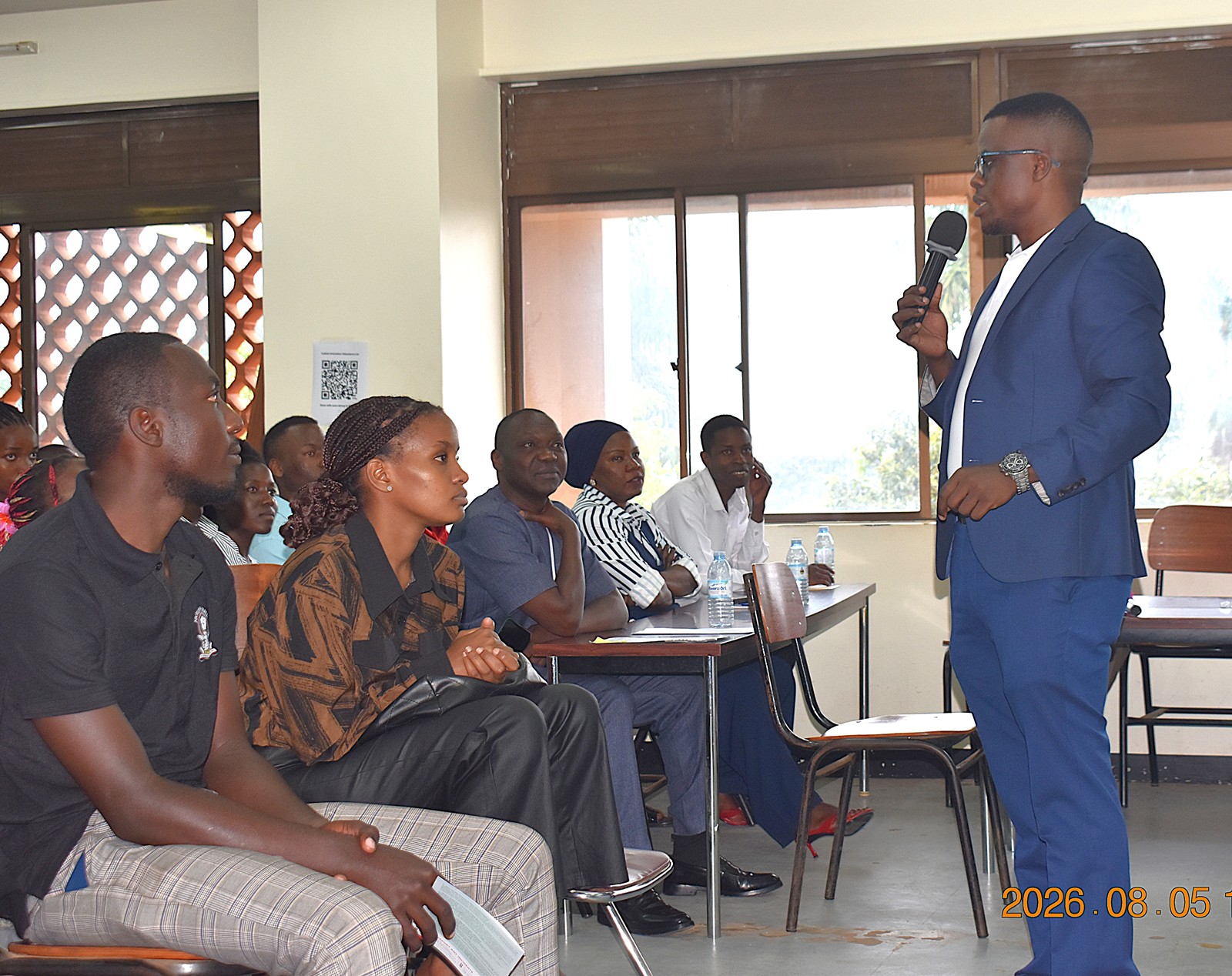
Photos of the orientation ceremony: https://drive.google.com/drive/folders/1eGEb6tAYcr15qQHIuV-Imgclu9sueOk7?usp=sharing
-
 General5 days ago
Undergraduate Admission Lists 2026/2027
-
 General2 weeks ago
Call For Applications: ACT-PREP 15 PhD and 10 Postdoctoral Research Fellowships
-
 General7 days ago
72 Makerere University Students Admitted to 2026 Millennium Fellowship
-
 General1 week ago
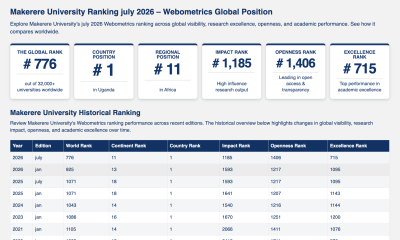
Makerere jumps 200 positions in latest global rankings
-
 Computing & IS1 week ago
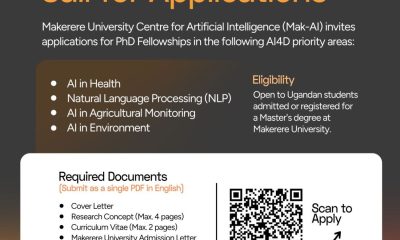
Call For Applications: Mak-AI PhD Fellowship