
General
Mak Hosts UAPS President Ahead of 8th African Population Conference

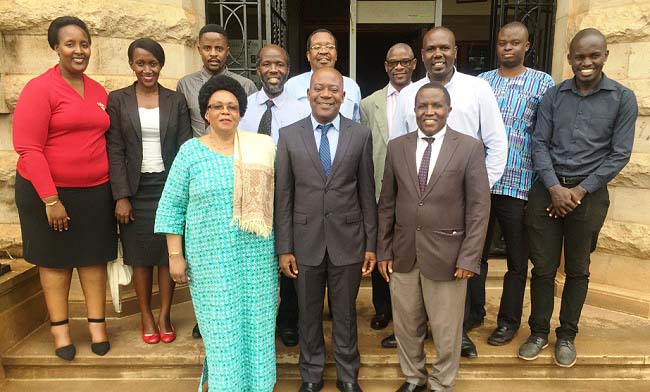
Makerere University was privileged to host Prof. Samuel Nii Ardey Codjoe, President of the Union for African Population Studies (UAPS) on Tuesday 27th February 2018 as preparations got underway for Uganda to host the 8th African Population Conference in November 2019. Prof. Codjoe who also serves as Director of the Regional Institute for Population Studies (RIPS) of the University of Ghana (UG), Legon was accompanied by the UAPS East Africa Representative-Dr. Yovani Lubaale and met by the Acting Director, Centre for Population and Applied Statistics (CPAS), Mrs. Agnes Ssekiboobo and a host of staff from the School of Statistics and Planning, College of Business and Management Sciences (CoBAMS).
“Ever since I was a young man, I had always dreamed of one day coming to Makerere University,” said Prof. Codjoe, before adding “I am glad that this dream has come to pass today.”
“Both Makerere and the University of Ghana share the reputation of being the premier and largest institutions of Higher Education in our respective countries,” continued Prof. Codjoe reflectively “But Makerere has always been the shining light; that beacon on a hill, despite all the challenging times the institution had to go through in the past” he added.
He urged the staff present to value the great University that they are privileged to serve and work hard to keep it shining. He also commended Uganda for sending a strong delegation to the 7th African Population Conference 2015 held in Johannesburg, South Africa, acknowledging that this showed the strong will and commitment of the nation to host the 8th Edition.

Prof. Codjoe in his presentation shared that the Union is a Pan-African nonprofit scientific organization established through the initiative of the United Nations Economic Commission for Africa (UNECA) by the Third General Conference of African Demographers, Statisticians and Planners held in Addis Ababa in March 1984, in order to promote the scientific study of population in Africa. The UAPS General Assembly; the main decision-making body of the Union, meets every four years in an African city.
The aim of the conference is to share and disseminate scientific information on key population, health and development issues facing the African continent and promote the integration of research evidence in policy making.
UAPS promotes seven scientific thematic panels which drive the research agenda of the Union. These are: African Census; Capabilities Approach in Population Studies; Fertility; Gender; Migration; Environment and Development; and Computational Social Science. Prof. Codjoe encouraged the Makerere Academia to take keen interest in the activities of these panels adding that UAPS strongly believes in capacity building, especially for young academics.
In relation to the upcoming conference, Prof. Codjoe urged Makerere staff to prepare a set of scientific presentations specific to Uganda and the East African region demographics. These, he said, would be presented on the Uganda day of the conference; a day dedicated to the host country to showcase to international participants the salient and pertinent research topics of Uganda and the East African region. “This is also the perfect day for you to come dressed in your traditional attires so as to add colour to the day,” he added.

A select number of presentations from the Uganda day form part of the special section, published as part of UAPS’ African Population Studies (APS) Journal; an open access bilingual journal published in April and October every year and hosted by the University of Witwatersrand, South Africa.
Speaking on behalf of the University, Mrs. Agnes Ssekiboobo shared apologies from the Acting Deputy Vice Chancellor (Finance and Administration), Prof. William Bazeyo, who was unable to attend the meeting in person. She welcomed Prof. Codjoe to Makerere University and thanked the UAPS General Assembly for choosing Uganda to host the 8th African Population Conference.
“This is an important conference and we thank Prof. Codjoe for explaining right from the onset, what is expected of us as a University. Uganda has hosted a lot of other equally important international and regional conferences but your presentation has shed more light on what is specifically expected of the academic community. We will start our preparations immediately” said Mrs. Ssekiboobo.
She also appreciated the need to establish a formal collaboration with UAPS by signing a Memorandum of Understanding and undertook to follow up the process.
Also present at the meeting were; Assoc. Prof. Leonard Atuhaire, Assoc. Prof. Nazarius Mbona Tumwesigye, Dr. Abel Nzaboona, Dr. John Mushomi, Dr. Wandera Stephen, Mr. Adrian Ssessanga, Mr. Esau Atwongeirwe as well as the National Population Council (NPC)’s Ms. Hope Nzeire and Ms. Nabawanuka Juliet Zoe.

Moving a vote of thanks, Dr. John Mushomi expressed gratitude to Prof. Codjoe for taking time off to not only visit Uganda but also Makerere University and make a presentation on what was expected of the academic community. He also thanked the NPC for organising Prof. Codjoe’s visit and seeing to it that he enjoyed a comfortable and memorable stay while in Uganda. He concluded by pledging his colleagues’ commitment to ensuring that the 8th African Population Conference would be a roaring success.
Article by Public Relations Office

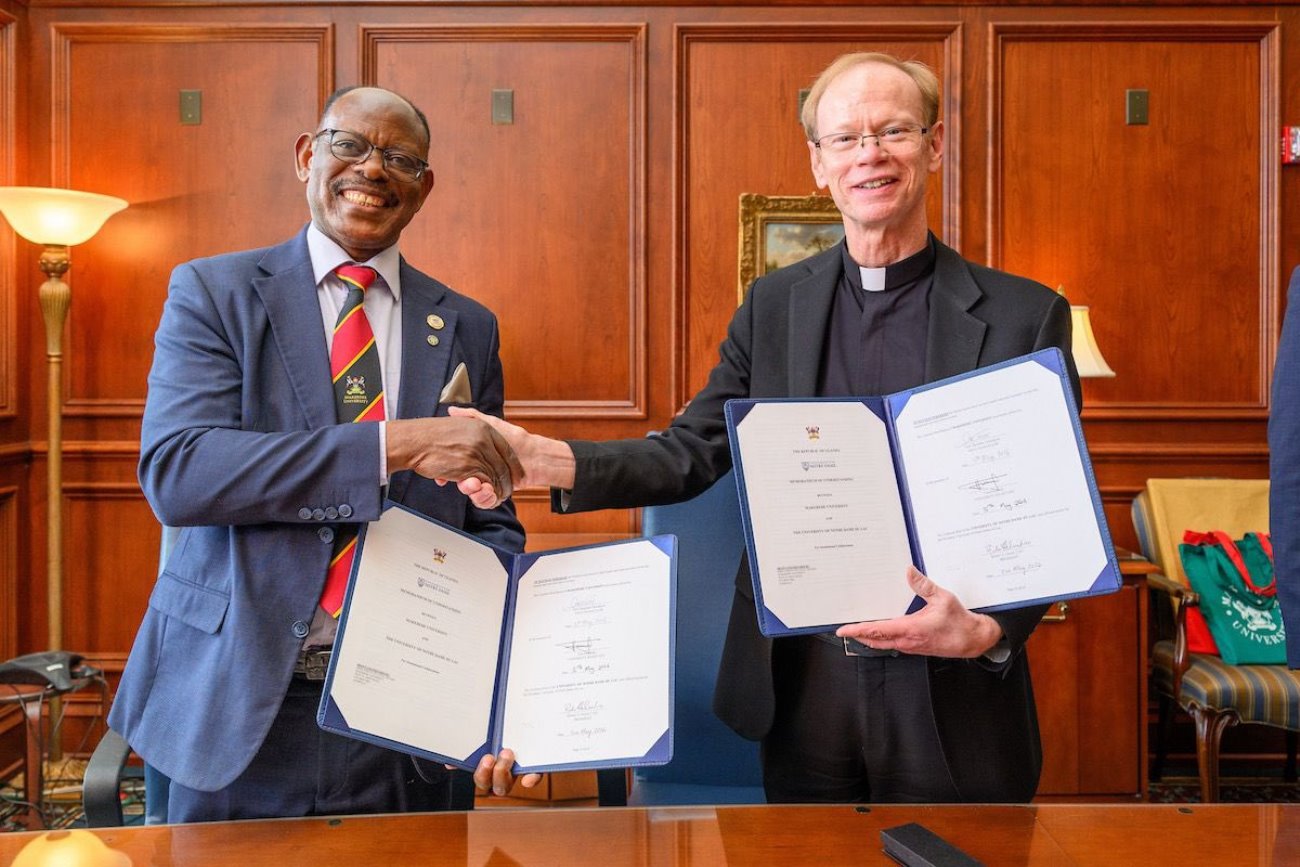
Makerere University and the University of Notre Dame, Indiana, USA (ND) have signed a Memorandum of Understanding (MOU), which opens opportunities for collaboration between the two historic and leading research institutions in the areas of staff and student exchange, joint research and training, joint supervision of graduate students, and others.
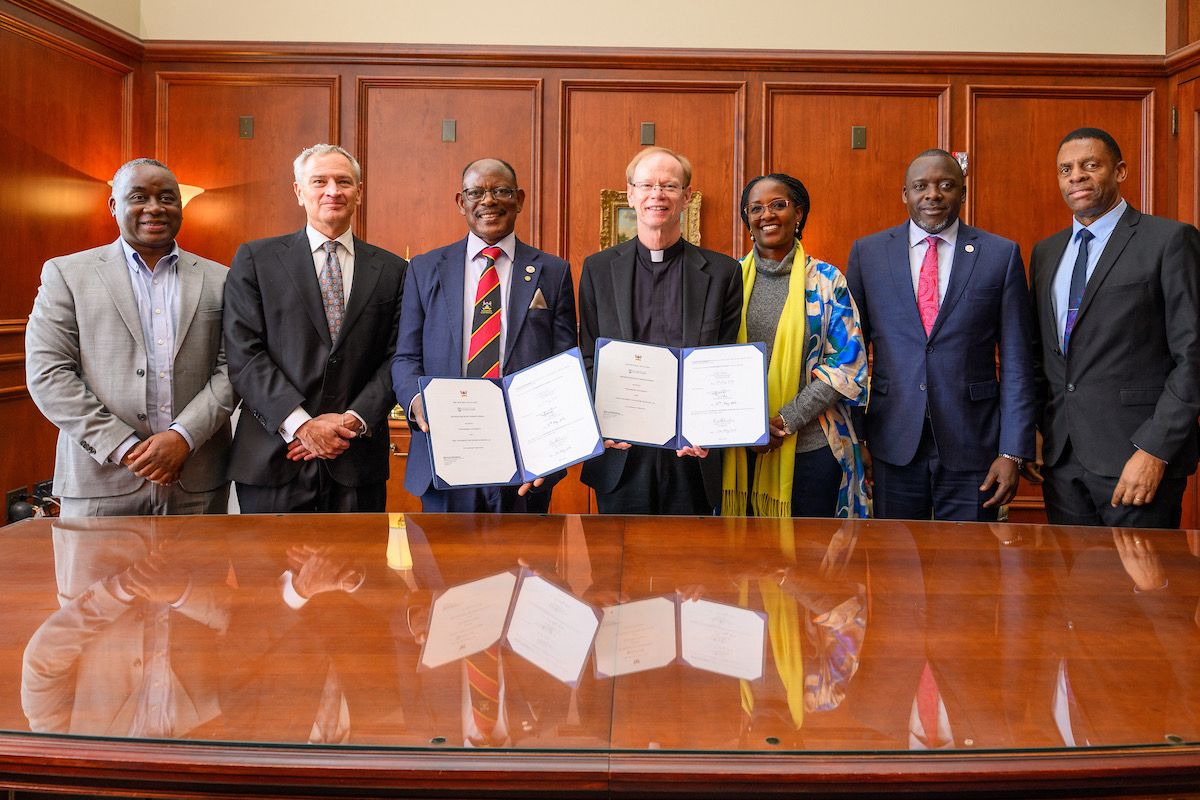
The Vice Chancellor, Prof. Barnabas Nawangwe signed on behalf of Makerere University and Rev. Robert A. Dowd, the 18th President signed on behalf of the University of Notre Dame. The ceremony, which was held at the University of Notre Dame campus at South Bend, Indiana was witnessed by Dr. Lorna Magara, the Chairperson of the Council of Makerere University, who led the Mak delegation.
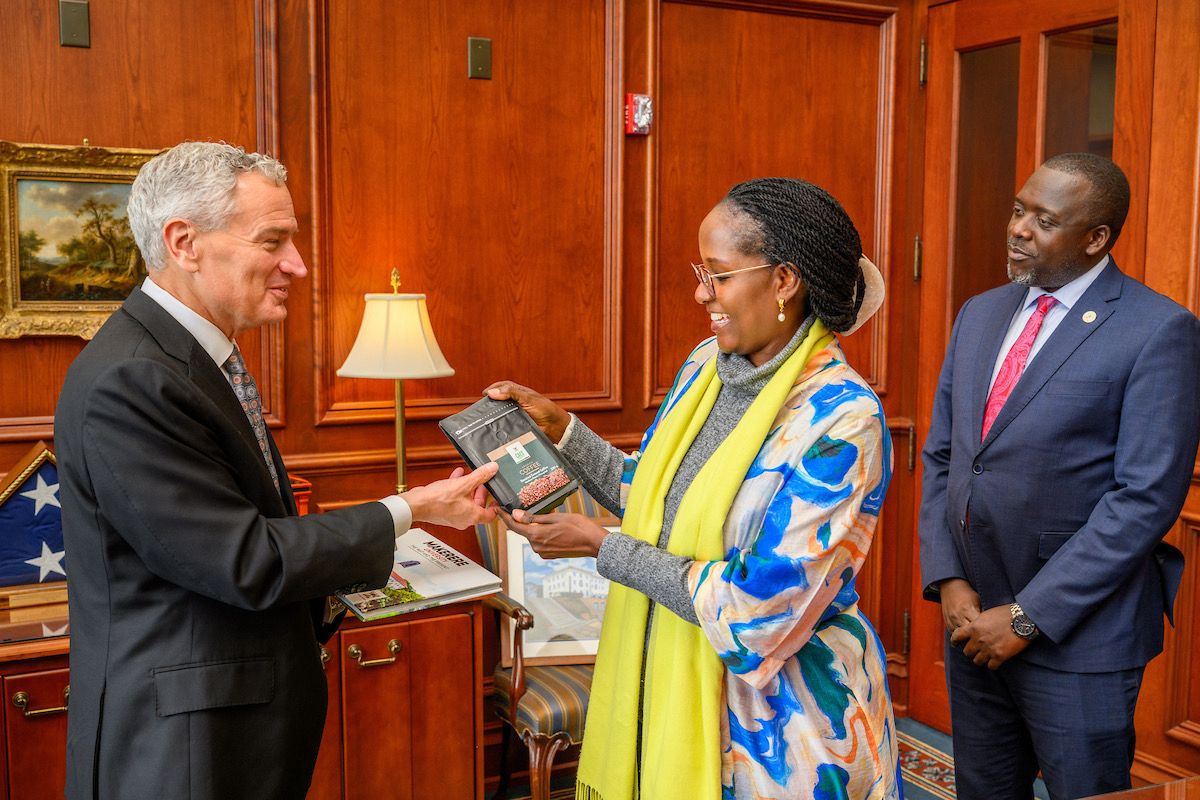
Dr. Magara appreciated the institutionalisation of the collaboration between the two universities and the very warm hospitality accorded to the Mak delegation.
General
Press Release: Government of Uganda and Partners Launch SAY Plus+ to Scale Youth Sexual Reproductive Health & Rights (SRHR) Impact in Underserved Regions

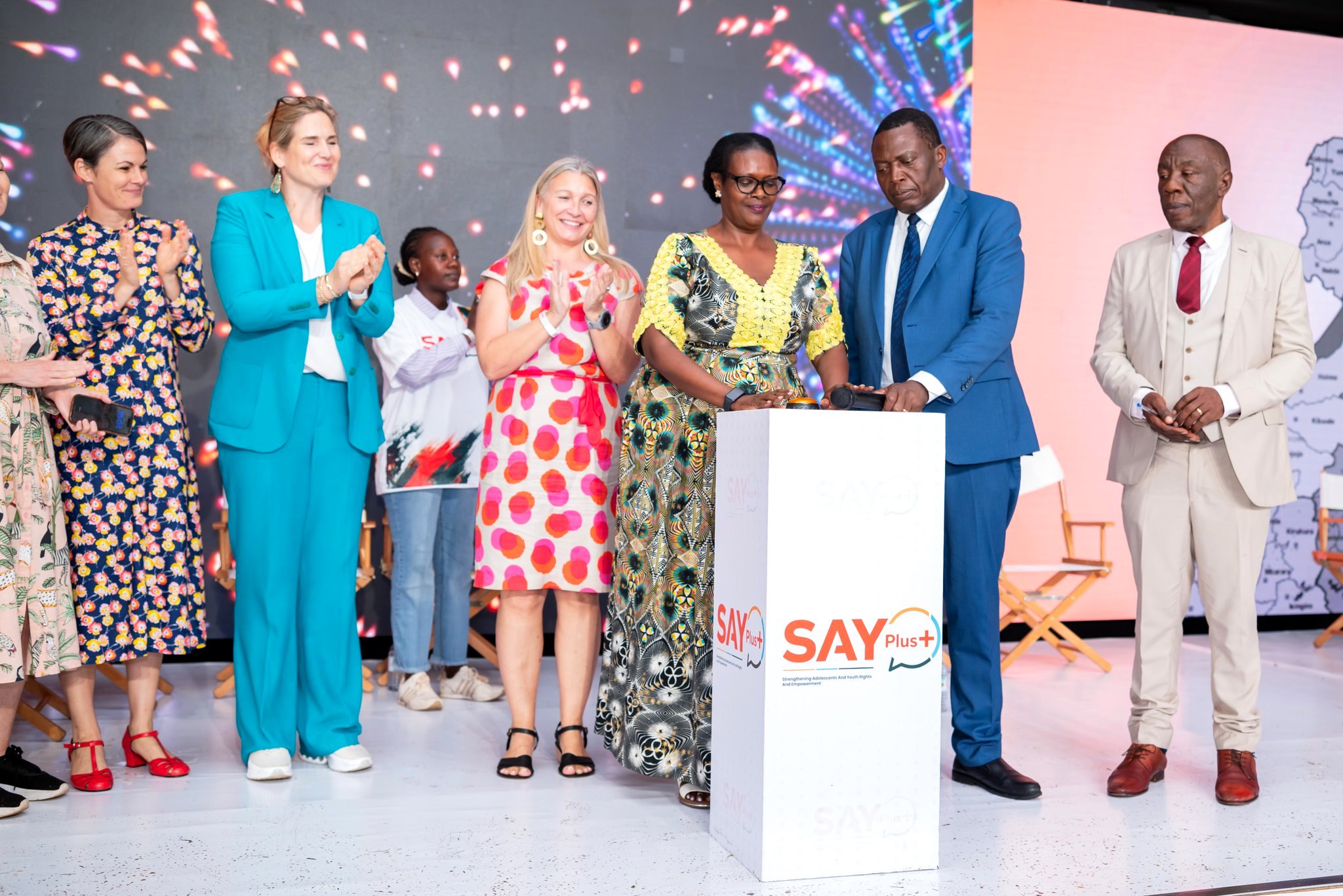
USD 50 million national programme moves into full implementation, strengthening
adolescent and youth rights, empowerment, protection and access to youth-responsive
services in 13 districts across five sub-regions
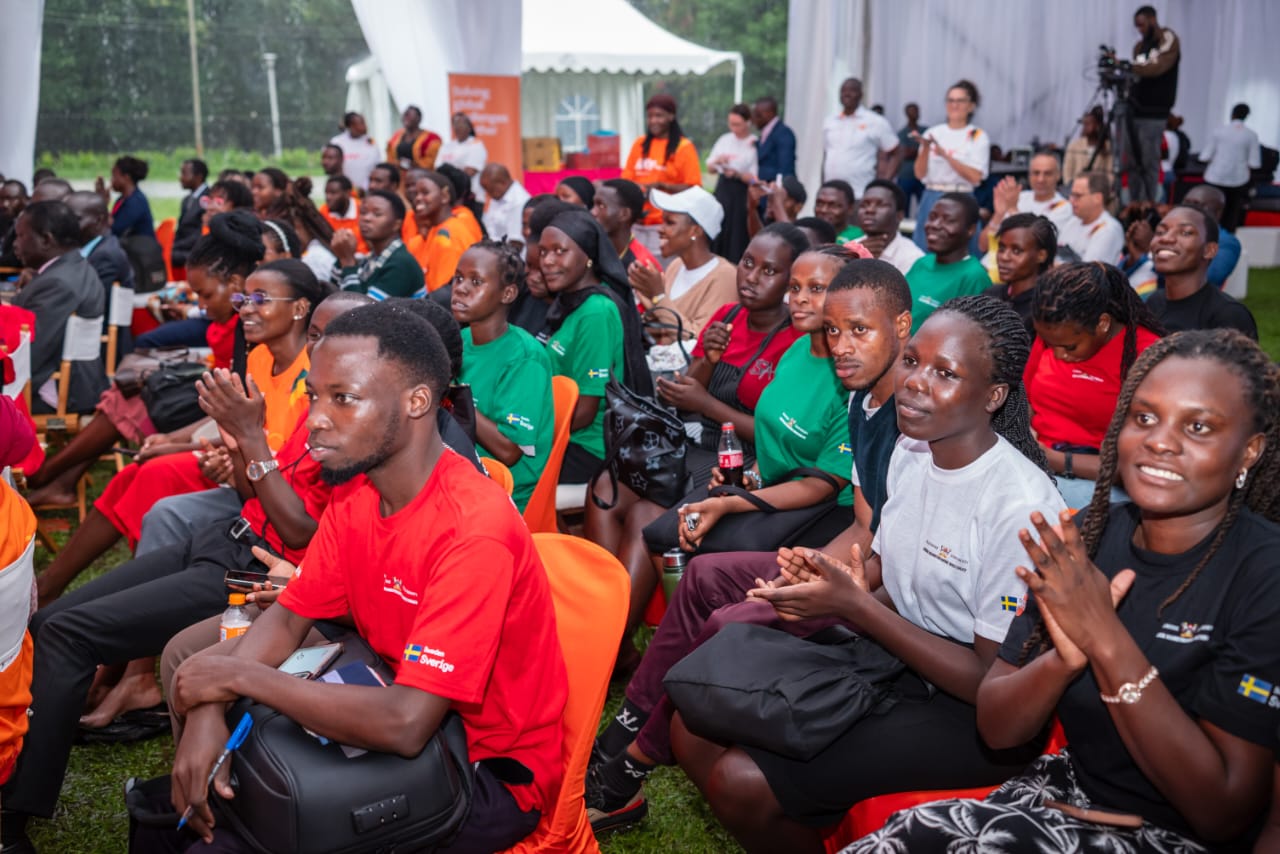
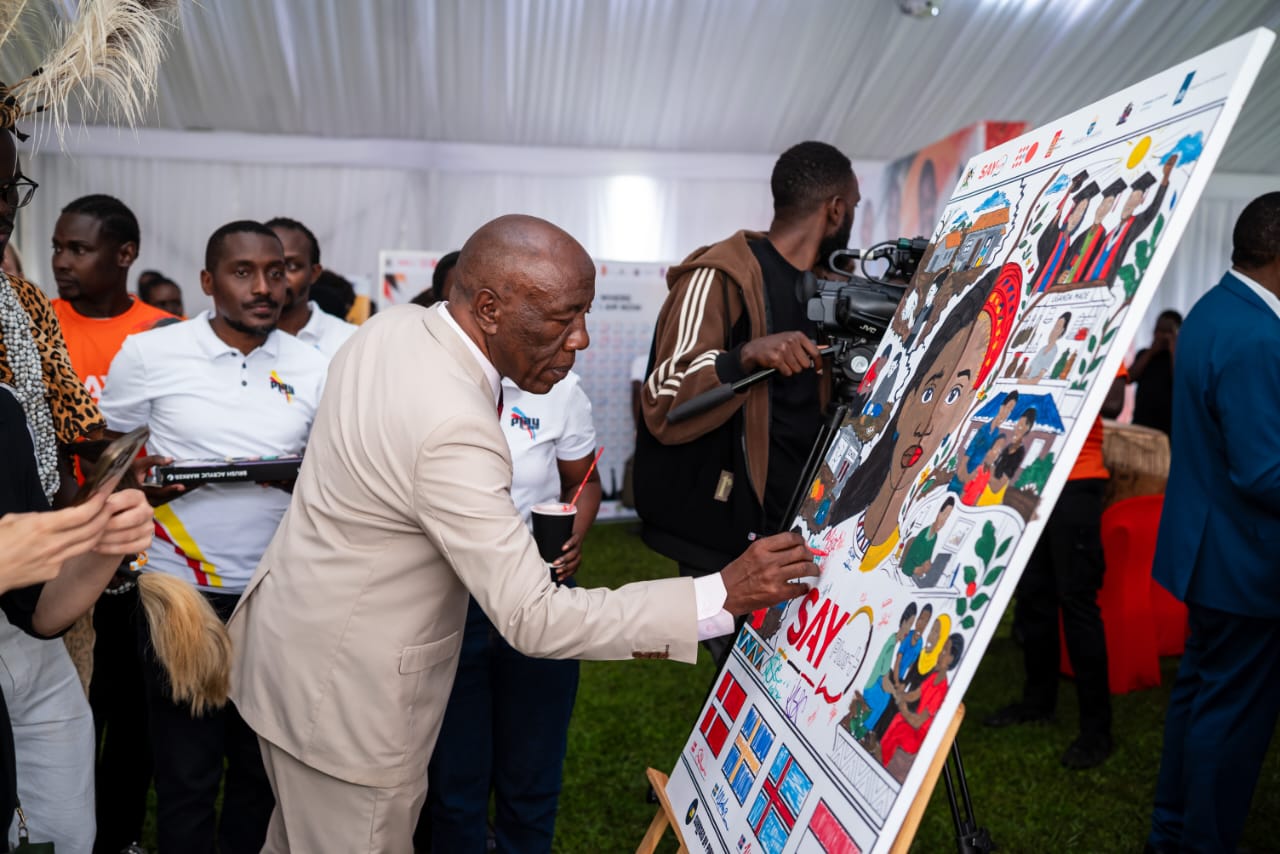
KAMPALA, 7 MAY 2026: The Government of Uganda, through the Ministry of Health, today officially launched the SAY Plus+ Programme, a Sexual and Reproductive Health and Rights (SRHR) initiative designed to strengthen adolescent and youth rights, empowerment, protection and access to quality services in Uganda’s underserved regions.
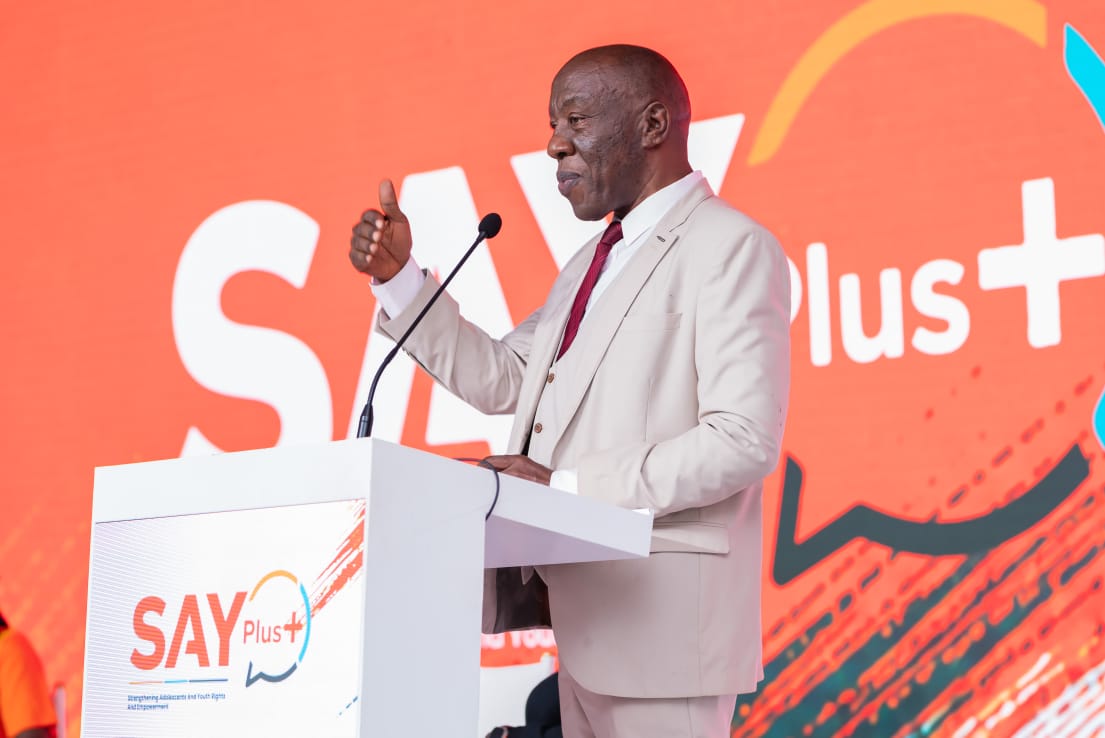
The launch, held at Makerere University‘s Freedom Square under the theme “My Voice Matters: Youth Voices for SAY Plus+” and the tagline “Nothing for us, without us”, marks the programme’s transition into full implementation.
SAY Plus+, formerly known as Strengthening Adolescents and Youth Rights and Empowerment: Scaling Impact, is led by the Ministry of Health, in coordination with other Ministries, with UNFPA Uganda serving as the Managing and Technical Agency.
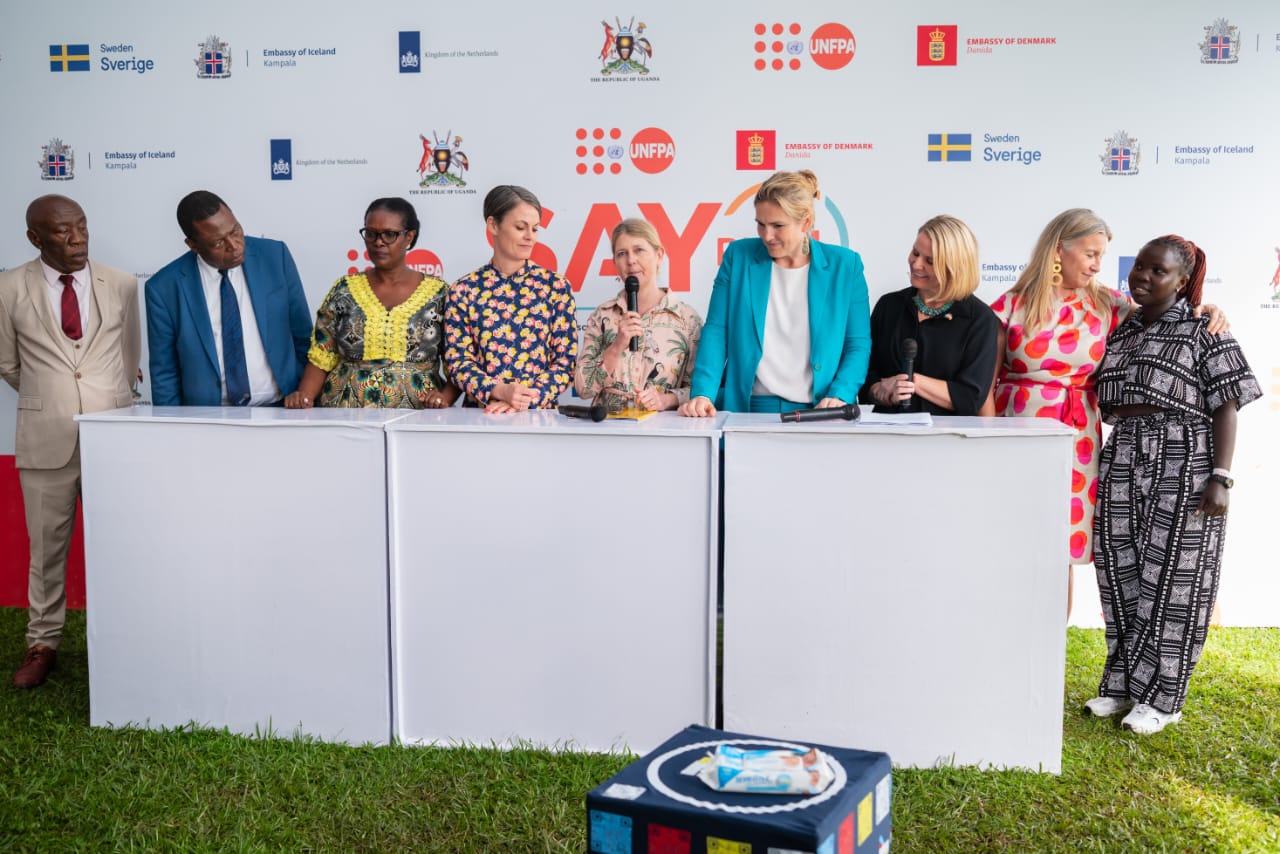
Backed by a USD 50 million pooled fund from the Governments of Iceland, Denmark, the Netherlands, and Sweden, the initiative is scheduled to operate between 2024 and 2030. It is currently being rolled out across thirteen districts within five sub-regions, providing targeted assistance to regional referral hospitals in Jinja, Mbale, Moroto, Yumbe, Arua, and Gulu. Furthermore, the programme supports the Human Capital Development goals established in Uganda’s National Development Plan IV.
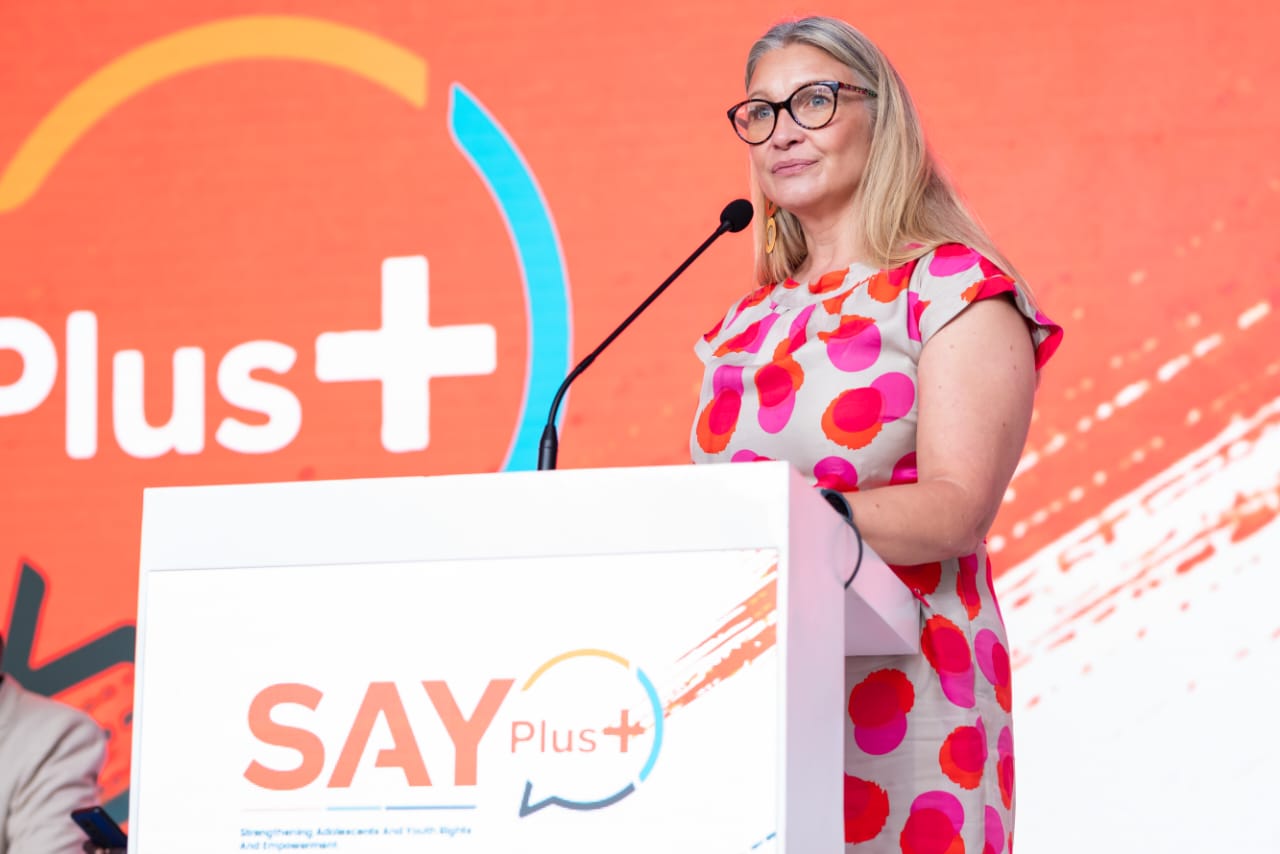
“SAY Plus+ represents a shift from fragmented interventions to a coordinated national effort that meaningfully places young people at the centre of both design and delivery. Through our partnership with the Government of Uganda, development partners, and implementing partners, we are investing not only in services, but in the systems, communities, and environments that enable adolescents and young people to thrive not only today but also in the future,” said Ms. Kristine Blokhus, Representative – UNFPA Uganda.
Officially launched by the Minister of State for Health Hon. Margaret Muhanga, the SAY Plus+ programme targets adolescents and young people aged 10 to 24 years, with particular focus on adolescent girls and young women, refugees and host-community youth, out-of-school young people, those not in employment, education or training, adolescents with disabilities, and young people in humanitarian and post-conflict settings.
“For many of us, things like this one are designed without listening to what we go through every day, think or even feel. SAY Plus+ feels different because it starts with our voices and gives us a real role in shaping solutions. It is not just about information, it is about being supported to make decisions, access services, and build the future we want.” – Jovia Dranzoa, Young person.
SAY Plus+ operates through three pillars. First, it empowers youth to exercise their rights and make informed choices. Second, it engages families, communities, and leaders to address harmful social norms. Third, it strengthens youth-responsive SRHR, HIV, and gender-based violence services via health facilities and community platforms, aiming to reach over 2.3 million direct and indirect beneficiaries.
The SAY Plus+ initiative stands as a model of international cooperation and multi-sectoral synergy. Through the combined support of the Governments of Iceland, Denmark, the Netherlands, and Sweden, and the technical leadership of UNFPA, Uganda is now equipped to scale-up critical interventions in HIV prevention, gender-based violence response, and reproductive health. With implementation now in high gear through 2030, the programme is poised to make a lasting contribution to the nation’s human capital development goals.
— ENDS —
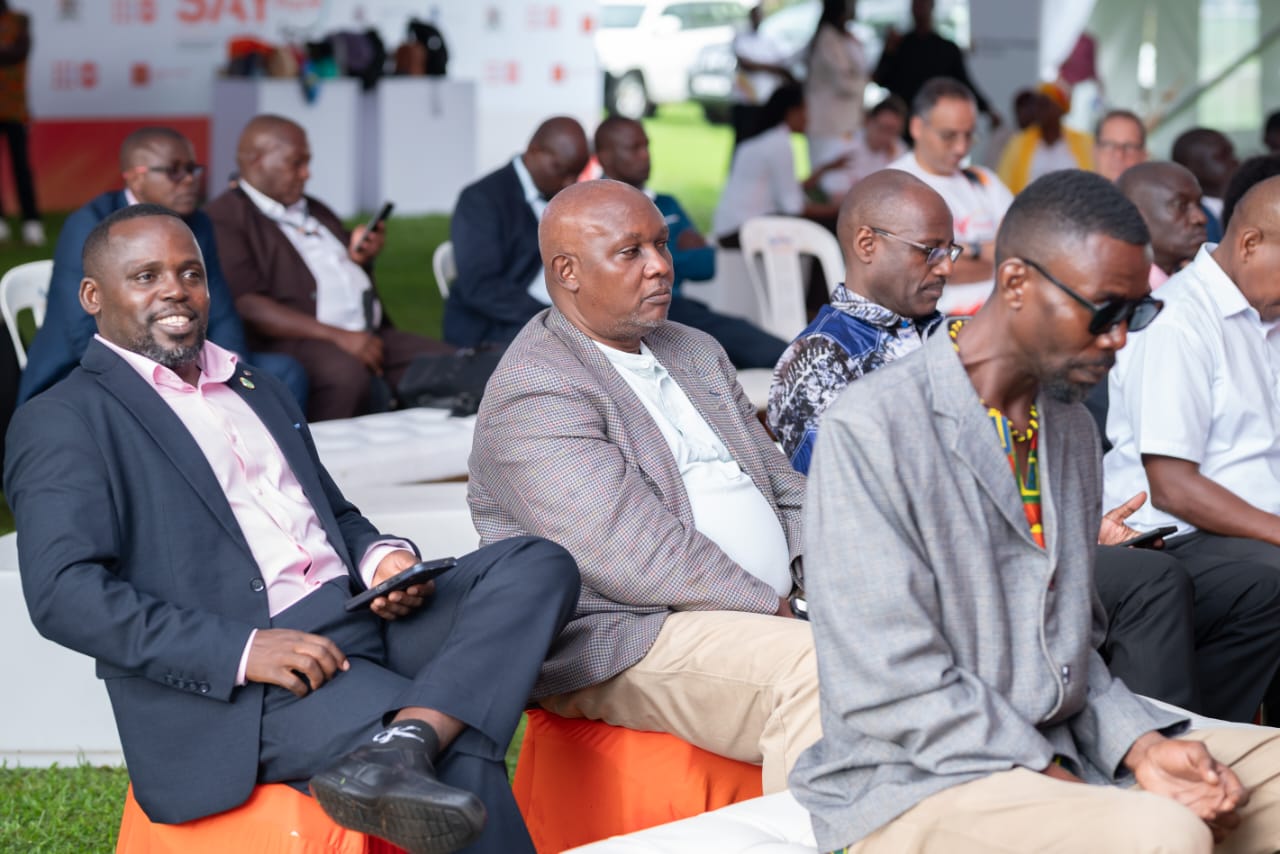
Photos from the event
-
 General1 week ago
Applications for Admission to Undergraduate Programmes 2026/27
-
 Agriculture & Environment2 weeks ago
Re-Advertised Call for Applications: QCF Postdoctoral Research Fellowships
-

 General2 weeks ago
Diploma Holders Admission Lists under Government Sponsorship for 2026/2027 AY
-
 Education2 weeks ago
Prof. Senteza Kajubi Fulbright Lecture Re-ignites debate on learner-centred reforms
-

 Education2 weeks ago
Special University Entry Examinations for the Diploma in Performing Arts 2026/27