
General
Call for CAPREx Fellowships 2017-18





During the afternoon of September 21, 2026, Makerere University played host to regional discussions as students, academics, and government officials gathered to commemorate the International Day of Peace under the theme “Investing in Regional Peace and Trade for Shared Prosperity”.
The event organised by the Makerere University 92nd Guild Security Ministry in partnership with the Global Peace Guild, served as the official launch of the East African Peace and Trade Law Moot Court Competition. The idea was conceived as an annual event where the youth across East Africa will gather to deliberate on the nexus between regional peace and trade in fostering regional integration.
Acting Vice Chancellor (VC) of Makerere University Prof. Anthony Muwagga Mugagga graced the event, welcomed the distinguished guests and set a reflective tone for the day.
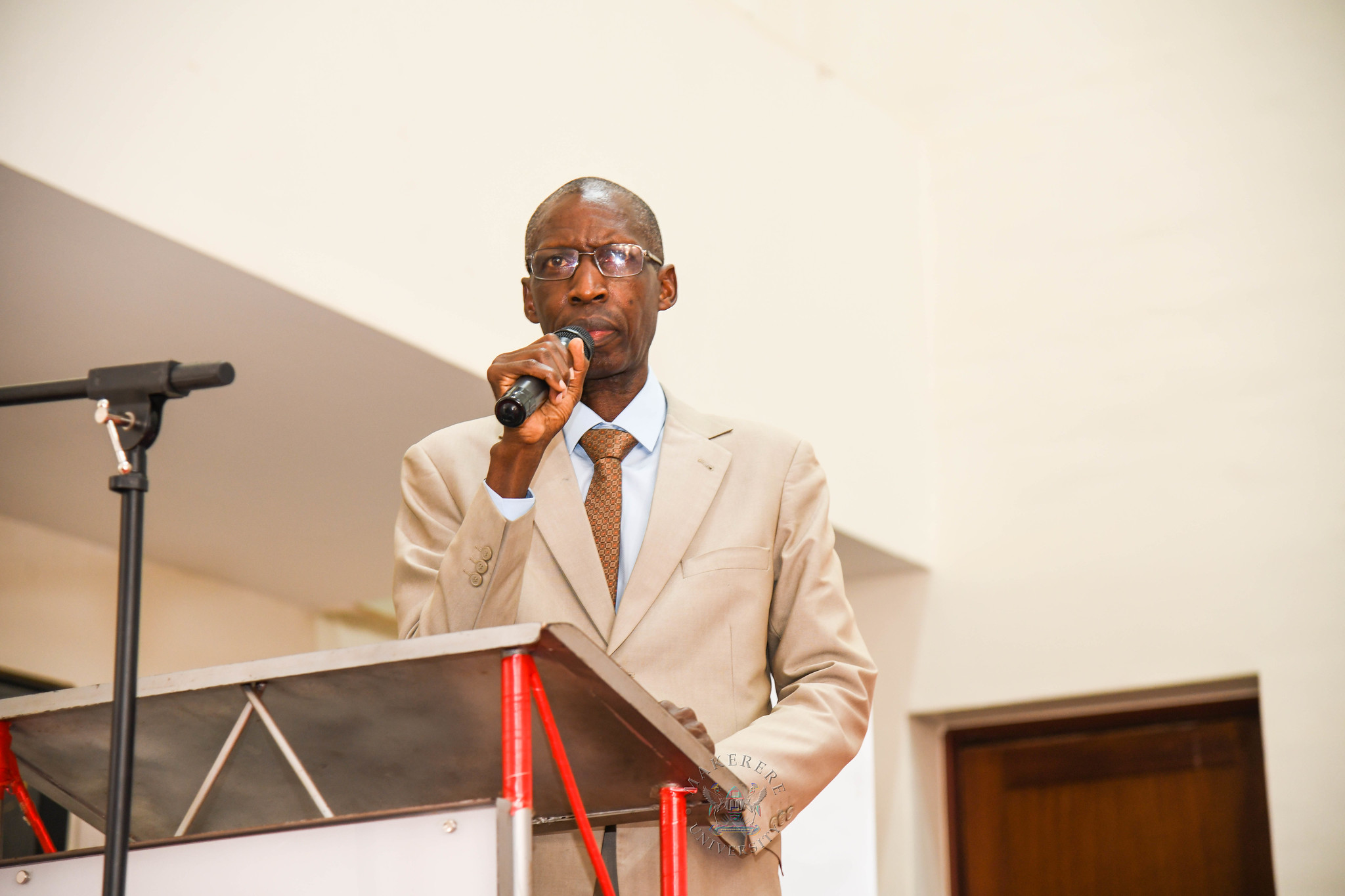
Reminiscing about his old days the VC noted, “lecturers were the ones who used to come and talk about politics, economics, and law but somehow, somewhere, things never went well”. He appreciated the Students’ Guild, and all who were involved in organising the celebration and launch for a good job done.
Prof. Mugagga further encouraged students to look beyond the classroom, urging them to engage in critical debates in different sectors while emphasising that peace is a prerequisite for all development.
People anchor Trade – Keynote address
Representing the guest of honor who was the Minister of State for East African Community Affairs Hon. James Magode Ikuya, Dr. Andrew Musiime – Commissioner for Political Affairs, delivered a keynote address.
His entry was that you cannot talk about trade and not talk about people. Trade is done by people, and therefore as a Ministry, they facilitate free movement of people.
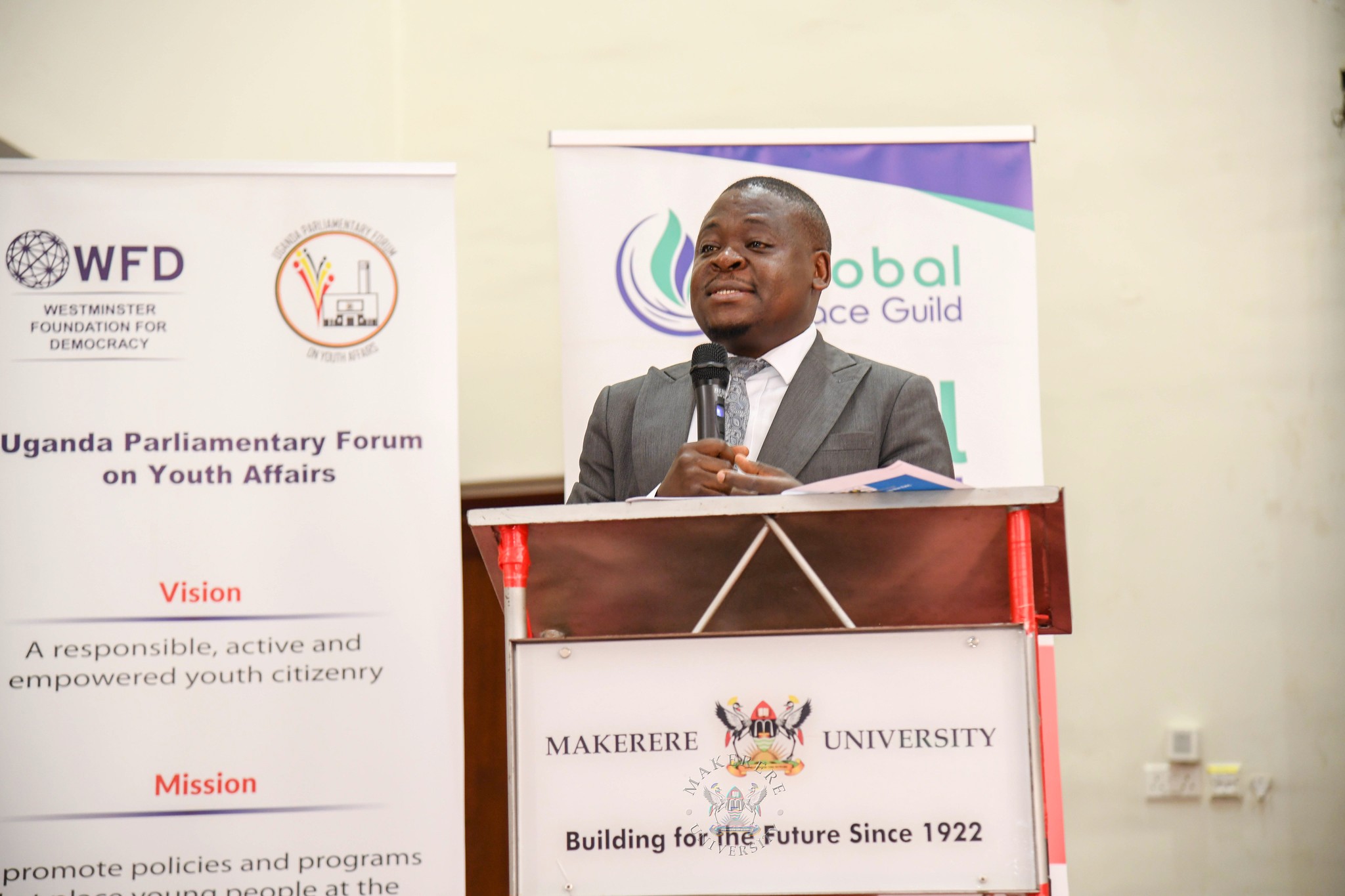
Dr. Musiime provided a comprehensive breakdown of the East African Community (EAC) as an intergovernmental organisation.
“So it is an intergovernmental organisation. Therefore, the governments remain with their constitution, the governments remain with their sovereignty, the governments remain with their national boundaries, the governments remain with their national laws, Musiime explained.”
He mentioned that the East African Community is anchored on the four pillars for integration that is the Customs Union, the Common Market, the Political Federation and Monetary Union.
Dr. Musiime equally challenged the students to move beyond theory, urging them to research the EAC treaty and actively participate in regional integration.
In a gesture of togetherness, he told the distinguished guests that the Ministry operates an open door policy for students and those interested in engaging can apply for opportunities across the Ministry’s various departments.
From UPE to the Halls of Parliament
The event also featured inspiring remarks from the National Female Youth Member of Parliament, Hon. Mercy Kanyesigye. Reflecting on her own journey from Universal Primary Education (UPE) to the halls of Parliament, she delivered a powerful message on peace and security.

In agreement with Prof. Muggaga, she linked the day’s theme to the practical realities of trade, noting that sustainable trade can not exist without peace.
“This moot competition is therefore not just academic exercise. It’s a training ground for the next generation of East African traders, lawyers, negotiators, judges, policy makers who will defend the spirit of our East African common market and our custom union”, Kanyesigye told the attendees.
92nd Guild Calls for Embracing Dialogue
Hon. Denis Mabirizi, the Minister of Security for the Makerere University 92nd Guild, underscored the event’s purpose by highlighting that peace is the foundation for justice, opportunity, and cooperation. He then called upon the student community to reject violence and intolerance, urging them to use dialogue and established leadership structures to address their concerns.

Mabirizi also emphasized that universities are not just centers of academic excellence, but places where the leaders of tomorrow are shaped.
“Universities are not only centers of academic excellence, they are also places where future leaders are shaped. The conversations we have, the values we promote, and the decisions we make today will influence the kind of society we create tomorrow. Peace begins with each one of us, Mabirizi noted.”
The Global Peace Guild Initiative
Mr. Joseph Micheal Tenywa, the founder and President of the Global Peace Guild, shared the vision behind the organization. He explained that the Global Peace Guild was born out of a desire to involve young people in the promotion of peace, trade, and regional integration.
“Global Peace Guild is an initiative born out of a desire to have young people get involved into the promotion of peace, trade, and regional integration.”
He reminded the audience that regional integration would only become a reality when young people actively participate in the market and hold policy makers accountable.
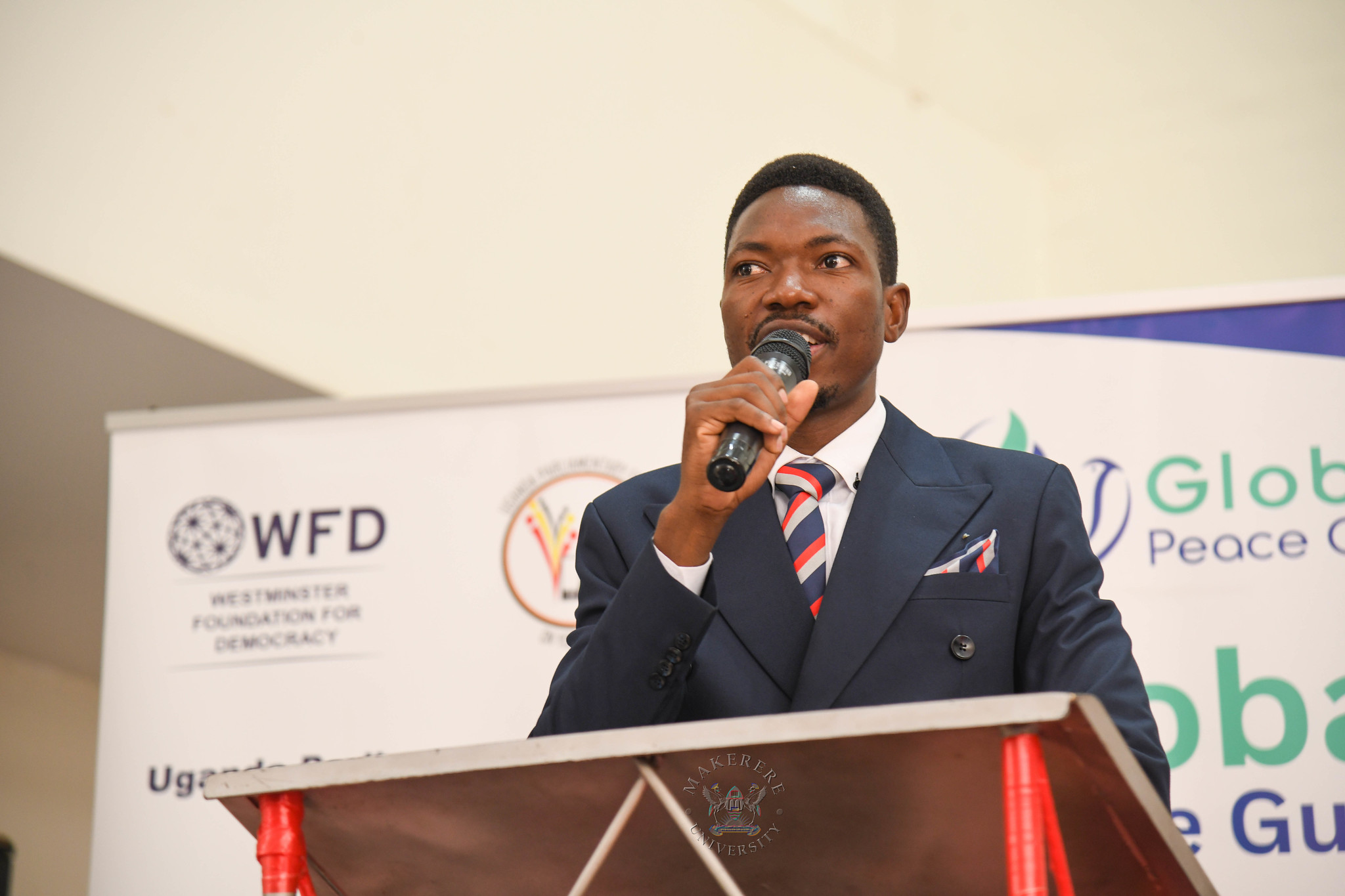
“As we commemorate the International Day of Peace, it’s an invitation for young people to get involved, not only in ensuring that there is no violence, but that we also put in place the conditions that take our strength, and these are our economic provisions, we call it trade.”
The launch of the East African Peace and Trade Law Moot Court Competition marks a significant milestone for the student community as it brings together academic rigor with a focus on regional policy.
International Day of Peace is observed globally on September 21, 2026, under the unified United Nations theme: “Invest in Peace – For Everyone, Everywhere, Every Day”. The day emphasizes that achieving lasting peace requires continuous local action, shared civic responsibility, and strategic conflict mitigation to ensure long-term regional development.

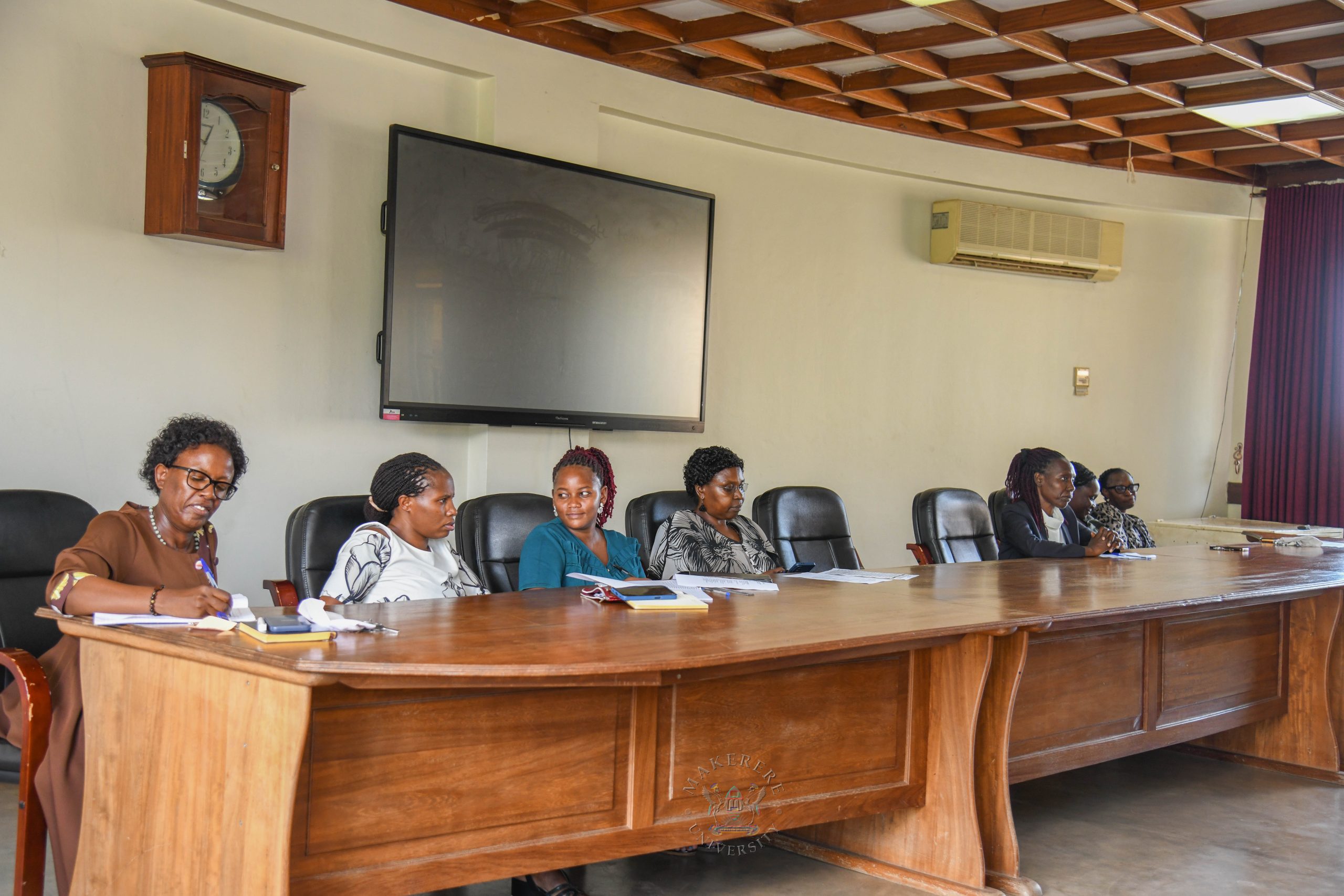
Makerere University has urged female students admitted under the Makerere University Council Tuition and Functional Fees Waiver Scholarship for the 2026/27 academic year to take the opportunity seriously, focus on their academic performance, and stay alert about their personal safety.
The message was delivered during an orientation for the scholarship beneficiaries at the Senate Conference Hall, where officials from the Gender Mainstreaming Directorate welcomed the students and shared guidance on academic success, security, mentorship, and responsible social conduct.
The Chief Gender Mainstreaming Officer cautions students on safety and self-reliance
Dr. Euzobia Mugisha Baine, Chief Gender Mainstreaming Officer, congratulated the students on receiving the scholarship and urged them not to take it for granted.
She advised them to seek information from the relevant university offices instead of relying on assumptions or what fellow students tell them, and to keep records of official communication whenever they raise concerns or follow up on university matters.
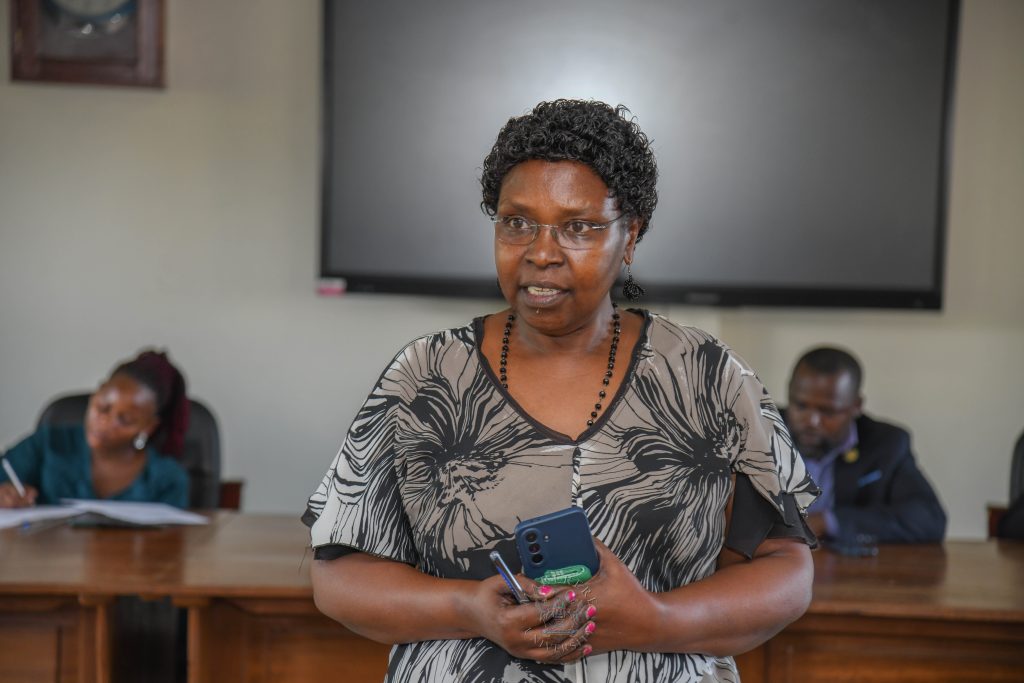
Dr. Baine said students should take responsibility for their own security, warning them not to trust strangers easily and urging them to be careful about where they go and who they interact with.
She also reminded them that strong academic performance is required to keep the scholarship, and encouraged them to ask for help early whenever they face academic, social, or other challenges instead of waiting until the situation becomes harder to manage.
Students urged to aim for first-class results
The officers welcomed the students and encouraged them to put their studies first, urging them to aim for first-class academic results during their time at Makerere.
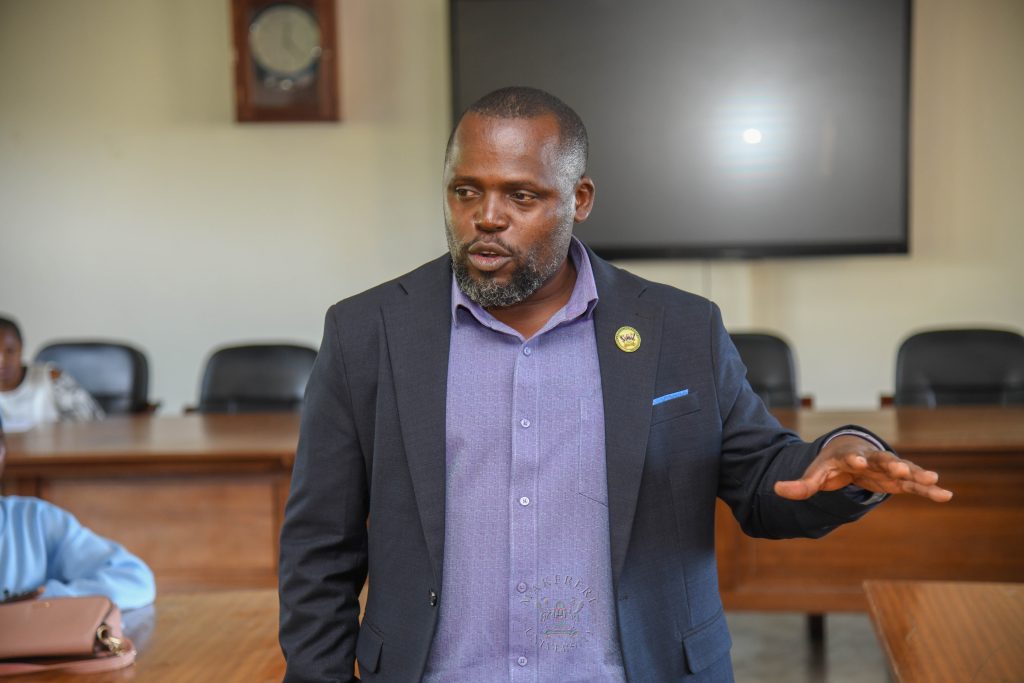
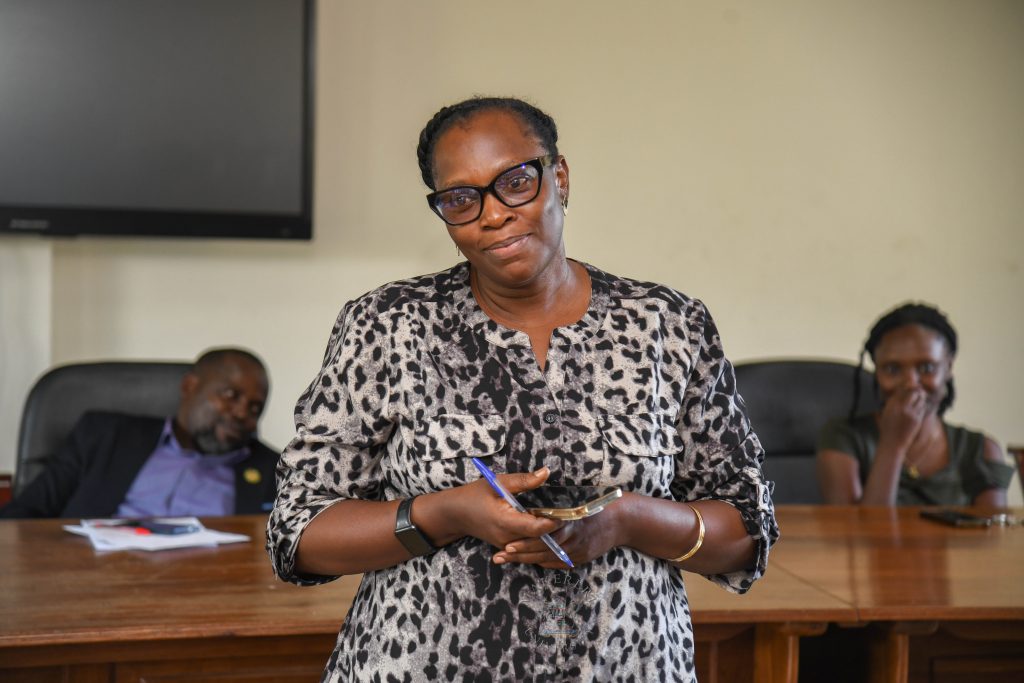
They advised them to use the academic support available to them, including help from course mates and any tutorials or mentoring offered within their colleges, and not to hesitate to seek assistance when they have concerns about their results or coursework.
The GMD team also spoke to scholars about personal safety, cautioning students against accepting help from strangers, including with luggage or transport, and referred to a recent incident in which a student’s belongings were stolen. She urged them to stay alert as they settled into university life.
Focus on academic foundations and safe social conduct
Other speakers, including Ms. Susan Mbabazi, who is the Principal Gender Officer, Ms. Abilat Lozirah, and Cynthia Ayaa Kamaketch emphasised the need to build a strong academic foundation from the start of the semester. They encouraged students to attend lectures regularly, read beyond classroom notes, use university resources such as internet access and the library, and develop steady study habits instead of waiting until exams are near.
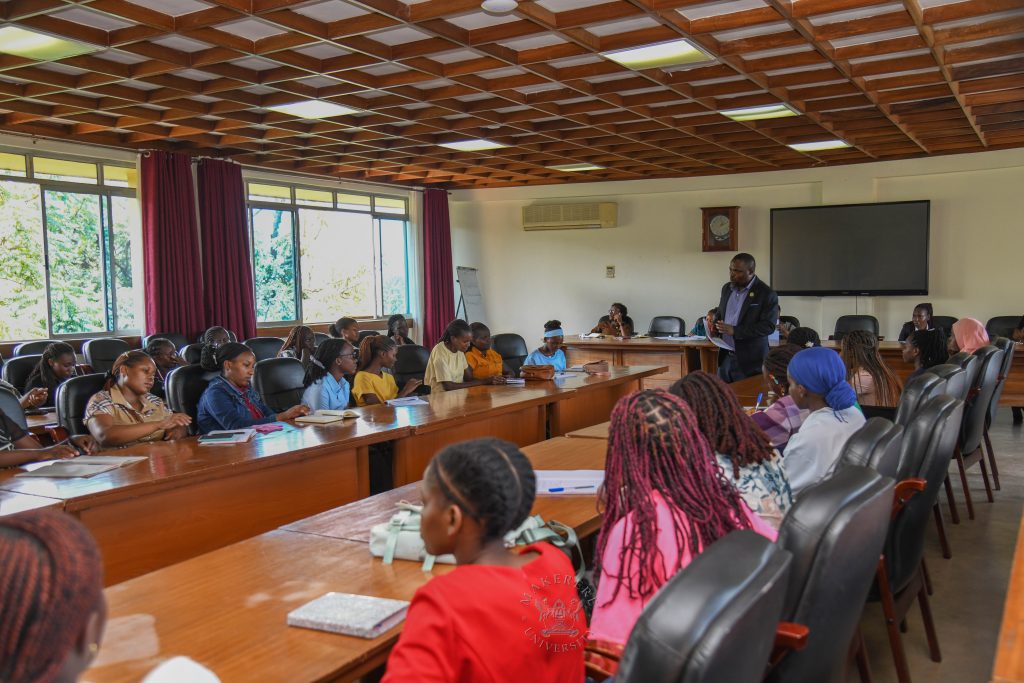
They also warned students to be careful when meeting people they do not know well, advising them to hold academic discussions and social meetings in open, public spaces such as Freedom Square rather than in private rooms.
The students were also encouraged to seek mentorship from university staff and others who could guide them in their academic and career development, and to identify a mentor before leaving the orientation.
The orientation also pointed students to key university services and locations they should know, including the university health facilities, the Makerere Police Post, the Counselling and Guidance Centre, and places of worship on campus.
Speakers reminded the students that the scholarship gives them a chance to pursue their education at Makerere University, and that keeping it depends on their discipline, academic performance, and willingness to seek support when needed.
-
 General1 week ago
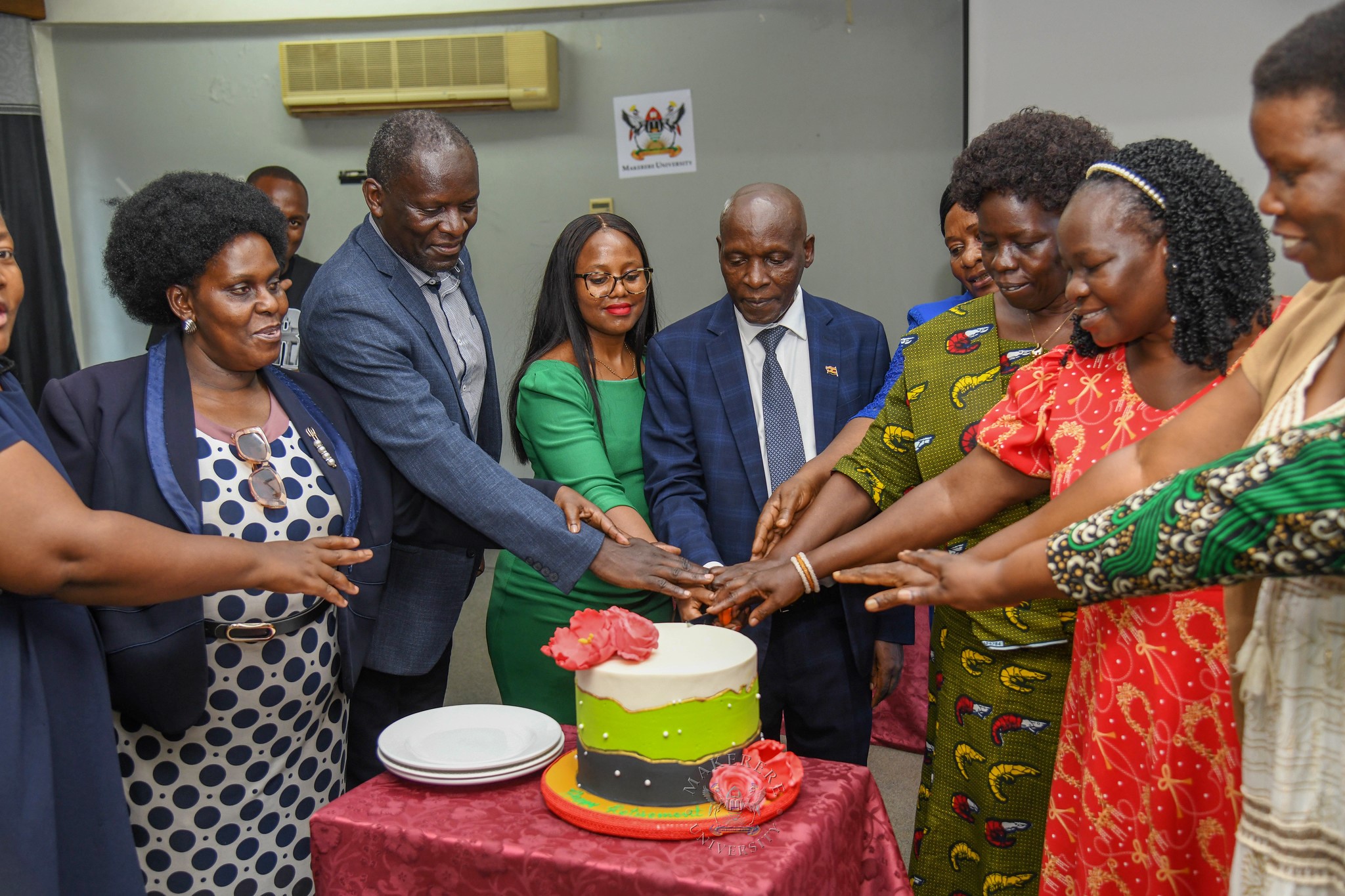
AR Department Bids Farewell to Mr. Ssentongo and Ms. Akoli
-

 General2 weeks ago
Prof. Sarah Ssali urges the Makerere University Community to embrace local philanthropy
-
 General2 weeks ago
“We are moving in the right direction” Prof Nawangwe to Press
-
 Agriculture & Environment2 weeks ago
Makerere Hosts Inaugural Falling Walls Lab Competition as Innovators Pitch Solutions to National Challenges
-
 General4 days ago
Call for Applications: RLRH Graduate Traineeship Programme