
General
Mak-SHARP launch So-Lite Solar Street Lighting Project


The Assistant Commissioner of Police, who also doubles as the Police Spokesperson, Fred Enanga, launched a solar street lighting project at a highly colorful ceremony in Makerere University on 27th June, 2014. The over 3 billion shillings project, code named So-Lite, Eco-Friendly Lighting is a result of a partnership between Makerere University and SHARP- Electronics. The project was launched at Makerere University Main Building amidst hundreds of witnesses.
 The Police Spokesperson appreciated the partnership and described it as a much needed step towards addressing security and beauty needs on the Main Campus. “Makerere is one of the vulnerable institutions that we monitor every day due to the increased threats from terrorists. We are happy with this initiative because it is going to help us in monitoring dark spots,” he said.
The Deputy Vice Chancellor in charge of Academic Affairs at Makerere University, Dr. Ernest Okello Ogwang, emphasized that the project was timely in addressing incidences of insecurity. “The project aims at providing reliable and environmentally friendly street lighting to the main campus so as to reduce on energy expenses and incidents of insecurity at night,” he said.
 “We applaud for your patience throughout the period of our deliberations and we look forward to embracing renewable energy to help us light up the Main campus as 120 solar powered street lights go live as per the contract,” he added.
Looking at the increased demand and use of solar technology which has led to global attention to invest in the renewable energy projects, Mr. Katto, the Managing Director of SHARP Electronics Technology Limited, explained that the solar lights were procured from one of the best companies in the business- Solar Outdoor Lighting (SOL), based in the United States of America.
“The willingness of Makerere University to embrace Public-Private Partnerships is what prompted us to suggest this collaboration. The University administration willingly permitted us to put up a sample light about two years ago. This was the birth of the So-Lite project we are launching today,” he said amidst applause.
According to the manufacturer and founder of SOL, Alan Hurst, the solar lights are durable and have a 20 year life span. “These lights do not need wiring in between lamp posts, secondly lighting will change people’s lives and reduce energy costs,” he said. Mr. Hurst assured the audience that the project’s launch at Makerere University marked the beginning of solar street lighting extension to other institutions and Uganda at large.
Mr. Bruce Kabaasa, the Chairperson of Makerere University Convocation, represented the Chairperson of Council– Eng. Dr. Charles Wana Etyem, and gave the assurance of Council’s support for similar projects.
 The Guild President, H.E. Ivan Bwowe called upon the fellow students to protect the solar lights because they are intended to benefit all. “As students we endorse this initiative because it is not only going to benefit us, but many generations to come as We build for the Future,” he asserted.
This project will see 120 solar street lights installed across the University, with 10 outdoor LED screens to ease communication between Makerere University Administration and the wider community.
The function was attended by a number of people including the Deputy Vice Chancellor in Charge of Finance and Administration, Prof. Barnabas Nawangwe, the University Secretary Mr. David Kahundha-Muhwezi, the Senior Legal Officer and Head Legal Unit Mr. Goddy Muhumuza, the Chairperson of Makerere University Academic Staff Association, Dr. Kiggundu Musoke, the Chairperson of Makerere University Administrative Staff Association, Hajati Fatumah Nakatudde, Members of Staff Associations and Students.
By Prossy Nabatte, Public Relations Office
Related Articles
Dark Spots a priority in Mak-SHARP Lighting
Mak-SHARP Partnership set to Light up Main Campus
Click here for the Solar Streetlights Installation Gallery


General
Makerere University and Xiangtan University Advance Strategic Partnership in Chemical Engineering

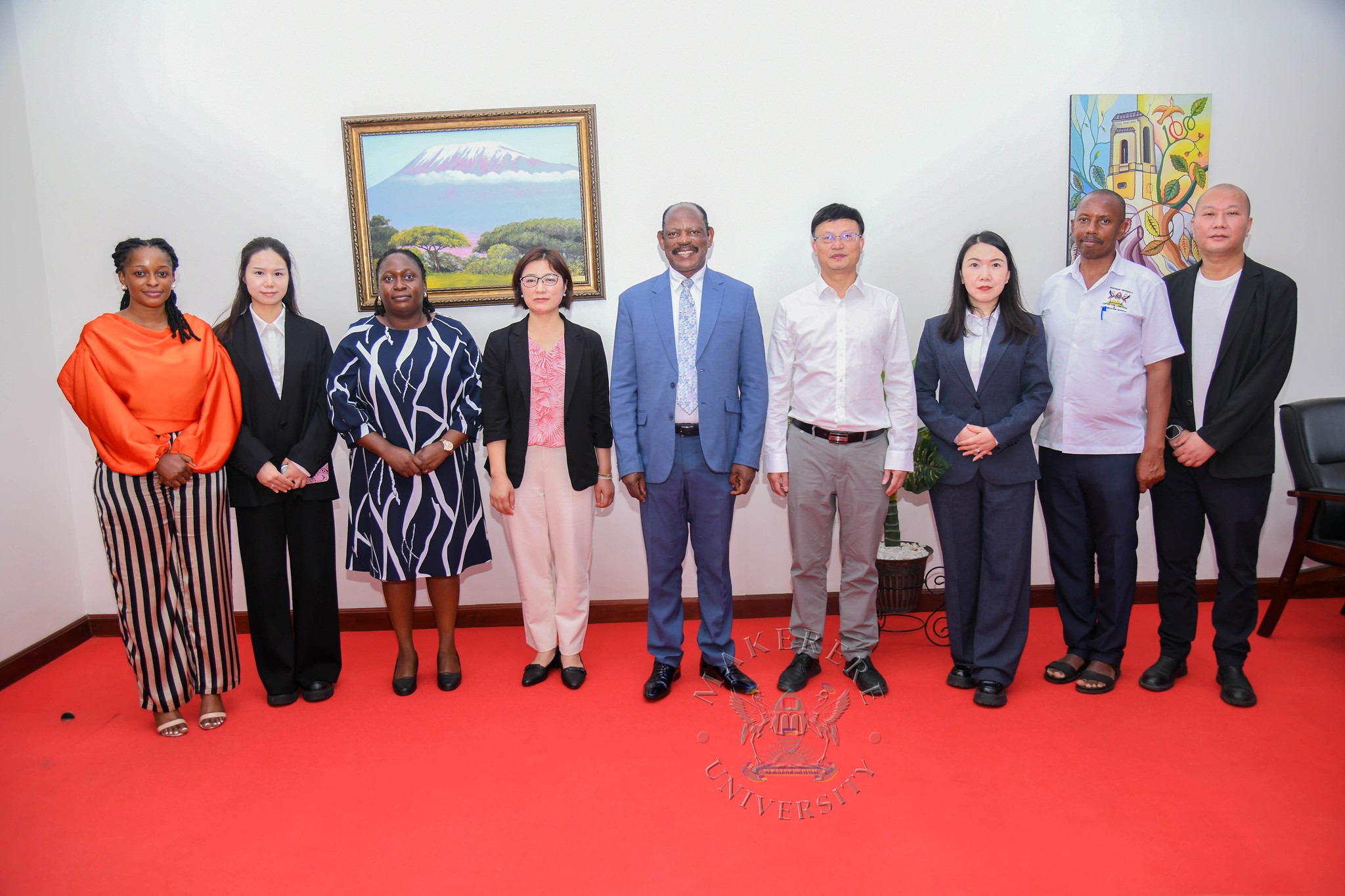
Makerere University and Xiangtan University are set to update their close to 20-year academic partnership, with a new focus on launching a joint Master’s degree program in Chemical Engineering and expanding student and staff exchange initiatives.
The commitment was reaffirmed during a recent visit by a delegation from Xiangtan University to Makerere University headed by Professor Dingyu Ou, in the company of Mr. Tang Fei and Professor Gilbert Gumshabe, the Chinese and Ugandan Directors of the Confucius Institute at Makerere University respectively.
While addressing the delegation, Professor Nawangwe highlighted that this initiative is part of a broader strategy to diversify academic offerings and contribute to national development through training in Chemical Engineering. Through this new initiative, the University will better prepare graduates for the petrochemical industry and support the country’s industrial growth.
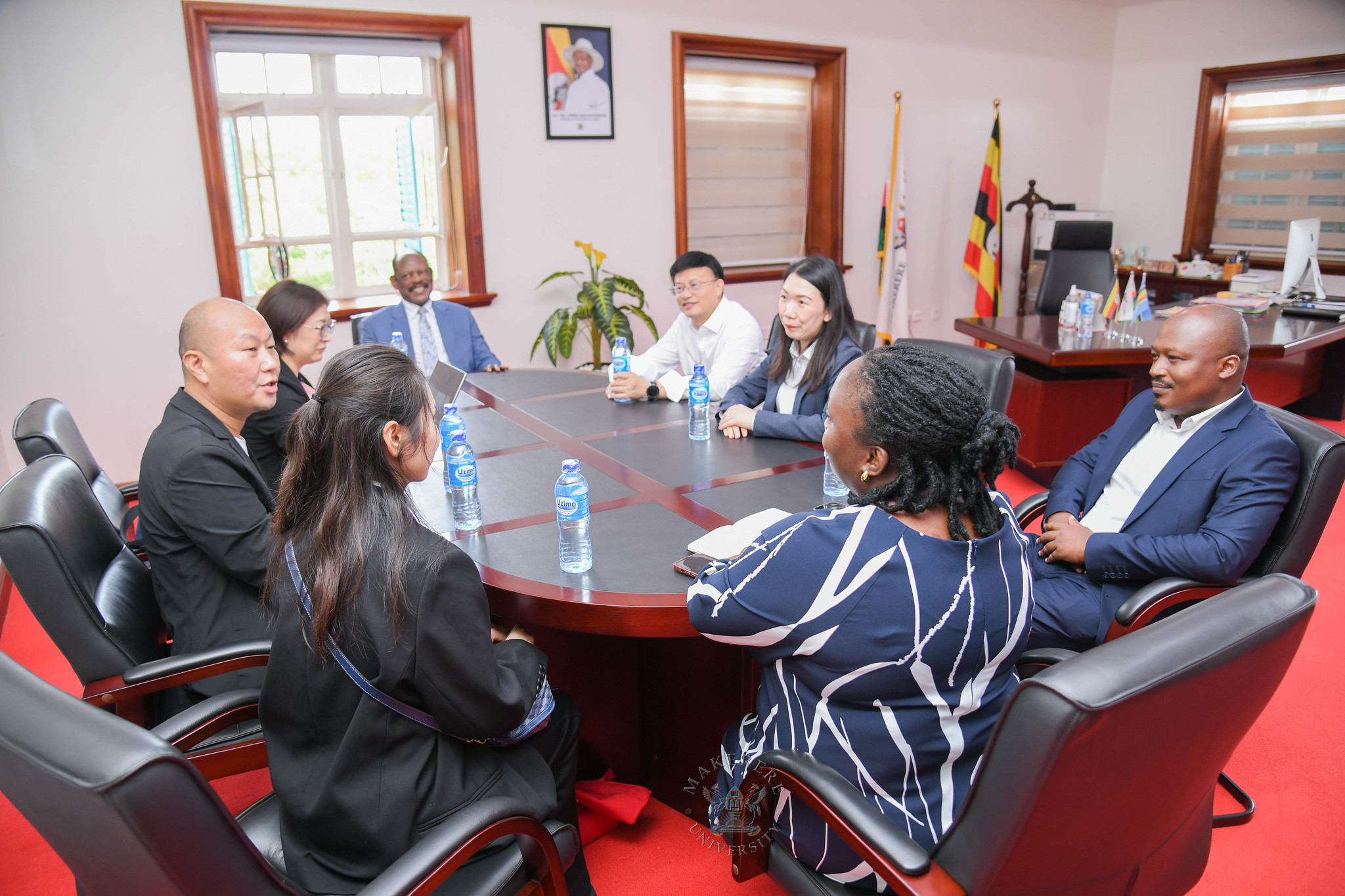
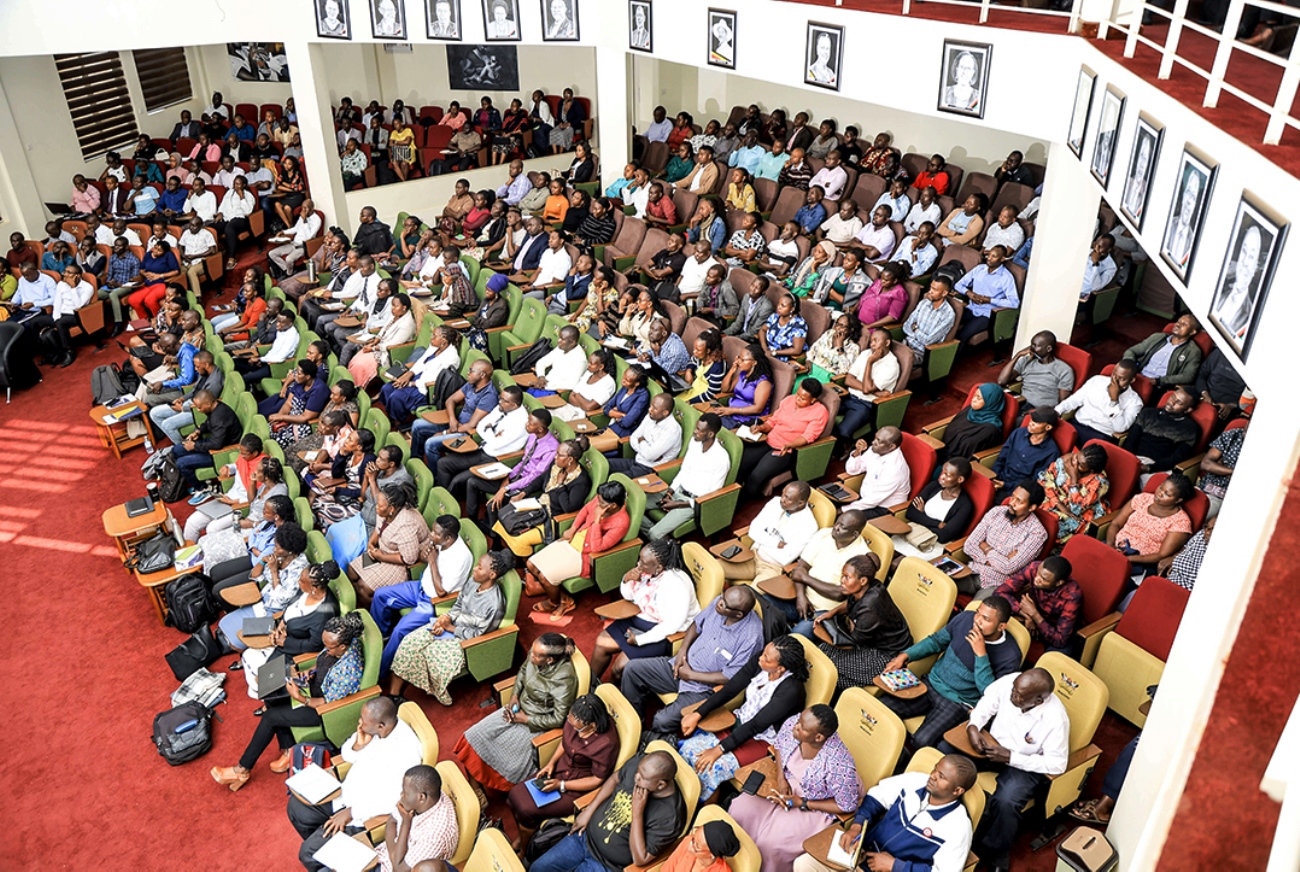
The Vice Chancellor appreciated that the proposed collaboration aims to address Uganda’s growing need for industrial expertise, particularly as the country develops its petroleum sector. The two universities here are working toward a 1+2 training model, which will enable Makerere students to gain practical experience and access advanced laboratory facilities at Xiangtan University.
Professor Nawangwe further reiterated that “our relationship with the people of China, not just for Makerere but also for a big part of Uganda, has been opened wider by the establishment of the Confucius Institute, considering that many other collaborations like one being discussed now have come through this collaboration.”
The head of the Xiangtan delegation, Professor Dingyu Ou, expressed appreciation for the meeting, and acknowledged the history between the institutions. “As mentioned, we have a very long relationship and a very stable friendship between our two universities.”
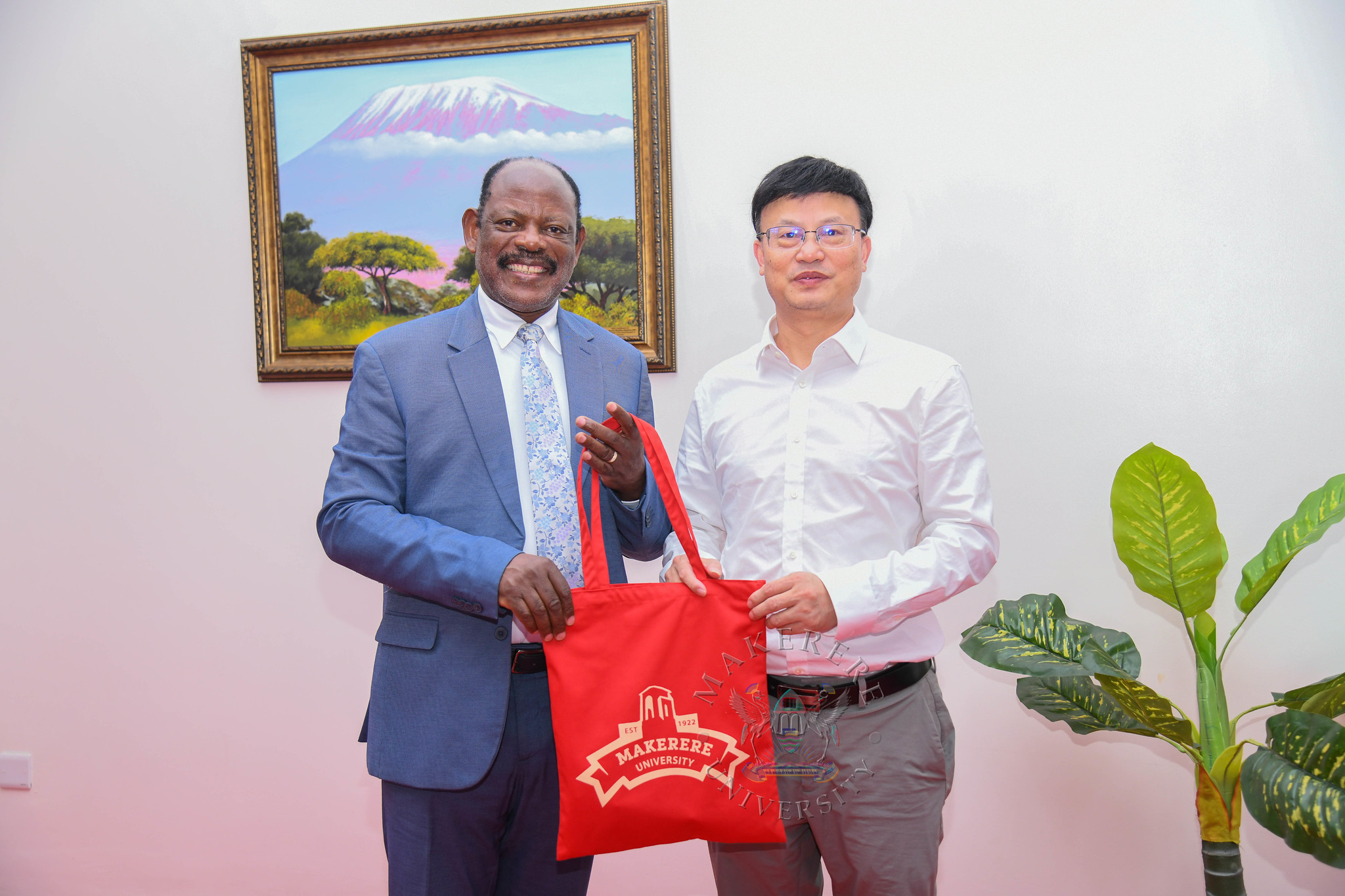
Professor Ou extended appreciation for the support provided to the Confucius Institute at Makerere, the care shown to his colleagues, and looked forward to the successful start of the Chemical Engineering collaboration.
Assuring the delegation of Makerere’s readiness for the collaboration, Ms. Hawa Ndagire Kajumba the Lead, Partnerships and Stakeholder Engagement, Makerere University Advancement Office, aligned with the Vice Chancellor’s emphasis of University goal to have both theory and practice imparted to the students.
She said “the curriculum of the university and Uganda as a whole is moving towards competence-based education training to ensure students are equipped to demonstrate those skills in the actual field, particularly regarding petroleum exploration.”
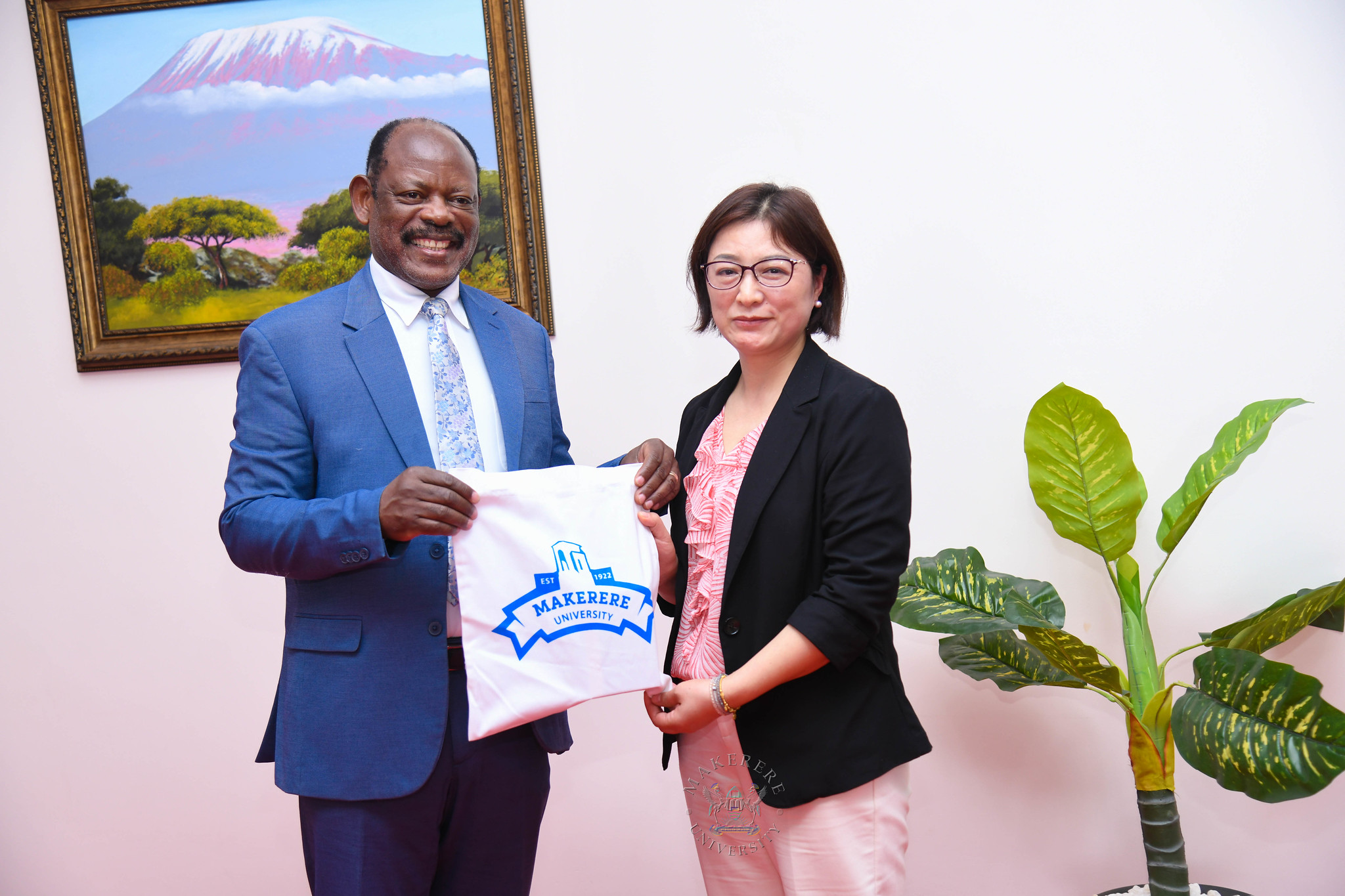
Ms. Ndagire Kajumba also emphasised a shift in strategy for the partnership office, saying, “we are moving away from just signing MOUs that collect dust, and moving towards those that are more collaborative to benefit our faculty and students, just like this one.”
Professor Gilbert Kumushabe aligned his remarks with those of the Vice Chancellor and Ms. Ndagire Kajumba, and described the method used at Xiangtan University as “actually competence-based teaching.”
Based on his recent visit, Prof. Gumoshabe shared that students in China are divided into groups with dedicated teachers to perform practical, hands-on work beyond the theoretical lecturers. He expressed gladness that the same was being adopted for the Ugandan context.
Both institutions are now working to finalise the specific agreements for the joint degree and exchange programs. Beyond academic training, the collaboration will advance cultural and professional exchange.

-
 General2 weeks ago
Statement on Concerns Circulating Regarding a Member of Academic Staff
-

 General1 week ago
Timothy Khabusi: From Barefoot Walks to shaping Uganda’s Eye health Future
-
 Health1 week ago
Uganda’s HIV Treatment Gains Bring the Youth Gap into Focus
-
 Agriculture & Environment1 week ago
Makerere University Welcomes 50 Youth Skilling Program trainees under the Africa Climate Collaborative, Supported by Mastercard Foundation
-

 Health2 weeks ago
MakSPH reseachers calls for health data to be used in decisions