
General
Professor John Ddumba Ssentamu Takes Office, Pledges to Promote Makerere’s Brand

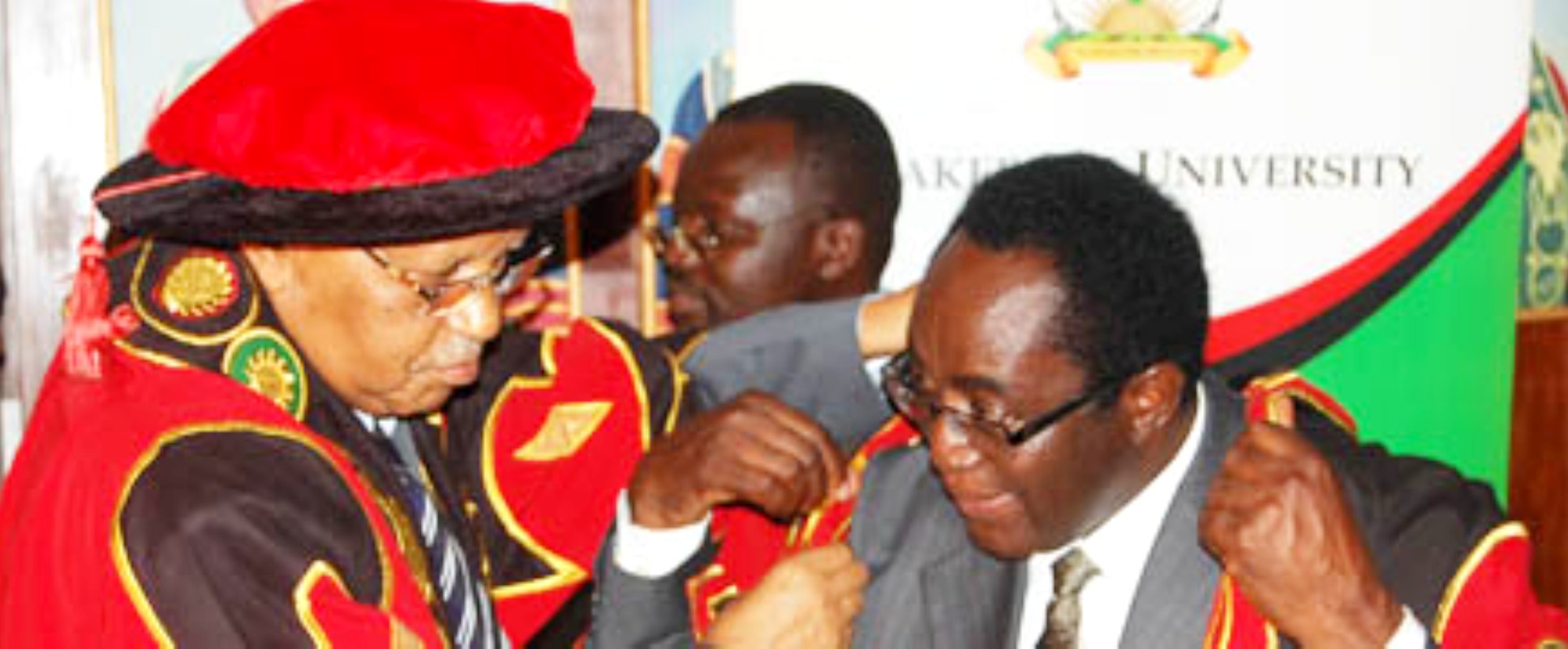
On Thursday 6th September 2012, the Out-going Acting Vice Chancellor, Professor Venansius Baryamureeba handed over office to the In-coming Vice Chancellor, Professor John Ddumba Ssentamu. “The Chancellor of Makerere University, the Chairperson of the University Council, former Vice Chancellor of Makerere University, Professor Livingstone S. Luboobi and distinguished guests assembled here to witness this historic occasion, I am happy to hand over to the next Vice Chancellor of Makerere University, Professor John Ddumba Ssentamu,” remarked a beaming Professor Venansius Baryamureeba.
Professor Venansius Baryamureeba has served as Acting Vice Chancellor of Makerere University from 1st November 2009 to 31st August 2012 with remarkable achievements registered during his tenure.
The Hand Over ceremony started with a prayer from, Msgr. Rev. Fr. Dr. Lawrence Kanyiike, Chaplain of the St. Augustine Chapel, Makerere University, and also a friend to both Professor Venansius Baryamureeba and Professor John Ddumba Ssentamu.
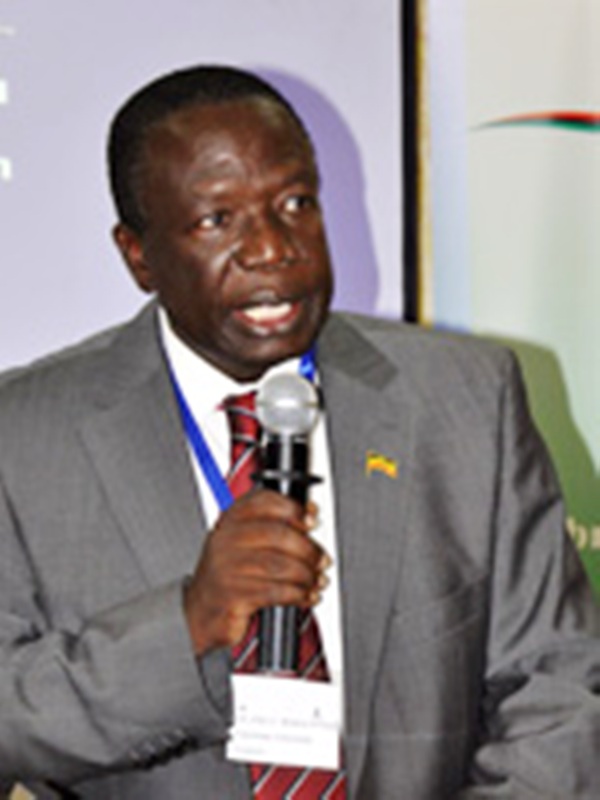
Msgr. Rev. Fr. Dr. Lawrence Kanyiike thanked the Almighty God, the creator of heaven and earth for enabling Professor Venansius Baryamureeba to lead Makerere University. He then dedicated the In- coming Vice Chancellor, Professor John Ddumba Ssentamu to the Almighty God, praying that he may grant him all the wisdom to lead this great university and also protect him from harm during his tenure as Vice Chancellor of Makerere University.
Addressing the congregation in the Main Building, Council Room, the Chairperson of the University Council, Eng. Dr. Charles Wana Etyem commended the Out-going Acting Vice Chancellor, Professor Venansius Baryamureeba for steering the University to great heights.
“Professor Baryamureeba, being the youngest ever Vice Chancellor of Makerere University, assumed office with a lot of enthusiasm and vigour. He came with a lot of good will from almost all stakeholders of Makerere University. He initiated major reforms in the various aspects of the management of the University. He completed the formation of colleges within a remarkably short period. He streamlined the financial operations of the University, reducing the number of operational accounts from more than 150 to less than thirty. He developed a very good rapport with not only the Government of Uganda, but with many Development partners,” said Eng. Dr. Charles Wana Etyem.
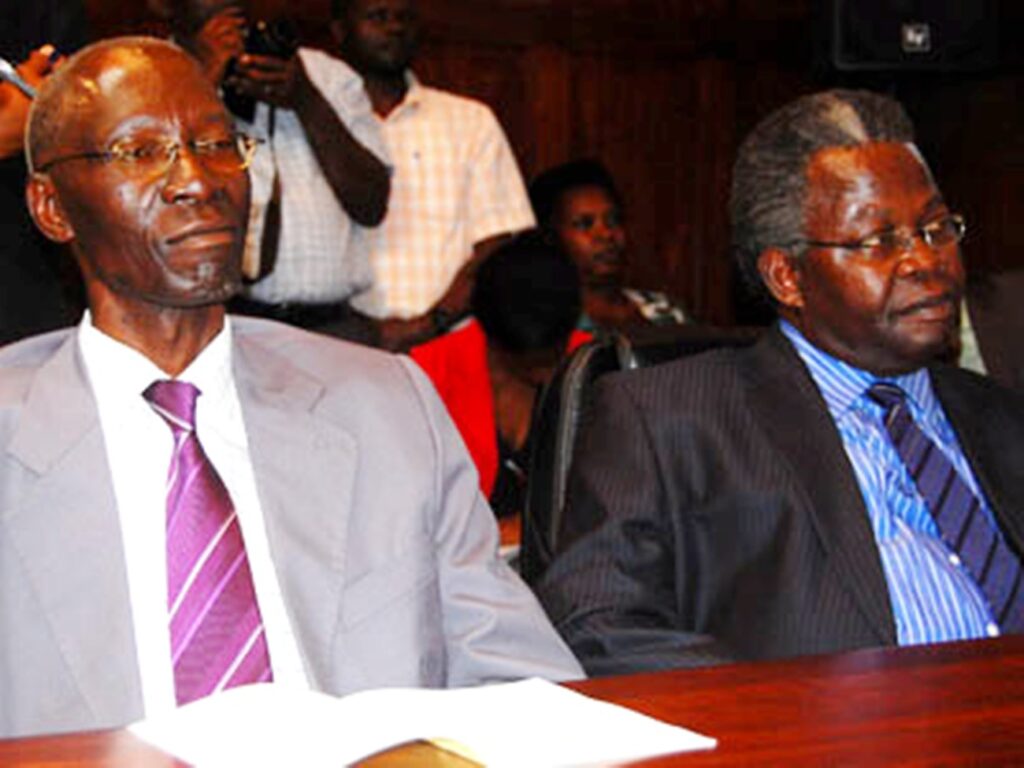
Further commenting on Professor Baryamureeba’s tenure, the Chairperson of Council said: “In the unprecedented history of the University, Makerere was able to receive a commitment by the President of the Republic of Uganda to provide annually UGX.10bn for five years through the Presidential Initiative Project. The ranking of the University within Africa improved and Makerere University became the University of choice for partnering in research in many disciplines. And exploiting his background as a computer guru, he pioneered valuable relationships with donors on measures to improve on the use of ICT in the University setting and operations.”
Eng. Dr. Charles Wana Etyem also thanked Professor Baryamureeba for the innovations that he ushered in the University during his tenure and for containing the unrests that threatened to derail not only him, but the manner in which the affairs of the University were run.
The Chairperson of Council congratulated and welcomed Professor John Ddumba Ssentamu to the Office and pledged to support him throughout his five year tenure as Vice Chancellor of Makerere University.
He urged Professor John Ddumba Ssentamu to consolidate the changes and innovations that Professor Venansius Baryamureeba championed.
“The collegiate system is a good structure for Makerere University given the student population nearing 50,000. There are some units that feel the collegiate system was fast tracked too quickly for them to get on board comfortably. I would like to advise that the way forward is to identify the rough edges and bring them to the attention of Council so that they may be smoothened,” he said.
He further informed the In-coming Vice Chancellor that the University should have a well stream-lined financial management system that allows decision making to be made quickly without compromising anything.
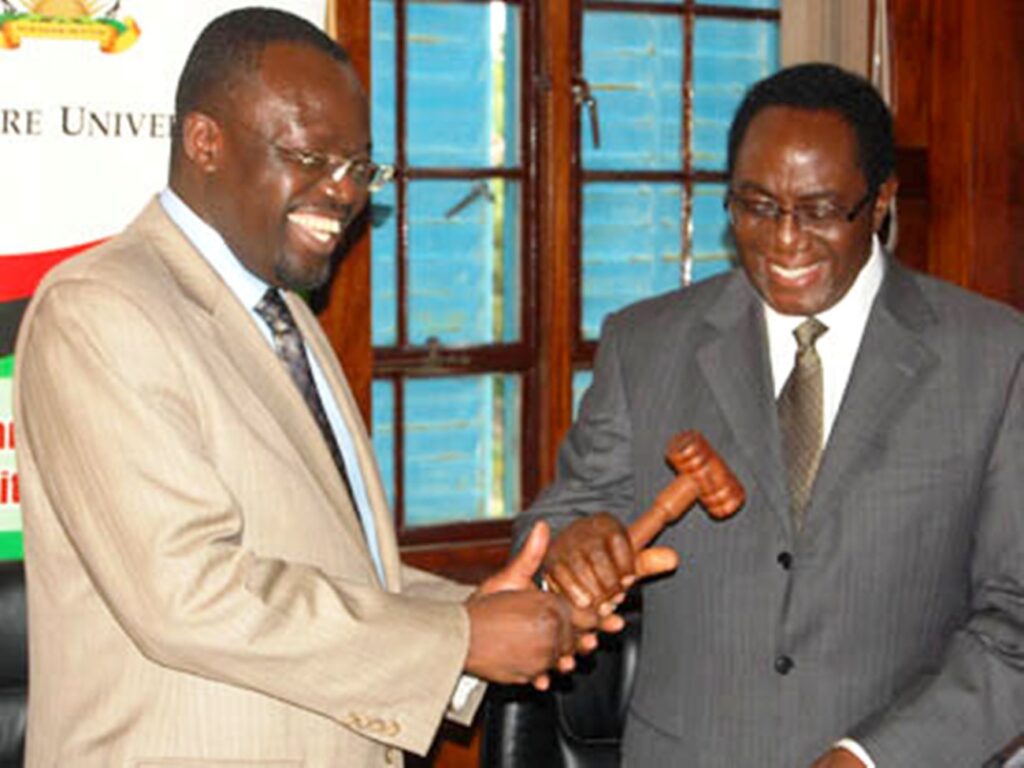
The out-going Acting Vice Chancellor, Professor Venansius Baryamureeba then presented to the In-coming Vice Chancellor, Professor John Ddumba Ssentamu the Hammer for conducting the business of the University Senate-the Chief academic organ of the University and the handover report.
“Prof. John Ddumba Ssentamu, I congratulate you upon your appointment as Vice Chancellor of Makerere University. A great institution is built by the quality of human resources. In-coming Vice Chancellor together with the Deputy Vice Chancellor Finance and Administration and the Director Human Resources, you have a great task to manage the human resources of this great university,” said Professor Venansius Baryamureeba.
He also thanked the President of the Republic of Uganda, H.E Yoweri Kaguta Museveni and the entire cabinet, the Ministry of Education and Sports, the former Vice Chancellors, the University Council and Senate, the University Management team, member of staff and students for according him all the required support during his tenure as Acting Vice Chancellor.
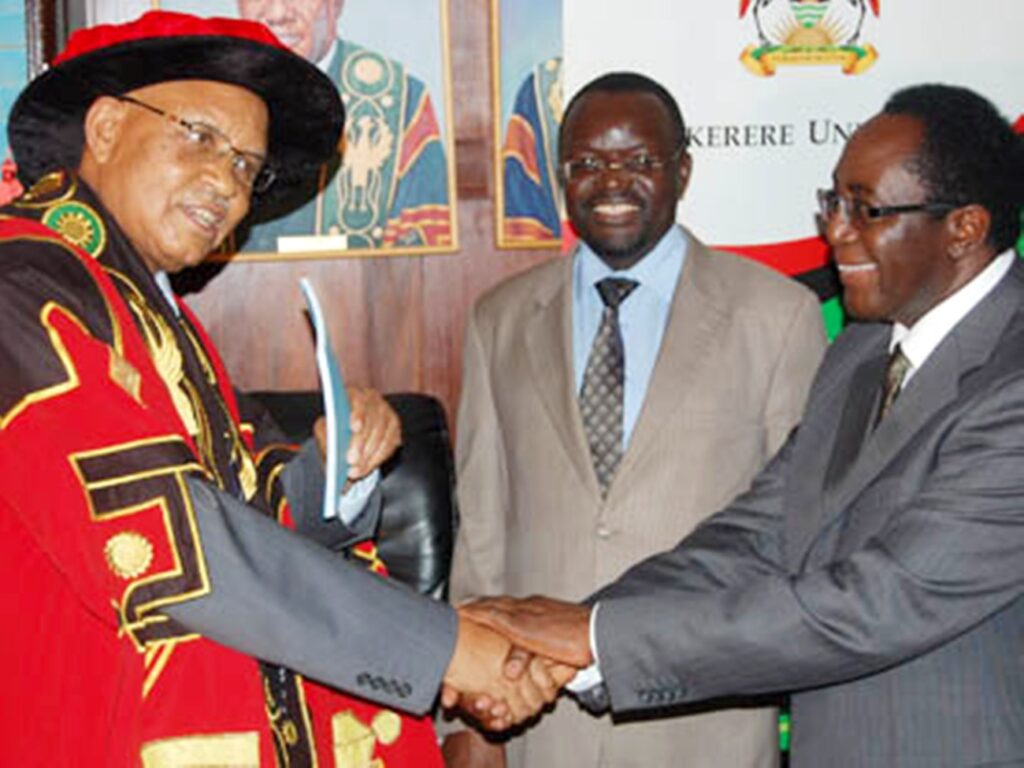
By the powers of the authority entrusted in him, the Chancellor, Professor George Mondo Kagonyera read the Instrument of Appointment.
“Citing Section 31 (2) of the Universities and Other Tertiary Institutions Act and on the recommendation of the University Council, I, Professor George Mondo Kagonyera – do hereby appoint Professor John Ddumba Ssentamu as Vice Chancellor of Makerere University for a period of five years with effect from the date of assumption of duty.”
Professor George Mondo Kagonyera adorned Professor John Ddumba Ssentamu with the Vice Chancellor’s robe and cap, presented to him the Instrument of Appointment and a copy of the Universities and Other Tertiary Institutions Act.
“It is now my honour and privilege to handover to you-Professor John Ddumba Ssentamu , this instrument of authority to govern Makerere University. Congratulations!” remarked Professor Mondo Kagonyera.
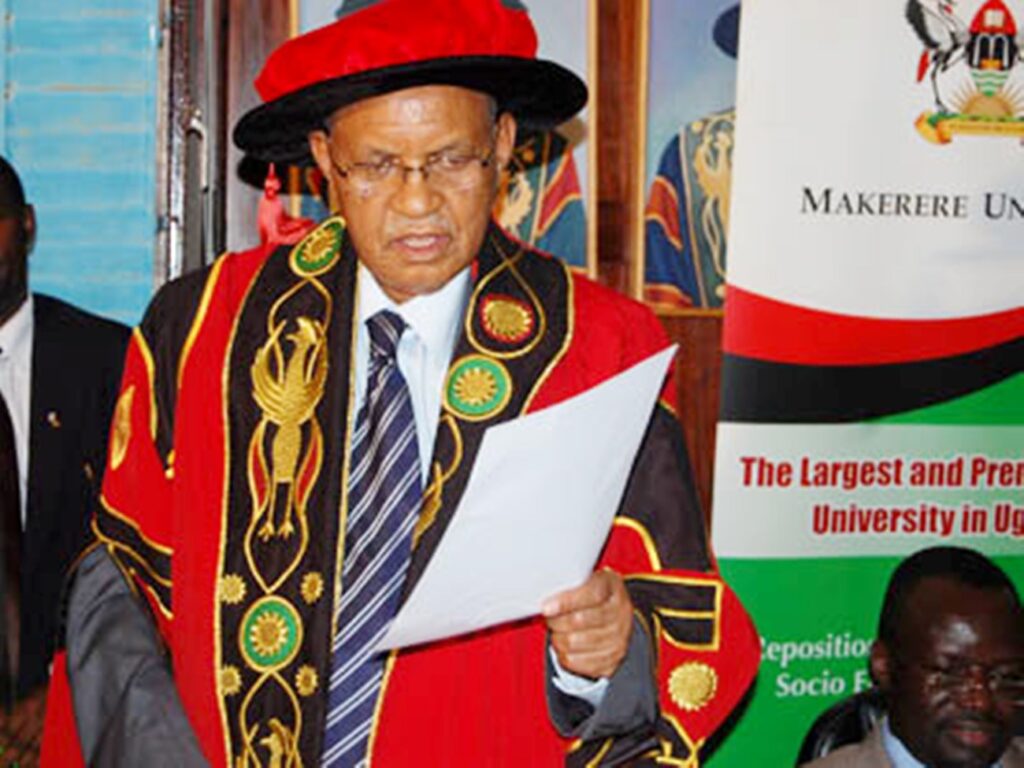
Accepting the appointment as Vice Chancellor of Makerere University, Professor John Ddumba Ssentamu thanked the Visitor of Makerere University-His Excellency,President Yoweri Kaguta Museveni, the Chancellor, Chairman and Members of Council, Senate , Staff, students and the entire Makerere University community for the confidence and trust vested in him.
“With a great sense of humility and honour, I accept this appointment as the Vice Chancellor of Makerere University to be the Chief Executive of the University responsible for academic, administrative and financial affairs of the university,” remarked Professor Ddumba Ssentamu amidst cheers from the congregation.
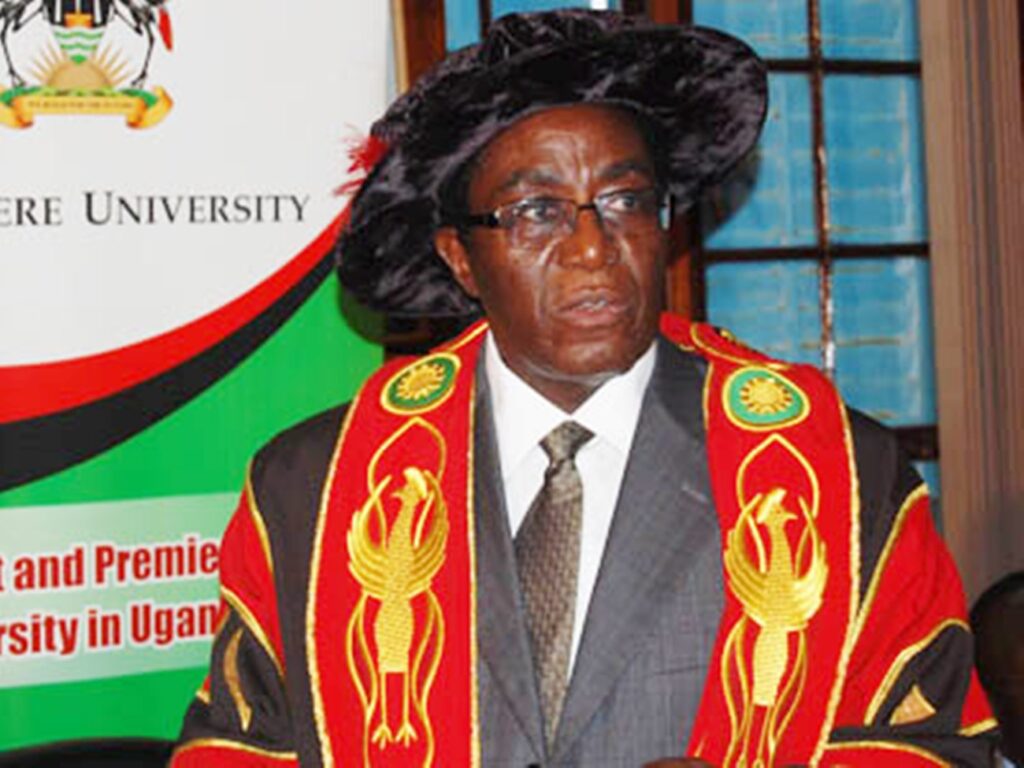
Professor John Ddumba Ssentamu asked the Almighty God-his creator-to grant him wisdom, good health and knowledge to diligently serve this great institution. He then paid tribute to the Out-going Acting Vice Chancellor-Professor Venansius Baryamureeba and his team for their contributions to the institution. “They will be remembered for a number of achievements but most especially for having spearheaded the implementation of the collegiate system and for designing and developing manuals for the university reforms. We shall ensure that these reforms are implemented, I together with my team, will provide full support to the Change Management Committee which is responsible for overseeing the implementation of these reforms,” he said.
Under his leadership for the period 2012-2017, Professor John Ddumba Ssentamu said that his efforts will be geared towards the restoration of Makerere‘s glory to a University that will be locally and internationally recognized as: well governed, promotes innovative teaching and learning, research driven and a university with a conducive learning and living environment, adequate and motivated staff and a university that is financially sustainable.
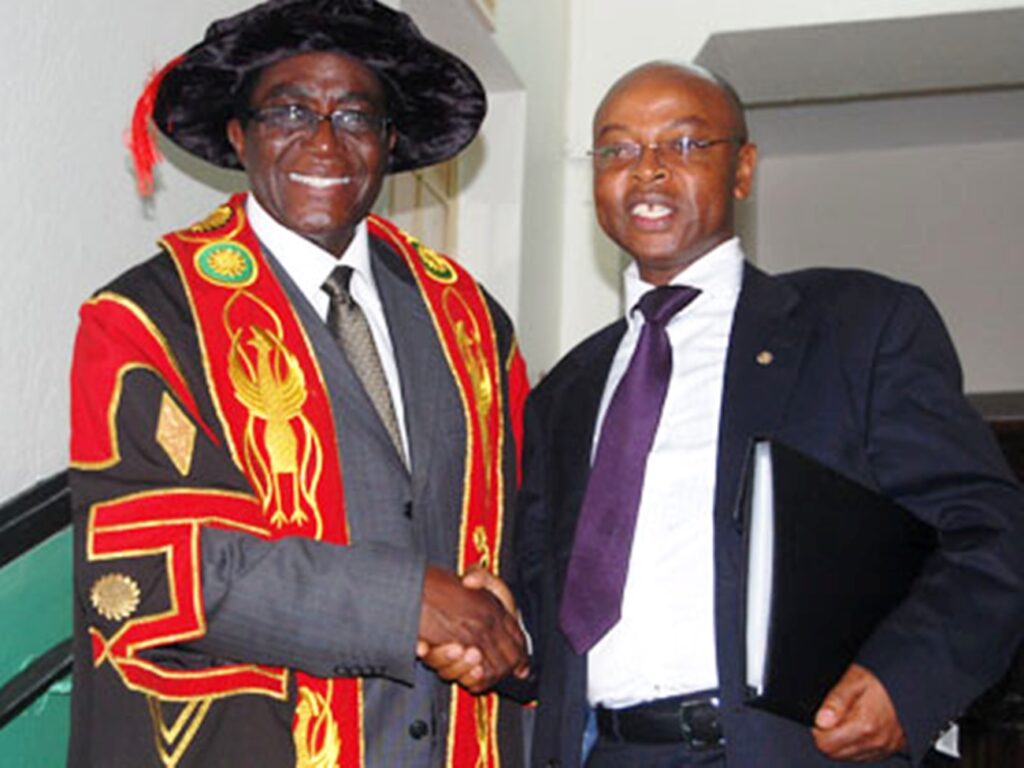
In his address, the Chancellor, Professor George Mondo Kagonyera said he made the decision to appoint Professor John Ddumba Ssentamu-Vice Chancellor without influence from anybody.
“I want to assure you that Professor John Ddumba Ssentamu merited the appointment. I was not influenced by anybody,” emphasized the Chancellor.
He advised Professor John Ddumba Ssentamu to not only build on the foundation laid by Professor Venansius Baryamureeba; but also develop his original ideas and innovations, and above all use his rich experience in economics, finance and banking sector to transform Makerere into a financially sustainable institution.
Other documents:
Highlights of Prof. Venansius Baryamureeba’s tenure as Ag. Vice Chancellor
Remarks by the Chairperson Makerere University Council Eng. Dr. Charles Wana Etyem
Acceptance Speech by the Vice Chancellor Prof. John Ddumba Ssentamu
Congratulatory Messages from Candidates who participated in the Makerere VC Race
Story by: Ms Ritah Namisango, Senior Public Relations Officer, Makerere University






General
Makerere University and Xiangtan University Advance Strategic Partnership in Chemical Engineering

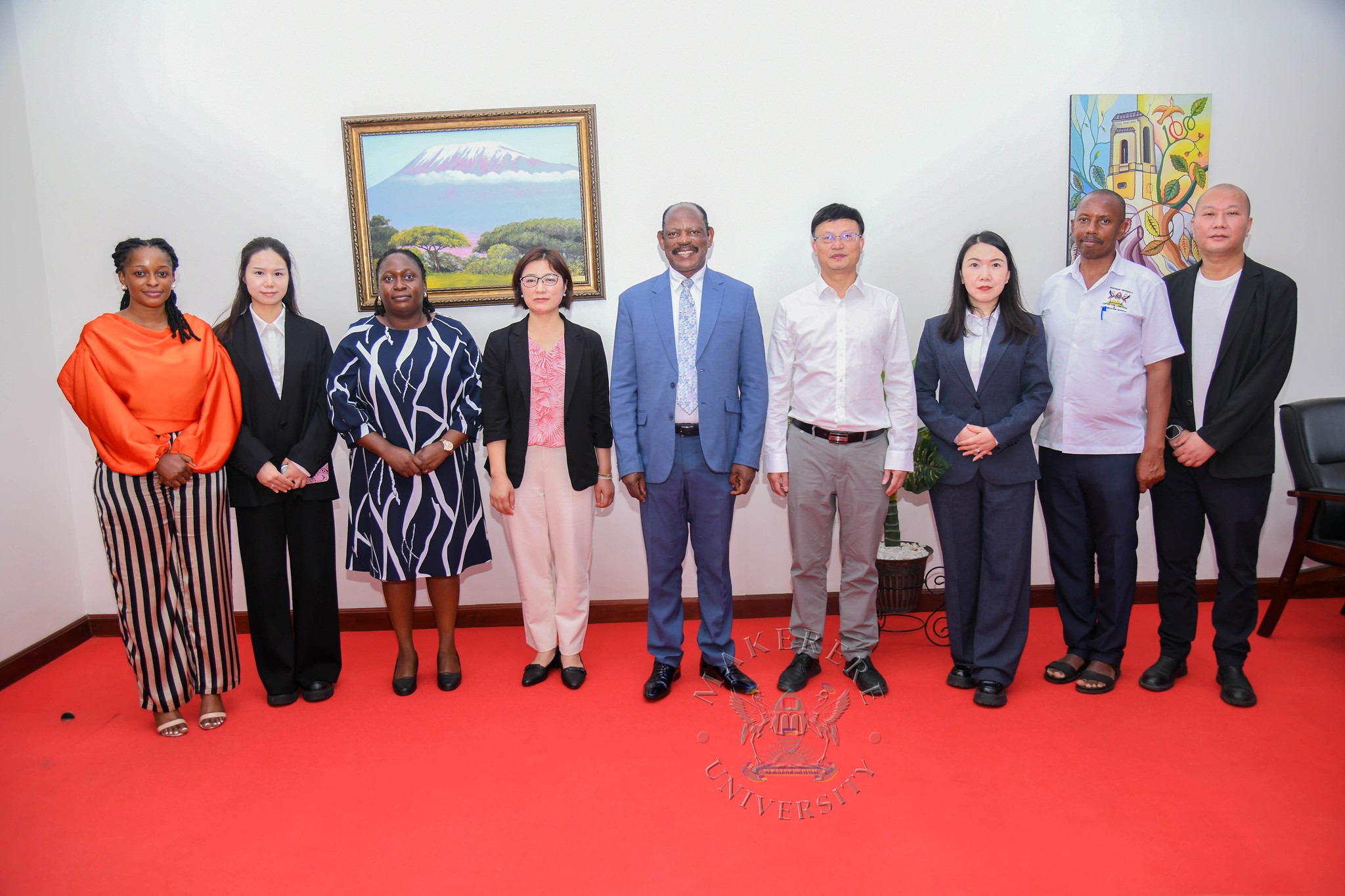
Makerere University and Xiangtan University are set to update their close to 20-year academic partnership, with a new focus on launching a joint Master’s degree program in Chemical Engineering and expanding student and staff exchange initiatives.
The commitment was reaffirmed during a recent visit by a delegation from Xiangtan University to Makerere University headed by Professor Dingyu Ou, in the company of Mr. Tang Fei and Professor Gilbert Gumshabe, the Chinese and Ugandan Directors of the Confucius Institute at Makerere University respectively.
While addressing the delegation, Professor Nawangwe highlighted that this initiative is part of a broader strategy to diversify academic offerings and contribute to national development through training in Chemical Engineering. Through this new initiative, the University will better prepare graduates for the petrochemical industry and support the country’s industrial growth.
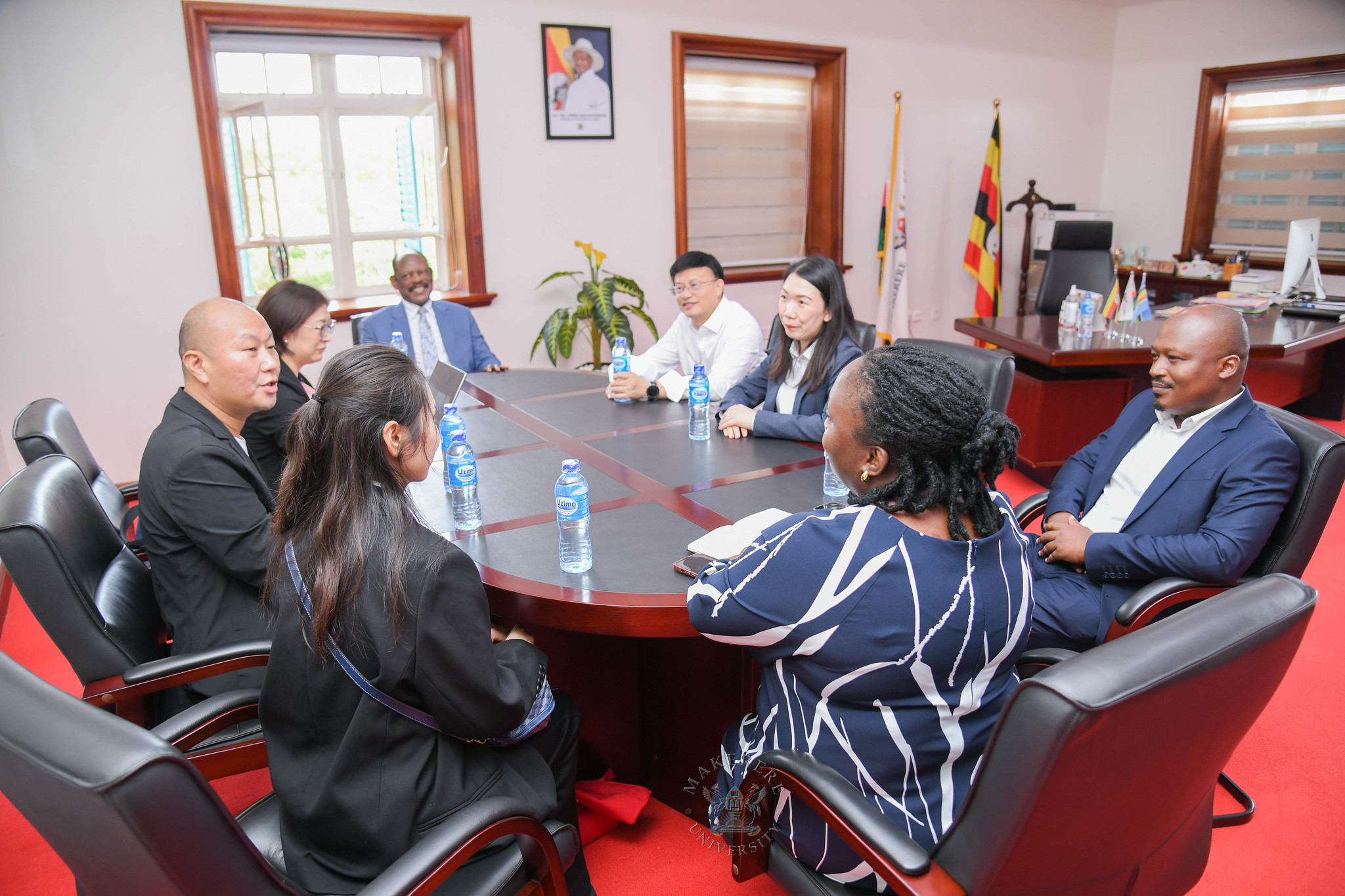
The Vice Chancellor appreciated that the proposed collaboration aims to address Uganda’s growing need for industrial expertise, particularly as the country develops its petroleum sector. The two universities here are working toward a 1+2 training model, which will enable Makerere students to gain practical experience and access advanced laboratory facilities at Xiangtan University.
Professor Nawangwe further reiterated that “our relationship with the people of China, not just for Makerere but also for a big part of Uganda, has been opened wider by the establishment of the Confucius Institute, considering that many other collaborations like one being discussed now have come through this collaboration.”
The head of the Xiangtan delegation, Professor Dingyu Ou, expressed appreciation for the meeting, and acknowledged the history between the institutions. “As mentioned, we have a very long relationship and a very stable friendship between our two universities.”
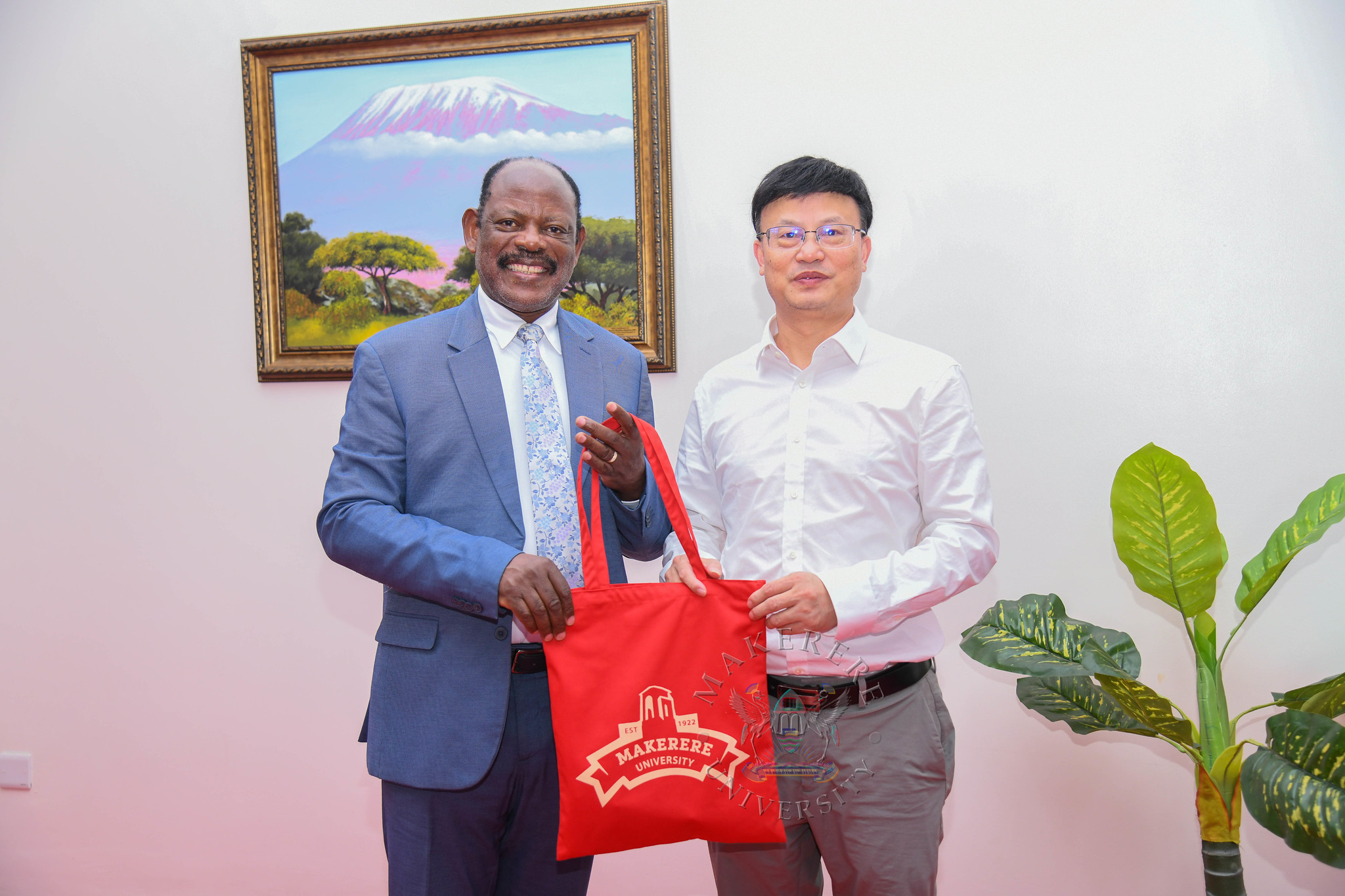
Professor Ou extended appreciation for the support provided to the Confucius Institute at Makerere, the care shown to his colleagues, and looked forward to the successful start of the Chemical Engineering collaboration.
Assuring the delegation of Makerere’s readiness for the collaboration, Ms. Hawa Ndagire Kajumba the Lead, Partnerships and Stakeholder Engagement, Makerere University Advancement Office, aligned with the Vice Chancellor’s emphasis of University goal to have both theory and practice imparted to the students.
She said “the curriculum of the university and Uganda as a whole is moving towards competence-based education training to ensure students are equipped to demonstrate those skills in the actual field, particularly regarding petroleum exploration.”
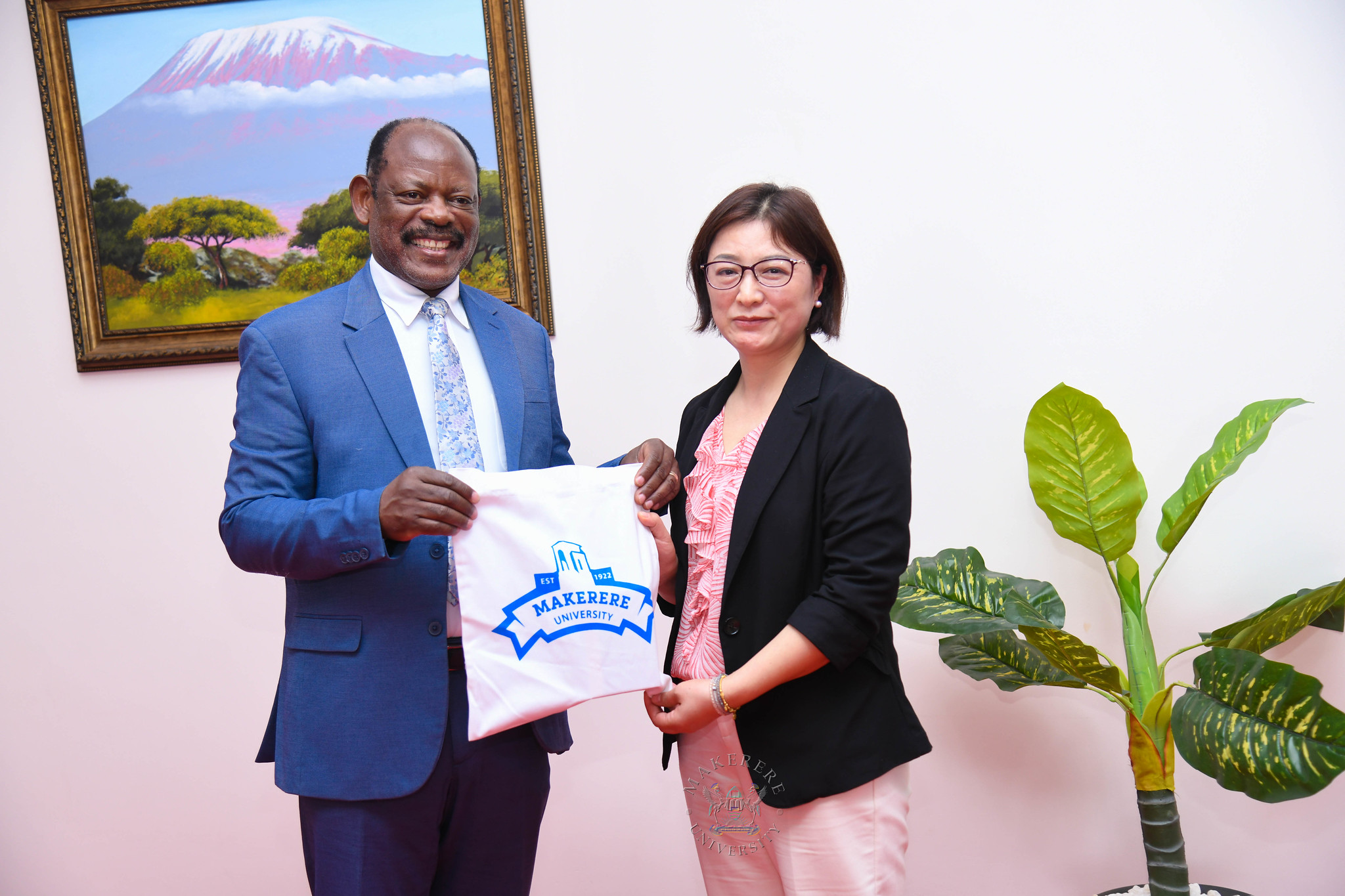
Ms. Ndagire Kajumba also emphasised a shift in strategy for the partnership office, saying, “we are moving away from just signing MOUs that collect dust, and moving towards those that are more collaborative to benefit our faculty and students, just like this one.”
Professor Gilbert Kumushabe aligned his remarks with those of the Vice Chancellor and Ms. Ndagire Kajumba, and described the method used at Xiangtan University as “actually competence-based teaching.”
Based on his recent visit, Prof. Gumoshabe shared that students in China are divided into groups with dedicated teachers to perform practical, hands-on work beyond the theoretical lecturers. He expressed gladness that the same was being adopted for the Ugandan context.
Both institutions are now working to finalise the specific agreements for the joint degree and exchange programs. Beyond academic training, the collaboration will advance cultural and professional exchange.

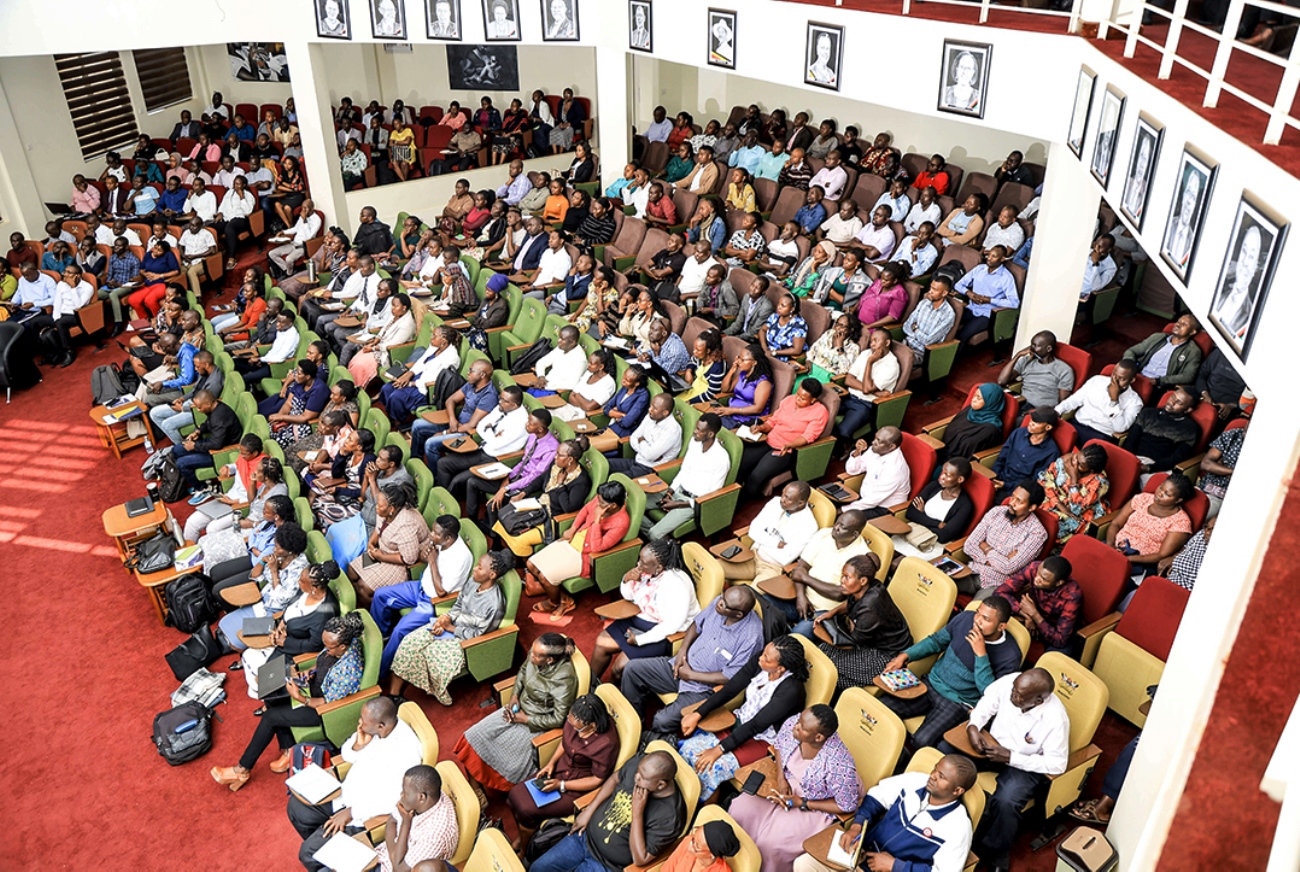
-
 General1 week ago
Timothy Khabusi: From Barefoot Walks to shaping Uganda’s Eye health Future
-
 Health1 week ago
Uganda’s HIV Treatment Gains Bring the Youth Gap into Focus
-
 Agriculture & Environment1 week ago
Makerere University Welcomes 50 Youth Skilling Program trainees under the Africa Climate Collaborative, Supported by Mastercard Foundation
-

 Health2 weeks ago
MakSPH reseachers calls for health data to be used in decisions
-
 Health2 weeks ago
UPHIA 2025 Shows Uganda’s HIV Status Awareness Gap Despite Strong Treatment Outcomes