Connect with us

General

Makerere University develops employment and entrepreneurship skills curriculum.

Published

on

Given the alarming rate of unemployed graduates in Uganda, Makerere University has come up with a curriculum which could soon solve this rampant issue mainly arising from lack of skills and innovativeness.

The curriculum known as ‘Employability and Entrepreneurship Skills Development Program’ was developed by Makerere University School of Distance and Lifelong Learning (SoDLL) in partnership with Metropolitan University in the UK. The project is also part of the Education Partnerships in Africa Project (EPA), also known as the GBP4500 Project-funding by the British Council aimed at building the capacity of African Institutions of Higher Education in entrepreneurship skills, in collaboration with local employers.

Makerere University believes that a higher education reform to an Outcomes Based Education (OBE) curriculum system would place special emphasis on learning outcomes and skills development to best meet student’s needs for employment, thus the development of the lucrative solution oriented curriculum. Therefore Makerere University students could be among the first graduates to earn a degree under this outcome based curriculum.

According to Dr. George L. Openjuru, Dean, School of Distance and Lifelong Learning (SoDLL), the rampant unemployment is often caused by the simple knowledge transfer where the student is fed on theory, minus emphasis on skills development. He further explained that “The current Higher Education reform based on simple knowledge transfer and limited skills development in Uganda can further be improved with employability and entrepreneurship skills training”

The program has been progressively active and currently, pilot trainings for out of school leavers have been conducted in three regional centers of Makerere University including Arua, Entebbe and Fort Portal. The project has also been extended to assist Makerere develop a modern OBE based curriculum as a foundation for becoming a student centered institution in the region. The project also plans to liaise with all stakeholders to embed this reform as a national curriculum model for Uganda’s Higher Education, something which could bring about rapid increase in employment if other universities actively take part in the project.

In its final stages, the project shall enable selected staff of Makerere receive training in OBE focused curriculum and program design, form a team to design a Post Graduate Certificate in Higher Education (PGCHE), and train other members of the Academic staff in the use of OBE oriented methods to deliver programmes at the university so as to ensure.


Article by Toko Paul, Intern, Public Relations Office, Makerere University 

Given the alarming rate of unemployed graduates in Uganda, Makerere University has come up with a curriculum which could soon solve this rampant issue mainly arising from lack of skills and innovativeness.

The curriculum known as ‘Employability and Entrepreneurship Skills Development Program’ was developed by Makerere University School of Distance and Lifelong Learning (SoDLL) in partnership with Metropolitan University in the UK. The project is also part of the Education Partnerships in Africa Project (EPA), also known as the GBP4500 Project-funding by the British Council aimed at building the capacity of African Institutions of Higher Education in entrepreneurship skills, in collaboration with local employers.

Makerere University believes that a higher education reform to an Outcomes Based Education (OBE) curriculum system would place special emphasis on learning outcomes and skills development to best meet student’s needs for employment, thus the development of the lucrative solution oriented curriculum. Therefore Makerere University students could be among the first graduates to earn a degree under this outcome based curriculum.

According to Dr. George L. Openjuru, Dean, School of Distance and Lifelong Learning (SoDLL), the rampant unemployment is often caused by the simple knowledge transfer where the student is fed on theory, minus emphasis on skills development. He further explained that “The current Higher Education reform based on simple knowledge transfer and limited skills development in Uganda can further be improved with employability and entrepreneurship skills training”

The program has been progressively active and currently, pilot trainings for out of school leavers have been conducted in three regional centers of Makerere University including Arua, Entebbe and Fort Portal. The project has also been extended to assist Makerere develop a modern OBE based curriculum as a foundation for becoming a student centered institution in the region. The project also plans to liaise with all stakeholders to embed this reform as a national curriculum model for Uganda’s Higher Education, something which could bring about rapid increase in employment if other universities actively take part in the project.

In its final stages, the project shall enable selected staff of Makerere receive training in OBE focused curriculum and program design, form a team to design a Post Graduate Certificate in Higher Education (PGCHE), and train other members of the Academic staff in the use of OBE oriented methods to deliver programmes at the university so as to ensure.


Article by Toko Paul, Intern, Public Relations Office, Makerere University 

Denis Wamala

Continue Reading

General

Applications Open: Short Course in Decision Modelling for Economic Evaluation

Published

on

Applications Open for a two-week online short course on Introduction to Decision Modelling for Economic Evaluation by the Department of Health Policy, Planning and Management, Makerere University School of Public Health (MakSPH), Kampala Uganda, East Africa.

Makerere University School of Public Health, through the Department of Health Policy, Planning and Management, is accepting applications for a two-week online short course on Introduction to Decision Modelling for Economic Evaluation.

The course will introduce participants to the principles and practical application of decision modelling in economic evaluation, covering Markov modelling, evidence synthesis, model development, validation, sensitivity analysis and interpretation of results to inform policy and resource allocation.

Convened by Dr. Elizabeth Ekirapa, Associate Professor of Health Economics at MakSPH, the course will feature Dr. Joseph Babigumira, Managing Consultant at GHE Consulting, as Guest Lecturer.

The training targets health professionals, researchers, policymakers, students and other individuals interested in applying decision modelling to economic evaluation.

Dates: 9–20 November 2026
Time: 3:00–6:00 PM EAT
Mode: Online via Zoom
Fees: UGX 800,000 (Ugandans) | USD 270 (non-Ugandans)
Application Deadline: 1 November 2026

Apply now: https://t.ly/sKdts

For inquiries:
Ms. Edith Namuleme, Short Course Coordinator
Email: carvell.andy@gmail.com
Tel: +256 759 761 161

John Okeya

Continue Reading

General

Makerere University and Xiangtan University Advance Strategic Partnership in Chemical Engineering

Published

on

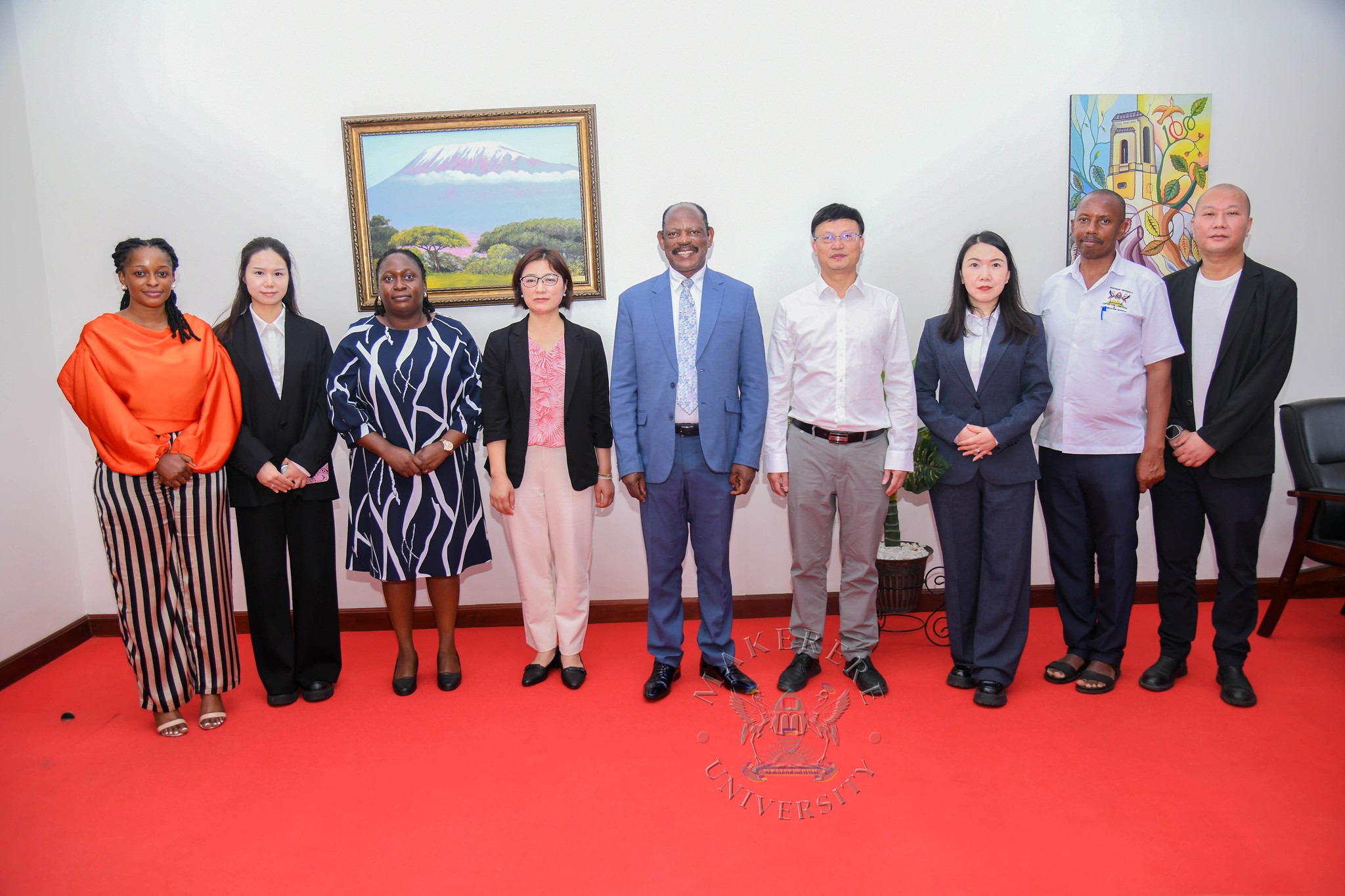
Prof. Barnabas Nawangwe (C) with Prof. Dingyu Ou (4th R) and R-L: Mr. Fei Tang, Prof. Gilbert Gumoshabe, Prof. Fang Hao, Prof. Zhuoqiong Xia, Ms. Hawa Ndagire Kajumba, Ms. Miao Yang and Ms. Betty Nabisubi after the meeting on 12th October 2026. Visit by a delegation from Xiangtan University headed by Professor Dingyu Ou, in company of Mr. Tang Fei and Professor Gilbert Gumshabe, the Chinese and Ugandan Directors of the Confucius Institute at Makerere University respectively, to update 20-year academic partnership, with new focus on joint Master's degree program in Chemical Engineering 12th October 2026, French Embassy, Kampala Uganda, East Africa.

Makerere University and Xiangtan University are set to update their close to 20-year academic partnership, with a new focus on launching a joint Master’s degree program in Chemical Engineering and expanding student and staff exchange initiatives. 

The commitment was reaffirmed during a recent visit by a delegation from Xiangtan University to Makerere University headed by Professor Dingyu Ou, in the company of Mr. Tang Fei and Professor Gilbert Gumshabe, the Chinese and Ugandan Directors of the Confucius Institute at Makerere University respectively. 

While addressing the delegation, Professor Nawangwe highlighted that this initiative is part of a broader strategy to diversify academic offerings and contribute to national development through training in Chemical Engineering. Through this new initiative, the University will better prepare graduates for the petrochemical industry and support the country’s industrial growth.
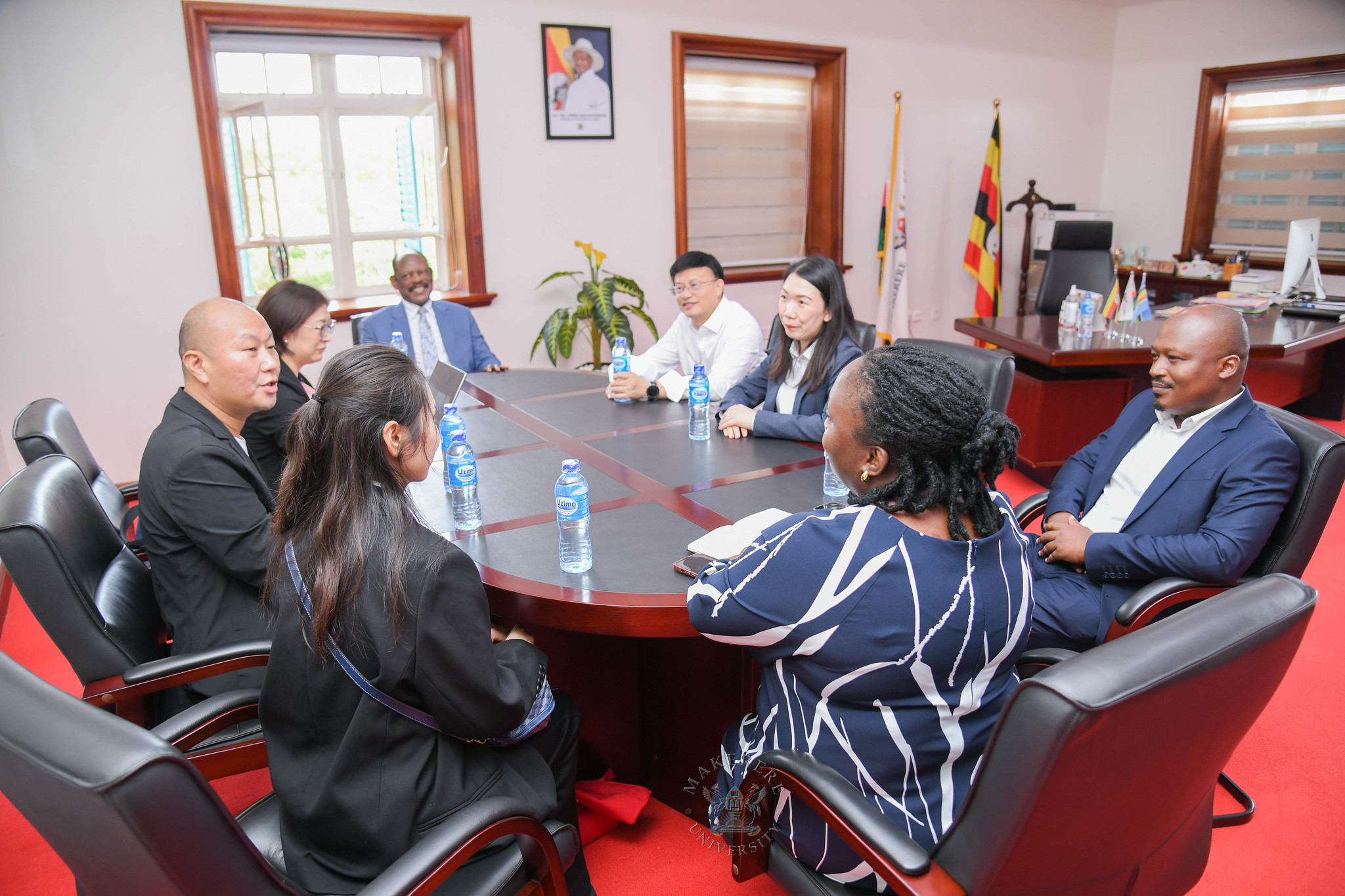
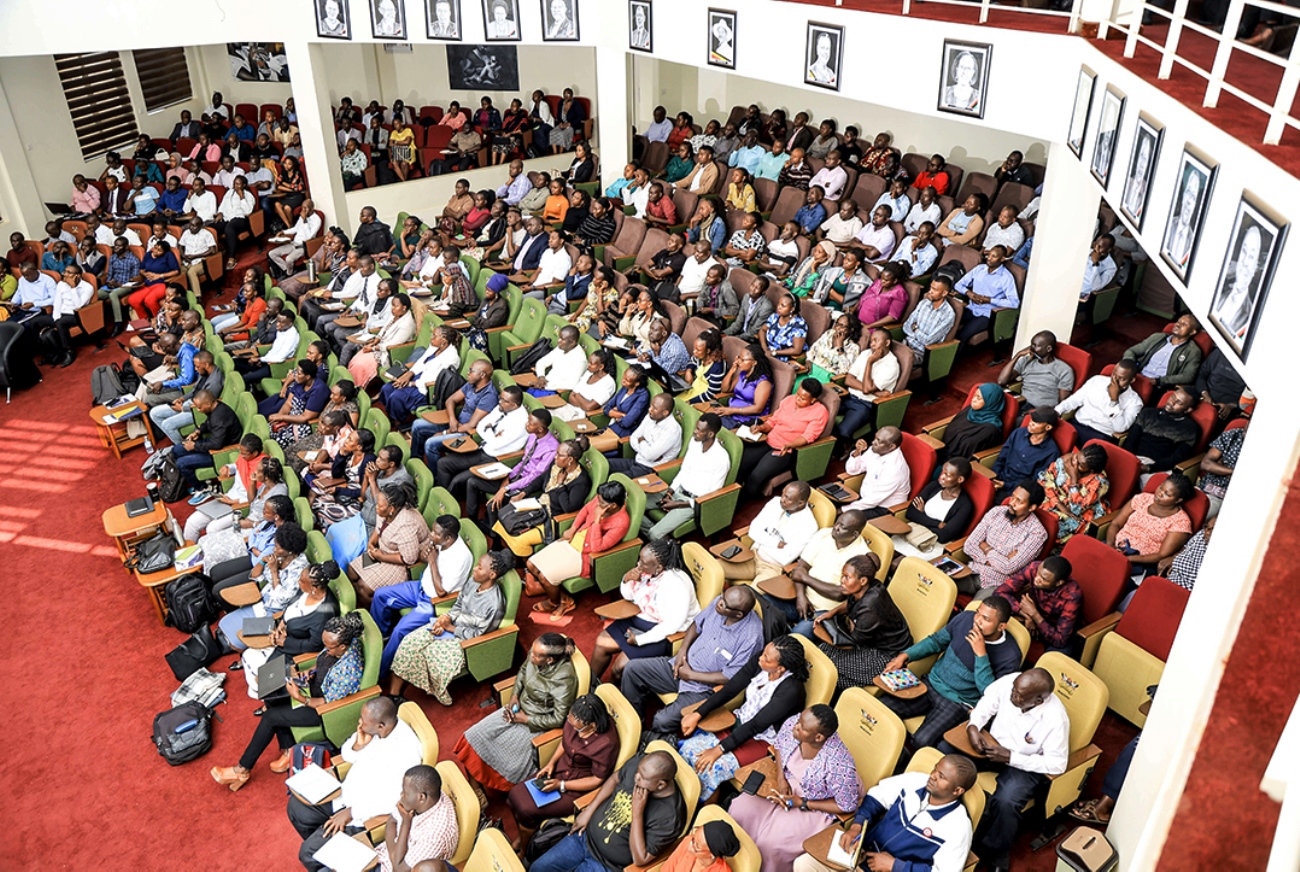
The meeting in session. Visit by a delegation from Xiangtan University headed by Professor Dingyu Ou, in company of Mr. Tang Fei and Professor Gilbert Gumshabe, the Chinese and Ugandan Directors of the Confucius Institute at Makerere University respectively, to update 20-year academic partnership, with new focus on joint Master's degree program in Chemical Engineering 12th October 2026, French Embassy, Kampala Uganda, East Africa.
The meeting in session.

The Vice Chancellor appreciated that the proposed collaboration aims to address Uganda’s growing need for industrial expertise, particularly as the country develops its petroleum sector. The two universities here are working toward a 1+2 training model, which will enable Makerere students to gain practical experience and access advanced laboratory facilities at Xiangtan University.

Professor Nawangwe further reiterated that “our relationship with the people of China, not just for Makerere but also for a big part of Uganda, has been opened wider by the establishment of the Confucius Institute, considering that many other collaborations like one being discussed now have come through this collaboration.”

The head of the Xiangtan delegation, Professor Dingyu Ou, expressed appreciation for the meeting, and acknowledged the history between the institutions. “As mentioned, we have a very long relationship and a very stable friendship between our two universities.” 
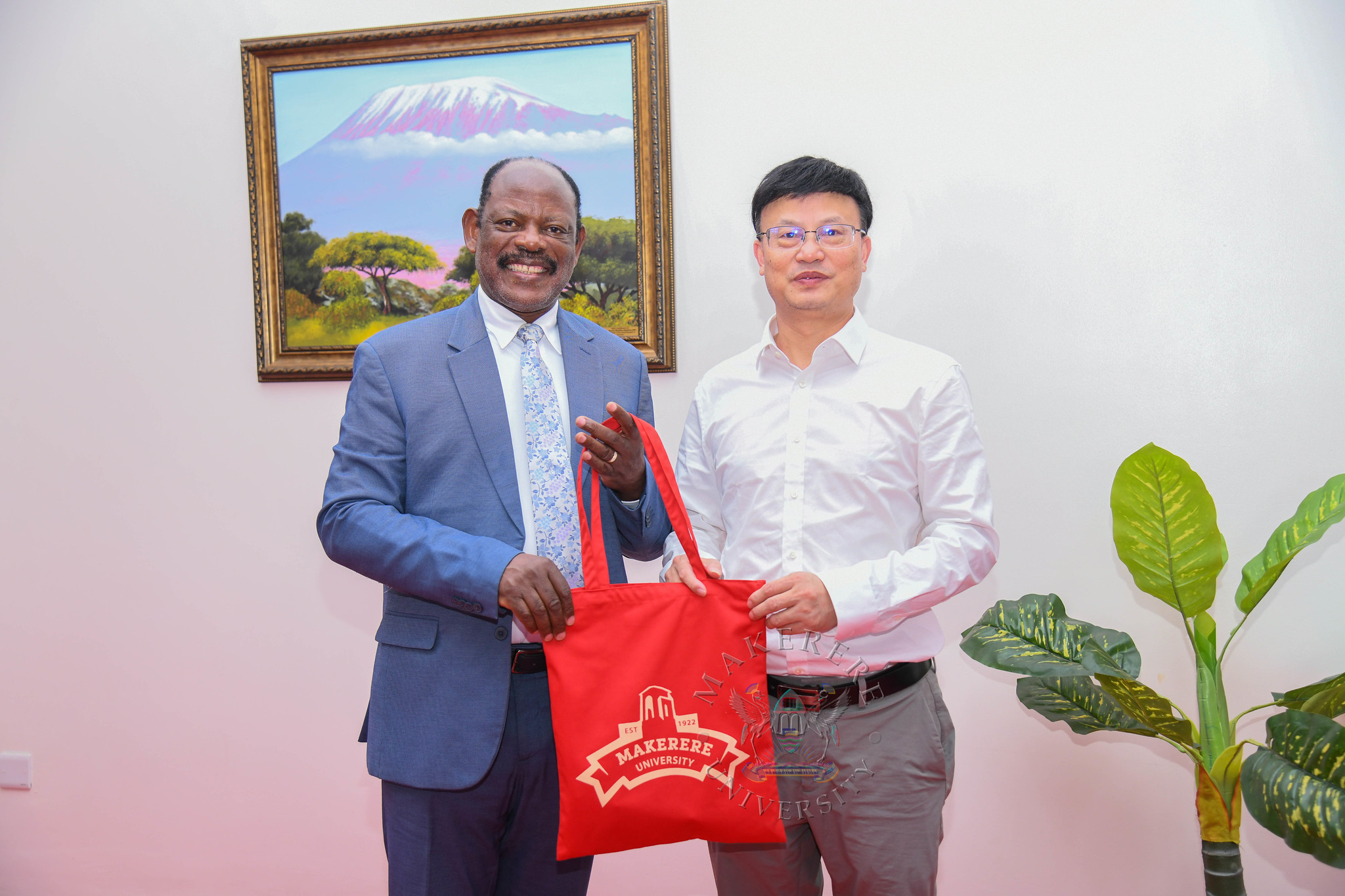
Prof. Barnabas Nawangwe (L) presents an assortment of Makerere Souvenirs to Prof. Dingyu Ou (R). Visit by a delegation from Xiangtan University headed by Professor Dingyu Ou, in company of Mr. Tang Fei and Professor Gilbert Gumshabe, the Chinese and Ugandan Directors of the Confucius Institute at Makerere University respectively, to update 20-year academic partnership, with new focus on joint Master's degree program in Chemical Engineering 12th October 2026, French Embassy, Kampala Uganda, East Africa.
Prof. Barnabas Nawangwe (L) presents an assortment of Makerere Souvenirs to Prof. Dingyu Ou (R).

Professor Ou extended appreciation for the support provided to the Confucius Institute at Makerere, the care shown to his colleagues, and looked forward to the successful start of the Chemical Engineering collaboration.

Assuring the delegation of Makerere’s readiness for the collaboration, Ms. Hawa Ndagire Kajumba the Lead, Partnerships and Stakeholder Engagement, Makerere University Advancement Office, aligned with the Vice Chancellor’s emphasis of University goal to have both theory and practice imparted to the students. 

She said “the curriculum of the university and Uganda as a whole is moving towards competence-based education training to ensure students are equipped to demonstrate those skills in the actual field, particularly regarding petroleum exploration.” 
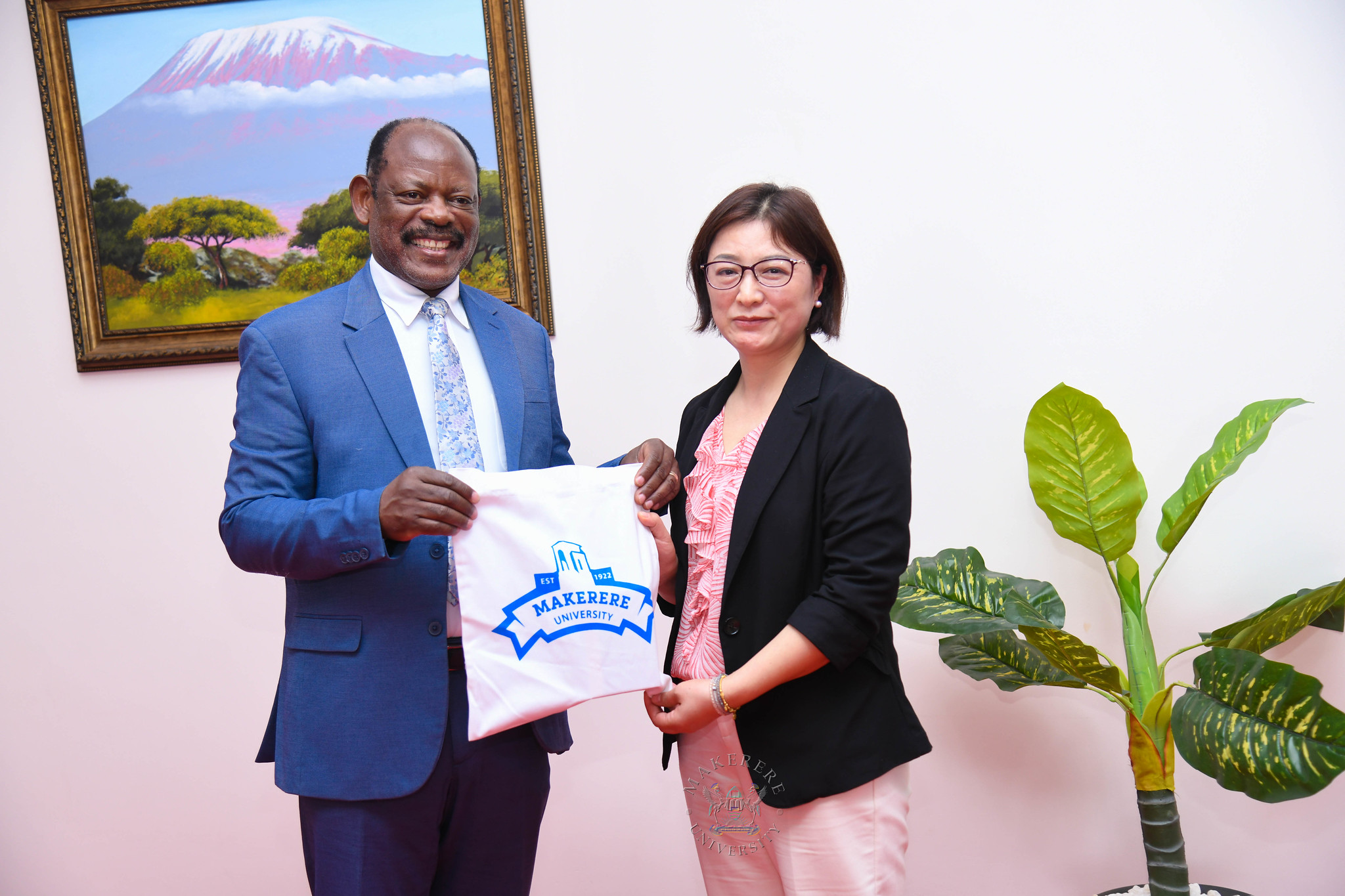
Prof. Barnabas Nawangwe (L) presents an assortment of Makerere Souvenirs to Prof. Zhuoqiong Xia (R). Visit by a delegation from Xiangtan University headed by Professor Dingyu Ou, in company of Mr. Tang Fei and Professor Gilbert Gumshabe, the Chinese and Ugandan Directors of the Confucius Institute at Makerere University respectively, to update 20-year academic partnership, with new focus on joint Master's degree program in Chemical Engineering 12th October 2026, French Embassy, Kampala Uganda, East Africa.
Prof. Barnabas Nawangwe (L) presents an assortment of Makerere Souvenirs to Prof. Zhuoqiong Xia (R).

Ms. Ndagire Kajumba also emphasised a shift in strategy for the partnership office, saying, “we are moving away from just signing MOUs that collect dust, and moving towards those that are more collaborative to benefit our faculty and students, just like this one.”

Professor Gilbert Kumushabe aligned his remarks with those of the Vice Chancellor and Ms. Ndagire Kajumba, and described the method used at Xiangtan University as “actually competence-based teaching.” 

Based on his recent visit, Prof. Gumoshabe shared that students in China are divided into groups with dedicated teachers to perform practical, hands-on work beyond the theoretical lecturers. He expressed gladness that the same was being adopted for the Ugandan context.

Both institutions are now working to finalise the specific agreements for the joint degree and exchange programs. Beyond academic training, the collaboration will advance cultural and professional exchange.

Elvis Lubanga, Makerere University, Kampala Uganda, East Africa.
Elvis Lubanga

Continue Reading

General

Job Opportunities: NETOMA Study

Published

on

Kickoff training for teams tasked with collecting data for the Uganda Population-Based HIV Impact Assessment (UPHIA) 2024-2025, held 19th May 2025, Makerere University School of Public Health (MakSPH) Auditorium, Main Campus, Kampala Uganda, East Africa.

Makerere University School of Public Health invites applications from suitably qualified candidates for three positions under the Wellcome Trust-supported NETOMA study, which examines the coexistence of health worker shortages and unemployment among qualified health professionals in Africa.

Available Positions

  1. Research Officer
    To coordinate longitudinal research, data management, quality assurance, and statistical analysis across study sites.
    Full details and application: https://sph.mak.ac.ug/careers/?view_job=21465
  2. Policy Scientist
    To undertake health workforce policy research, evidence synthesis, qualitative analysis and knowledge translation.
    Full details and application: https://sph.mak.ac.ug/careers/?view_job=21468
  3. Research Assistants
    To support participant recruitment, field data collection, research documentation, and analysis.
    Full details and application: https://sph.mak.ac.ug/careers/?view_job=21470

Application deadline: Friday, 16 October 2026, at 11:59 p.m. EAT .

Mak Editor

Continue Reading

Trending