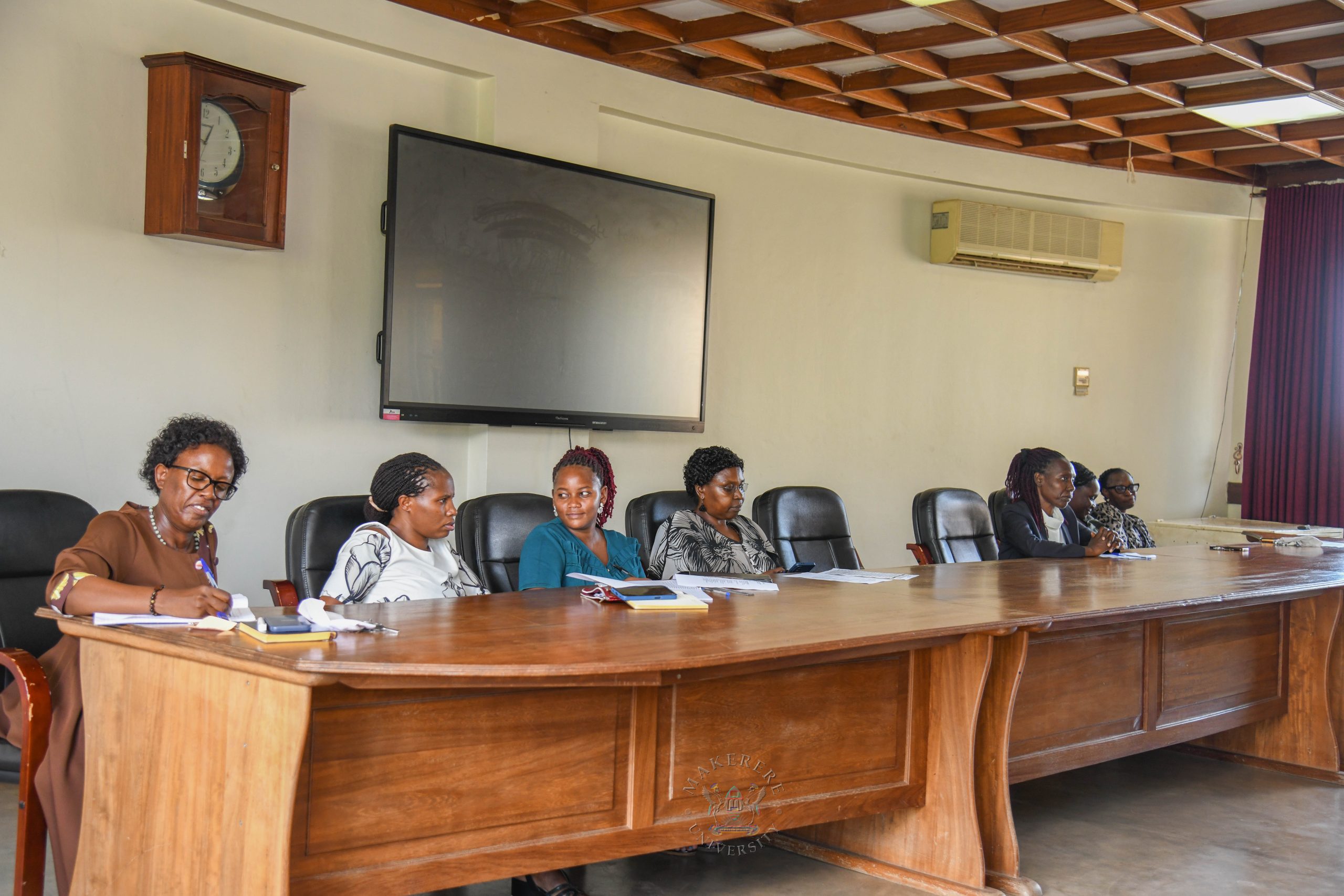
Makerere University, through its School of Computing and IT is now in a partnership with AIESEC Uganda that will see 35 young Ugandan students with an IT background receive a one year paid internship program in India. The interns will work in various departments as software developers and software testers.
AIESEC Uganda is a branch of AIESEC, the world’s largest student run organization which offers an international platform for young people to discover and develop their potential to have a positive impact on society through international networking. Students go to different countries across the globe to work with different organizations and projects in order to get exposed and gain real experience. This internship period ranges from two to twelve months strictly, so as to accord the students a chance to come back to develop their motherlands. By partnering with corporate, non corporate and higher education institutions, there is no doubt AIESEC provides that required experience.
AIESEC was formed in 1948 and has since then enjoyed a great deal of progress and success including producing a big number of CEOs and employers. With special emphasis on AIESEC Uganda, 250 active students have joined the organization through its various programs during its 16 year operation in Uganda. AIESEC Uganda is also present in 7 private and public universities which include; Makerere University, Uganda Christian University, Kampala International University, Kyambogo University, Ndejje University, Mbarara University of Science and Technology and Uganda Martyrs’ University Nkozi.
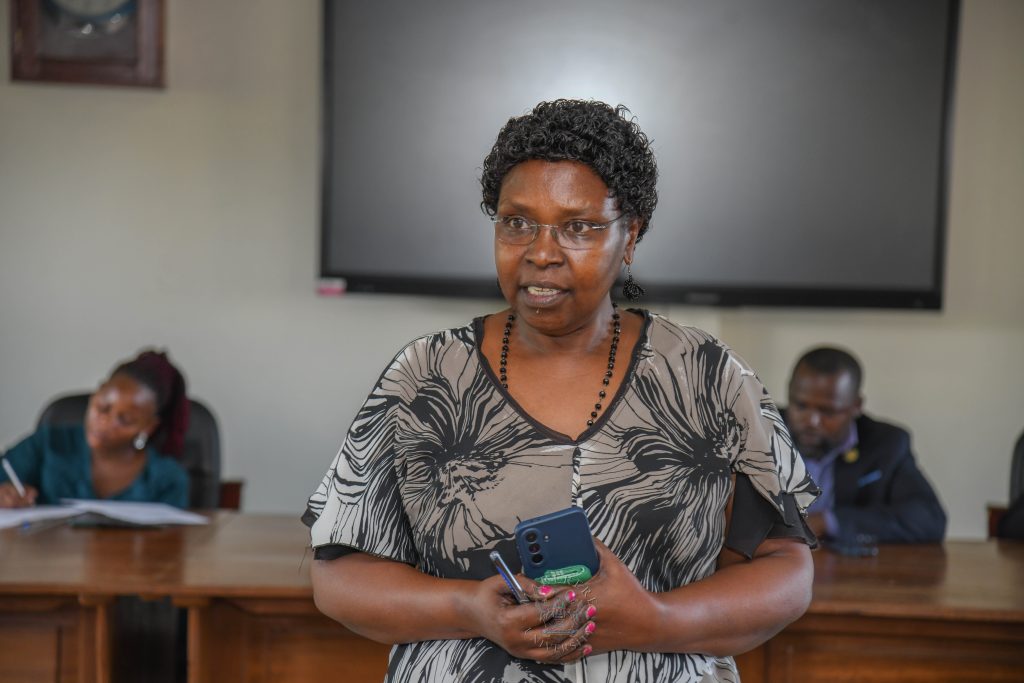
According to the AIESEC Uganda President Ms Manuela Mueller, most of the leading students have emerged from Makerere University, AIESEC’s biggest partner in Uganda. She also confirmed that 5 students from the computer science class of 2009/2010 Makerere university have participated in this program and are currently working for TCS in India. Ms Mueller made these remarks during the 18th Vice Chancellor’s media briefing, held on 6th June 2011 at Makerere University. She also noted that currently there are Ugandan students working in Japan, Finland and Nigeria, not forgetting those that went to Germany and Colombia last year.
“One of AIESEC‘s biggest achievements this year was organisation of the Career and Education Fair at the Freedom Square – Makerere University, where many employers interacted with students and shared leadership experience which is one of the fundamental goals of AIESEC” Mueller said. She further added that the organization is open to students of all colleges and welcomes all the interested students to seize this opportunity and apply for the second round of recruitment which opened on June 6th 2011.
The software development internship in India is in partnership with TATA Consultancy Services (TCS), a part of the TATA group. TCS is an IT business solutions outsourcing organization that delivers real results to global businesses, ensuring a level of certainty. It has over 160,000 of the world’s best trained IT consultants in 42 countries.
Article by Toko Paul, Intern, Public Relations Office, Makerere University.
Makerere University, through its School of Computing and IT is now in a partnership with AIESEC Uganda that will see 35 young Ugandan students with an IT background receive a one year paid internship program in India. The interns will work in various departments as software developers and software testers.
AIESEC Uganda is a branch of AIESEC, the world’s largest student run organization which offers an international platform for young people to discover and develop their potential to have a positive impact on society through international networking. Students go to different countries across the globe to work with different organizations and projects in order to get exposed and gain real experience. This internship period ranges from two to twelve months strictly, so as to accord the students a chance to come back to develop their motherlands. By partnering with corporate, non corporate and higher education institutions, there is no doubt AIESEC provides that required experience.
AIESEC was formed in 1948 and has since then enjoyed a great deal of progress and success including producing a big number of CEOs and employers. With special emphasis on AIESEC Uganda, 250 active students have joined the organization through its various programs during its 16 year operation in Uganda. AIESEC Uganda is also present in 7 private and public universities which include; Makerere University, Uganda Christian University, Kampala International University, Kyambogo University, Ndejje University, Mbarara University of Science and Technology and Uganda Martyrs’ University Nkozi.
According to the AIESEC Uganda President Ms Manuela Mueller, most of the leading students have emerged from Makerere University, AIESEC’s biggest partner in Uganda. She also confirmed that 5 students from the computer science class of 2009/2010 Makerere university have participated in this program and are currently working for TCS in India. Ms Mueller made these remarks during the 18th Vice Chancellor’s media briefing, held on 6th June 2011 at Makerere University. She also noted that currently there are Ugandan students working in Japan, Finland and Nigeria, not forgetting those that went to Germany and Colombia last year.
“One of AIESEC‘s biggest achievements this year was organisation of the Career and Education Fair at the Freedom Square – Makerere University, where many employers interacted with students and shared leadership experience which is one of the fundamental goals of AIESEC” Mueller said. She further added that the organization is open to students of all colleges and welcomes all the interested students to seize this opportunity and apply for the second round of recruitment which opened on June 6th 2011.
The software development internship in India is in partnership with TATA Consultancy Services (TCS), a part of the TATA group. TCS is an IT business solutions outsourcing organization that delivers real results to global businesses, ensuring a level of certainty. It has over 160,000 of the world’s best trained IT consultants in 42 countries.
Article by Toko Paul, Intern, Public Relations Office, Makerere University.
As Makerere University marked 85 years of St. Augustine Chapel on April 12, 2026, the historic sanctuary came alive with voices of praise drawing not only students and clergy, but the community and generations of alumni who returned to honor a space that shaped their faith and memories. From nostalgic reunions to heartfelt thanksgiving, the milestone became more than a commemoration; it was a powerful homecoming of a community bound by eight and a half decades of spiritual nourishment.
Under the resonant theme, “Our hearts are restless until they rest in you, O Lord,” the thanksgiving Mass was led by His Grace, Paul Ssemogerere, Archbishop of the Roman Catholic Archdiocese of Kampala, who served as chief celebrant. His presence lent solemn weight to the occasion, as worshippers filled Makerere’s Freedom Square in a deeply moving celebration that blended reverence, reflection, and renewed devotion, echoing the enduring spiritual heartbeat of Makerere University.
H.E. Maj. (Rtd) Jessica Alupo addresses the congregation.
Hailing the legacy of St. Augustine Chapel, Maj. (Rtd) Jessica Alupo praised the students’ centre as a cradle of leadership that has helped steer the nation’s development. Speaking as the Vice President, the chief guest and proud alumna of Makerere University, she reflected on the chapel’s enduring influence since 1941, describing it as a rare space where intellect meets faith, questions meet prayer, and the pursuit of knowledge is illuminated by the gospel. Her remarks, underscored the chapel’s profound role in shaping generations of thinkers and servant leaders grounded in faith and service to their nation.
On his part, the Archbishop, His Grace,Paul Ssemogerere delivered a heartfelt reflection during his homily, reminding the congregation that true education shapes not only the intellect but also the heart. He praised St. Augustine Chapel for faithfully advancing that mission over 85 years, serving as a sacred space where students prayed before exams, sought guidance in uncertainty, and encountered Christ through the sacraments. Quietly yet profoundly, he noted, the chapel has not only formed scholars, but men and women of character and purpose. Highlighting the Church’s presence within Makerere University as a profound gift, he reaffirmed the harmony between faith and reason, and called for the chapel to remain a lasting refuge and guiding light for generations to come.
His Grace, Paul Ssemogerere.
The event also served as a high-impact fundraising drive for the expansion of the Students’ Centre, aimed at creating much-needed space for growing student activities and services.
Appealing to the congregation, Rev. Fr. Josephat Ddungu, the chaplain, underscored the urgency and importance of investing in both the spiritual and social life of the student community. He emphasized that the expansion is not merely infrastructural, but foundational to nurturing holistic student development.
Rev. Fr. Josephat Ddungu.
He recalled the vision of Msgr. Lawrence Kanyike, who during his tenure laid significant groundwork for St. Augustine’s Chaplaincy and long advocated for its expansion in response to growing student needs. With rising enrolment and increasing demand for services, the call for a larger, more functional student centre has become increasingly compelling.
Once completed, the extension is expected to stand as a landmark contribution in the Chaplaincy’s 85-year legacy. It will accommodate a wide range of student-focused programmes, including fellowship meetings, Bible study groups, prayer gatherings, mentorship and counselling services, leadership development, Sunday school, choir rehearsals, care groups, gym facilities, improved sanitation, administrative offices, quiet study areas, student clubs and movements, as well as outreach initiatives connecting students with surrounding communities.
H.E. Maj. (Rtd) Jessica Alupo breaks ground for the St. Augustine Students’ Centre.
Fr. Ddungu announced that the project target stands at Uganda Shillings Two billion only. He added that so far, UGX 164,673,650 has been raised in cash and banked funds, while pending pledges amount to UGX 85 million, bringing the combined total to Uganda Shillings 250,426,650.
“In Makerere, we build for the future. Those who came before us built for the future, and their future is our present. Now it is our responsibility to build for those who will come after us,” he said.
H.E. Maj. (Rtd) Jessica Alupo (R) and Prof. Barnabas Nawangwe share a light moment at St. Augustine Chapel.
The Vice President, on behalf of the President delivered a contribution of Uganda Shillings 30 million who she said, also requested the Bill of Quantities of the project to facilitate continued government support toward its completion.
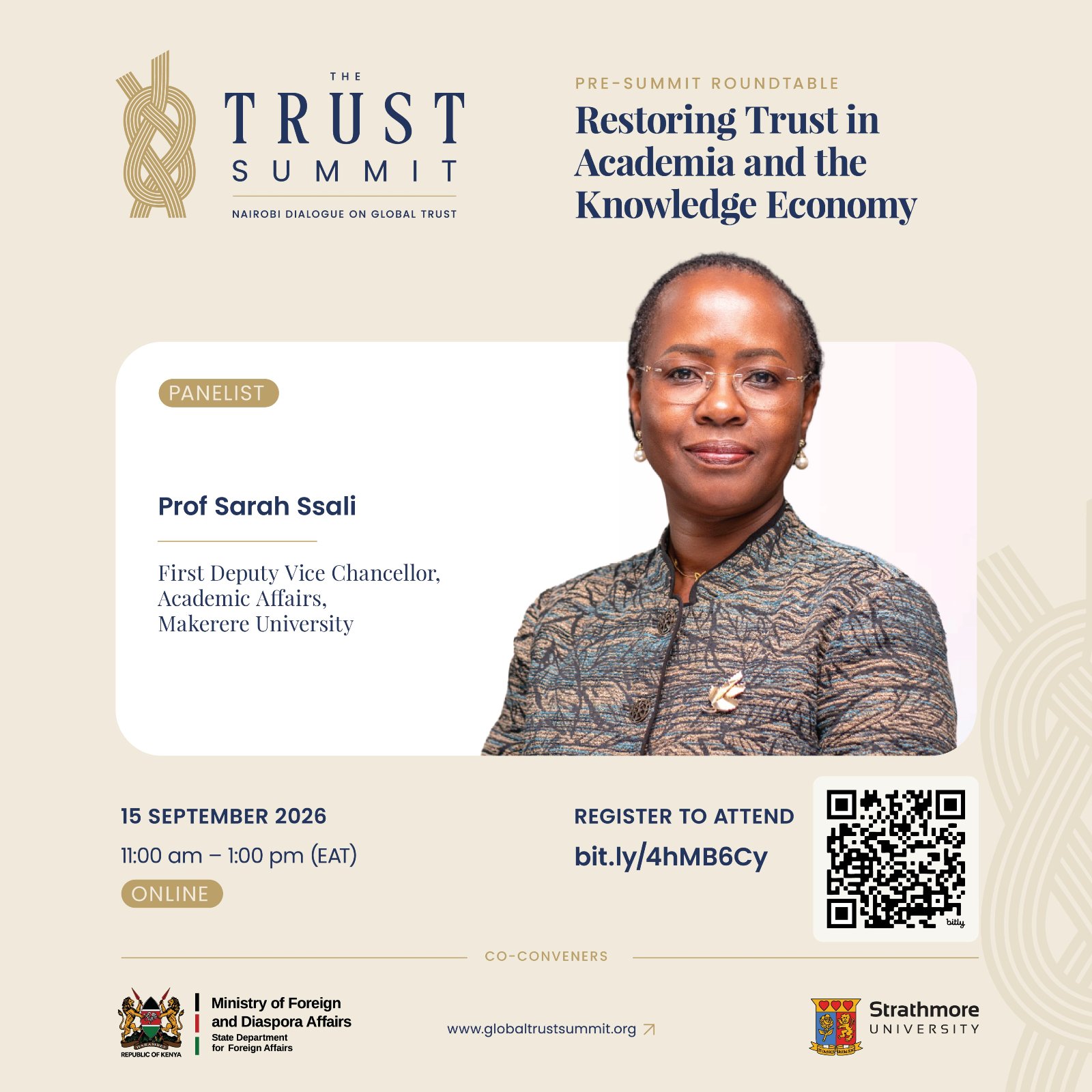
The Vice Chancellor of Makerere University, Prof. Barnabas Nawangwe, who contributed to the fundraiser, commended the Catholic community for its steadfast commitment to students’ spiritual welfare and its role in shaping servant leaders. He pledged continued support from the University Management to ensure this expansion of the Student center becomes a reality. From Senior Management, Prof. Sarah Ssali, Deputy Vice Chancellor, Academic Affairs and Dr. Winifred Kabumbuli, the Dean of Students, in their respective capacities, contributed to the fundraising effort too, reinforcing the collective commitment to the project’s success.
L-R: Prof. Sarah Ssali, Dr. Winifred Kabumbuli and Prof. Barnabas Nawangwe attend Mass.
As the fundraising gathers momentum, the appeal remains clear and urgent, that every contribution brings the vision closer to completion. Built on the legacy of those who came before and sustained by the commitment of the present generation, the new Students’ Centre is poised to become a lasting beacon of spiritual grounding, intellectual growth, and communal transformation for decades to come.
If you wish to contribute via mobile money, below are the details of the recipient.
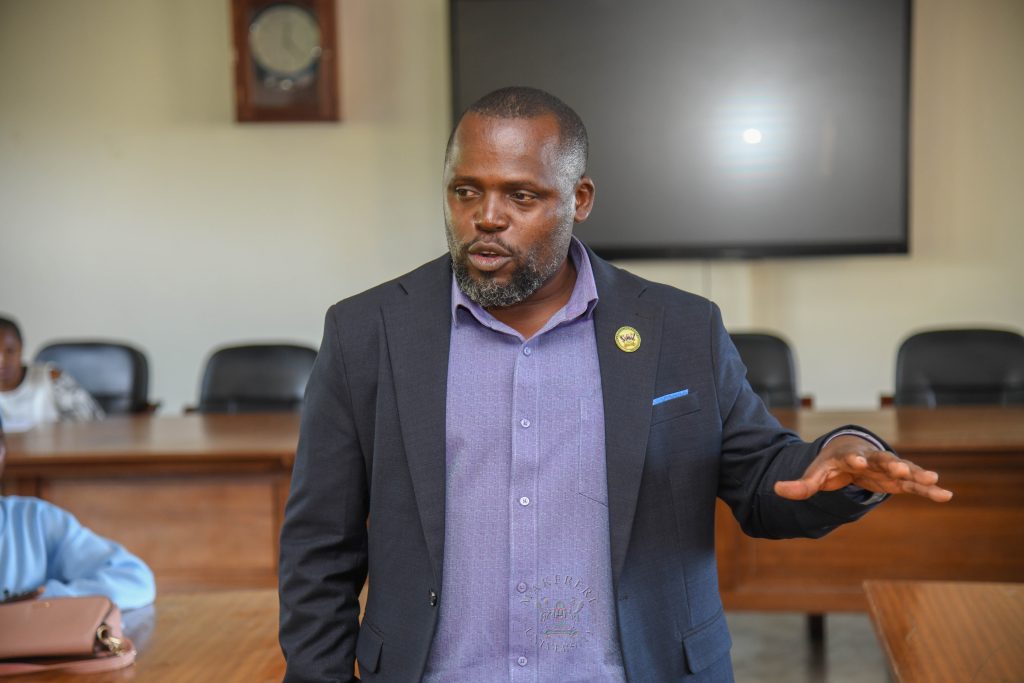
Kampala, April 10, 2026 — College Registrars and Senior IT Technicians at Makerere University have undergone intensive, hands-on training in the Research Information Management System (RIMS), in a move aimed at strengthening graduate training, improving completion rates, and advancing the university’s research agenda.
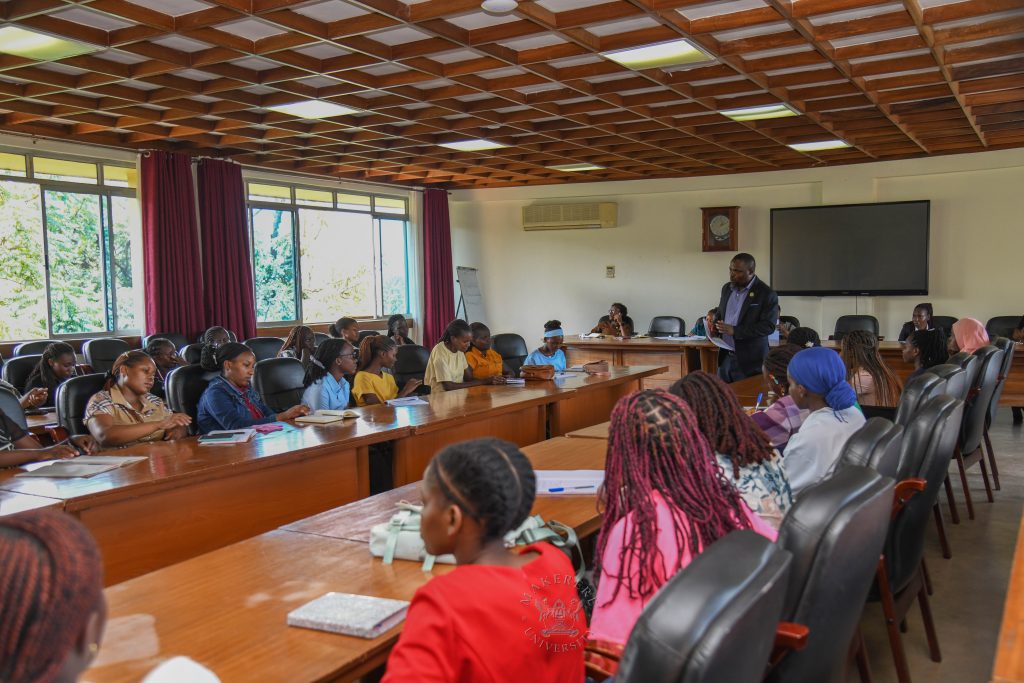
The training, held on Friday at the CFT 2 Building, Lecture Room 4.1 Computer Lab, brought together key custodians of academic records to gain practical skills in using the system that university leadership says will transform graduate education management.
In his opening remarks, the Director of Graduate Training, Julius Kikooma, underscored the strategic importance of RIMS, linking it directly to the university’s long-standing challenges in tracking graduate students and supporting research progression.
“Graduate training is central to the research mission of this university,” Prof. Kikooma told participants. “Yet for years, we have struggled to answer simple but critical questions, where exactly are our graduate students in their academic journey, and why are many not completing on time?”
He pointed out that the issue has consistently drawn concern from top university leadership, including Council, particularly as Makerere rolls out its new five-year strategic plan. “One of the key priorities identified is improving graduate completion rates,” he said. “But we cannot improve what we cannot measure.”
Prof. Kikooma explained that unlike undergraduate programmes, graduate studies are largely research-driven and therefore more complex to monitor. “The research component of graduate programmes has not been adequately captured in any system,” he noted. “That is why it has been difficult to track progress, supervise effectively, and provide accurate reports.”
Prof. Julius Kikooma.
Positioning RIMS as a transformative solution, he emphasized its role in bridging this gap. “RIMS is not just a system, it is the backbone of how we are going to support graduate students and research going forward,” he said. “With it, we can track every stage, from concept development to proposal, to thesis completion in real time.”
He stressed that the system will enhance both efficiency and accountability across the university. “This is the tool that will enable us to confidently assure Council and management that we know the status of every graduate student at any given time,” he said.
However, Prof. Kikooma made it clear that the success of RIMS depends heavily on the commitment of college registrars. “You are the custodians of graduate records. You are central to this process,” he said. “If RIMS succeeds, it will be because of your efforts. If it fails, it will be because you did not play your part.”
He revealed that registrars will now form part of the steering committees overseeing the full implementation of RIMS across university units. “You are not just users of this system, you are its drivers at the college level,” he emphasized.
Calling for seriousness and full participation, Prof. Kikooma set clear expectations for the training. “No one should leave this room without knowing how to use RIMS in their daily work,” he said. “You must understand the kind of data required, the information on students, supervisors, and every stage of the research process.”
He added that incomplete data has already limited the system’s effectiveness in some units. “Graduate students are already on the system, but some of the critical information is missing,” he noted. “That gap must be closed by you.”
In his technical presentation, Juma Katongole, the Manager Information Systems, highlighted the limitations of existing systems and how RIMS is designed to address them.
Mr. Juma Katongole.
“We can only produce accurate statistics for students on coursework,” he said. “But we cannot tell how many graduate students are at proposal level, concept level, or thesis level. That is a major gap.”
He explained that RIMS will provide comprehensive, real-time tracking of graduate students throughout their academic journey. “This system will enable us to produce accurate reports of which student is where,” Katongole said. “It will help us identify delays and take action.”
On the issue of prolonged completion times, he added, “With reliable data, we can see where students are getting stuck and introduce administrative or strategic measures to address those bottlenecks.”
Describing the system as a turning point, Katongole noted, “We are moving towards having valid statistical information at our fingertips, which is critical for a research-led institution.”
From the administrative perspective, Eleanor Nandutu, Senior Assistant Registrar from MISR, welcomed the initiative, describing it as a practical solution to long-standing inefficiencies.
Eleanor Nandutu.
“RIMS will ease the tracking process and help us know exactly where each student is and how long they take at each stage,” she said. “It will also help us understand where the challenges are and how to better support students.”
She emphasized that the system will improve completion rates by identifying bottlenecks early. “We shall be able to see where we are stuck and take corrective action in time,” she noted.
Addressing concerns about possible conflict of interest between supervisors and students, Nandutu clarified that the system is designed to enhance transparency, not create tension. “This is about ensuring that processes are followed and that students succeed,” she said. “It brings everyone, administrators, supervisors, and coordinators onto one platform.”
She added that the system will even improve interaction between students and supervisors. “It will make follow-ups easier and ensure timely feedback, which is critical for research progress,” she said.
As the university intensifies efforts to strengthen its research output and graduate training, the hands-on RIMS training marks a significant step toward a more efficient, transparent, and data-driven academic environment, one that leaders believe will finally address the long-standing challenge of delayed graduate completion.
Applications are hereby invited for the 2026 Hainan International Youth Cultural Exchange Program, hosted by Hainan University.
Theme: “Youth Nexus: Bridging Horizons in the Free Trade Port”
Dates: May 19 – 26, 2026
Location: Hainan Province, China
Highlights: The program offers immersive visits to the Free Trade Port, academic exchanges, and cultural explorations (including Wenchang Space Center and China (Hainan) Museum of the South China Sea).
Accommodation, meals, and local transport are fully covered.
Application Deadline: Please submit your application by April 17, 2026.
Eligibility: Students, young faculty, and youth representatives aged 18–40 with proficiency in English are welcome to apply.
Please note: Interested students must purchase their own air tickets.