
General
Pharmacy has a new home in Makerere

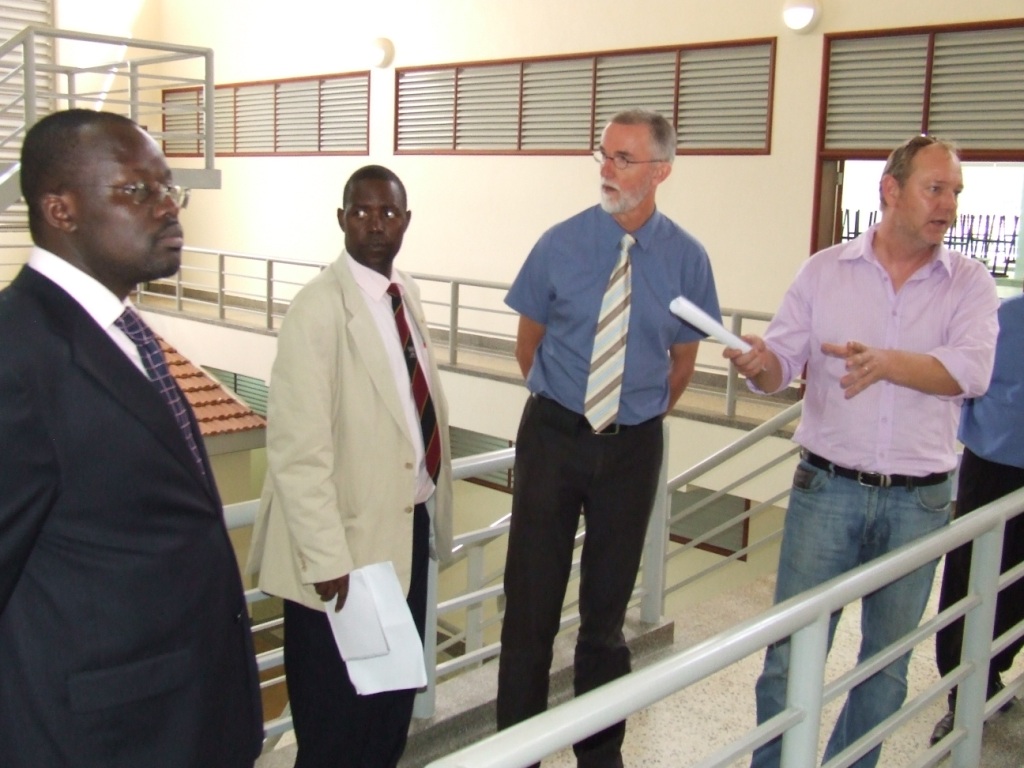
The proposed new building for the School of Pharmacy, College of Health Sciences was yesterday 7th January 2010 officially handed over by the contractor M/S Arab Contractors at a ceremony presided over by the Vice-Chancellor Prof. Venansius Baryamureeba.
The proposed new building for the School of Pharmacy, College of Health Sciences was yesterday 7th January 2010 officially handed over by the contractor M/S Arab Contractors at a ceremony presided over by the Vice-Chancellor Prof. Venansius Baryamureeba.
 An inspection of the building was led by Project Manager from M/S COWI Uganda Eng. Peter Lohmann Otteskov, which saw the delegation tour the new facility complete with access ramps for people with disabilities, a 200-seater lecture theatre, laboratories, lecture rooms, staff offices, an indoor canteen and a high pressure hazard shower area, in the event of accidental chemical spills onto end-users.
The delegation then proceeded to the lecture theatre, where the Lead Consultant Eng. Otteskov thanked both parties from Makerere and the Contractors for their efforts, which culminated in the completion of the 4-year project.
 Eng. Arfat Abdel Wahed, General Manager, M/S Arab Contractors Uganda on behalf of his company expressed his pleasure in handing over yet another building in Makerere University to its end-users. He then pledged the Contractor’s commitment to provide technical support and training to the users of the facility especially members of the Estates and Works Department, who will be in charge of the maintenance of the facility. He finally thanked the Management of Makerere University for awarding his company the contract and guaranteed their availability in future construction projects at the university.
 Representing the Principal, College of Health Sciences, The Dean, School of Medicine Dr. Stephen Kijjambu, thanked the Architects, Contractors and Consultants for a job well done. He appreciated the loads of new space provided by the building, especially provisions for the persons with disabilities, which showed Makerere’s commitment to cater all categories of future students. He appreciated the timely completion of the building, which will enable the University to train more students so as to improve on the ratio of Pharmacists to the population. He paid tribute to the Pharmacists, who regularly and consistently gave back to their Department and hoped that with the new building, this lead to the eventual launching of a School of Pharmacy.
 In his remarks, the University Secretary Mr. Kahundha Muhwezi thanked the team from the College of Health Sciences who diligently worked with the contractor throughout the project. He thanked the DANIDA for the great honor accorded to Makerere through the College of Health Science in helping reduce the disease burden by facilitating the training of more Pharmacists to meet the National demand for these critical professionals. He hoped that the completion of such projects would foster Inter-University collaboration between Danish and Ugandan universities, especially regarding the student exchange programmes.
On behalf of Makerere University, the Vice-Chancellor Prof. Baryamureeba expressed his heartfelt appreciation to DANIDA for the grant of Danish Kroner (DKK) 15million approx. $2.5million (UGX 5billion) to establish a new School of Pharmacy under the College of Health Sciences. He admitted that through increased enrolment, Makerere should be able to train more Pharmacists so as to improve on the current unfavorable ratio of Pharmacists per population of 1:100,000.
He then expressed his gratitude to the Royal Danish Government, The Royal Danish Embassy in Uganda and the Danish people for their continued support to the Country and to Makerere University in particular. Furthermore, he prayed that such collaborations would extend to other sectors of Medicine so as to yield more facilities and output other Medical professionals, who also have an equally appalling ratio per population.

Eng. Arfat then officially handed over the keys to the Vice-Chancellor, who then handed over to Mr. Muhwezi the University Secretary. The University Secretary then handed over to Mr. Masanso, Acting Manager, Estates and Works Department, who proceeded to hand over to the Representative of the Principal and Head, School of Medicine Dr. Kijjambu, who finally handed over to Prof. Richard Odoi Adome, Dean, School of Health Sciences, College of Health Science.
 In concluding remarks, Prof. Adome thanked DANIDA ; represented by Mr. Frans Bosman, Pharmaceutical Sector Advisor and Mr. Claes Blooms for the timely grant, which fulfilled the urgent need to expand Departmental space of 350 square meters, housing 120 students over the four-year programme. He thanked the Management of the University for helping secure the land, despite its geographical site outside the current College of Health Sciences location in Mulago. He pledged that with the new facility now in place, the Department’s dream of achieving School status had been greatly enhanced.
M/S Arab Contractors has previously carried out construction projects in Makerere, like the recently opened Faculty of Technology Extension building . The newly handed-over facility will host 325 students and 50 members of staff. The grant used to establish the new School of Pharmacy building is part of the Royal Danish Government assistance to Uganda’s Health Sector Support Phase III through DANIDA.


General
Makerere University Set to Develop Curriculum to Transform Graduate Supervision and Mentorship

By Moses Lutaaya
KAMPALA – Makerere University is set to develop a curriculum for a specialized Certificate Course in Supervision and Mentoring for Graduate Training and Higher Education Management, in a move aimed at professionalizing graduate supervision and strengthening the capacity of academic staff to deliver quality postgraduate education.
The proposed programme will equip academic staff with advanced competencies in graduate-level teaching, research supervision, mentorship, and higher education management, while supporting the University’s agenda of improving the quality and relevance of graduate training.
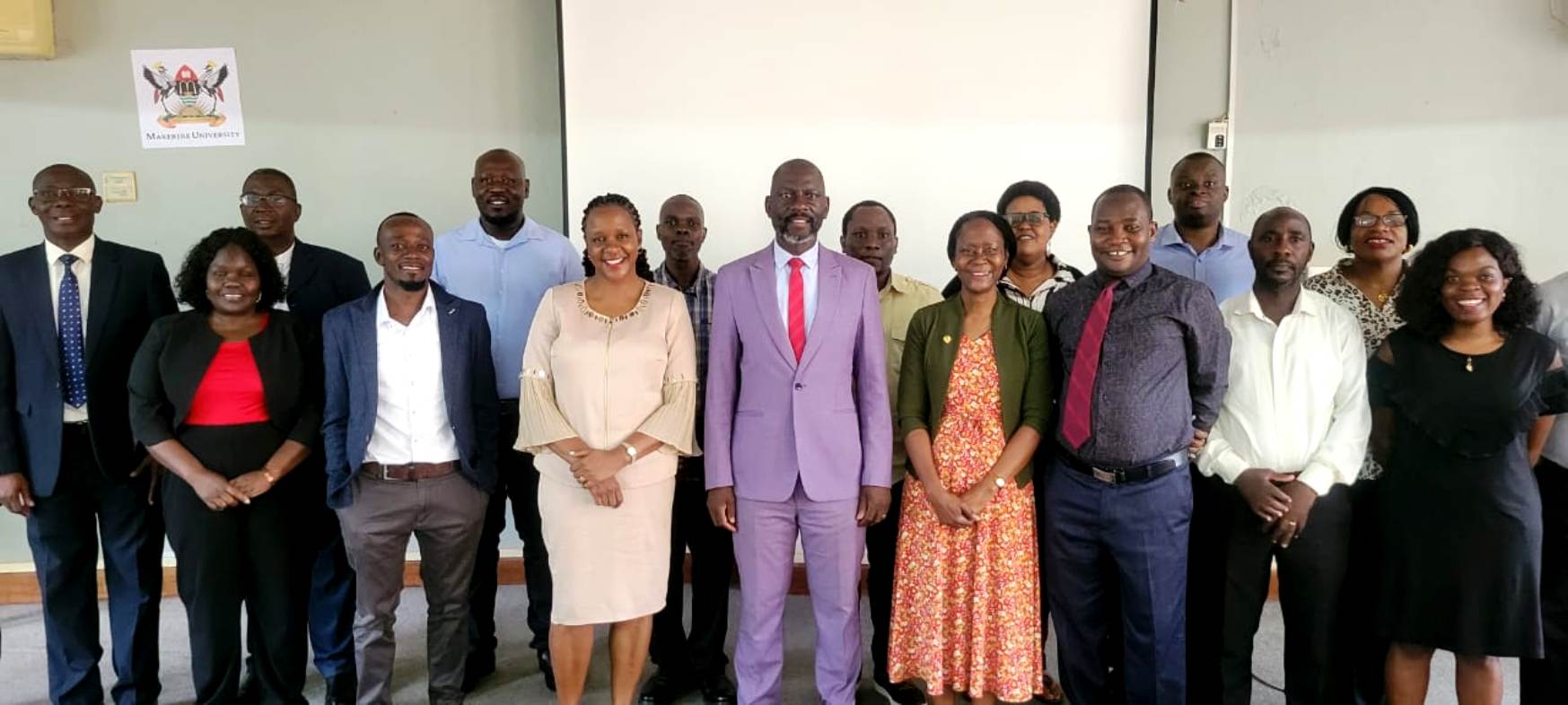
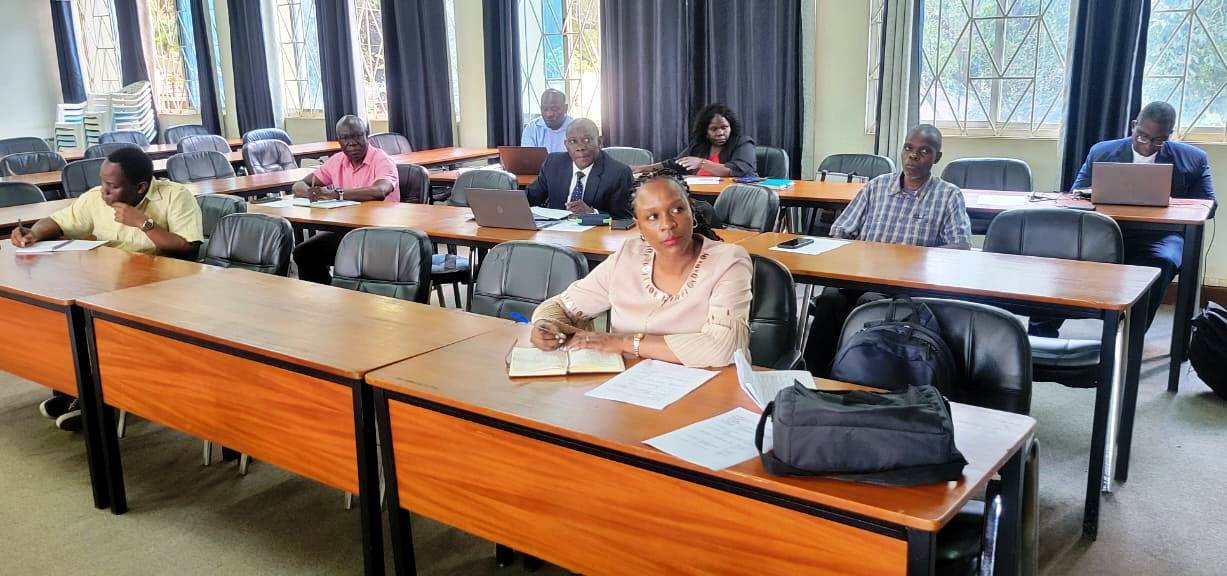
The curriculum development process was discussed during a Stakeholders’ Curriculum Development Consultation Workshop held on Thursday, 18th June 2026 at the Senate Building Telepresence Hall, Makerere University.
The workshop, organized by the Directorate of Graduate Training in collaboration with the Centre for Teaching and Learning Support (CTLS), brought together curriculum specialists, academic staff, and higher education stakeholders to review and enrich the proposed curriculum before it proceeds through the University approval processes.
Participants included 11 lecturers from the College of Engineering, Design, Art and Technology (CEDAT), 3 from the College of Agricultural and Environmental Sciences (CAES), 2 from the College of Veterinary Medicine, Animal Resources and Bio-security (CoVAB), 1 from the College of Humanities and Social Sciences (CHUSS), 4 from the College of Education and External Studies (CEES), among others.
The National Curriculum Development Centre (NCDC) was represented by Dr. Patrice Ssembirige, Deputy Executive Director in charge of Curriculum Review and Instructional Materials Development. The Centre for Teaching and Learning team was led by Dr. Dorothy Ssebowa, while Dr. Stephen Wandera coordinated the workshop.
Addressing participants, Prof. Julius Kikooma, Director Graduate Training at Makerere University, said the curriculum development initiative is central to strengthening graduate education and ensuring that academic staff are adequately prepared to support postgraduate learners.
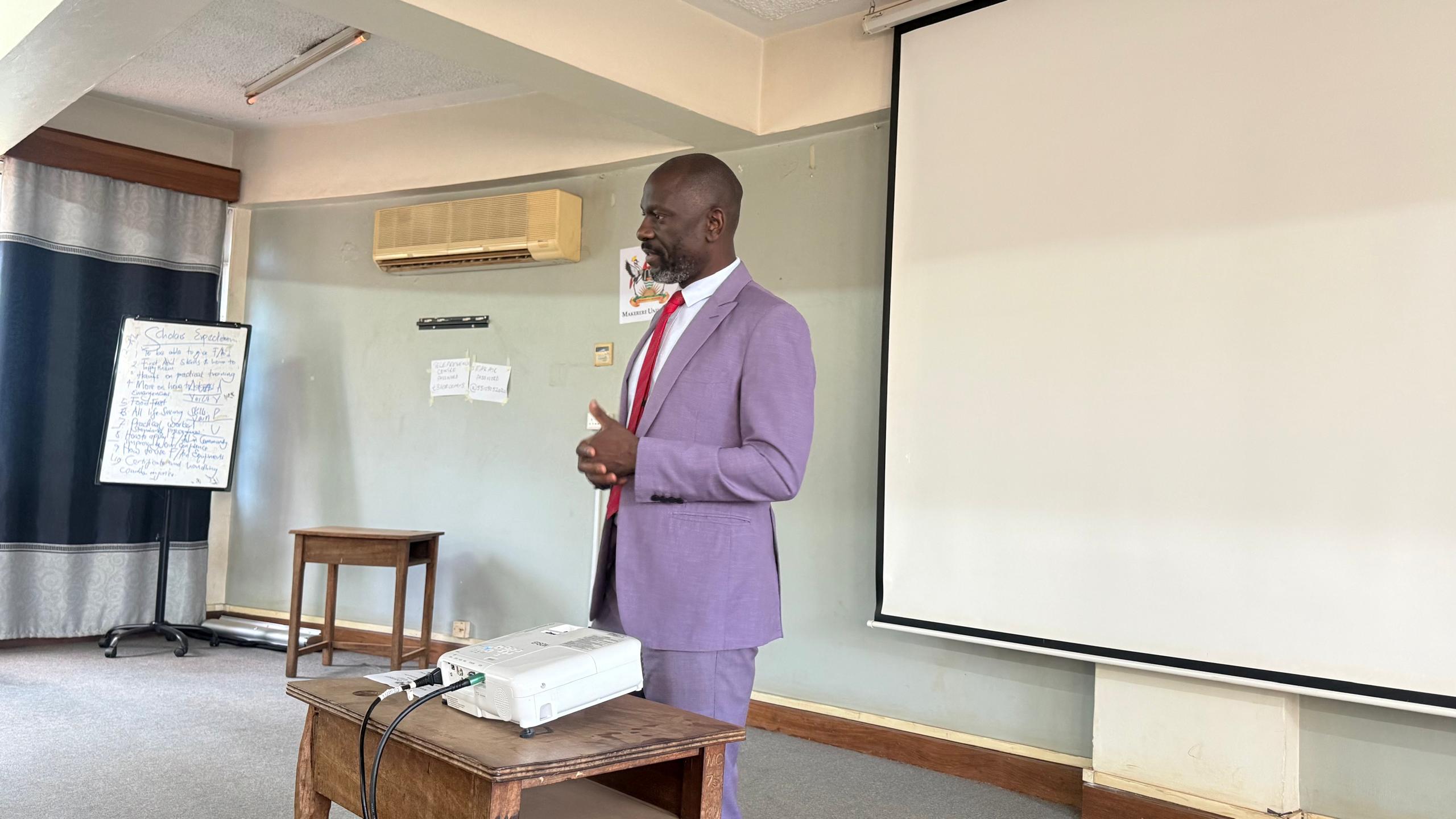
Prof. Kikooma noted that Makerere University is targeting an increase in graduate student enrolment to 50 percent of the total student population, but emphasized that this ambition must be matched with investment in the capacity of academic staff who supervise and mentor students.
“We can get many graduate students, but if the people supporting them do not have the right tools and preparation, we will still have challenges,” Prof. Kikooma said.
He explained that the initiative responds to University policies requiring academic staff teaching graduate students to undergo pedagogical training, while those supervising graduate research must undergo specialized preparation in supervision and mentoring.
Prof. Kikooma said graduate supervision requires deliberate preparation because supervisors play a central role in shaping research quality, student success, and the overall effectiveness of postgraduate programmes.
He further emphasized Makerere University’s responsibility as a leading institution in the region.
“We have a double expectation. We must support the country to achieve its aspirations in national development, but we also have an expectation from other institutions to support them in building graduate training capacity. In that sense, we are a trainer of trainers,” he said.
Speaking on behalf of the National Curriculum Development Centre (NCDC), Dr. Patrice Ssembirige commended Makerere University for adopting a consultative and inclusive approach to curriculum development.
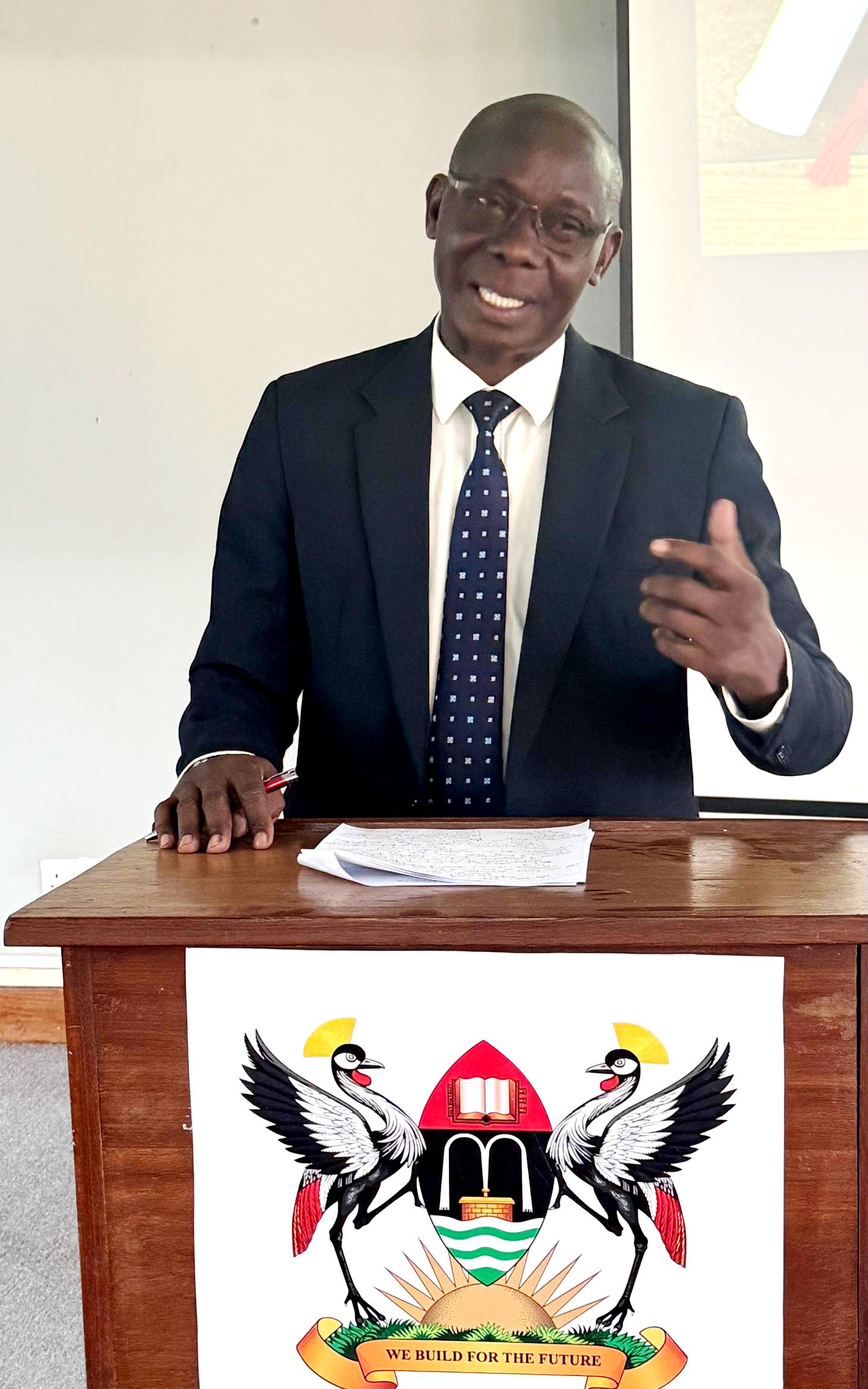
He noted that education systems globally are undergoing significant transformation, requiring continuous curriculum review and alignment with emerging needs.
“Education systems globally are undergoing significant transformation, and in Uganda, NCDC has been leading and spearheading the implementation of the competency-based curriculum,” Dr. Ssembirige said.
He explained that NCDC has developed competency-based curriculum frameworks at primary and lower secondary levels and is currently advancing reforms at upper secondary level, which feeds into higher education institutions.
Dr. Ssembirige said the new curriculum presents an opportunity to align graduate training with global trends, Sustainable Development Goals (SDGs), international best practices, and national development priorities.
“As we develop this curriculum, we need to align with global trends, SDGs and international best practices. We also need to undertake comparative analysis because curriculum reforms are taking place across East African Community states,” he noted.
He encouraged developers to ensure that the programme follows competency-based principles and equips participants with relevant 21st-century skills.
“Since we are talking about competency-based curriculum, we must be cognizant of the principles of competency-based education and ensure that we develop skills that fit the demands of the 21st century,” he added.
Dr. Dorothy Ssebowa, Director of the Centre for Teaching and Learning Support at Makerere University, said the initiative marks an important step in strengthening professional development for academic staff involved in graduate education.
She noted that effective supervision requires more than disciplinary expertise, but also skills in mentorship, communication, research guidance, ethics, assessment, and student support.
“The quality of graduate education depends on the quality of mentorship and supervision we provide. This curriculum will strengthen the capacity of academic staff to guide graduate students effectively, improve research outcomes, and uphold the standards expected of a leading university,” Dr. Ssebowa said.
She added that the Centre for Teaching and Learning will continue working with the Directorate of Graduate Training, academic colleges, curriculum specialists, and regulators to ensure the programme remains relevant and impactful.
During the workshop, stakeholders reviewed the proposed curriculum structure, course content, competency areas, assessment strategies, quality assurance mechanisms, and alignment with national and international standards.
Once finalized, the programme is expected to strengthen graduate supervision at Makerere University and serve as a model for professional development across higher education institutions in Uganda and beyond.
General
Revised Advertisement for Positions of Principal and Deputy Principal at Makerere University

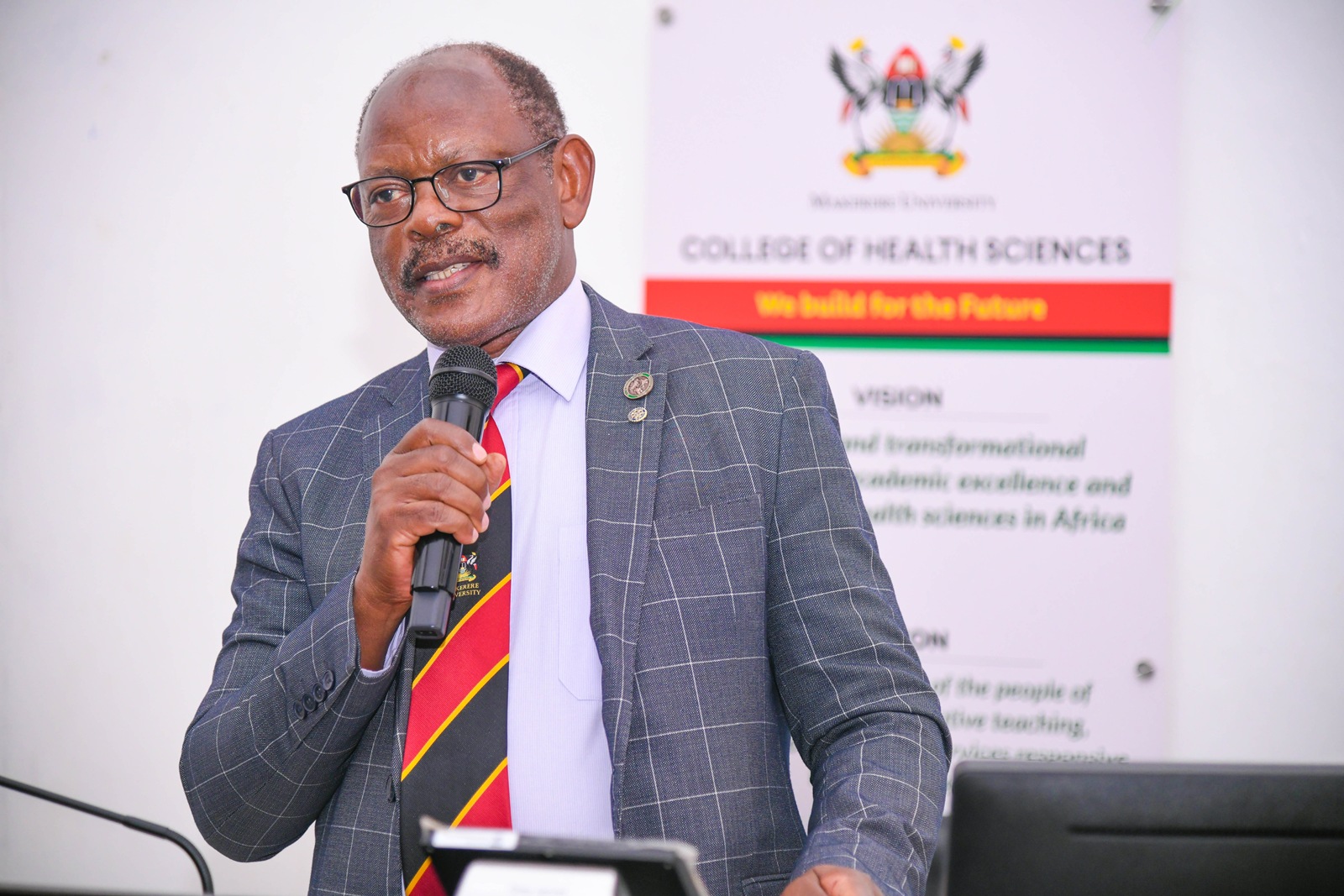
The Vice Chancellor, Prof. Barnabas Nawangwe, has called for strengthened graduate training and research systems, urging a significant scale-up in the production of Masters and PhD graduates to meet Uganda’s and Africa’s growing knowledge and development needs.
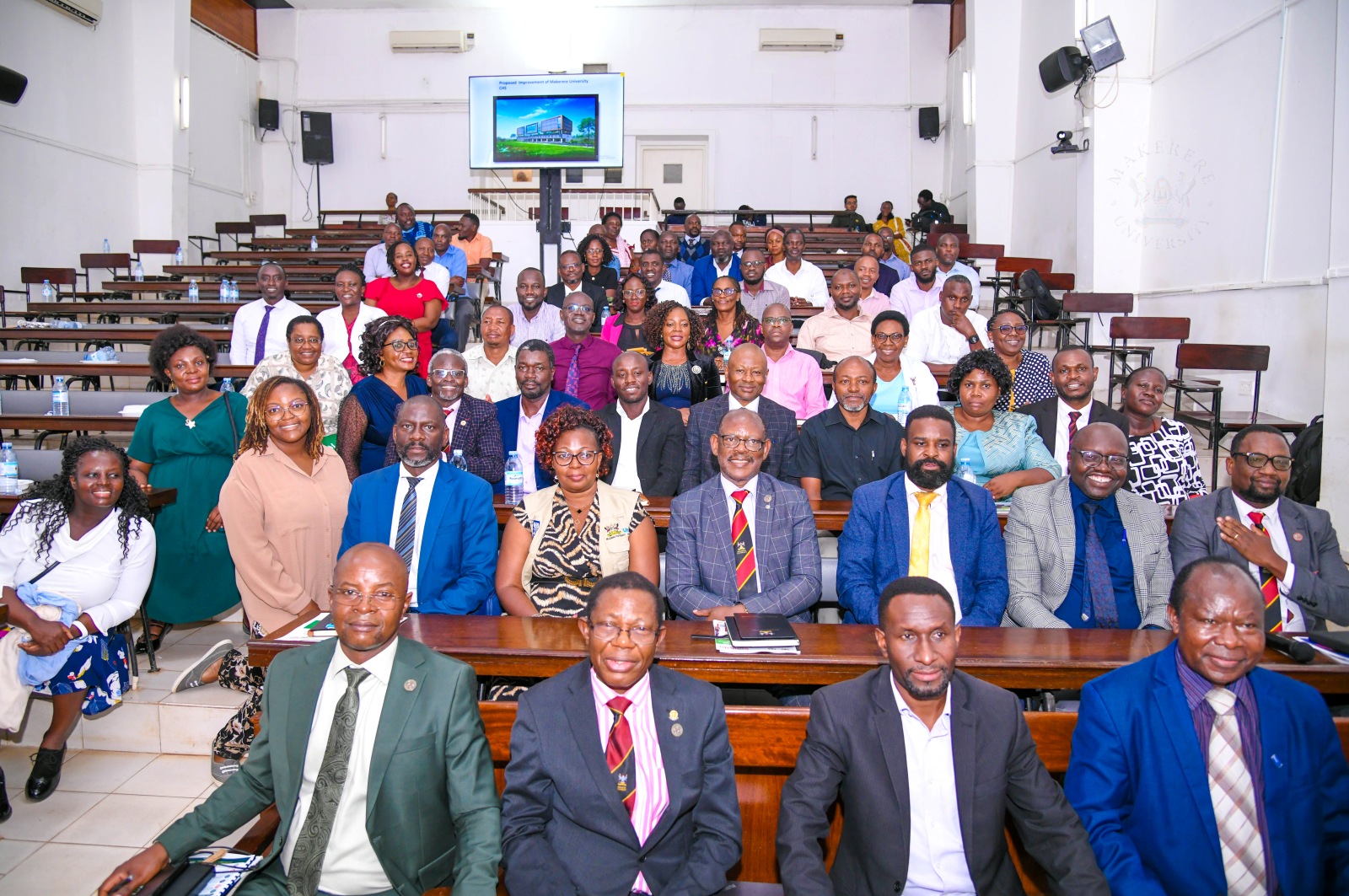
The call was made during an engagement with the College of Health Sciences leadership, where the Vice Chancellor underscored the strategic importance of research-intensive colleges in advancing the university’s mission and contributing to national transformation.
The Vice Chancellor noted that while the College of Health Sciences continues to make a substantial contribution to the university’s research output and remains one of the most productive units, there is need to further strengthen systems that support graduate training, supervision, and timely completion of studies.
He emphasized the need to increase postgraduate enrolment, with a target of raising graduate participation to 40 percent. According to him, expanding graduate training is essential for building a critical mass of highly skilled researchers capable of addressing Uganda’s and Africa’s development challenges.
Improving Completion Rates and Supervision
The Vice Chancellor highlighted concerns over graduate completion rates, noting that delays in supervision and academic support continue to affect timely graduation across many institutions.
He called for stronger supervision systems, improved mentorship, and more structured academic support to ensure that students complete their programmes within the stipulated timeframes.
“Completion of graduate programmes must be prioritized through effective supervision and structured academic support systems,” the Vice Chancellor emphasized.
Strengthening Research Output
The Vice Chancellor also stressed the need to enhance research productivity and visibility through increased publications, improved citation impact, and expanded access to competitive research funding.
He encouraged deeper collaboration among researchers, including co-supervision arrangements with international scholars and strengthened partnerships with other universities to enhance research quality and global competitiveness.
Investment in Infrastructure
The College Deputy Principal, Prof. Richard Iwa Idro, shared with the VC some of the college’s challenges which included low staffing levels at both academic and administrative levels, inadequate infrastructure and high staff turnover among others.
The Vice Chancellor reaffirmed the University’s commitment to improving infrastructure for teaching and research within the College of Health Sciences. He noted that ongoing and planned developments are aimed at strengthening PhD training environments and supporting advanced research activities.
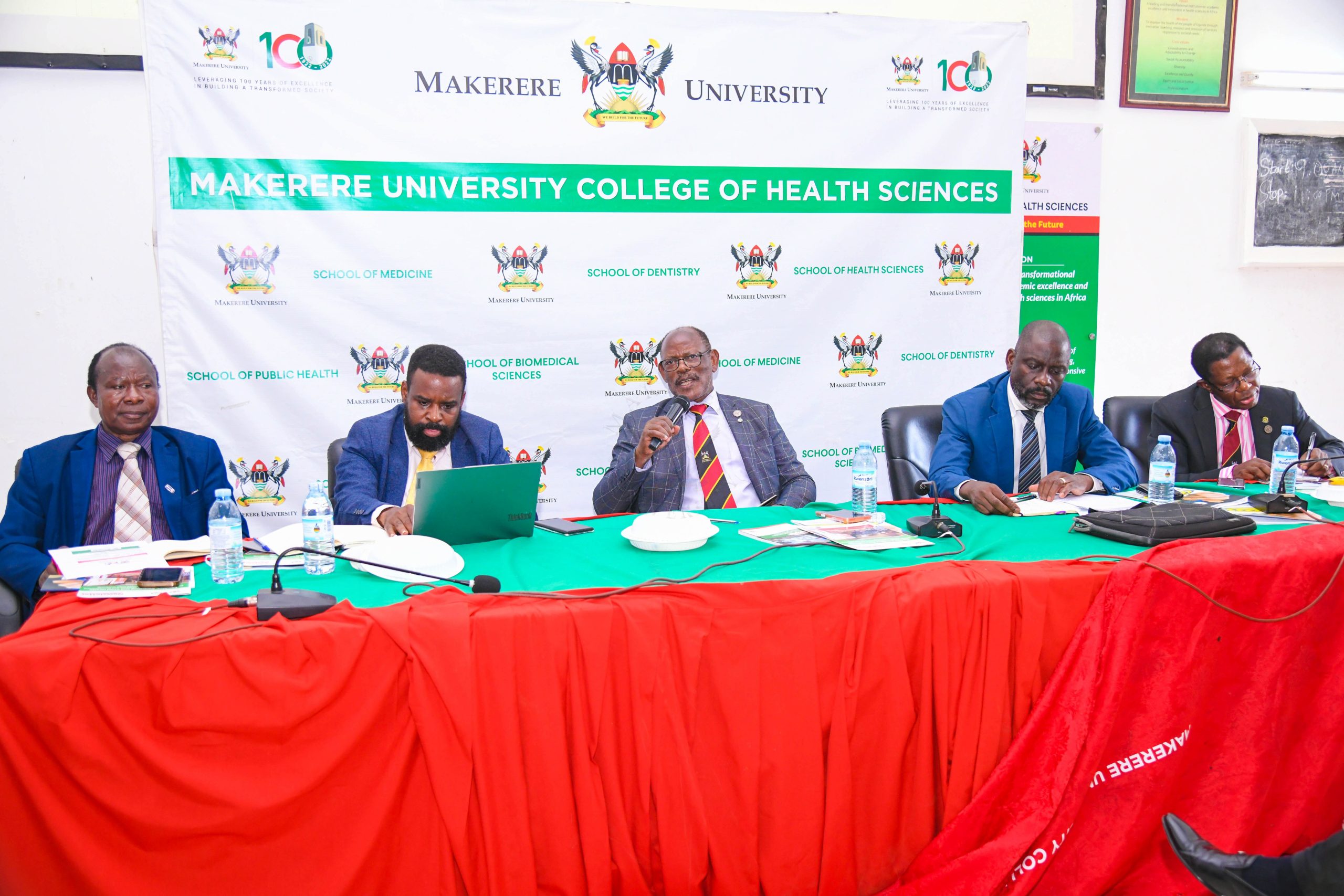
He further emphasized the importance of expanding academic staffing and leveraging expertise from both active and retired scholars, including the appointment of honorary professors to support mentorship and research development.
Academic Accountability and Innovation
The Vice Chancellor reminded professors and associate professors of their responsibility to deliver inaugural lectures within stipulated timelines as part of academic accountability and recognition of scholarly contribution.
He also encouraged researchers to translate their work into innovation and practical solutions that contribute to Uganda’s socio-economic transformation, noting that research must go beyond publication to deliver real-world impact.
The Vice Chancellor reiterated that strengthening graduate training and research is central to achieving national development goals and enhancing Uganda’s competitiveness in the global knowledge economy.
He emphasized that sustained investment in Masters and PhD training, combined with stronger research systems, will be critical in producing the next generation of scholars, innovators, and leaders required to drive sustainable development.
The Vice Chancellor was accompanied by the Academic Registrar, Prof. Buyinza Mukadasi, the Director DRIP, Prof. Robert Wamala, Prof. Edward Bbaale, who represented the Deputy VC in charge of Academic Affairs, Prof. Fredrick Muyodi, the Director of the Writing Centre, Dr. Margaret Nagwovuma, the Deputy Director of Makerere University Technology and Innovation Centre, Prof. William Tayeebwa, the Manager of Makerere Press and Prof. Kikooma Julius, the Director of Graduate Training. The officials shared with staff how staff can benefit from their offices.
-
 Law1 week ago
Makerere hosts Chief Justices of Zambia and Uganda
-
 Agriculture & Environment2 weeks ago
Master’s Scholars Engage Lwengo and Rakai Communities to Inform Research Conceptualisation
-
 Research2 weeks ago
Makerere University Rolls Out Thesis Completion Grants to Accelerate PhD Research and Strengthen National Policy Impact
-
 Health1 week ago
Makerere Medical Students Honour Their ‘Silent Teachers’
-
 Research2 weeks ago
Makerere University Charts Course for Responsible AI Adoption in Research Management