
General
Makerere, Southwest Minzu University and NARO Forge Strategic Partnership to Advance Livestock Research and Innovation

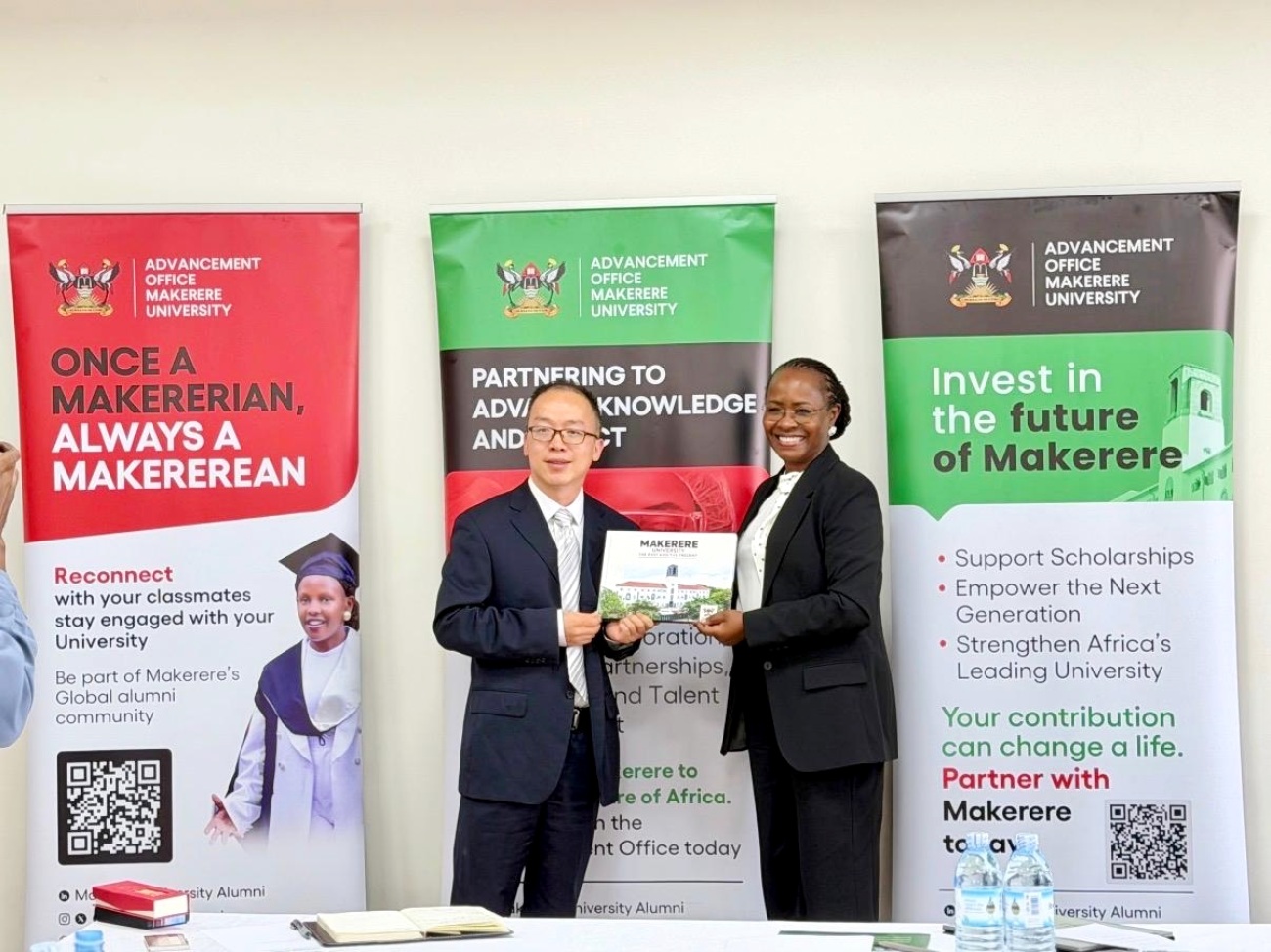
Makerere University has taken a significant step towards strengthening international research collaboration following a high-level meeting with a delegation from Southwest Minzu University, China, to advance a strategic partnership in animal husbandry, veterinary sciences and agricultural innovation.
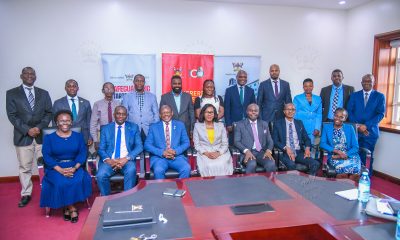
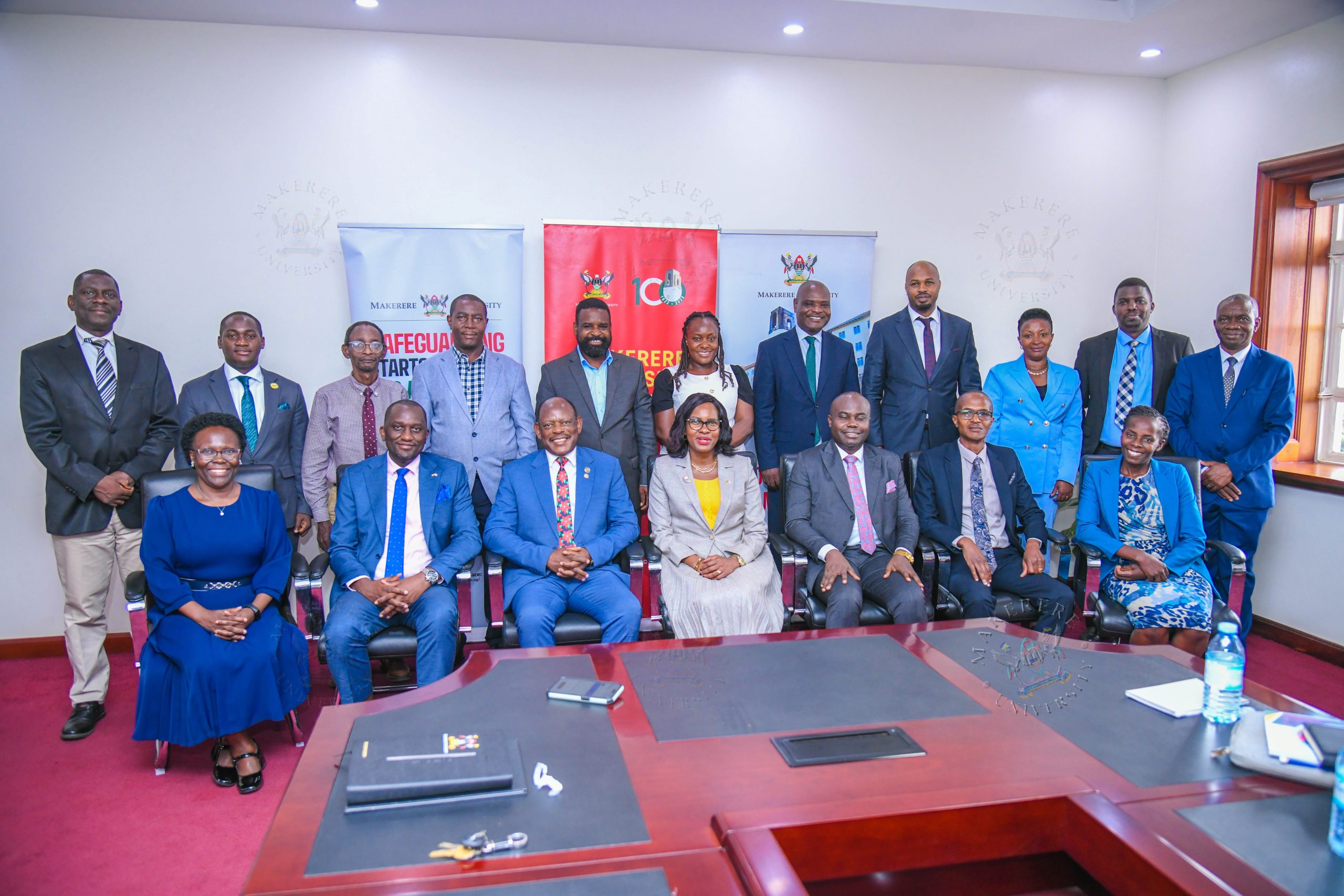
Held on 23rd July 2026, the meeting brought together representatives from Makerere University, College of Veterinary Medicine, Animal Resources and Biosecurity (CoVAB), the Advancement Office, Southwest Minzu University and the National Agricultural Research Organisation (NARO) to discuss a long-term collaboration aimed at enhancing livestock productivity, promoting scientific research and building institutional capacity.
The proposed partnership builds on an earlier study visit by NARO to Southwest Minzu University, where discussions identified opportunities to introduce high-quality goat breeds with superior genetic traits for crossbreeding with indigenous Ugandan breeds. The initiative positions Uganda as the first country in Africa to benefit from the introduction of these specialised breeds, with the goal of improving livestock productivity and supporting farmers’ livelihoods.
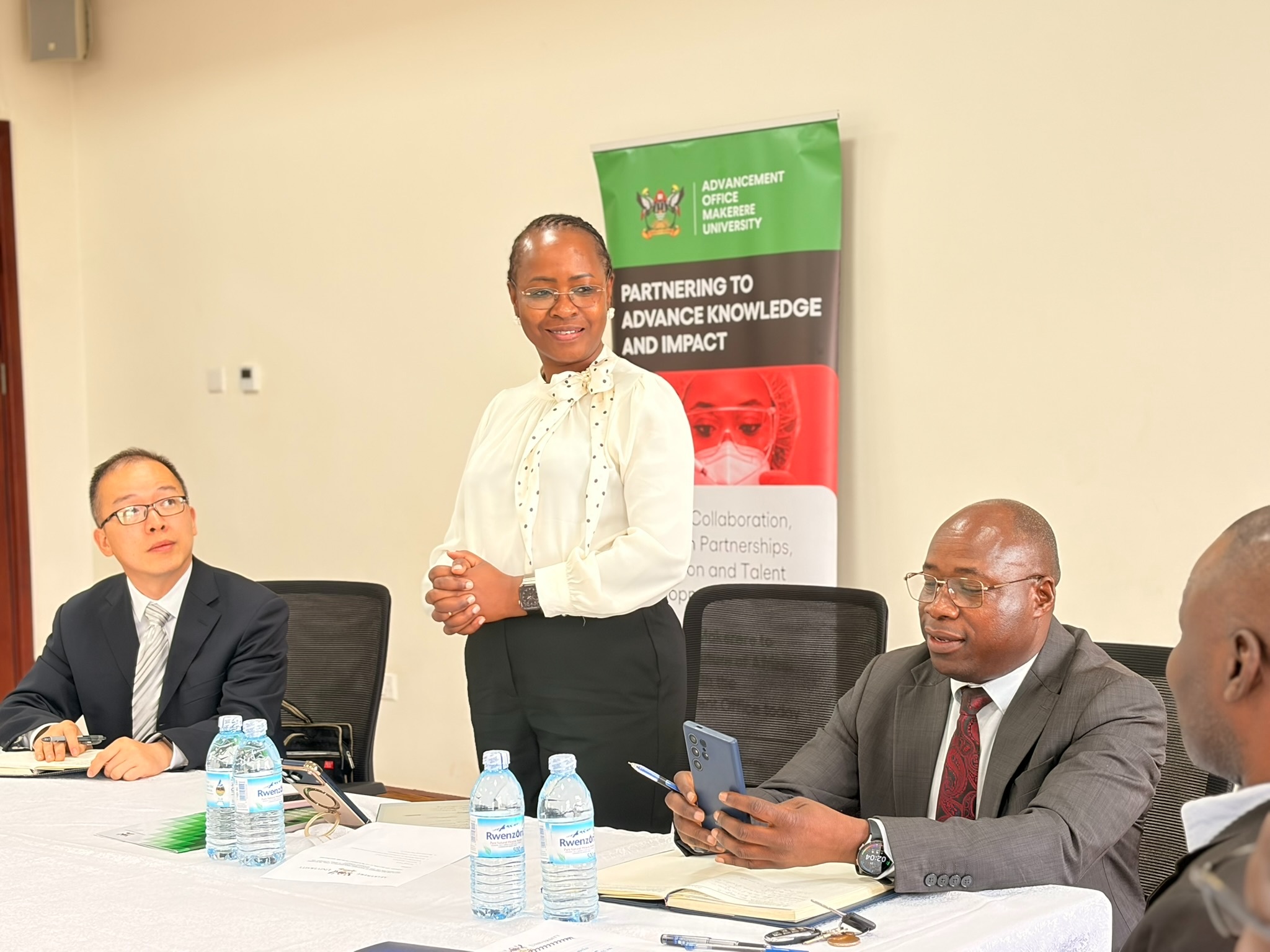
While livestock improvement forms the foundation of the collaboration, partners agreed that the five-year initiative will extend far beyond animal husbandry. The partnership is expected to foster joint research in agro-technology, biotechnology, artificial intelligence, microbiology and laboratory sciences, creating new opportunities for scientific innovation and knowledge exchange. The project will be anchored at NARO’s Kawanda research facilities before expanding to twelve research institutions across Uganda, with Makerere University providing academic leadership, scientific expertise and research support.
Welcoming the delegation, the Deputy Vice Chancellor (Academic Affairs), Prof. Sarah Ssali, reaffirmed Makerere University‘s commitment to international collaboration as a driver of research excellence, innovation and capacity development. She noted that the University, through the advancement office, continues to leverage its extensive global partnerships to facilitate knowledge exchange while addressing national development priorities through research.
Prof. Ssali further observed that introducing improved goat breeds presents an opportunity to transform Uganda’s livestock sector by enabling farmers to move beyond subsistence production towards more commercially viable animal husbandry systems. She emphasized that the success of the partnership will depend on effective coordination, well-defined institutional frameworks and sustained communication among all partners.
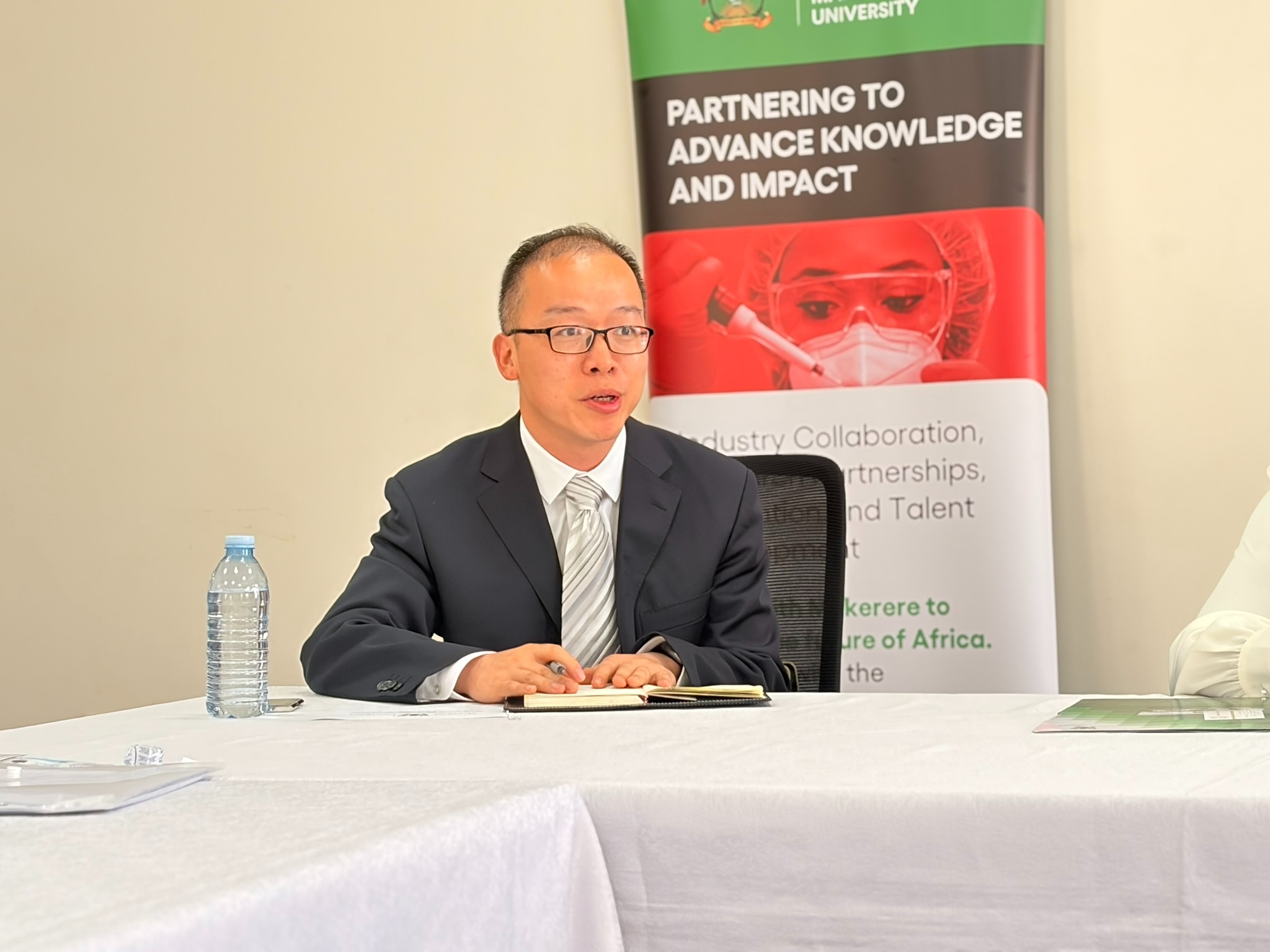
Speaking on behalf of Southwest Minzu University, the visiting delegation expressed appreciation for Makerere University‘s hospitality and reaffirmed their commitment to establishing a lasting institutional partnership with both Makerere University and NARO. Beyond collaborative research, the delegation highlighted opportunities for staff exchanges, joint scientific projects and postgraduate training, including scholarships for Makerere students pursuing Master’s and PhD programmes. They also extended an invitation to Makerere University‘s leadership to undertake a reciprocal visit to Southwest Minzu University in China.
Discussions also focused on operationalizing the partnership for the benefit of International education through staff and student exchange. Makerere University‘s International Office committed to developing an implementation framework linking Makerere University and Southwest Minzu University, while ensuring that staff and postgraduate students benefit from scholarship opportunities, research collaborations and international mobility programmes. The Office will also coordinate the development of exchange guidelines and work with the Academic Registrar on postgraduate scholarship applications.
The meeting concluded with a shared commitment to building a sustainable partnership that combines international expertise with Uganda’s research priorities. By bringing together Makerere University‘s academic excellence, Southwest Minzu University’s specialized expertise and NARO’s national agricultural research infrastructure, the collaboration is expected to strengthen livestock research, advance scientific innovation and contribute to Uganda’s agricultural transformation.
Expected Outcomes of the Partnership
The proposed collaboration between Makerere University, Southwest Minzu University and the National Agricultural Research Organisation (NARO) is expected to create a strong platform for advancing research, innovation and capacity development in Uganda’s agricultural sector. By combining the complementary strengths of the three institutions, the partnership seeks to promote multidisciplinary research in animal husbandry, biotechnology, agro-technology, artificial intelligence and microbiology, while supporting the development of innovative solutions to address challenges in livestock production and animal health.
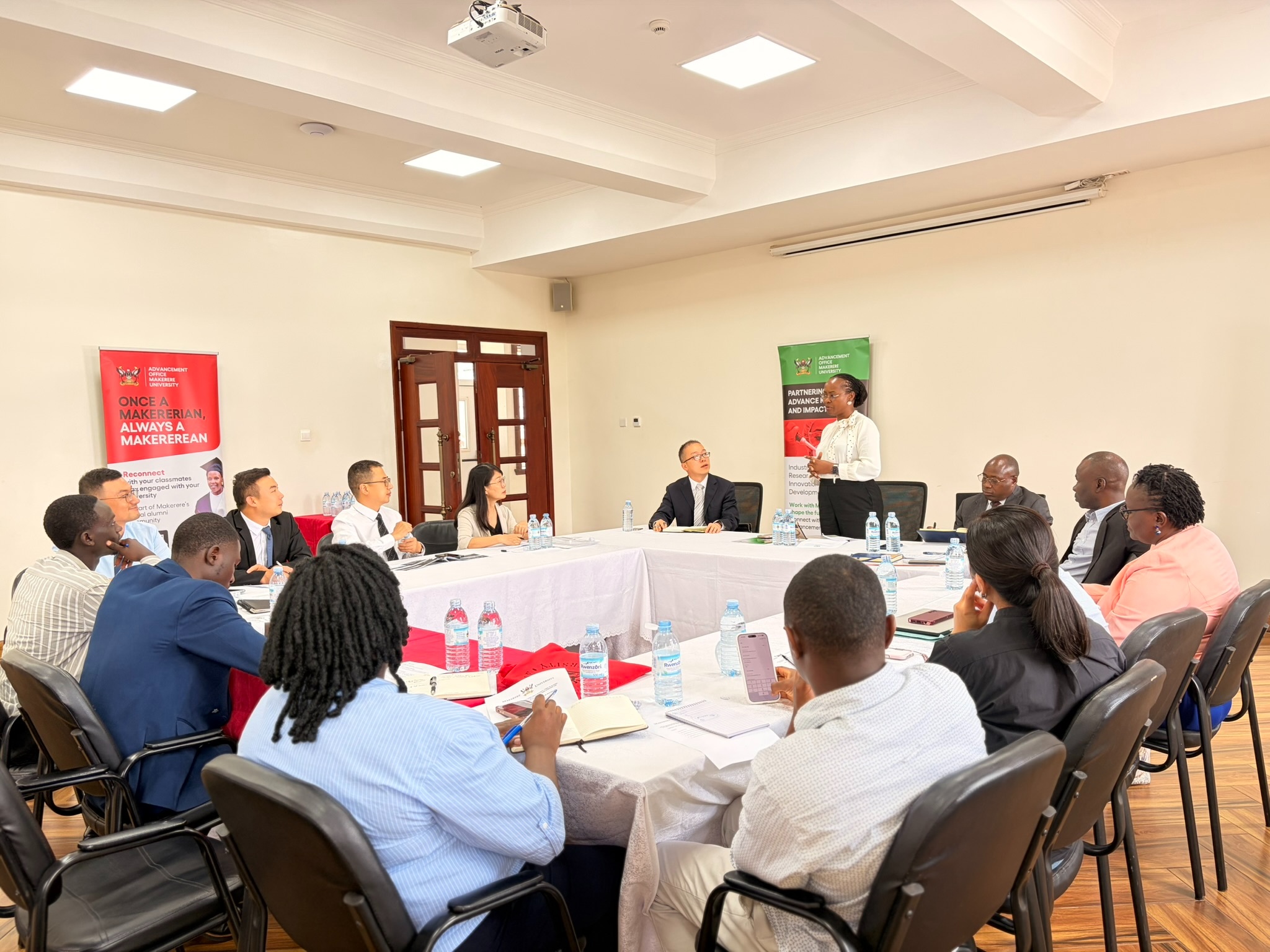
A key anticipated outcome is enhanced academic and research capacity through joint research initiatives, staff exchanges and postgraduate training opportunities. The partnership is expected to provide Makerere University students with access to Master’s and PhD scholarships at Southwest Minzu University, while enabling researchers and academic staff to participate in collaborative research, scientific exchange programmes and international knowledge-sharing initiatives. These engagements are expected to strengthen institutional research capacity and foster the development of highly skilled professionals in veterinary and agricultural sciences.
The collaboration is also expected to strengthen the link between research and practice. With NARO serving as the implementation anchor for field-based activities and Makerere providing academic and scientific leadership, the partnership aims to facilitate the translation of research into practical innovations that improve livestock productivity, enhance food security and contribute to sustainable agricultural development in Uganda.
At the institutional level, the partnership is expected to expand Makerere University‘s international research networks, attract collaborative research opportunities and reinforce its position as a leading research-intensive university. By fostering long-term collaboration across academia, research institutions and international partners, the initiative has the potential to contribute to Uganda’s agricultural transformation while advancing knowledge generation, technology transfer and evidence-based innovation.
Caroline Kainomugisha is the Communications Officer, Advancement Office.








When a delegation from Mbarara University of Science and Technology (MUST) visited Makerere University on 23rd July 2026, one of the biggest discussions was how universities can effectively manage research grants.
The MUST delegation, led by Vice Chancellor Prof. Pauline Byakika Kibwika, visited Makerere to learn from the University’s experience in managing externally funded research projects. During the meeting, Makerere Vice Chancellor Prof. Barnabas Nawangwe revealed that while MUST managed research grants worth about UGX 13 billion in the last financial year, Makerere’s research portfolio now stands at approximately USD 250 million.
The discussion focused on the systems, policies and accountability measures that have enabled Makerere to manage one of the largest research portfolios in Africa.
Research Funding Built on Trust.
Prof. Nawangwe explained that Makerere’s research funding comes from different colleges and research units.
He noted that the Infectious Diseases Institute (IDI) alone attracts about USD 70 million annually, while the School of Public Health receives approximately USD 30 million each year. Together, the two units account for nearly USD 100 million in research funding.
He said these grants are made possible because development partners trust the University to manage public resources responsibly.
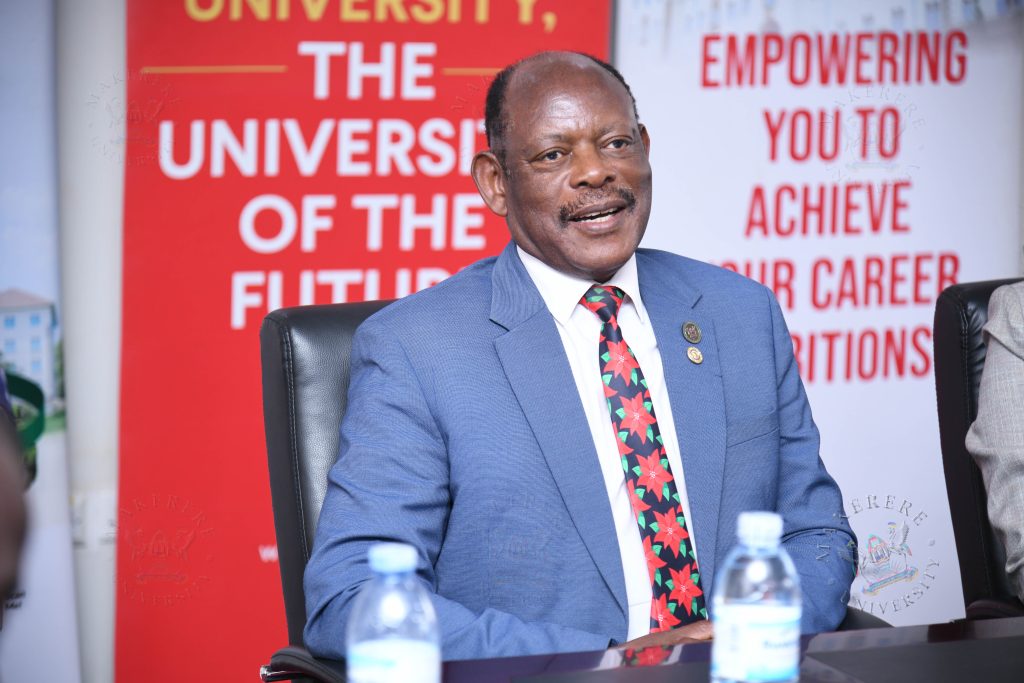
“We must ensure proper accountability so that we don’t lose the trust of our donors and continue benefiting from their support,” Prof. Nawangwe said.
How Makerere Manages Research Grants.
Acting University Secretary Mr. Simon Kizito took the MUST delegation through the key requirements that every grant funded project must meet under Makerere’s Grants Administration and Management Support Unit (GAMSU).
He explained that every research project must first be included in the University’s approved budget in line with the Public Finance Management Act before any funds can be spent.
He also emphasized that procurement under research grants must comply with the Public Procurement and Disposal of Public Assets (PPDA) Act, regardless of the donor’s procurement guidelines.
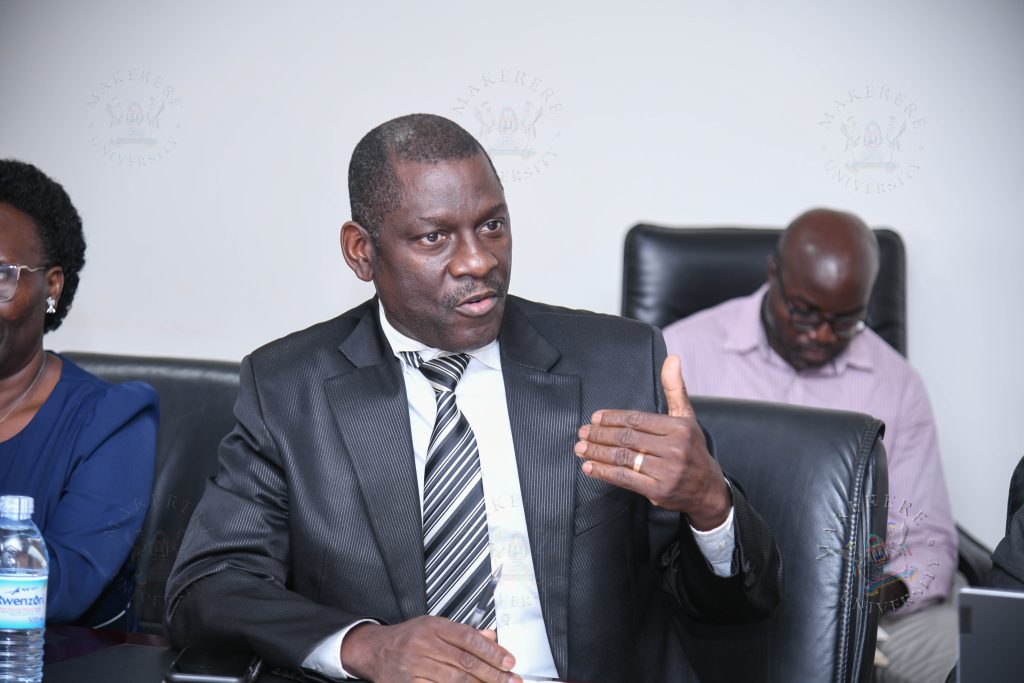
“The Auditor General will pounce on you” if procurement procedures are not followed, he cautioned.
Mr. Kizito further explained that all assets purchased using grant funds, including vehicles and equipment, must be recorded in the University’s central assets register unless the funding agreement states otherwise.
He added that separate project bank accounts can only be opened with approval from the Accountant General, while all projects must submit both financial and narrative reports to funders and government and undergo regular audits.
University Bursar Mr. Evarist Bainomugisha noted that although grant funds do not appear directly in the University’s main financial statements, they are fully disclosed in the notes to the accounts and are audited annually before reports are submitted to Parliament.
Lessons from the Research and Innovation Fund.
The delegation also learnt about the Makerere Research and Innovations Fund (Mak-RIF).
Representing the Fund, Dr. Roy William Mayega said Mak-RIF has invested about UGX 172 billion in research and innovation over the last seven financial years.
He explained that 70 percent of the funding supports competitive research grants, 10 percent is reserved for projects addressing national priorities, while the remaining funds support monitoring, evaluation and dissemination of research findings.
According to Dr. Mayega, the Fund has so far supported 1,480 research and innovation projects, with 53% completed and 47% still ongoing.
Looking Beyond Research Grants.
Director of Research, Innovation and Partnerships Prof. Robert Wamala encouraged the visiting delegation to look beyond simply winning research grants.
He emphasized the importance of investing in strong internal systems, using artificial intelligence to improve efficiency, and ensuring that research leads to publications, patents, commercialization and partnerships with industry.
He noted that universities should not only focus on attracting grants but also on translating research into solutions that benefit society.
Learning from Makerere’s experience.
Prof. Pauline Byakika Kibwika said MUST recently established a Research Institute to coordinate research activities and grant management under one structure. She explained that the University wanted to learn from Makerere’s experience as its own research portfolio continues to grow.

“We have come to learn from your achievements as well as the challenges, so that we can do things better,” she said.
She added that the visit marks the beginning of closer collaboration between the two institutions, with a follow up technical engagement planned to allow the MUST team to learn more about Makerere’s grant management systems, including the GAMSU online platform.

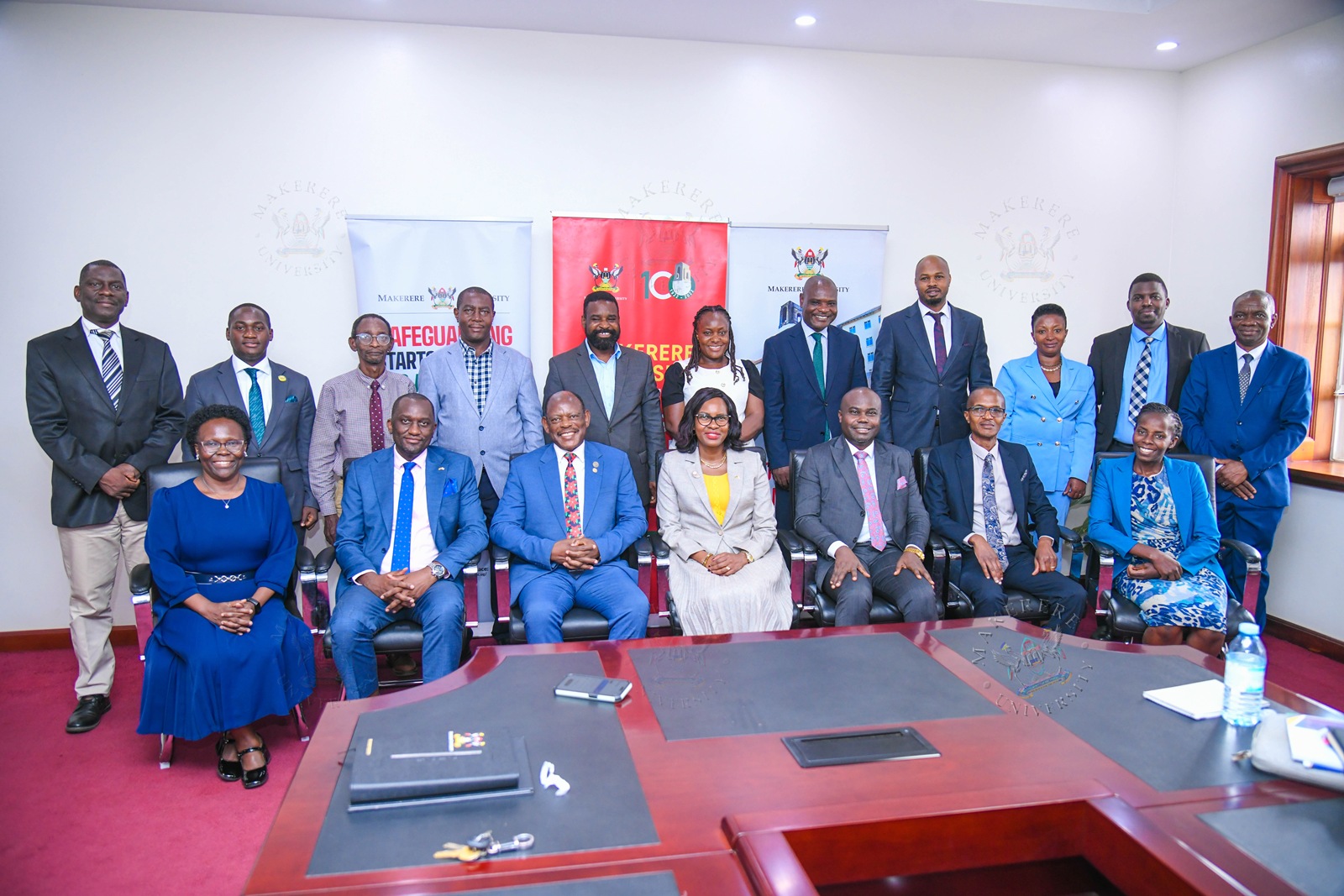
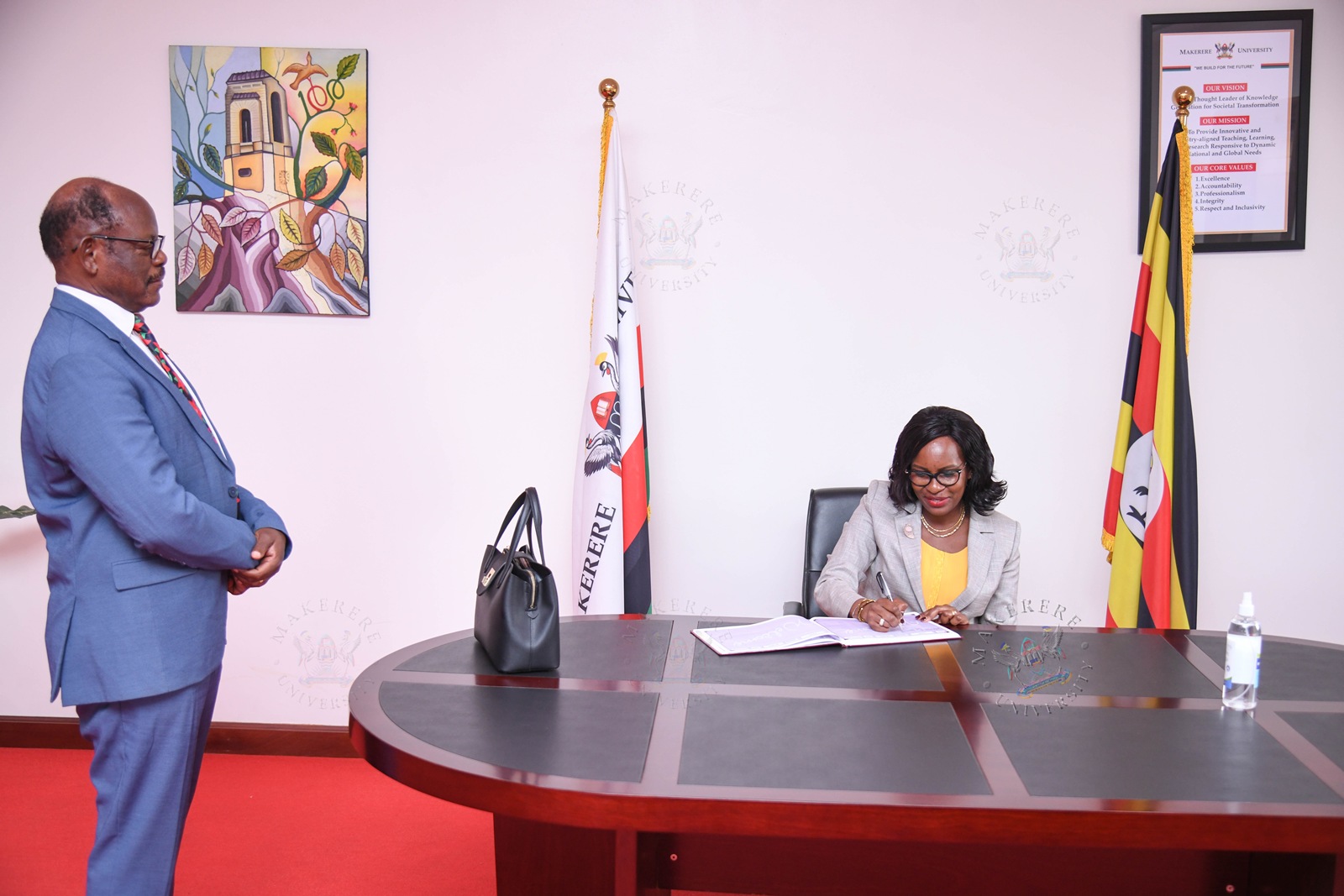
The Vice Chancellor, Prof. Barnabas Nawangwe and Members of Management on 23rd July 2026 hosted a delegation from Mbarara University of Science and Technology (MUST) led by the Vice Chancellor Prof. Pauline Byakika-Kibwika. The visit follows the formation of the Grants Office under the newly opened MUST Research Institute. This delegation was therefore keen to benchmark Makerere University’s Grants Administration and Management Support Unit (GAMSU)’s experience as the office responsible for managing all MUST’s research and innovation funding takes shape.
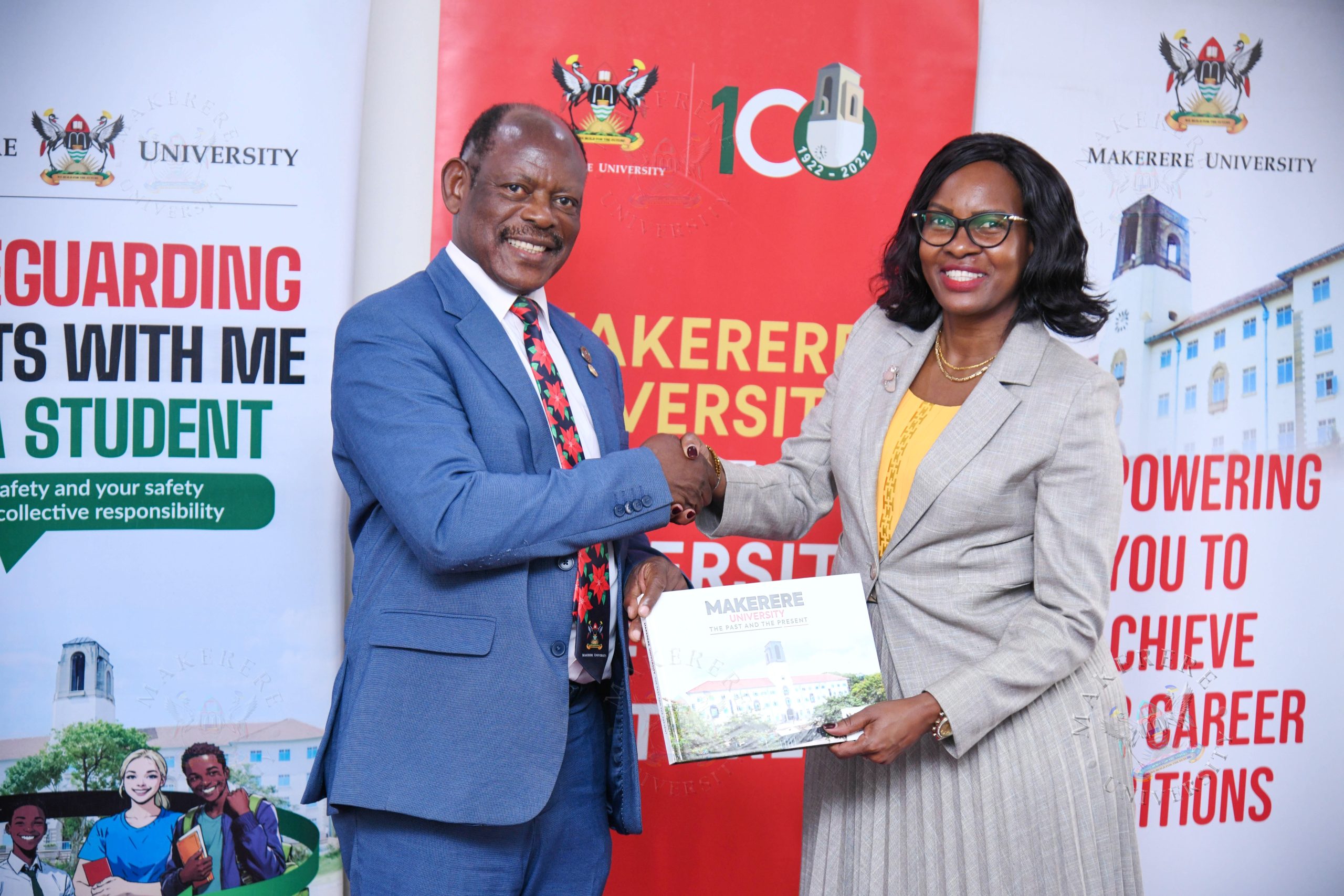
Welcoming the delegation, most of whom are alumni of Makerere University, the Vice Chancellor Prof. Barnabas Nawangwe commended MUST on strides made in human capacity development throughout the 37 years of existence, particularly in the health sciences.
“We have collaborated in various areas, particularly in medicine – I see many of our researchers publishing together, and we have joint programmes, especially in HIV/AIDS research” the Vice Chancellor remarked, before adding “Our collaboration in medicine is very strong, and it would be good to expand this collaboration to other disciplines.”
Prof. Nawangwe emphasized that although this was a benchmarking visit, the learning process is two-way and as such, the team from Makerere is equally keen to learn from their MUST counterparts. “As a slightly smaller university, you may have more time to reflect on issues than we do,” he explained.
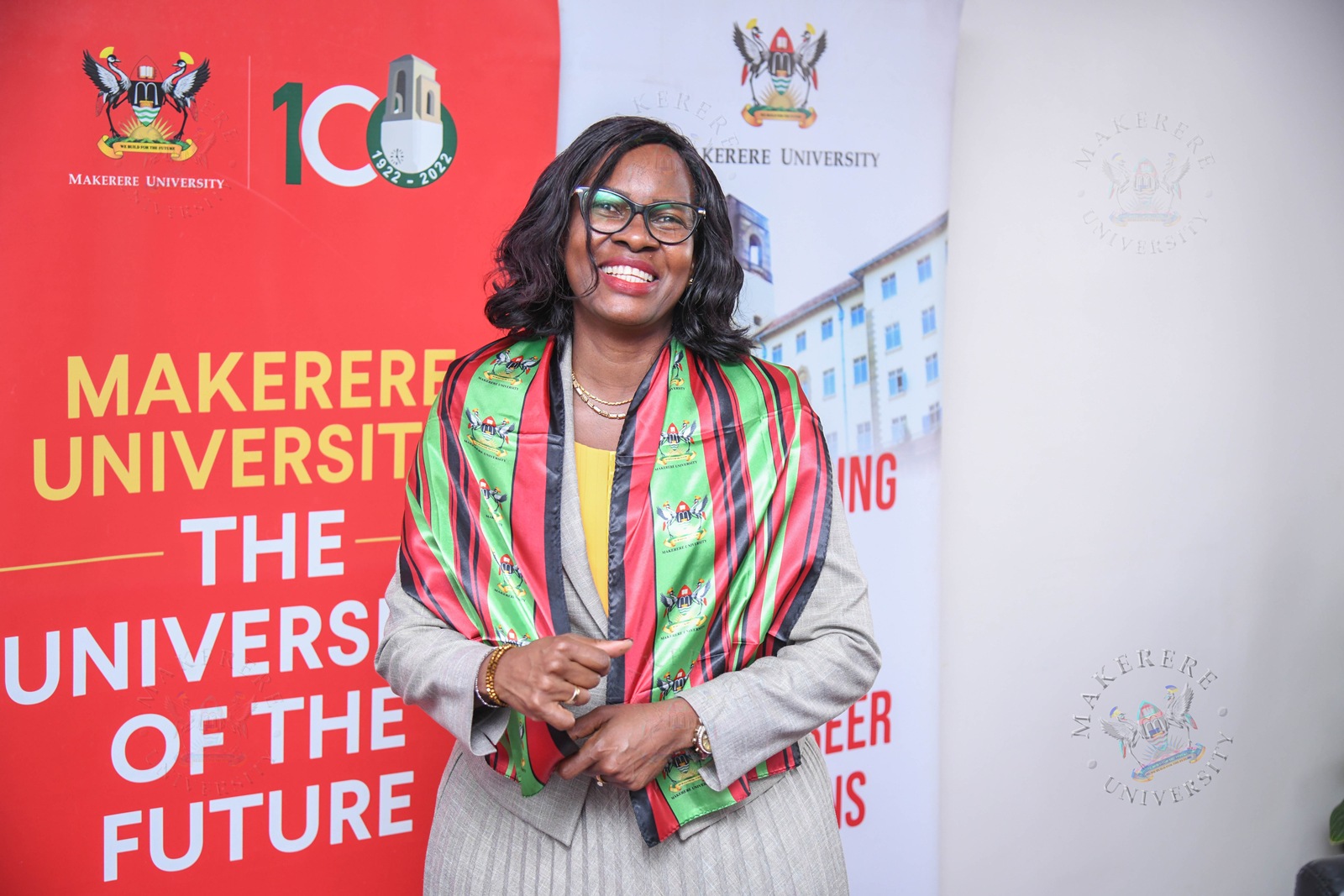
In her remarks, Prof. Byakika-Kibwika thanked the Vice Chancellor and University Management for accepting to host the benchmarking delegation, noting that it was a homecoming visit for her and several colleagues. She equally acknowledged that collaborations in Medicine take the lion’s share of existing work between two intuitions.
“Our largest faculty, formerly the Faculty of Medicine, has recently been renamed the Faculty of Health Sciences to better reflect its broader mandate. However, our other faculties include: Faculty of Science, Faculty of Business and Management Sciences, Faculty of Interdisciplinary Studies, Faculty of Computing and Informatics, and the Faculty of Applied Sciences and Technology (Engineering)” she explained.
She added that in 2026, MUST established the Faculty of Agriculture, Environment and Veterinary Sciences, and is restructuring the Faculty of Interdisciplinary Studies to strengthen its focus as a science and technology university. Away from academia, Prof. Byakika-Kibwika shared that MUST’s hitherto semi-autonomous research centres had been brought under the umbrella of a Research Institute, “to provide a coordinated framework for research.”
They include the Centre of: Pharmaceutical Biotechnology and Traditional Medicine; Innovation and Technology Transfer; Tropical Forest Conservation; Maternal, Newborn and Child Health; Entrepreneurship; and Public Policy and Economic Data.
Turning to the gist of the visit, Prof. Byakika-Kibwika noted that as MUST continues to restructure its units and grow it’s grants portfolio, tapping into Makerere University’s wealth of experience in attracting and managing funding from both the Government and development partners is inevitable.
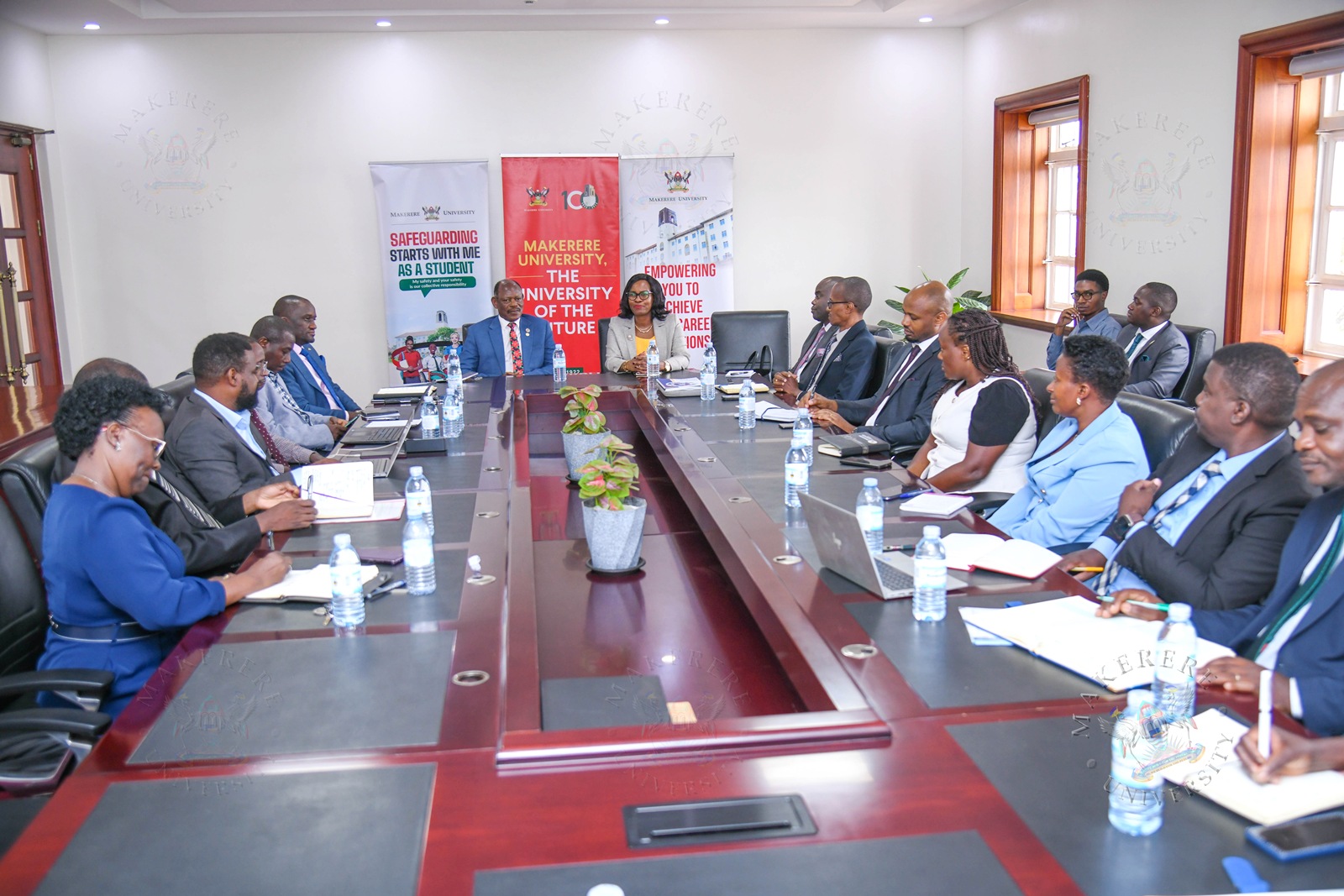
“Makerere, as the leading university in the country, continues to support other universities, and we would like to benefit from that experience,” Prof. Byakika-Kibwika remarked. “We hope to learn from both your achievements and your challenges so that we can improve our own systems” she concluded.
The meeting was attended by the Acting University Secretary-Mr. Simon Kizito, University Bursar-Mr. Evarist Bainomugisha, Director Research, Innovation and Partnerships-Prof. Robert Wamala, Director Research and Graduate Training-Prof. Julius Kikooma, Head GAMSU- Prof. Sylvia Antonia Nakimera Nannyonga-Tamusuza, Member of Makerere University Research and Innovations Fund (Mak-RIF) Coordinator-Dr. Roy William Mayega and Advancement Office’s Mr. Vincent Lubega Nsamba.
The MUST delegation included; Deputy Vice Chancellor (Academic Affairs)-Prof. Joseph Ngonzi, Deputy Vice Chancellor (Finance and Administration)-Prof. Robert Bitariho, University Secretary-Mr. Vincent Kansiime Kwatampora, and Chief Human Resources Officer-Mr. Prinari Behangana. Others included Finance Manager-CPA Annah Atuhaire, MUST Research Institute Chief Research Officer-Assoc. Prof. Angella Musiimenta, Principal Legal Officer-Mr. Timothy Mugumya, Deputy Secretary (Planning)-Ms. Robinah Nakakeeto and Dean Faculty of Business and Management Sciences-Dr. John Baguma Kule.

By Murungi Gloria N.
Building a century of excellence, Makerere University Strategic Plan 2026-2030 lays a clear roadmap to strengthen research, innovation, transformative education as well as national and global development over the next five years.
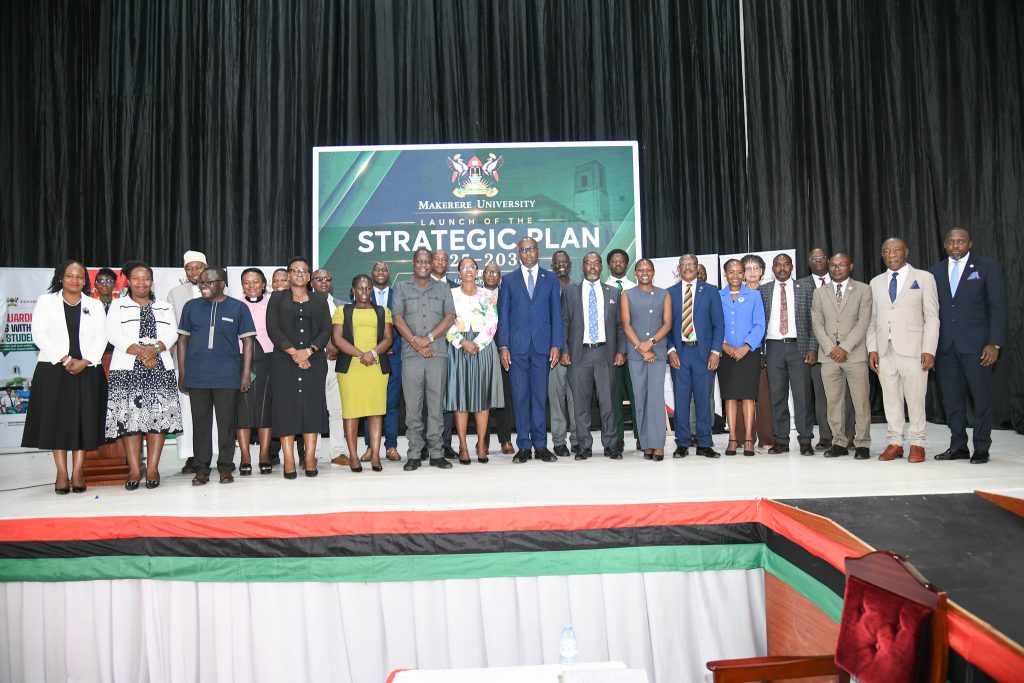
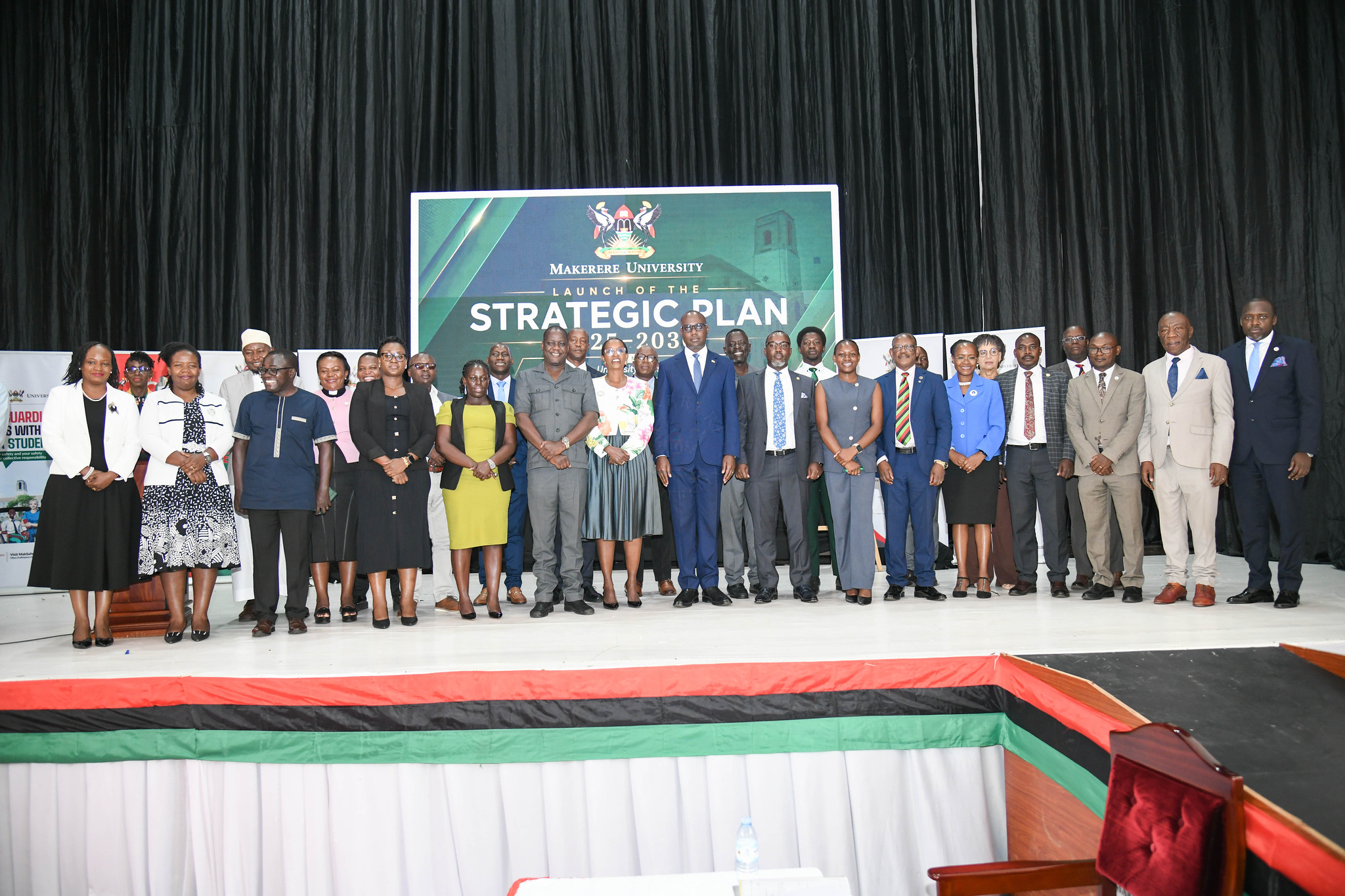
Makerere University launches the strategic plan 2025-2030 central (c) Hon. Henry Musasizi, left (L) Mrs. Lorna Magara, second right Guild President Makerere University, third right Prof. Barnabus Nawangwe
On Thursday 2nd July 2026, at Makerere Main Campus, the launching event gathered government leaders, development partners, university leaders and dignitaries such the Minister of Finance, Planning and Economic Development, representative of the Executive Director of the National Planning Authority as well as the University Vice Chancellor. Makerere launched its strategic plan under the theme; ‘Optimizing the University’s Research Potential for National and Global Transformation.’
Preparing the strategic plan
‘Preparing this plan has been a process,’ the Deputy Vice Chancellor Finance and Administration, Prof. Herny Alinaitwe said. He emphasized that the strategic plan was developed through careful consultation, review and participation rather than being created in isolation. The previous Makerere University plan used to have long term of 10years. However, around 2019-2020 the National Planning Authority advised to adjust to the five years of National Development Plan (NDP IV) ensuring that the University contributes directly to the country’s development.
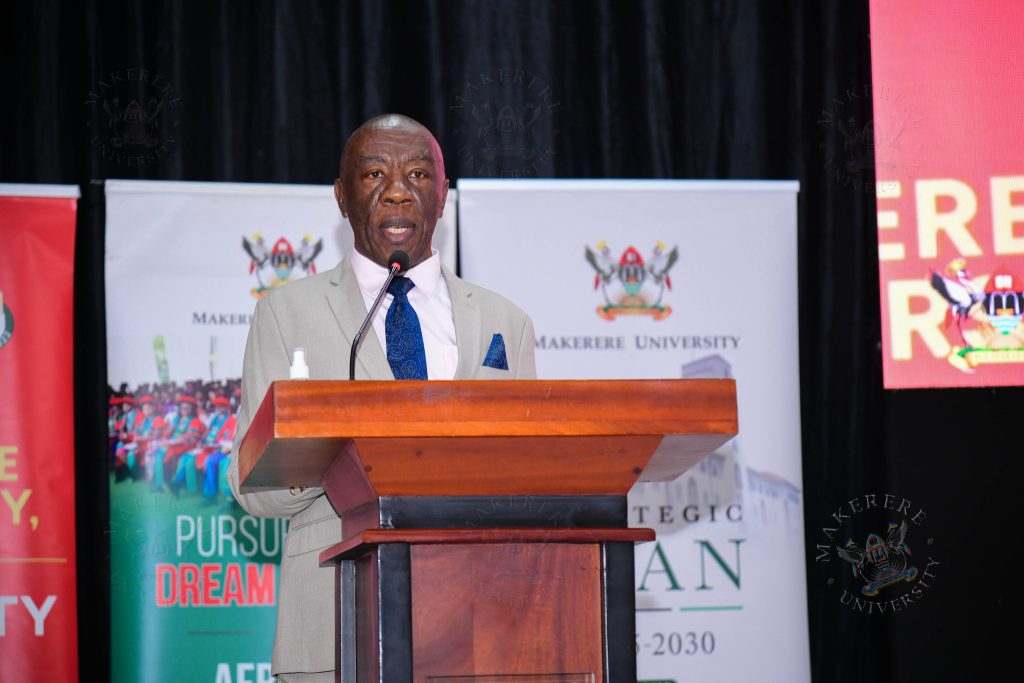
Prof. Henry Alinaitwe
Accelerating to national transformation
The Makerere University Vice Chancellor, Prof. Barnabas Nawangwe, began his speech by reaffirming University’s long-term vision. ‘Our vision is to be an outstanding leader of knowledge generation for societal transformation and development.’ He added the Makerere’s mission is to provide transformative and innovative teaching, learning, research and service responsive to dynamic national and global needs.
He emphasised that the new strategic plan is designed to transform Makerere into a research-led University and for this to happen we need to have more than 419 professors and 473 associate professors. Currently the university has 73 professors and 144 associate professors.
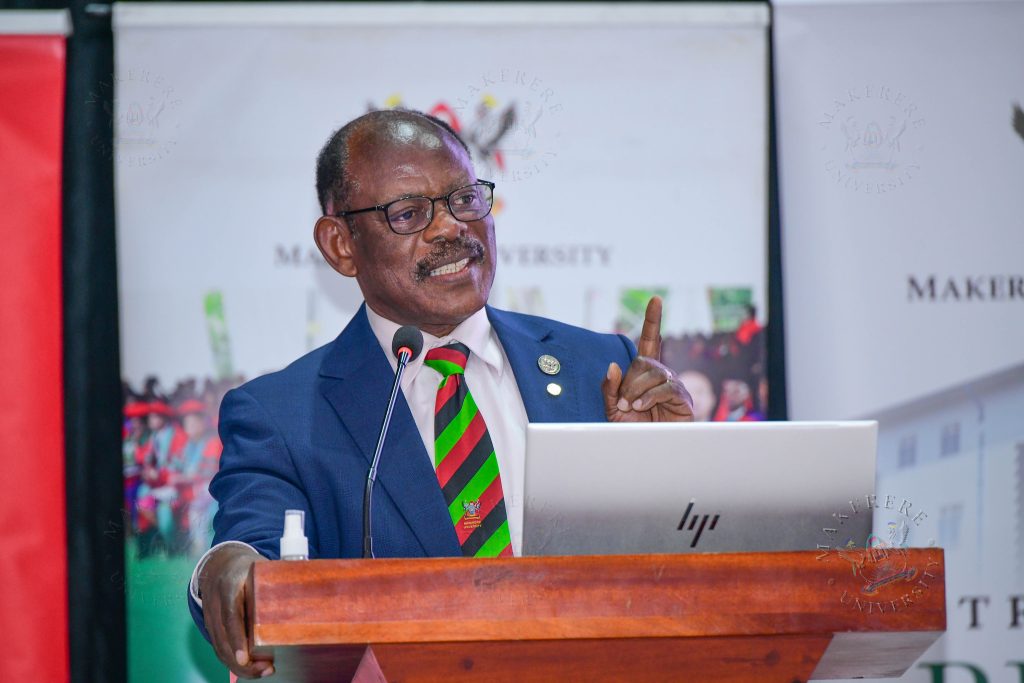
Prof. Barnabas Nawangwe
‘We are not removing undergraduate programmes but we want to reduce them gradually and increase graduate numbers because those are the ones going to do the innovations and transform the economy,’ continued Prof. Nawangwe. He stressed the postgraduate students play a crucial role in research and innovation and increasing postgraduates from 10% to 16.1% enrolment is therefore central to achieving the University’s vison of becoming a leading research institution.
He said, ‘Makerere University continues to contribute its fair share to transforming human capital in the country and economic development.’ He thanked and encouraged the government and other partners to further increase the goodwill towards the institution.
‘Today marks not the end of the process but the beginning of an even greater responsibility it’s successful implementation,’ noted the Chairperson of Makerere University Council, Mrs. Lorna Magara. reminded stakeholders that the launch is only the first step and its success will depend on faithful implementation.
She highlighted the central roles of higher education, research and innovation in Uganda’s economic transformation. ‘Let us therefore move with courage, lead with integrity, purse excellence without compromise and together we will build a much stronger Makerere for a stronger Uganda.’
Transformation objectives
Prof. Nawangwe and the chairperson University Council Mrs. Lorna presented possible targets in the strategic plan, among them increasing PhD student enrolment from 15% to 35%, registered patents from 15 to 45, commercialised innovations from 25 to 65, STEM enrolment from 32% to 55%, postgraduate enrolment from 3700 to 7000 by 2030 and raise graduate employability from 45% to 65%within six months of graduation.
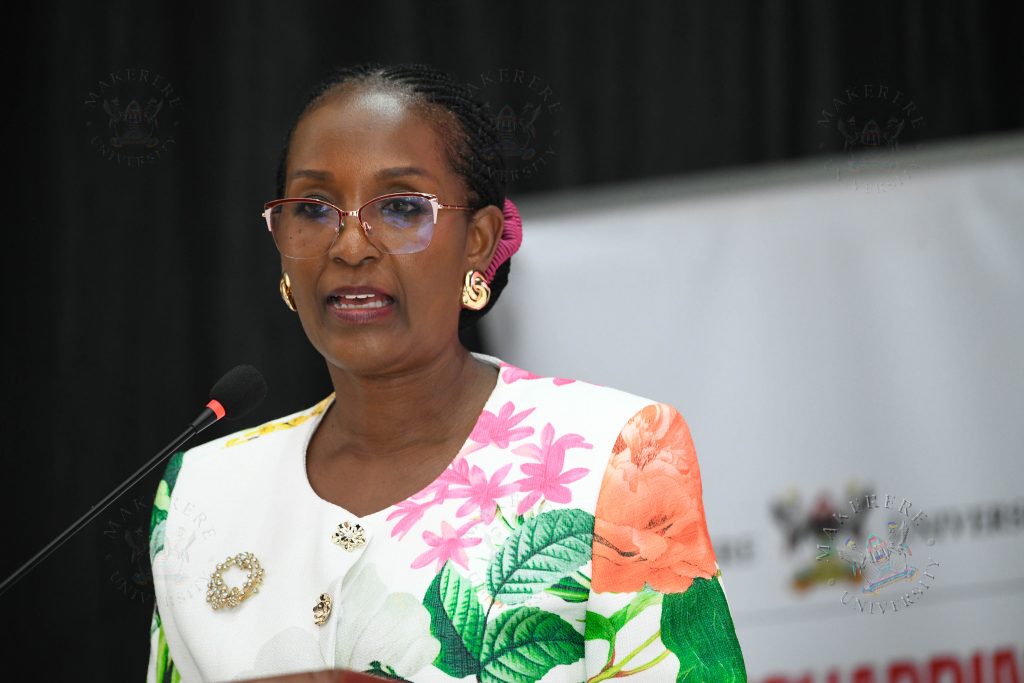
Mrs. Lorna Magara
Government commitment to the strategic plan
Speaking as the Guest of Honor, Minister of Finance, Planning and Economic Development, Hon. Henry Musasizi launched the strategic plan 2025-2030 describing it as a timely and forward-looking roadmap that aligns with Uganda’s vision 2040, the Fourth National Development Plan (NDP IV), and the country’s Tenfold Growth Strategy.
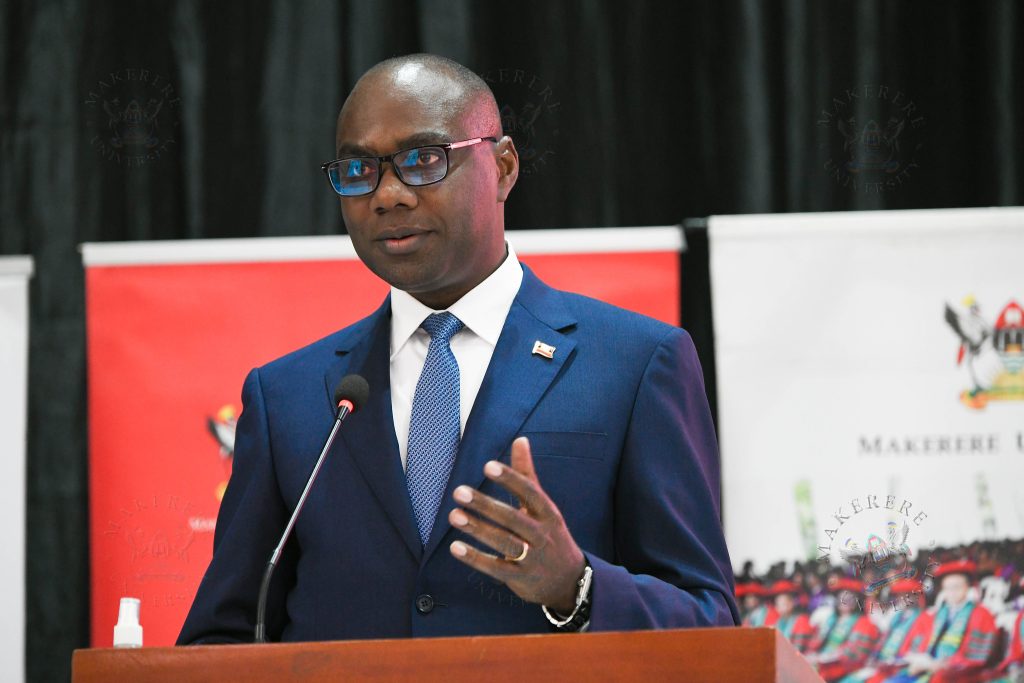
Hon. Henry Musasizi
‘This Strategic plan comes at an important time as the country works to grow its economy from about USD50 billion to over USD500 billion by 2040.’
The Chief Guest, Hon. Herny Musasizi noted that Uganda’s ambition to expand its economy from approximately USD50 billion to over USD500 billion by 2040 will require sustained investment in research, innovation, industrialisation and human capital development, with universities playing a central role in achieving these aspirations.
He reaffirmed government’s commitment to continue working with Makerere University to build a growing income, industrialised and knowledge driven economy while stressing accountability, innovation and the need to apply research in solving Uganda’s development hardships. He also commended Makerere for aligning its strategic priorities with national development goals, explaining that such alignment would facilitate government support and resource allocation through the national budgeting process.
Leading to national economic transformation through universities
Reflecting on the central role of higher education in Uganda’s economic transformation, Samuel Kasule, the Senior Planner for Education and Skills, National Planning Authority appreciated Makerere roles.
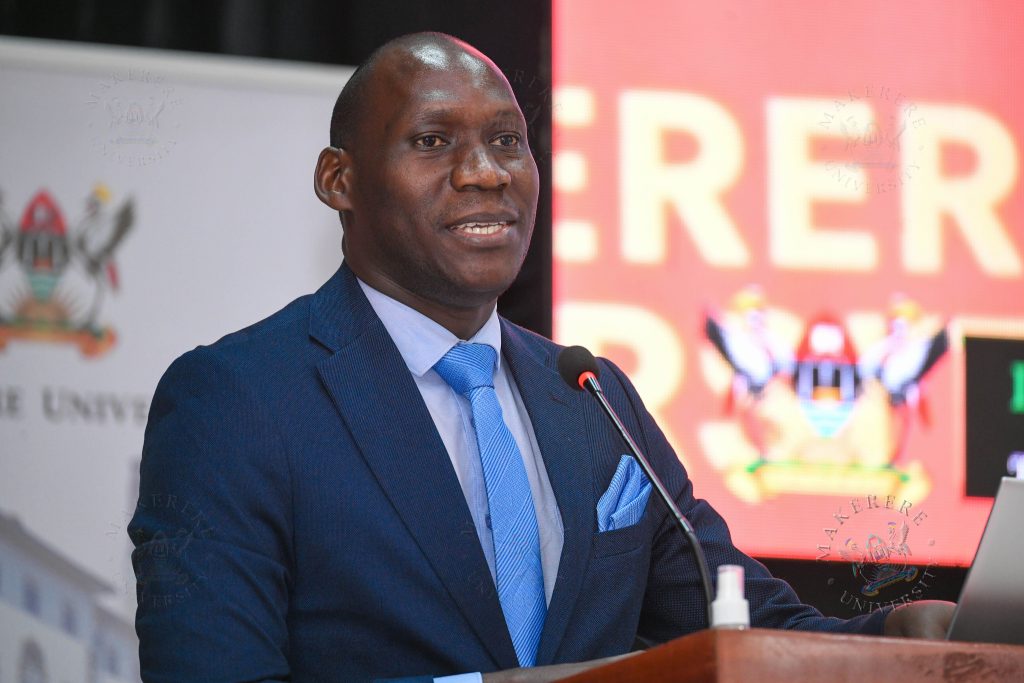
Samuel Kasule
‘At the cornerstone of increased labour productivity is the role of universities especially in supporting the high impact sectors identified in the tenfold growth strategy,’ Mr. Kasule remarked.
He elaborated that universities are expected to equip graduates with the knowledge, skills and competencies needed to drive innovation across sectors such as minerals, oil and gas, agro-industrialisation, tourism and agriculture. He also argued the by producing highly skilled human capital as well as fostering innovation institutions like Makerere University will play a pivotal role in increasing labour production and accelerate economic growth achieving Uganda’s ambition of becoming a USD500 billion from USD50 billion under the Tenfold Growth Strategy.
Conclusion
Guided by its strategies direction of excellence, accountability, professionalism, integrity and respect together with inclusivity, the University has reinforced its commitment to advancing quality education, research and innovation. The launch of strategic plan 2025-2030 reflects this commitment by positioning the University as a key partner in Uganda’s development and transformation, consistent with national priorities.
-
 General1 week ago
Press Release: Updates on Makerere University’s Staffing, 2026/7 Academic Calendar, Ebola Response Leadership
-
 General1 week ago
DVCAA Commends RENU Industrial Training Programme, Calls for its Expansion
-
 Agriculture & Environment1 week ago
Call for Applications for PhD positions in Dairy Nutrition & Agroforestry
-

 Health2 weeks ago
Makerere University Promotes Prof. Peter Waiswa to Full Professor
-
 Law2 weeks ago
Call for Applications – Makerere University School of Law-Leiden University Exchange Scholarship