Research
Makerere Challenges PhD Students to Turn Research Into Solutions as Advanced Research Methods Training Ends
Published
2 months agoon
By
Mak Editor
By Moses Lutaaya
The Director of Graduate Training at Makerere University, Prof. Julius Kikooma, has challenged PhD students to ensure that their research directly contributes to solving Uganda’s pressing societal challenges, saying postgraduate research must move beyond academic theory to real-world transformation.
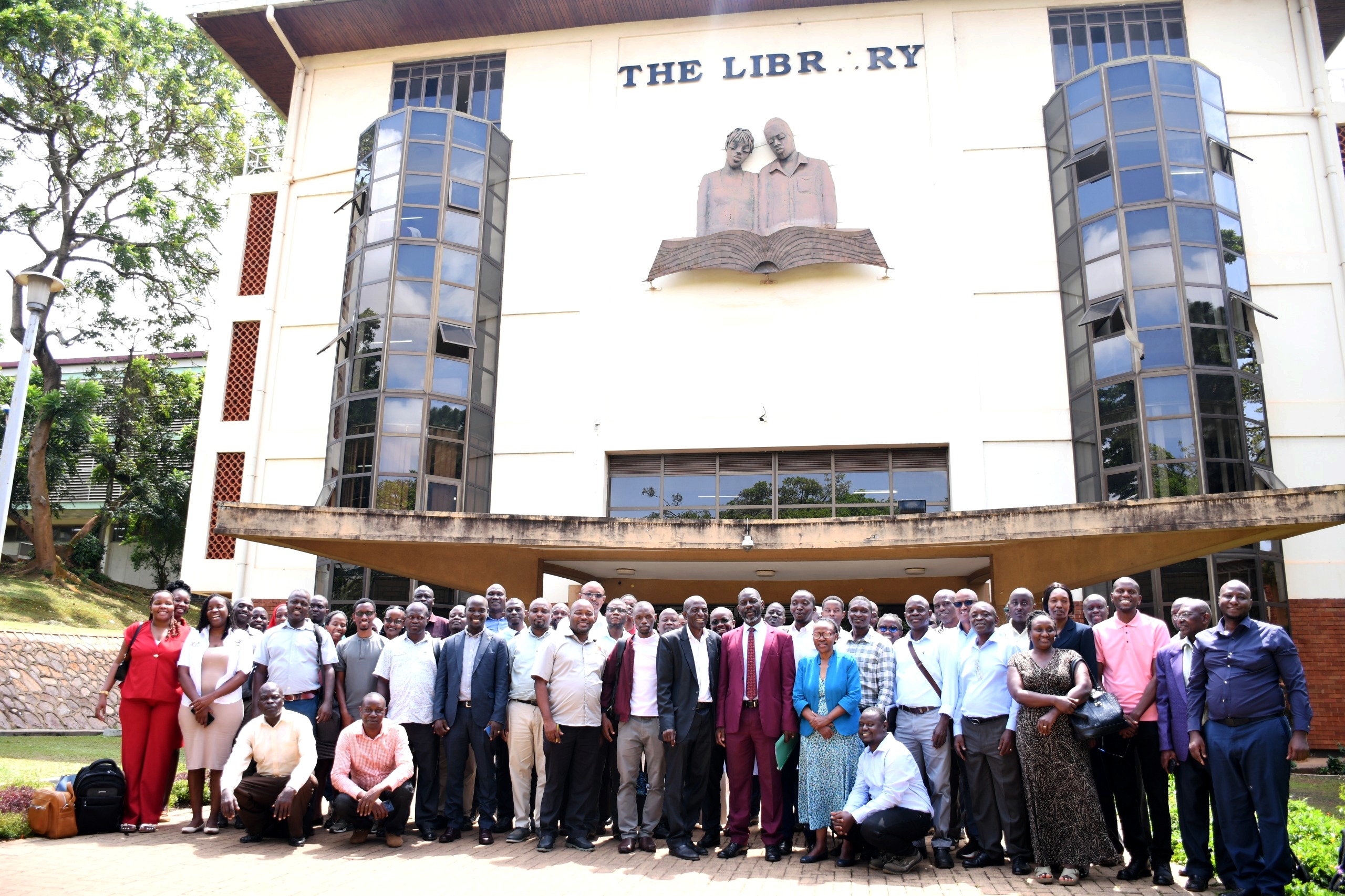
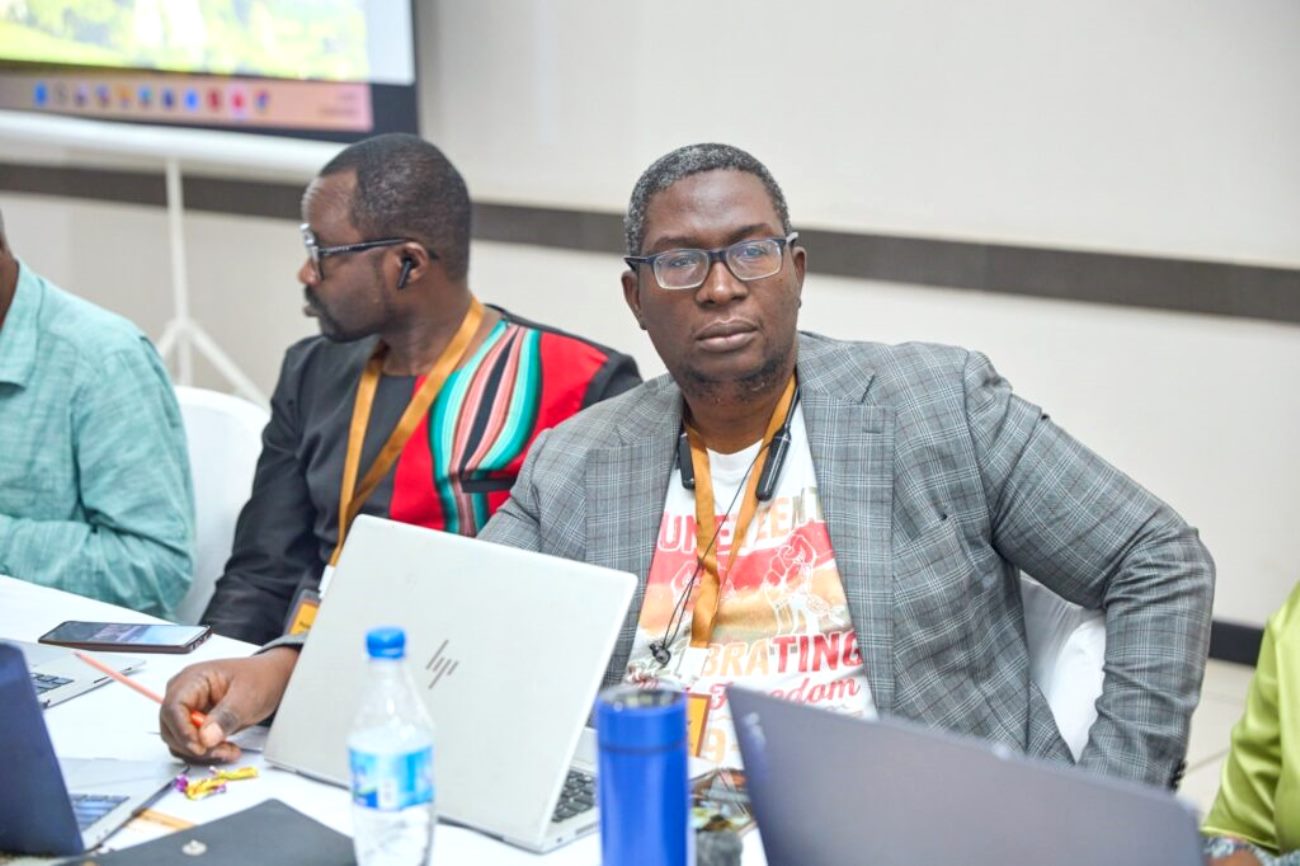
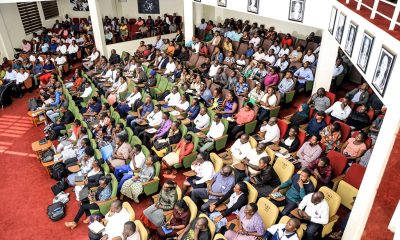
Prof. Kikooma made the remarks on Monday, May 25, 2026, during the closure of a 10-day PhD cross-cutting training in Advanced Research Methods held at the Main Library Room 24/7 at Makerere University. The blended training, which started on May 11, attracted more than 250 PhD students physically and online from different colleges and schools across the university.
The training was organized by the Directorate of Graduate Training and supported by iCARTA as part of Makerere’s efforts to strengthen doctoral education and research capacity.
In his closing remarks, Prof. Kikooma praised the team of facilitators led by Prof. Stella Neema and Prof. Christopher Mugimu, among others for not only teaching technical research content but also mentoring students into becoming the next generation of impactful researchers.
“I think they are also mentors. They have been mentoring you into the role of the next generation of researchers,” Prof. Kikooma said, noting that the facilitators had given students a framework for thinking critically about research and understanding what the university expects from doctoral scholars.
He emphasized that Makerere University is intentional about producing graduates whose research contributes solutions rather than adding to society’s challenges.
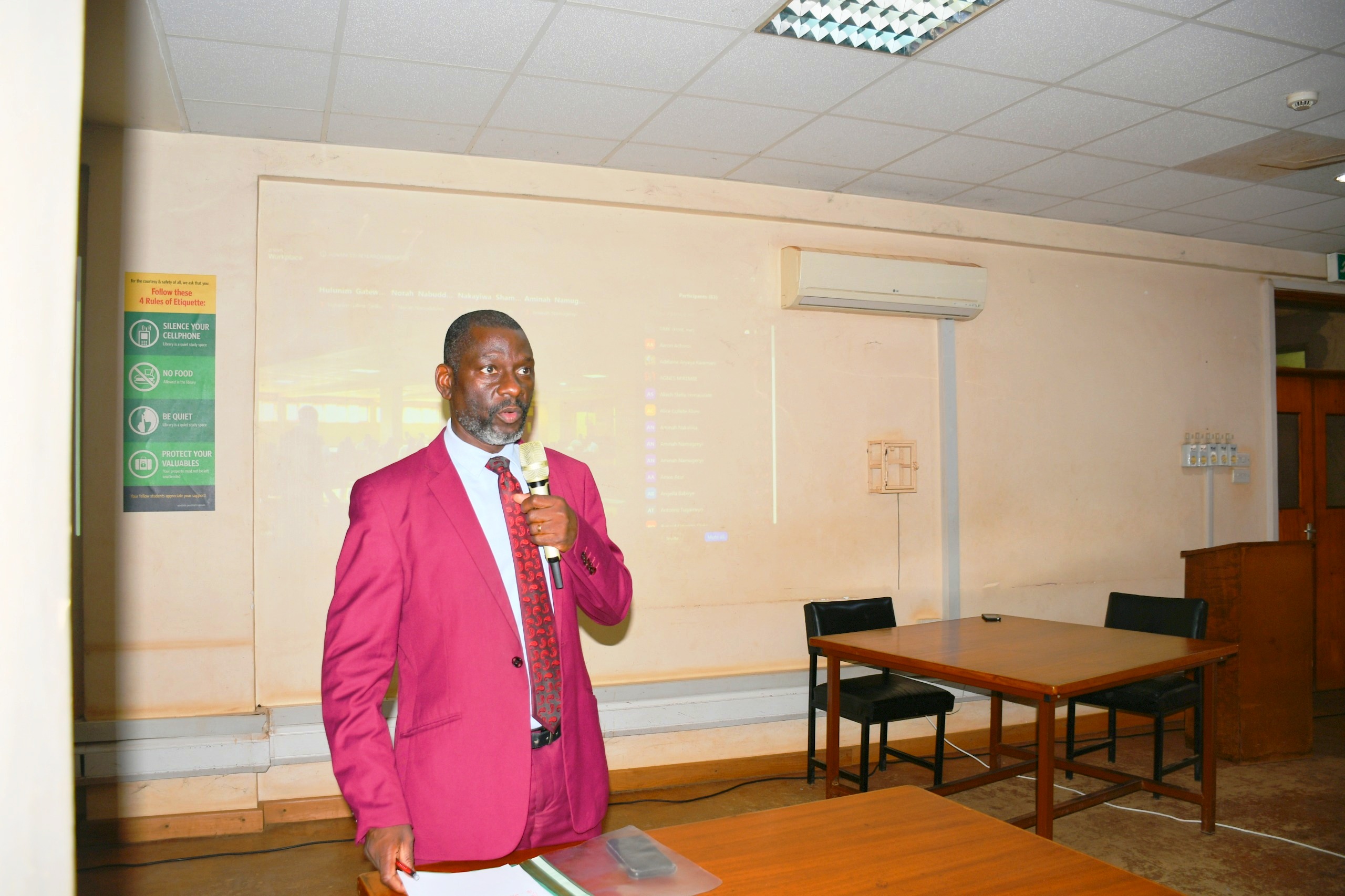
“What we do here should reassure the nation that the products from Makerere University are contributing to solutions. They are not adding to problems but adding to solutions,” he said.
According to Prof. Kikooma, the knowledge and tools acquired during the intensive training should not merely help students earn degrees, but should prepare them to generate insights, innovations and evidence-based solutions for communities and policymakers.
“At this point there are many things happening which still don’t have proper answers and do not have people spending sufficient time to study them. We expect your studies to become part of what the country will use to solve some of the problems,” he added.
Prof. Kikooma revealed that the Directorate of Graduate Training has adopted the theme “Postgraduate Research for Transformation,” aimed at ensuring that all doctoral research connects to broader societal needs.
“Gone are the days where you engage in research and knowledge creation for the sake of knowledge. Your work must translate into innovative solutions and insights that help policy makers make better decisions,” he said.
He further explained that the Directorate’s role goes beyond coordinating academic programmes to intentionally exposing students to cross-cutting competencies such as critical thinking, interdisciplinary, communication skills and problem-solving.
The Advanced Research Methods course is one of the mandatory PhD cross-cutting courses at Makerere University alongside Philosophy of Methods and Scholarly Writing. The courses are undertaken during the first year of the PhD journey, either in semester one or semester two.
Prof. Kikooma said the cross-cutting nature of the course is designed to help students appreciate that modern societal challenges cannot be solved through isolated disciplines.
“The issues that will lead to solutions do not come in compartments. That is why these courses are called cross-cutting,” he said.
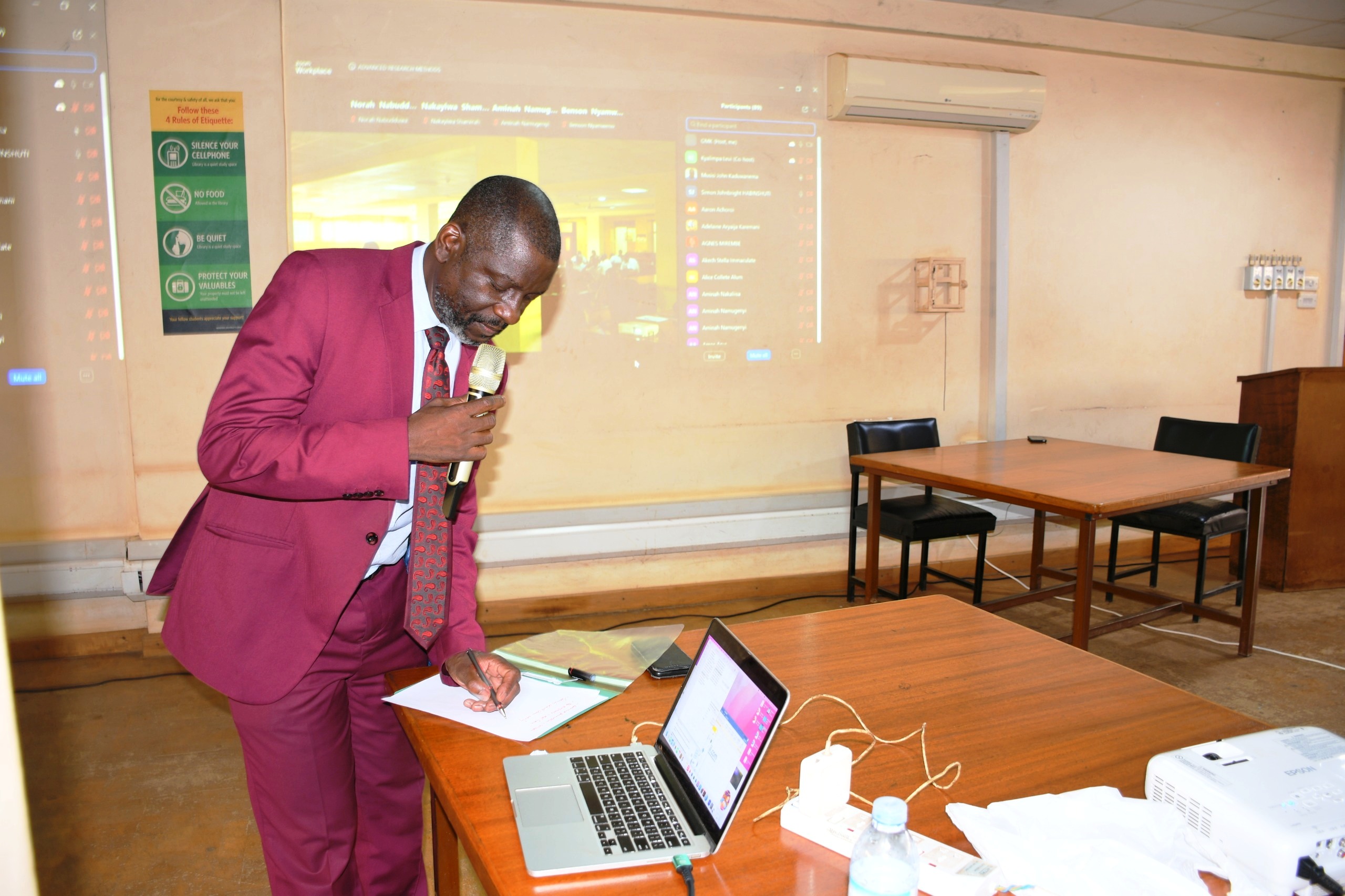
He commended the interdisciplinary approach used by facilitators drawn from different academic backgrounds, saying it equips researchers with broader perspectives needed to address complex societal issues.
He also urged students to ensure their research becomes meaningful beyond the thesis by producing outputs capable of engaging policymakers, communities and other stakeholders.
“We have redefined the outputs that need to come out of your research beyond the thesis,” he explained. “Your research should count in different ways.”
In a message that resonated strongly with the participants, Prof. Kikooma encouraged the PhD students to become creators of opportunities instead of job seekers.
“You create problems when you leave the university with the mentality of looking for a job. All these things should translate into defining opportunities for yourselves and for others,” he said.
He acknowledged that the blended and learner-centered approach may have been challenging for some students, but said it was intentionally designed to build resilience required during the demanding PhD journey.
“As you go forward, make sure your research counts and that you become part of the solution,” he concluded.
Speaking after the training, Prof. Stella Neema, an Associate Professor of Medical Anthropology in the Department of Sociology and Anthropology at Makerere University’s College of Humanities and Social Sciences, described the course as highly transformative for participants from different academic traditions.
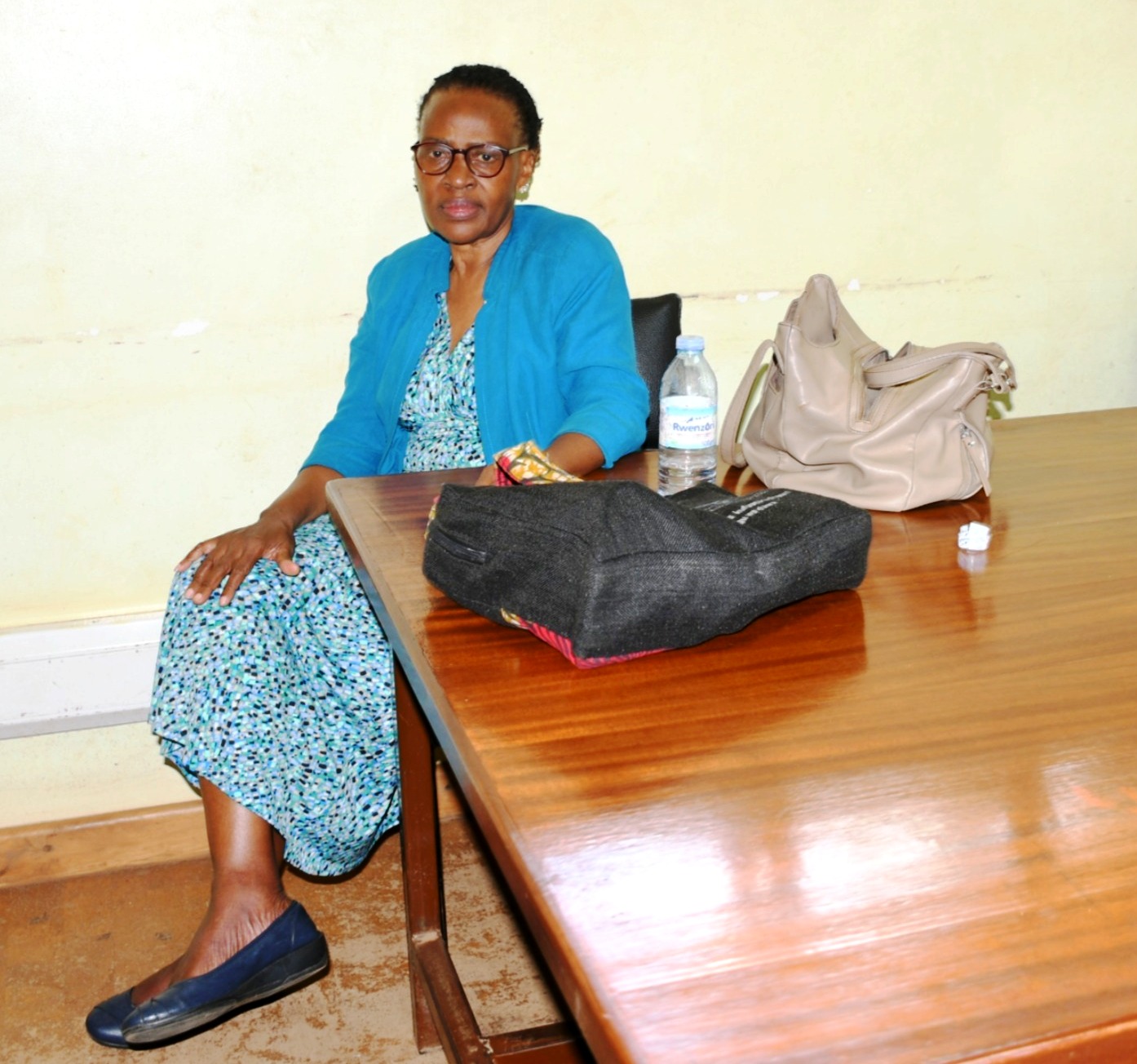
“This course was blended. We had people online and others physically present in this big classroom. Initially, participants from different paradigms were not talking much to each other,” Prof. Neema said.
She explained that by the end of the training, students who were quantitatively oriented had developed appreciation for qualitative approaches and vice versa.
“The positivists and interpretive scholars have learned from each other. They learned designing research tools, citations, and also how to protect human research participants through ethics training,” she said.
Prof. Neema added that the course exposed students to practical ethical challenges in research and strengthened their commitment to complete their doctoral studies successfully.
“They admitted to us that they are going to use what they have learned to further their research processes. Many told us they are determined to complete their PhDs on time,” she noted.
She further said the training aligns well with Makerere University’s strategic agenda as a research-led institution and supports Uganda’s national development agenda through innovation, industrialization and scientific problem-solving.
“This research training is like a springboard for Uganda’s areas of investigation and national development,” Prof. Neema said.
The Advanced Research Methods training is part of Makerere University’s broader strategy to strengthen doctoral research excellence, interdisciplinary scholarship and transformative innovation aimed at addressing national and global challenges.

You may like
-
Undergraduate Admission Lists 2026/2027
-
Call for Erasmus+ Mobility Exchanges between Makerere University and University of Perugia
-
CoNAS Strengthens Capacity of Staff to Implement Competency-Based Education
-
Admission Lists for Postgraduate Programmes 2026/27
-
UNCST Accredits Over 90 Makerere Staff in Good Research Review Practice
-
Makerere, Southwest Minzu University and NARO Forge Strategic Partnership to Advance Livestock Research and Innovation
Research
UNCST Accredits Over 90 Makerere Staff in Good Research Review Practice
Published
1 week agoon
July 24, 2026
The Uganda National Council for Science and Technology (UNCST) on 24th July 2026 accredited over 90 Senior Academic Members of staff that form Makerere University‘s Research Ethics Committees (RECs) in Good Research Review Practice (GRRP) after an intensive three-day Training. The closing ceremony was presided over by the Deputy Vice Chancellor (Academic Affairs)-DVCAA Prof. Sarah Ssali who was represented by the Principal, College of Computing and Information Sciences (CoCIS), Prof. Tonny Oyana.
UNCST’s Role Appreciated
In his remarks, Prof. Oyana reiterated the core function that research plays in Makerere University‘s mission and noted that excellence in research must always be underpinned by excellence in research ethics. “Research Ethics Committees play a vital role in fulfilling this responsibility,” he stated.
“Your decisions influence not only the quality and credibility of research conducted at the University but also the trust that research participants, communities, funding agencies, policymakers, and the public place in our institution,” remarked the DVCAA, who underscored the pivotal role of RECs in upholding Makerere University‘s reputation as a centre of research excellence.

He therefore thanked UNCST for promoting responsible conduct of research and strengthening ethical review systems in Uganda through facilitating trainings for RECs in GRRP and other critical areas such as Good Clinical Practice (GCP). He equally commended the Directorate of Research, Innovation and Partnerships (DRIP) led by Prof. Robert Wamala for organising the training, which continues to strengthen research governance structures across the University.
Incorporate RECs in Governance Structures
Presiding over the certificate award ceremony, the Deputy Executive Secretary UNCST, Dr. Martin Patrick Ongol congratulated all participants upon braving the three days of training despite their busy academic and research schedules. He equally commended Prof. Robert Wamala for ensuring that RECs at Makerere receive regular training and accreditation as mandated by governing procedures.

In the same breath he noted that RECs are key to ensuring that institutions conduct credible research and therefore ought not to be kept at the periphery of governance. “We would like to see that Research Ethics Committees get incorporated into governance and management structures of Makerere University – not like ad-hoc or adjunct entities within the ecosystem.”
Dr. Ongol equally called upon researchers and proposal writers in the room to ensure that issues of ethics are adequately budgeted for in the studies. “When it comes to participant compensation, we sometimes hit a snag,” he cited. He equally called upon members of RECs to ensure that issues of documentation are adequately addressed. “80% of noncompliance issues observed by UNCST are due to improper, missing or poorly handled documentation, and one of the ways of improving is through continuous engagement and we hope that we shall get there” he added.
DRIP and National Accreditation Committee Laud RECs
Prof. Robert Wamala whose Directorate of Research, Innovation and Partnerships is at the heart of coordinating training with UNCST commended members of RECs, many of whom hold the ranks of Professors, Associate Professors and Senior Lecturers for sacrificing time to complete the GRRP Training. He reiterated that RECs are at the heart of ensuring that Makerere‘s research, particularly that involving human participants, meets national and international standards through harmonised ethical review approaches.

Adding her voice, Prof. Sylvia Angubua Baluka, a member of the UNCST National Accreditation Committee noted that in addition to RECs, Institutional Animal Care and Use Committees play an important role in safeguarding the lives of animals that we depend on for food.
“I would therefore like to appreciate all Chairpersons and Members of Committees that are here; you are doing a good job and based on our site monitoring visits, we can address gaps in monitoring the research protocols you approve so as to have more impactful work and outputs that are more compliant with the ethical approval given” she added.

RECs at a glance
A total of 95 members of RECs took part in the GRRP Training as broken down below.
- Makerere University School of Medicine Research Ethics Committee (SOM–REC) – 19
- Makerere University School of Biomedical Sciences Research Ethics Committee (SBS–REC) – 17
- Makerere University School of Health Sciences (SHS–REC) – 15
- Makerere University School of Social Sciences Research Ethics Committee (MakSS–REC) – 5
- Makerere University School of Public Health Research Ethics Committee (MakSPH–REC) – 19
- Makerere University College of Business and Management Sciences (CoBAMS–REC) – 3
- Makerere University College of Agricultural and Environmental Sciences (CAES–REC) – 13
- Makerere University College of Veterinary Medicine, Animal Resources and Biosecurity (CoVAB–REC) – 4
Research
Uganda Strengthens Research Ethics Oversight as Makerere and UNCST Equip Ethics Committees for Emerging Scientific Challenges
Published
1 week agoon
July 22, 2026By
Mak Editor
By Moses Lutaaya
Kampala, Uganda — July 22, 2026
Uganda’s research sector is preparing for a new era of scientific advancement as emerging fields such as artificial intelligence, genomics, digital health; big data analytics and international research collaborations continue to transform the landscape of scientific inquiry. However, experts have emphasized that these developments must be matched with stronger ethical oversight mechanisms to protect research participants, maintain scientific credibility and preserve public trust.
The call was made during the three-day Good Research Regulatory Practice (GRRP) Course for members of Research Ethics Committees (RECs) from Makerere University and other institutions. The training was organized by the Directorate of Research, Innovations and Partnerships at Makerere University in partnership with the Uganda National Council for Science and Technology (UNCST) to strengthen research governance and enhance ethical review practices.
Speaking at the official opening of the course, Prof. Robert Wamala, Makerere University’s Director of Research, Innovation and Partnerships, said ethical oversight remains central to achieving quality research that contributes to national development.
Prof. Wamala said Makerere University remains committed to producing research that addresses Uganda’s priorities while contributing to regional and global scientific advancement. However, he cautioned that research excellence cannot exist without strong ethical safeguards.
“Every research project involving human participants carries with it a profound responsibility to uphold the dignity, rights, safety and well-being of those who make research possible,” Prof. Wamala said.

He described Research Ethics Committees as critical pillars of Makerere’s research ecosystem, emphasizing that their role extends beyond regulatory compliance to protecting scientific credibility and maintaining public confidence.
“The quality, consistency, independence and timeliness of ethical review directly influence the quality of research produced by our institution and the confidence that participants, funders, collaborators and society place in our work,” he said.
Prof. Wamala observed that emerging fields such as artificial intelligence, genomics, digital health, big data analytics and cross-border research collaborations have introduced new ethical questions requiring continuous learning and adaptation.
He said modern ethical oversight demands more than simply following regulations. “It requires critical thinking, sound judgment, an appreciation of emerging technologies and strict adherence to internationally accepted standards of ethical review,” he said.
He noted that the GRRP Course provides an opportunity to harmonize ethical review approaches across Makerere’s Research Ethics Committees, improve institutional capacity and ensure that research involving human participants meets national and international standards.
Prof. Wamala also commended UNCST for its continued partnership with Makerere University in strengthening research governance, describing the collaboration as a reflection of a shared commitment to fostering a research environment that is ethical, responsible, innovative and internationally competitive.
Relatedly, Dr. Hellen Opolot, the Assistant Executive Secretary and Head of the Directorate of Research Management and Quality Assurance at UNCST, called on Research Ethics Committees to continuously strengthen their capacity as Uganda’s research environment becomes increasingly complex.
Dr. Opolot said scientific progress presents immense opportunities but also introduces new ethical, legal and regulatory challenges that require regulators and ethics committees to remain ahead of emerging trends.
She noted that research in Uganda is rapidly expanding, driven by developments in artificial intelligence, genomics, digital health, social and behavioral sciences and multinational collaborative studies.
“As REC members, your role extends beyond reviewing research protocols. You are responsible for safeguarding the rights, dignity and welfare of research participants,” Dr. Opolot emphasized.

She commended the organizers, particularly Professor Wamala for their continued commitment to strengthening research governance through capacity-building initiatives targeting Research Ethics Committees, students and researchers.
“I want to express my sincere appreciation to Professor Wamala for continuously inviting me to these meetings and for organizing important capacity-building programmes, not only for Research Ethics Committees but also for students,” she said.
Dr. Opolot encouraged participants to actively engage in the training, share experiences and develop practical approaches to addressing ethical challenges, noting that many issues facing researchers and regulators require collaboration and informed judgment.
She expressed confidence that the knowledge gained from the training would improve ethical review processes, strengthen post-approval monitoring and promote a culture of research integrity across Uganda.
Prof. Fredrick Nelson Nakwagala, the Chairperson of the Accreditation Committee for Research Ethics in Uganda at UNCST, said the training was aimed at equipping Research Ethics Committees with the skills required to protect human participants and improve research quality.
“The main function of this meeting is to build the capacity of Research Ethics Committees at Makerere University to perform their responsibility of protecting human subjects in research,” Prof. Nakwagala said.
He explained that continuous training remains necessary because ethical standards evolve alongside changes in science and technology.
“Ethics keeps changing because circumstances change. We now have artificial intelligence, mathematical modelling and complex study designs that were not known before. There are also new international and national guidelines on how to protect human participants who volunteer in research,” he said.
Prof. Nakwagala emphasized that Research Ethics Committees play a broader role than approving research proposals. He said they also monitor approved studies to ensure compliance with regulations, scientific standards and legal requirements.
“They monitor approved studies to ensure they are conducted within applicable regulations, scientific standards and the law. This improves both the quality of research proposals and the quality of research implementation,” he said.
He warned that unethical research practices such as plagiarism, fabrication of participants and falsification of data could undermine national development efforts, especially when research findings influence public policy.

“You don’t want research products from scientists who are fraudulent, who fabricate participants or falsify data,” he said. “Research Ethics Committees ensure research is what it claims to be and that the process gives confidence in the results.”
Prof. Nakwagala added that ethics committees play an important role in mentoring postgraduate students by providing a framework that enables them to conduct credible and scientifically sound research.
He linked strong research ethics to Uganda’s development ambitions under the National Development Plan IV, noting that science, technology and innovation are increasingly important in sectors such as agriculture, health, infrastructure, housing and environmental sustainability.
“Ethical oversight is critical in balancing the risks and benefits of development initiatives,” he said.
Addressing concerns about delays in postgraduate research approvals, Prof. Nakwagala said new review timelines introduced by UNCST are expected to improve efficiency while maintaining quality.
“We believe that within a week, most student protocols should receive approval. Only larger studies such as clinical trials require more rigorous review, but even these should not exceed 60 days,” he said.
Day One of GRRP Course Brings Together Experts and Research Ethics Practitioners
Day one of the Good Research Regulatory Practice Course was facilitated by Ms. Irene Semakula Suryani, Dr. Fredrick Nelson Nakwagala, Dr. Robert Sekubugu, Prof. Noah Kiwanuka and Ms. Gladys Nakalema, who guided participants through key areas of ethical review, research governance, regulatory standards and best practices for strengthening Research Ethics Committees.
The training attracted members from various academic units and institutions, including 16 participants from the College of Health Sciences, 5 from the School of Social Sciences, 15 from the College of Agricultural and Environmental Sciences (CAES), 23 from the School of Public Health, 23 from the School of Medicine, 19 from the School of Biomedical Sciences and 5 from the College of Veterinary Medicine and Animal Resources (COVAB).
Research Ethics Committee Leaders Attend Capacity-Building Training
The course also brought together chairpersons of Research Ethics Committees from different schools and colleges who participated in strengthening ethical review systems at Makerere University and beyond. Among those in attendance were chairpersons of the different RECs including Prof. Stella Neema from the School of Social Sciences, Dr. Paul Kutyabami from the College of Health Sciences, and Dr. Joseph Kagagi from the School of Public Health, among other REC leaders.
The participation of REC chairpersons underscored the importance of institutional leadership in promoting responsible research practices, improving review efficiency and ensuring that scientific advancement is guided by integrity, accountability and respect for human dignity.
The GRRP training, running from July 22 to 24, 2026, is part of ongoing efforts by Makerere University and UNCST to strengthen Uganda’s research governance system and ensure that scientific progress is built on ethical foundations.
Research
Makerere University Rolls Out Thesis Completion Grants to Accelerate PhD Research and Strengthen National Policy Impact
Published
2 months agoon
June 10, 2026By
Mak Editor
By Moses Lutaaya
KAMPALA — The Directorate of Graduate Training at Makerere University has launched a thesis completion grant aimed at supporting PhD students to complete their research, improve completion rates, and align academic work with Uganda’s national development priorities.
This was on Monday 8th June, 2026 at Telepresence hall at the Senate Building, Makerere University, where beneficiaries met with leadership of the Directorate Graduate Training.
Speaking at the rollout, Prof. Julius Kikooma said the initiative responds to long-standing funding gaps in doctoral training, which have historically left many researchers struggling to complete their studies.
“For quite a while, Makerere University, just like other institutions in the country, was predominantly supported by development partners when it comes to research support, because by nature research is very resource intensive,” Prof. Kikooma said.
He explained that much of the earlier support for PhD training came from development partners such as SIDA, which enabled many candidates to complete their studies. However, he noted that this support gradually ended around 2018–2019, leaving a significant gap in research funding.

“Around 2018–2019, that support came to an end. And so the gap became much more visible,” he said, adding that the university could not reverse its commitment to training PhD-level staff despite the financial constraints.
Prof. Kikooma said the university has since been working to mobilize internal resources to support doctoral students, noting that the new grant is intended to assist candidates who are already at advanced stages of their research.
“We thought it would be important that there is some money available which can help as you progress, even though we may not be able to shoulder the whole financial burden of your PhD research,” he said.
He emphasized that the fund is small but strategically targeted at critical activities such as fieldwork, data collection, and limited publication support. “The budget is very small, but we are convinced that there can be some progress based on that support,” he added.
Prof. Kikooma further said that beneficiaries will be required to implement their thesis completion activities or work within six months, submit a progress report after three months, and adhere to strict monitoring arrangements to ensure accountability and timely completion of their Doctoral studies.

“We are going to come up with a roadmap and follow you up just to make sure you don’t go off track,” he said, stressing that the funds are public resources that must be used within defined timelines.
He also underscored the importance of aligning research with national priorities and ensuring that doctoral work contributes beyond academia.
“Those days are gone now where research has no connection with any national interest,” he said. “The research that we do here must be clear and aligned with national priorities.”
He added that the university now expects PhD candidates to extract policy-relevant outputs from their research to contribute to national decision-making processes.
“We expect that from your work you extract something that can lead to a conversation around national issues and policy direction,” he said.

In a related address, Phillip Mawejje, the Principal accountant at the Directorate of Graduate Training confirmed that 18 PhD candidates had benefited from the revised grant following a budget review process.
“It is more than 10. We managed to facilitate 18 this time around based on your budgets,” Mawejje said, adding that all beneficiaries had received their funds or should immediately report any delays.
He instructed recipients to consult Dr. Nestor Mugabe to work with the revised budgets in line with the disbursed amounts.
“As I speak now, I believe all of you have the money. If you have not received it, please let us know,” he said.
Mawejje emphasized strict accountability requirements, noting that beneficiaries must account for the funds within 60 working days or earlier, depending on the nature of their research activities.
“We will need accountability for that money because this is public funds, and our instructions require that you account for the funds within 60 working days or less,” he said.

He added that while extensions may be considered in cases of ongoing research, progress reports must be provided to justify continued use of the funds.
“It is either earlier or within 60 days. If your work takes longer due to unavoidable circumstances, please give us progress reports,” he said.
He also announced that once the PhD candidates complete their studies, the university will organize a dissemination workshop to allow them to present their findings and demonstrate their contribution to society and the economy.
“We will conduct a workshop and then you come and disseminate your findings and how impactful it is to society and the economy,” he said.
The initiative is part of Makerere University’s broader effort to improve doctoral completion rates, strengthen research output, and ensure that academic work contributes directly to Uganda’s development agenda amid declining external research funding.
Trending
-
General1 day agoUndergraduate Admission Lists 2026/2027
-
General5 days agoAdmission Lists for Postgraduate Programmes 2026/27
-
General1 week agoGulu University Benchmarks Makerere University’s Management of Mature Age Entry Examinations
-
General1 week agoMakerere, Southwest Minzu University and NARO Forge Strategic Partnership to Advance Livestock Research and Innovation
-
General1 week agoMakerere’s Research Billions Offer MUST a Blueprint for Managing Grants