
General
Makerere University Deputy Vice Chancellor Academic Affairs urges mentors to create safe spaces for scholars

By Damali Mukhaye
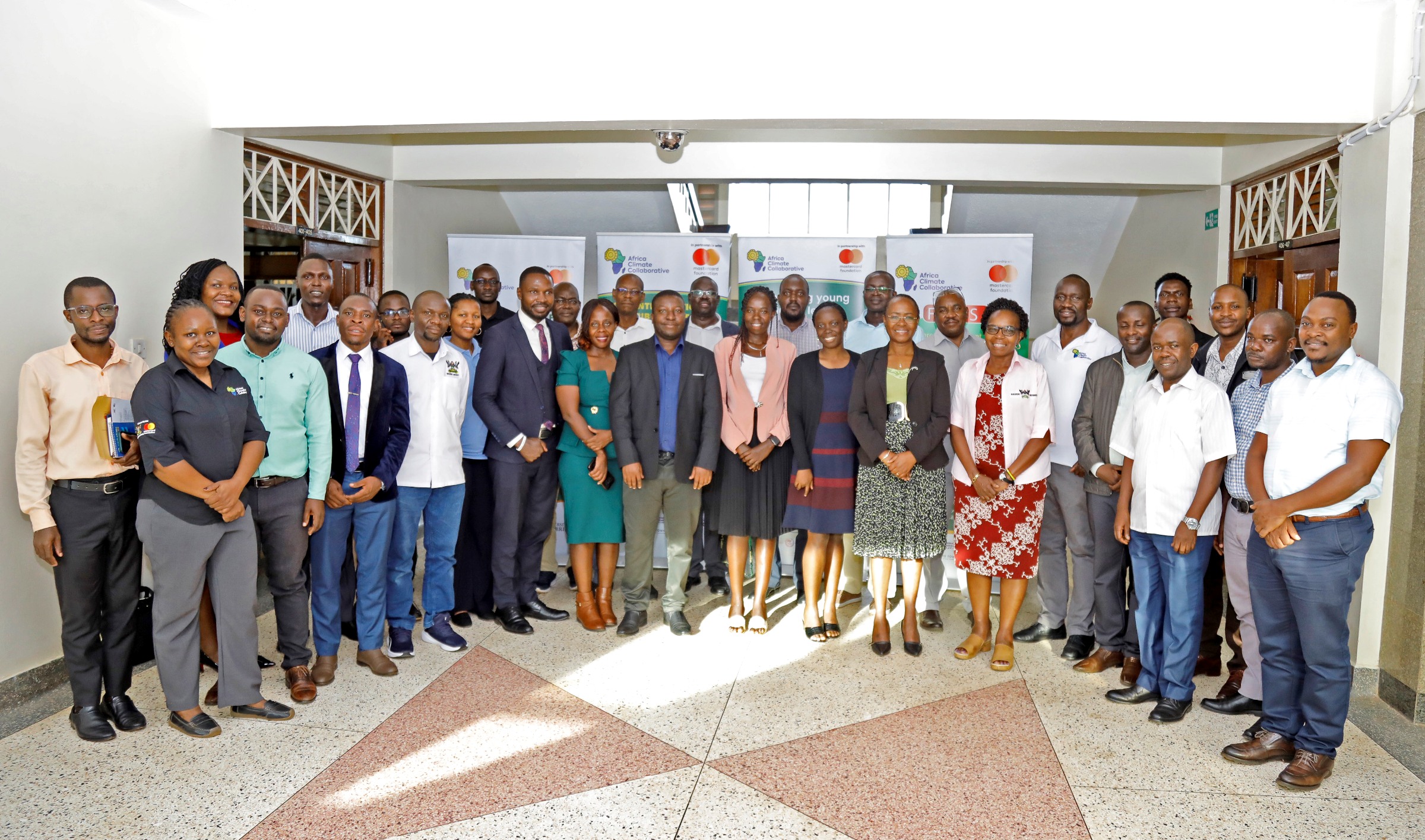
The Deputy Vice Chancellor for Academic Affairs at Makerere University, Prof. Sarah Ssali, has urged mentors under the Africa Climate Collaborative, an initiative supported by the Mastercard Foundation, to create safe, supportive and inclusive environments where scholars can freely express themselves, share their concerns and develop their full potential.
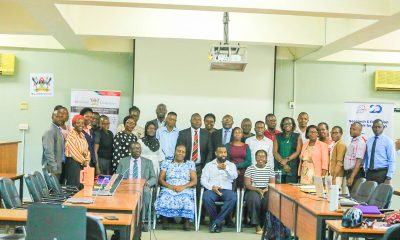
Speaking on 19 November 2026 during a Mentors’ Capacity-Building Workshop at Makerere University, Prof. Ssali emphasised that mentorship goes beyond providing academic guidance to include nurturing the personal, professional and emotional well-being of students.
“Mentorship is one of the most meaningful ways in which we can contribute to the development of the next generation of leaders. Beyond imparting knowledge and skills, mentorship provides guidance, encouragement and an opportunity for young people to learn from the experiences of those who have walked similar paths before them,” Prof Ssali said.
Prof Ssali who also doubled as the Chairperson Steering Committee of the Africa Climate Collaborative noted that the University’s responsibility in developing scholars extends beyond academic excellence to include leadership, personal growth, professional development, emotional well-being, innovation and entrepreneurship.
According to her, Makerere University recognises mentorship as an important component of an inclusive student experience, as reflected in its Strategic Plan 2025/26–2029/30. Under Strategic Objective One, which focuses on promoting quality, innovative and responsive teaching and learning, the University commits to increasing students’ access to career guidance and mentorship.
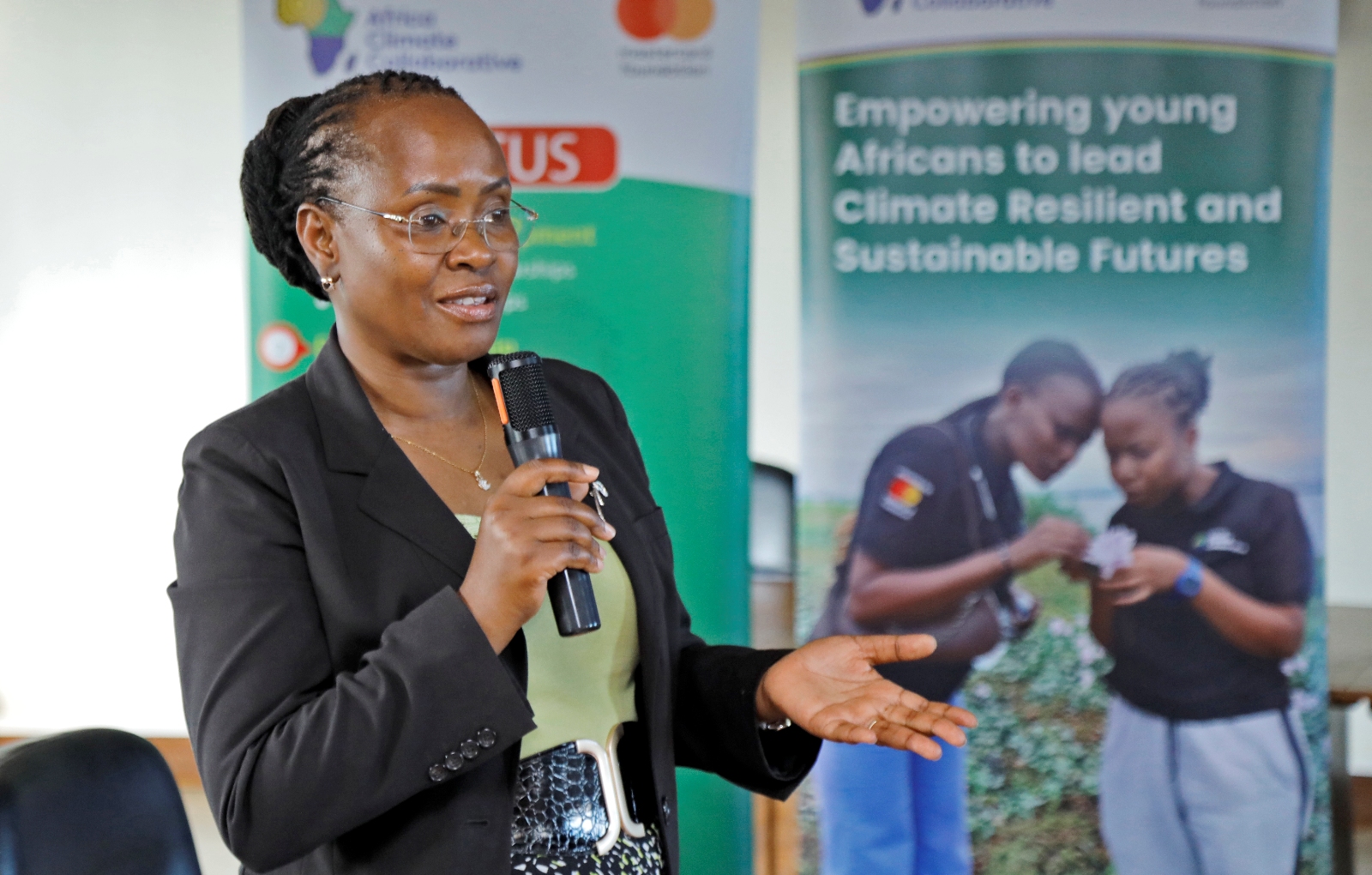
She described mentorship as an important pillar in developing well-rounded graduates, noting that it provides students with professional guidance, practical insights, networks and the confidence to navigate their academic, personal and career journeys.
Prof. Ssali encouraged the mentors to be approachable, supportive and intentional in helping scholars realise their potential. She urged them to create spaces where students feel comfortable asking questions, sharing concerns, learning from mistakes and exploring new ideas.
“Sometimes, the most valuable contribution a mentor can make is simply being available to listen, offering reassurance or helping a scholar see possibilities that they may not have previously considered,” she said.
She reaffirmed Makerere University‘s commitment to creating an enabling environment in which students and scholars can thrive academically, professionally and personally, noting that investing in mentorship is an investment in the future of the University, communities and the African continent.
Creating inclusive and safe spaces for scholars with disabilities
Ms Elizabeth Rwabu, Inclusion Support Services Officer at Mastercard Foundation Scholar’s Program at Makerere University called upon mentors to create inclusive, safe and supportive environments where scholars with disabilities can participate fully, express themselves freely and thrive academically and socially.
Ms Rwabu emphasised the importance of identifying and addressing barriers that limit the participation of scholars with disabilities.
“Mentors should recognise that it is often the barriers in the environment, rather than the impairment itself, that restrict a scholar’s full participation. By promoting accessibility, reasonable accommodation and inclusion, we can create safe and supportive spaces where every scholar has the opportunity to thrive.” Ms Rwabu said.
Supporting refugee scholars through inclusive mentorship
Mr Apollo Mulondo of the Refugee Law Project, School of Law, Makerere University, implored mentors to understand the unique experiences and challenges faced by refugee university students and provide support that responds to their individual needs. He highlighted challenges including financial hardship, mental health and emotional well-being, academic adjustment, language barriers, social isolation, family responsibilities, administrative hurdles and uncertainty about future career opportunities.
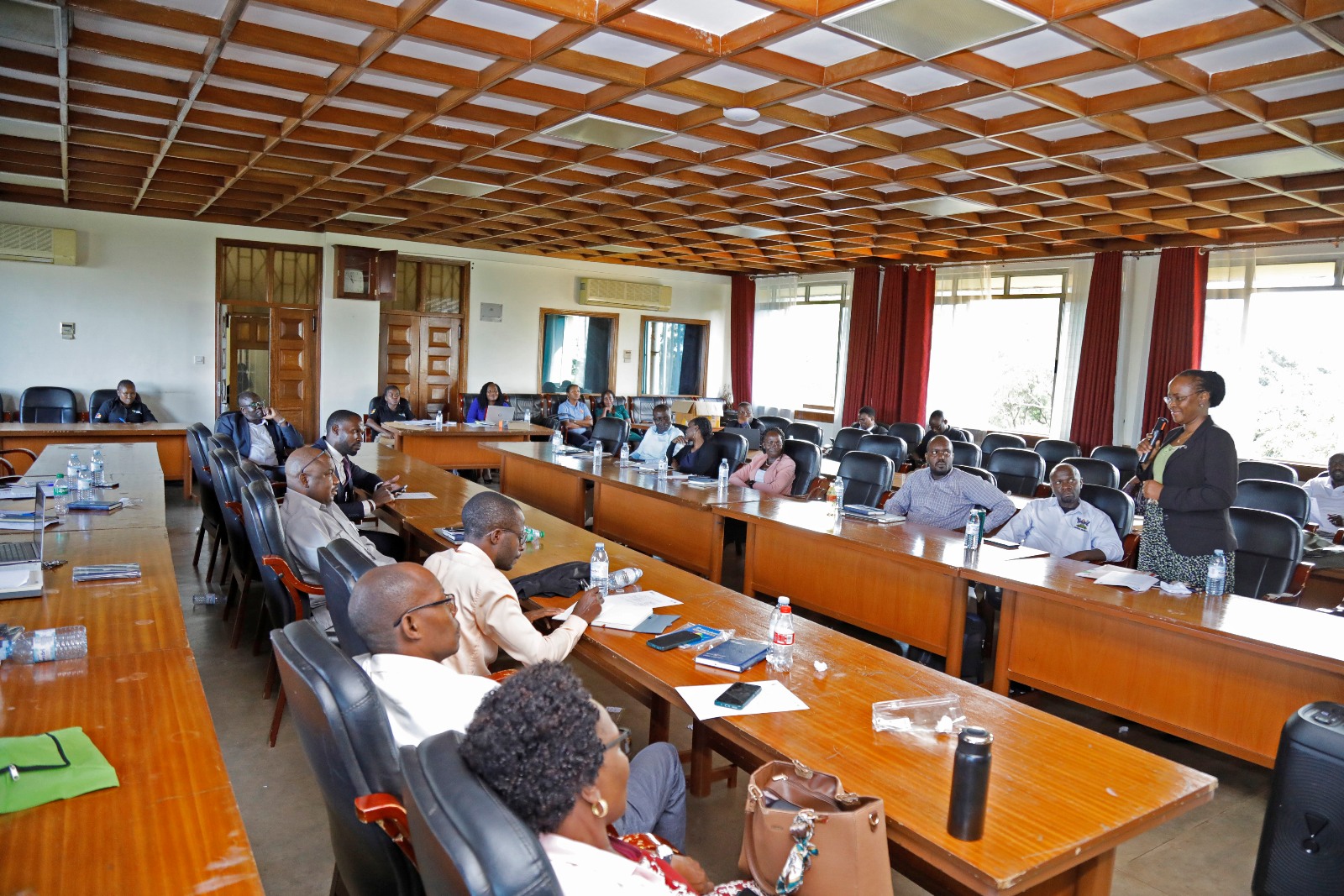
Mr Mulondo emphasised the importance of cultural sensitivity, respecting privacy and personal boundaries, and recognising the strengths and potential of refugee scholars. He encouraged mentors to promote academic and social inclusion while creating supportive relationships that empower refugee students to build confidence, overcome challenges and realise their aspirations.
“Mentors need to understand the backgrounds and unique experiences of refugee students, be sensitive to their emotional and psychological needs, respect their privacy and promote their academic and social inclusion. Above all, mentorship should empower refugee scholars by recognising their strengths and supporting them to realise their full potential.” Mr Mulondo said.
Strengthening safeguarding in mentorship
Ms Diana Nabikolo, the Safeguarding Liaison Officer at the Mastercard Foundation Scholar’s Program at Makerere University asked mentors to uphold their responsibility to protect scholars from harm by creating respectful, inclusive and safe environments. She highlighted safeguarding concerns that may affect postgraduate scholars, including sexual exploitation, abuse and harassment, gender-based violence, bullying, discrimination, physical and emotional abuse, online fraud and financial exploitation.
She highlighted the importance of establishing clear professional boundaries, listening and responding appropriately when scholars raise concerns, and promptly referring cases through designated University reporting channels.
Mentors were also reminded that they are not investigators or counsellors and should not promise secrecy, confront alleged offenders or attempt to investigate reported cases themselves. They were encouraged to familiarise themselves with the University’s Safeguarding Policy and the MakSafeSpace reporting platform.
Ms Nabikolo reminded mentors of the importance of maintaining appropriate boundaries in their mentoring relationships, stressing that mentors should not take on the personal challenges or burdens of their mentees, nor feel obligated to provide financial support.
She further cautioned mentors against becoming emotionally overwhelmed or stressed by their mentees’ circumstances, highlighting the importance of safeguarding their own well-being while providing responsible and sustainable mentorship.
Damali Mukhaye is the Communications, Public Relations and Branding Officer of the Africa Climate Collaborative at Makerere University.





General
Makerere University and Institute for African Studies Formalise Strategic Cooperation in African History Research and Dissemination

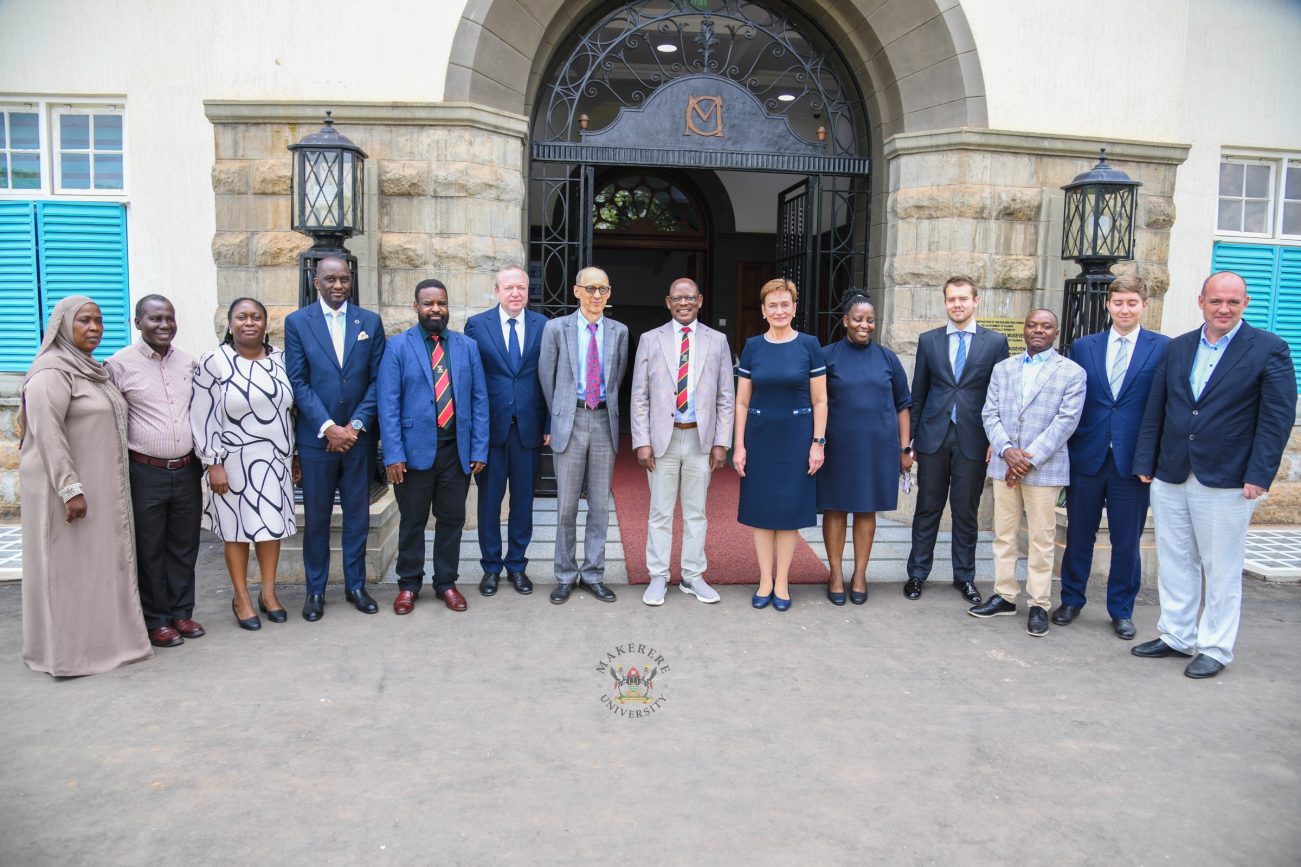
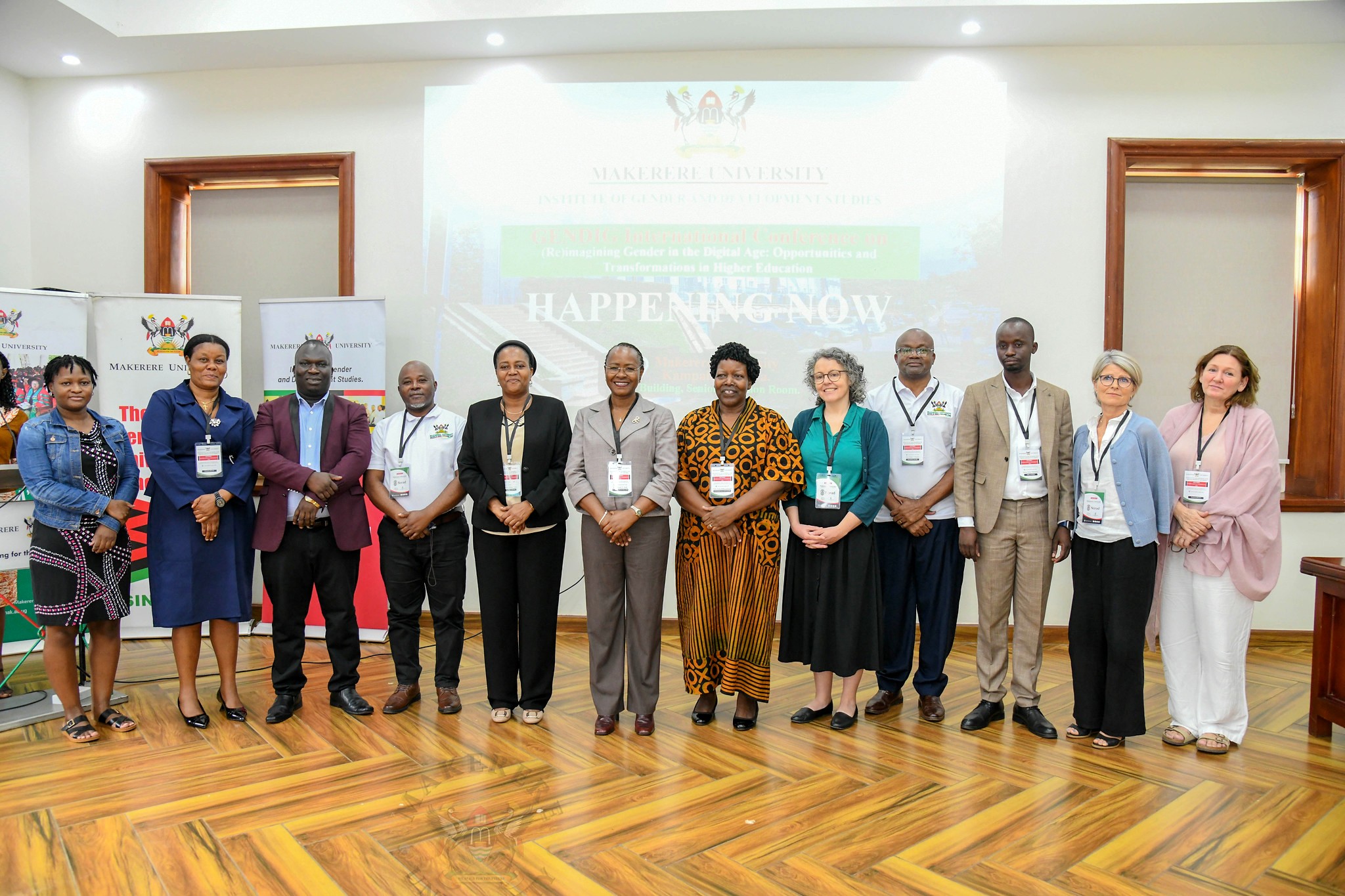
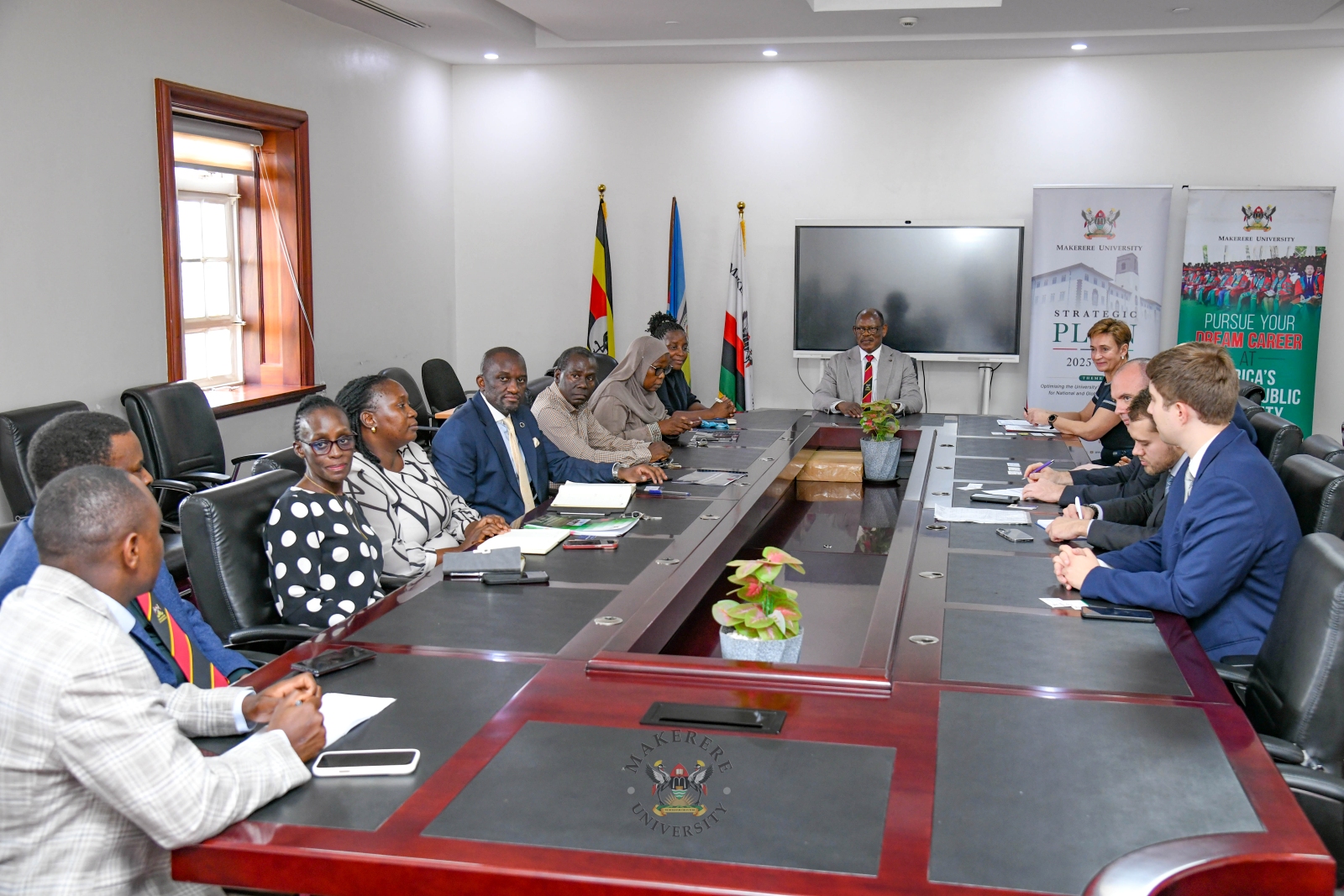
Recognising mutual interest in the development and dissemination of African History knowledge on a long-term basis, Prof. Barnabas Nawangwe, Vice Chancellor (VC) of Makerere University, and Prof. Irina O. Abramova, Director of the Institute for African Studies of the Russian Academy of Sciences (RAS) based in Moscow, Russia officially signed a Memorandum of Understanding (MoU) on Wednesday November 25, 2026. This MoU establishes cooperation in matters relating to facilitating research on African history; exchanging publications on African history and the decolonisation of knowledge; exchanging information on dialogues, conferences and seminars between the two institutions; facilitating the organisation of joint courses for undergraduate and postgraduate students on African history; discussing joint grant applications; supporting MAWAZO: The Journal of the College of Humanities and Social Sciences, Makerere University and the Journal of the IAS RAS through the submission of articles, publication of special issues and peer review.
Prof. Nawangwe noted that this partnership holds a historical and future significance for it will catalyse telling the right history and also place Makerere University at the centre of educating the world about what exactly happened. He expressed joy to sign this memorandum with the Russian Institute.
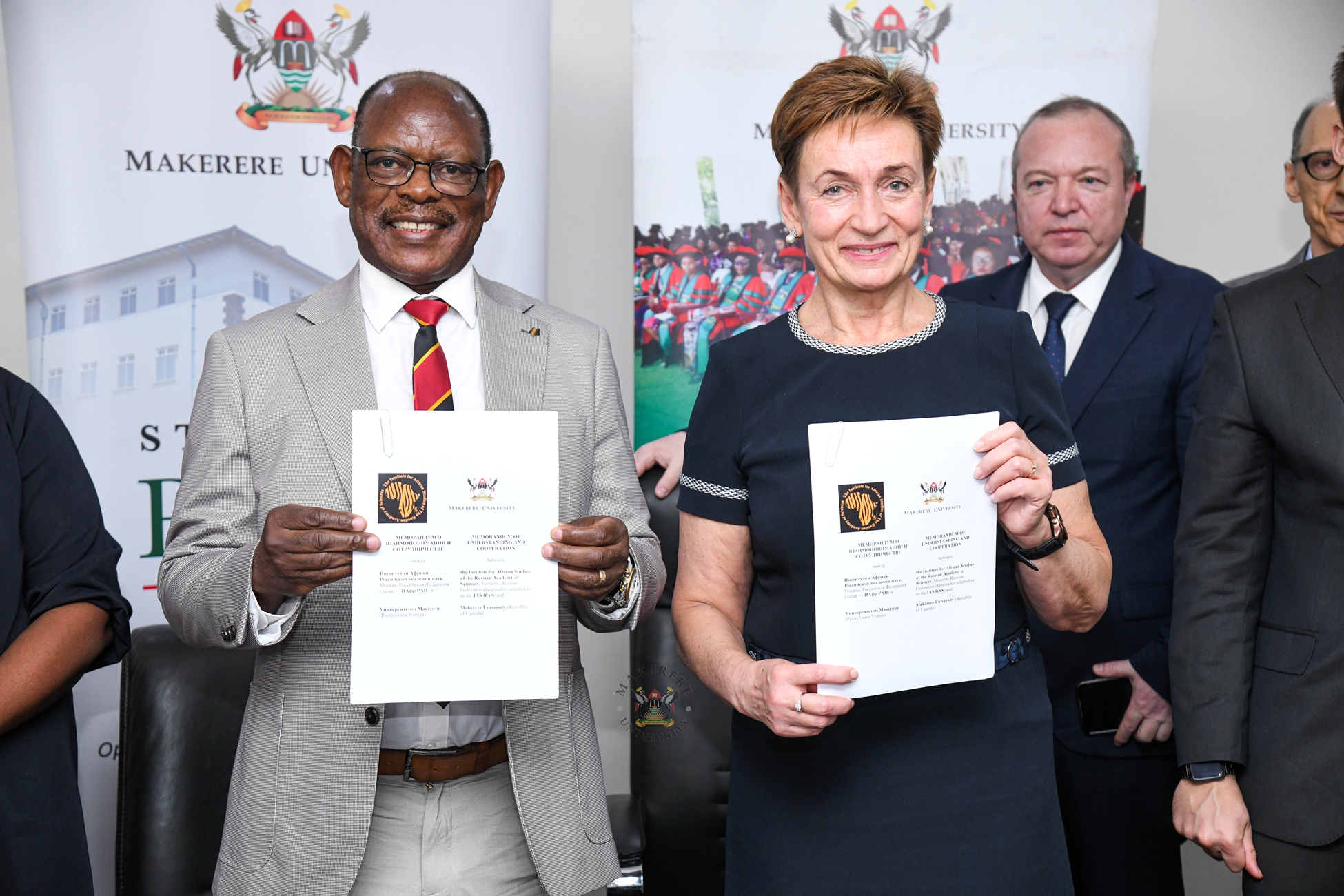
Representing the Russian delegation, Prof. Abramova emphasised the collaborative spirit of the agreement. She noted, they are here not to impose their theories and ideas but rather to learn from African researchers at Makerere University.
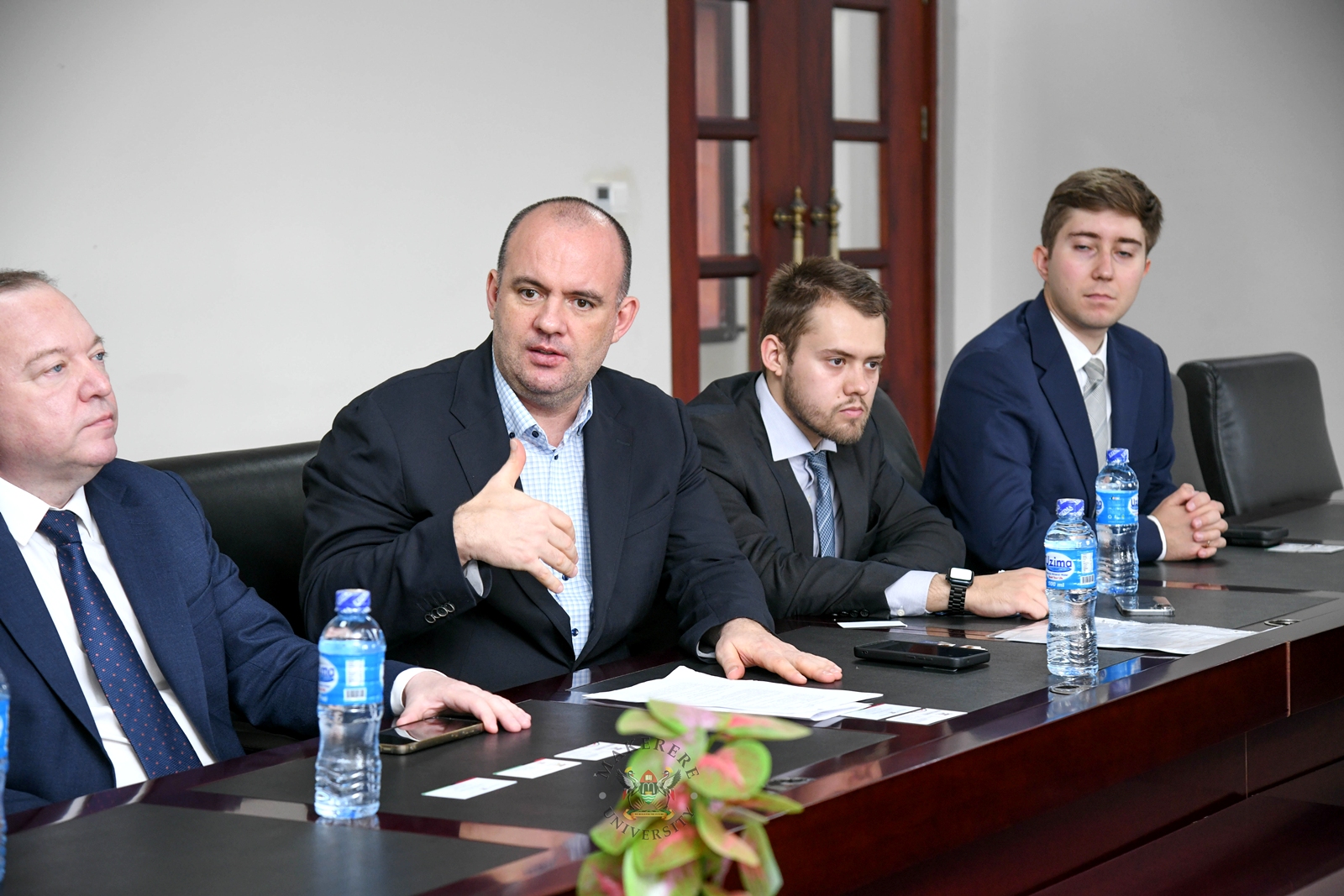
Prof. Denis A. Degterev, who is leading the implementation of the reparation project, highlighted the concrete steps already underway. He explained that they have already opened an Africa Research Group on Historic Injustices. He highlighted one of the most interesting directions of this cooperation is discussing together what social theories could be applied to the reparation agenda, and what methodologies of damage assessment could be applied.
Prof. Helen Nambalirwa Nkabala, the Principal College of Humanities and Social Sciences (CHUSS) at Makerere University as well expressed enthusiasm for the interdisciplinary potential of the partnership. She noted it as a good idea to bring on this partnership especially for Makerere students already researching in this direction. Emphasising this, she also noted that “we can take it further to look at the nuances that are related to gender as far as the reparations are concerned.”
Dr Enoch Sebuyungo from the Department of Foreign Languages highlighted the linguistic and cultural dimensions of the collaboration. He noted that as a department of foreign languages, they are also very interested, especially in the experiences that researchers have had in the teaching and learning of Russian as a foreign language.
Prof. Robert Wamala, the Director in charge of Research and Partnerships at Makerere University, focused on the broader institutional impact, noting that the actualisation of this collaboration is dependent on numerous factors. He projected follow ups to ensure the fruits of this engagement come to life.
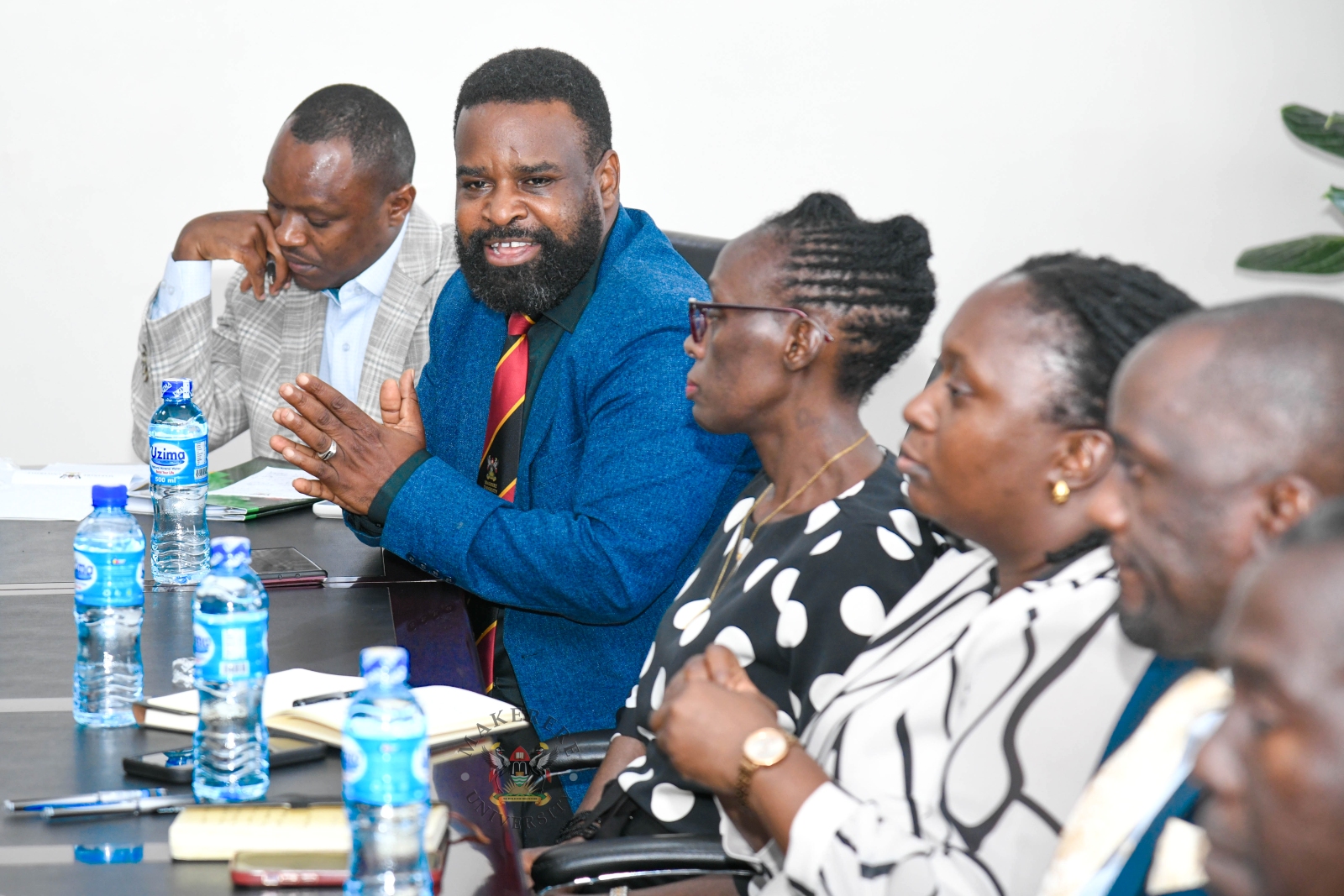
Bringing in the strategic planning perspective, Mr. Simon Kizito, the Makerere University Secretary connected the partnership to Uganda’s national development agenda. He noted that the government of Uganda is now concentrating on seeking to grow the economy. He said this collaboration can help in fulfilling the government agenda, and certainly the National Development Plan aspiration by exposing students and staff to history and opportunities beyond Uganda.
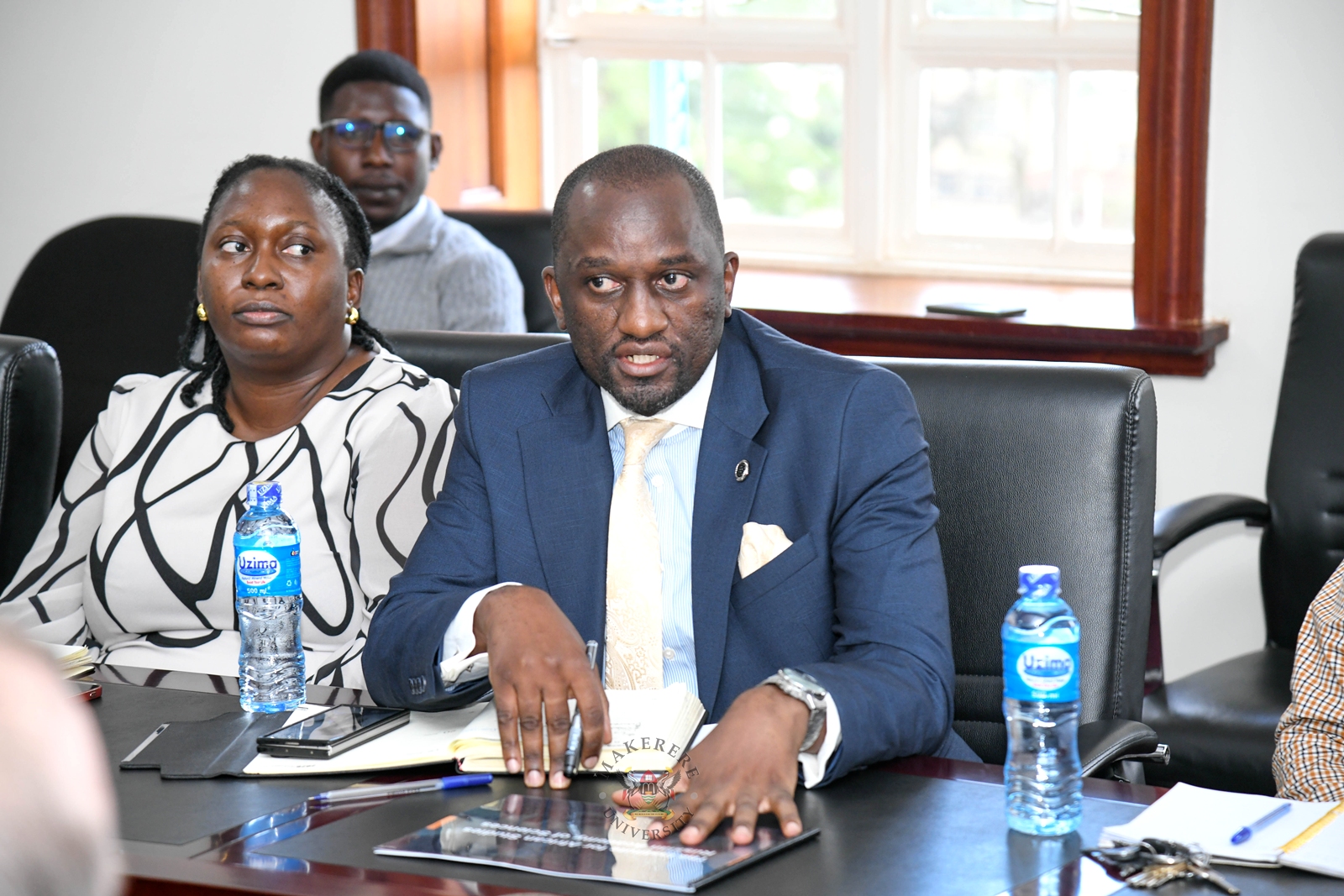
The meeting concluded with a forward-looking proposal from the Director of the Institute for African Studies regarding future expansion. She suggested, “I can inform the head of our academy, Prof. Krasnikov, that maybe it would be very useful to sign also MoU between the Makerere University and the Russian Academy of Sciences to promote not only humanitarian collaboration… but also to wide the cooperation and to promote the contacts in innovation.”

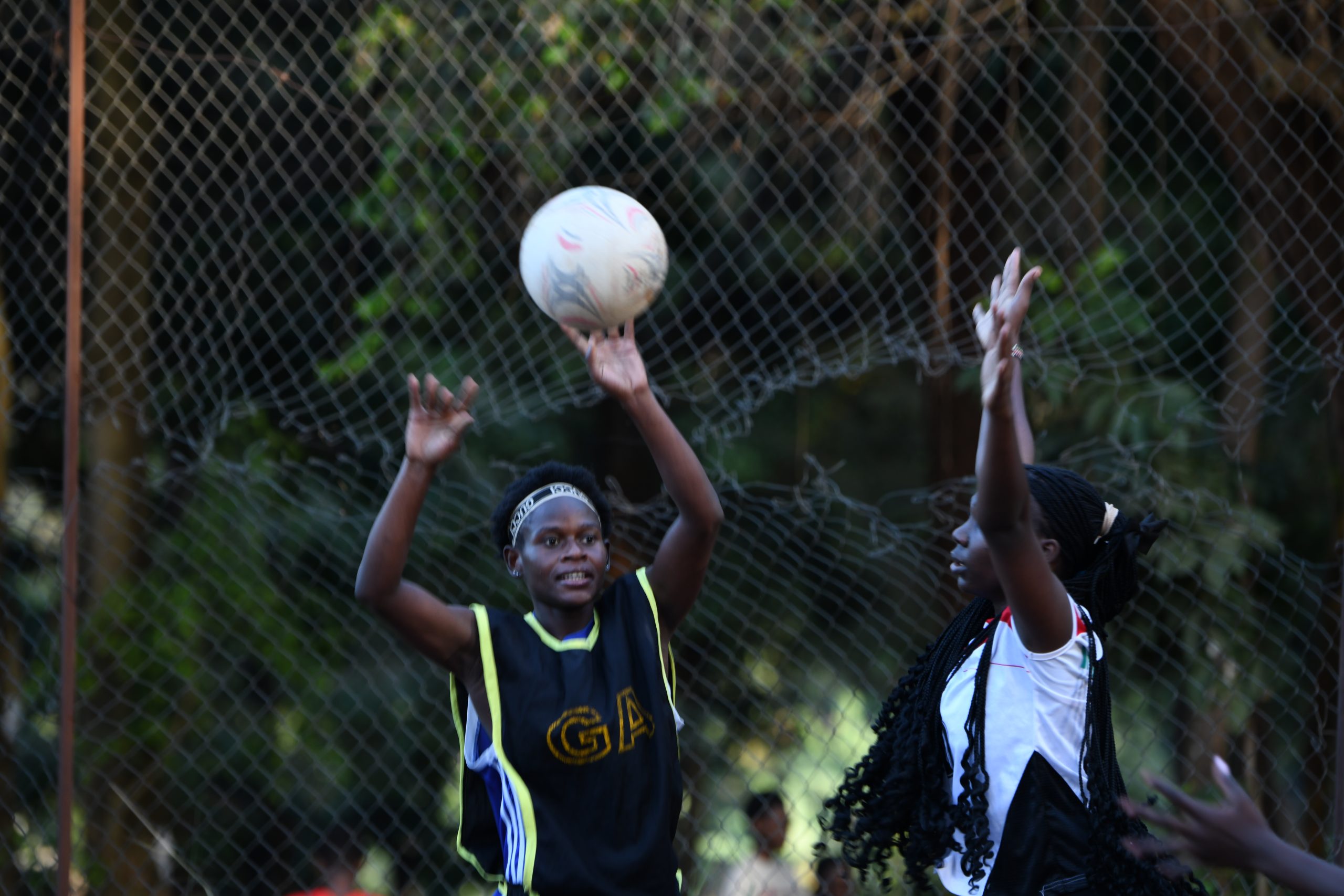
With less than three weeks to go before the fifteenth of December, the countdown to the 2026 East African University Games is no longer a distant conversation. It is a living, breathing presence on the Hill. From the sports grounds to the halls of residence, from club training sessions to lecture room chatter, Makerere University is getting ready to open its doors to thousands of student athletes from across the region, and the mood is one of confidence, excitement and a healthy dose of nerves.
Hosting the Event
The Games, organized by the Federation of East African University Sports (FEAUS), will run from the 14th to the 20th of December 2026 and are expected to bring between four thousand and six thousand athletes to Makerere. With twenty disciplines on the program for both men and women, this is easily one of the biggest tournaments the university is hosting in recent years.
The sports department sits at the center of the planning, working closely with the FEAUS secretariat, but the load is being shared across the institution. Teams responsible for accommodation, catering, transport, security, medical services, communications and ground maintenance are all part of the preparations, and each has a role to play in making sure that visiting delegations feel looked after from the moment they arrive.
That spirit of shared responsibility is typical of Makerere. The university has hosted large academic conferences, graduation ceremonies, guild campaigns and public events that draw thousands of people at a time, and the institutional memory from those experiences is proving useful. Lessons about crowd movement, parking, signage, emergency response and communication are being carried over into the Games planning, with the aim of keeping the experience smooth for athletes, officials and spectators alike.
The Acting Deputy Dean in charge of Sports, Mr. Brian Miiro Nsubuga, says that the university understands the weight of the responsibility it has been given.
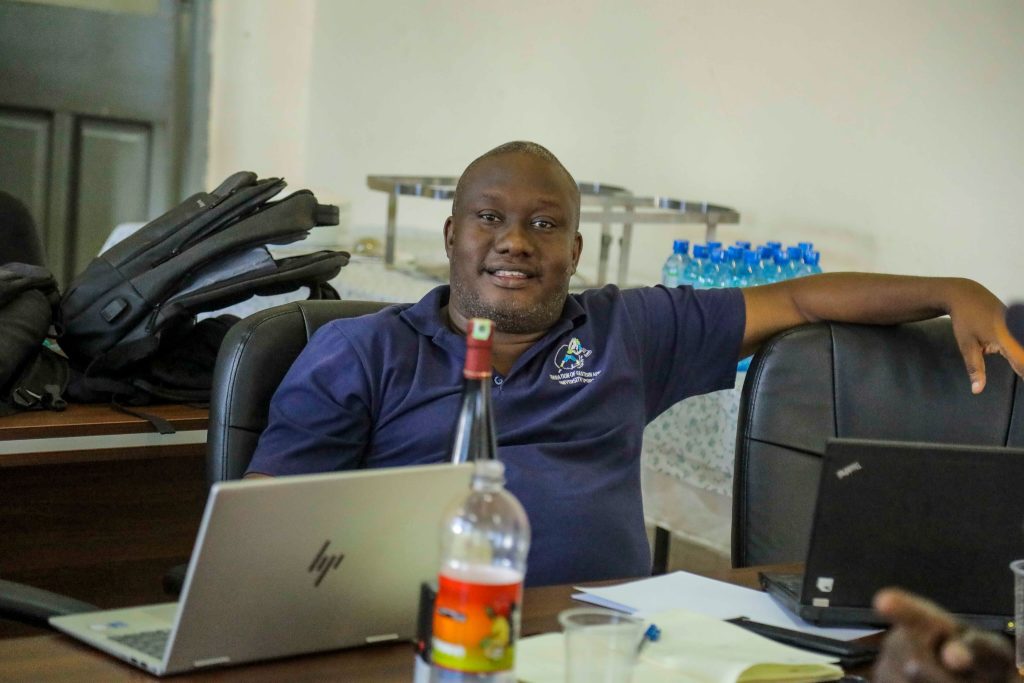
“Hosting the East African University Games is a great honor for Makerere, and we are treating it with the seriousness it deserves. Our aim is for every athlete, official and supporter who comes to the Hill to feel welcome, safe and well looked after,” he said.
Makerere’s biggest advantage as host is the compact, central nature of its campus. Many of the playing areas, courts, the athletics track and the swimming facilities are located within reach of the residential halls. This reduces travel time between accommodation and competition venues, for athletes who will often be competing early in the morning or late in the evening, that convenience matters.
Facilities across the campus have been receiving attention in the build up to December. Playing surfaces, courts and track areas are being inspected and prepared to meet the standards expected for regional competition, while spaces for the more specialized disciplines, such as Woodball, Darts, Chess and Scrabble, are being arranged so that competitors in the quieter, more tactical sports get venues that suit their needs. Disciplines like Goalball and Sitting Volleyball, which have particular requirements for court layout, lighting and noise control, are receiving careful planning so that athletes with disabilities can compete under fair and proper conditions.
Games of this scale are as much about hospitality as are about sport. Visiting delegations will need places to sleep, regular meals, reliable transport, access to medical care and clear information on game schedules and venues. Makerere’s halls of residence, together with partner arrangements, are expected to host the large number of athletes and officials, and catering plans are being shaped around the fact that athletes in different disciplines will have very different schedules and nutritional needs.
Medical readiness is another priority. With thousands of young people competing in contact sports like Rugby Sevens, Hockey, Karate and Tae Kwon Do, alongside intense endurance events in Athletics and Swimming, the university is putting emphasis on first aid points, ambulance access and coordination with health professionals. The aim is simple: if an athlete needs help, it should be close and quick.
Student volunteers are also a big part of the readiness story. Makerere has never struggled to find energetic, willing young people when a big event comes to campus, and the Games are no exception. Volunteers are expected to serve as ushers, guides, timekeepers, media assistants and helpers at the various venues, and for many students this will be a rare chance to be part of a regional sporting event from the inside. Mr. Nsubuga has encouraged the student body to rally behind the effort.
“These Games belong to the whole university community. We call upon our students, staff and alumni to come out, volunteer where they can and cheer on all the teams, because the spirit of the Hill is what will make this event memorable,” he noted.
What to Expect from the Six Days
Anyone planning to attend should expect a campus that feels different from the first day. The fifteenth of December will open the Games, and from then until the twentieth, the Hill will be a place of constant motion. Several disciplines will run at the same time at different venues, which means that on any given day a visitor could watch a basketball match in the morning, catch the finals of a swimming event in the afternoon and finish the evening at a handball or netball fixture.
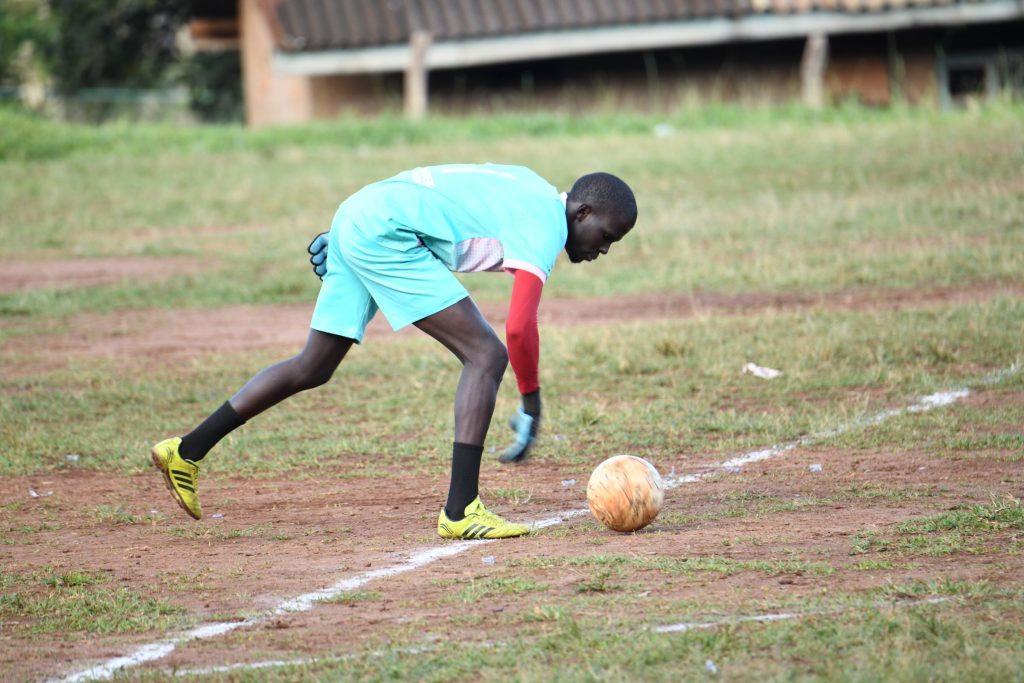
Spectators should expect large crowds at the marquee events. Soccer, Basketball, Netball, Volleyball and Rugby Sevens traditionally draw the biggest followings, and the athletics track is likely to be a major attraction as the days progress and the finals approach. Arriving early, following the official schedule and being patient with security checks and entry points will make the experience better for everyone.
Visitors should also expect a genuinely regional atmosphere. Athletes and supporters from different countries across East Africa will be on campus together, which means a mix of languages, colors, chants and cultures that few other events can match. For Makerere students, it is a chance to meet peers from other universities, exchange ideas and perhaps make friendships that outlast the competition.
Beyond the sporting action, expect the mind sports to hold their own. Chess and Scrabble bring a different kind of drama, one of silence, concentration and sudden twists, and they remind everyone that the Games celebrate many forms of excellence, not only physical ones.
The Vibe on the Hill
If there is one thing that already stands out, it is the energy. Makerere’s sports clubs are in full preparation mode, with training sessions picking up pace and athletes pushing hard in the final stretch. Swimmers, rugby players, netballers, footballers, track athletes and mind sport competitors are all aware that they will be performing in front of a home crowd, and that awareness is shaping the intensity on training grounds.
Among students who are not competing, the conversation is turning increasingly to the Games. Many are already planning which fixtures to watch, who to cheer for and how to be part of the volunteer effort. There is a growing sense of pride that Makerere has been entrusted with an event of this size, and a feeling that the university community wants to show the region what it can do.
Online, the buzz is building too. Clubs, student groups and campus media are sharing updates, training clips and countdown posts, and the hashtag culture that follows any major student event is beginning to take shape. As the days narrow, expect that activity to grow, with more behind the scenes content, athlete profiles and match day coverage.
What makes these Games special for Makerere is that they belong to everyone on campus, not only to the athletes. A student who volunteers at a venue, a staff member who helps coordinate accommodation, a lecturer who cheers from the stands and an alumnus who returns to watch a final are all part of the story. That sense of shared ownership is the real measure of readiness.
There is still work to be done in the final days, and organizers will no doubt face the usual surprises that come with any large event. But the foundations are firm, the campus is motivated and the community is behind the effort. Whatever challenges come, the combination of experience, enthusiasm and teamwork is likely to carry the university through.
Mr. Nsubuga sums up the mood in the sports department. “We are ready to host, ready to compete and ready to celebrate East African university sport. We invite everyone to come with good energy and a spirit of fair play, and together we will showcase the very best of Makerere,” he said.
As the fifteenth of December approaches, the message from the Hill is clear. Makerere is ready to host, ready to compete and ready to celebrate. The athletes will bring the talent. The Hill will bring the welcome.
-
 Agriculture & Environment1 week ago
Why RUFORUM’s 22nd AGM in Zambia matters for Africa’s next generation
-
 Education2 weeks ago
Makerere Celebrates Prof. Mbazira’s Law Scholarship at His Inaugural Professorial Lecture and Book Launch
-
 General2 weeks ago
Advancing Makerere university’s Research Visibility and Impact: DRIP Spearheads Institutional ORCID Adoption
-
 Agriculture & Environment1 week ago
Makerere Launches Programme to Strengthen Resilience of Vulnerable Communities to Climate Change
-
 General1 week ago
Makerere GENDIG International Conference Calls for Gender-Inclusive Digital Transformation