
Humanities & Social Sciences
CHUSS Graduate Symposium opens with focus on African research, scholarly writing and publication

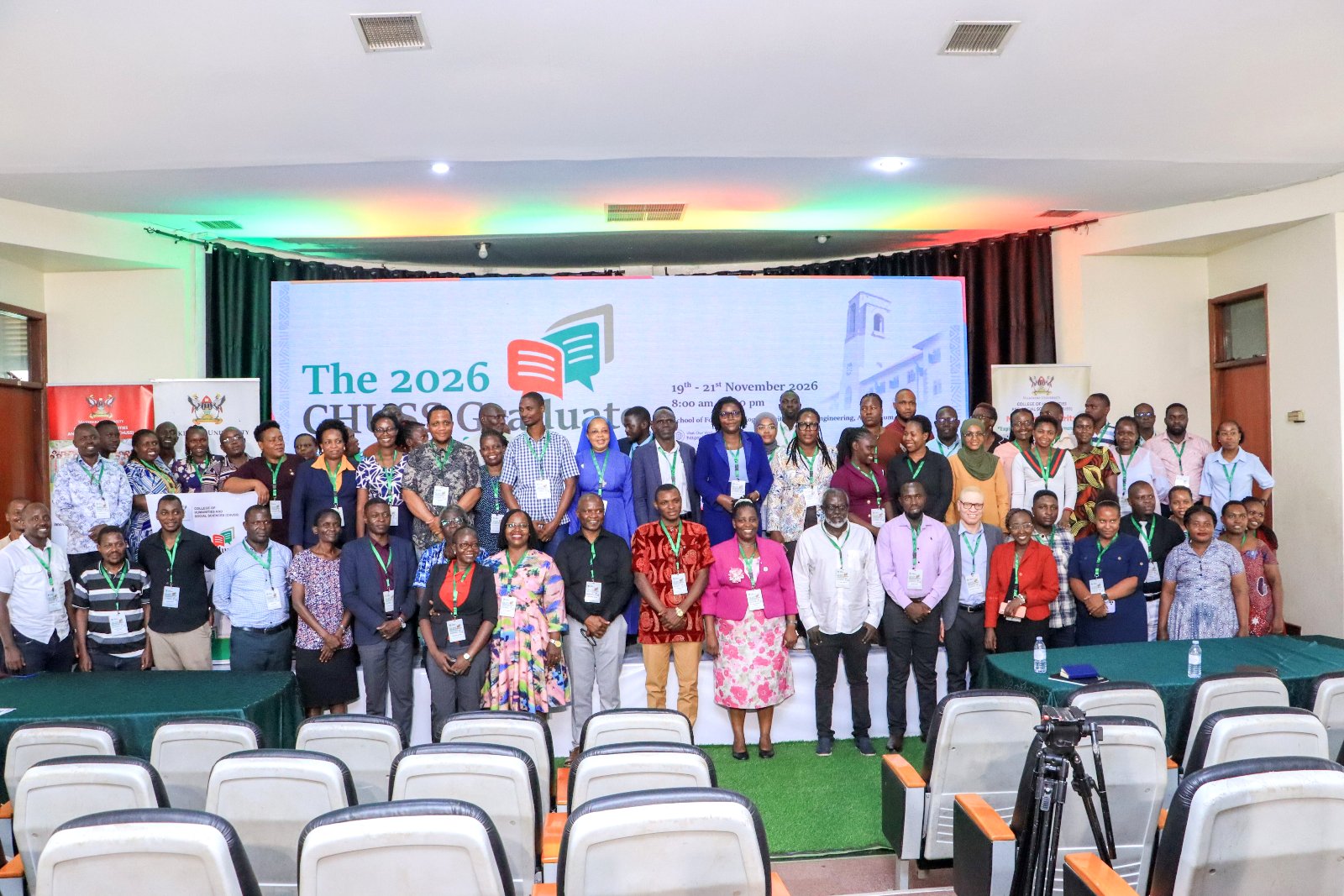
Researching African realities, communicating academic work to wider audiences and preparing research for publication took centre stage as Makerere University’s College of Humanities and Social Sciences (CHUSS) opened its 2026 Graduate Symposium.
The symposium brings together graduate students and scholars to present research, exchange ideas and discuss how scholarship in the humanities and social sciences can contribute to knowledge and respond to issues affecting society.
The three-day event opened on 19 November 2026 and continues until 21 November at the School of Food Technology, Nutrition and Bio-Engineering Auditorium. The first day featured a writing workshop and a keynote lecture that explored how researchers develop questions, engage with existing knowledge and communicate their findings.
Researching and writing Africa
Delivering the keynote virtually, Prof. Divine Fuh called on graduate students to develop research that responds to African realities while paying attention to the continent’s diversity and maintaining rigorous methods.
His lecture titled: Research and Writing Africa for and from Africa, examined how scholars frame questions, choose methods and engage with the histories, institutions and communities that shape knowledge production.
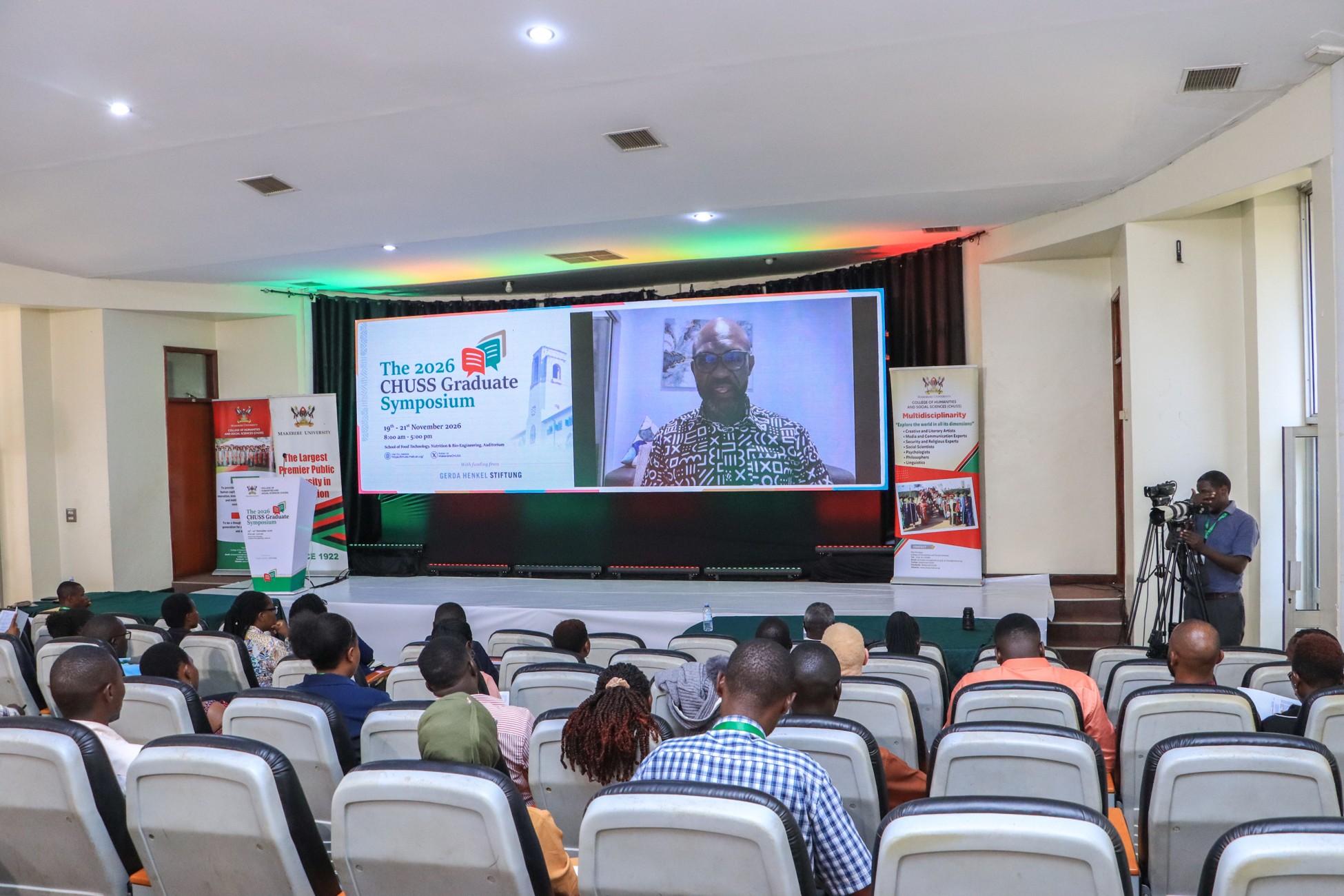
Prof. Fuh, an Associate Professor of Social Anthropology at the University of Cape Town, said research begins with curiosity and the willingness to ask questions. He encouraged students to take time to develop their questions rather than rushing to provide answers.
“Your thesis, your article, your book, whatever you write, involves so many people,” he said.
An experience or problem encountered in everyday life, he explained, can be a starting point. The researcher’s task is to turn that concern into a question that can be investigated systematically, while considering what other scholars have already written about it.
He stressed the relationship between the question a researcher asks, the concepts used to understand it, the methods chosen to collect information and the conclusions drawn from the findings. Researchers, he said, should be able to explain these choices so that others can examine how they arrived at their arguments.
Prof. Fuh also asked students to reflect on their own position in the research process. Their experiences, relationships and assumptions can influence the questions they ask and how they interpret what they find.
Ethical reflection, he said, should extend beyond completing a checklist. It should inform the language and concepts researchers use, the places in which they work, how they engage participants and how they interpret and present findings.
Decolonising knowledge
Prof. Fuh also addressed the question of decolonising knowledge, encouraging scholars to examine how particular ideas and ways of knowing came to be recognised as authoritative and whose knowledge has been excluded.
He argued that researchers need to understand existing knowledge and its history in order to assess its limitations. Decolonisation, in this context, involves questioning inherited assumptions and recognising other sources and approaches that can deepen understanding.
He connected the discussion to the history of African universities, including the colonial period, the demands of nation-building after independence and later expectations that universities respond to development challenges. These histories, he noted, have shaped the institutions and research practices that scholars inherit.
At the same time, Prof. Fuh stressed that introducing alternative sources of knowledge does not mean abandoning rigorous assessment. Researchers must still consider the credibility and coherence of their evidence and make their methods and arguments open to scrutiny.
He cautioned against treating Africa as a single, uniform place. Researchers, he said, should pay attention to the differences and connections between communities, and comparative work can help illuminate how similar issues take shape in different settings.
He also encouraged scholars to take seriously the experiences of people whose voices are often absent from research and public discussion. Universities, he noted, exist within society and have a responsibility to create space for questions, evidence and arguments to be examined.
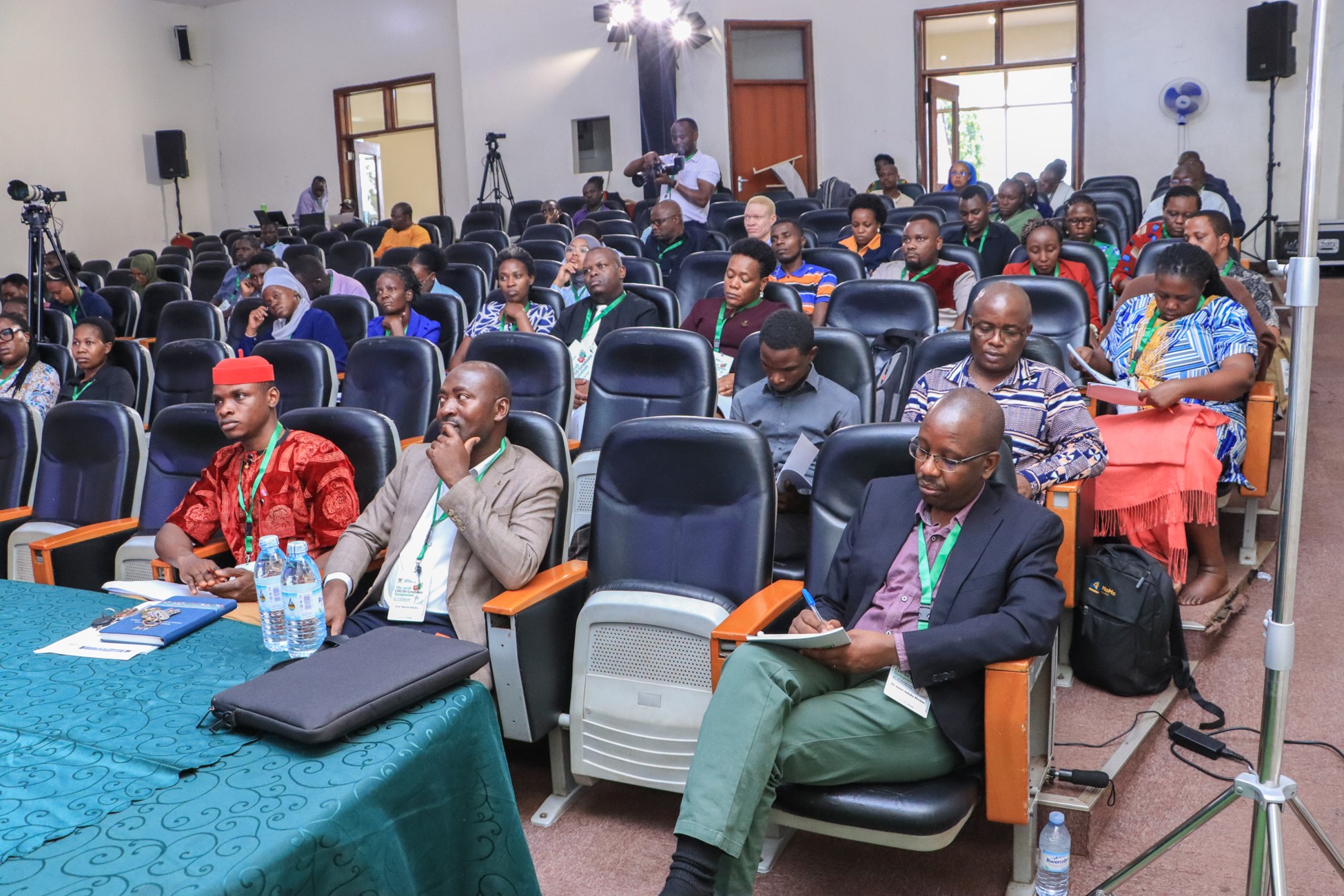
Prof. Fuh described scholarship as a collective process. Even when a thesis or article carries one author’s name, its development may involve research participants, supervisors, colleagues, editors and reviewers. He encouraged students to share their work, engage with criticism and see disagreement as an opportunity to examine and strengthen ideas.
An opportunity to publish and grow
CHUSS Principal Prof. Helen Nambalirwa Nkabala encouraged participants to use the symposium to strengthen their research and prepare it for publication, saying the gathering is also an opportunity for scholars to develop.
“It is an opportunity for you to publish. It is an opportunity for us to grow,” she said.
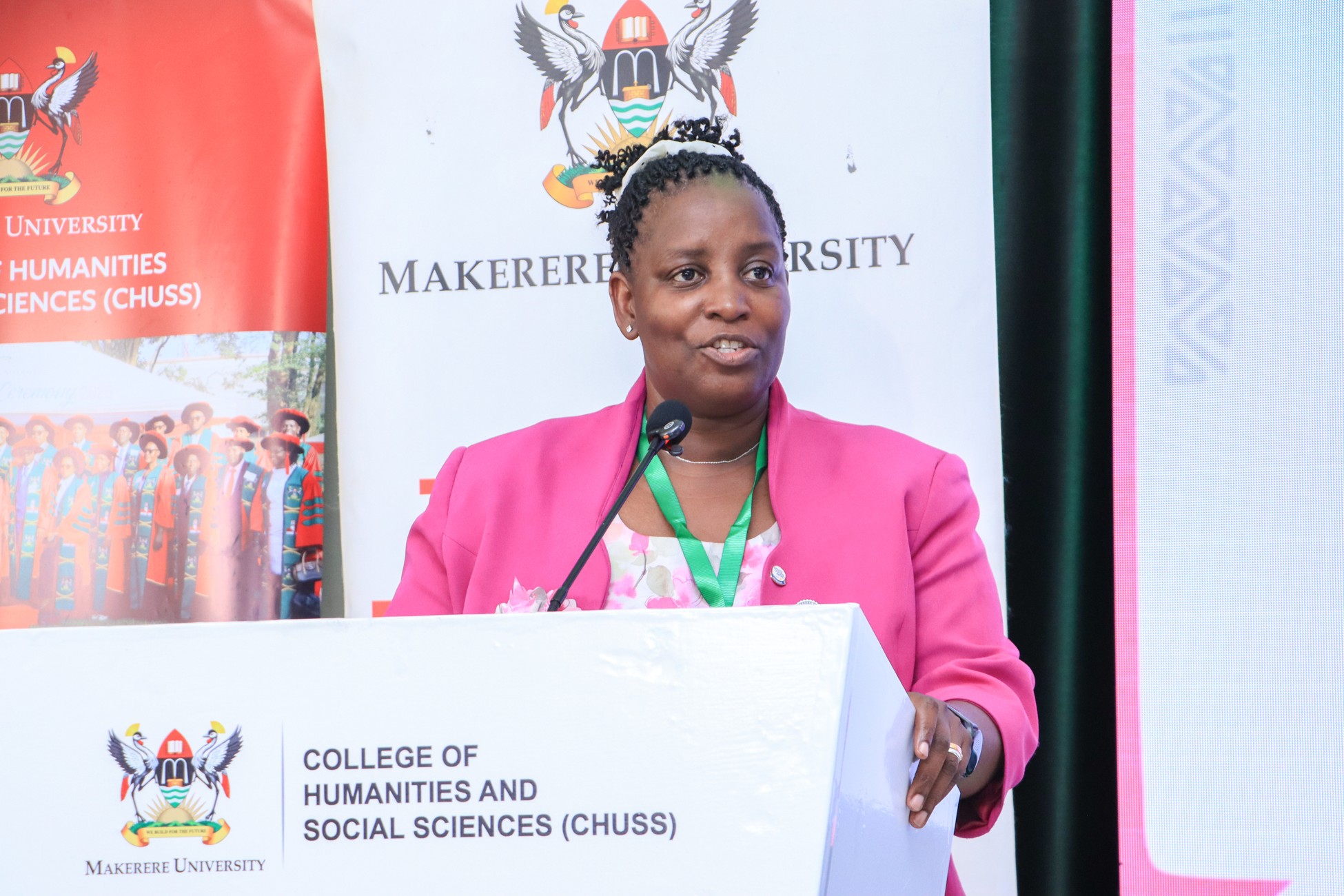
Prof. Nkabala urged participants to engage seriously with the discussions and feedback they receive. She encouraged them to identify weaknesses in their work and address them before submitting it, rather than leaving the symposium with their research unchanged.
Her remarks connected publication to the wider process of growth as a researcher. Presenting work to others, listening to questions and revisiting an argument can help students improve both an individual paper and their approach to future research.
The Principal also spoke about the contribution of the humanities and social sciences to societal change. Alongside other fields, she said, these disciplines have a role in understanding the challenges communities face and generating ideas that can contribute to addressing them.
She encouraged graduate students to think about the relevance of their work beyond their academic programmes and consider how the knowledge they produce can contribute to society.
Prof. Nkabala recognised the role of supervisors and graduate-support teams in helping students develop their research. She also acknowledged the support of the Gerda Henkel Stiftung for the College’s graduate work.
A dedicated platform for graduate students
Symposium convenor Prof. Edgar Nabutanyi explained that the graduate symposium grew out of earlier College symposia and a recognition that graduate students needed a dedicated space to present and discuss their work.
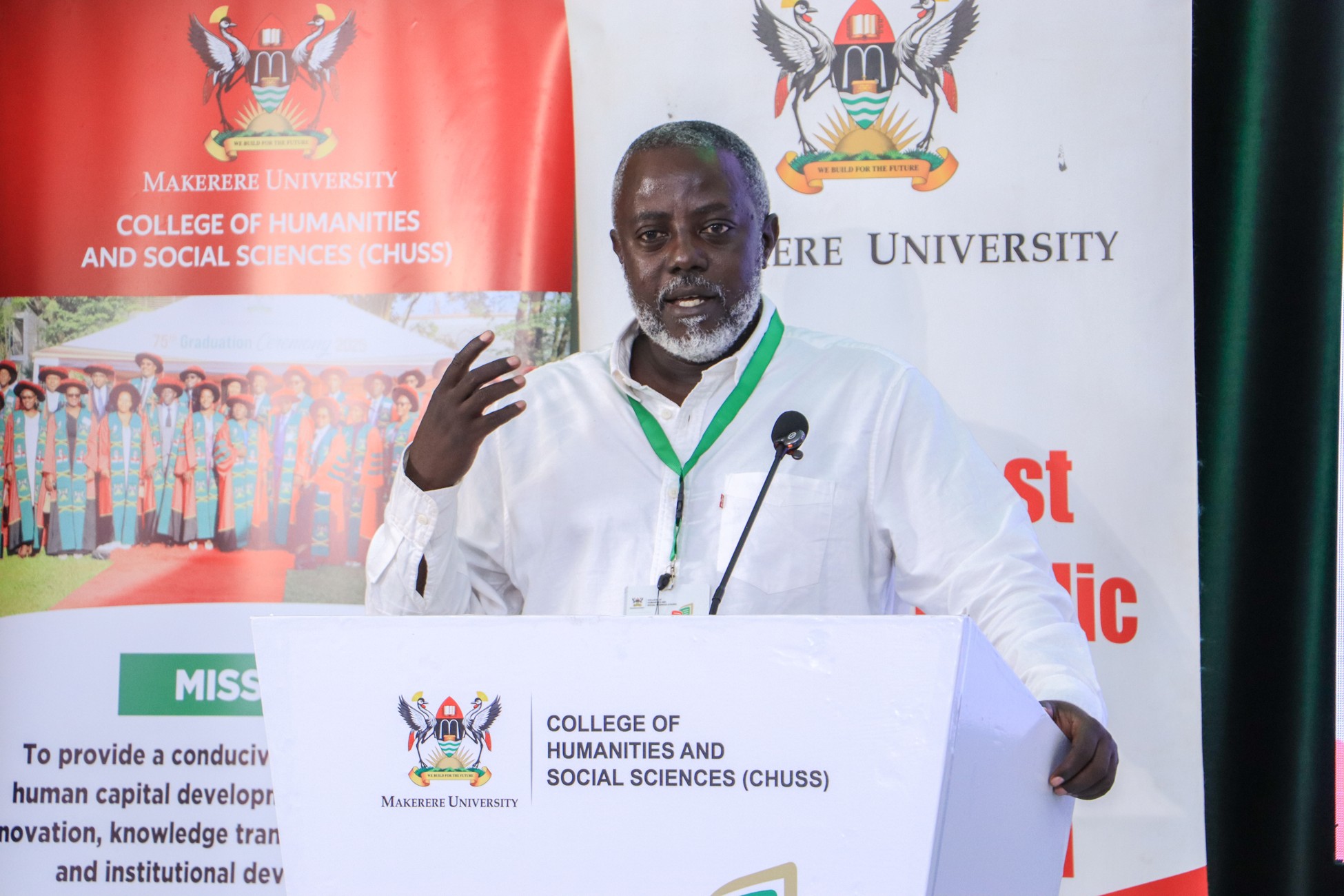
He said the intention was to create an avenue for students to share their ideas and receive support. “We wanted to create a platform for graduate students to present their work, exchange ideas and receive feedback that can help them grow as scholars,” he said.
Rather than simply presenting completed work, participants have an opportunity to expose developing arguments to questions and scrutiny. This allows them to hear how others understand their research, identify areas that need further thought and consider how to strengthen their work.
Prof. Nabutanyi described the symposium as an interactive setting for scholarly exchange. Its value, he suggested, lies not only in delivering a paper but also in listening and responding to the people engaging with it.
The gathering also contributes to the development of a new generation of humanities and social sciences scholars by bringing graduate students into conversation with one another and with more experienced researchers.
Through the symposium, students can practise explaining their work, engage with different approaches and take feedback into the next stages of their research and writing.
Research beyond graduation
Dr Martin Baluku urged graduate students to look beyond completing their degrees and consider what their research contributes to society.
Speaking at the writing workshop, he asked participants to reflect on the purpose of graduate study and the responsibility that comes with producing knowledge. He encouraged them to think about how their research could respond to issues affecting communities rather than ending with the award of a qualification.
“Graduate study should not end with obtaining a degree. We must also ask ourselves what our research contributes to the communities and institutions that can benefit from it,” he said.
Dr Baluku also asked researchers to consider the audiences that could benefit from their work, including government, practitioners and people outside the university. Engaging with these audiences, he suggested, can help scholars understand how their findings relate to challenges beyond academia.
He stressed the importance of communicating research in a way that allows others to understand and use it. Findings and recommendations need to be written and shared clearly if they are to reach people who can apply them.
His remarks connected the work of graduate researchers to a wider question: what difference can the knowledge they produce make to the people and institutions it concerns?
Writing for readers across disciplines
Dr Isaac Kiiza Tibasiima urged graduate students to make their academic work understandable to readers beyond their disciplines while remaining grounded in their own fields.
He said researchers should consider who might read their work and how people from different backgrounds could interpret it. He noted that a study may attract readers from other disciplines, particularly when it addresses an issue that cuts across several fields.
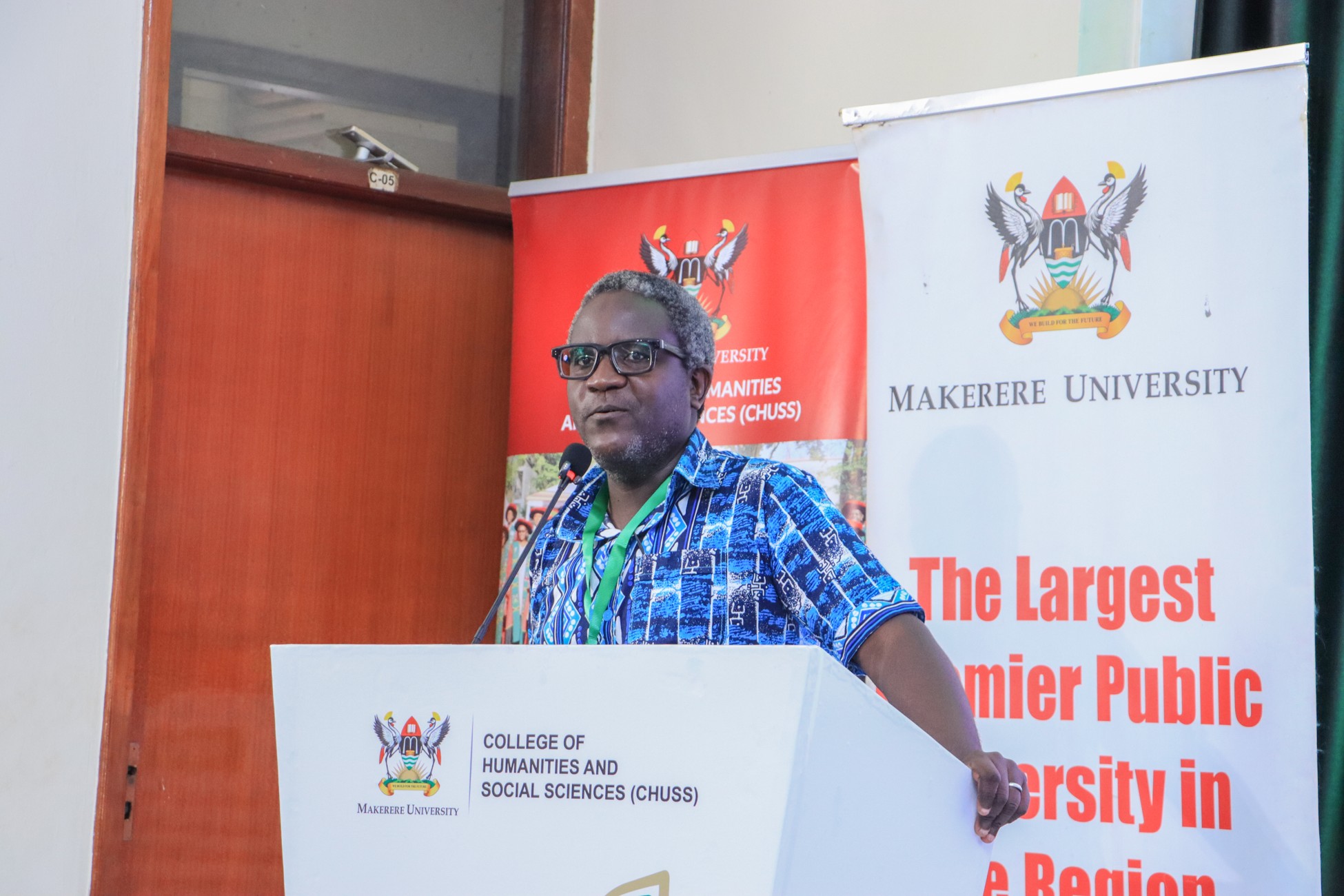
Drawing on examples from students’ research, Dr Tibasiima explained that a subject such as trauma can be understood differently across disciplines. Researchers therefore need to make their own approach clear while recognising that other readers may engage with the subject from a different perspective.
He said readability involves more than choosing words. It also depends on how researchers organise ideas, structure sentences and guide readers through an argument. Long sentences, unexplained specialised terms and weak connections between ideas can make it difficult for readers to follow the work.
Dr Tibasiima emphasised the importance of an introduction that tells readers what a paper or thesis is about and gives them a reason to continue reading.
“I want to know right from the start, what your paper is about or what your thesis is about,” he said.
He encouraged students to think of a thesis as a story whose chapters and arguments connect. Readers should be able to follow the movement from one point to the next and understand how the different parts of the work relate to one another.
He also pointed to the need for consistency between research methods and findings. If a researcher says interviews were used, for example, the presentation of findings should show how the interview data informed the study.
On the use of existing scholarship, Dr Tibasiima urged participants to do more than list authors and citations. Their work, he added, should explain what other scholars have said and how that work relates to their own argument.
He encouraged students to offer readers something new to think about, including by questioning established ideas. “Challenge the knowledge that I have about what you’re writing. Because I think that is what scholarship is about,” he said.
What journal editors look for
Prof. Godwin Siundu of the University of Nairobi discussed the expectations journal editors bring to scholarly work, highlighting the importance of a clear argument, academic rigour and a contribution to existing knowledge.
He encouraged researchers to consider what their paper adds to a conversation that other scholars are already having. Referring to published work is important, he emphasized that writers must also show how their own research relates to it and what it contributes.
His presentation placed emphasis on the argument running through a paper. Editors and readers need to understand what the author is saying, the evidence supporting that position and why the contribution matters.
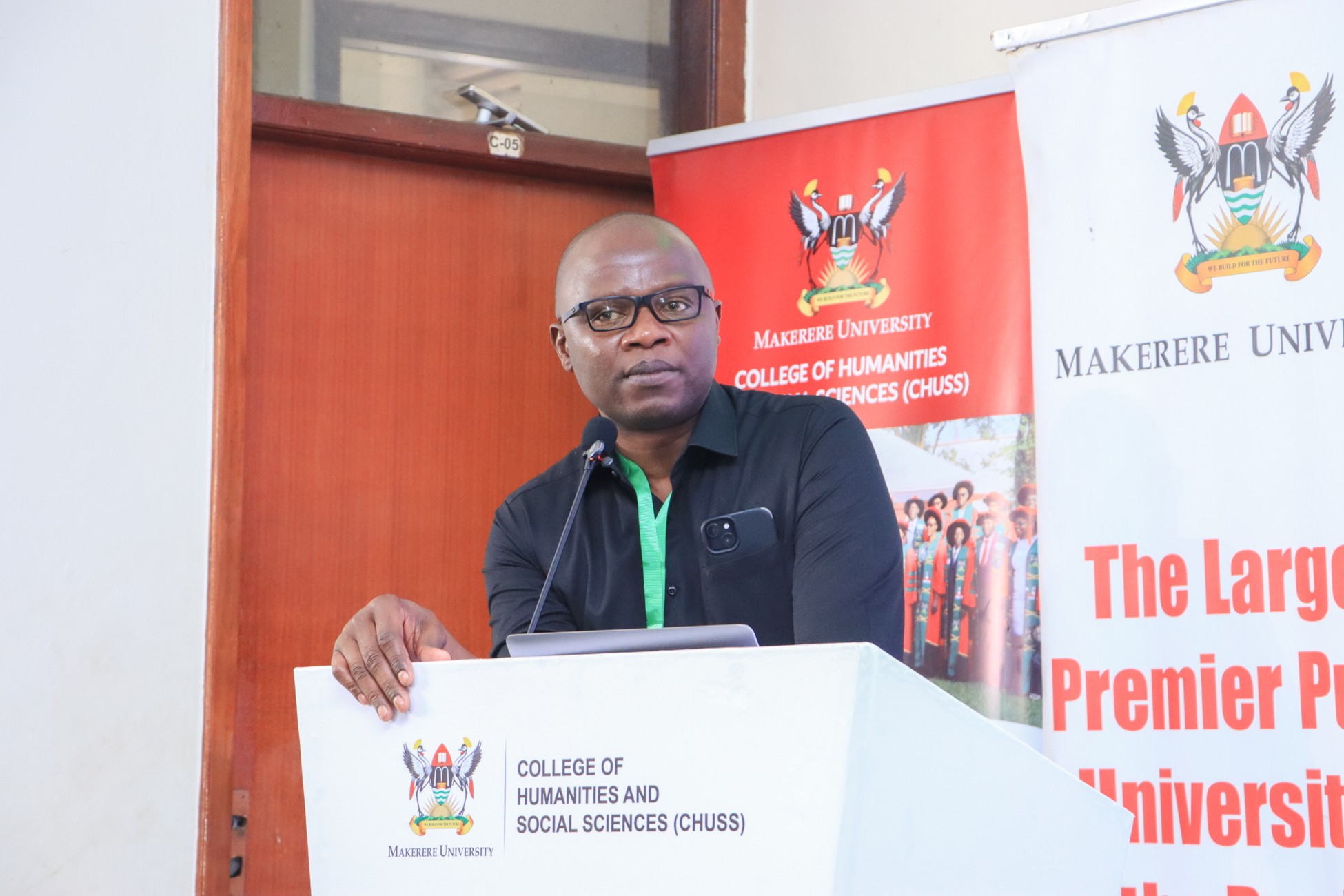
Prof. Siundu’s discussion also drew attention to the relationship between research and its presentation. A writer may have valuable material, but the article must organise it in a way that allows readers to follow the argument and assess its contribution.
The questions he raised encouraged participants to look at their work from an editor’s perspective: whether the purpose is clear, whether the evidence supports the claims and whether the paper offers readers a meaningful contribution.
Engaging with reviewers’ comments
Dr Amon Ashaba Mwiine discussed how researchers can respond to feedback from reviewers when preparing work for publication.
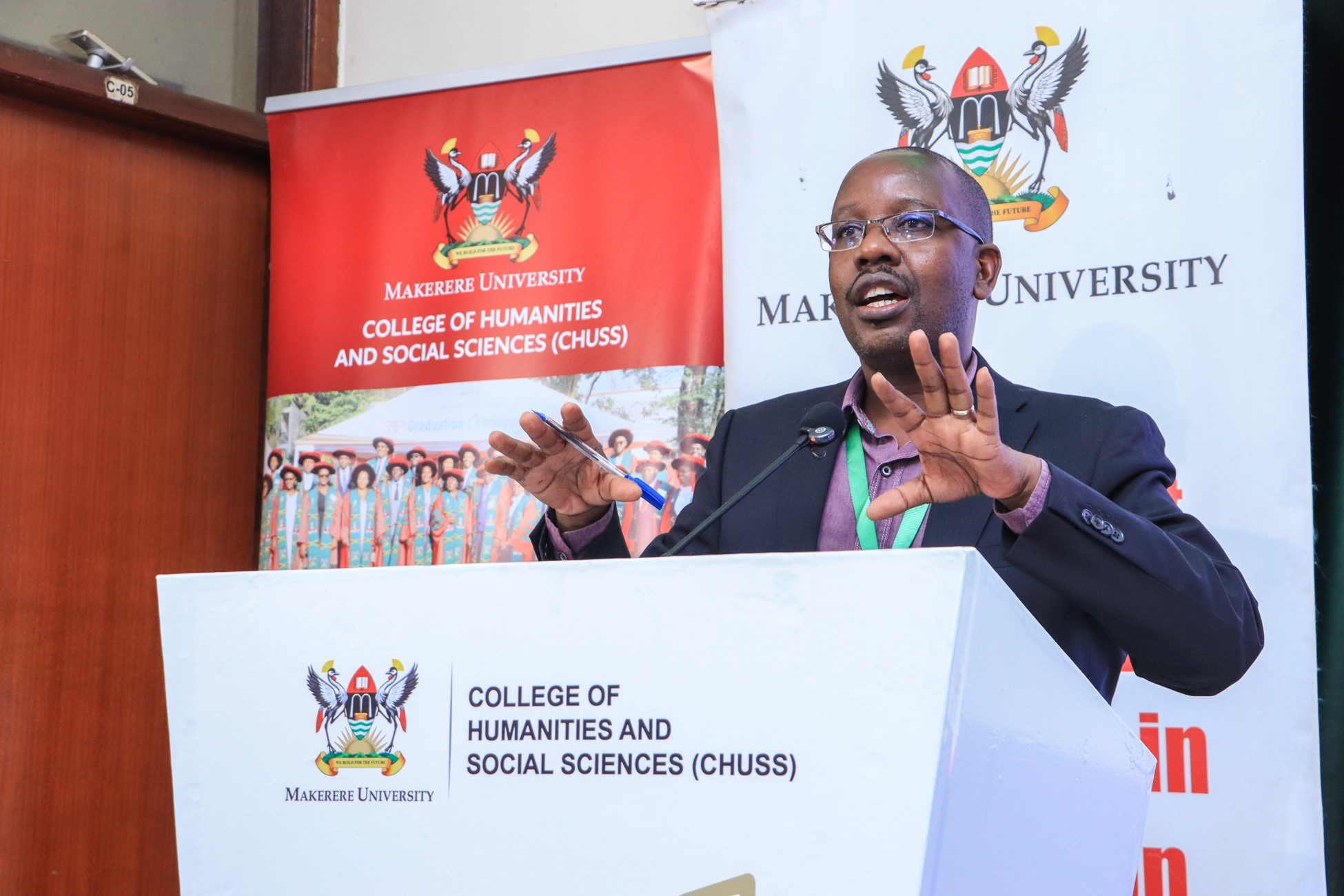
He encouraged participants to treat reviewer comments as part of the process of learning and improving a paper. Feedback can reveal gaps in an argument, areas that need clarification or issues that require further attention before publication.
He advised researchers to explain how they have addressed the comments they receive. Where they make changes, they should show what has been revised; where they disagree with a suggestion, they should explain their reasons rather than leaving the concern unanswered.
The discussion highlighted revision as an important part of scholarly writing, linking the clarity of an article’s argument to the author’s willingness to engage with questions raised by others.
The symposium continues until 21 November, with graduate students and scholars sharing their work and engaging in further discussions on research and scholarship in the humanities and social sciences.







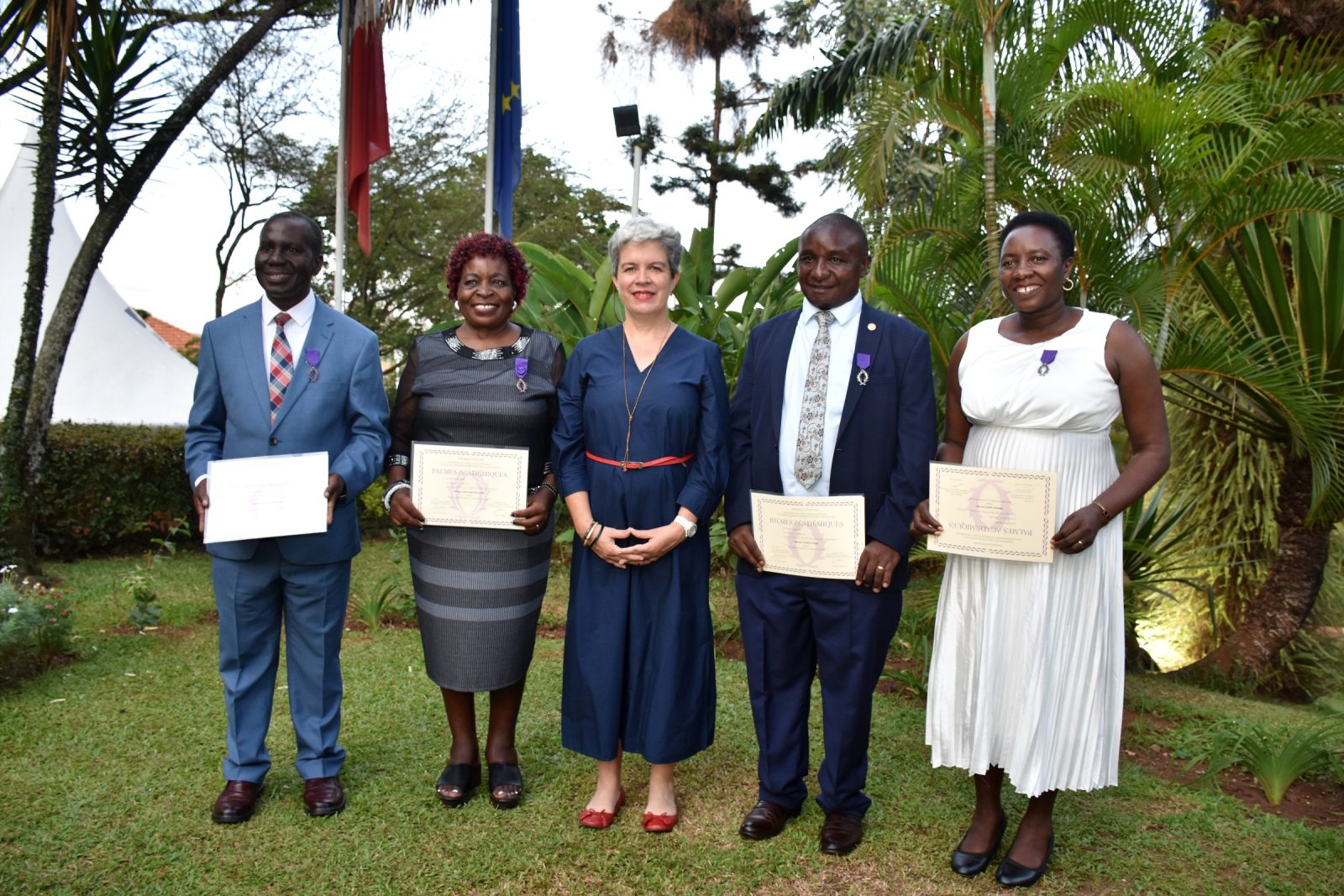
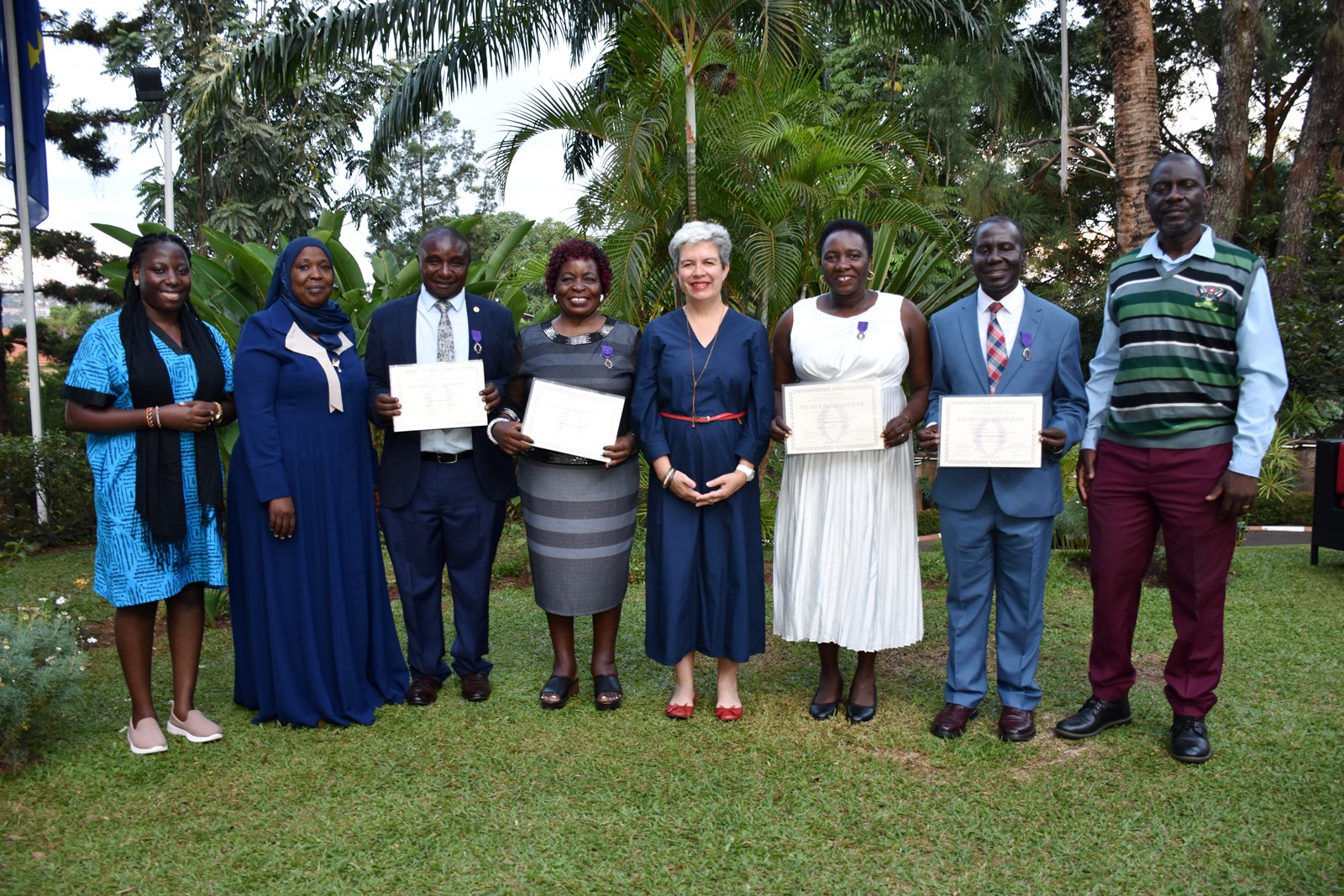
During a ceremony hosted by The French Embassy in Uganda on Wednesday, October 7 2026, four Makerere-affiliated academics were honoured with French Order of Academic Palms for their effort in strengthening working relations between France and Uganda.
The individuals recognised for their dedication to education, research, and the teaching of French include; Professor Edith Ruth Natukunda Togboa, Dr Agatha Tumwine, Professor Christian Kakuba, and Professor Enoch Sebuyungo.
During the ceremony, the French Ambassador H.E. Virginie Leroy highlighted that the partnership between France and Uganda partly thrives on the commitment of teachers and researchers who facilitate dissemination of knowledge and build lasting connections between the two nations.
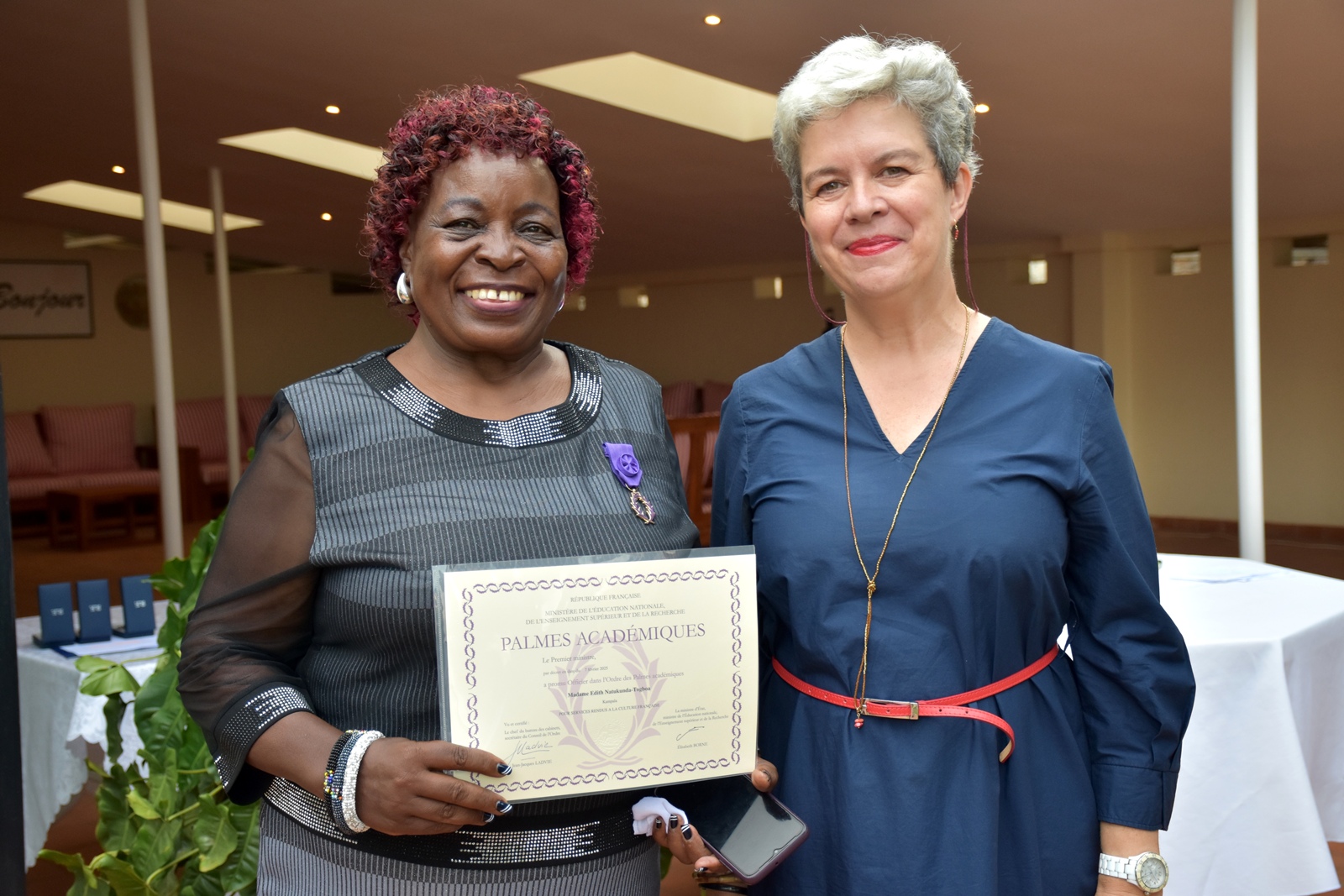
One of the recipients, Professor Edith Ruth Natukunda Togboa, who was promoted to the rank of Officer of the Academic Palms is a long-time French instructor at Makerere University.
Professor Natukunda Togboa focused her career on bilingualism, translation, and language policy since returning from her studies in France in the 1980s.
Dr Agatha Tumwine the other recipient was appointed Knight of the Academic Palms.
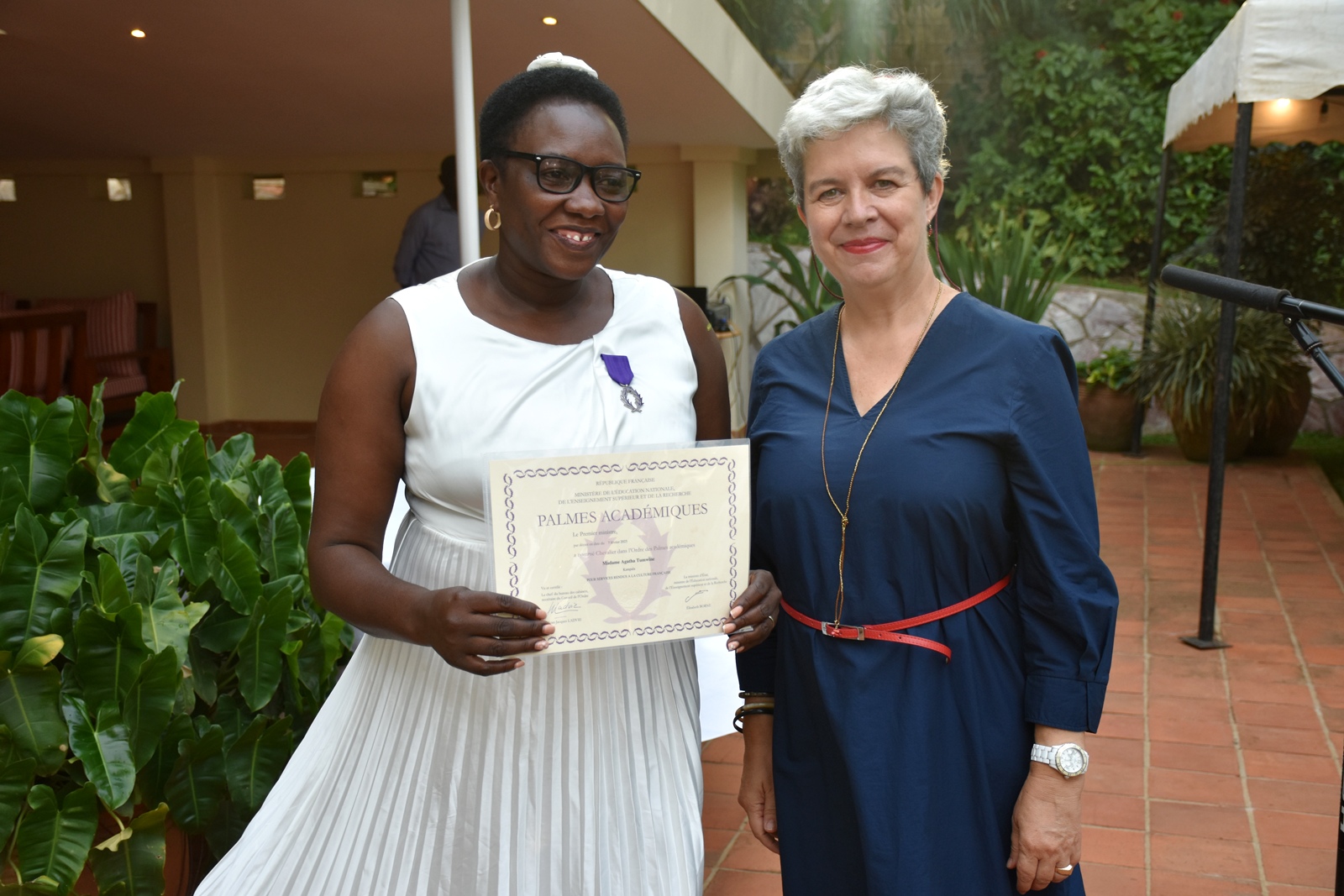
As a Lecturer at Makerere University and President of the Association of French Teachers in Uganda (APFO), Dr Tumwine is recognised as instrumental in strengthening the French-teaching community and facilitating cooperation with the French Embassy.
The third is Professor Christian Kakuba who also received the rank of Knight. With nearly 30 years of experience at Makerere University in socio-demography and applied statistics. He has been a key figure in training new researchers and maintaining ties with the French National Institute for Demographic Studies (INED).
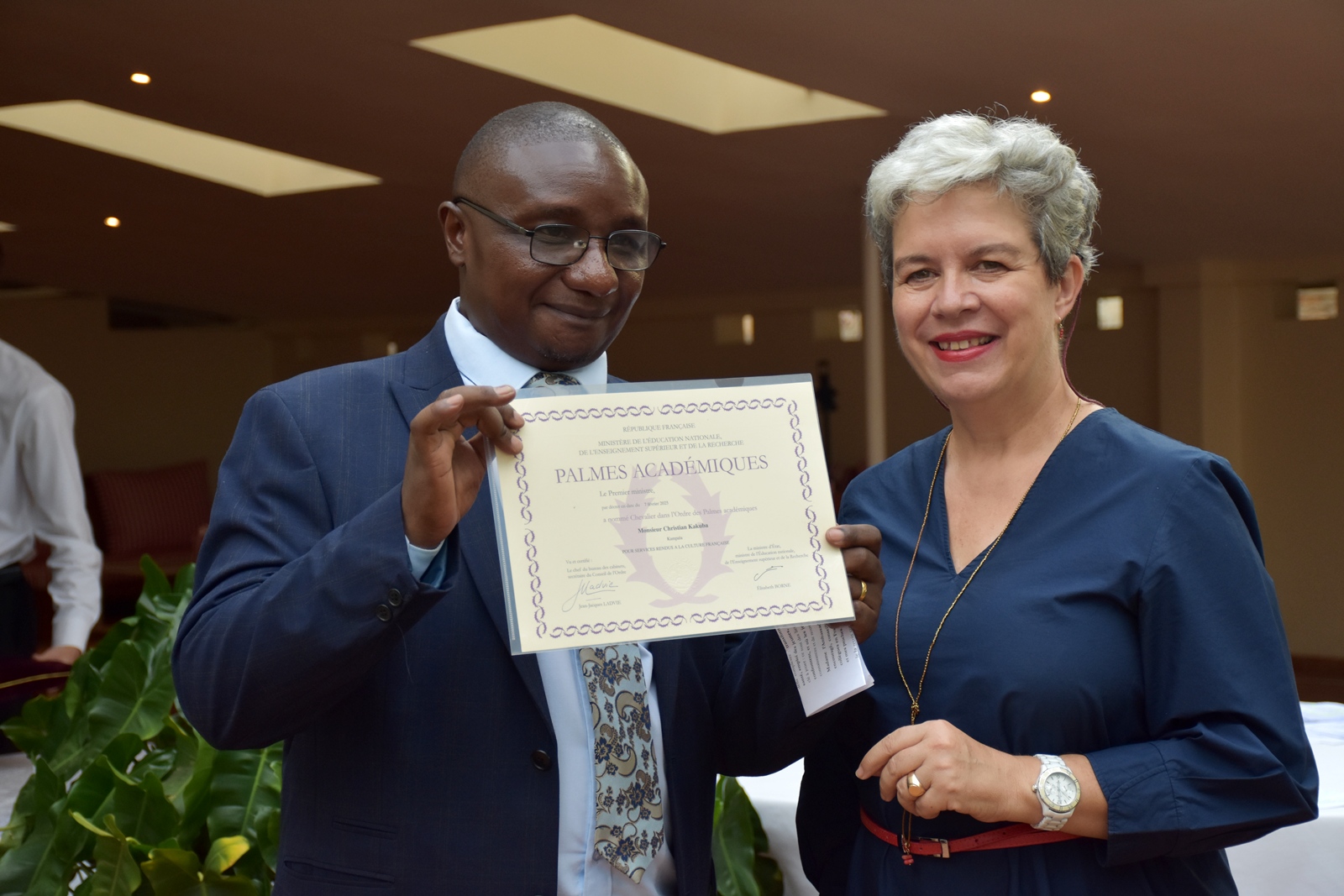
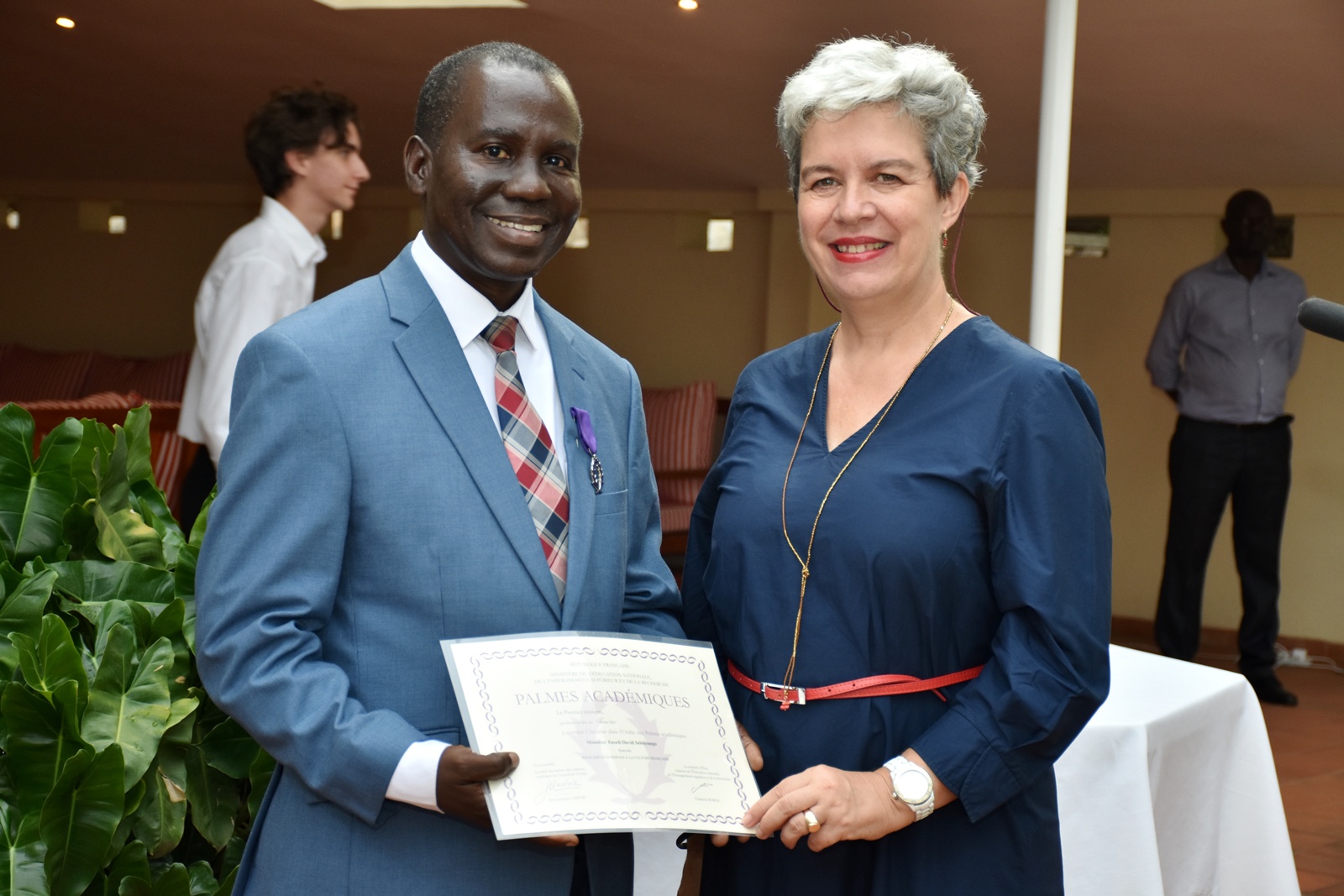
The fourth, Professor Enoch Sebuyungo, was equally appointed Knight of the Academic Palms.
Professor Sebuyungo is a linguist trained in France, and has worked to promote French as a tool for professional training and dialogue. He has also supported French-speaking refugees through translation services.
The Academic Palms (Ordre des Palmes Académiques) is an official National Order of Merit bestowed by the French Republic to honor distinguished academics, teachers, and individuals who have made valuable contributions to universities, education, science, and French culture.
Humanities & Social Sciences
MISR Director Assoc. Prof. Lyn Ossome Publishes New Book, Democracy’s Subjections

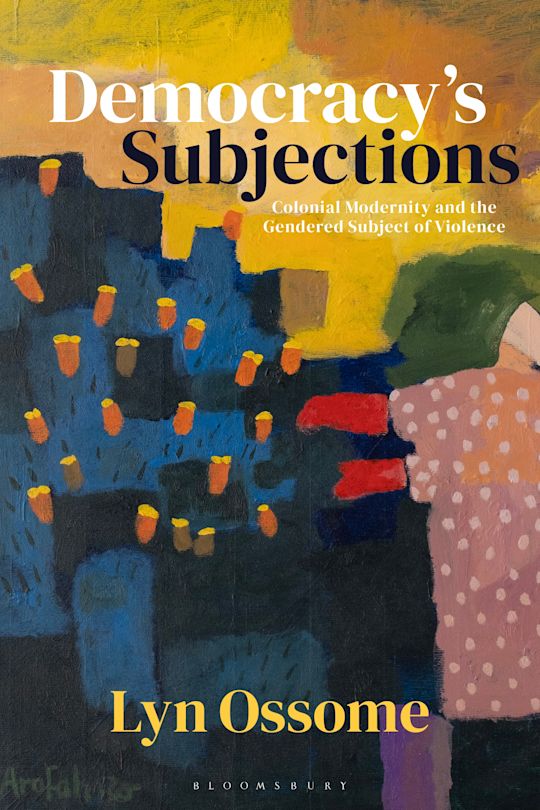
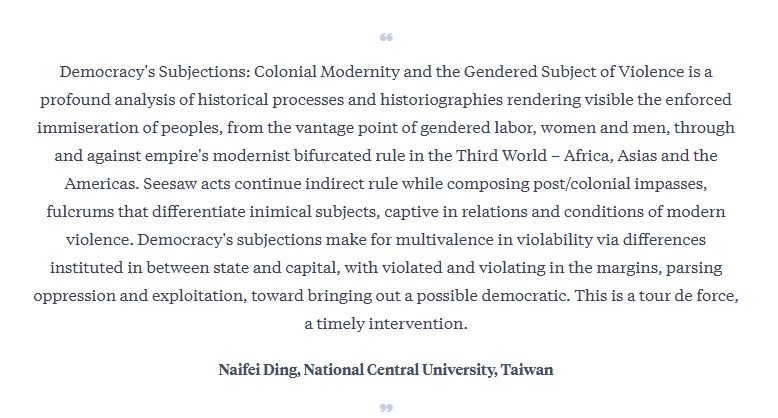
We are pleased to announce the publication of a new book by the Director, Makerere Institute of Social Research (MISR), Assoc. Prof. Lyn Ossome titled Democracy’s Subjections: Colonial Modernity and the Gendered Subject of Violence. It was published by Bloomsbury Academic.
In this ground-breaking study, Lyn Ossome offers an authoritative, interdisciplinary theory of how postcolonial capitalist democracies reproduce the gendered forms of violence essential to colonial rule.
Through an interdisciplinary methodology traversing political studies, feminist political economy, historical and literary studies, Ossome shows how postcolonial, capitalist democracies in Africa, like their colonial antecedents, use various identity-markers to determine whose rights and bodies are violable, to what extent, and whether and how the violated have a right to resist. The book critically reflects on the dilemmas and contradictions produced by the colonial encounter and its subjugative orders for the postcolonial democratizing state, interrogating why the failures of democratic institutions target gendered, labouring bodies. Through evidence gathered from colonial archives in Kenya, Zimbabwe, and South Africa, as well as through critical comparisons of two artistic responses to gender-based violence and rape in South Africa and India, Ossome offers a trenchant critique that, beyond the contexts analysed, is relevant across the postcolonial Global South.
The Makerere University community heartily congratulates Assoc. Prof. Lyn Ossome on this new milestone!
Book cover
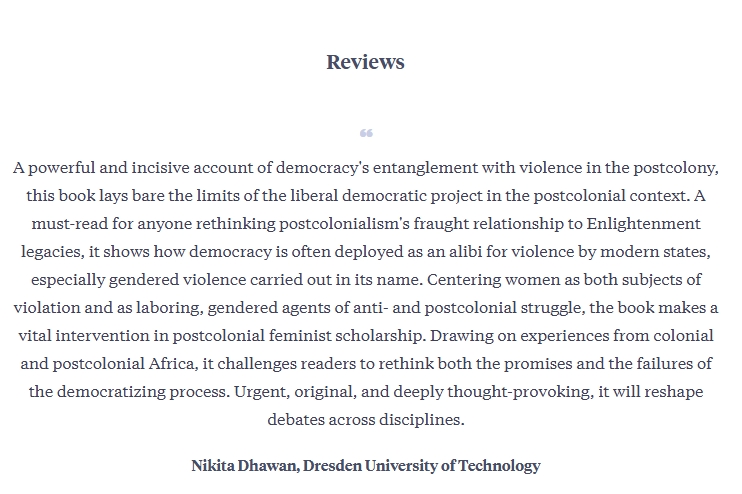
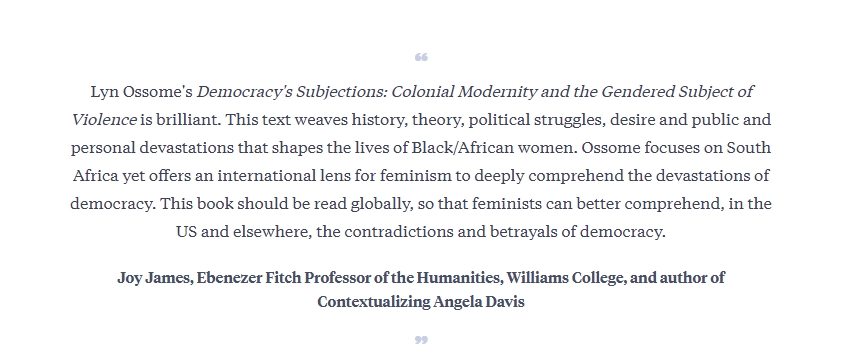
Reviews
Humanities & Social Sciences
Prof. Walakira takes over as CHUSS Deputy Principal, pledges research-driven leadership

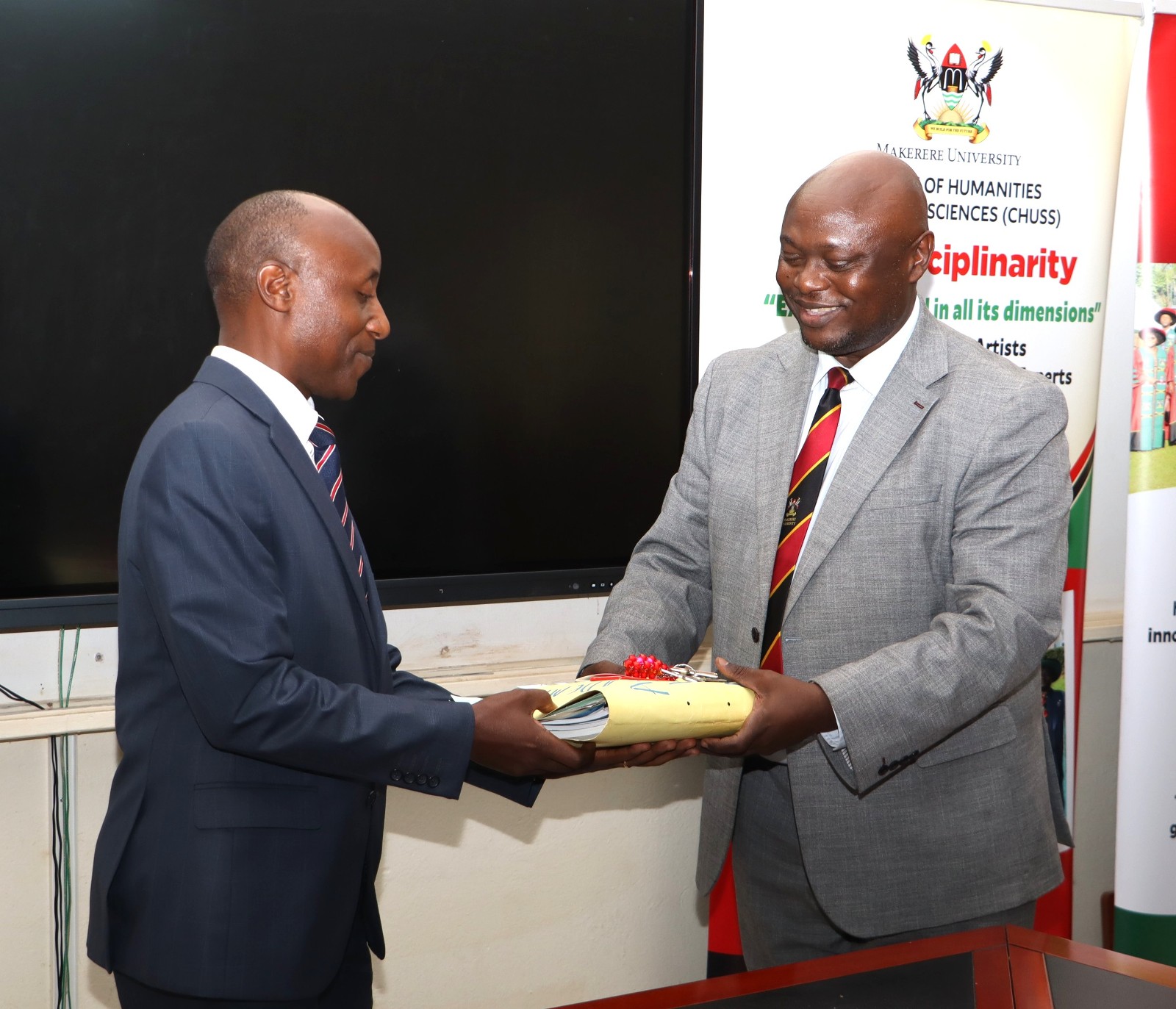
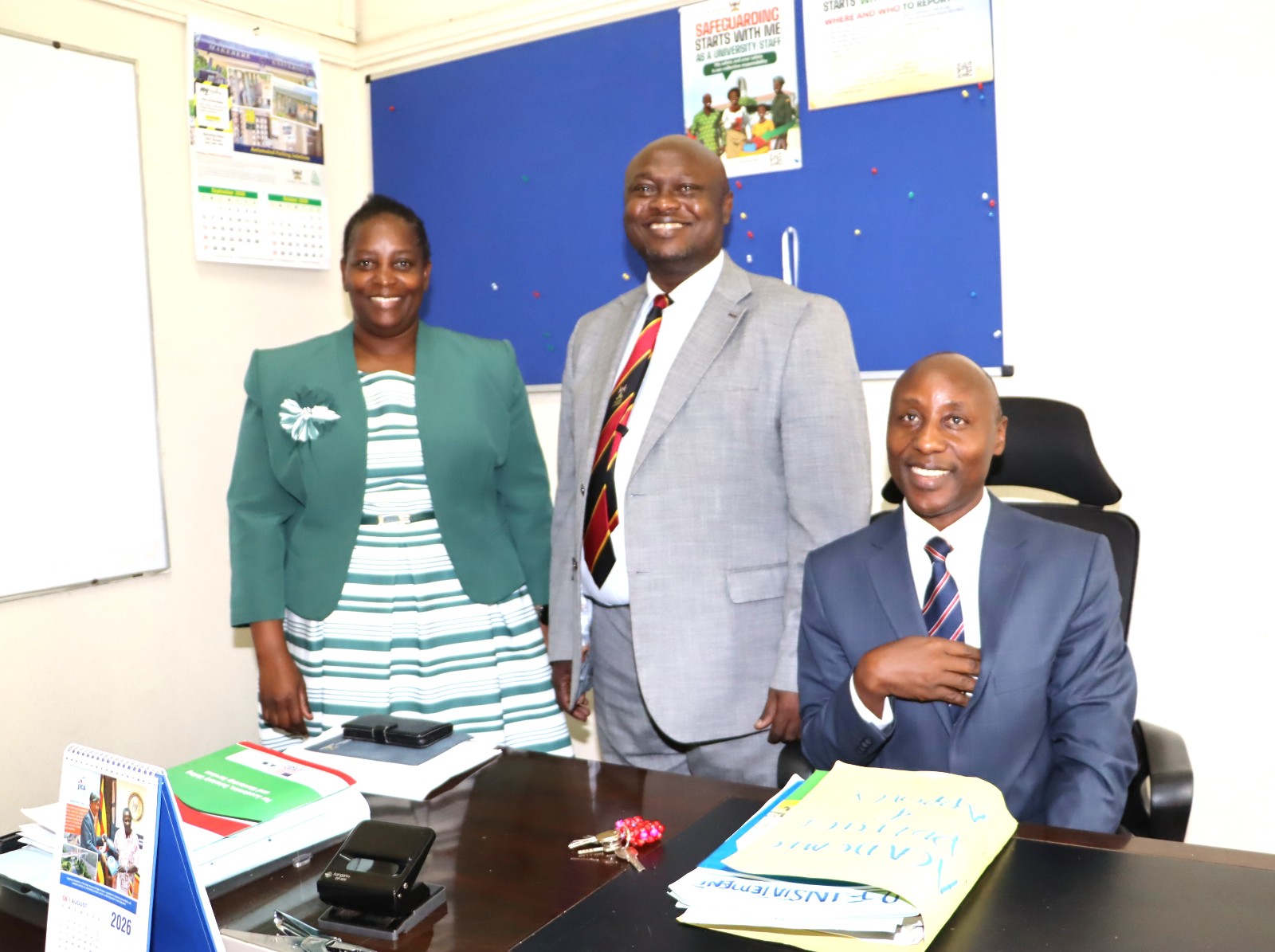
New Deputy Principal Prof. Eddy Joshua Walakira has pledged to build on the existing foundations at Makerere University’s College of Humanities and Social Sciences (CHUSS), with a focus on strengthening research, innovation, partnerships and the college’s income-generating capacity.
Prof. Walakira made the pledge on Monday, September 14, 2026, after officially taking over as Deputy Principal of CHUSS from Associate Prof. Eric Awich Ochen, who completed his four-year tenure after assuming office in April 2022.
The handover ceremony, held at the CHUSS Smart Room, brought together the College Principal, Associate Prof. Helen Nambalirwa Nkabala, deans, heads of departments, academic, administrative and support staff, as well as representatives from the Directorate of Internal Audit.
Walakira said he was taking over at a time when CHUSS had established a strong foundation and pledged to work with the Principal and staff to take the college to greater heights.
“I’m coming in with a lot of hope, a lot of courage and a lot of optimism because the foundations are already in place and the structures are already in place,” Walakira said.
He said his immediate priority would be to understand the needs of the different schools and departments and develop practical interventions, particularly in research, innovation and partnerships.
The incoming Deputy Principal said he intends to undertake a tour of CHUSS schools and departments to assess their research, innovation and partnership needs. said the exercise would help management identify existing capacities, gaps and opportunities that could be developed into practical plans for the college.
“My thinking is that we are going to form the best team ever that has led CHUSS,” he said, stressing that the college has the human and institutional capacity to become a leading unit within the University.
Walakira said CHUSS should make greater use of the networks and partnerships already established by its academic units, arguing that these could provide opportunities for research collaboration, innovation and resource mobilisation.
He also challenged departments that have faced long-standing equipment shortages to explore sustainable solutions rather than relying entirely on external funding.
“If the Department of Journalism for the last 20 years is still crying about equipment, I don’t think that is a good song. There must be a way out from within,” Walakira said. He pledged to work closely with Principal Nambalirwa Nkabala and other college leaders to identify opportunities for strengthening research capacity, publication and partnerships.
Walakira pledges loyal and collaborative leadership
Walakira pledged to work closely with the Principal, deans, heads of departments and staff while respecting University policies and structures. He said his leadership approach would be based on humility, consultation and practical problem-solving.
“My pledge, first of all, is to be loyal and humble to my boss and, above all, to serve in the fear of the Most High and to respect the rules, the principles and the structures of the University,” he said.
Walakira said he would seek to strengthen existing research groups and explore opportunities for the college to generate more resources internally. He urged staff to embrace a collective vision and work together to address challenges facing the college.
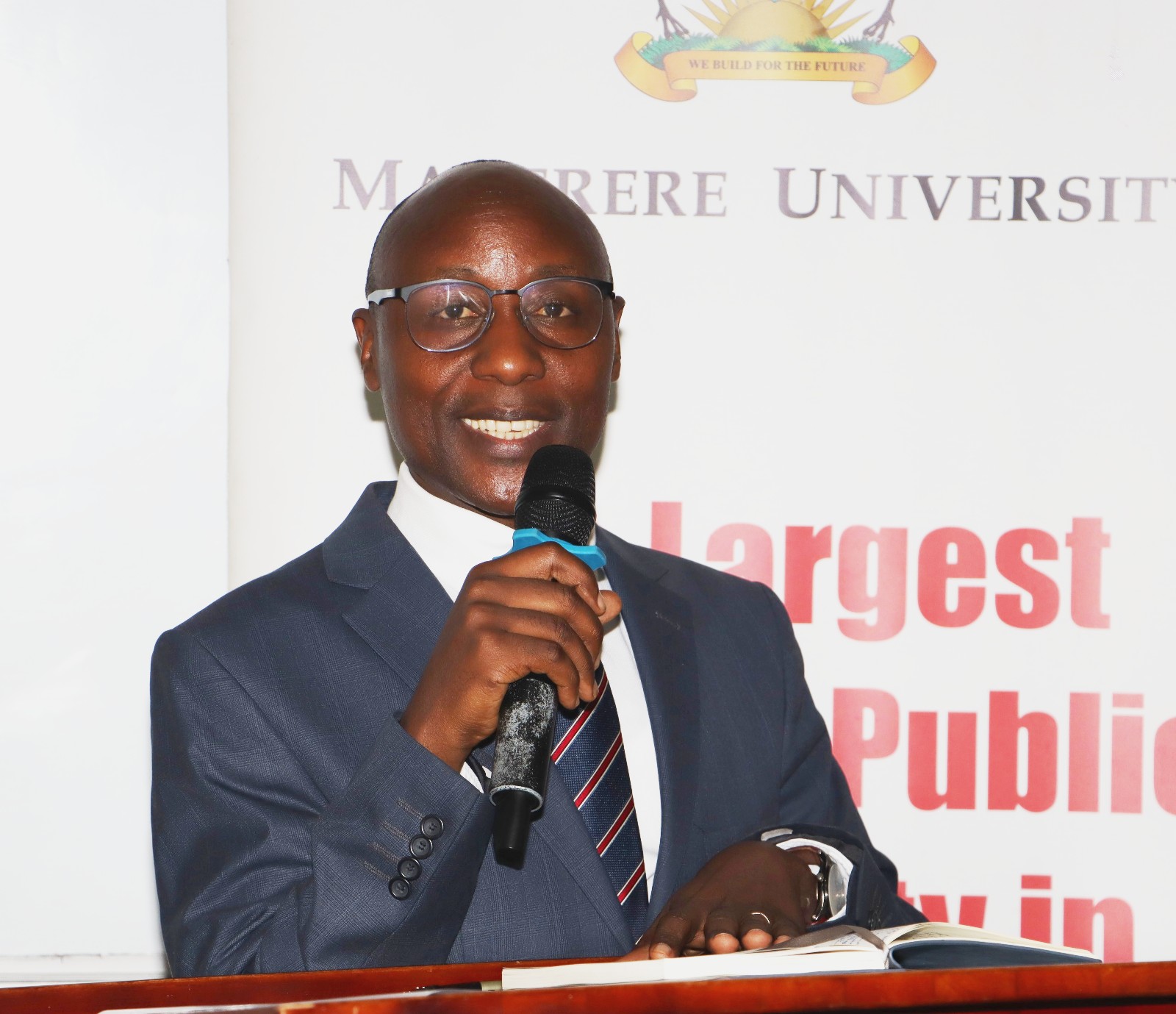
He expressed confidence that CHUSS could become a leading college within Makerere University if its existing human resource and institutional capacity were effectively harnessed.
“We have people who can work in leadership, but we have to develop a collective vision. We have to respect and accept the capabilities that we have, and also accept to work together to address the challenges that confront us,” he said.
Assoc. Prof. Ochen highlights four years of academic and research gains
In his handover report, outgoing Deputy Principal Prof. Eric Awich Ochen highlighted progress made during his four-year tenure, including improvements in teaching and learning, academic programme development, research, internationalisation, staff capacity building and digitalisation.
Ochen said he assumed office in April 2022, in the immediate aftermath of the COVID-19 pandemic, and worked under two College Principals—Prof. Josephine Ahikire and Associate Prof. Helen Nambalirwa Nkabala.
He attributed the achievements recorded during his tenure to collective efforts by the Principal, deans, heads of departments and staff.
“Whatever I did in the office of the Deputy Principal for the last four years has been in the best interest of the students. I tried to act in good faith,” Ochen said.
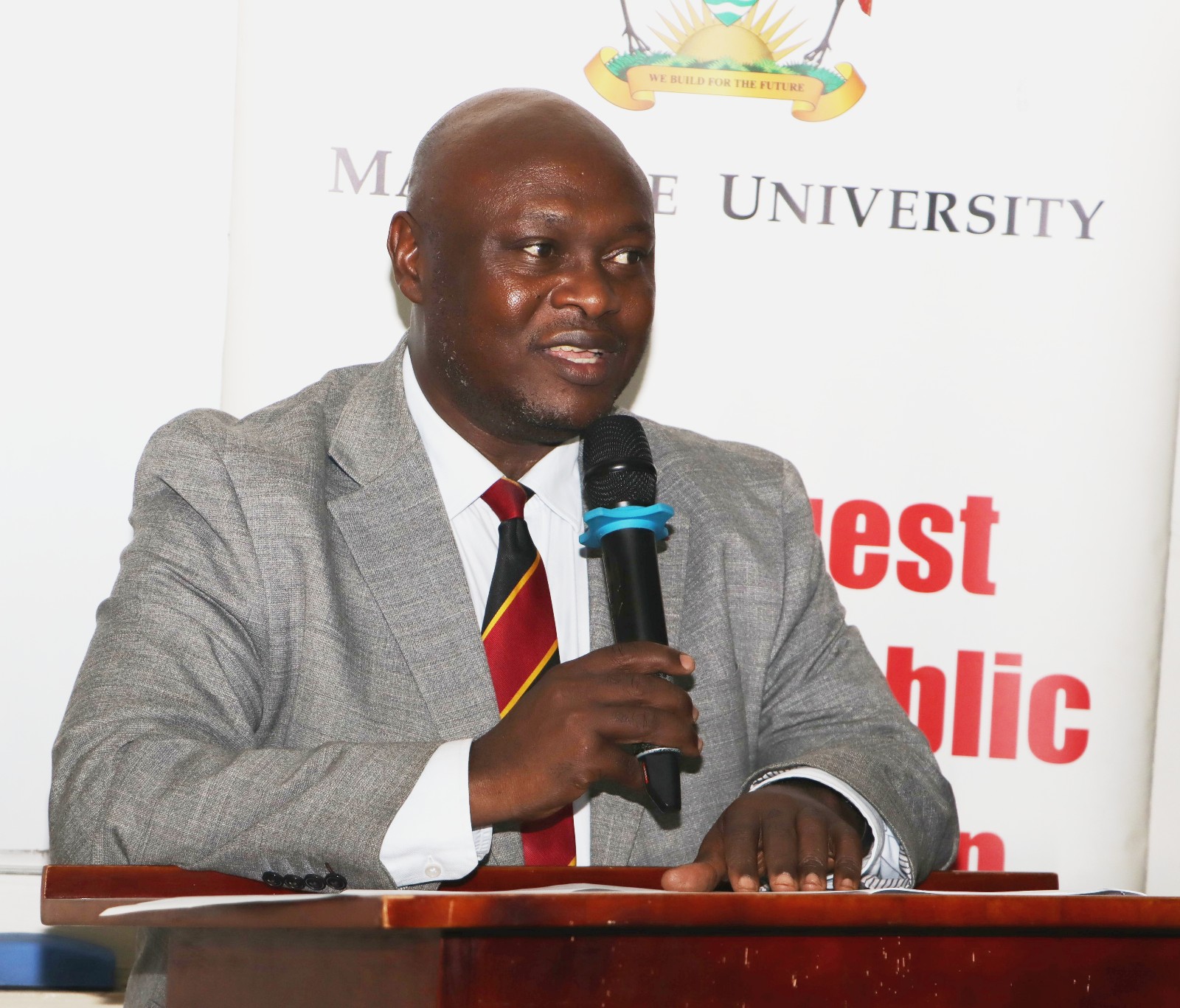
He acknowledged that leadership involves mistakes and said one of his major lessons had been the importance of consultation before making decisions.
Ochen advised his successor to maintain close consultation with the Principal, particularly when dealing with issues requiring clarification.
Ochen reported that the college had developed and revised several academic programmes during his tenure, including postgraduate programmes in French language studies, African languages and anthropology.
He said several existing programmes had also undergone accreditation and urged deans and heads of departments to begin preparations early for programmes due for re-accreditation.
He warned that delays in accreditation could disrupt student admissions and programme delivery, citing previous cases where some programmes were temporarily affected.
The outgoing Deputy Principal also highlighted efforts to revive and establish scholarly journals within CHUSS, including journals in history, peace, humanities, literature and communication.
He called for greater regularity in journal publication and continued digitisation to improve the visibility and accessibility of the college’s scholarly output.
Ochen said CHUSS had also made progress in modernising teaching and learning through the adoption of digital academic management systems.
He noted that staff had transitioned from the Academic Information Management System to ACMIS for the management and uploading of students’ results.
Timetable coordinators had also been trained to upload teaching timetables and workloads electronically.
The college also installed smart interactive screens in several lecture rooms, which Ochen said had improved the teaching environment and supported blended learning.
He urged the incoming leadership to continue investing in digital infrastructure, particularly for smaller postgraduate teaching spaces.
Ochen reported that CHUSS had significantly expanded its research and grants portfolio, with the college managing grants estimated at about US$12 million.
He attributed the growth partly to the development of research groups across departments and encouraged the new leadership to strengthen these groups to increase grant applications and scholarly publications.
“I believe in the last four years we have grown as a college. I think we have quite a higher portfolio of grants,” Ochen said.
He also cited numerous conferences, public lectures and international academic events as having contributed to CHUSS’s visibility nationally and internationally.
These included philosophy events, social work conferences, peace-related events, language celebrations, history and climate-migration conferences and other scholarly engagements.
Ochen said CHUSS had expanded its international collaborations through mobility programmes, academic partnerships and international conferences.
He pointed to Erasmus+ programmes and other collaborations involving universities in Europe, Africa and other parts of the world.
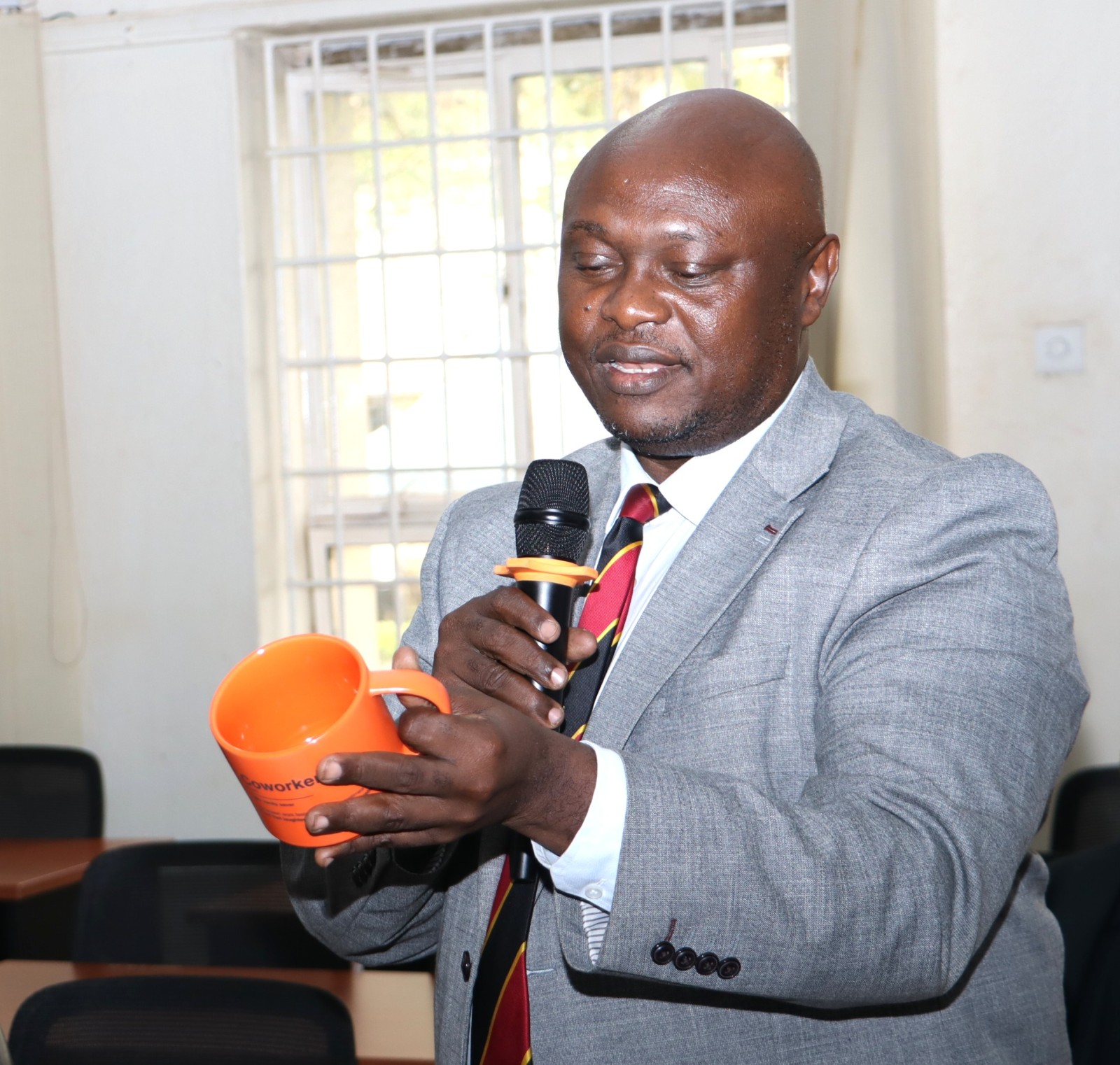
He also highlighted the Rotary Peace Centre and its growing international student community as important contributors to the college and University’s internationalisation agenda.
Despite the progress, Ochen identified inadequate equipment, particularly in journalism and multimedia production, as one of the challenges requiring attention.
He also cited concerns around support for staff supervising students, marking dissertations and other academic work, as well as the need to better recognise academic work conducted outside normal university hours.
He urged the incoming leadership to continue engaging staff and seeking practical solutions to these challenges.
Leadership transition will not disrupt CHUSS
Principal Associate Prof. Helen Nambalirwa Nkabala thanked Ochen for his service and said the transition would not destabilise the college.
She described Ochen as a committed colleague whose passion, energy and humility had contributed to the college’s progress.
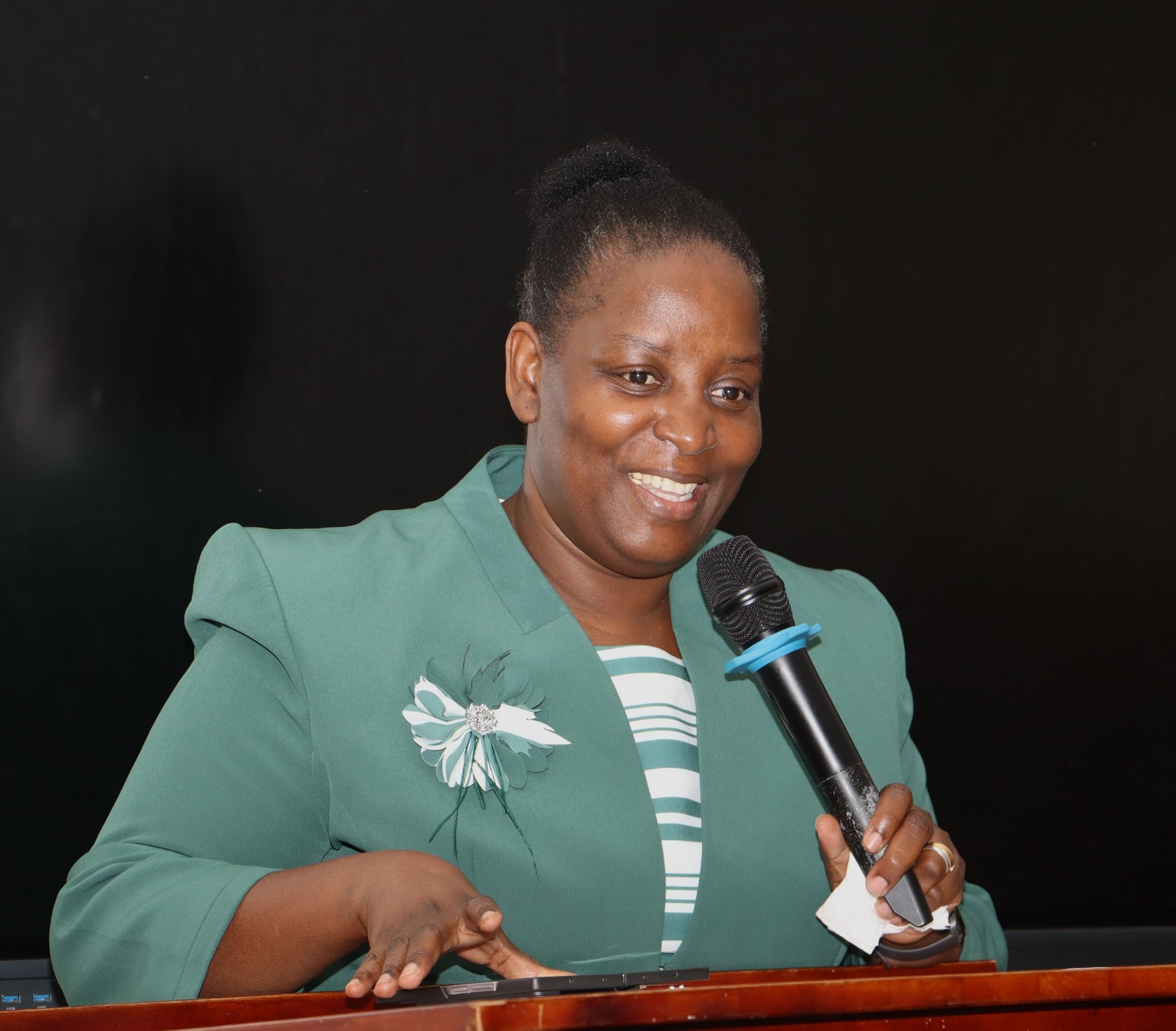
Nambalirwa said the college was entering a new phase under Walakira, whose appointment comes as CHUSS implements its strategic priorities.
She said the college’s newly developed strategic plan provides a framework for advancing research, social protection, innovation, partnerships and other institutional priorities.
“We are very ambitious. We are hoping that we shall get a lot of wealth. For this college to move further, we are moving with stability,” Nambalirwa said.
The Principal also urged staff to continue supporting the new Deputy Principal as they had supported Ochen.
“Please, support that you have given Professor Ochen should be extended to Professor Walakira, because service is only fun when you have all your hands,” she said.
Staff commend Ochen, welcome Walakira
Staff members who spoke during the ceremony commended Ochen for his leadership and commitment to students while welcoming Walakira to the new role.
Mr. Gidange Moses from the Directorate of Internal Audit praised the Principal for nurturing staff and creating opportunities for them to take up leadership responsibilities.
He commended Ochen for completing his tenure and urged Walakira to embrace the responsibility of leading the college alongside the Principal.
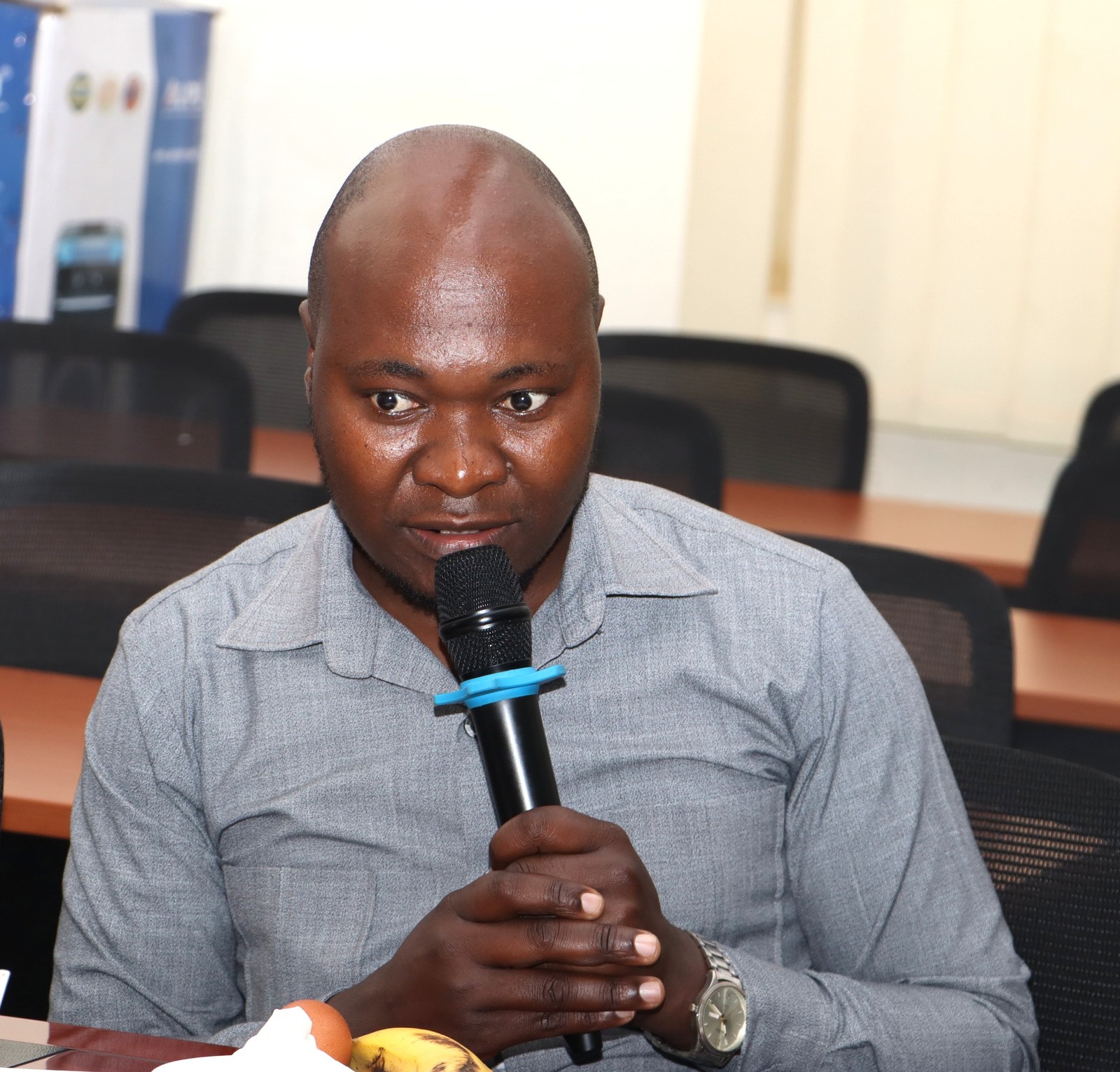
Dr. Charlotte Mafumbo, Head of the Department of History, Archaeology and Heritage Studies, described Ochen as a passionate leader and thanked him for his contribution to the college.
She pledged the department’s support to the incoming Deputy Principal.
Dr. Denis Muhangi, Head of the Department of Social Work and Social Administration, representing the Dean of the School of Social Sciences, praised Ochen for his resilience in following up decisions and his commitment to student welfare.
He assured Walakira of the school’s support as he takes on his new responsibilities.
Maria Gyezaho, from the Principal’s office, also thanked Ochen for his guidance and leadership, saying the skills he had imparted to staff would continue to benefit them.
The handover formally marked the end of Ochen’s tenure as Deputy Principal and the beginning of Walakira’s term, with the college leadership calling on staff to maintain the momentum achieved over the previous four years while pursuing new opportunities for growth.
For details about Prof. Eddy Joshua Walakira, please click on the link below:
https://chuss.mak.ac.ug/en/personnel/eddy-joshua-walakira/
Jane Anyango is the Principal Communication Officer CHUSS
-

 General2 weeks ago
NOTICE: Online Applications for Government Sponsorship for Programmes Offered at Public Universities & Other Tertiary Institutions 2027/2028 AY
-
 General2 weeks ago
Makerere-Rotary Launch Student Food for Peace Initiative
-
 Research2 weeks ago
Your Research, Your Identity, Your Impact. Makerere Empowers Graduate Students to Go Global Through ORCID
-
 General2 weeks ago
RENU Communications Department Graduate Trainee Program: Two (2) Vacancies
-
 Engineering, Art & Tech2 weeks ago
International Water Association Eyes Makerere-Kampala for Regional Office