
Law
Prof. Christopher Mbazira Professorial Lecture: Examination of Uganda’s Judicial Power and Its Role in Constitutional Transformation

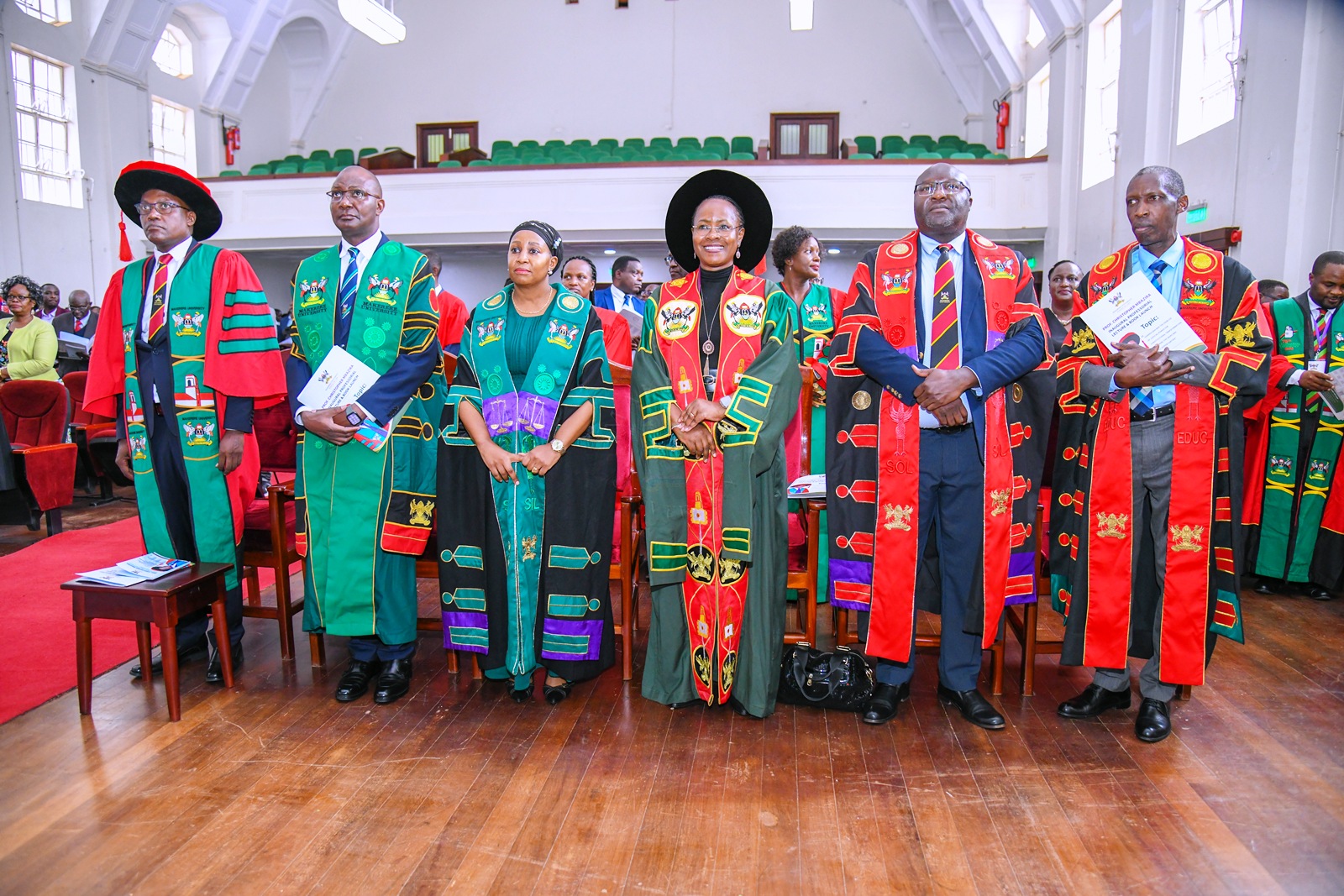
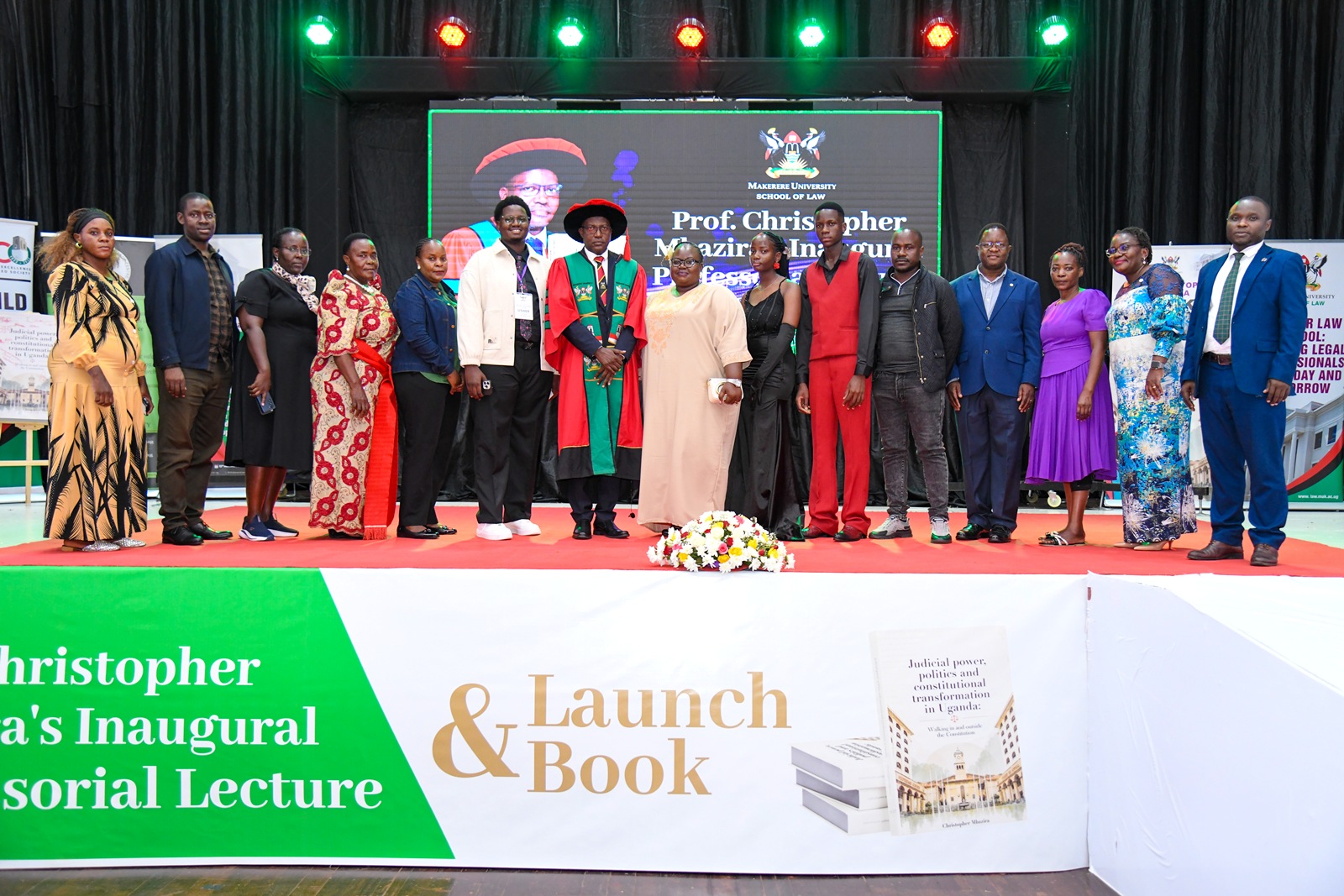
On 12th November 2026, Makerere University School of Law (SoL) hosted the Inaugural Professorial Lecture of Prof. Christopher Mbazira, who examined the role of judicial power in Uganda’s constitutional transformation over the 64 years since independence. The lecture, titled Uganda @64 and the Exercise of Judicial Power for Constitutional Transformation: Examining the Gains and Lost Opportunities, was accompanied by the launch of his book, Judicial Power, Politics and Constitutional Transformation in Uganda: Walking in and Outside the Constitution. The lecture was attended by the University Community, distinguished guests, Judicial Officers, members of the legal fraternity, students, alumni, and the general public.
In his lecture, Prof. Mbazira critically examined the Judiciary’s contribution to Uganda’s constitutional development, highlighting its achievements, institutional resilience and missed opportunities. He traced the evolution of judicial power from the colonial period and the early post-independence constitutional crises to the current constitutional dispensation under the 1995 Constitution.
Reflecting on some of the defining moments in Uganda’s history, he examined how the Judiciary’s exercise of power has shifted in response to changing political circumstances. He traced this history through the Amin regime, during which Chief Justice Benedicto Kiwanuka was abducted, to the National Resistance Movement (NRM) era, which he characterised as hybrid—democratic in form but authoritarian in instinct.
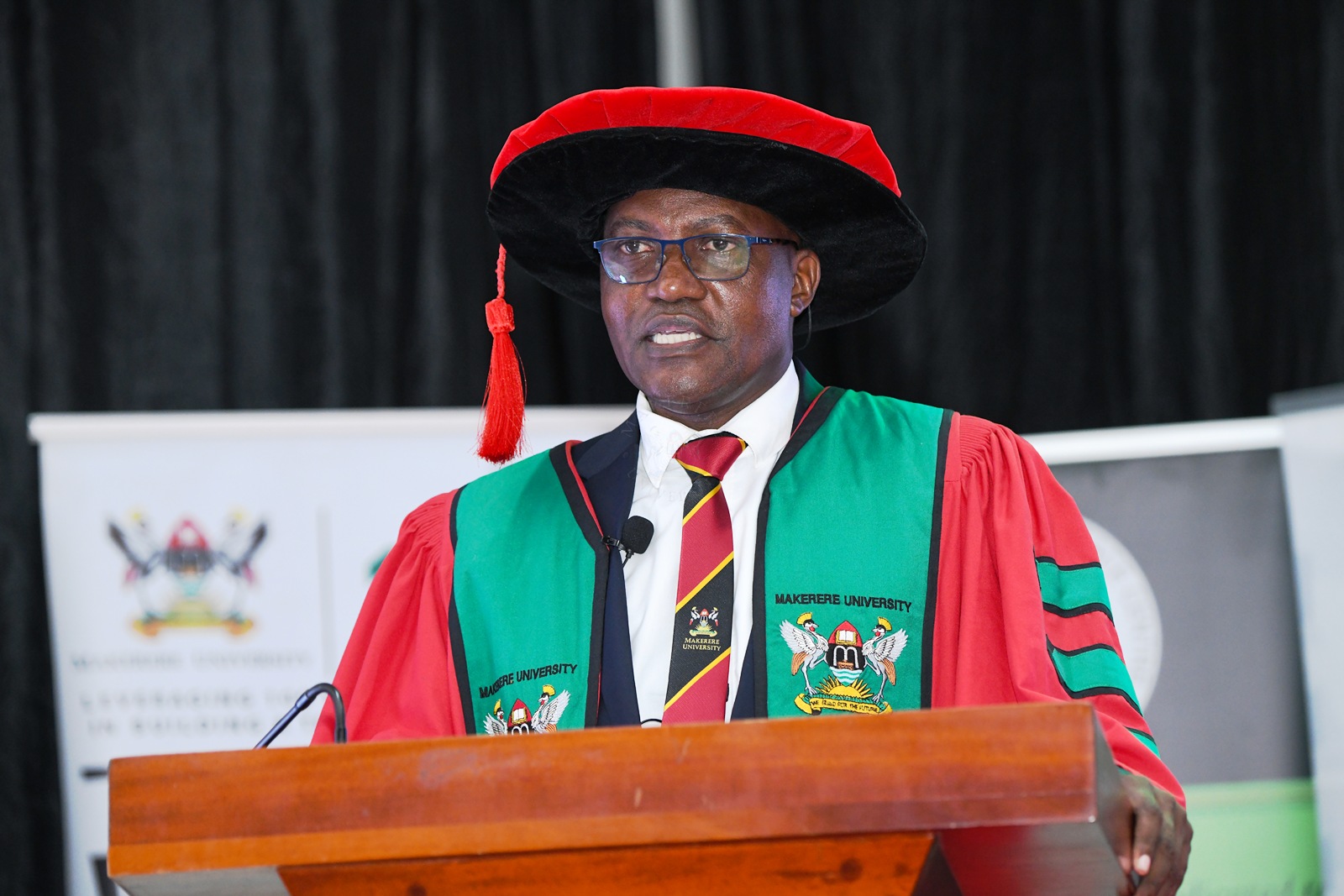
A central question in his lecture was whether Ugandan courts possess the power to influence constitutional transformation and, more importantly, when they choose to exercise that power or retreat from it. He argued that courts are not merely neutral referees but political actors whose decisions shape the country’s constitutional trajectory. In his assessment, the Judiciary’s record has been marked by inconsistency, reflecting the broader complexities of Uganda’s constitutional journey.
Drawing on landmark judicial decisions, Prof. Mbazira illustrated this inconsistency through instances in which courts have defended fundamental freedoms, including habeas corpus, and struck down restrictive laws on public assembly, as demonstrated in the Muwanga Kivumbi and Human Rights Network Uganda cases. However, he observed that courts have sometimes been less assertive when judicial decisions directly challenge the exercise of political power. He traced this pattern to the early post-independence period, referencing the Ibingira and Ex parte Matovu cases, in which courts affirmed aspects of individual liberty but declined to determine the legality of the new political order following the abrogation of the 1962 Constitution.
The lecture further explored the relationship between judicial power, politics and constitutionalism, highlighting the Judiciary’s responsibility to safeguard fundamental rights, check the exercise of public power and advance democratic governance. Prof. Mbazira acknowledged the Judiciary’s contributions to gender equality, freedom of expression and assembly, and the protection of fundamental rights. At the same time, he examined persistent challenges, including political interference, court-curbing and threats to judicial independence.
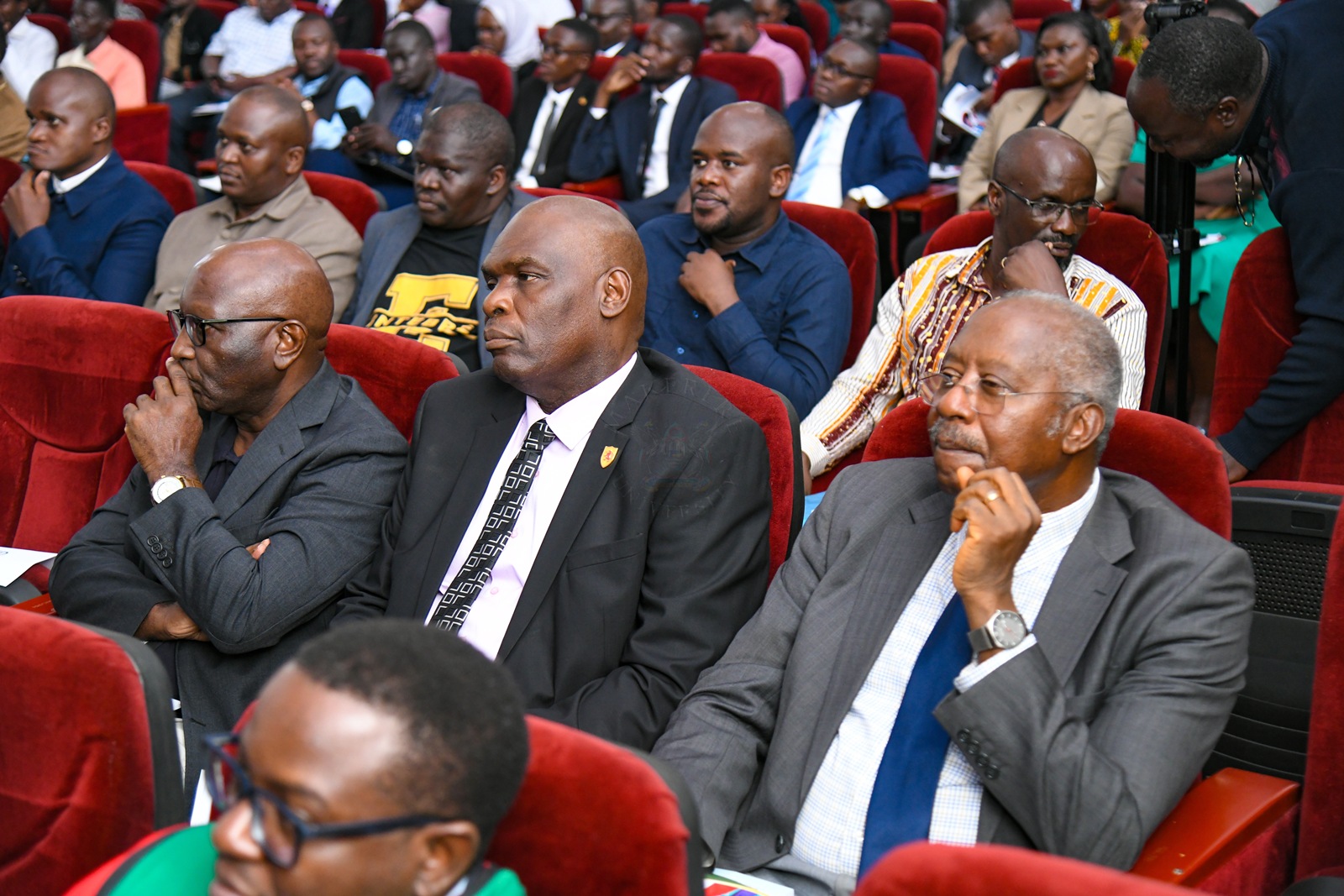
He emphasised that sustainable constitutional transformation requires an independent, principled and responsive Judiciary, supported by respect for constitutional supremacy and judicial authority. He called for timely adjudication of cases, effective constitutional remedies, compliance with court decisions and stronger safeguards for democratic institutions.
The lecture provided an important opportunity to reflect on Uganda’s constitutional journey and the continuing responsibility of the Judiciary in strengthening democracy, constitutionalism and the rule of law.
School of Law Celebrates a Milestone in Legal Scholarship
The Chairperson of the Organising Committee, Dr. Rose Nakayi, described the event as a significant milestone for the SoL, noting that it was the first inaugural professorial lecture organised under Makerere University’s new guidelines, which decentralised the organisation of such lectures to academic units.
She also highlighted the significance of the occasion coinciding with the launch of Prof. Mbazira’s book, which was developed during his sabbatical.
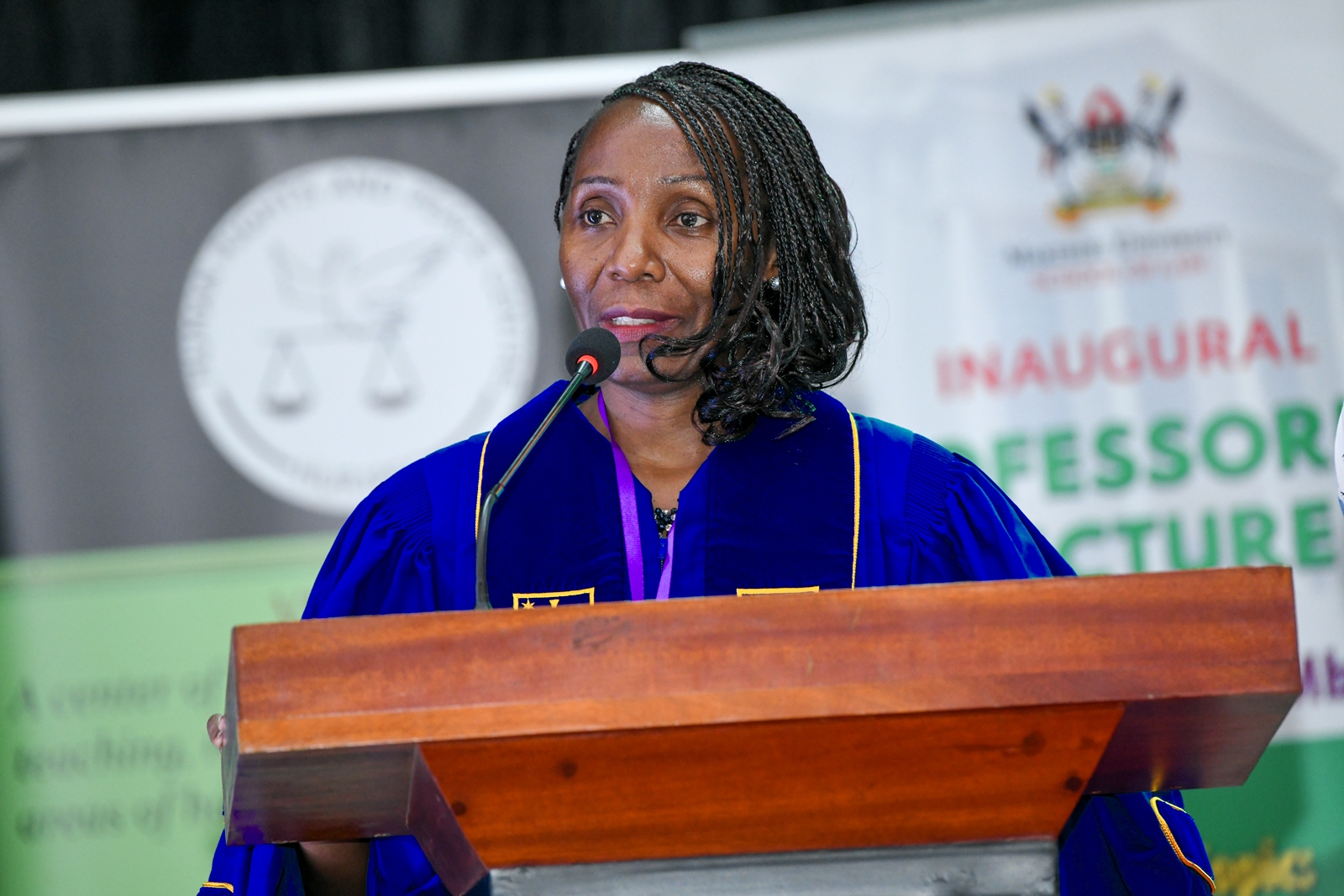
Reflecting on their longstanding friendship and shared academic journey, Dr. Nakayi celebrated Prof. Mbazira’s growth from a law student into a distinguished legal scholar. She acknowledged the influence of senior academics who had mentored and inspired them, while appreciating the organising committee, University Management, supporting units, staff and students for their contributions to the success of the event.
Congratulating Prof. Mbazira on the achievement, she observed that the professorial milestone was not the culmination of his academic journey but the beginning of another chapter in his professional and scholarly contribution.
University Management Commends Prof. Mbazira’s Contribution to Legal Scholarship
In remarks delivered on his behalf by the Deputy Vice Chancellor for Academic Affairs, Prof. Sarah Ssali, the Vice Chancellor, Prof. Barnabas Nawangwe, congratulated Prof. Mbazira on attaining the professorial rank, describing the achievement as a source of pride for Makerere University and a reflection of the University’s commitment to intellectual excellence.
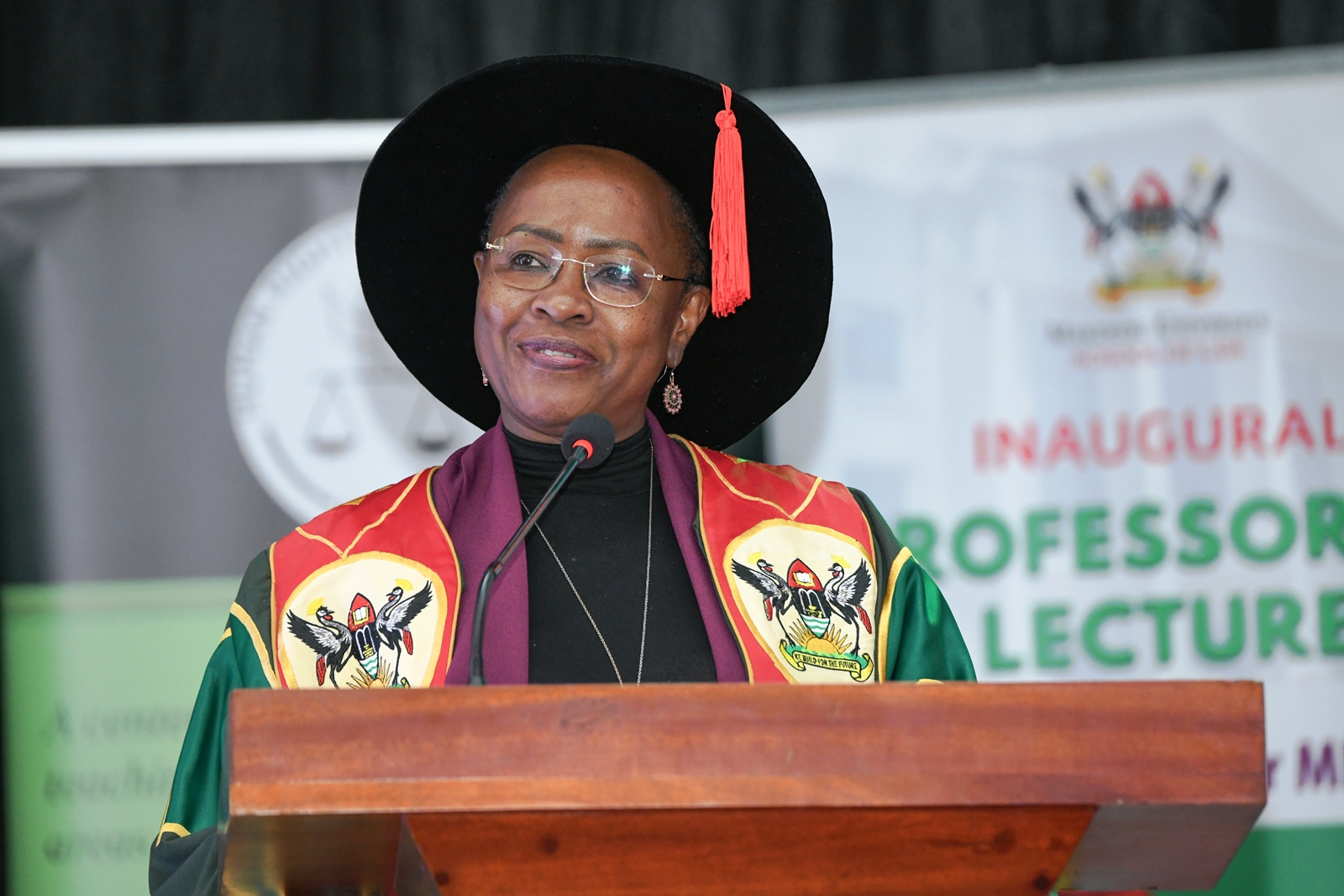
He commended Prof. Mbazira’s contributions to constitutional law, judicial power, human rights and the administration of justice through research, teaching, mentorship and public interest lawyering. He noted that his scholarship continues to inform national conversations on constitutionalism, democratic governance, accountability and the rule of law.
The Vice Chancellor also encouraged other professors to deliver their inaugural professorial lectures, describing them as important platforms for showcasing research, inspiring emerging academics and sharing knowledge with the wider society.
The Acting Dean of the School of Law, Dr. Zahara Nampewo, also congratulated Prof. Mbazira, describing his professorial achievement as an important milestone for both the scholar and the School. She commended his contributions to legal scholarship, particularly in constitutional law, human rights and the administration of justice, as well as his dedication to teaching, research and mentorship.
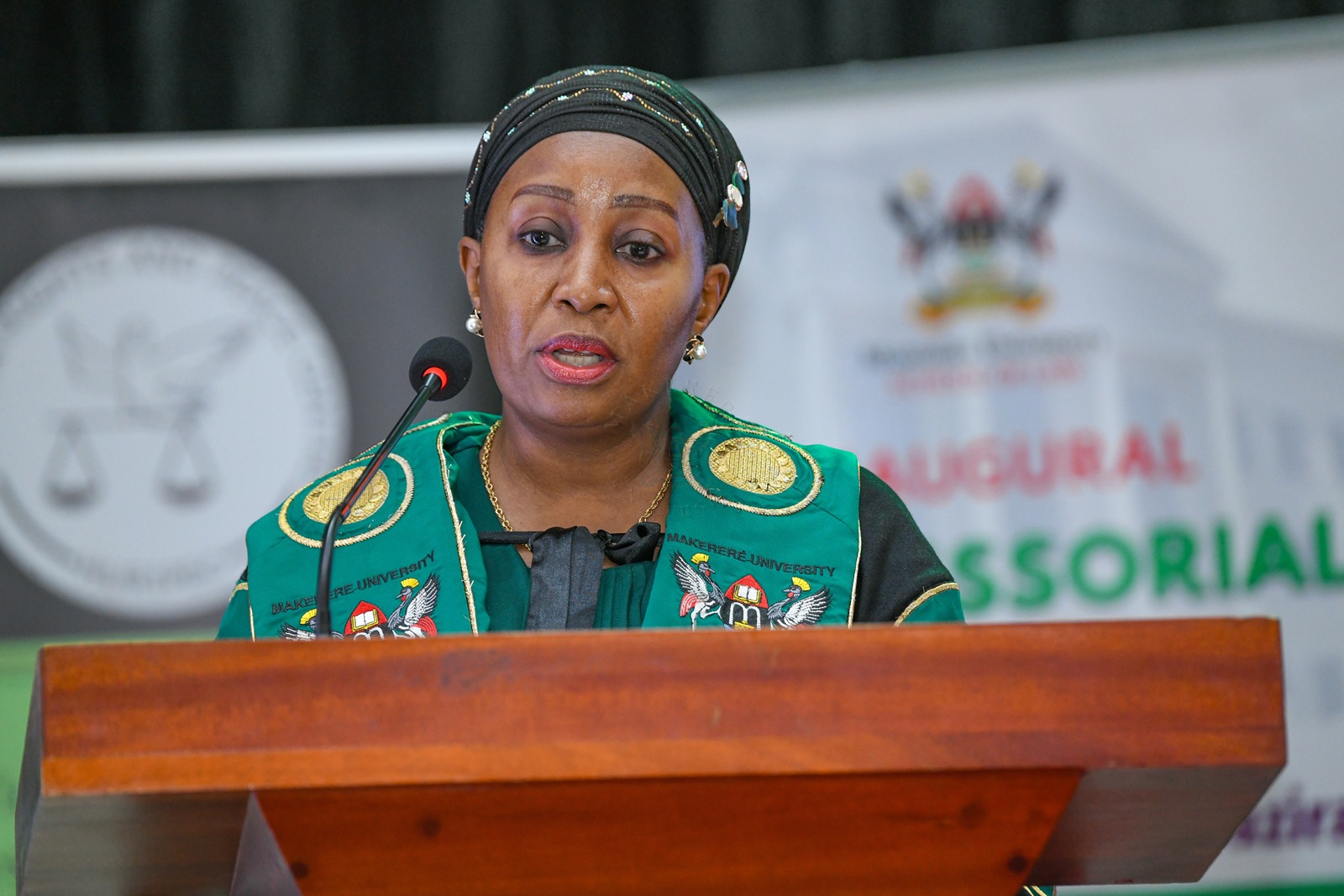
Dr. Nampewo noted that the inaugural lecture offered an important platform for examining the Judiciary’s role in Uganda’s constitutional development and reflecting on the continued pursuit of justice, democratic governance and the rule of law.
Prof. Mbazira’s Book Launched
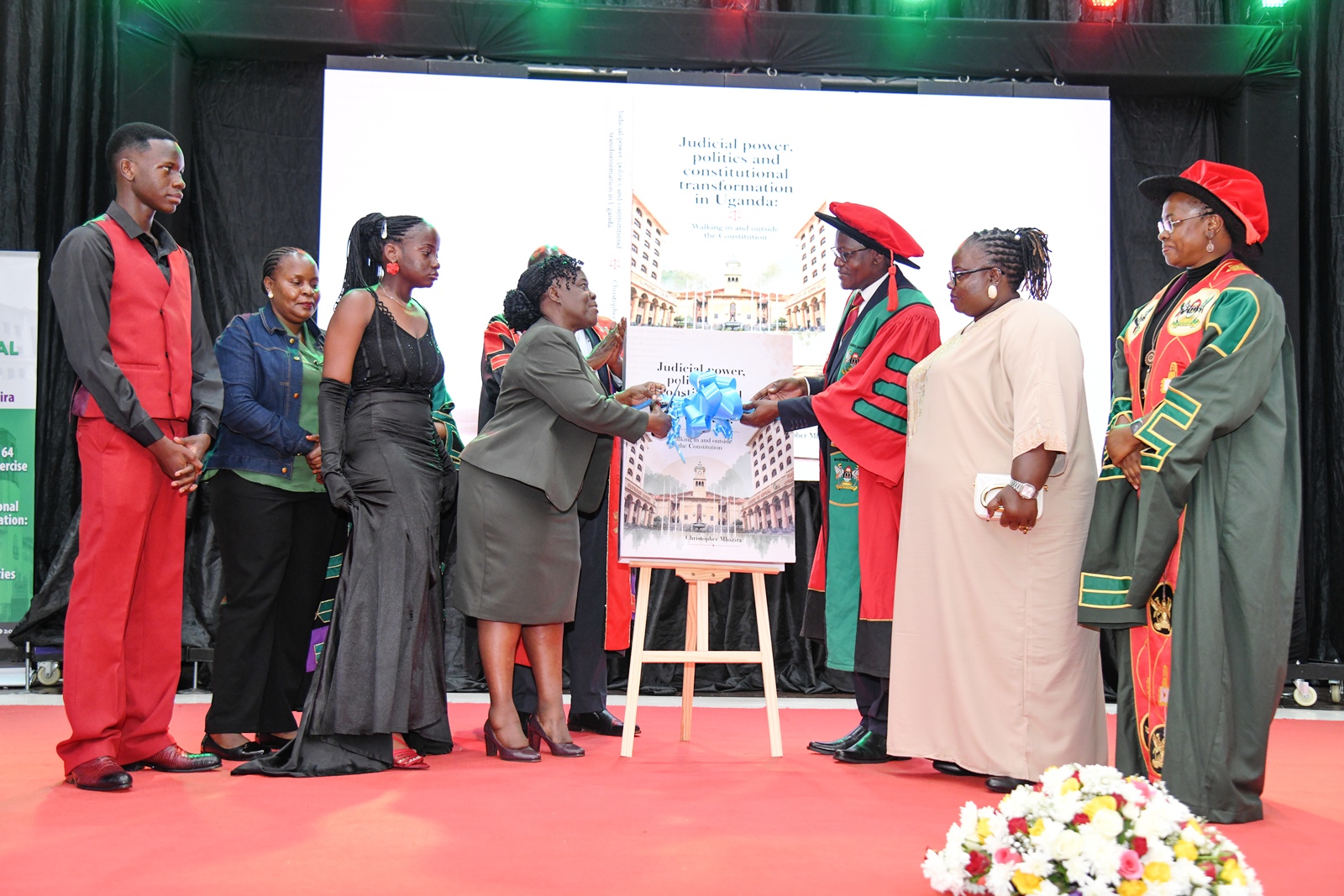
The book, Judicial Power, Politics and Constitutional Transformation in Uganda: Walking in and Outside the Constitution, was officially launched by Hon. Lady Justice Prof. Lilian Tibatemwa-Ekirikubinza, Justice of the Uganda Court of Appeal.
Congratulating Prof. Mbazira on the publication, Justice Tibatemwa-Ekirikubinza expressed pride in witnessing his academic growth and development over the years, describing the book as a testament to his scholarly journey.
Makerere Reaffirms Commitment to Transformative Scholarship
In her vote of thanks, Prof. Sarah Ssali congratulated Prof. Mbazira on his inaugural professorial lecture and the launch of his book. She commended his contribution to legal scholarship, noting that the lecture had stimulated important reflections on the Judiciary, constitutional governance and Uganda’s democratic development since independence.
Prof. Ssali reaffirmed Makerere University’s commitment to promoting impactful research, intellectual leadership and scholarship that informs policy, strengthens institutions and contributes to societal transformation. She also appreciated the School of Law, University Management, organising committee, invited guests, staff, students, family and friends for their support in making the occasion a success.
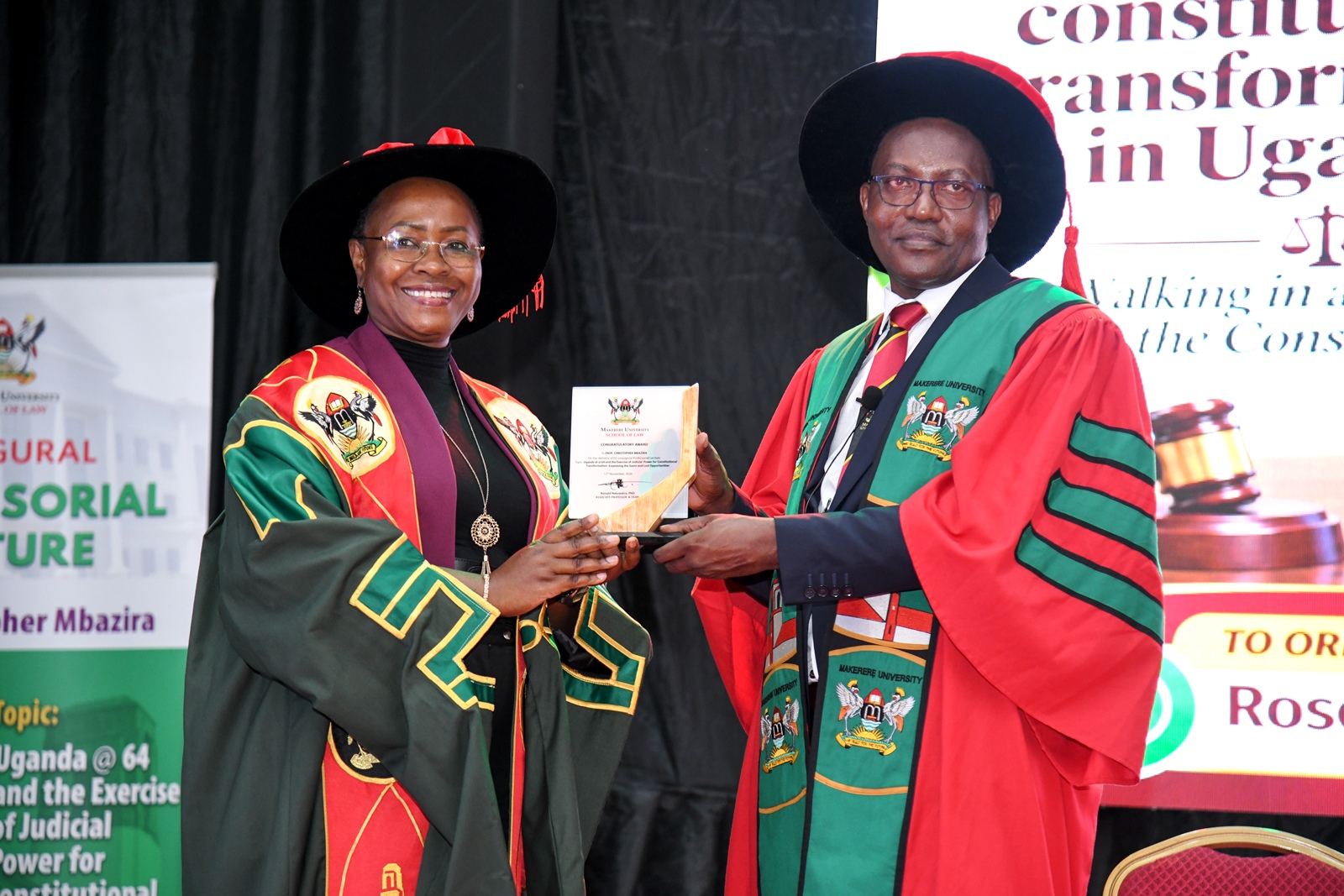
She concluded by encouraging scholars to pursue research that challenges conventional thinking, informs public policy and makes a meaningful contribution to society, reiterating the University’s pride in Prof. Mbazira’s contribution to its intellectual tradition.
About Professor Christopher Mbazira
Prof. Christopher Mbazira is a Professor of Law at SoL, where he has previously served as Dean and Head of the Department of Public and Comparative Law. He is currently the Coordinator of the Public Interest Law Clinic (PILAC) and a founding member of the Network of Public Interest Lawyers.
With over two decades of experience in human rights scholarship and practice, Prof. Mbazira has made significant contributions to access to justice, governance reform and institutional strengthening across the Justice, Law and Order Sector. He is a renowned practitioner in public interest litigation, a human rights advocate and a champion of the rule of law. Among his notable contributions is the revitalisation of the Amicus Curiae practice in Uganda.
In recognition of his contribution to legal education, he received the Uganda Law Society Award for Distinguished Service in Legal Education in 2021. He has also been an active member of the Uganda Law Society, serving on various committees. His academic engagements extend beyond Uganda, having served as a guest lecturer at several universities across Africa and internationally.
Prof. Mbazira is a member of the International Board of FIAN International, a Germany-based human rights organisation. His work also extends to business and human rights, through research and the provision of technical support to institutions working in this field. Combining scholarly expertise with practical legal experience, he has established himself as an influential voice in legal education, public interest law and human rights advocacy.
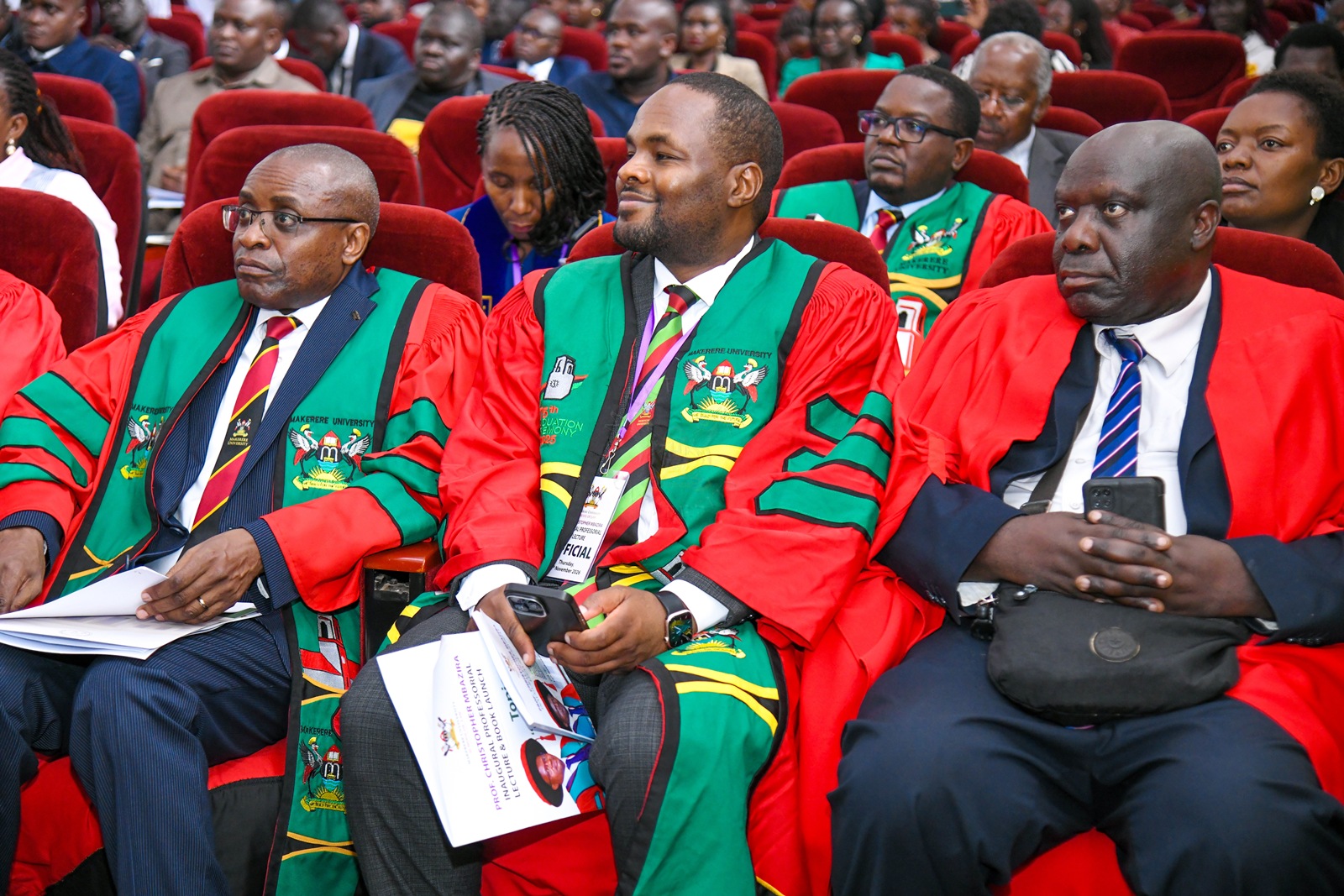
He is a published legal scholar, with his latest publication being Judicial Power, Politics and Constitutional Transformation in Uganda: Walking in and Outside the Constitution, published by Pretoria University Law Press in 2026.







Education
Makerere Celebrates Prof. Mbazira’s Law Scholarship at His Inaugural Professorial Lecture and Book Launch

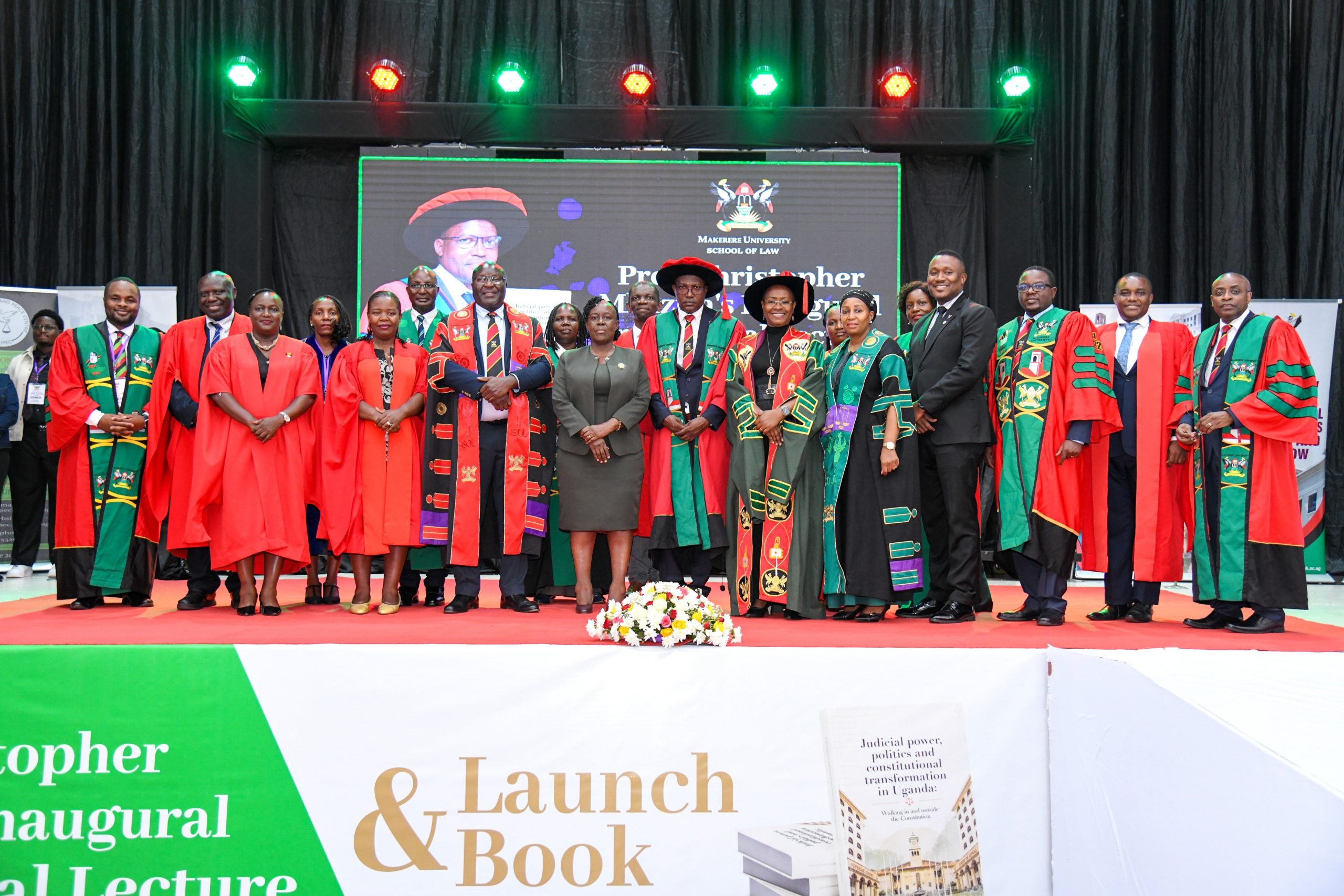
Makerere University lauded Professor Christopher Mbazira’s excellent contribution to the legal practice and academia during his inaugural professorial lecture and book launch organised through the School of Law. The celebration provided an opportunity to introspect on the topic of the day; exercise of judicial power for constitutional transformation in Uganda.
The lecture held on November 12, 2026 at Makerere Main Hall began on a lively note as Prof. Mbazira called out the traditional Makerere chant, “Emakerere Oye!” drawing an enthusiastic “Oye!” from the audience. It was a fitting start to a presentation he described as both a privilege and an honour.
Central Message of Prof. Mbazira’s Inaugural Lecture
In his presentation, Prof. Mbazira framed his central message to highlight that Judicial power remains one of the most important instruments for constitutional transformation, but its effectiveness depends on how it is exercised and whether its outcomes are respected.
Empahsising this, he drew on international scholarship to define judicial role. He referenced South African academic Prof. Bertus de Villiers, who guides that “the Judiciary can be an essential agent in the transformative process of a country. This is because the Judiciary can breathe life into the dry text of the constitution.”
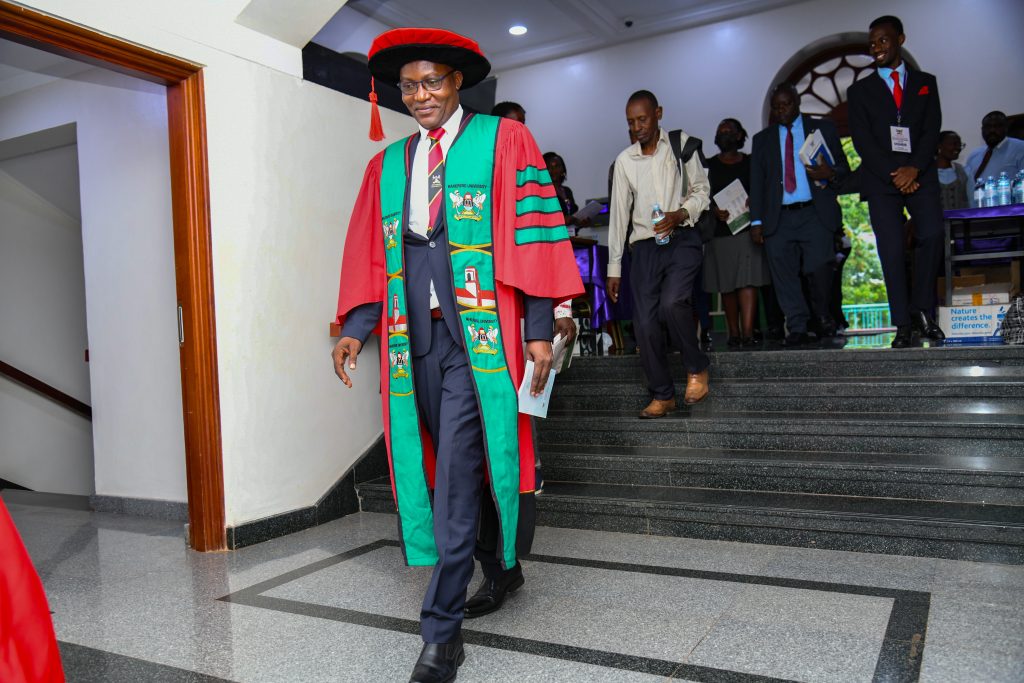
Acknowledging that courts do not automatically become transformative simply because a constitution gives them extensive powers, Prof. Mbazira drew a sobering reality check regarding the limitations of the courts.
He warned that the Judiciary can of course be an instrument of oppression, and a defender of the status quo. Therefore, for the better, he recommended that the Judiciary be independent, courageous, principled, and responsive to the constitutional aspirations of the people. To the Executive and Legislature, he encouraged they recognise that constitutional limitations are not obstacles to governance but rather foundations to legitimate governance. He mobilised legal professionals, academicians, civil society to remain engaged in defending constitutionalism.
Professor’s inaugural lecture themed, “Uganda@64 and the Exercise of Judicial Power for Constitutional Transformation: Examining the Gains and the Lost Opportunities,” typically challenged the audience to rethink the role of the Judiciary.
Beyond his academic achievements, Prof. Mbazira made room to celebrate his family that has accompanied him on his journey. He invited his daughter, Ms. Christabella Mbazira, an aspiring lawyer, to address the gathering.
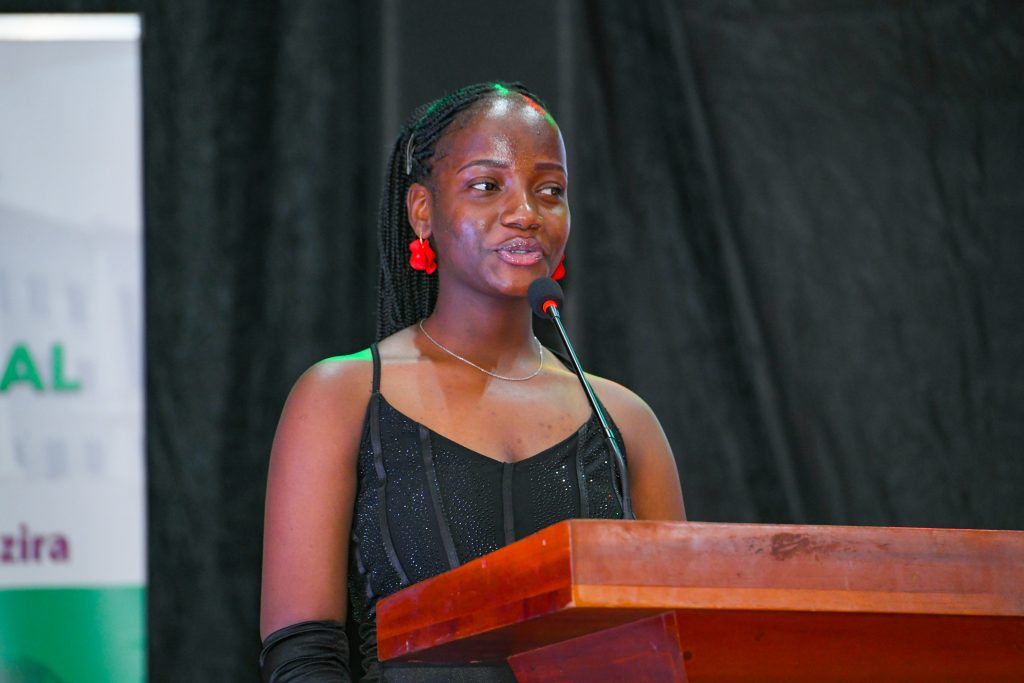
In her remarks, Christabella described her father as a role model, expressing admiration for his legal intellect and, with a touch of humour, the financial rewards of his profession.
A Tribute to Prof. Mbazira from Makerere University
Acting Vice Chancellor, Professor Sarah Ssali, congratulated Prof. Mbazira on this achievement, describing it as not merely personal but institutional; a source of pride and a reflection of the scholarship and intellectual excellence that Makerere University continues to nurture.
Contextualising the Lecture, Prof. Ssali noted that it is always an opportunity to reflect on the academic journey of research, teaching, service, and contribution to society. She expressed confidence that this lecture on the role of courts in promoting constitutional transformation offers solutions to Uganda’s constitutional development and democratic future.
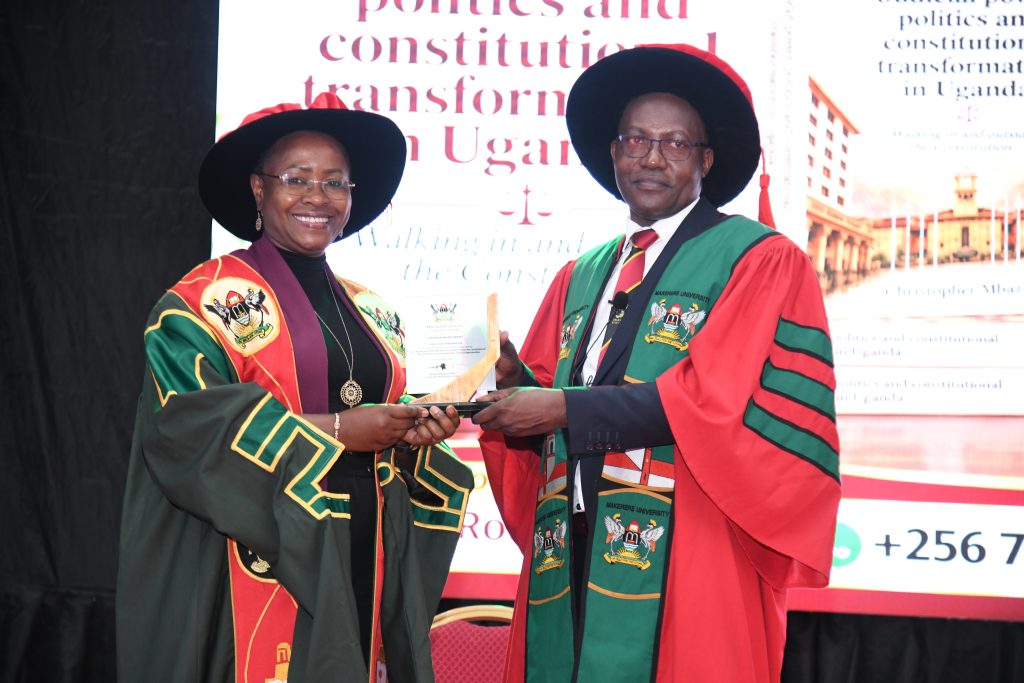
Prof Ssali, praised Prof. Mbazira for his mentorship contribution, noting that through his role at Makerere School of Law, he has groomed lawyers and legal scholars capable of critically using the law as an instrument of justice and social transformation.
The Acting Dean School of Law, Dr Zahara Nampewo described the inaugural professorial lecture as “one of the most significant academic traditions of any university,” noting it allows professors to “share the intellectual journey that has shaped their scholarship, to reflect on the contribution of their work to society, and to engage the wider public on issues of national importance.”
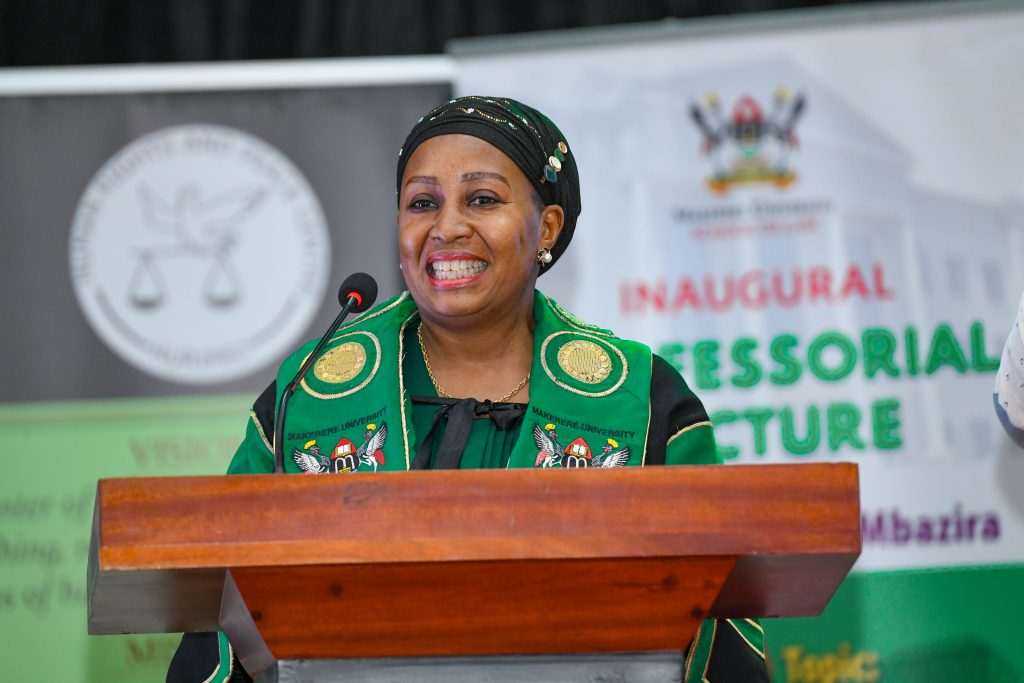
She emphasised that at the School of Law, constitutionalism is not an abstract academic concern. It is rather central to their mission as the leading institution of legal education, research and public engagement in Uganda. Exemplifying this, she referenced the 2016 amicus curiae brief submitted by nine law lecturers, including Professor Mbazira, which “established a progressive precedent for admission of amici curiae.”
Amici curiae are non-parties to a lawsuit such as experts, advocacy groups, organisations, or government officials who have a strong interest or specialised knowledge in the subject of the case.
Official Launch of Prof. Mbazira’s Book
Launching the book titled “Judicial Power, Politics and Constitutional Transformation in Uganda: Walking in and outside the Constitution”, Hon. Lady Justice Prof. Lillian Tibatemwa-Ekirikubinza, Justice of the Supreme Court of Uganda and former Deputy Vice Chancellor Academic Affairs and faculty at School of Law highlighted her long-standing relationship with Prof. Christopher Mbazira.
She acknowledged first encountering Mbazira as a student with “Law Intellect” and later as a colleague. She therefore expressed joy addressing him as Professor of Law now.
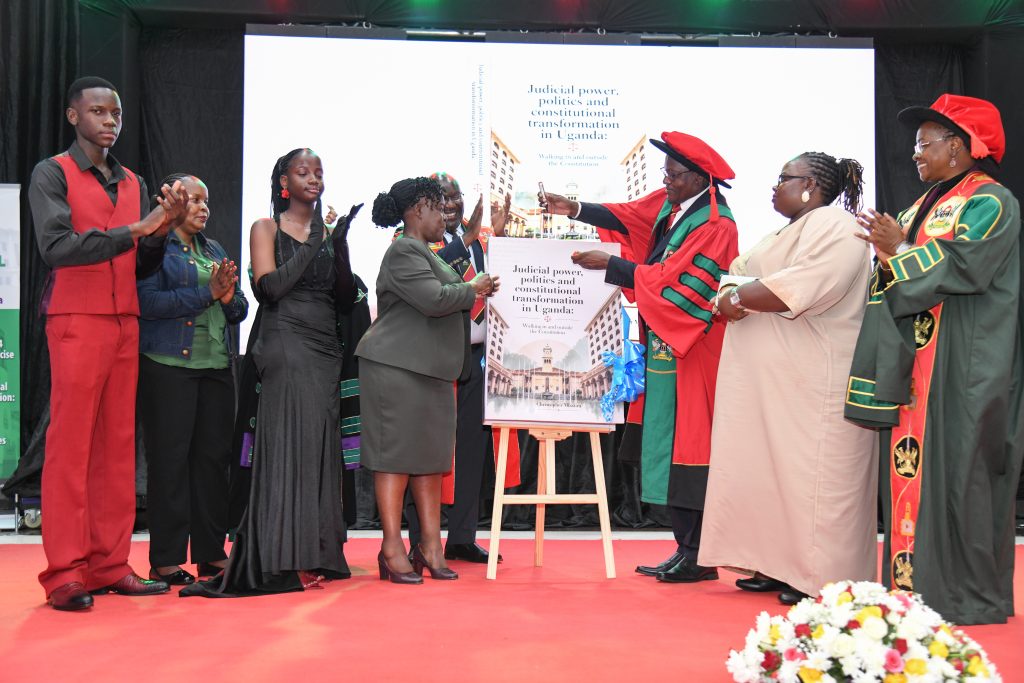
As the foreword author, she appreciated his book for its ability to help the Judiciary “reflect on their work, introspect and think, how we can do better.”
Further commending his role in critiquing the Judiciary, she emphasised the importance of authorship, referencing Albert Schweitzer to describe how authors “light the flame within” others.
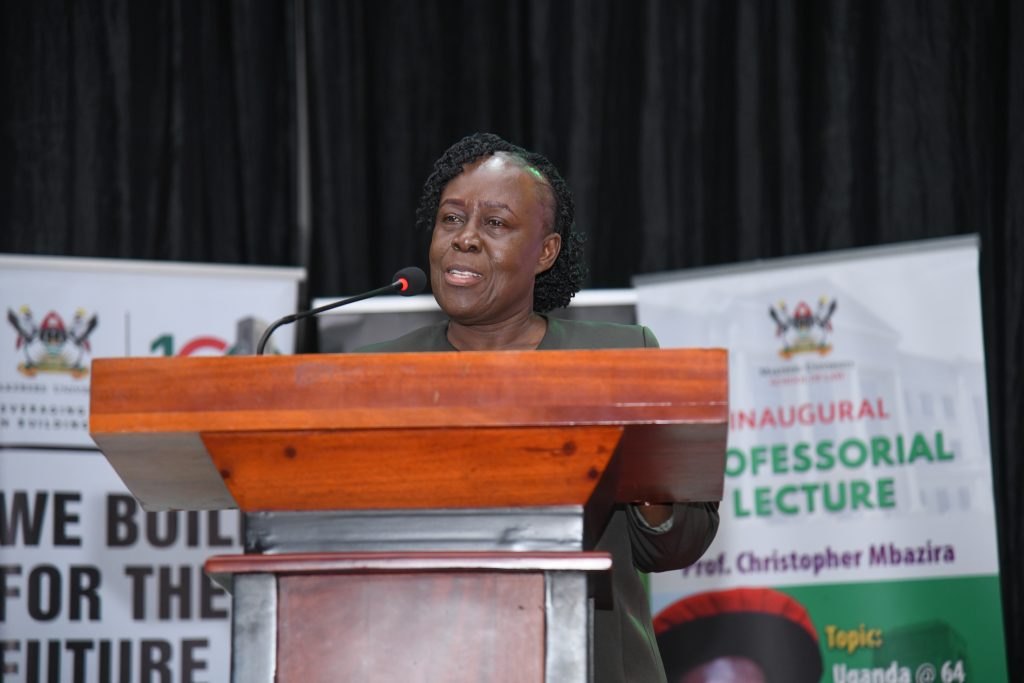
On behalf of the University, Prof. Ssali said the book demonstrates how scholarship can interrogate institutions, challenge established thinking, and contribute to national and international debates.
Professor Mbazira’s Journey – Academic and Professional
Born in Jinja in the 1970s, at a time when the town was a thriving industrial centre, Prof. Mbazira would later build a distinguished career in legal academia. His journey into teaching was not initially planned. After graduating from the Law Development Centre in 2001, he had hoped to establish himself in commercial legal practice.
However, his career took a different turn when he was appointed a teaching assistant at Makerere University‘s then Faculty of Law where he serves to date and has grown to a senior position.
His journey has since brought him into contact with generations of lawyers, judges, academics, students and policymakers, most of whom were present for his inaugural lecture.
The citation presented by Dr Zahara Nampewo, the Deputy Dean at School of Law detailed Professor Mbazira’s academic and professional journey as follows:
Education and Early Work
Born in 1975, he earned his LLB from Makerere in 1999, an LLM from the University of Pretoria in 2003, and a PhD from the University of the Western Cape in 2007. His doctoral thesis “set the course for a substantial body of scholarship on how constitutional and international human rights guarantees can be translated into effective remedies for people whose rights have been violated.”
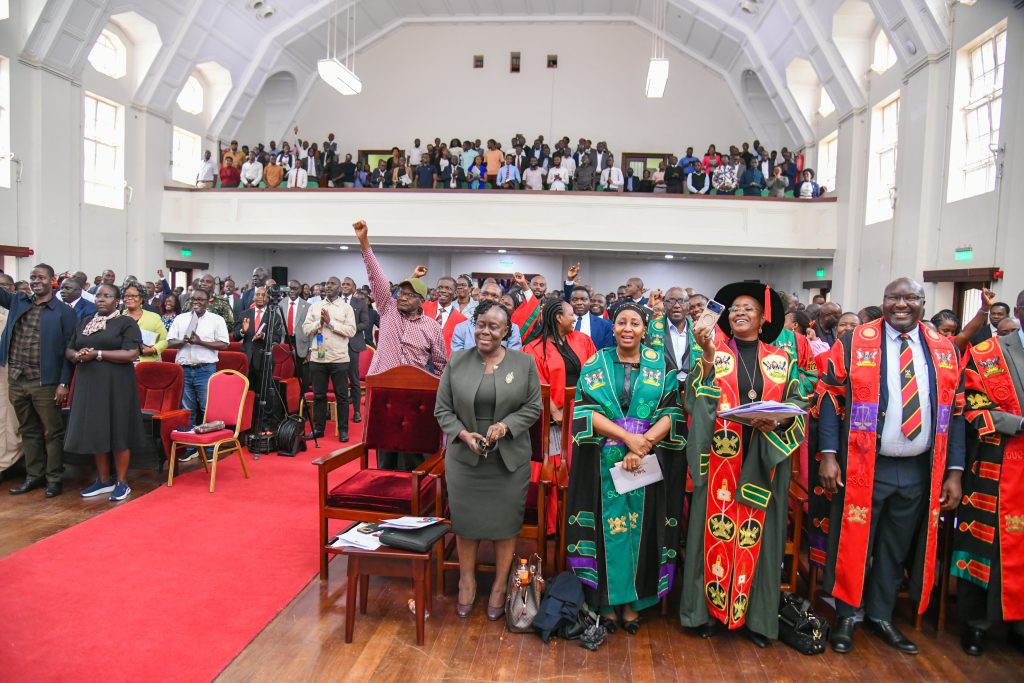
Career at Makerere
He joined the faculty in 2001 and became a full professor in July 2020. He has served in various leadership roles, including Head of Department and Acting Principal.
Scholarship
His work centers on “economic, social, and cultural rights, constitutionalism, and democratic governance.” His publications include “Litigating Economic and Social Rights in South Africa” and “Budding Democracy or Judicialisation.”
Public Interest Law Clinic (PILAC)
Since 2012, he has coordinated PILAC, which “helps advance a model of legal education that combines academic instruction with practical engagement in the justice needs of the communities.”
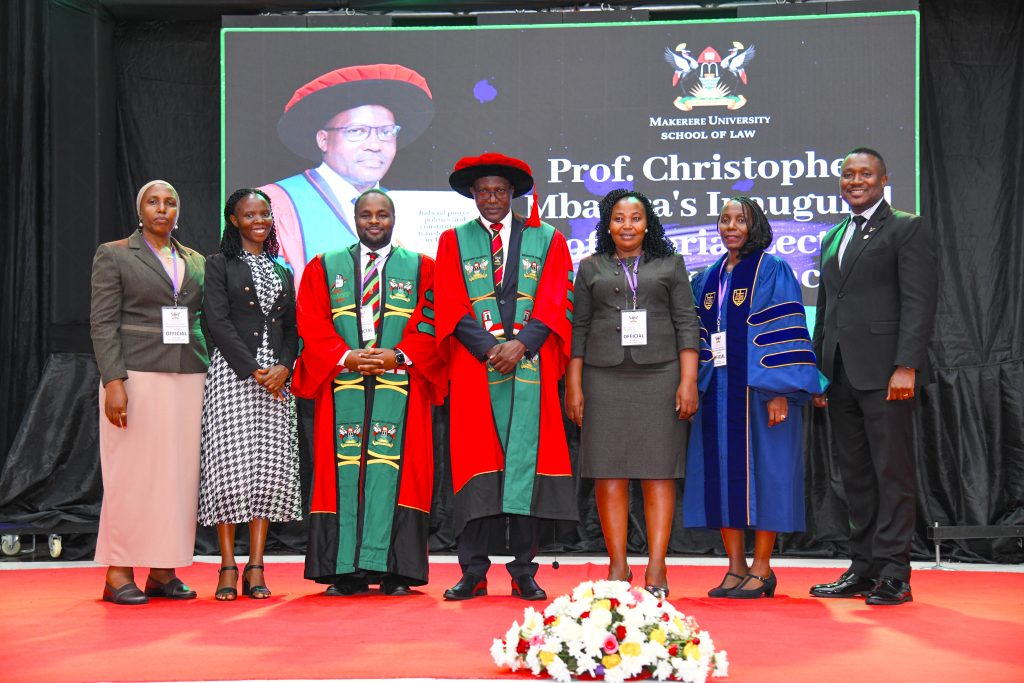
It was indeed a great day that honored not just the individual, but the ongoing struggle for a more just and accountable society in Uganda.
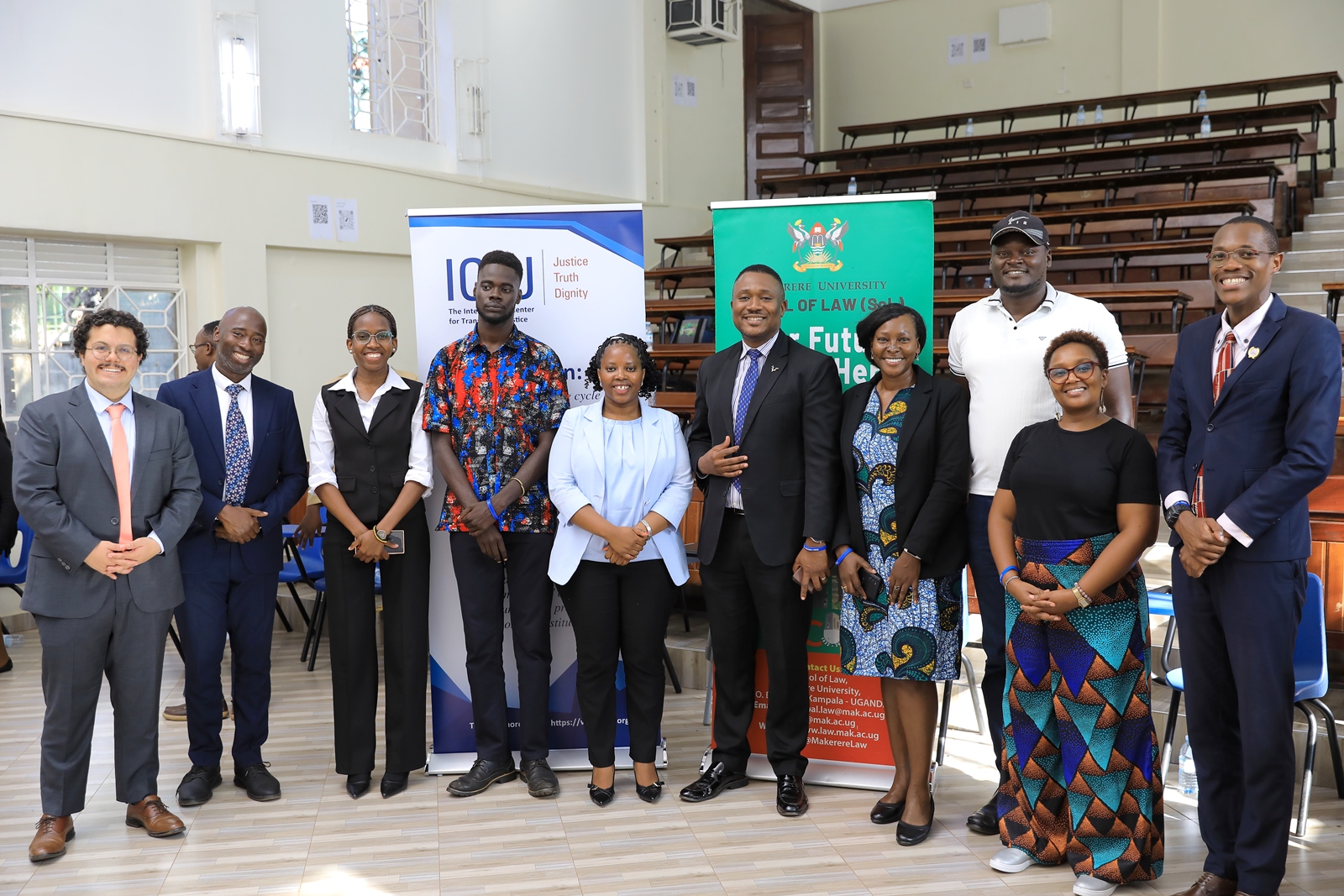
On 27th August 2026, Makerere University School of Law (MakSoL) in partnership with the International Center for Transitional Justice (ICTJ) supported by the Ministry of Foreign Affairs of the Kingdom of the Netherlands, held a university symposium calling for renewed efforts to translate Uganda’s transitional justice commitments into tangible justice for communities affected by conflict and human rights violations.
Themed “Confronting the Past and Building for the Future,” the symposium brought together students, academics, policymakers, practitioners, survivors, advocates and other stakeholders to reflect on Uganda’s transitional justice journey and explore pathways towards sustainable peace, justice and accountability.
Discussions focused on Uganda’s transitional justice experience, accountability for international crimes, survivor-centred justice, the role of cultural and religious leaders in peacebuilding, and lessons from transitional justice processes in other countries. The symposium also provided a platform for young people to examine their role in shaping a more peaceful, inclusive and accountable future.
Addressing participants, Ms. Violet Atukunda, Vice President of the Makerere Law Society (MLS), described transitional justice as a deeply human issue that challenges societies to consider how victims can be heard and supported, accountability achieved, and justice contribute to healing, reconciliation and lasting peace.
She welcomed practitioners, policymakers, academics, survivors, advocates and young people to share experiences, challenge conventional thinking and reflect on their responsibility to shape a more just and peaceful future.
Representing Professor Ronald Naluwairo, Dean of MakSoL, Dr. Ivan Engoru, Head of Commercial Law and Acting Deputy Dean, highlighted the importance of partnerships in advancing legal education, research and community engagement.
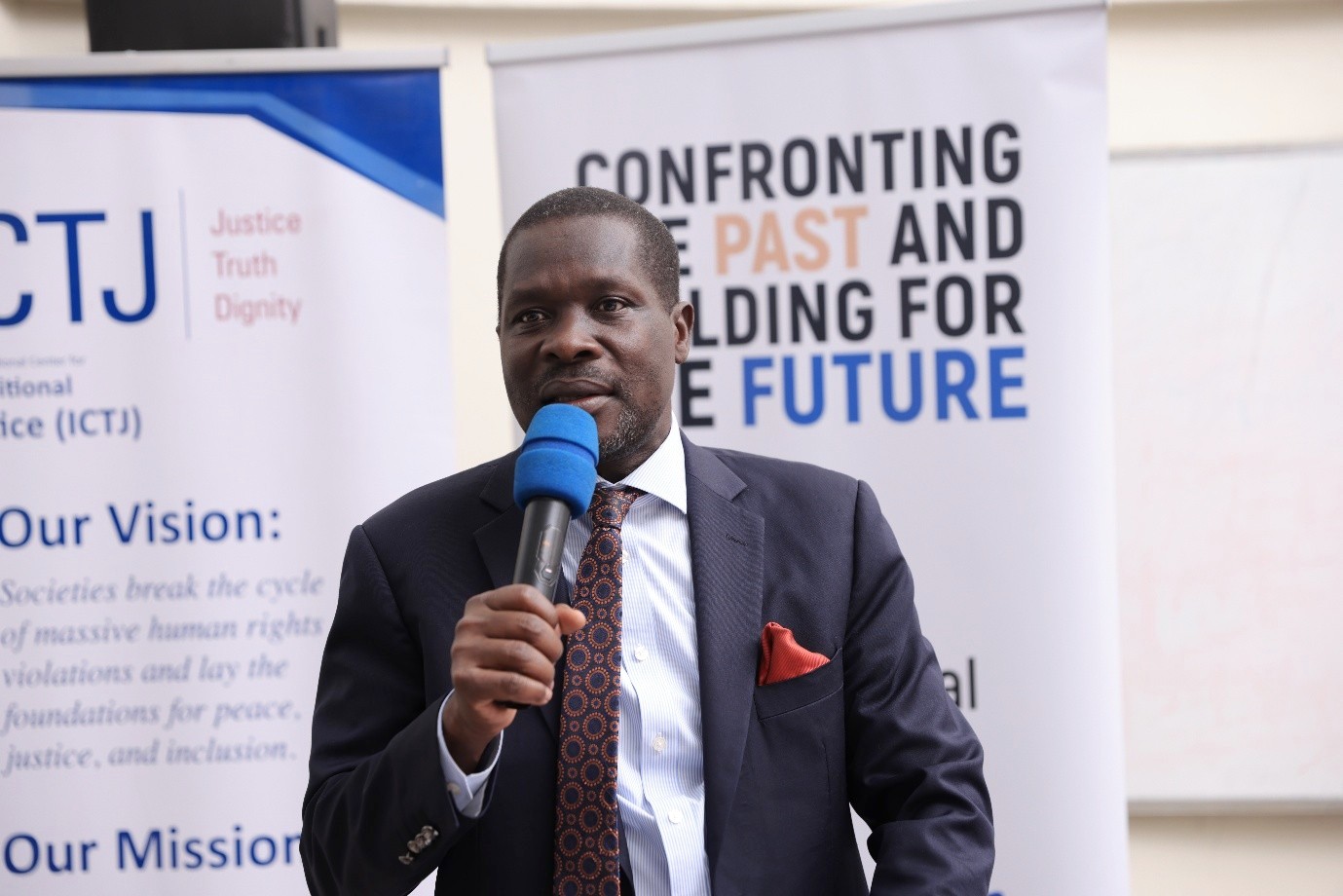
He said collaboration with external partners provides valuable opportunities to connect students with practitioners and institutions, bridging the gap between classroom learning and professional practice. He also emphasised that transitional justice requires collaboration among academia, government, civil society, the private sector and international partners.
Dr. Engoru reaffirmed the School’s commitment to strengthening existing partnerships and expanding collaboration in teaching, research, student engagement and professional development.
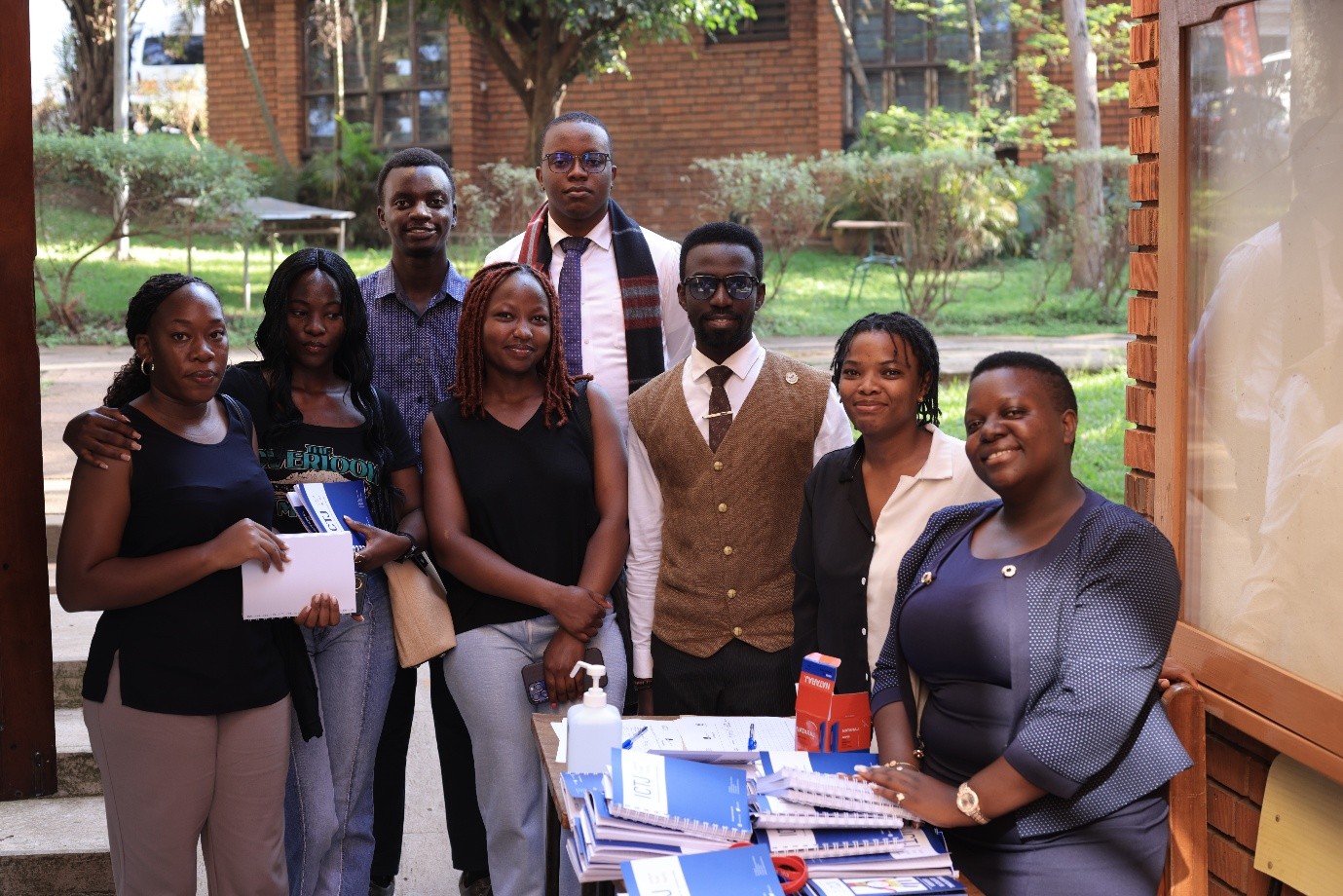
Moving from policy to lived reality
Ms. Marianne Akumu, Head of Office at ICTJ Kampala, called for renewed efforts to move Uganda’s transitional justice agenda from policy and legal frameworks to tangible outcomes for affected communities.
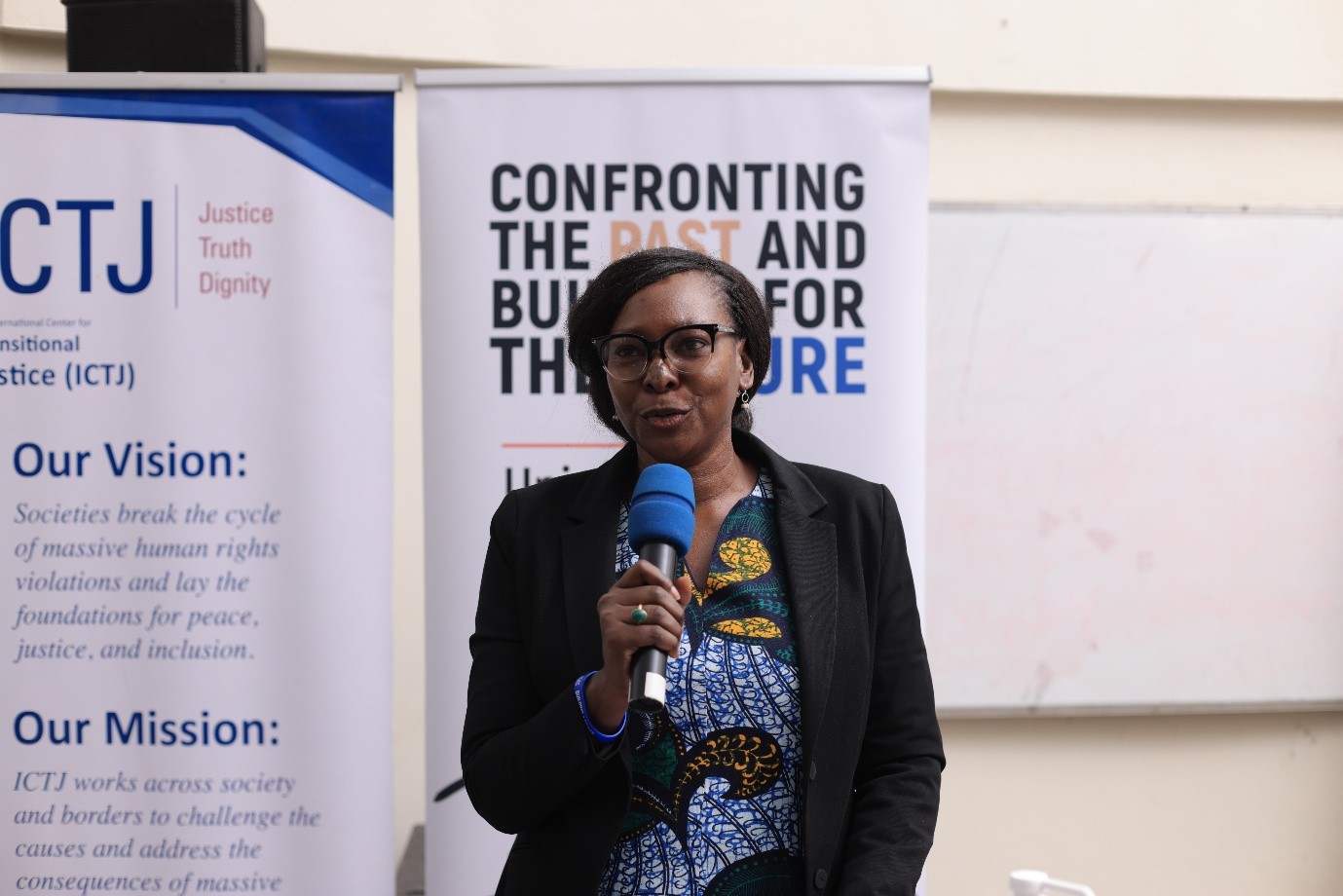
She urged participants to reflect on key questions of truth, accountability and reparations, including who determines the truth, how victims can access meaningful justice, and how processes can reflect communities’ lived experiences.
Ms. Akumu noted that Uganda’s history of conflict, including the conflict between the Government and the Lord’s Resistance Army, has left lasting impacts such as displacement, human rights violations, gender-based violence and disrupted education.
While commending Uganda for being among the first African countries to adopt a national transitional justice policy, she noted that implementation remains slow. She called for practical action to ensure affected communities experience justice in meaningful ways.
She also emphasized meaningful youth participation, noting that young people are eager to help shape Uganda’s future. Ms. Akumu encouraged participants to carry the discussion beyond the symposium and apply transitional justice principles in their studies, professions and communities, while drawing lessons from international experiences such as Colombia.
Calls for stronger collaboration
Speaking at the symposium, Mr. Odde De Jong, First Secretary at the Embassy of the Kingdom of the Netherlands in Kampala, called for stronger collaboration among government, universities, civil society, development partners and survivor communities to advance transitional justice in Uganda.
He said transitional justice must address the harm suffered by victims and survivors while strengthening institutions and relationships needed for a more equitable and peaceful future.
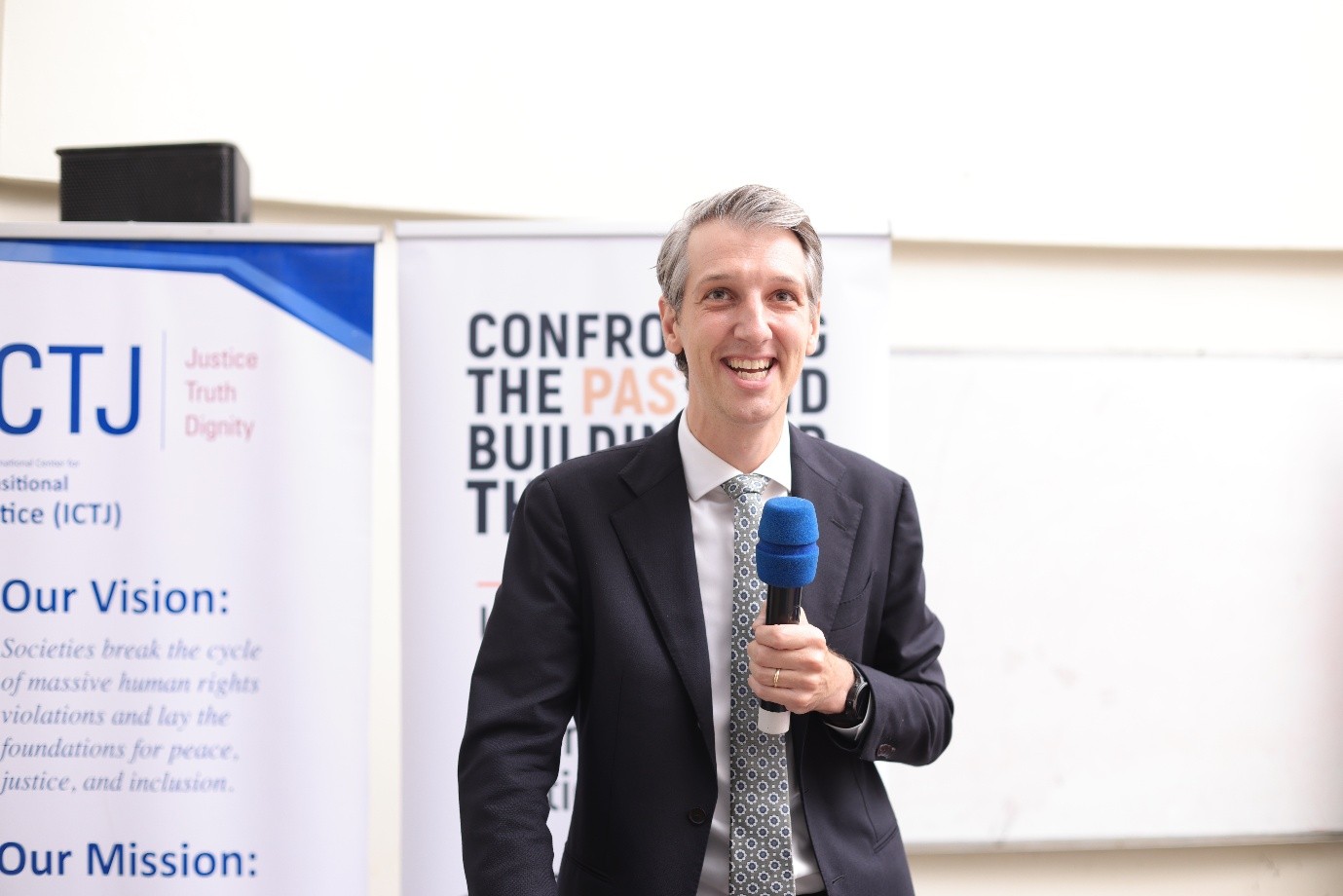
De Jong noted that Uganda’s history of conflict has left lasting impacts, including killings, abductions, sexual violence, child recruitment and displacement. Recalling his first visit to Uganda in 2024, he cited the phrase “the war is not over” to emphasise that the effects of conflict can persist long after violence ends.
He urged Uganda to strengthen efforts in formal and traditional justice, reconciliation, reparations and amnesty, while keeping survivors at the centre. He also called for greater investment in education and partnerships, noting the role of universities in preparing future professionals to advance justice and accountability.
“Confronting the past requires listening to those of different experiences, recognising the realities and ensuring that the future does not reproduce the injustices of the past,” he said.
De Jong challenged young people to continue questioning and innovating around issues such as reparations, accountability and the relationship between traditional and formal justice systems.
“Building a more just and peaceful future is not the responsibility of someone else. It is a responsibility we share,” he said.
A people-centred approach
Delivering the keynote address, Hon. Lyandro Komakech, former MP for Gulu Municipality urged participants to view transitional justice as a pathway from the difficult experiences of Uganda’s past towards a more peaceful and inclusive future.
He called for a comprehensive, people-centred approach that goes beyond legal and technical processes to address the needs of victims, survivors and affected communities through truth-telling, accountability, reparations, reconciliation and memorialisation.
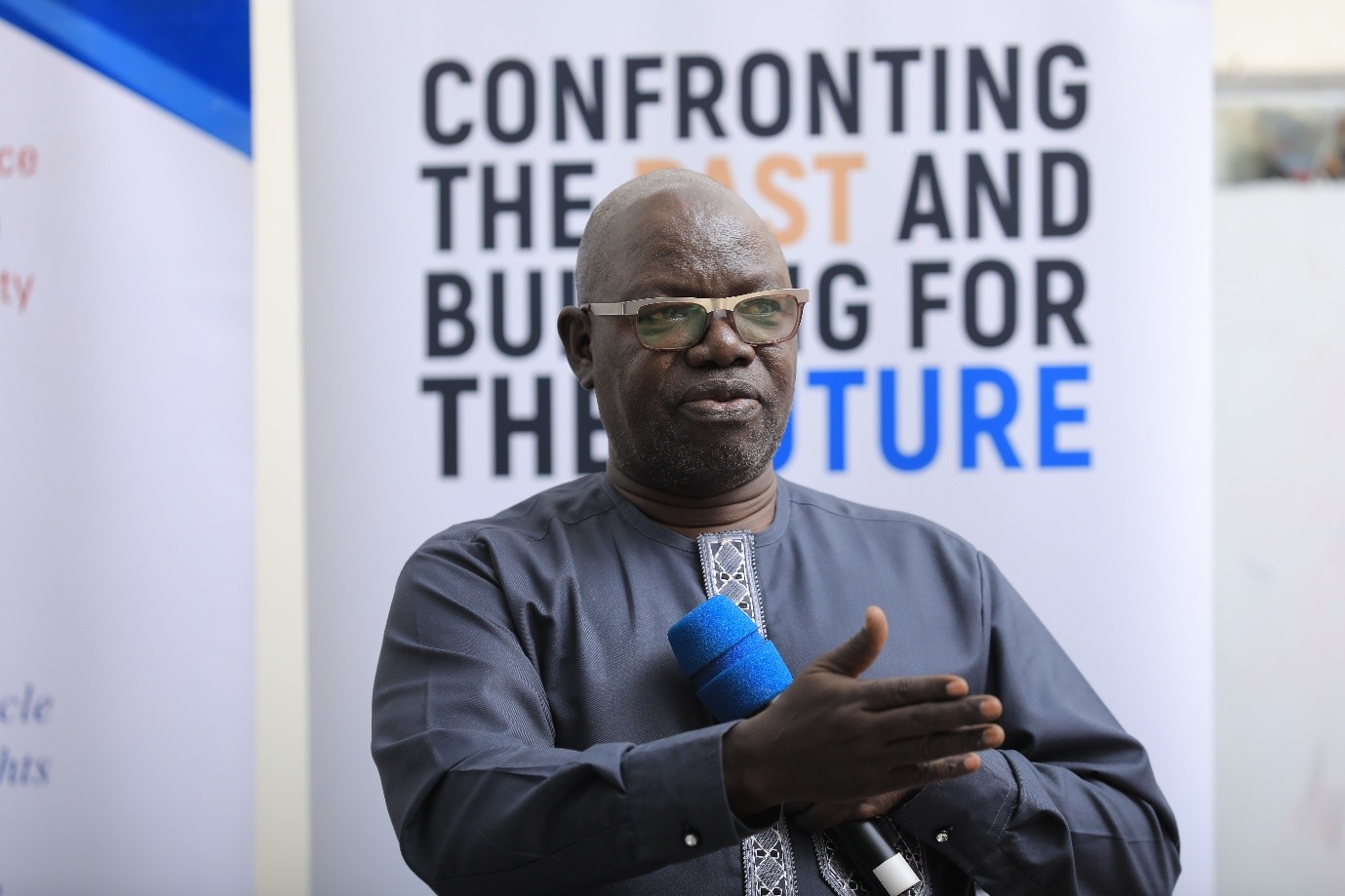
Drawing on his experiences in conflict-affected communities, Hon. Komakech emphasised the importance of Uganda’s traditional and indigenous justice mechanisms and called for stronger collaboration among government, the judiciary, civil society, traditional institutions and communities.
He stressed that unresolved experiences of conflict can continue to affect generations, making it essential to address the past while strengthening institutions and relationships capable of sustaining peace.
Concluding his keynote, Hon. Komakech said remembering and addressing past wrongs should not leave communities trapped in history, but should help create conditions in which present and future generations can live together with greater trust, dignity and security.
From dialogue to action
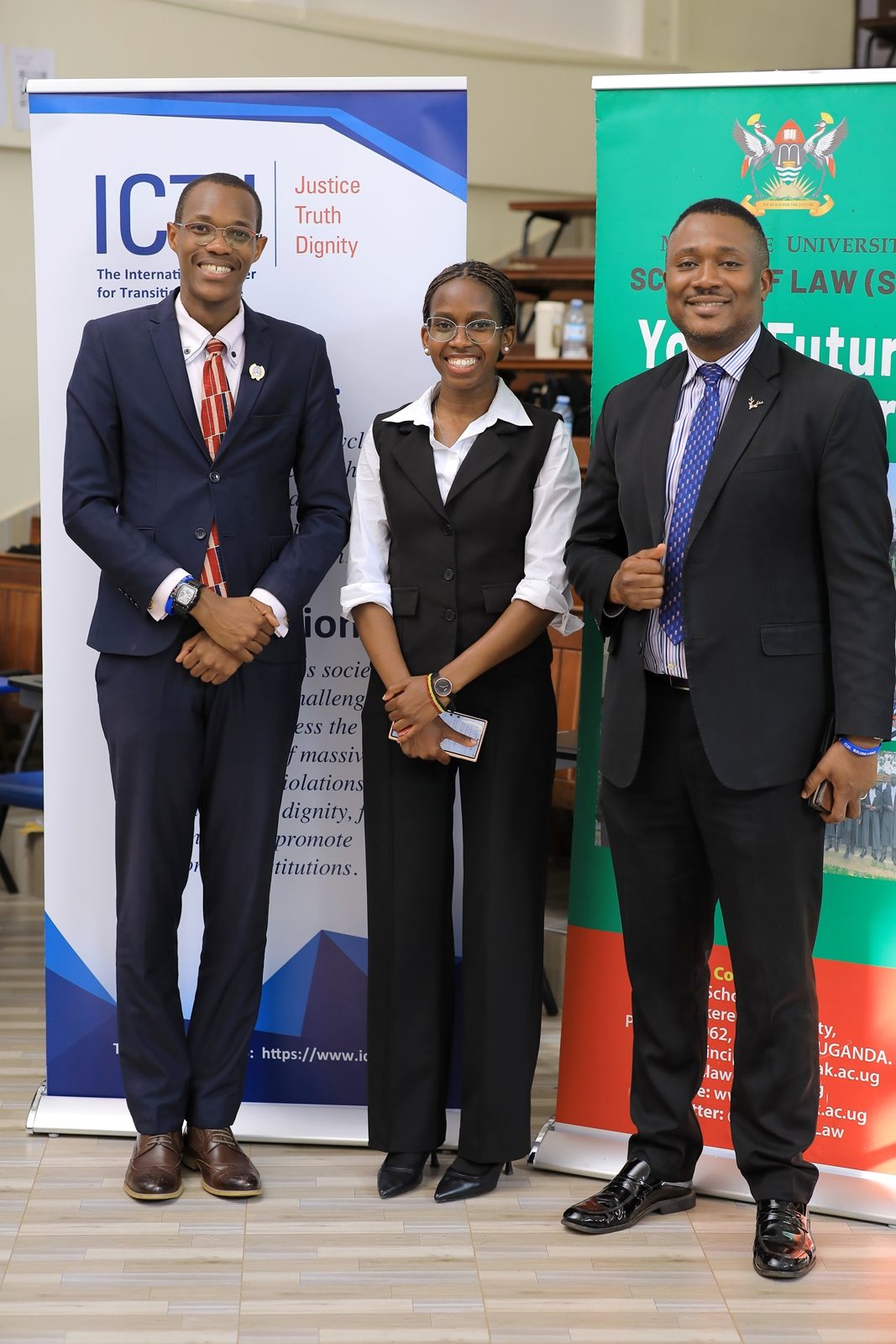
The symposium concluded with reflections and key takeaways from participants, alongside responses to the Peace Wall and closing remarks from MakSoL and ICTJ.
The discussions underscored the importance of confronting the legacies of conflict while strengthening accountability, inclusion and healing.
By bringing together voices from academia, government, civil society, survivor communities and young people, the symposium sought to strengthen continued dialogue and collective action towards sustainable peace and justice in Uganda.
The event ultimately placed a shared responsibility at the centre of Uganda’s transitional justice journey: confronting the past, addressing continuing harms and ensuring that the lessons of history help build a more peaceful, inclusive and just future.
Some of the proposals raised included:
- Introduction of a remembrance day for Uganda, to appreciate where we are coming from and where the nation is headed.
- Reflect on the issue of conflict in Uganda, it isn’t closed but continues to mutate. Unresolved conflict is used by political actors to further their agendas.
- Create a victim-centred matrix as opposed to an institutional-centred one.
- Decolonisation of systems
- Message to students to build an understanding from real experiences, they were encourages to visit places affect.
Law
Makerere University School of Law Finishes Second at 35th Christof Heyns All Africa Human Rights Moot Competition
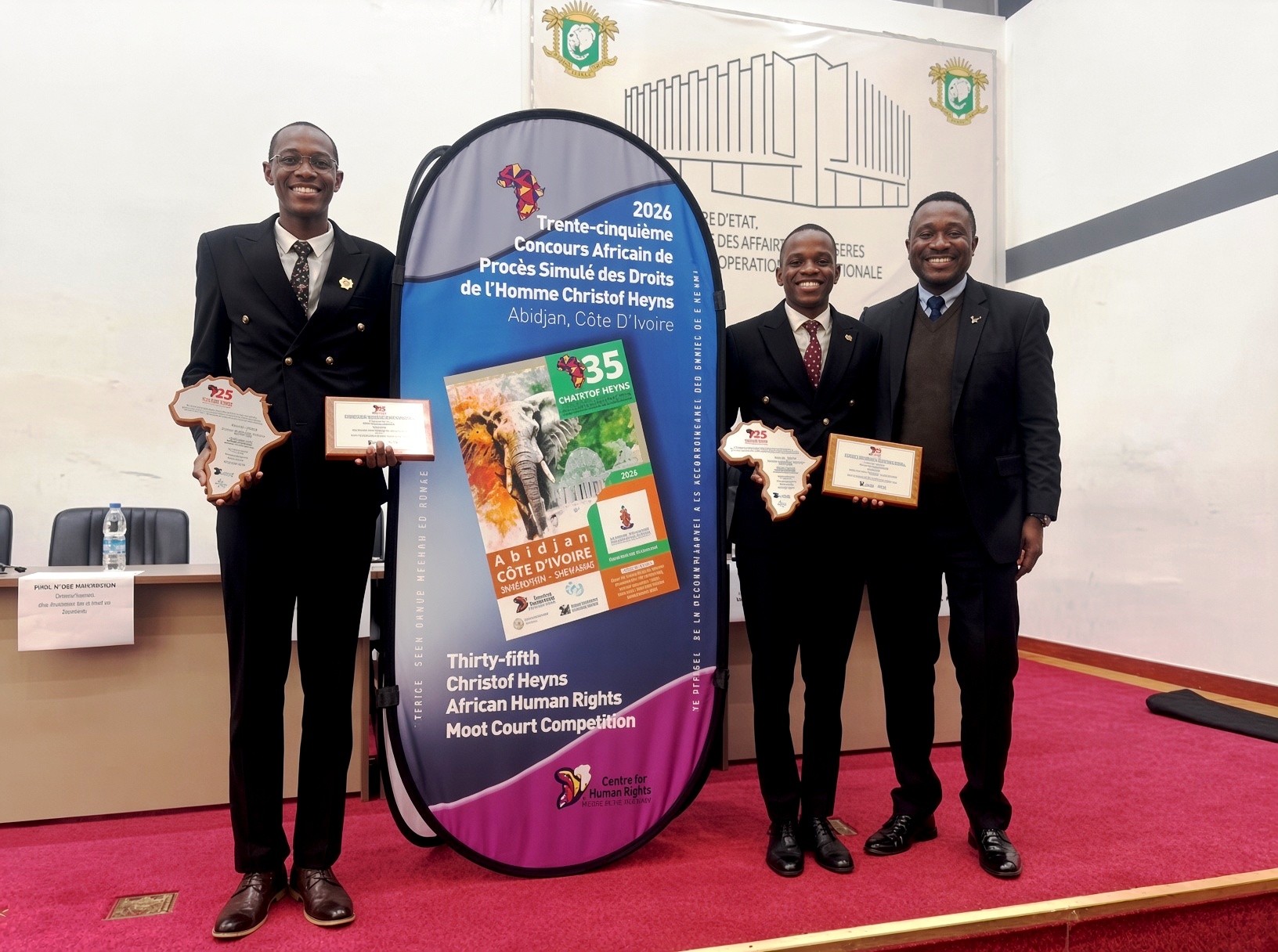
Makerere University School of Law (SoL) recorded an outstanding performance at the 35th Christof Heyns All Africa Human Rights Moot Court Competition, finishing as 1st Runners-Up in the week-long competition held at the Institut Universitaire d’Abidjan in Abidjan, Côte d’Ivoire, from 26 July to 2 August 2026.
Hosted by the University of Pretoria Centre for Human Rights, the competition brought together more than 86 universities from across Africa, making it one of the continent’s largest and most prestigious human rights moot court competitions.
Makerere University was represented by Owen Mayanja, LLB III student, and Conrad Akesigaruhanga, LLB I student. The team delivered an exceptional performance throughout the competition, advancing through a highly competitive field and ultimately reaching the final. Dr. Daniel Ruhweza, Head – Law and Jurisprudence who also serves as Coordinator Mooting at SoL travelled with the team to Abidjan.
The team’s performance was recognised with several major awards. Makerere was named Best Team in the Preliminary Rounds and received the Best Memorial award for the quality of its written submissions. In the individual oral advocacy rankings, Owen and Conrad were ranked 5th and 7th Best Oralist respectively in the competition.
Reaching the finals placed the Makerere team before an eminent bench comprising distinguished African Justices of the African Court and members of the African Commission on Human and Peoples’ Rights, providing the students with invaluable exposure to human rights advocacy and litigation at the continental level. The competition also offered an opportunity to engage with law students, academics, legal practitioners, and members of regional human rights institutions from across Africa.
The achievement is a significant milestone for the SoL and reflects the strength of its students in legal research, writing, oral skills, and critical thinking. It also underscores the School’s commitment to equipping students with the skills required to engage confidently with complex legal questions.
A Journey of Preparation, Resilience and Growth
For the Makerere team, the competition was the culmination of months of intensive preparation involving research, drafting and redrafting written submissions, and rigorous oral advocacy practice.
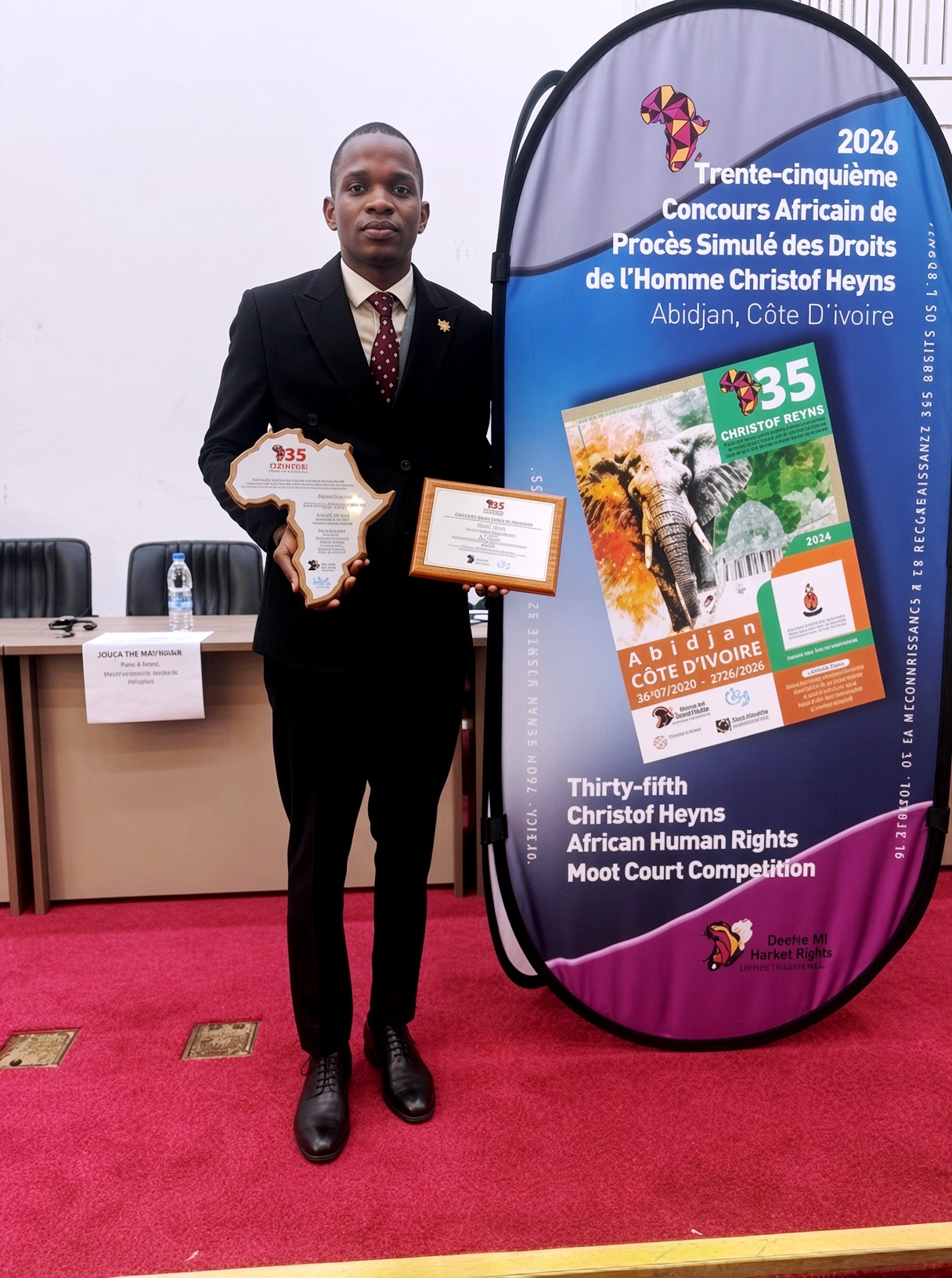
Reflecting on the experience, Owen Mayanja described the competition as an opportunity to test himself against some of the strongest law students on the continent.
“Participating in the Christof Heyns African Human Rights Moot was an opportunity to test myself against some of the best law students on the continent. From qualifying through our internal moot to months of researching, drafting, and rigorous oral practice, the preparation was intense.”
He noted, “My biggest challenge was learning to distil complex human rights arguments into concise and compelling submissions without losing legal rigour, and relentless practice helped us overcome that.”
Owen added “Standing before such a distinguished bench of African Judges in the final was a defining moment. Finishing as 1st Runners-Up, winning Best Memorial and Best Team in the Preliminary Rounds, and being recognised among the top oralists among over 86 teams was deeply affirming, not just for us, but for Makerere.”
He said the experience reinforced two important lessons: perseverance and the ability to embrace pressure. “The experience taught me two things: never give up, and embrace pressure. The pressure pushed me beyond my limits and helped me grow. My advice to students is simple: know that it will be hard, but do not let that stop you—the difficulty is what makes the experience worthwhile.”
Mayanja also expressed gratitude to his teammate, coaches, the SoL Mooting Society, SoL administration and other individuals who supported his mooting journey. “I am grateful beyond measure to Conrad, the steadiest counsel I could have stood beside; to our coaches, Kalinda Jamada, Ruth Muhawe and Sabiti Edwin, for the constant feedback during our preparations; to our Patron, Dr. Daniel Ruhweza, to John Baptist Katende, Chairperson Makerere Mooting Society and the entire Makerere University School of Law community for the honour of carrying its name.”
He made special mention of Calvin David Mukiibi, whom he described as having played a longstanding role in his development as a mooter. “He has been part of my mooting journey from my very first competition to this one. He gave up his time again and again, kept believing even when things didn’t come our way in many of the competitions. A lot of what I am proud of in this journey was built in those moments, the ones that never made it here. Thank you for being consistently there through it all. This win is yours as much as anybody else’.”
Learning beyond the Classroom
For Conrad Akesigaruhanga, participating in the Christof Heynes All Africa Moot Competition provided an opportunity to extend his learning beyond the classroom and engage with human rights questions from a broader African perspective. He said, “Participating in the All-Africa Moot challenged me to grow beyond the classroom, sharpen my oral skills, and engage with human rights issues from a broader African perspective.”
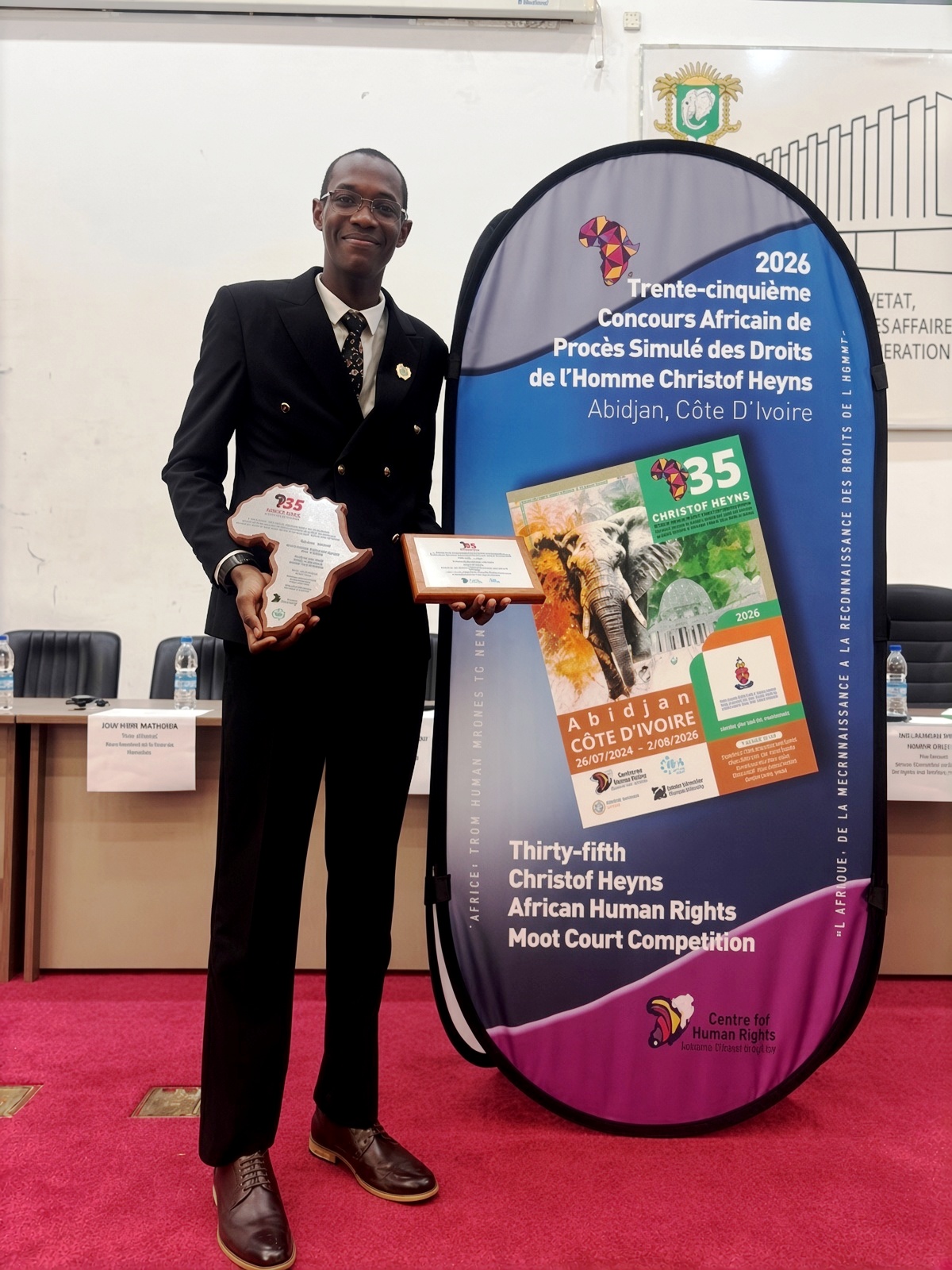
As a first-year law student, Akesigaruhanga said the experience demonstrated the importance of preparation, teamwork and resilience. “The journey demanded extensive research, preparation, teamwork, and resilience, but it taught me that thorough preparation builds confidence and enables you to think on your feet under pressure.”
One of his most memorable experiences was making submissions before members of Africa’s regional human rights institutions. He noted that, “one of the most memorable moments was making submissions before Justices of the African Court and members of the African Commission on Human and Peoples’ Rights. It was a full-circle moment that reminded me that human rights are not merely abstract legal concepts—they are lived realities.”
Akesigaruhanga described receiving the award as both fulfilling and humbling, noting that the experience represented not only the team’s achievement but also his personal growth in confidence and advocacy. He thanked those who supported his journey, “I am deeply grateful to my teammate Owen, our coaches, the Mooting Society, Dr. Ruhweza, and the SoL Administration for their support.”
Conrad’s advice to fellow students is to begin early, understand rather than memorise the law, and remain open to challenging questions. He said, “Start early, understand the law rather than memorising it, embrace difficult questions, and trust the process. Mooting is not only about winning; it is about becoming a better advocate and learning to believe in your preparation.”
SoL Commends the Team
The success of the team can be attributed to the support and guidance of the SoL Administration led by the Dean – Professor Ronald Naluwairo, the Mooting Society, the coaches, and the Mooting Coordinator/Patron, Dr. Daniel Ruhweza.
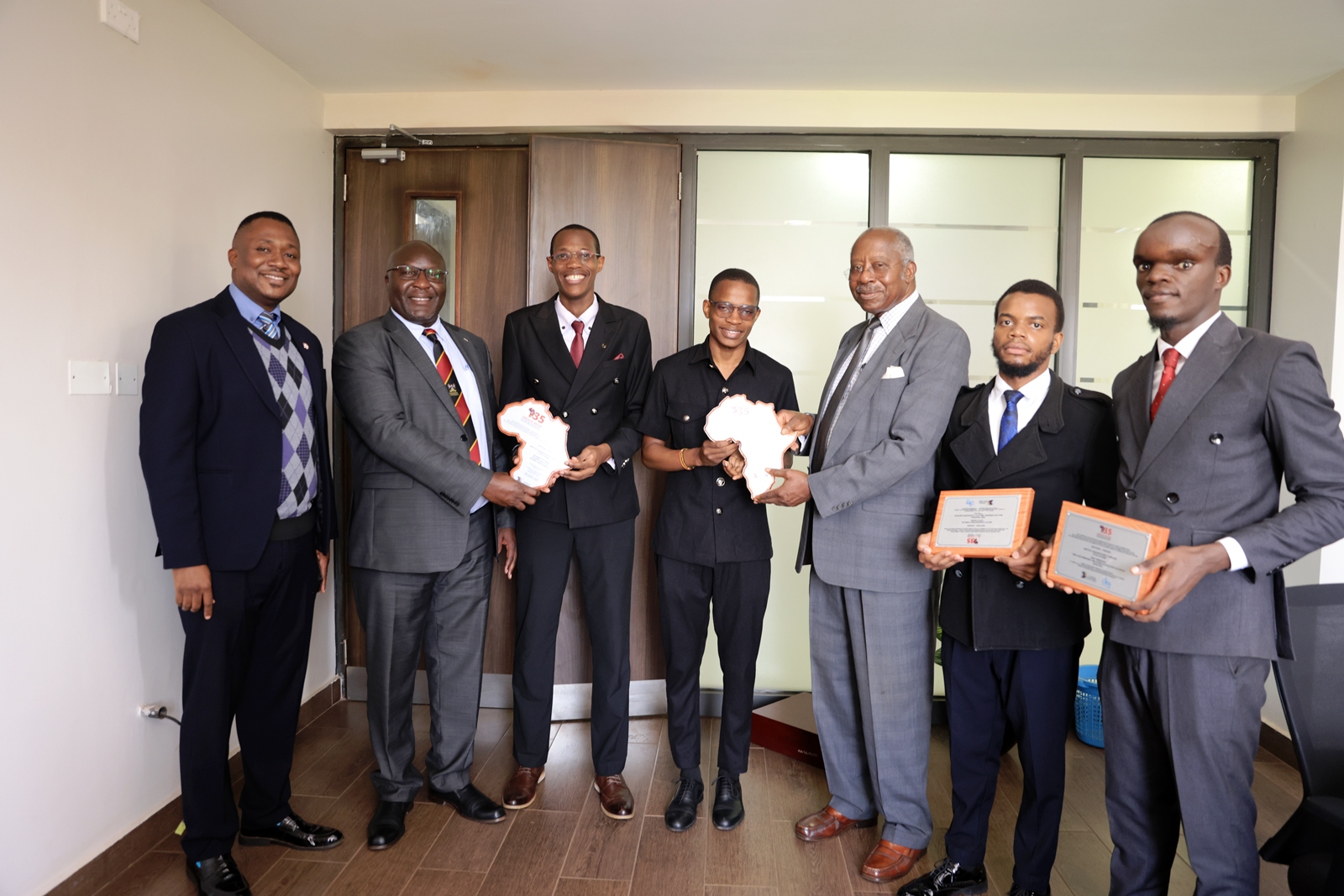
Dr. Ruhweza, who travelled with the team to Abidjan, commended the students for their achievement, particularly Akesigaruhanga’s performance as a first-year student. “I am proud of them. Conrad is just in his first year of study. Beating over 80 other teams in Abidjan, Ivory Coast, is impressive.”
The strong showing in Abidjan underscores SoL’ place among the leading law schools on the African continent. More importantly, the achievement demonstrates the value of practical legal education in developing students who can conduct rigorous research, construct persuasive legal arguments, advocate effectively, and engage confidently with complex legal issues.
The Dean, staff and students of the SoL congratulate Owen Mayanja and Conrad Akesigaruhanga on their remarkable achievement and commends Dr. Ruhweza, the coaches, the Mooting Society for the support during preparations. They also thank the University Management for contributing to the team’s success through provision of finances and an enabling environment.
-

 General6 days ago
NOTICE: Online Applications for Government Sponsorship for Programmes Offered at Public Universities & Other Tertiary Institutions 2027/2028 AY
-
 General2 weeks ago
Update On Payment of Endowment Fund Fees
-
 General1 week ago
Makerere Marks 2026 International Day of Persons with Disability – Lord Mayor Balimwezo Delivers Keynote
-
 General2 weeks ago
Institutionalizing ORCID at Makerere University: Strengthening Researcher Identification, Visibility and Research Output Tracking
-
 Health2 weeks ago
Mayuge Study Finds NCD Risks Emerging in Adolescence, and Shows Early Action Can Help