
General
Makerere University commemorates International Day of Persons with Disabilities: Emphasizes Disability-Inclusive Programmes

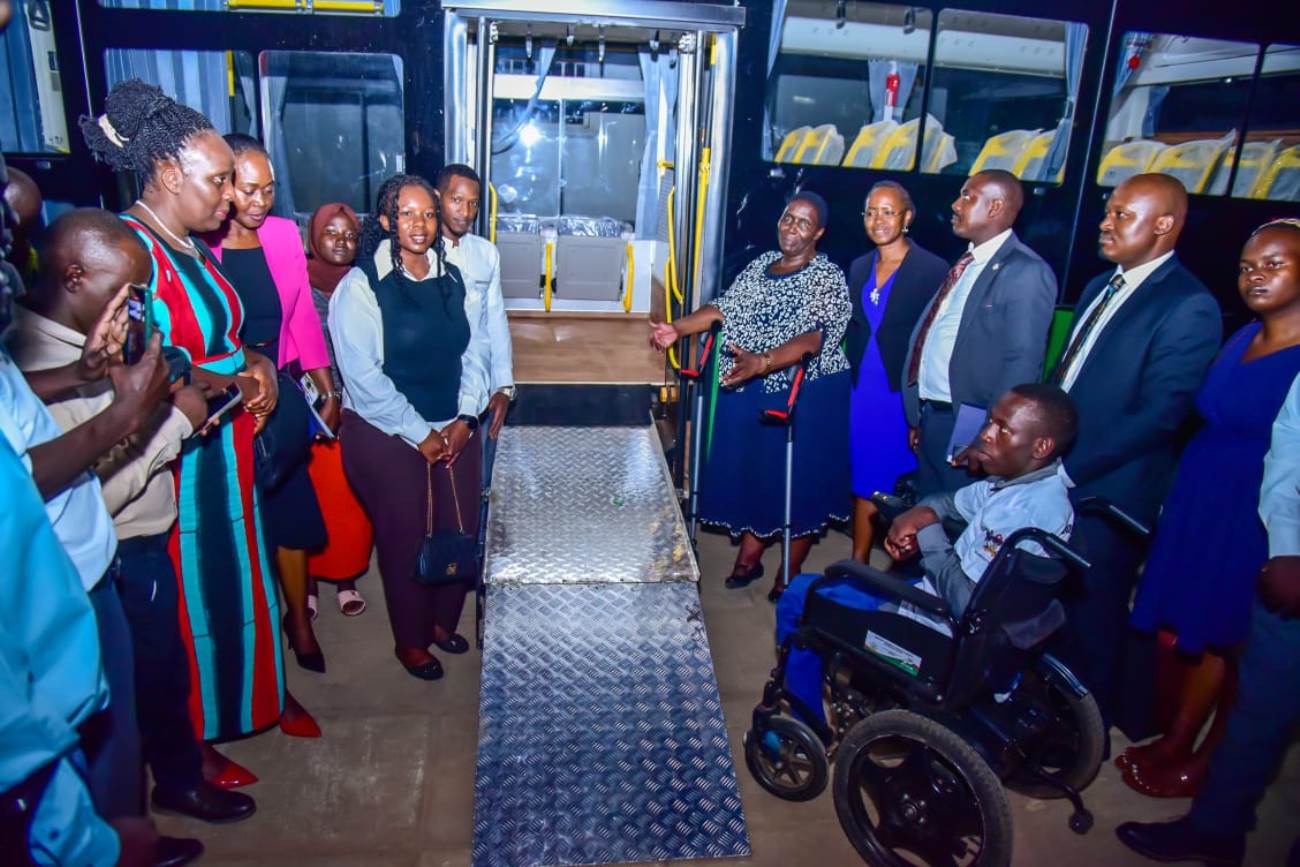
In the first week of December 2025, Makerere University in solidarity, with the rest of the world, celebrated the International Day of Persons with Disabilities.
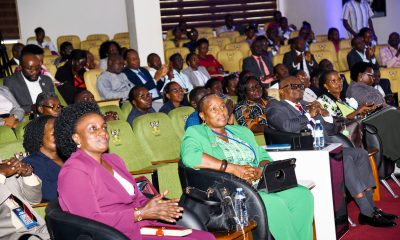
The colourful event held in the University Main Hall on 1st December 2025 brought onboard Ministers and government officials, Makerere University Council and Management, National Union for Persons with Disabilities (NUDIPU), representatives of persons with disabilities at different levels, members of parliament, disability rights advocates, private sector partners, civil society actors, university staff, student leaders, and the wider community of persons with disabilities.
The celebrations graced by the Minister of State for Disability Affairs, Hon. Hellen Grace Asamo and the Deputy Vice Chancellor (Academic Affairs)-Prof. Sarah Ssali was attended by key stakeholders including Hon. Safia Nalule Juuko-Chairperson of the Equal Opportunities Commission, Prof. Frank Mwiine-Acting Deputy Vice Chancellor (Finance and Administration), the Dean of Students-Dr. Winfred Kabumbuli, Guild President-Hon. Ssentamu Churchill James, Guild Minister for Persons with Disabilities-Hon. Donita Akakunda, and among other personalities.
The commemoration featured a panel discussion moderated by Dr. Diana Ateenyi Ahumuza, offering a blend of academic, experiential, and advocacy-based perspectives on disability inclusion. The panel consisted of Dr. Naboth Rwakazwaire, founder of Hope for People with Disabilities; Prof. Anthony Muwagga Mugagga, Principal of the College of Education and External Studies (CEES); Lord Councillor Peace Sserunkuma; and Ms. Catherine Nakibuuka, a second-year law student. Their conversation explored practical solutions, policy gaps, personal experiences, and the role of institutions such as Makerere University in shaping a more inclusive society.
Reflecting on the times and in line with the theme, Fostering Disability-Inclusive Societies for Advancing Social Progress, the different speakers, persons with disabilities, and participants in general, lauded Makerere University for positive steps being undertaken with respect to inclusion of persons with disabilities. The participants commended the University for inclusive teaching, library services that are sensitive and inclusive, acquisition of a university bus for students with disabilities, sports activities for persons with disabilities, and establishment of the Makerere University Disability Support Unit. The institution has been called upon to remodel the old buildings so that people with disabilities are able to access the required spaces.
Highlighting strides in Disability Inclusion at Makerere
Welcoming the guests, Prof. Sarah Ssali, the Acting Vice Chancellor, celebrated Makerere University’s commitment to recognizing the resilience, contributions, and potential of persons with disabilities. She emphasized that building truly inclusive societies requires a dual approach: empowering marginalized individuals to realize their potential and creating institutions that are receptive and accommodating of diverse needs. Prof. Ssali underscored that disability inclusion is not an act of charity but a matter of human rights, social justice, and a collective responsibility shared by the entire university community.
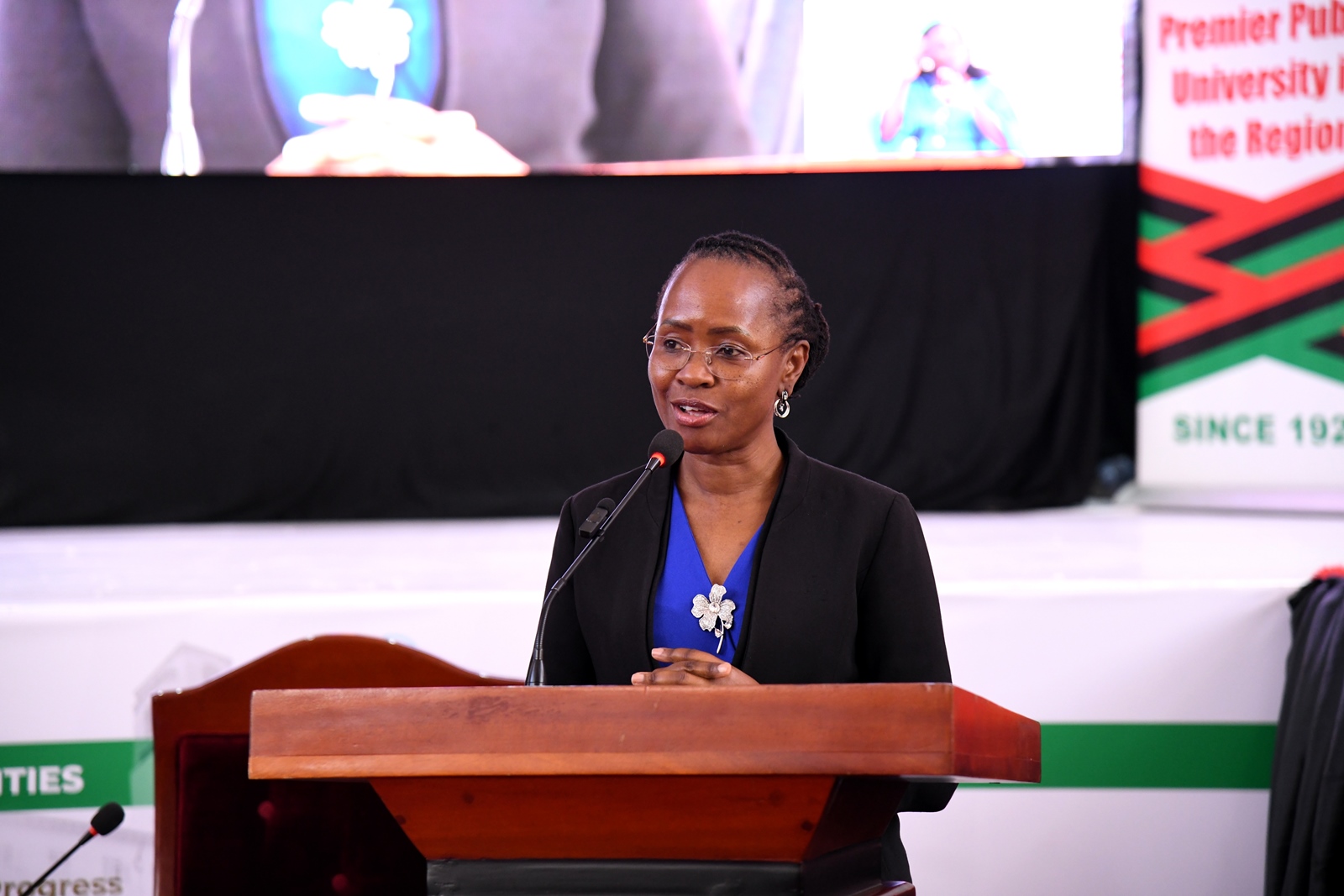
Prof. Ssali highlighted Makerere University’s strong commitment to inclusivity, noting the Disability Support Centre’s support, campus accessibility improvements, flexible teaching approaches, and digital inclusion efforts. She also recognized investments in sign language interpretation and staff training to better support students with disabilities.
Prof. Ssali called upon stakeholders to make inclusion a lived reality—one that celebrates diversity and recognizes disability as an integral part of the human experience. She explained that genuine inclusion is built on partnership, shared responsibility, and intentional accommodations, noting that these principles underpin the university’s safeguarding policy inspired by the Ubuntu philosophy. She observed that inclusion goes beyond creating comfort. “It requires those without disabilities to actively adjust, accommodate, and treat everyone as equal participants in the university community,” she said.
Dr. Winifred Namuwonge Kabumbuli, Dean of Students at Makerere University, reaffirmed the university’s long-standing commitment to implementing inclusive policies and practices. She emphasized that Makerere values diversity and creativity, fosters mutual support, and provides an inclusive academic and social environment that enables all members to grow, thrive, and contribute as changemakers.
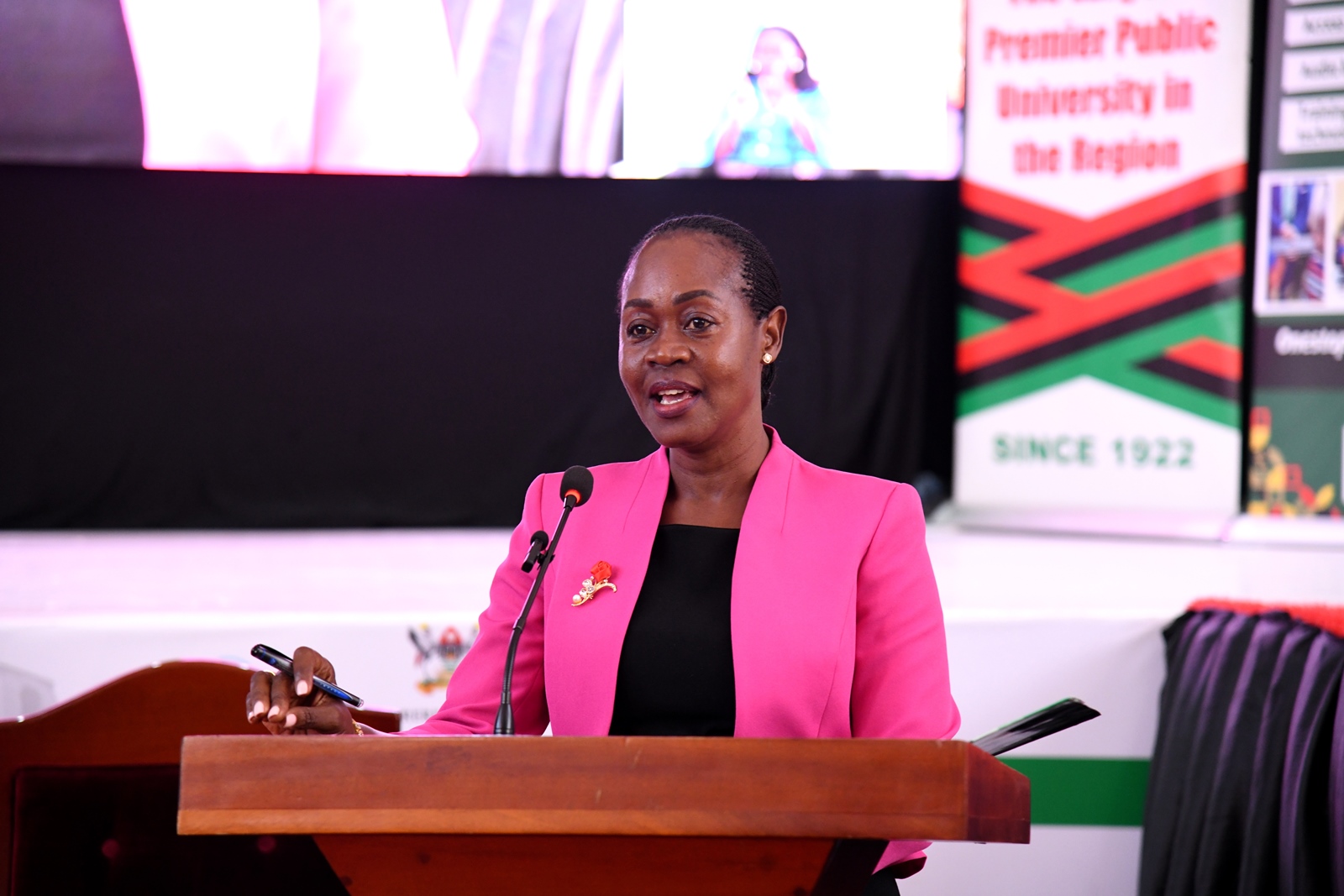
The Dean of Students highlighted Makerere University’s provision of essential assistive devices such as wheelchairs, Braille materials, and white canes to support full integration of students into academic and social life. She noted the university’s commitment to equitable academic participation through measures such as extra exam time, access to readers, and provision of carers who receive accommodation, feeding, and remuneration.
“Let us unite in promoting disability awareness, understanding, and inclusion. Together, we can build a more inclusive and supportive community. One of Makerere University’s core aims is to ensure that everyone at this esteemed institution has the opportunity to participate in every aspect of life to the best of their abilities and dreams as we build for the future,” she said.
Minister appeals for true inclusion through shared spaces and equal access
The Guest of Honour, Hon. Hellen Grace Asamo, Minister of State for Disability Affairs, stated that disability is shaped more by societal attitudes than by personal limitations. She called for true inclusion through shared spaces, equal access, and collective participation. She urged parents to take equal responsibility for their children with disabilities and reminded the public that anyone can experience disability, making proactive inclusion a collective responsibility.
“Disability is an idea shaped by society, and the attitudes often start at home. When a child is born with a disability, many see it as a burden. And while women often bear the brunt, fathers must also support their children. Remember: anyone can become disabled at any point—through accident, illness, or age. So planning for inclusion is not optional; it is necessary,” Hon. Asamo said.
She added that breaking barriers is essential, as persons with disabilities continue to excel across various fields. According to her, inclusive progress depends on creating opportunities rather than imposing limitations, and on recognizing that persons with disabilities are not homogeneous, but a diverse group with unique abilities, needs, and potential.
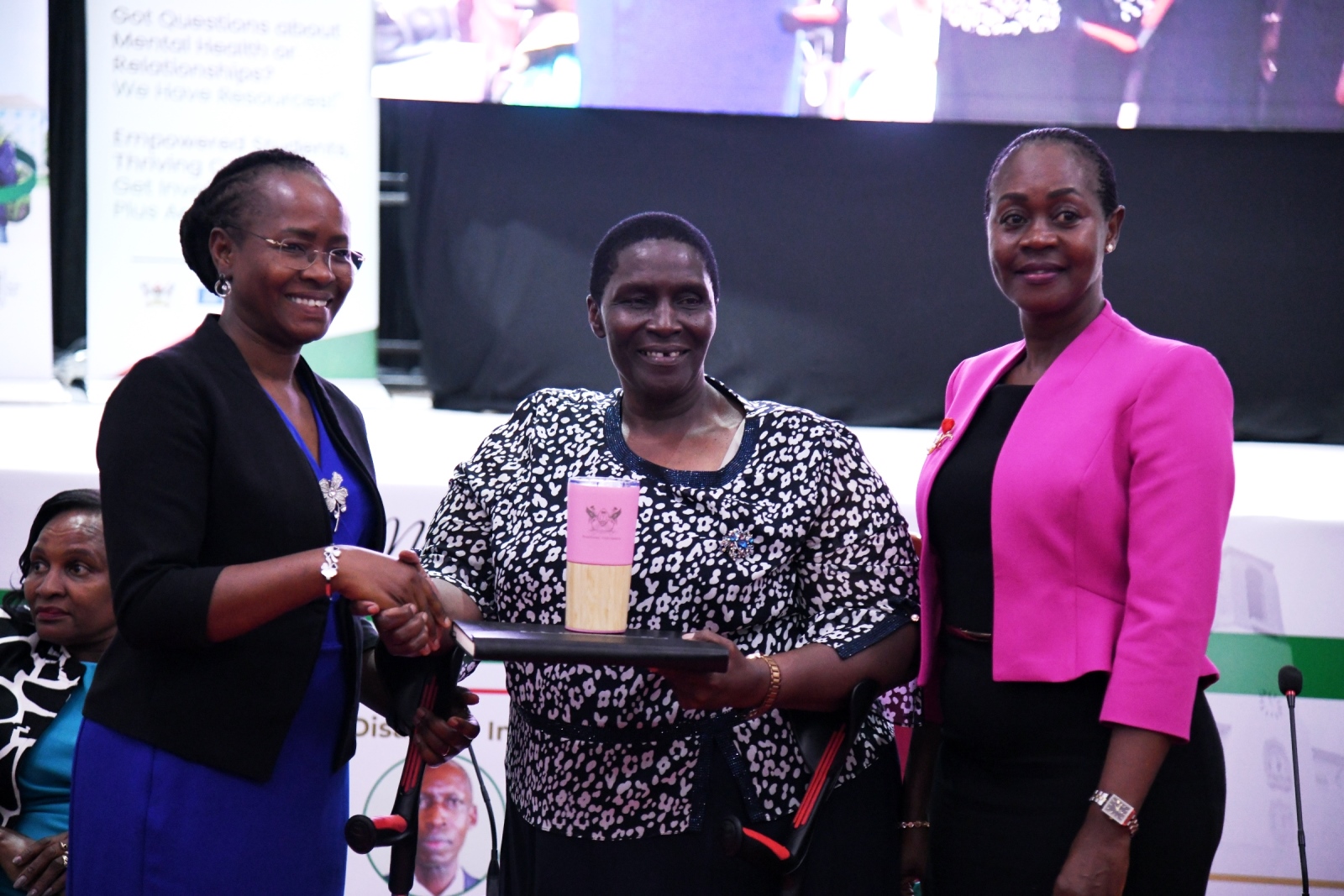
Hon. Asamo urged academic leaders to leverage their influence beyond the Makerere University main campus, to promote inclusive communities, calling for accessible education pathways, employability-focused training, and stronger advocacy against stigma. She emphasized that leadership is defined by capability, not physical condition, and noted the importance of mentorship, counselling, and job preparation for graduates with disabilities.
The Minister highlighted the everyday challenges faced by persons with disabilities, stressing that both public and private sectors must take action. She praised emerging inclusion in beauty, fashion, and entertainment, noting pageants and showcases as affirmations that talent and dignity transcend disability. She encouraged persons with disabilities to always claim their space and be visible.
“To people living with disabilities: nobody will hand over to you, your space—you must claim it. Be visible and be heard. Inclusion is a right, not a debate. Persons with disabilities contribute to society and the economy just like anyone else,” she said.
Keynote Speaker advocates for an enabling environment for disability-inclusion
Delivering the keynote address, Hon. Safia Nalule Juuko, Chairperson of the Equal Opportunities Commission and former National Woman MP representing Persons with Disabilities in the 10th Parliament, affirmed that disability is not a single condition, but a diverse experience shaped by the interaction between health conditions and environmental barriers.
Hon. Safia Nalule was emphatic that families, teachers, and communities must create enabling environments, and praised the role of supportive parents and educators in her own life while calling attention to the many children who lack similar support.
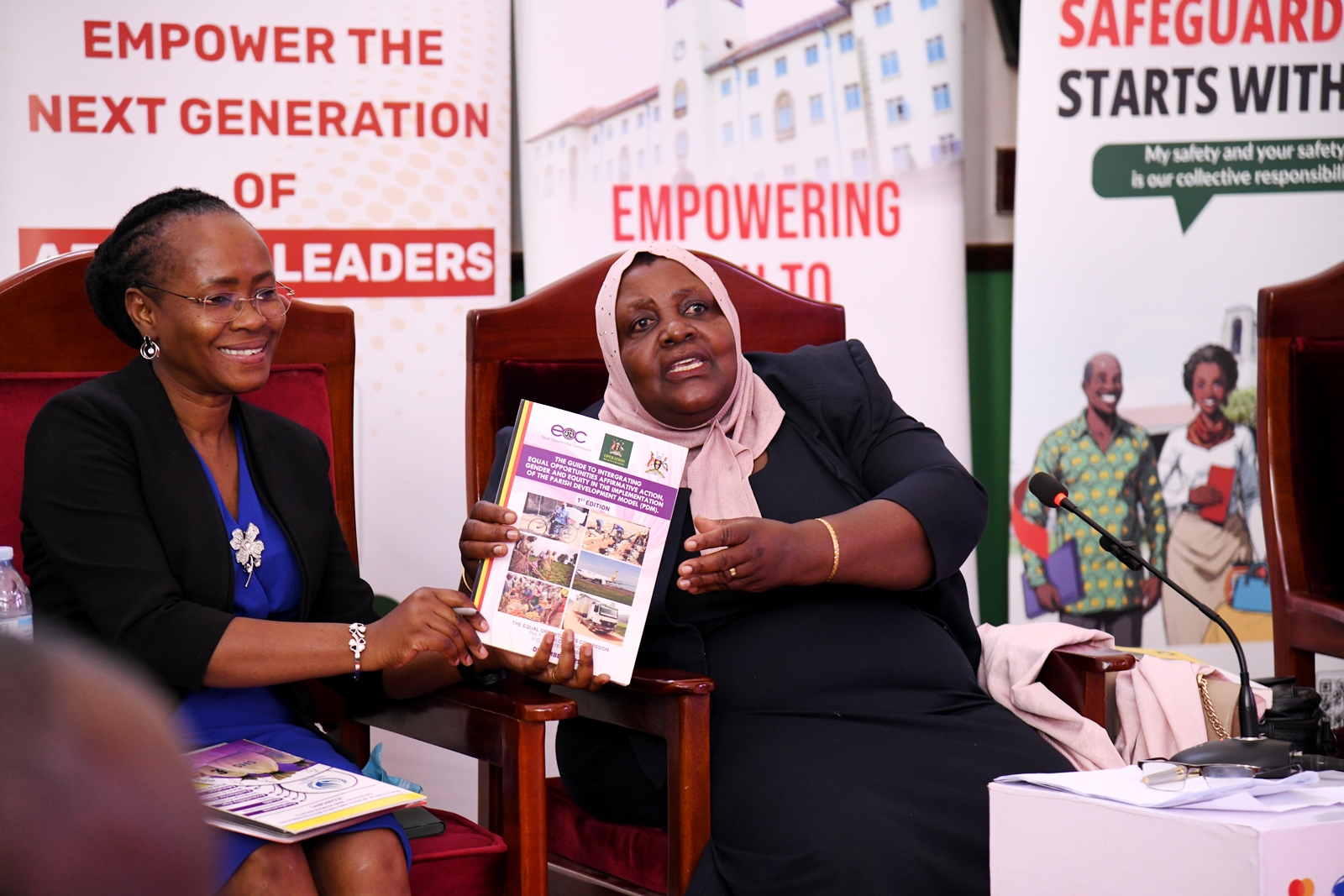
“Families must accept their children, support them, understand their needs, and avoid treating disability as a curse or omen. Children with disabilities are entitled to healthcare, nutrition, education, and decision-making space. Sadly, many do not receive these rights,” Hon. Safia Nalule said.
She recommended that disability inclusion requires practical, measurable action: education and awareness led by persons with disabilities, meaningful consultation, and active participation in planning, budgeting, and implementation. She stressed that institutions must budget for both physical and financial access since the cost of exclusion far outweighs that of inclusion.
Inclusivity must span humanities and science disciplines
Prof. Frank Mwiine, Acting Deputy Vice-Chancellor (Finance & Administration) and Principal of the College of Veterinary Medicine, Animal Resources & Bio-Security, asserted that in addition to the humanities and social sciences, inclusivity must span all disciplines, including STEM (Science, Technology, Engineering, and Mathematics). He articulated that inclusion is a continuous responsibility, not a one-off event or favour. “It is a responsibility that Makerere University must consistently and intentionally uphold, and we are committed to doing exactly that,” he affirmed.
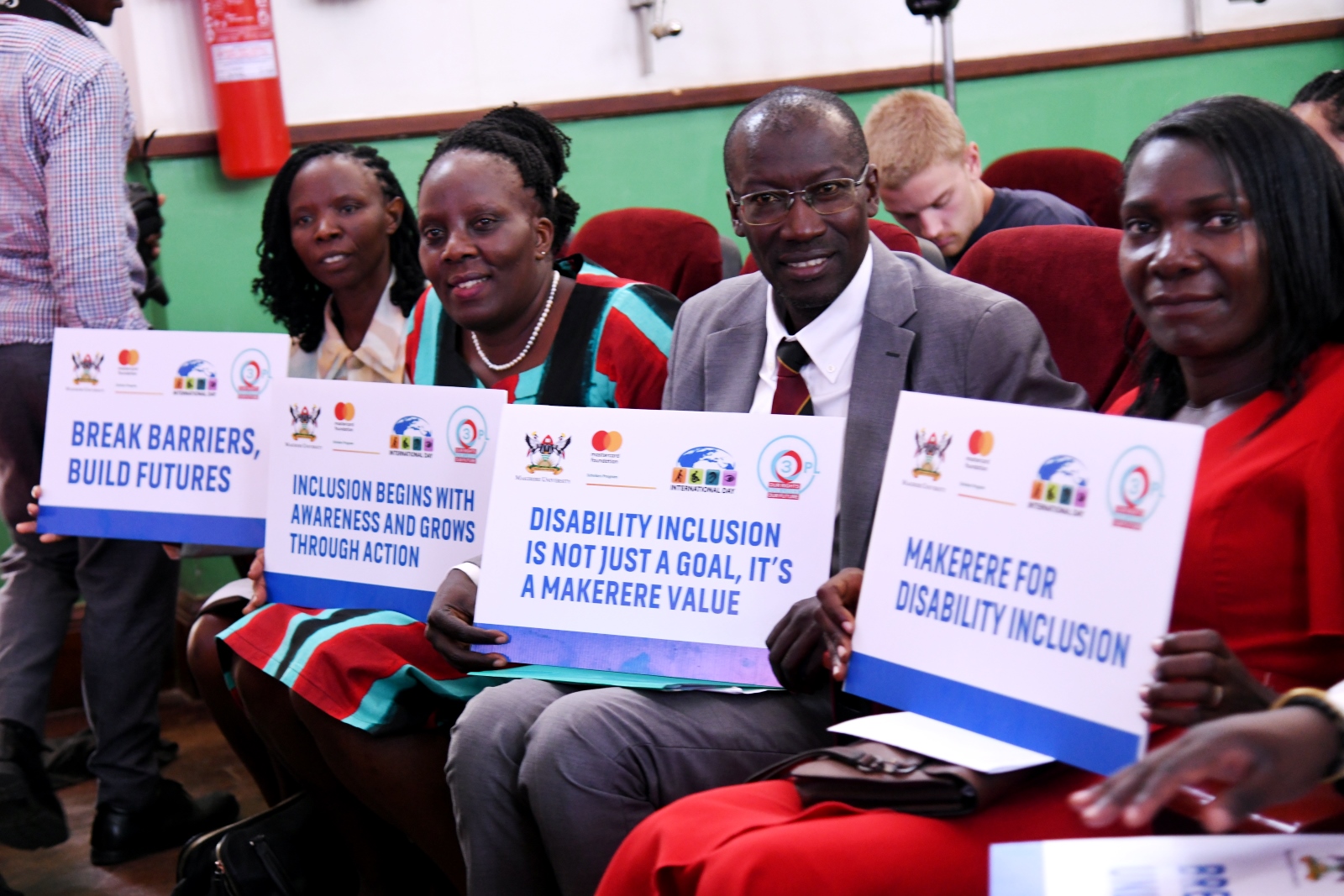
Mak Council lauded for promoting disability-inclusion
Mr. Amon Muteganda, representative of administrative staff with disabilities on the Makerere University Council, reaffirmed that the university is indeed an inclusive institution. He noted that disability-related concerns consistently receive respect and thoughtful consideration during council deliberations, with members listening attentively and responding constructively. He praised management for its timely action on the issues raised, highlighting the new transport initiative as a key example.
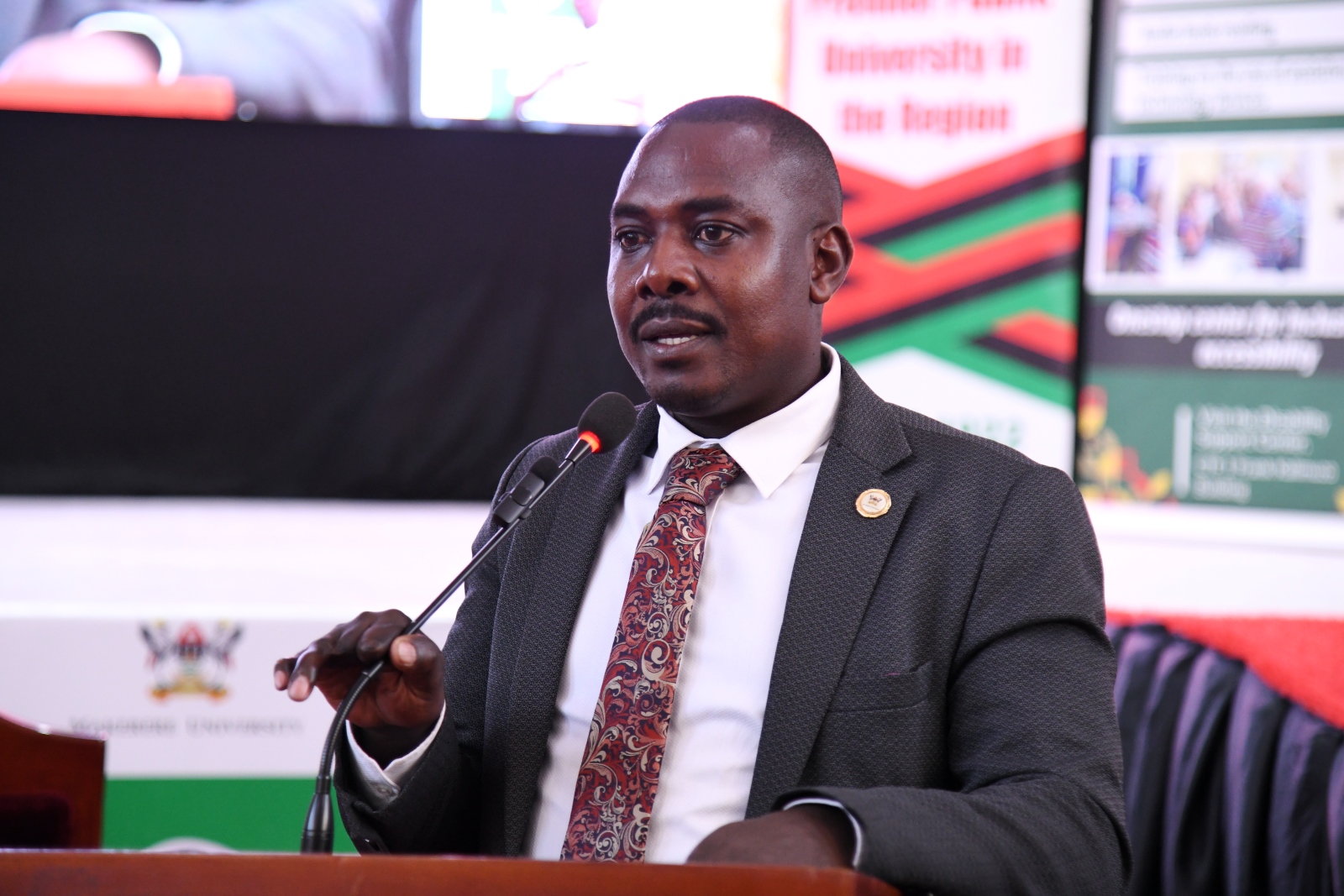
“Many people have spoken about inclusivity at the management level, and we have seen it in action. I want to sincerely thank the university management for their responsiveness. Whenever we raise concerns about disability-related issues, they are addressed promptly. One notable example is our transport initiative,” Mr. Muteganda said.
Student leader asserts disability is not inability
The Guild Minister for Persons with Disabilities, Hon. Donita Akankunda reflected on her experiences as a student with low vision and representative of visually impaired learners. She acknowledged improvements in accessible infrastructure, such as buildings and transport. She applauded the determination of fellow students with disabilities to create awareness, challenge stereotypes, and demonstrate that disability is not inability.
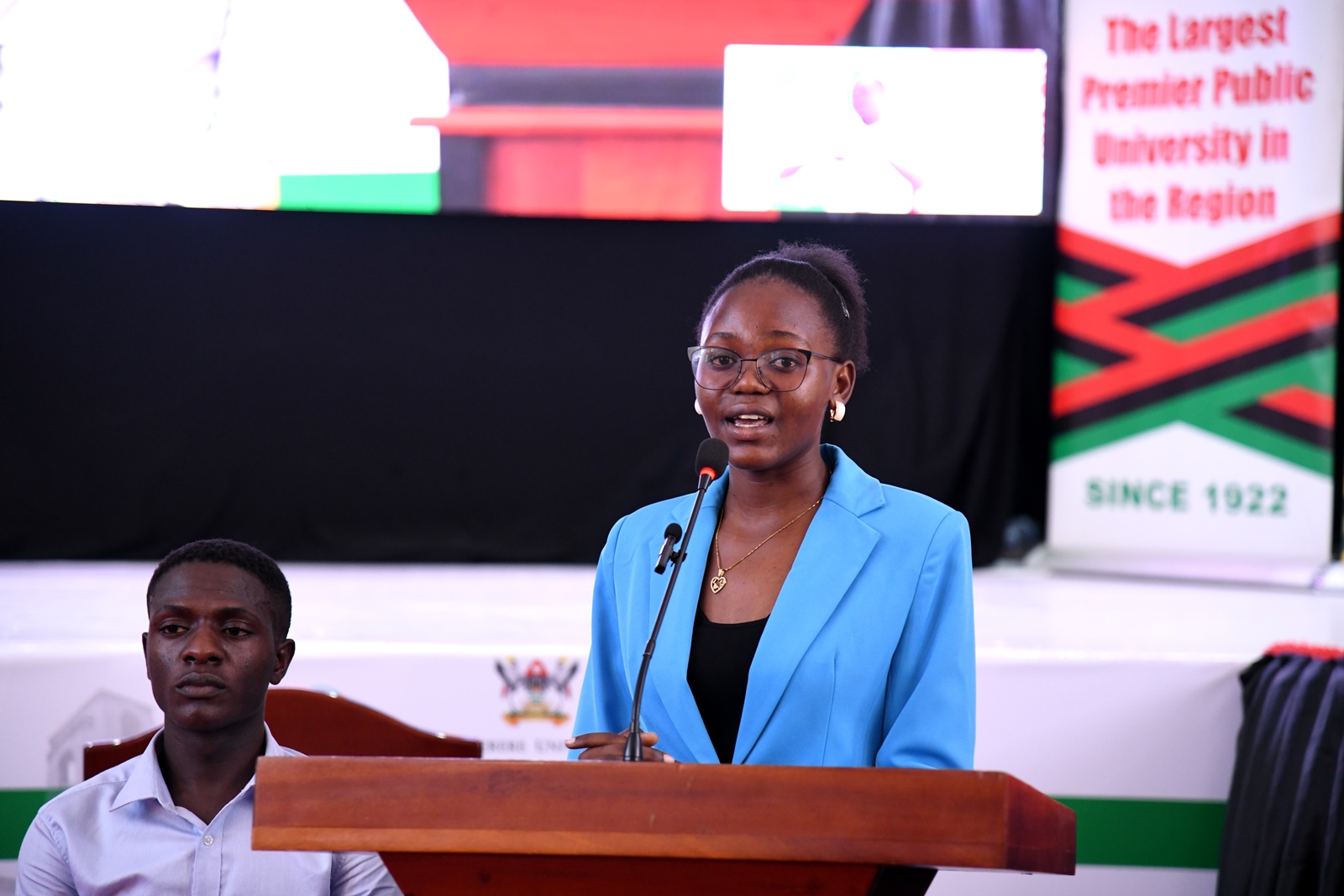
“My fellow students and persons with disabilities, I thank you for your resilience and dedication to raising awareness. Despite the many challenges we face, you have stepped forward, embraced leadership roles, and engaged in meaningful activities, demonstrating that disability is not inability. Together, we will continue to prove this every day,” she said.
Student with Disability shares his experience on adaptation
Sharing his personal journey as a student with a disability, Mr. Safiri Mungofeni, a first-year Bachelor of Architecture student at Makerere University, reflected on his initial concerns about managing practical work, navigating equipment, and moving around campus. “Over time, with the support of accessible resources and encouragement from staff, I gradually adapted,” he said. He added that witnessing fellow students with disabilities confidently navigating campus life inspired him to believe in his own potential and persevere.

Drawing inspiration from global examples, such as Chris Downey, a visually impaired architect, Safiri declared that with proper support, encouragement, and mindset, students with disabilities can excel in fields where society least expects them.
Parents called upon to love and support children living with disabilities
Illuminating both the challenges and transformative possibilities of parenting children with disabilities in Uganda, Mr. and Mrs. Kizito Bbosa, parents of Hon. Catherine Nakibuuka, a second-year law student and Speaker of the Makerere University Students with Disabilities Association shared their journey that began when their daughter was born with visual impairment. In their quest for solutions, they initially invested all their resources in medical interventions, holding onto hope that she might one day regain her sight. When these options were exhausted, they redirected their focus entirely to education, embracing it as the next frontier of opportunity and empowerment for their daughter.
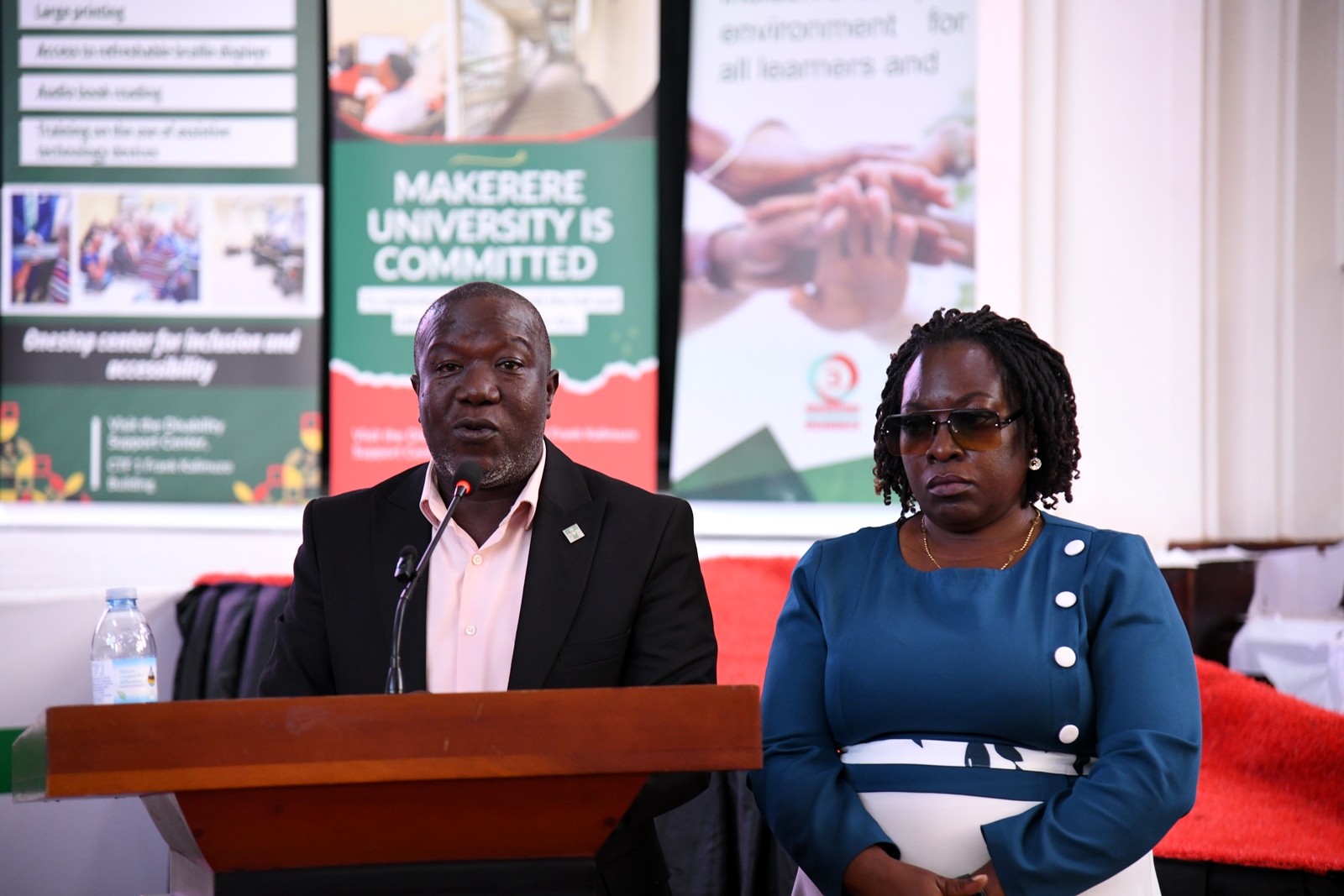
“When our daughter was born in 2003 with a visual impairment, I invested every resource I had, believing she might regain her sight, until I realized that even money has its limits. We then shifted our focus to her education. Truly, the most challenging experience I have ever faced has been trying to educate her,” Mr. Bbosa recounted.
Recognizing that Catherine and other visually impaired children deserved more than sympathy, the Bbosas transformed their personal struggle into a broader mission for change. This led to the founding of the Centre for Visually Impaired Children (CEVIC) and later CEVIC School for the Blind, institutions created not out of charity but from a belief in the potential of children with visual impairments, providing them with opportunities to learn, belong, and thrive.




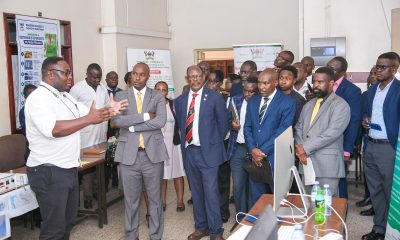



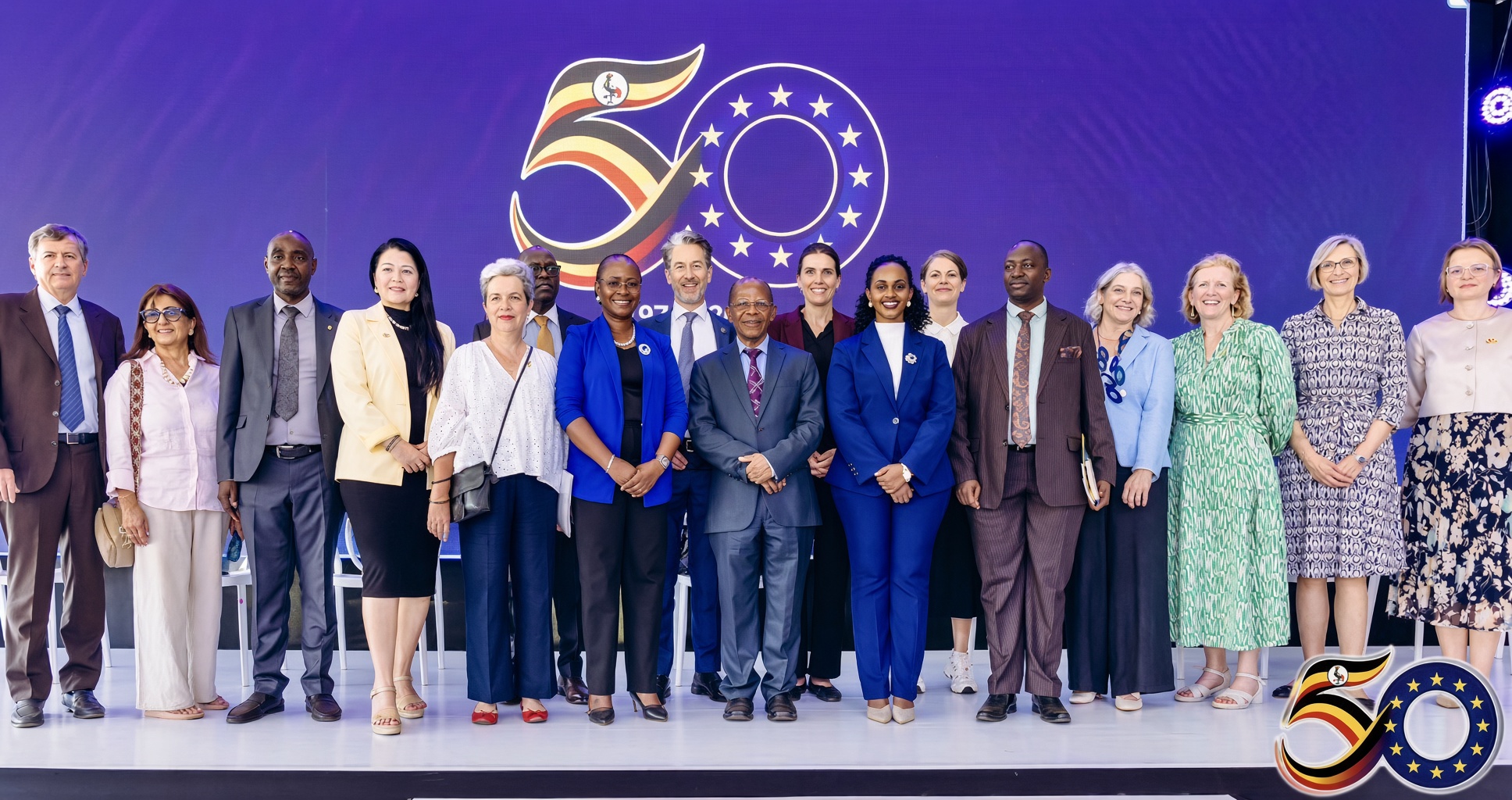
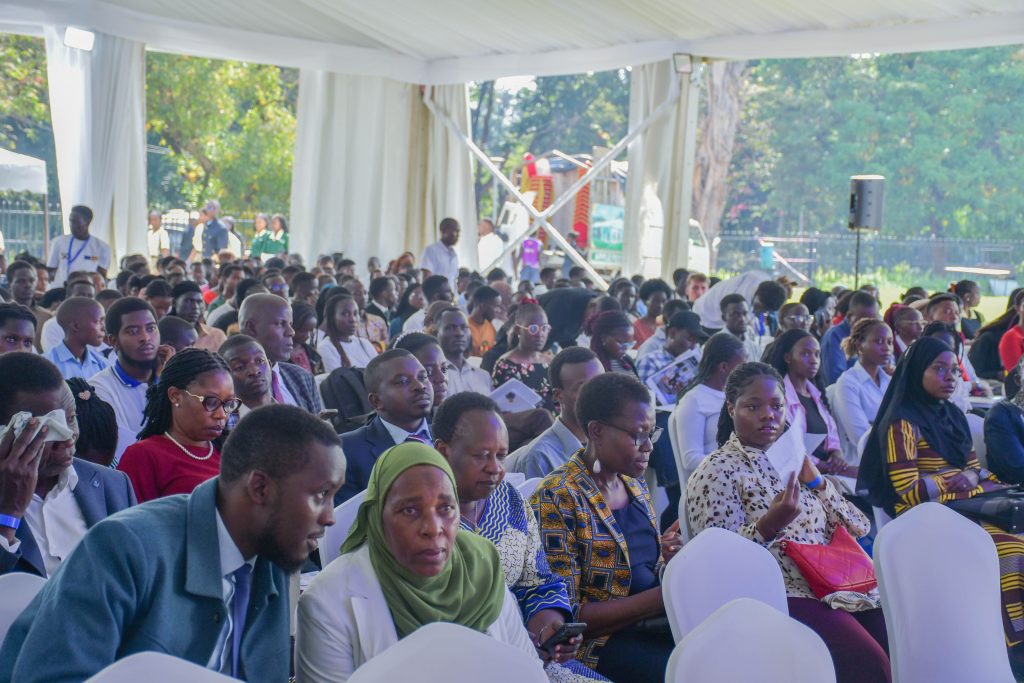
Today 8th October 2026, Makerere University has hosted the EU Uganda Research and Study Fair 2026, bringing together government officials, European Union representatives, researchers, academics, students, and young professionals to explore opportunities in education, research, innovation, and international collaboration.
The fair also marked 50 years of partnership between Uganda and the European Union, providing a platform for participants to learn about scholarships, research funding, exchange programmes, fellowships and opportunities for collaboration with European institutions.
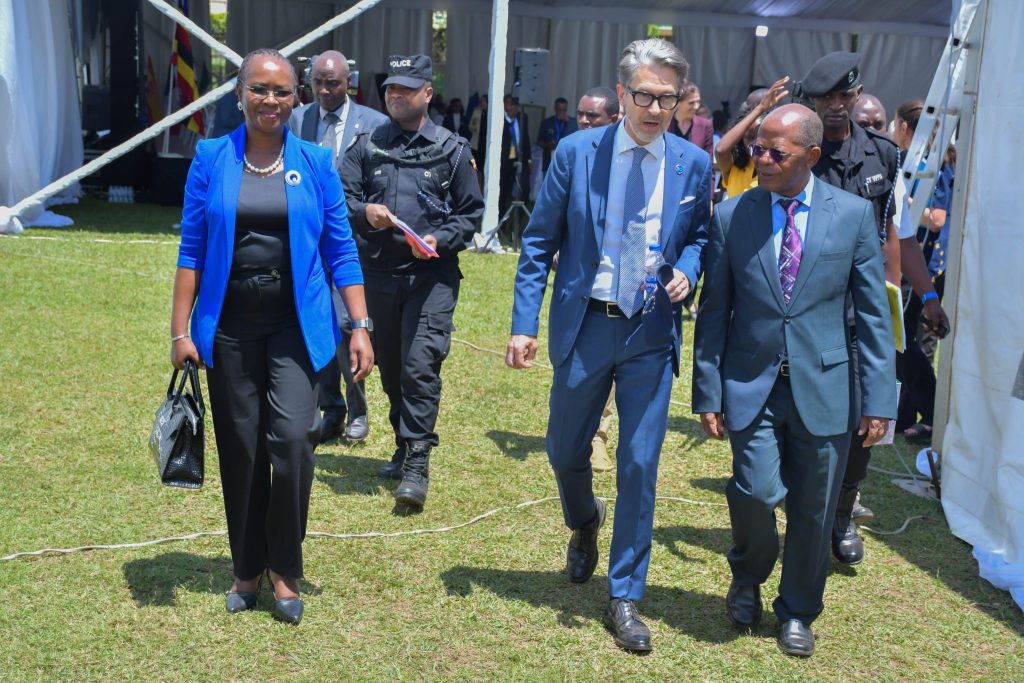
Officially opening the fair, Acting Minister of Education and Sports Hon. Dr. John Chrysostom Muyingo commended the European Union, its member states, Makerere University and other partners for organising the event, describing international cooperation as important to Uganda’s education and research agenda.
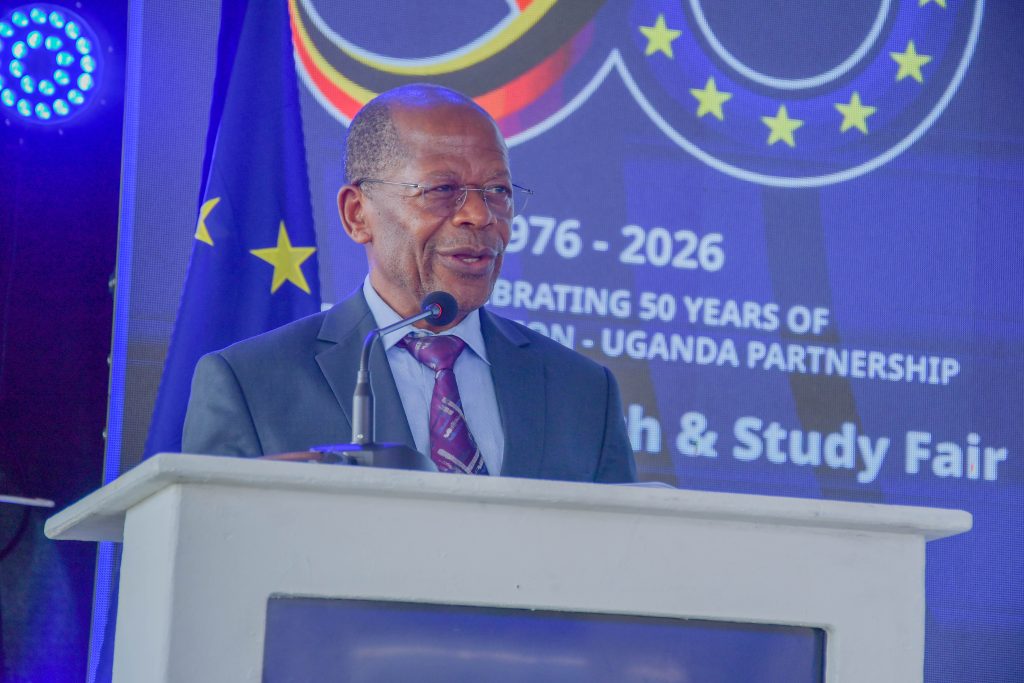
The Minister said Uganda’s young population presents a significant opportunity for national development if supported with the right investments in education, skills, creativity, research, innovation and entrepreneurship.
He encouraged universities and research institutions to strengthen links between education, research, innovation and the world of work, noting that research should not only generate academic knowledge but also contribute to policies, technologies and practical solutions to national challenges.
Dr. Muyingo also encouraged students and young professionals to engage with the European Union, its member states and alumni to understand the opportunities available and prepare themselves for future applications.
Makerere highlights value of partnership
The Acting (Ag.) Vice Chancellor and Deputy Vice Chancellor (Academic Affairs), Makerere University, Prof. Sarah Ssali said the fair provided an important platform for bringing education, research, innovation and international cooperation together.
She noted that the event was particularly significant as Uganda and the European Union celebrate five decades of partnership, with Makerere’s relationships with some European institutions extending even beyond 50 years.
Prof. Ssali said the partnerships have supported education, research, skills development, innovation, institutional strengthening and human capital development, creating opportunities for Ugandans to acquire knowledge and skills, conduct research and establish international networks.
She called for the next chapter of the partnership to place knowledge, research, innovation, technology and young people at the centre.
“Research needs to move beyond publication of research, to influence policy, improve practice, create products and services, strengthen communities and contribute to the economic development of our country,” she said.
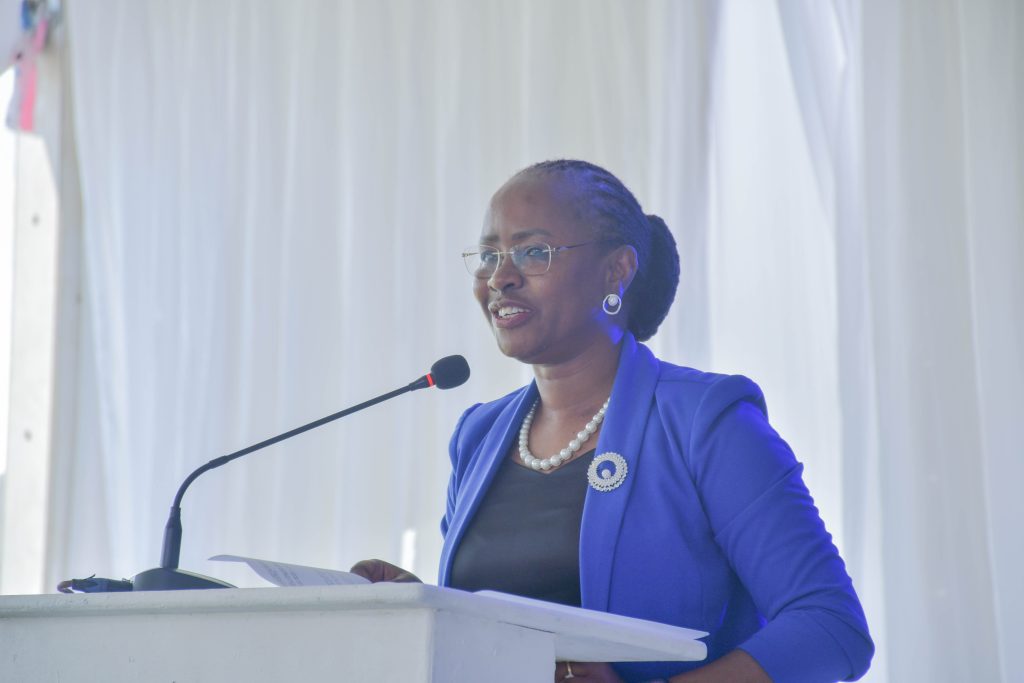
Prof. Ssali also encouraged participants to explore opportunities for scholarships, research, exchange programmes, doctoral studies, joint research and fellowships available through European partnerships.
She said the ultimate value of international education and research partnerships lies in how knowledge, skills, networks and technologies acquired through such opportunities contribute to Uganda’s development.
Human Response programme strengthens partnerships
The fair also showcased Makerere’s partnerships through programmes such as the Humanitarian Response, Health and Displacement Erasmus Mundus Joint Master Programme (Human Response).
Dr. Justus Twesigye, the Dean, School of Social Sciences, Makerere University and Co-Principal Investigator of Human Response, explained that the programme has created partnerships between Makerere and universities in Europe and Africa.
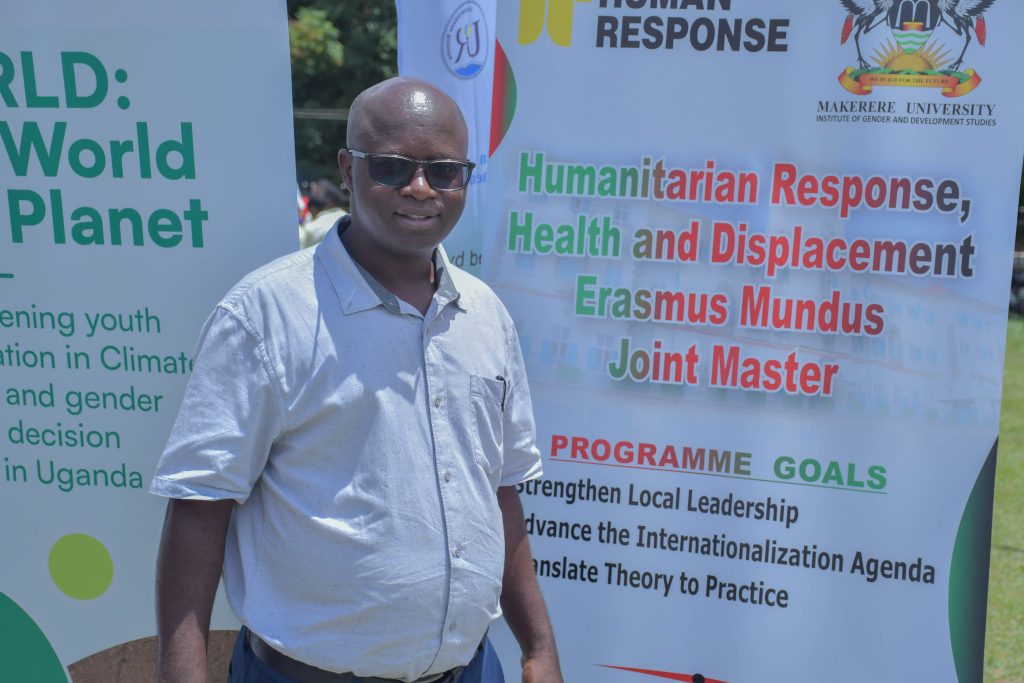
These include the University Institute of Lisbon in Portugal, Norwegian University of Science and Technology, University of Athens in Greece, University of Cape Verde and University of Rovuma in Mozambique, alongside associate partners including the Uganda Red Cross Society, Allied Uganda, Refugee Led Organisation Network and the Ministry of Water and Environment.
Twesigye said the partnerships have introduced new approaches to teaching and learning by involving practitioners directly in training and giving students opportunities for concurrent field practice.
He noted that organisations such as the Uganda Red Cross Society have participated in delivering classes, while students also gain practical experience in the field before returning to class for reflective learning.
The programme is also promoting joint research between academics and practitioners, moving away from approaches where researchers and practitioners work separately.
CEES project supports competence based education
The College of Education and External Studies (CEES) also presented an EU supported project aimed at helping higher education institutions and regulators transition to competence based education.
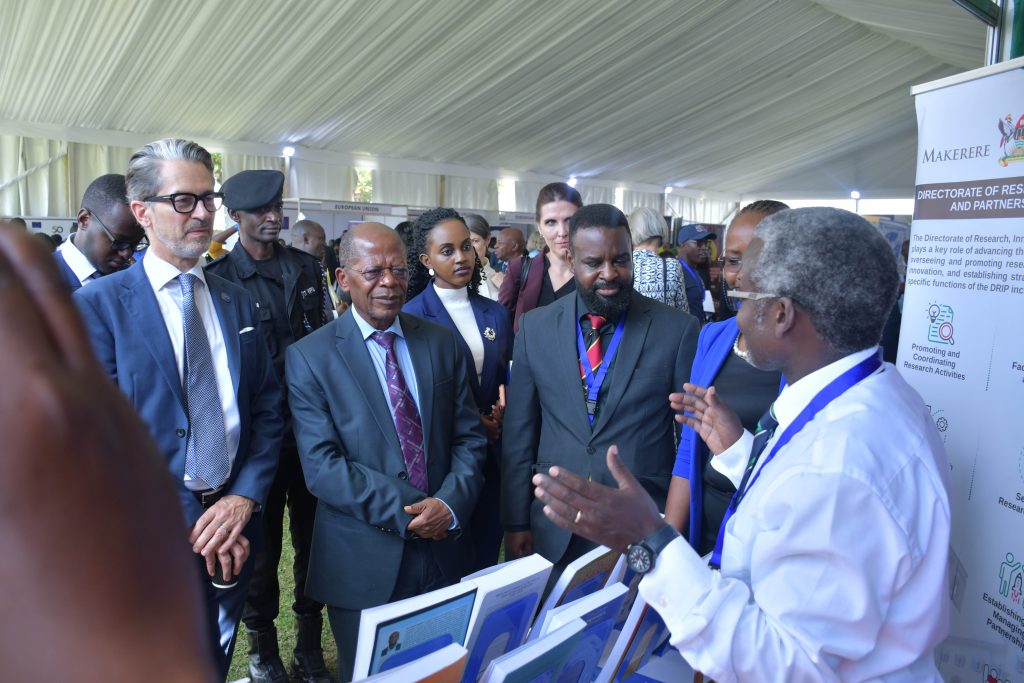
Assoc. Prof. Josephine Esaete, Senior Lecturer in the Department of Science, Technology and Vocational Education, said the project brings together nine partners from Uganda, West Africa and Europe.
She explained that the project seeks to strengthen the capacity of universities and higher education regulators in designing competence based curricula, teaching, assessment, monitoring and evaluation.
Makerere University is coordinating the four year project, with Mountains of the Moon University among the Ugandan partners.
Assoc. Prof. Esaete said the project is timely as universities work towards transitioning their programmes and curricula to competence-based education.
The project also seeks to strengthen collaboration between higher education institutions and industry so that students can acquire skills relevant to the world of work.
Fair creates opportunities for students and researchers
The exhibition brought together different EU supported research projects, academic programmes and institutional partnerships, allowing students, researchers and other participants to interact directly with project teams and representatives of European institutions.
The fair also provided opportunities for participants to learn from Makerere alumni who have benefited from international study and research opportunities.
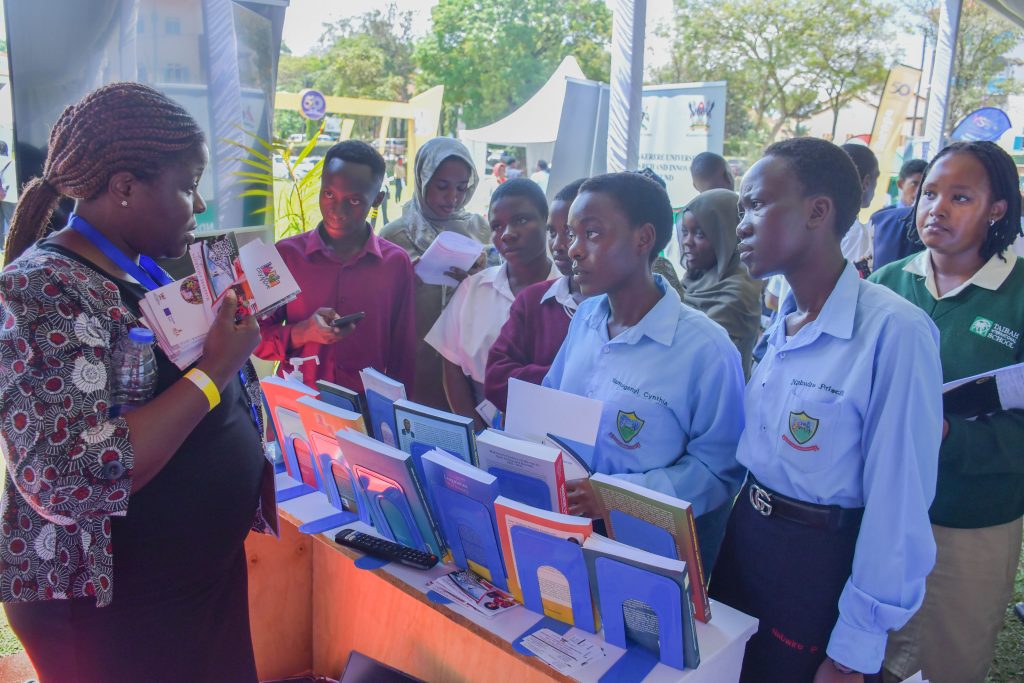
Prof. Ssali urged participants to use the opportunity to “engage, explore, connect, and discover” new possibilities while encouraging young people to dream boldly, seek knowledge, build networks and use what they learn to contribute to Uganda’s transformation.
Take ownership of your future
Officially closing the fair, the Director, Research Innovations and Partnerships (DRIP), Prof. Robert Wamala urged the students and young professionals who had participated in the fair to take ownership of their future because the Fair had shown that opportunities are real.
“Do not be afraid to ask questions, do not be afraid to apply, do not be discouraged by your first unsuccessful application, build your academic profile, build your research skills, build your networks, and remain curious”, Prof. Wamala encouraged.
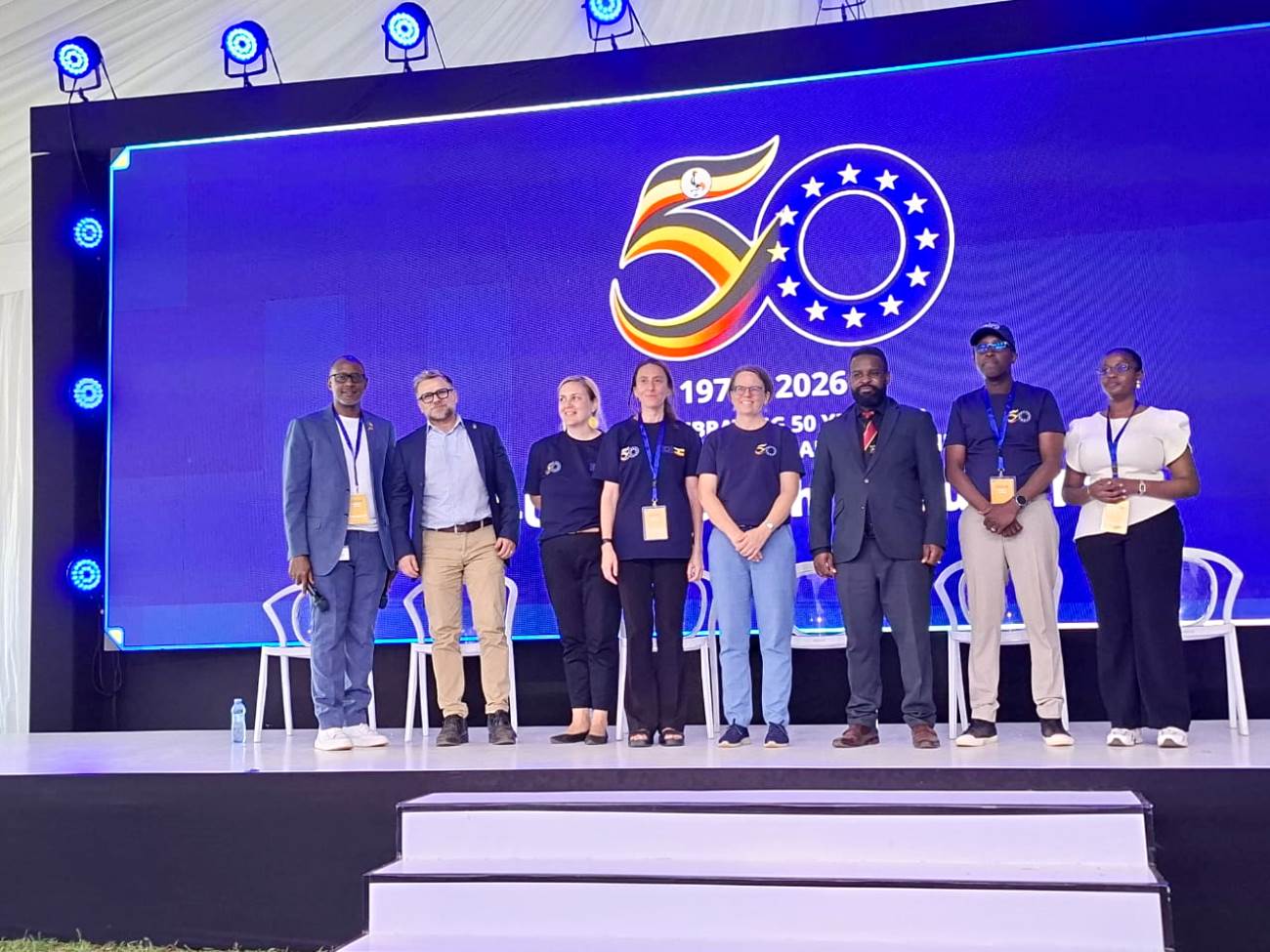
On behalf of Makerere University, he sincerely appreciated Team Europe, the European Union and its Member States in Uganda, for organising this important Fair and the Ag. Minister, Hon. Dr. J.C. Muyingo for presiding over the event and reiterating the Ministry’s commitment to strengthening education, research and international cooperation.
“At Makerere University, the Directorate of Research, Innovations and Partnerships remains ready to work with our European partners, the Ministry, researchers, students and other stakeholders to help translate the opportunities identified today into meaningful collaborations and outcomes” Prof. Wamala reassured.
The fair reaffirmed Makerere University‘s commitment to strengthening international partnerships that support research, innovation, human capital development and national transformation.


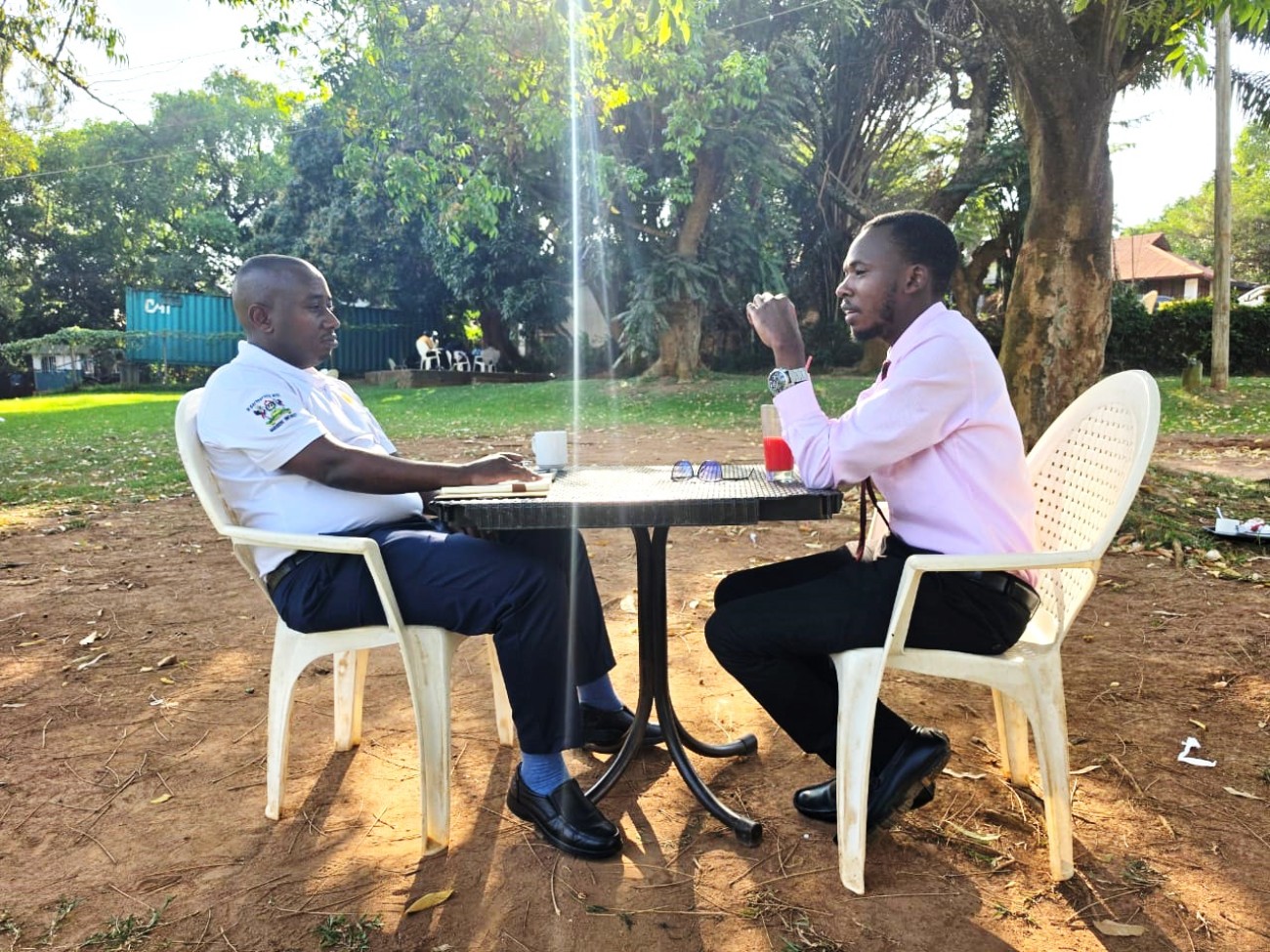
Before becoming an optometrist, researcher, programmer, and eye health entrepreneur, Timothy Khabusi walked barefoot to school along rough roads in Manafwa District, Eastern Uganda. For most of his primary school years, Timothy walked more than nine kilometres each day from his home to Bubulo Mixed Primary School in Manafwa District.
He would leave home at about 6:00 a.m., walk to the highway, and join other children on their way to school. On the murram road, sharp stones pressed into his feet. When the rains came, he sometimes arrived at school completely drenched. Occasionally, a truck carrying market vendors would stop and offer them a lift. “Those were few lucky days,” Timothy recalls.
At the time, however, Timothy did not see his life as unusual. It was simply how life was for many children in his village. What he did not yet know was that those long walks were helping shape a determination that would eventually take him from rural Manafwa to Makerere University and, later, the University of Edinburgh in Scotland.
Timothy Khabusi is the sixth of eight children (5 boys and 3 girls). His father, 68, a retired primary school teacher, and his mother, 60, a small retail shop owner, had limited resources but were determined to give their eight children opportunities they had not enjoyed themselves.
The family tried several ways to make ends meet. His mother ran a small local brew joint, selling malwa, a traditional fermented cereal drink. When Timothy was about ten, the family closed the malwa joint and moved on, first trying farming and later, in 2009, opening a small retail kiosk with money earned from selling a small coffee harvest.
The family kiosk changed things. Timothy started taking snacks to school and also began developing an interest in business. He sold sugarcane and later teamed up with his younger brother, Mark, to make mandazi, a popular delicacy among schoolchildren.
Behind these modest ventures were sacrifices his parents made for their children’s education and health. His father took loans to support the family through school, while both parents repeatedly emphasised the importance of education.
Timothy’s own academic journey was far from perfect.
At rural Bubulo Primary School, Timothy performed very well and earned a place at one of the best secondary schools in Eastern Uganda, Mbale Senior Secondary School, in Mbale city.
At Mbale Secondary School, he became a strong academic performer and earned a renewable merit-based bursary that covered most of his school fees. Mr Mabaku, his Mathematics teacher, taught him to connect classroom concepts to real-life problems—a way of thinking that would later shape his interest in technology and programming.
Then came a setback.
Timothy’s A-level results (15 points in Physics, Chemistry, and Mathematics) were far lower than he had expected. For someone who had always seen himself as a top student, the outcome was deeply disappointing, and he missed out on the much-coveted government scholarship. He even wondered whether university was still possible. He considered repeating his A-levels but instead applied to Makerere University on private sponsorship. He was admitted to study Optometry, although he had initially wanted to pursue Medicine and Surgery.
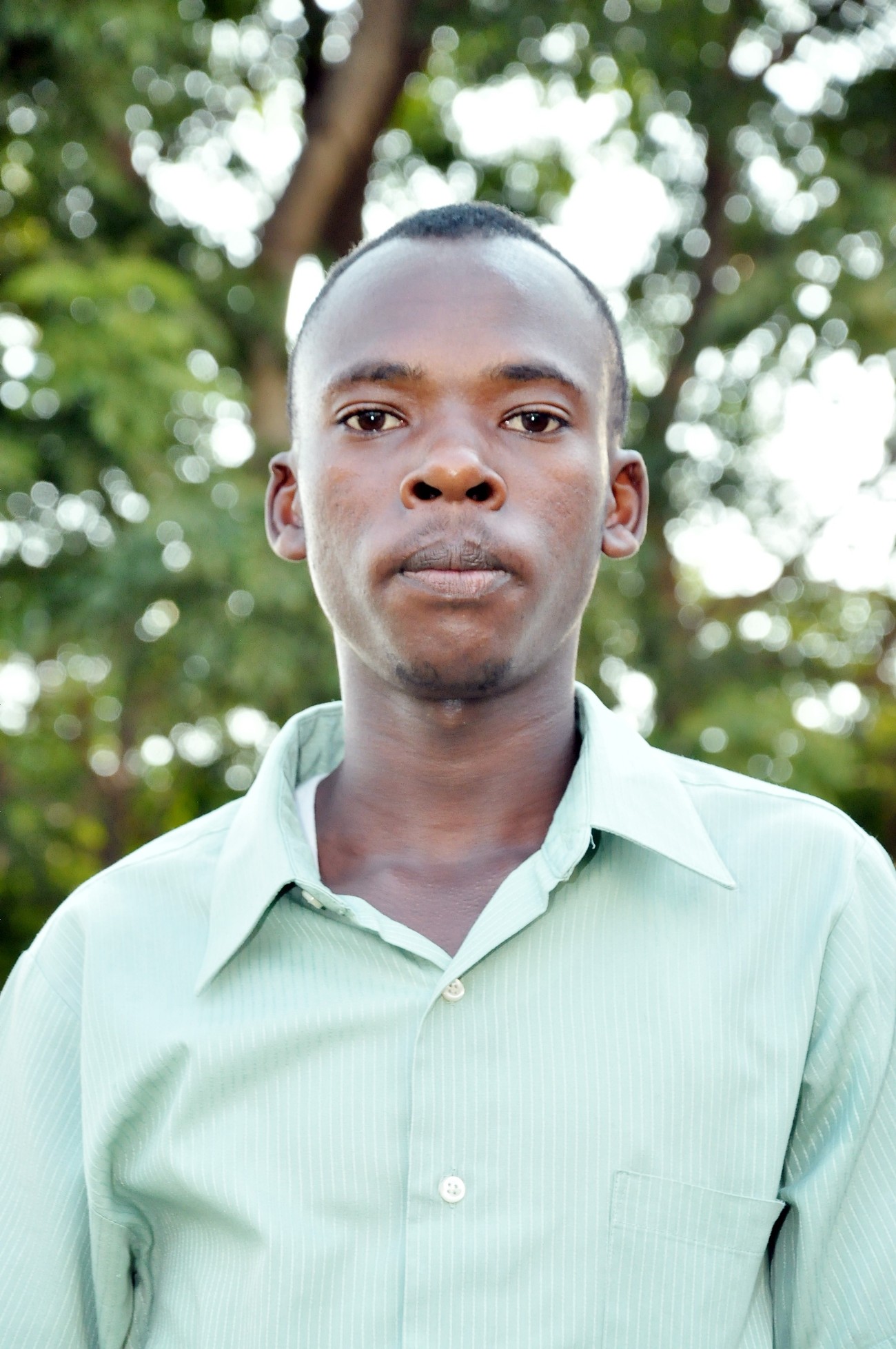
Then came the opportunity that changed everything.
In 2017, Timothy became a Mastercard Foundation Scholar at Makerere University, receiving support that enabled him to continue his university education. The financial uncertainty that had threatened his university education was resolved. What initially felt like failure became an opportunity that redirected him towards a field he had not planned to enter. Through optometry, he discovered a profession that linked clinical care with science, technology, research and public health.
His career journey after graduation.
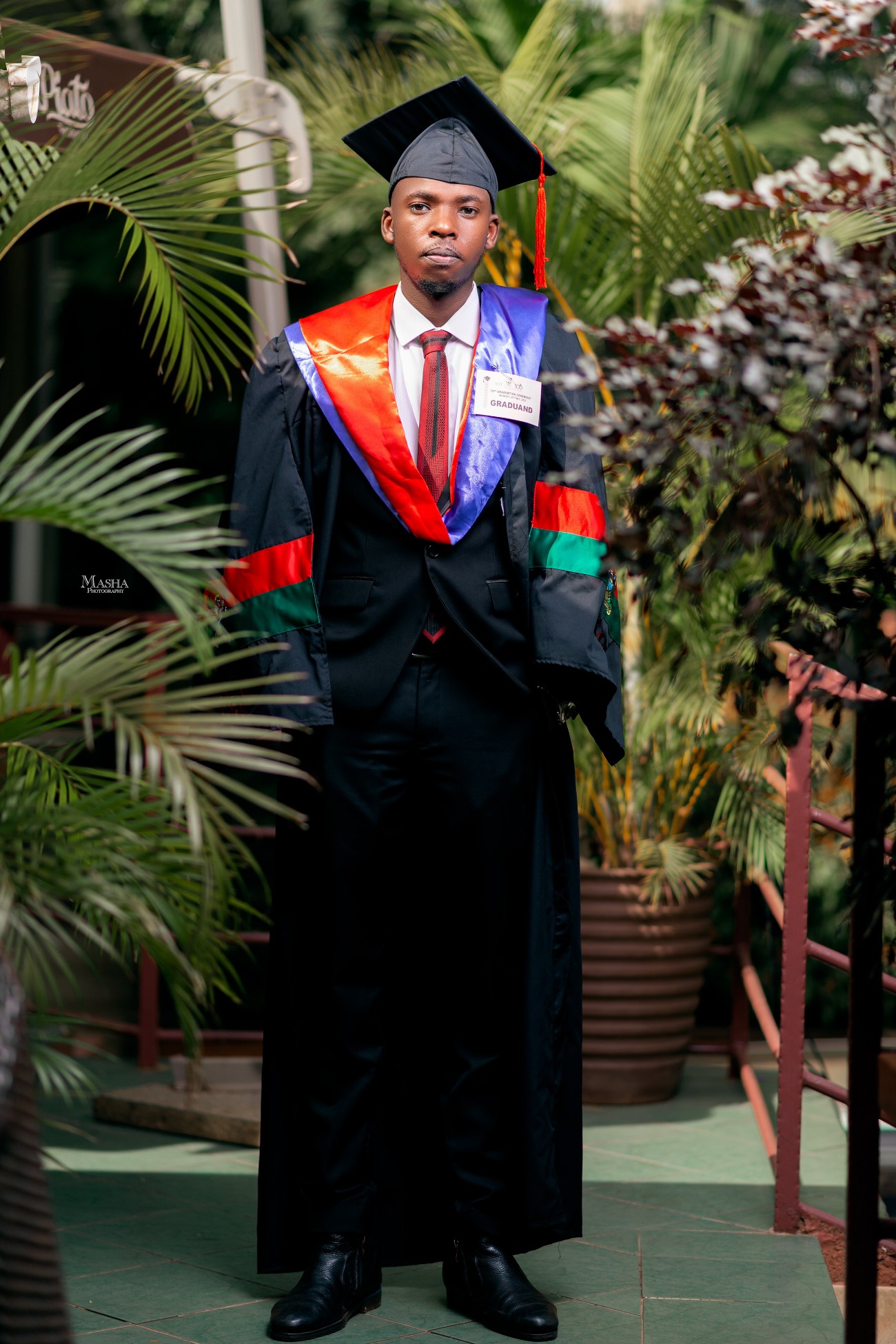
After graduating from Makerere University in January 2022, Timothy set out to fulfil his ambitious mission to improve eye health in Uganda. His career began far from his village home in Manafwa: he started at a private clinic in Arua town, West Nile, hundreds of kilometres from Manafwa in Eastern Uganda. Asked why he didn’t find a job in Kampala, as most of his peers did, Timothy quickly explained that his mission is to provide the best eye health care to communities with limited access to these services.
After working for one year in Arua, he returned to Kampala. He first worked at Dr. Agarwal’s Eye Hospital from 2023 to 2025, then moved to Med-Optics, another popular eye clinic in Kampala. In February 2026, he opened his own eye clinic, Khabusi Vision Care Centre, a modern optometry centre dedicated to providing eye care services at subsidised rates to individuals and families who may face financial barriers to accessing these services.
His leadership journey
For Timothy, leadership is not about collecting titles. At Mbale Senior Secondary School, he led the Science Club, organising seminars and holiday revision programmes. At Makerere, he served as a minister at the College of Health Sciences and as a leader in the Optometry Students’ Association. Those experiences shaped a simple philosophy: leadership means seeing what needs improvement, taking responsibility, and bringing others along.
That philosophy now drives his ambitions for Khabusi Vision Care. In the coming years, he aims to strengthen the organisation’s clinical, public health, digital and research work. His longer-term vision is to build a major Ugandan eye health organisation with branches across the country, comprehensive services, research programmes and locally developed diagnostic and ophthalmic technologies.
Impact in the community
Asked about his impact in the community, Timothy quickly pointed to the number of patients whose sight he has helped restore at a modest cost they otherwise couldn’t have afforded.
“I am proud to have treated more than 10,000 patients and enabled them to see better since I began my optometry practice in 2022. Among the patients, I vividly remember a police woman who was on the verge of going completely blind due to a misdiagnosis she had received at different facilities she had visited in Kampala, until she came to Khabusi Vision Care Centre in Kyanja, where I was able to help correct the optical issue she was grappling with.” Timothy proudly states.
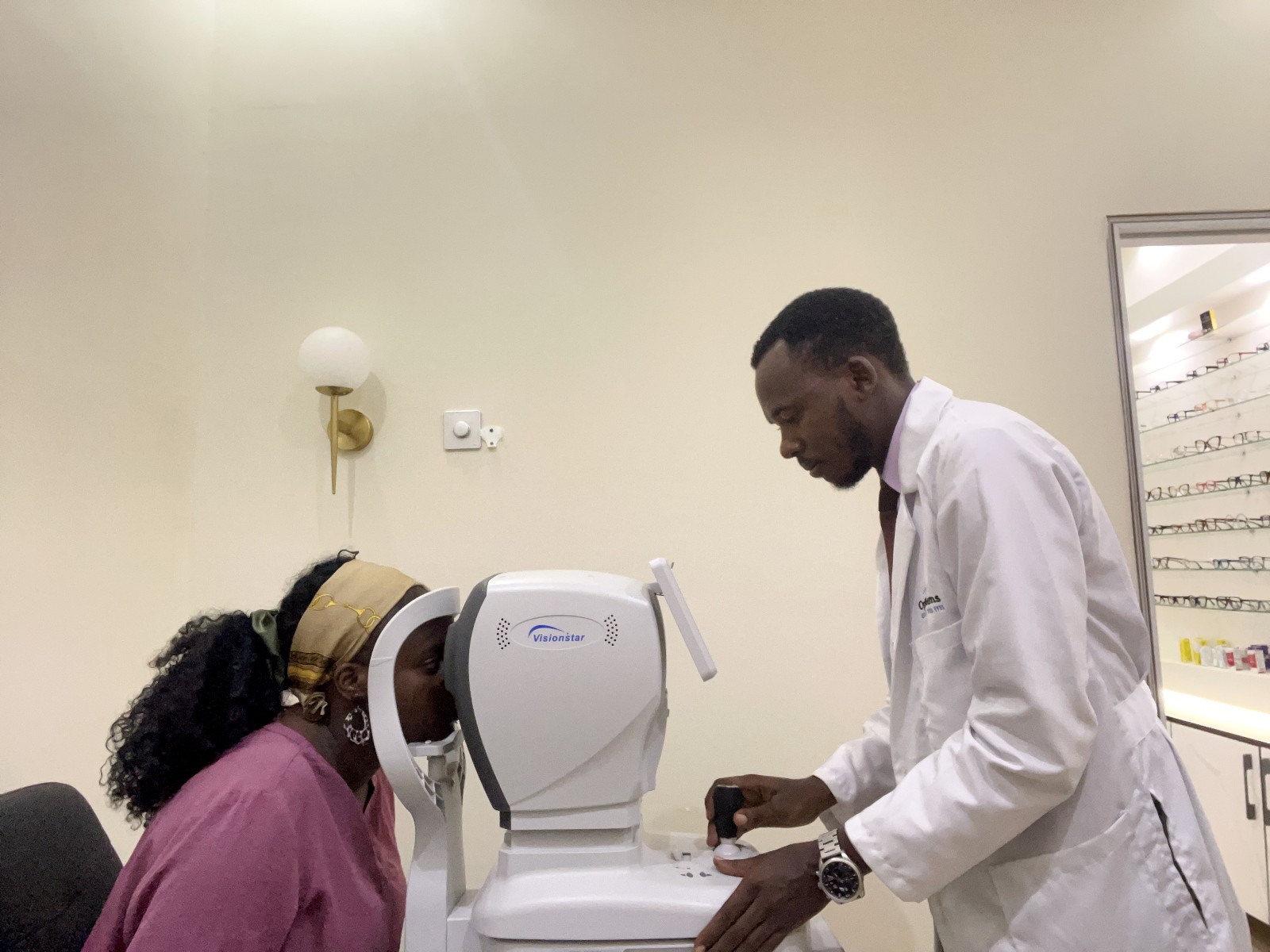
Timothy further enumerates the number of young people he has mentored and continues to mentor in optometry. He also offers graduate internships at his clinic and employs five young people as permanent staff. He also conducts regular community outreach activities, offering free eye check-ups in the community and subsidised treatment for those who need it.
A word to the Mastercard Foundation Scholars Community
Timothy expressed his gratitude to the Mastercard Foundation Scholars Program and Makerere University for giving him the opportunity to pursue a quality university education at a time when he had lost hope of attending university after failing to secure a government scholarship.
“I am forever grateful to Mastercard Foundation and Makerere University for giving me a scholarship that changed my whole life; without the scholarship, I would not have been able to afford the university fees; therefore, I wouldn’t have become what I am today,” Timothy points out.
Asked what advice he would give to current Mastercard Foundation Scholars, Timothy urges them to take advantage of the additional skilling and development programmes the Mastercard Foundation Scholars Program offers.
“I urge my young brothers and sisters on the Mastercard Foundation Scholars Program currently to take the capacity-building training the Mastercard Foundation Scholars Program offers; it is what will give you an advantage over others in the job market,” Timothy advises.
Looking ahead
Beyond healthcare, Timothy is a writer, programmer, and researcher. He has published “From the Slopes of Mount Elgon”, a novel about a young girl who confronts poverty and betrayal while pursuing education and dignity. Timothy’s story is not a straightforward journey from challenge to success. It is about unexpected turns: the barefoot walks, the disappointing A-level results, the unexpected scholarship, and the career he never originally intended to pursue. His advice to young people comes from that experience: one disappointing result or difficult season need not decide the rest of your life. Sometimes, you have to keep walking.
“Keep learning, keep improving, and when opportunity comes, use it—not only to change your own life, but to create opportunities for others,” Timothy advises.
Timothy is now pursuing a Master’s degree in Patient Safety and Clinical Human Factors at the University of Edinburgh. The programme has reshaped his approach to healthcare. Rather than focusing solely on individual mistakes, he examines the systems that allow failures to occur and how to redesign them to improve patient safety.
-
 General2 weeks ago
Statement on Concerns Circulating Regarding a Member of Academic Staff
-
 General2 weeks ago
Beyond Map Size: Africa’s Agency Should Not Be Funded by Other People
-
 General2 weeks ago
Press Statement: Incident Involving Death of a Student at Makerere University
-
 General4 days ago
Timothy Khabusi: From Barefoot Walks to shaping Uganda’s Eye health Future
-
 General2 weeks ago
JNLC Leadership Symposium Equips Young Leaders for Responsible and Transformative Leadership