Connect with us

General

Women in Business Empowered at Makerere

Published

on

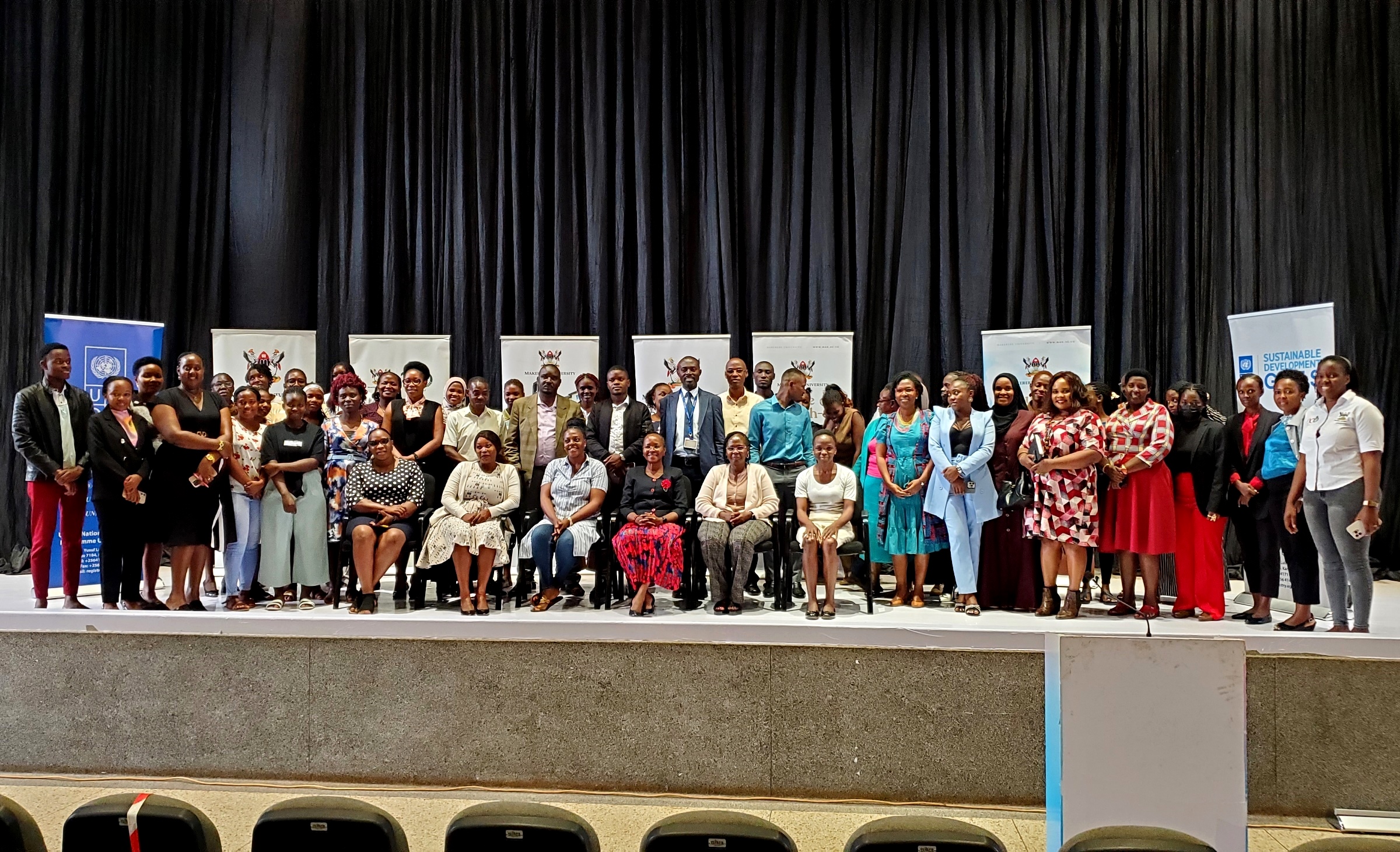
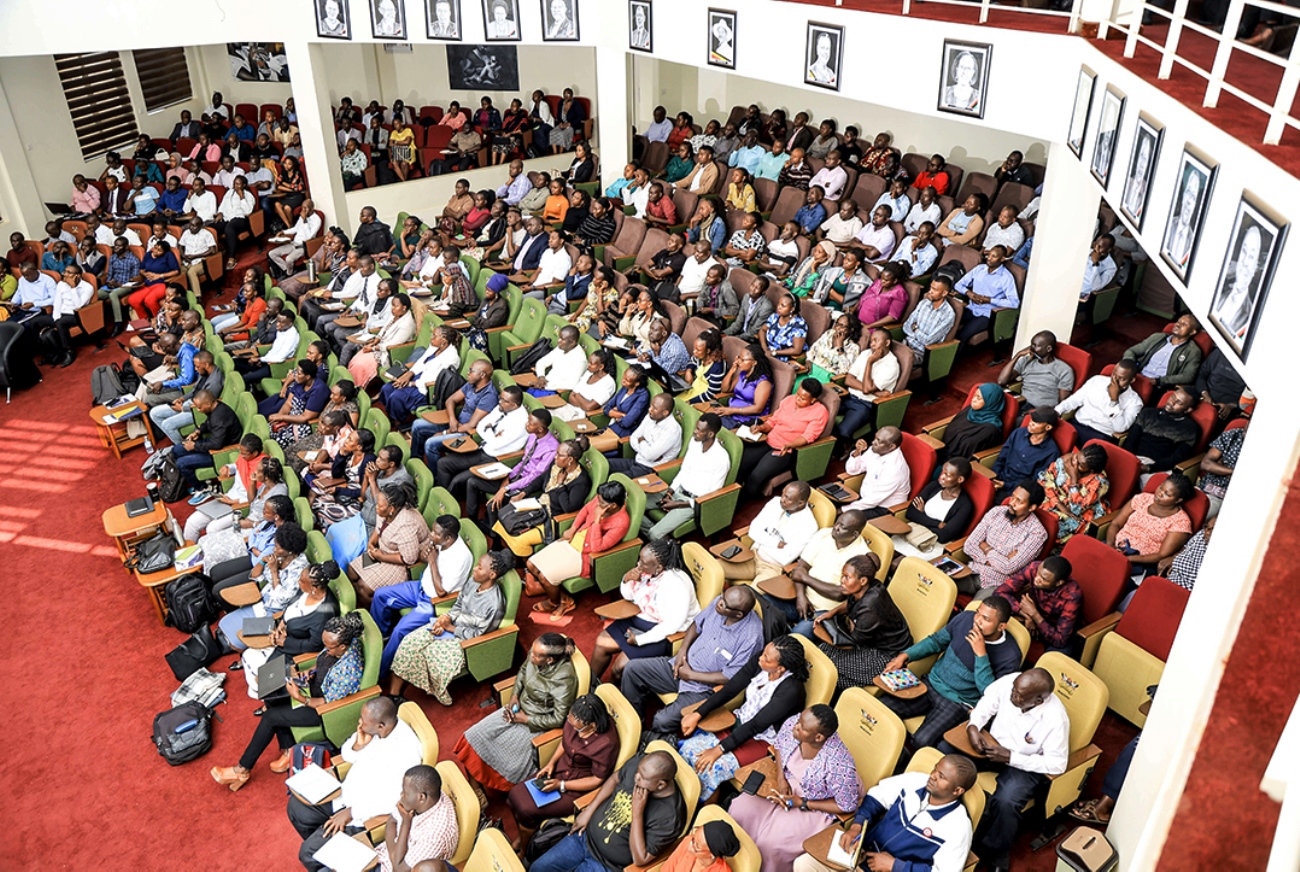
Makerere University, through the Institute of Gender and Development Studies in partnership with the United Nations Development Programme (UNDP), on 20th August 2025 commenced a training program focusing on procurement and business development for women in business. The two sessions, which brought together women from diverse business sectors, were held at the Yusuf Lule Central Teaching Facility. The training covered critical areas such as business requirements and strategic positioning, access to credit—particularly the Women in Business initiative by Stanbic Bank—and navigating procurement processes in the public service, among other vital aspects.

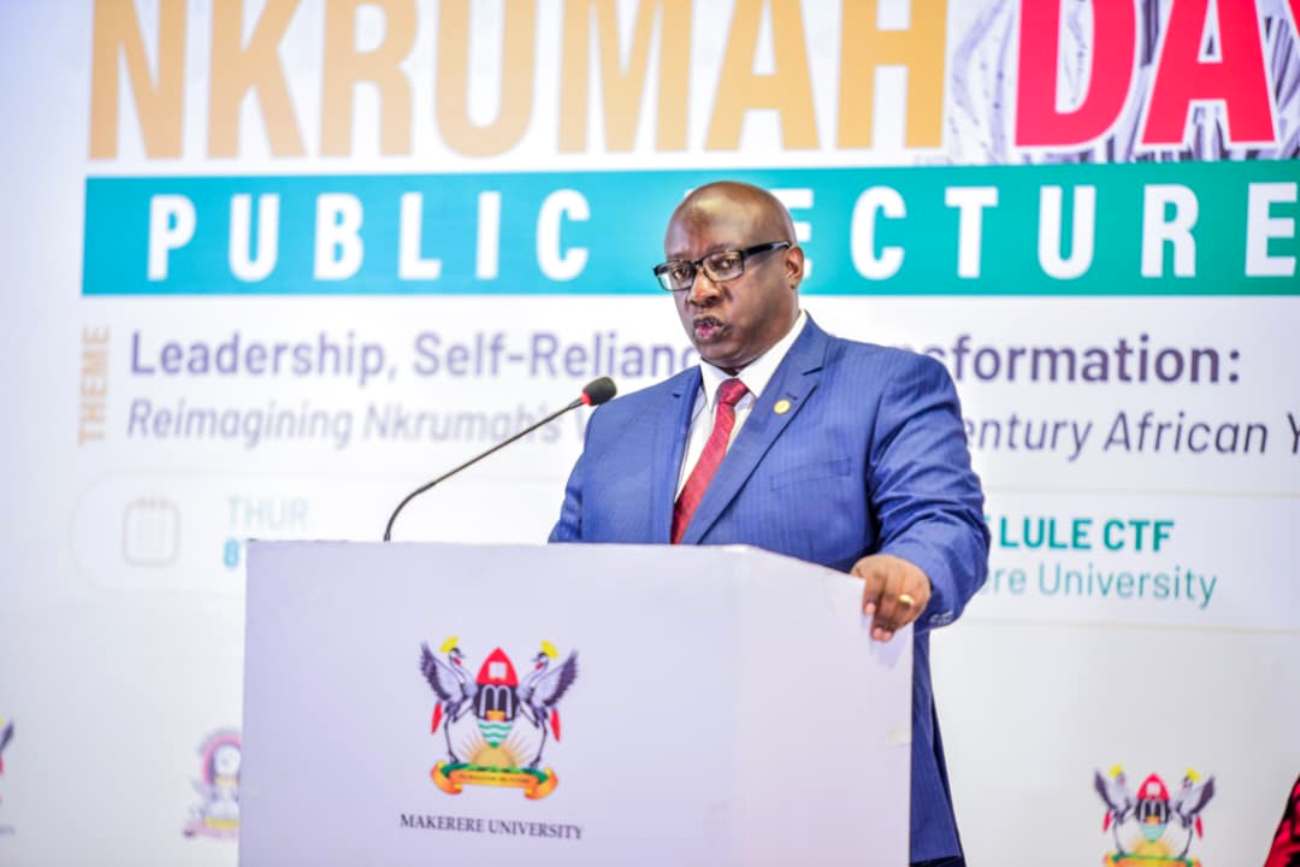
In his remarks, Mr. Paul Agaba, Director of the Procurement and Disposal Unit (PDU) at Makerere University, outlined relevant laws and shed light on reservation schemes for women-owned businesses. He detailed the requirements for companies to participate in procurement reserved for women, the necessary qualifying documents, and the benefits associated with such schemes. Mr. Agaba referred to the Public Procurement and Disposal of Public Assets (PPDA) Act of 2003, a law aimed at regulating procurement processes while enhancing service delivery and ensuring value for money. He noted that the Act has undergone several amendments to address emerging issues and reinforce principles of fairness and inclusivity, including measures to integrate previously marginalized groups—women, youth, and persons with disabilities—into business opportunities.

He further emphasized that reservation schemes are designed to provide incentives for women-owned businesses. To qualify, a business must be registered with the appropriate authorities, with at least 51% of its shares owned by one or more Ugandan women. On specific requirements, he highlighted the need for registration with the Uganda Registration Services Bureau (URSB), annual registration with the PPDA to be listed among providers, and documentation proving 51% female shareholding. However, Mr. Agaba noted that more effort is needed to actualize some provisions, such as ensuring that 15% of every procurement plan in public institutions and all procurements below UGX 30 million are reserved for women.

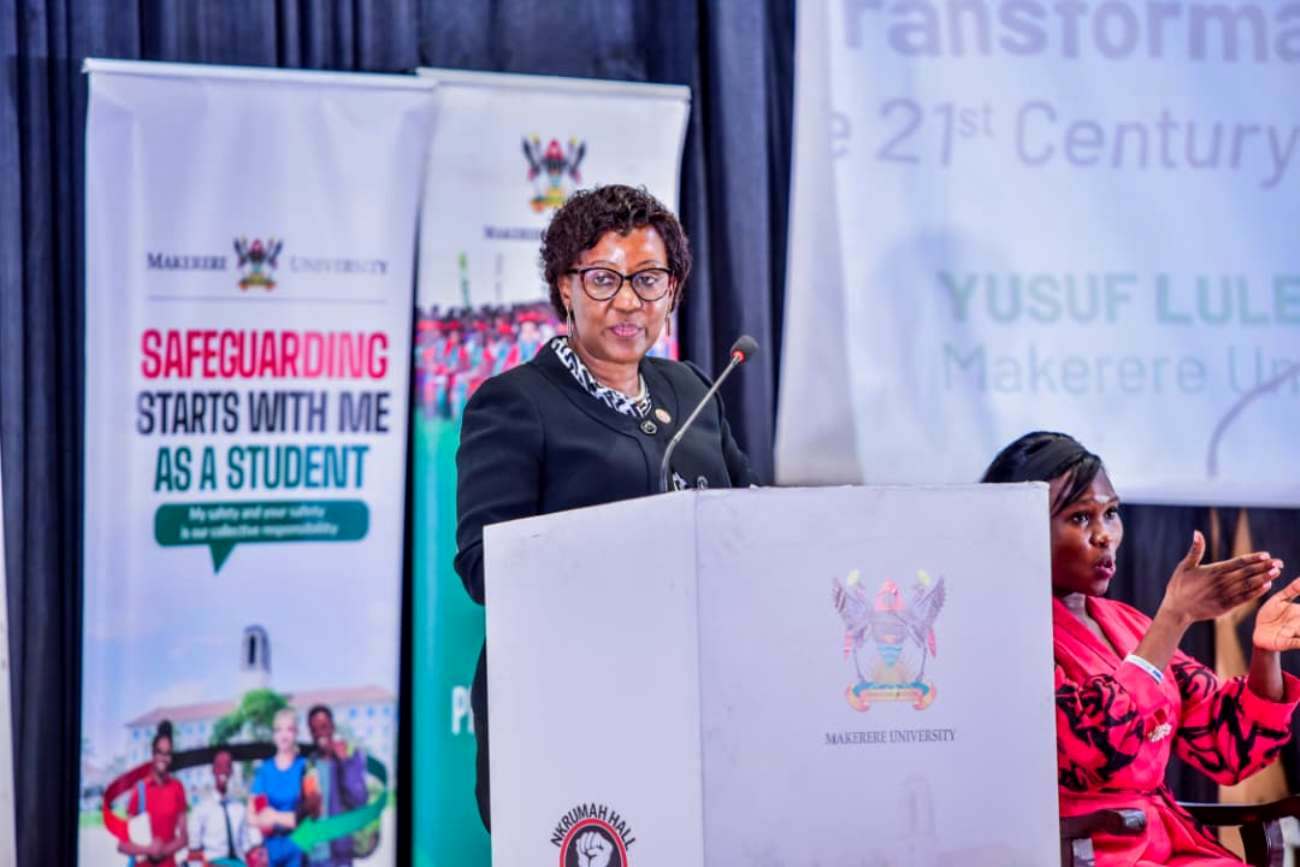
Representing UNDP, Ms. Beatrice Nabagya Mugambe, whose organization funded the training, underscored the importance of the program, describing it as a response to critical gaps identified through organizational assessments and surveys. She observed that despite ongoing efforts in gender-responsive procurement, women’s participation in procurement processes remains limited—a challenge not unique to Makerere but also evident across other agencies. She pointed to barriers such as lack of capital, insufficient information about bid opportunities and procedures, perceptions that bid amounts are beyond their reach, and limited business networks that could otherwise facilitate collective bidding. She stressed that such limitations can be overcome through collective action.

Addressing the topic of access to credit, Mr. Joel Mukasa, Relationship Manager at Stanbic Bank, highlighted opportunities available to women-owned businesses through the bank. Drawing from over seven years of experience, he noted that women tend to be better business managers, with 90% of loans disbursed to women being repaid, compared to less than 50% among men, attributing the gap to men often diverting business funds for personal use. Mr. Mukasa explained that Stanbic Bank has established several initiatives tailored for women, including the ‘Grow Project’ in partnership with the Private Sector Foundation Uganda (PSFU) and the government, and the ‘Stanbic for Her’ program. He clarified that the ‘Grow Project’ does not provide free money but rather credit facilities designed for active women entrepreneurs. To qualify, businesses must be registered as sole proprietorships headed by women, companies with at least 51% female shareholding, partnerships led by women, or formal/informal savings groups composed entirely of women. Applicants are also required to have an operational account with Stanbic Bank for at least six months, which eases qualification without the need for audited books.

Prof. Sarah Ssali, Head of the Institute of Gender and Development Studies, reaffirmed Makerere University’s commitment to gender equity and justice as central pillars of its operations. She noted that Makerere is the first public institution globally to apply for the UNDP’s Gender Equality Seal, with the process beginning in 2022. As part of this commitment, the university is evaluated on gender parity in student enrollment. Since 1991, initiatives such as the 1.5 scheme, the establishment of a gender institute, and other affirmative action programs, including those addressing disability and inclusion, have been implemented to promote gender balance among students.

She added that as a gender-responsive employer, the university emphasizes women’s representation in its workforce, particularly in leadership and staffing. Makerere has a comprehensive Gender Equality Policy and Framework supported by affirmative action, which has significantly increased women’s representation in both employment and leadership roles. However, Prof. Ssali acknowledged that challenges persist in the area of procurement. Bound by the PPDA Act, the university cannot impose gender quotas since bidding is based on merit and fair competition. Low participation of women in bids is often due to their operation at a micro-level, lack of familiarity with the PPDA Act, and insufficient capital to handle large contracts.

To address these challenges, Prof. Ssali said Makerere is exploring lawful strategies to promote gender parity in procurement. The main focus is to strengthen women-owned businesses so they can compete effectively for large contracts, while also supporting small and medium women entrepreneurs as they scale up. She explained that the current workshop was deliberately designed for women in business, with participation restricted to women-owned companies. Its primary goal was to build competitiveness by equipping participants with knowledge of pre-qualification, bid submission, assessment, appraisal, and selection processes—ensuring women-owned businesses are fully integrated into Makerere’s procurement activities as part of the university’s broader gender inclusivity agenda.

Ms. Sara Nakibuuka, a practicing procurement professional at Makerere University, stressed the importance of such initiatives in supporting women entrepreneurs. She encouraged women to take full advantage of provisions under the existing Acts of Parliament to expand their business opportunities and strengthen their market presence.

The Women in Business Training 2025 was moderated by Donna Keirungi, a member of the Makerere University Gender Equality Seal implementation team.

Eve Nakyanzi

General

Makerere University and International Partners Sign MoU for the 9th Kampala Geopolitics Conference

Published

on

From the Left: H.E. Virginie Leroy, Prof. Barnabas Nawangwe, Ms. Anna Reismann, Mr. Loïc Boivin. Signing the MoU with the Embassy of France in Uganda, the Konrad Adenauer Foundation (KAS), and Alliance Française de Kampala to organize the 9th edition of the Kampala Geopolitics Conference (KGC), 15–16 April 2026 at Makerere University, Kampala Uganda, East Africa.

Makerere University, on 10th March, 2026, signed a Memorandum of Understanding with the Embassy of France in Uganda, the Konrad Adenauer Foundation (KAS), and Alliance Française de Kampala to organize the 9th edition of the Kampala Geopolitics Conference (KGC), scheduled to take place on 15–16 April 2026 at Makerere University.

The signing formalizes the continued partnership that has established the Kampala Geopolitics Conference as one of the region’s leading platforms for dialogue on global affairs, bringing together scholars, policymakers, civil society leaders, and students to debate the major geopolitical and socio-economic transformations shaping the world.

The conference, inspired by the Nantes Geopolitics Conference in France, was first launched in Kampala in 2018 and has since grown into a unique intellectual space for cross-continental exchange between Africa and Europe.

A Platform for Ideas, Dialogue, and Youth Engagement

Speaking at the signing ceremony, Makerere University Vice Chancellor, Prof. Barnabas Nawangwe, emphasized the importance of the Kampala Geopolitics Conference as a platform that connects academic discourse with global policy conversations while empowering students to engage with the complex challenges shaping the international system.

Prof. Barnabas Nawangwe at the signing of the KGC 2026 MOU. Signing the MoU with the Embassy of France in Uganda, the Konrad Adenauer Foundation (KAS), and Alliance Française de Kampala to organize the 9th edition of the Kampala Geopolitics Conference (KGC), 15–16 April 2026 at Makerere University, Kampala Uganda, East Africa.
Prof. Barnabas Nawangwe at the signing of the KGC 2026 MoU.

The Vice Chancellor noted that hosting the conference reflects Makerere University’s long-standing commitment to fostering intellectual exchange and positioning the institution as a hub for regional and global dialogue.

Makerere University is proud to host the Kampala Geopolitics Conference because it creates an important platform for debate and exchange on the global issues shaping our world, while giving our students the opportunity to engage directly with leading thinkers and policymakers,” said Prof. Nawangwe.

Prof. Nawangwe further commended the Embassy of France in Uganda, the Konrad Adenauer Foundation, and Alliance Française de Kampala for their continued collaboration with Makerere University in organizing the conference over the years. He expressed confidence that the 2026 edition will once again provide a dynamic platform for dialogue, bringing together scholars, policymakers, and students to examine the geopolitical trends shaping Africa and the wider world.

Speaking at the signing ceremony, H.E. Virginie Leroy, Ambassador of France to Uganda, highlighted the significance of the conference as a platform that encourages dialogue on global issues while empowering young people to participate in shaping the future.

H.E. Virginie Leroy reading her remarks at the signing of the KGC 2026 MoU. Signing the MoU with the Embassy of France in Uganda, the Konrad Adenauer Foundation (KAS), and Alliance Française de Kampala to organize the 9th edition of the Kampala Geopolitics Conference (KGC), 15–16 April 2026 at Makerere University, Kampala Uganda, East Africa.
H.E. Virginie Leroy reading her remarks at the signing of the KGC 2026 MoU.

Since its inception, the Kampala Geopolitics Conference has created opportunities for students, researchers, policymakers, and entrepreneurs to engage with some of the most pressing global debates. The Ambassador noted that the curiosity and engagement of Ugandan students have become one of the defining features of the conference.

“This conference has become a unique space where students, researchers, policymakers and civil society exchange ideas on the major transformations shaping our world,” Ambassador Leroy said, adding that the event demonstrates the intellectual vitality of Uganda’s youth and the strength of the partnerships that sustain it.

Strengthening Partnerships for Global Dialogue

The Konrad Adenauer Foundation, a long-standing partner in the initiative, reaffirmed its commitment to supporting platforms that foster meaningful discussions on international affairs and regional dynamics.

Speaking during the ceremony, Anna Reismann, Director of the Konrad Adenauer Foundation in Uganda, emphasized the importance of the conference in connecting local perspectives with global debates.

Anna Reismann responding to the Q&A from the media. Signing the MoU with the Embassy of France in Uganda, the Konrad Adenauer Foundation (KAS), and Alliance Française de Kampala to organize the 9th edition of the Kampala Geopolitics Conference (KGC), 15–16 April 2026 at Makerere University, Kampala Uganda, East Africa.
Anna Reismann responding to the Q&A from the media.

She noted that Africa has increasingly become a focal point in global geopolitics, attracting engagement from a wide range of international actors through investments, trade, security cooperation, and diplomatic partnerships. While these engagements create new opportunities for economic growth and technological advancement, they also raise important questions about sustainability, governance, and the terms of international cooperation.

According to Reismann, the conference provides an important forum to examine these issues and to encourage dialogue that bridges academic perspectives with practical policy considerations.

The 2026 edition of the Kampala Geopolitics Conference will focus on key global and regional issues shaping international relations and development.

Among the themes to be explored are the future of development cooperation, particularly as global aid dynamics evolve and countries explore more sustainable and balanced partnerships. Another panel will examine youth and public policy in Africa, recognizing the critical role that young people play in shaping governance, innovation, and development across the continent.

With Africa home to the youngest population in the world, discussions will highlight the importance of ensuring that young people are not only beneficiaries of public policies but also active contributors to their design and implementation.

Makerere University at the Centre of Global Conversations

Hosting the conference reflects Makerere University’s continued commitment to fostering intellectual exchange and positioning the institution as a hub for regional and international dialogue.

Through its partnerships with global institutions such as the Embassy of France, the Konrad Adenauer Foundation, and Alliance Française de Kampala, Makerere continues to create platforms that connect academic knowledge with policy discussions and real-world challenges.

Representatives from the all participating partners of the KGC 2026 in a group photo. Signing the MoU with the Embassy of France in Uganda, the Konrad Adenauer Foundation (KAS), and Alliance Française de Kampala to organize the 9th edition of the Kampala Geopolitics Conference (KGC), 15–16 April 2026 at Makerere University, Kampala Uganda, East Africa.
Representatives from the all participating partners of the KGC 2026 in a group photo.

The Kampala Geopolitics Conference is expected to once again bring together leading experts, scholars, and practitioners from across Africa and Europe, while providing students with a rare opportunity to engage directly with global debates.

As preparations for the 2026 edition gather momentum, the partners expressed confidence that the conference will continue to inspire critical thinking, encourage dialogue across disciplines and generations, and strengthen cooperation between Africa and its international partners.

Caroline Kainomugisha is the Communications Officer, Advancement Office, Makerere University.

Caroline Kainomugisha

Continue Reading

General

Makerere University Unveils Pre-Award Grants Management System

Published

on

Following successful development of the Integrated Electronic Pre-Award Grants Management System for Sponsored Research, the Grants Administration and Management Support Unit (GAMSU) at Makerere University held a dissemination workshop, to onboard the University leadership, principal investigators, researchers, staff and partner institutions.

Held on Friday 6th March 2026, the dissemination workshop provided a platform to demonstrate the Integrated Electronic Pre-Award Grants Management System for sponsored research at Makerere University, and to receive instant feedback from physical and virtual participants.

Participants were drawn from the University leadership, including the Deputy Vice-Chancellor for Finance and Administration, the University Secretary, the Director-Graduate Training, Director-Research, Partnerships and Networking, Principals, Deputy Principals, Deans, Heads of Department, Principal Investigators, researchers, Heads of Administrative Units, representatives from international partner institutions, and members of the Grants Management Steering Committee (GMSC).

Welcoming the internal and external stakeholders to the dissemination workshop, the Head of GAMSU, Prof. Sylvia Antonia Nakimera Nannyonga-Tamusuza, emphasized that feedback from the participants was a vital step, that would not only enrich the grants management and administration processes, but also contribute to refining the system.

Expressing GAMSU’s  commitment to the automation of the entire grants cycle, Prof. Nannyonga-Tamusuza credited the University leadership, the research project team members, and the different units within Makerere University, as well as, international partners, for the support rendered to GAMSU in developing the system.

The Integrated Electronic Pre-Award Grants Management System

Prof. Nannyonga-Tamusuza highlighted that the initiative responds to growing global competition for research funding and longstanding administrative challenges that researchers have faced when accessing and managing grants.

This digital initiative is designed to modernise how the institution handles research funding applications and administrative workflows before awards are granted. The system, aims to streamline the entire grant application lifecycle — from identifying funding opportunities to proposal preparation, compliance review, reporting, and closeout management.

Recognition of the Project team

Headed by Prof. Nannyonga-Tamusuza (Principal Investigator), the project team members include the following: Denis Michael Wamala (I.T Specialist), Prof. Helen Nambalirwa Nkabala (Senior Researcher-GMSC), Prof. Charles Masembe (Senior researcher-GMSC), Ivan Mutyaba (Grants Administrator-IREX Alumnus), Mordecai Tayebwa (Grants Manager-IREX Alumnus, Esther Kabinga (Legal Affairs Advisor), Innocent Tumwebaze (Early-Career researcher), Caroline Nabwire (Grants Administrator-GAMSU), Harriet Nambooze (Senior Grants Administrator) , and Victor Chris  Watasa (System’s Design Consultant).

Acknowledgment of funding partners

The development of the Integrated Pre-Award Grants Management System was supported by the International Research and Exchange Board (IREX) through funding from the Carnegie Corporation of New York, with additional contributions from Makerere University.

Institutional leadership welcomes system development

On behalf of the University Management, the Acting Deputy Vice Chancellor (Finance and Administration), Prof. Winston Tumps Ireeta, lauded the Principal Investigator, Prof.Sylvia Antonia Nakimera Nannyonga-Tamusuza and her project team, for the development of the system aimed at digitizing the pre-award grant processes at Makerere University.

Opening the dissemination workshop, Prof. Ireeta, who doubles as the  Chairperson of the Grants Management Steering Committee (GMSC), highlighted that the Integrated Electronic Pre-Award Grants Management System, would significantly benefit Makerere University and the researchers.

Prof. Winston Tumps Ireeta – Acting Deputy Vice Chancellor (Finance and Administration)

Prof. Ireeta emphasized that as Makerere University continues to implement its research agenda, the funding question becomes paramount. Acknowledging that funding through grants significantly facilitates research undertakings at Makerere University, Prof. Ireeta underscored the value of the Integrated Electronic Pre-Award Grants Management System, as an excellent addition, to existing processes aimed at amplifying the research profile of the University, as well as, streamlining grants management and administration.

 “If we maximally utilize the system, the University and its researchers will be better placed to apply, attract and win grants, which will definitely boost the grant and research profile of this institution,” he said.

He encouraged the participants to actively follow the proceedings, and provide constructive input during the feedback session, in order to contribute to the refinement of the system.

Format of the dissemination workshop

The dissemination workshop featured a series of presentations including: Makerere University’s Strategic Research Direction; the Context of Administration and Management of Grants at Makerere University; Project Overview; Purpose and Objectives of the workshop; Overview of the Pre-Award Grants System Development; Technical demonstration of the system; and the Discussion and Stakeholder Feedback session.

The benefits of the system and the challenges it seeks to address

Prof. Nannyonga-Tamusuza, Head of GAMSU and Principal Investigator of the project, explained that the electronic pre-award system addresses several structural challenges in research grant management.

Prof. Nannyonga-Tamusuza, Head of GAMSU and Principal Investigator

She said Makerere University faces increasing global competition for research funding. “Grants have become highly competitive, and we need stronger institutional strategies to support our researchers,” she said.

According to Prof. Nannyonga-Tamusuza, the previous grant management environment was fragmented because different university units operated independent systems. The new platform seeks to streamline processes and support database-driven decision-making for capacity building and institutional planning.

She explained that the system is designed to support researchers even before they begin writing proposals. “Understanding the funder’s requirements is critical. If a researcher does not clearly understand what the funder is asking for, even a well-written proposal may fail to secure funding,” she said.

Dr. Mildred Ochwo Ssemakula – Senior Lecturer & Head of Department (Crop Science and Horticulture) contributes to the engagement.

The Head of GAMSU stressed that transparency and accountability were central goals of the system. “With proper work logs and documentation, we can demonstrate accountability in grant administration,” she added.

She noted that principal investigators often require institutional documents such as audit reports and registration information when applying for grants. Centralised data storage, she said, would make such information more accessible.

Support for researchers, not replacement for individual applications

Prof. Nannyonga-Tamuzusa clarified that the system does not eliminate individual grant applications. “GAMSU is providing support to researchers. We want our staff to compete favourably within the global research community,” she said.

She explained that academic staff operate at different career levels. “Some staff are new to research grant applications and may need guidance. Others are experienced. Our role is to provide support whenever it is needed,” she stated

Addressing challenges in grant administration

The Head of GAMSU identified several challenges motivating the system’s development. These include: increasing international competition for research funding, fragmented awareness of funding opportunities across university units, limited coordination between researchers, colleges, and administrative structures, capacity gaps in grant proposal development, heavy reliance on manual administrative processes and limited institutional data for strategic planning.

She pointed out that GAMSU’s role is coordination, compliance, and institutional oversight rather than revenue collection.

Leaders and Researchers urged to adhere to university policies

Presenting the Context of Administration and Management of Grants at Makerere University, Mr. Yusuf Kiranda-University Secretary, articulated that the University Council, approved the Grants Administration and Management Policy in 2020, which provides governance guidance for research funding management. He appealed to participants to always read and make reference to the policy on matters pertaining to grants management and administration.

Mr. Yusuf Kiranda – University Secretary

The University Secretary emphasized that research funds secured through grants are managed on behalf of Makerere University and the Government of Uganda. He therefore, urged researchers and principal investigators to uphold transparency and accountability when managing grant resources. “Funds acquired through grants must be accounted for within stipulated timelines and must demonstrate value for money,” said Mr. Kiranda.

In the same vein, he called upon research teams to follow the university’s human resource recruitment guidelines when appointing project staff.

Mr. Kiranda highlighted the importance of registering all grants managed across university units with GAMSU, noting that centralised oversight supports institutional accountability.

Director of Research highlights strategic research direction

Prof. Robert Wamala, Director of Research, Innovation and Partnerships (DRIP), presented the university’s strategic research agenda. He observed that university partnerships have sometimes been underutilised due to the absence of supporting infrastructure, such as the pre-award system.

The university’s research mandate includes promoting research coordination, strengthening innovation capacity, supporting technology transfer, and mobilising research funding.

Prof. Robert Wamala presented the university’s strategic research agenda.

Prof. Wamala said the university’s research strategy is guided by a 10-year institutional development plan aligned with Uganda’s National Development Plans. “The vision is to build a sustainable, research-led university that produces a highly productive academic workforce and versatile graduates,” he said.

Priority research themes

In his presentation, Prof. Wamala outlined Makerere University’s nine (9) priority research areas for the next five years. These include: Health and health systems; Sustainable urbanisation and housing; Governance, social justice, and equity; Agricultural transformation and food security, Education systems development; Economic growth, business, and innovation; Climate change and natural resource management; Cultural heritage;  and Science, engineering, and technology.

Prof. Wamala encouraged researchers to align proposals with these institutional priorities. He urged academic staff to access university policies available on the official website (https://policies.mak.ac.ug)

Graduate training and institutional coordination

Prof. Julius Kikooma, Director of Graduate Training, said the establishment of GAMSU represents a major cultural shift in research administration.

He explained that earlier academic practice required researchers to independently search for funding opportunities and manage grants. “While that approach sometimes produced successful researchers, it also resulted in inconsistencies in proposal preparation and accountability reporting,” he said.

Prof. Julius Kikooma

Prof. Kikooma emphasized the importance of institutional systems in meeting changing donor compliance requirements. He stated that grant writing involves two equally important components. “Approximately 50 percent depends on scientific proposal quality, while the other 50 percent depends on institutional compliance and administrative coordination,” he said.

He encouraged researchers to integrate GAMSU early in proposal development rather than treating the unit as a final review office.

Strategic investment in research competitiveness

In a document presented by Ms. Ritah Namisango,  Prof. Charles Masembe-a member of the research team outlined the project overview, purpose, and workshop objectives, including system dissemination, stakeholder engagement, and functionality demonstration.

He stated that the electronic pre-award grants system is a strategic investment in Makerere University’s future research competitiveness. The digital transformation in grant administration will improve efficiency, strengthen accountability, and enhance access to funding opportunities.

Deputy Principal of CoBAMS applauds GAMSU Contributing to the discussion and stakeholder feedback session, the Deputy Principal of the College of Business and Management Sciences (CoBAMS), Associate Professor James Wokadala, commended GAMSU for the development of the system aimed at increasing the chances of winning grants.  He appealed to GAMSU to cascade the training to the various units within the University.

Ritah Namisango
Ritah Namisango

Continue Reading

General

Mastercard Foundation Scholars Urged to Embrace Mentorship for Career Growth

Published

on

Mr. Steven Langa addresses the Mentor-Mentee matching session on 7th March 2026. Mastercard Foundation Scholars Program Mentor–Mentee matching session, 7th March 2026, Yusuf Lule Central Teaching Facility Auditorium, Makerere University, Kampala Uganda, East Africa.

Mastercard Foundation Scholars have been encouraged to embrace mentorship programmes as a way of maximising opportunities for personal and professional growth.

Mentorship is a professional relationship in which an experienced person (the mentor) supports another (the mentee) in developing specific skills and knowledge that enhance both professional and personal growth.

While speaking at a Mentor–Mentee matching session held on Saturday at the Central Teaching Facility, Mr Steven Langa, a counsellor and director at Family Life Network, told scholars that mentorship plays a pivotal role in preparing the next generation of leaders capable of transforming Uganda and Africa.

 “We live at a very challenging time in history, a time when Uganda and Africa have to rise up to the occasion to provide leadership, professional excellence and innovation,” Mr Langa, said.

Some of the Mentors address scholars. Mastercard Foundation Scholars Program Mentor–Mentee matching session, 7th March 2026, Yusuf Lule Central Teaching Facility Auditorium, Makerere University, Kampala Uganda, East Africa.
Some of the Mentors address scholars.

In his presentation, Mr Langa explained that a mentor is not a parent, therapist, or romantic partner, but rather a coach who helps the mentee build essential skills.

 “The mentoring relationship is built on mutual trust, respect and communication and involves both parties meeting regularly to exchange ideas, discuss progress and set goals for further development. A mentor does not need to know, or to provide all the answers; instead, the mentor encourages the mentee to use their available resources to identify solutions,” Mr Langa, noted.

Speaking at the same event, Ms Eva Nabasumba, the Principal Academics and Career Development Officer at the Mastercard Foundation Scholars Program, encouraged scholars to build strong relationships with their mentors, which could later provide credible referees for employment, scholarships and other opportunities.

Ms. Eva Nabasumba. Mastercard Foundation Scholars Program Mentor–Mentee matching session, 7th March 2026, Yusuf Lule Central Teaching Facility Auditorium, Makerere University, Kampala Uganda, East Africa.
Ms. Eva Nabasumba.

She highlighted several benefits of mentorship for mentees, including gaining advice, knowledge and insights from experienced professionals; developing professional communication skills; building valuable industry networks; engaging in employment-related conversations; exploring career pathways; and learning strategies for job searches, résumé writing and interviews.

During the session, mentors introduced themselves to their new mentees, allowing scholars to identify and connect with suitable mentors. Some of the mentors are doctors, teachers, counsellors, engineer’s business people and Accountants.

Apollo Mulondo, one of the mentors, urged scholars to take the mentorship opportunity seriously and respect the time and commitment of their mentors.

Some of the mentees smile for the camera. Mastercard Foundation Scholars Program Mentor–Mentee matching session, 7th March 2026, Yusuf Lule Central Teaching Facility Auditorium, Makerere University, Kampala Uganda, East Africa.
Some of the mentees smile for the camera.

“Some of us are who we are today because of our mentors. Our offices are always open to you, so feel free to visit anytime. It does not matter what your background is you can make it,” Mulondo said.

The mentor–mentee matching session enabled scholars to interact with professionals from different fields, giving them an opportunity to identify mentors whose experience aligns with their academic and career aspirations. The engagement also created a platform for scholars to begin building networks that will support their growth beyond the university.

Carol Kasujja
Carol Kasujja Adii

Continue Reading

Trending