
Business & Management
Exploring Africa’s Growth and Global Challenges: Participants rallied on effective utilization of resources, and adoption of green economy strategies

By Ritah Namisango and Monica Meeme
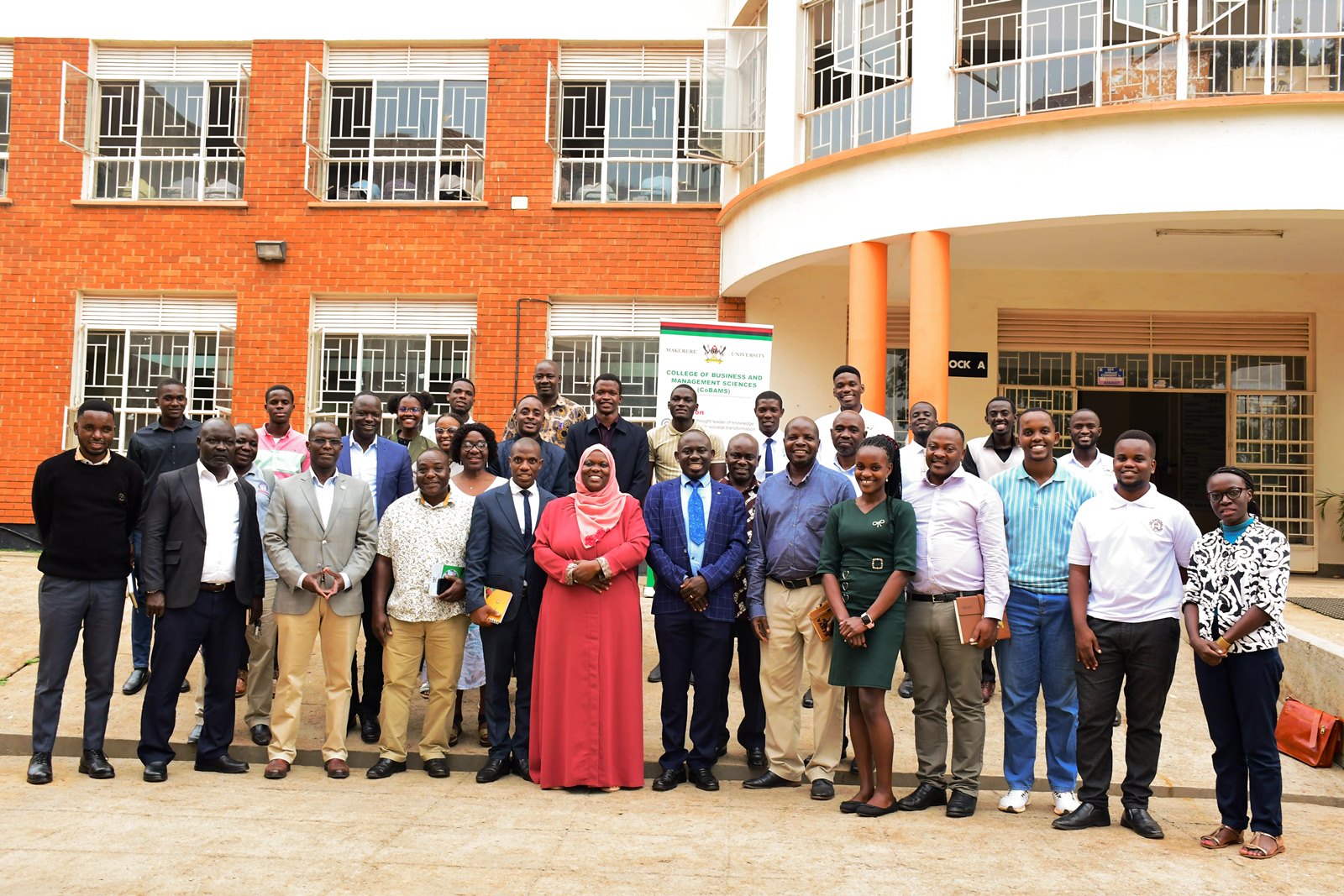
On 19th August 2025, the College of Business and Management Sciences (CoBAMS) at Makerere University, hosted a public presentation titled “Africa’s Growth Trends and Prospects in Light of Evolving Global Challenges.”
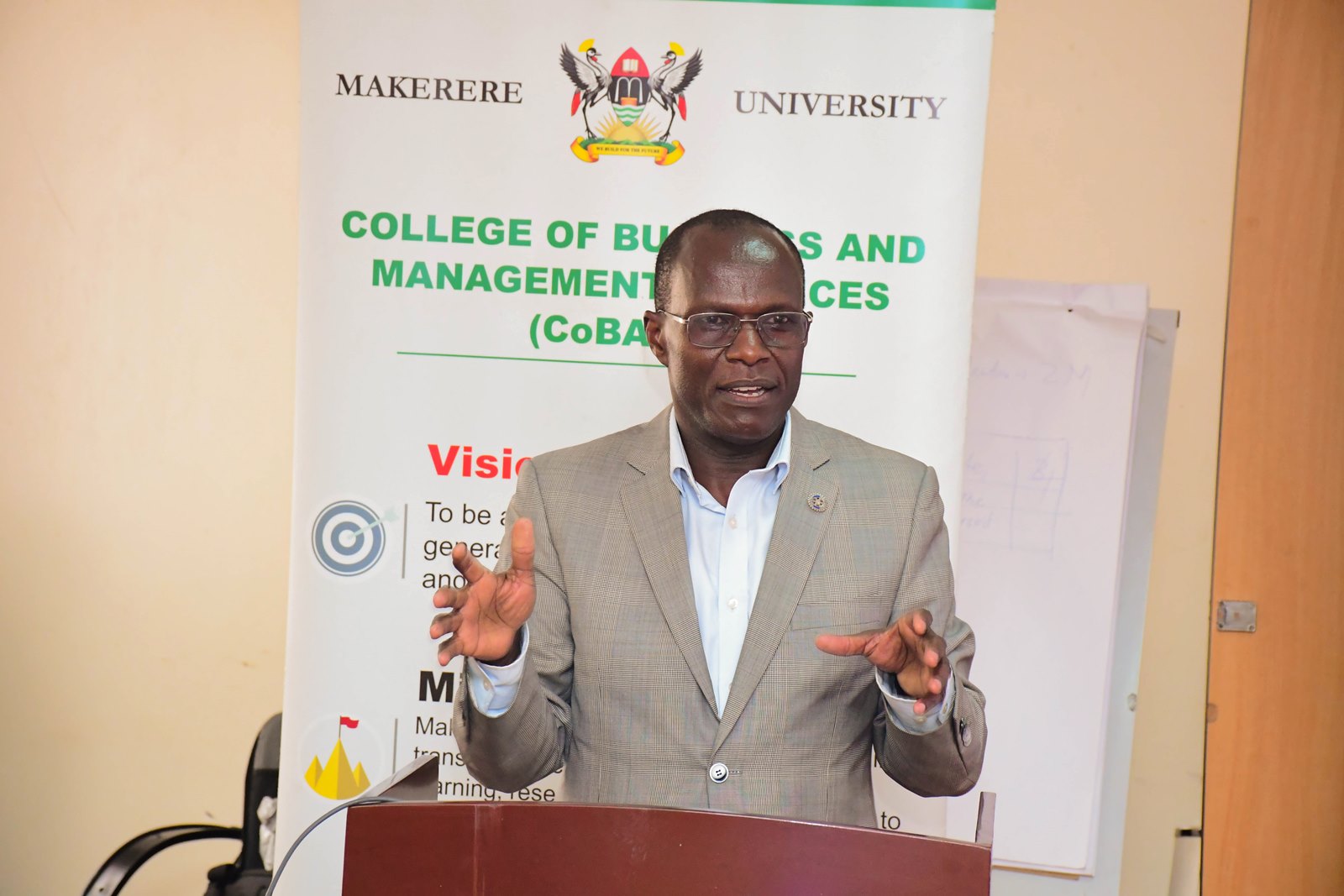
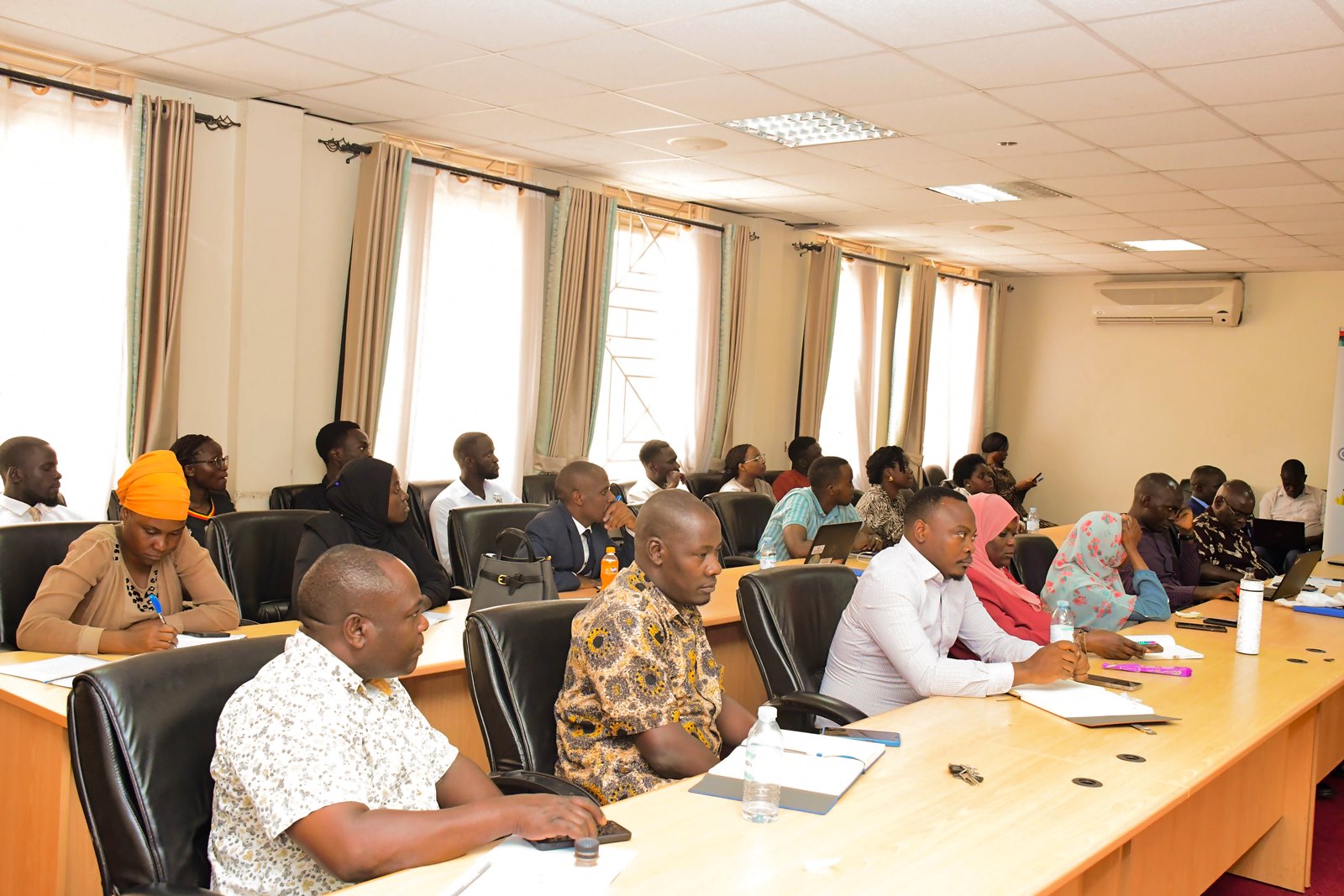
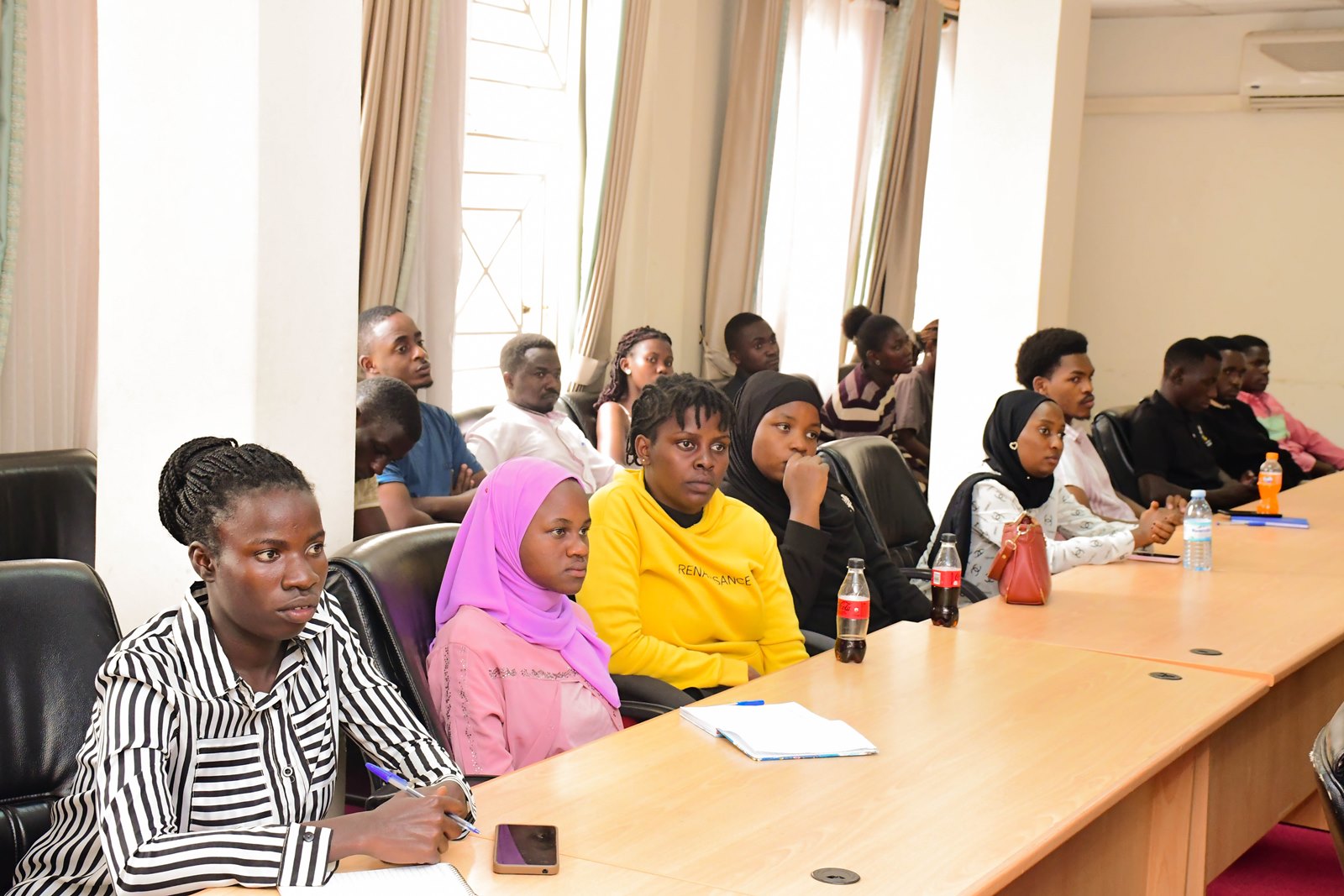
Dr. Paul Mpuga, a visiting Scholar and Division Manager for Microeconomic Policy, Debt Sustainability, and Forecasting in the Economic Governance and Knowledge Management Vice-Presidency of the African Development Bank Group, delivered the presentation, which attracted both physical and virtual participants, comprising researchers, teaching staff, graduate, and undergraduate students.
The presentation covered critical topics including: Regional differences in growth performance and outlook, Inflation in Africa, Opportunities and Challenges to growth, emerging risks, and key policy recommendations.
The presentation provided valuable insights into the current economic challenges and opportunities facing Africa. His analysis highlighted the importance of sound policies, economic integration, and investment in key sectors such as education, infrastructure, and green growth. The discussion emphasized the need for collaboration among governments, the private sector, and academia to drive sustainable development and inclusive growth across the continent.
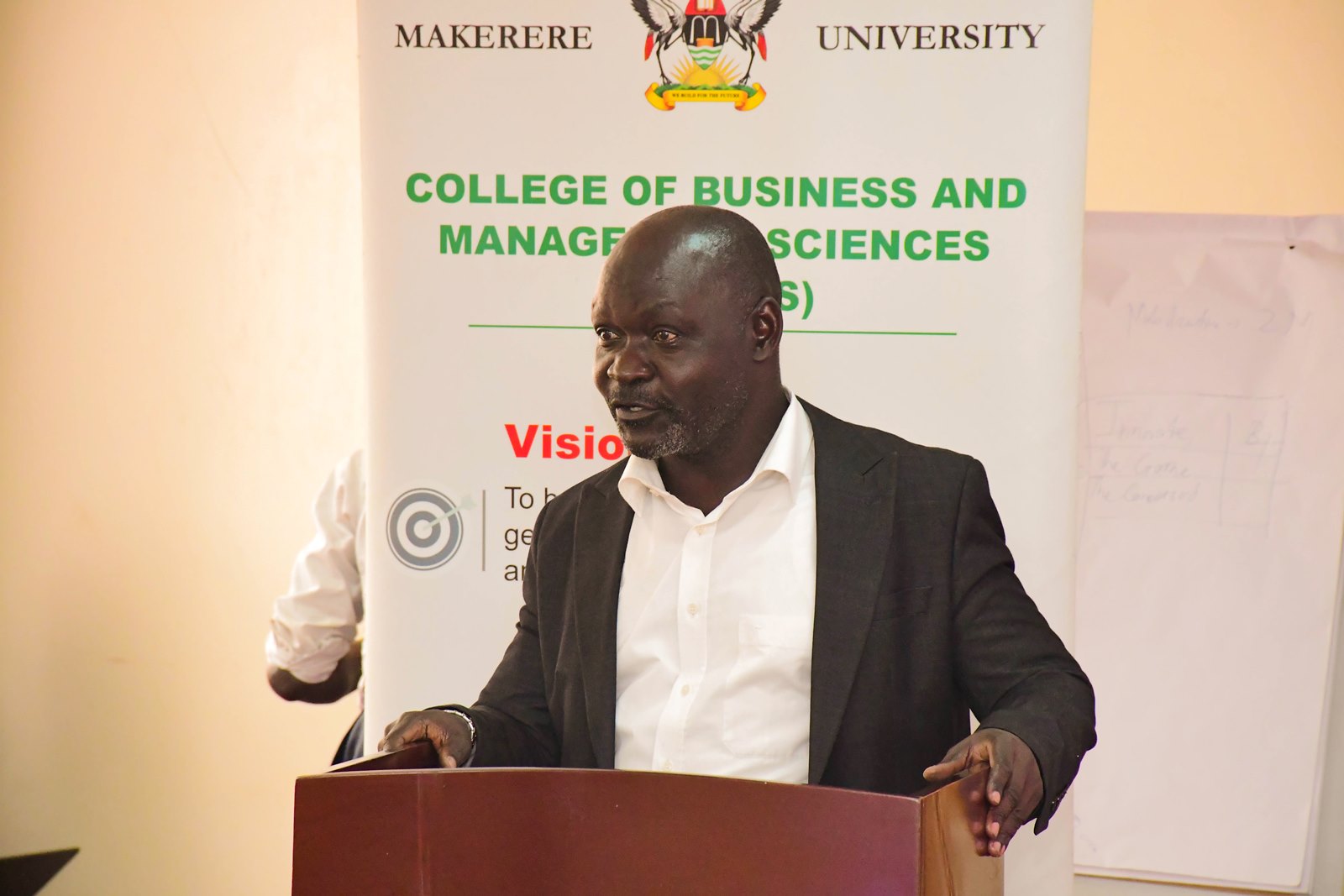
Welcoming the participants, Associate Professor Faisal Buyinza, the Acting Dean of the School of Economics, emphasized that Dr. Mpuga’s work is significant not only for his academic contributions, but also for his role as a mentor, having taught and influenced many of the current faculty members.
“His impressive career journey, which began at the World Bank’s Kampala office and later took him to Ethiopia and other countries, reflects his deep expertise in key economic roles across the continent,” said Associate Professor Buyinza. He disclosed that Dr. Mpuga’s extensive experience has significantly contributed to the development of macroeconomic design and policy skills, an asset particularly crucial as Uganda navigates current economic challenges.
In addition to his professional achievements, the Acting Dean of the School of Economics commended the humanitarian spirit of Dr. Mpuga, recalling how he used to share meals with street children in Uganda, reflecting his compassion and values beyond academia.
In his address, the College Principal, Prof. Edward Bbaale welcomed Prof. Mpuga back to Makerere University. “Dr. Mpuga is a former Lecturer. Today, he returns to the School of Economics, his academic home, to share with us, his versatile knowledge, experience and expertise on a topic crucial for Africa’s transformation,” said the Principal. He commended Dr. Mpuga’s decision to deliver the presentation, highlighting that such academic engagements are vital and should become a regular part of the College’s culture.
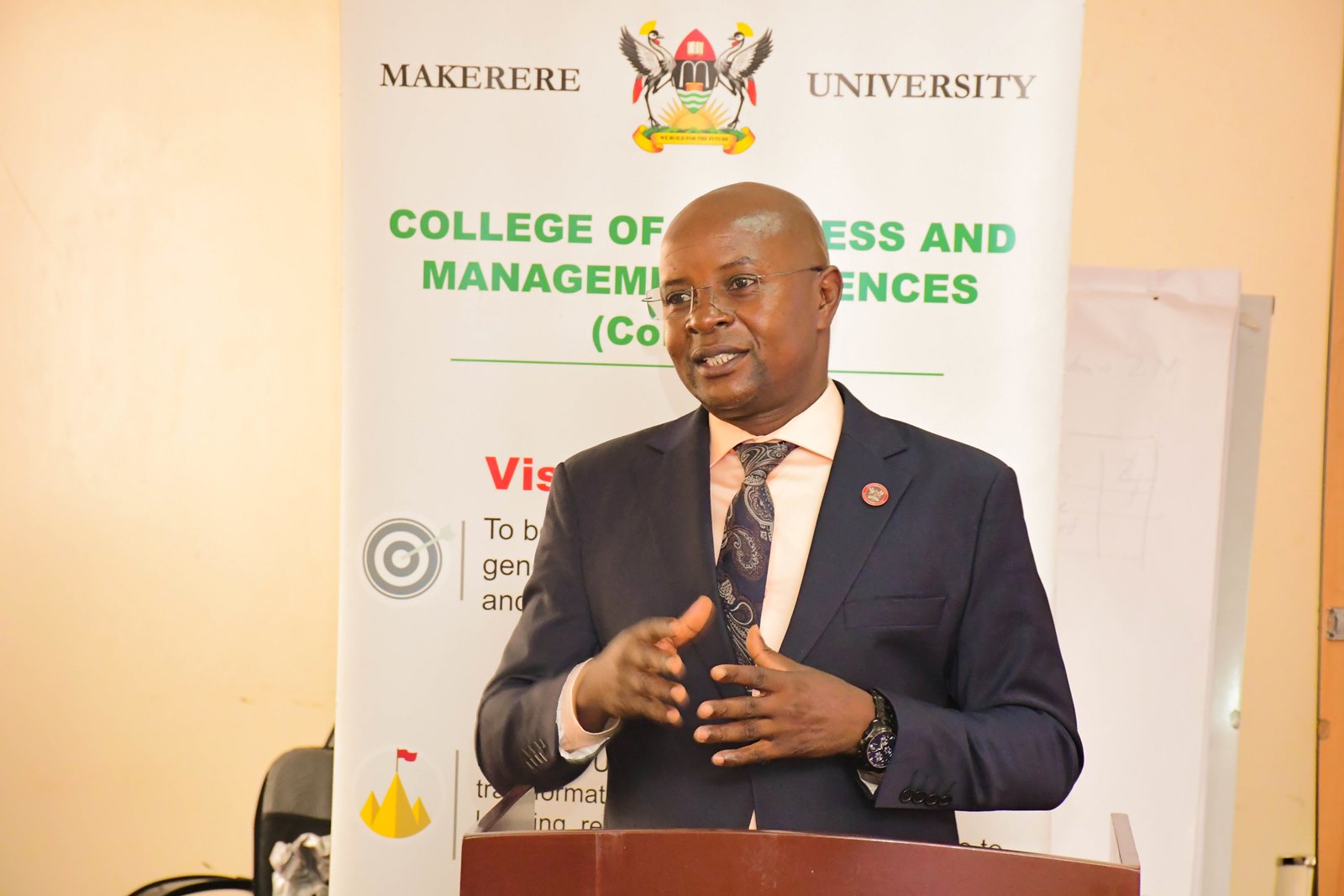
Reiterating the role of knowledge sharing and mentorship within the academic community, the Principal shared his personal testimony, acknowledging Dr. Mpuga’s pivotal role in his own academic journey. He recounted how Dr. Mpuga mentored him early in his career by including his name on a research project—an opportunity that opened doors to numerous collaborations, professional growth, and academic advancement.
The Principal called upon the staff and students present to embrace a culture of regular academic public presentations, such as lunch-hour sessions across the School of Economics, School of Business, and the School of Statistics and Planning. He noted the close connections between the disciplines, highlighting the potential for cross-disciplinary learning and collaboration. The Principal emphasized that as Makerere University implements its research agenda, sustained academic engagement is a key defining aspect of this identity.
Prof. Bbaale affirmed the College’s support for such initiatives, including modest research grants that have already enabled the publication of around 70 research papers, soon to be compiled under the CoBAMS Working Paper Series.
Expressing the commitment to this strategic approach, the College Principal used the opportunity to introduce Dr. Peter Babyenda, a Lecturer at the School of Economics, who was appointed as the College’s Policy Engagement Coordinator to support academic activities. Prof. Bbaale assured all in attendance of the maximum support for this initiative and encouraged active participation from everyone.
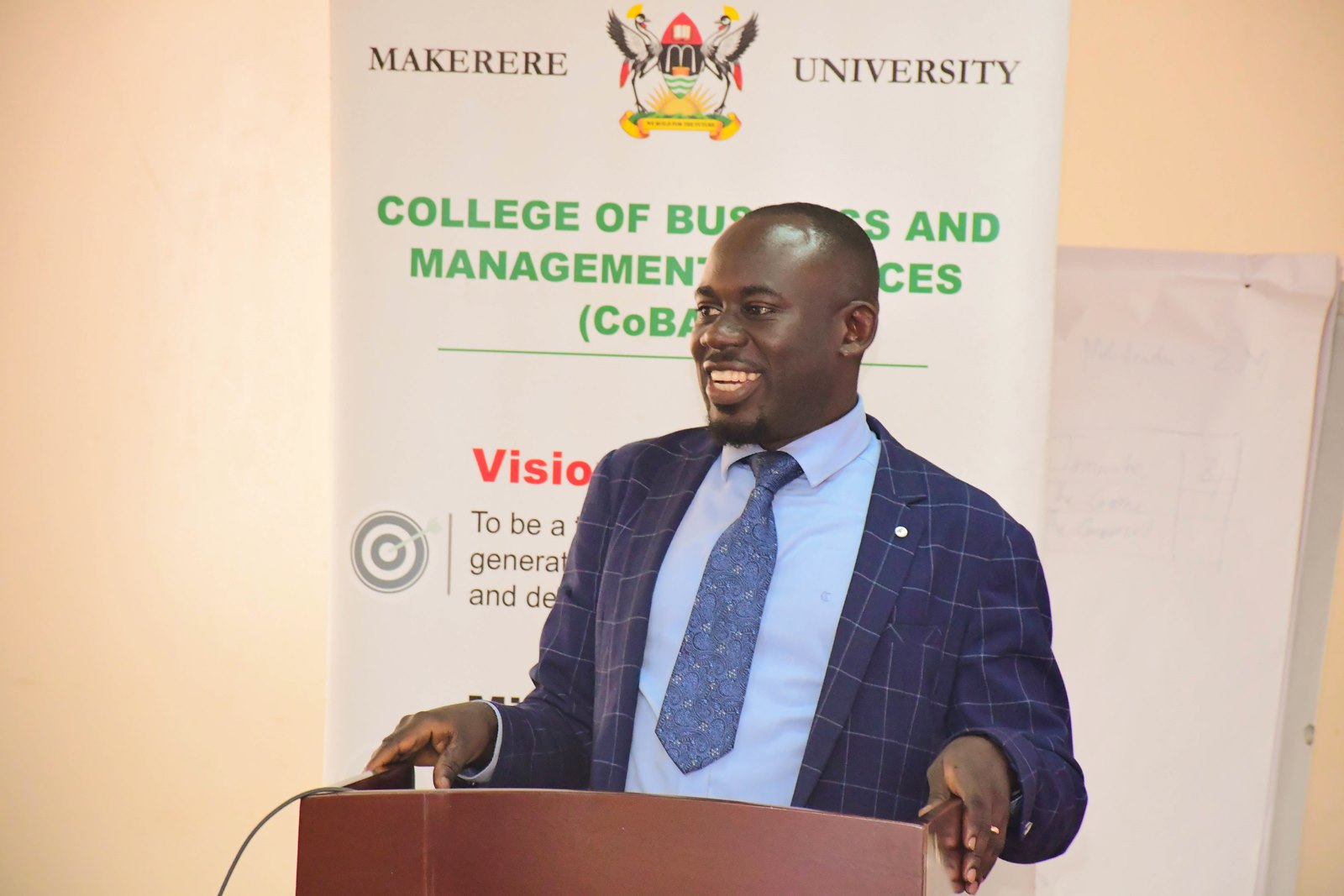
Beginning his presentation, Dr. Paul Mpuga, Division Manager at the African Development Bank, offered a comprehensive overview of Africa’s economic realities, challenges, and opportunities. He emphasized that economic progress is not driven by sentiment, but by certainty, sound policies, and strategic investment.
Using a simple analogy, Dr. Mpuga explained that a baker doesn’t bake bread unless they are sure it will sell. In the same way, investors and entrepreneurs, will only take risks in economies where policy certainty and confidence are assured. He underscored the urgent need for policy coherence and economic stability, both globally and within African nations.
Reiterating the importance of Domestic Revenue Mobilization, Dr. Mpuga noted that Africa’s average tax-to-GDP ratio stands at just 17%—significantly lower than the 25–28% seen in more advanced economies such as South Africa and Botswana. These countries are able to finance up to 90% of their expenditures through domestic revenues, a target that many others on the continent still struggle to achieve.
He underscored the urgent need for reforms in tax systems and public finance management to reduce the over-reliance on external borrowing. “Africa requires an estimated $150–$170 billion annually for infrastructure development, yet currently mobilizes only about $80 billion, leaving a funding gap of $70–$100 billion,” he stated.
Dr. Mpuga emphasized that infrastructure such as roads, energy, water systems, and transport is not a luxury, but a necessity for connecting production to markets and driving sustainable development.
He stated that youth unemployment remains alarmingly high, with 30–40% of African youth (aged 15–34) unemployed in some countries. “Many young people are not in education, employment, or training, leading to wasted talent and increasing social risks,” he highlighted. He emphasized the need for greater investment in skills development and education, noting that sustainable economic transformation depends on a well-equipped and empowered workforce.
Dr. Mpuga pointed out that economic integration and managed migration are strategies that can boost GDP growth, enhance policy stability, and reduce export concentration.
He noted that, despite being one of the regions most affected by climate change, Africa has made limited progress in green growth investments. “The continent is rich in natural resources, yet underutilized in terms of climate-smart development,” he stated.
He indicated a major opportunity gap, when he disclosed that the global green economy is valued at an estimated $3 trillion, but Africa’s private sector participation stands at only 14%.
He advocated for greater private sector involvement, the adoption of green infrastructure practices, and natural capital accounting to help African countries value, protect, and benefit from their resources.
For Africa to realise inclusive growth, Dr. Mpuga highlighted the following practical policy recommendations:
- Improving fiscal transparency and efficiency
- Strengthening tax administration using digital tools
- Aligning monetary and fiscal policy, especially around inflation targeting
- Building foreign reserves to cushion against shocks
- Ensuring debt is used for productive investments such as energy and infrastructure
- Accelerating structural reforms and economic diversification
- Promoting integrated infrastructure planning (for instance roads with energy and ICT links)
- Investing in value addition and agro-processing to uplift rural economies
Using a humorous reference to Uganda’s famous grasshopper delicacies, Dr. Mpuga illustrated the need for economic transformation, saying, “We need to move beyond traditional activities and create value chains that can package and export even local foods globally. We shouldn’t be running to donors every day when we sit on so much wealth,” he noted. “Let us value what we have, manage it well, and build a prosperous, united, and green Africa.”
Responding to the questions, Dr. Mpuga emphasized the importance of formalizing economies, strengthening trade links, and building public confidence through sound policy frameworks such as inflation targeting and social contracts. He cautioned against excessive reliance on Artificial Intelligence in academic and professional settings. “AI can be useful for checking work or assisting with calculations, but it cannot replace human thought, creativity, or critical reasoning,” he advised.
Dr. Mpuga mentioned the need for better monitoring and maintenance systems, such as ensuring broken streetlights are tracked and fixed, drawing attention to practical governance concerns that affect everyday life.
Monica Meeme contributed to this story as a Guest Writer







Business & Management
Makerere University Signs MoU with World Association of Noonomy: Sets pace for the African Centre of Excellence
By Ritah Namisango and Monica Meeme
Makerere University has signed a Memorandum of Understanding (MoU) with the World Association of Noonomy, setting the pace for academic collaboration, research and the establishment of a Centre of Excellence for Noonomy in Africa.
On behalf of Makerere University, the MoU was signed by Professor Sarah Ssali, Deputy Vice Chancellor (Academic Affairs), during the World Congress on Noonomy held in Rome, Italy, from 16th-19th September 2026, paving the way for the establishment of a dedicated institute of Excellence for Noonomy at College of Business and Management Sciences (CoBAMS).
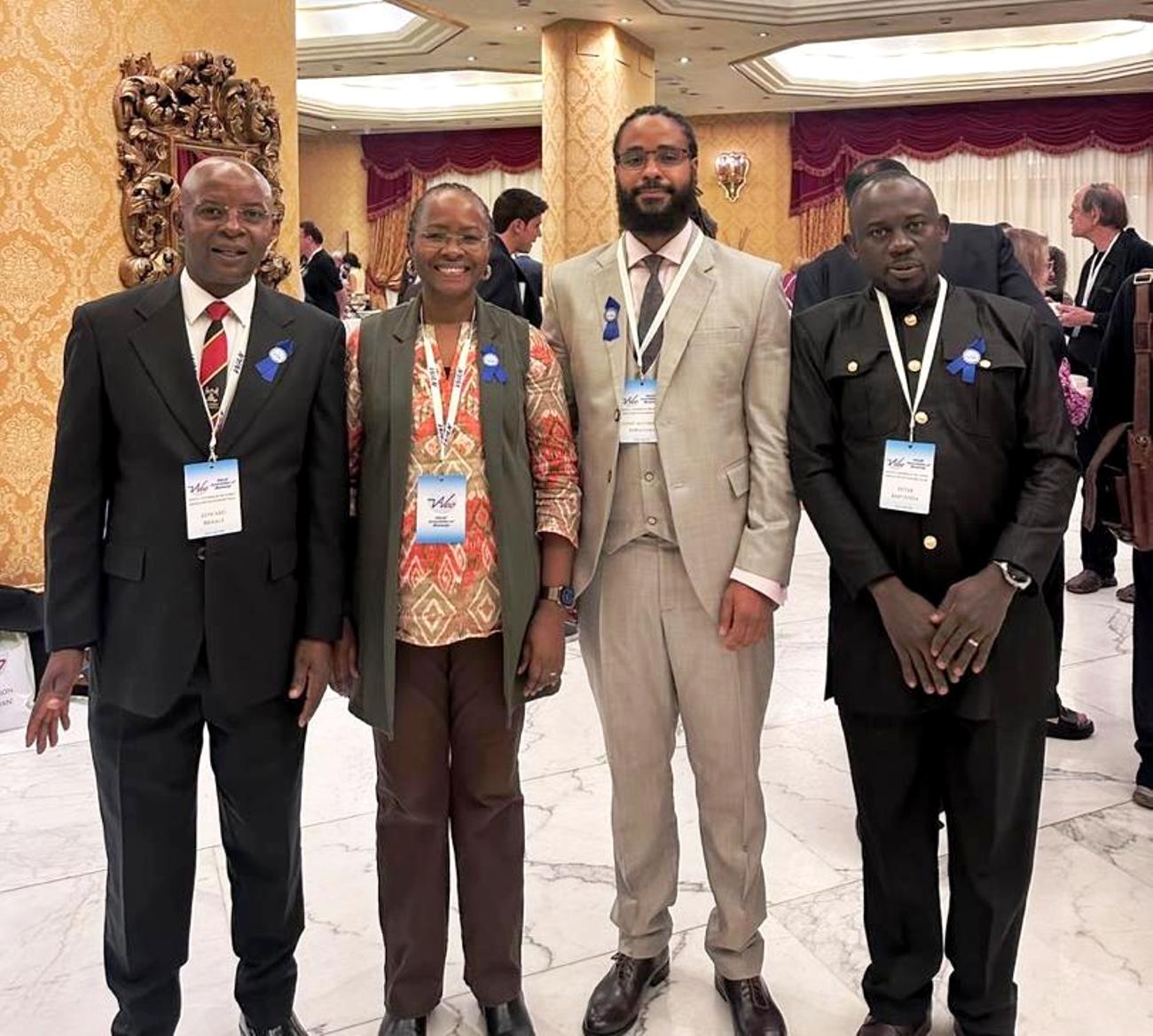
Uganda was the only African country represented at the World Congress on Noonomy, with a Makerere University delegation including Prof. Sarah Ssali-Deputy Vice Chancellor (Academic Affairs), Prof. Edward Bbaale-Principal College of Business and Management Sciences (CoBAMS), Dr Peter Babyenda-Lecturer at the School of Economics and Policy Engagement Coordinator, College of Business and Management Sciences (CoBAMS), and Mr. Tonny Mayambala Sebbaggala, a Ugandan Economist based in Russia.
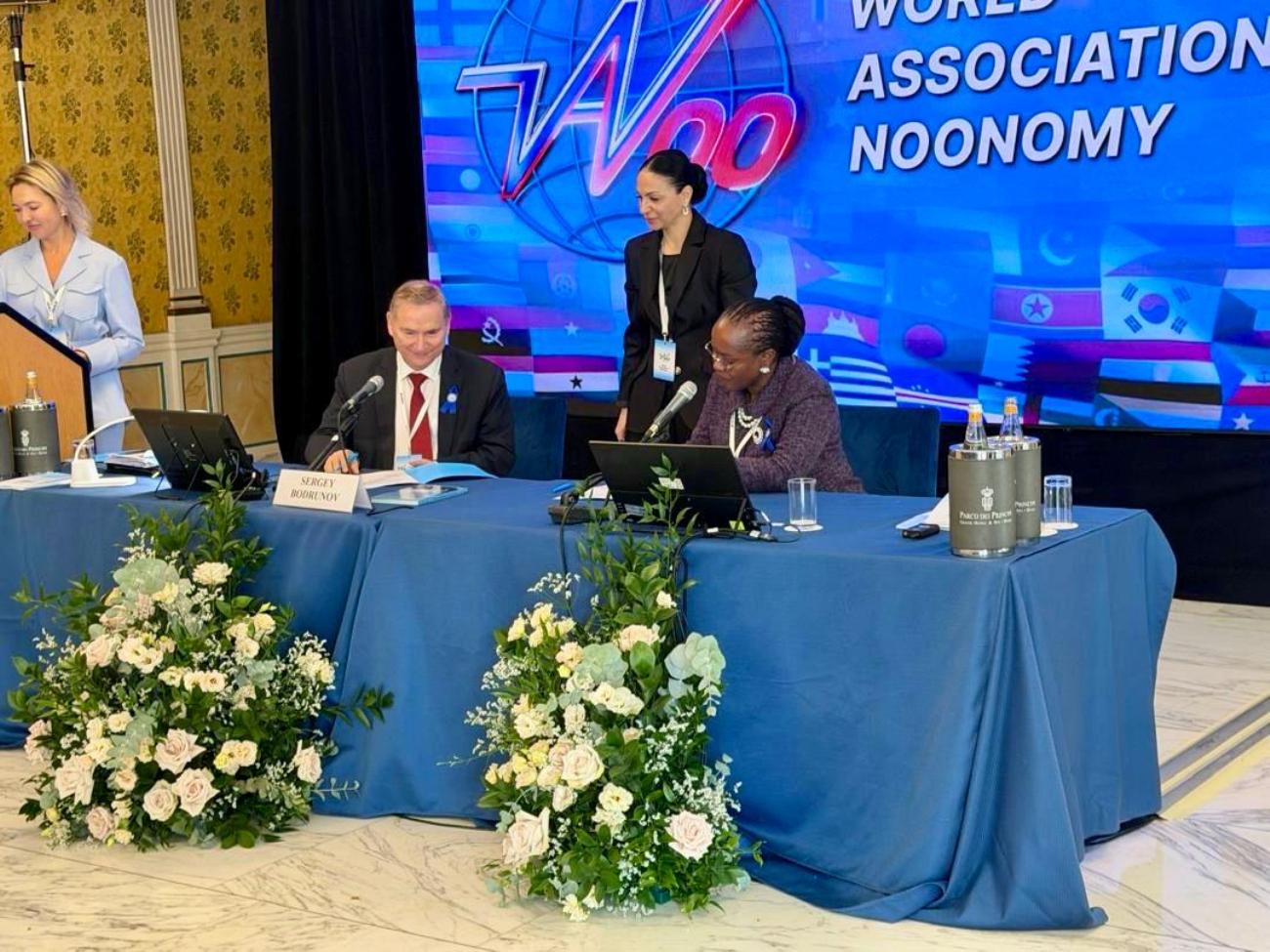
Commenting on the development, the Vice Chancellor, Professor Barnabas Nawangwe said, “By signing this MoU, the African Centre for Noonomy has been established at Makerere University. This adds to the growing number of African continental research centres that are coordinated by Makerere University. Makerere is clearly a leader on the Continent.”
The MoU signed on 19th September 2026 in Rome-Italy, builds on the inaugural conference on Noonomy, held in Uganda on 20th August 2026 at Makerere University under the theme, “The Theory of Noonomy and its Role in Resolving Modernity Issues: Pathways to Sustainable Social and Economic Transformation.”
At the Global Congress of the World Association of Noonomy, the scholars from Makerere University delivered three (3) presentations focusing on Noonomy and development challenges in East Africa, the transition from informal to formal employment, and the role of universities in advancing Noonomy.
About the Theory
The Theory of Noonomy is an emerging theoretical approach developed by Professor Sergey Bodrunov, Director of the S.Y. Witte Institute, which examines the changing relationship between knowledge, technology, production and human development. The theory places emphasis on knowledge and human potential as important drivers of development, while highlighting humanistic values and solidarity in shaping economic and social progress.
Advancing Alternative Economic Thought in Africa
Speaking at the Annual gathering in Rome, Prof. Sarah Ssali described Makerere University’s partnership as a great honour, highlighting the importance of creating space for broader theoretical perspectives on political economy and the global economy.
Reflecting on the evolution of political science and political economy studies, Prof. Ssali noted that following the era of Glasnost and Perestroika, free-market ideology and neoliberalism became increasingly dominant in global economic thinking.
“This dominance created a need for scholars to critically examine both the opportunities and limitations of market-based approaches,” she said.
She welcomed the opportunity to explore alternative ways of understanding the world, including not only the material relations of production, but also the material relations of consumption.
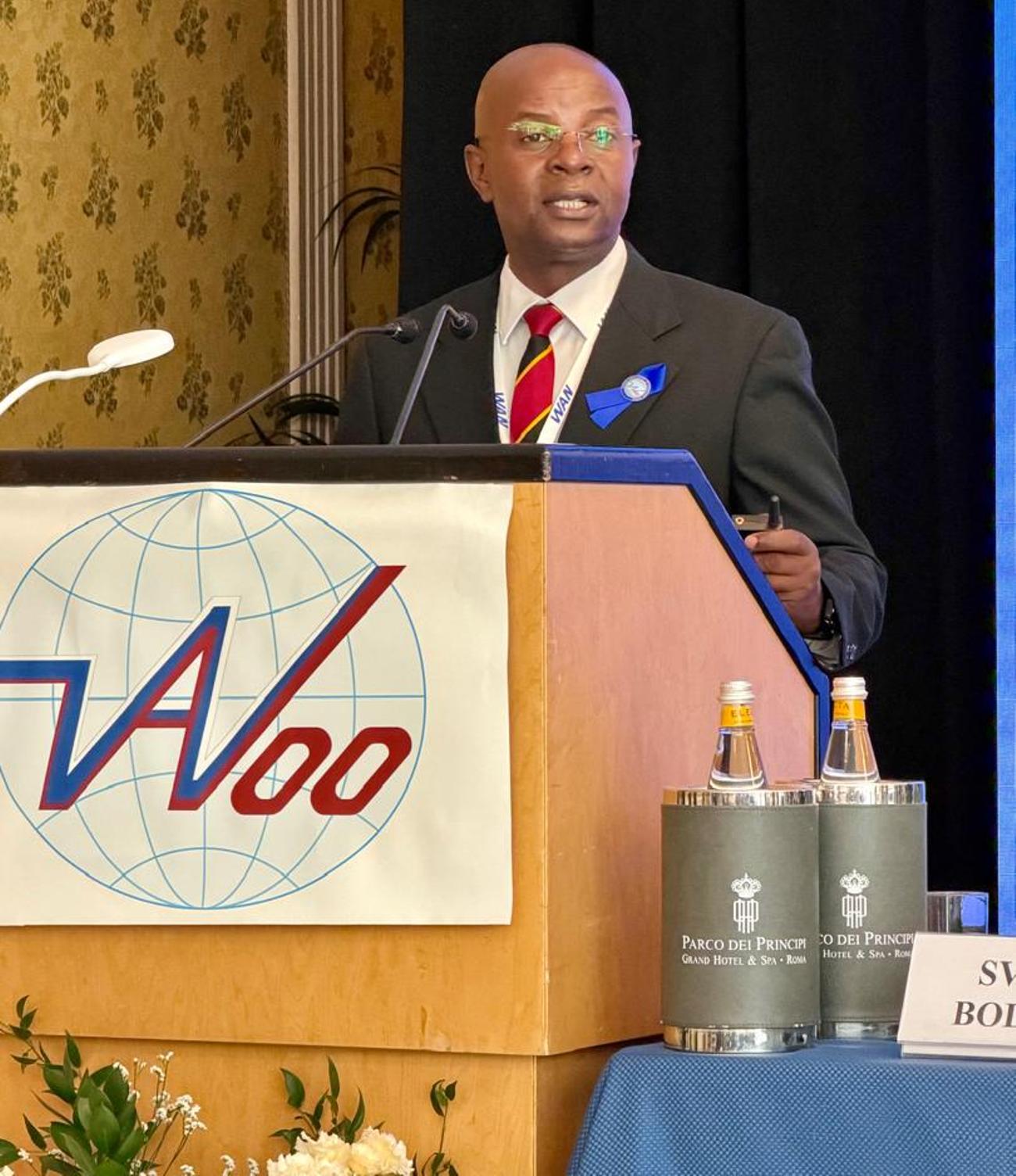
Prof. Ssali also acknowledged the Witte Institute for initiating the initiative and for choosing Makerere University as a key partner on the African continent.
She said Makerere University plans to establish a dedicated centre focused on the emerging area of study, with the institution aiming to launch the centre in February 2027.
“We hope the centre will become a leading African platform for research, teaching and dialogue on these issues,” she asserted.
Prof. Ssali noted that the ideas emerging from the Kampala meeting (held on 20th August 2026) are already being incorporated into Makerere University’s theoretical classes, with plans to substantially expand the initiative following the establishment of the centre of excellence.
She reaffirmed Makerere University’s commitment to the partnership and to expanding scholarly engagement on alternative approaches to political economy.
Call for Growth that Advances Social Welfare
Delivering the presentation titled: “The Role of Noonomy in Addressing Development Challenges in East Africa,” Prof. Edward Bbaale, Principal of the Makerere University College of Business and Management Sciences (CoBAMS), explored the potential of Noonomy as an alternative framework for understanding and addressing persistent development challenges in East Africa.
Prof. Bbaale noted that the approach contributes to emerging academic discussions on how economic systems can better connect economic growth with social wellbeing and inclusive development outcomes in the region.
“The study contributes to emerging academic discussions on how economic systems can better link economic growth with social wellbeing and inclusive development outcomes in the region,” he said.
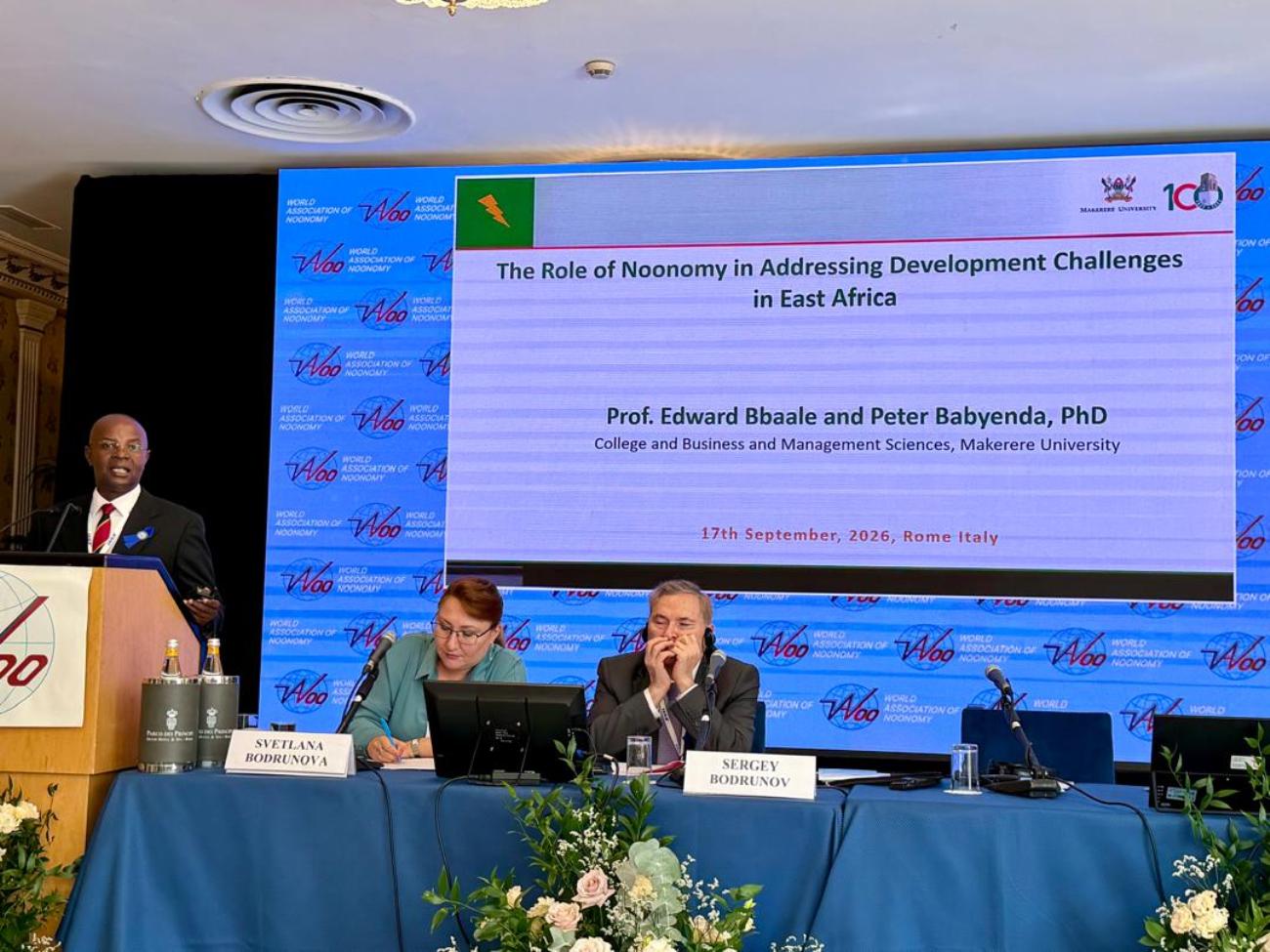
The paper was co-authored with Dr Peter Babyenda and formed part of the scholarly contributions presented at the World Congress on Noonomy in Rome, Italy.
Prioritizing Human-Centred Development
Dr Peter Babyenda said Makerere University’s participation in the World Congress on Noonomy in Rome marked an important step in the University’s international engagement with the Theory of Noonomy.
“The engagement paves the way for establishing a Centre of Excellence for Noonomy at the School of Economics, under the College of Business and Management Sciences (CoBAMS),” he stated.
Dr Babyenda explained that the Theory of Noonomy places human welfare at the centre of development, arguing that development should be assessed not only through productivity and infrastructure, but also by how it improves people’s wellbeing.
He said consumption, knowledge transfer and solidarity are important considerations, including in the application of emerging technologies such as Artificial Intelligence.
Dr Babyenda revealed that Uganda has been offered an opportunity to host an upcoming World Congress on Noonomy, which he said could bring together participants from more than 55 countries and create opportunities for academic exchange, industry engagement and international visibility for Uganda.
He called upon the academia and industry to collaborate with Makerere University in advancing its engagement with the emerging field.
The Signing of the MoU at the Global Congress of the World Association of Noonomy marks a milestone in Makerere University’s efforts to contribute to international scholarly discussions on alternative approaches to understanding economic systems and development.

Business & Management
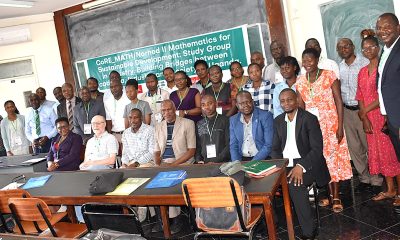
CoBAMS, European Partners Launch Programme to Equip Students with Polycrisis Management Skills

By Hasifa Kabejja and Ritah Namisango
Makerere University, through the College of Business and Management Sciences (CoBAMS), in collaboration with international partners, is implementing a Blended Intensive Programme (BIP) aimed at equipping a new generation of professionals in Africa and Europe with the knowledge and practical skills needed to understand and respond to complex, interconnected global crises.
Held under the PolyCIVIS network, the programme, titled Enhancing Skills in Polycrisis Management: African and European Approaches, brings together participants from Makerere University, the University of Salzburg, the National and Kapodistrian University of Athens, and Universidad Autónoma de Madrid.
It was competitively secured under the 6th Call for CIVIS Blended Intensive Programmes by the Makerere PolyCIVIS team, comprising Prof. Edward Bbaale from the School of Economics, CoBAMS; Dr. Anthony Tibaingana from the School of Business, CoBAMS; and Dr. Kamatara Kanifa from the College of Agricultural and Environmental Sciences (CAES).
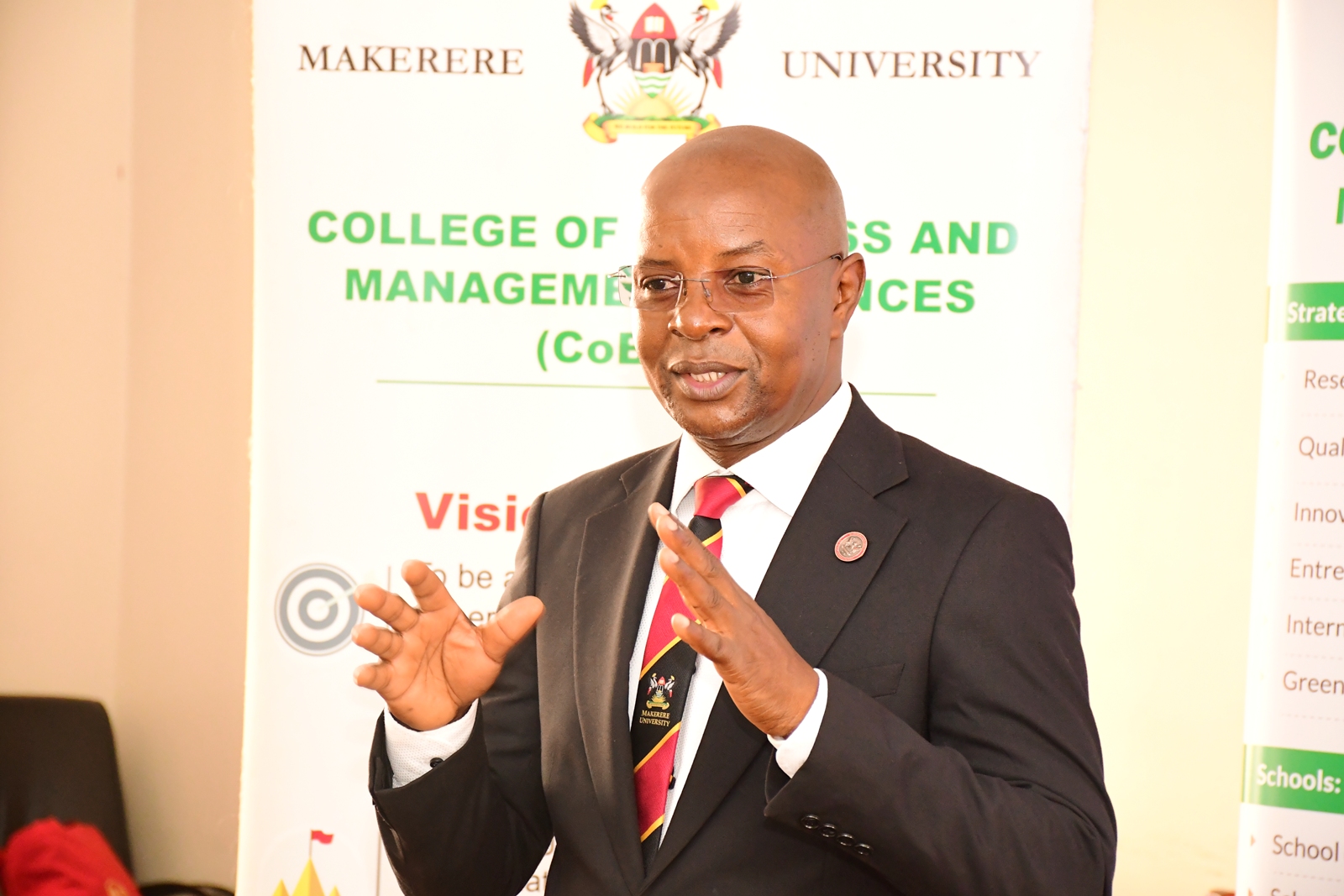
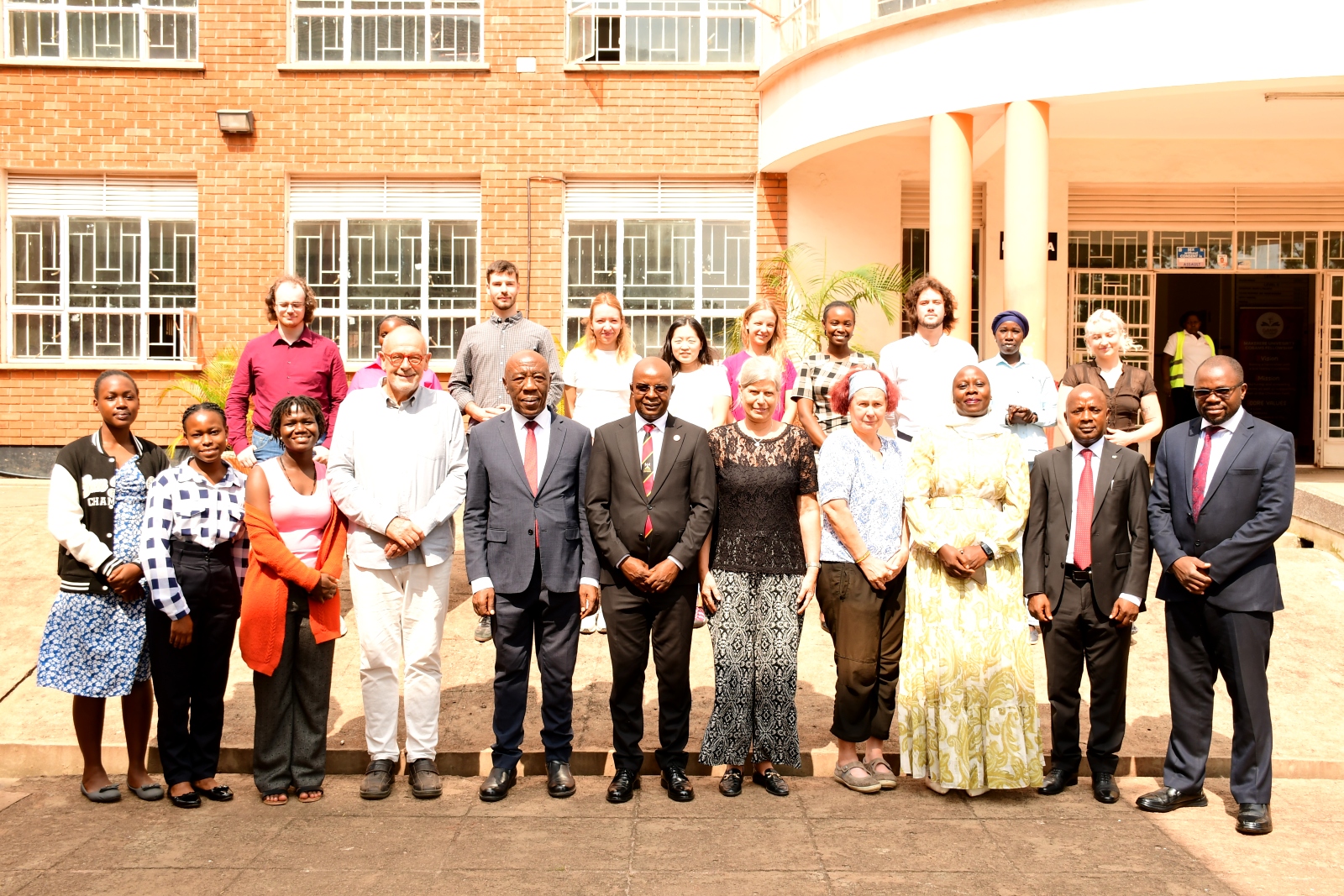
The European facilitators include Prof. Gudrun Zagel, Dr. Sabine Hennig, and Dr. Roman Puff, all from Paris-Lodron University of Salzburg, Austria.
Tackling the Growing Reality of Polycrises
Funded by the European Union through the Erasmus+ Programme under the Jean Monnet Networks, the initiative responds to the growing reality of polycrises – situations in which multiple crises, including climate change, pandemics, displacement, poverty, environmental degradation and economic instability, interact and compound one another, often resulting in consequences more severe than those of individual crises.
The BIP Workshop at Makerere University
The BIP combines virtual and physical learning to give participants both theoretical grounding and hands-on experience in polycrisis management.
During the virtual component conducted in May 2026, participants including students and academics from the participating institutions worked in interdisciplinary teams to analyze real-world scenarios, including climate disasters, refugee crises, pandemics and urban waste management. The students were required to develop and present polysolutions from the perspectives of different stakeholders, including governments, civil society and academic institutions.
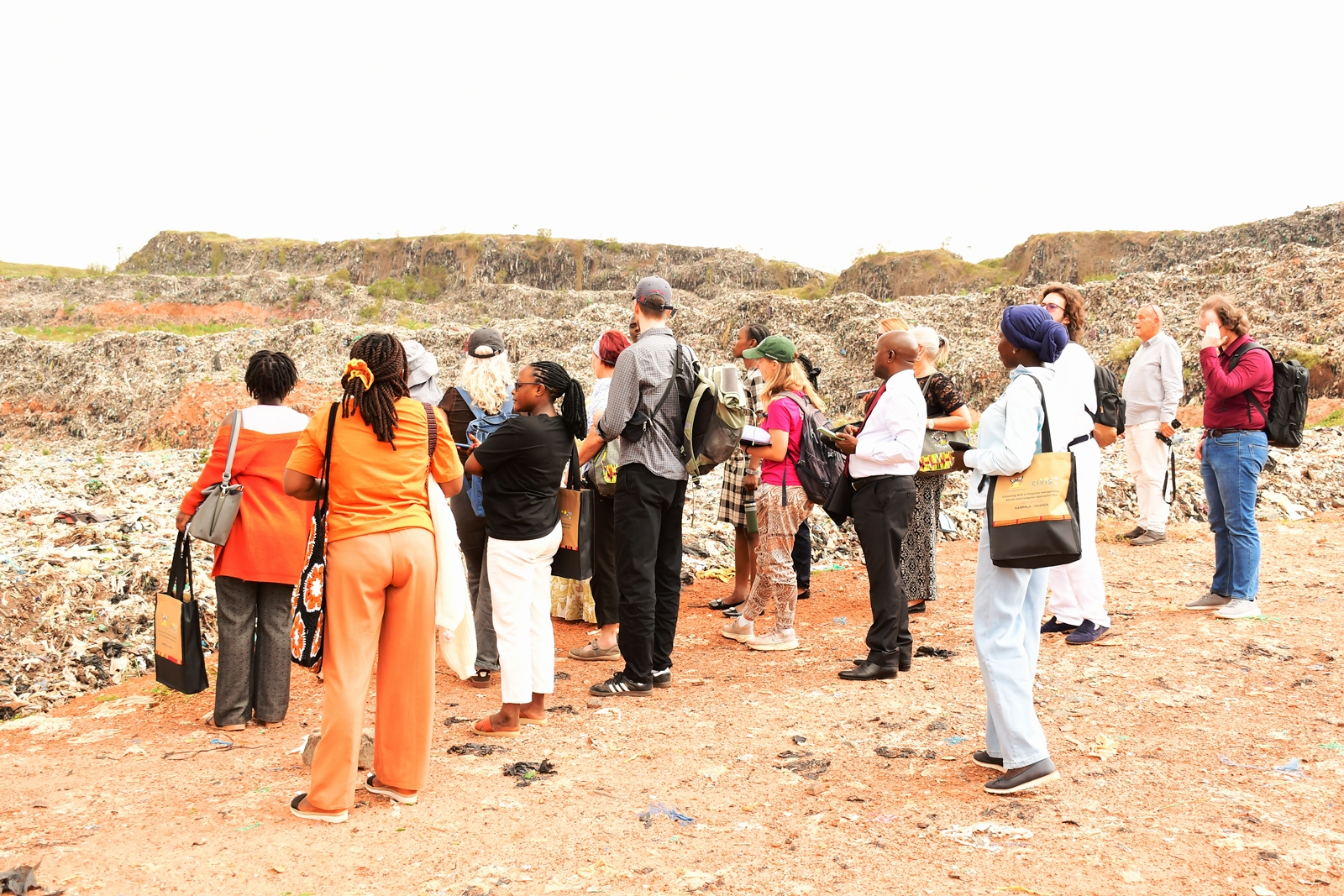
The physical component, taking place in Kampala from 7th-11th September 2026, brings together students from across CIVIS consortium universities to complete the remaining course content, participate in practical activities, and develop solutions to real-world polycrisis challenges. It also provides participants with an opportunity to examine real-life Ugandan cases, including the Kitezi landfill disaster and the Bulambuli landslides. Through these case studies, students will explore how crises intersect with public health, environmental protection, poverty, security, and sustainable development, while gaining practical insights into integrated approaches to crisis management.
On the first day of the training, participants undertook an excursion to the Kiteezi Landfill. During the week, they will also engage with experts from the Kampala Capital City Authority (KCCA), civil society and academia, and work in thematic groups to explore the legal, economic, sociological, historical, communication and educational dimensions of Kampala’s waste management challenges.
The teams will subsequently develop a Kampala waste policy paper and accompanying presentations, proposing integrated approaches to addressing the city’s waste crisis.
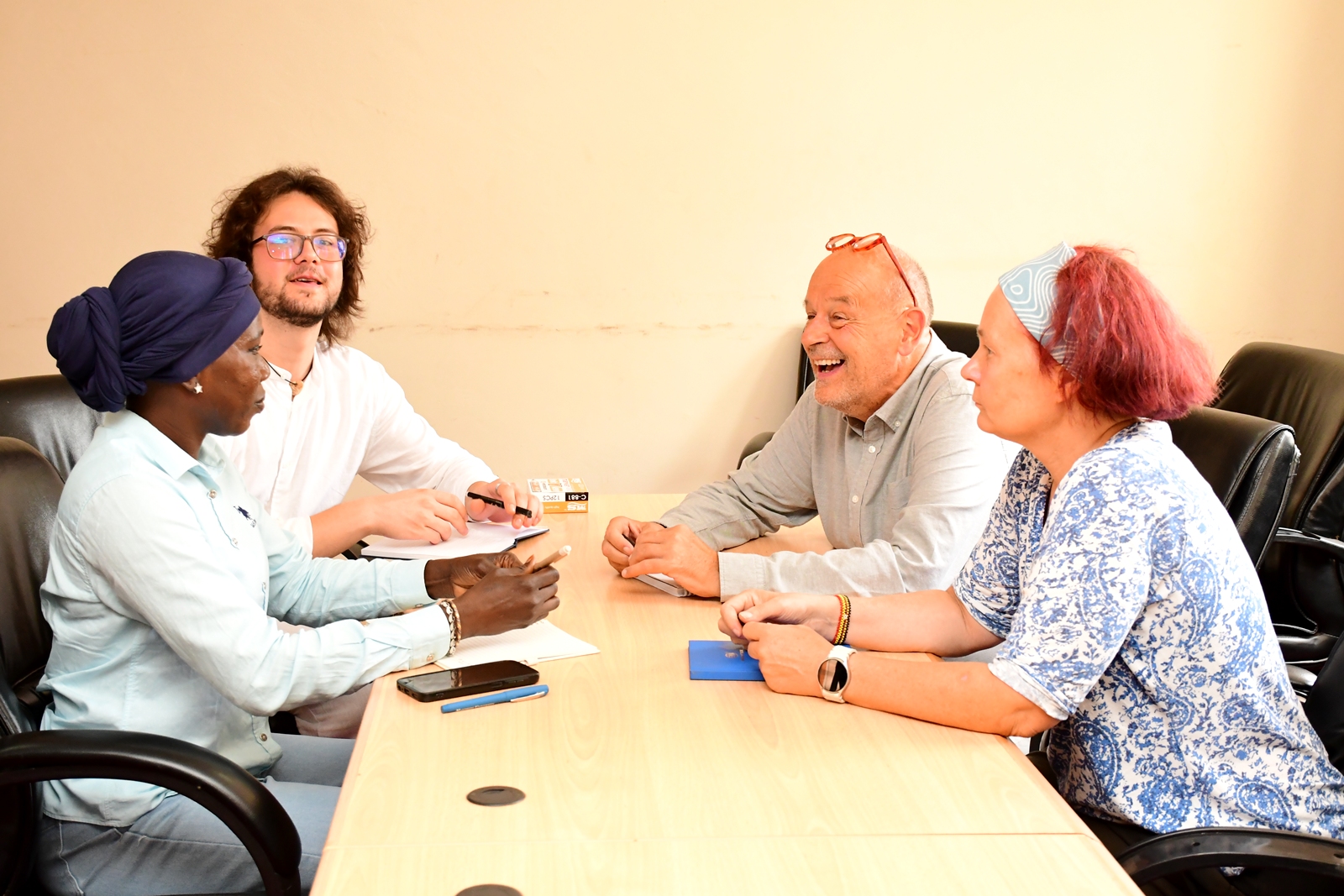
The learning approach incorporates case studies, simulations, role-play, guest lectures, peer learning, interdisciplinary teamwork, and problem-based learning. Participants are encouraged to move beyond identifying problems to developing practical and sustainable solutions.
Call for Integrated Approaches to Complex Global Challenges
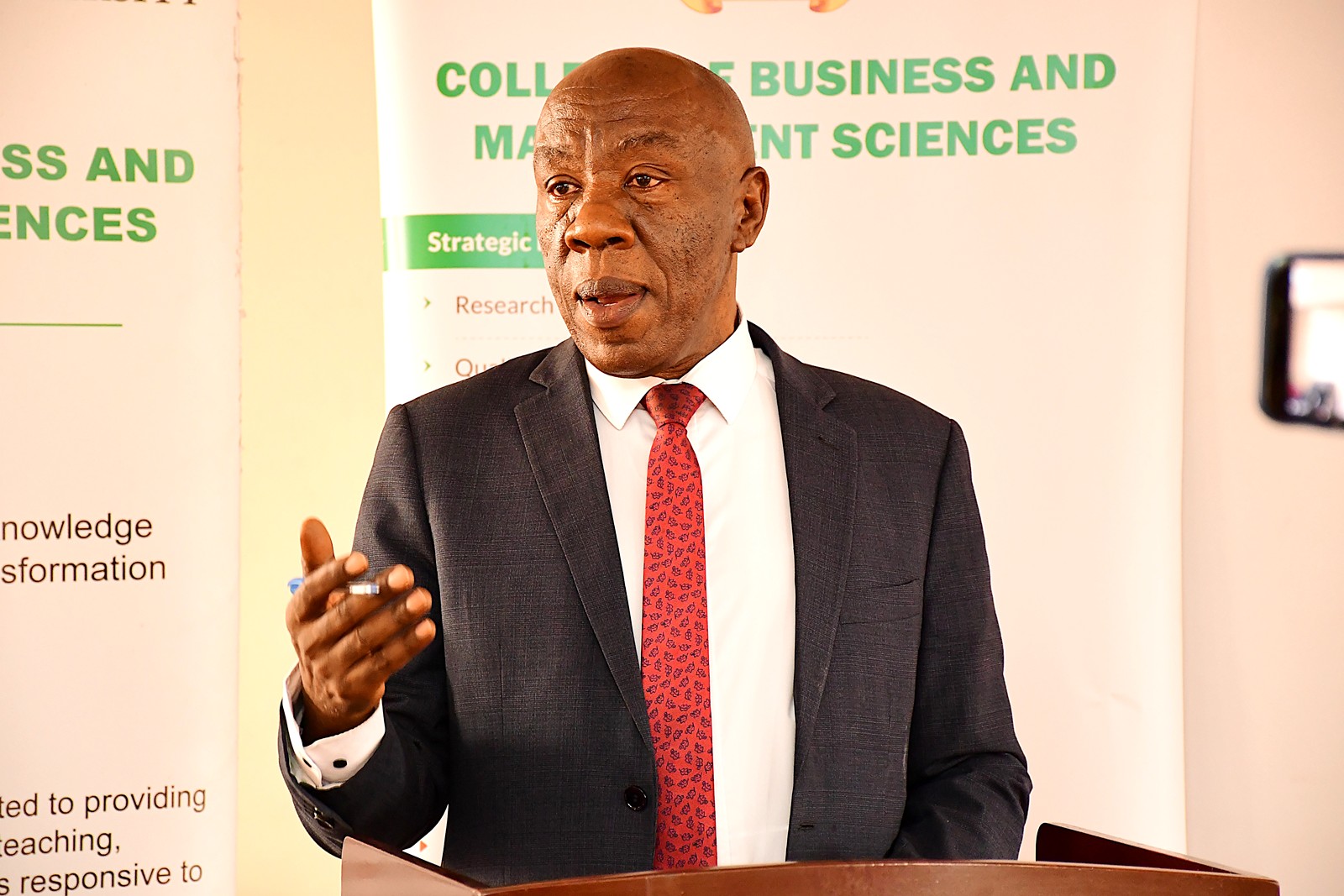
Officially opening the programme, Makerere University Vice Chancellor, Prof. Barnabas Nawangwe, represented by the Deputy Vice Chancellor (Finance and Administration), Prof. Henry Mwanaki Alinaitwe commended the team for securing the programme.
Addressing participants, he emphasized the need for universities to move beyond fragmented approaches to problem-solving and develop integrated responses to increasingly complex global challenges.
“Interconnected problems cannot be adequately addressed through fragmented solutions,” Prof. Nawangwe observed, stressing the importance of collaboration across disciplines, institutions, sectors and countries.
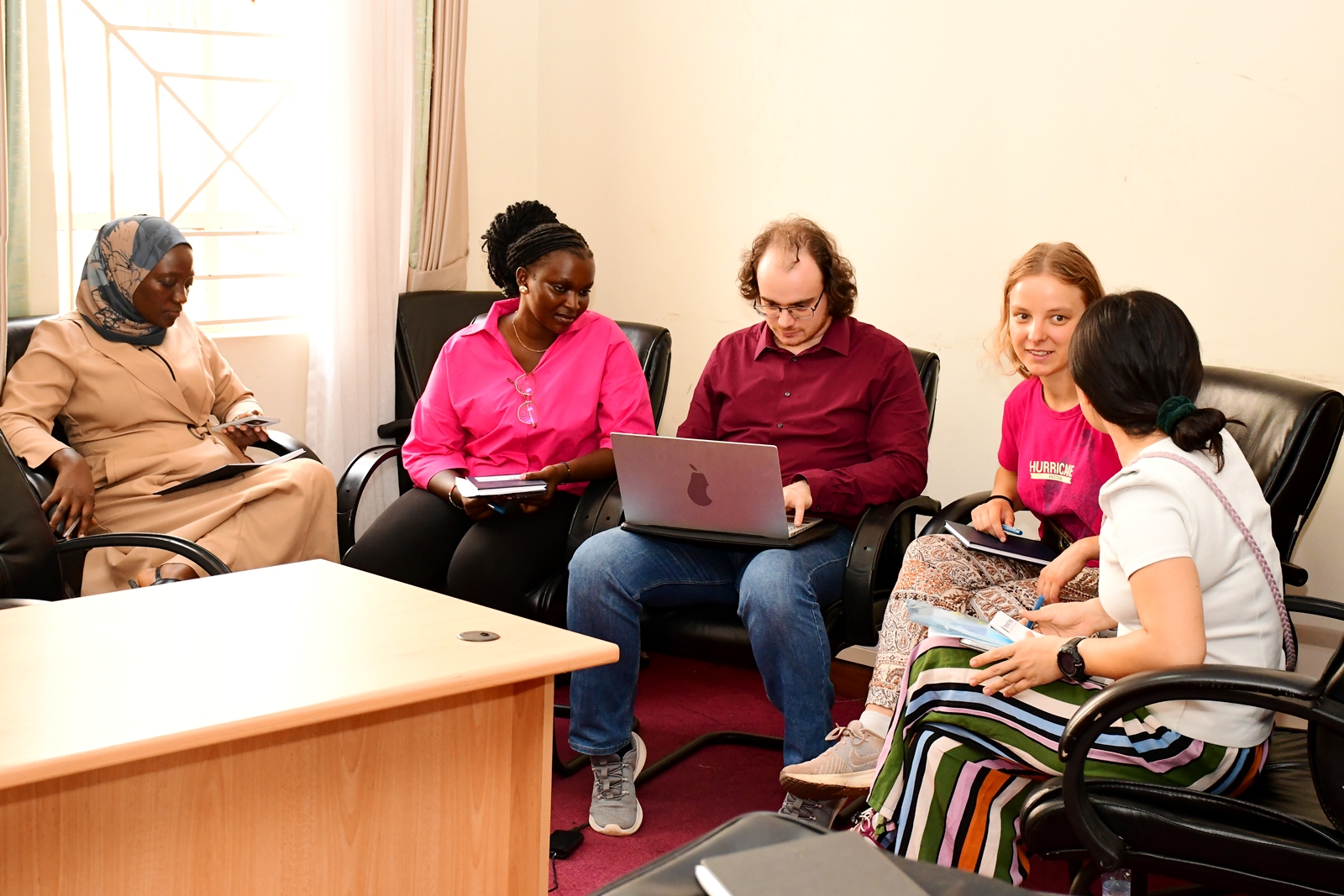
He noted that no single discipline or institution possesses all the knowledge required to address the challenges confronting societies today, calling for stronger integration of fields such as economics, public health, environmental science, engineering, governance, technology and the social sciences.
Embracing Innovative and Sustainable “Polysolutions”
Prof. Nawangwe further emphasized the importance of developing innovative and sustainable “polysolutions”- integrated responses that address multiple, interconnected crises while minimizing unintended consequences across other sectors.
He underscored the value of combining African and European perspectives, noting that while crises may manifest differently across regions because of differences in history, institutions and resources, challenges such as climate change, migration, pandemics, conflict and economic instability increasingly transcend national boundaries.
He described the partnership as an opportunity for mutual learning and co-creation of knowledge, rather than a one-way transfer of expertise.
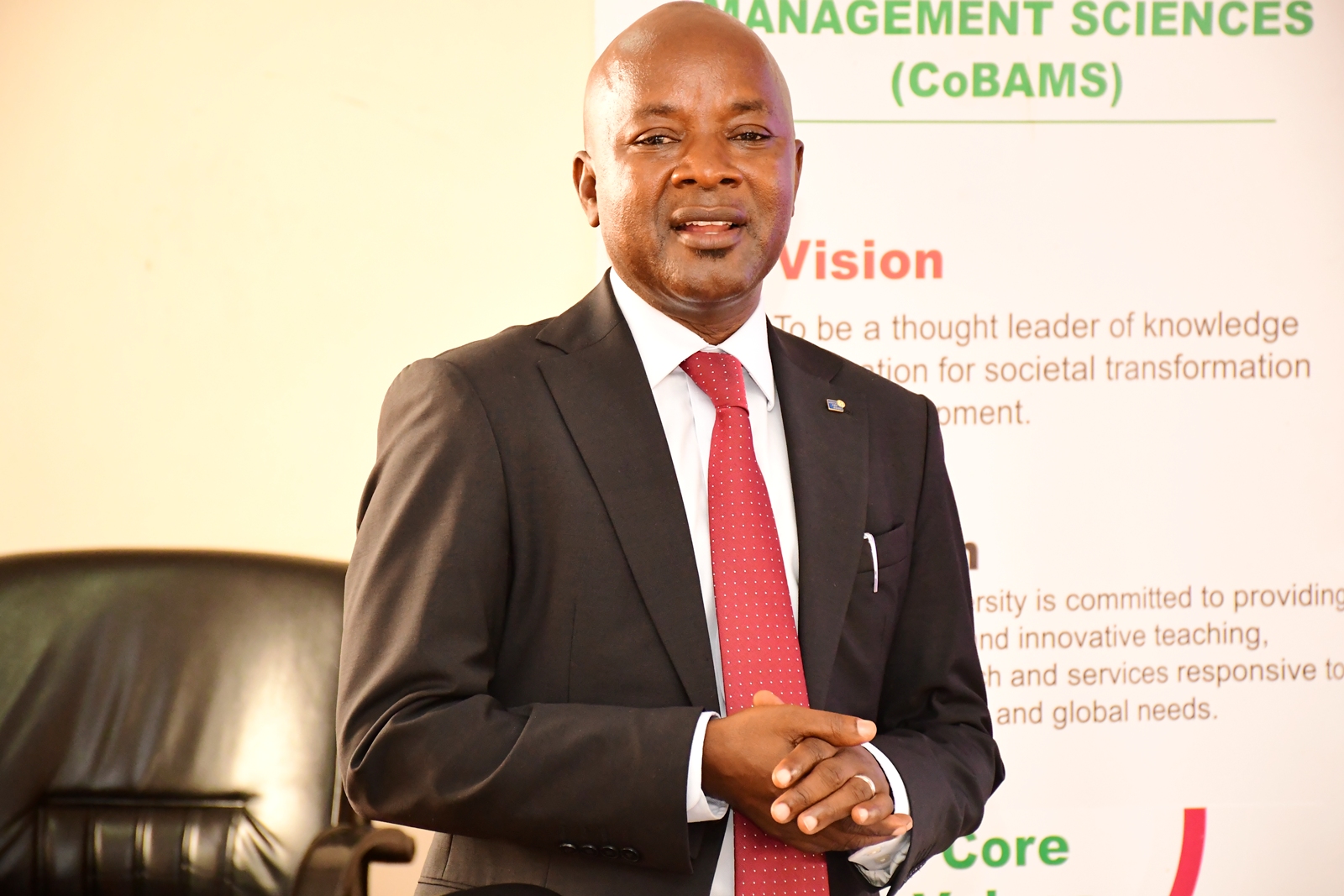
“We must bring these experiences into conversation and determine what works, under what circumstances, and how solutions can be adapted to different social, economic and institutional contexts,” Prof. Nawangwe said.
Collaboration Beyond the Blended Intensive Programme
The Vice Chancellor expressed hope that the collaboration would extend beyond the BIP into joint research, publications, teaching, student supervision and other sustained academic initiatives.
He challenged the participants to make the most of the opportunity by learning across disciplinary boundaries, questioning established assumptions and focusing on solutions.
“The world you are preparing to lead will require people who can understand complexity, work across institutional and disciplinary boundaries, and convert knowledge into practical responses,” he said.
Ebola Outbreak Demonstrates the Interconnected Nature of Modern Crises
The Vice Chancellor further observed that the postponement of the physical component of the training following the outbreak of Ebola underscored the interconnected nature of modern crises. He noted that a health emergency can quickly disrupt education, international mobility, economic activity and institutional planning.
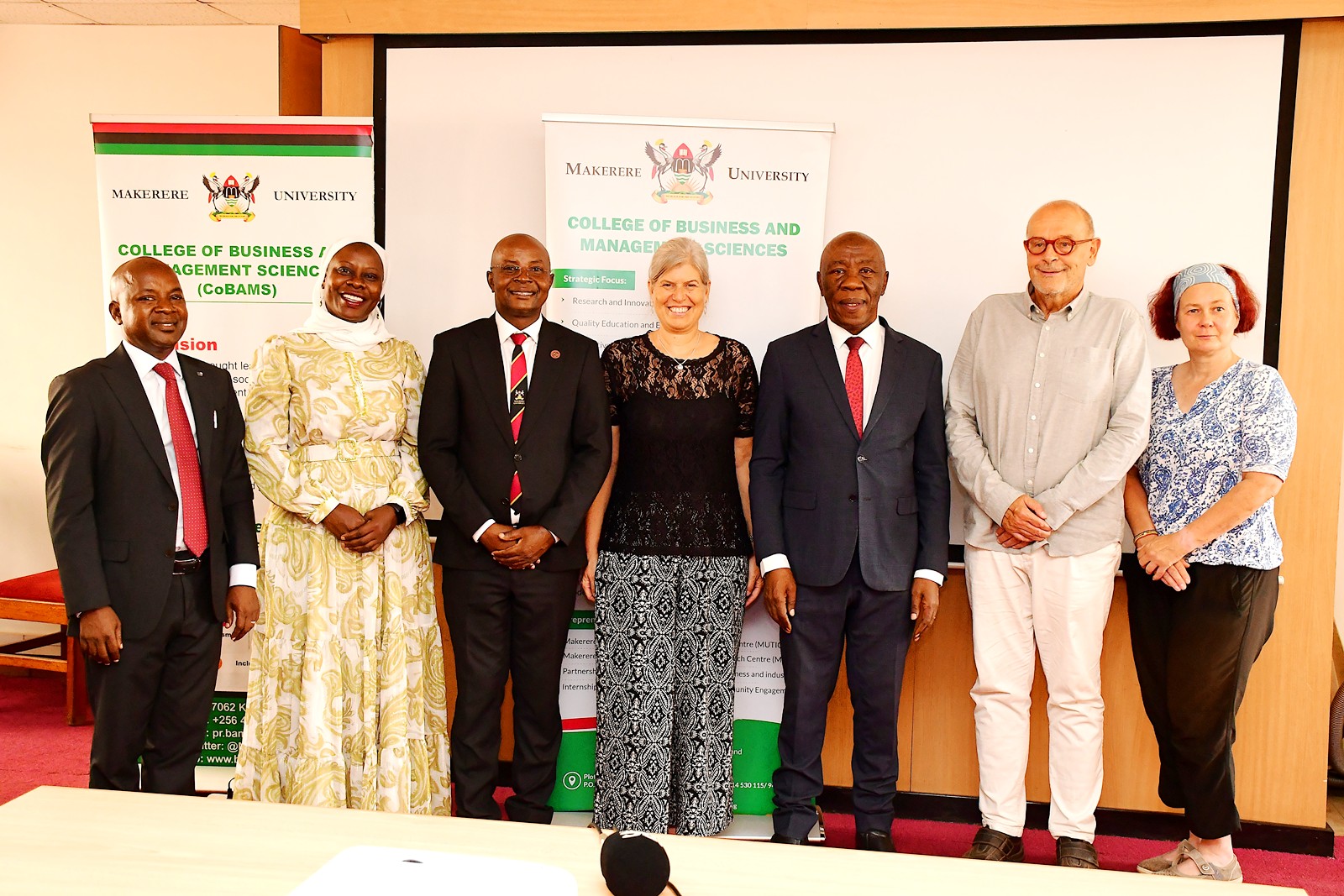
Appreciation by the Vice Chancellor
He commended the PolyCIVIS team and partner universities for bringing the initiative to fruition, expressing confidence that the programme would generate practical and innovative polysolutions to some of the challenges facing societies.
Strengthening international academic collaboration
In his capacity as Principal of CoBAMS, Prof. Edward Bbaale described the programme as a significant reflection of the College’s commitment to fostering an integrated approach to teaching, research, policy engagement and international collaboration.
He noted that the increasingly complex challenges facing society require institutions and professionals to transcend geographical and disciplinary boundaries and collaborate across diverse fields of expertise.
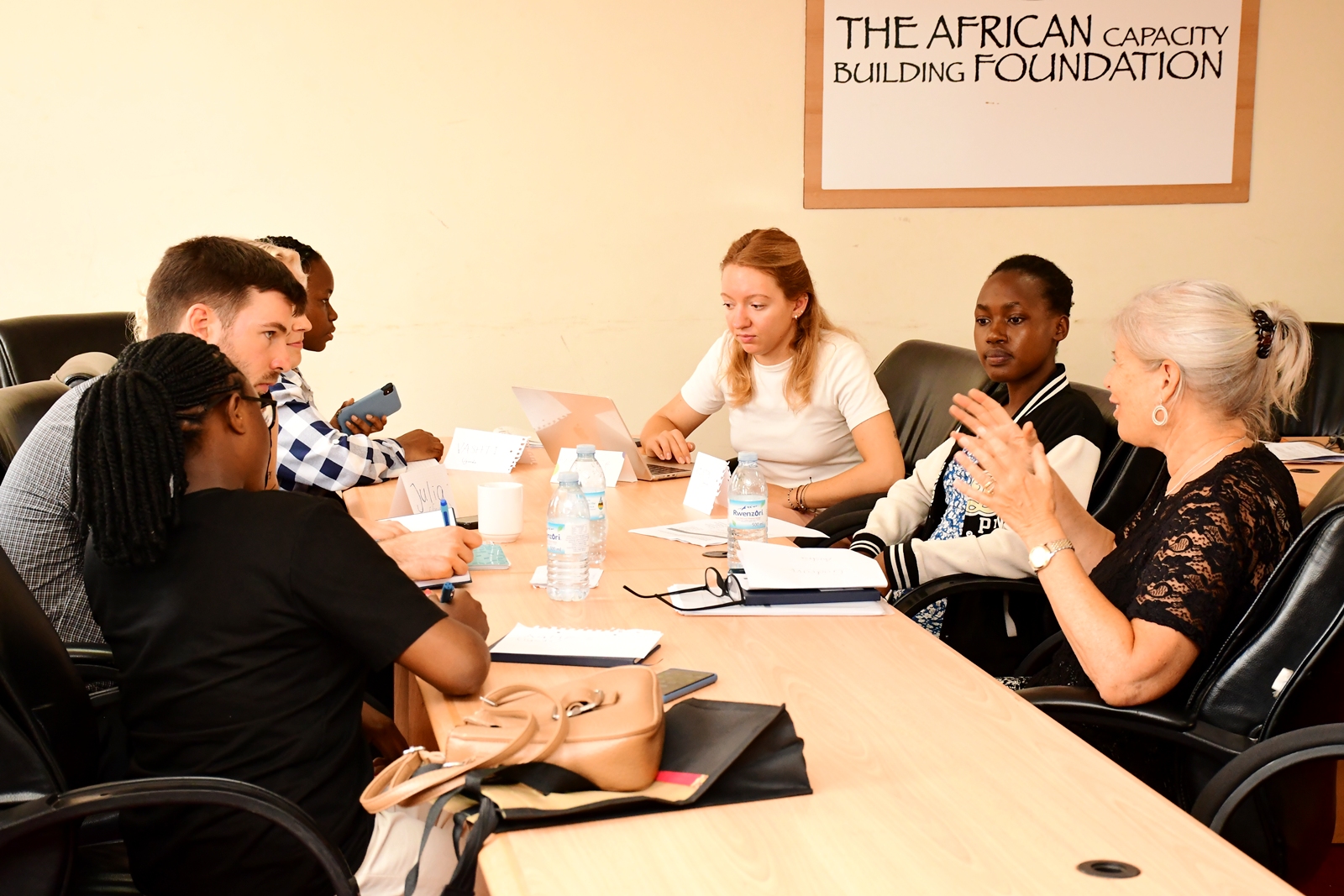
Prof. Bbaale further highlighted the value of bringing Makerere students and faculty into direct engagement with colleagues and practitioners from partner universities.
“Such engagements enrich the learning experience while creating opportunities for sustained collaboration in research, teaching and student supervision. For Makerere University, the programme represents a practical expression of its internationalization agenda, creating opportunities for students and academics from different countries to exchange knowledge, share expertise and work together to address complex societal challenges.”
Preparing future leaders for complex challenges
The programme seeks to enable learners to identify, assess and manage polycrisis situations in line with the UN Sustainable Development Goals (SDGs), while building competencies in addressing the social, environmental and economic dimensions of crises.
It also aims to develop practical skills in designing and evaluating integrated policies and polysolutions, including effective communication and public awareness strategies.
Ultimately, the initiative seeks to strengthen participants’ critical thinking, digital, spatial and 21st-century skills while promoting interdisciplinary and transdisciplinary collaboration.
The BIP also serves as a pilot initiative for the planned Joint Master’s Programme on Managing Polycrises under the PolyCIVIS framework.
-
 General1 week ago
Statement on Concerns Circulating Regarding a Member of Academic Staff
-
 General1 week ago
Press Statement: Incident Involving Death of a Student at Makerere University
-
 General2 weeks ago
Makerere Marathon 2026 – Running to Equip the Disability Support Center
-
 General1 week ago
JNLC Leadership Symposium Equips Young Leaders for Responsible and Transformative Leadership
-
 General1 week ago
Beyond Map Size: Africa’s Agency Should Not Be Funded by Other People